
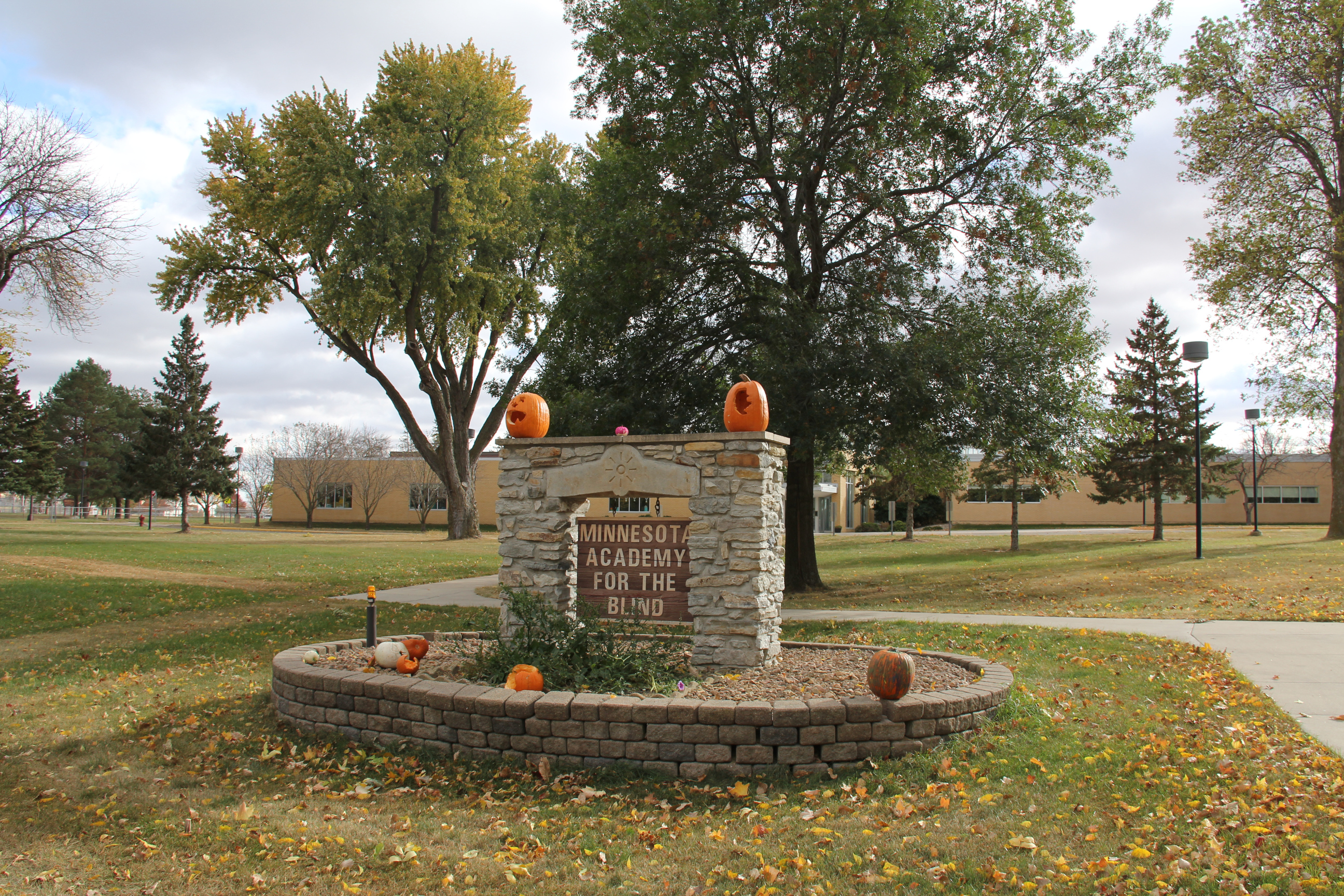
AS SOMEONE WHO DEALS with vision and hearing impairments, I feel fortunate to live in a community with a heightened awareness of those issues. Faribault is home to the Minnesota State Academies for the Deaf and Blind. Medical professionals offer local care in vision and hearing. And the Faribault Lions Club, focused on both, is especially active.
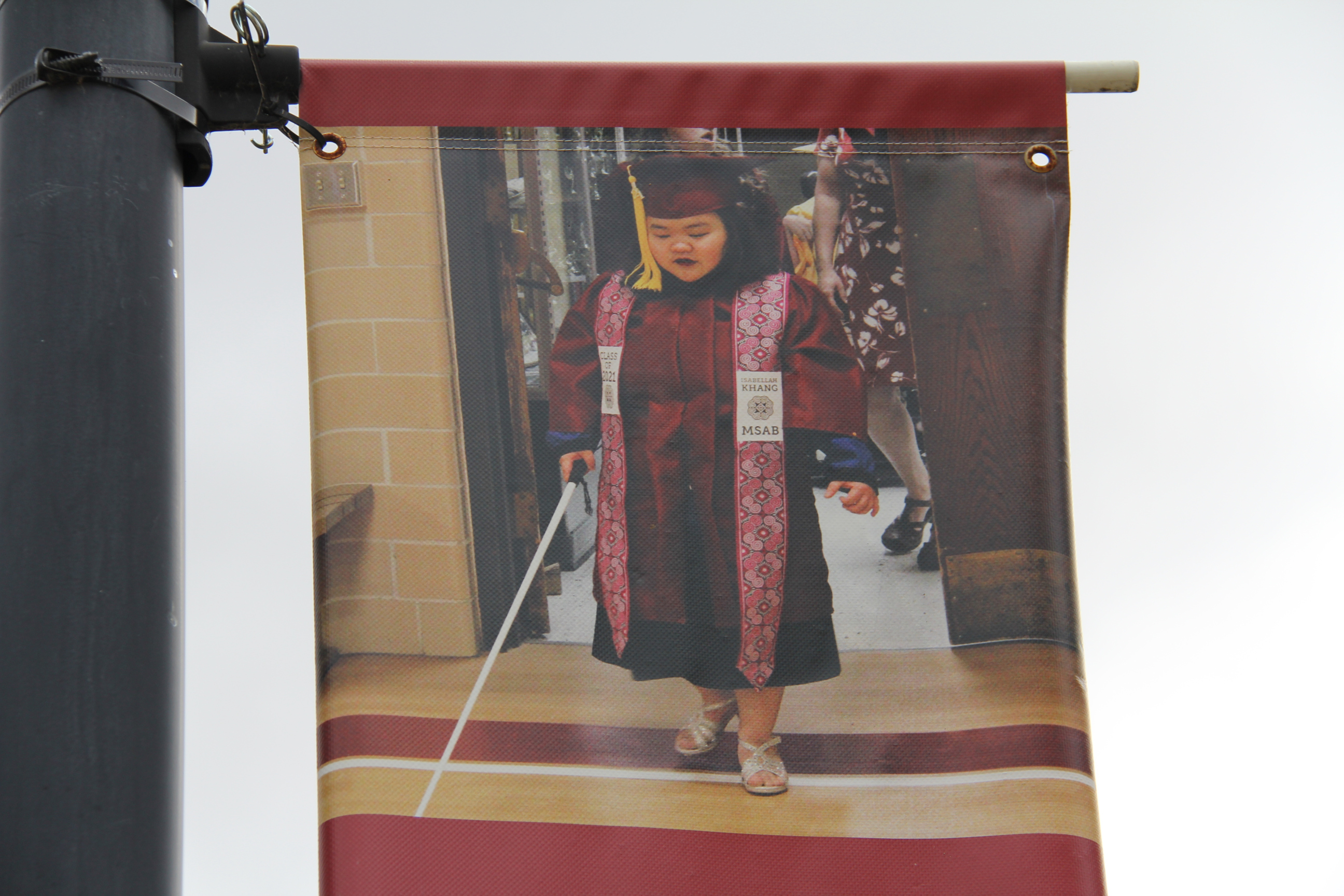
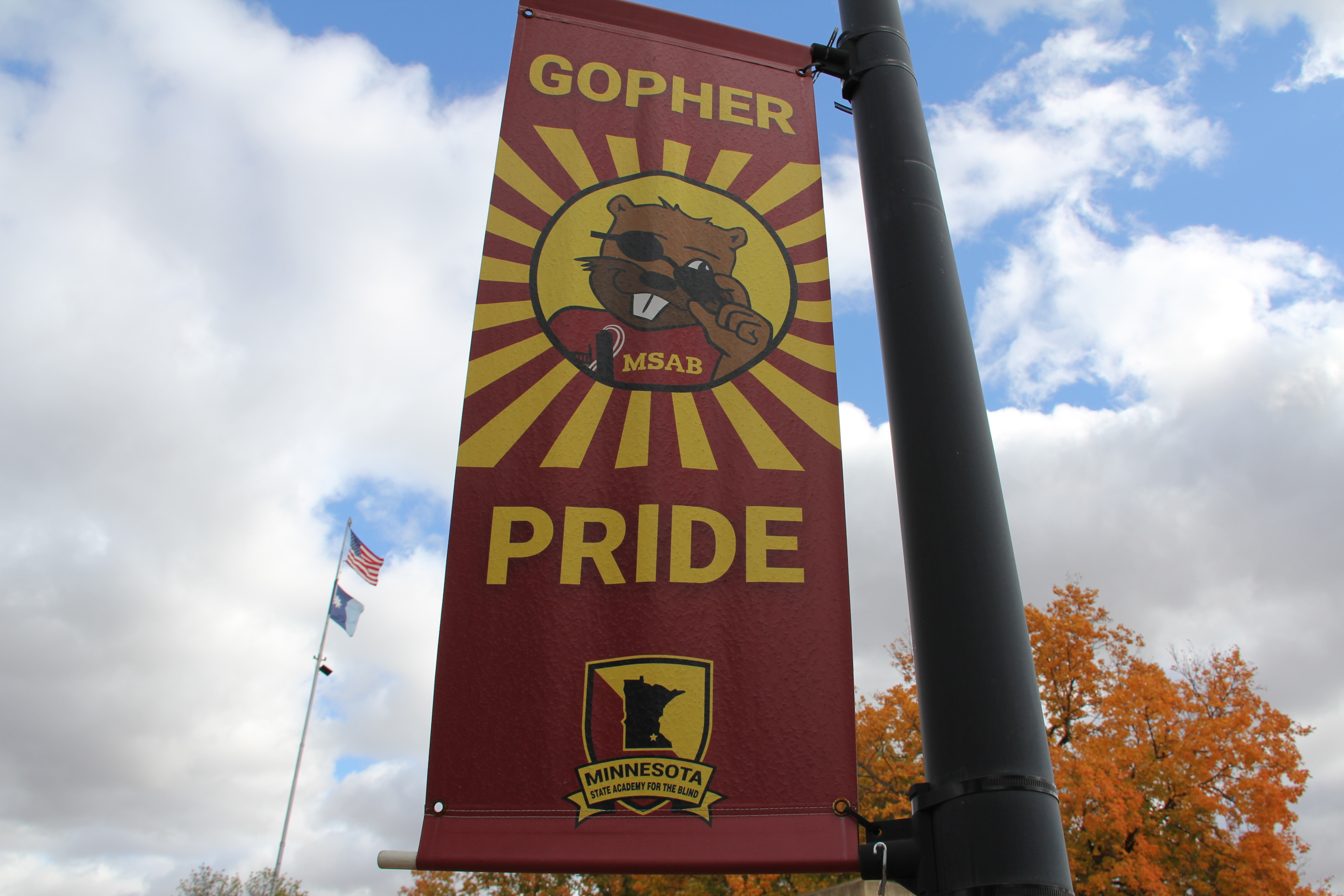
And that is why I met local Lion John Battles and learned about White Cane Awareness Day, celebrated annually on October 15. Battles was standing inside the exit area of Fareway Foods handing out information about white canes and collecting donations. Those monies will help blind and visually impaired individuals deal with mobility issues. For example, past gifts have been used to purchase canes and/or replacement tips for students at MSAB.
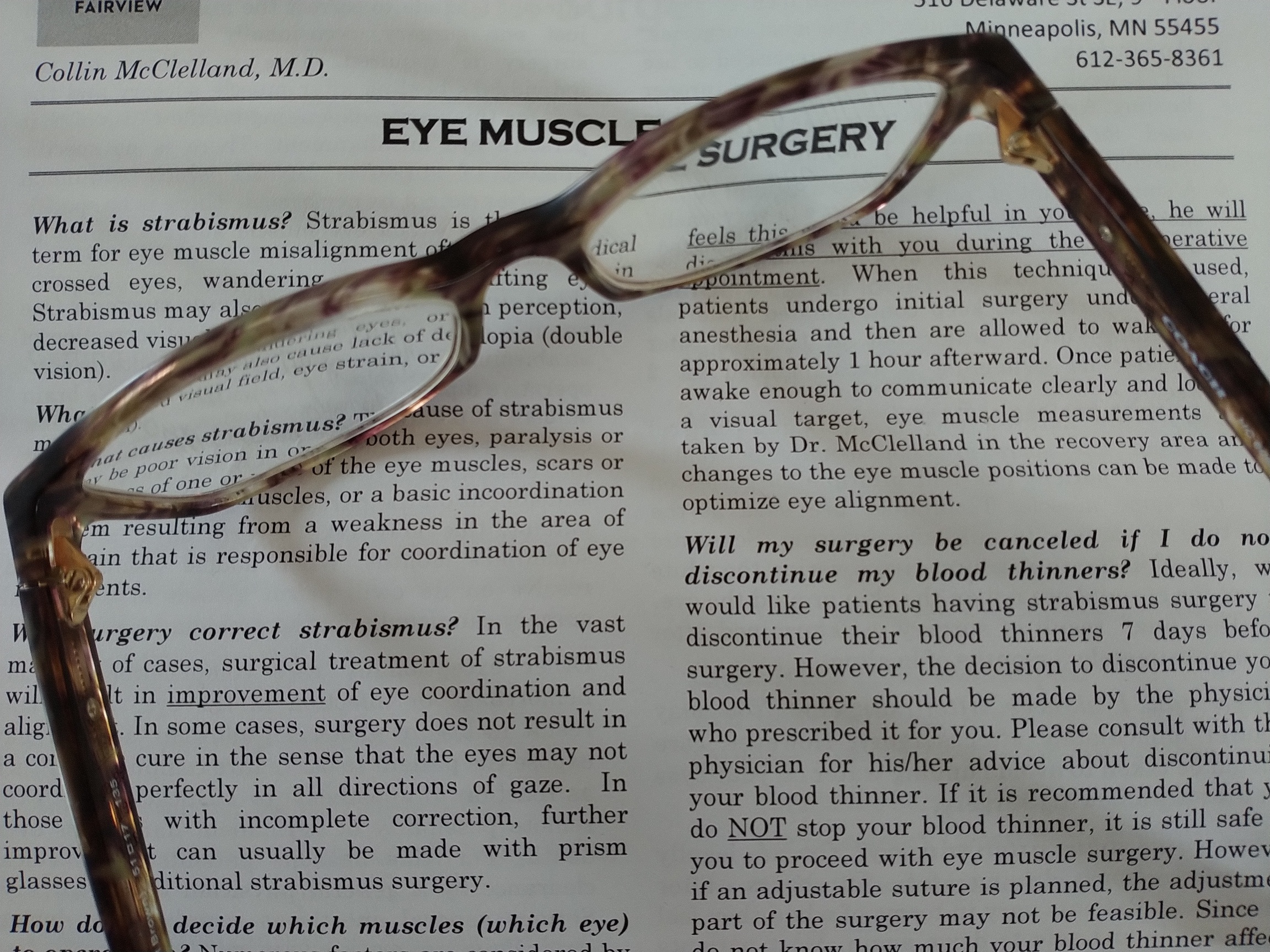
I paused to drop money into John’s bucket and also to chat a bit about the Lions’ work and my own struggles with vision. I’ve been diagnosed with bilateral strabismus and in January underwent surgery to realign my eyes with the goal of eliminating my double vision. Unfortunately, the corrective surgery did not work long-term. That’s true in 10-20 percent of surgical outcomes. Rather than attempt another surgery, I opted to try prisms in my prescription eyeglasses. Adjusting to the high number of prisms took time and they are not perfect. I struggle with depth perception and sometimes still see double. But, as I told John, at least I can see.

My vision issues are not something which suddenly developed. Rather, I was born with misaligned eyes, requiring strabismus surgery at age four. I am forever grateful to my parents for understanding the importance of corrective surgery. Although I never asked, I expect it was a huge financial burden for them. Had I not undergone this operation at the hospital in New Ulm, I likely would have gone blind in my less dominant eye.
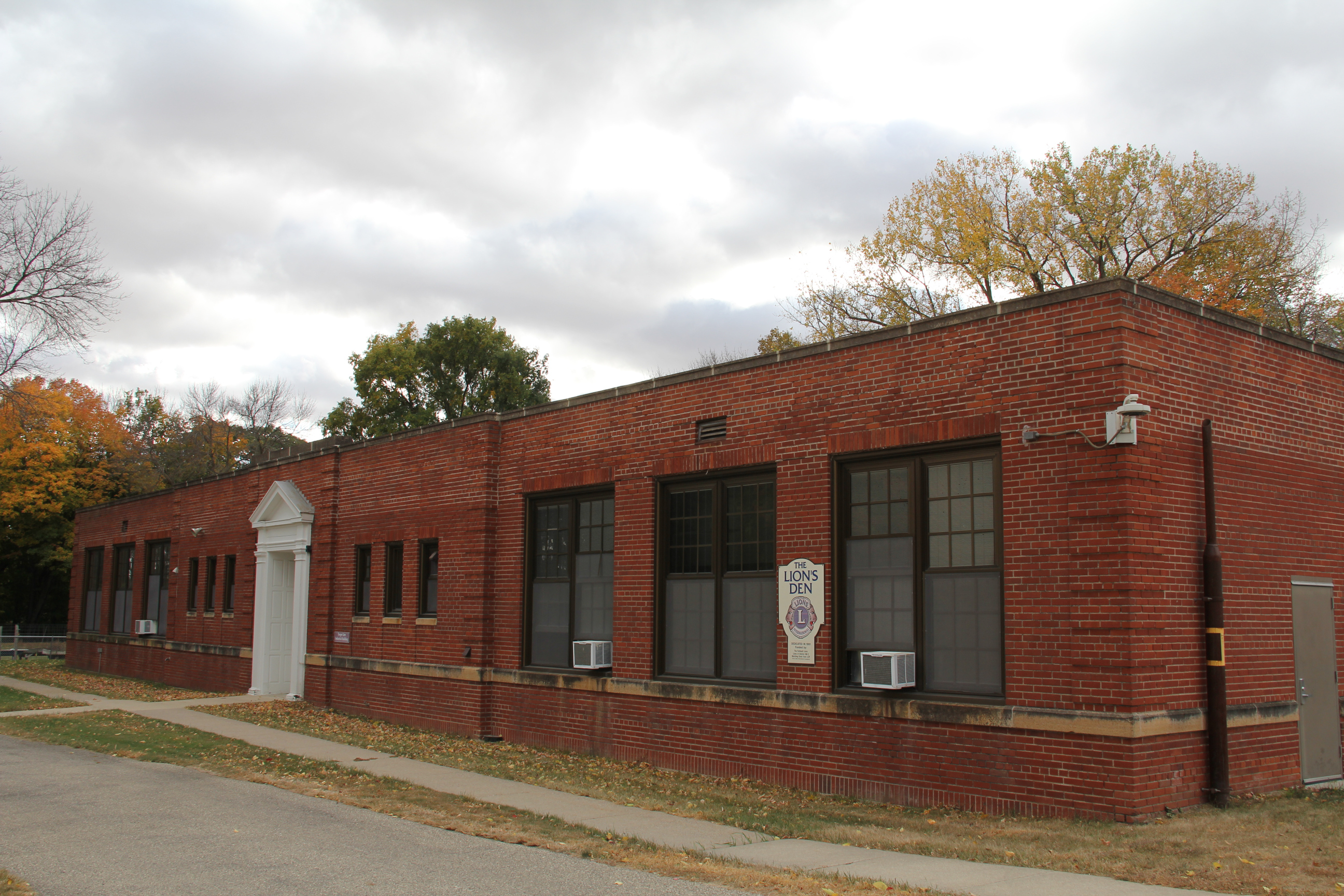
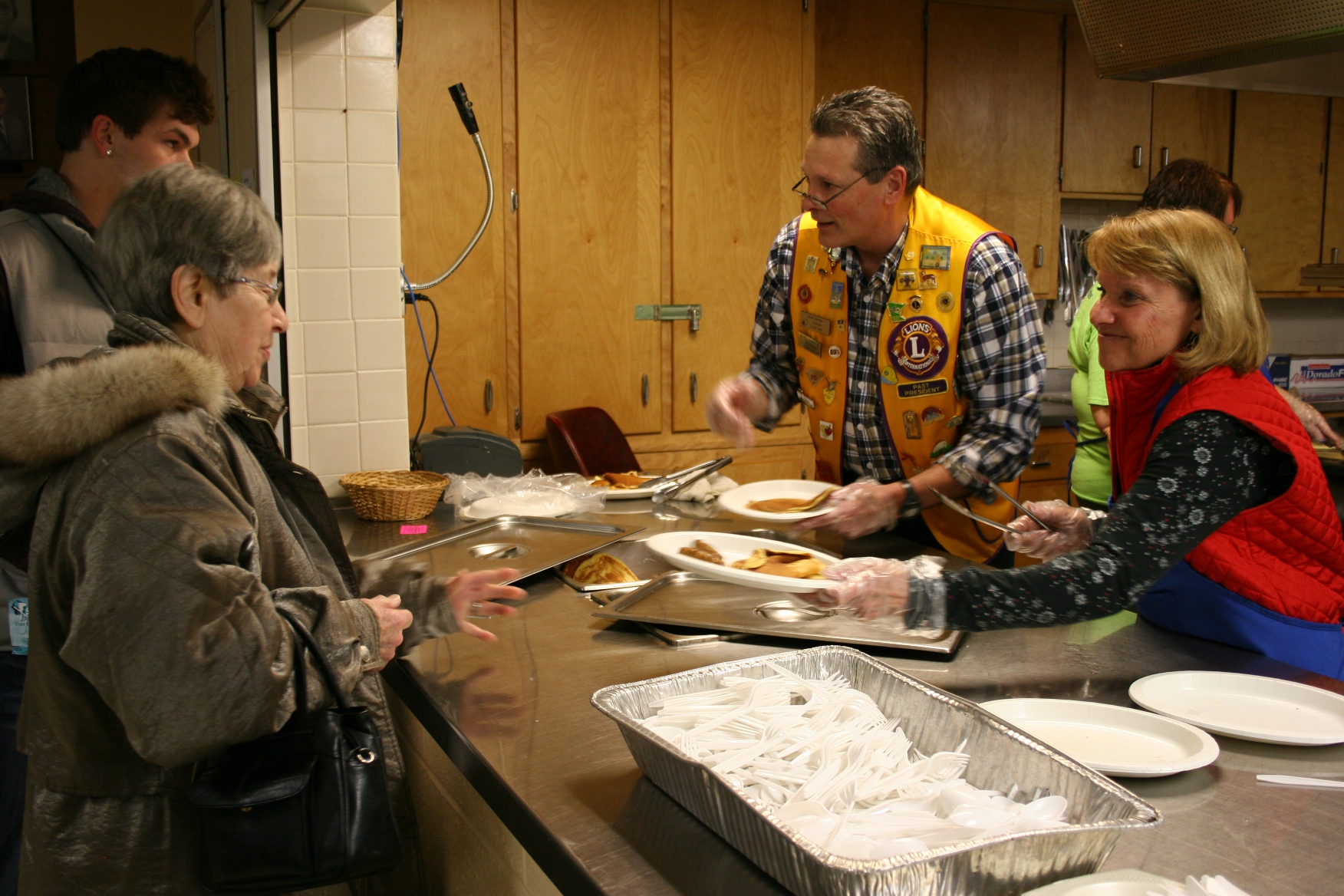
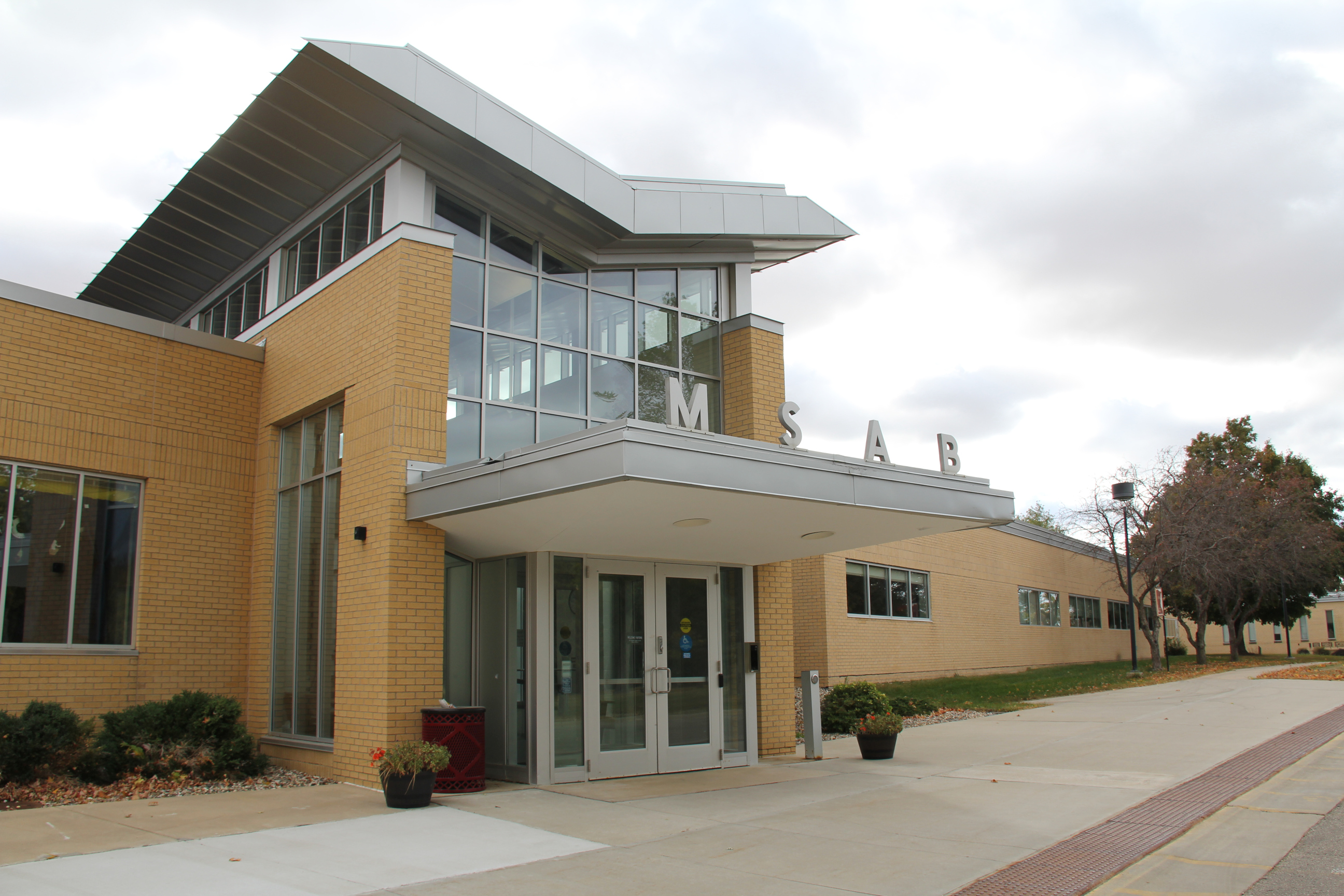
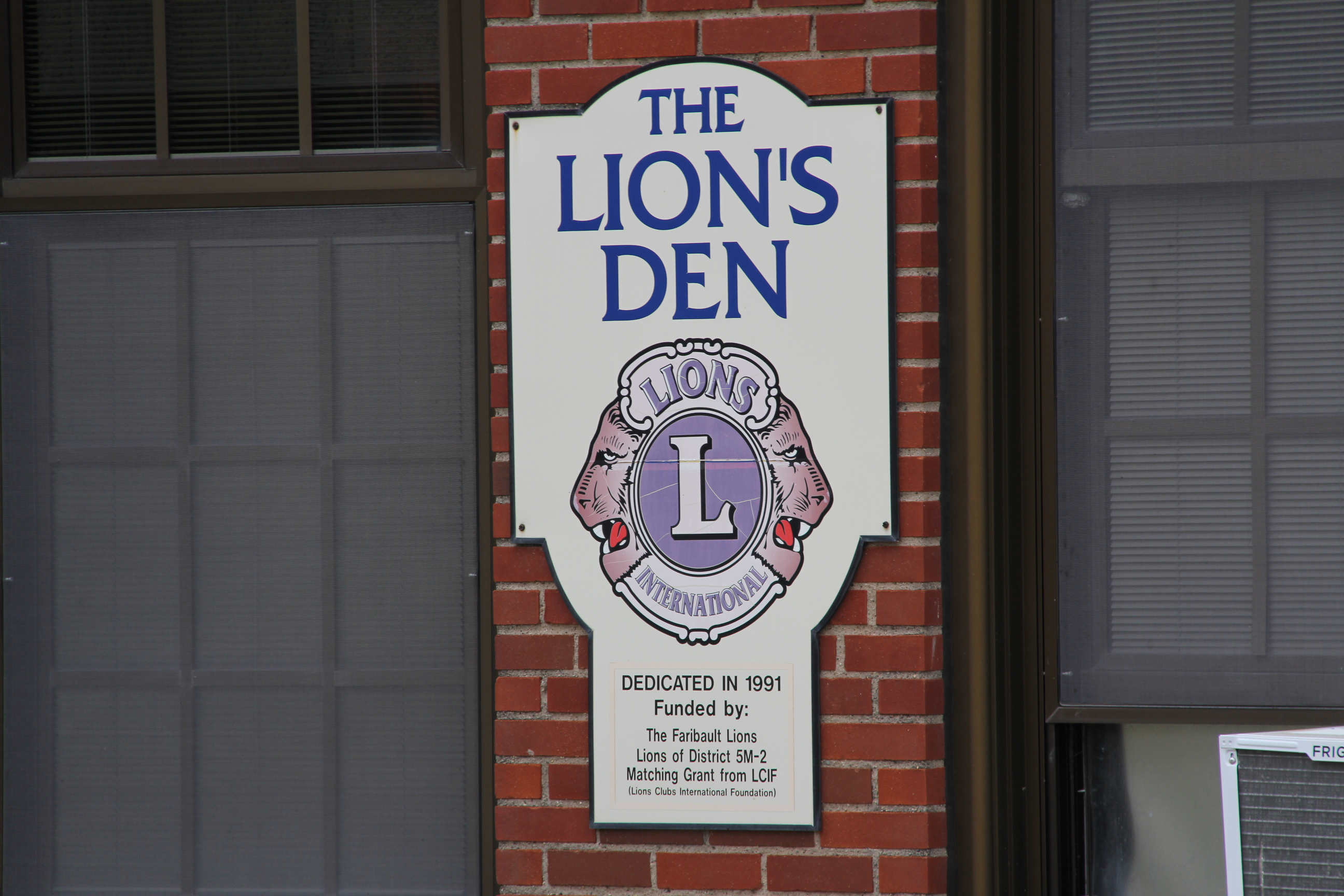
As I shared parts of my story with John, I felt his empathy and his strong desire to help others. The Faribault Lions clearly practice their motto of “We serve.” They collect used eyeglasses and hearing aids, offer vision screenings for kids, support Can Do Canines (which trains service dogs), funded the Lion’s Den apartment at the school for the blind (helping students adjust/learn in an apartment setting) and much more. Their service projects are not solely focused on vision and hearing.
But on this day, I want to highlight the efforts of John and his fellow Lions to educate the public about white canes. In the printed information John distributed at the grocery store, I learned that the idea of white canes originated in 1930 with the Lions Club of Peoria, Illinois. The club president suggested white canes with red tips as a tool to help those with visual impairments. The idea caught on as a way to grow their independence and also as a way to create awareness among the public.
Awareness is assuredly a goal of the Lions. The informational sheet from John quotes two subdivisions of Minnesota state law #169.202 regarding white cane usage and how those operating motor vehicles must stop and yield to those carrying white or metallic canes. That seems common sense. But sometimes common sense is elusive.
I appreciate the efforts of the Faribault Lions, especially when it comes to vision and hearing. They are determined to raise awareness, offer financial and other support, and make a difference for those of us who have vision and hearing impairments. Mine are manageable. I can see. And I can hear, even though I have profound hearing loss in my right ear (due to sudden sensory hearing loss from a virus).

It’s humbling to sit in the packed waiting room of a specialty clinic like M Health Fairview Eye Clinic on the campus of the University of Minnesota and see young children with white canes. That puts my vision issues in perspective. In every situation, opportunities exist to learn and to grow empathy. I did and I have. And now, thanks to Faribault Lion John Battles, I have grown my understanding of White Cane Awareness Day and how much my community cares.
© Copyright 2024 Audrey Kletscher Helbling


 Minnesota Prairie Roots
What an informative and important post, creating awareness. I’m sorry your surgery wasn’t more successful, Audrey. That is a dear photo from your childhood. Steve is a Lion.
Thank you, Ruth. And please thank Steve for his service as a Lion. I don’t have many photos from my childhood. So, yes, this one is precious.
I have not heard of White Cane Day. Thanks for informing us.
It was also fun to read about John Battle’s volunteer activity…we know him personally.
I really enjoyed meeting John and learning more about him and some of the challenges in his family with his sons’ heart and lung transplants. He struck me as incredibly compassionate. I am not at all surprised he is your friend.
thanks for sharing this Audrey. I never knew much about the Lions Club or the white canes, and this fills in the blanks for me. What incredible work they do to help others, and as you said, having gone through these issues yourself, makes it all more poignant. I do think awareness is important, to help to grow support and to inform the public about how to best respond to, or help a person with a white cane. you are right to have found gratitude it all of this, in spite of your own challenges, and it helps put it all in perspective. someone always has it worse than us.
It’s always good to learn. And I’m happy to share not only what I learn, but my experiences.
what a great cause to donate to. So sorry to hear that you didn’t have good results after that surgery. I will continue to keep you in my prayers ❤️
Thank you for caring, for praying. I appreciate you.