
STORIES CONNECT US on a personal level. And now, more than ever, it’s important to hear and read the stories of others to grow understanding, acceptance and community.
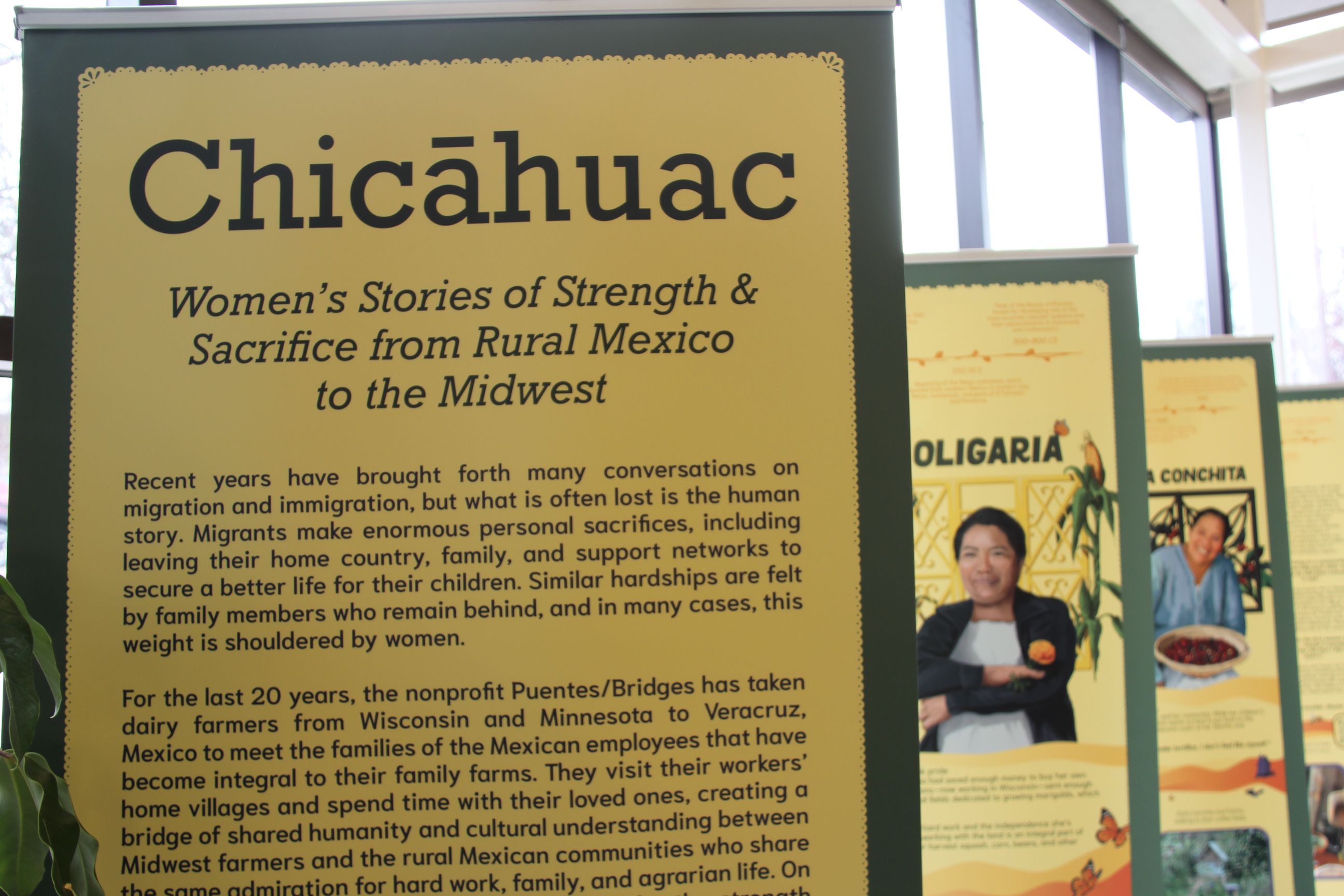
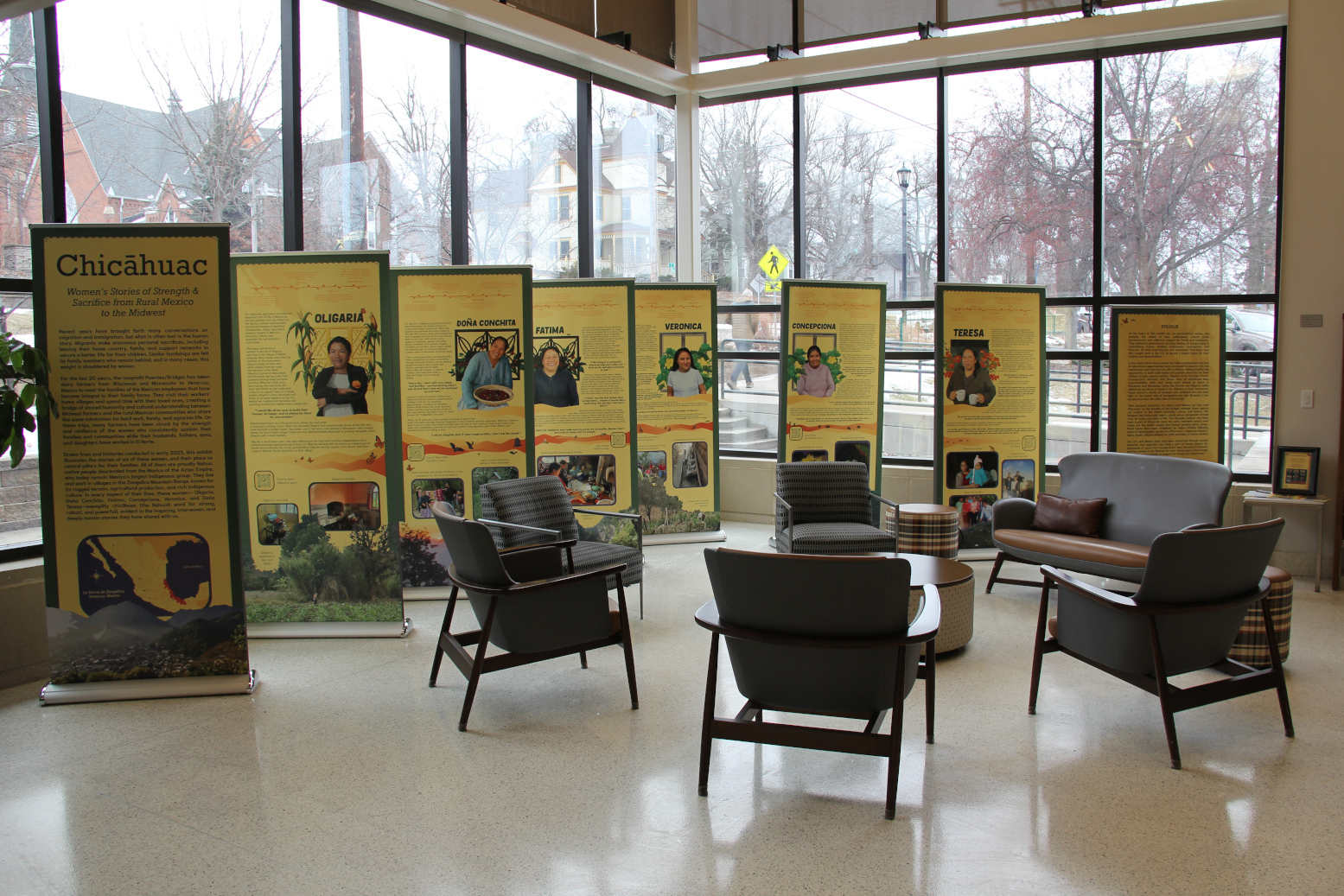
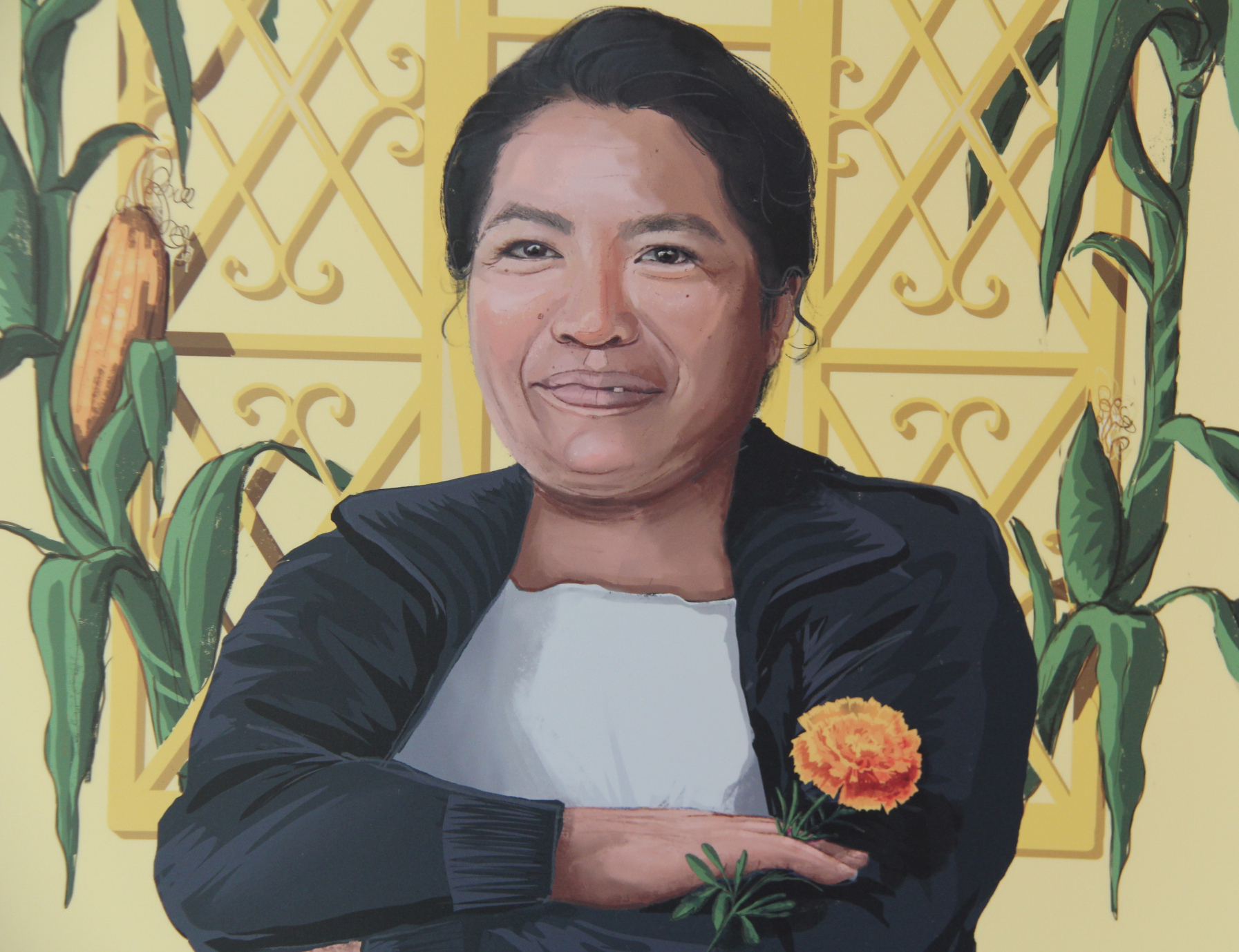
To that end, I feel grateful for “Chicāhuac: Women’s Stories of Strength & Sacrifice from Rural Mexico to the Midwest,” a traveling exhibit currently displayed at the Northfield Public Library. This bilingual exhibit shares the stories of six strong women: Concepciona, Doña Conchita, Fatima, Oligaria, Teresa and Veronica.
“Chicāhuac” is an endeavor of Puentes/Bridges, a nonprofit that helps farming communities in southeastern Minnesota and western Wisconsin bridge cultural and language gaps between Mexican workers, farmers and communities. During the past 20 years, dairy farmers have traveled to Mexico to meet the families of their employees. Fifth-generation Wisconsin dairy farmer and co-founder of Puentes/Bridges, John Rosenow, sparked this public storytelling project.
Many dairy farmers in both Minnesota and Wisconsin, including Rosenow, rely on Mexican migrants to milk and care for their cows. Two of the women profiled in the exhibit worked on U.S. dairy farms before returning home to Mexico.
As someone who grew up on a family dairy farm, I understand the value of skilled laborers committed to being there day in and day out to milk cows. Advances in mechanization have certainly made milking cows easier in the years since I left the farm. But it’s still not a job many would choose. Yet, these men (and some women) from Mexico are choosing this work to support themselves and their families across the border.
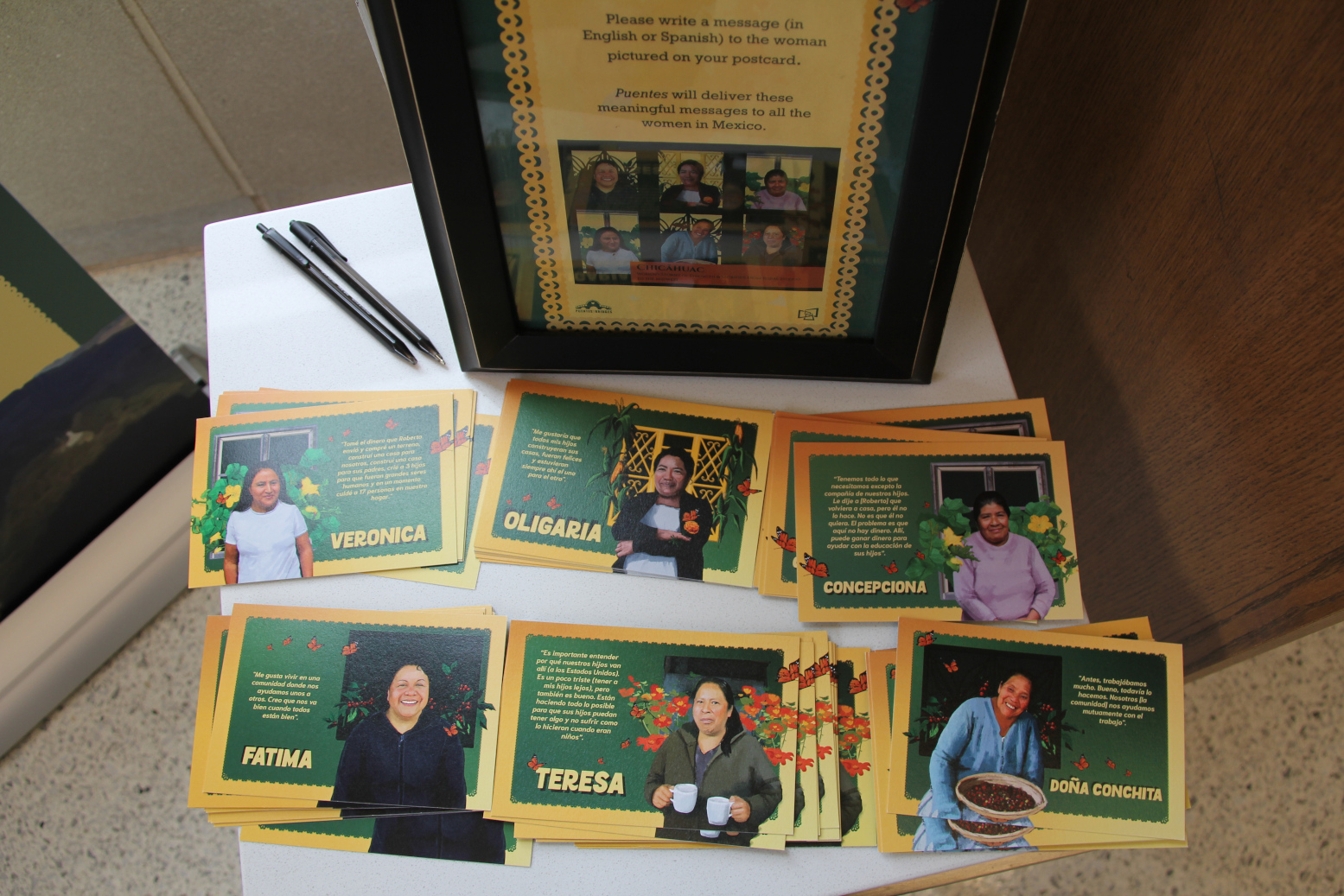
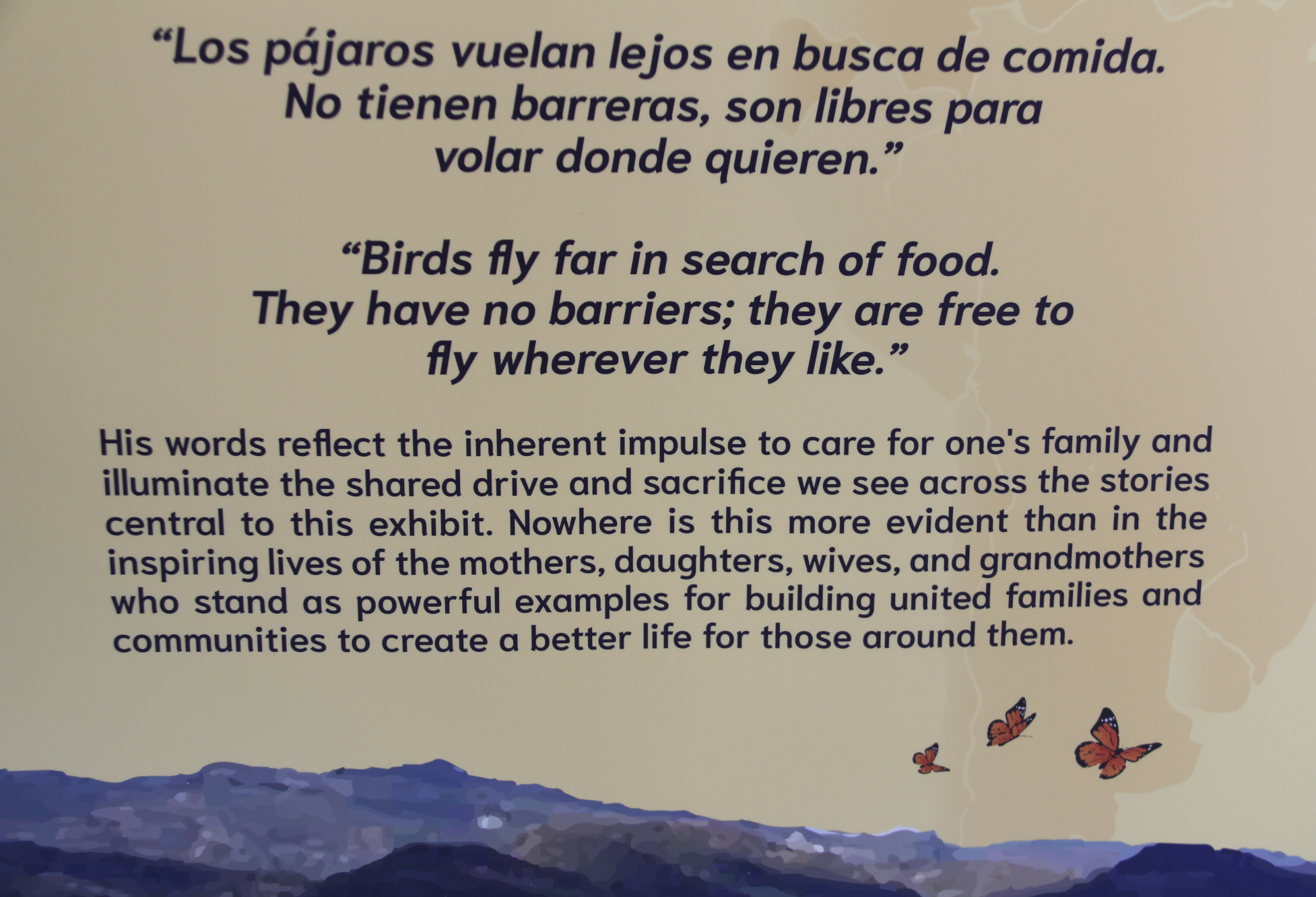
Support of family is a consistent theme running throughout the narratives of the six women featured in the exhibit. Their loved ones in America send money back to Mexico so their families can have a better life.
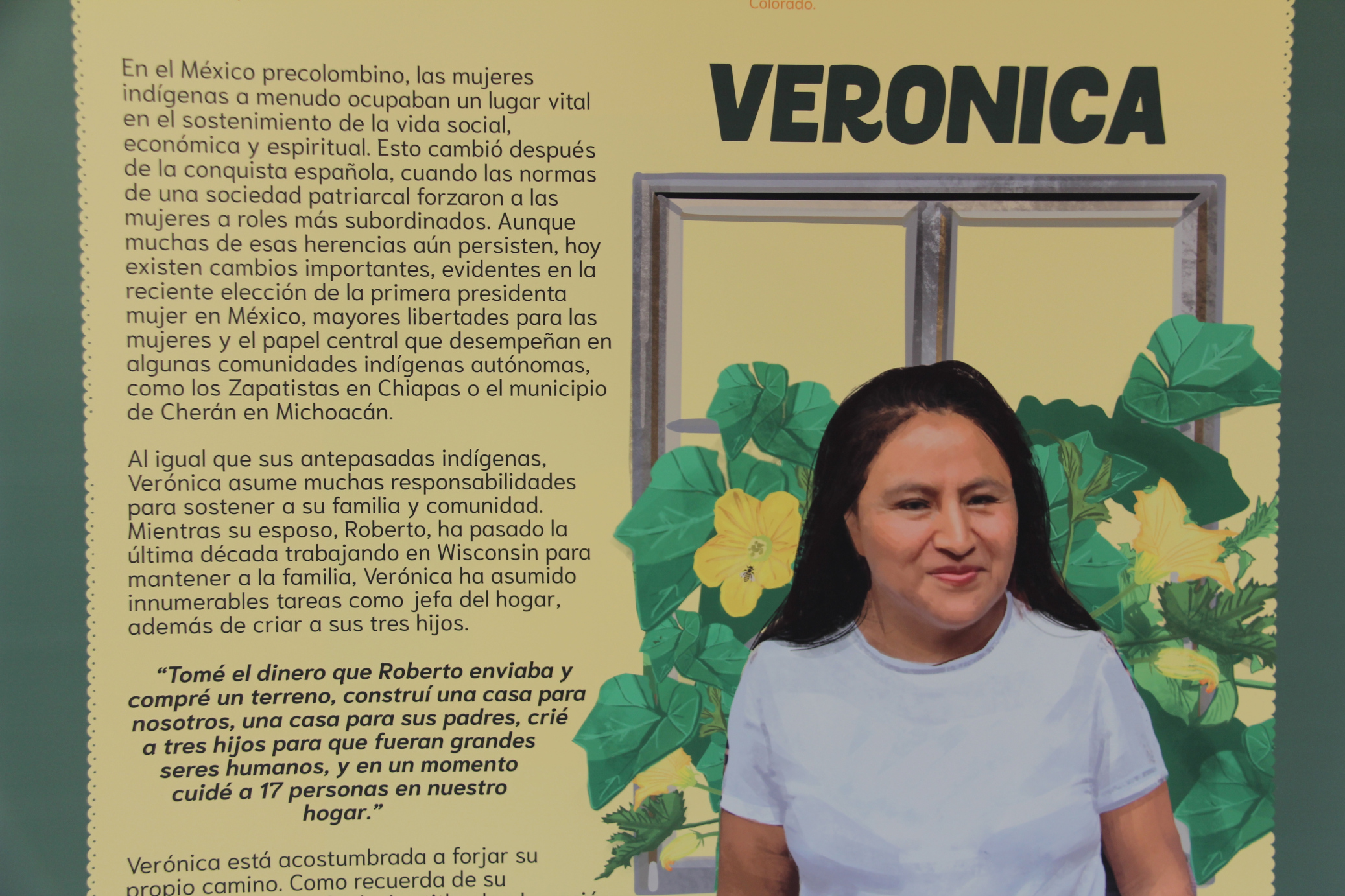
In her words, Veronica says, “I took the money Roberto sent and bought some land, built a house for us, built a house for his parents, raised three kids to be great human beings, and at one time cared for 17 people in our household.”
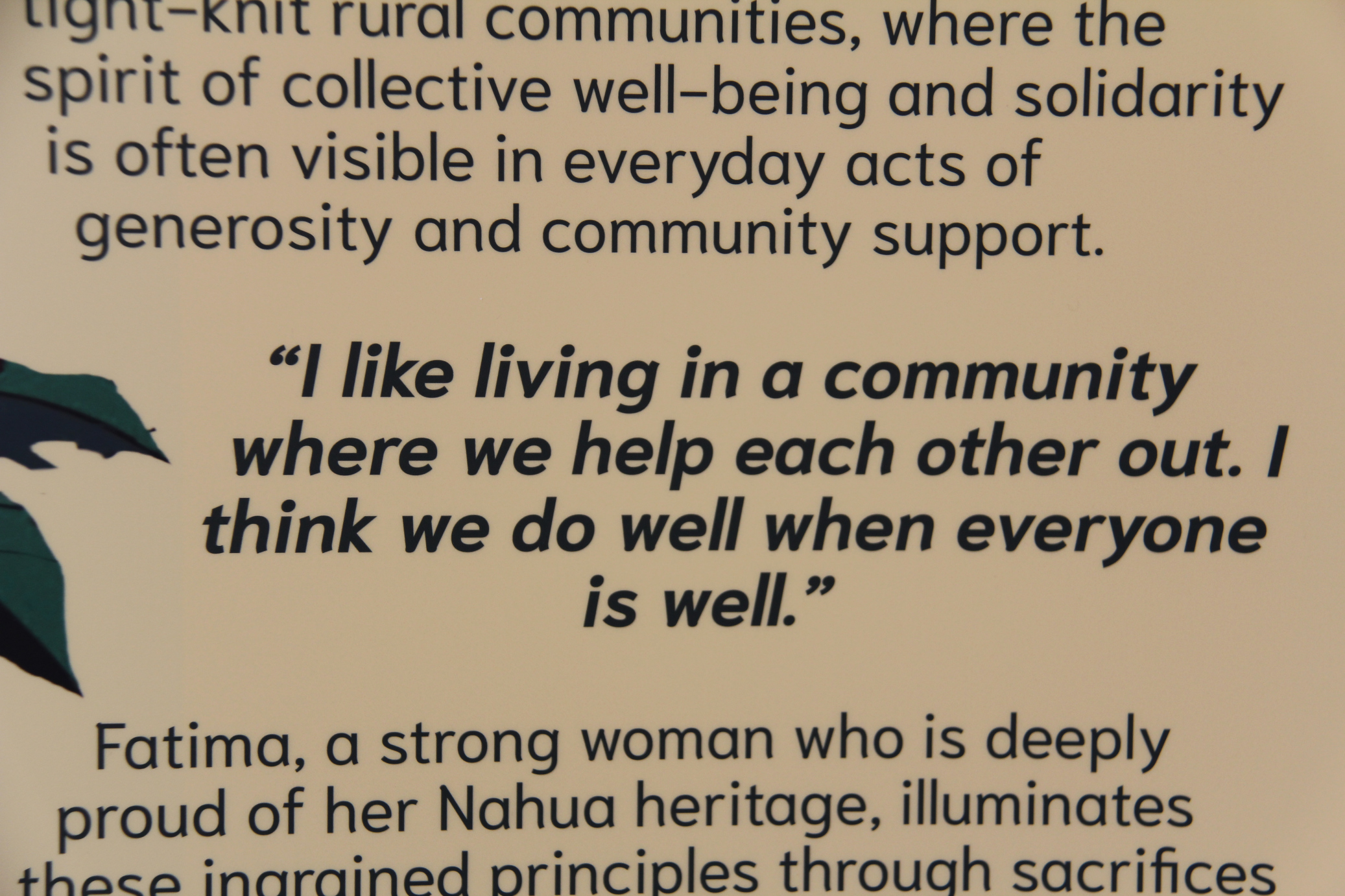
I’ve long understood the high value Latinos place on family, observing those strong ties while out and about in my community. The words of these six women reaffirm “familismo,” placing family needs above that of the individual.
Yet, the separation of families takes an emotional toll on those left behind in Mexico and those now living in America. “When they go, it’s so sad,” says Teresa. “One suffers a lot. You cry when they go. You don’t know how long it will take them, when they’ll arrive, how they’ll be treated, who will give them a little glass of water if they need it?”
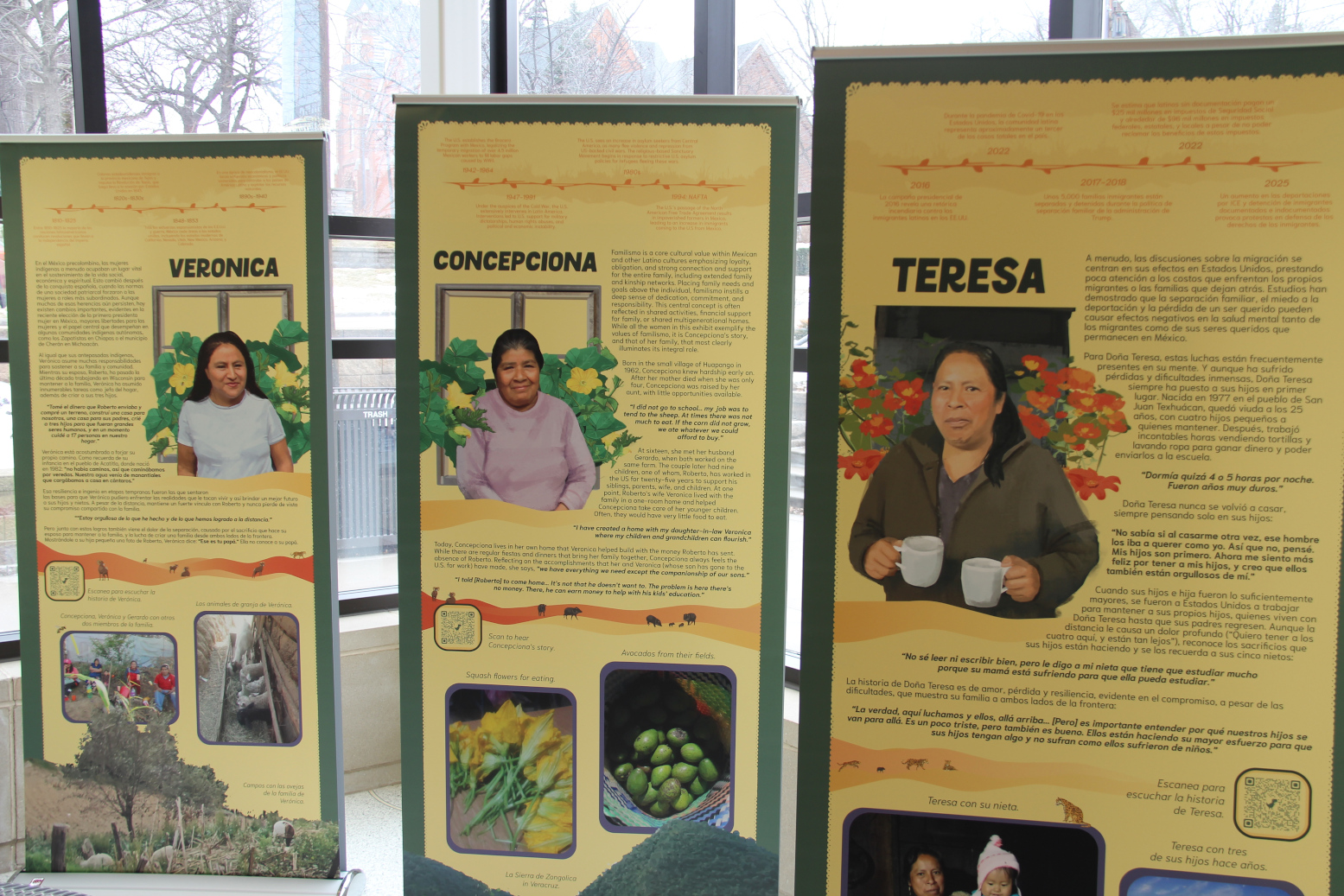
Imagine if you were that mother—Concepciona, Doña Conchita, Fatima, Oligaria, Teresa or Veronica. I admire the strength of these women who endure much, who remain strong and resilient.
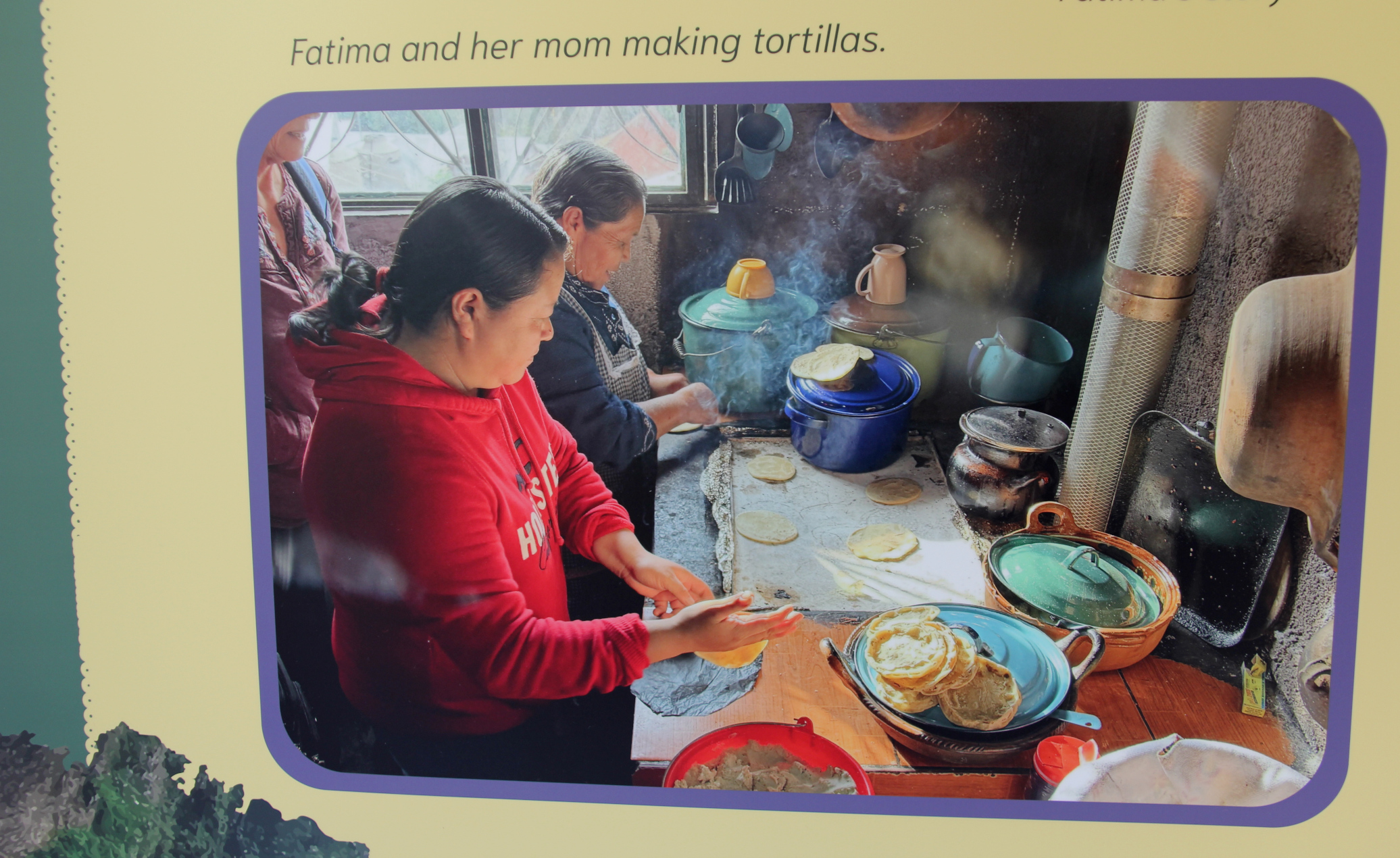
Back in Mexico, these women grow corn, make tortillas, spin wool into yarn, run a school supply store and much more. They care for their families, honor and celebrate their culture, connect with and embrace their communities.
Their stories matter. They matter. And it’s important for all of us to understand that.
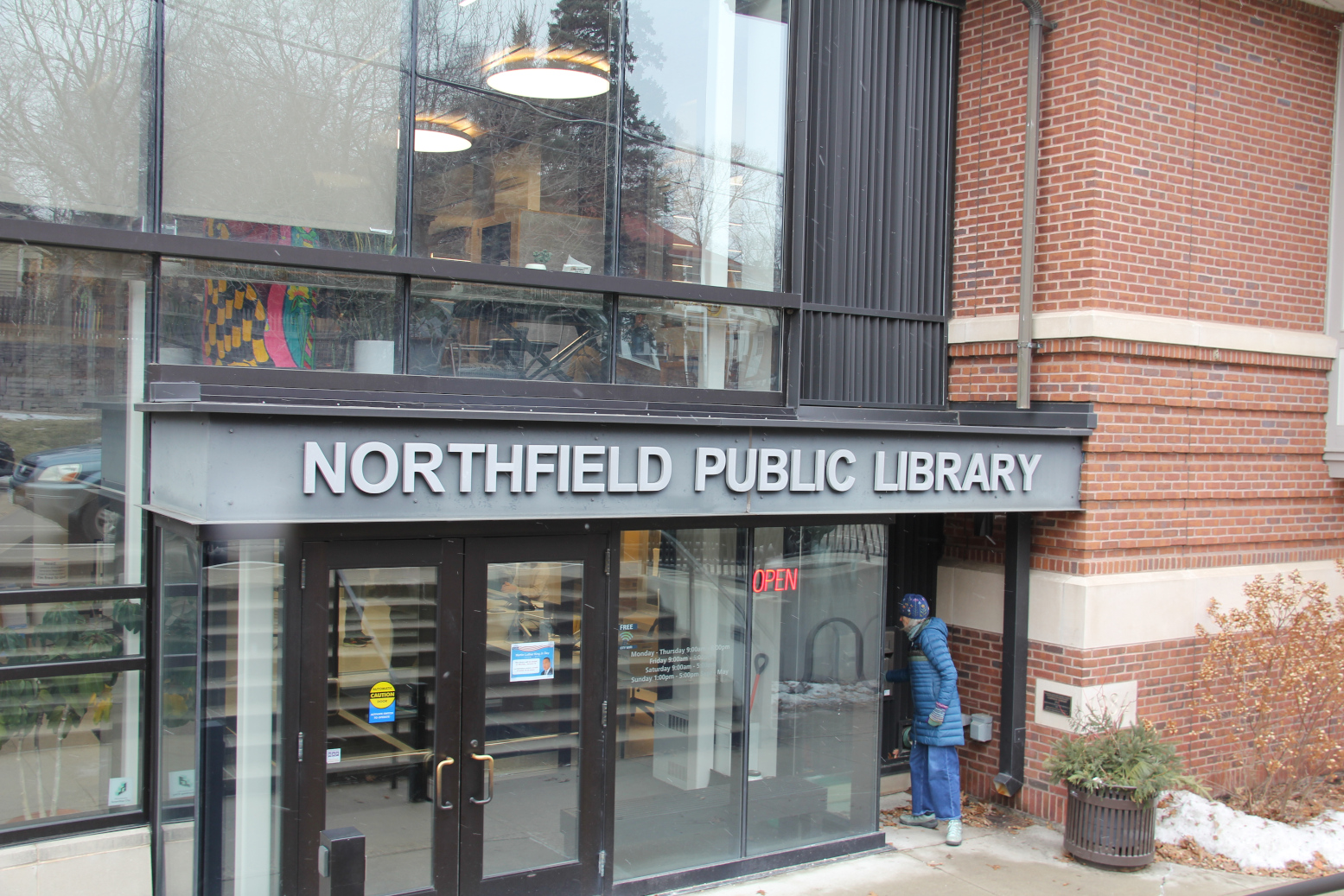
FYI: “Chicāhuac: Women’s Stories of Strength & Sacrifice from Rural Mexico to the Midwest” will be at the Northfield library until February 4. Then it moves to the Cannon Falls Public Library, opening there on February 5 through February 21. After that, Lanesboro, LaCrescent and Red Wing will host the exhibit. You can view the exhibit and learn more about Puentes/Bridges online at https://www.puentesbridges.org/ This exhibit stemmed from a 2025 trip to Mexico and a collaboration between Puentes/Bridges, the University of Wisconsin-Eau Claire and the Wisconsin Latinx History Collective.
© Copyright 2026 Audrey Kletscher Helbling


 Minnesota Prairie Roots
Recent Comments