Minnesota Prairie Roots

Writing and photography by Audrey Kletscher Helbling

A country school preserved in Millersburg October 3, 2010

MY HUSBAND THRILLS in talking about the coyotes at Chimney Butte School.

You have to admit that just the name of the rural North Dakota school, which Randy attended for 14 months in the 1960s, draws you in to listen.

His tale is short. One day Randy and his classmates couldn’t go outside for recess because of coyotes in the schoolyard. That’s it. Yet, the story deserves telling. How many men in their early 50s attended a country school? Furthermore, how many of those students encountered coyotes on a school day?

Preserving such memories is important. So is preserving the actual school building. Last Sunday I stepped inside a one-room Minnesota country school that has been restored and transformed into a museum. That’s nothing new, really. Old schoolhouses have also become township halls, private residences and businesses, although some have been abandoned and simply fallen into heaps of rotting wood.

Members of The Christdala Preservation Association are assuring that doesn’t happen to the District 20 Millersburg School in rural Rice County. The association has acquired the former schoolhouse and is transitioning it into a museum for the Millersburg community.
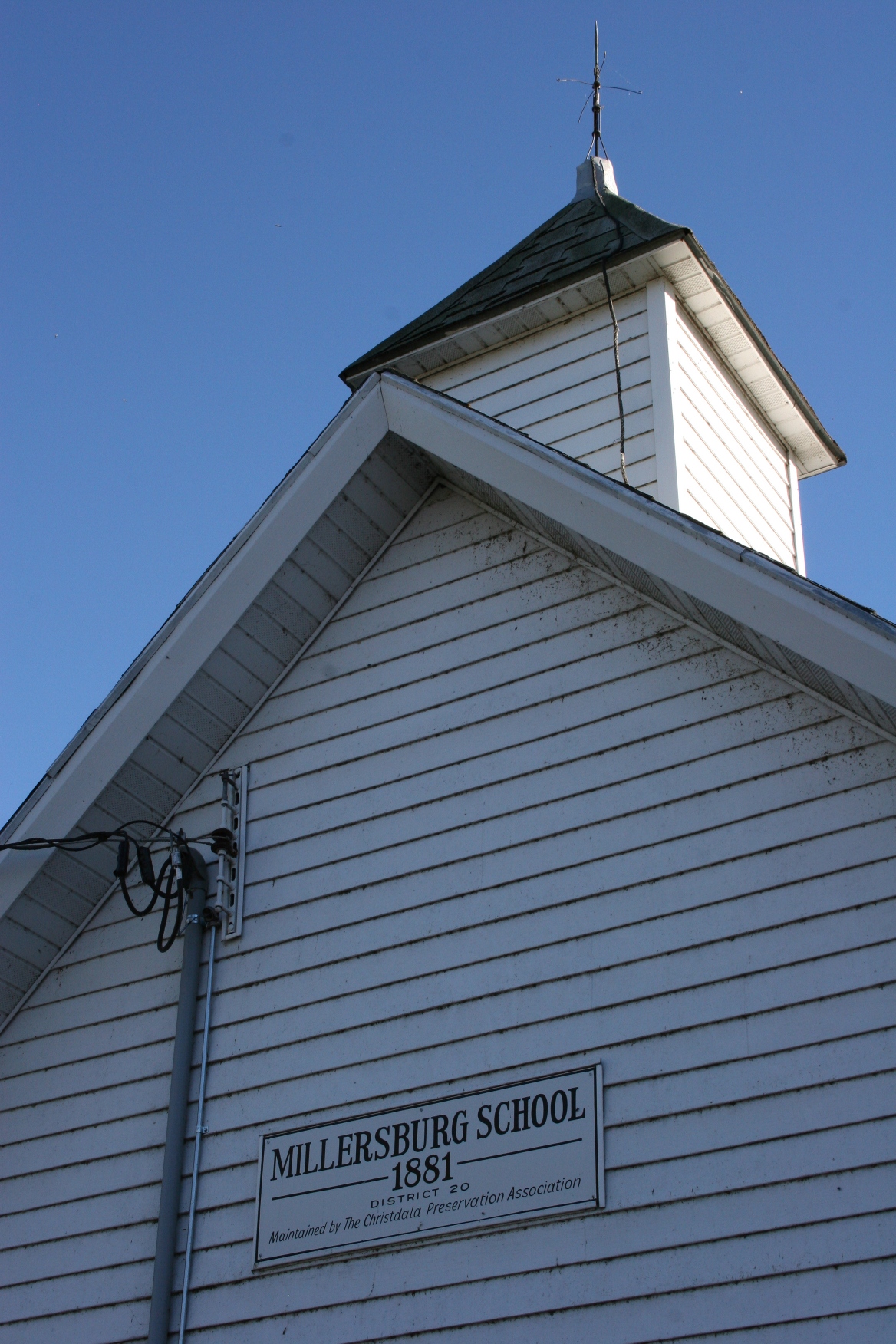
The 1881 Millersburg School is now a museum.
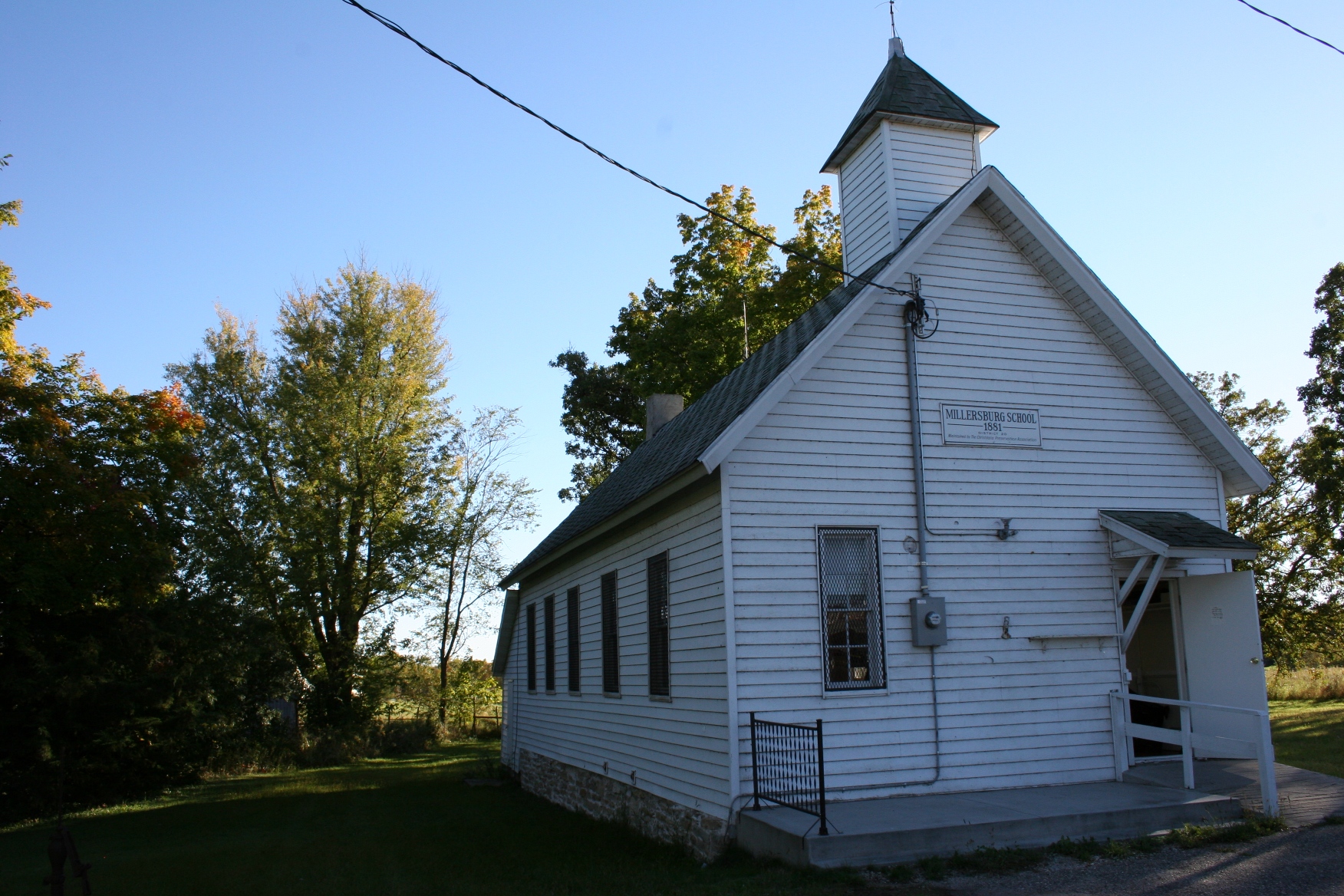
The old country school sits across the road from Boonie's restaurant and bar along Rice County Road 1.

Inside I discovered records and artifacts from the school and nearby Christdala Evangelical Swedish Lutheran Church, historic photos, an old buggy, military memorabilia and more.

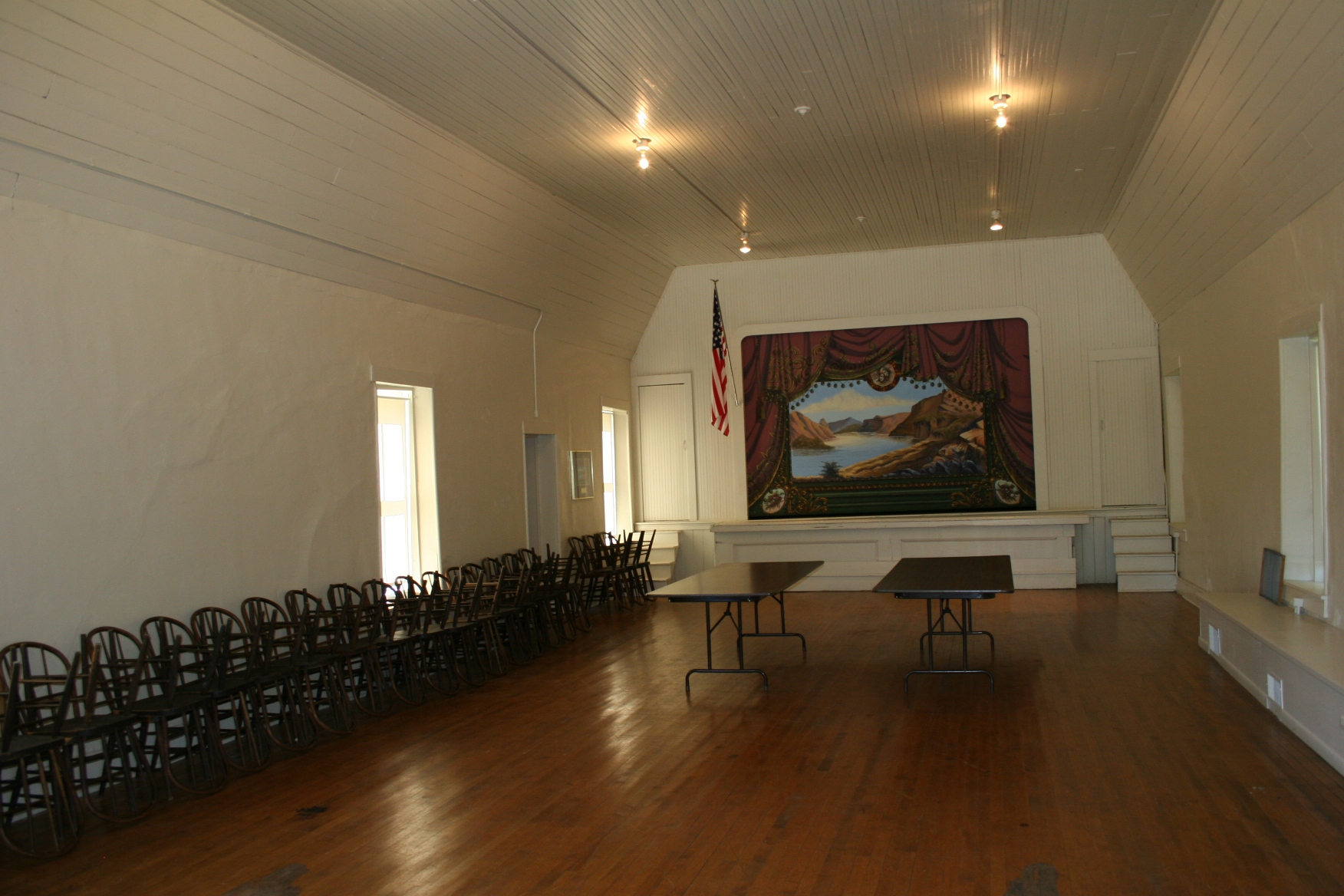
Mostly, though, I appreciated the care taken to restore the building. Gleaming wood floors made me want to push back the tables and chairs and host a square dance. These preservationists paid attention to detail, right down to the American flag and portrait of George Washington.

As this museum evolves, I expect, hope, that the preservation association will open the doors on a regular basis to the public. And I expect, hope, that those who gather there will exchange stories about their days in a country school, coyotes or not.
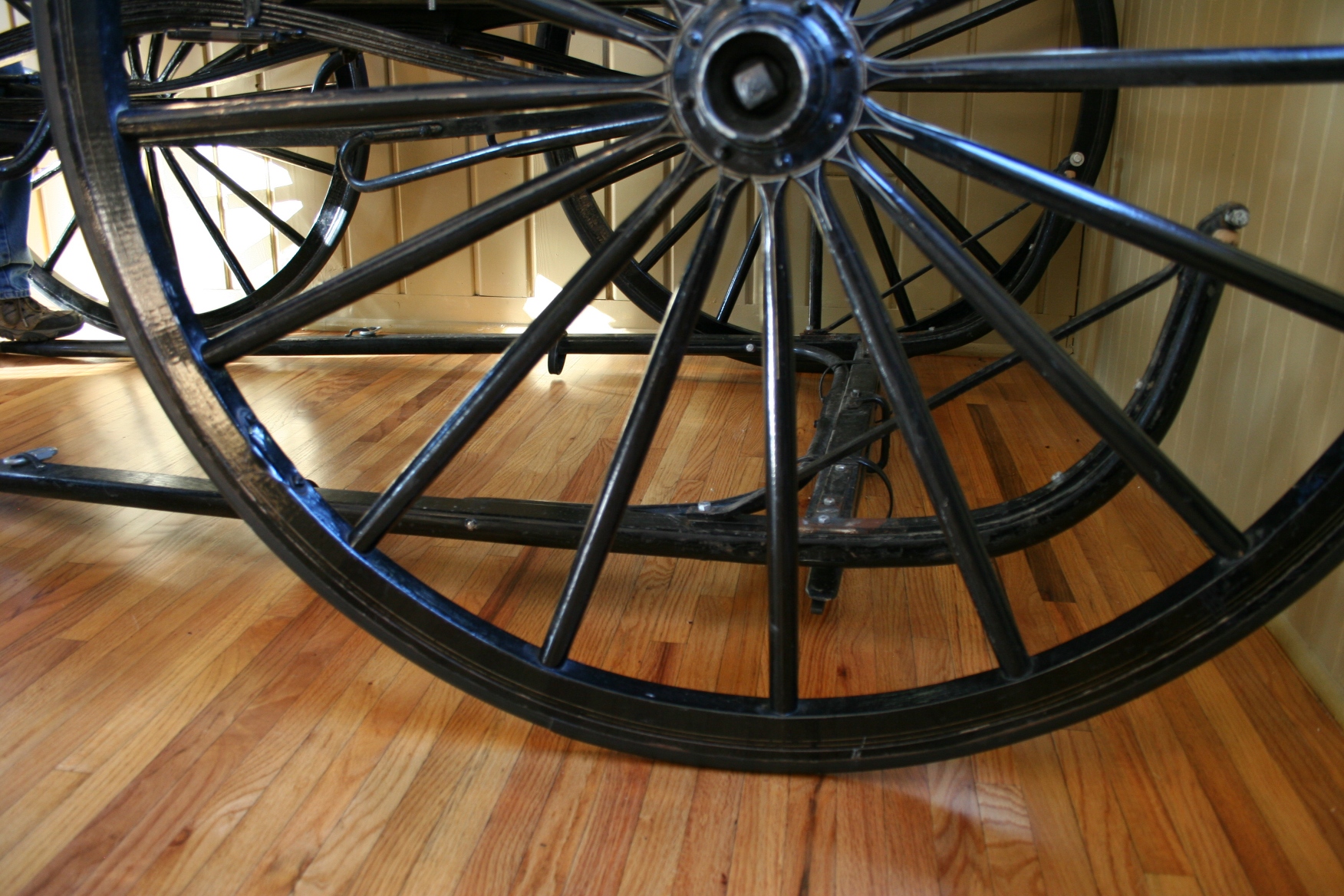
The refurbished wood floor shines under the wheels of an 1887 Michigan Buggy Company buggy which was taken apart and reassembled inside the schoolhouse museum.
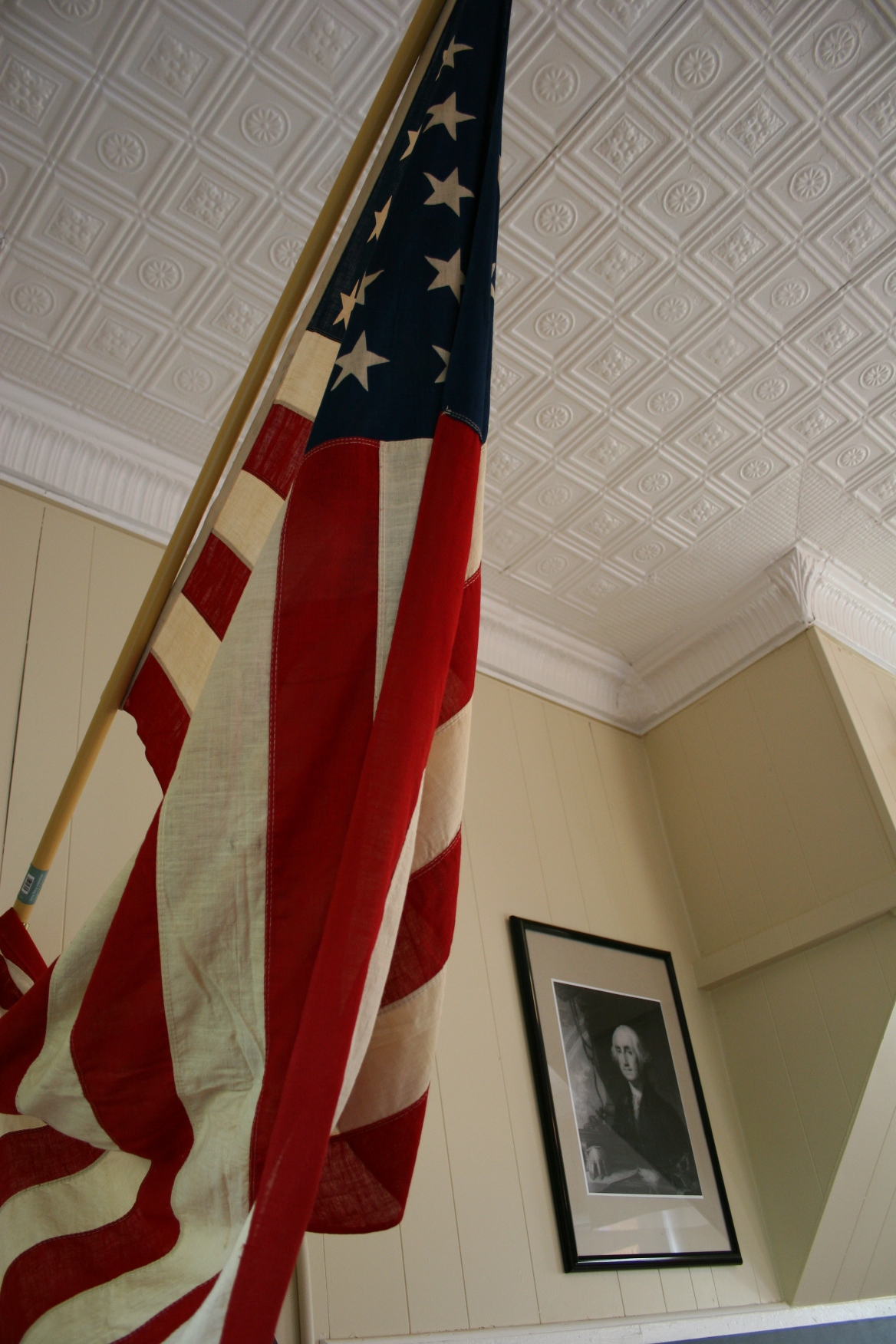
At the front of the schoolroom hangs the American flag and a Presidential portrait below the period ceiling.
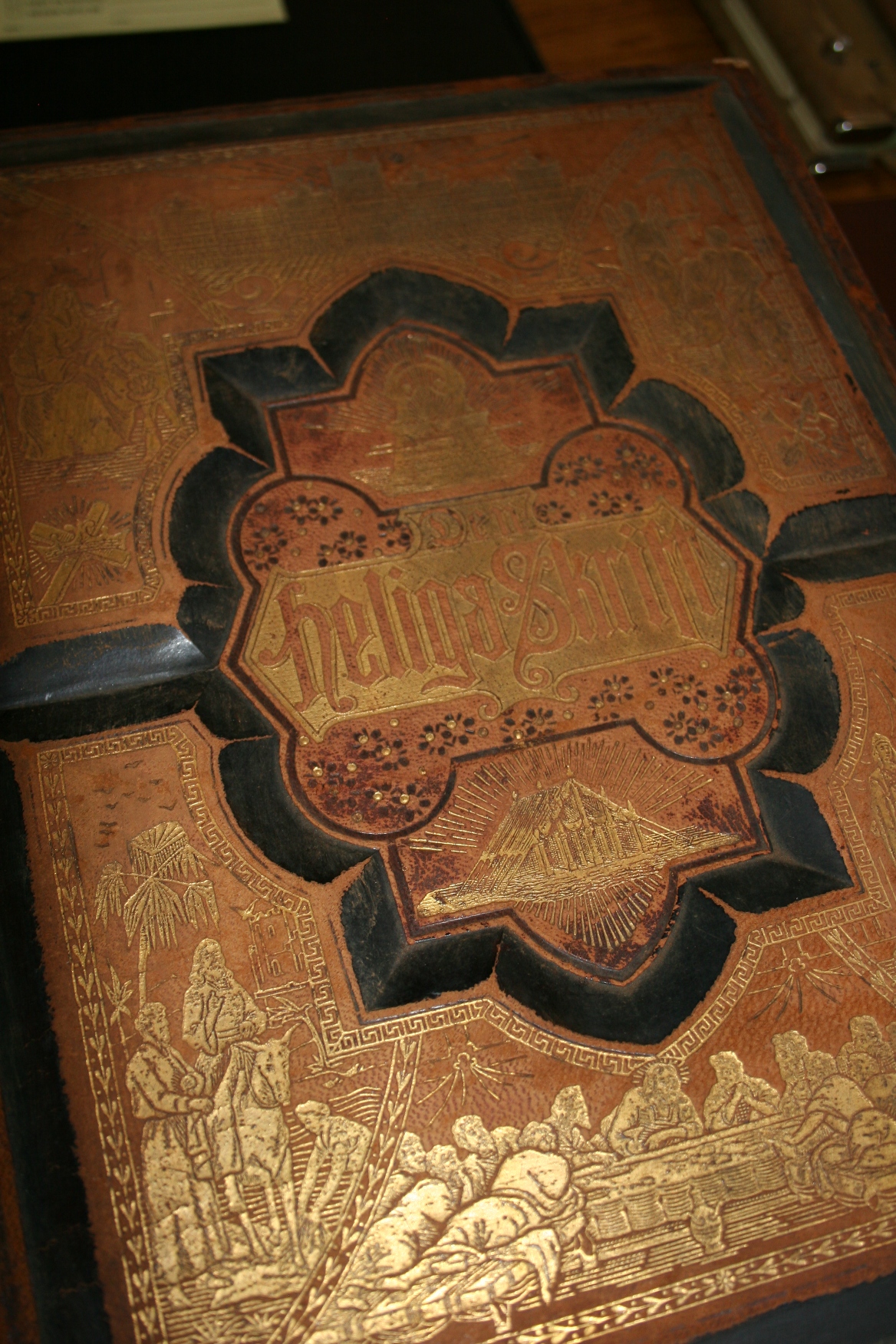
The 1889 Swedish bible used in worship services at Christdala Evangelical Swedish Lutheran Church, located just down the road from the school.

A page from the 1889 Swedish bible.
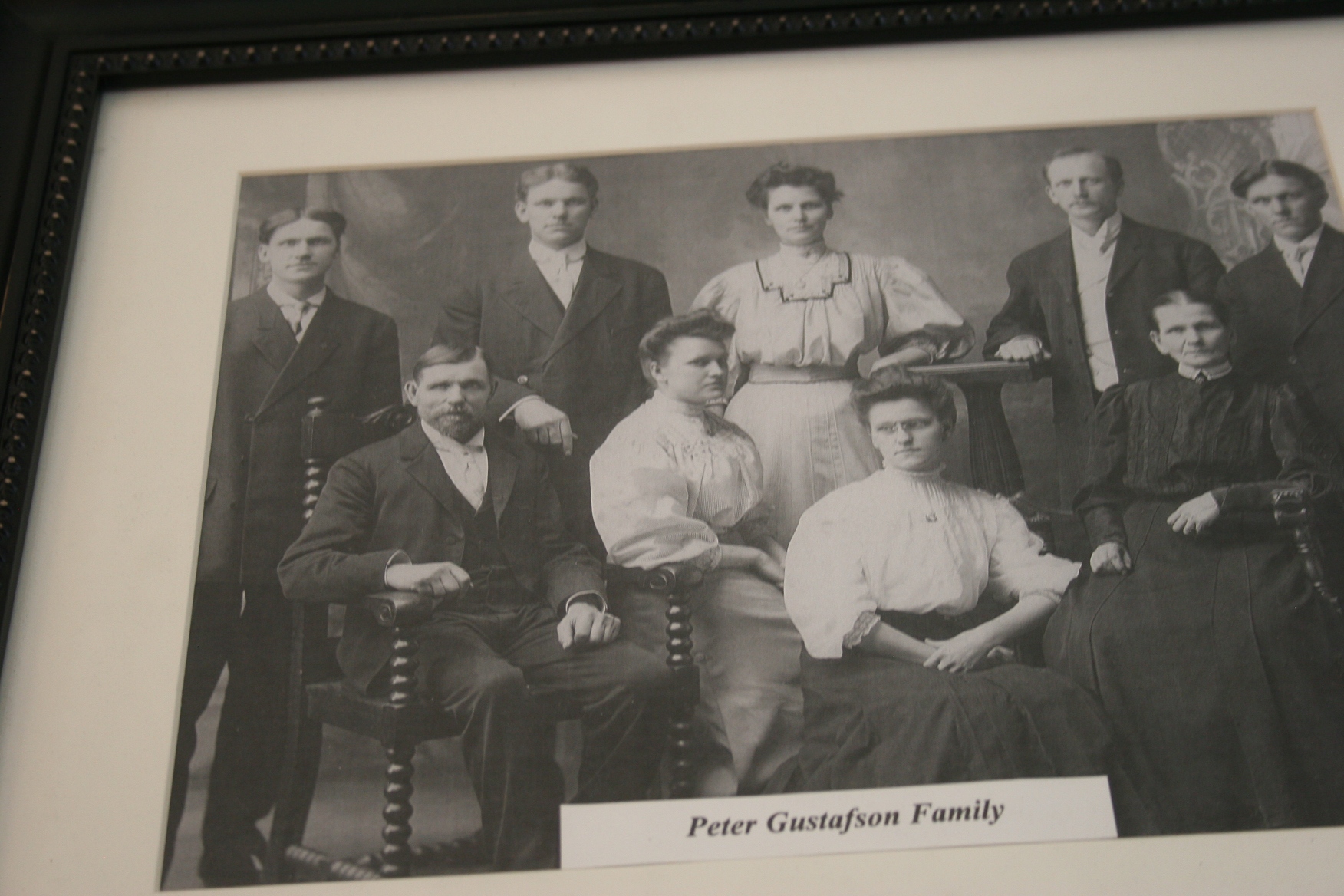
Among the museum photos is this portrait of the Peter Gustafson family. Peter was among the founding members of Christdala. He was also the brother of Nicolaus Gustafson who was murdered by outlaw Cole Younger during an attempted 1876 bank raid in nearby Northfield. At the time of Nicolaus' death, the Millersburg Swedish community had no church or cemetery. Nicolaus' untimely death prompted the Swedes to form Christdala. Peter Gustafson's 18-year-old twin son, Eugene, died tragically in March 1905 when a log rolled forward on a wagon and crushed him. This information is published in The History of the Christdala Evangelical Swedish Lutheran Church of Millersburg, Minnesota, written by B. Wayne Quist.
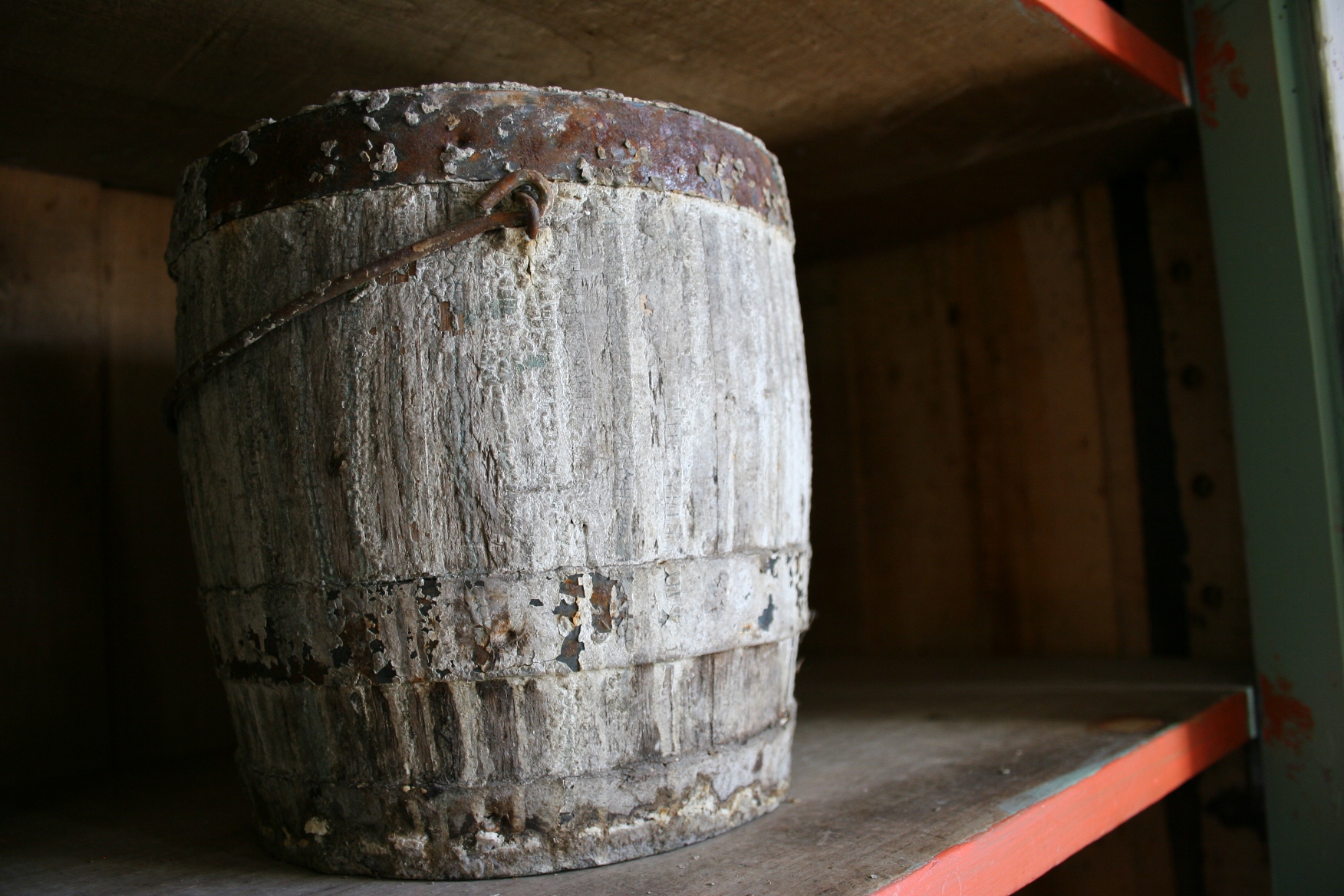
An old wooden pail rests inside a simple cupboard in a corner of the schoolhouse.

I spied this old piano stool tucked under a table. A museum visitor pulled the stool out and suggested perhaps naughty students sat on it in a corner.

Of all the historic photos I viewed in the museum, this one is my favorite. It's clear the boys really don't want to be there, with their mom's arms draped around them. But she appears to be a strong, determined woman.
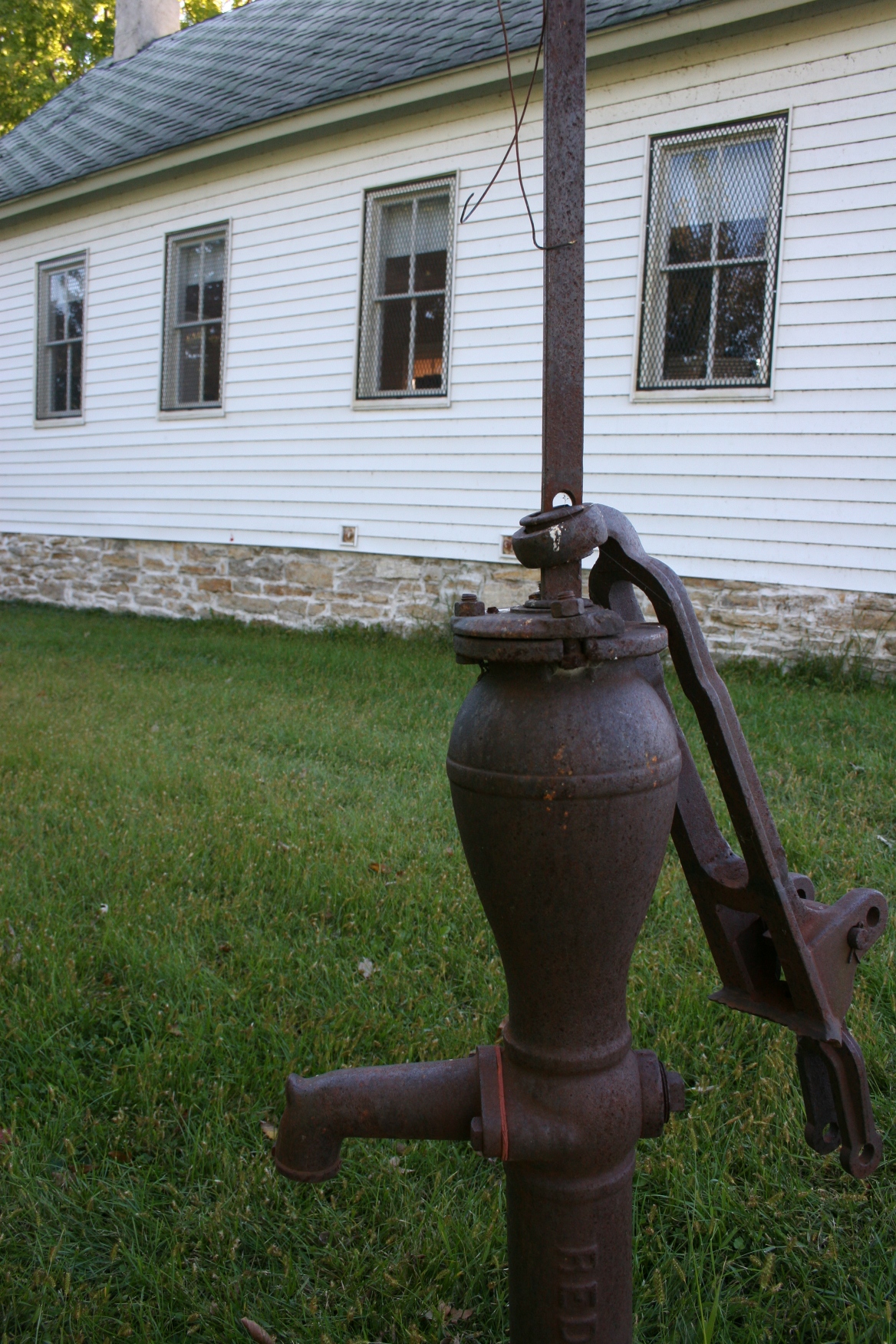
How many stories could this old water pump, next to the school, tell?

© Copyright 2010 Audrey Kletscher Helbling


Celebrating history and heritage at Christdala Church September 30, 2010

Filed under: Uncategorized — Audrey Kletscher Helbling @ 7:45 AM
Tags: , , , , ,

Christdala's 1880 altar and pulpit join at the front of the Swedish Lutheran church.

THEY COULD NOT HAVE KNOWN, but a hymn they/someone chose for the annual church celebration happened to be my favorite.

Beautiful Savior, King of creation,

Son of God and Son of Man!

Truly I’d love thee, truly I’d serve thee,

Light of my soul, my joy, my crown.

And so I sang, in verse two of fair meadows. Verse three, of bright the sparkling stars on high. And the final verse—glory and honor, praise, adoration.

Only occasionally did I glimpse at the service program, at the words I’d memorized in childhood, sung decades later at my wedding. Beautiful Savior.

Everything about Sunday afternoon at Christdala Evangelical Swedish Lutheran Church in rural Millersburg was beautiful. Sunshine. The pure, clear voice of the soloist singing of saints gathering at the beautiful river. The wisps of steam rising from a percolating coffee pot that I glimpsed through a church window while sitting in a front pew. Art on the lawn by my friend Rhody Yule.

On this September day, descendants of the Gustafsons and other Swedish immigrants who founded this church in 1877 gathered to celebrate their heritage and the 1878 Gothic Revival style wood-frame church that has been preserved.

Voices raised together in song, accompanied by the 1886 pump organ, the church’s second organ. Heads tilted to hear the pastor speak: “Jesus is all about setting us free. Today you are set free.”

The clunk of wood as worshipers settled into pews. Bread dipped into wine. Bowed heads and box elder bugs.

And outside, on the lawn, ham sandwiches and lefse and cake in a lunch spread out on tables, in an open stretch of grass between gravestones.

Hugs exchanged. Here, atop a hill, they gathered—friends and family—to worship, to honor the Swedish immigrants who established this congregation, Christdala, Christ’s Valley.

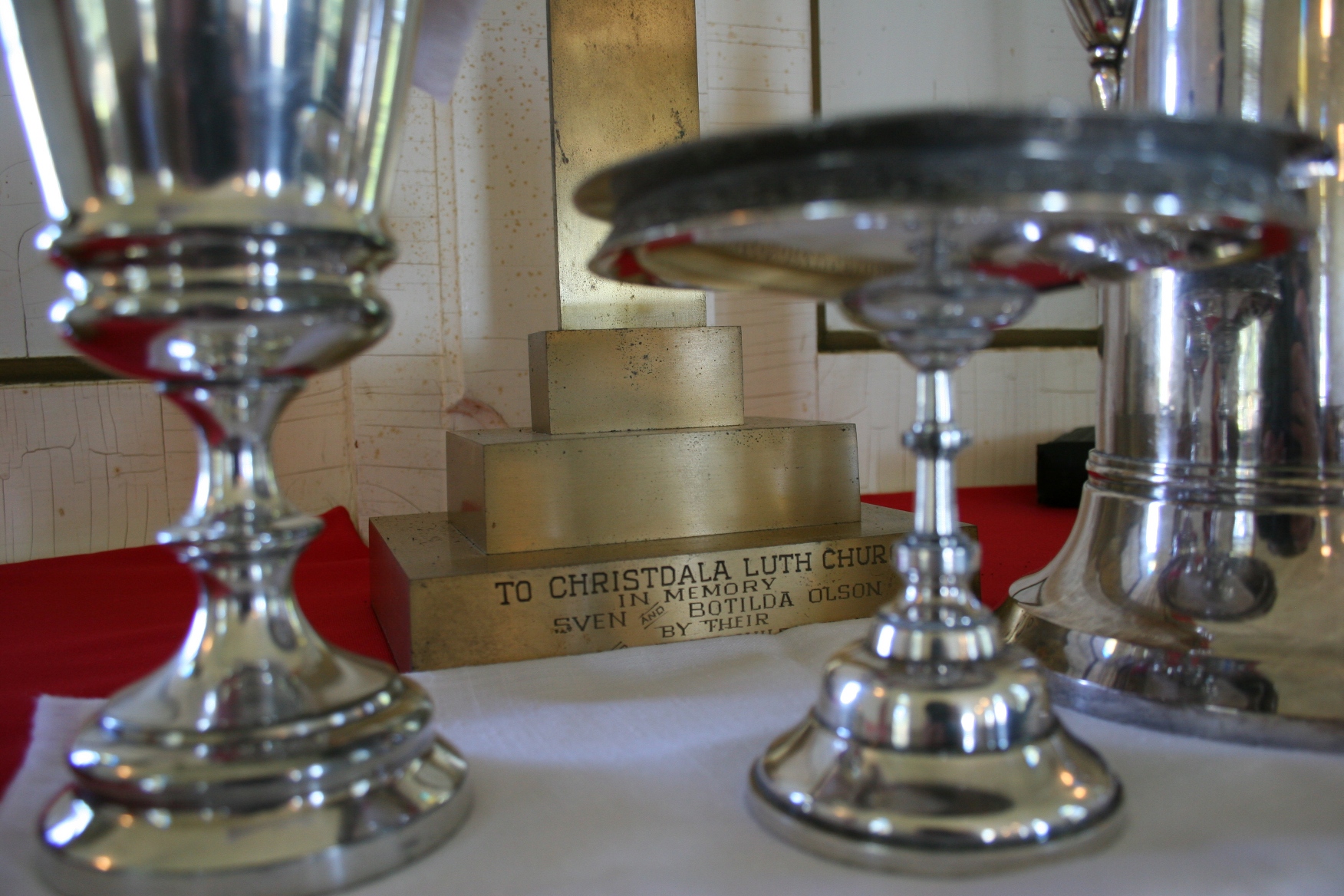
Communion ware at Christdala and a memorial inscription on the altar cross.

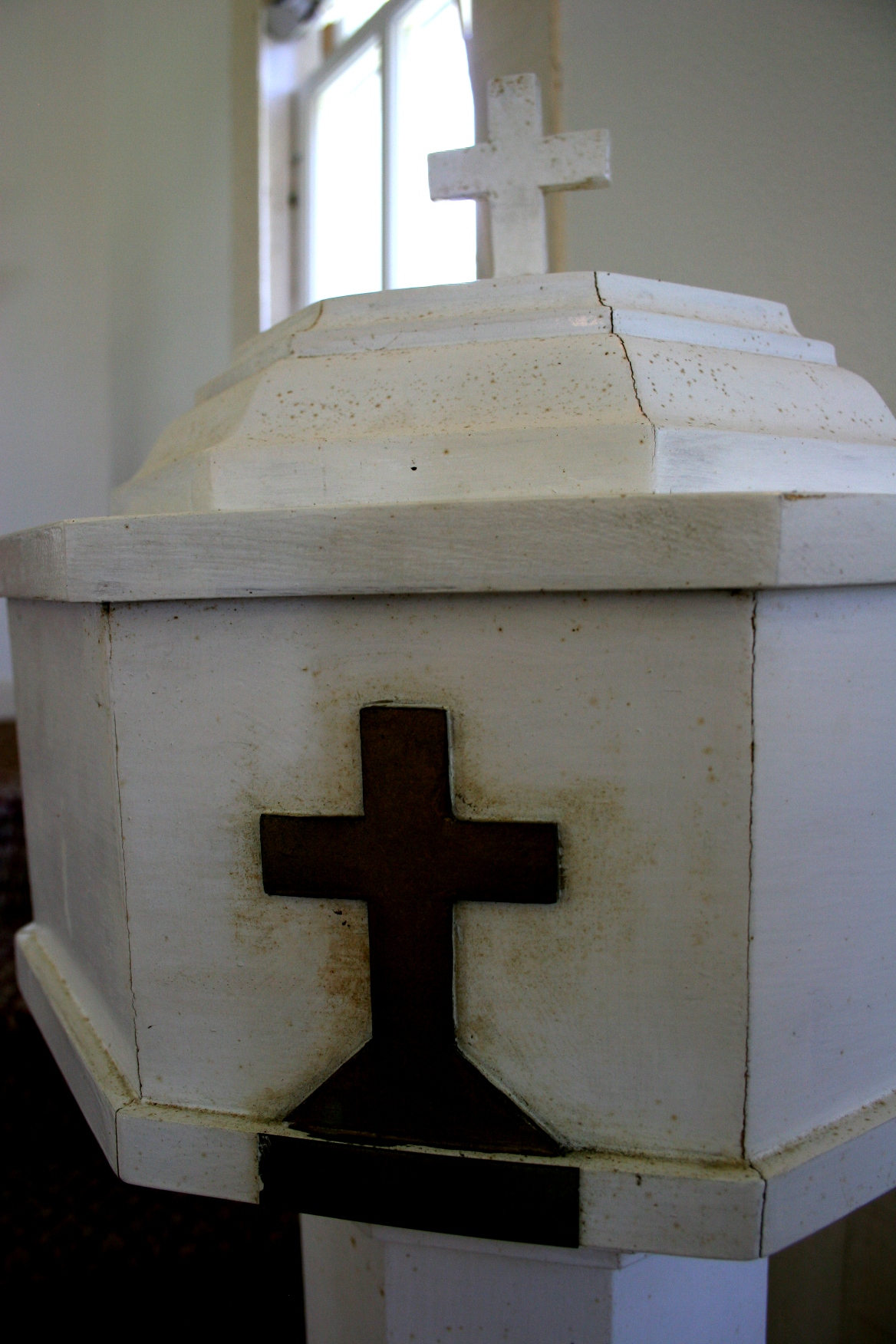
Christdala's baptismal font

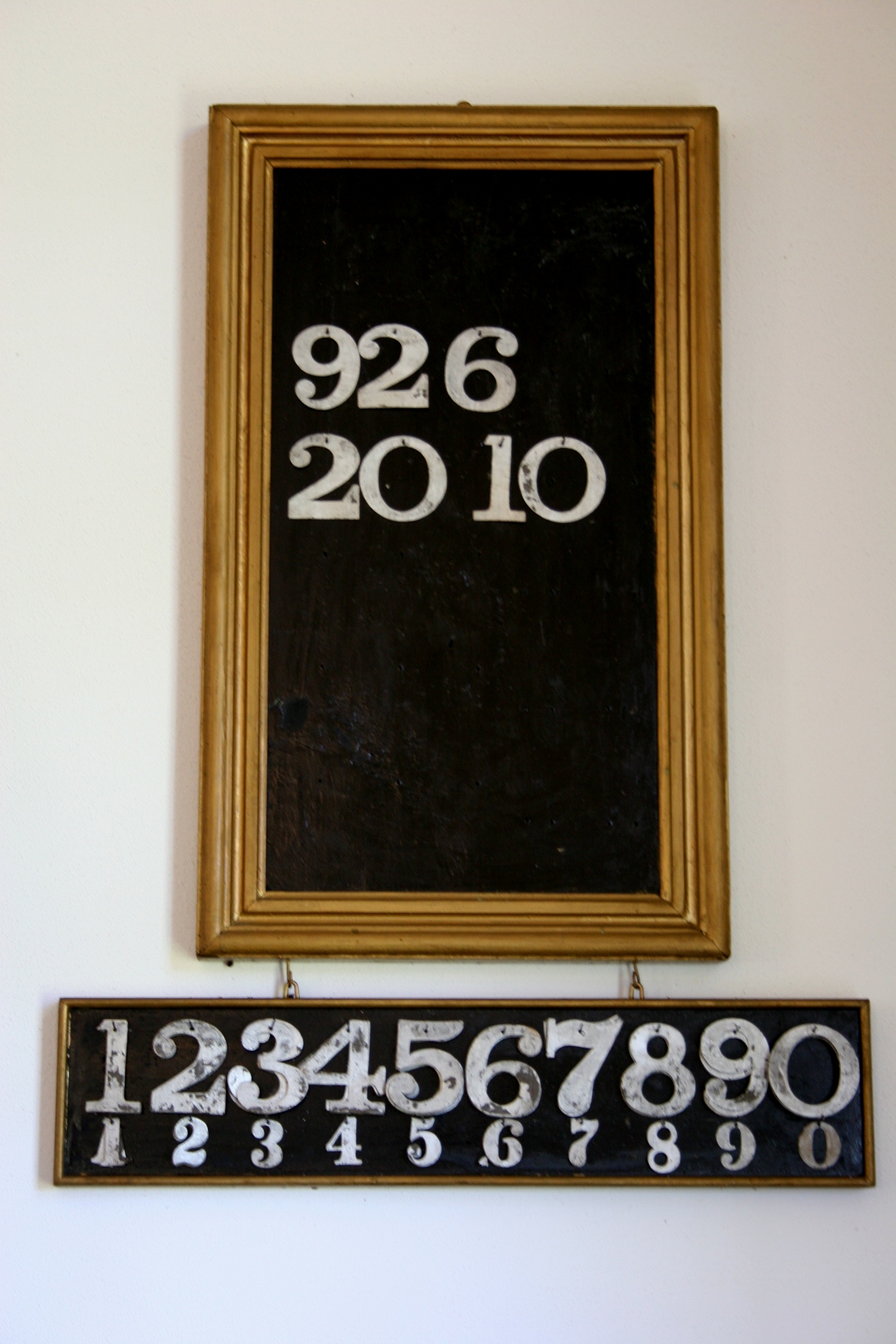
Numbers on the hymn board mark the celebration date, September 26, 2010.

Hymn board numbers are worn from years of use, reflecting the long history of this church.

Restoration and preservation of Christdala was detailed, right down to matching the replacement carpet, left in photo, to the original framed carpet sample at the right.

Reminders of the Swedish heritage rest atop a cupboard in a corner of the sanctuary.

All of the windows in Christdala are tipped in blue and yellow, the colors of the Swedish flag. This shows the front door opening south to an archway that frames the valley below.

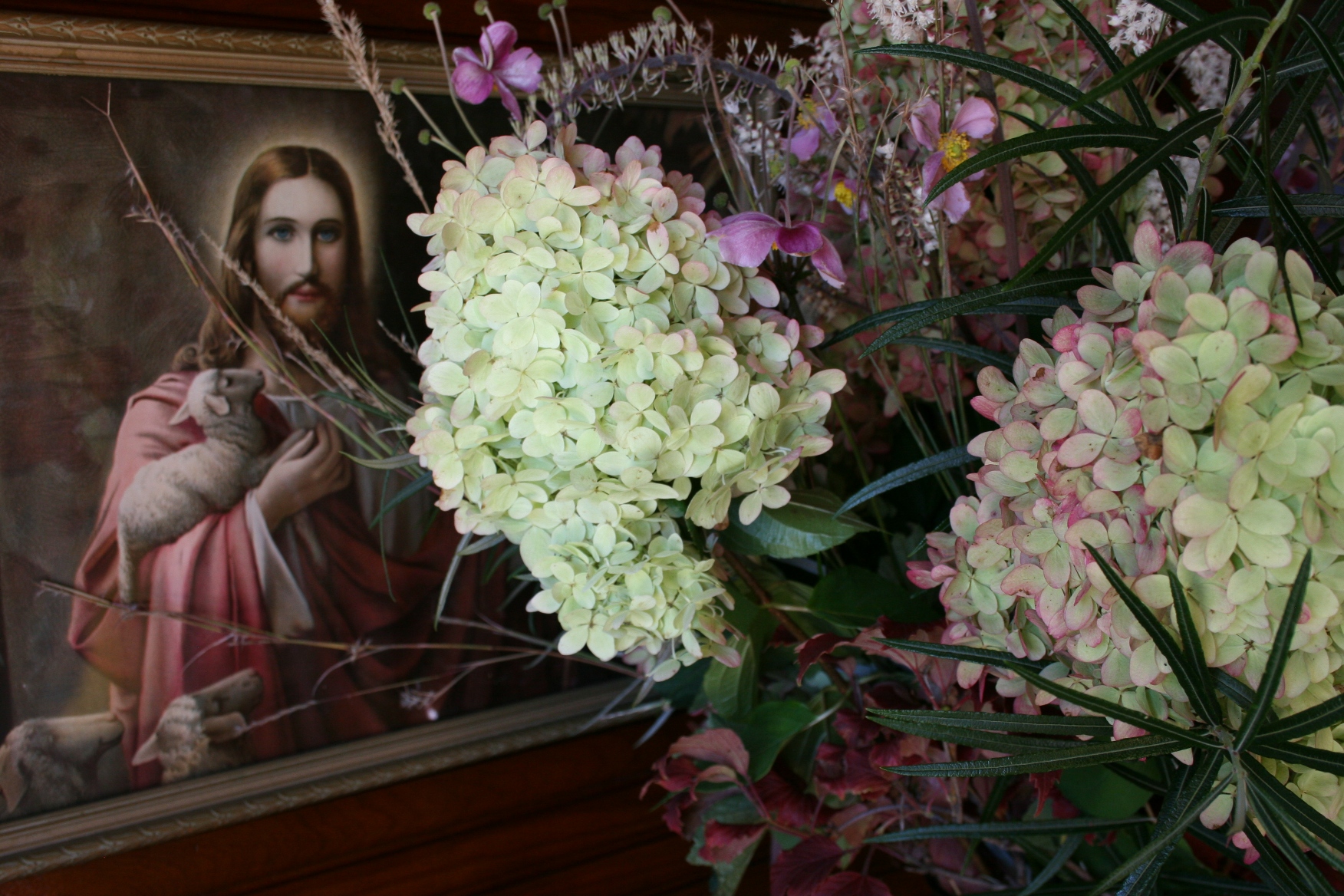
Inside the entry of Christdala, fresh fall flowers sit next to a print of Christ, the Good Shepherd.

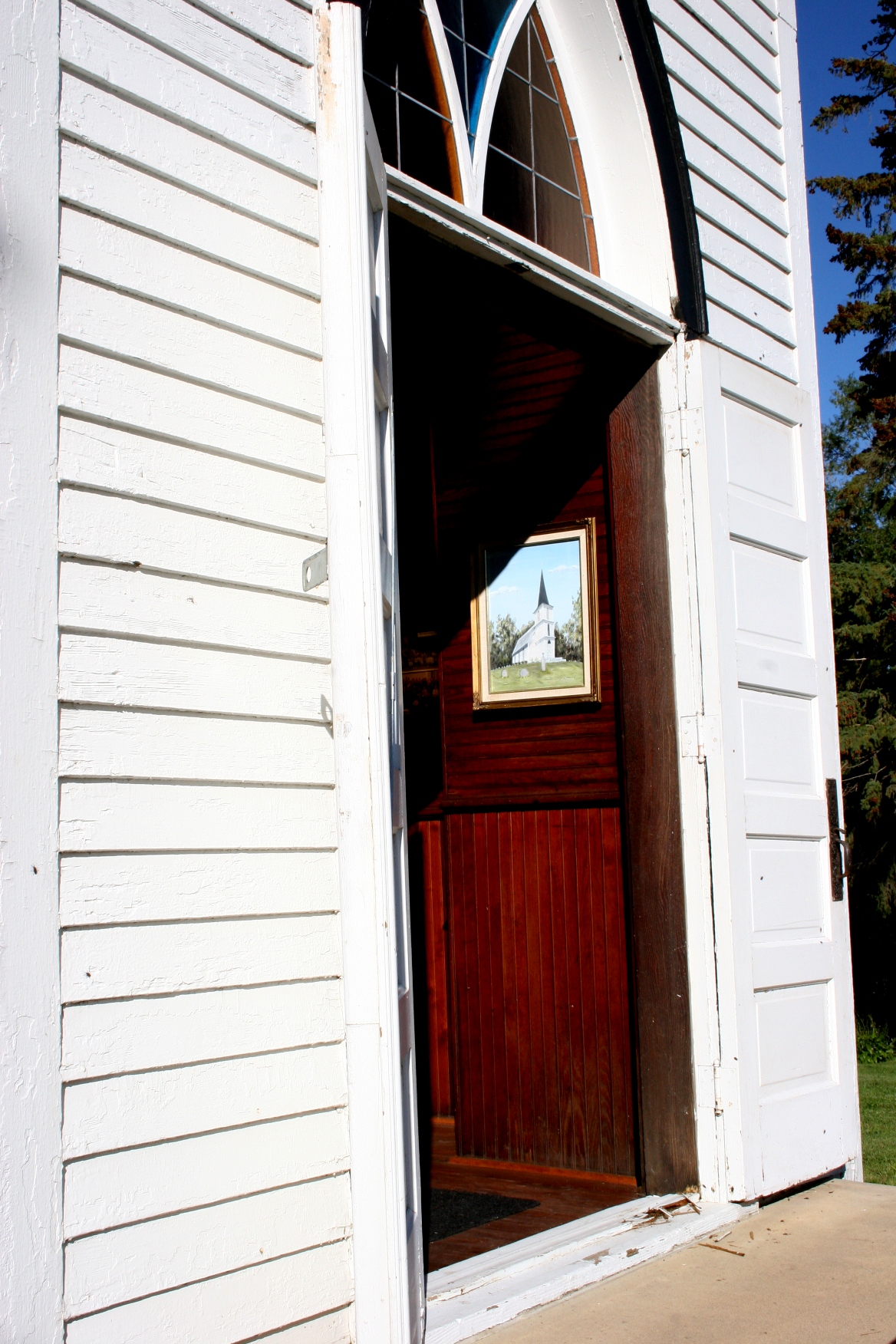
The front doors of Christdala open to reveal a painting of the church hanging inside the entry.

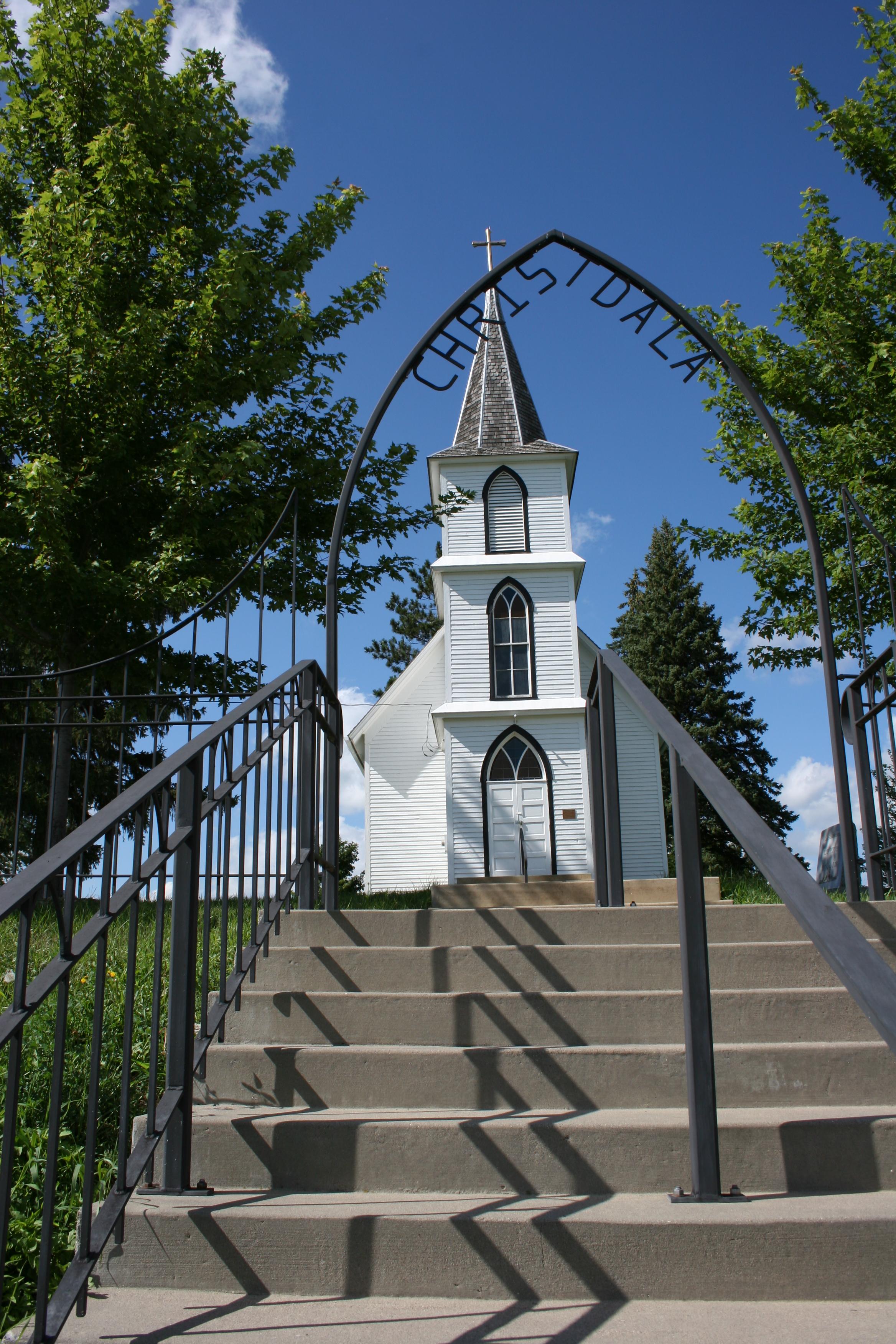
Christdala Swedish Lutheran Church sits atop a hill along Rice County Road 1 west of Millersburg.

© Copyright 2010 Audrey Kletscher Helbling


Step into yesteryear at the stark, yet welcoming, Ottawa Town Hall September 17, 2010

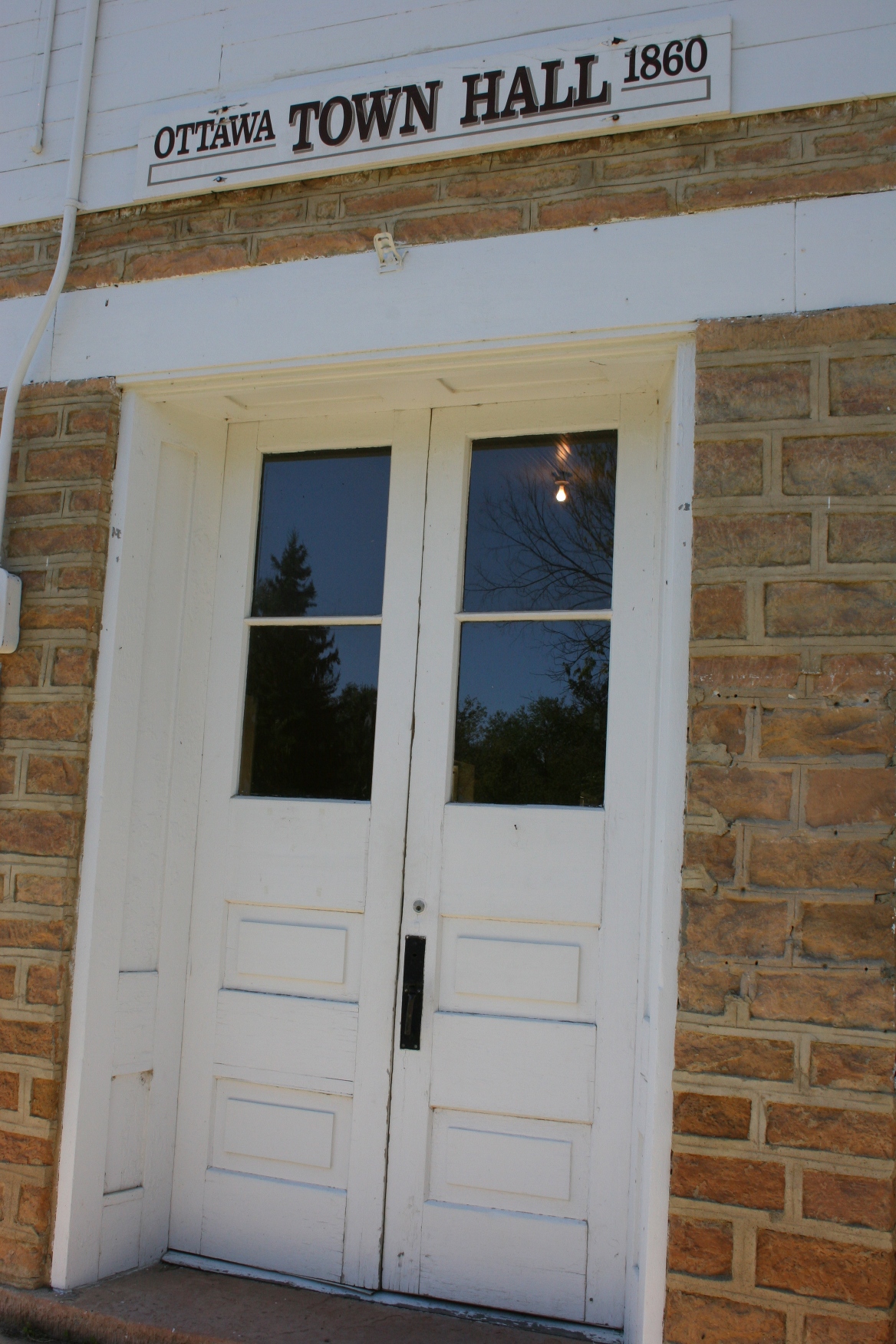
The Ottawa Town Hall was built in 1860 from local limestone.

I ABSOLUTELY COULD NOT believe my good fortune. After peering through a front window into the old town hall and wondering why the lights were on, I pulled (or pushed; I can’t recall which) on the front door. Much to my elation, the door gave way.

Let me preface this by saying that in the past when I have clicked door latches or turned knobs on historic buildings, mostly churches, I’ve met resistance, meaning I was locked out.

I tried the door latch and the door was, to my surprise, unlocked.

But, ah, to feel the door sway, allowing me entrance, gave me that momentary feeling of surprised satisfaction. And look, just look, at what awaited me inside the Ottawa Town Hall.

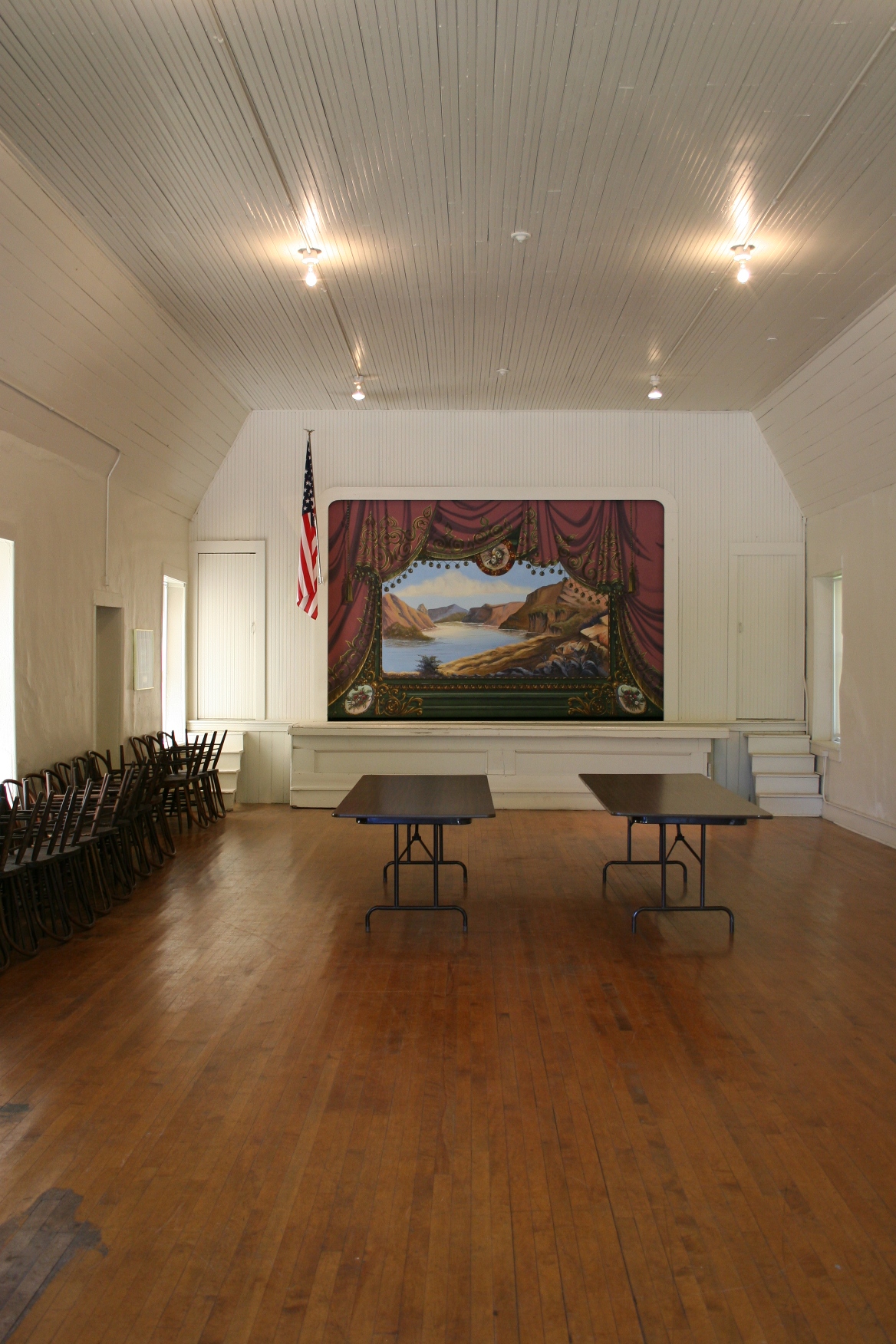
Inside, the stark room stretched out before me.

Simplistic beauty best describes the interior of this former general store constructed in 1860 from local limestone and today among six Ottawa buildings on the National Register of Historic Places.

To find this village platted in 1853 along the Minnesota River, follow winding Le Sueur County Road 23 northeast of St. Peter. And when you get there, after reading the historical marker and picking up a self-guided tour brochure from the town hall kiosk, try the door.

If you’re as fortunate as me, you’ll step into yesteryear, onto scuffed wood-plank floors, into a building that has been the Ottawa Town Hall since 1902.

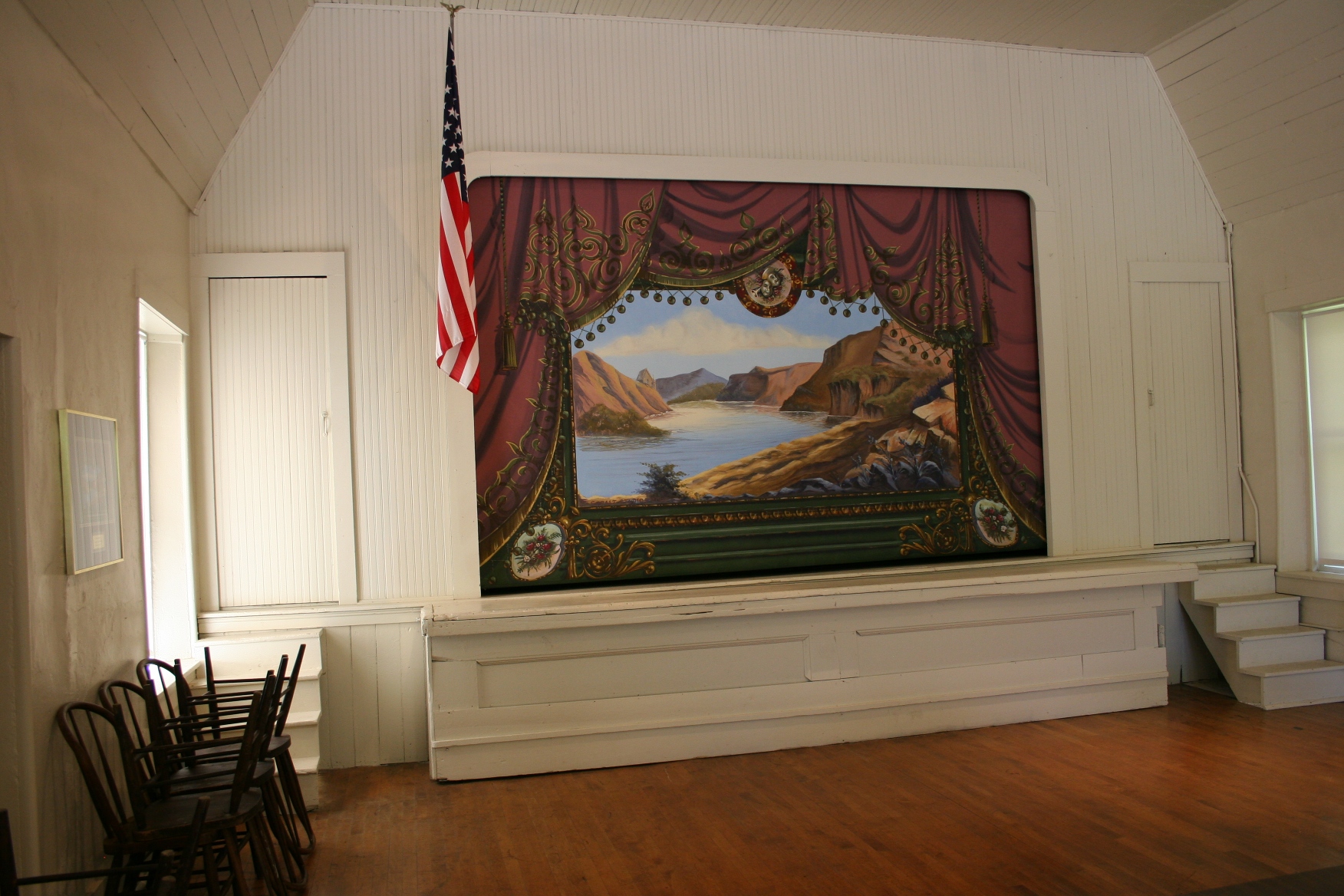
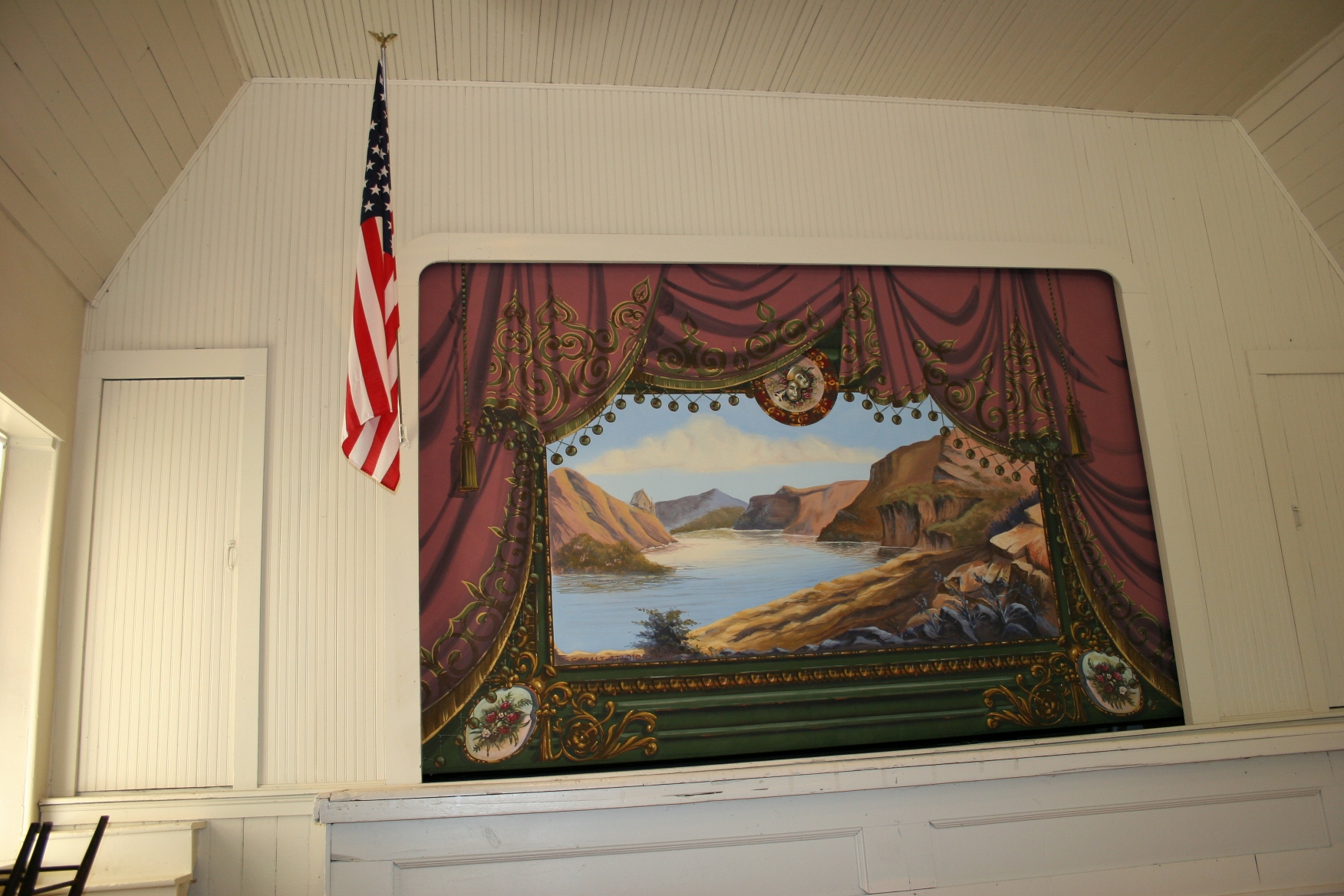
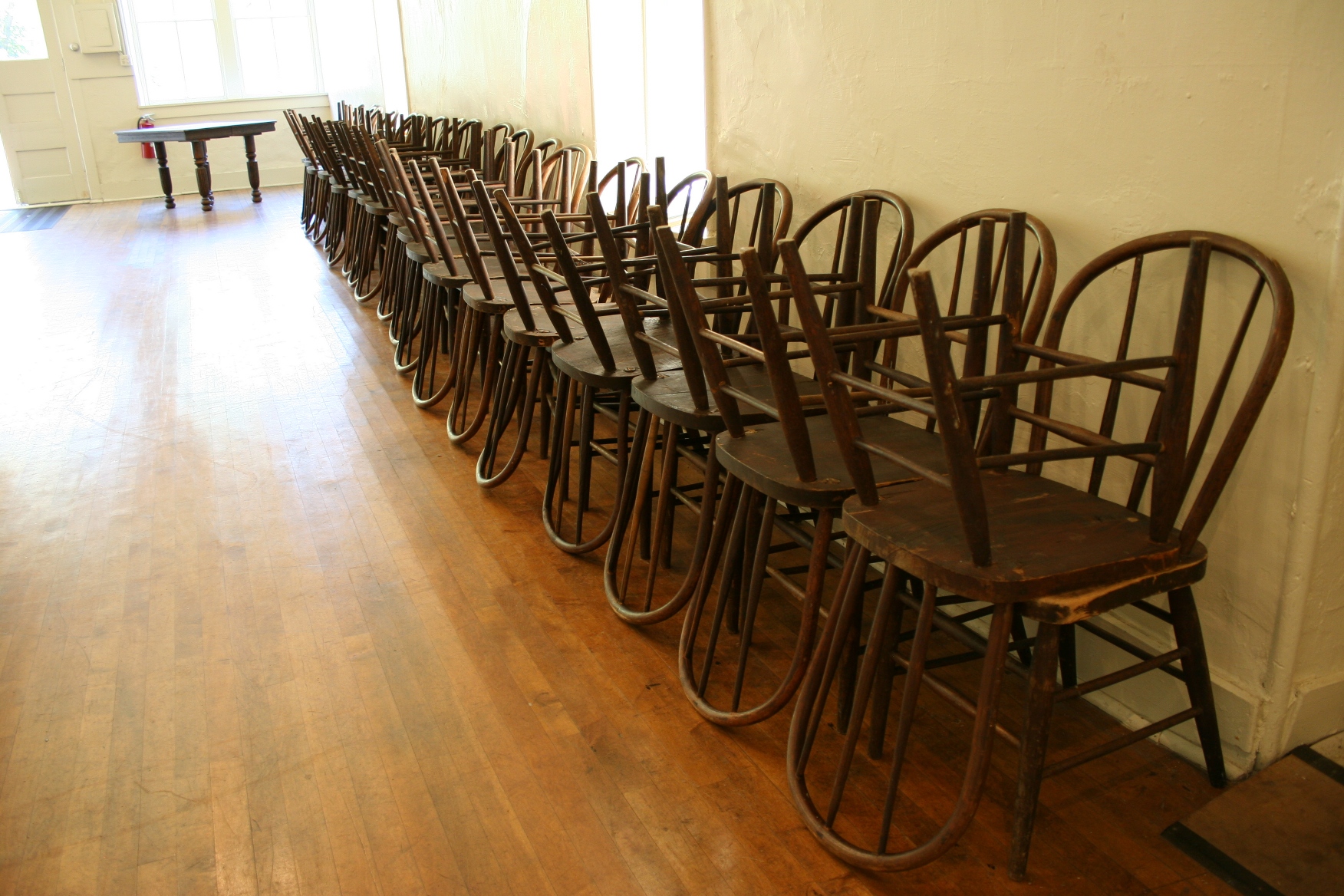
If you’re like me, you’ll stand there for a moment or two or three taking in the atmosphere of this place. You can see history in the beadboard walls and ceiling, in the stage flanked by steps and adorned with a scenic canvas curtain reminiscent of melodrama days, in the lone American flag, in the curved-back wooden chairs stacked precisely along the wall.

The stage intrigues me. Who performed here? Do actors and actresses ever grace this stage today?

I tugged at the two side doors that would have given me access to the stage. But, alas, they were locked.

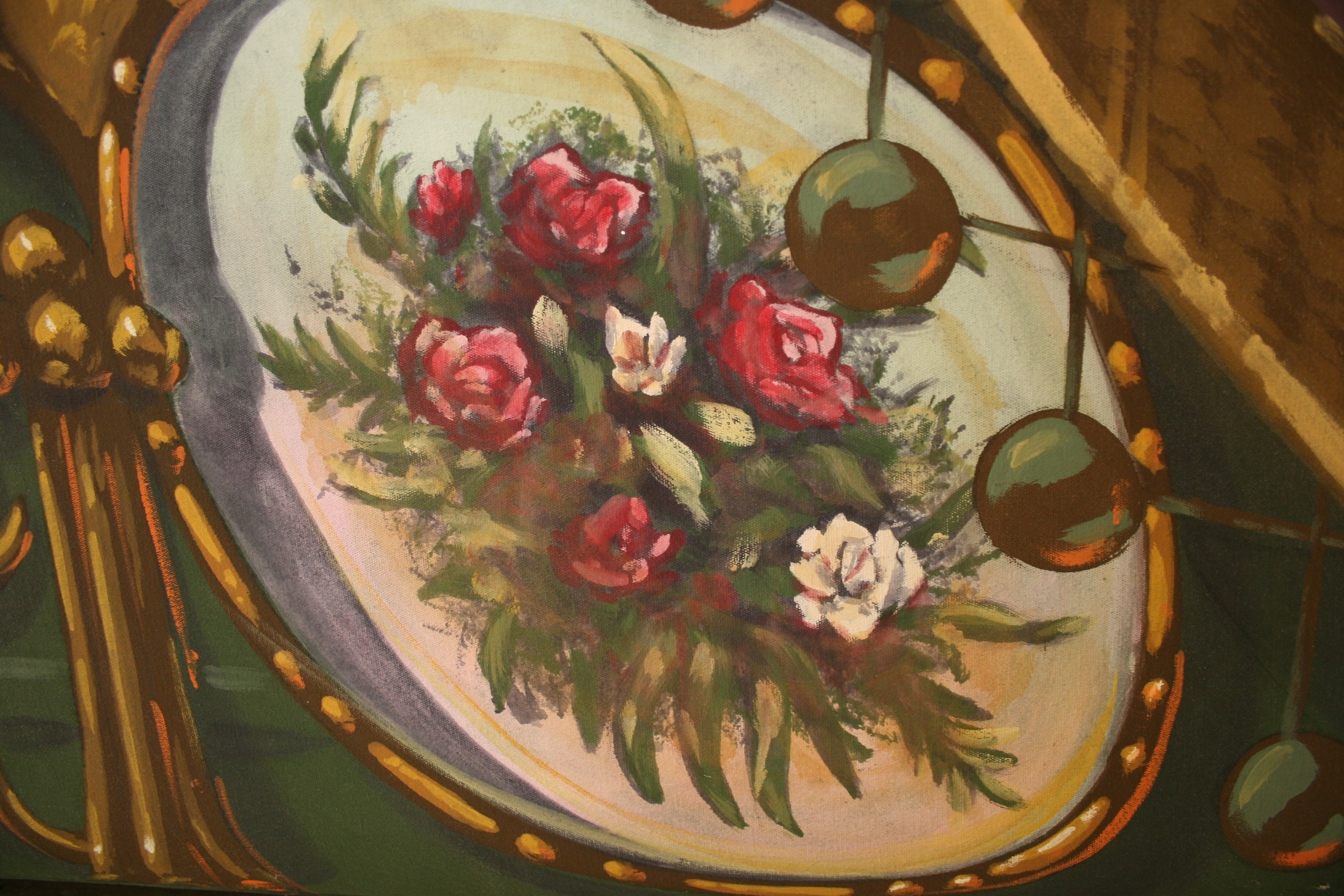
I stroked the stiff canvas of the stage curtian and admired the painted florals.

Ottawa Town Hall chairs

Even the stacked chairs seemed a sculpture of historic art.

If you like “fancy,” you won’t appreciate the starkness of a room awash in white under the blazing light of bare bulbs.

For me, though, there’s something about this town hall that soothes, comforts, makes me feel right at home, as if the door was meant to be left unlocked, the lights switched on in an inviting welcome.

Though rather plain, the town hall possesses a certain welcoming charm.

© Copyright 2010 Audrey Kletscher Helbling
 

In praise of preserving country churches July 7, 2010

Filed under: Uncategorized — Audrey Kletscher Helbling @ 7:16 AM
Tags: , , , , ,

Moland Lutheran Church, a Norwegian Lutheran church south of Kenyon.

ONLY IN RECENT YEARS have I begun to truly appreciate the old churches that dot the Minnesota landscape, their steeples rising heavenward directing the faithful to worship.

Whenever the opportunity arises these days, I slip inside these reverent rural respites to reflect upon the holiness that resides therein. The more churches I visit, the more I am convinced of the necessity to preserve these houses of worship for future generations.

Not only do I treasure the sacred aspect of their existence—rooted deep in the faith of immigrants who settled this land—but I also value the art and the history woven into the very fabric of these buildings.

Whether in stenciled ceilings, hand-carved pulpits, worn floorboards, hand-hewn pews, religious paintings or stained glass windows, I see care, craftsmanship, devotion to God everywhere.

I am inspired and uplifted simply stepping inside the doors of a country church.

Join me on this tour of the 1884 Moland Lutheran Church south of Kenyon in rural Steele County and see for yourself why old country churches like this are worth appreciating, and preserving.

Looking into the sanctuary of Moland Lutheran Church.

Fine craftsmanship is reflected in the handcrafted pulpit, altar and railing.

Art in the details of the Moland pulpit.

The altar painting was transported to the church by horse-drawn wagon from Faribault in 1893. A. Pederson painted this image of "Christ with outstretched arms" based on Matthew 11: 28 - 30 ("Come to me, all you who are weary and burdened, and I will give you rest...").

Norwegian words (I think from Matthew 11) are painted on the altar.

Beautiful details on the bottom of Moland's altar remind me of the altar in the church I attended as a child, St. John's Lutheran in Vesta. Sadly that church was not preserved and is today an apartment building.

© Copyright 2010 Audrey Kletscher Helbling
(Check back for additional Moland Lutheran Church photos to be posted on Minnesota Prairie Roots.)