Minnesota Prairie Roots

Writing and photography by Audrey Kletscher Helbling

White Cane Day & more focus Faribault Lions as they serve October 15, 2024

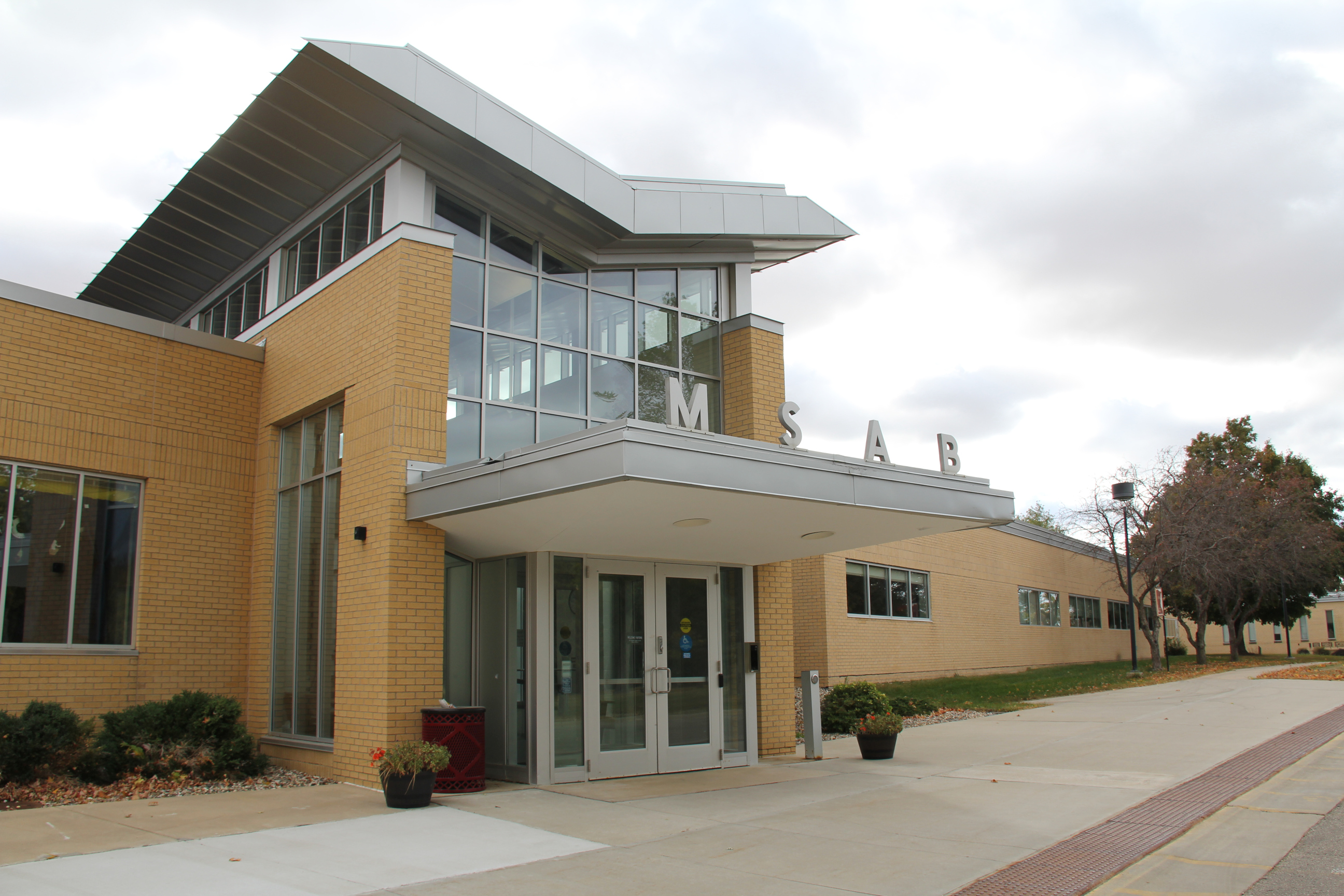
The entrance to the Minnesota State Academy for the Blind, located on Faribault’s east side. (Minnesota Prairie Roots copyrighted photo October 2024)

AS SOMEONE WHO DEALS with vision and hearing impairments, I feel fortunate to live in a community with a heightened awareness of those issues. Faribault is home to the Minnesota State Academies for the Deaf and Blind. Medical professionals offer local care in vision and hearing. And the Faribault Lions Club, focused on both, is especially active.
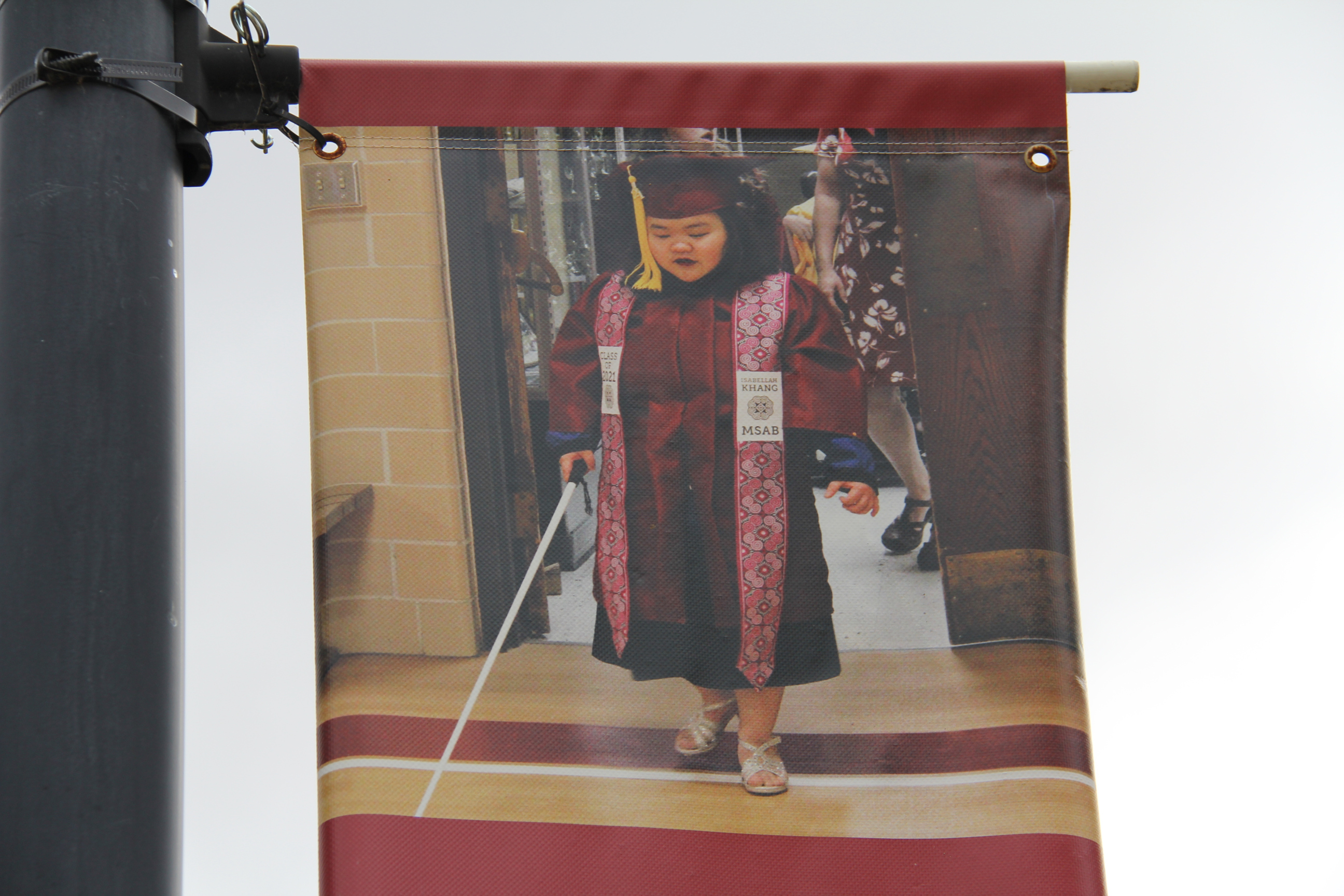
Pictures of MSAB students are featured on banners scattered around the campus. This one highlights a graduate. (Minnesota Prairie Roots copyrighted photo October 2024)

And that is why I met local Lion John Battles and learned about White Cane Awareness Day, celebrated annually on October 15. Battles was standing inside the exit area of Fareway Foods handing out information about white canes and collecting donations. Those monies will help blind and visually impaired individuals deal with mobility issues. For example, past gifts have been used to purchase canes and/or replacement tips for students at MSAB.
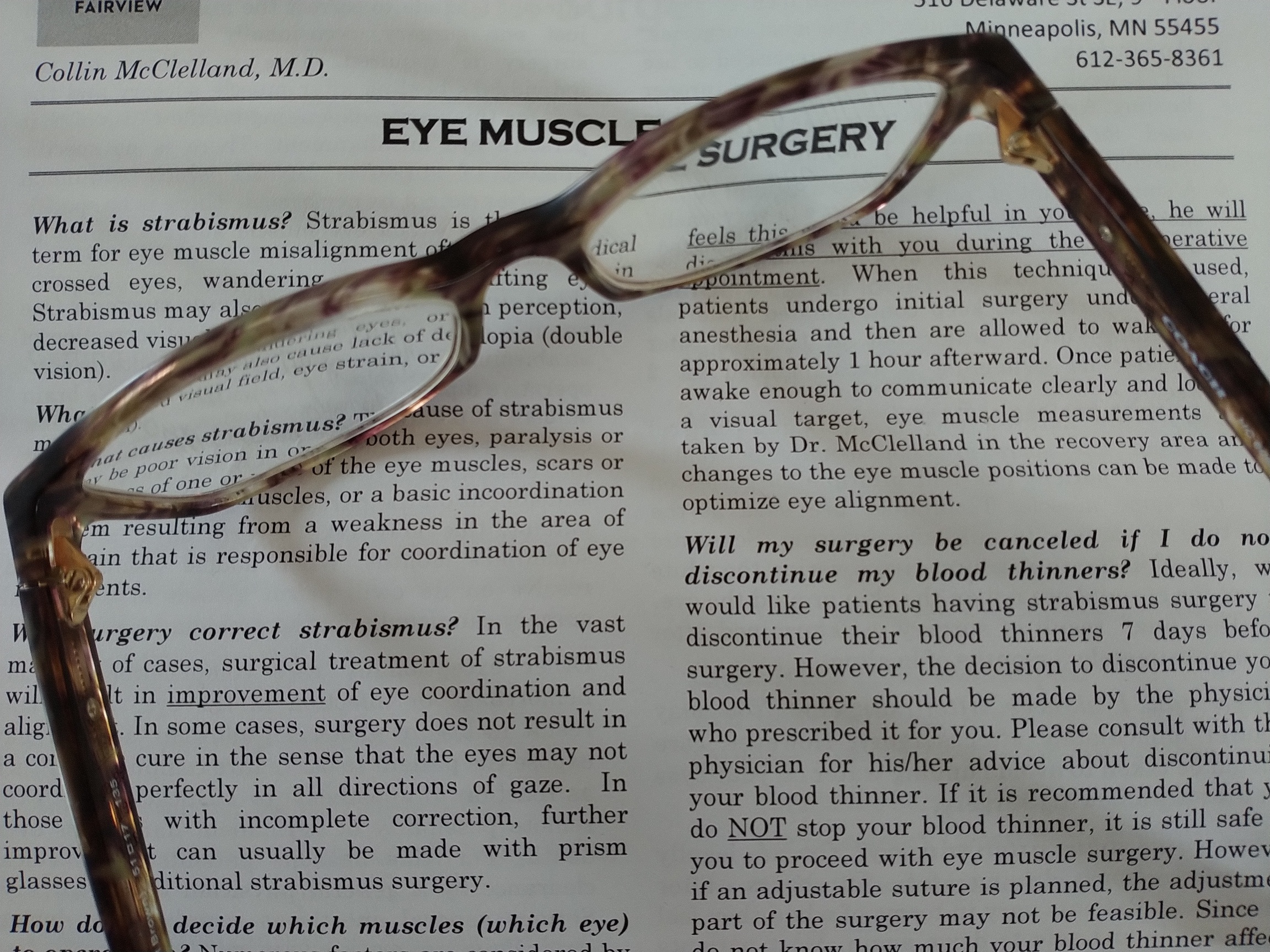
I underwent eye muscle surgery as a child and then again 64 years later, this time using an adjustable suture in my left eye. (Minnesota Prairie Roots copyrighted file photo 2023)

I paused to drop money into John’s bucket and also to chat a bit about the Lions’ work and my own struggles with vision. I’ve been diagnosed with bilateral strabismus and in January underwent surgery to realign my eyes with the goal of eliminating my double vision. Unfortunately, the corrective surgery did not work long-term. That’s true in 10-20 percent of surgical outcomes. Rather than attempt another surgery, I opted to try prisms in my prescription eyeglasses. Adjusting to the high number of prisms took time and they are not perfect. I struggle with depth perception and sometimes still see double. But, as I told John, at least I can see.

This photo of me (far left in group picture) with family on a vacation to northern Minnesota in 1960 shows me wearing a patch over my left eye. This was an attempt to correct my vision without surgery. (Minnesota Prairie Roots copyrighted file photo by Elvern Kletscher)

My vision issues are not something which suddenly developed. Rather, I was born with misaligned eyes, requiring strabismus surgery at age four. I am forever grateful to my parents for understanding the importance of corrective surgery. Although I never asked, I expect it was a huge financial burden for them. Had I not undergone this operation at the hospital in New Ulm, I likely would have gone blind in my less dominant eye.
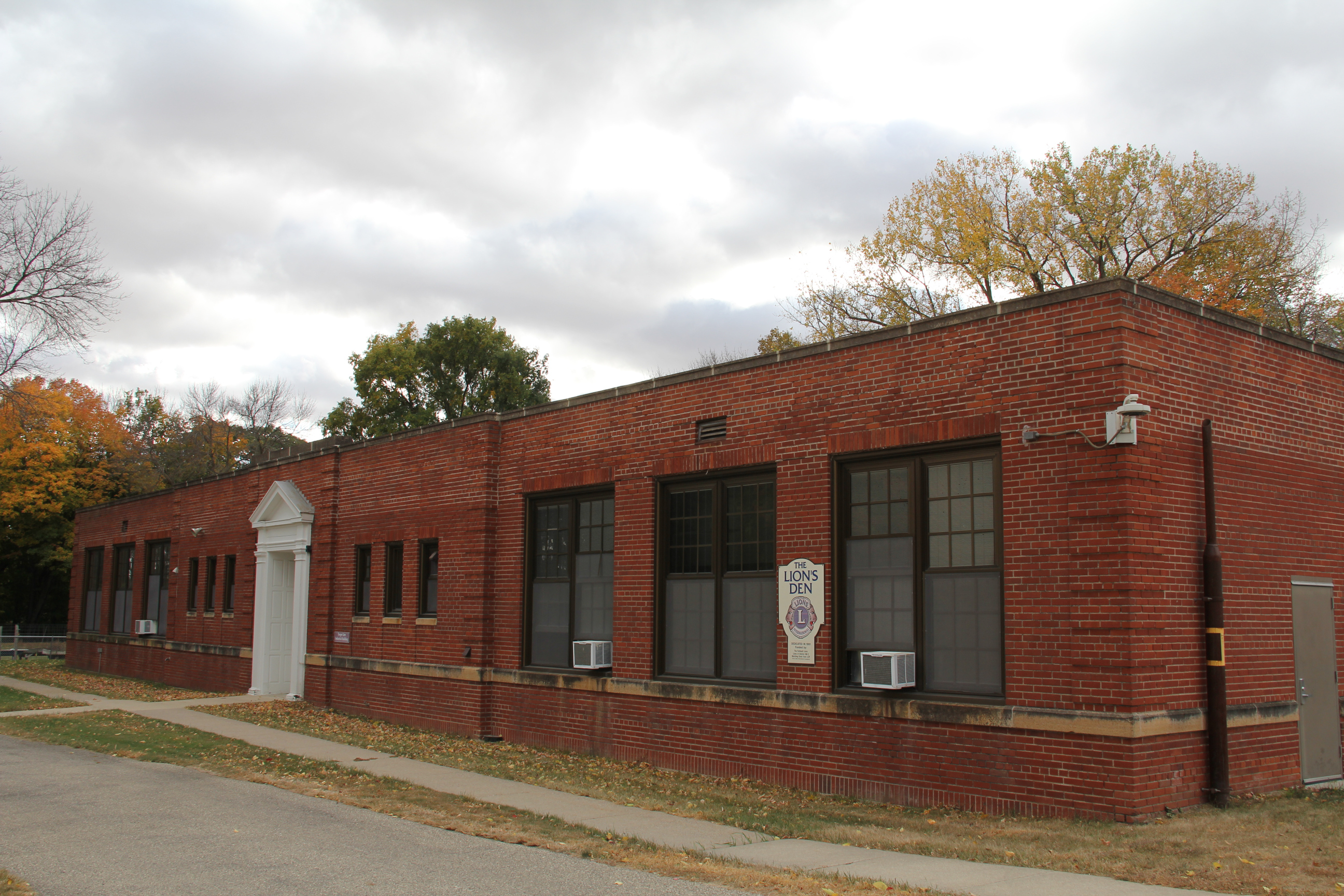
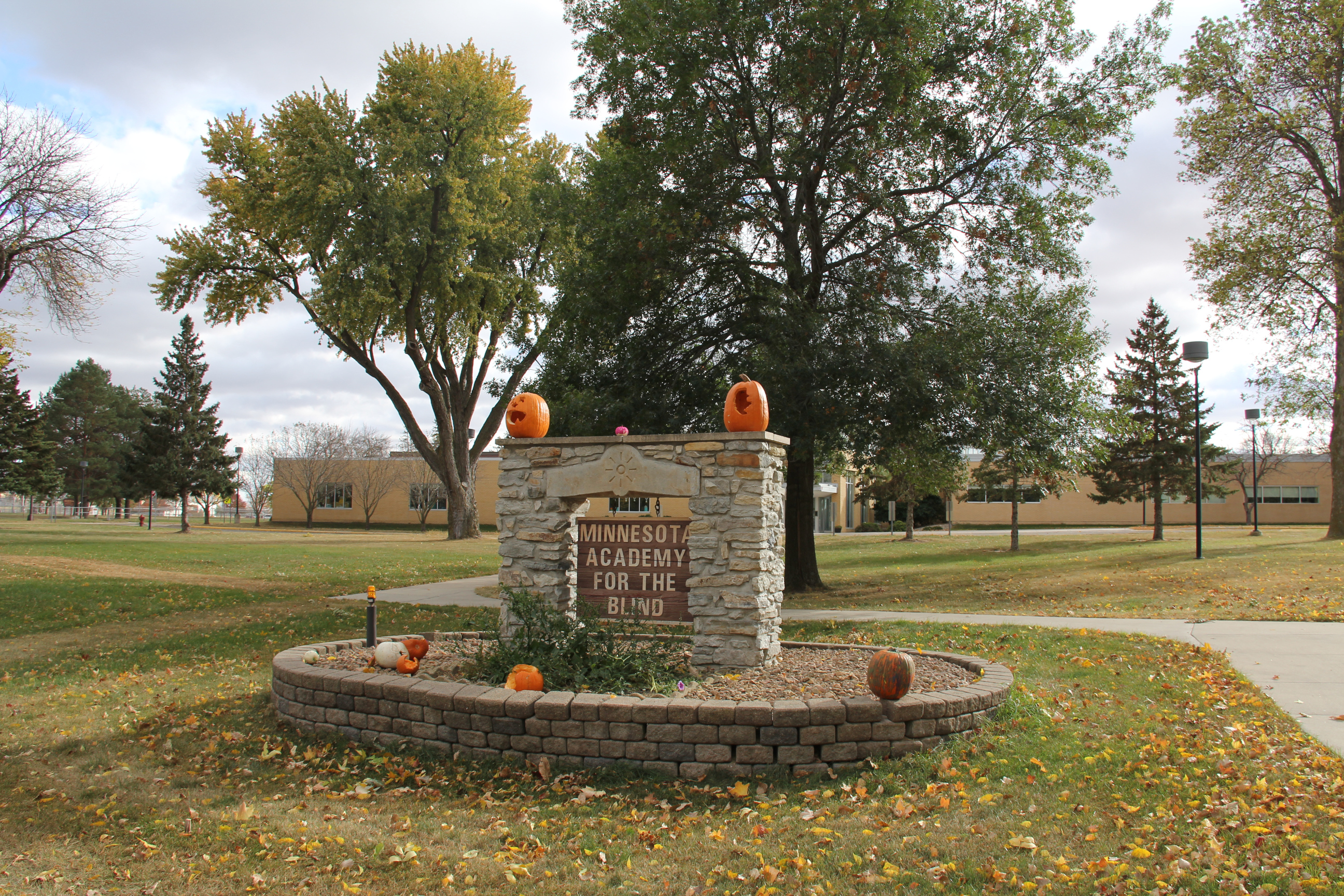
This building on the MSAB campus houses the Lion’s Den, an apartment setting to help students learning to navigate independent living. (Minnesota Prairie Roots copyrighted photo October 2024)
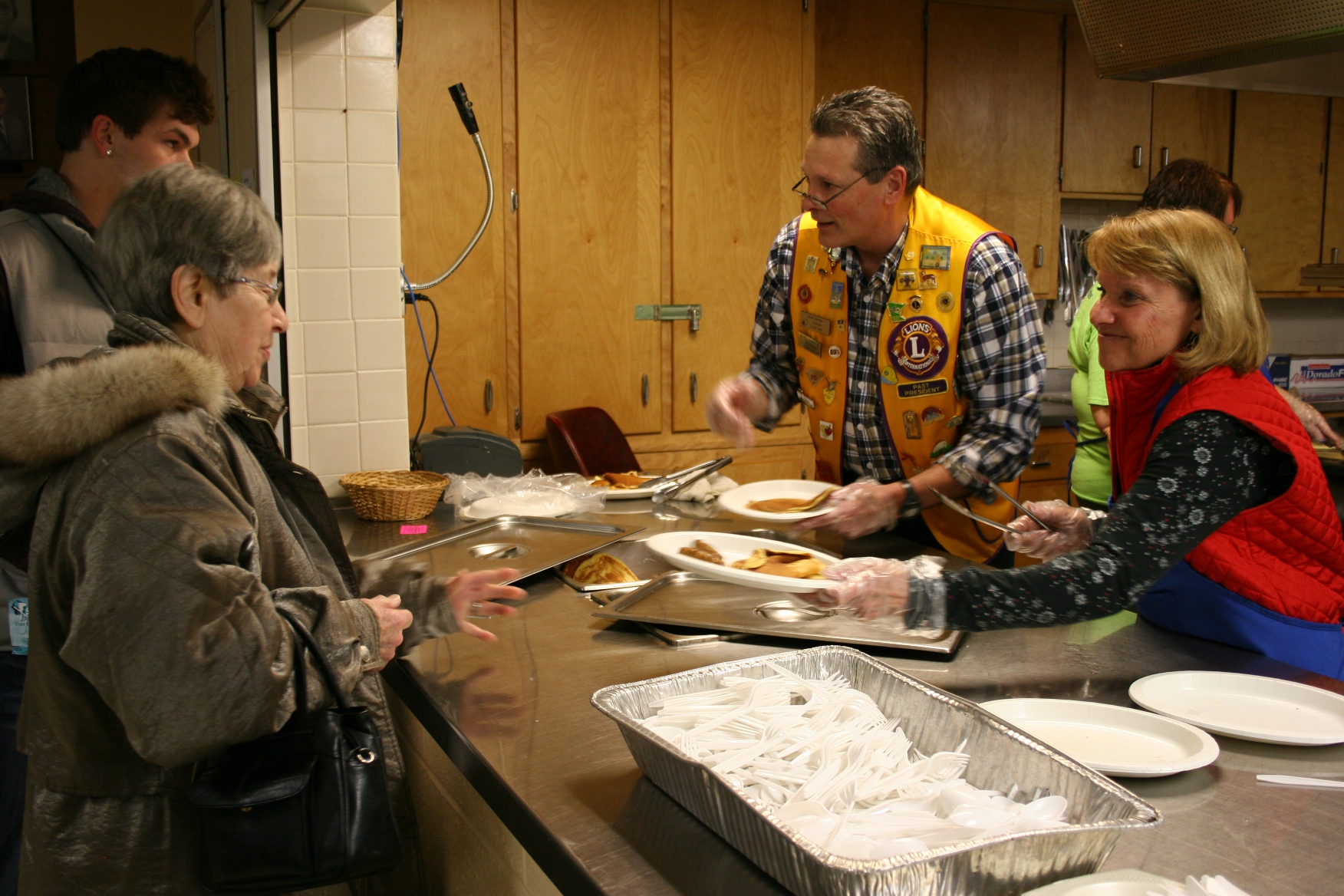
Serving up pancakes and sausage at the annual Lions Club pancake breakfast, a major fundraiser for the Faribault service organization. (Minnesota Prairie Roots copyrighted file photo 2015)
The main entry to the Minnesota State Academy for the Blind. The local Lions Club supports students and programs at MSAB. (Minnesota Prairie Roots copyrighted photo October 2024)

As I shared parts of my story with John, I felt his empathy and his strong desire to help others. The Faribault Lions clearly practice their motto of “We serve.” They collect used eyeglasses and hearing aids, offer vision screenings for kids, support Can Do Canines (which trains service dogs), funded the Lion’s Den apartment at the school for the blind (helping students adjust/learn in an apartment setting) and much more. Their service projects are not solely focused on vision and hearing.
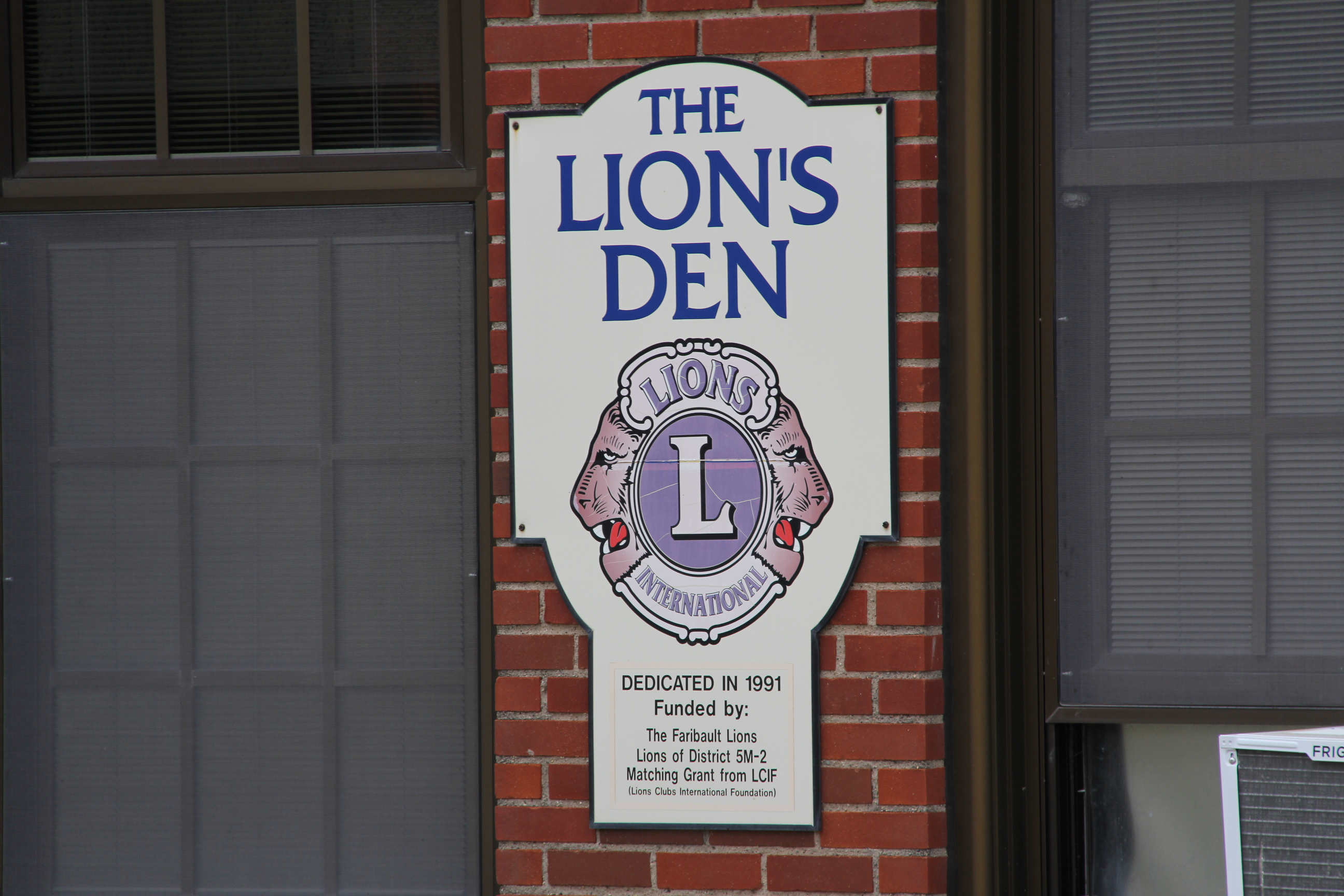
This sign on the Lion’s Den acknowledges this as a project of the Faribault Lions Club with a grant from the Lions Club International Foundation. (Minnesota Prairie Roots copyrighted photo October 2024)

But on this day, I want to highlight the efforts of John and his fellow Lions to educate the public about white canes. In the printed information John distributed at the grocery store, I learned that the idea of white canes originated in 1930 with the Lions Club of Peoria, Illinois. The club president suggested white canes with red tips as a tool to help those with visual impairments. The idea caught on as a way to grow their independence and also as a way to create awareness among the public.
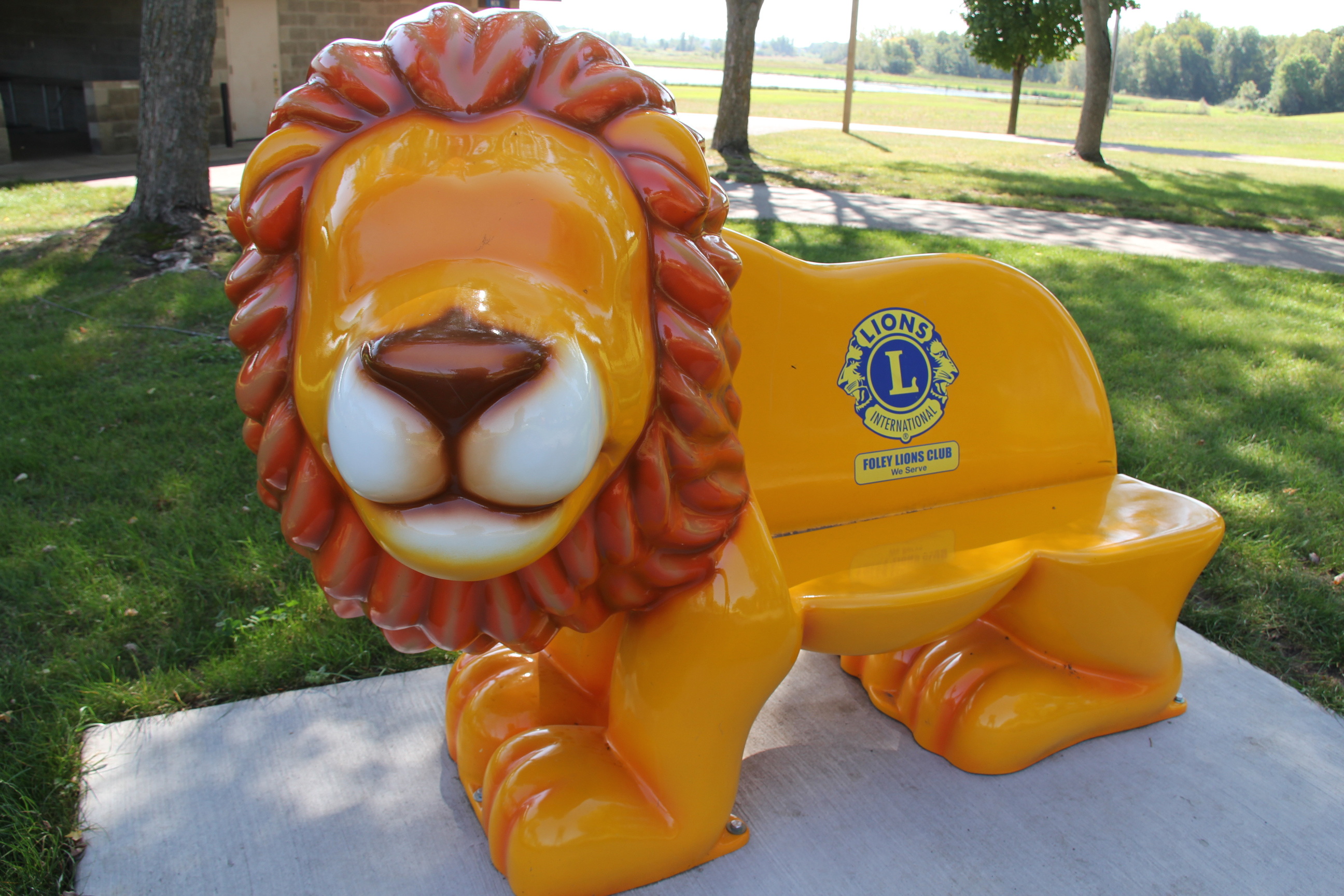
The Foley Lions Club in central Minnesota is raising awareness about vision via this bench in Lion’s Park. There’s also a lion’s head drinking fountain in the park. (Minnesota Prairie Roots copyrighted photo September 2024)

Awareness is assuredly a goal of the Lions. The informational sheet from John quotes two subdivisions of Minnesota state law #169.202 regarding white cane usage and how those operating motor vehicles must stop and yield to those carrying white or metallic canes. That seems common sense. But sometimes common sense is elusive.
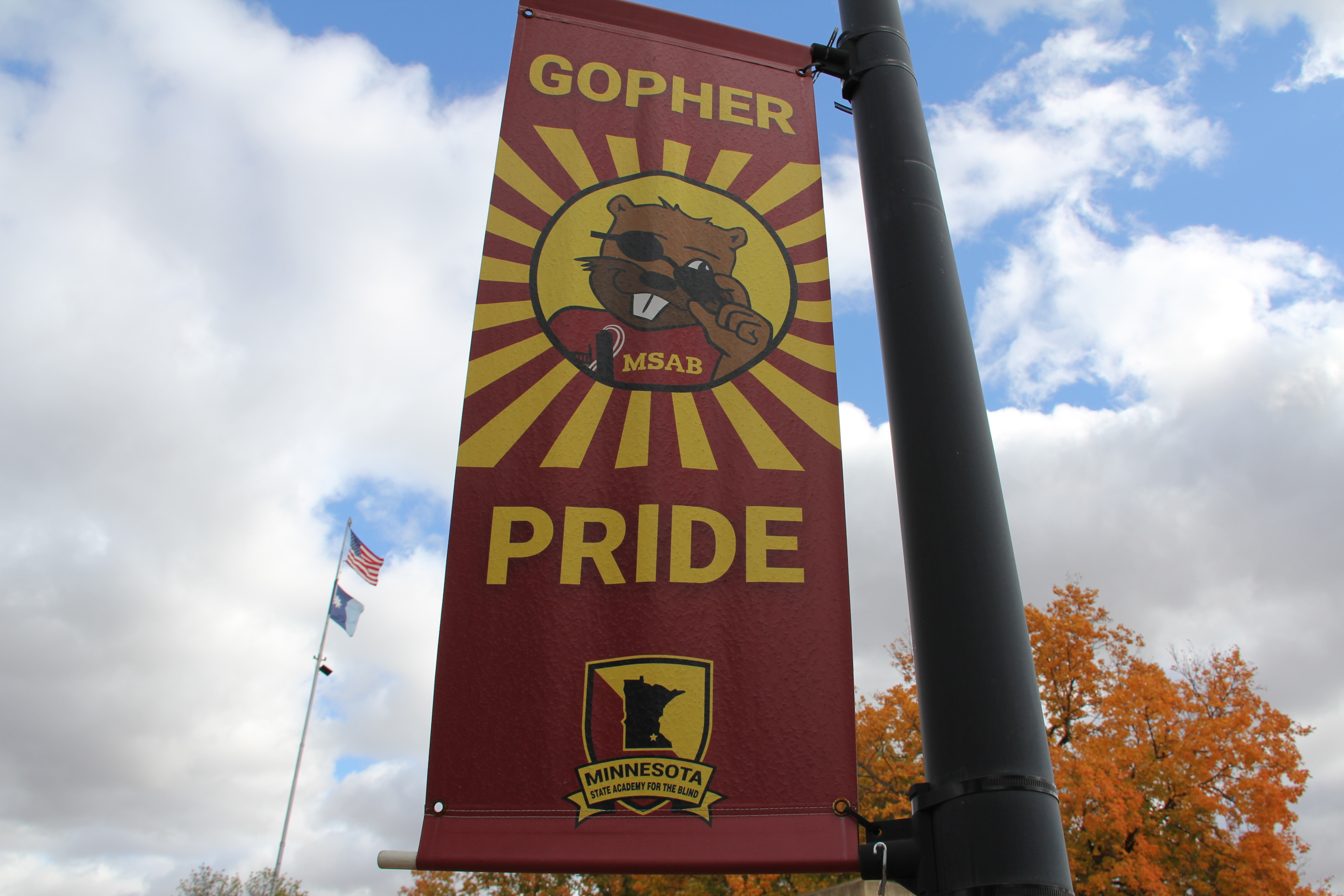
A banner on the MSAB campus shows pride in the school mascot. (Minnesota Prairie Roots copyrighted photo October 2024)

I appreciate the efforts of the Faribault Lions, especially when it comes to vision and hearing. They are determined to raise awareness, offer financial and other support, and make a difference for those of us who have vision and hearing impairments. Mine are manageable. I can see. And I can hear, even though I have profound hearing loss in my right ear (due to sudden sensory hearing loss from a virus).

Outside the M Health Fairview Eye Clinic. Inside the clinic, donors names are listed on a wall, including some I recognized as from Faribault. (Minnesota Prairie Roots copyrighted file photo 2023)

It’s humbling to sit in the packed waiting room of a specialty clinic like M Health Fairview Eye Clinic on the campus of the University of Minnesota and see young children with white canes. That puts my vision issues in perspective. In every situation, opportunities exist to learn and to grow empathy. I did and I have. And now, thanks to Faribault Lion John Battles, I have grown my understanding of White Cane Awareness Day and how much my community cares.

© Copyright 2024 Audrey Kletscher Helbling


Peace poster contest inspires young artists to celebrate connections January 6, 2022

Maelynn Thoele, award-winning artist. Photo source: Arlington Lions Club Facebook page.

IMAGINE A WORLD OF PEACE. Of minimal division. Of connecting and compassion and care. That seems elusive right now. But one can hope, aim toward, embrace such goals.

The annual Lions International Peace Poster Contest encourages me. Young people from all around the world create art themed to peace. Therein lies the possibility that perhaps some day we can achieve peace and unity. If our young people have anything to say about it.

I invite you to scroll through the grand prize winning art in past peace poster contests by clicking here. Yue Zheng, 13, from China took the top prize in 2020-2021 when “Peace Through Service” themed the competition. During the first “Peace Will Help Us Grow” contest in 1988-1989, Mustapha El Tawokji, 13, of Lebanon earned the grand prize. The award-winning art created by 11-13-year-olds from places like South Africa, Peru, Brazil, Thailand, multiple U.S. states and elsewhere since 1988 inspires.

This year young people were tasked with creating art centered on “We Are All Connected.” The Lions website defines that:

While overcoming new challenges brought on by an unprecedented global pandemic, we’re celebrating the things that keep us connected—to each other, to our communities, all together around the world. This year, we invite young people to envision, explore and visually express these connections.

And that these young artists did. Maelynn Thoele, 13, a seventh grader at Sibley East in Arlington, Minnesota, won multiple district competitions to advance to the international level with her peace poster. Her puzzle art fits visually well with the “We Are All Connected” theme. Just like puzzle pieces fit together to create a scene, peoples and countries connect to create our world.

The details in Maelynn’s art convey peace in the backdrop peace symbol, a dove and more. Her art includes the flags of many countries and hands of multiple skin tones assembling that puzzle. Together. Connected.

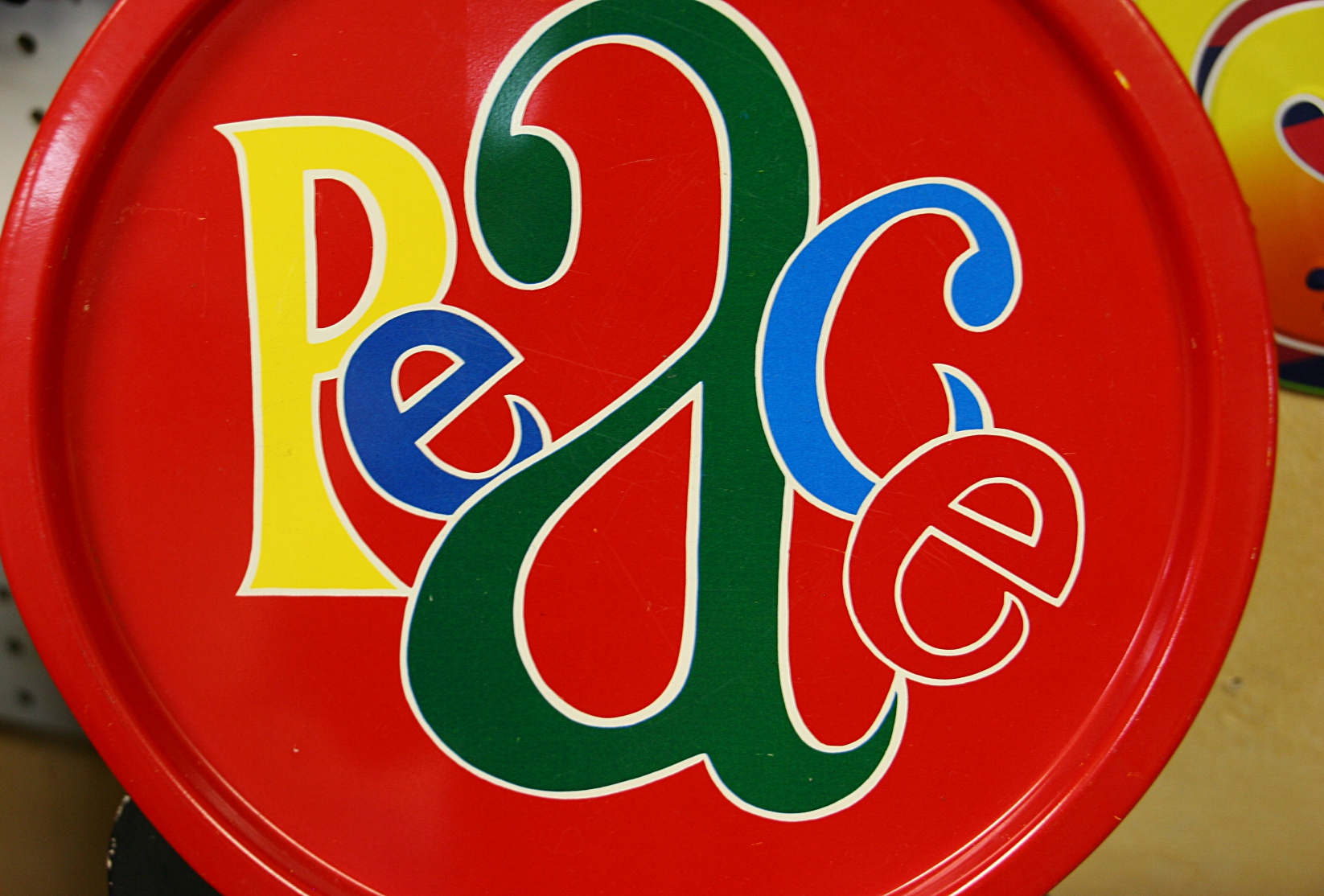
A vintage peace tray I purchased in 2015 at an antique shop. (Minnesota Prairie Roots copyrighted file photo 2015)

NOTE: I’d love to see the award-winning art of these students featured on t-shirts, posters, cards, etc. and, in Maelynn’s case, on a puzzle. Thoughts?

A Peace Poster Tabletop Exhibit is available (and loaned at no cost) to Lions groups in the U.S. The peace exhibit has been displayed, for example, in libraries, community events and Lions conventions. Call (630) 203-3812. I’d love to see that come to my Minnesota community.

Also, the Lions sponsor an International Peace Essay Contest for young people. I appreciate that opportunity for creatives who express themselves via words.

Please click here to read an earlier post I wrote about a 12-year-old girl from Rochester, who won the peace poster contest in her Minnesota middle school. Winners of the 2021-2022 peace poster contest will be notified by February 1.

© Copyright 2022 Audrey Kletscher Helbling

Photo source: Arlington Lions Club Facebook page. That club sponsored Maelynn.