
THERE WAS A TIME when I stayed away from cemeteries. Walking among tombstones, atop burial sites, creeped me out.
But I’ve since matured, realized that a cemetery holds history and art, life stories and loss, and serves as a place to grieve, to honor and to remember loved ones.
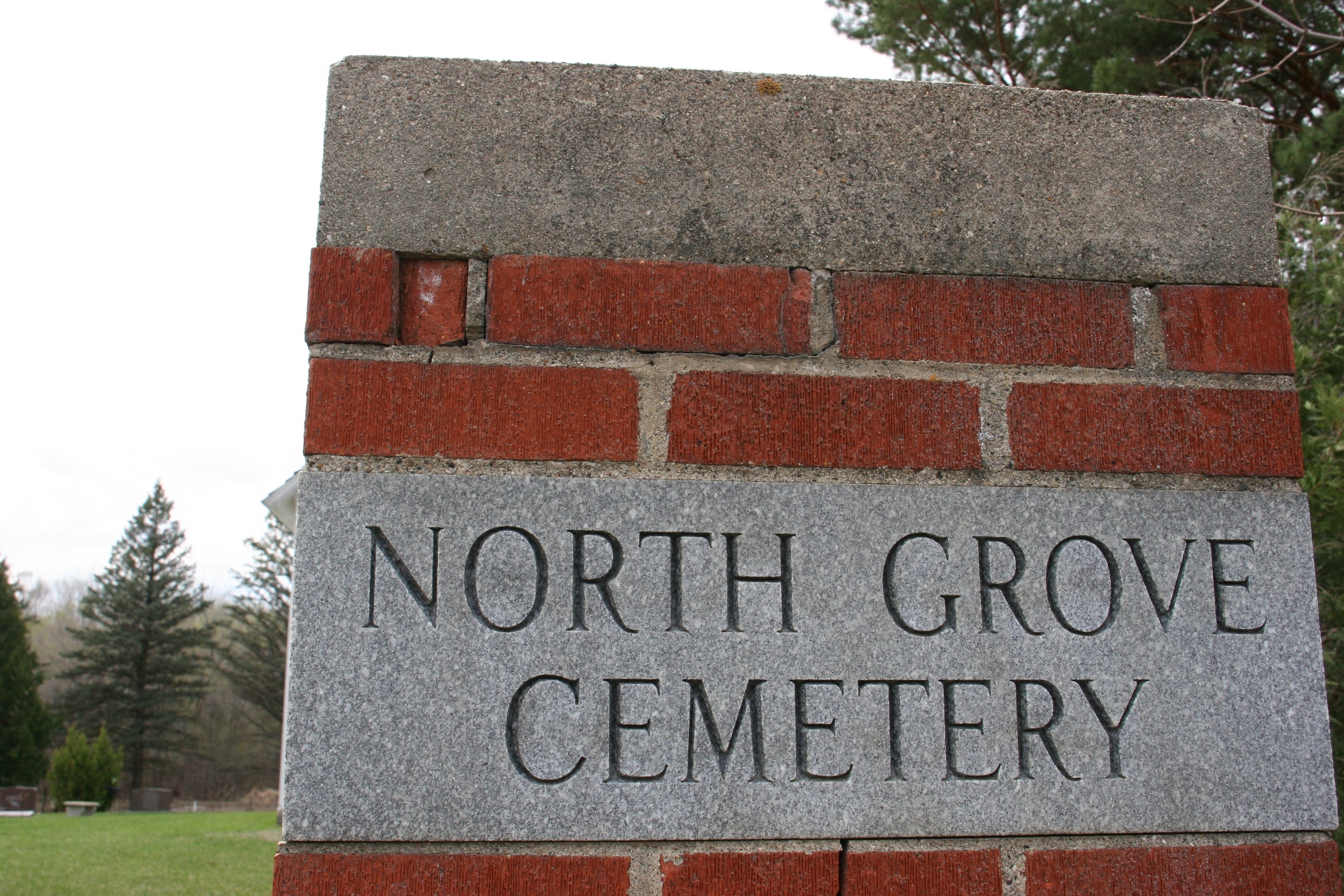
A marker at the entry to North Grove Church and Cemetery in Cannon City Township, rural Rice County, Minnesota.
My most recent cemetery tour took me to North Grove Church and Cemetery just north of Faribault along Minnesota Highway 3. I’ve passed this site hundreds of times in 30-plus years, never once stopping to investigate.
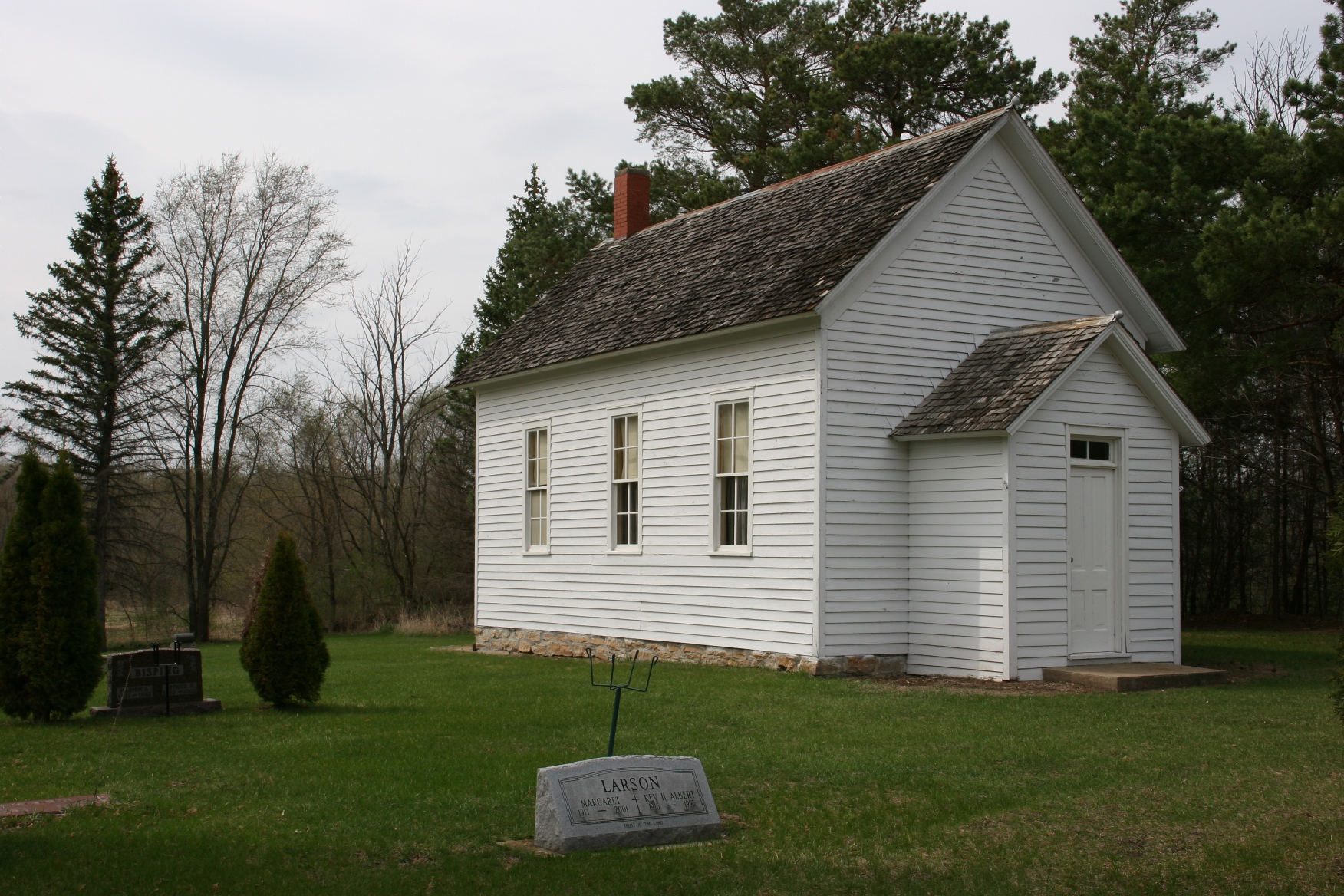
North Grove Church closed in 1931.
Here I discovered a quaint church, long closed.
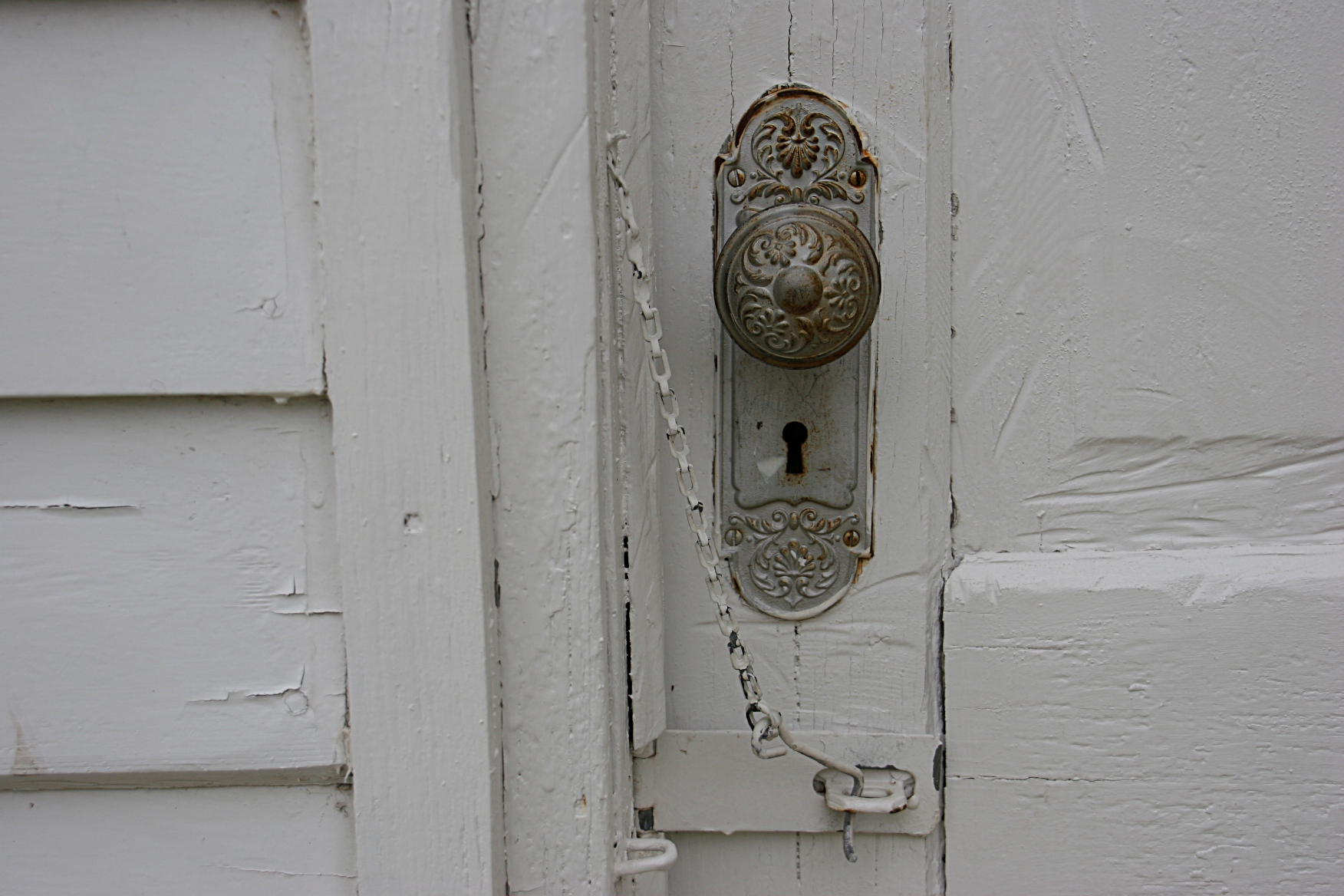
I opened this door into the church entry, but found the interior sanctuary door locked.
Peering through curtained windows, I glimpsed pews and wished I could get inside the locked building.
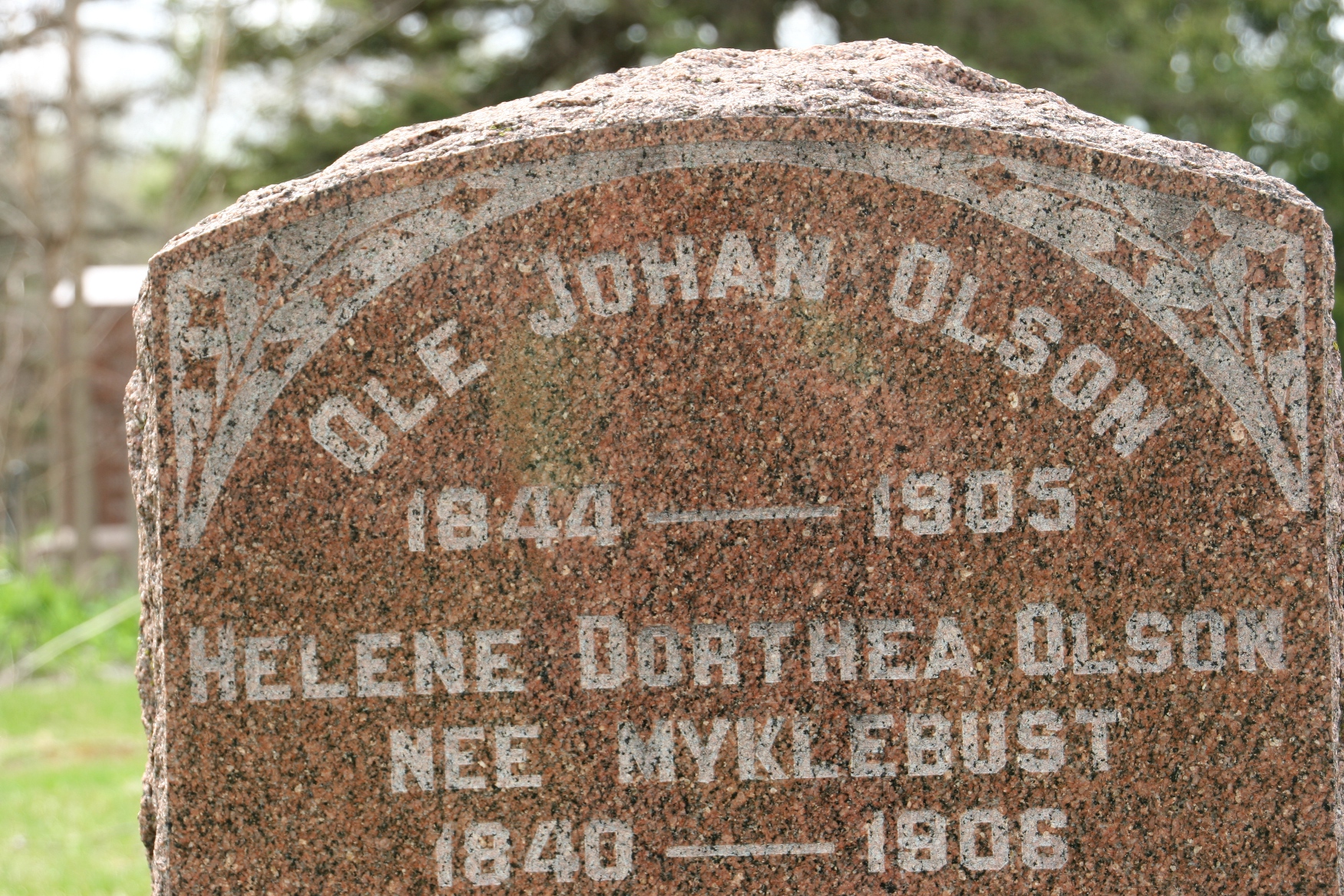
The Norwegian name, Ole, is common on North Grove tombstones.
On a quick perusal of grave markers, where the name “Ole” is chiseled in stone many times, I determined that Norwegian immigrants built this house of worship and established this cemetery.
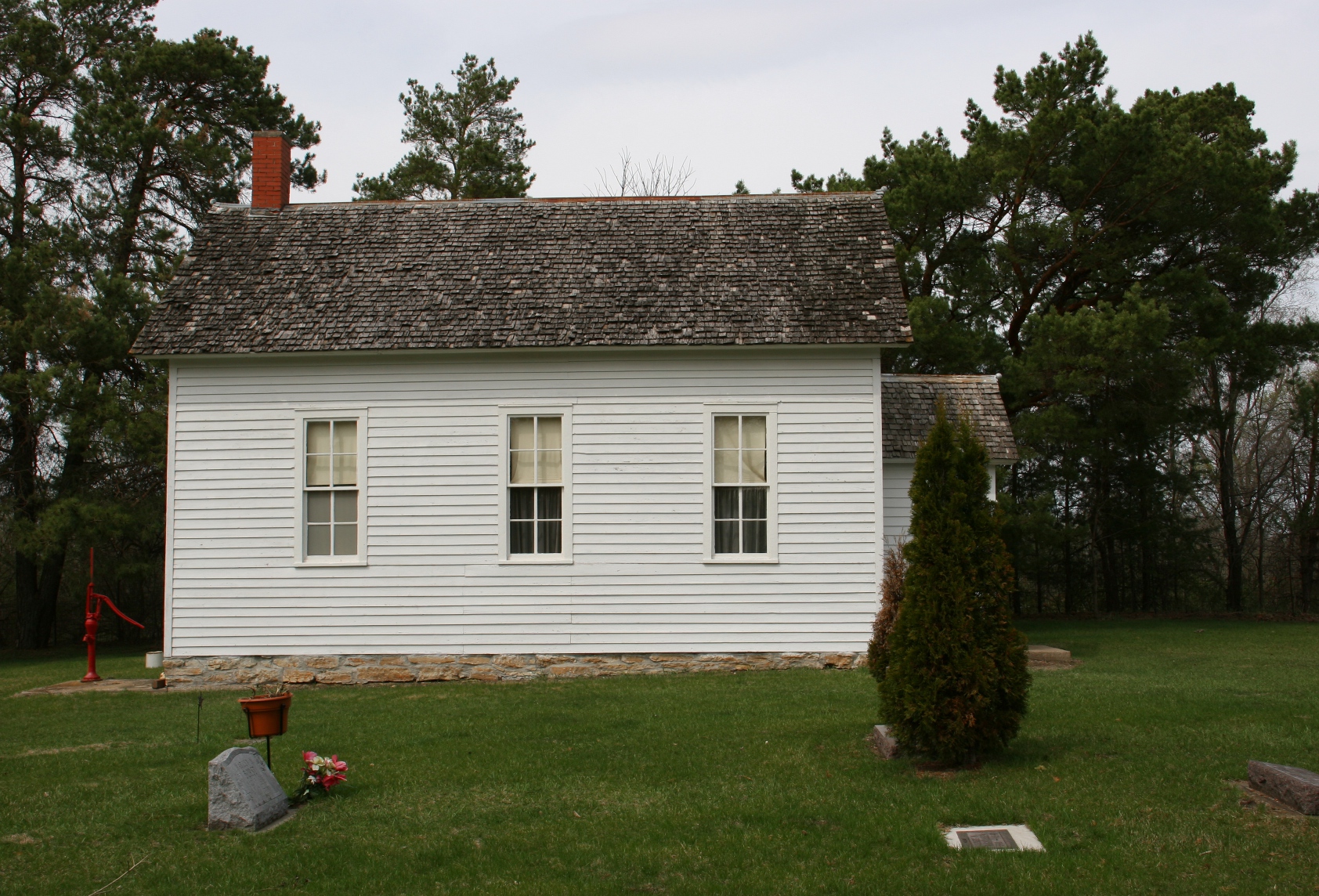
As was common in early Minnesota churches, the cemetery is right next to the church building.
John Dalby of Faribault, who runs the Dalby Database along with wife, Jan, confirmed the ethnicity of North Grove Church. The Norwegian church was started in 1869 and likely closed in 1931, when First English Lutheran Church in Faribault formed, Dalby says.
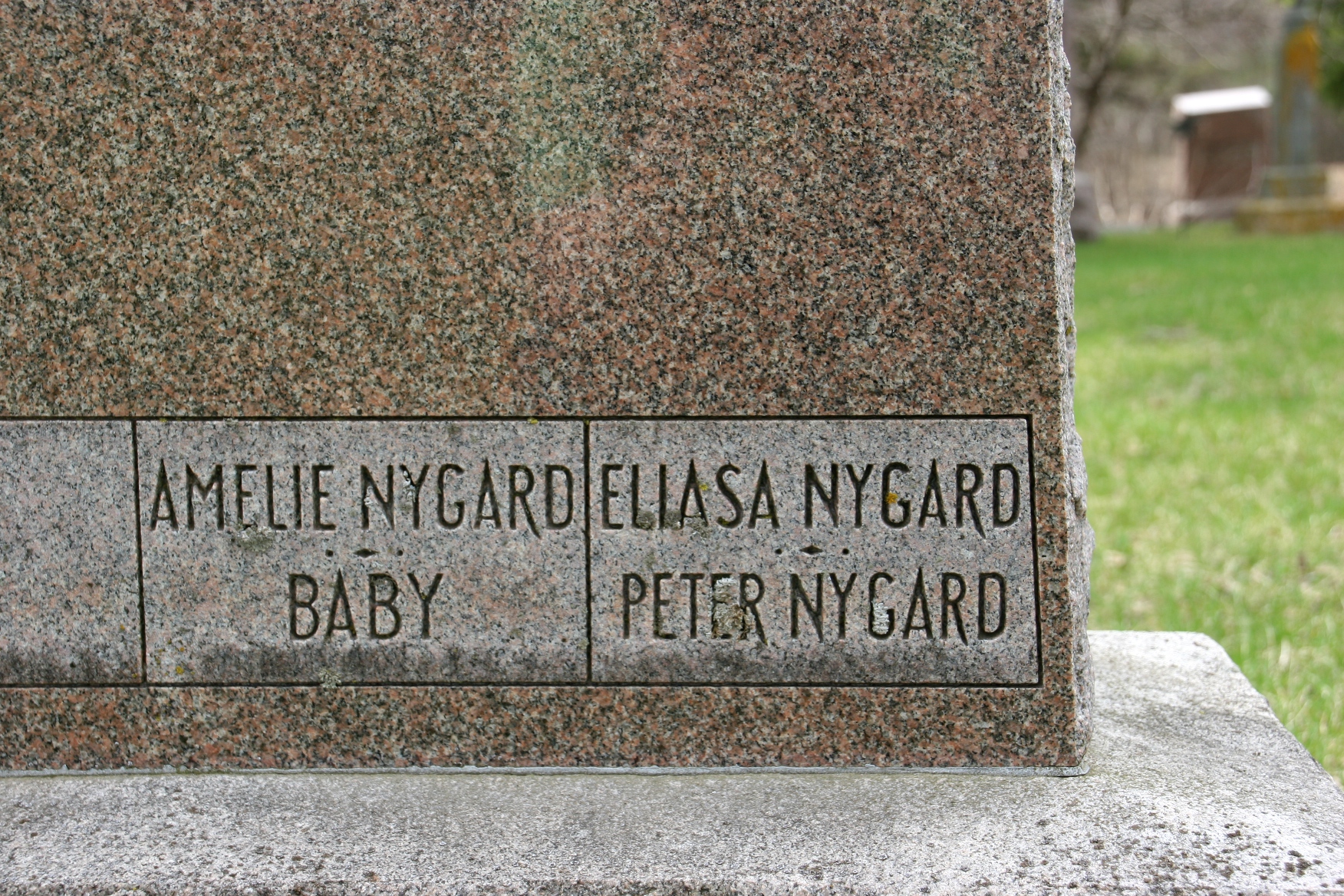
Too many babies died.
Wander this burial grounds and you begin to understand the losses and grief endured by early Minnesota settlers. Babies dead. Wives and husbands gone too young. Immigrants who left Norway for a new, but not always better, life in America.
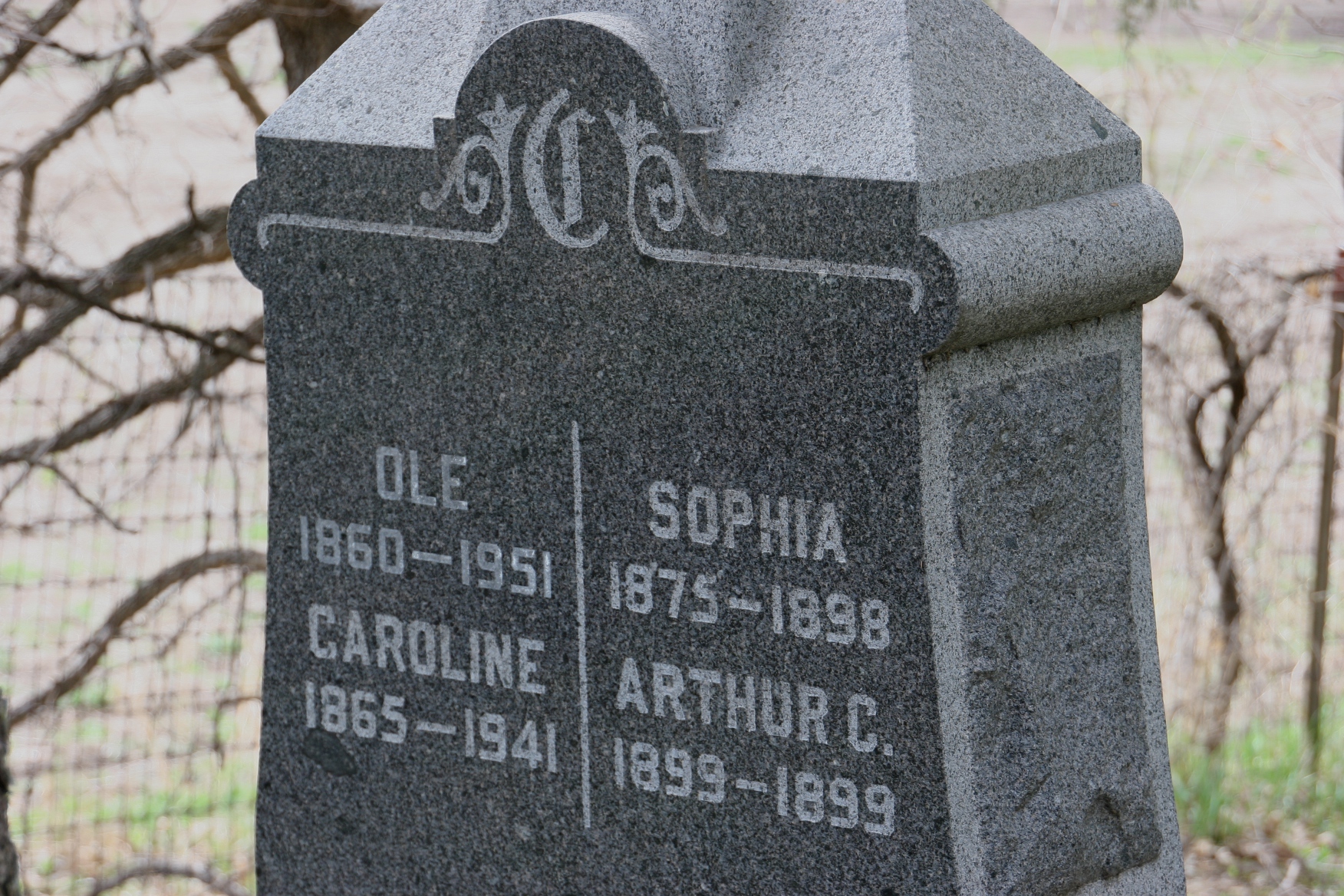
Ole Christiansen, who lived to age 91, came from Norway. His first wife, Sophia Swenson, died. He then married Caroline.
Then scroll through obituaries on the Dalby Database, which includes 2.5 million records from cemeteries, birth and death certificates and more, and names morph into people. Ole Christiansen is no longer simply a Norwegian name inscribed on a tombstone, but a man who was born in Alerude Odemark, Norway. Husband of Sophia. Then Caroline.
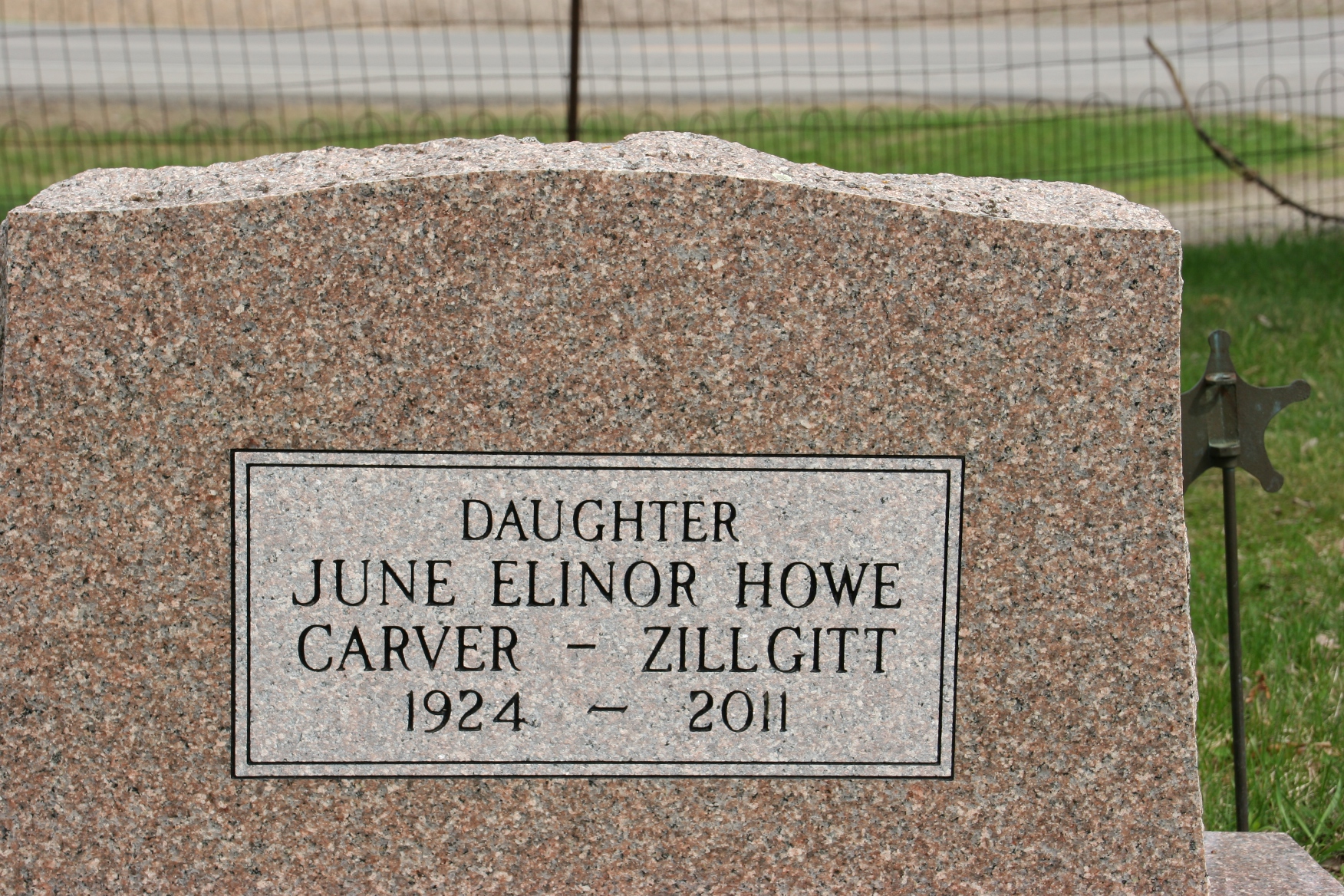
June’s first husband was Rice County Sheriff Chuck Carver, who died in a 1971 plane crash. The wreck was discovered several years later. She was remarried to a former Goodhue County sheriff.
June Carver-Zillgitt lived in a jailhouse with her husband-sheriff and cooked for inmates.
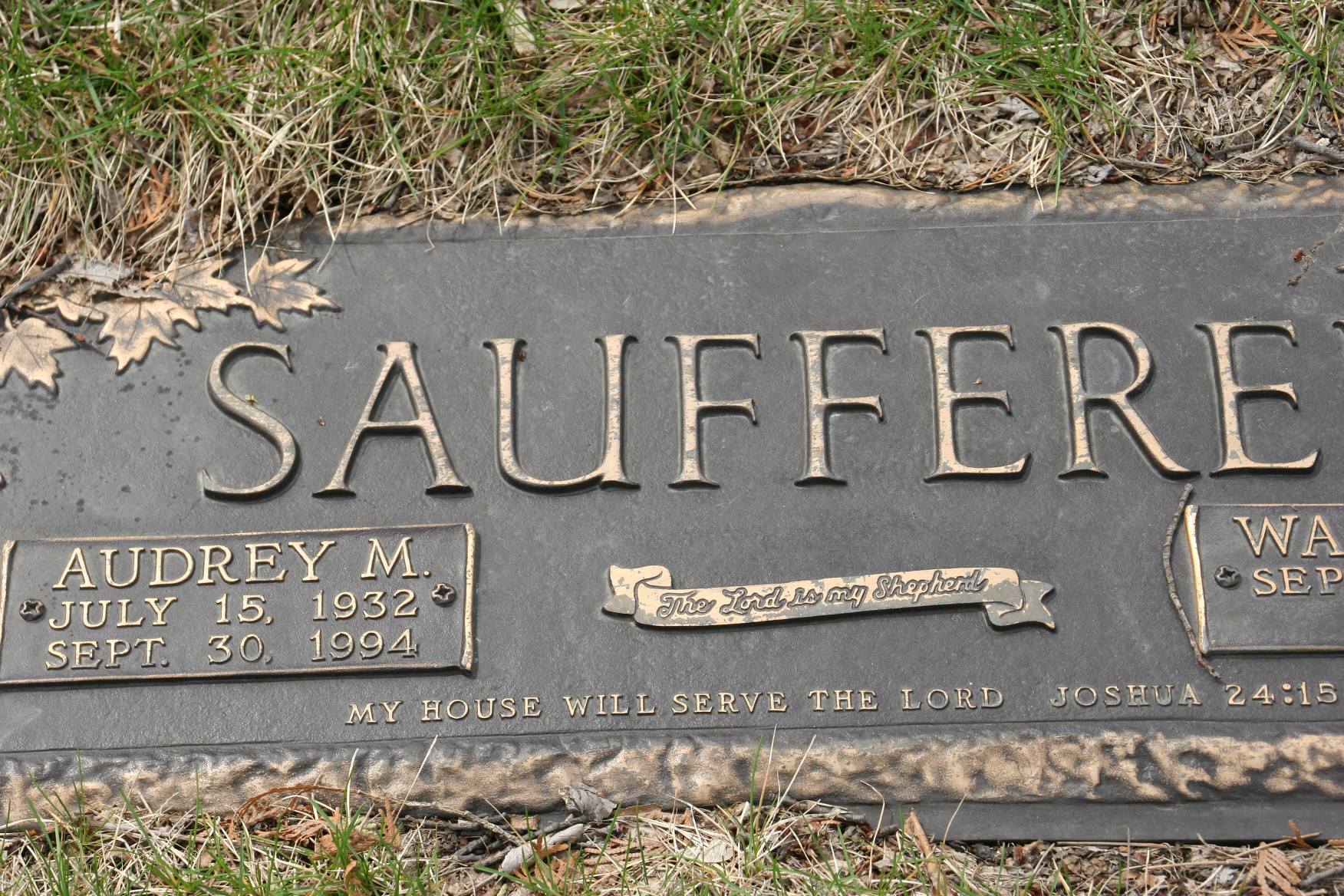
The name, Audrey, drew me to this in-ground marker as did the Scripture inscribed thereon.
Audrey Saufferrer had five grandchildren.
Grocer O.A. Brekke was termed a man of “sterling character.”
Mathilda Lund was a pioneer resident of the North Grove community.
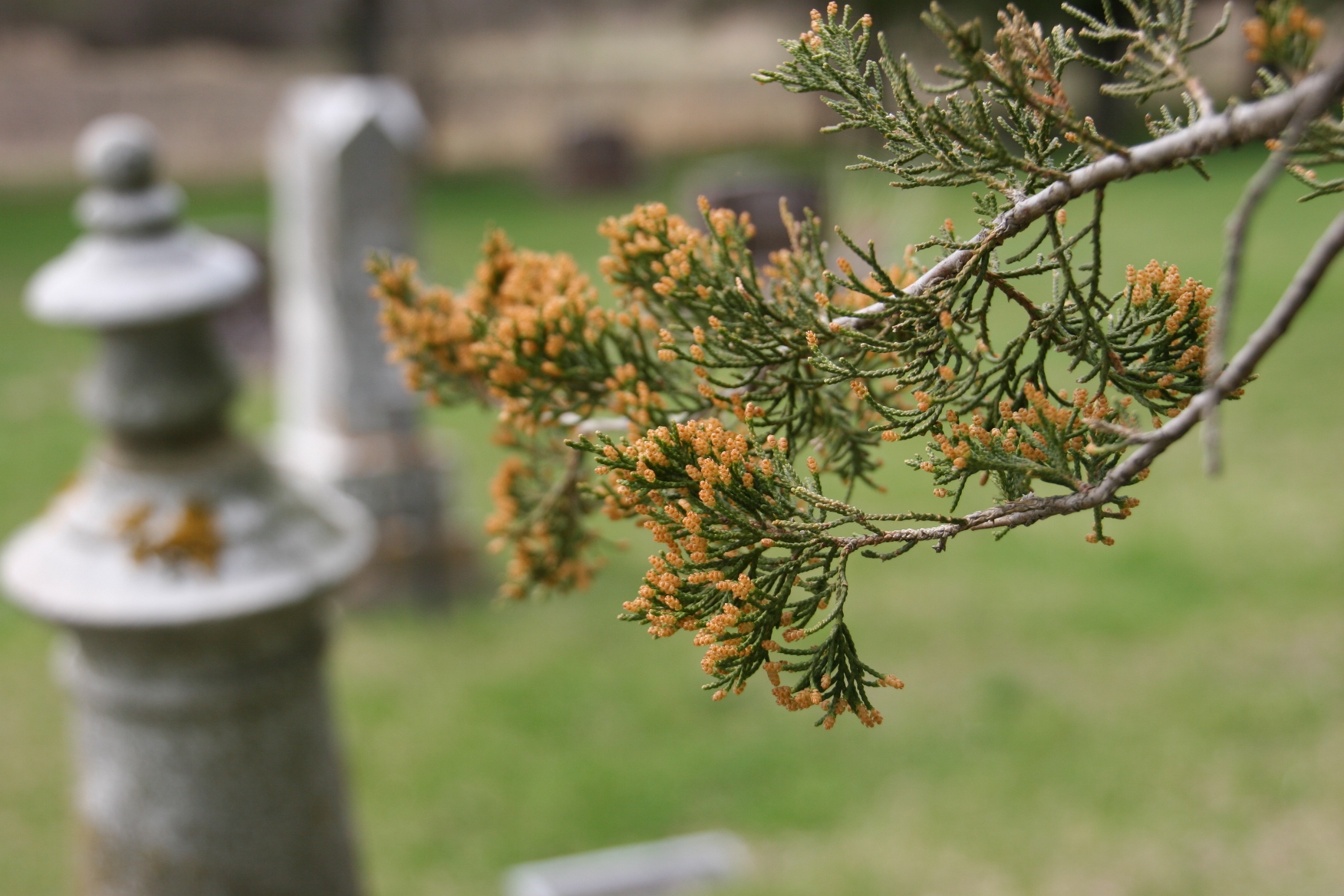
Trees are budding in the old cemetery.
Those buried at North Grove are 326 individuals who lived and loved and labored, although some were dead at birth, or lived too few days or months or years.
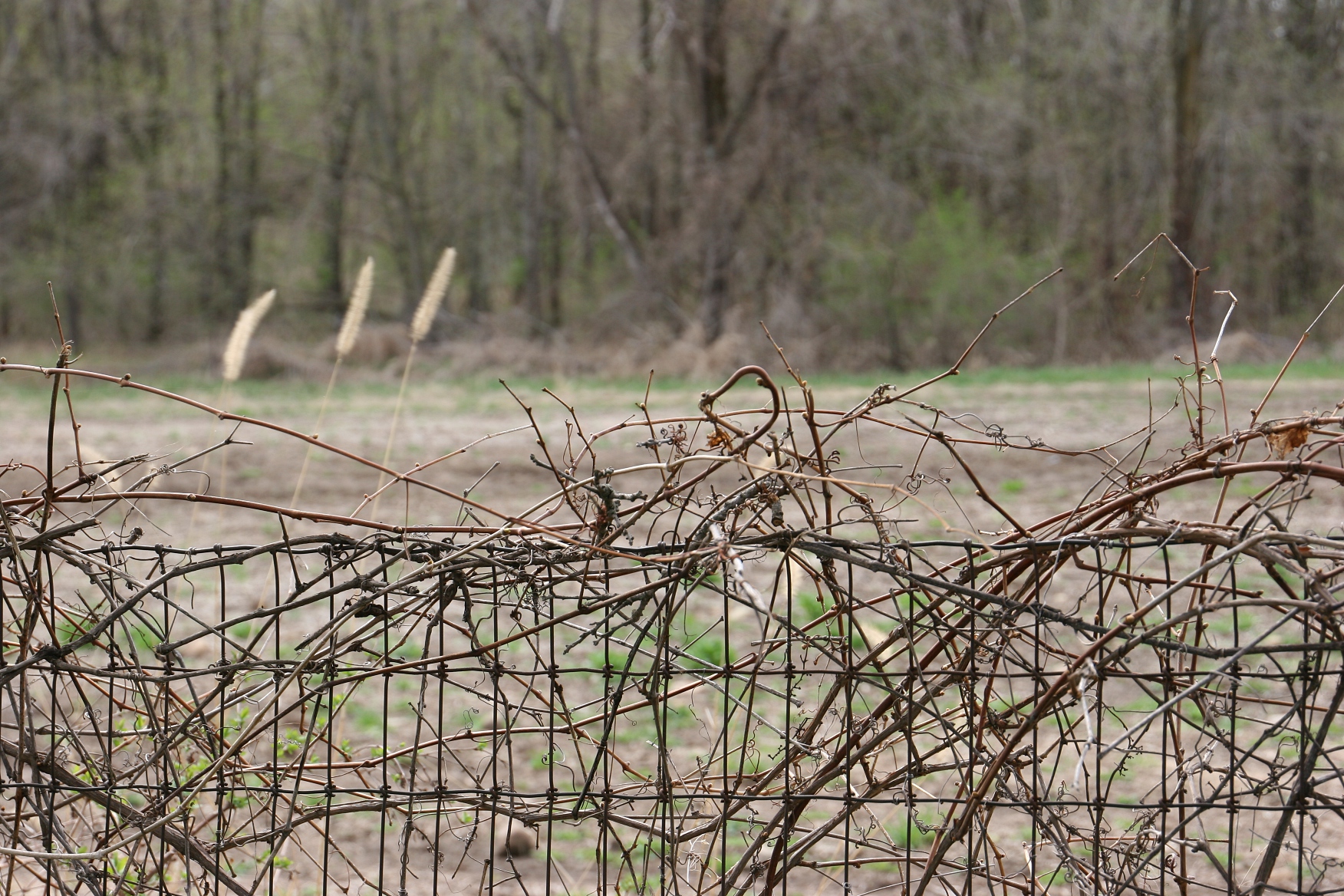
The fenced cemetery holds many stories. The cemetery is sandwiched between a highway and fields with a woods just a bit beyond as shown here.
I knew none of them. But, after walking among their gravestones, I am reminded that a cemetery holds life stories, if only we pause to read them.

Imagine the hands that worked this pump, those who drank the earth’s water. The pump is behind the church.
FYI: Click here to access the Dalby Database, a great resource for anyone doing family history research in Minnesota.

This is one of two old tea kettles sitting near the water pump. I assume they are there for watering flowers and plants.
FYI: Janice Uggen Johnson recently published a book, Faith of our Fathers: History of Markers Norwegian Lutheran Church and North Grove Church and Cemetery, Faribault, Rice County, Minnesota (2014). She is an associate member of the Norwegian-American Historical Association. I have not seen or read the book.
The Norwegian-American Historical Association, based at St. Olaf College in Northfield, Minnesota, is “a private membership organization dedicated to locating, collecting, preserving and interpreting the Norwegian-American experience with accuracy, integrity and liveliness.” It was founded in 1925.
Check back for a close-up look at a memorial in the North Grove Cemetery honoring a young Faribault woman.
© Copyright 2015 Audrey Kletscher Helbling


 Minnesota Prairie Roots
Minnesota and Wisconsin (I imagine everywhere really) are dotted with these small churches & cemeteries; sometimes just cemeteries. My wife and I stumbled upon an Amish cemetery in our travels as well. If only more were revealed on the headstones, but then would there be the mystery to wonder about?
Does an Amish cemetery differ from other cemeteries? I’m curious.
I just had a thought. Perhaps some day gravestones will include QR codes (is that what you call them?) to scan on your smartphone that will tell more about the deceased. Of course, technology changes so quickly that these may become outdated.
Amish cemetery was very plain. QR code would be great.
That’s what I expected. Did you photograph it?
Maybe I’m on to something with the QR code.
Yes we photographed it.
Wonderful. I expect you and Cyndie will showcase some of your images online. BTW, I don’t see anything new showing up in your blog. Are you temporarily not posting?
I ran behind in posting. All up to date now 🙂 Thanks for bringing that to my attention.
You’re welcome. Will check out your posts in the a.m.
two photos of the cemetery are here: https://outdoorguyphotography.wordpress.com/2012/09/03/eau-claire-county-wi-amish-country/
Thanks, Dan.
Obituaries should be printed on the back of the headstones!
Too costly, I’m sure and too difficult. I just had this idea of putting QR codes on gravestones to scan and hear life stories. I’m no techie, so have no idea if this would work or if “QR code” is even the correct term. No, I don’t have a smartphone.
Really appreciating the sharing of deeper lives that you researched beyond just name & date…
Thank you
Gives a wider sense of each life
& I wish you could have gone inside the church, too
The care in that doorknob & lock! So much beauty
I was fortunate to know about the Dalby database, a great resource for Minnesotans.
I’m glad you noticed the doorknob, too. It’s beautiful.
Strolling through cemeteries always breaks my heart. You see so many graves of people who died so young.
This is true. Years ago, before modern medicine, so many women died in childbirth and children died in infancy or at a young age. I have three aunts who died as children. Oh, the heartache my grandparents must have felt.
Great post. I love pictures of old churches. It’s funny because I have no problem walking throughout the older section of our local cemetery because of all of the history, but when I walk around in the area where my Sister is buried all I see is young untimely deaths. There are more than a dozen young adults within feet of where she’s buried. Yet years from now they will all be part of our local collective history. I read somewhere once that a person dies two deaths. Once when they leave this earth and once when the last person who remembers them dies.
I can understand your feelings about cemeteries and walking in the newer section. When death is as tragic as that of your sweet sister, your heart never stops hurting.
That last sentence you wrote about two deaths is profound.
And indeed yes there are stories to tell. I really liked your close up lens thinking about a name and a date and wishing we could add a face. Sometime pick up a copy of local author Rachel Handel’s We’ll Be the Last One to Let You Down Memoir of a Grave Digger’s Daughter. You both have lot common with an interest in the same subject.
Ah, Sue, I have read, and reviewed, Rachael’s book: https://mnprairieroots.com/2013/05/09/connecting-to-rachael-hanels-memoir-of-a-gravediggers-daughter/
Very wonderful pictures and stories that are imagined today on your blog.
It is always interesting to imagine more about these immigrants. And anyone who really wants to take the time to learn more can do so by going to the Dalby Database.
Well you KNOW I loved this post, another love that you and I share. I felt you disappointment when you tried to enter the inner sanctuary of that church, I’m like a giddy school girl whenever i find an old church open. Oh the stories the graveyard holds within it. I love that the old pump is still working…so cool.
Oh, I knew you would understand how desperately I wanted to get inside that church. I would love if North Grove would open this church to the public once a year as some historic churches are.
I agree about it being cool that the old water pump still works.
Yes like the Lenora church for example. 🙂
A great example.
I may have mentioned before in one of your earlier cemetery posts that I love to walk through cemeteries. Always have. The only part I don’t like is in some older cemeteries there is a baby section. Seeing many stillborn or infant gravestones makes me very sad.
I feel the same about the babies.
I would love to wander inside the old church too. What a shame it’s no longer operating; it looks like it would be a lovely place for a small wedding or Christening. I find wandering around cemeteries very sobering as you see how blessed you are when those of a different era suffered so many tragedies and many at such a young age xx
I, too, think it would be a lovely site for a celebration. And, yes, we are blessed with modern medicine to deal with many health issues which not so long ago resulted in death.
It’s nice to know I’m not alone in my affection for cemeteries. Maybe you don’t exactly feel affection, Audrey, there’s probably a better word, but I do. There are so many stories to be told in these old places. As you observe the children and the young mothers show us how very lucky we are today not to fear childbirth as they did. My own Minnesota family as two young people buried that would have lived if administered a simple antibiotic. Your photographs are so touching. I particularly like the door handle.
I think all of us of our age know of family members who would have lived had the treatments available today been available not all that long ago. I am sorry that your family also suffered the loss of two young people.
I would not say I have an affection for cemeteries, but rather an appreciation. I strive, whenever I visit a cemetery, to understand the people buried therein, to know that they were loved.
That’s it! That’s the word.
Great.
I enjoy checking out cemeteries because of the history as well as learning about the people of a community. Thanks so much for sharing – great history and great captures.
Thank you. Cemeteries can reveal a lot about a community. You’re right with that.