

I’VE ALWAYS HELD a fascination with milkweeds. Their clusters of vanilla-scented dusty pink flowers draw me to a plant that seems more flower than weed. Unless you were my dad, who wanted the common milkweed removed from his acres of soybeans. Yes, I hoed or pulled plenty of milkweeds from the fields on my southwestern Minnesota childhood farm.
My thinking has shifted since then. Today I plant, rather than eradicate, milkweeds. Dad, if he was still alive, might wonder how his farm-raised daughter strayed so far from hoeing to growing.
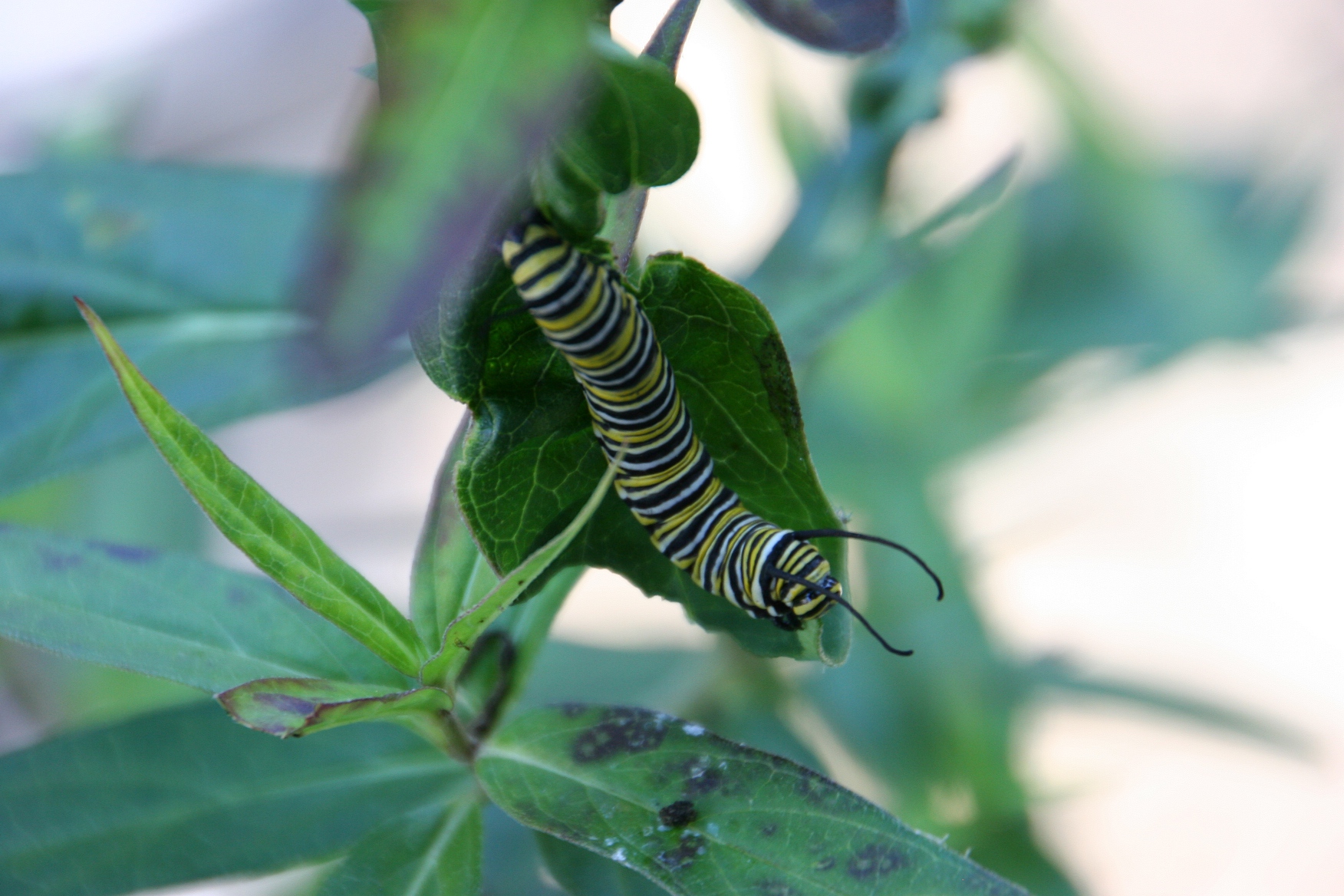
The answer is easy. Long ago I learned the value of milkweeds to our monarch butterfly population. The butterfly lays its eggs on milkweed leaves. And milkweed is the sole source of food for monarch caterpillars. If we want the monarch population to grow, thrive and survive, we need milkweed plants. It’s that simple.
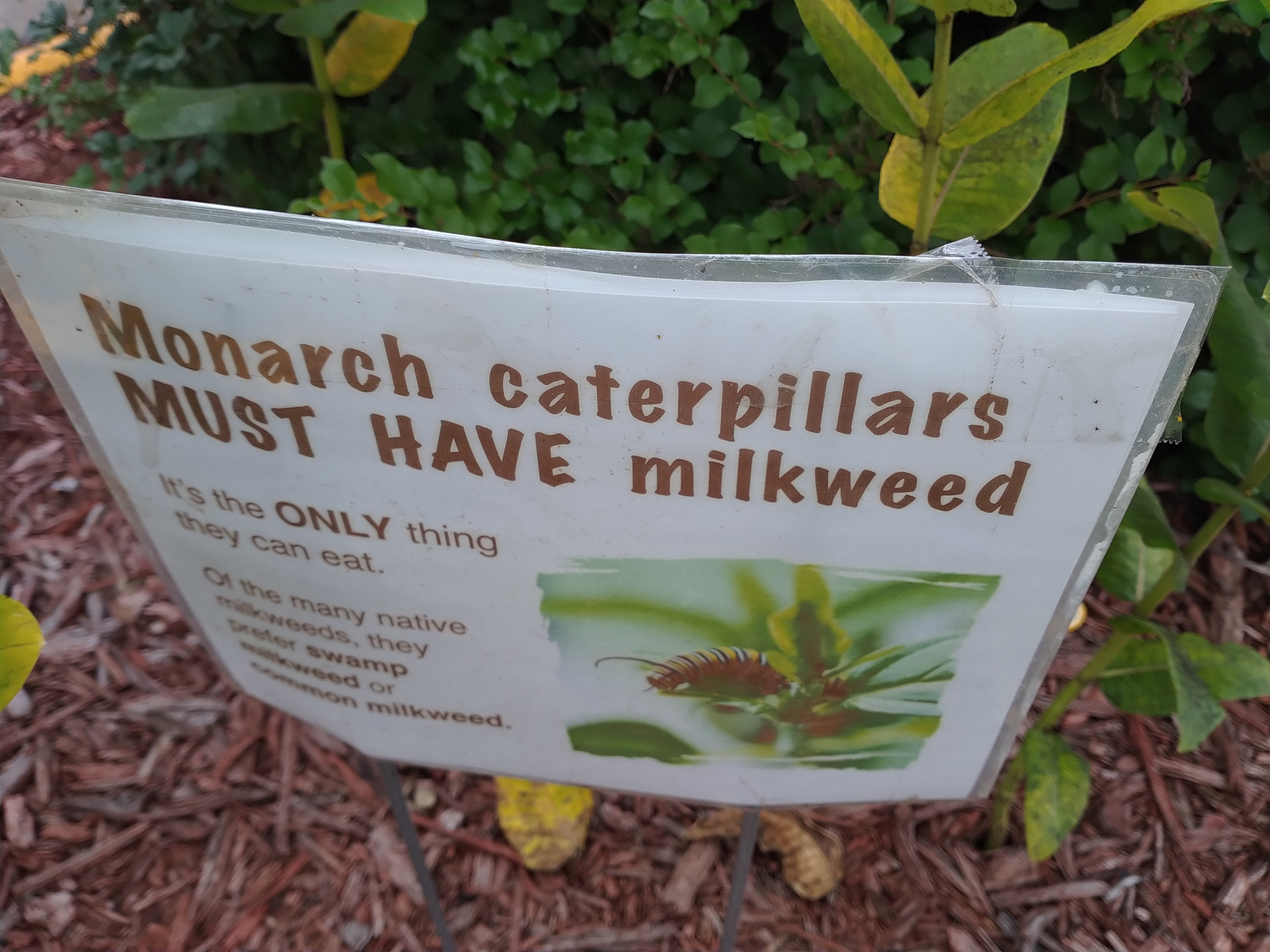
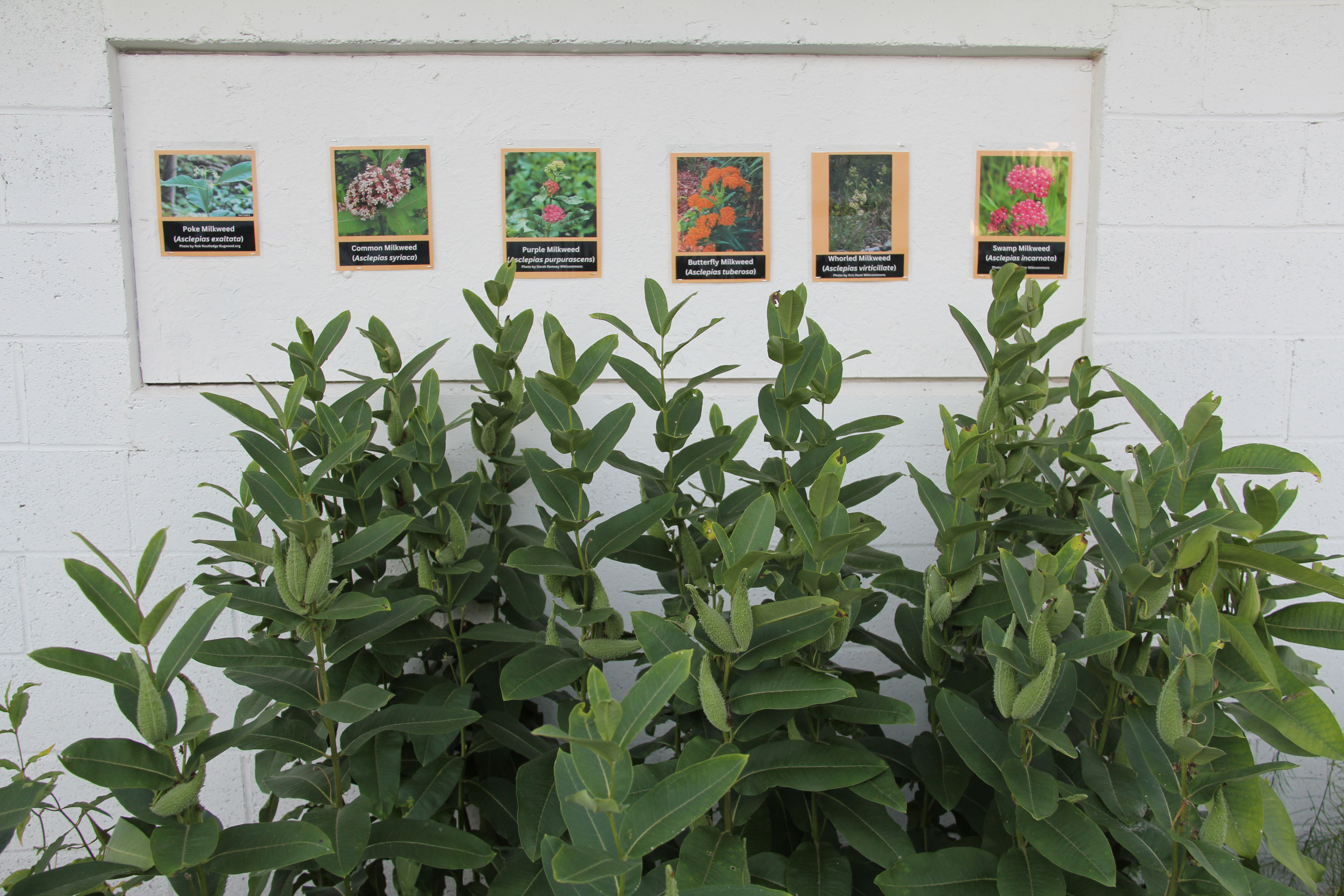
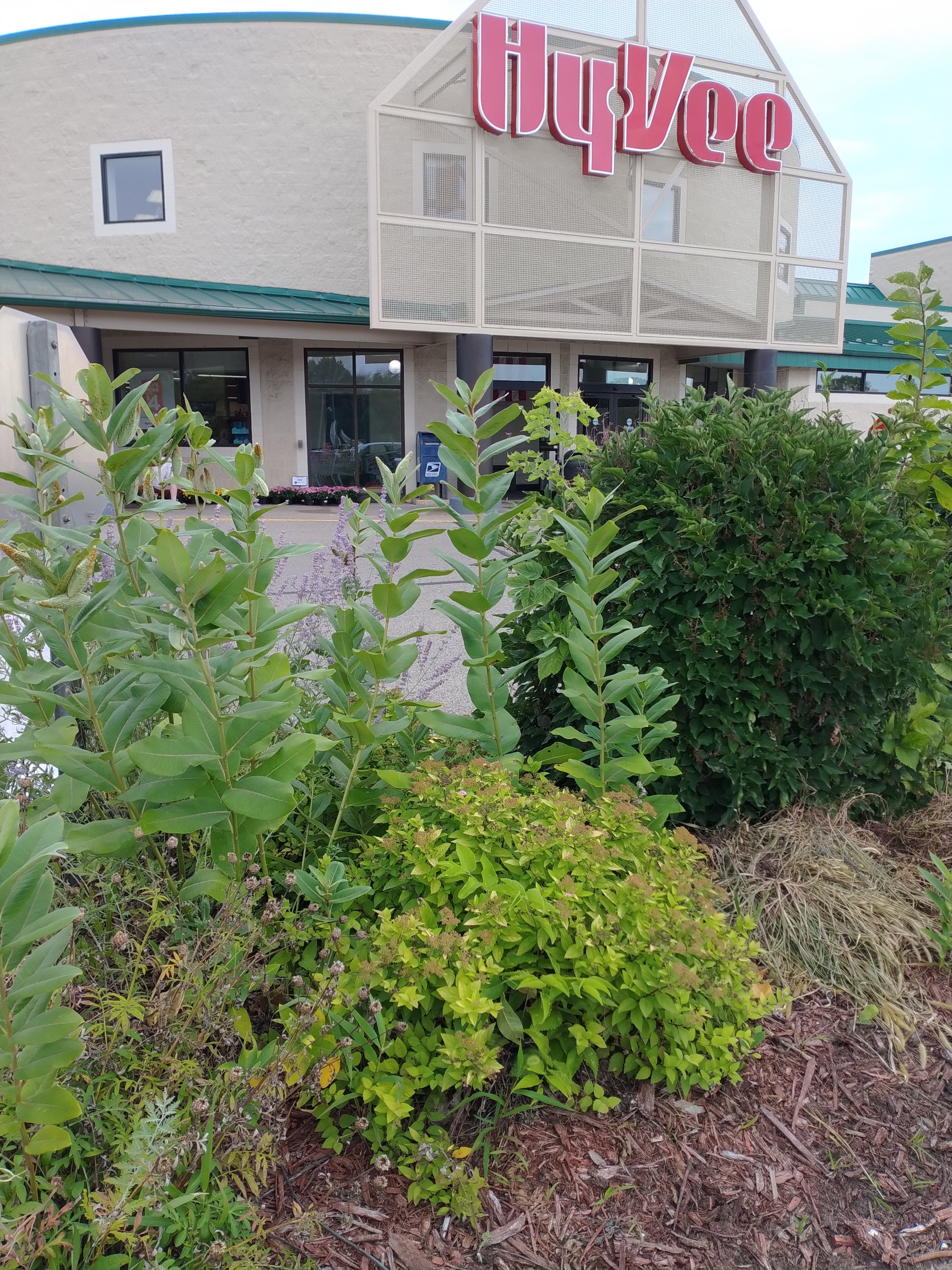
More and more I’ve spotted milkweeds growing in public places in and around Faribault. River Bend Nature Center. Falls Creek County Park. The Rice County Master Gardeners’ Teaching Gardens. Beside the conservation building at the Rice County Fairgrounds. Even in flowerbeds at Hy-Vee grocery store.
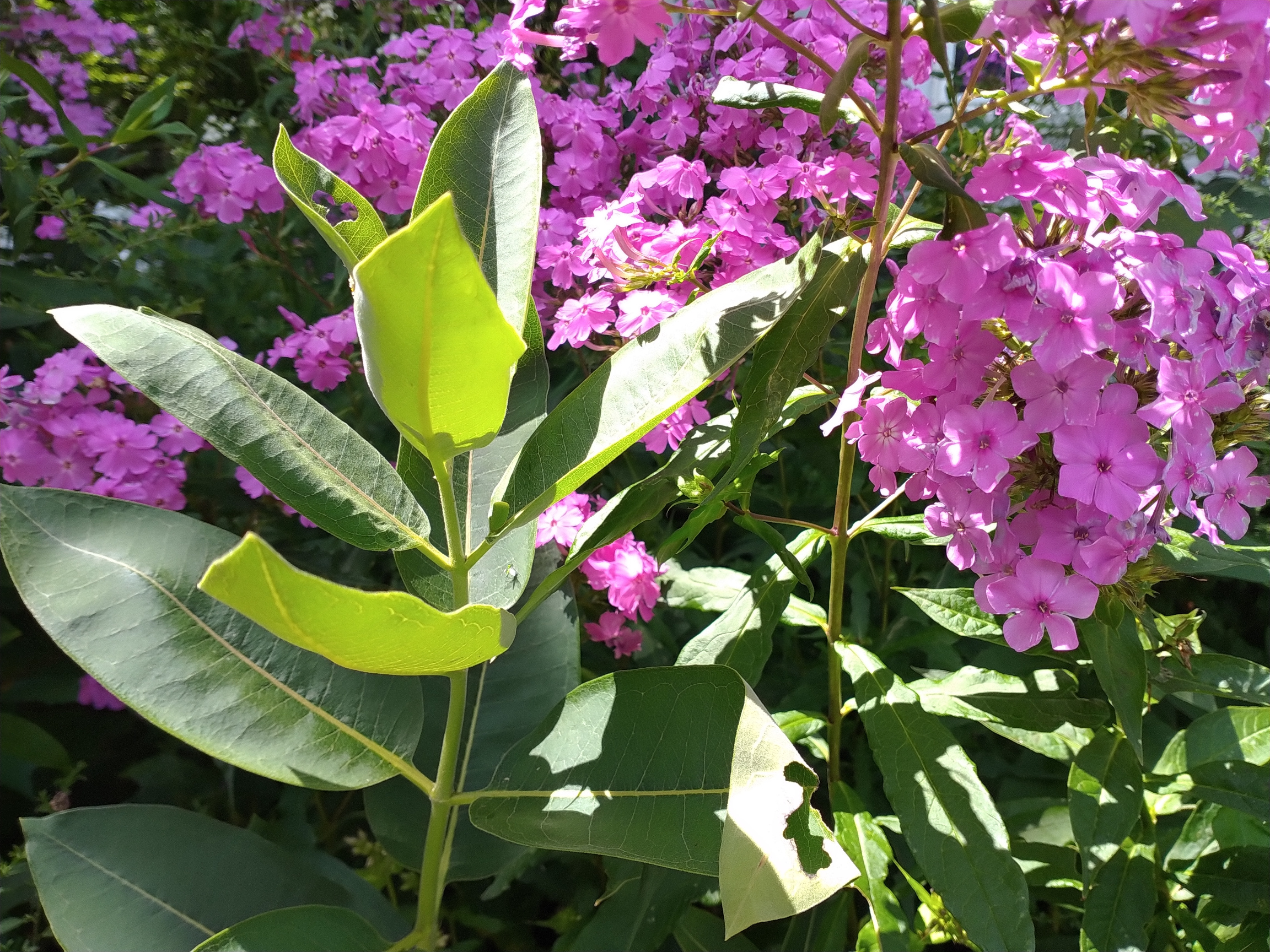
If you walk by my house, you’ll see stray milkweeds popping up here and there. Along a retaining wall. Among the prolific phlox in my messy flowerbeds. The husband has orders not to mow, pull or otherwise remove milkweed plants.
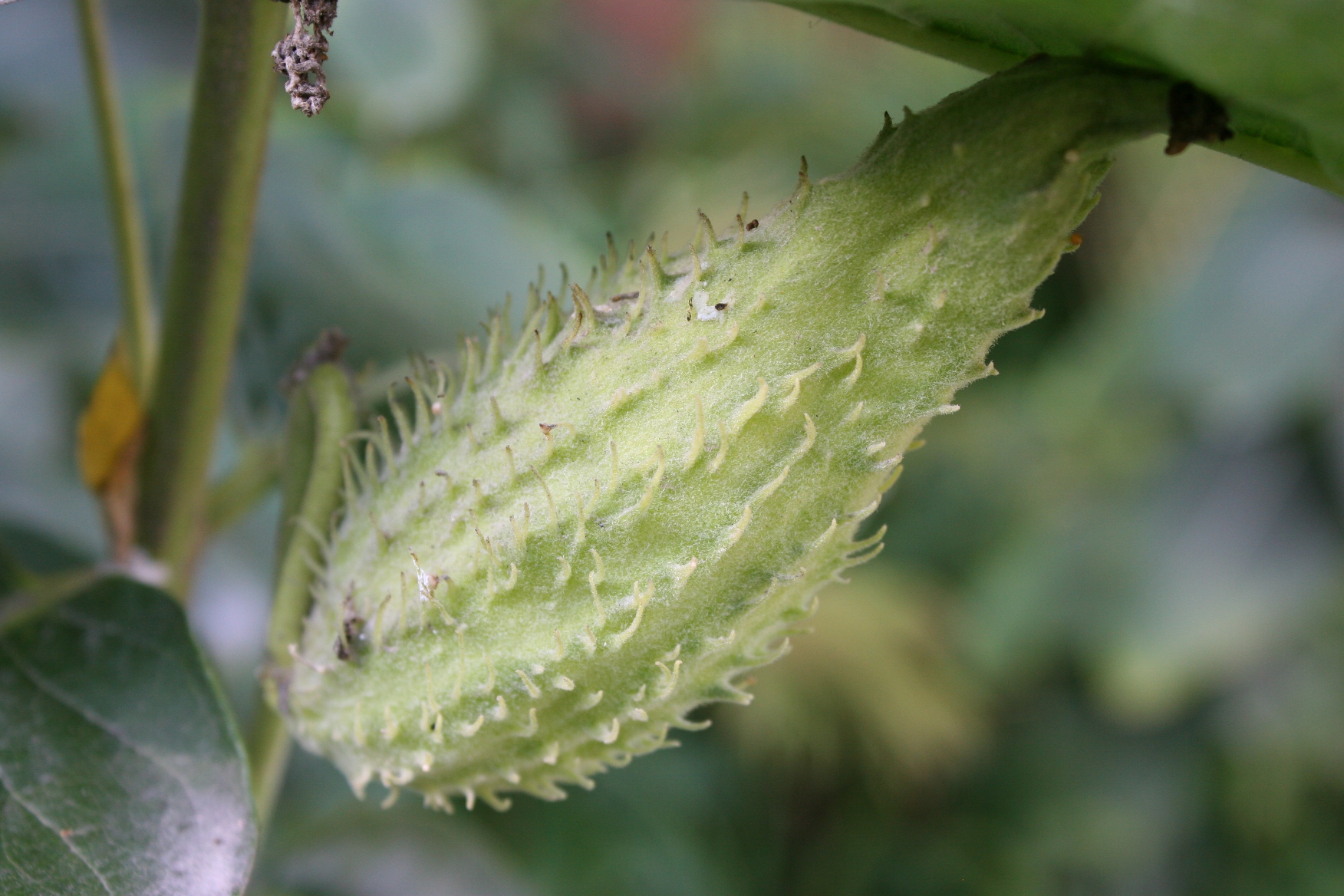
This time of year, seed pods are forming on milkweeds. Perhaps it’s the writer, the poet, in me that loves the shape of those fat green pods that will eventually dry, burst open and spread seeds on wisps of white fluff carried by the wind.
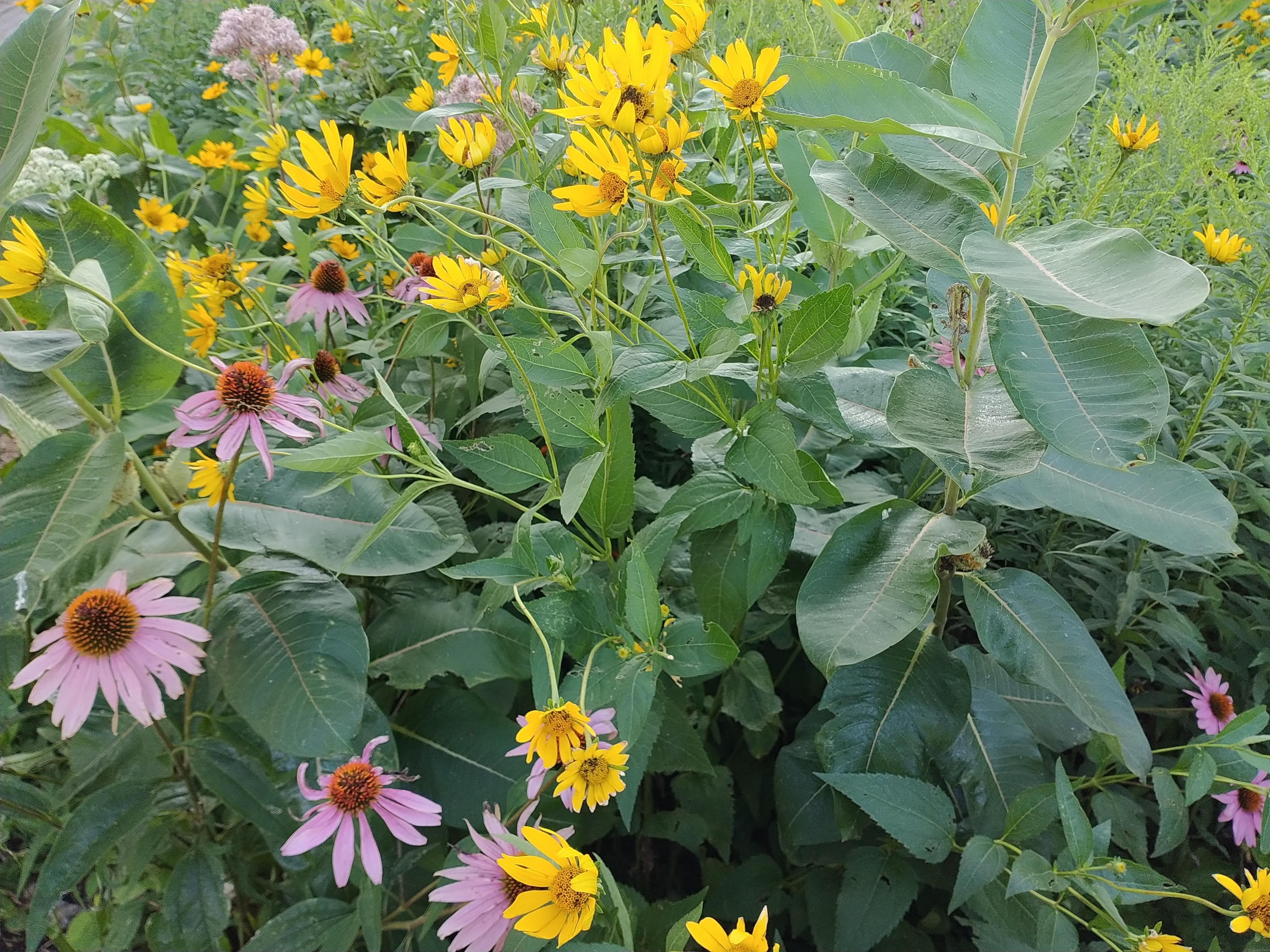
Seeds wing across the landscape, just like monarchs. I remember a time when monarchs were prolific. Yes, even in rural Minnesota where I labored to get rid of milkweed plants.
Naturalists, gardeners and others are working hard now to bring back the monarch population. It’s taken time, effort and education to convince people to plant milkweeds for monarchs. I don’t expect butterfly numbers will be what they once were—when monarchs flitted everywhere. But we have to start somewhere, do something. And that begins with each of us. Educating ourselves. Caring. And then deciding that milkweeds really aren’t weeds after all. They are vital to the survival of the monarch butterfly. It’s OK to plant milkweed seeds or allow nature to plant them.
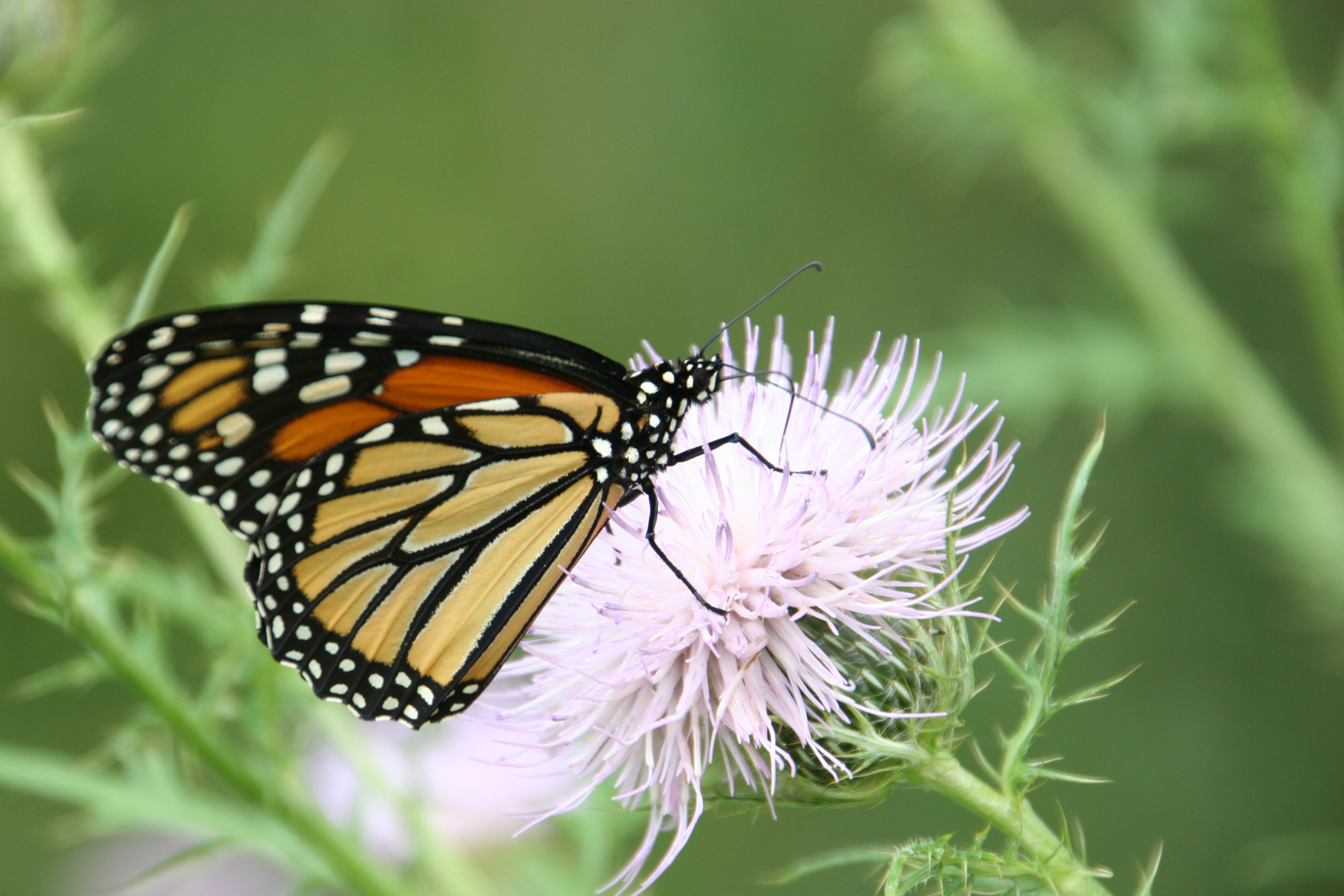
I, for one, delight in watching monarchs flit about my yard. They are magical as only a butterfly can be. Delicate, yet strong. Poetically beautiful. Carrying memories and grace on their wings.
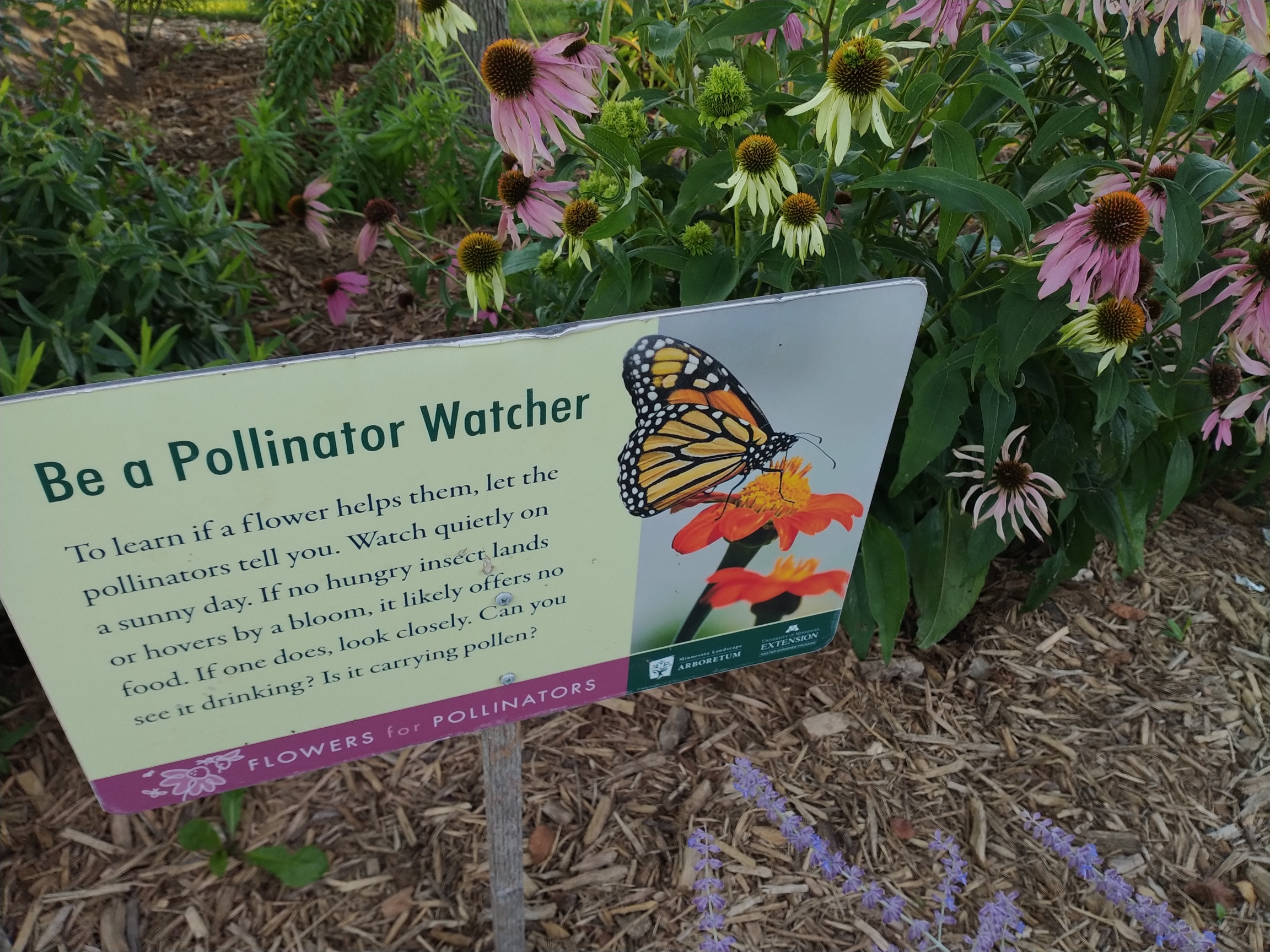
FYI: Nerstrand Big Woods State Park is hosting a “Monarchs and Milkweeds” presentation at 10 a.m. Saturday, August 24, in the park’s amphitheater. Kathy Gillispie, who raises monarchs from eggs, caterpillars and chrysalises, will speak about her experiences with monarchs. The program is free, but a state park parking pass is needed to enter the rural Nerstrand park.
© Copyright 2024 Audrey Kletscher Helbling


 Minnesota Prairie Roots
Recent Comments