
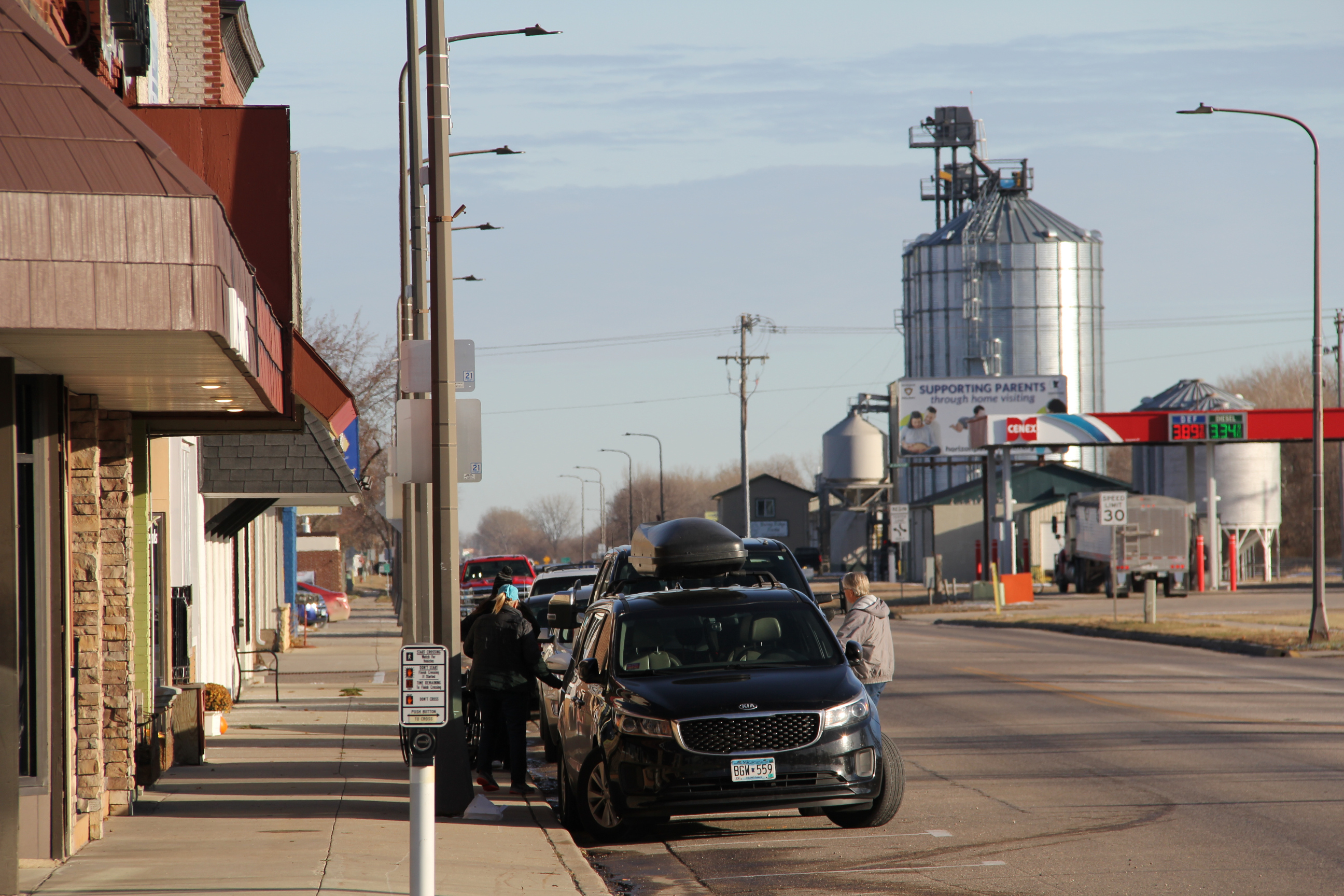
SOME 170 MILES separate my community of Faribault from Benson, a small agricultural community in west central Minnesota near the South Dakota border. At first glance, it seems the two share little in common. But they do, a discovery I made following a brief stop in Benson in late November.
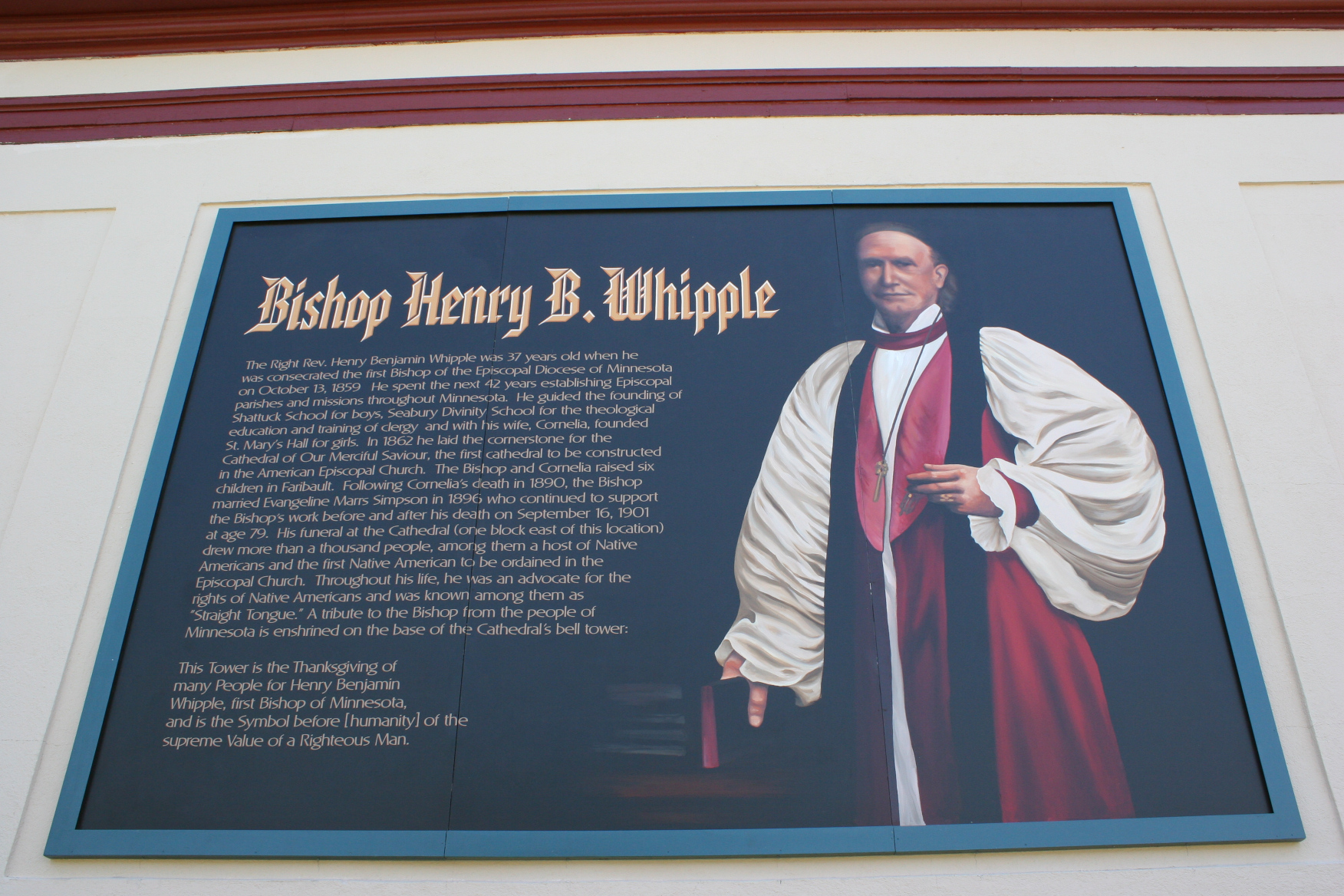
Bishop Henry Whipple, the long ago Episcopal bishop of Minnesota, links Faribault and Benson. Whipple, a missionary based in Faribault, traveled around the Minnesota frontier in the early years of statehood in an effort to spread the Christian faith. That included visits to Benson where, in 1879, Christ Episcopal Church was built for $1,650 by local carpenters. Whipple visited occasionally to lead services and confirm new members.
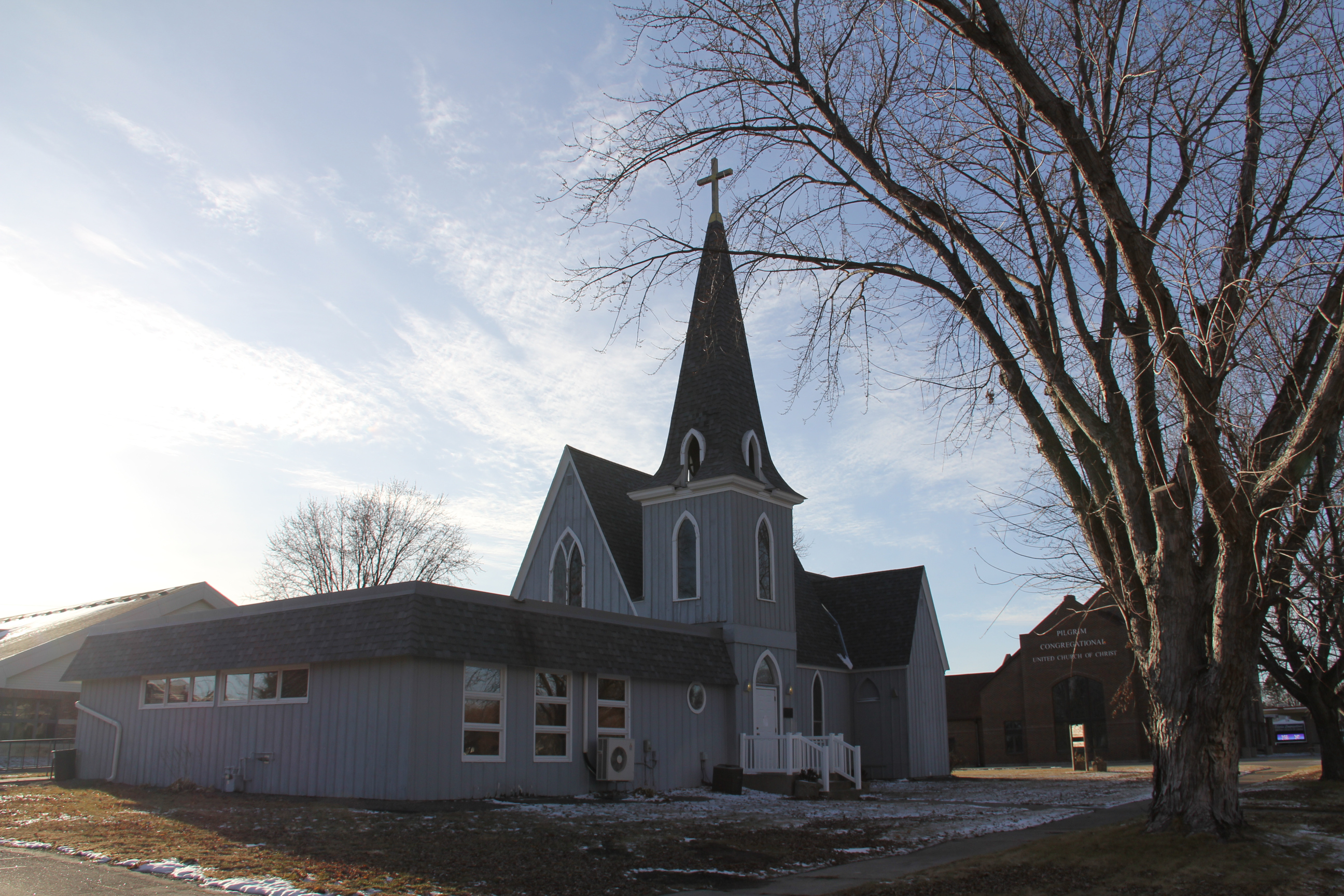
That early Gothic Revival style church with gray board and batten siding caught my eye during a brief drive around Benson’s downtown core. More accurately, the seven-story Parkview Manor apartment across the street from the church initially grabbed my attention. The 55-unit high-rise looks very much out of place in this prairie town. It dwarfs residential houses and the historic church. Typically grain elevators and church steeples mark small town skylines, not a towering 1967 apartment complex.

Christ Episcopal Church once sat on the apartment land, but was moved across the street after the Housing and Redevelopment Authority bought the property in 1966. At some point the church, founded by English and Yankees (as New Englanders were once termed), closed due to dwindling membership. Today the building serves as the Swift County Drop In Center, “a safe haven for adults to go to experience life free of stigma.” I think Bishop Whipple would have liked that, knowing the former church serves as a gathering place, a safe spot to just be.
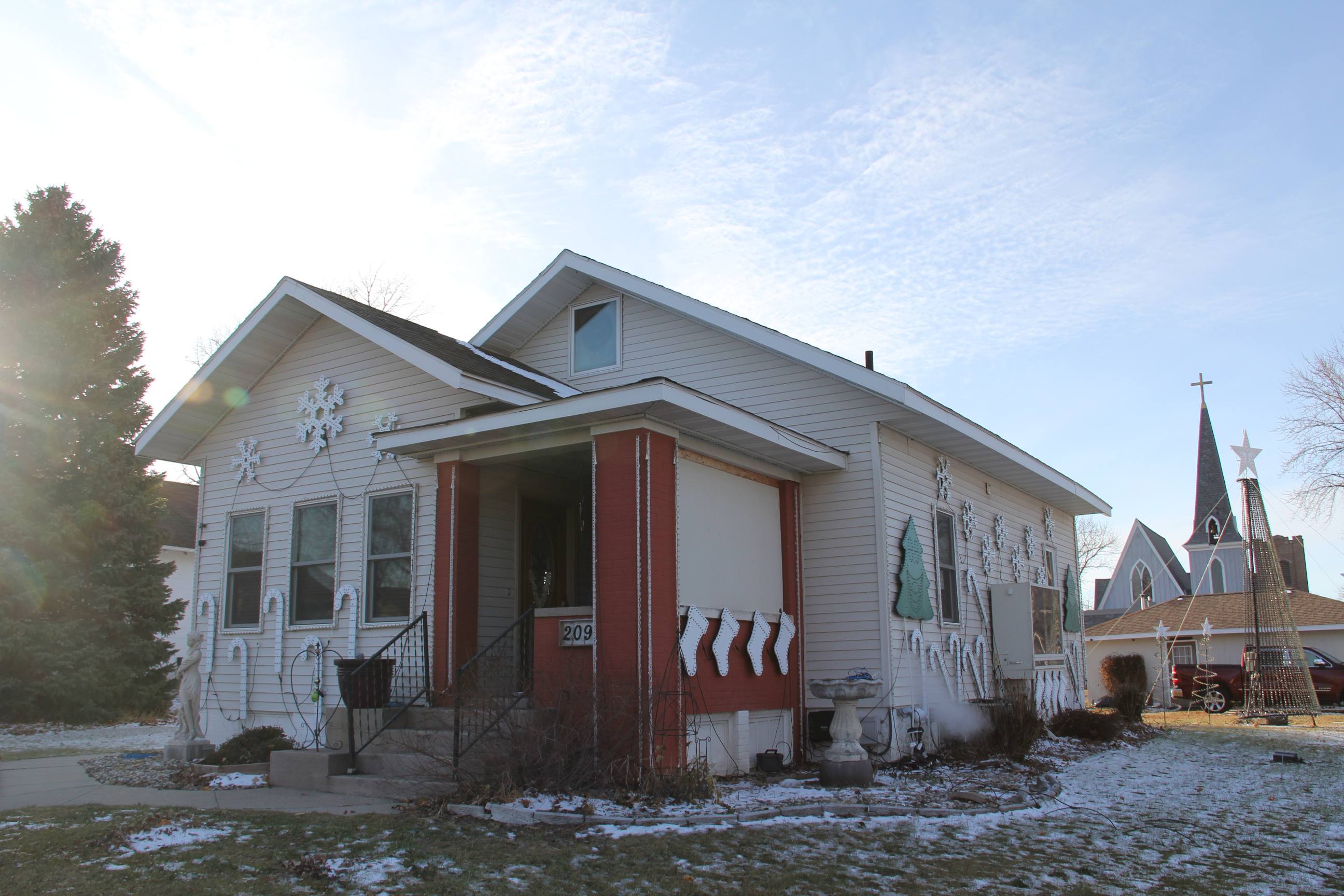
Some day I’d like to tour the aged church, which was added to the National Register of Historic Places in 1985. Perhaps I would feel the presence of Benson’s early settlers, hear the words of comfort, peace, hope and unity preached by Bishop Whipple.
While Whipple is primarily viewed as a man who befriended Indigenous Peoples, he was also part of the long ago mindset to assimilate and “civilize” them. That’s a side not often discussed when talking about a man, a missionary who shared his biblical teachings while also compassionately advocating for Native Americans. Whipple is highly-revered in Faribault, where he is buried beneath the Cathedral of Our Merciful Saviour, an historic cathedral worthy of visiting, too.
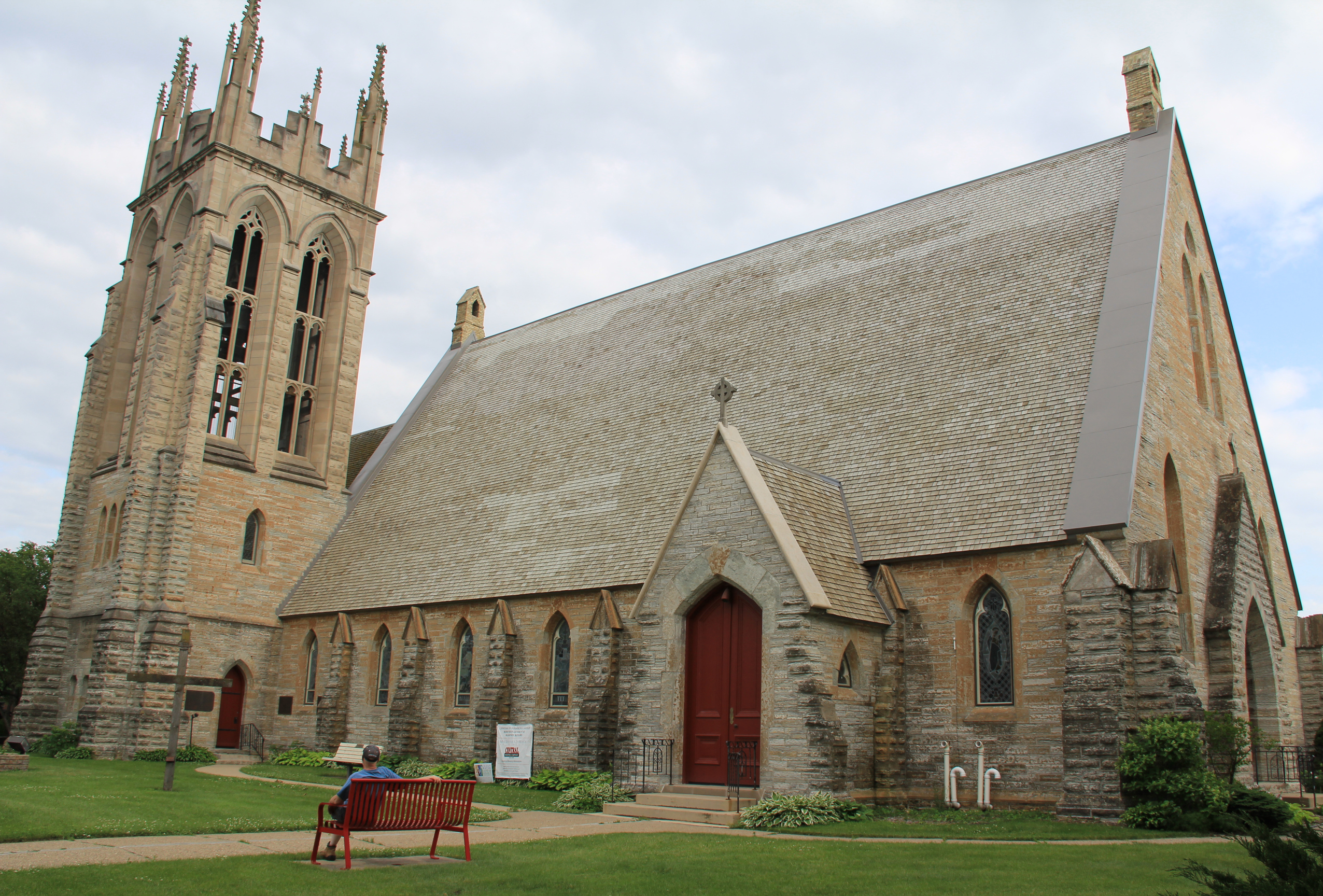
The immense Faribault cathedral differs vastly from the unassuming small church in Benson. Yet, history and a missionary link the two. To uncover that connection simply because I noticed an out-of-place apartment high-rise and then the old steepled church across the street reveals just how small this world really is if only we pause to notice, then uncover the connections.
© Copyright 2025 Audrey Kletscher Helbling


 Minnesota Prairie Roots
Fascinating post, Audrey. Your reporter’s instincts continue to thrive.
Those of us who were journalists will always have that instinct. I was surprised to find the connection when I started poking around online. Now I really want to get inside that former Benson church.
what a beautiful old church
I know. I really need to get inside!
Good observation and follow-up to find a fun connection.
I’m always curious.
“a safe haven for adults to go to experience life free of stigma.” – What a lovely use of a space for those who feel stigmatized. I think Bishop Whipple is a good example of someone who means to do well for others, but without understanding the culture and history of a people, we may sometimes do more damage than good.
Yes, that use of space is certainly a good one, especially given the times.
As far as Bishop Whipple and others, I definitely hear what you’re saying, Rose. Whipple did have a really good relationship, though, with the Dakota People (from what I’ve read). He also traveled to Washington DC in an effort to persuade President Abraham Lincoln to spare the lives of the 303 Dakota men sentenced to death by the US government in 1862. Lincoln pardoned all but 38, which truly is 38 too few. But if not for Whipple’s efforts, all 303 of those men may have been hung in Mankato. It’s always interesting to view history through the lens of today, in the context of today.
Thanks you for sharing what Whipple tried to do, traveling to DC to persuade the President to spare lives. What astounding numbers – 303 sentenced, and yet sadly 38 were taken by a government who made and broke too many promises.
You’re welcome, Rose.
this is the reporter in you, always curious and always uncovering interesting connections, facts, and stories. how wonderful about the sanctuary and I do hope you get to visit the old church
Once a journalist, always a journalist. I have that innate curiosity.
(Who knows what’s up with wordpress? But your comments came through, no problem.)