
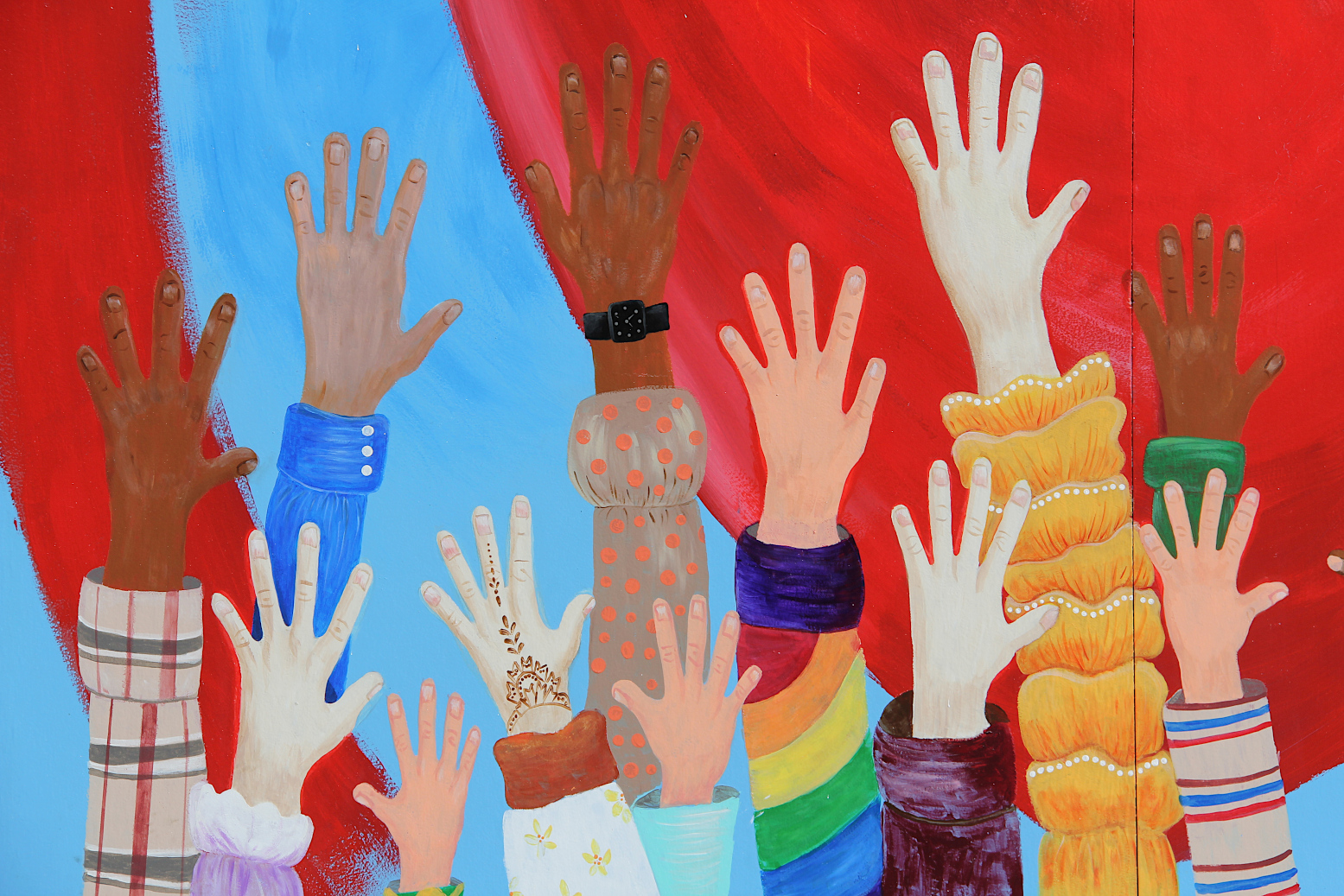
I GREW UP in southwestern Minnesota, in rural western Redwood County where diversity was absent unless you count religious affiliation or ancestry as diversity. You were either Lutheran or Catholic with a few Methodists, Presbyterians and Brethren thrown in the mix. And you were of German, Irish, Polish or Scandinavian descent, but mostly German. And your skin color was certainly white, unless you were among the Native Americans living on the eastern side of the county.
I left Redwood County for college in the early 1970s. Not much has changed in racial demographics in that rural area, population hovering around 15,000, with the exception of a sizable Hmong population resettling in small town Walnut Grove. Leaving the prairie, a place I loved and still love, broadened my perspectives.
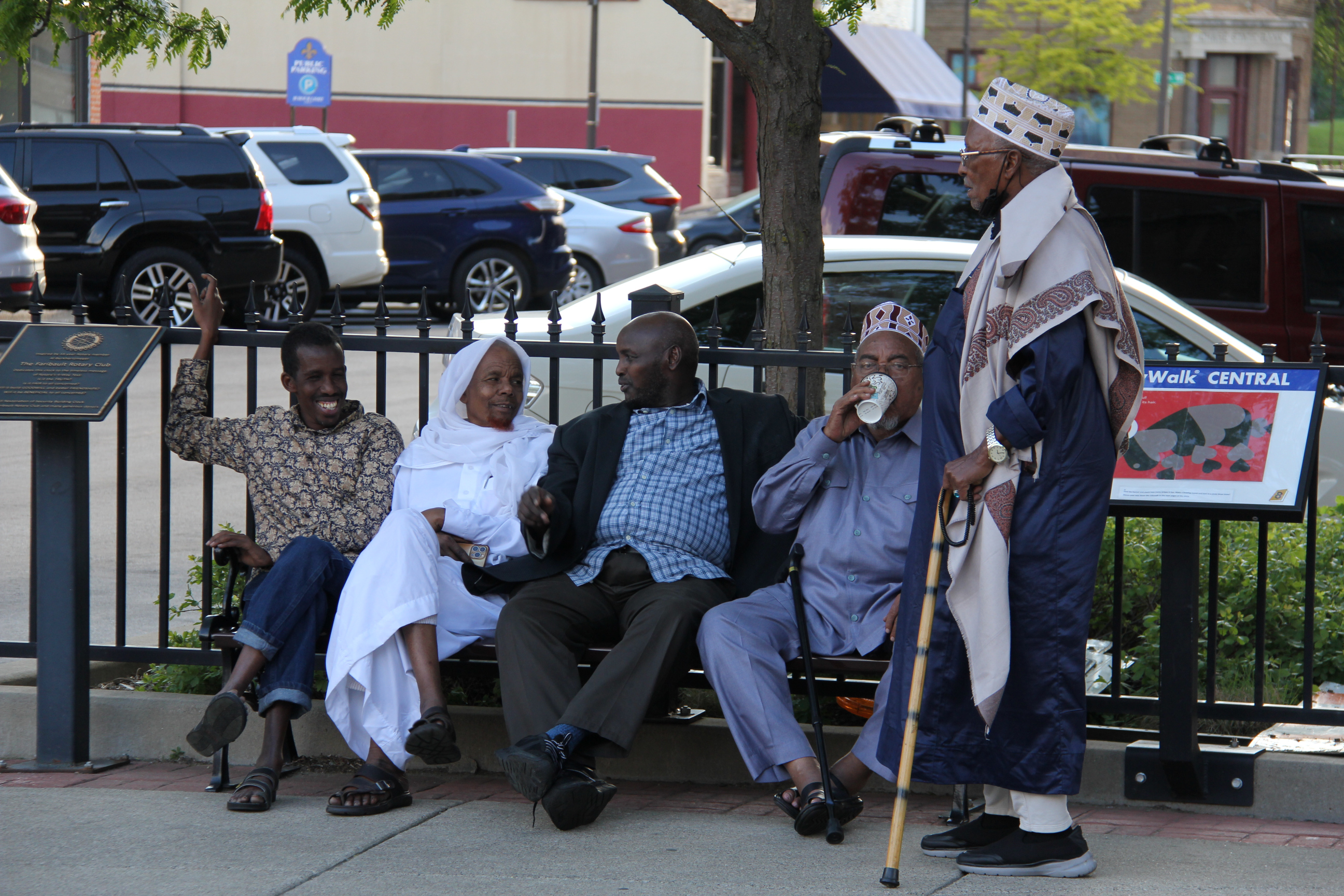
Today I live on the eastern side of Minnesota in Faribault, a city of around 25,000 about an hour south of Minneapolis. Mine is a diverse community, home to many Hispanics, Latinos and Somalis. They work here, raise families here, open businesses here and add much color and culture to this city I’ve called home since 1984. Somalis are the newest of Faribault’s immigrants and the group which still struggles with animosity toward them. That makes getting to know them and their stories especially important.

I’ve attended Somali cultural events, diversity celebrations, talked with local Somalis, photographed them, drank their delicious hot tea, eaten their savory sambusas, walked into their shops, tried to learn about and embrace these residents of Faribault.
I love living in a community with such diversity. Not everyone here feels as I do and would prefer Faribault remain white and non-diverse, as it was when they were growing up. That saddens me. I often think, if only people would take the time to connect one-on-one, to listen, they would begin to see that we are all human, even if different.
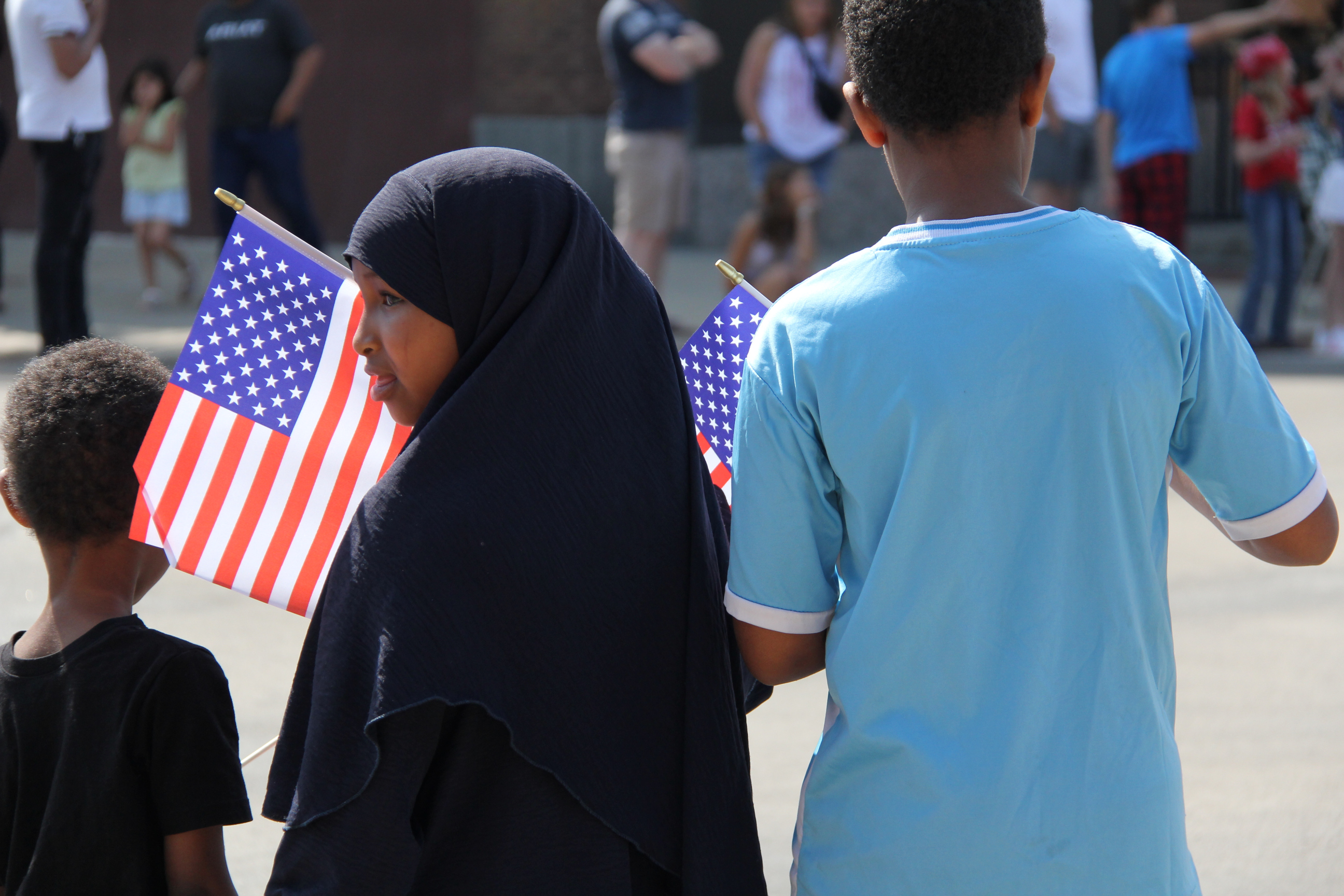
Instead of fearing others who may not speak the same language, eat the same foods, wear the same clothes, practice the same religion, we can choose to embrace one another. In an ideal world, that would happen. But it takes time, effort and an open heart and mind to get there.
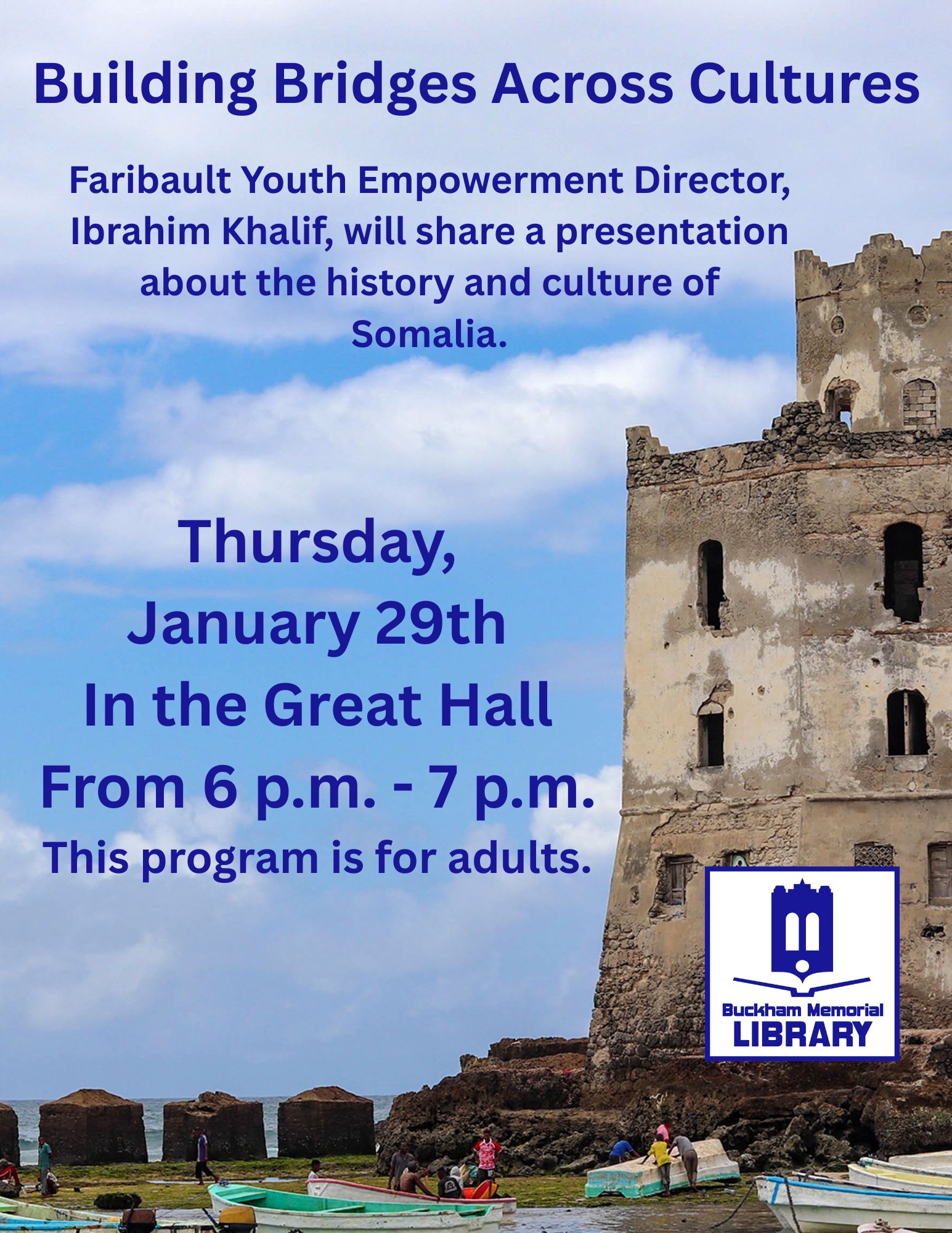
At 6 pm this Thursday, January 29, Buckham Memorial Library is hosting a talk, “Building Bridges Across Cultures,” by Ibrahim Khalif, director of Faribault Youth Empowerment. He will present on the history and culture of Somalia in the library’s Great Hall. The event is part of the library’s adult programming efforts.
This talk is certain to be interesting and informative. The title alone, with the words “building bridges,” reflects my feelings on what needs to happen in my community. A bridge gets you from one side to the other, to a different destination. But to get from one side to the other, you need to first build a bridge together then willingly cross it, not remain firmly planted and divided on a riverbank, unwilling to move.
© Copyright 2026 Audrey Kletscher Helbling


 Minnesota Prairie Roots
I wish I loved closer to the events you list Audrey. It seems Faribault always has something interesting and educational going on. I hope this program does just that – Build Bridges.
Like you, I grew up in a white, mostly Scandinavian and German, country. The most diverse people I knew were my own family. I look white, but my mom had long black hair, and she emphasized being Cherokee to our neighbors. They were frightened of her, and of the Red Lake Nation that wasn’t too far from us. White neighbors referred to Native Americans as ‘thievin’ Indians’. This makes my blood boil every time I hear it.
I used to assume that if people got to know others, those derogatory words would disappear. But I think some people ‘need’ to join a group and hate others no matter what. They seem to take pride and gain power in their hate. I hope I’m wrong about that, and that people are truly willing to listen and learn… The world is so much better when people have compassion for each other.
I’m sorry your mom/family experienced such hate. But I am not surprised. I heard the same name-calling of Native Americans in Redwood County when I was growing up there.
Like you, I try to hold hope in humanity. But sometimes I wonder if that is an unrealistic hope.
But onward we go, showing compassion, care and love to others.
This is a great idea…glad someone is following through on the presentation. And bridges is such a good analogy.
Yes!