
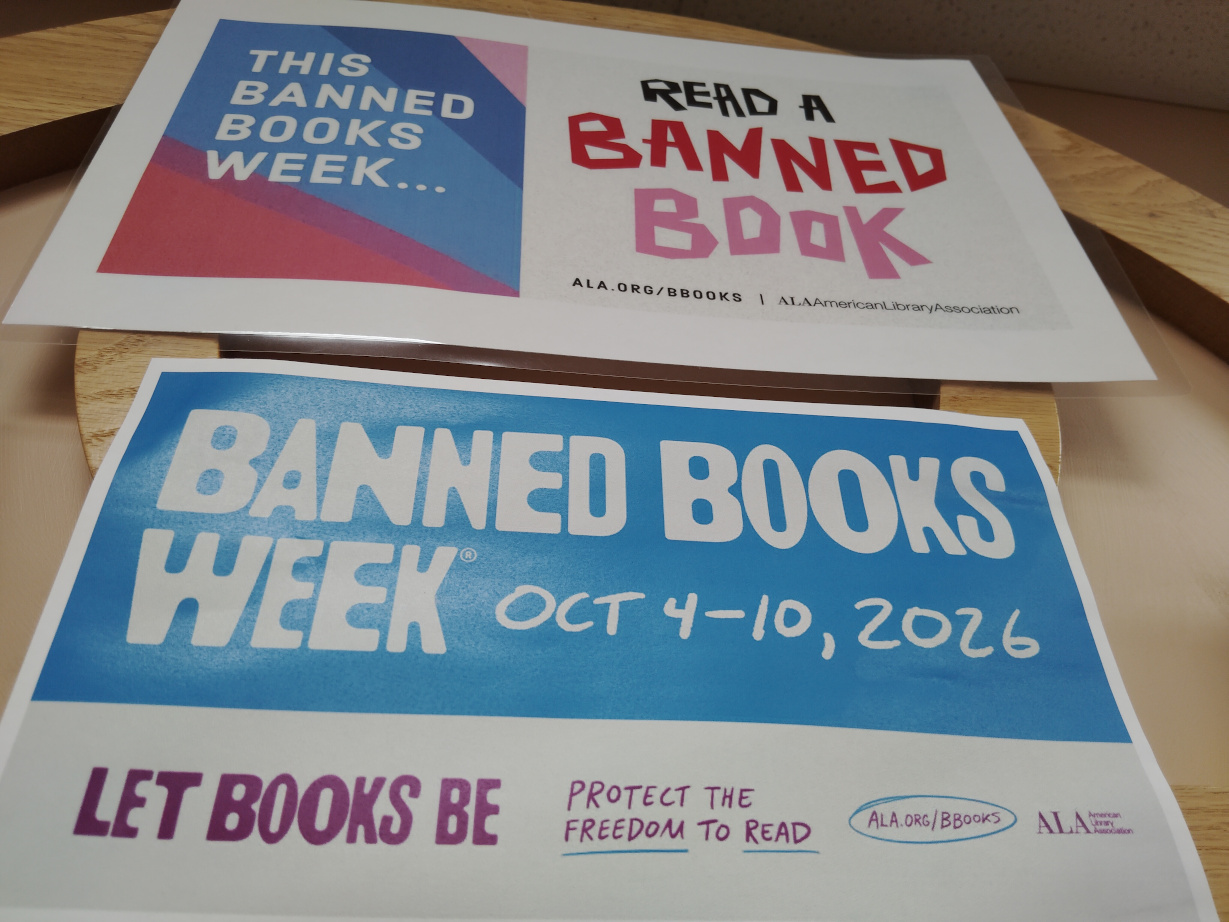
“LET BOOKS BE. Protect the freedom to read.” Those statements theme this year’s nationwide October 4-10 Banned Books Week. That event focuses on informing all of us about book censorship attempts in libraries, schools and bookstores.
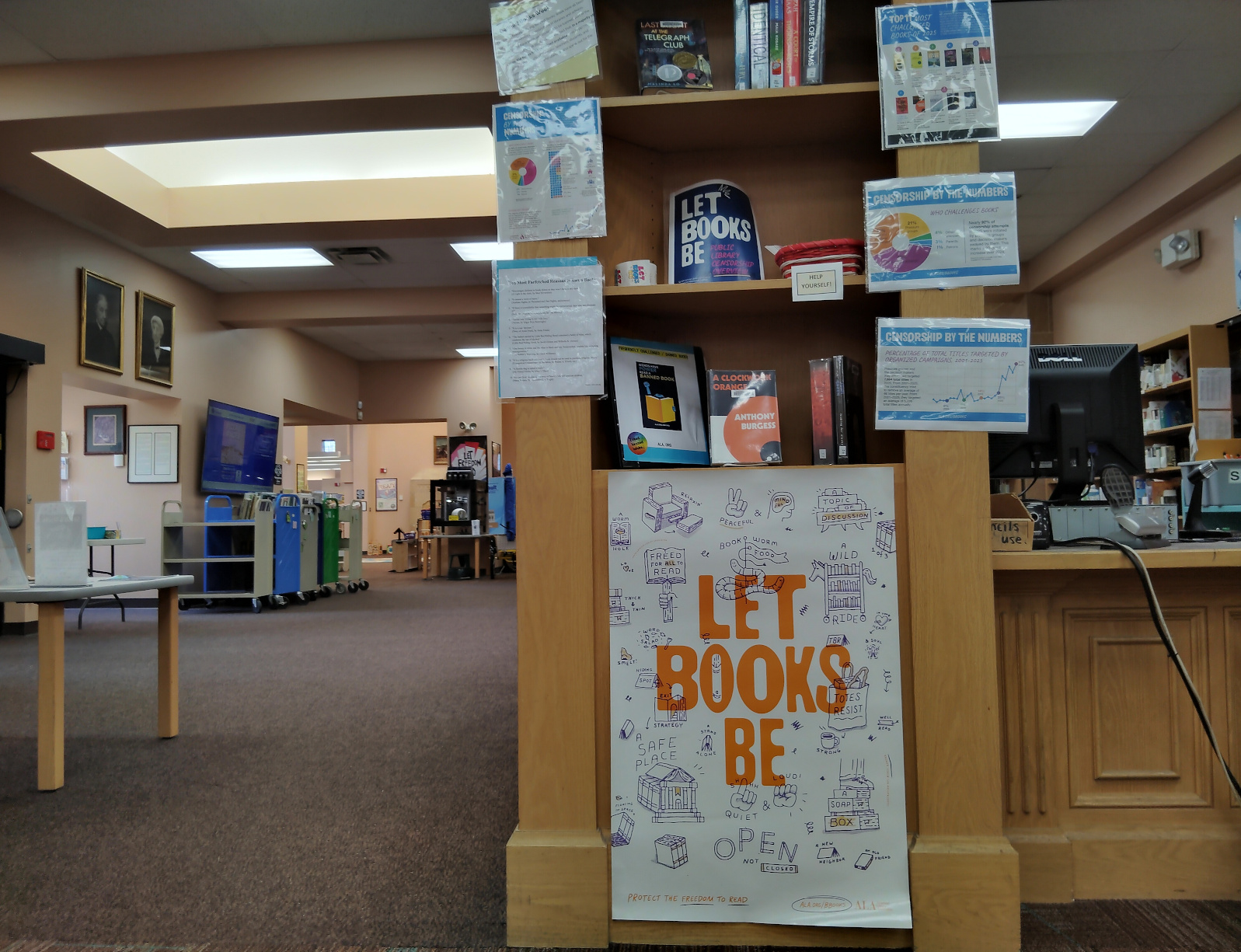
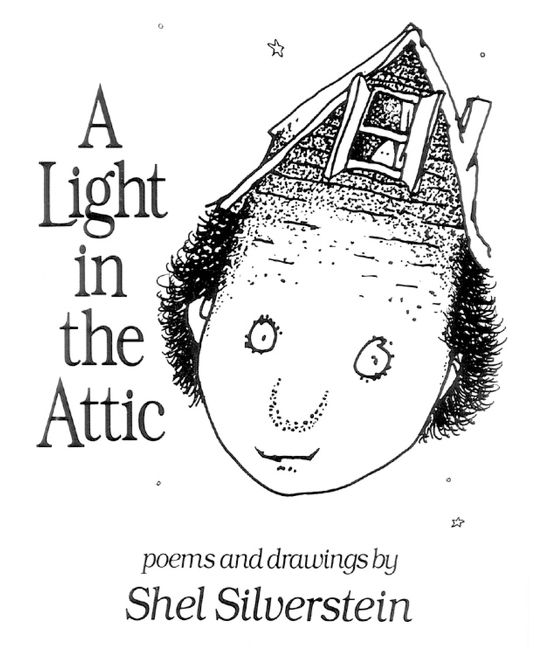
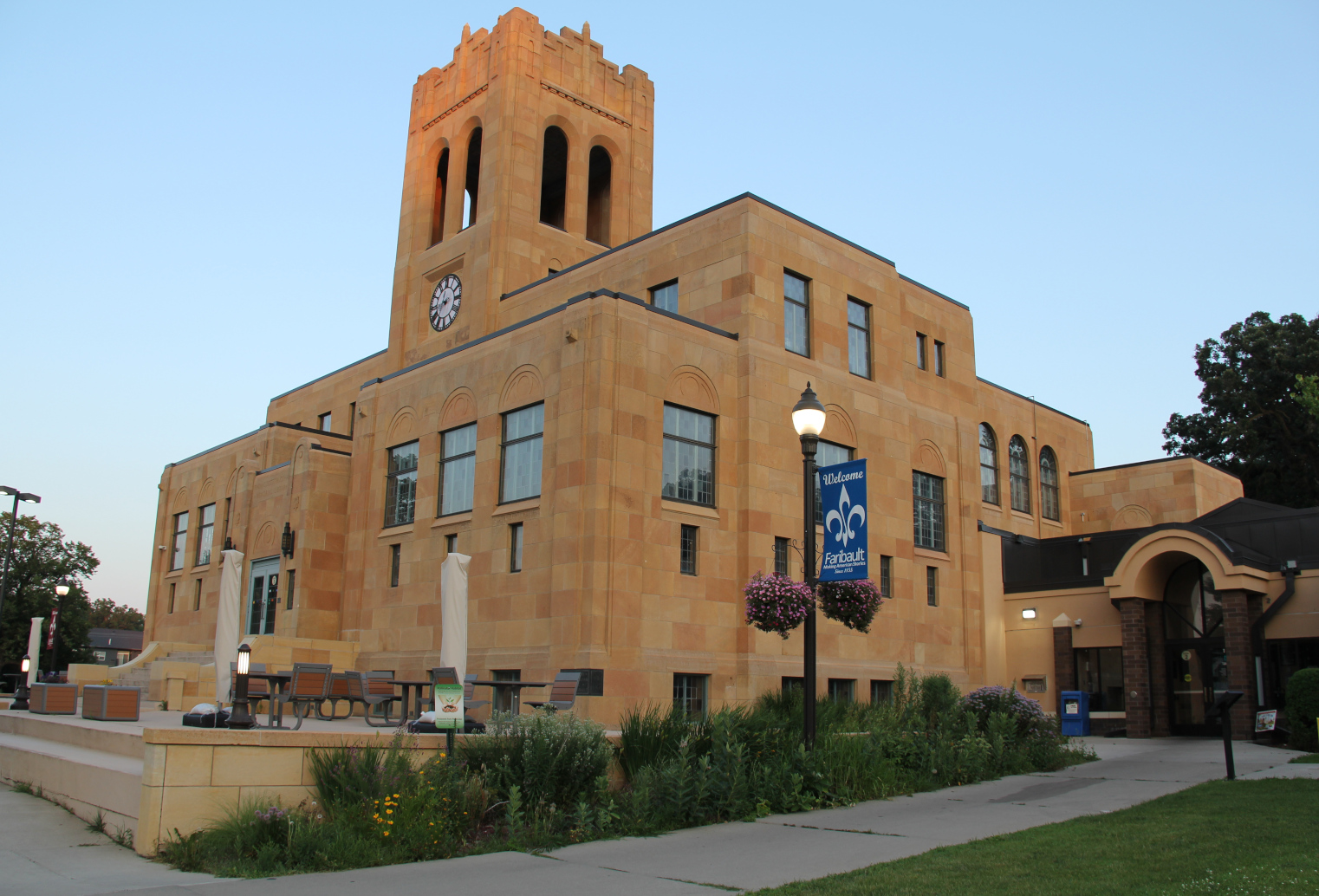
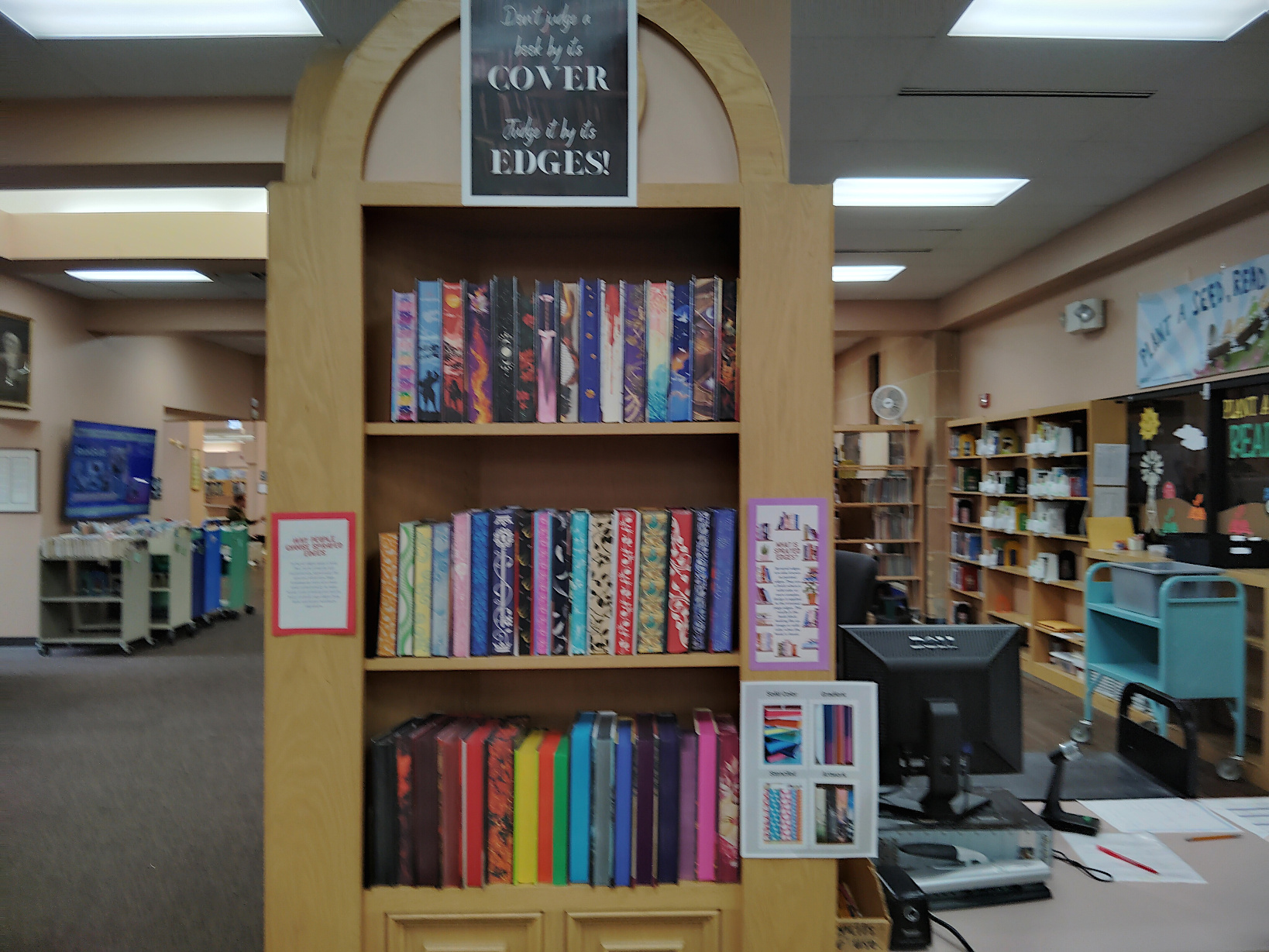
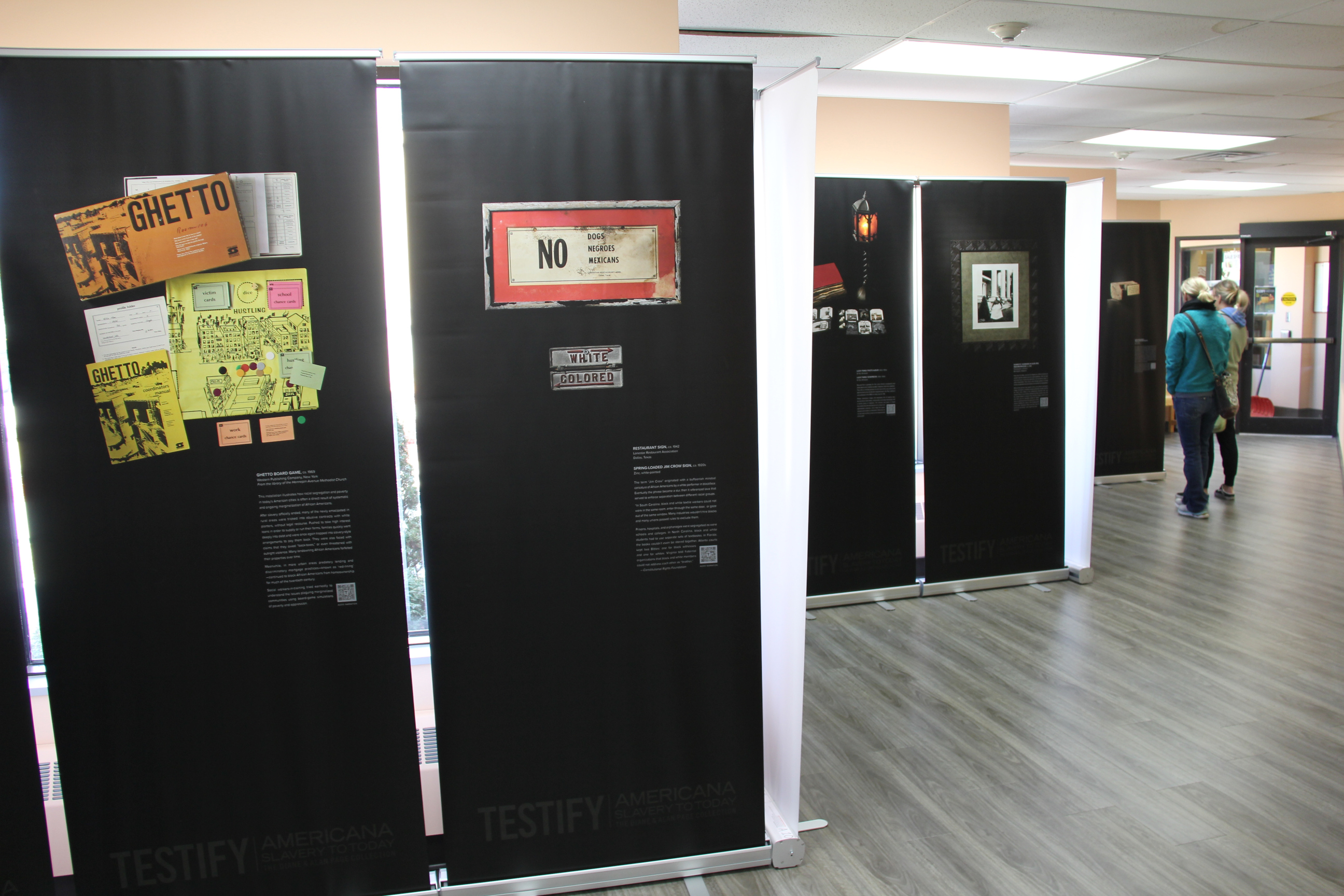
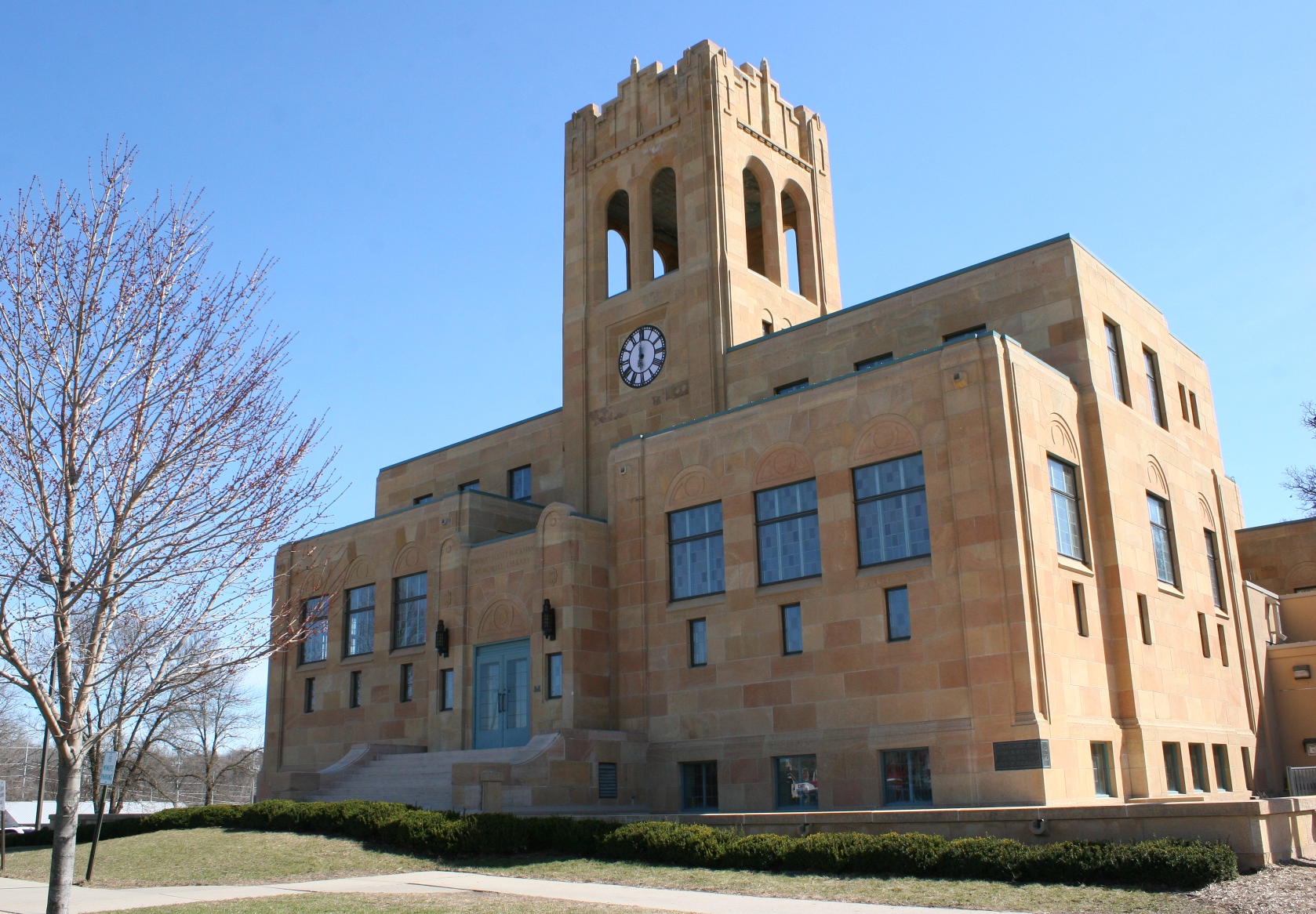
Locally, Buckham Memorial Library is spotlighting Banned Books Week in two displays. There I read a list of 10 far-fetched reasons for banning books, according to the American Library Association. For example: Shel Silverstein’s A Light in the Attic “encourages children to break dishes so they don’t have to dry them.” Or “the basket carried by Little Red Riding Hood contained a bottle of wine, which condones the use of alcohol” from the story by Jacob and Wilhelm K. Grimm. Or “if there is a possibility that something might be controversial, then why not eliminate it?,” referencing Bury My Heart at Wounded Knee by Dee Brown.
As I read down the list of ridiculous reasons for banning books, my jaw dropped. I laughed at the absurdity of it all. Really?
Because I’m a writer, an avid reader, a journalism school graduate who has worked as a newspaper reporter, and a strong supporter of First Amendment rights, I hold zero tolerance for banning books. If someone objects to the content of a book, then don’t read it. But don’t tell me I can’t read it. And certainly don’t pull it from a public space.
With kids, adults should consider age, maturity and the consequences of withholding a book from a child in their life. If I was a tween or adolescent and my parents or school banned a book, I’d probably try really hard to find a copy. Banning books from public libraries and schools is not a decision I can support. Ever.
I believe that knowledge is power. I’d rather a child be informed than uninformed. I’d rather a child learn from a reliable information source, such as a book, than “learn” from peers, social media or the internet. Or be kept in the dark. Kids are way smarter, know way more, than we adults realize.
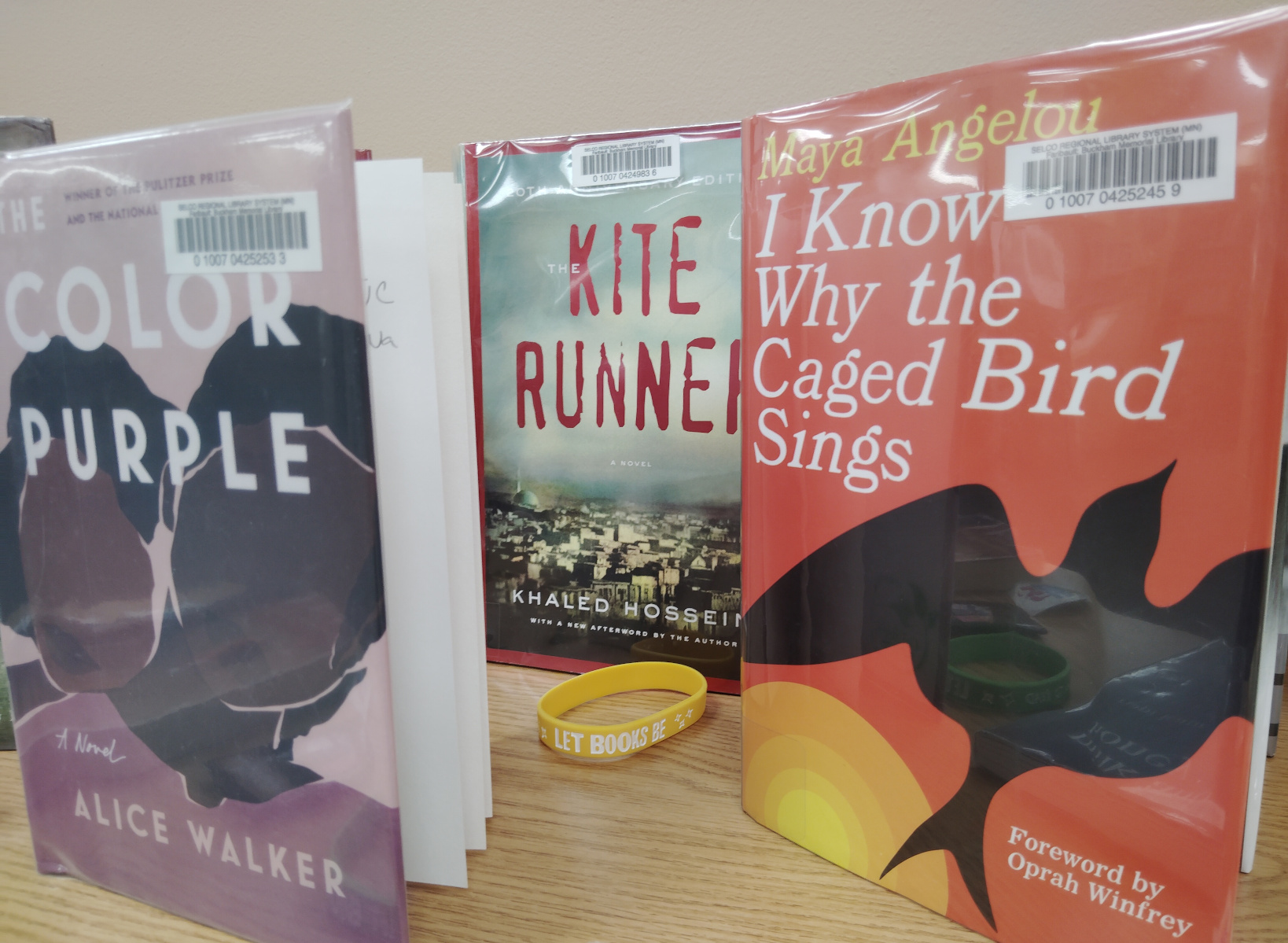
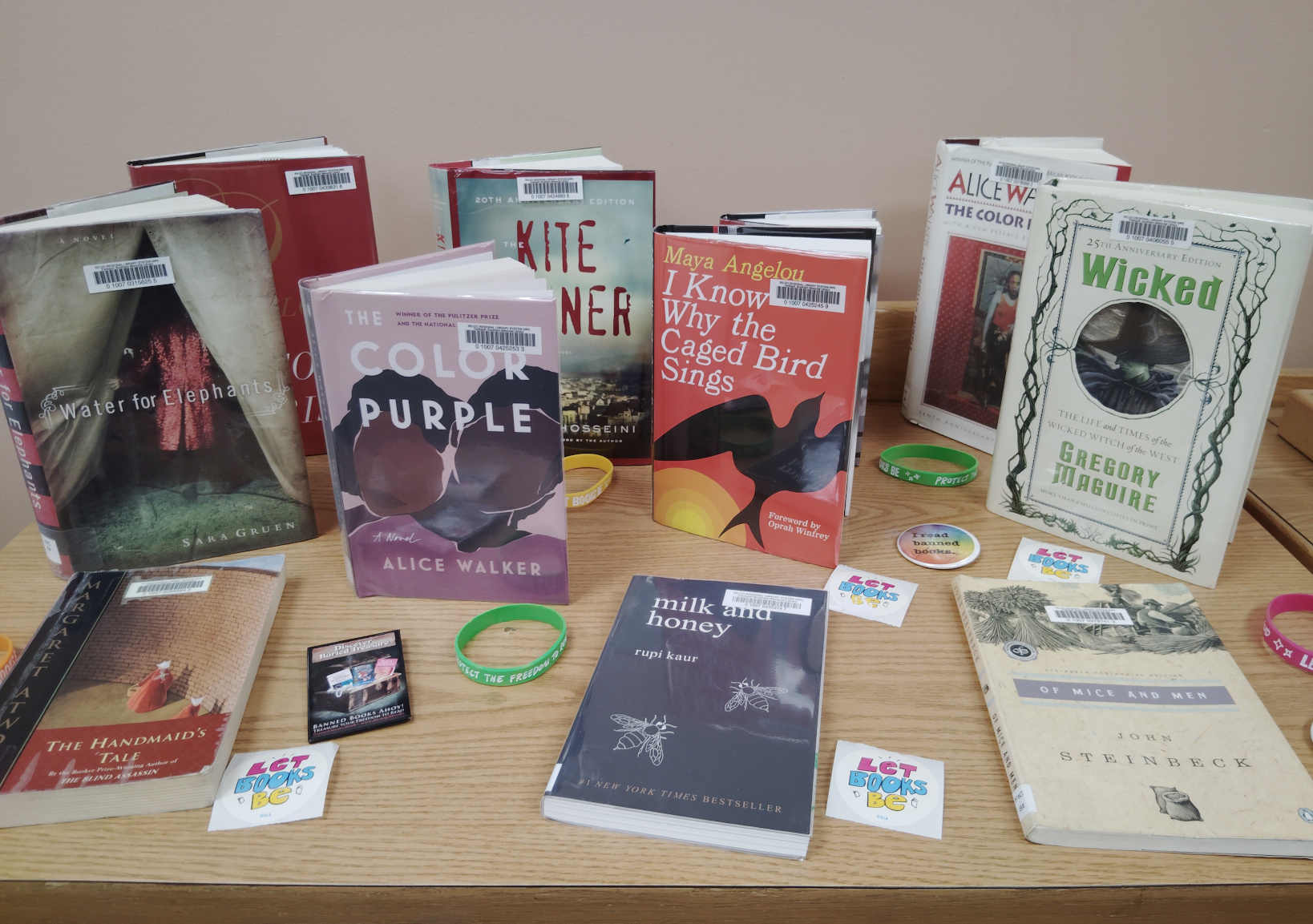
All of those thoughts flitted through my mind as I viewed the two Banned Books Week displays at the Faribault library. Those displays featured books like Of Mice and Men by John Steinbeck, I Know Why the Caged Bird Sings by Maya Angelou and The Kite Runner by Khaled Hosseini.
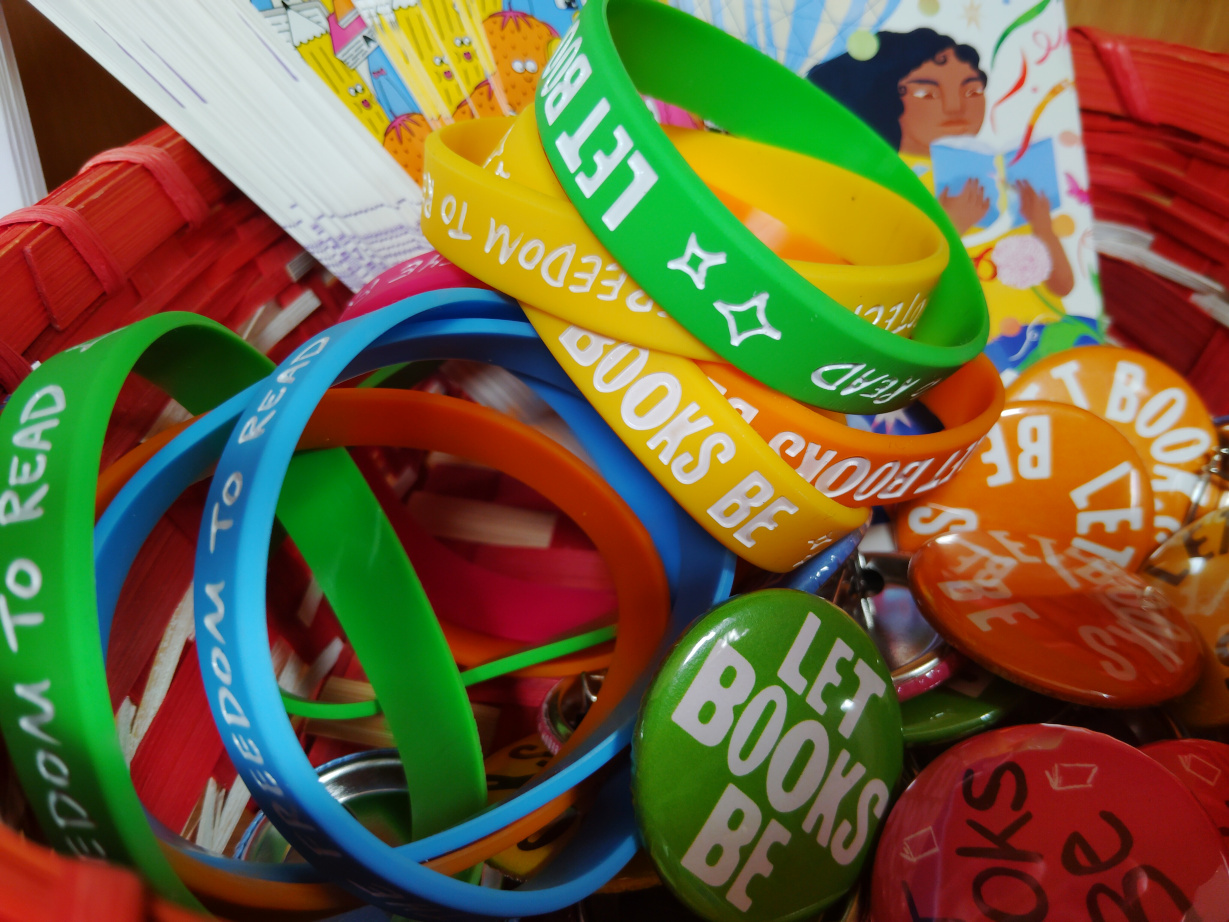
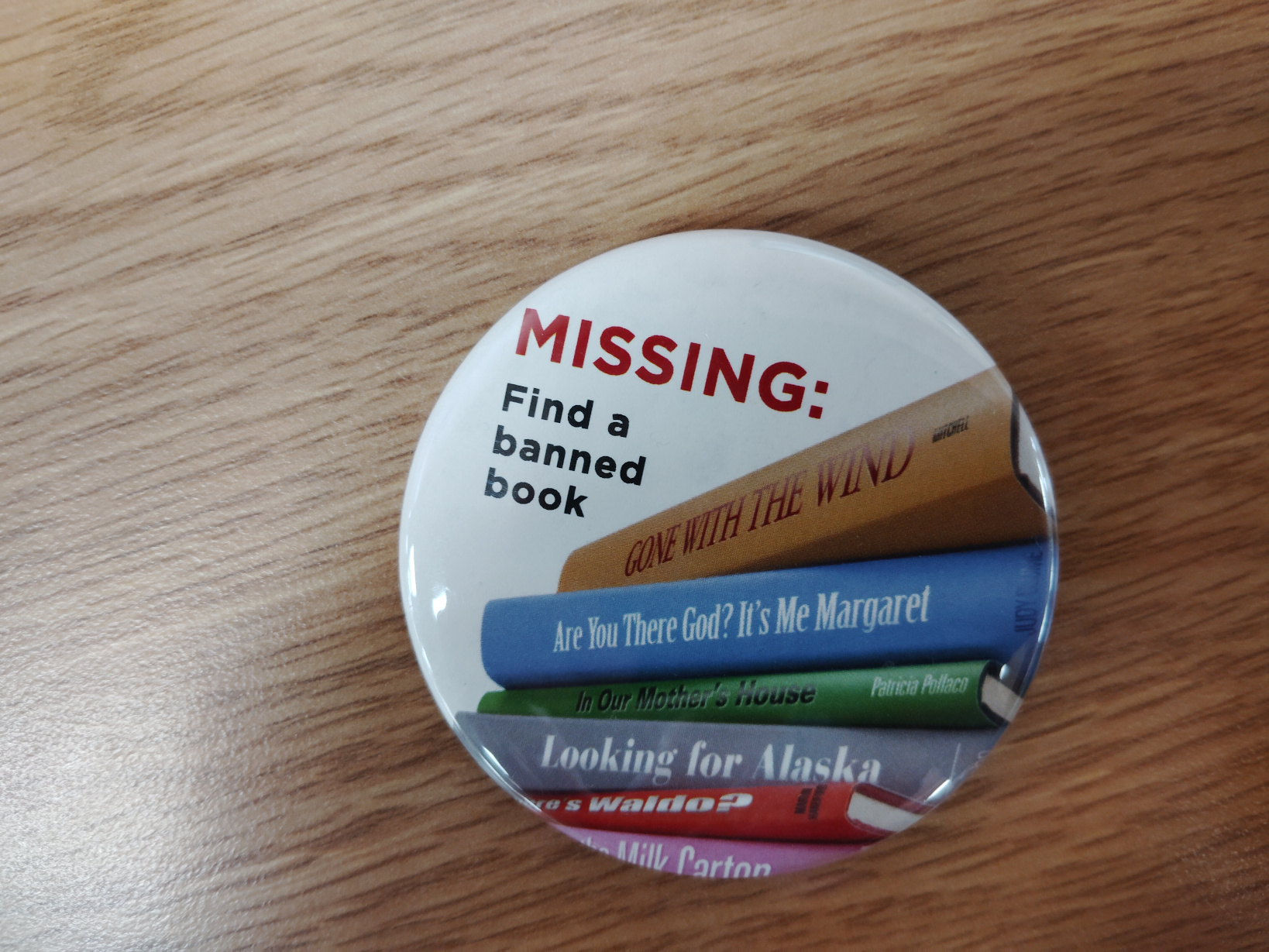
I fingered the free LET BOOKS BE swag—bookmarks, buttons, wristbands, stickers—grabbing a few to show that I’m not OK with banning books.
We need only look at history, to Nazi Germany, to understand the devastating consequences of banning books. Consider May 1933, when 40,000 people gathered in the Berlin town square and burned some 20,000 books deemed as “un-German.” That is perhaps the most extreme example of book banning ever.
“Those who cannot remember the past are condemned to repeat it,” wrote George Santayana in The Life of Reason in 1905, years before the book burnings in Nazi Germany. Now more than ever with attacks on the free press and on First Amendment rights, it’s important and necessary that we, and I don’t mean just librarians and teachers, stand strong against censorship, against book bannings.
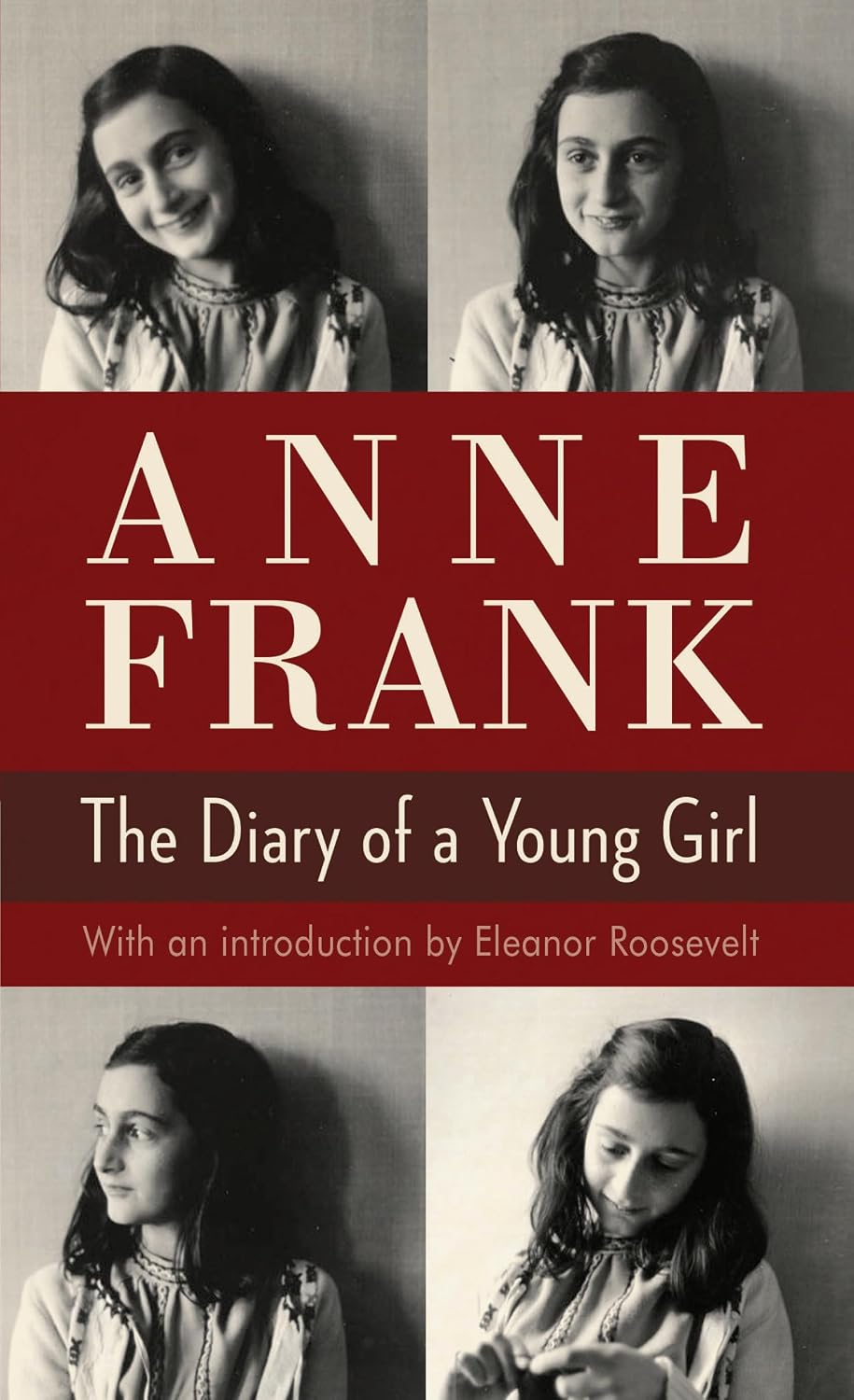
To suggest that The Diary of Anne Frank should be censored because “it is a real ‘downer’” is among the far-fetched reasons given for banning a book on the ALA list I read at my local library. Imagine suppressing the voice of that remarkable teenager by pulling her diary from library shelves. I cannot fathom the thought of such absurdity, of Anne’s story left unread because someone objected. “LET BOOKS BE. Protect the freedom to read.”
FYI: To learn more about Banned Books Week and banned books, visit the American Library Association website by clicking here.
© Copyright 2026 Audrey Kletscher Helbling













A Banned Books Week commentary on free speech October 10, 2025
Tags: 1984, America, American Library Association, Banned Books Week, books, Books on Central, Buckham Memorial Library, censorship, commentary, freedom of speech, George Orwell, libraries, opinion, reading, Right to Read
AS A WRITER, journalist and avid reader, I’m a firm believer in free speech. Never have I seen that right more threatened in America than it is today. It’s downright scary—efforts by the federal government to suppress voices (already occurring), promises of retribution (now being carried out), abuse of power (happening on so many levels) and much more that threatens our very freedoms, our democracy. I could go on and on.
But today I want to focus on Banned Books Week, which ends tomorrow. Thursday evening I gathered with a group of volunteers for an appreciation event at Books on Central in Faribault, a used bookshop founded by the Rice County Area United Way. While I don’t volunteer there (yet), I’ve blogged about the bookstore numerous times because I love books and I love that monies from BOC book sales help nonprofits in my area. We weren’t there to discuss banned books, though, but rather to celebrate volunteerism and this small bookshop which has become much-beloved by the Faribault community and beyond.
It was not lost on me as I sat there surrounded by books, listening to volunteers share their passion for this place and for books, that everyone who walks in the door is surrounded by choices. As it should be. Choose what you want to read or want to share with others.
Yet, there are individuals, organizations, elected government officials and others who want to determine what we can read by banning books from libraries, schools and elsewhere. That, my friends, is censorship. And I’m not OK with that. If I find the content of a book to be offensive, then I can stop reading it or never open it in the first place. Likewise parents can monitor their child’s reading materials just as they would online content.
In the words of the American Library Association’s 2025 Banned Books Week theme, “CENSORSHIP is so 1984.” That’s a reference to George Orwell’s prophetic 1949 novel, 1984, about a totalitarian government. That’s a simplistic summary. But the book is particularly relevant to today. I intend to check it out from my library to reread.
After the bookshop appreciation event Thursday evening, I stopped at Buckham Memorial Library to see if staff had created a Banned Books display as they have in the past. They did. After I read the information and looked at a sampling of books that have been banned (not from my library), I grabbed a green bracelet imprinted with this message: CENSORSHIP is so 1984. READ FOR YOUR RIGHTS.
I will continue to read. I will continue to write. And I will continue to embrace, support and advocate for free speech. I have a voice. I refuse to be silenced.
© Copyright 2025 Audrey Kletscher Helbling