
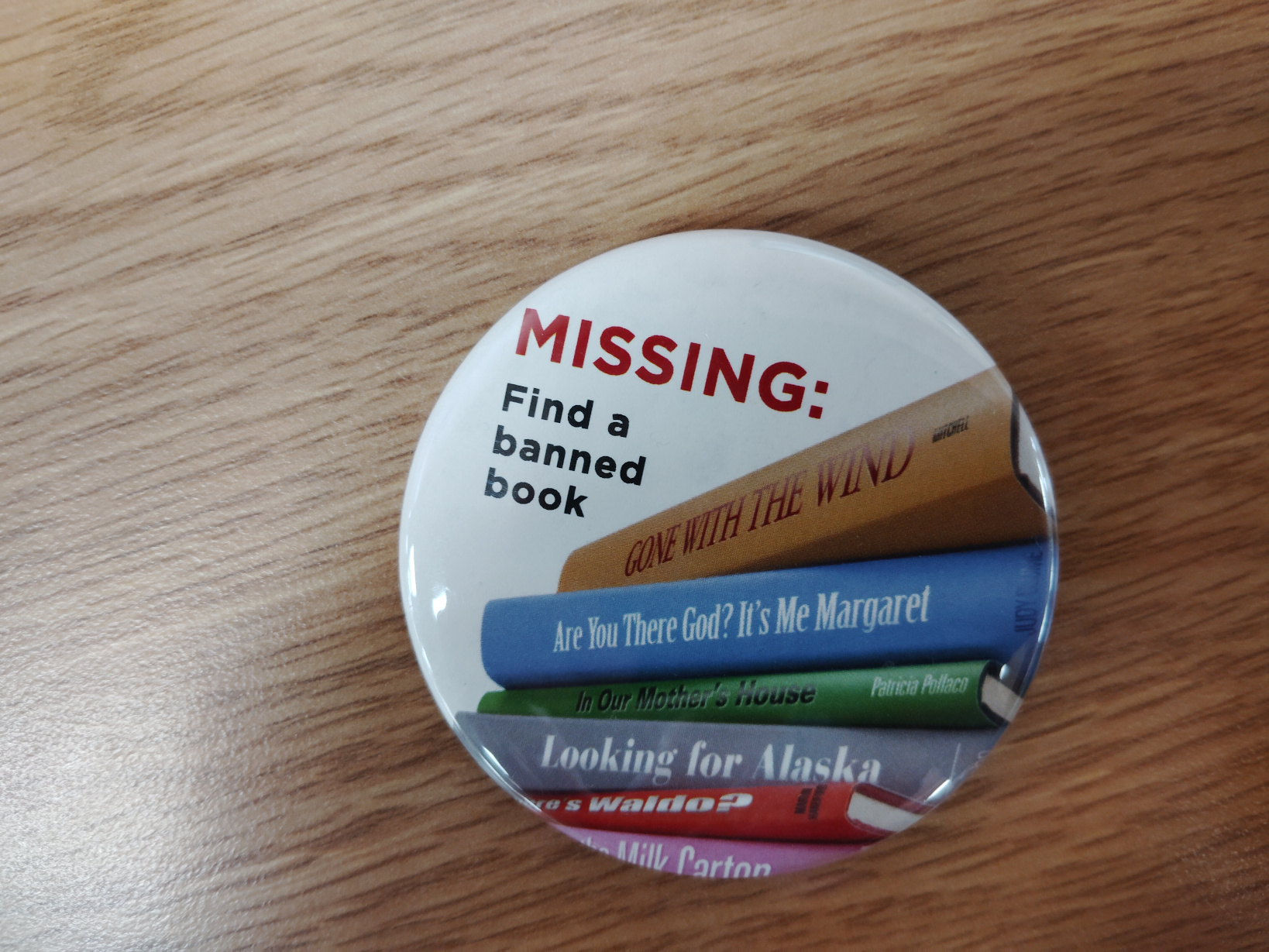
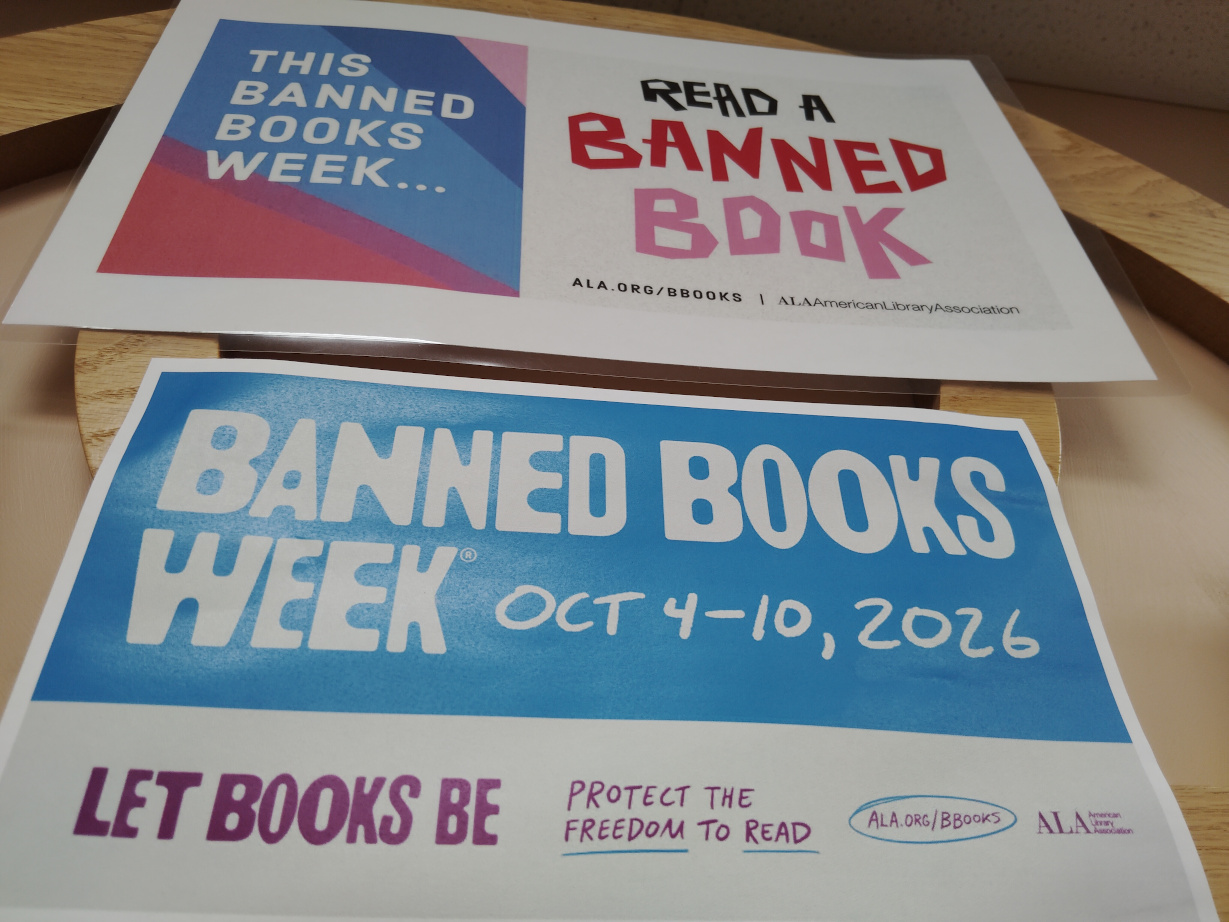
“LET BOOKS BE. Protect the freedom to read.” Those statements theme this year’s nationwide October 4-10 Banned Books Week. That event focuses on informing all of us about book censorship attempts in libraries, schools and bookstores.
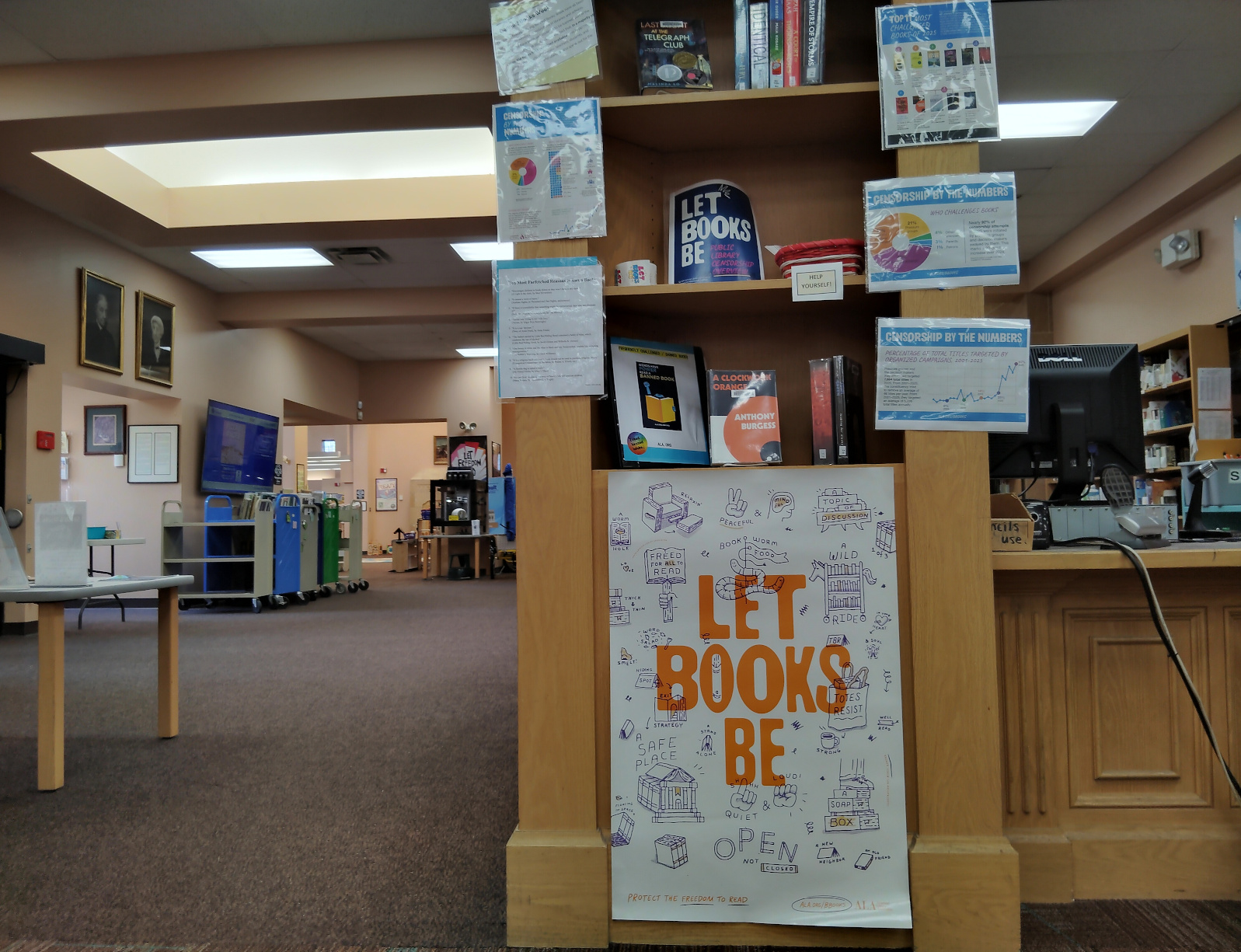
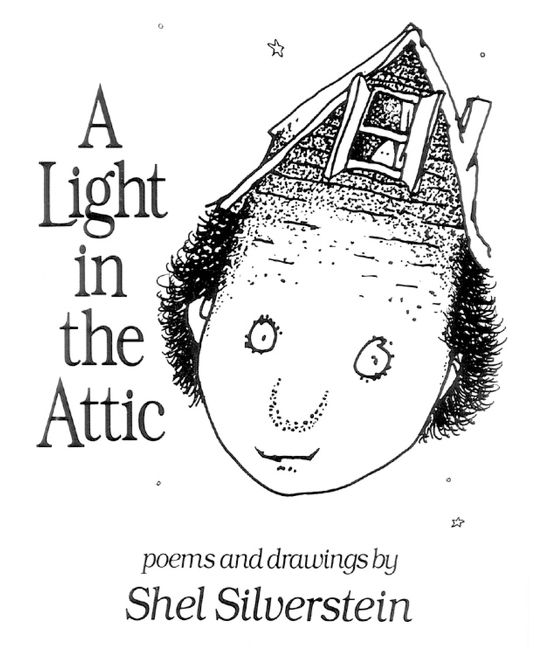
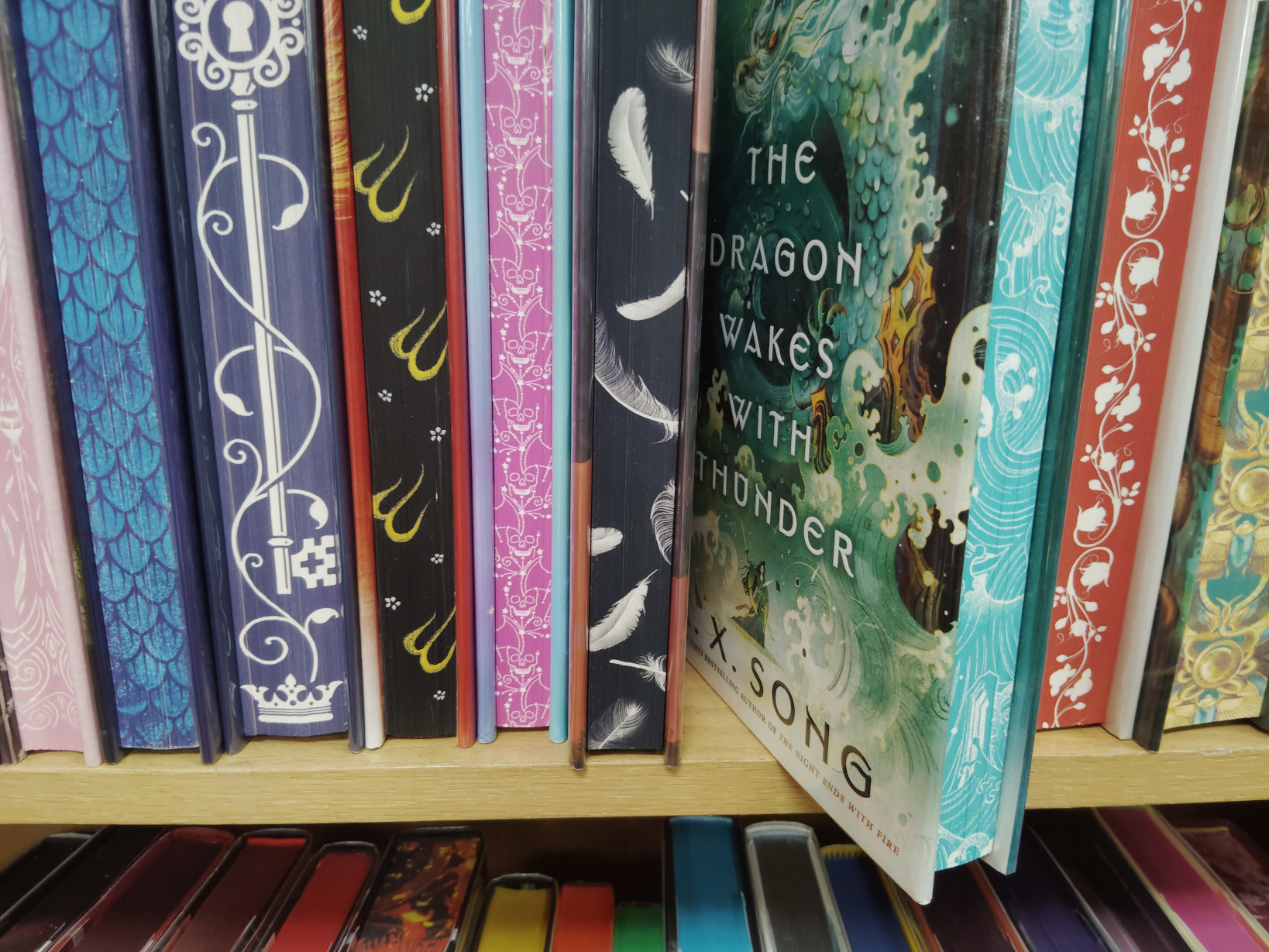
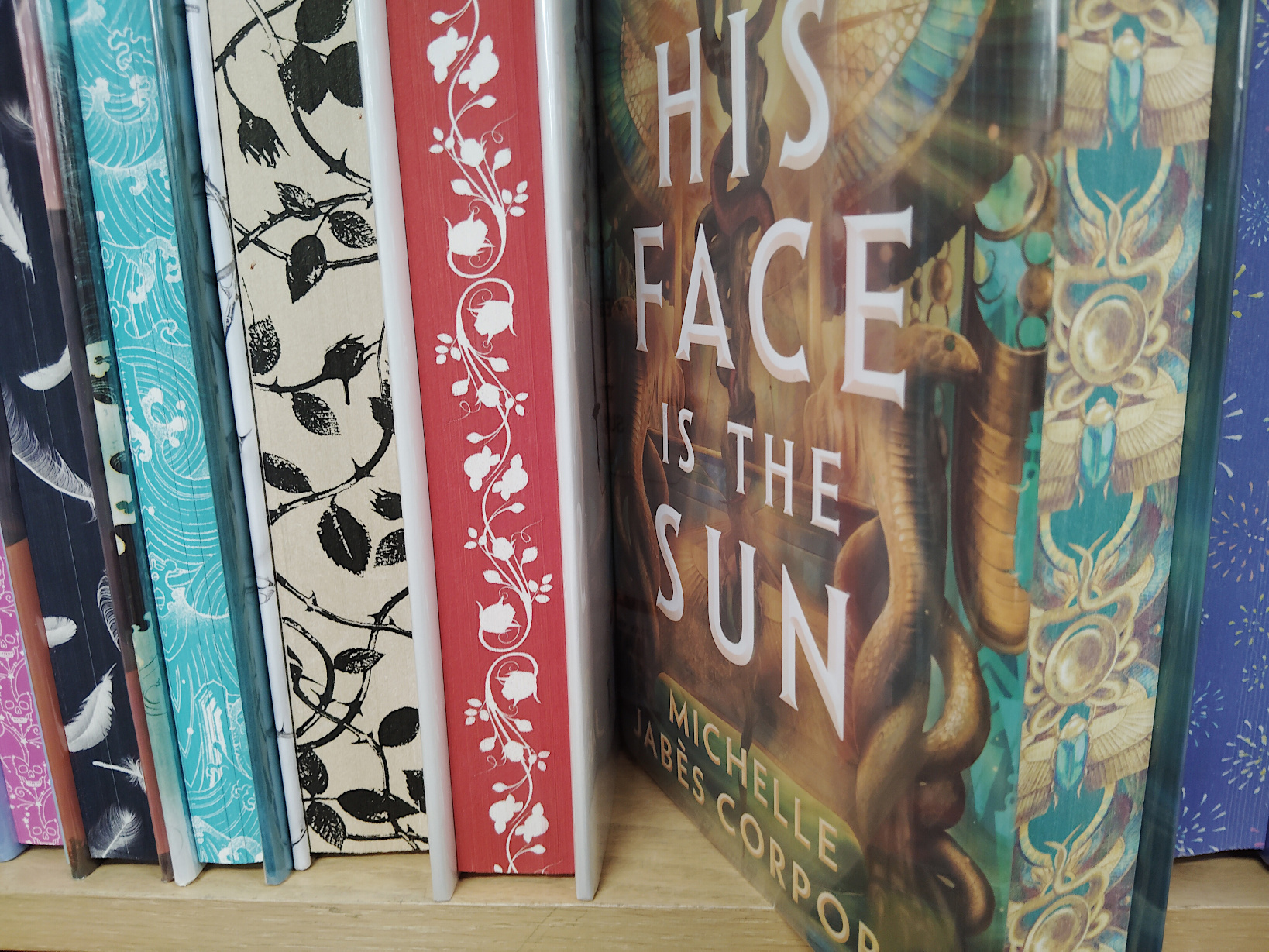
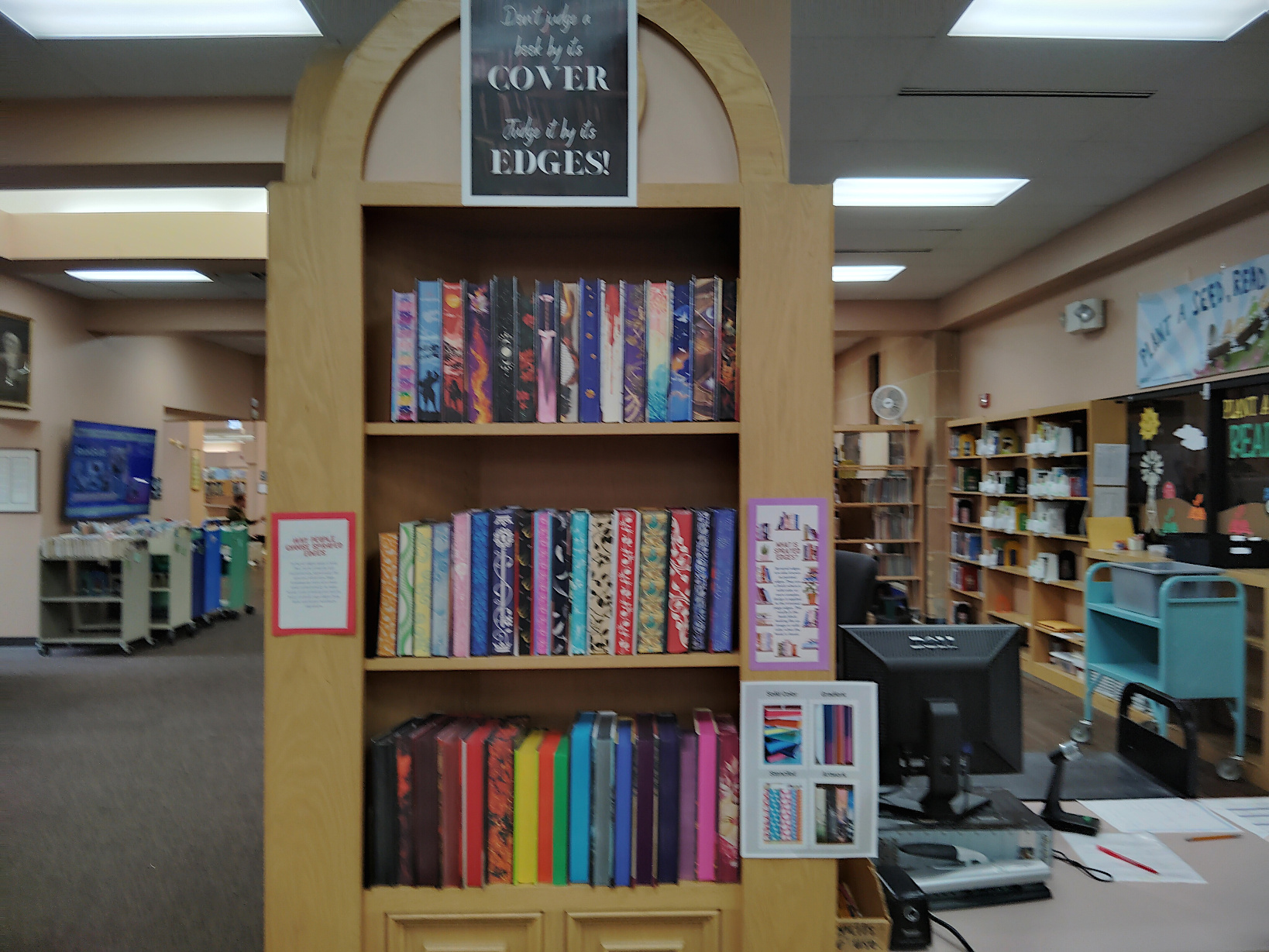
Locally, Buckham Memorial Library is spotlighting Banned Books Week in two displays. There I read a list of 10 far-fetched reasons for banning books, according to the American Library Association. For example: Shel Silverstein’s A Light in the Attic “encourages children to break dishes so they don’t have to dry them.” Or “the basket carried by Little Red Riding Hood contained a bottle of wine, which condones the use of alcohol” from the story by Jacob and Wilhelm K. Grimm. Or “if there is a possibility that something might be controversial, then why not eliminate it?,” referencing Bury My Heart at Wounded Knee by Dee Brown.
As I read down the list of ridiculous reasons for banning books, my jaw dropped. I laughed at the absurdity of it all. Really?
Because I’m a writer, an avid reader, a journalism school graduate who has worked as a newspaper reporter, and a strong supporter of First Amendment rights, I hold zero tolerance for banning books. If someone objects to the content of a book, then don’t read it. But don’t tell me I can’t read it. And certainly don’t pull it from a public space.
With kids, adults should consider age, maturity and the consequences of withholding a book from a child in their life. If I was a tween or adolescent and my parents or school banned a book, I’d probably try really hard to find a copy. Banning books from public libraries and schools is not a decision I can support. Ever.
I believe that knowledge is power. I’d rather a child be informed than uninformed. I’d rather a child learn from a reliable information source, such as a book, than “learn” from peers, social media or the internet. Or be kept in the dark. Kids are way smarter, know way more, than we adults realize.
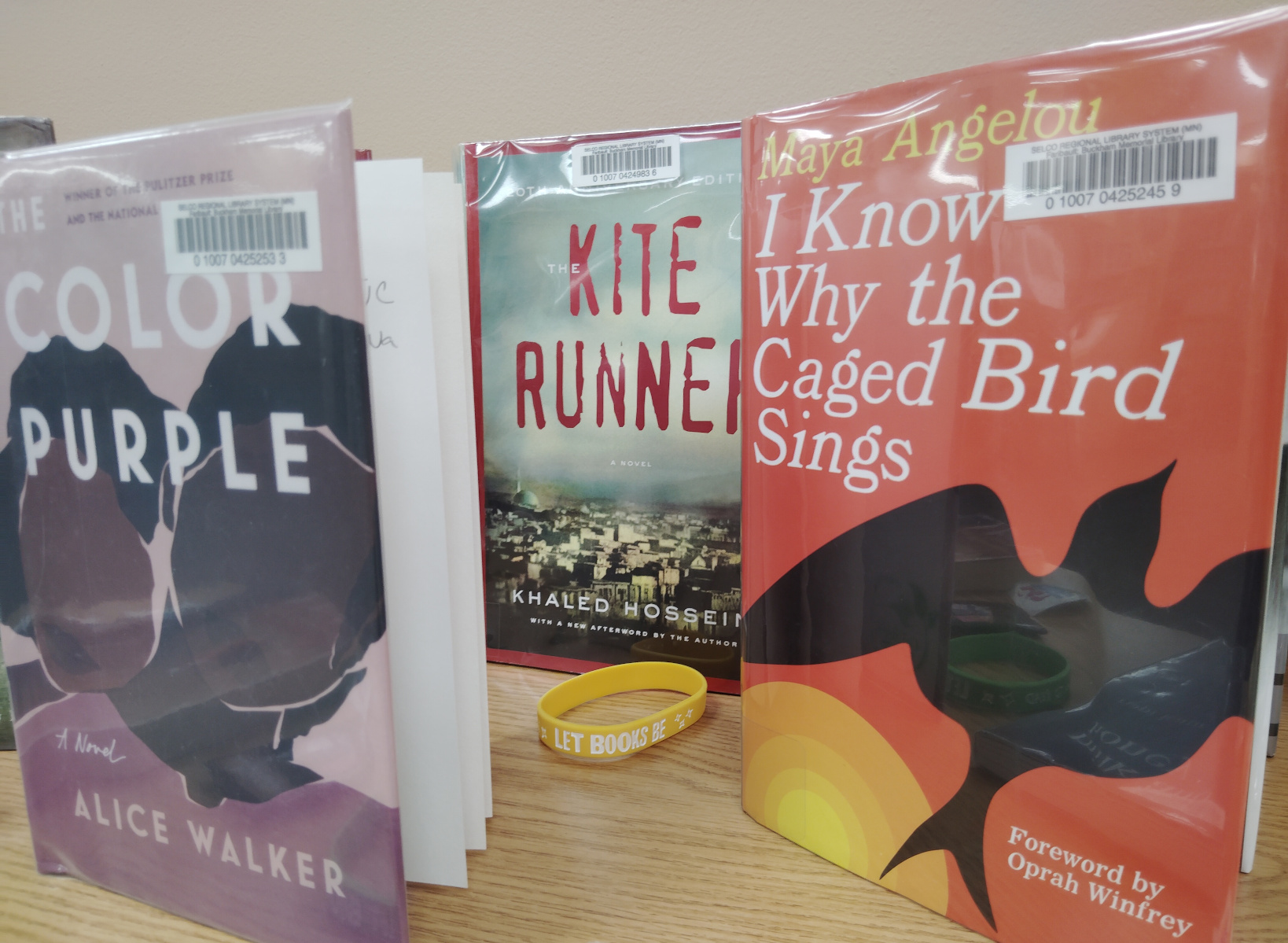
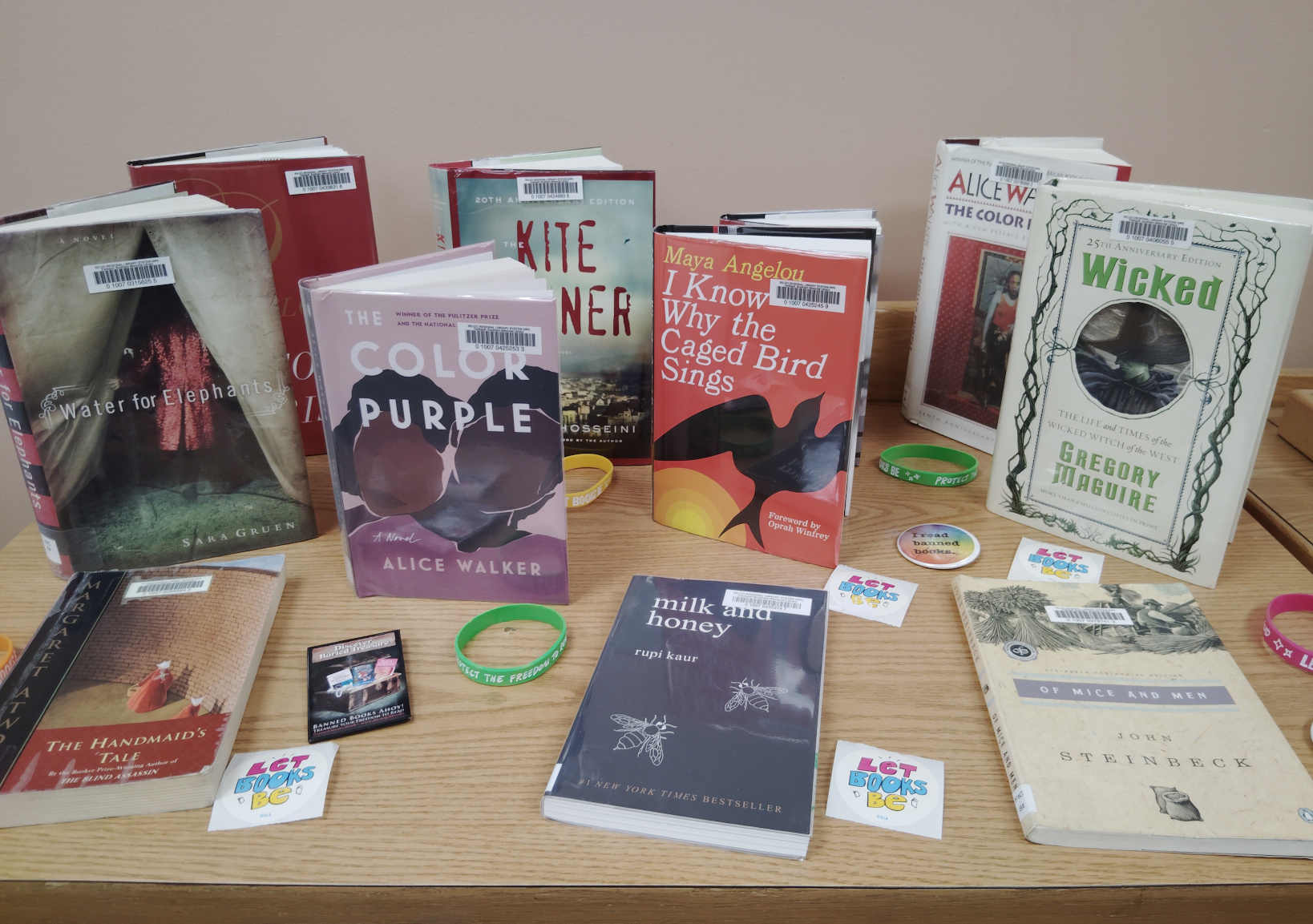
All of those thoughts flitted through my mind as I viewed the two Banned Books Week displays at the Faribault library. Those displays featured books like Of Mice and Men by John Steinbeck, I Know Why the Caged Bird Sings by Maya Angelou and The Kite Runner by Khaled Hosseini.
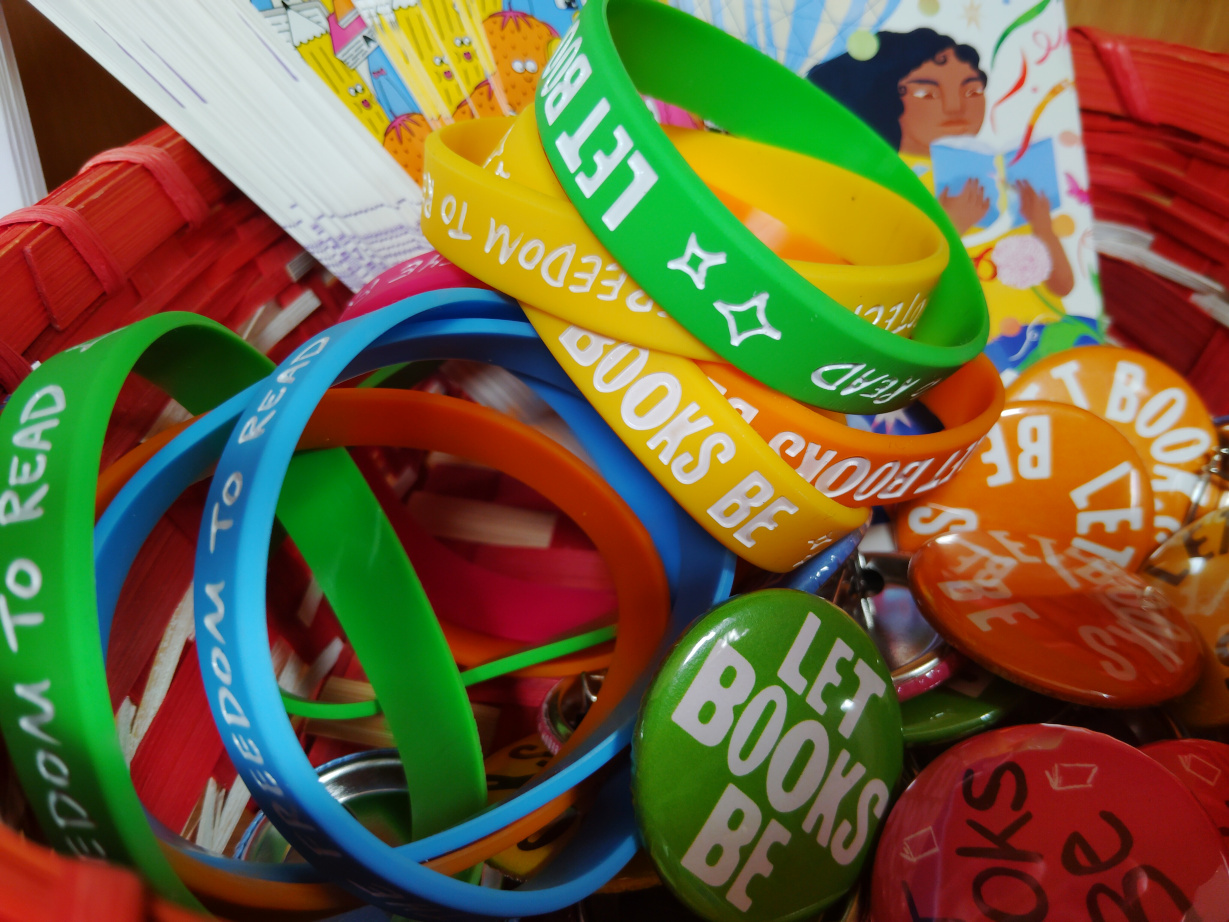
I fingered the free LET BOOKS BE swag—bookmarks, buttons, wristbands, stickers—grabbing a few to show that I’m not OK with banning books.
We need only look at history, to Nazi Germany, to understand the devastating consequences of banning books. Consider May 1933, when 40,000 people gathered in the Berlin town square and burned some 20,000 books deemed as “un-German.” That is perhaps the most extreme example of book banning ever.
“Those who cannot remember the past are condemned to repeat it,” wrote George Santayana in The Life of Reason in 1905, years before the book burnings in Nazi Germany. Now more than ever with attacks on the free press and on First Amendment rights, it’s important and necessary that we, and I don’t mean just librarians and teachers, stand strong against censorship, against book bannings.
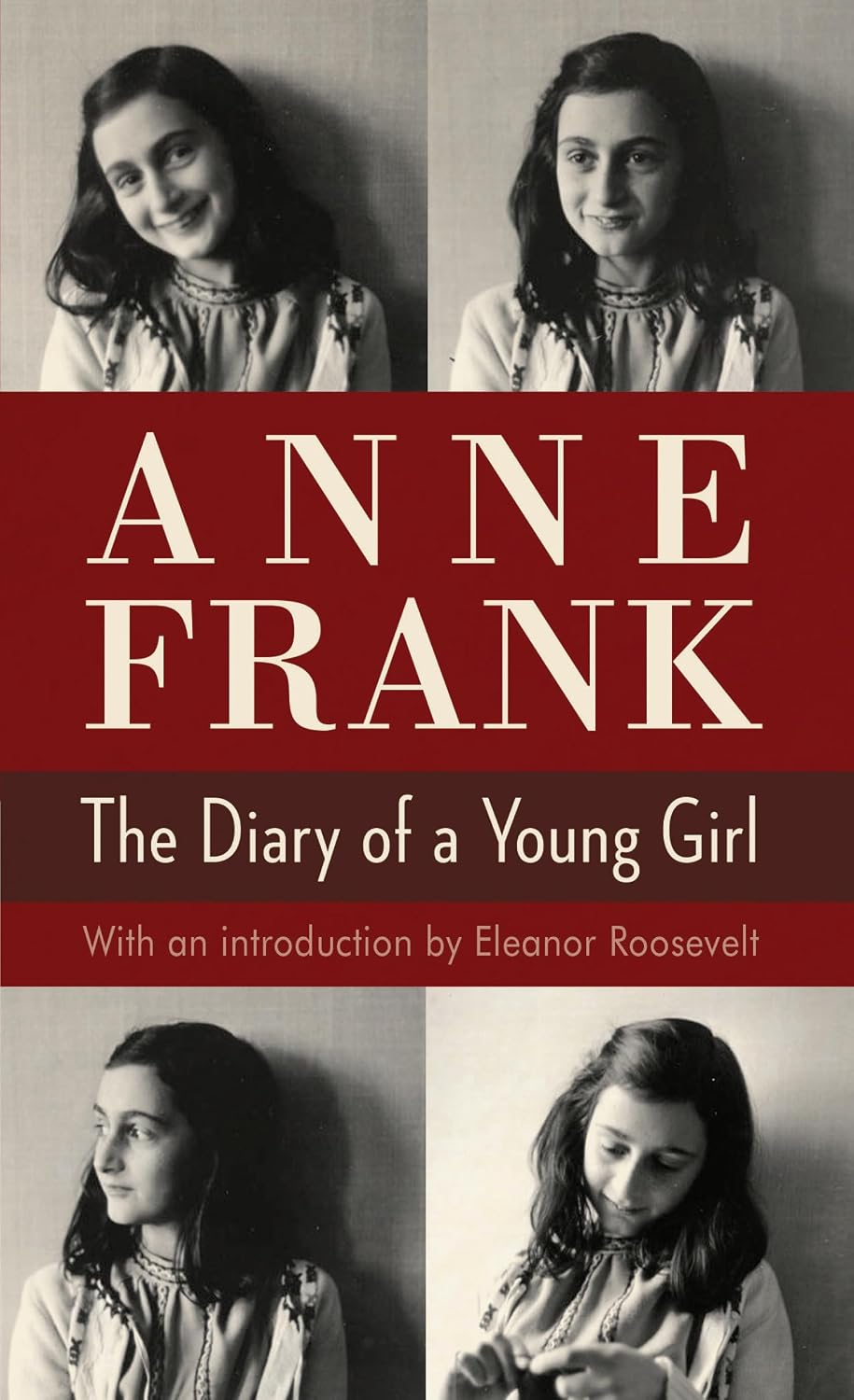
To suggest that The Diary of Anne Frank should be censored because “it is a real ‘downer’” is among the far-fetched reasons given for banning a book on the ALA list I read at my local library. Imagine suppressing the voice of that remarkable teenager by pulling her diary from library shelves. I cannot fathom the thought of such absurdity, of Anne’s story left unread because someone objected. “LET BOOKS BE. Protect the freedom to read.”
FYI: To learn more about Banned Books Week and banned books, visit the American Library Association website by clicking here.
© Copyright 2026 Audrey Kletscher Helbling













Honoring America locally in red, white & blue July 1, 2026
Tags: 250th birthday of America, America, birthday of America, book display, books, Books on Central, commentary, Dundas, Faribault, flowers, Fourth of July, holiday, July 4, July Fourth, Keepers Antique Shop, Minnesota, patriotic clothing, patriotism, red white and blue, Statue of Liberty puzzle, window display
RED, WHITE AND BLUE banner everyday life annually around this time each year. I’m talking not only U.S. flags flying from poles, but much more. And this July 4, the 250th birthday of our nation, American pride seems especially abundant. Or maybe I’m simply noticing because of the milestone celebration.
Whatever, I challenge you to see how your friends and neighbors, local businesses, churches and other organizations are celebrating and/or running with the July 4 theme.
Locally, I found plenty of examples in expected, and unexpected, places. At Keepers Antique Shop along Central Avenue in Faribault, I always expect proprietor Nona Boyes to create a window display appropriately themed to a particular event. She didn’t disappoint, staging two mannequins draped in red, white and blue holding an American flag between them. The patriotic theme carries to a corner curio and additional window space. Boyes’ art education and background show in every single window display she creates for her antique shop.
Across the street at Books on Central, I happened upon another July Fourth display, this one atop a table. Because this is a used bookshop, books center the space created by volunteer Jeanne Campbell with assistance from Mary Campbell.
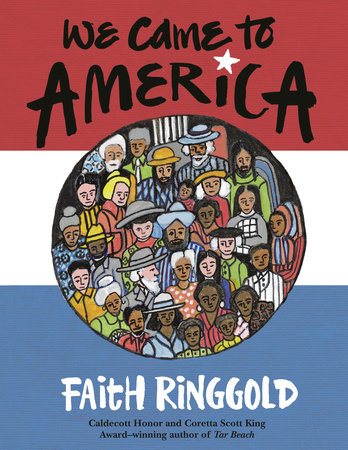
Books about the White House, “The Star Spangled Banner” and Alexander Hamilton are for sale along with other volumes artfully placed among mini American flags, a Betsy Ross statue and touches of red and white ribbon. “We the People—A Pictorial Celebration of America” and “1776” by Pulitzer Prize winning author David McCullough are also among the selections.
If you really want to get to the basics, you’ll find a pocket book of the U.S. Constitution propped in a front window display themed to celebrating the birth of this country.
To the north on Central Avenue, Fashions on Central promoted a RED WHITE BLUE SALE on a sandwich chalkboard.
At the State Bank of Faribault, an American flag graces a lush pot of flowers outside the bank’s front entry.
But it was red flowers planted in galvanized tubs and backdropping white hydrangea that drew my admiration for July Fourth floral plantings. I was en route to a garage sale in a south-side Faribault neighborhood when I spotted the work of gardener Kay, who planted red, white and blue flowers throughout her yard. She wasn’t home when I stopped. But her husband, Paul, promised to pass along my praise.
When I stopped at an estate sale, I purchased an unusual piece of art perfect for the Fourth of July. For $3, I snagged a puzzle of the Statue of Liberty pieced together by Gerda Dolman of Madison, Minnesota, when she was 100 years old. She lived to nearly 102, dying in 2021. Her son mounted the puzzle on wood. Gerda’s Lady Liberty now hangs on my dining room wall, a visual reminder of freedom, liberty and hope for all who came, and continue to come, to America. Like Gerda’s Norwegian ancestors.
As we celebrate our nation’s 250th birthday, I focus on those foundational words of liberty and freedom. I hope others do, too, as they don patriotic attire, enjoy parades and BBQs, watch fireworks, and consider all this nation has endured from the Revolutionary War to present.
This message lifted from the tabletop display at Books on Central says it all: “For 250 years, we have maintained and loved this country that was created as the great American experiment, an exercise in self-governance and respect and freedom. Long may this great experiment reign, cherished and supported by those it protects and honors. Happy birthday to the United States of America!”
© Copyright 2026 Audrey Kletscher Helbling