
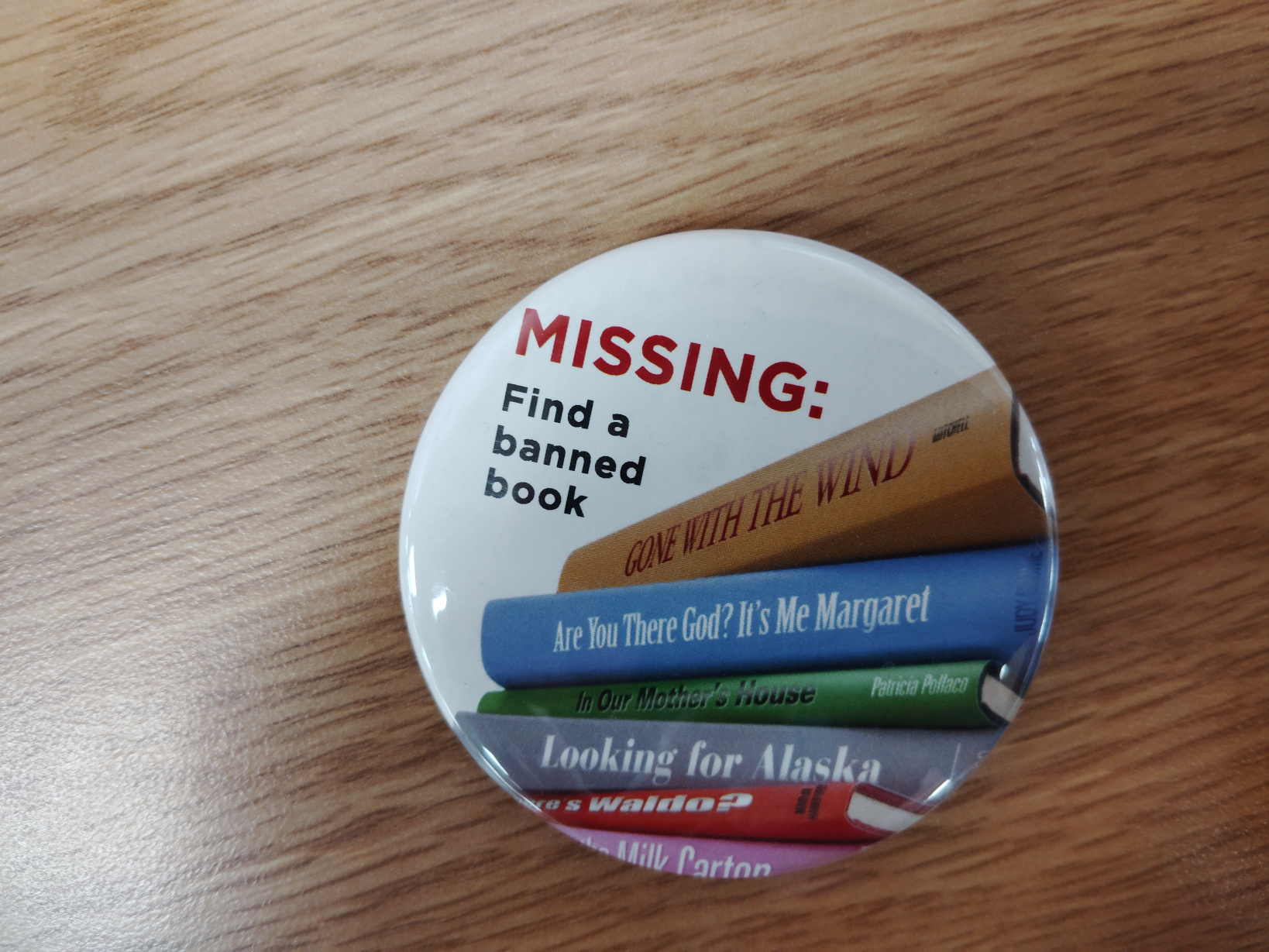
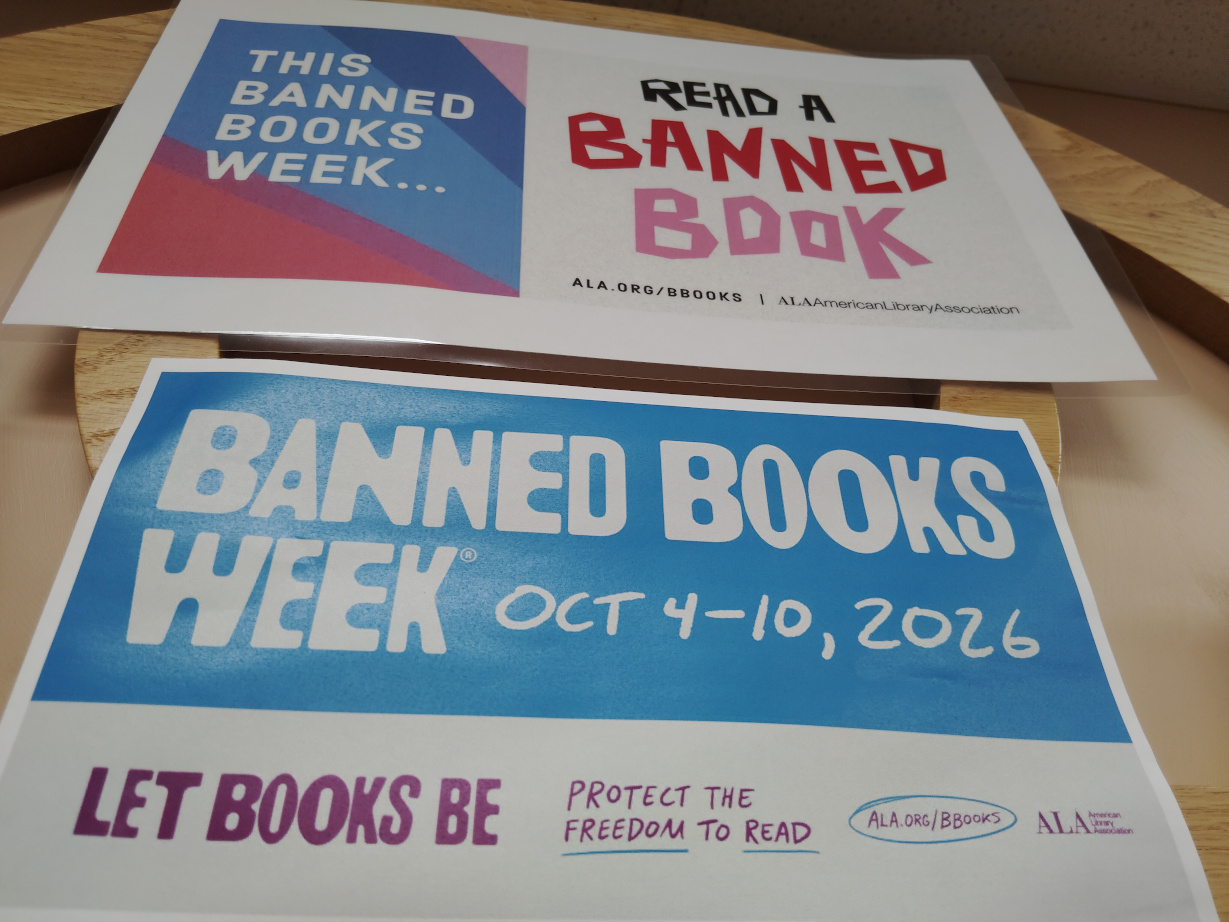
“LET BOOKS BE. Protect the freedom to read.” Those statements theme this year’s nationwide October 4-10 Banned Books Week. That event focuses on informing all of us about book censorship attempts in libraries, schools and bookstores.
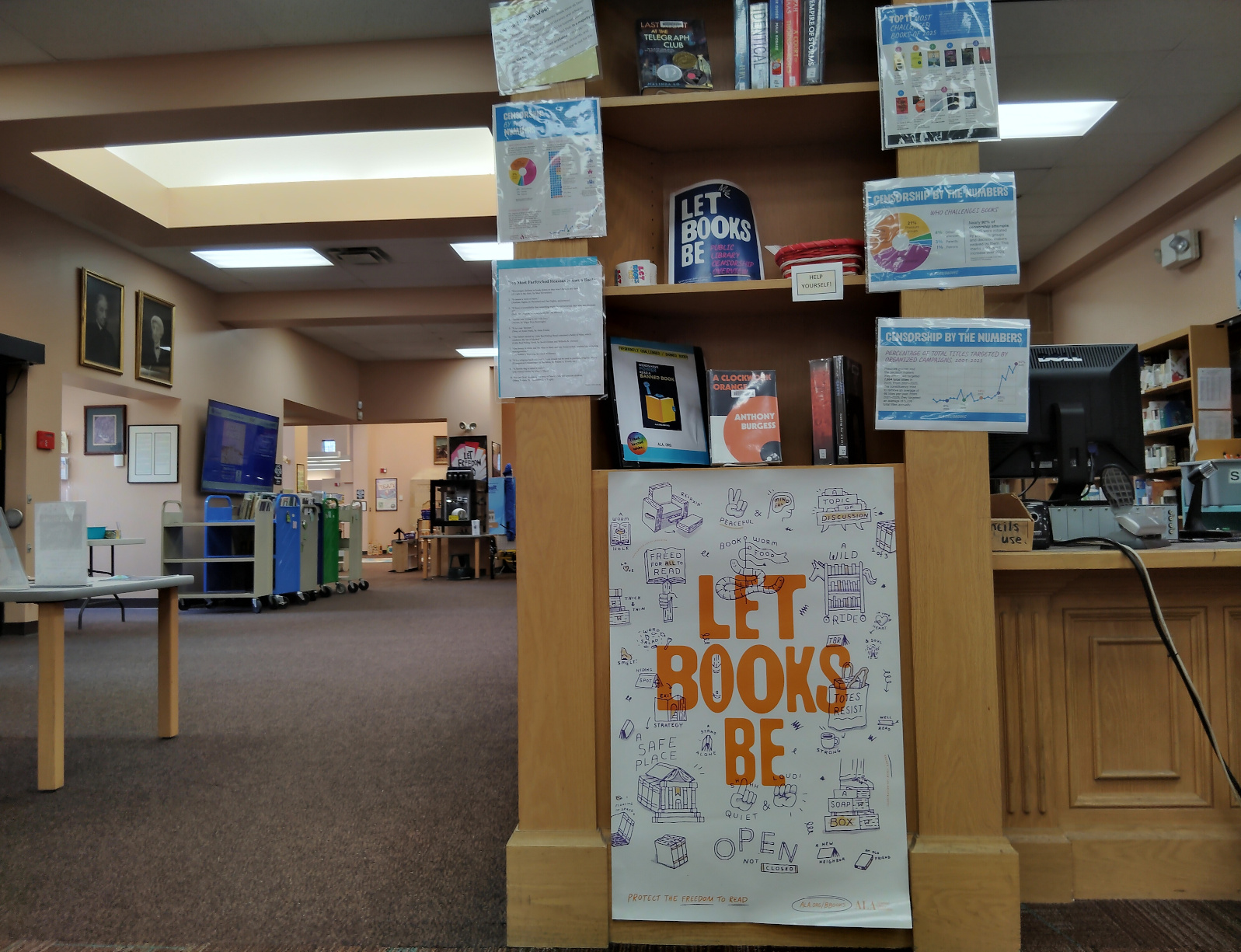
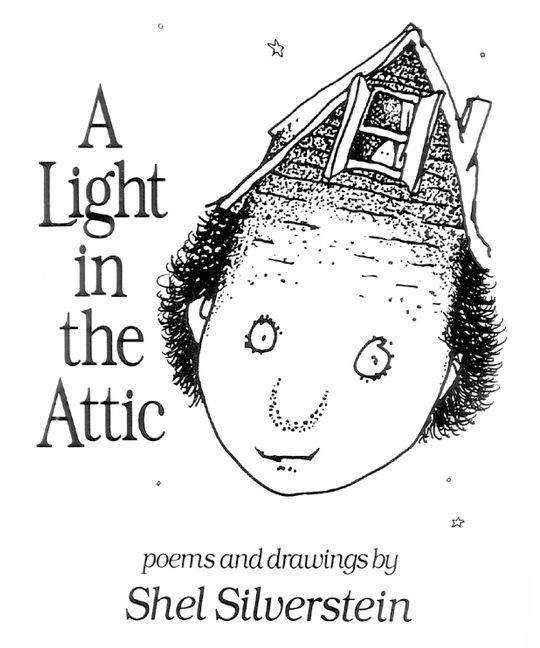
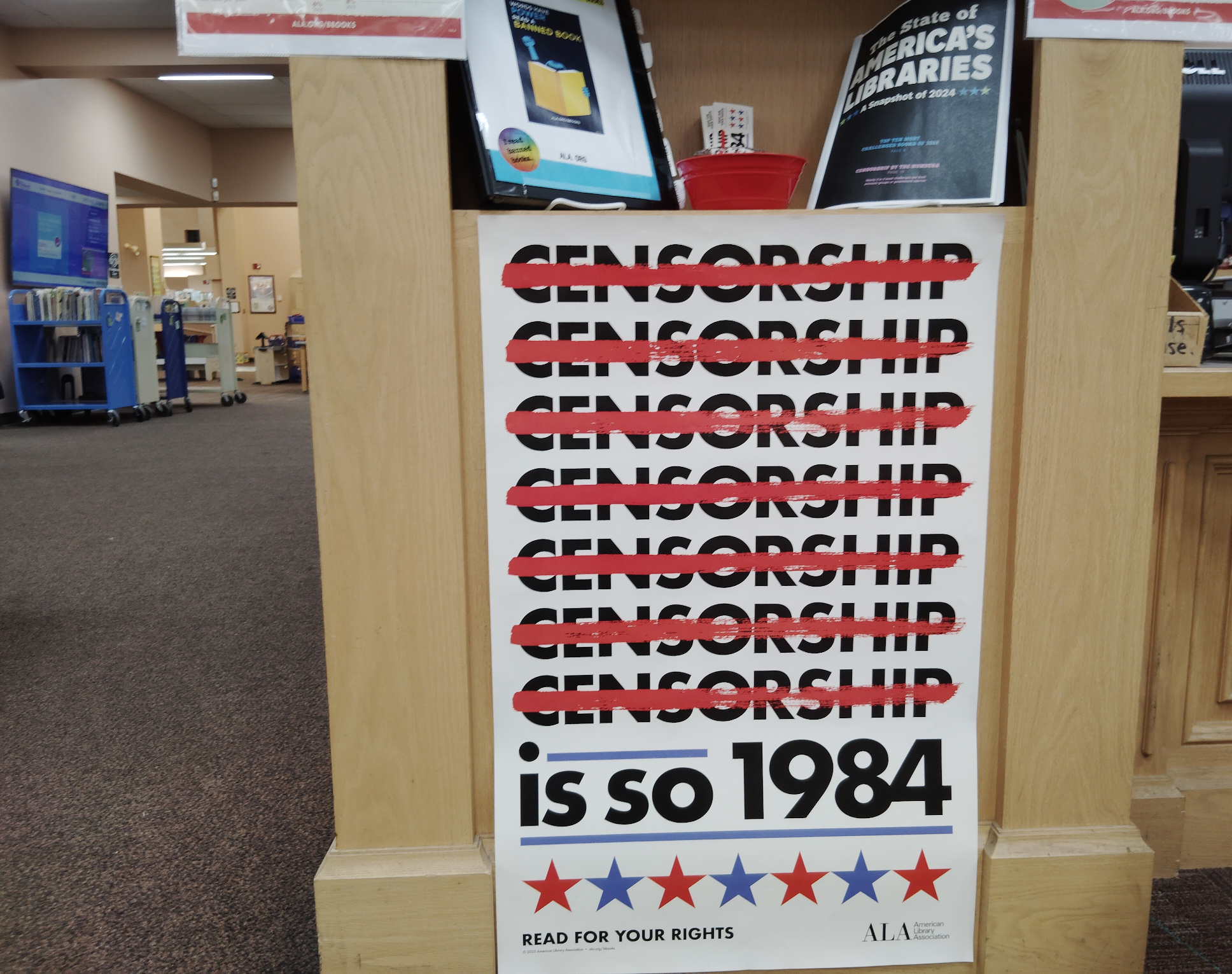
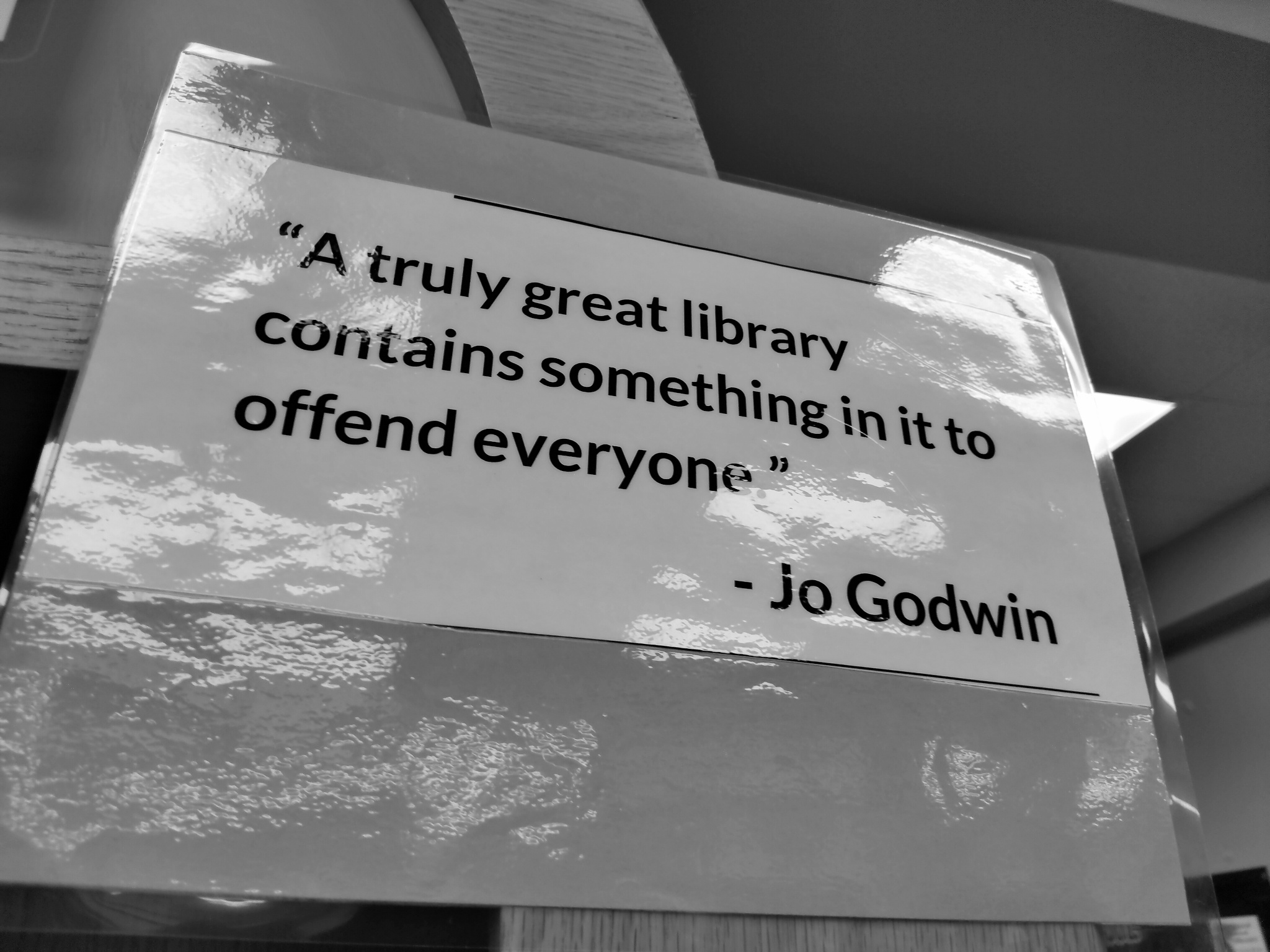
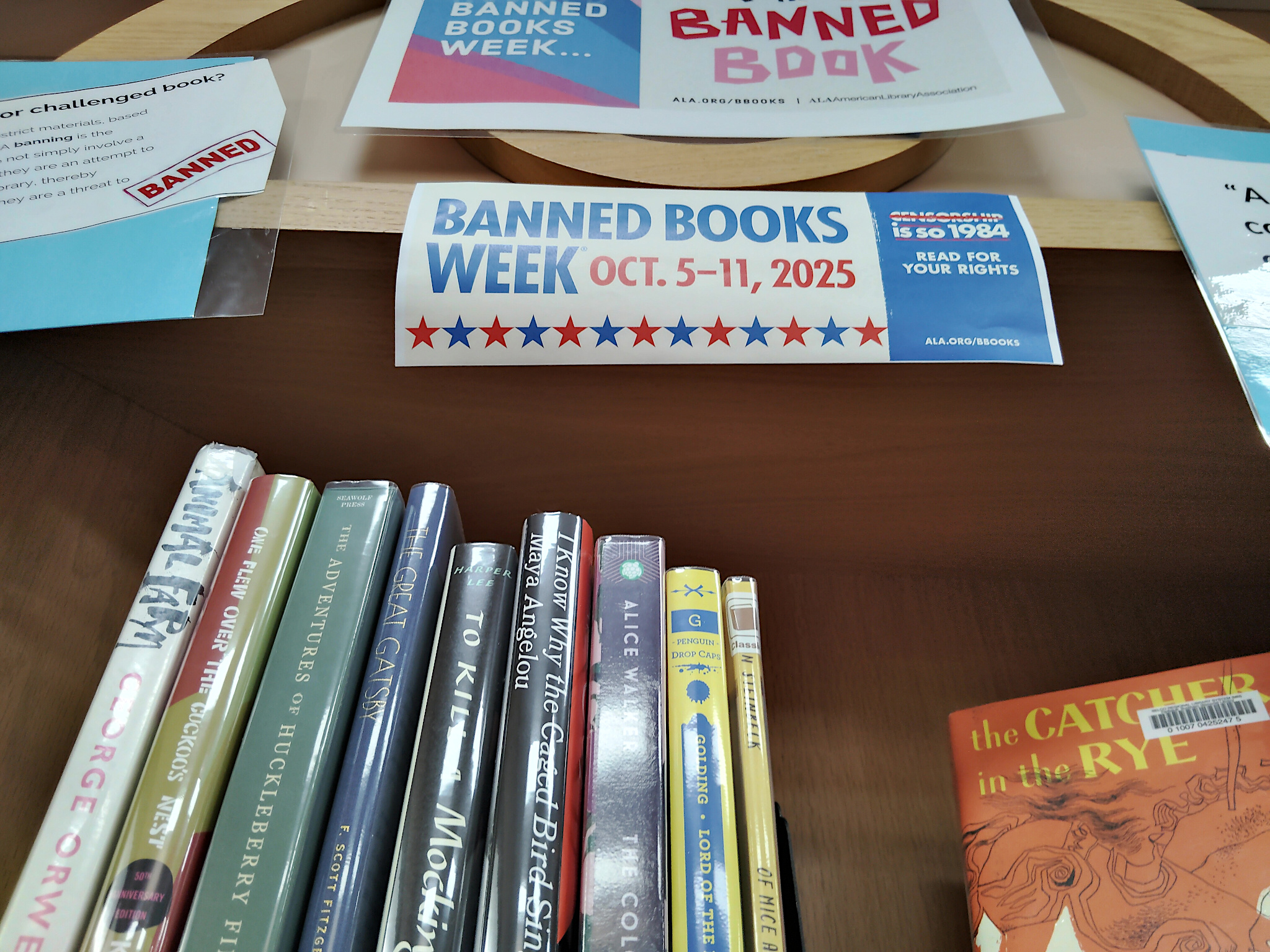
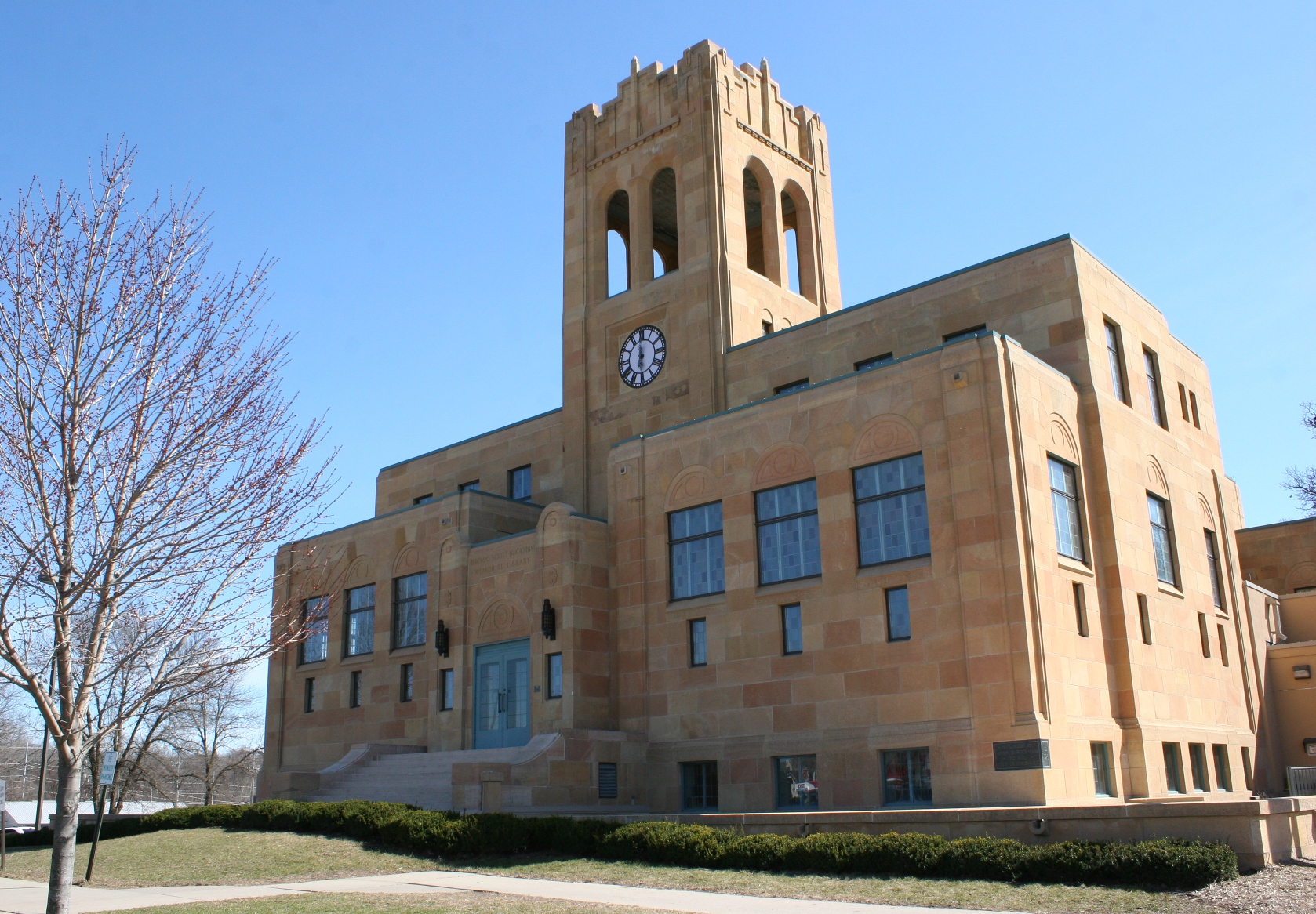
Locally, Buckham Memorial Library is spotlighting Banned Books Week in two displays. There I read a list of 10 far-fetched reasons for banning books, according to the American Library Association. For example: Shel Silverstein’s A Light in the Attic “encourages children to break dishes so they don’t have to dry them.” Or “the basket carried by Little Red Riding Hood contained a bottle of wine, which condones the use of alcohol” from the story by Jacob and Wilhelm K. Grimm. Or “if there is a possibility that something might be controversial, then why not eliminate it?,” referencing Bury My Heart at Wounded Knee by Dee Brown.
As I read down the list of ridiculous reasons for banning books, my jaw dropped. I laughed at the absurdity of it all. Really?
Because I’m a writer, an avid reader, a journalism school graduate who has worked as a newspaper reporter, and a strong supporter of First Amendment rights, I hold zero tolerance for banning books. If someone objects to the content of a book, then don’t read it. But don’t tell me I can’t read it. And certainly don’t pull it from a public space.
With kids, adults should consider age, maturity and the consequences of withholding a book from a child in their life. If I was a tween or adolescent and my parents or school banned a book, I’d probably try really hard to find a copy. Banning books from public libraries and schools is not a decision I can support. Ever.
I believe that knowledge is power. I’d rather a child be informed than uninformed. I’d rather a child learn from a reliable information source, such as a book, than “learn” from peers, social media or the internet. Or be kept in the dark. Kids are way smarter, know way more, than we adults realize.
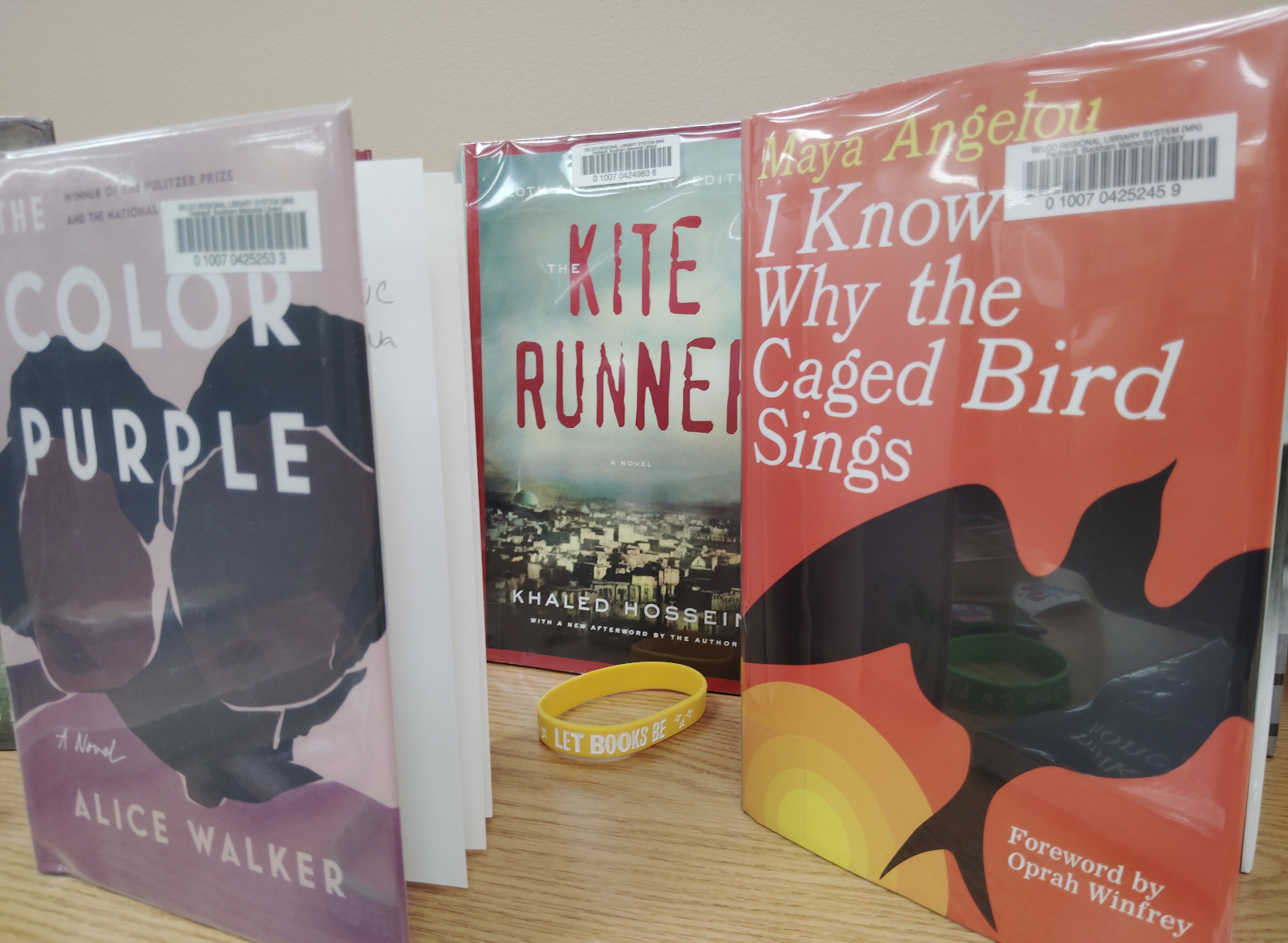
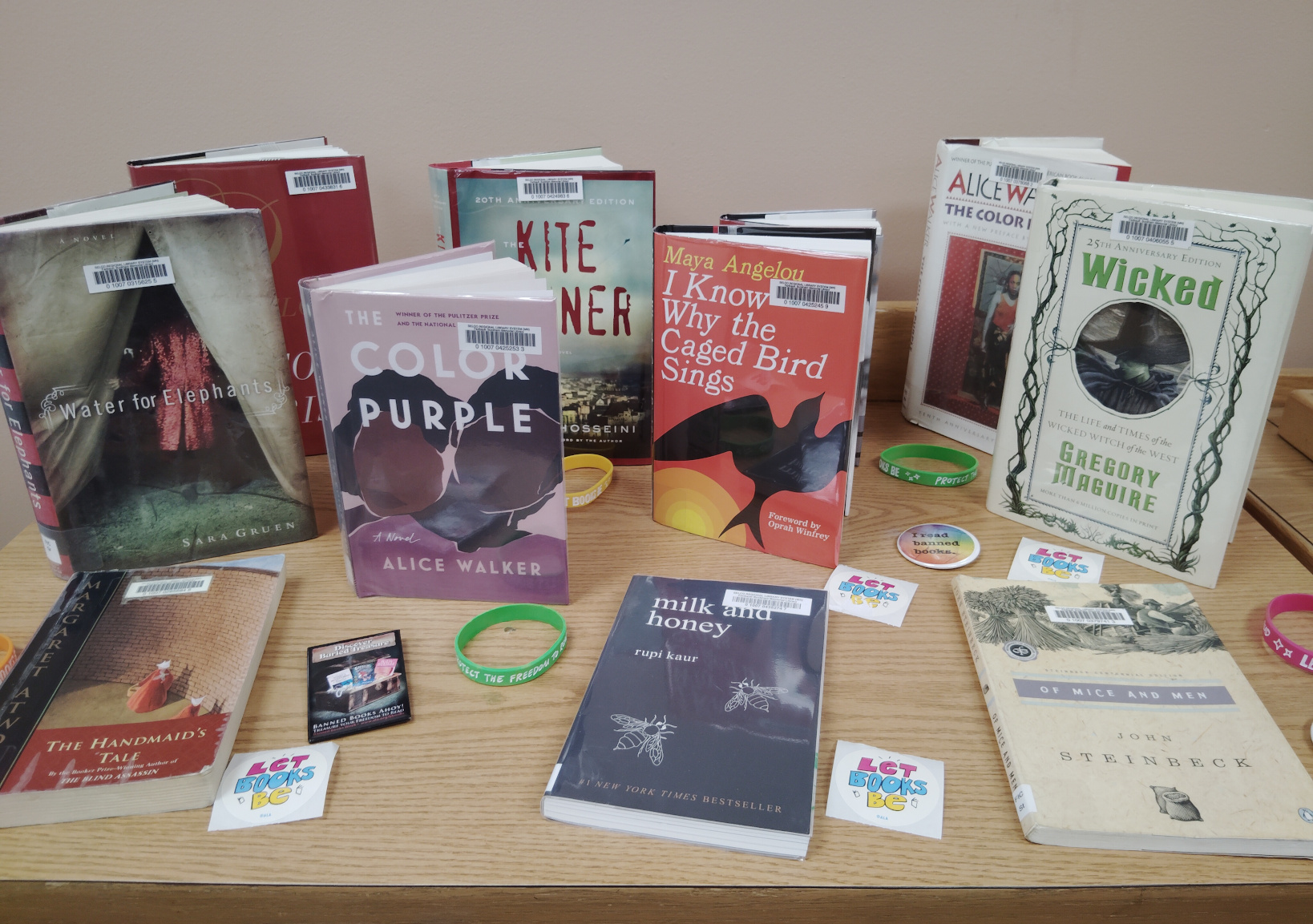
All of those thoughts flitted through my mind as I viewed the two Banned Books Week displays at the Faribault library. Those displays featured books like Of Mice and Men by John Steinbeck, I Know Why the Caged Bird Sings by Maya Angelou and The Kite Runner by Khaled Hosseini.
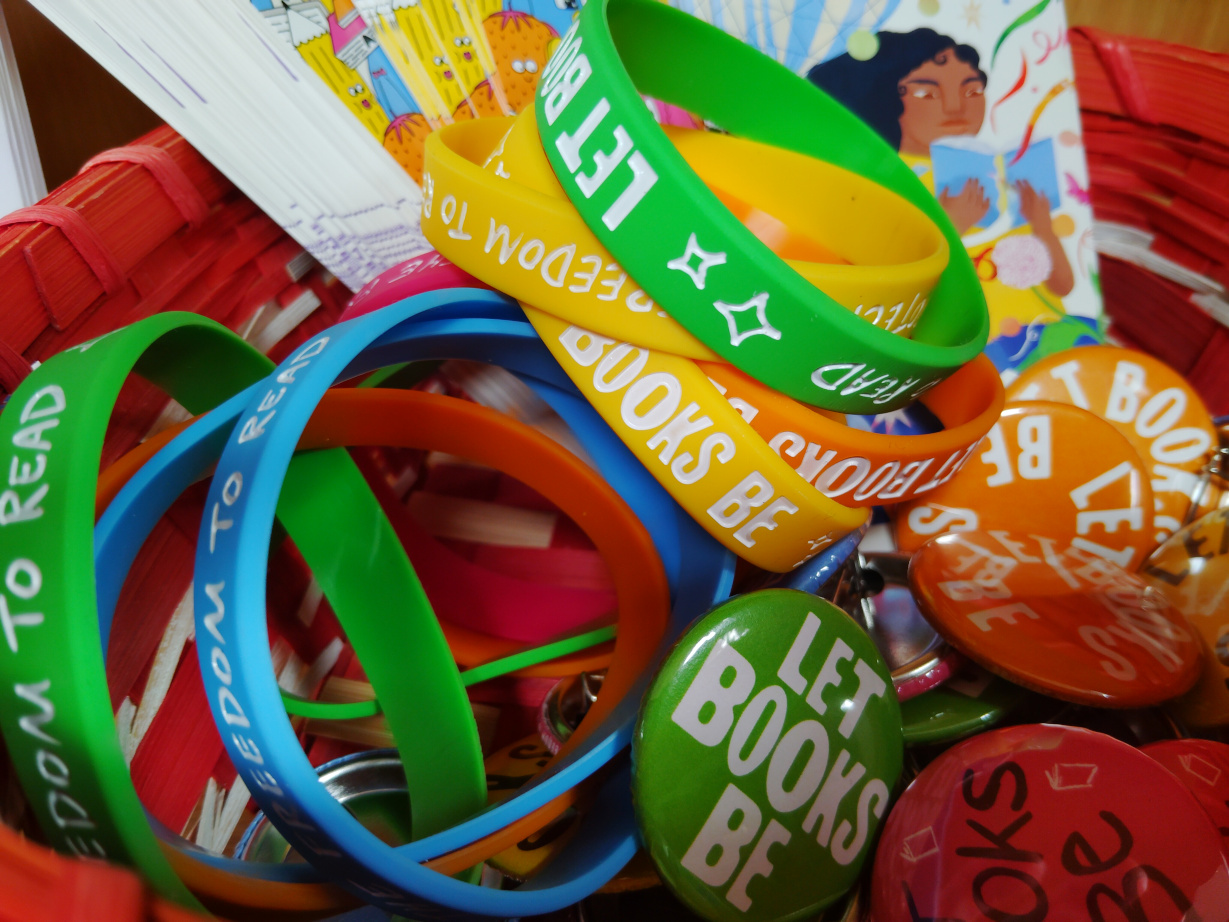
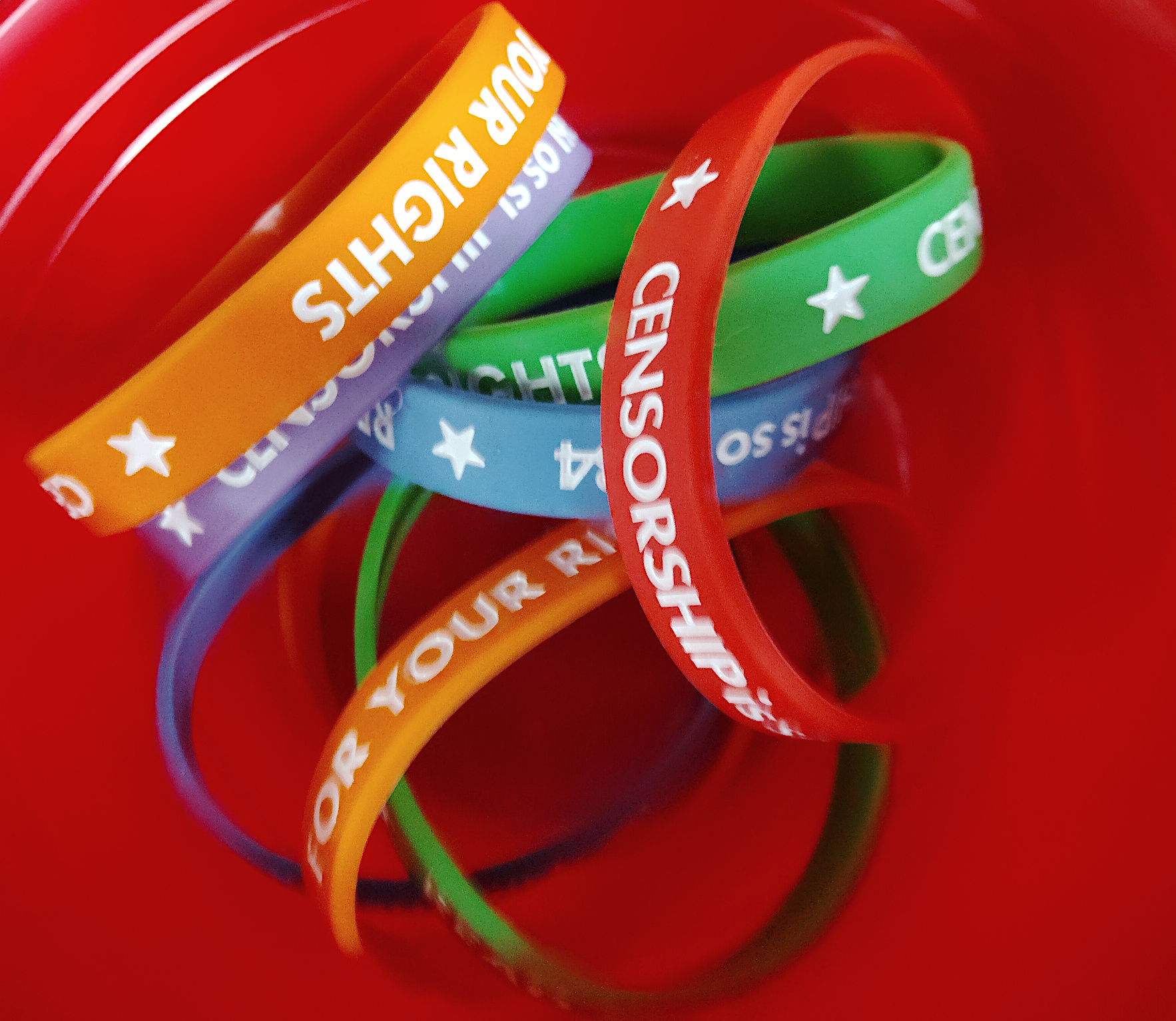
I fingered the free LET BOOKS BE swag—bookmarks, buttons, wristbands, stickers—grabbing a few to show that I’m not OK with banning books.
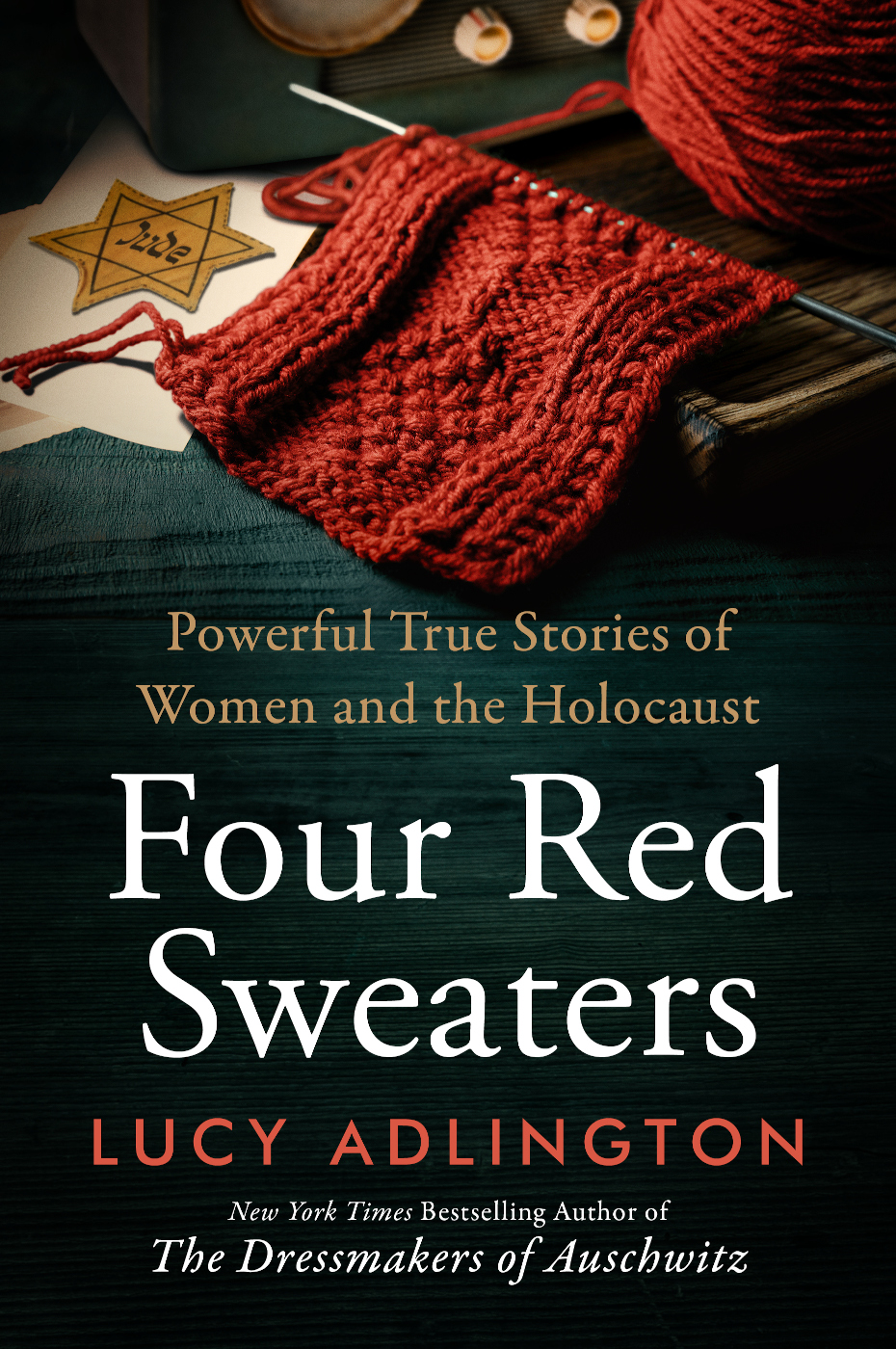
We need only look at history, to Nazi Germany, to understand the devastating consequences of banning books. Consider May 1933, when 40,000 people gathered in the Berlin town square and burned some 20,000 books deemed as “un-German.” That is perhaps the most extreme example of book banning ever.
“Those who cannot remember the past are condemned to repeat it,” wrote George Santayana in The Life of Reason in 1905, years before the book burnings in Nazi Germany. Now more than ever with attacks on the free press and on First Amendment rights, it’s important and necessary that we, and I don’t mean just librarians and teachers, stand strong against censorship, against book bannings.
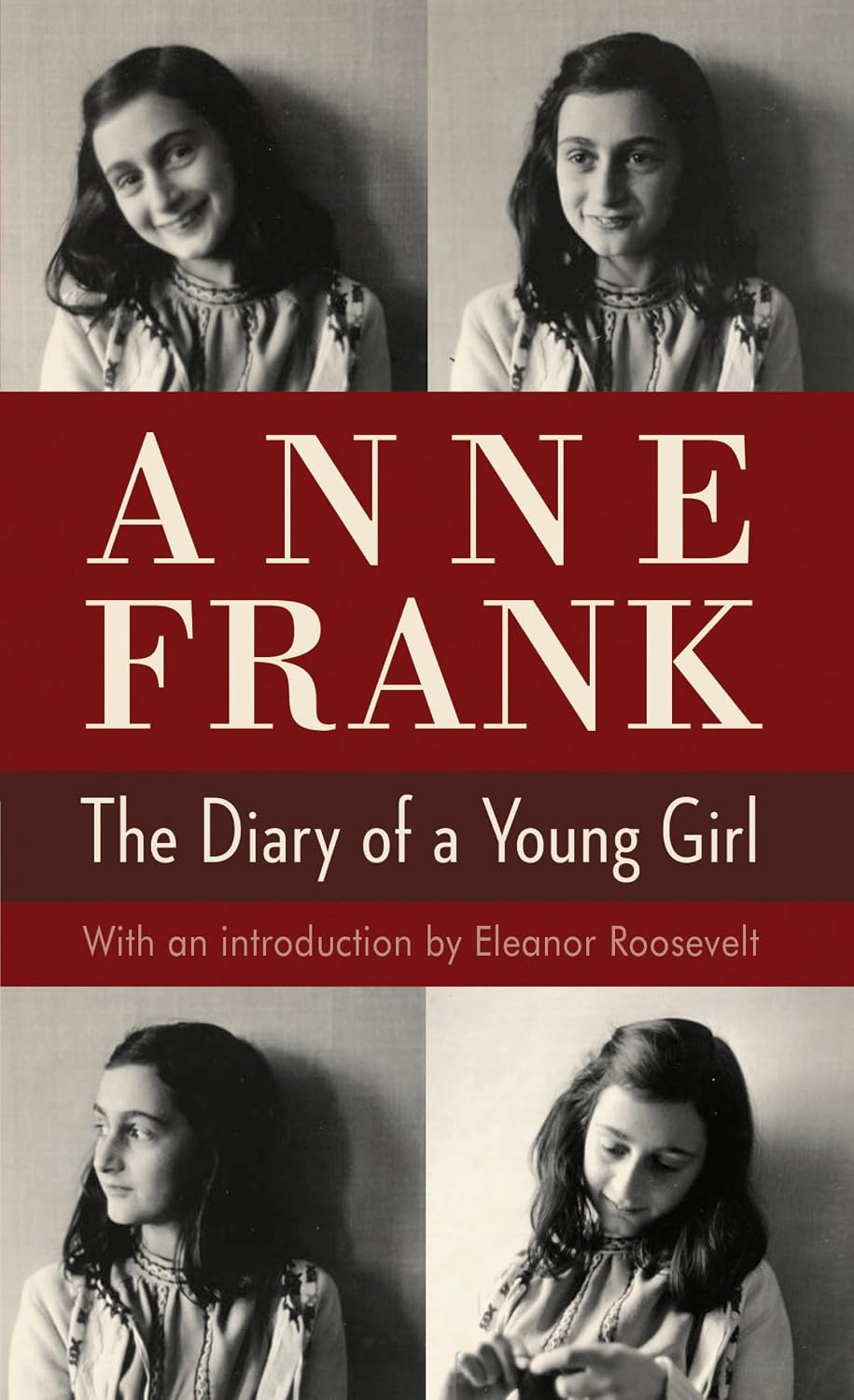
To suggest that The Diary of Anne Frank should be censored because “it is a real ‘downer’” is among the far-fetched reasons given for banning a book on the ALA list I read at my local library. Imagine suppressing the voice of that remarkable teenager by pulling her diary from library shelves. I cannot fathom the thought of such absurdity, of Anne’s story left unread because someone objected. “LET BOOKS BE. Protect the freedom to read.”
FYI: To learn more about Banned Books Week and banned books, visit the American Library Association website by clicking here.
© Copyright 2026 Audrey Kletscher Helbling












1984 Oceania & 2025 America December 31, 2025
Tags: 1984, America, book review, books, commentary, dystopian novel, fiction, freedom, George Orwell, novel, Oceania, reading, We the People
MULTIPLE TIMES I NEARLY STOPPED reading the book. But I was determined to finish, although the process took weeks. Sometimes I could read many pages. Other times I had to stop, set the book aside and not pick it up for several days. Yet, I continued slogging through the pages.
What book caused me to struggle so? The answer: 1984 by George Orwell.
If you’ve never read this dystopian novel and, no, I hadn’t, you should. Written in 1949, it is so relevant to today that the book could easily be titled 2025. And that’s not a good thing.
I jotted four full-sized pages of notes while reading. And what emerged was downright scary, because the fiction Orwell penned 76 years ago strongly resembles the United States of America under our current administration.
PLOT SUMMARY
But first, a summary of 1984. Main character Winston Smith lives in Oceania, a country ruled by The Party and the unseen Big Brother, who is watching, always watching. Smith is a writer, working for The Ministry of Truth, which is anything but. Workers there are tasked with rewriting history, basically erasing the past. Censorship. Smith, however, secretly disagrees with The Party’s work and ideology. But he, like others of the same mind, must be careful, oh, so careful. No one can be trusted, as Smith eventually learns firsthand.
People are disappeared from the streets, snatched. Vaporized, as if they never existed.
Troubling words like hatred, Thought Police, thought crime and control emerge in this novel. All are connected to The Party, a party focused on absolute power, world domination, acquiring more territory, on shaping narrative, on eliminating art, literature and science.
If The Party told you that 2+2=5, you better believe that. Smith didn’t.
The Party aims for absolute dominance—authoritarian rule under a dictatorship that opposes individual freedom and seeks to control every facet of life and the mind. Children are indoctrinated, blindly following and adoring The Party, becoming little spies who will turn on anyone suspected of defying Big Brother’s ideology. A woman calls Big Brother “My Savior.” Big Brother’s image is imprinted upon a coin. The eyes are watching, always watching.
HOW WILL IT END?
As I turned page after page, I tried to hold hope that 1984 would end well, although I knew it wouldn’t. I can only hope that the fiction George Orwell wrote does not fully become our reality in America. Whether it does or doesn’t is on all of us.
We can choose love over hatred. We can choose to exercise our personal liberties by speaking up, voting, contacting our elected officials, protesting, standing strong in and for freedom. We can advocate for others, calling out wrongs, working for the marginalized, the “snatched,” those struggling emotionally, financially and otherwise. We can help, encourage, uplift. We can listen. We can remember and learn from the past, not some rewritten version of the past. We can stand up for art, science, literature, truth. We can support freedom of the press, turn to trusted and reliable media sources. We can declare that we, the people, hold the power. Not Big Brother. Not a single man or his followers. Not The Party. But, we, the people.
WE THE PEOPLE
We the People of the United States, in Order to form a more perfect Union, establish Justice, insure domestic Tranquility, provide for the common defence, promote the general Welfare, and secure the Blessings of Liberty to ourselves and our Posterity, do ordain and establish this Constitution for the United States of America. —Preamble to the United States Constitution
#
TELL ME: Have you read 1984? If yes, what are your thoughts in the context of today, specifically in America? Do you see similarities, relevancy? What concerns you, if anything?
© Copyright 2025 Audrey Kletscher Helbling