
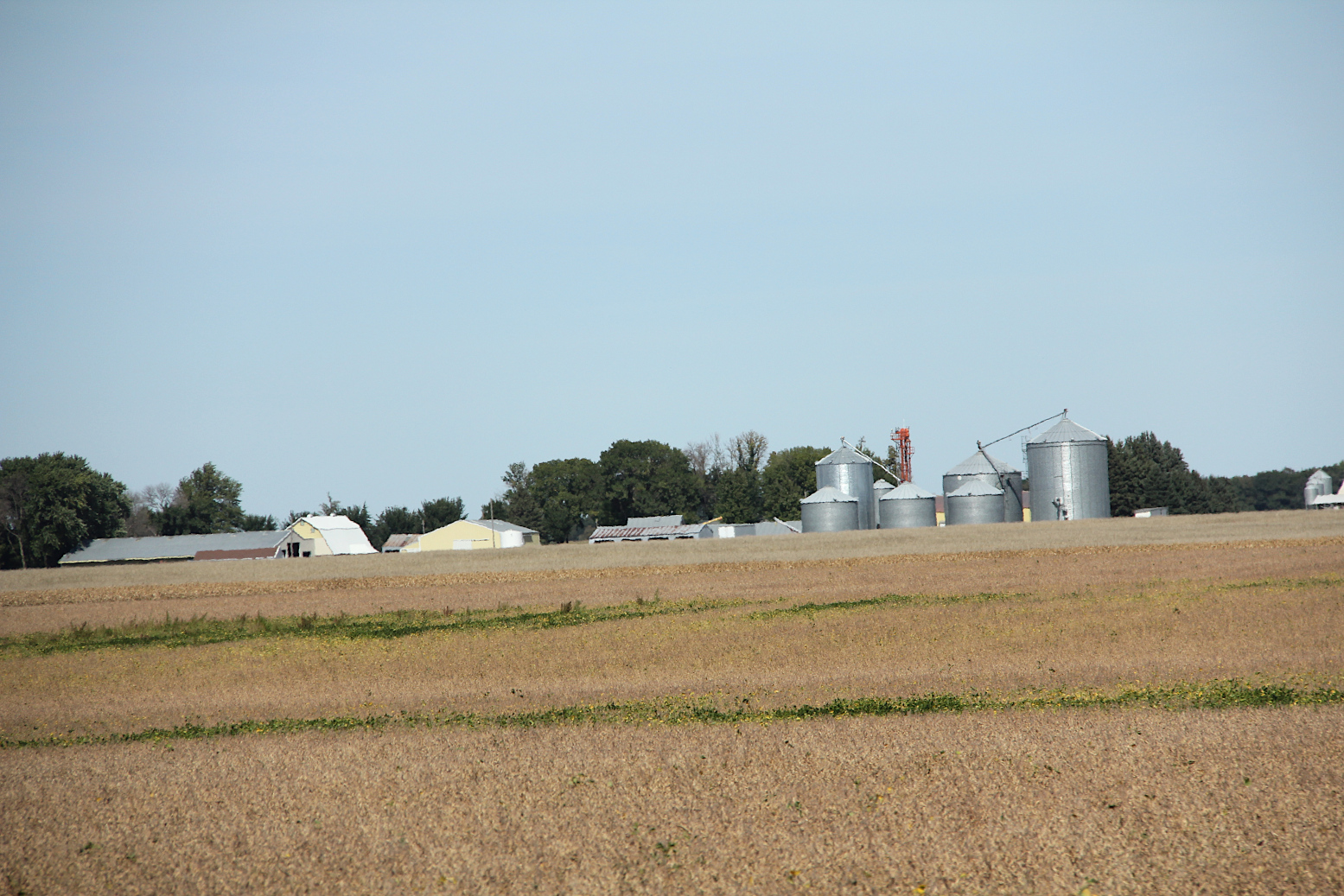
ACRE UPON ACRE of drying corn and soybean fields unrolled before us as Randy and I headed west 120 miles from Faribault to my hometown for a mournful family gathering, this time to honor my cousin Jeff. He died unexpectedly at the age of 63 only three months after his mother, my Aunt Marilyn.
Here we were again, back at the hilltop Vesta Cemetery, circling around gravestones to hear Scripture, to pray, to sing, to comfort one another, to remember Jeff while a fierce wind blew and the bright sunshine warmed us.
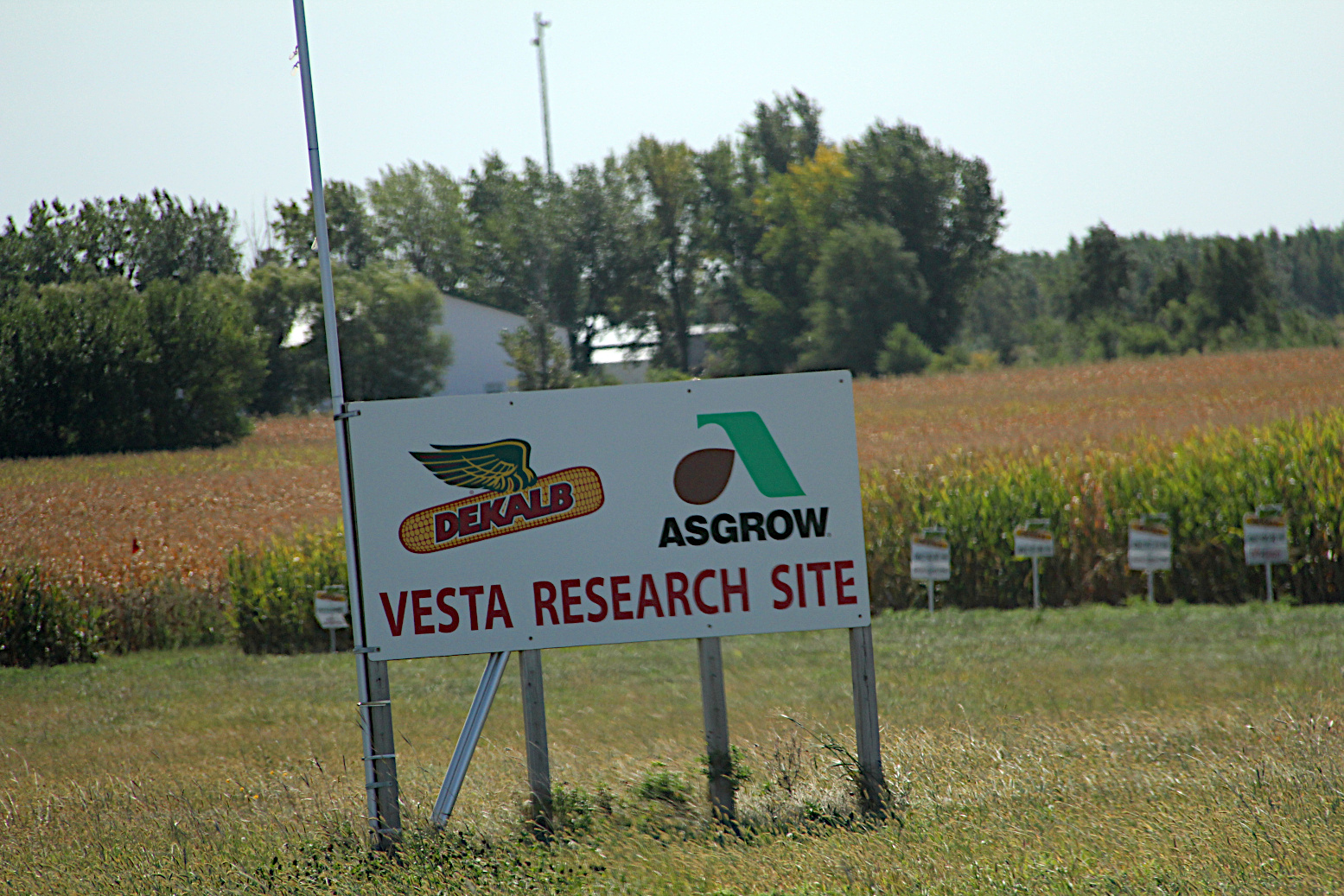
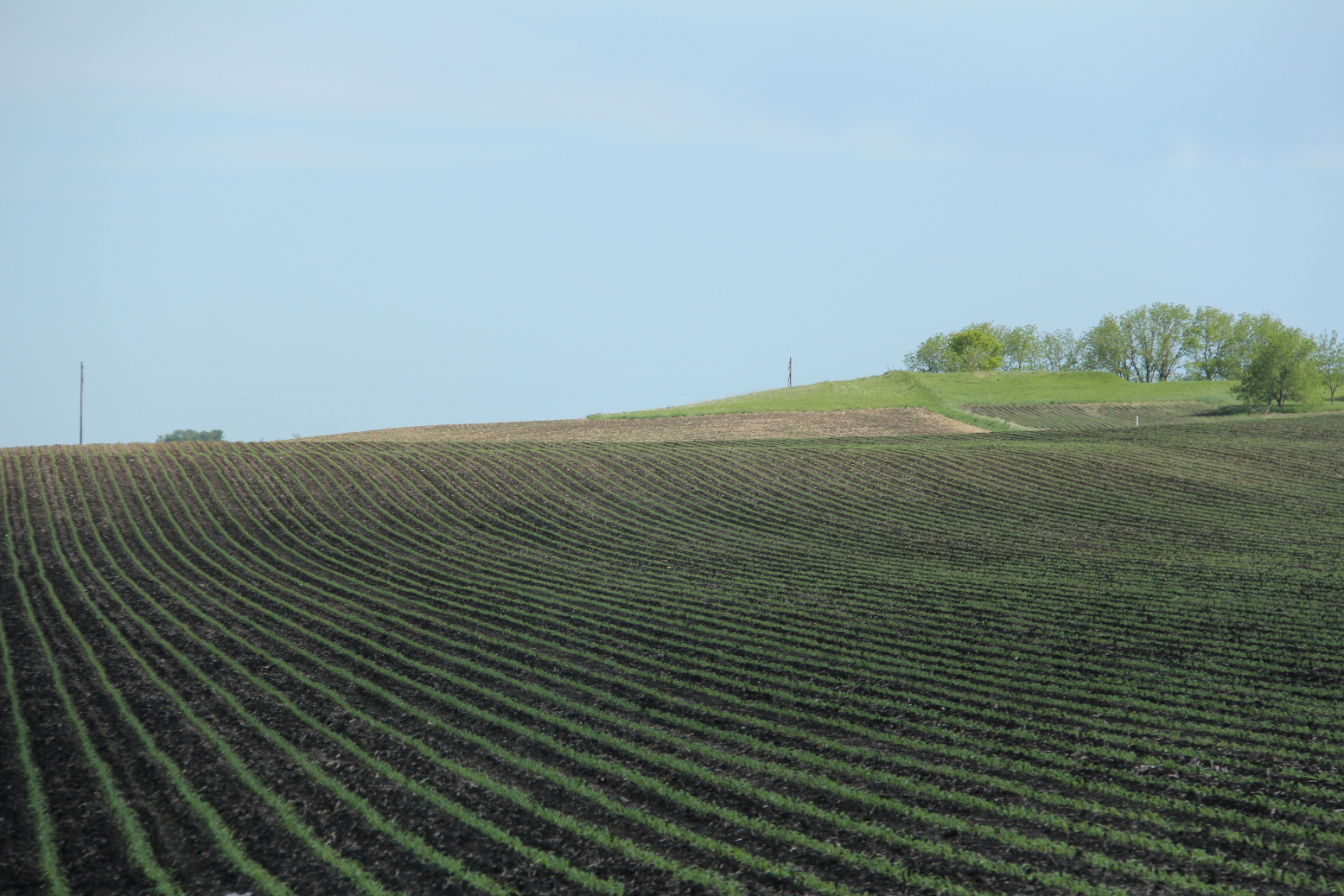
As I stood there, I took in the countryside of this prairie place. I love this land of rich, dark soil. This land from which seeds sprout, grow into plants reaching toward the sun. This is fertile land that holds the promise of a plentiful harvest. Redwood County has, undeniably, some of the best farmland in Minnesota.
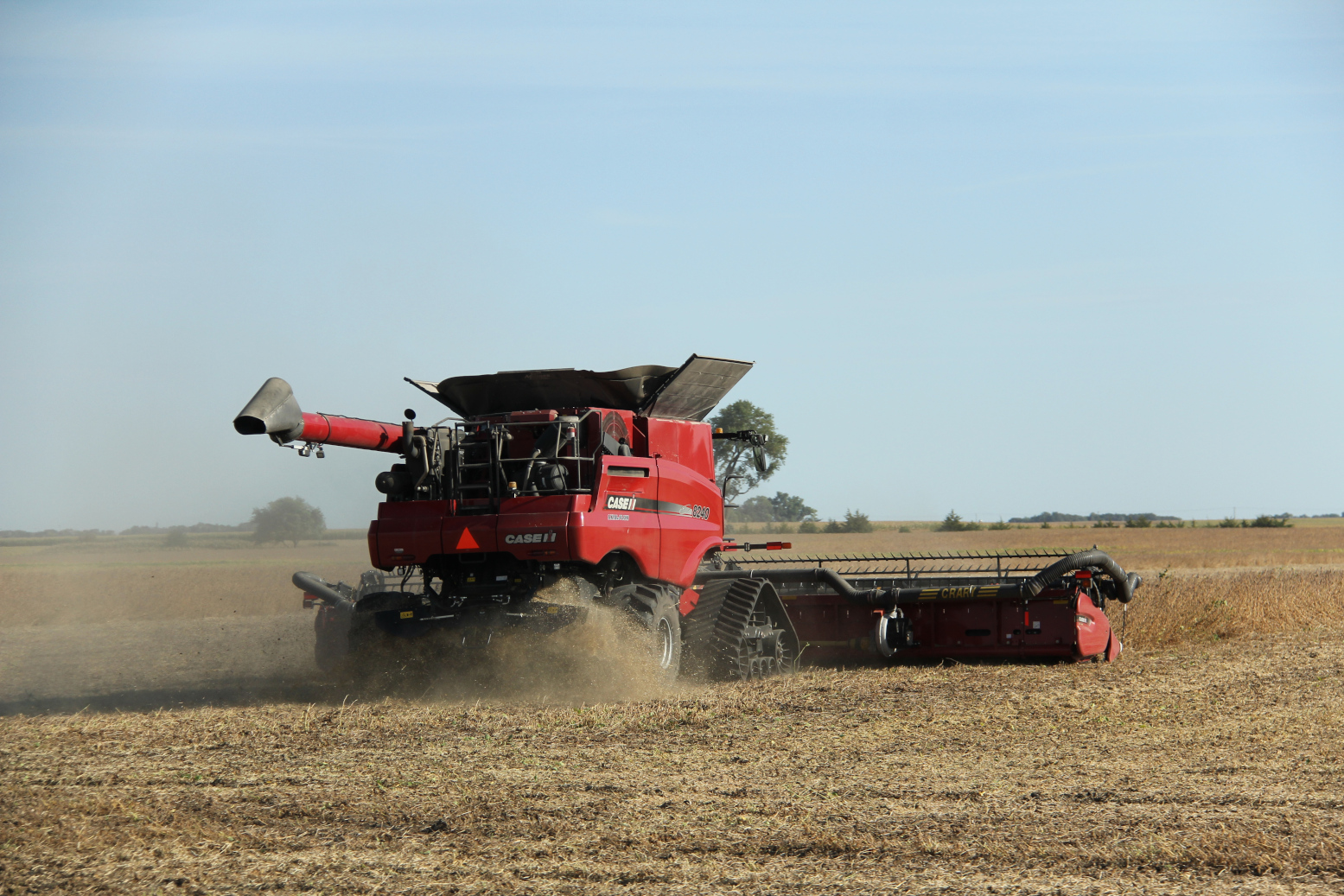
All through our 5-hour round trip, Randy and I kept a watchful eye on the crops, noting some nearly ready for harvest, others awaiting ripening. And in one spot north of Sleepy Eye, we came across farmers harvesting soybeans.
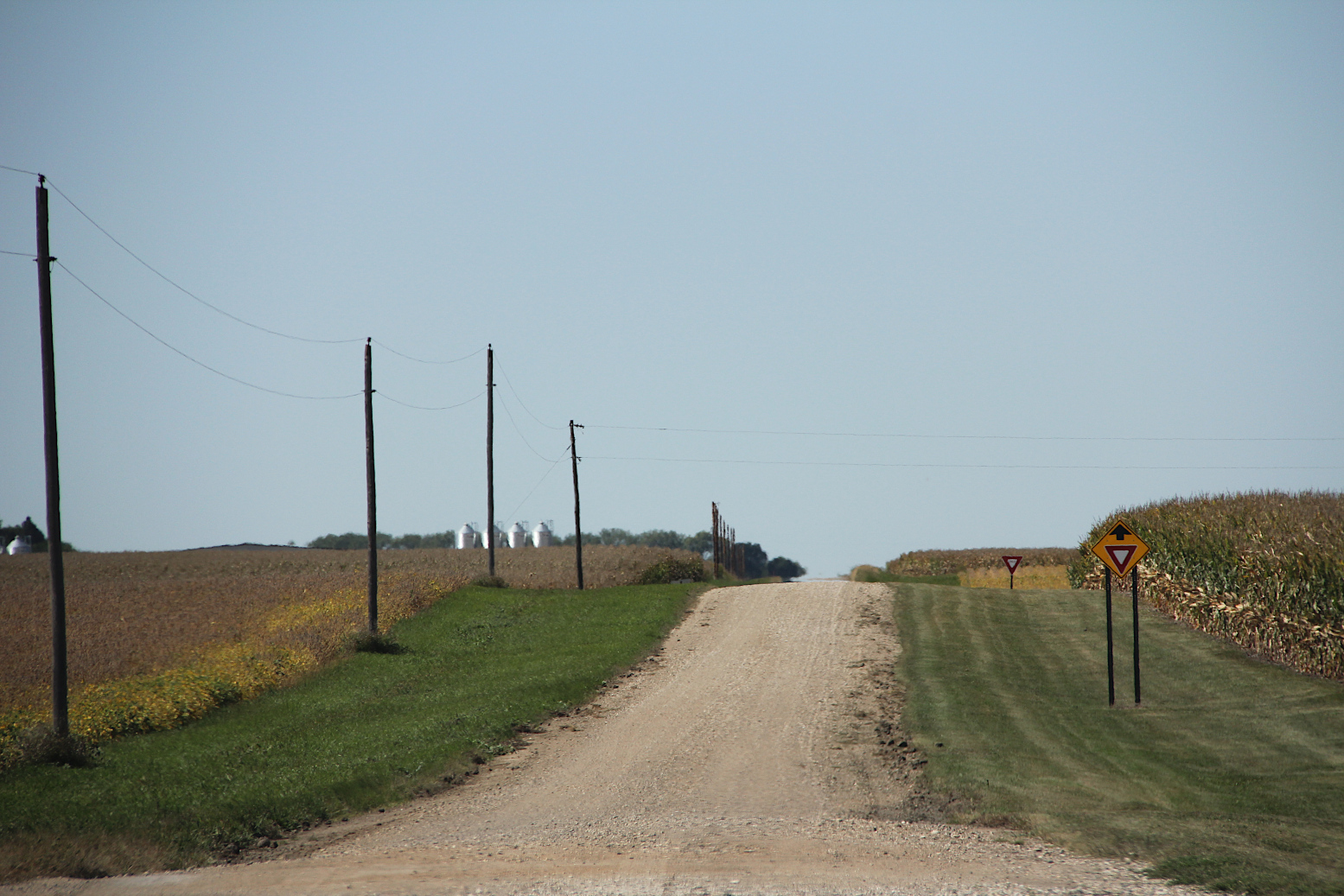
We are both farm kids—he a native of Morrison County in central Minnesota. As such, our observation of crops comes from a childhood of living on the land, of working the land (Randy more than me), of watching our farmer fathers work.
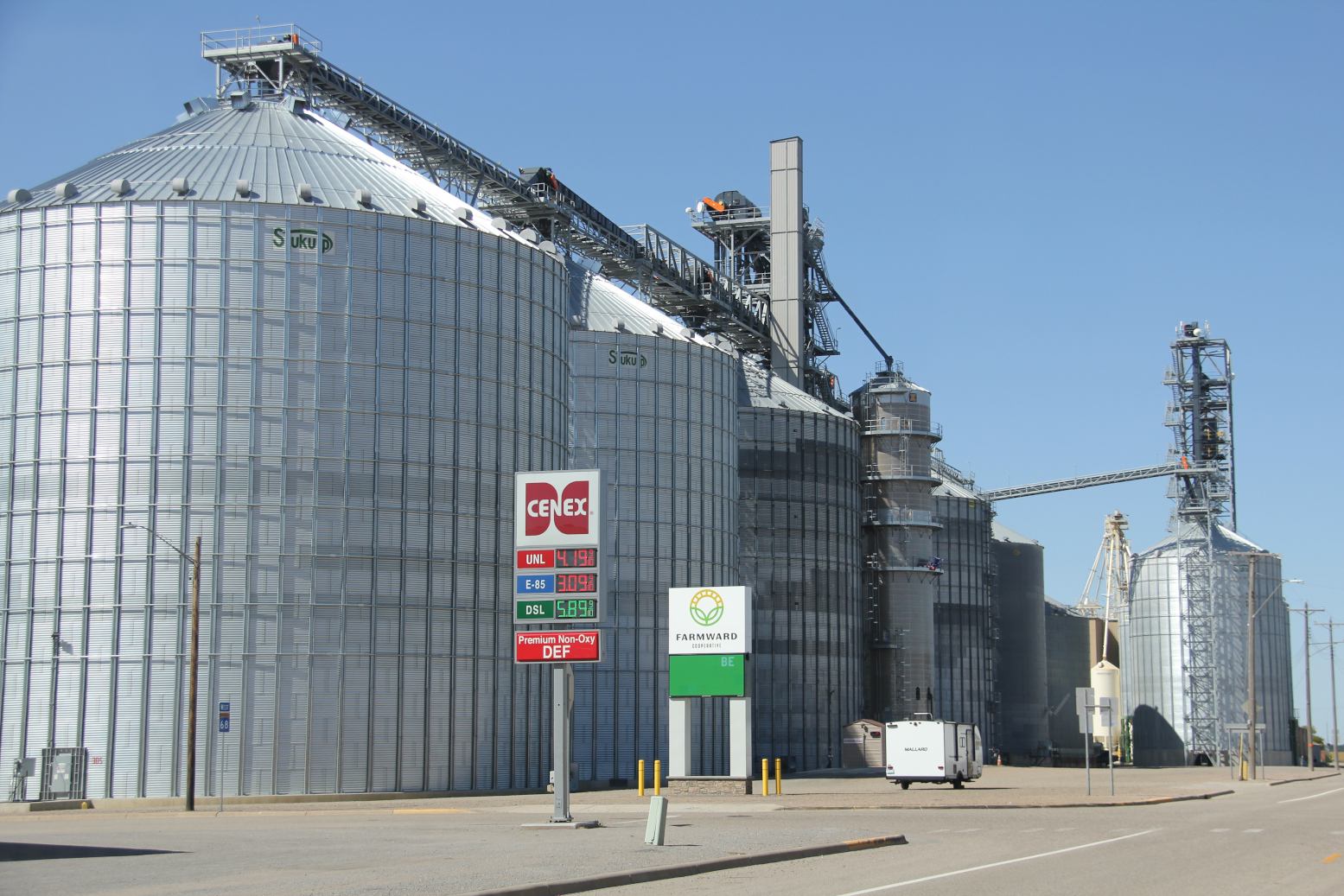
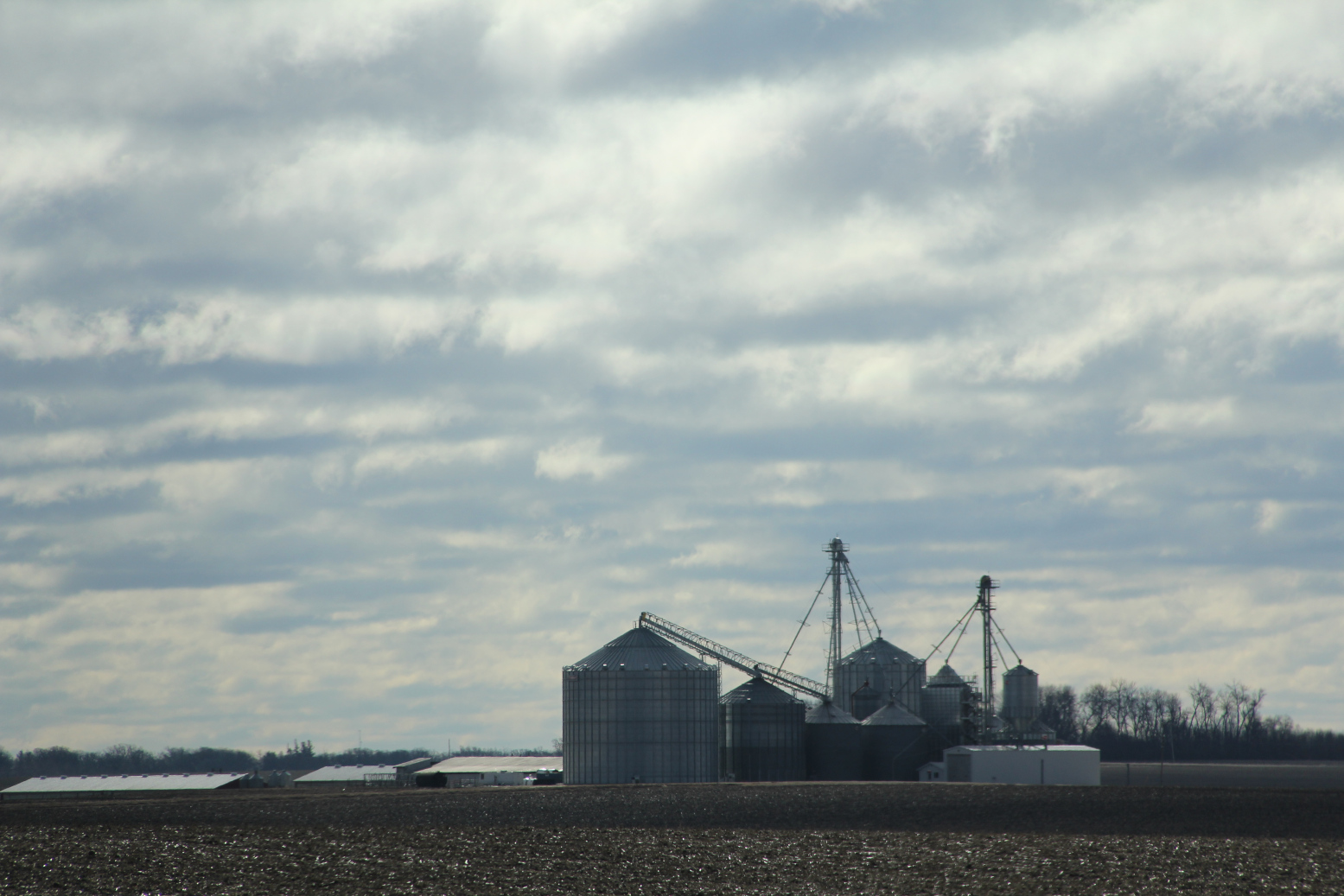
On this mid-September road trip, I was, in some ways, transported back in time to the farm. My focus shifted to the impending harvest. Preparation. Grain bins emptied to receive new crops. Combines and grain trucks at the ready.
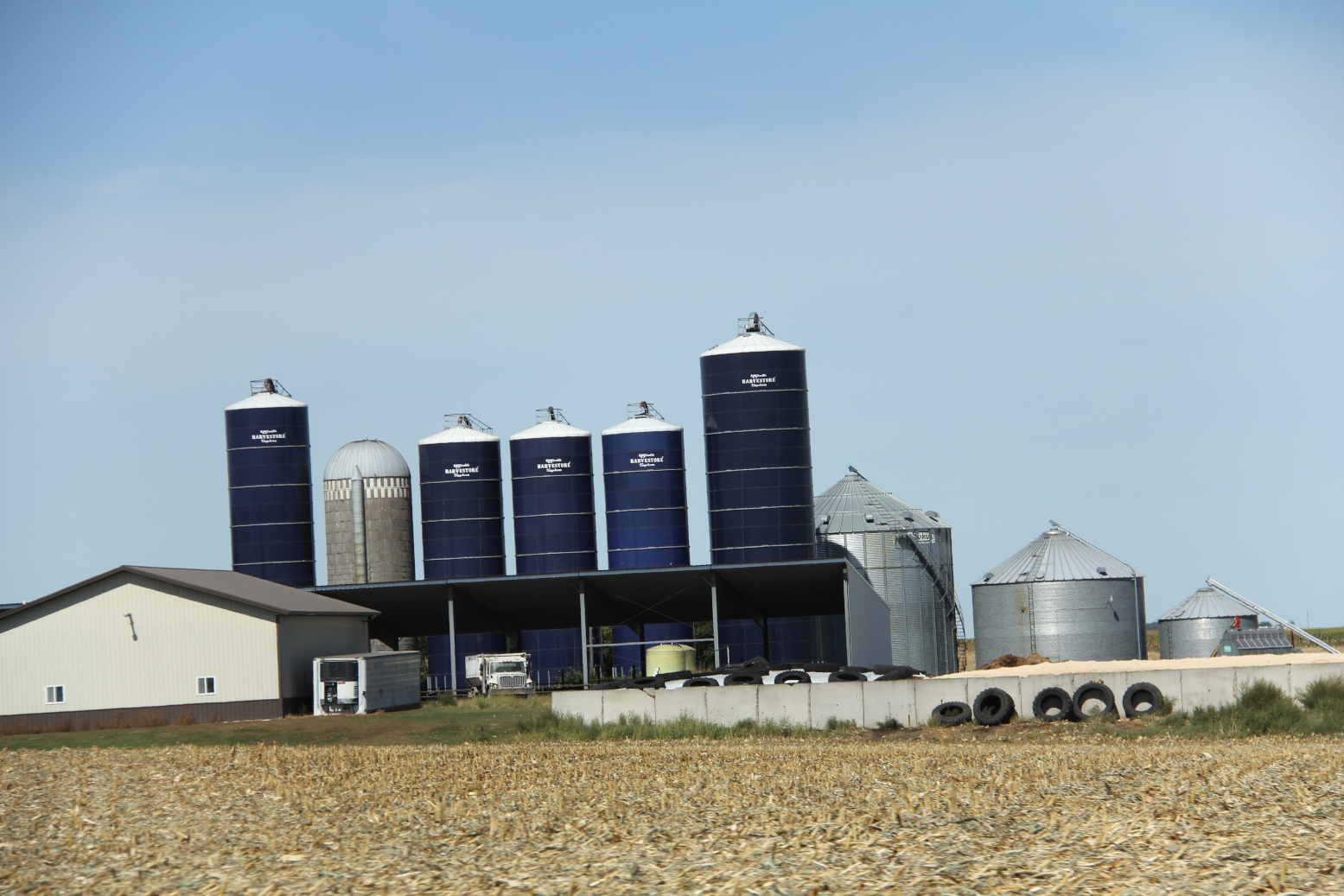
A sense of anticipation prevails this time of year as farmers prepare to gather in the crops.
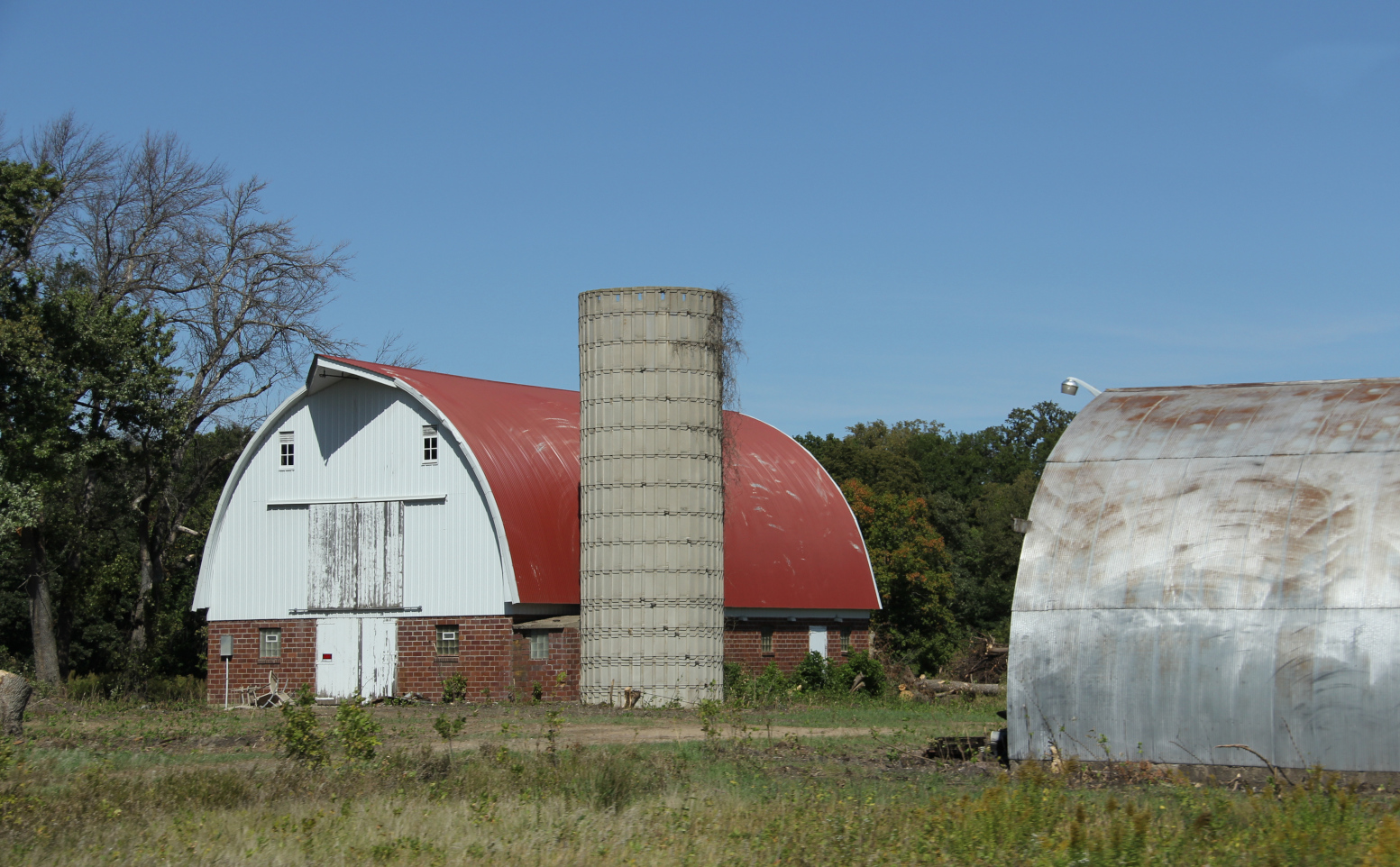
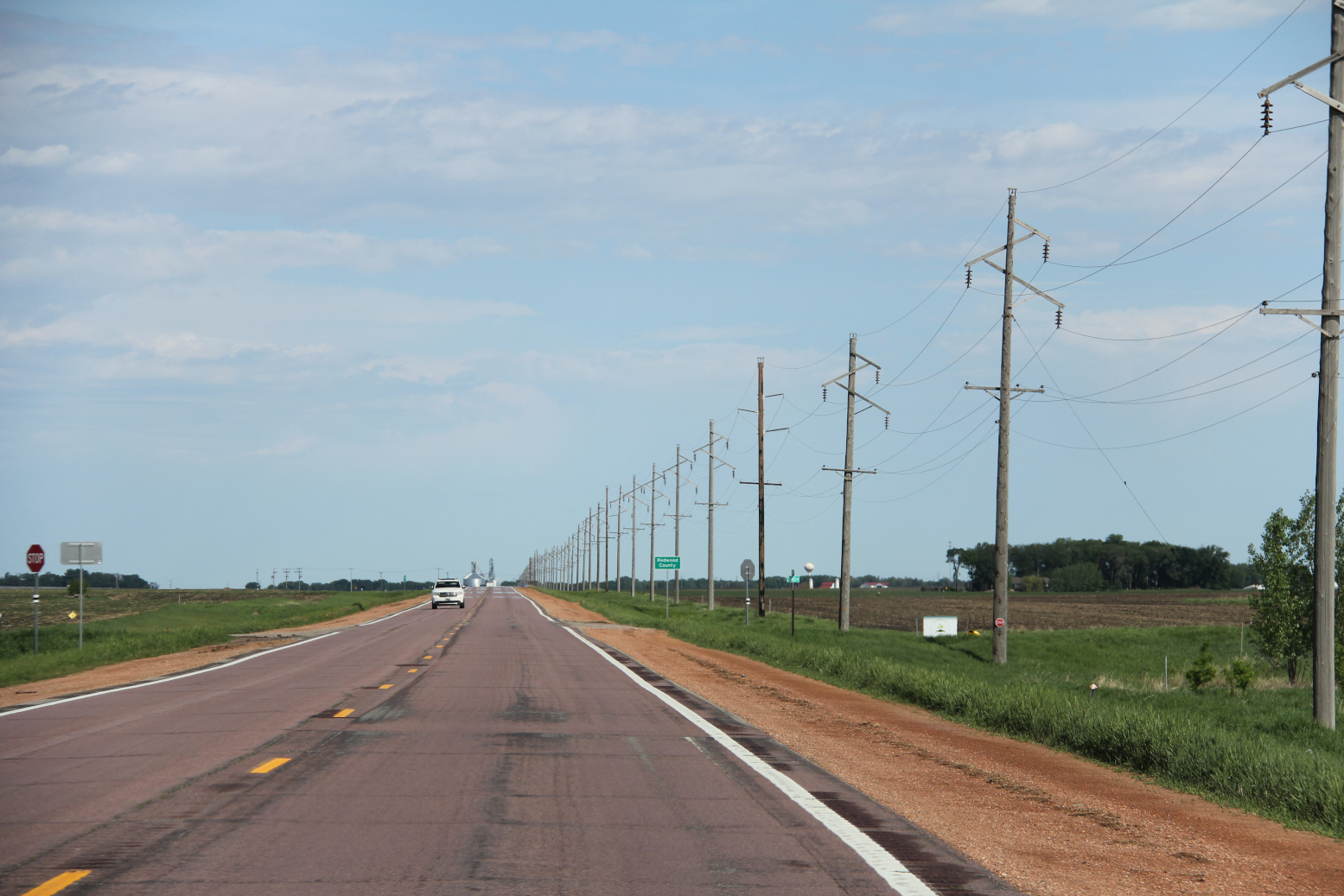
But beyond the fields, I noticed, too, the detailed ruralness of place the farther west we traveled. West of Mankato, the agrarian way of life always seems more defined as distances between farm sites grow.
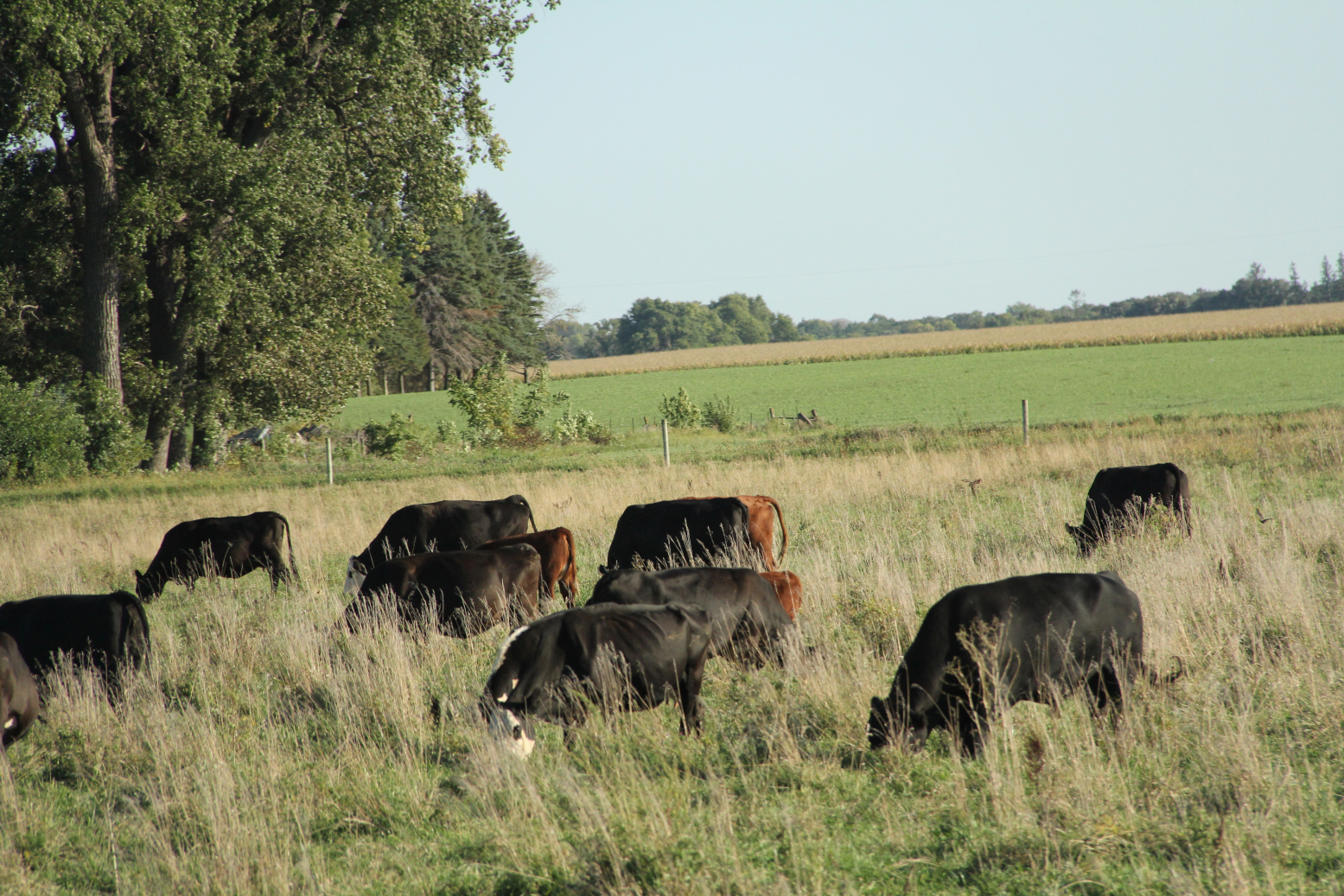
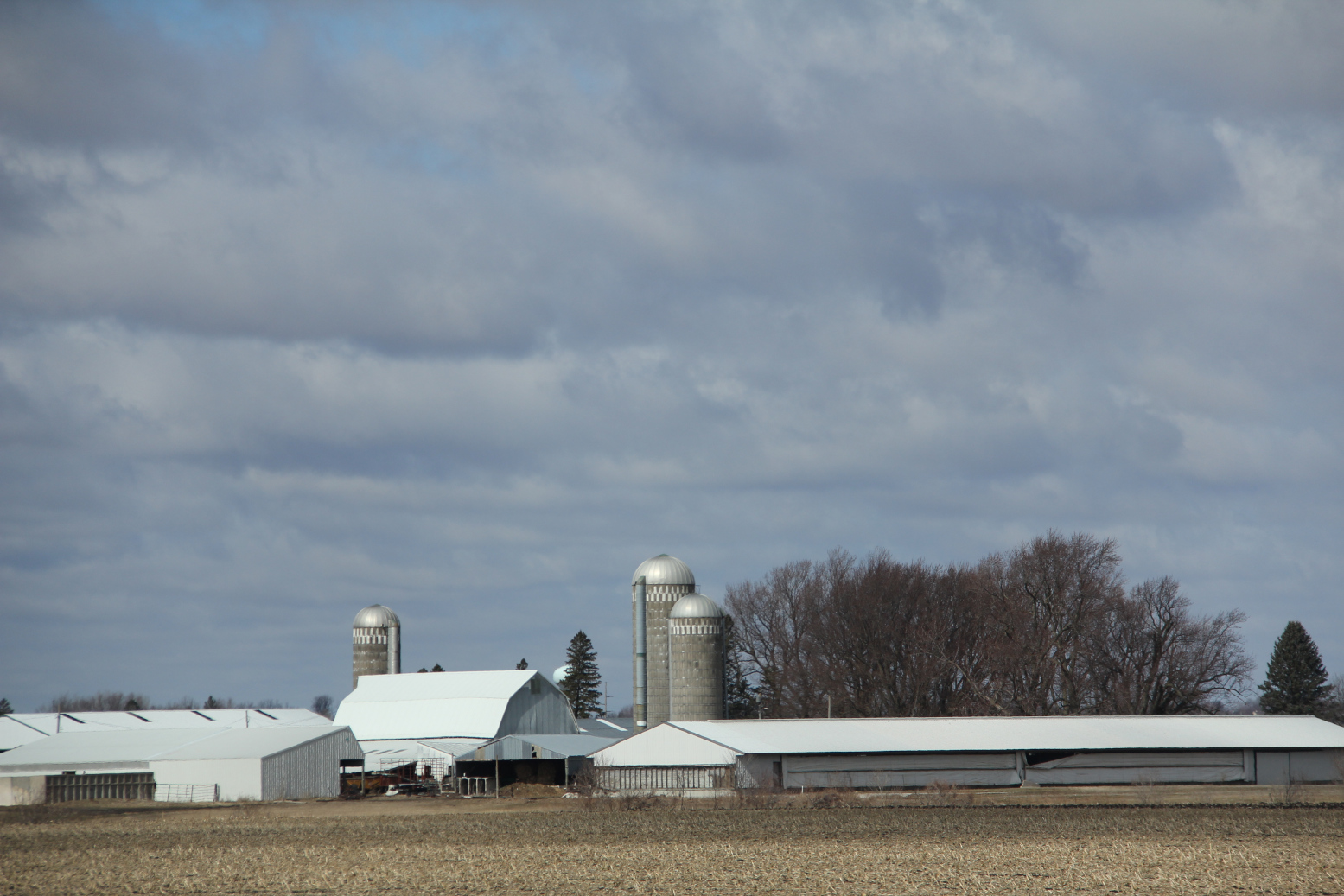
With fewer visual distractions, I see the barns, the grain bins, the occasional cattle grazing.
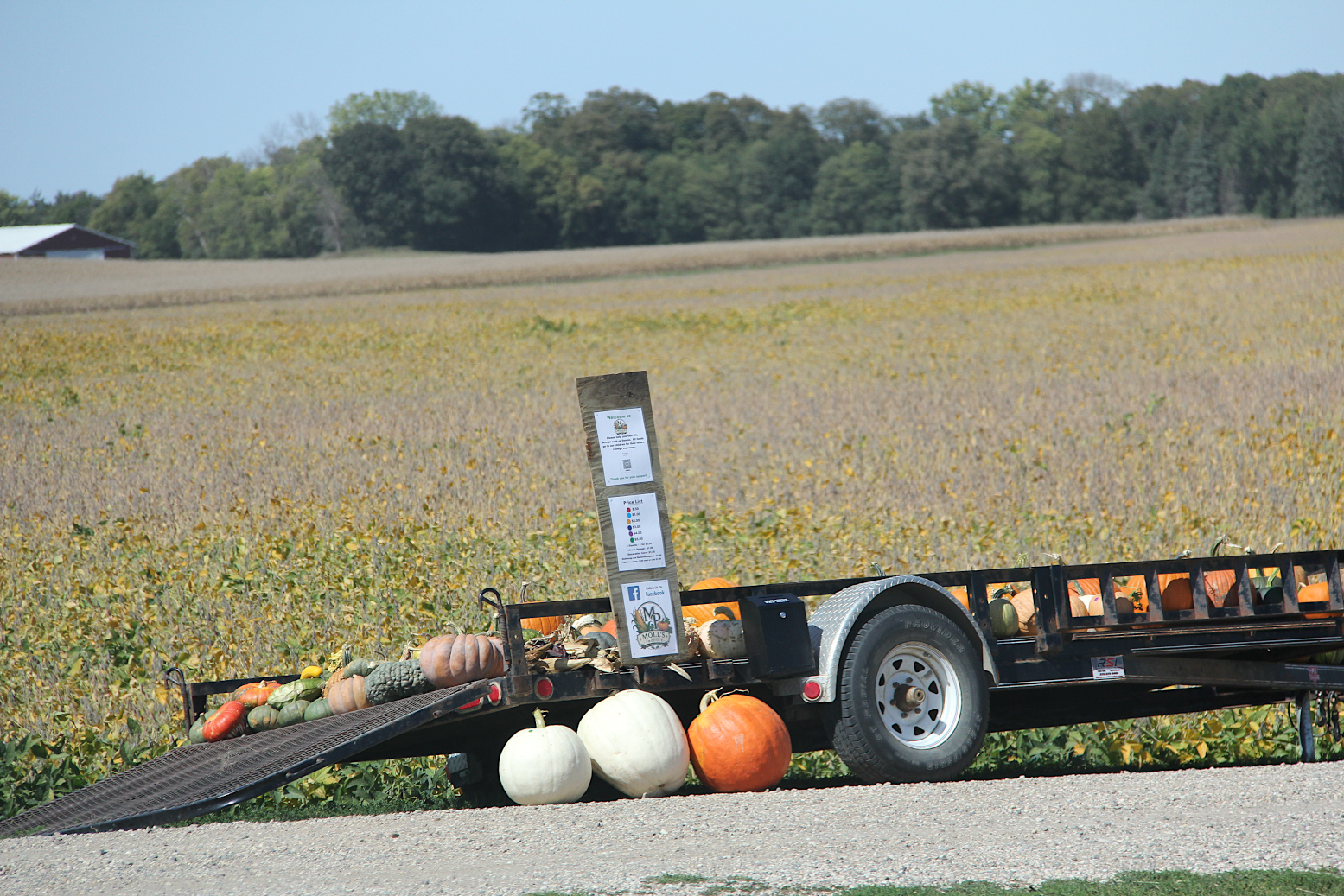
I see roadside stands stocked with plump pumpkins ushering in autumn.
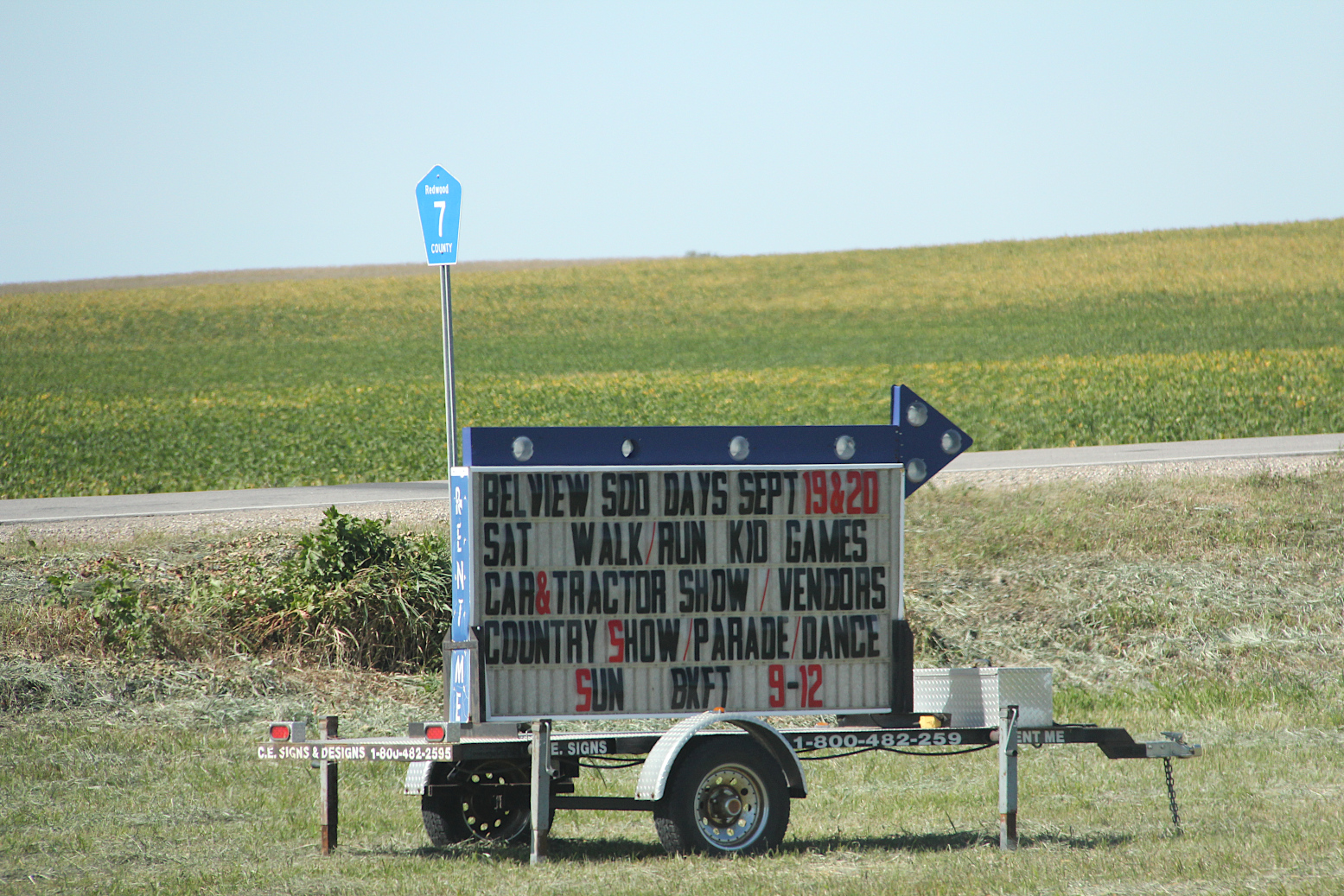
I see corn leaves curling, drying. I see soybean fields morphing from green to yellow to brown.
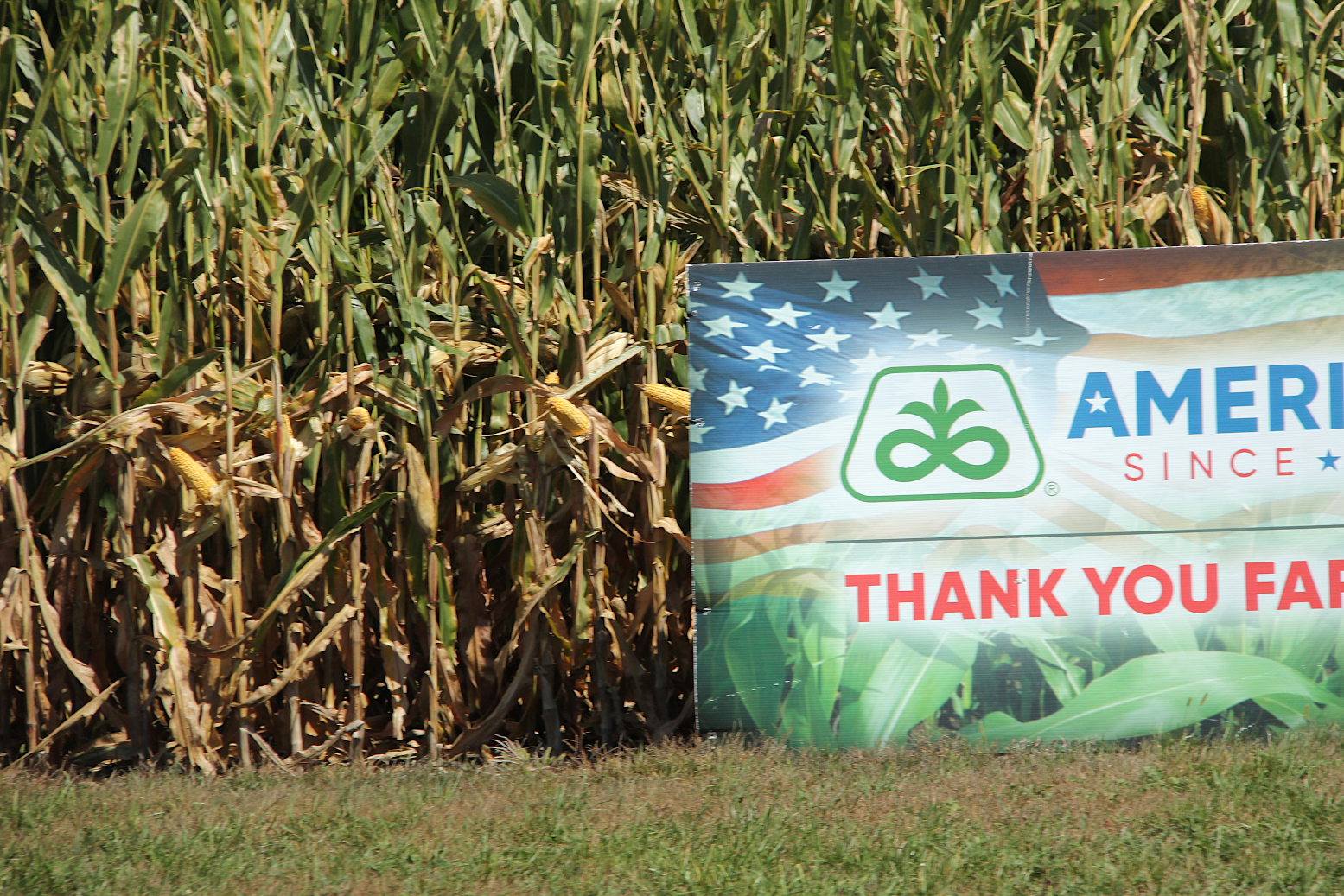
Near Morgan, the site of Farm Fest, a yearly Minnesota agricultural celebration, I spot several signs thanking farmers. Likewise in areas along U.S. Highway 14 between Owatonna and Mankato, farm-themed signage billboards the roadway.
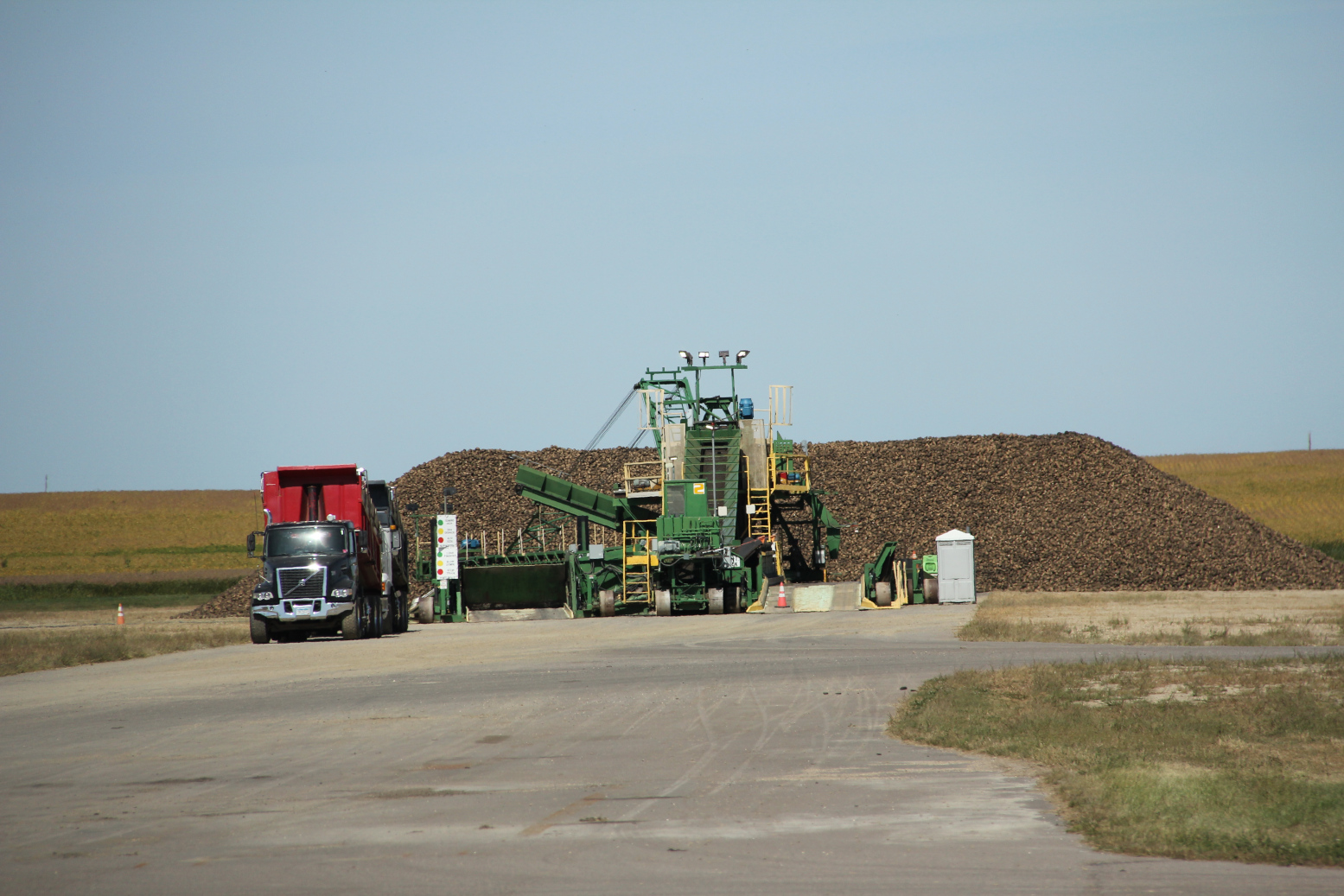
There is reason to feel grateful for Minnesota farmers who grow the corn, soybeans and sugar beets I saw on this road trip. They work hard. They invest time, energy and lots of money in producing crops that benefit all of us. I could not do their job; I am risk averse.
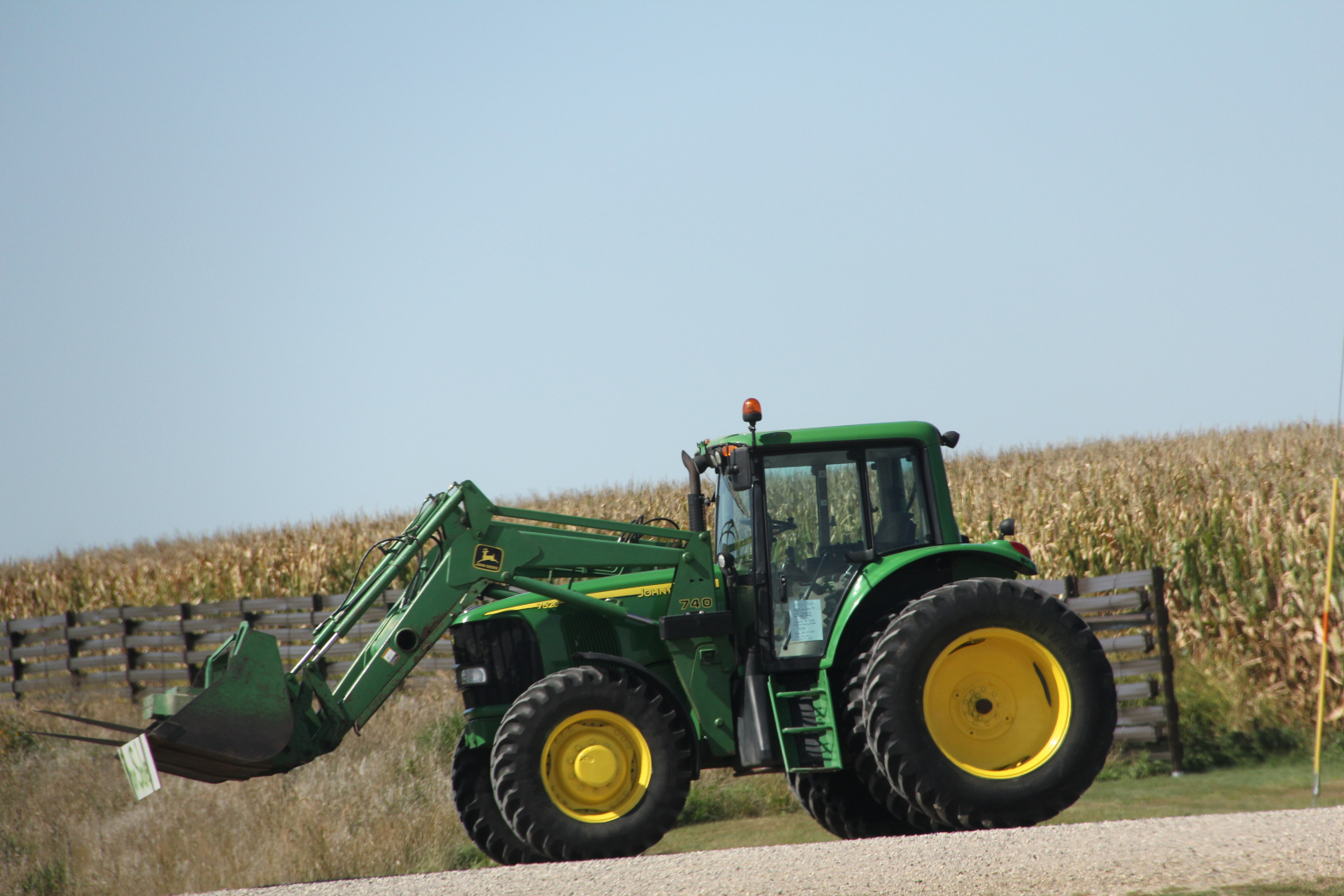
In a year like this with current diesel fuel prices at their highest level ever, profit margins will be slimmer, if at all. I cannot imagine the stress farmers feel as they crunch numbers, check prices, budget for expenses, wonder how they will make loan payments or pay for diesel to fuel up farm equipment.
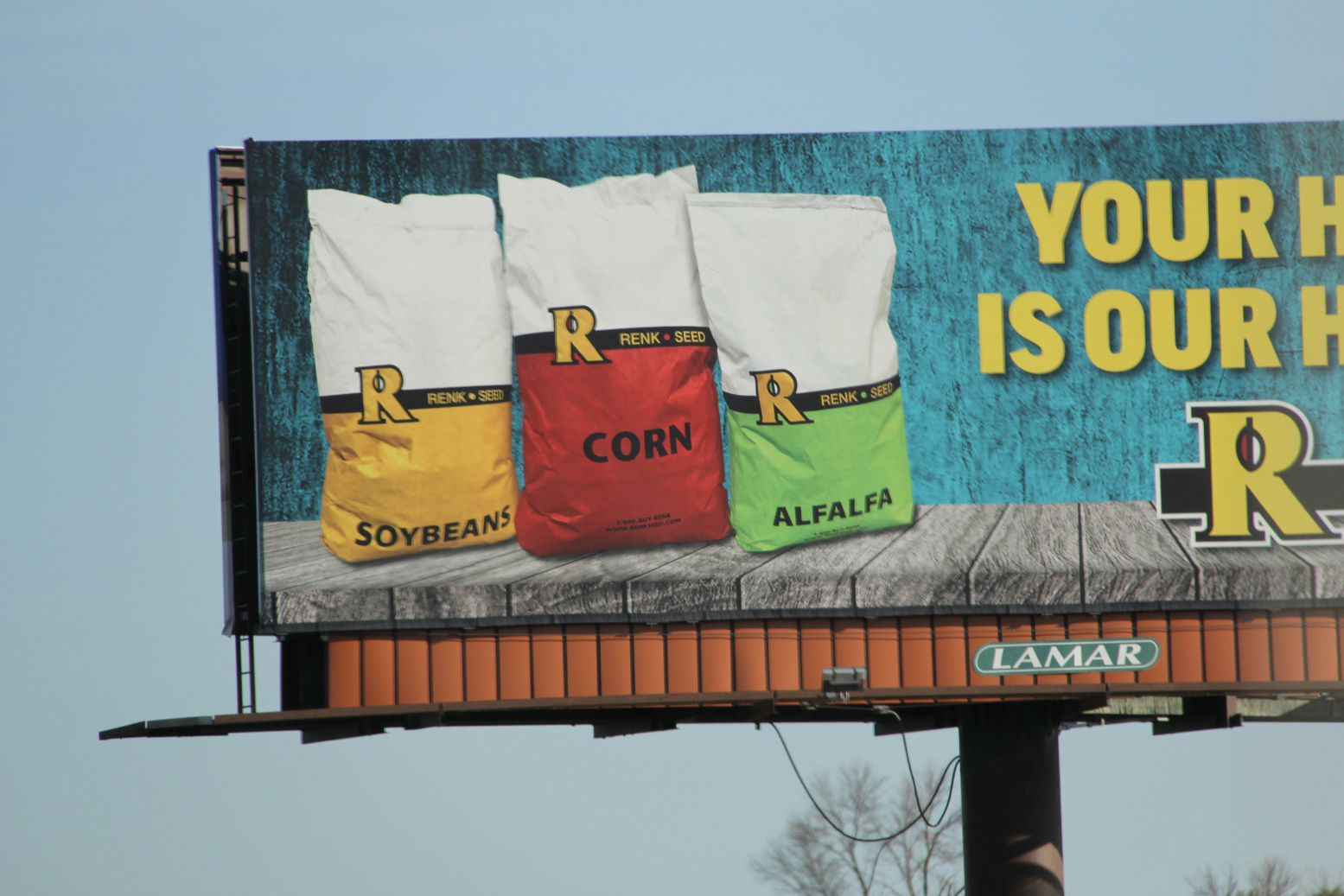
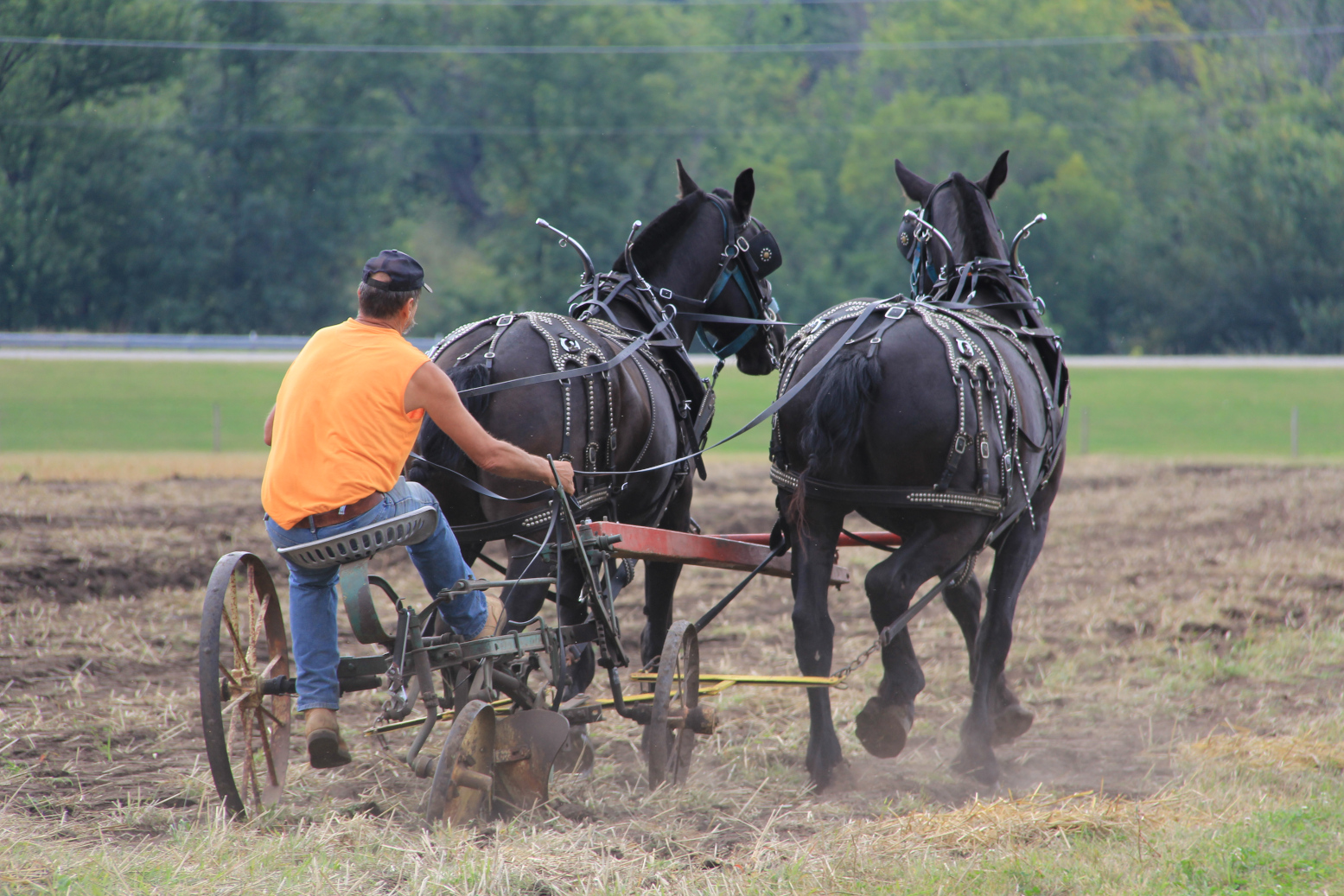
It takes courage to be a farmer. Optimism. Strength, too. Yet, farmers are a resilient bunch. Come next spring, most will be back on the land, seeding another crop in anticipation of another harvest.
© Copyright 2026 Audrey Kletscher Helbling











Barns, an enduring symbol of farming June 25, 2026
Tags: agricultural symbol, agriculture, barns, childhood memories, commentary, cosmos, farm sites, farming, Hutchinson, Mantorville, Minnesota, photography, road trip, rural life, rural Minnesota, southern Minnesota, travel
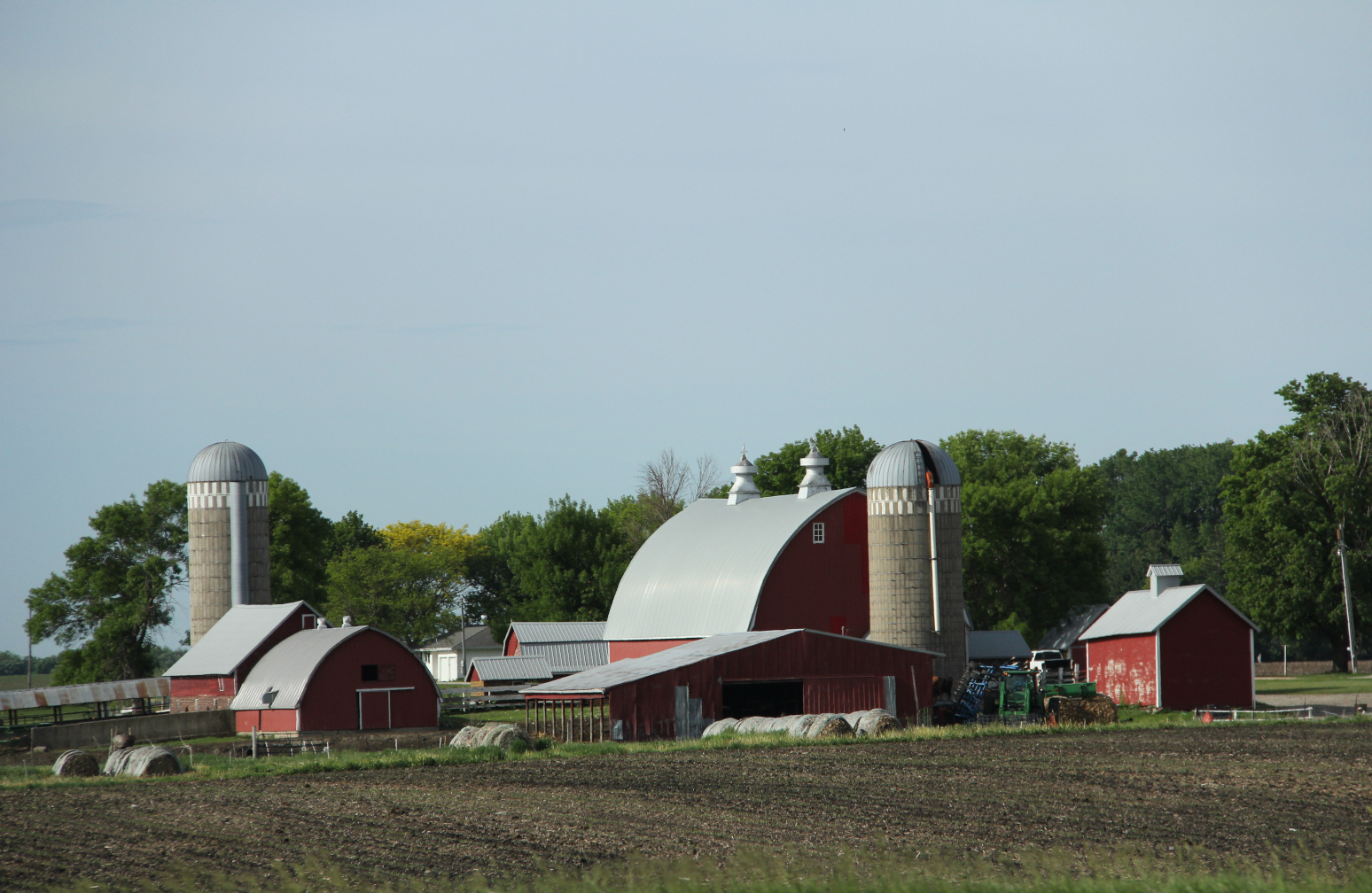
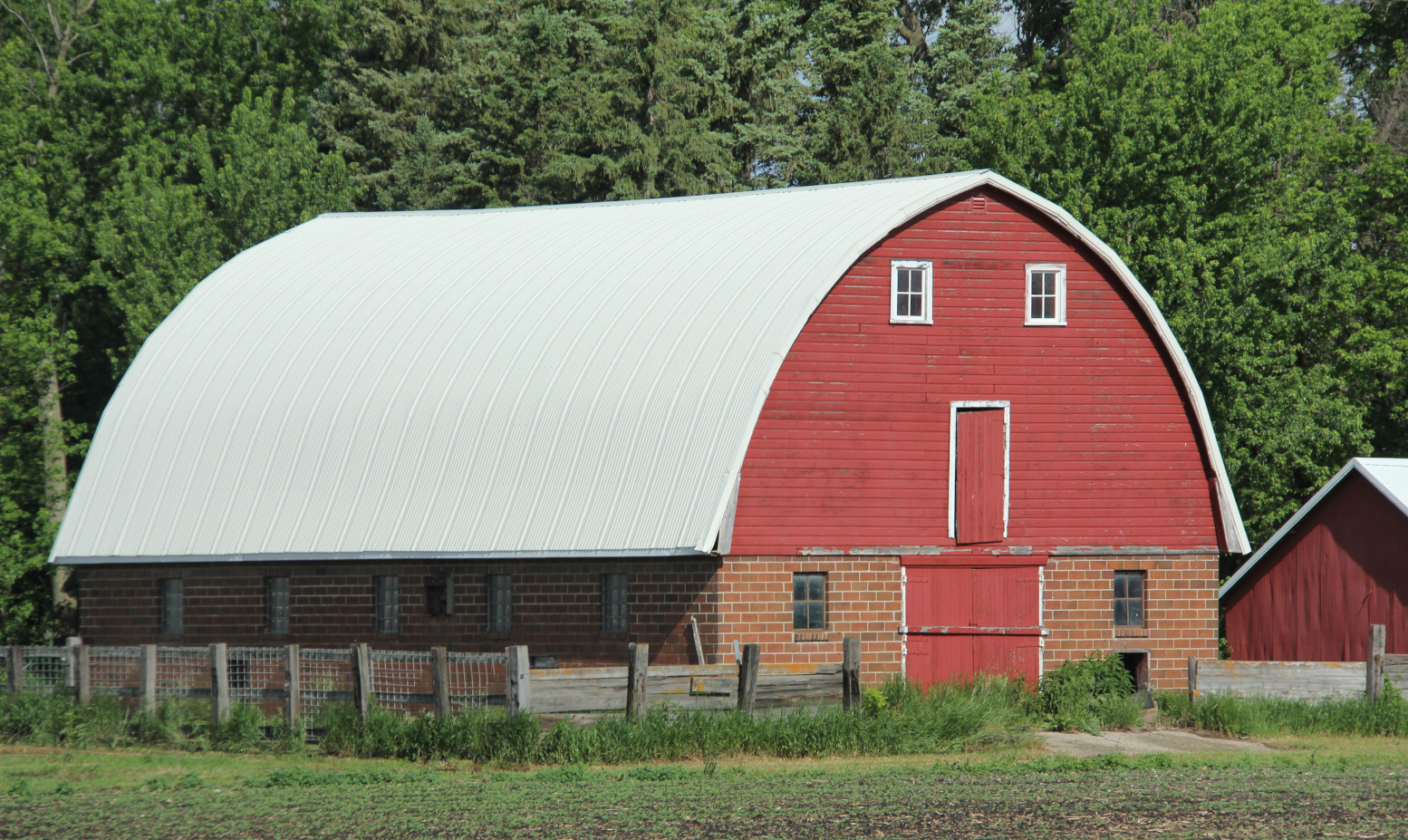
IF A SINGLE BUILDING symbolizes agriculture in Minnesota, it is a barn.
Barns hold the history of farming within their walls. They hold the stories of farm families who labored therein. They hold memories—the heat of cattle, the lingering scent of manure, the pulse of milking machines, the scurrying of barn cats and much more.
Barns also hold heartaches and challenges and the satisfaction and rewards that come with farming.
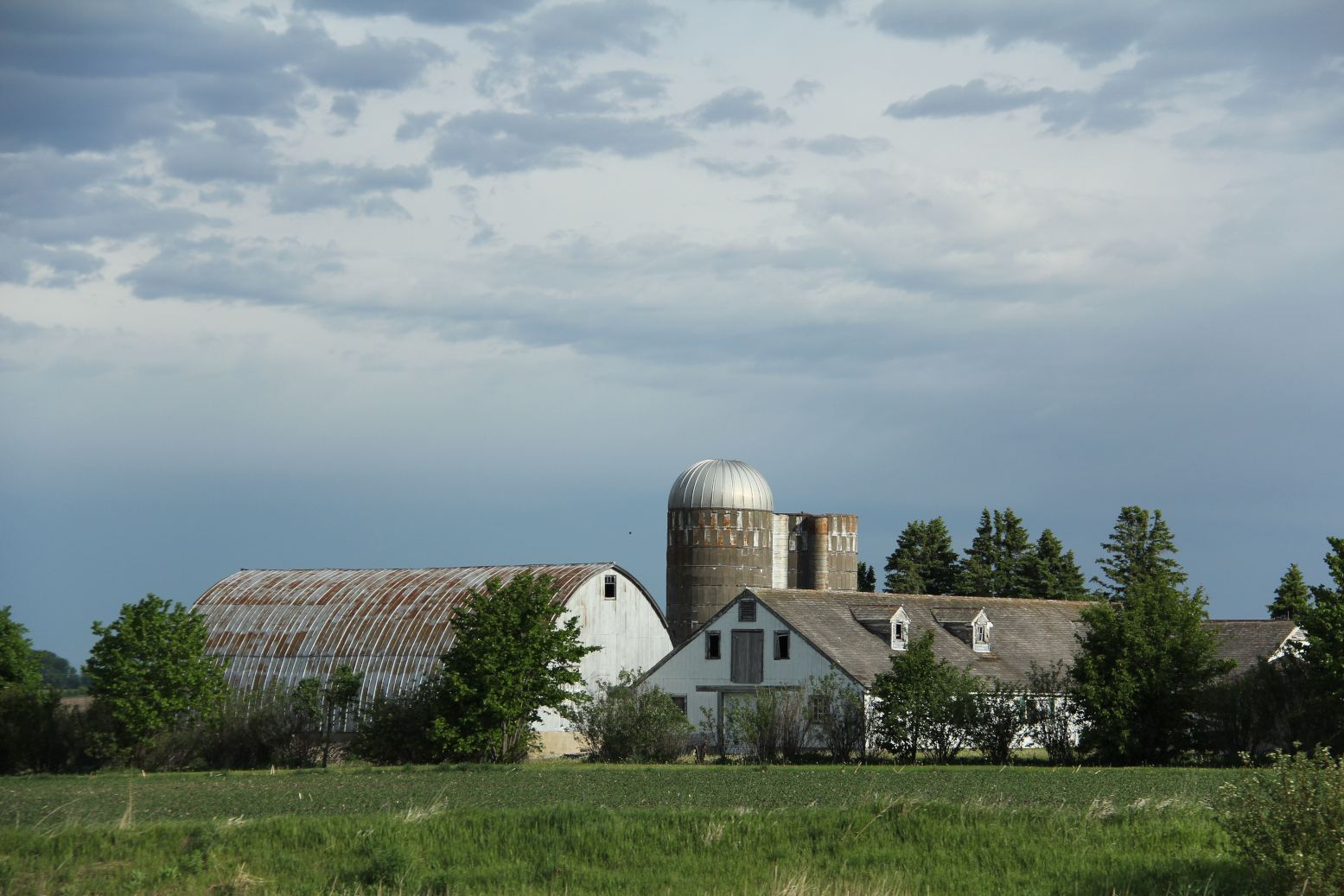
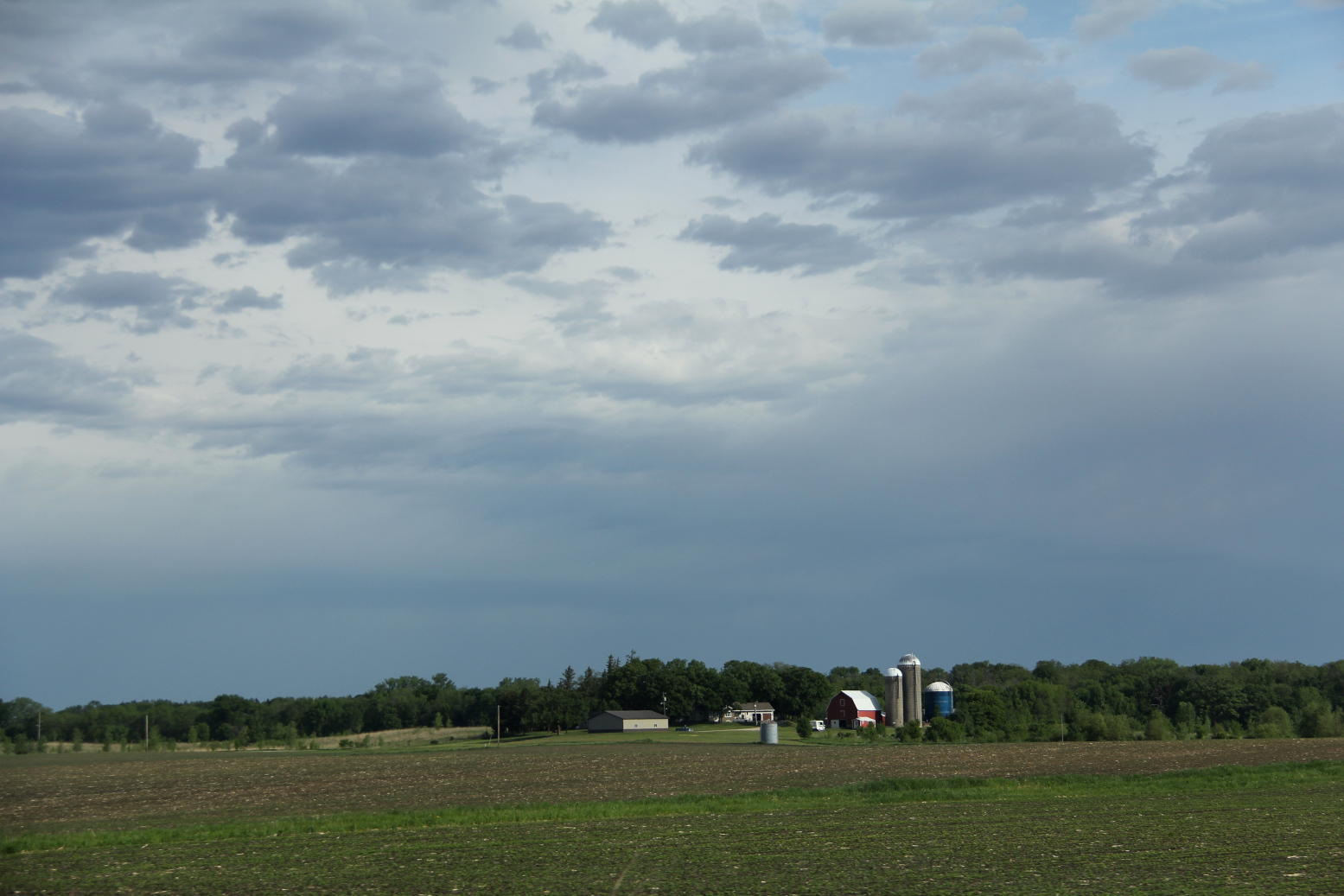
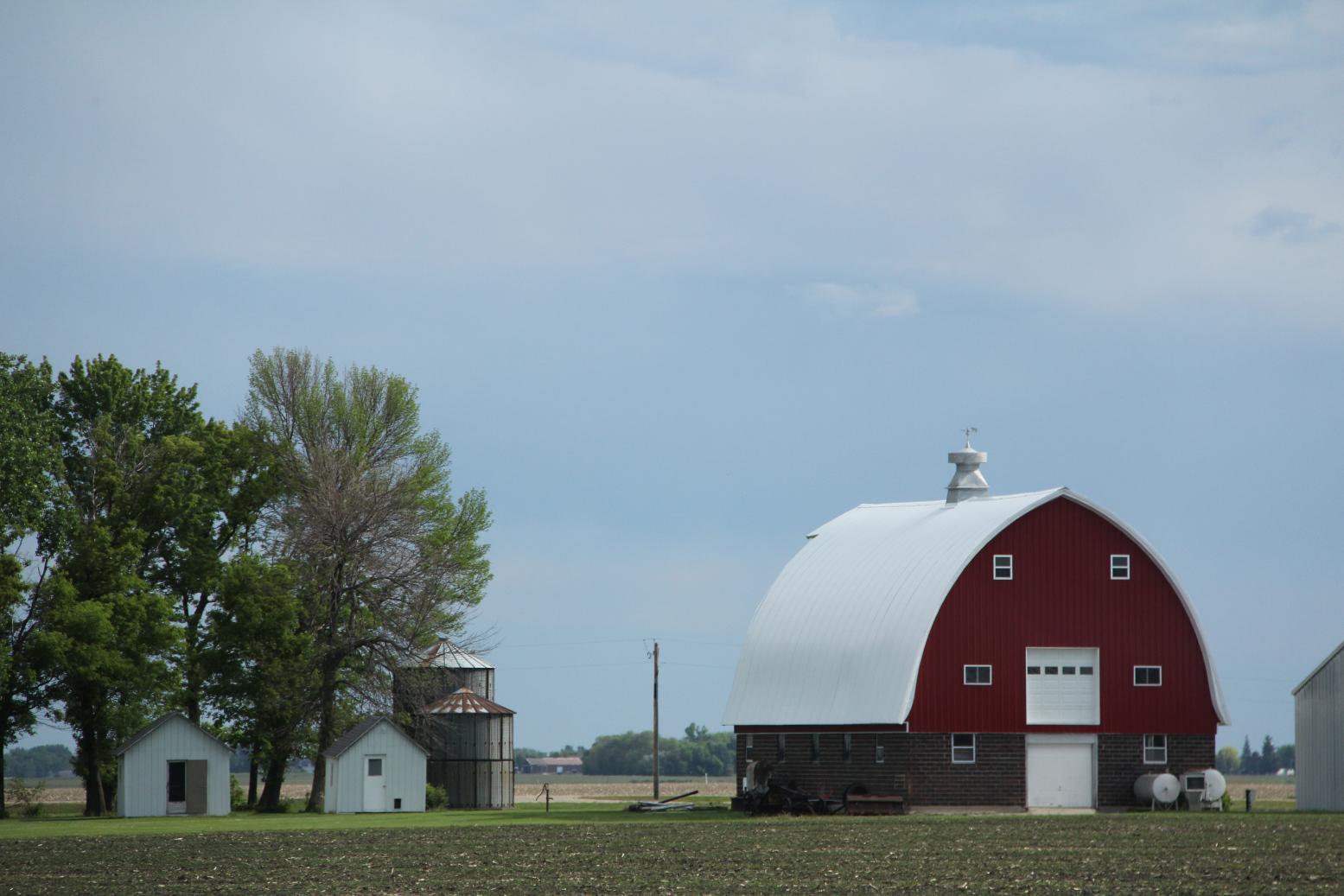
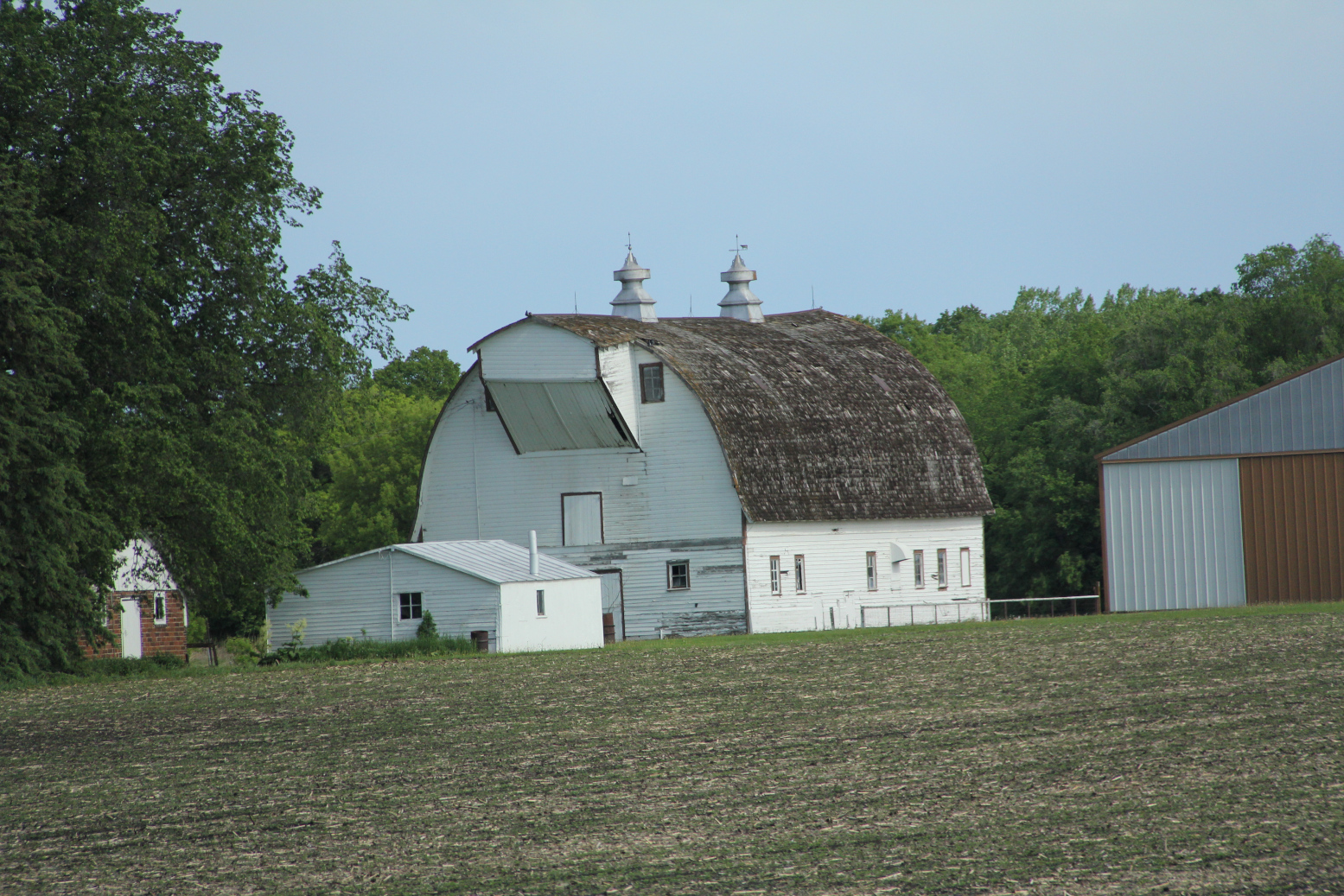
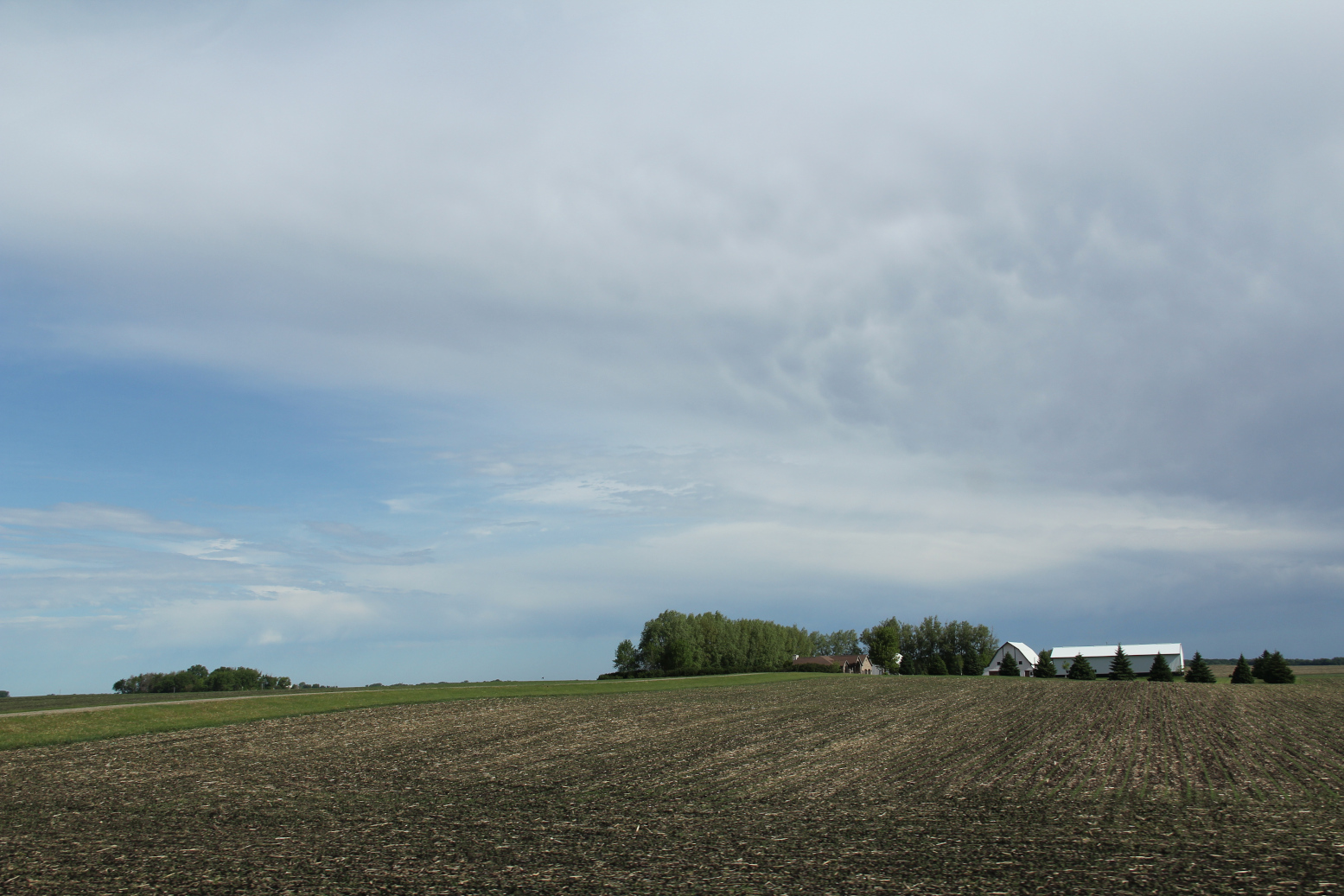
To step inside a barn, or even to observe one from a distance as I did on recent trips out and about in rural Minnesota, is to understand the importance agriculture plays in this state.
Sure, farming has changed. Many barns no longer house animals, once a farm staple, as ag has shifted to crop farming. But at its core, this profession, this way of life, still centers rural parts of Minnesota, keeps small towns going. I saw that, from Mantorville to Faribault and from Faribault to Morris and back home.
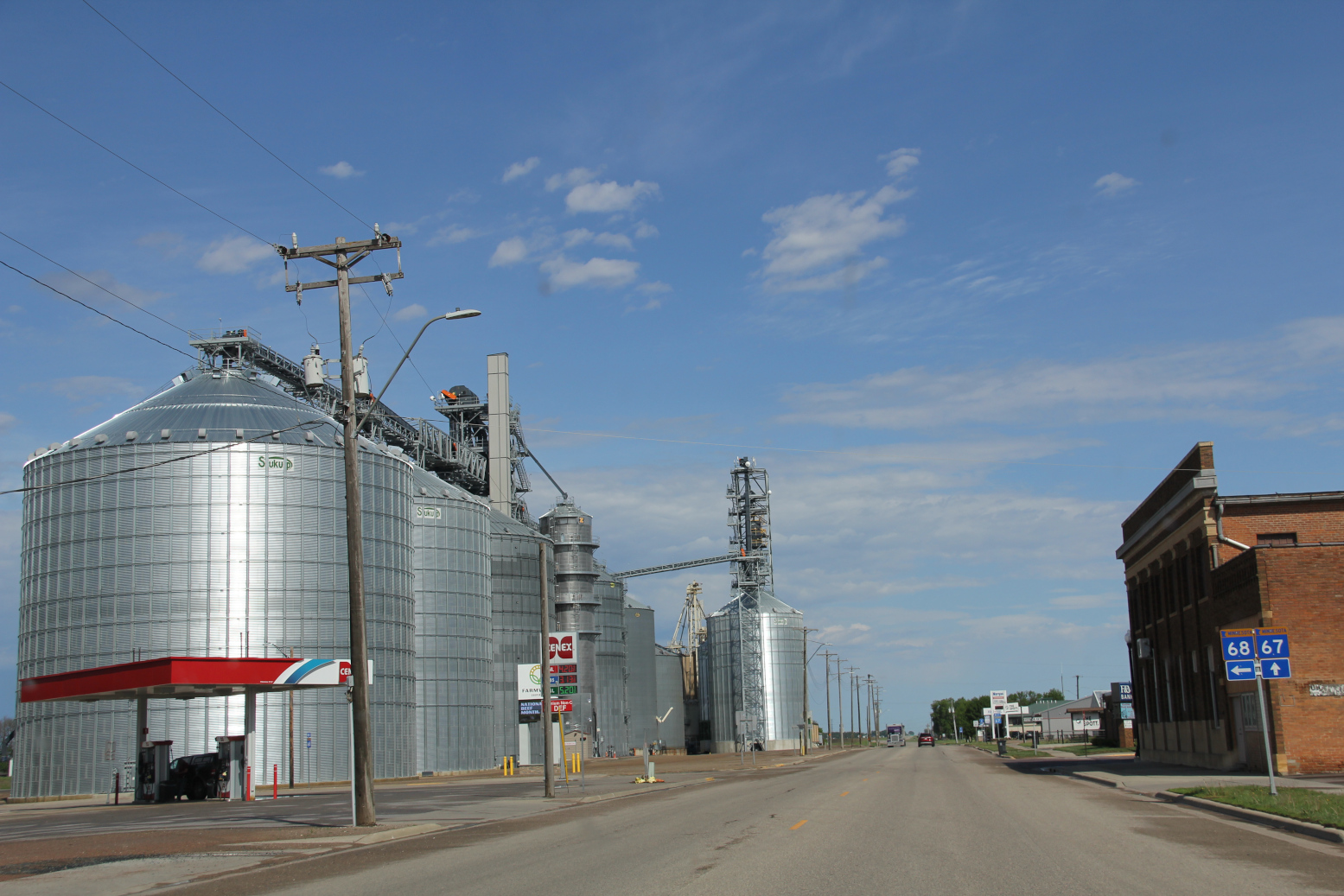
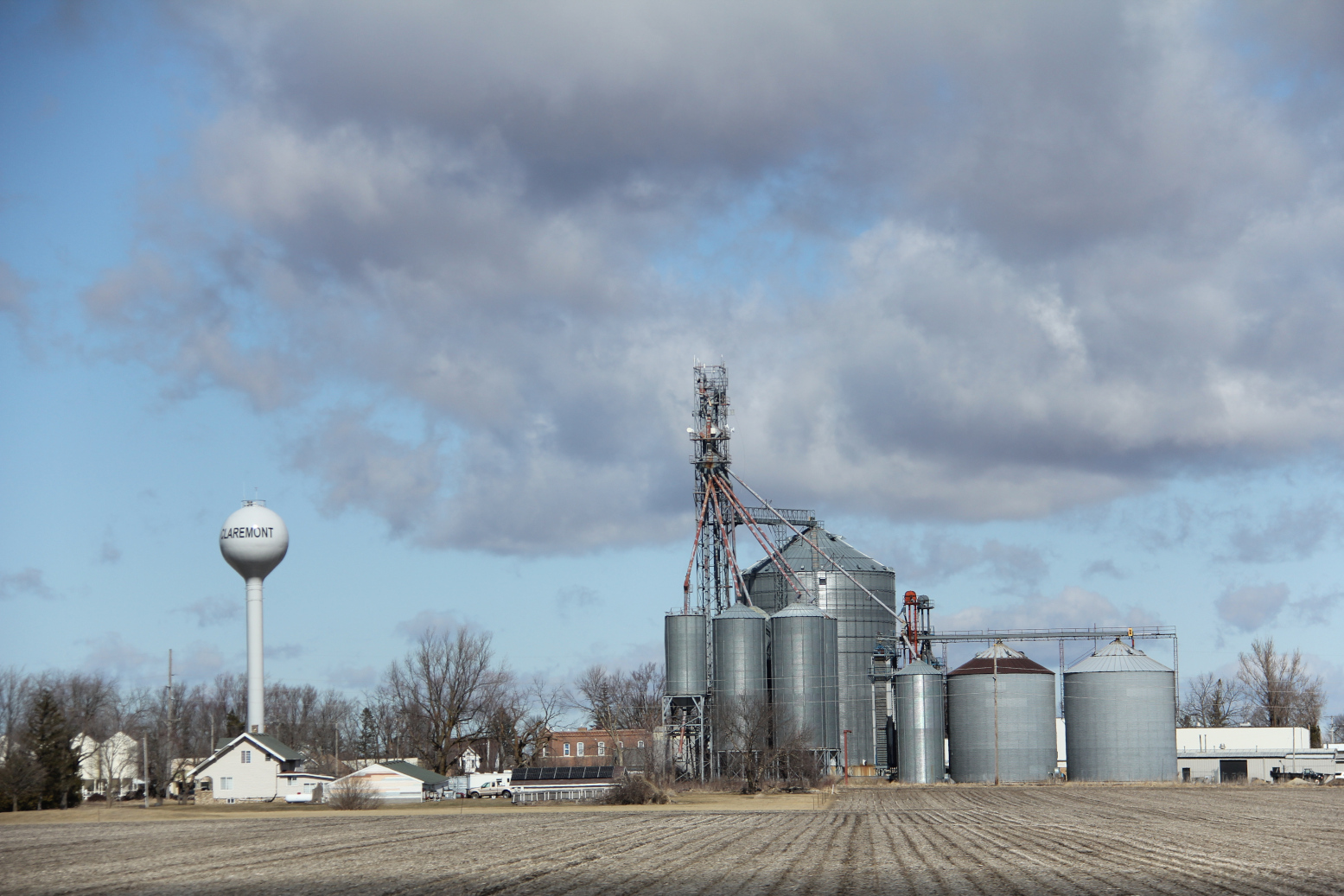
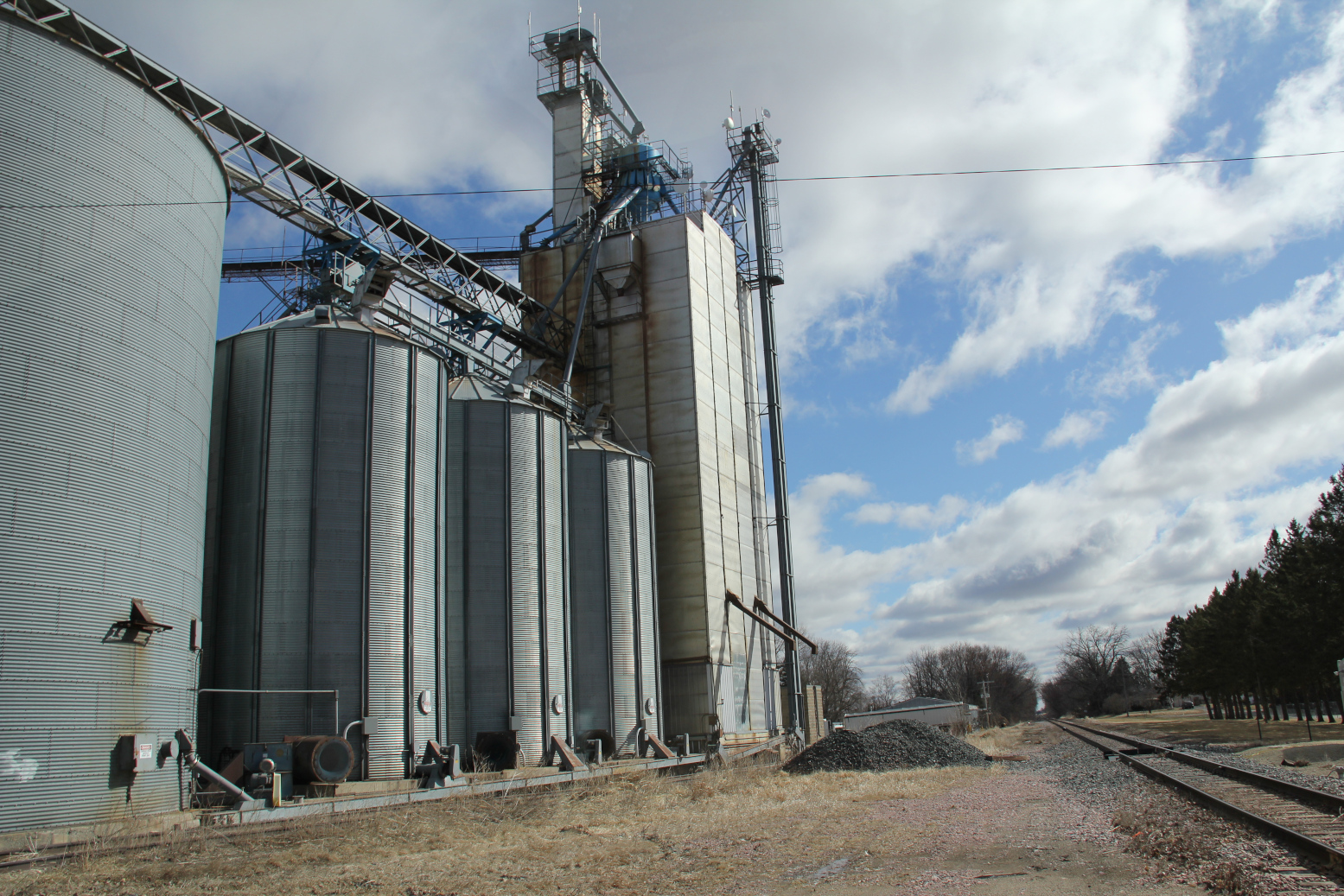
Barns dominate farm sites just like grain elevators landmark many small rural communities.
While I see too many dilapidated barns fallen into heaps of rotting wood, I also see those that are well-cared for, still standing strong against the ravages of time and weather. I know that comes at a cost to the landowner. Keeping a barn properly roofed and painted is a major expense. I appreciate efforts to preserve barns built by generations past.
My ancestry traces to farming, to German immigrants who arrived in America, eventually making their way to southwestern Minnesota. There they found rich dark soil in which to plant seeds. Land upon which to build farmhouses, barns and other buildings necessary to the operation of a farm.
I am rooted in farming. I worked inside the barn my father built. I shoveled manure, scooped silage, pushed a wheelbarrow heaping with ground feed, carried pails brimming with milk, bedded straw, tossed hay bales from the hayloft, fed calves… I worked the land, too, picking rock and pulling cockleburrs. I carried lunch to my dad and uncles on hot summer days of baling hay.
There is nothing romantic about farming. It is hard work. It is a risky business affected by weather, markets, prices, too many factors out of a farmer’s control.
Yet, I will unequivocally state that I am incredibly thankful I grew up on a working farm. The lessons learned there about working together, about forging forward despite setbacks, about standing independent and strong are ingrained in me.
My dad laughed when I told him I wanted to be a farmer when I grew up. He knew better. There was nothing to keep me on the farm. And so I left, went to college, became a journalist. But even though physically-removed from the farm, I’ve always carried my ruralness within me, reflected in my writing and photography.
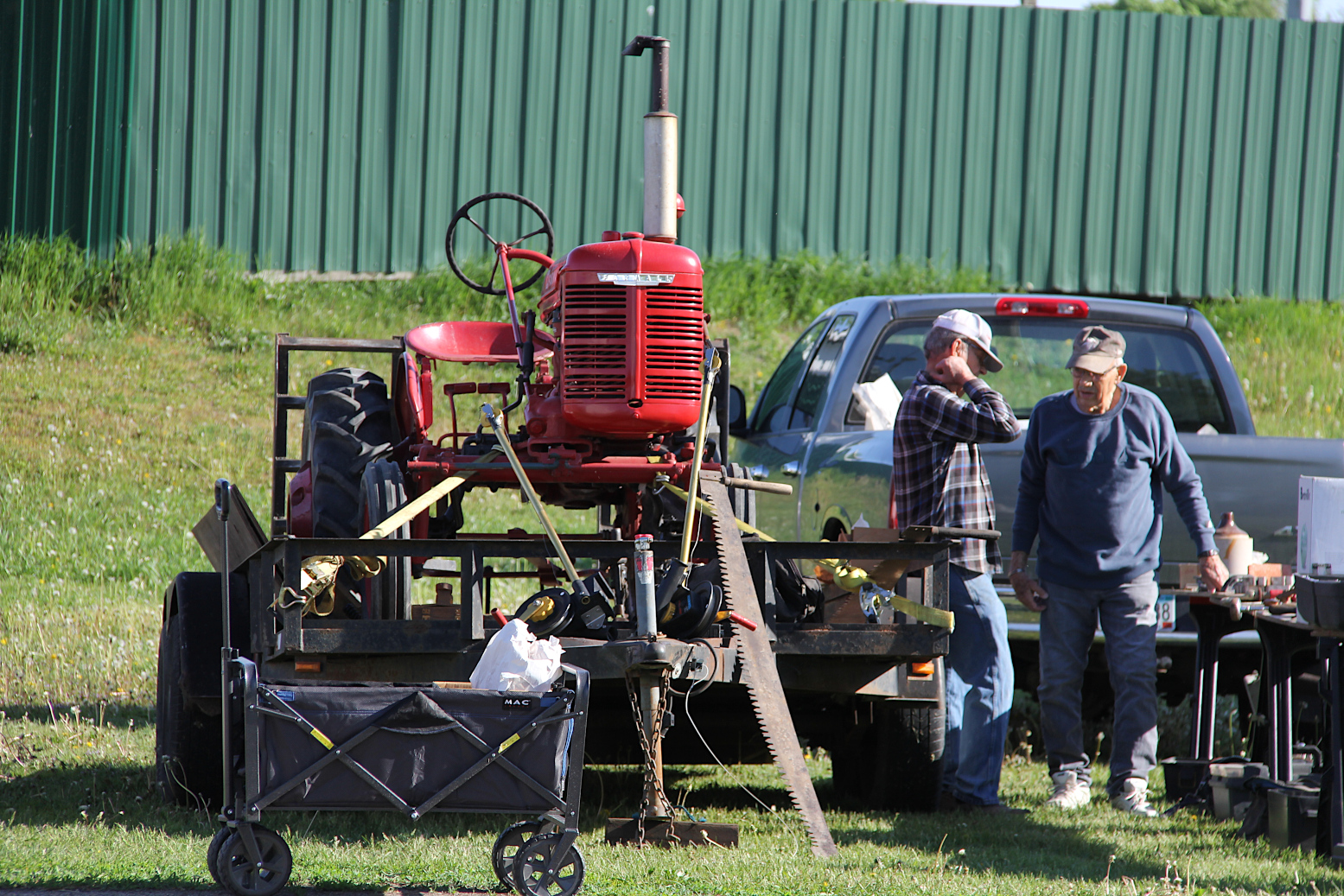
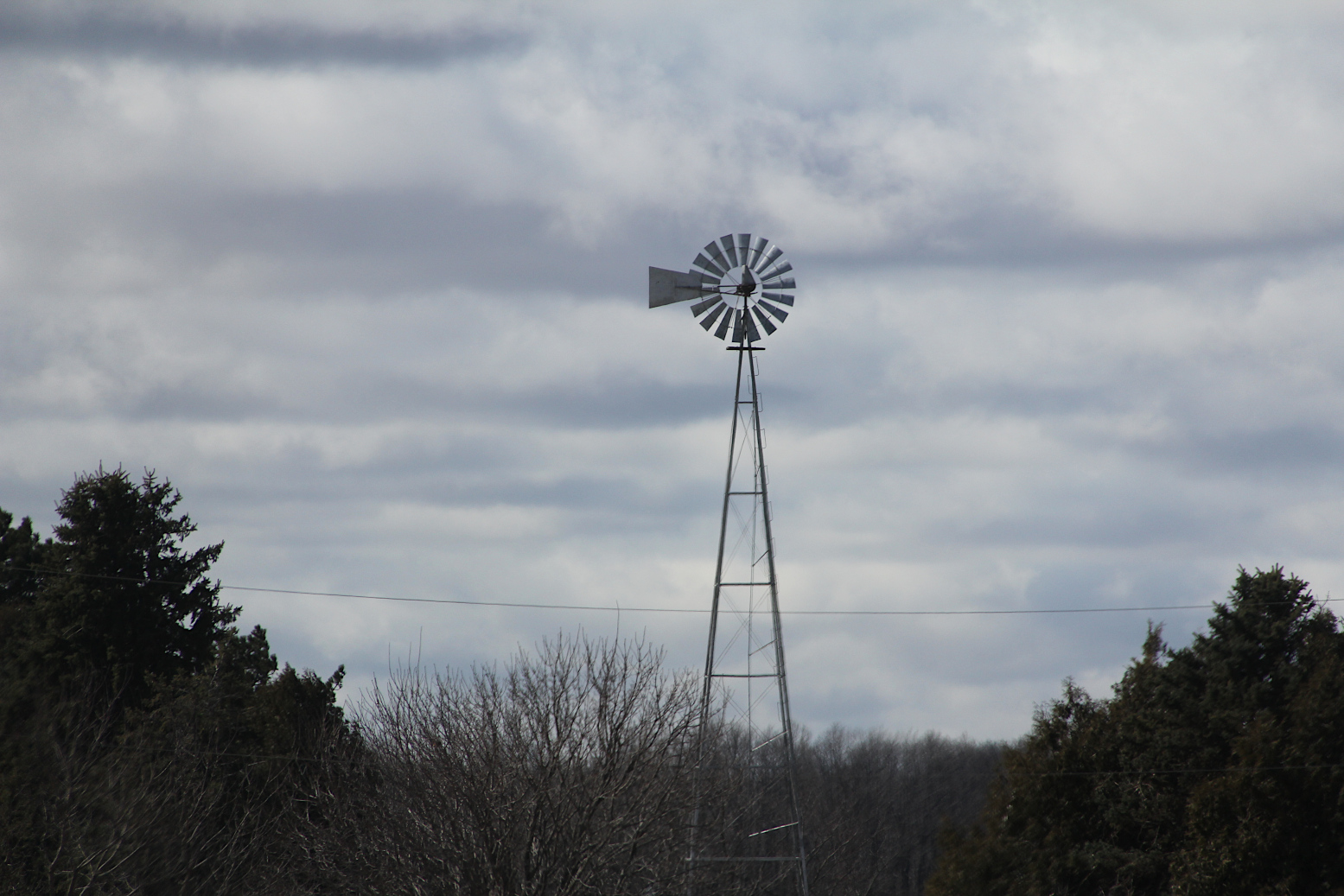
I find myself still drawn to rural scenes. A farm site. A grain elevator. A gravel road. Cattle grazing. Farm machinery, especially tractors, traversing fields. These all define agriculture. But it is the barn which symbolizes farming and the enduring strength and hope of a farmer.
#
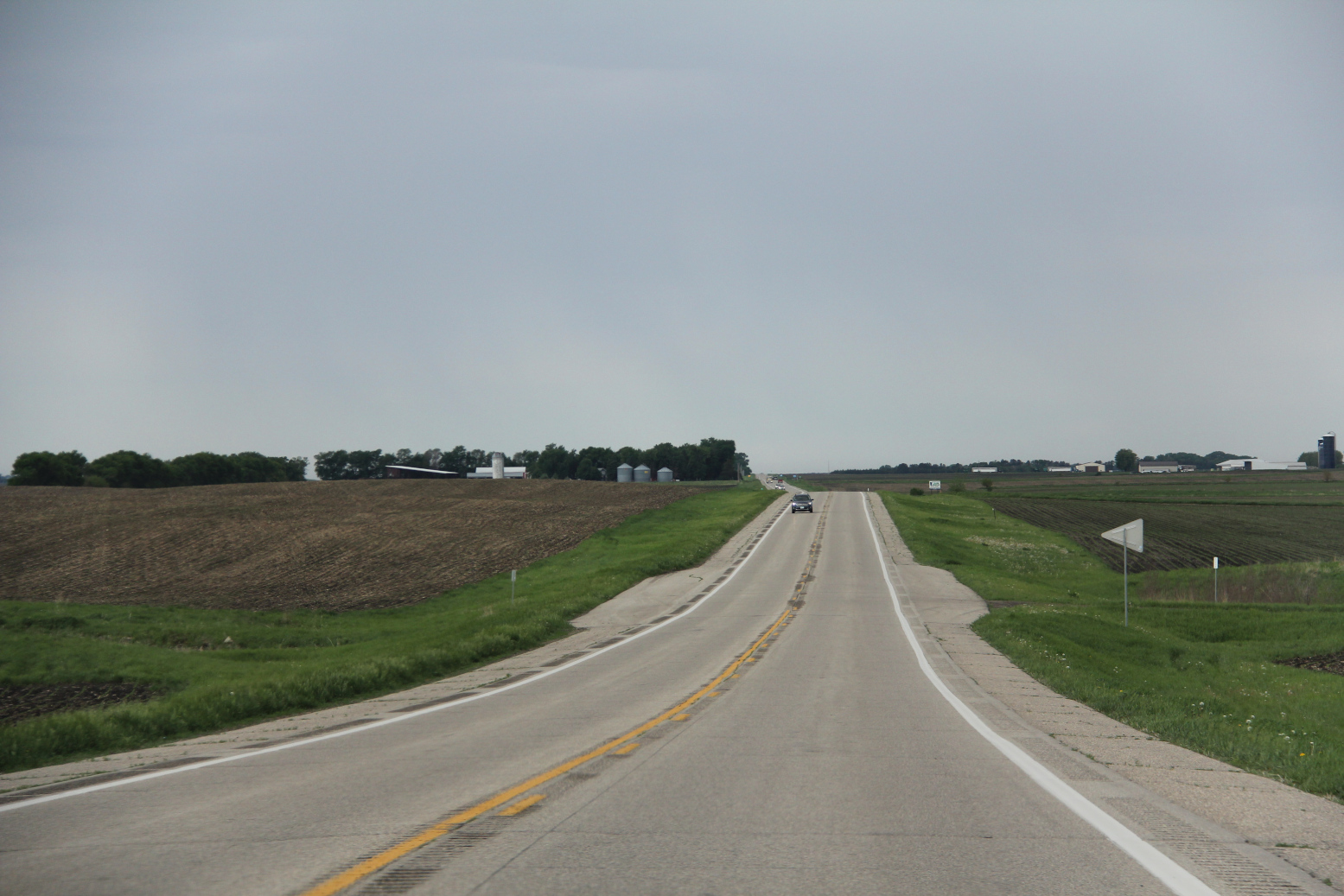
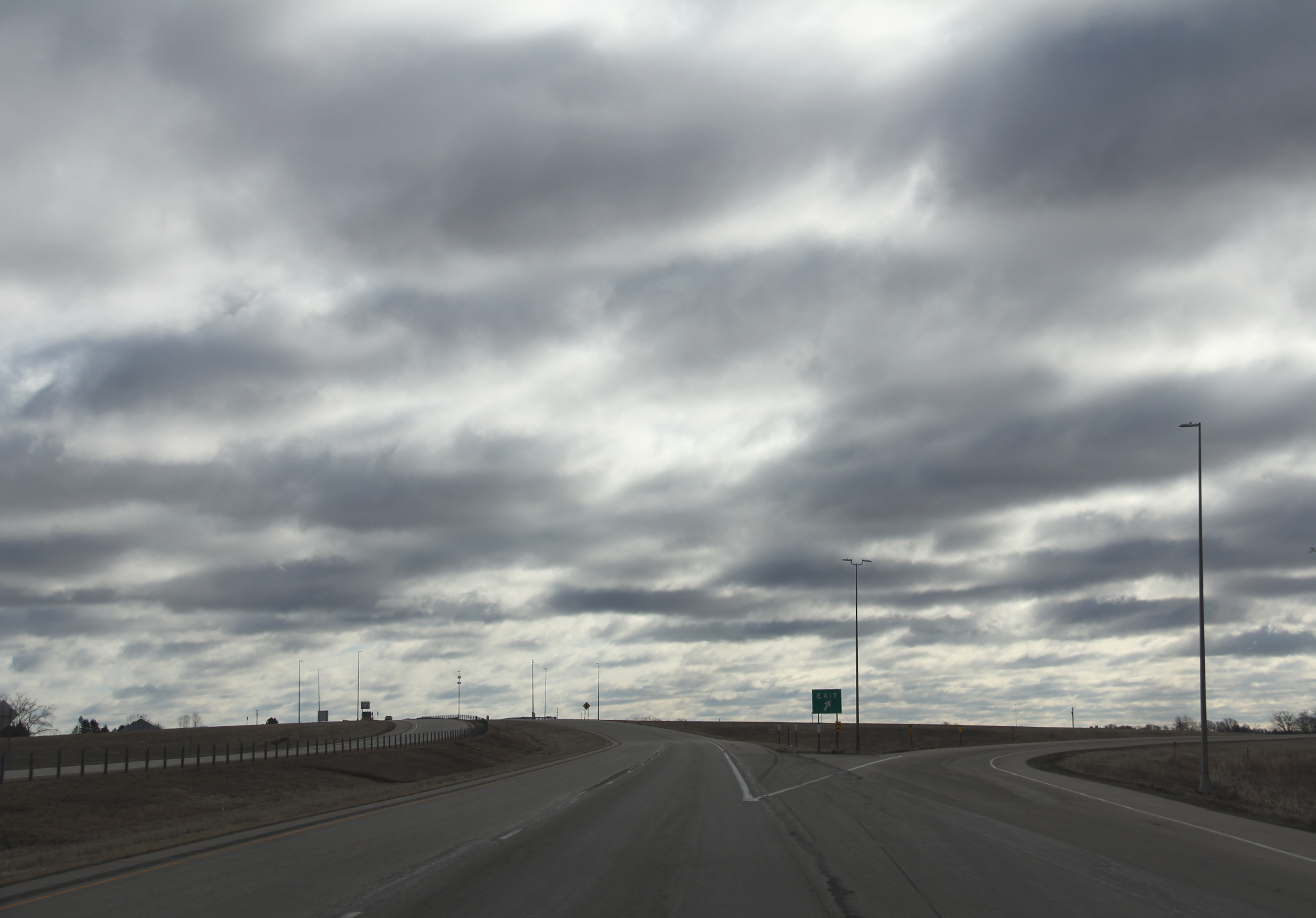
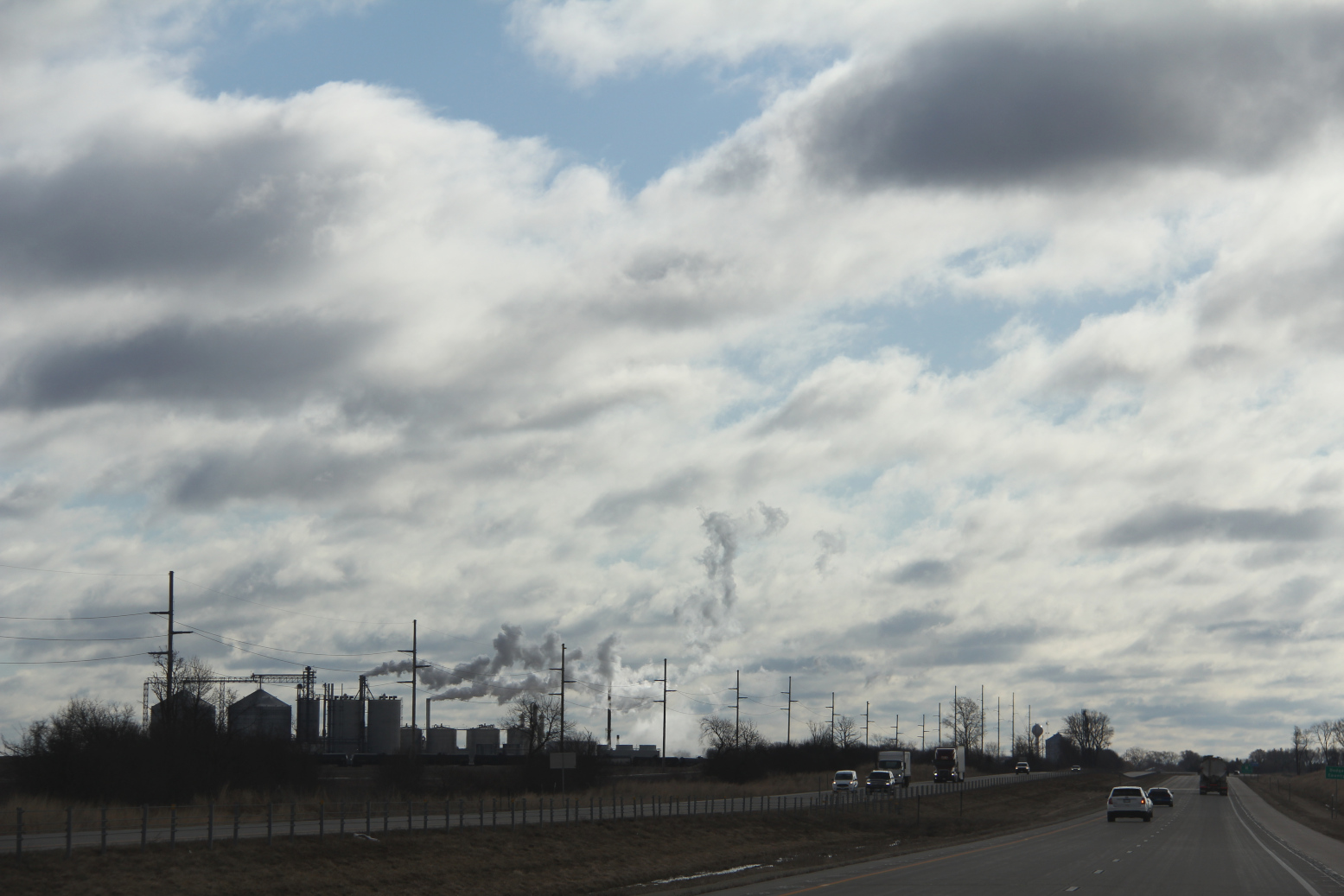
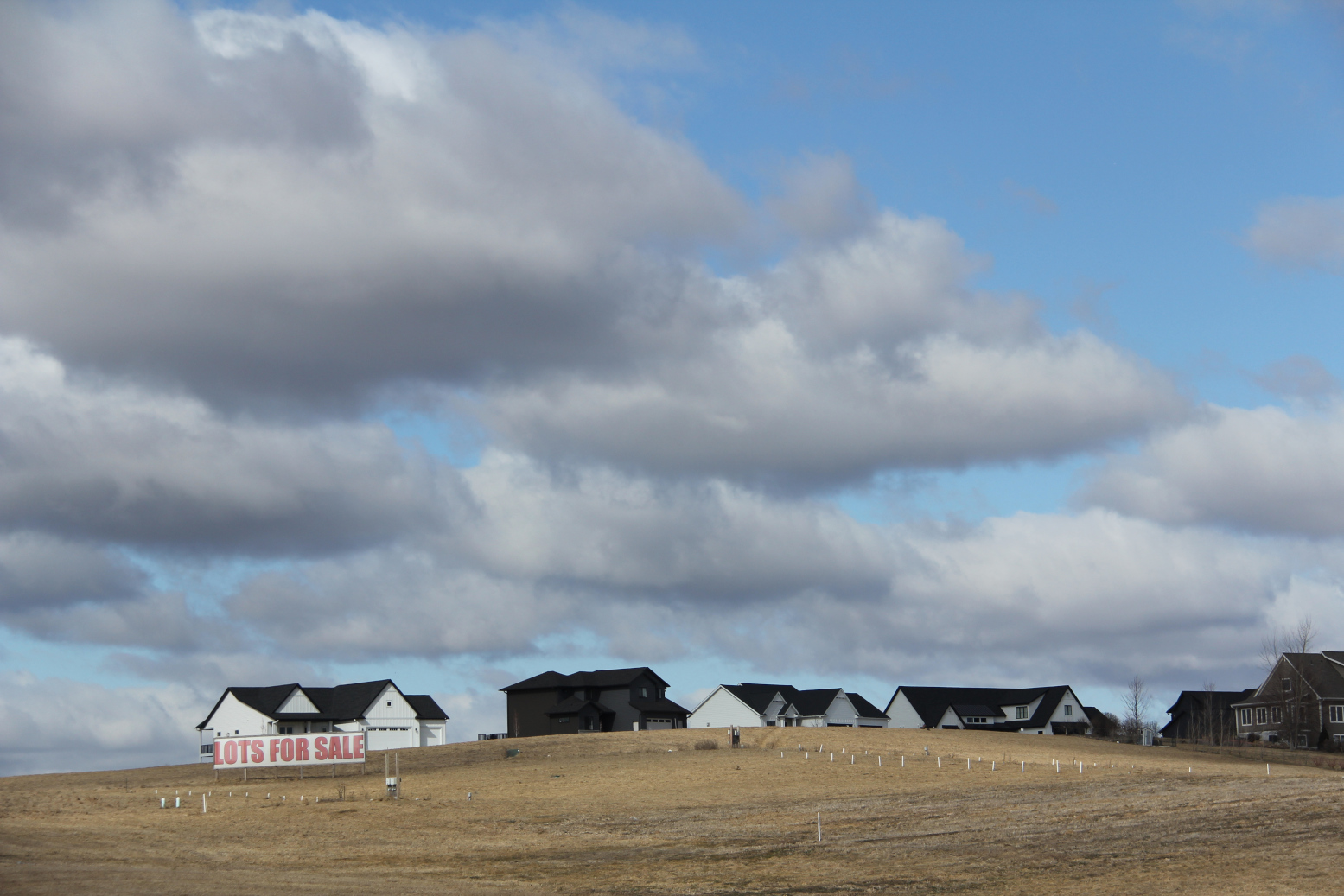
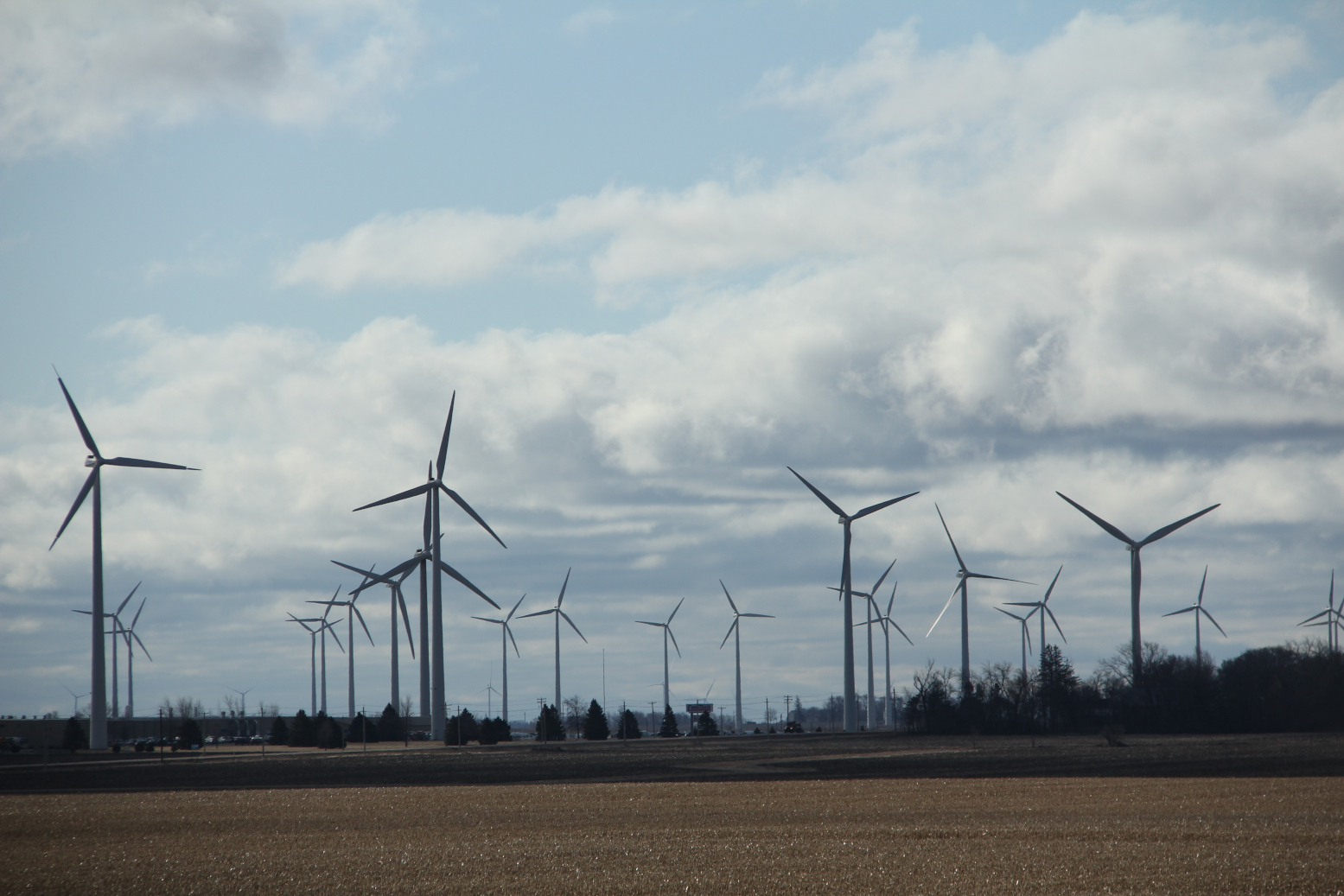
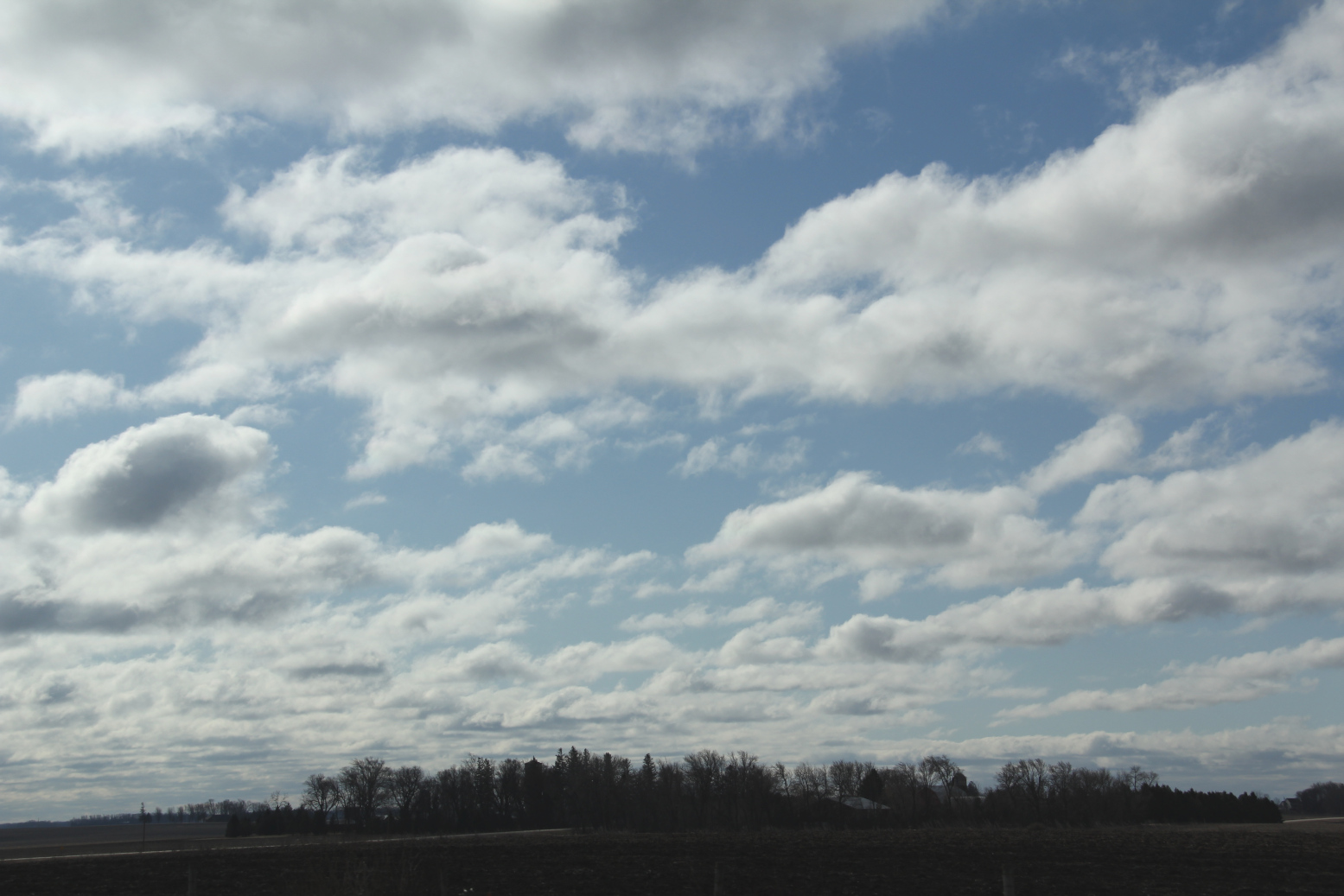
NOTE: I took these photos from the front passenger seat, either through the windshield or side window while traveling at highway speeds. Locations of several photos are not noted as I don’t recall the exact locations.
© Copyright 2026 Audrey Kletscher Helbling