
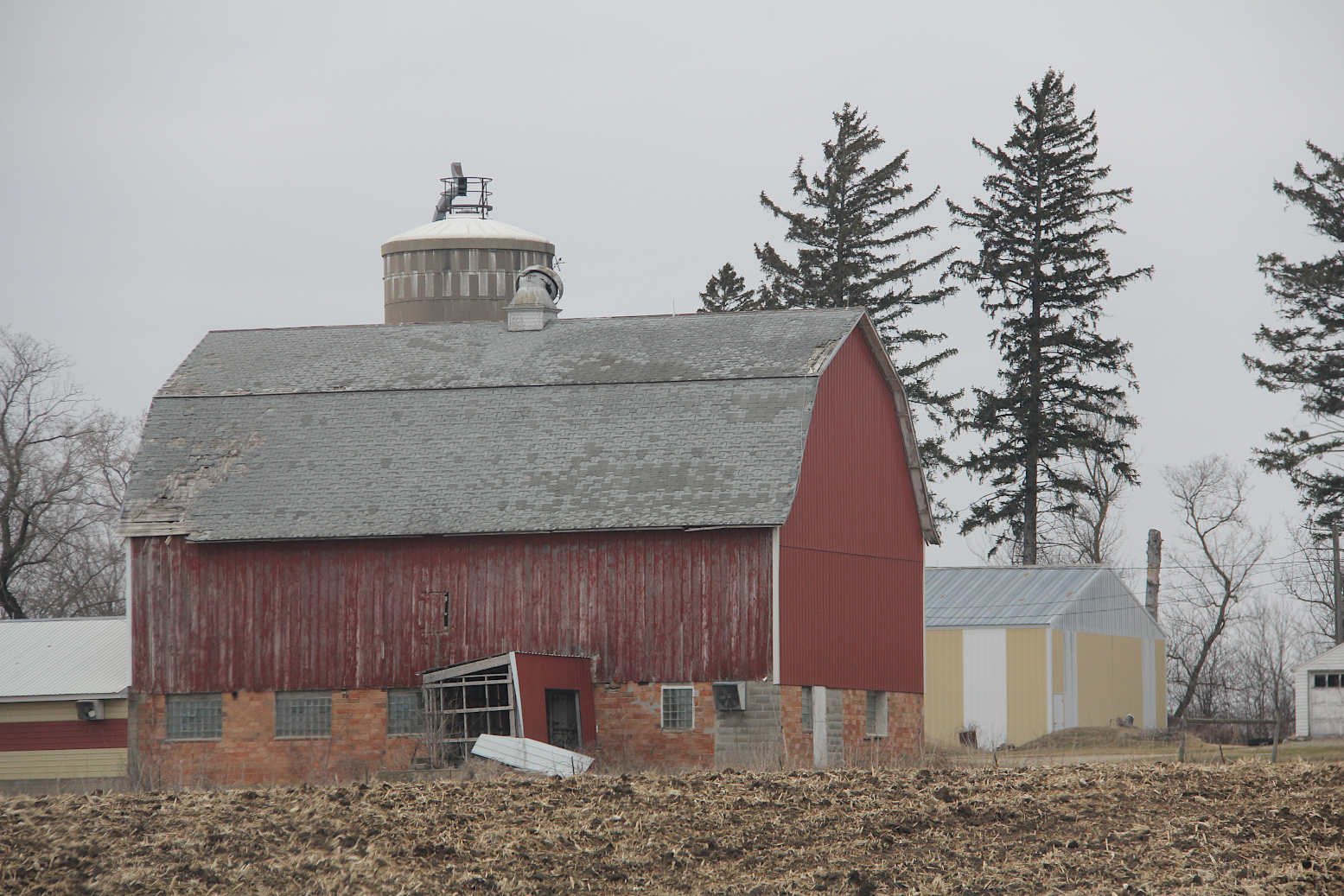
IN THIS GO-BETWEEN TIME of almost spring here in southern Minnesota, the landscape appears mostly winter drab, plain, devoid of many photo opportunities. That is until I look beyond the bare-branched trees, the barren land, the basic gray of March skies.

Color, although not abundant, can still be found among the neutral hues.
Camera in hand, I watched for bright spots and more on a recent business road trip with my husband to Rochester. I kept an eye out for anything I thought would be photo-worthy. Or interesting. My definition of both may differ from yours.
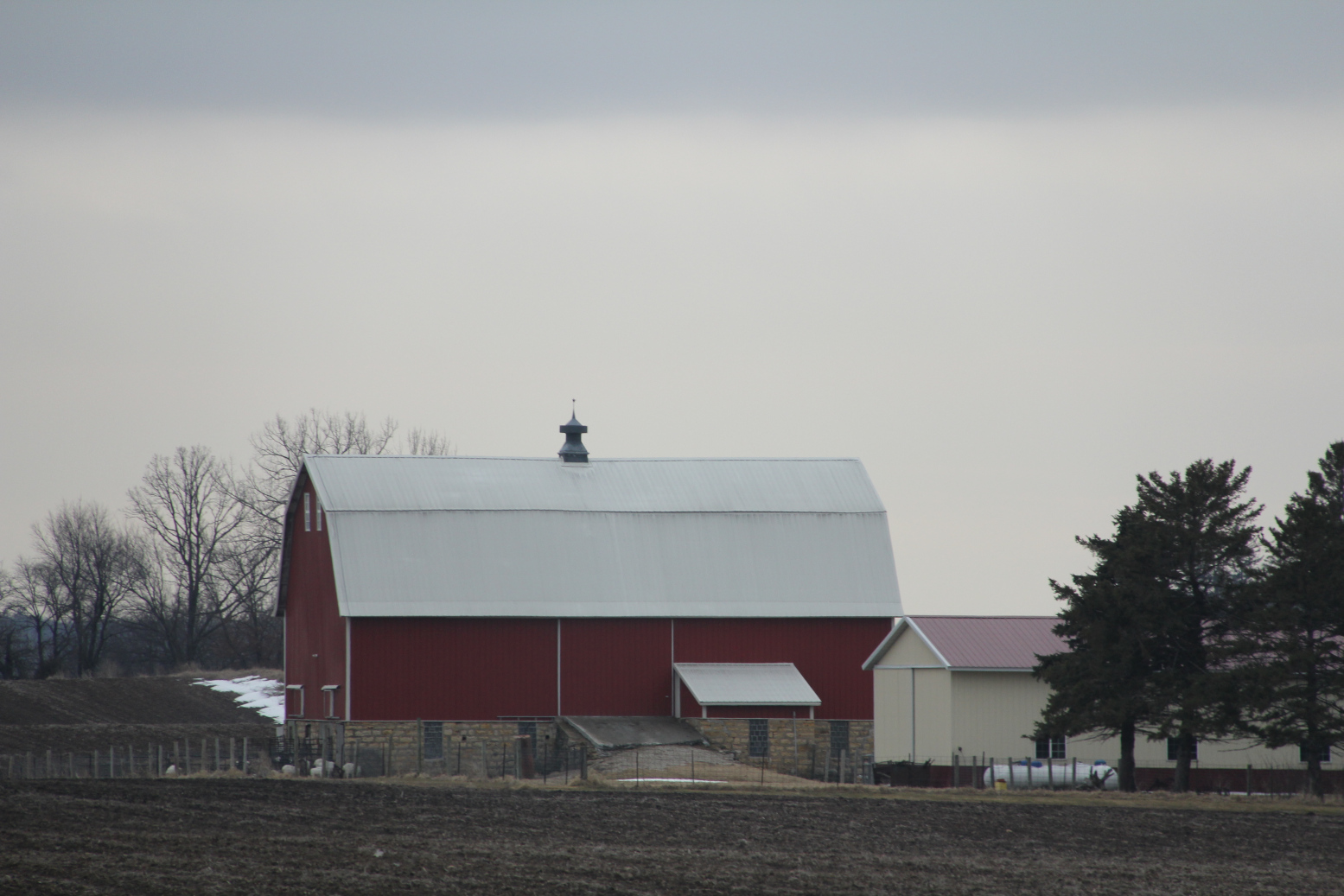
But I enjoy on-the-road, literally, photography—taking photos from the passenger seat inside a moving vehicle. This requires awareness, anticipation and quick framing with the camera set at a fast shutter speed. Clean, or mostly clean, windows help as does a smooth road.
Sometimes I get the image I want. And sometimes I get an unfocused photo. It’s a bit of a crapshoot.
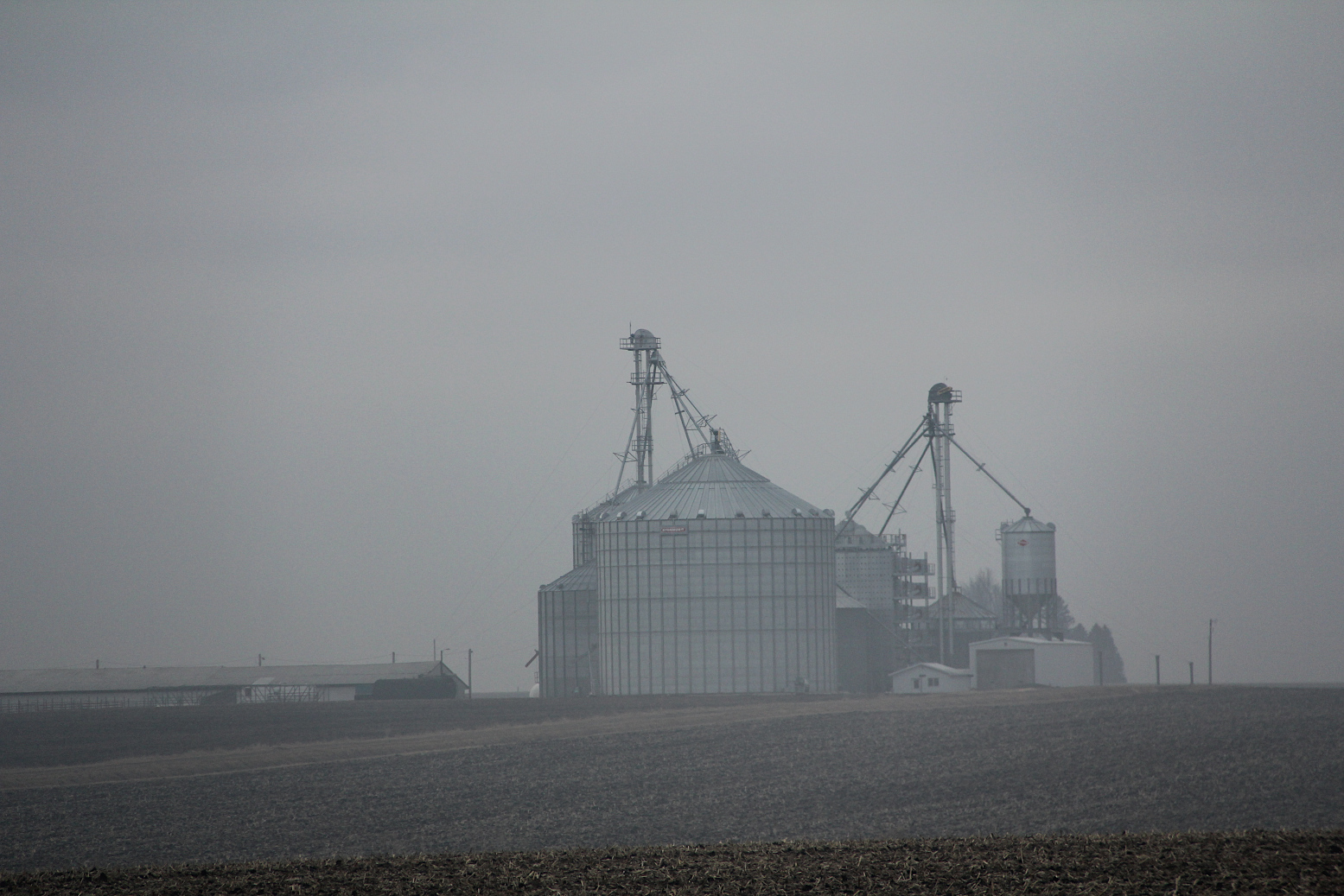
Regardless of photo outcomes, I’m content to scan my surroundings, appreciating the nuances of rural Minnesota. On this particular Thursday morning along US Highway 14 about 20 minutes west of Rochester, I was drawn first to fog enveloping a farm site. Gray on gray on gray on gray. Gray skies. Gray bins. Gray grain dryers. Long gray metal buildings.

Once in Rochester, color popped at me from a roadside attraction, the 151-foot tall Ear of Corn Water Tower built in 1931 for Reid, Murdoch & Co. The food cannery used the 50,000 gallon water tower in its canning operation, which included canning corn. The business changed hands twice before the plant closed in 2018. But the water tower landmark remains. I found it definitely photo-worthy as we passed by.
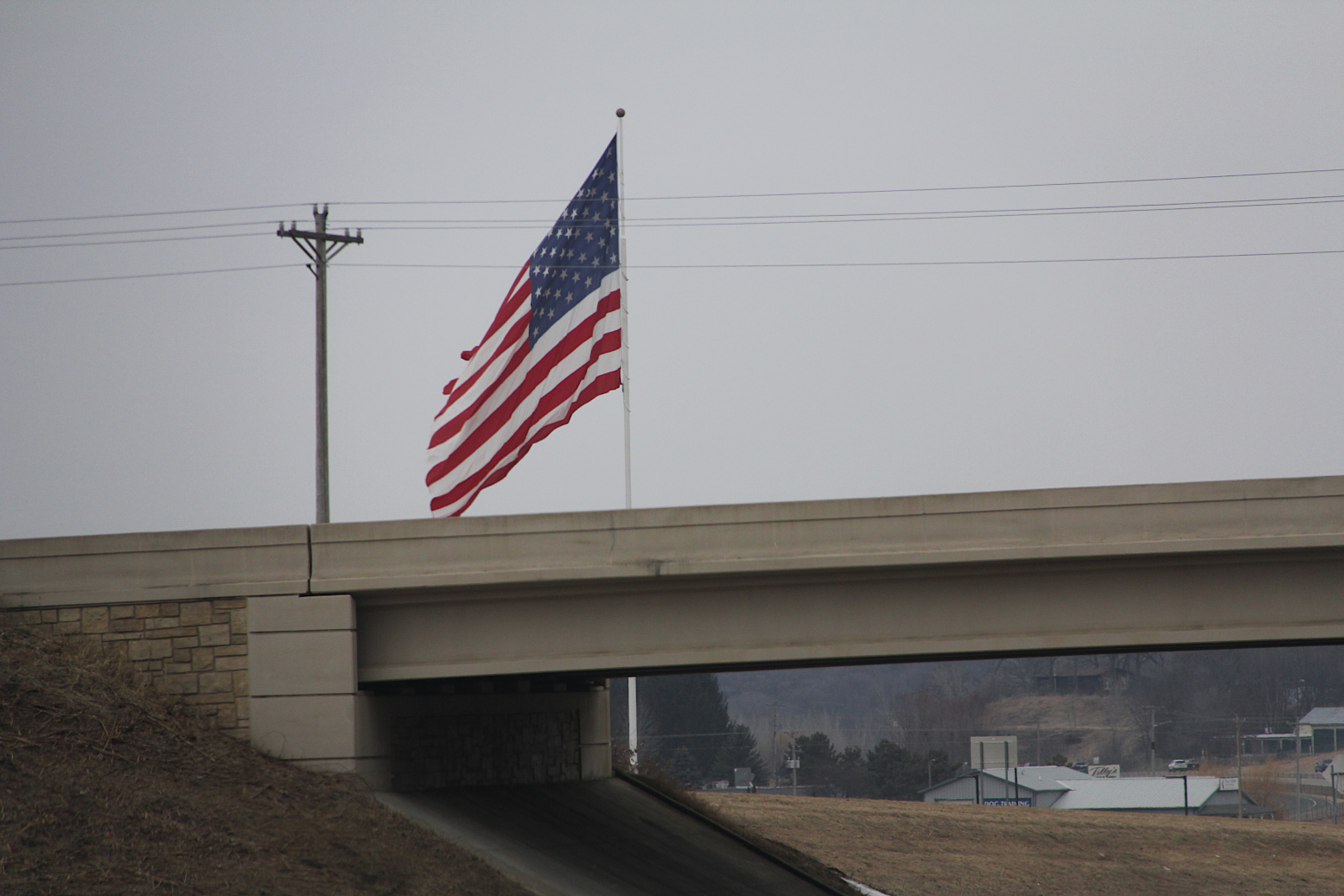
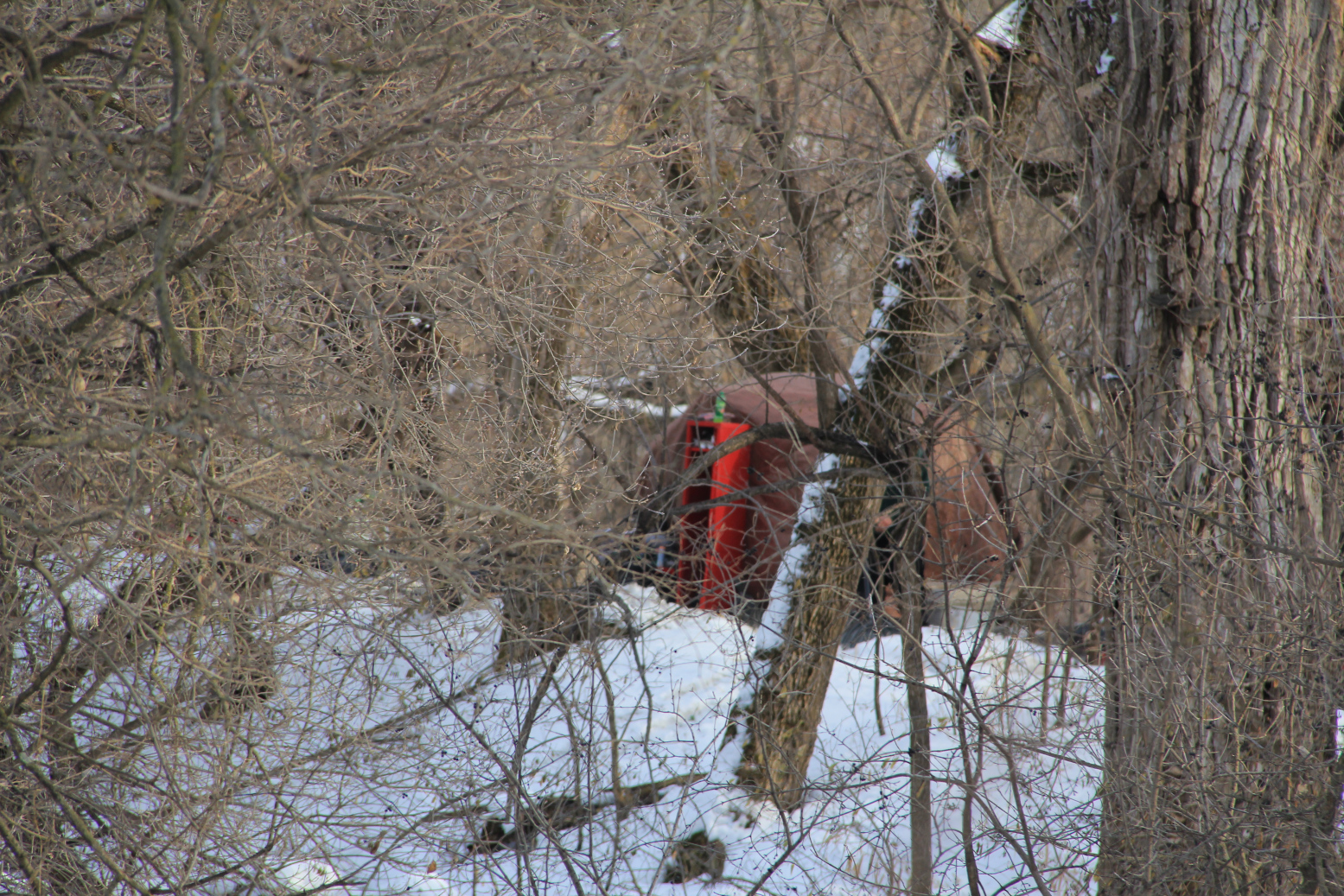
But something as simple as as an over-sized American flag flapping in the morning breeze, a red barn flashing color, a sprawling white farmhouse, a row of power lines, a distant farm site can grab my visual attention, too.
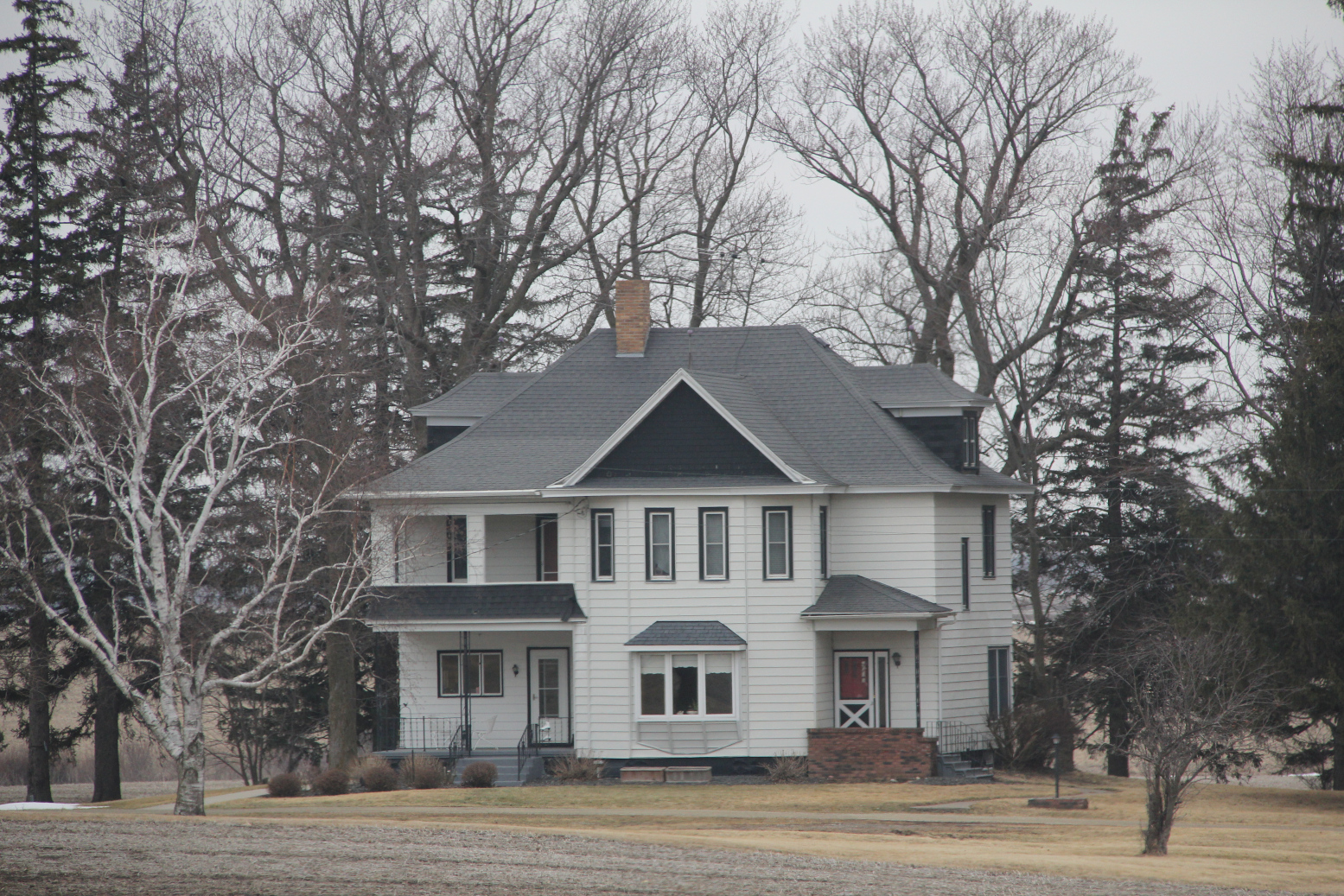
I’m drawn to photograph rural scenes because of my farm background. Deep in my soul, I long to live again in the countryside, away from close neighbors, near nature, cocooned by quiet. But reality is that will never happen.
And so I find ways to reconnect with the land. In my writing. In my photography. In every season.
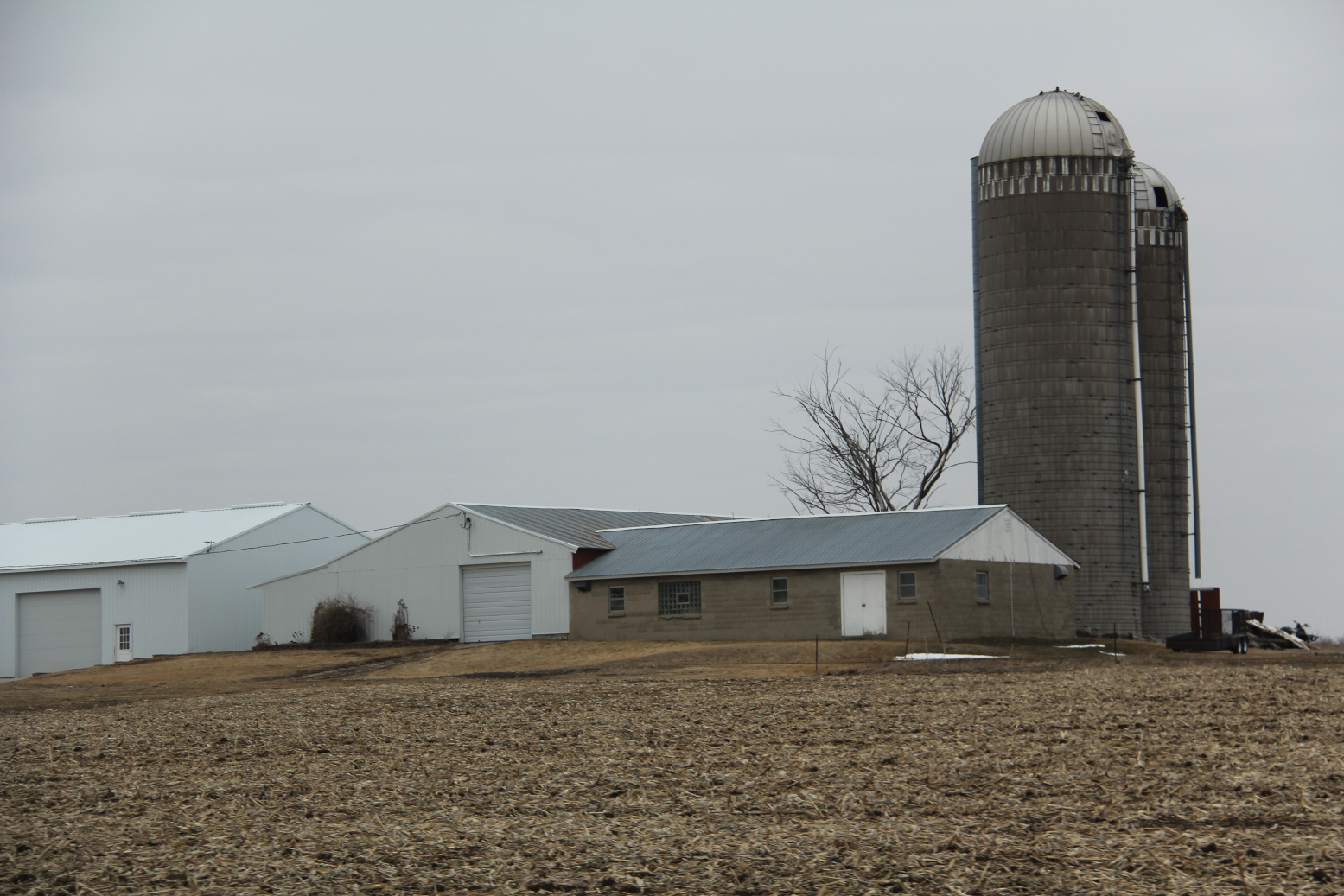
Every farm field holds the hope of a farmer. Every farm site holds memories and hard work. And dreams. I see this on the road, through my camera lens, as my focus shifts with every mile covered.
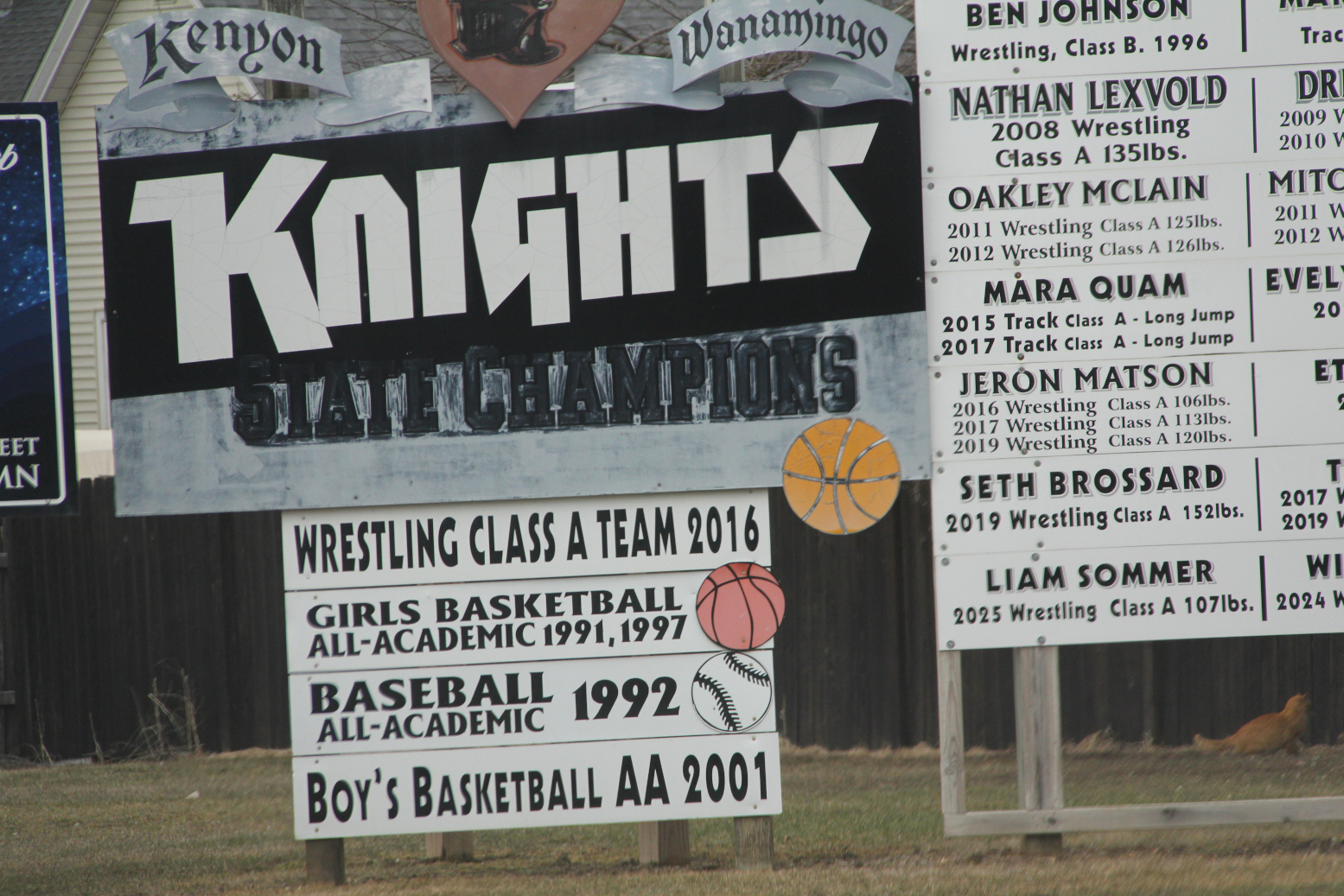
I view an ever-changing rural winter landscape of red barns, aged farmhouses, towering silos, untilled fields and then, on the edge of Kenyon, signage boasting local high school sporting championships. Such signs are common in small Minnesota communities.

Nearing the end of this quick road trip, an eagle leads us along Minnesota State Highway 60 west of Kenyon before veering to the right. When I see this majestic bird on this day, I feel as I always do about eagles—in awe of their size, their power, their speed. I snap three quick frames.
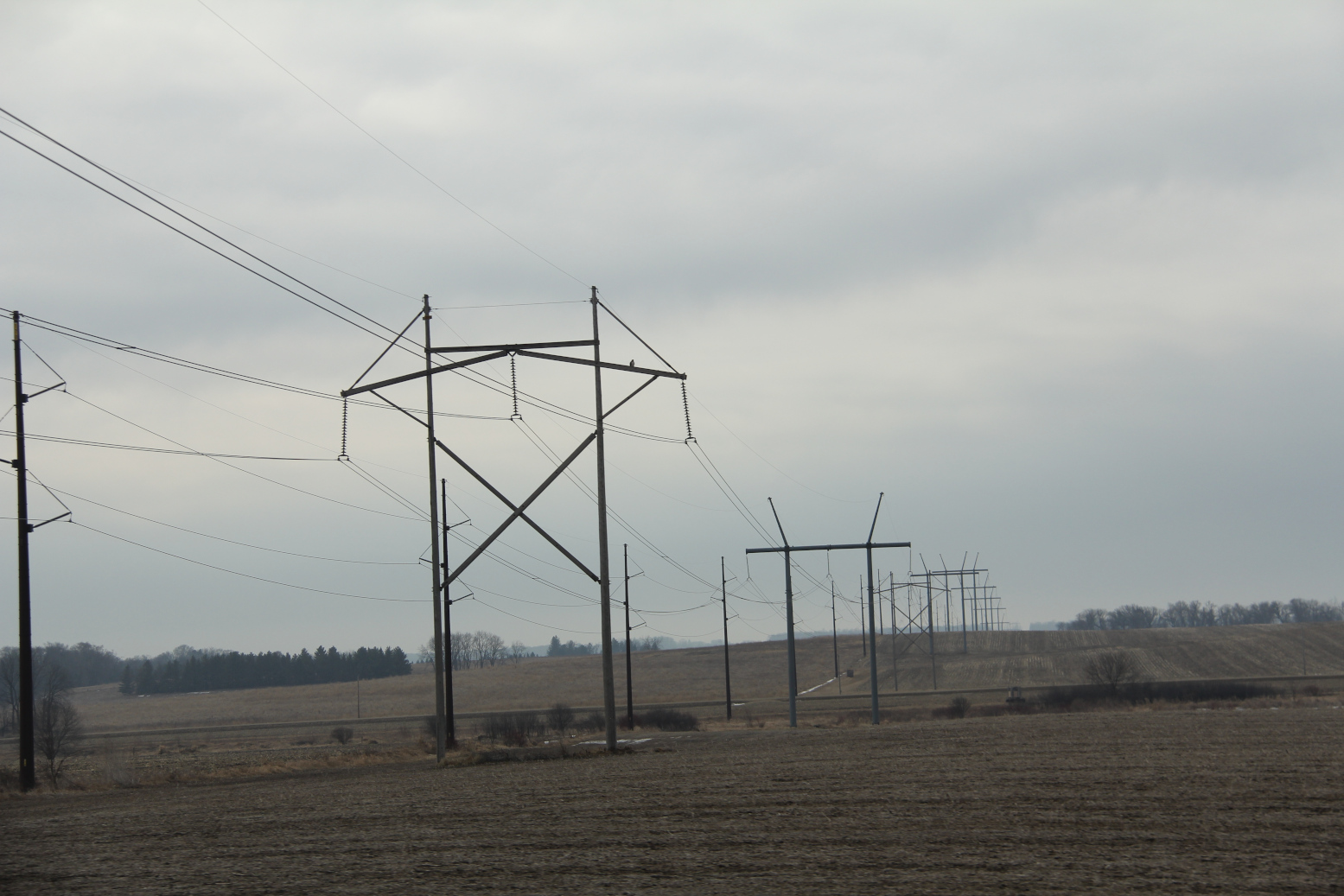
Time passes. Miles pass. Rural southern Minnesota unfolds before me, captured through the lens of my camera on an almost-spring day in March.
© Copyright 2026 Audrey Kletscher Helbling


















































ICE OUT, a photo essay & commentary from Minnesota February 13, 2026
Tags: businesses, commentary, Content Bookstore, Division Street, Governor Tim Walz, ICE OUT, immigration, Immigration and Customs Enforcement, Minnesota, Minnesota Strong, news, Northfield, photo essay, photography, signs, strength
THE DAY AFTER BORDER CZAR (anyone dislike that title as much as me?) Tom Homan announced a draw-down of federal immigration agents in Minnesota, I’m feeling, as Governor Tim Walz said, “cautiously optimistic.” Recent history has proven that we can’t necessarily believe or trust what federal government officials tell us. But I’m trying to be hopeful.
For more than two months, 3,000 immigration enforcement agents have been working in Minnesota. And if anyone still believes that they are/were doing only targeted enforcement, arresting “the worst of the worst,” then I have some lakefront property to sell you.
Let’s go back to Thursday morning, when Homan made his draw-down announcement complete with praise for his agents and the success of their mission in Minnesota. I couldn’t listen any more. I’d heard enough.
I had an appointment in neighboring Northfield anyway so off I went to this college town that, like Faribault, has been recently inundated by ICE. Except in Northfield, a decidedly blue city, the business community is publicly vocal about its opposition to ICE’s presence unlike in my decidedly red city.
In the heart of downtown Northfield, on one side of a block along Division Street, nearly every business has posted an anti-ICE sign and/or uplifting signage. I felt the strength of those shopkeepers willing to stand up for and encourage others. There’s power in raising united voices in opposition to wrong.
Inside Content Bookstore, where I stopped to shop for a baby shower gift, I discovered even more messaging and ways in which the Northfield community is stepping up to help their immigrant neighbors, including children affected by ICE’s actions. Monies from the sale of Minnesota state flag and “Rebel Loon” (our state bird) stickers will go toward books and activities for those kids. Content is also collaborating on a poetry chapbook, Words to Meet the Moment: Poetry Against Fascism, releasing soon.
As ICE supposedly ends Operation Metro Surge in Minnesota (which also encompassed cities and small towns outside the metro like my city of 25,000), we are left with a mess. Let me define that. The personal toll is huge. Trauma has been inflicted upon thousands. “Generational trauma,” Governor Walz said.
I worry about the kids who witnessed family members being taken or who saw armed, masked immigration officers with guns outside their schools (with classmates taken by ICE), outside their daycares, outside or inside their homes, at their bus stops, on the streets. It’s hard enough for adults to see such threatening power, aggression and use of excessive force. But our children? The mental health of all Minnesotans concerns me, especially that of the youngest among us.
And then there is the financial fall-out with people now unable to pay their bills, including rent, facing eviction because they haven’t gone to work out of fear of ICE. Again, legal status matters not as anyone with brown or black skin has been targeted. These same individuals and families have relied on community members and nonprofits to help with rent payments and to bring them groceries. This is not long-term sustainable.
Until we are all confident that ICE is really, truly gone and is doing only targeted enforcement of “the worst of the worst,” we will all remain on edge. Rebuilding trust, restoring life to normalcy will assuredly take time.
Likewise, the Minnesota economy has suffered severe damage, especially small businesses. Governor Walz has proposed a $10 million forgivable loan recovery plan to help the business community and is also hoping for help from the federal government. Good luck with that.
While in Northfield on Thursday, I learned that ICE agents recently went along Division Street, asking for employment records at some businesses. I don’t know details. But in my mind, I envision these armed, masked officers as a threatening presence in the heart of this picturesque, riverside American city. This community doesn’t back down from threats. In September 1876, townsfolk stopped the James-Younger Gang from robbing the First National Bank. Northfield is a community which cares for one another and which, in the midst of a federal invasion, has stood, is still standing, Minnesota Strong.
© Copyright 2026 Audrey Kletscher Helbling