
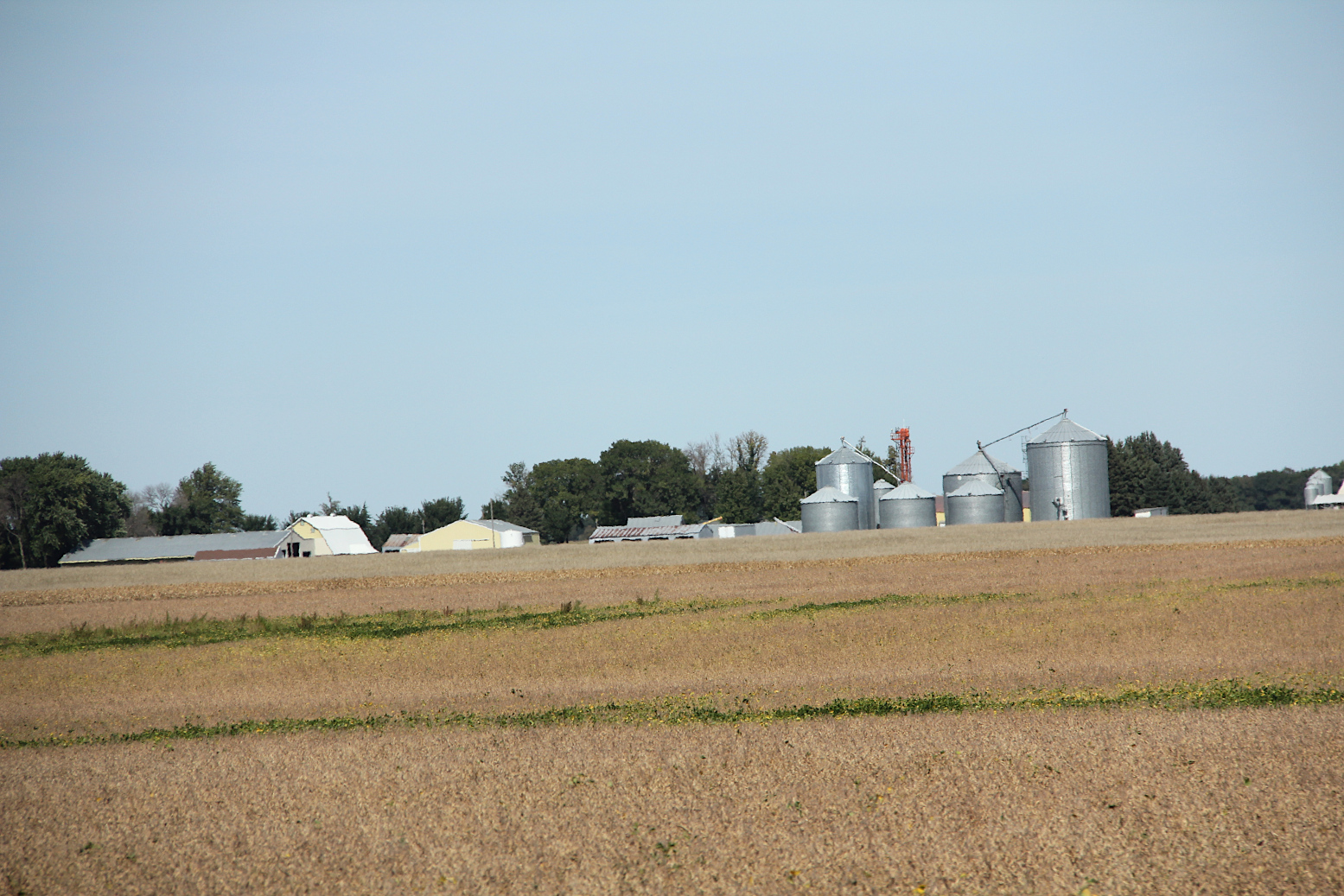
ACRE UPON ACRE of drying corn and soybean fields unrolled before us as Randy and I headed west 120 miles from Faribault to my hometown for a mournful family gathering, this time to honor my cousin Jeff. He died unexpectedly at the age of 63 only three months after his mother, my Aunt Marilyn.
Here we were again, back at the hilltop Vesta Cemetery, circling around gravestones to hear Scripture, to pray, to sing, to comfort one another, to remember Jeff while a fierce wind blew and the bright sunshine warmed us.

As I stood there, I took in the countryside of this prairie place. I love this land of rich, dark soil. This land from which seeds sprout, grow into plants reaching toward the sun. This is fertile land that holds the promise of a plentiful harvest. Redwood County has, undeniably, some of the best farmland in Minnesota.

All through our 5-hour round trip, Randy and I kept a watchful eye on the crops, noting some nearly ready for harvest, others awaiting ripening. And in one spot north of Sleepy Eye, we came across farmers harvesting soybeans.
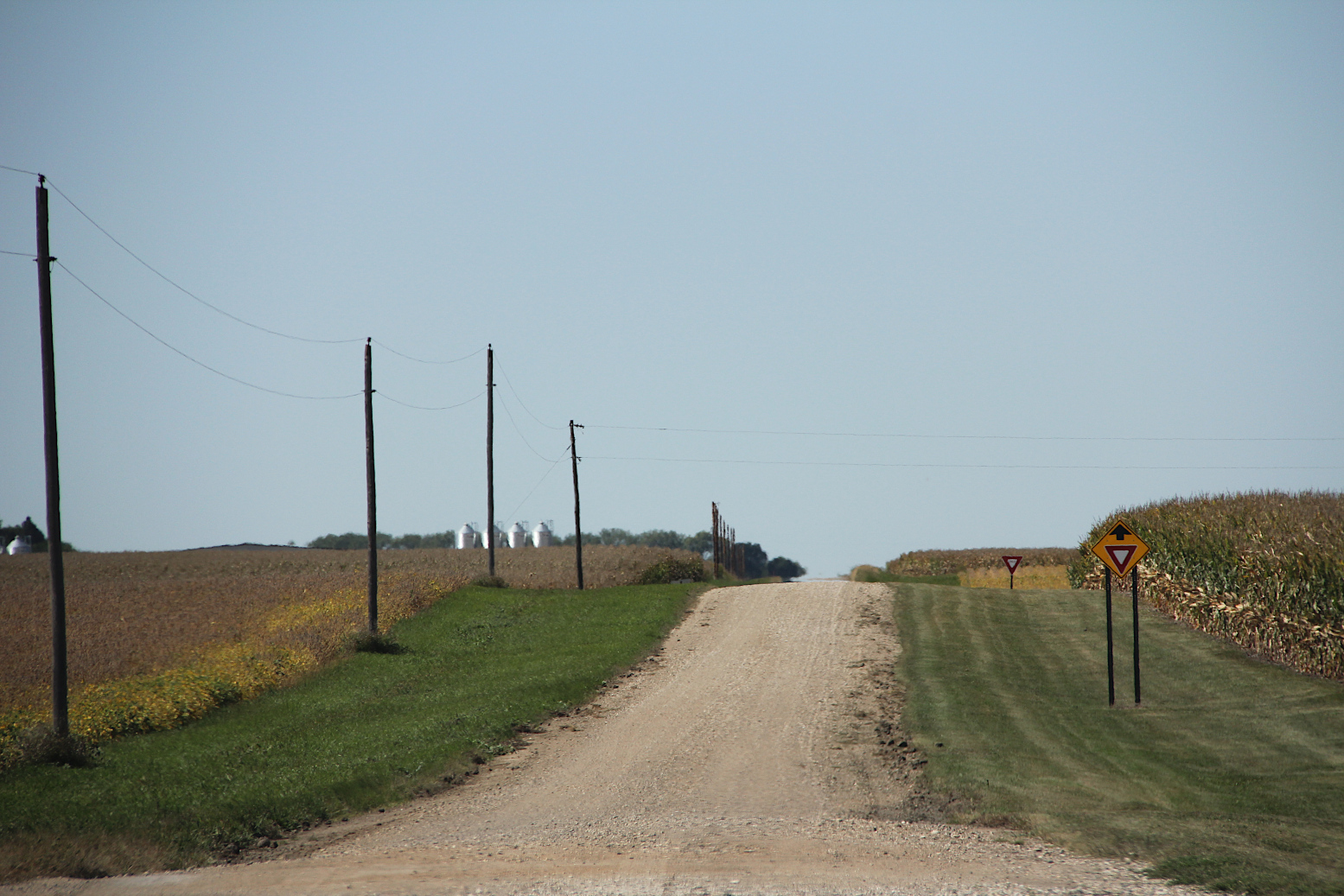
We are both farm kids—he a native of Morrison County in central Minnesota. As such, our observation of crops comes from a childhood of living on the land, of working the land (Randy more than me), of watching our farmer fathers work.
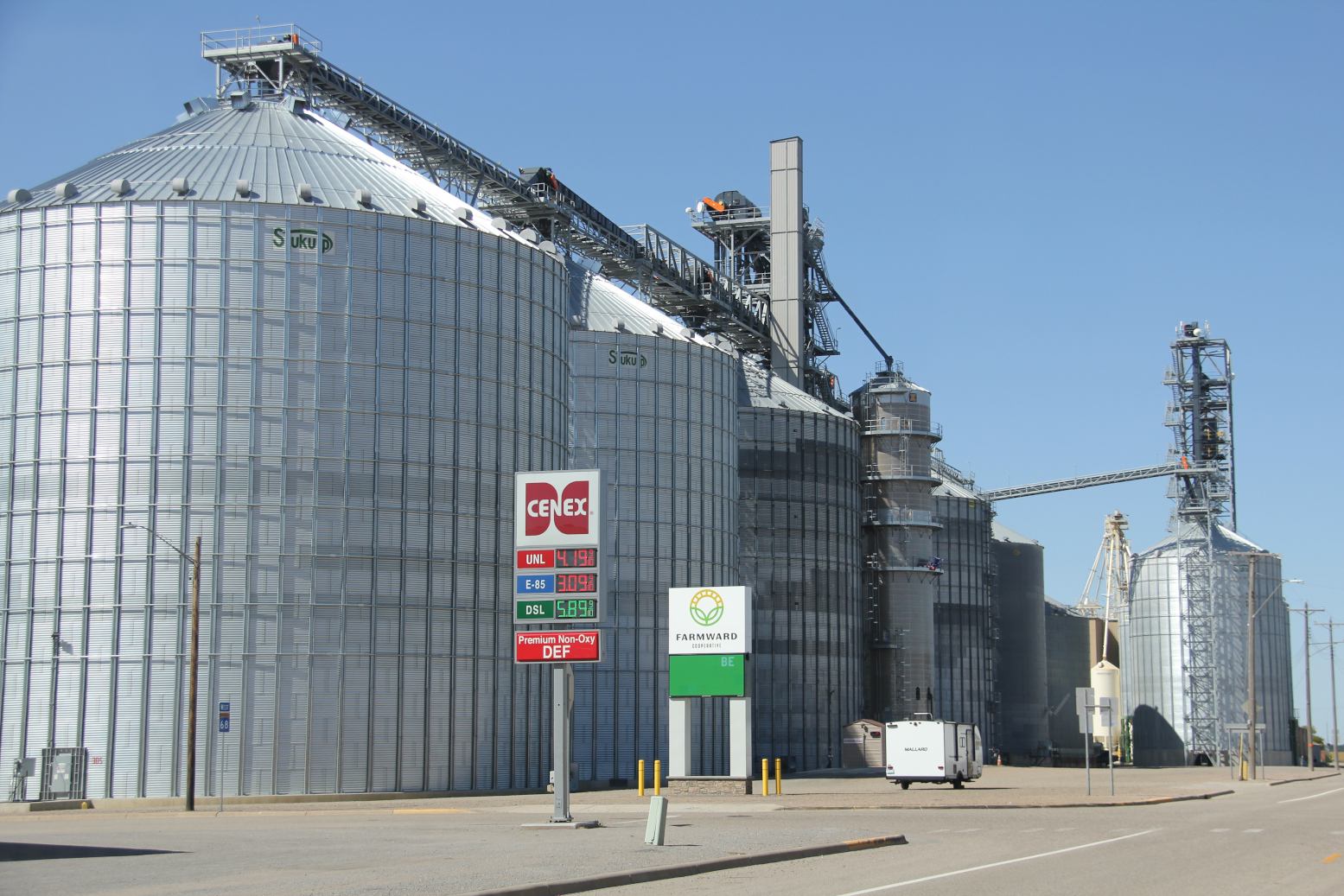
On this mid-September road trip, I was, in some ways, transported back in time to the farm. My focus shifted to the impending harvest. Preparation. Grain bins emptied to receive new crops. Combines and grain trucks at the ready.
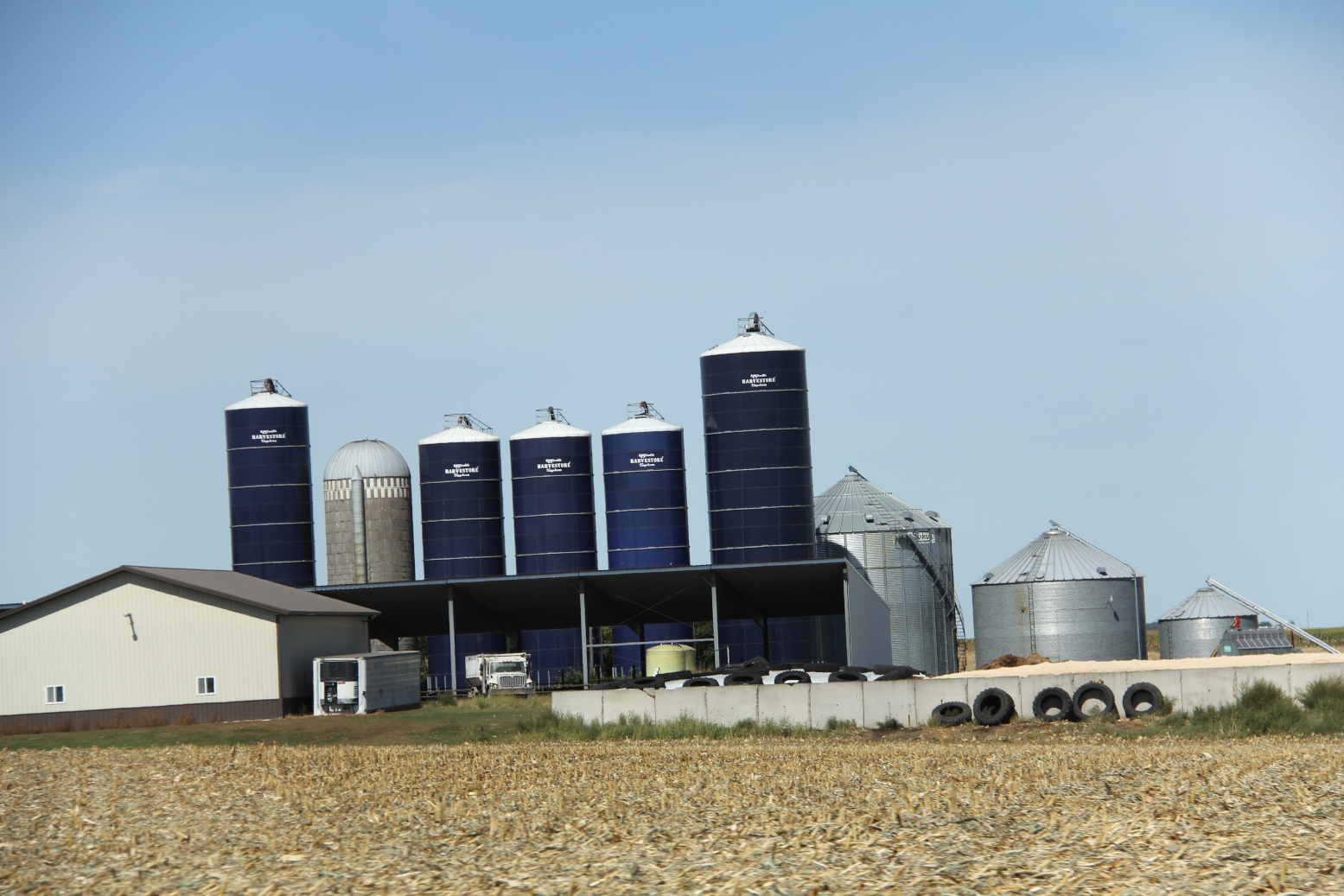
A sense of anticipation prevails this time of year as farmers prepare to gather in the crops.

But beyond the fields, I noticed, too, the detailed ruralness of place the farther west we traveled. West of Mankato, the agrarian way of life always seems more defined as distances between farm sites grow.
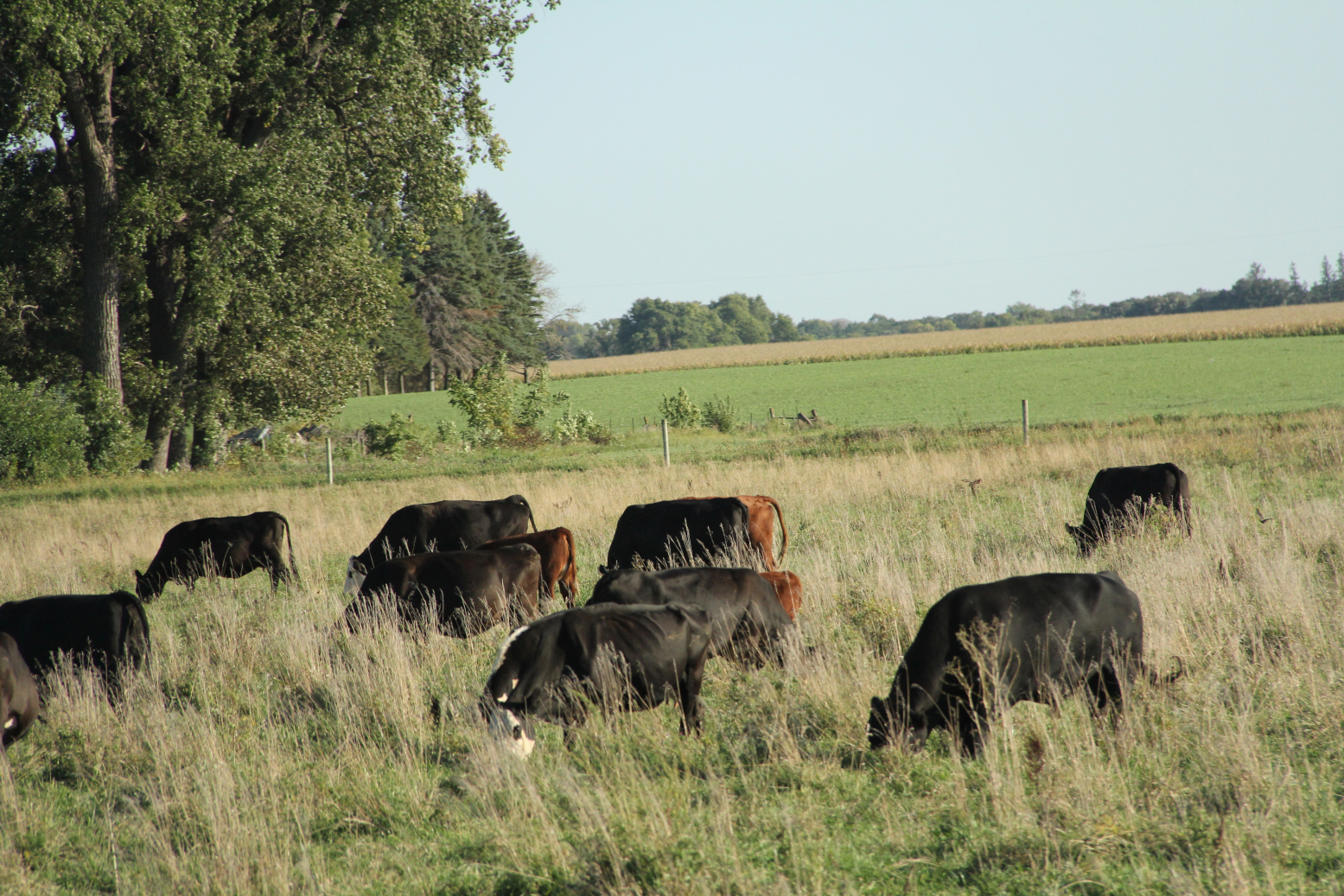
With fewer visual distractions, I see the barns, the grain bins, the occasional cattle grazing.
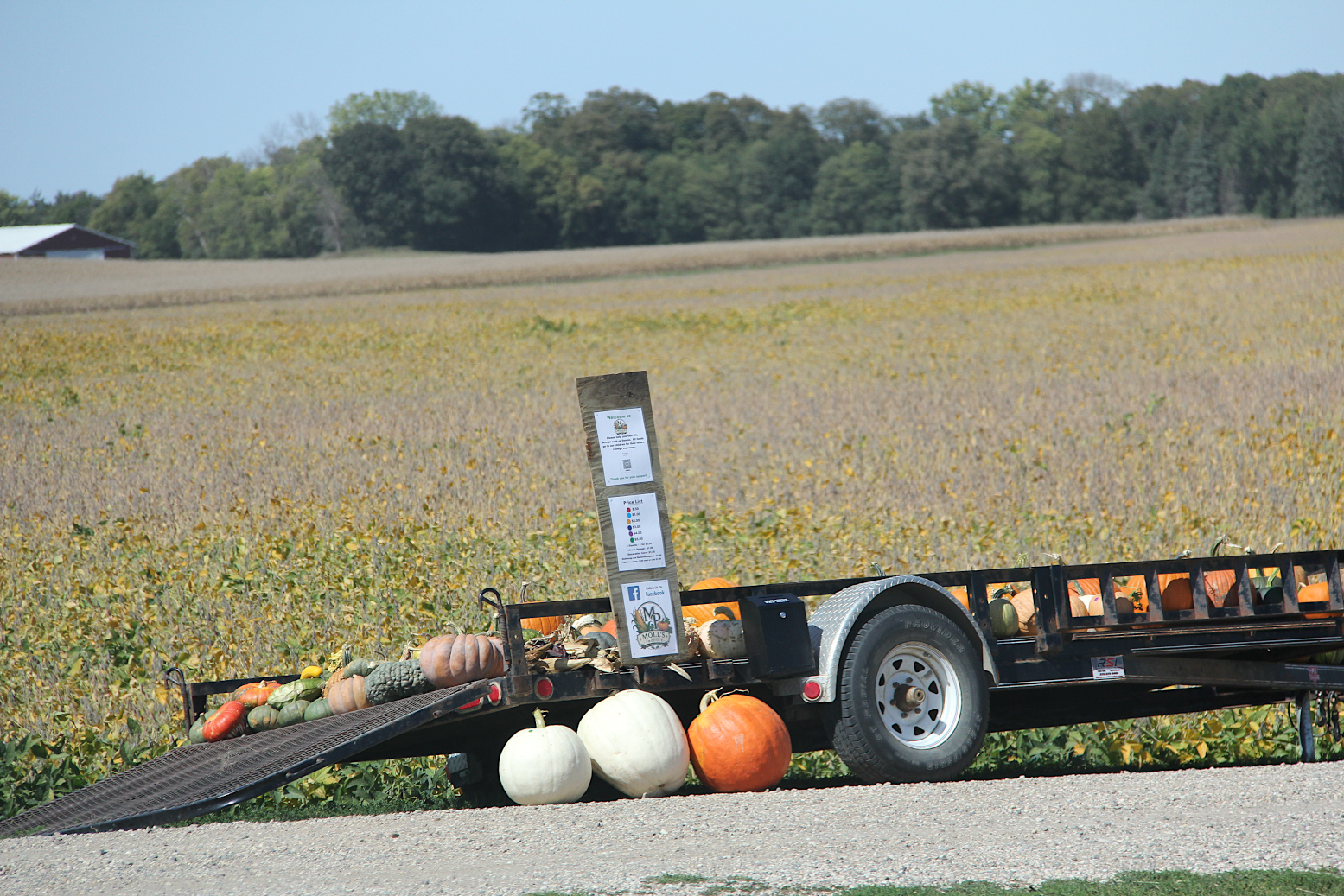
I see roadside stands stocked with plump pumpkins ushering in autumn.
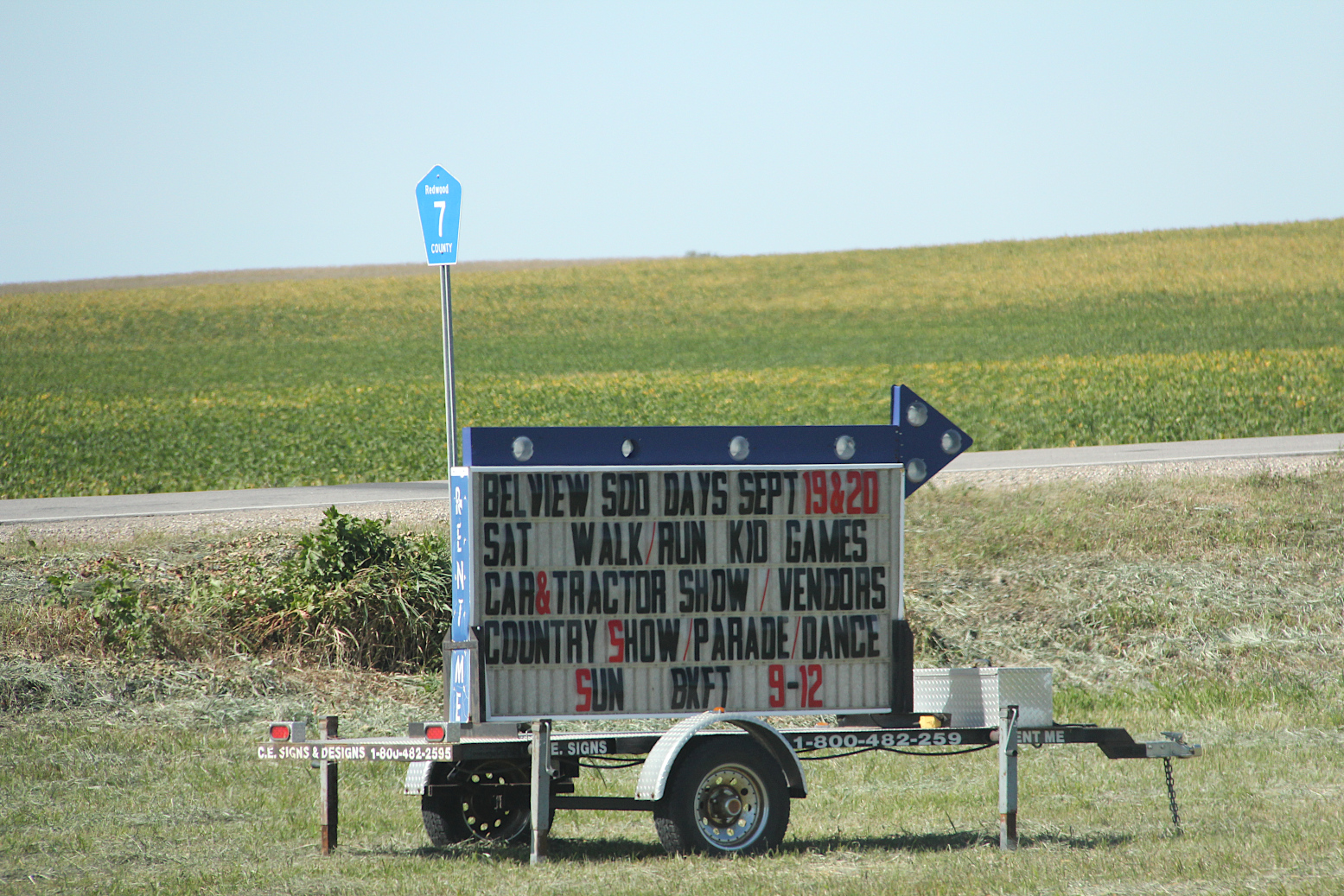
I see corn leaves curling, drying. I see soybean fields morphing from green to yellow to brown.
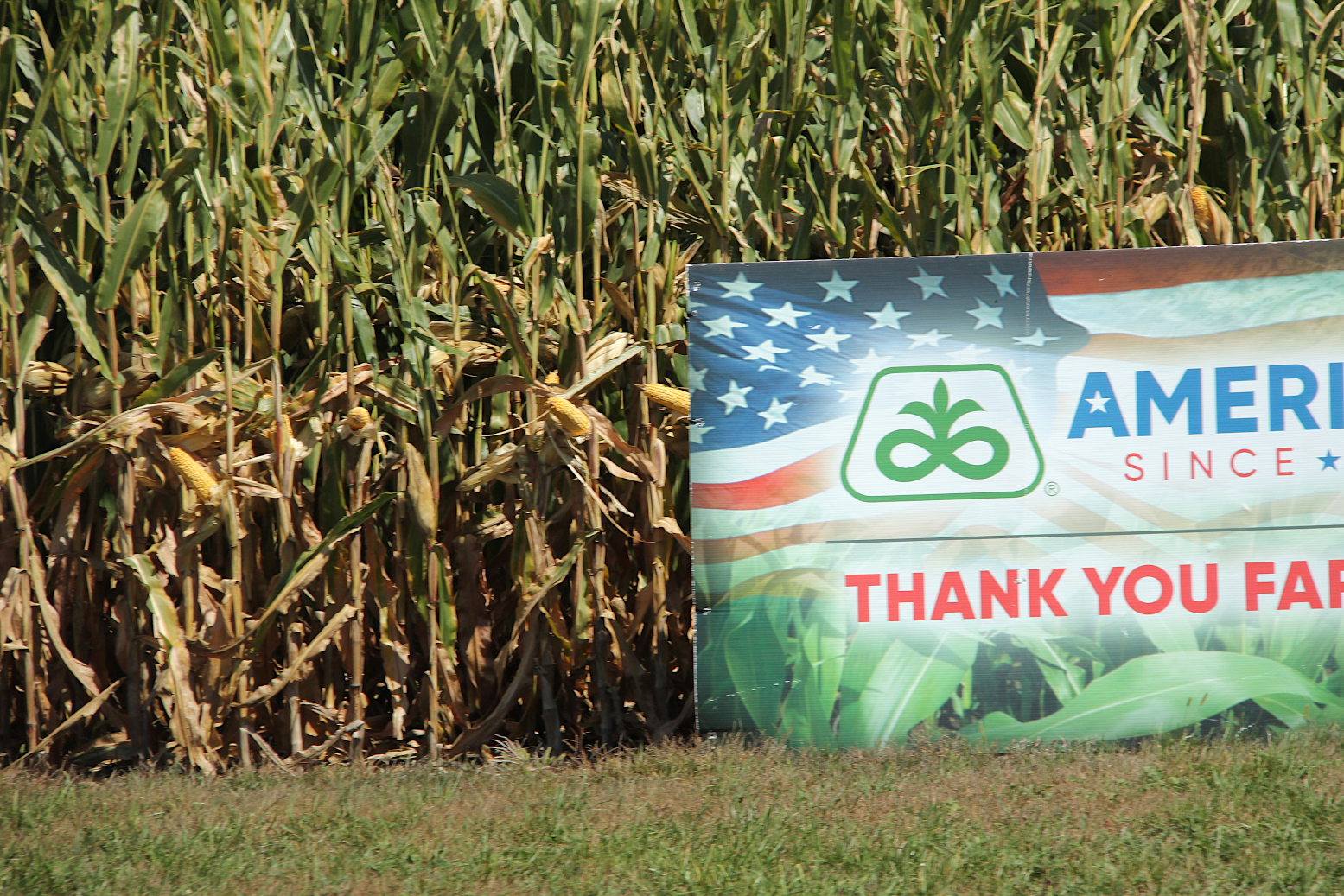
Near Morgan, the site of Farm Fest, a yearly Minnesota agricultural celebration, I spot several signs thanking farmers. Likewise in areas along U.S. Highway 14 between Owatonna and Mankato, farm-themed signage billboards the roadway.

There is reason to feel grateful for Minnesota farmers who grow the corn, soybeans and sugar beets I saw on this road trip. They work hard. They invest time, energy and lots of money in producing crops that benefit all of us. I could not do their job; I am risk averse.

In a year like this with current diesel fuel prices at their highest level ever, profit margins will be slimmer, if at all. I cannot imagine the stress farmers feel as they crunch numbers, check prices, budget for expenses, wonder how they will make loan payments or pay for diesel to fuel up farm equipment.

It takes courage to be a farmer. Optimism. Strength, too. Yet, farmers are a resilient bunch. Come next spring, most will be back on the land, seeding another crop in anticipation of another harvest.
© Copyright 2026 Audrey Kletscher Helbling

























































ICE OUT, a photo essay & commentary from Minnesota February 13, 2026
Tags: businesses, commentary, Content Bookstore, Division Street, Governor Tim Walz, ICE OUT, immigration, Immigration and Customs Enforcement, Minnesota, Minnesota Strong, news, Northfield, photo essay, photography, signs, strength
THE DAY AFTER BORDER CZAR (anyone dislike that title as much as me?) Tom Homan announced a draw-down of federal immigration agents in Minnesota, I’m feeling, as Governor Tim Walz said, “cautiously optimistic.” Recent history has proven that we can’t necessarily believe or trust what federal government officials tell us. But I’m trying to be hopeful.
For more than two months, 3,000 immigration enforcement agents have been working in Minnesota. And if anyone still believes that they are/were doing only targeted enforcement, arresting “the worst of the worst,” then I have some lakefront property to sell you.
Let’s go back to Thursday morning, when Homan made his draw-down announcement complete with praise for his agents and the success of their mission in Minnesota. I couldn’t listen any more. I’d heard enough.
I had an appointment in neighboring Northfield anyway so off I went to this college town that, like Faribault, has been recently inundated by ICE. Except in Northfield, a decidedly blue city, the business community is publicly vocal about its opposition to ICE’s presence unlike in my decidedly red city.
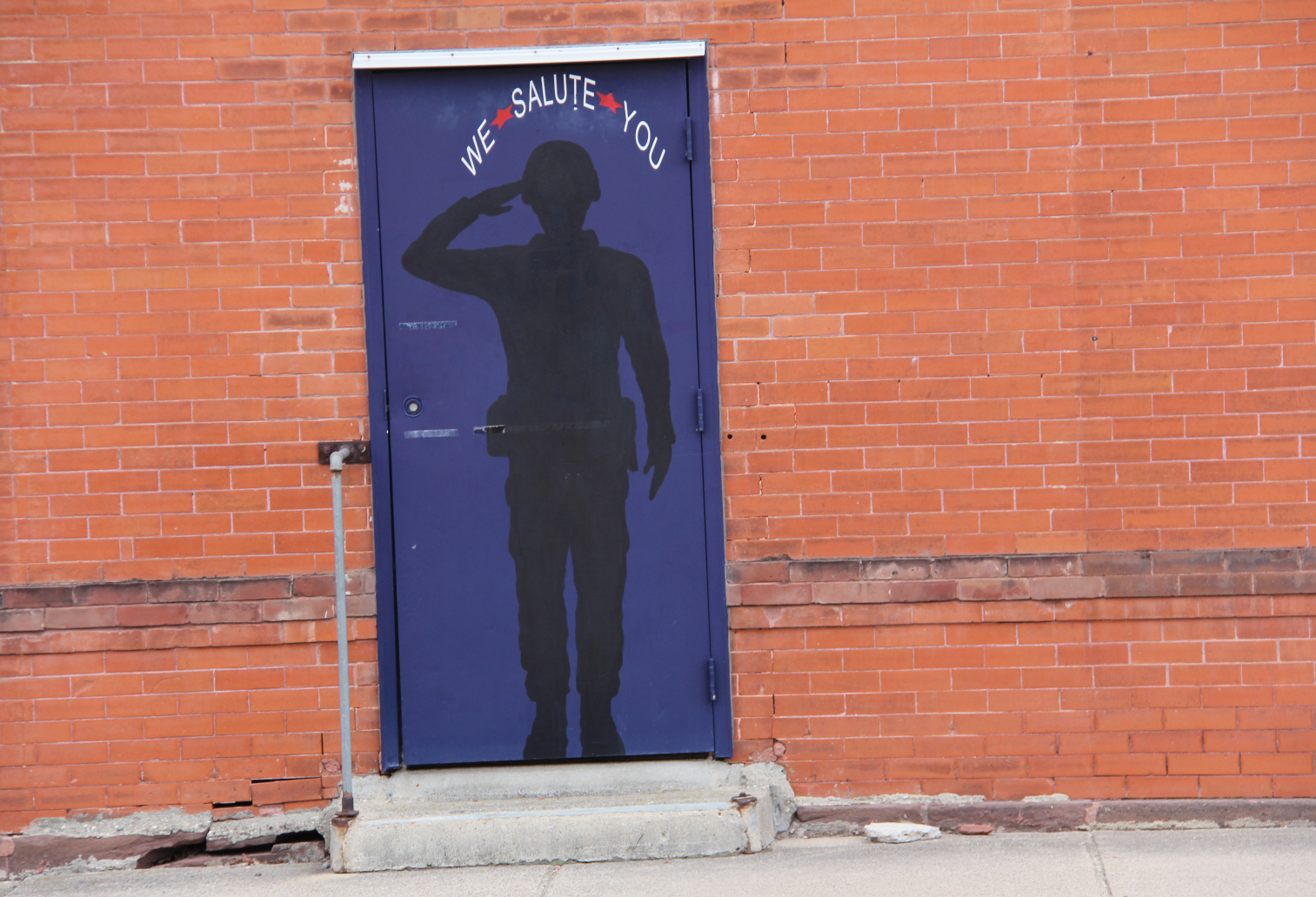
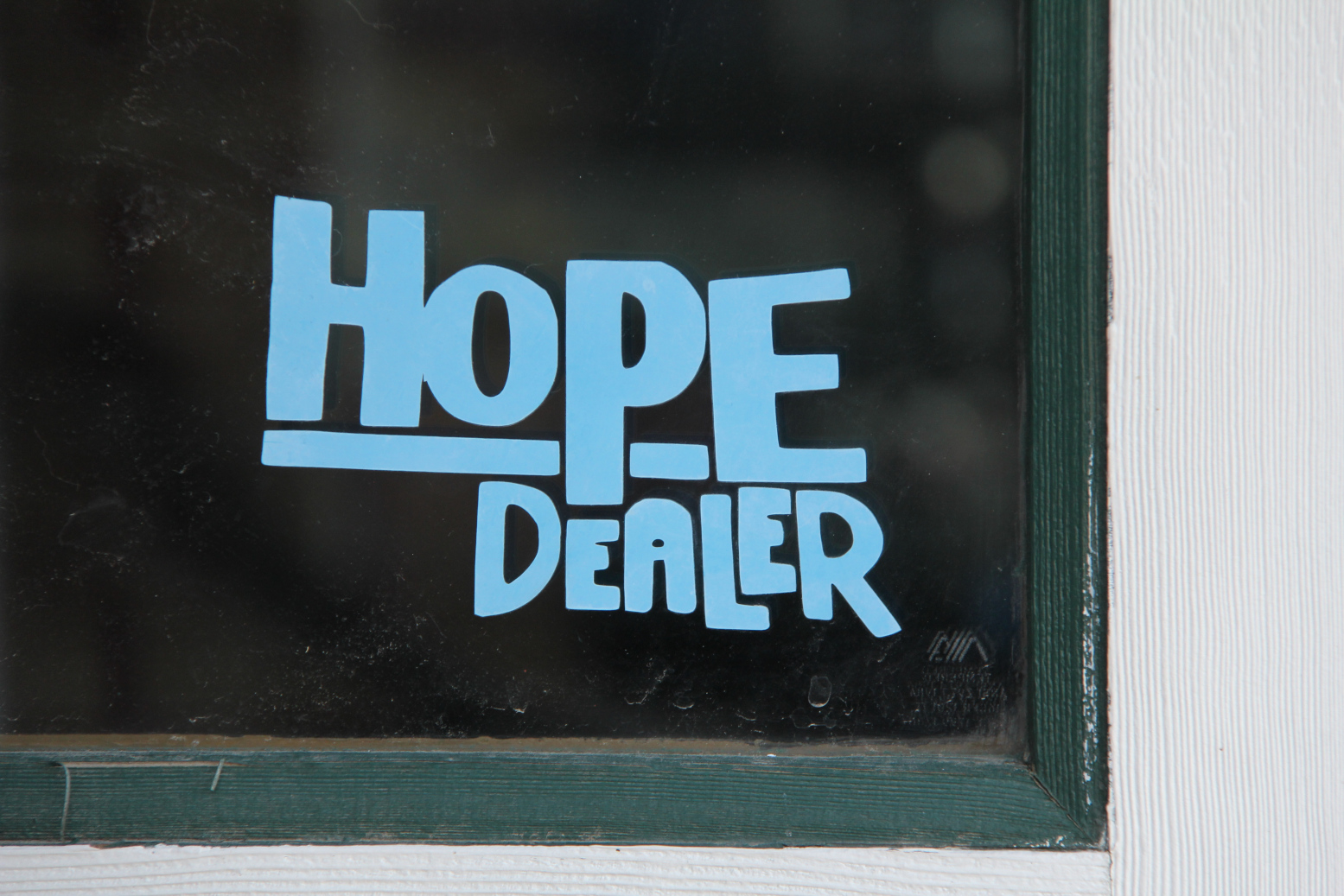
In the heart of downtown Northfield, on one side of a block along Division Street, nearly every business has posted an anti-ICE sign and/or uplifting signage. I felt the strength of those shopkeepers willing to stand up for and encourage others. There’s power in raising united voices in opposition to wrong.
Inside Content Bookstore, where I stopped to shop for a baby shower gift, I discovered even more messaging and ways in which the Northfield community is stepping up to help their immigrant neighbors, including children affected by ICE’s actions. Monies from the sale of Minnesota state flag and “Rebel Loon” (our state bird) stickers will go toward books and activities for those kids. Content is also collaborating on a poetry chapbook, Words to Meet the Moment: Poetry Against Fascism, releasing soon.
As ICE supposedly ends Operation Metro Surge in Minnesota (which also encompassed cities and small towns outside the metro like my city of 25,000), we are left with a mess. Let me define that. The personal toll is huge. Trauma has been inflicted upon thousands. “Generational trauma,” Governor Walz said.
I worry about the kids who witnessed family members being taken or who saw armed, masked immigration officers with guns outside their schools (with classmates taken by ICE), outside their daycares, outside or inside their homes, at their bus stops, on the streets. It’s hard enough for adults to see such threatening power, aggression and use of excessive force. But our children? The mental health of all Minnesotans concerns me, especially that of the youngest among us.
And then there is the financial fall-out with people now unable to pay their bills, including rent, facing eviction because they haven’t gone to work out of fear of ICE. Again, legal status matters not as anyone with brown or black skin has been targeted. These same individuals and families have relied on community members and nonprofits to help with rent payments and to bring them groceries. This is not long-term sustainable.
Until we are all confident that ICE is really, truly gone and is doing only targeted enforcement of “the worst of the worst,” we will all remain on edge. Rebuilding trust, restoring life to normalcy will assuredly take time.
Likewise, the Minnesota economy has suffered severe damage, especially small businesses. Governor Walz has proposed a $10 million forgivable loan recovery plan to help the business community and is also hoping for help from the federal government. Good luck with that.
While in Northfield on Thursday, I learned that ICE agents recently went along Division Street, asking for employment records at some businesses. I don’t know details. But in my mind, I envision these armed, masked officers as a threatening presence in the heart of this picturesque, riverside American city. This community doesn’t back down from threats. In September 1876, townsfolk stopped the James-Younger Gang from robbing the First National Bank. Northfield is a community which cares for one another and which, in the midst of a federal invasion, has stood, is still standing, Minnesota Strong.
© Copyright 2026 Audrey Kletscher Helbling