
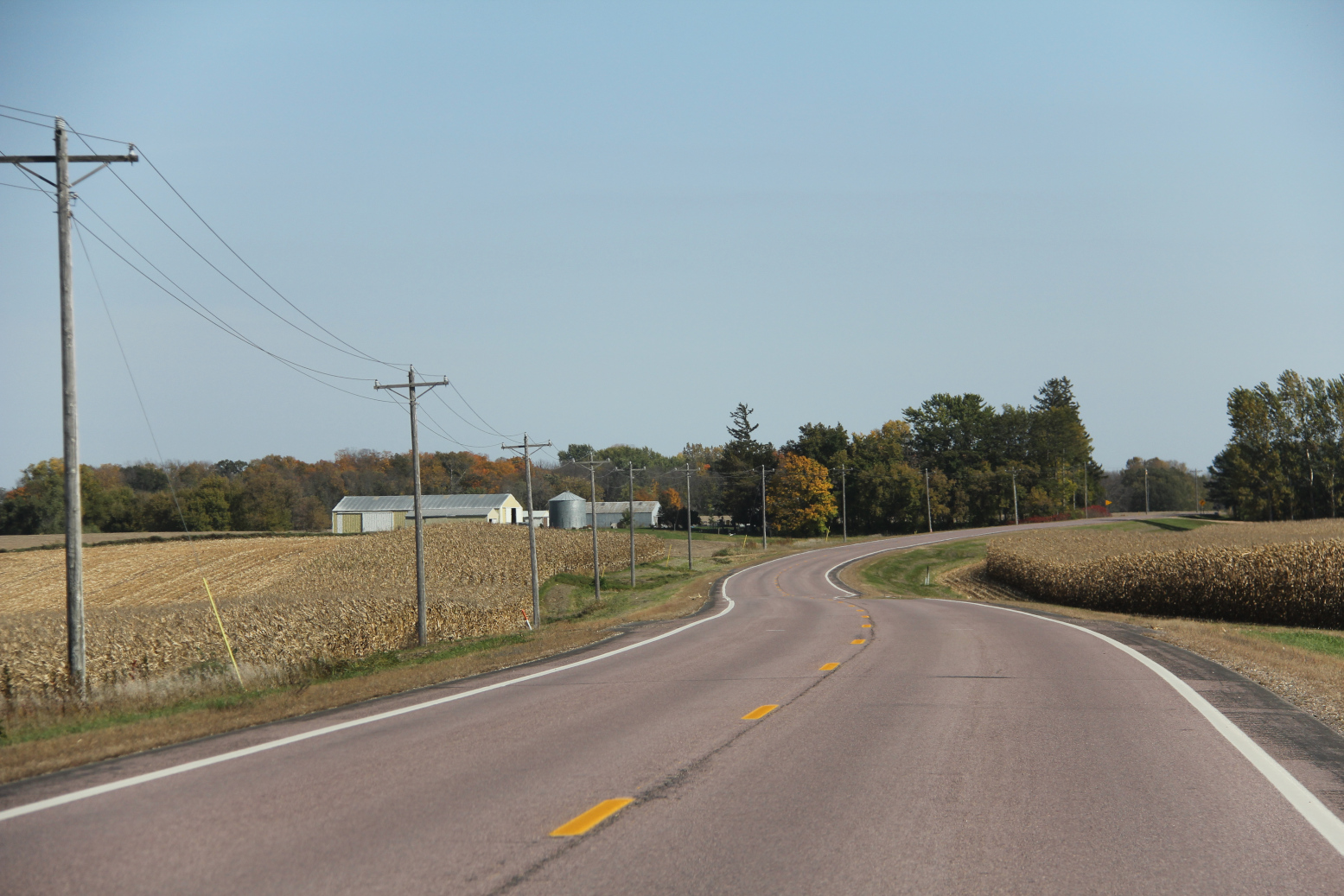
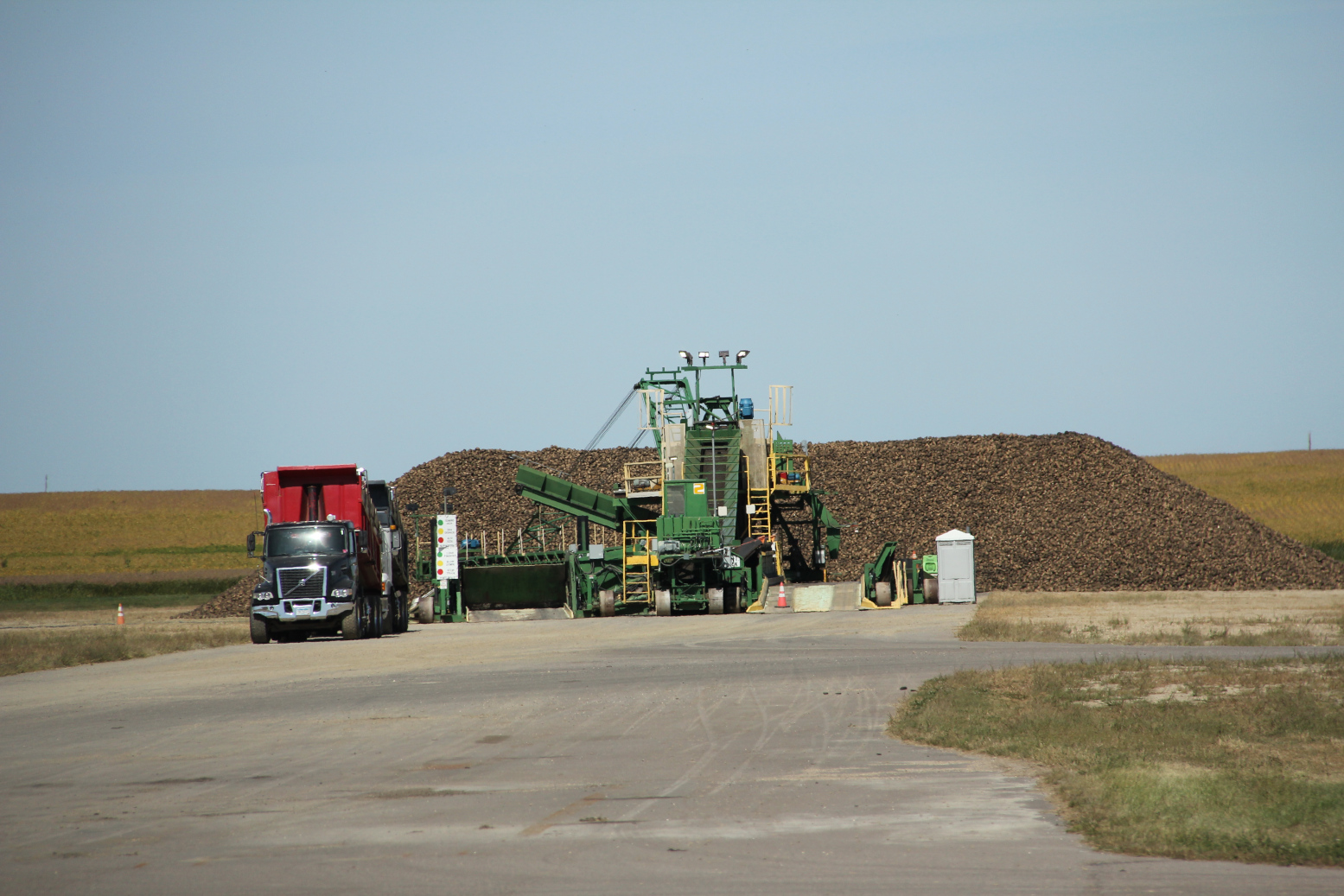
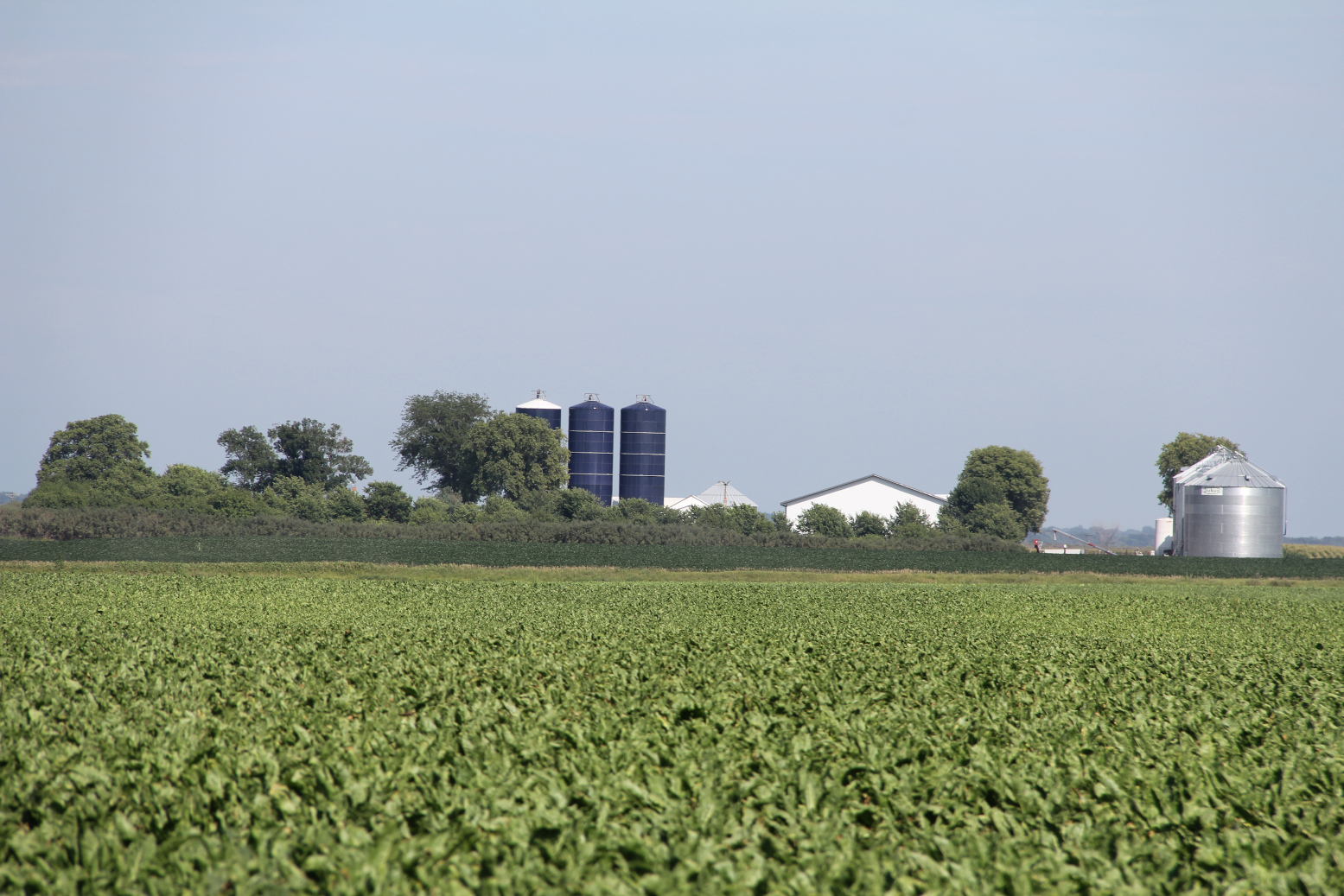
A PLANNED FALL COLOR DRIVE evolved into more like a harvest drive as Randy and I traveled recently through parts of Rice, Steele, Waseca and LeSueur counties. While we saw some color in the trees, fall field work centered our observations.
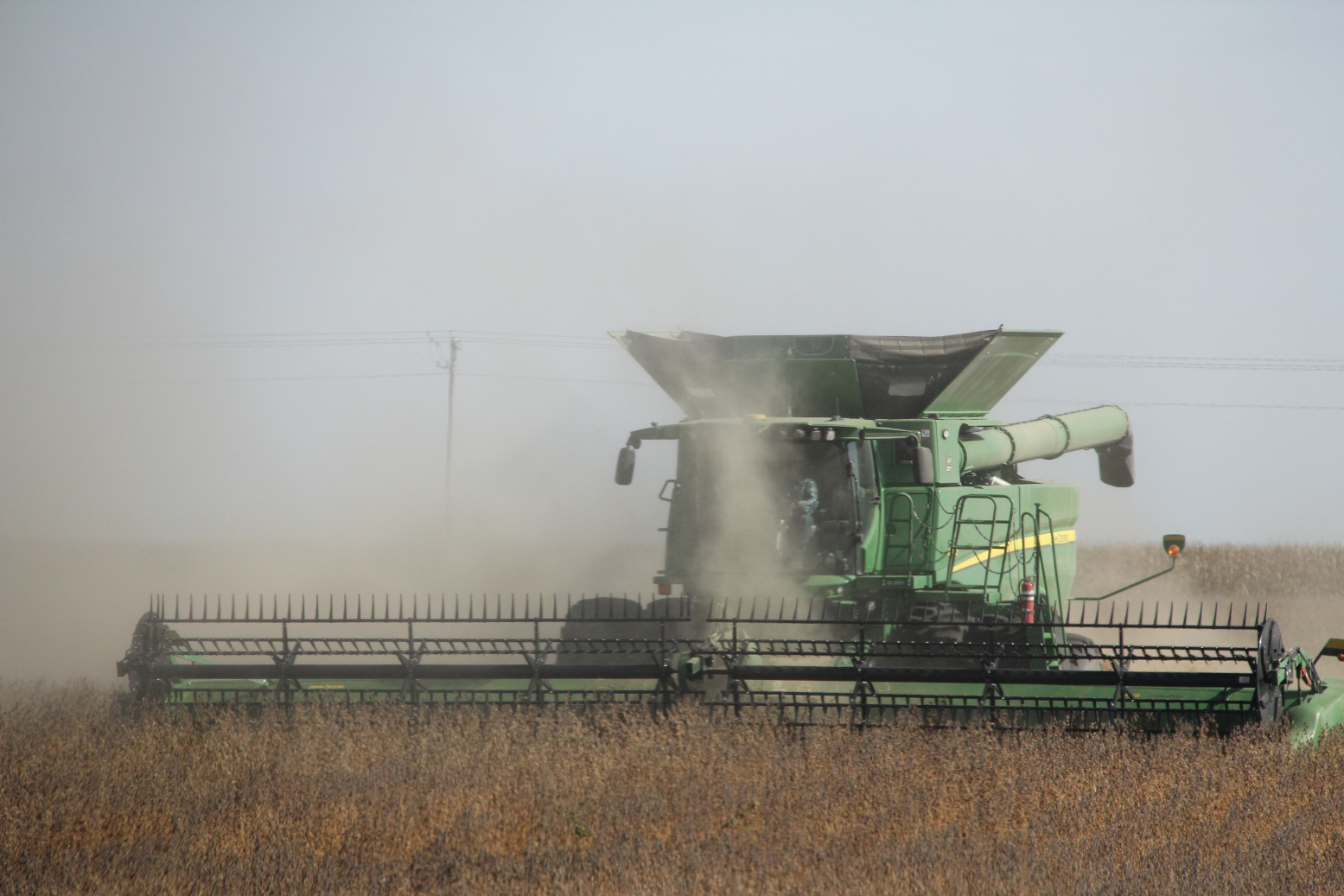
Area farmers were busy harvesting soybeans on the day we meandered through the countryside to the west of Faribault with no set destination.
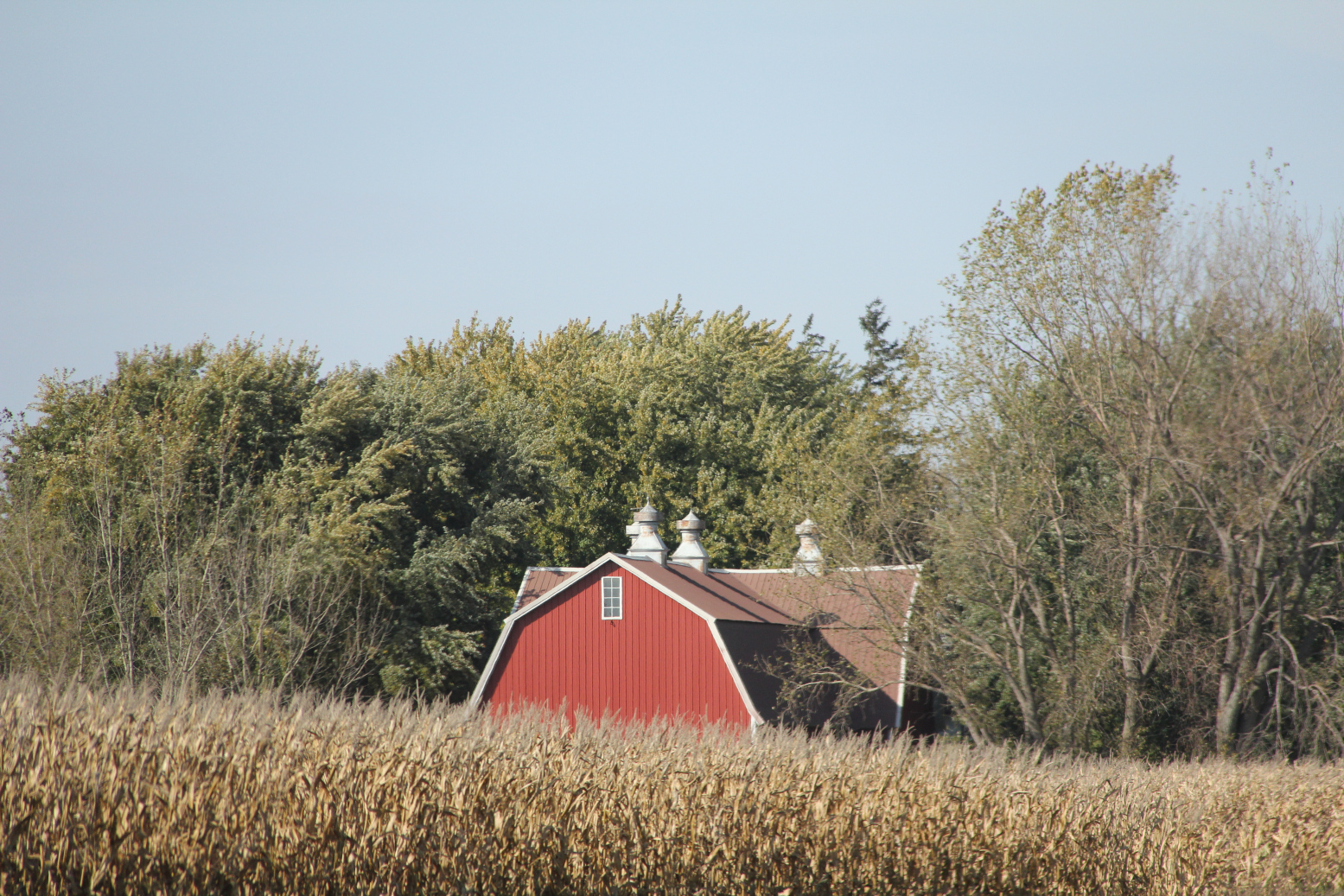
Given our farm backgrounds—Randy rooted in Morrison County in central Minnesota and me in Redwood County in southwestern Minnesota—we remain interested in farming, particularly in spring planting and fall harvest.
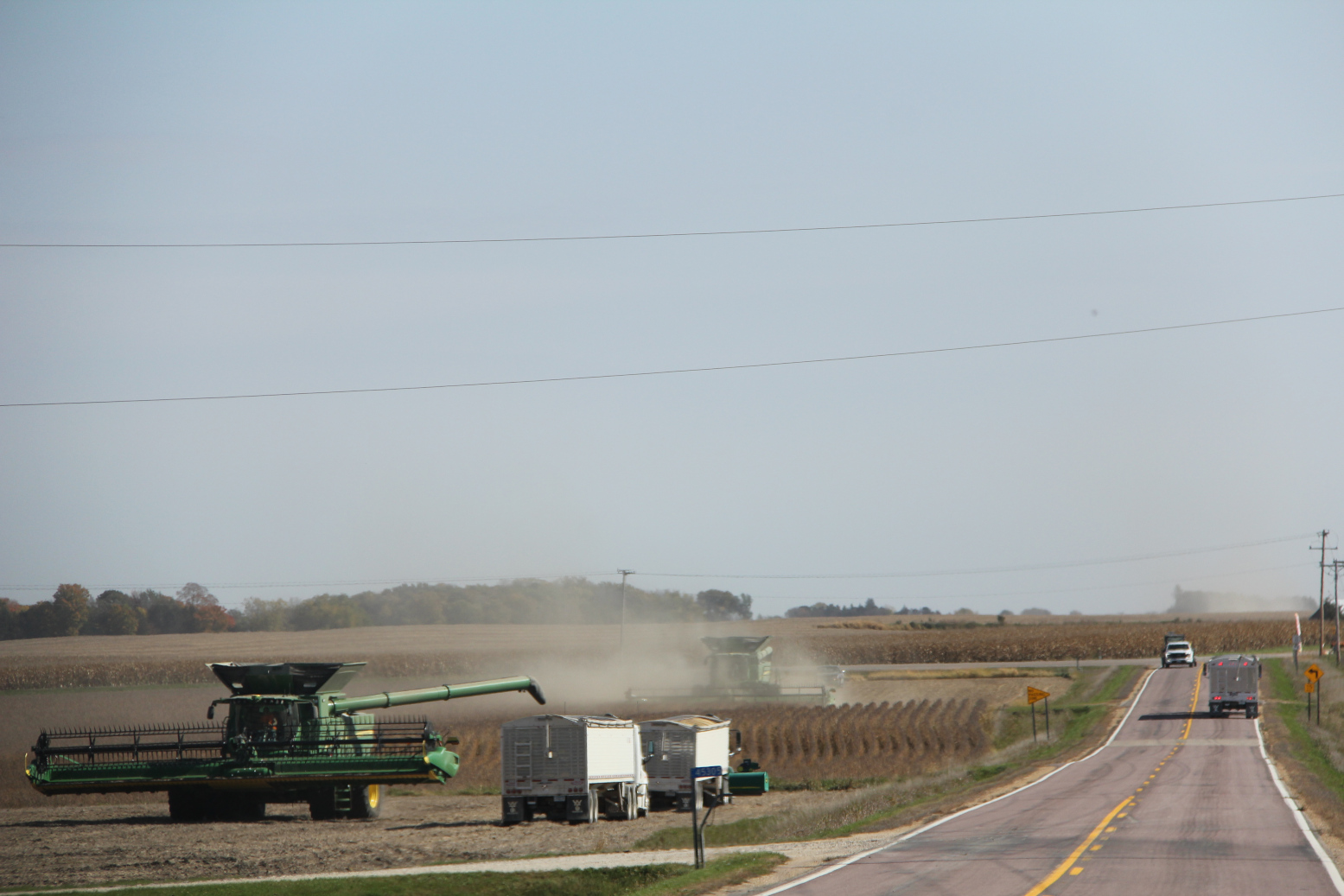
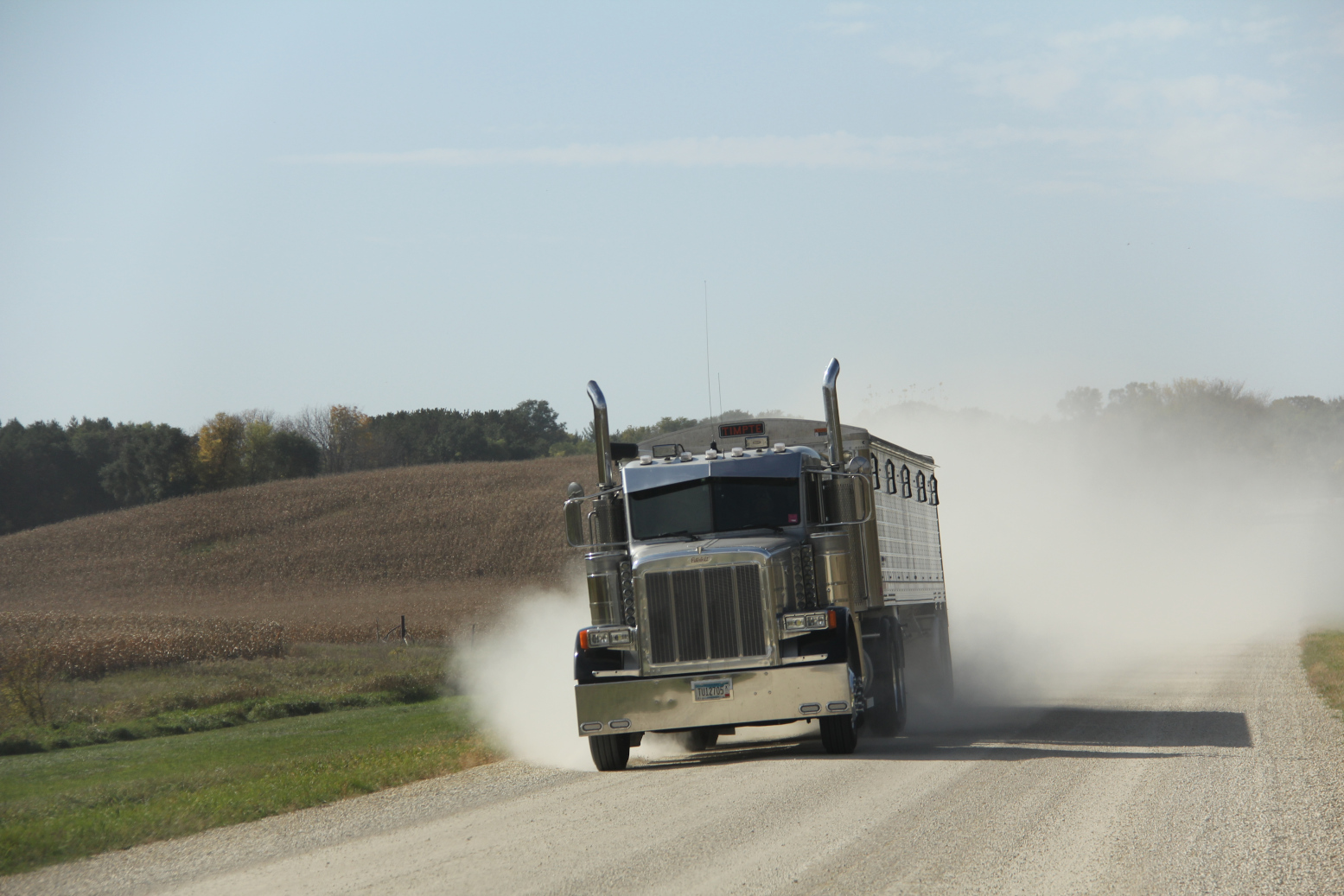
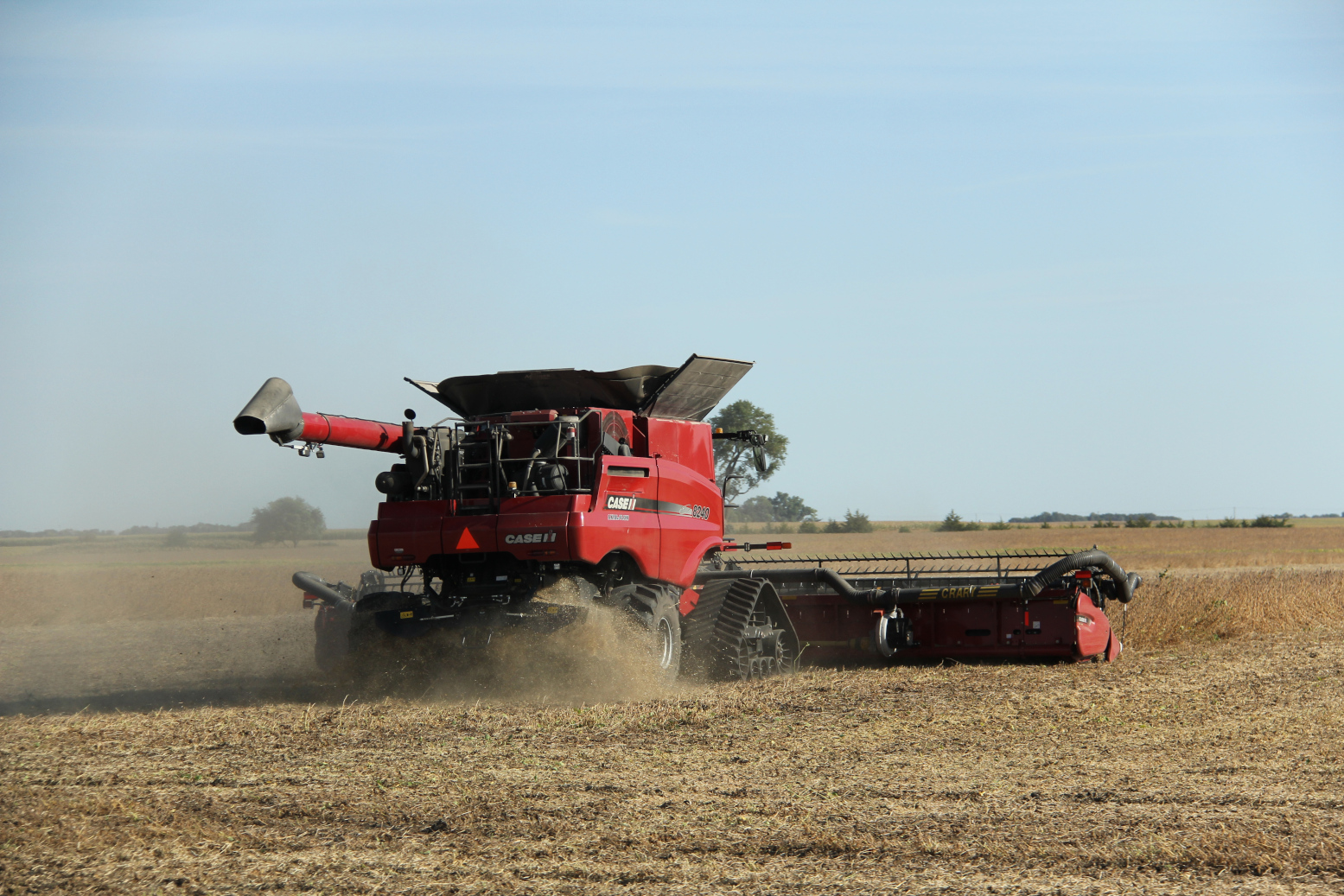
On this unseasonably warm autumn day, farmers hustled to get the beans out, their mammoth combines enveloped in dust as the machines raked across the acres. A stretch of hot, dry days made for ideal harvest weather.
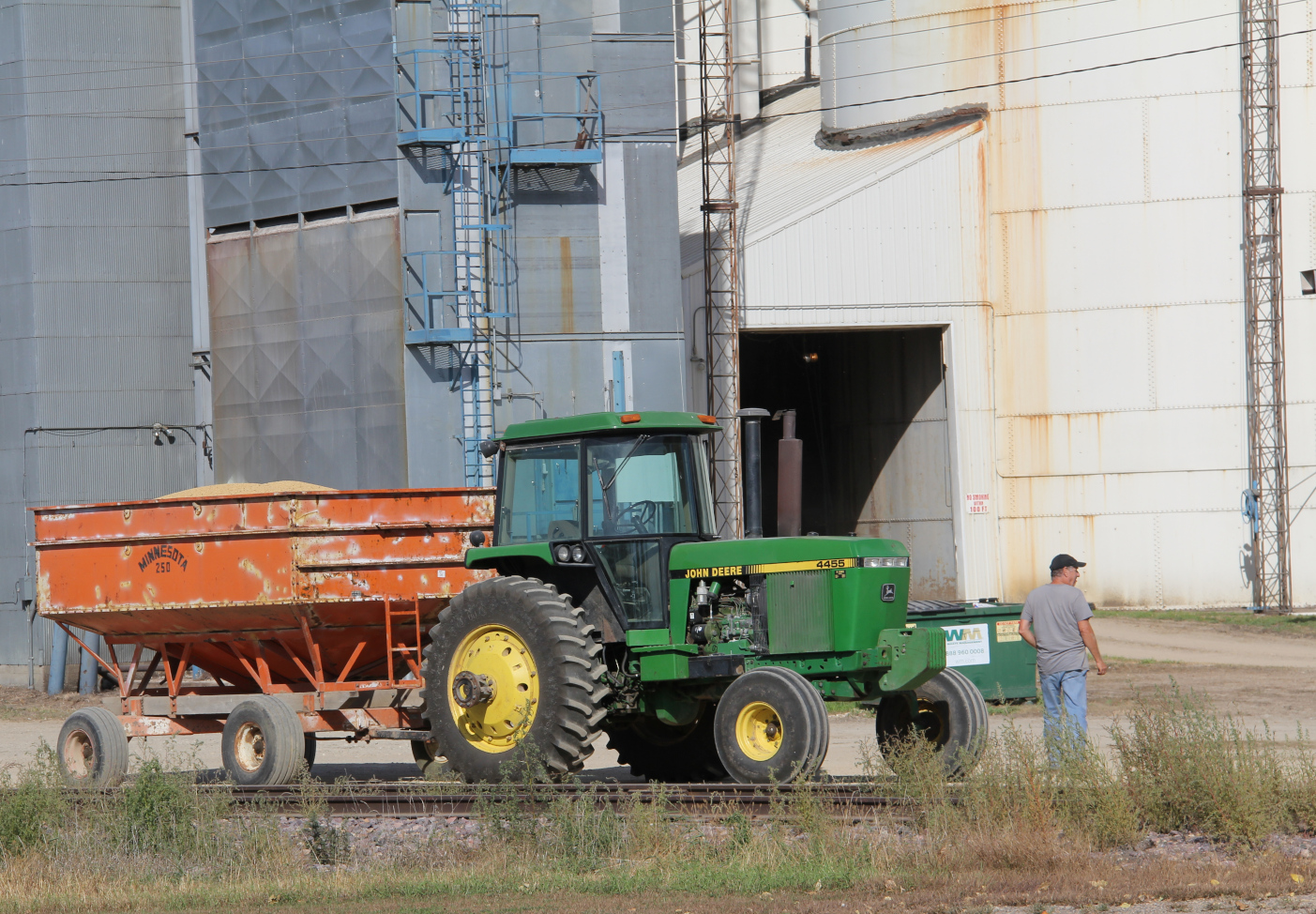
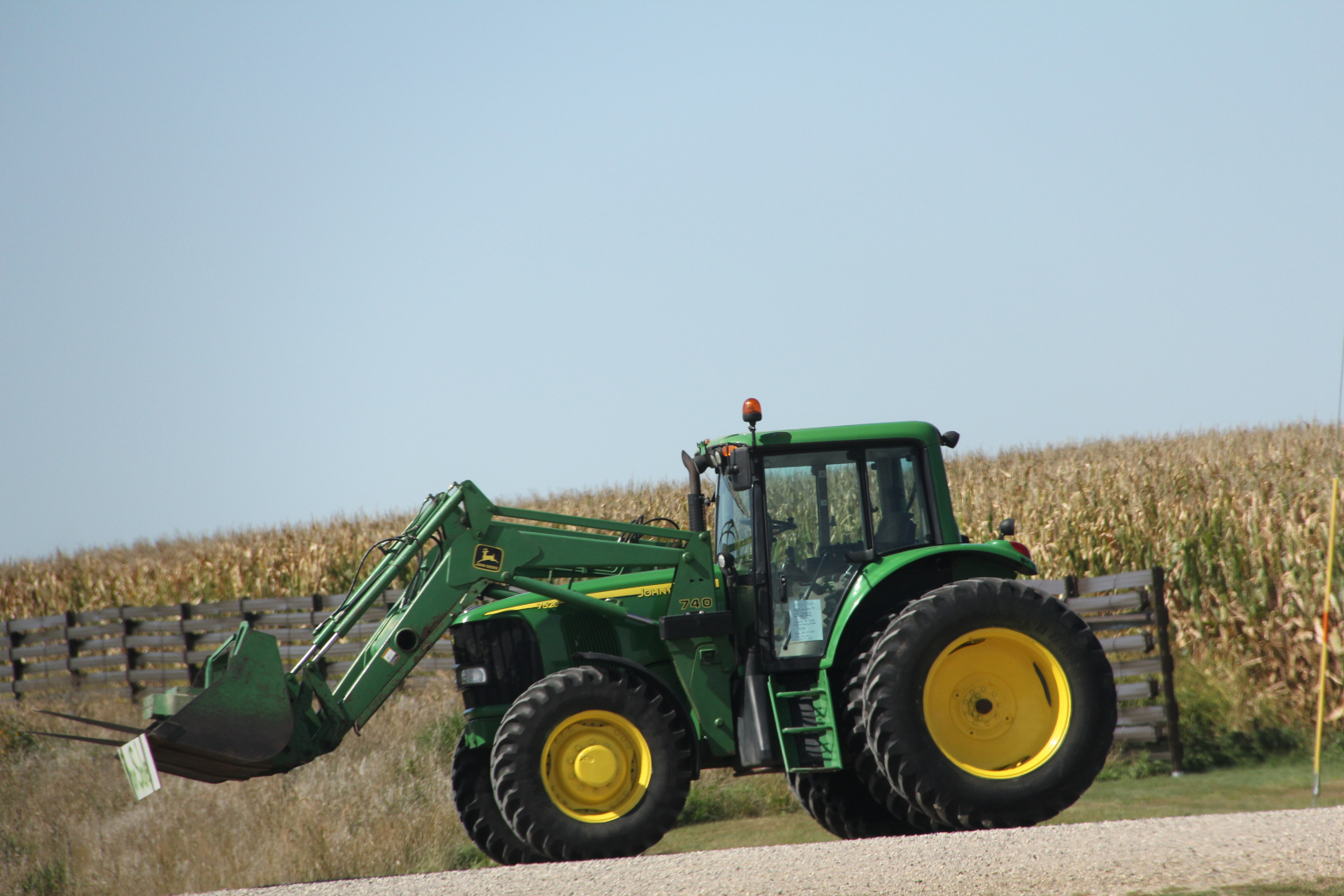
Grain trucks idled, awaiting loads of beans. Others brimmed with golden orbs. Gravity flow wagons pulled by tractors or pickup trucks also held the bounty of crops.
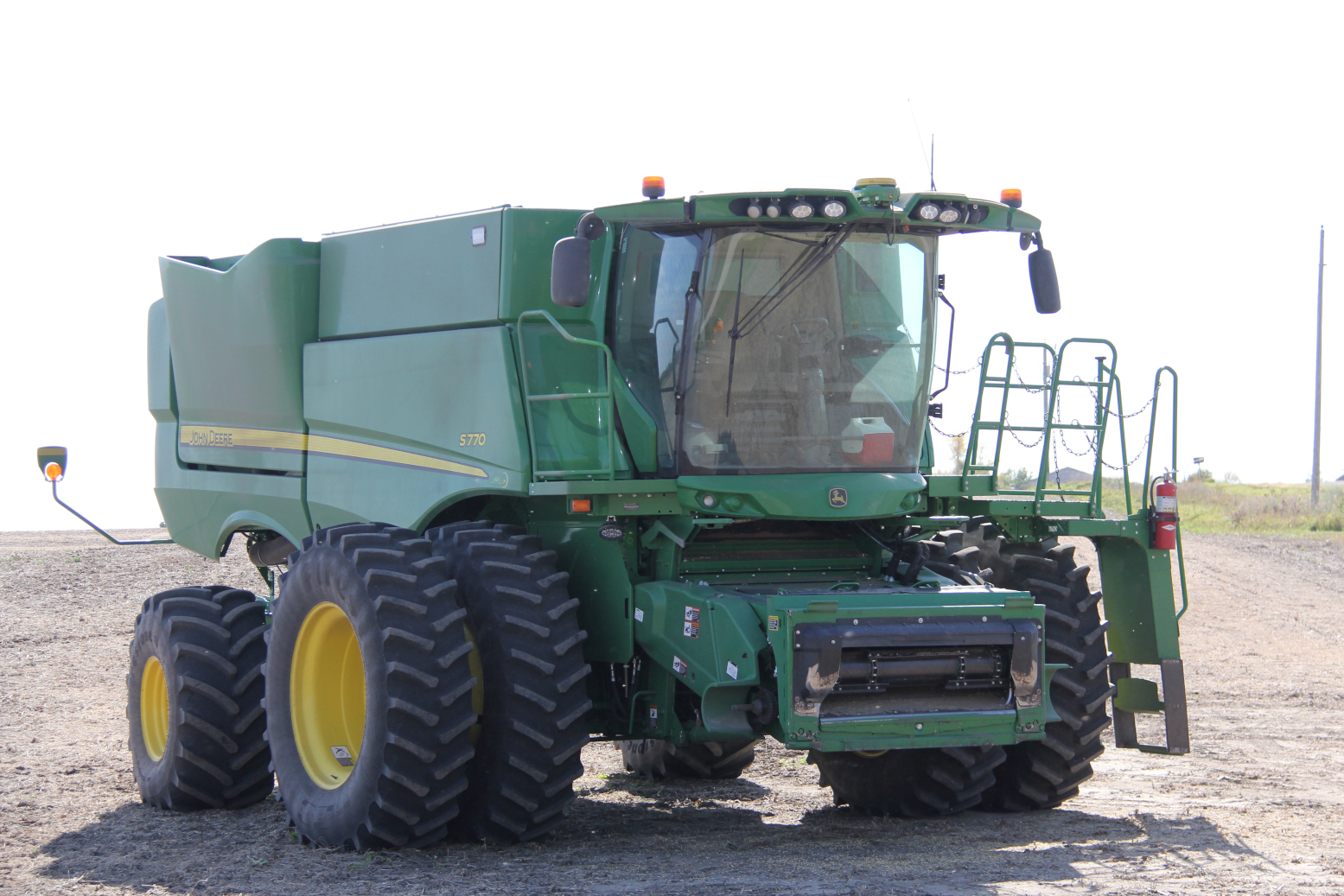
I noticed the details, too, like a small cooler inside a combine cab, probably packed with lunch. My friend Virginia shared recently that she delivered lunch to her son harvesting in the Millersburg area. It’s likely not all that uncommon for family members to take meals to farmers in the field. Going up to the farmhouse for lunch takes too much time.
Time is the farmer’s constant companion during this season of harvest. As the days tick closer to winter, pressure mounts to get first the soybeans, then the corn, out.
And then there’s the weather, always the weather. Unwanted rain can delay harvest, adding to an already stressful situation.
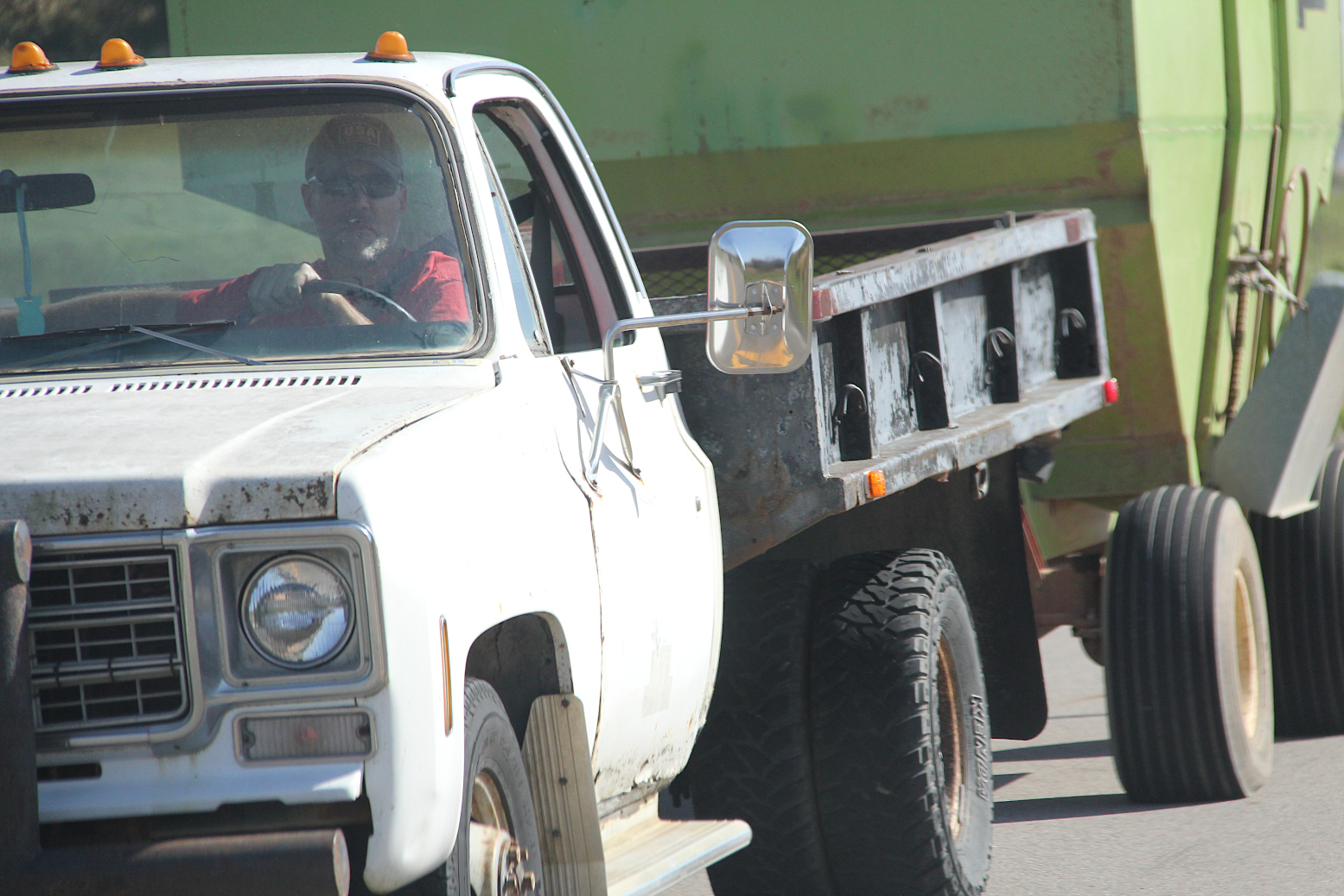
It takes a lot of mental fortitude to crop farm—to handle the stressors of time, weather, fluctuating prices and increasing operational expenses. But help is available 24/7 through a free and confidential state-funded Minnesota Farm & Rural Helpline at 833-600-2670. Trained counselors will listen, help and connect as needed. Other resources such as NAMI Minnesota and the Suicide Lifeline (call, text or chat to 988) are also available to assist.
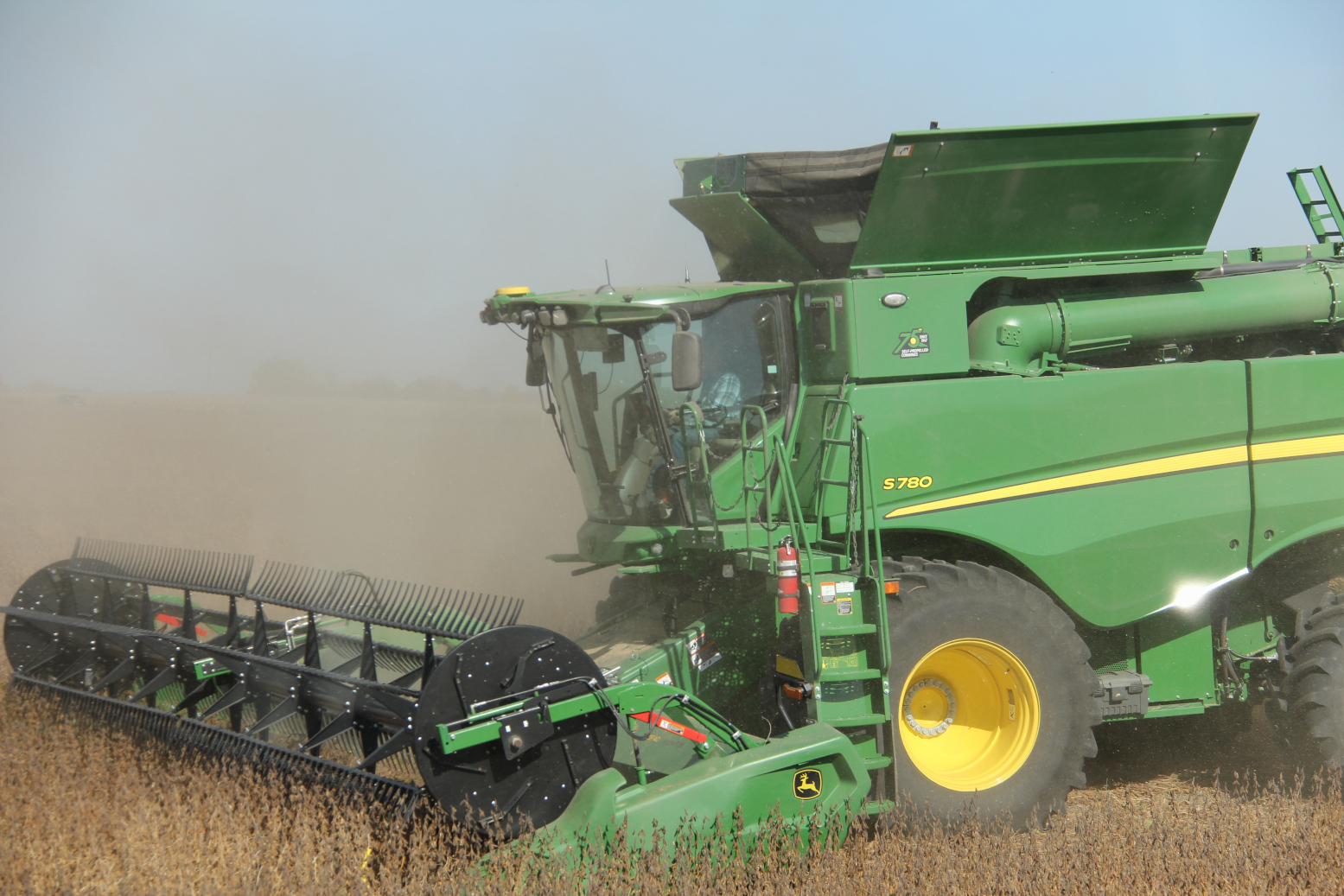
Along with mental health are physical safety concerns. I was reminded of that when I noticed a fire extinguisher attached to the side of laddered steps leading into a combine. Occasionally fire erupts when crop debris meets hot machinery or parts get overheated or for other reasons.
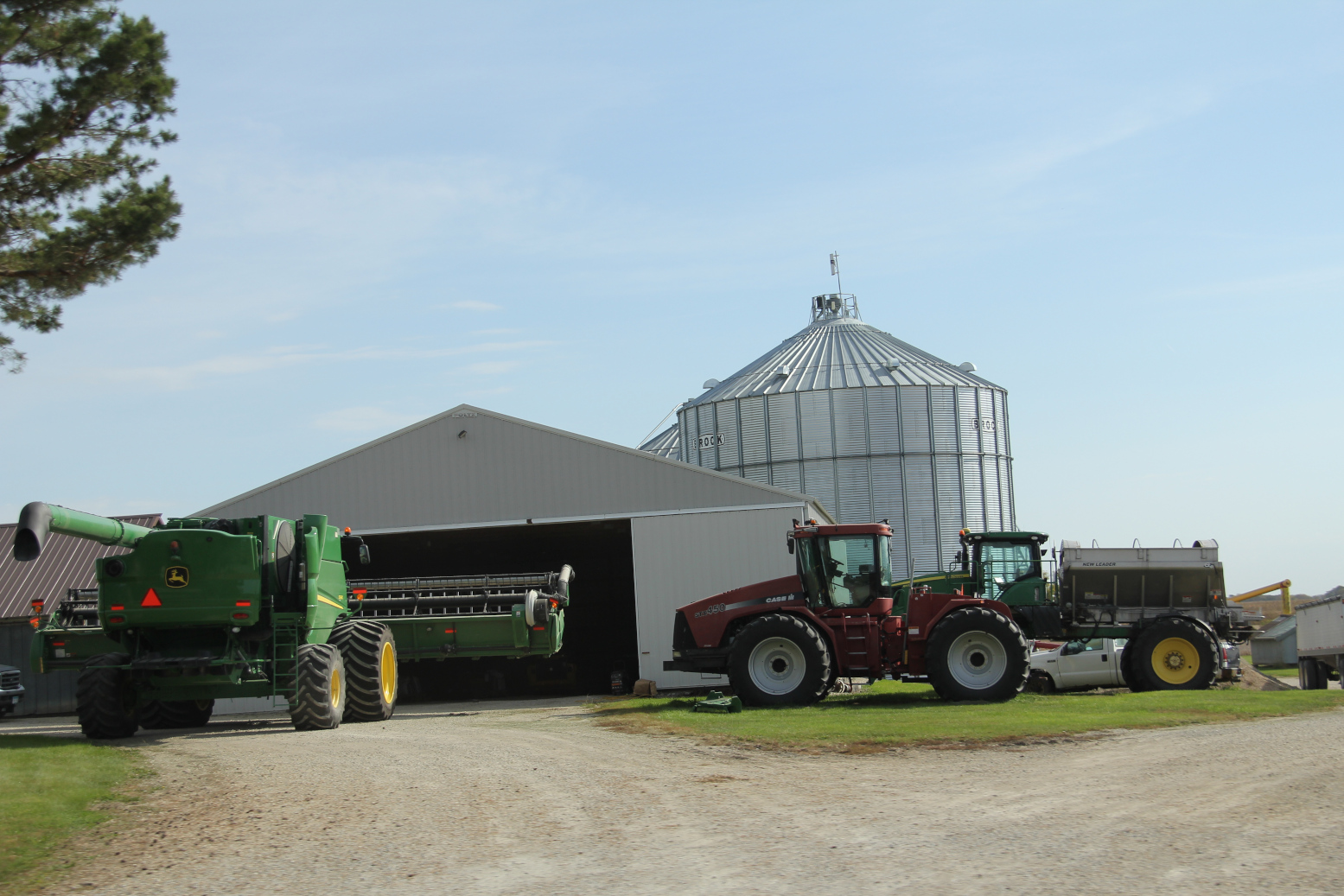
I expect most farmers take safety seriously. Yet it’s easy, when you’re working long, exhausting days and late into the night on minimal sleep, for accidents to happen. Every harvest season across Minnesota there are stories of grain bin rescues, sometimes successful, sometimes not.

Thankfully safety shields on modern day machinery mostly protect from serious injuries, unlike when my father-in-law’s left hand was pulled into a corn chopper in 1967. The accident happened as he hand-fed corn into the chopper. The blades chopped off his fingers with a surgeon later amputating part of his forearm. Eleven-year-old Randy, in the field with his dad when the accident happened, turned off the power take-off and then ran to a neighbor’s farm for help.
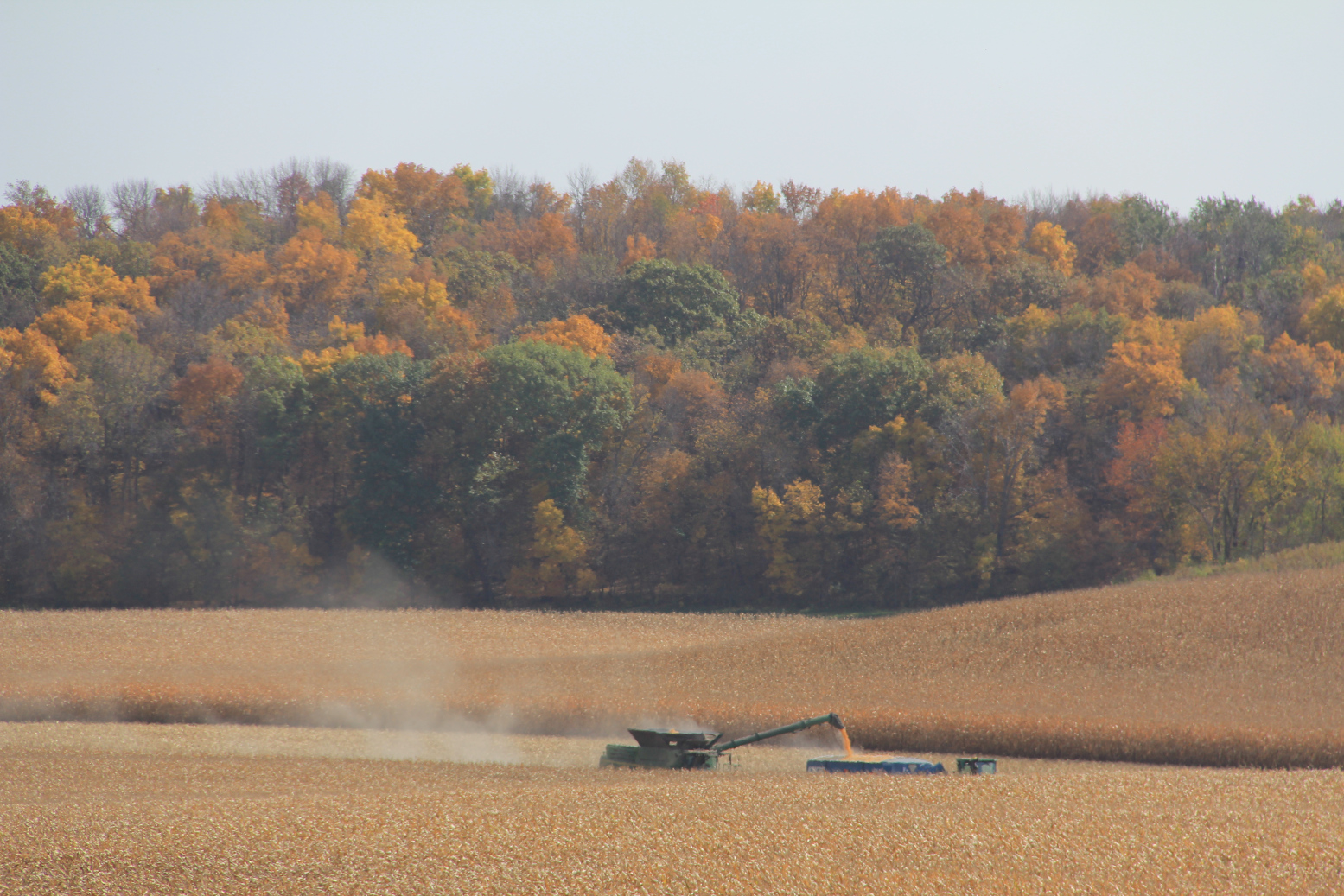
As we drove through the southern Minnesota countryside, deep into harvest, I thought of that long ago farm accident involving the man who would become my father-in-law. And I considered all the farmers today who love the land and farming, but who work in one of the top 10 most dangerous occupations in the U.S.
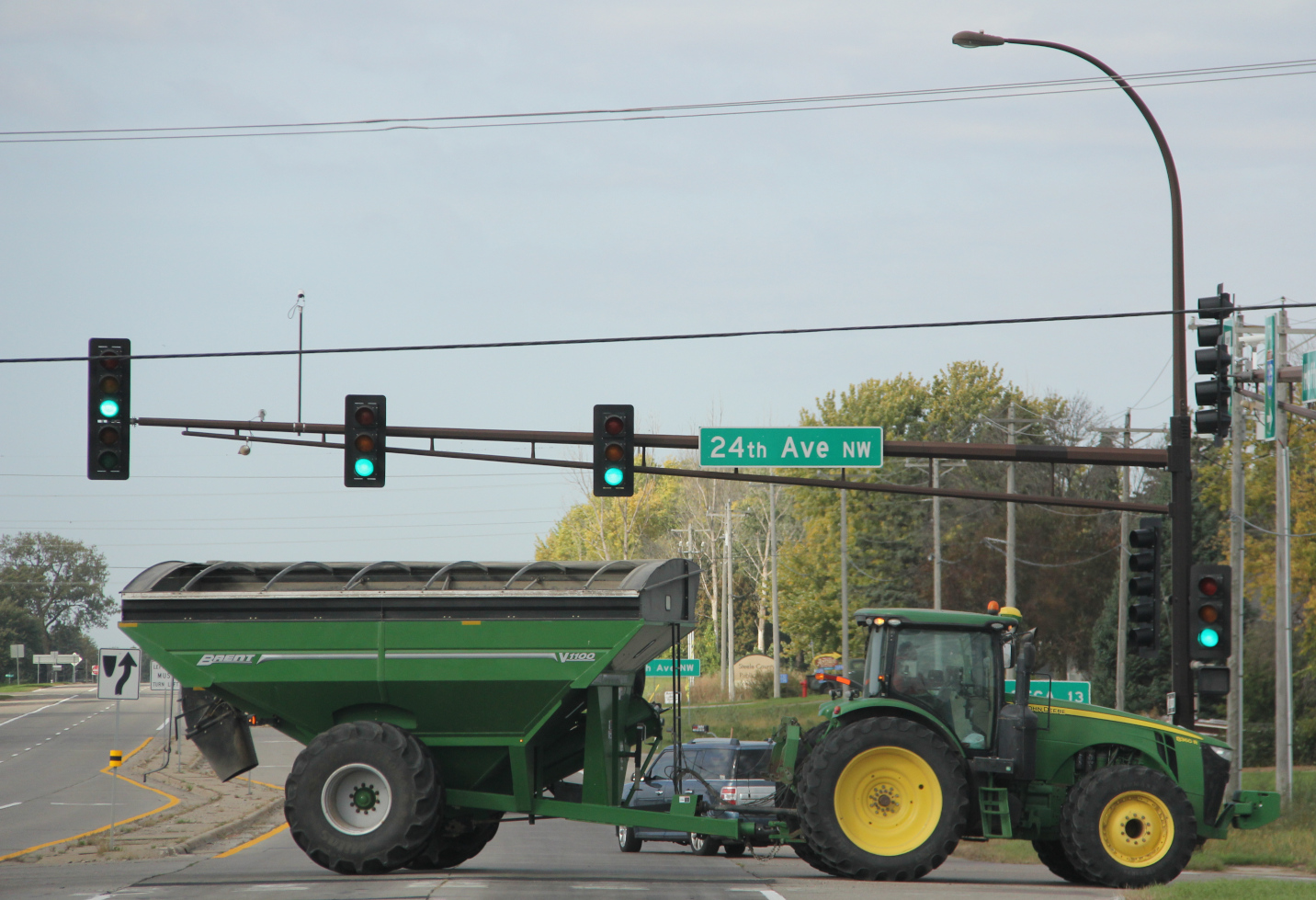
Farm life may, on the surface, appear a bucolic, simple life. But in reality, it isn’t. It’s hard work. I’m reminded of that as I travel through the countryside, documenting field work. This chosen life comes with rewards and risks, from planting to harvest.
© Copyright 2026 Audrey Kletscher Helbling









Barns, an enduring symbol of farming June 25, 2026
Tags: agricultural symbol, agriculture, barns, childhood memories, commentary, cosmos, farm sites, farming, Hutchinson, Mantorville, Minnesota, photography, road trip, rural life, rural Minnesota, southern Minnesota, travel
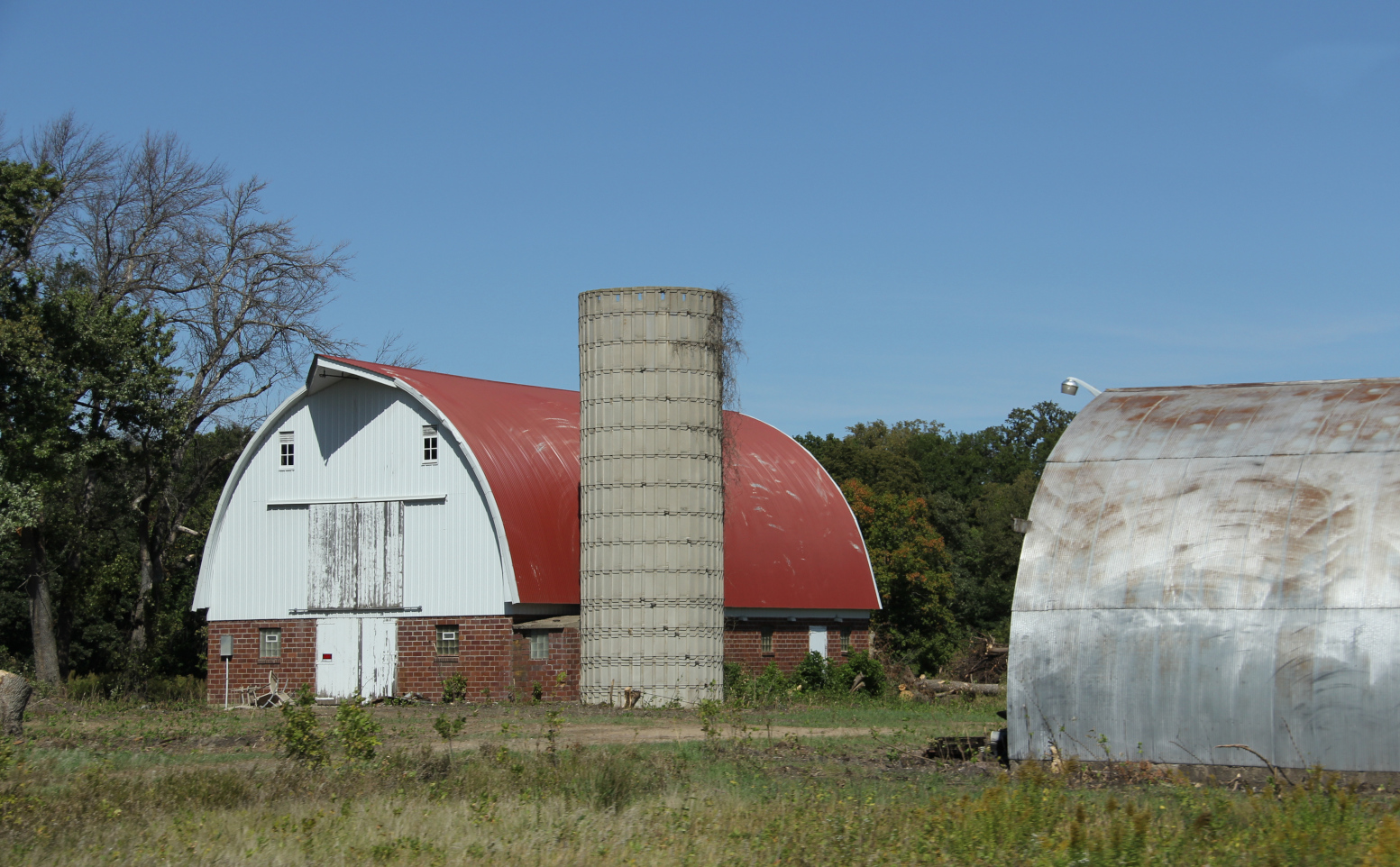
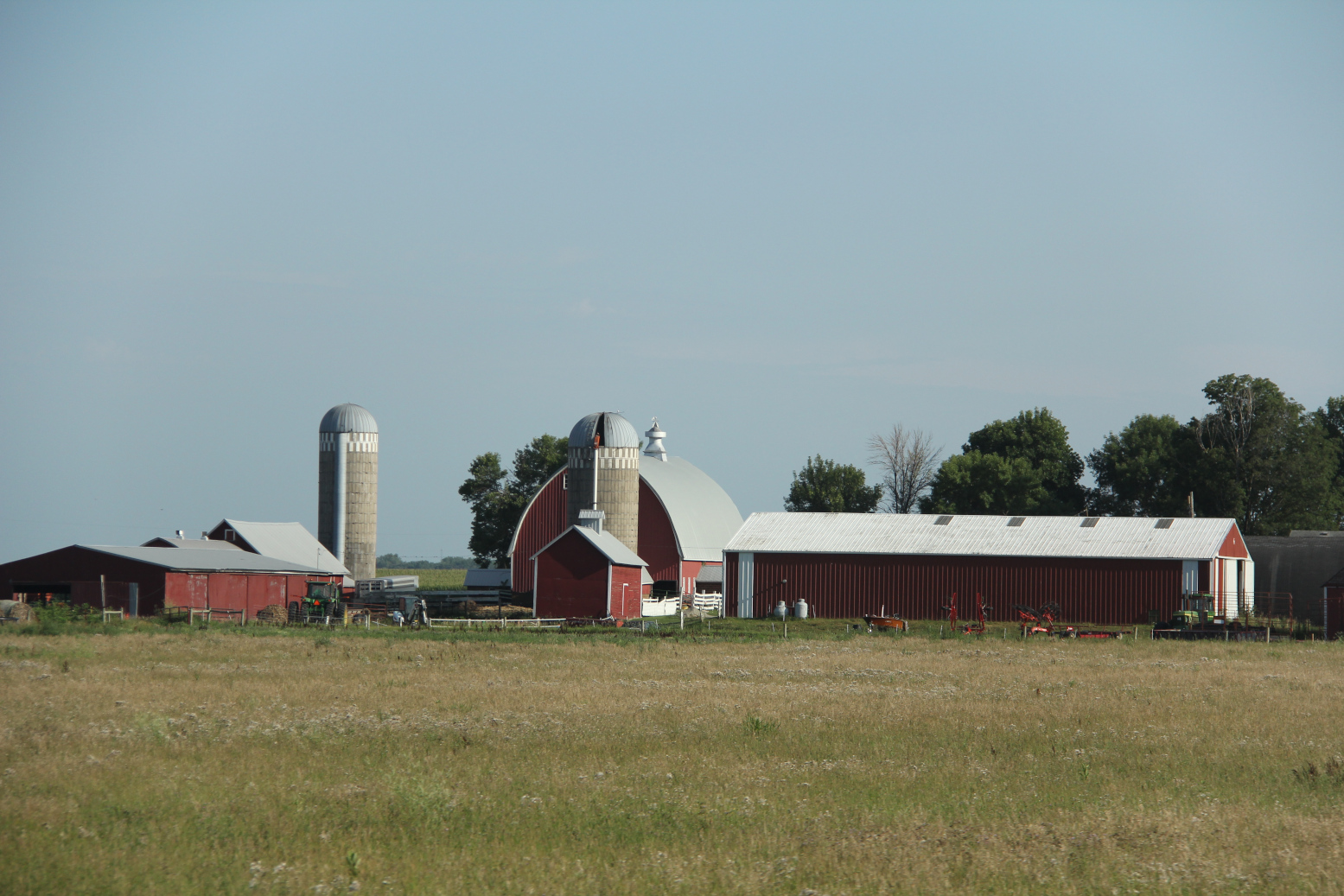
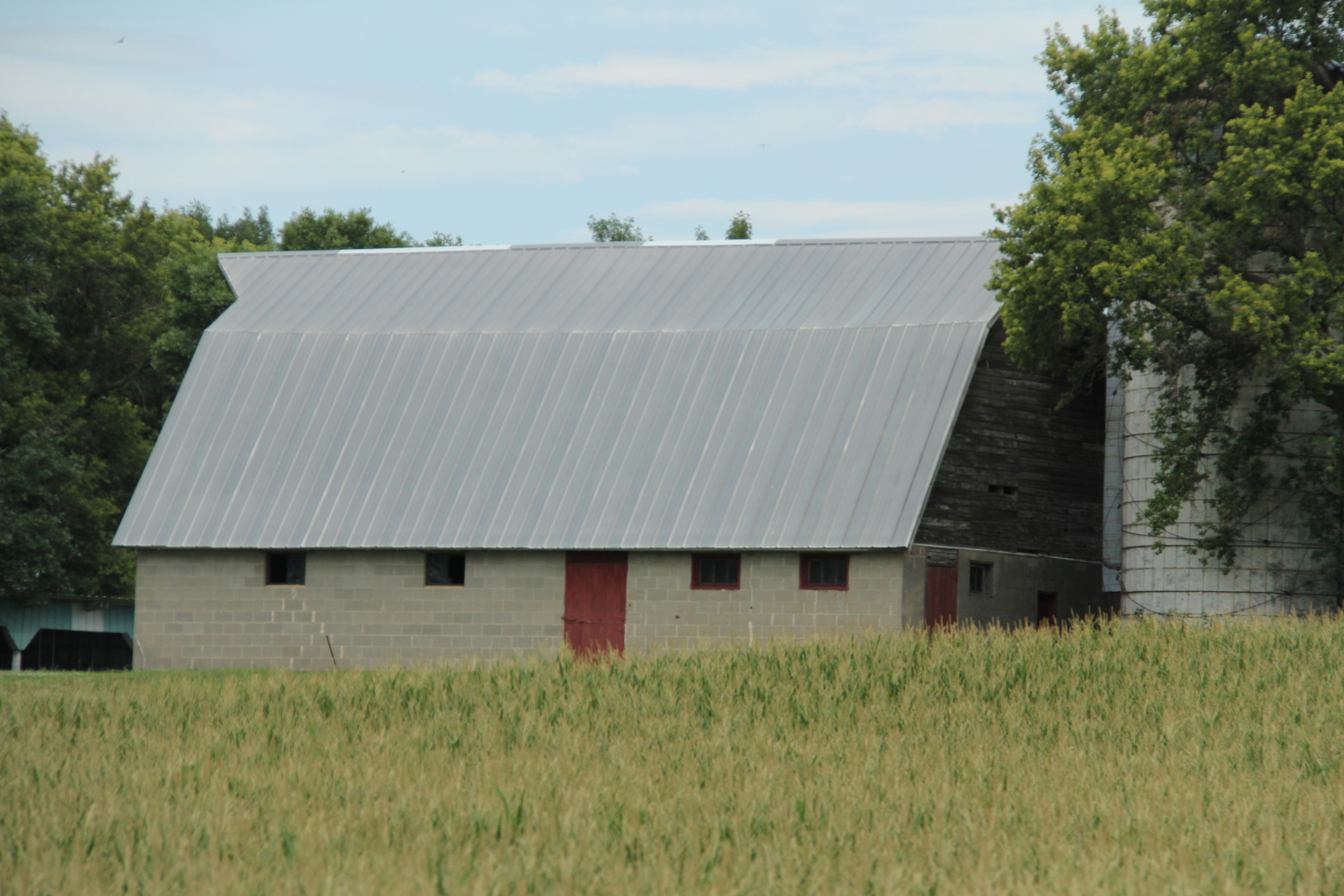
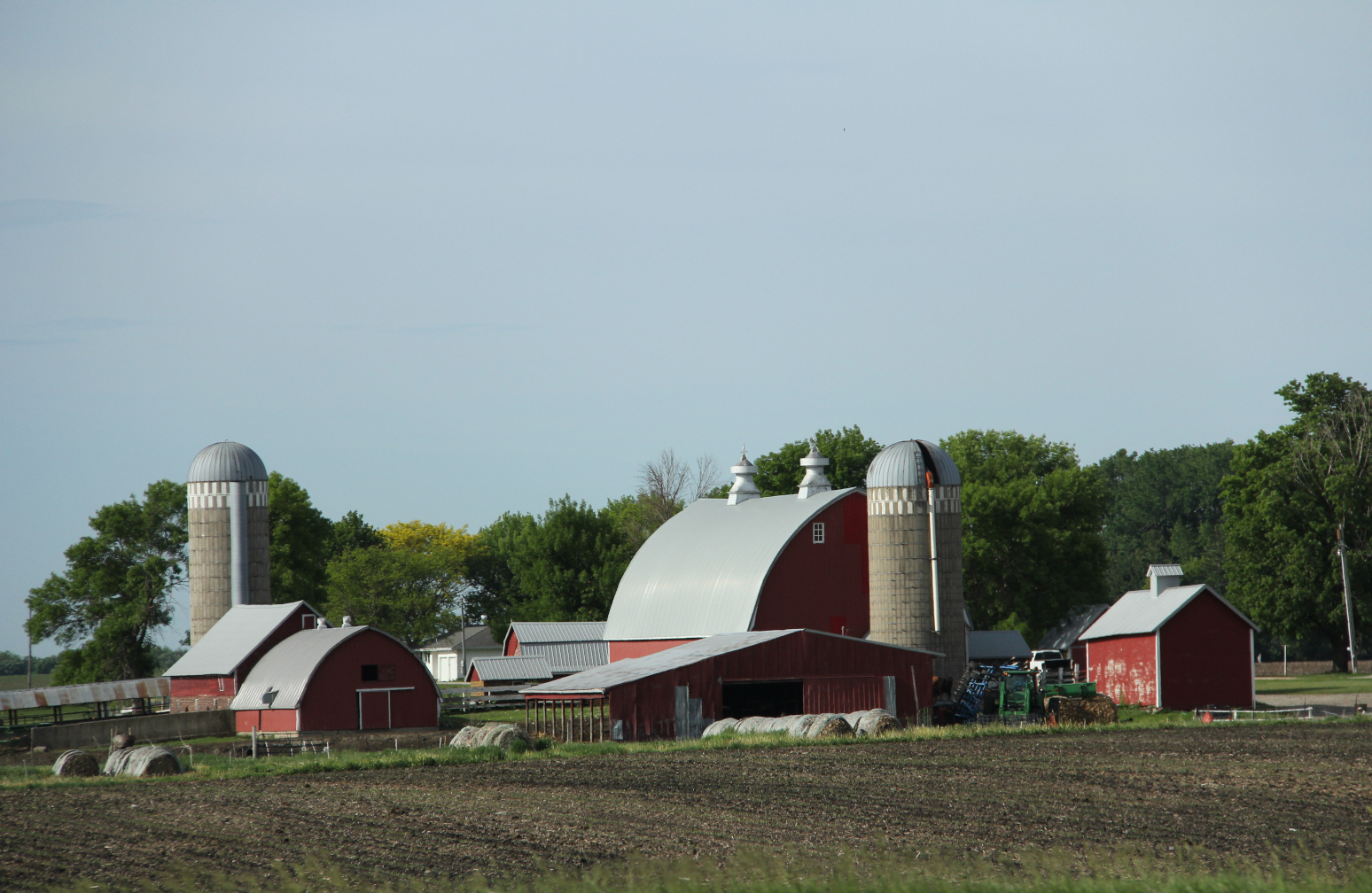
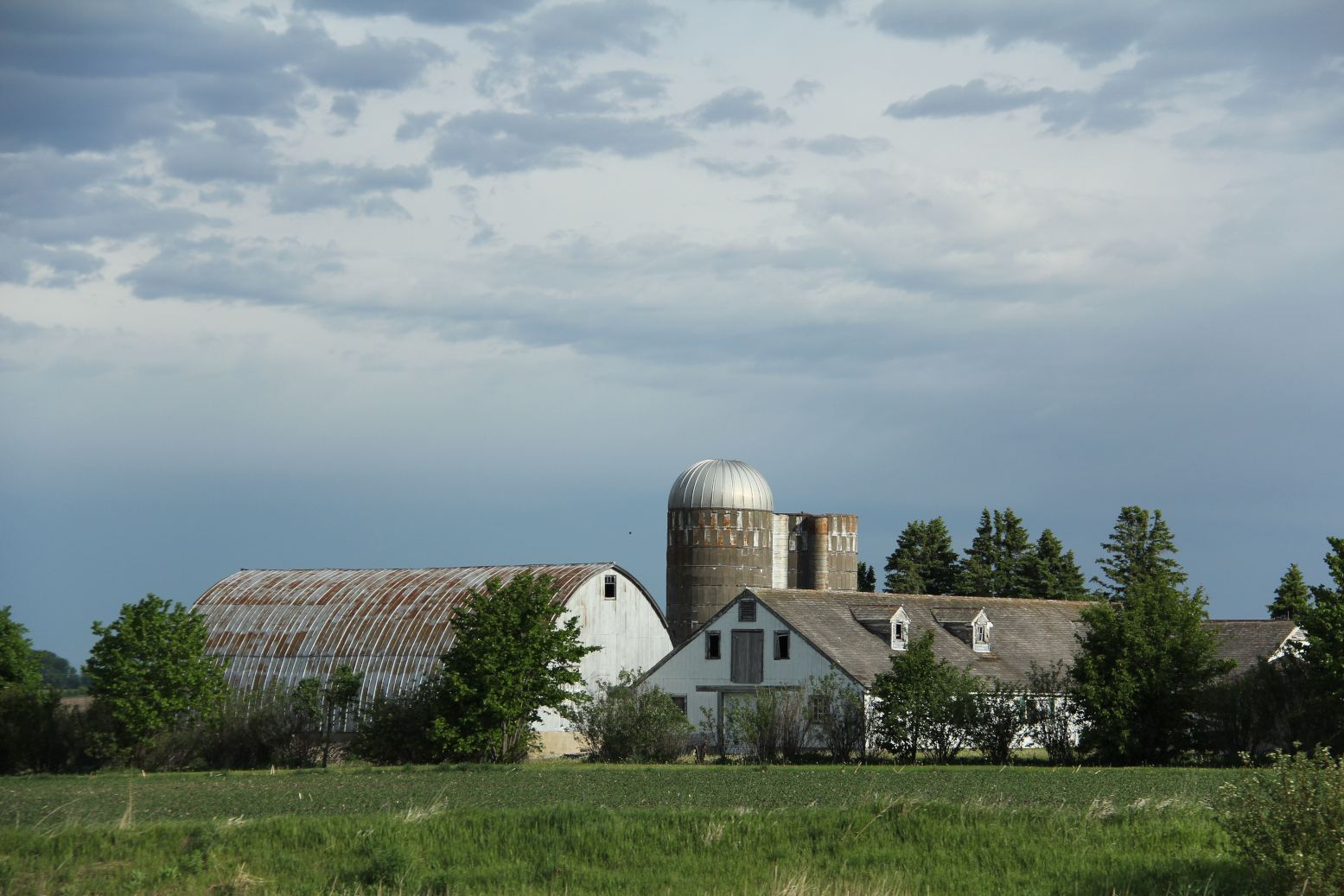
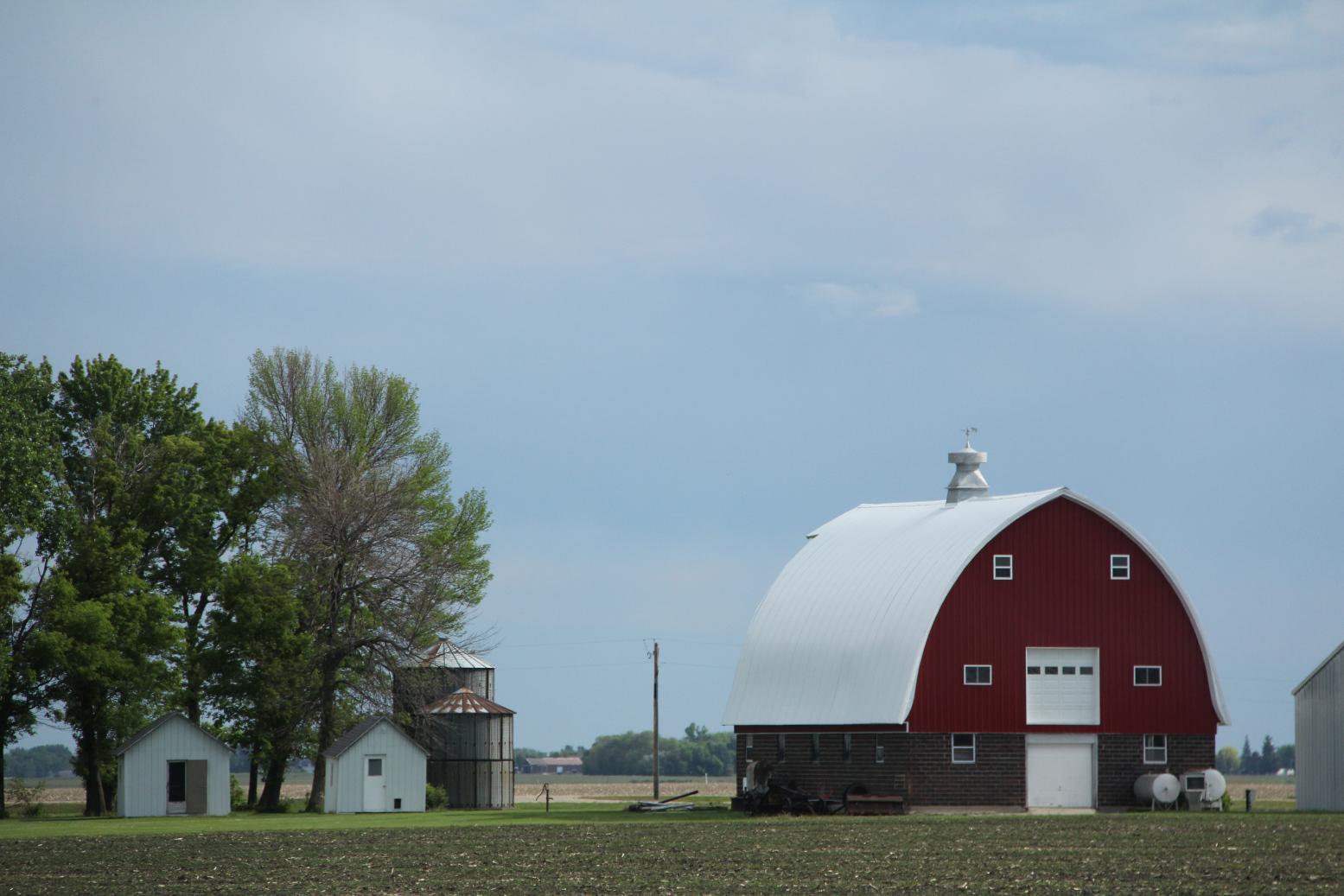
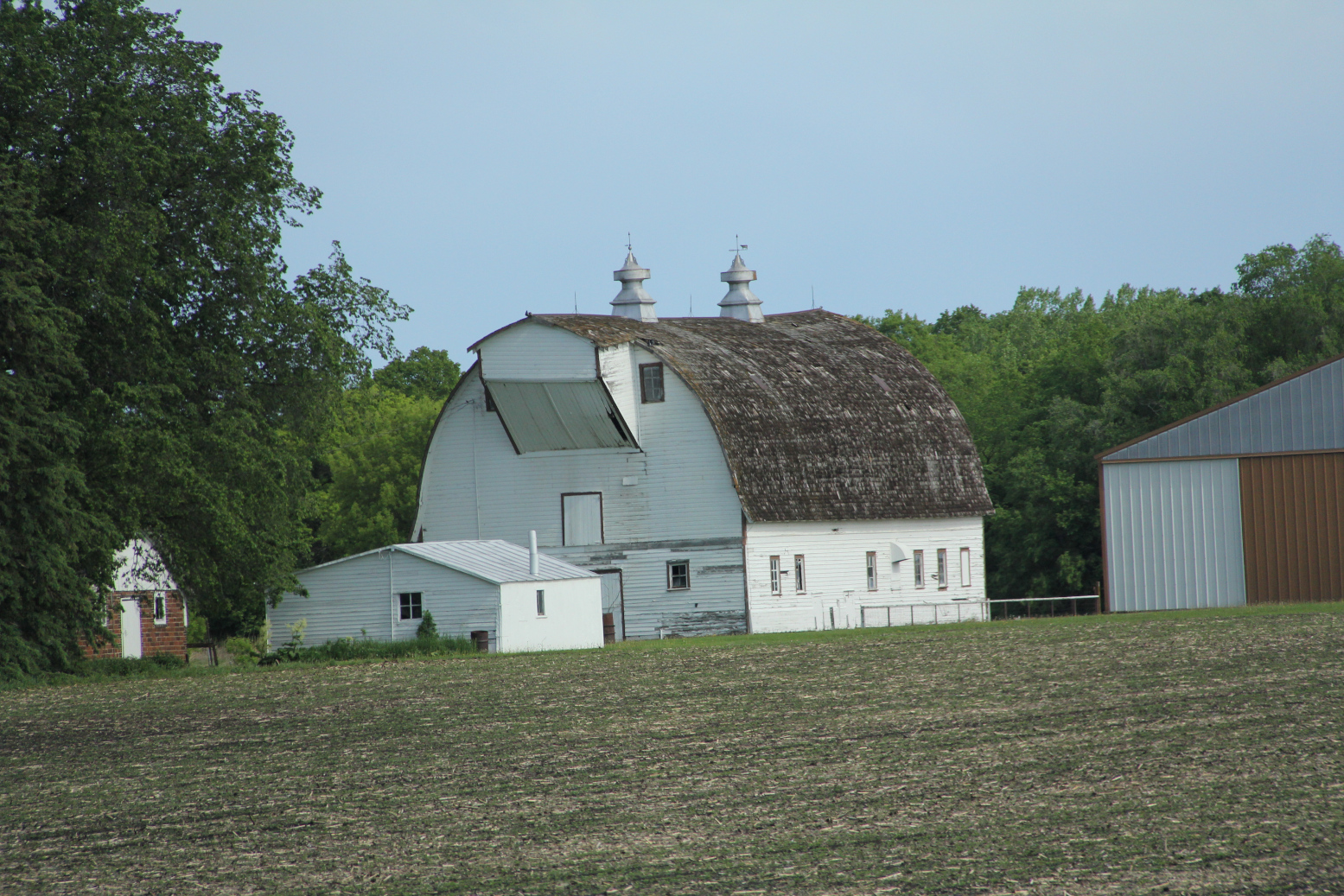
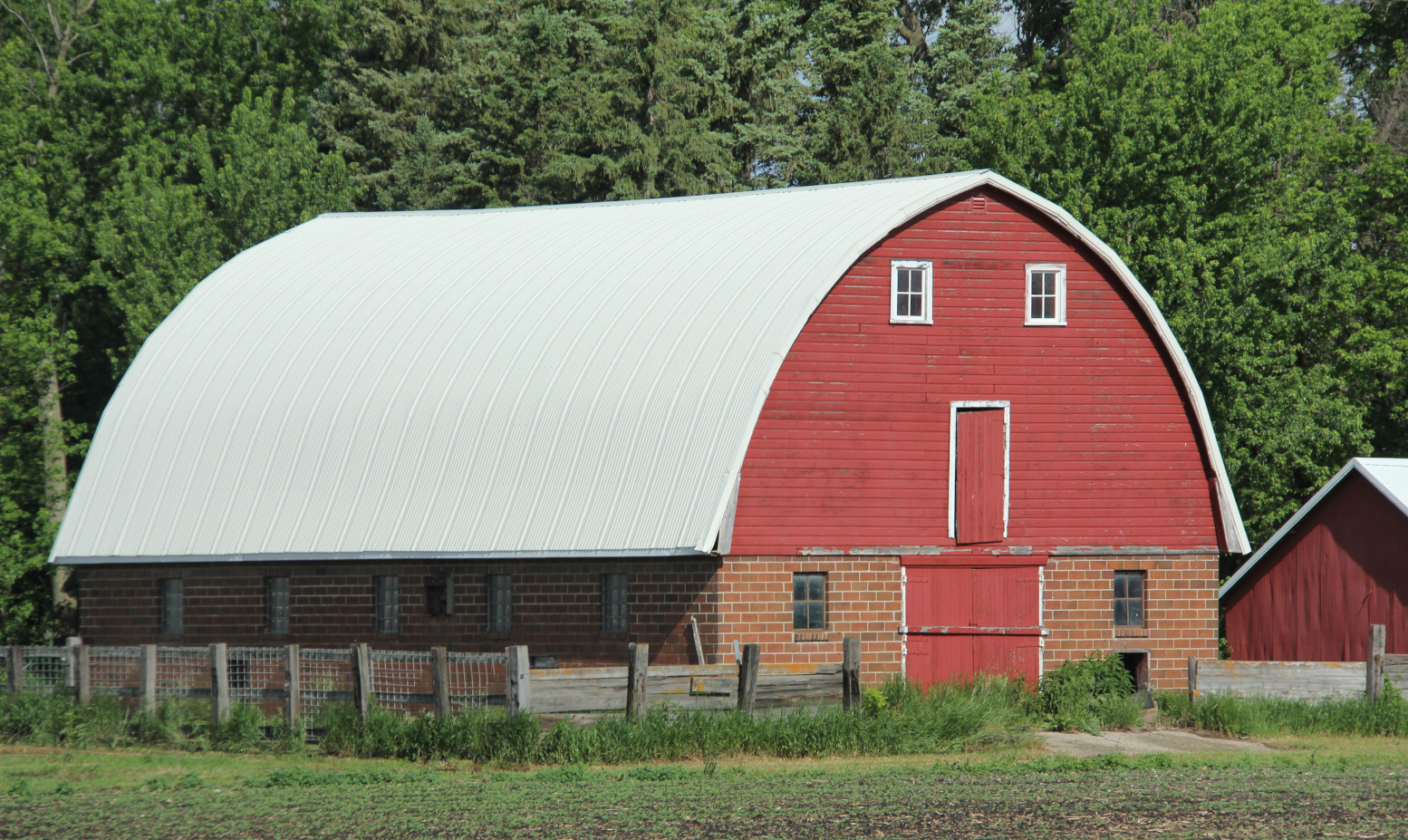
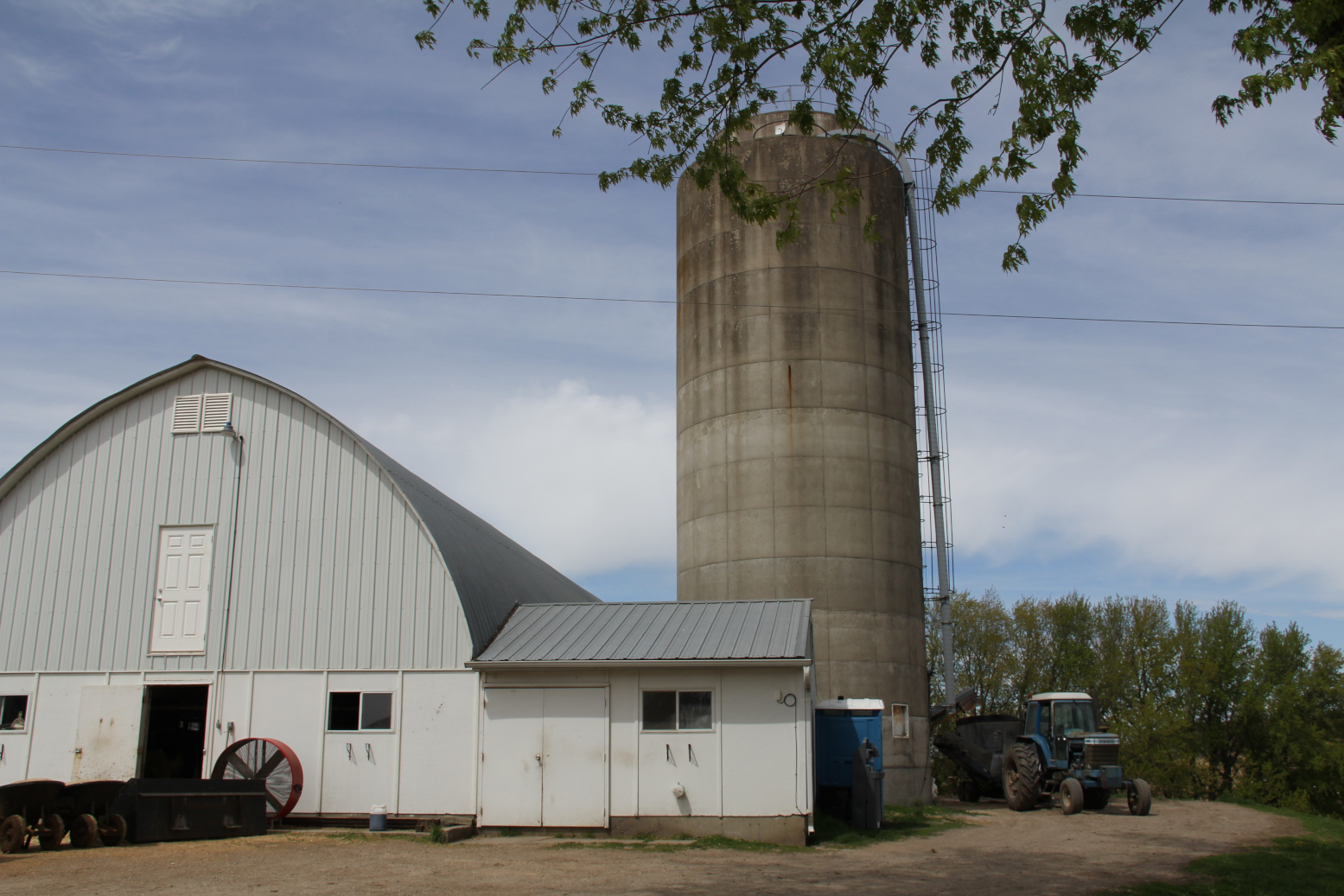
IF A SINGLE BUILDING symbolizes agriculture in Minnesota, it is a barn.
Barns hold the history of farming within their walls. They hold the stories of farm families who labored therein. They hold memories—the heat of cattle, the lingering scent of manure, the pulse of milking machines, the scurrying of barn cats and much more.
Barns also hold heartaches and challenges and the satisfaction and rewards that come with farming.
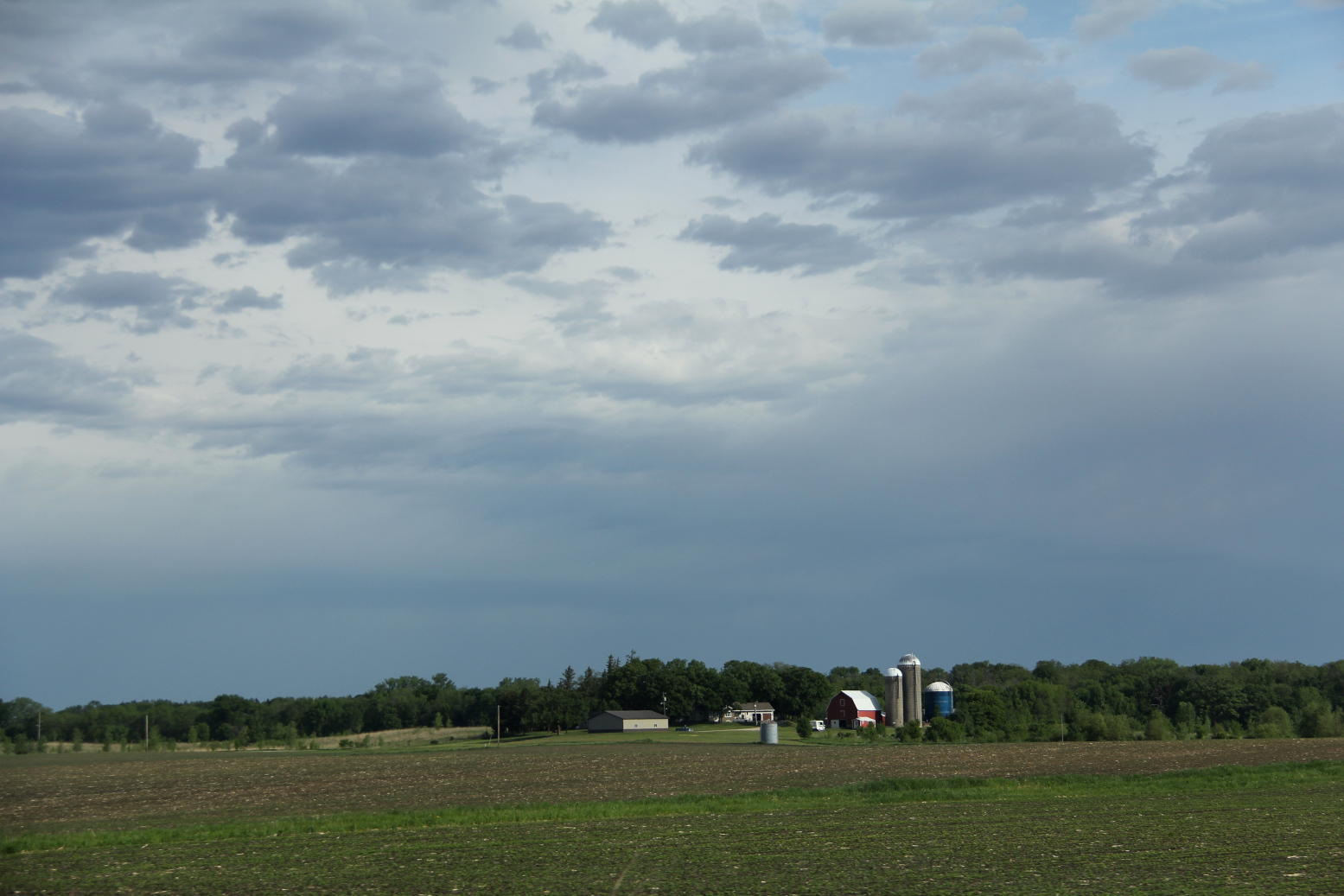
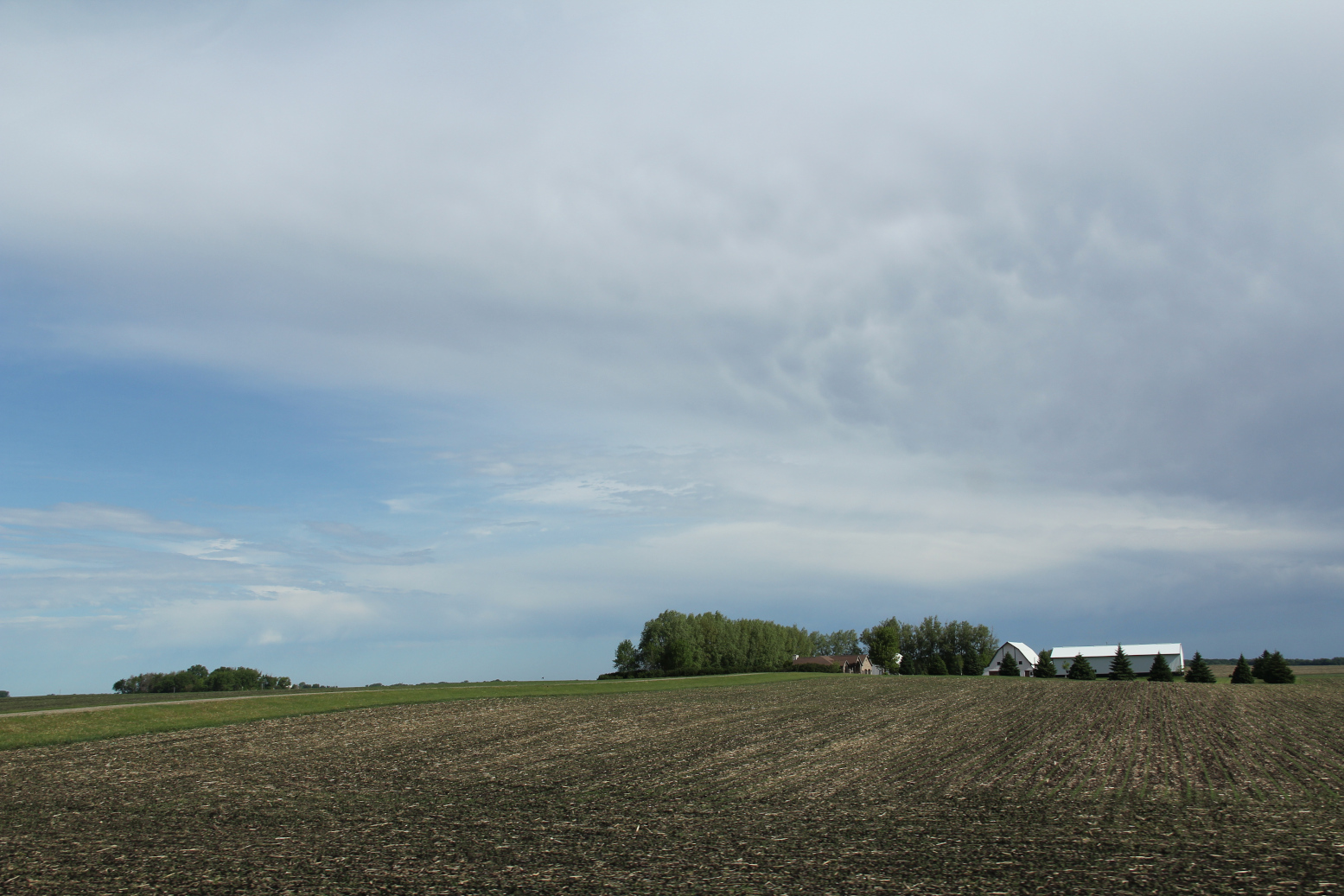
To step inside a barn, or even to observe one from a distance as I did on recent trips out and about in rural Minnesota, is to understand the importance agriculture plays in this state.
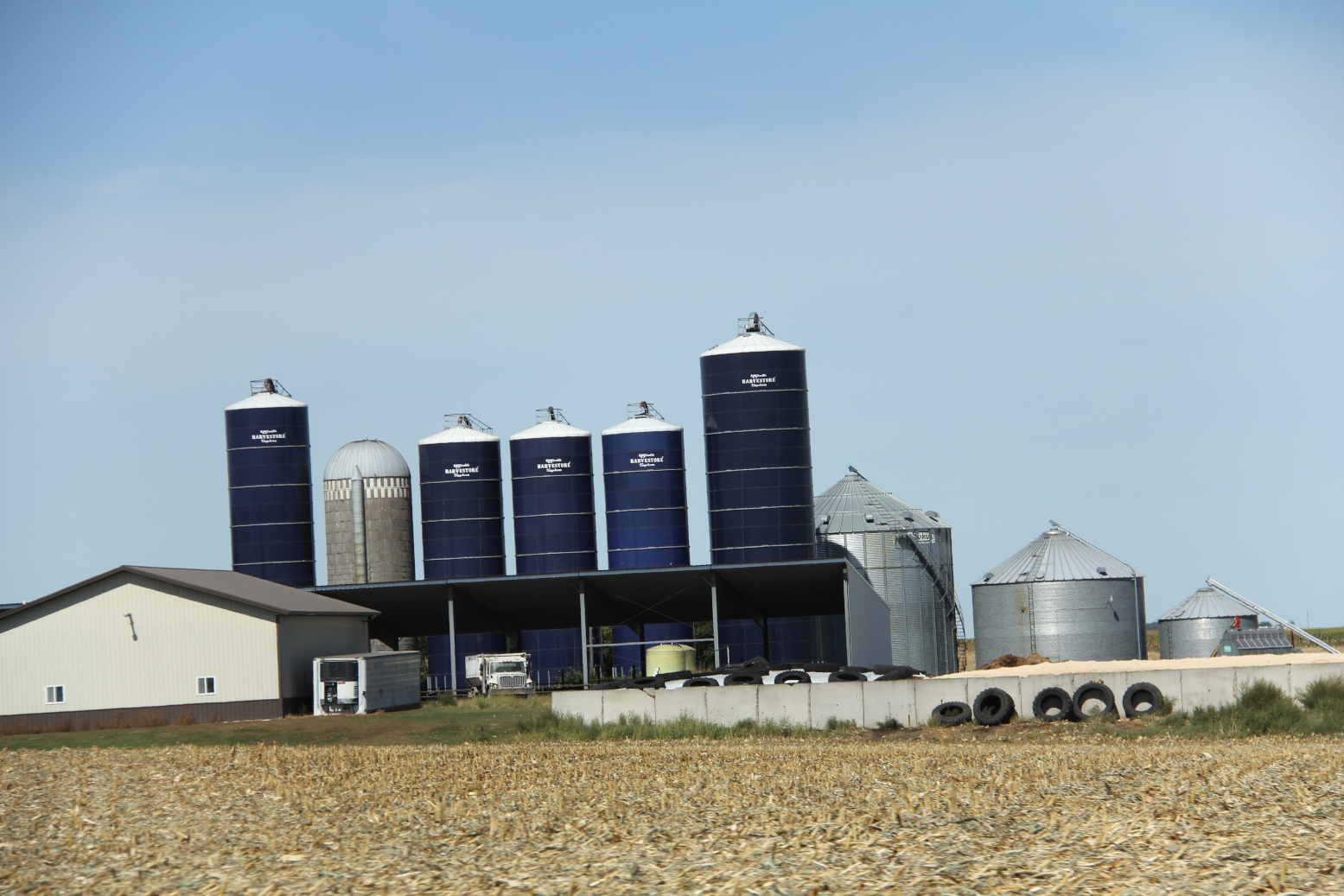
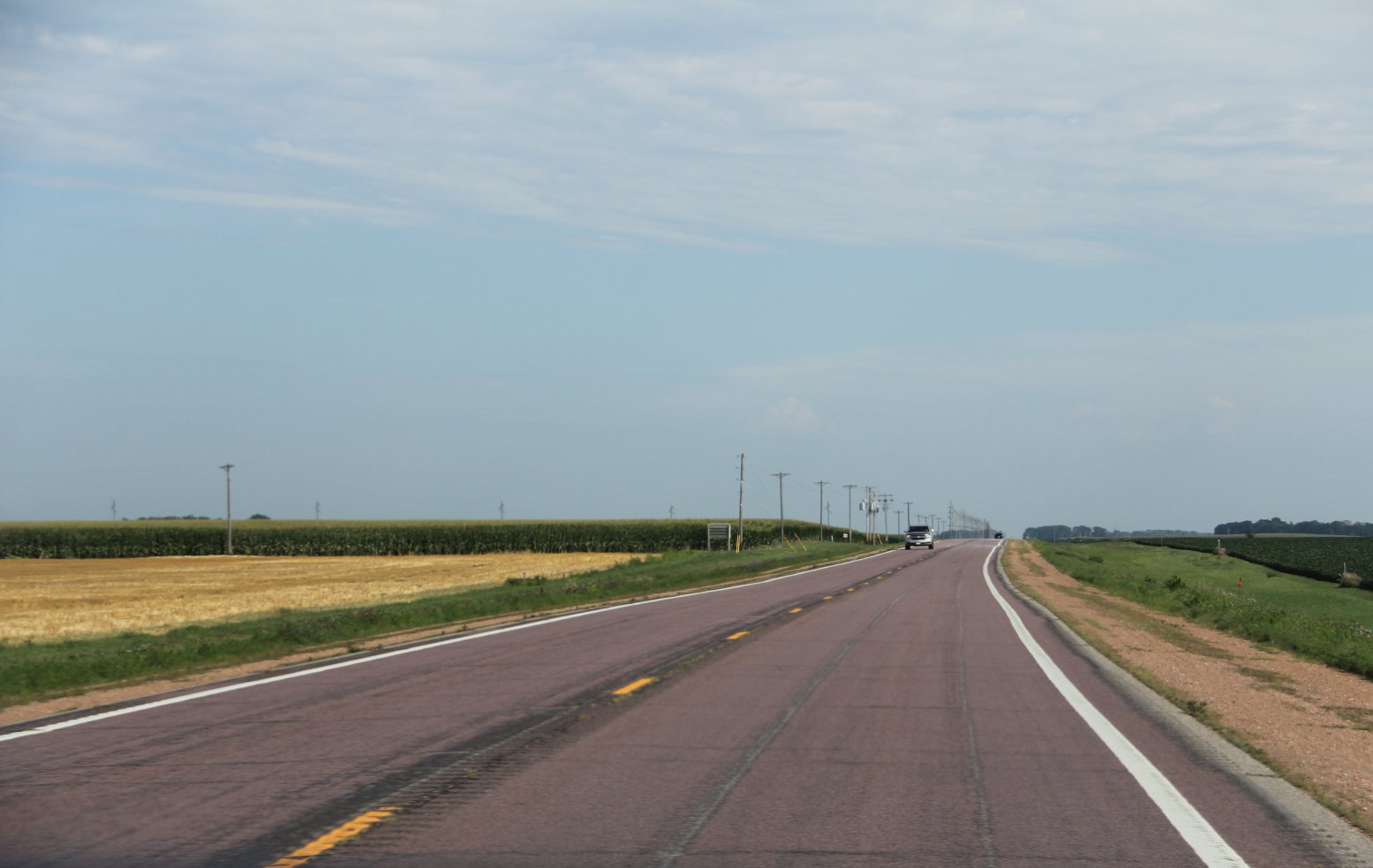
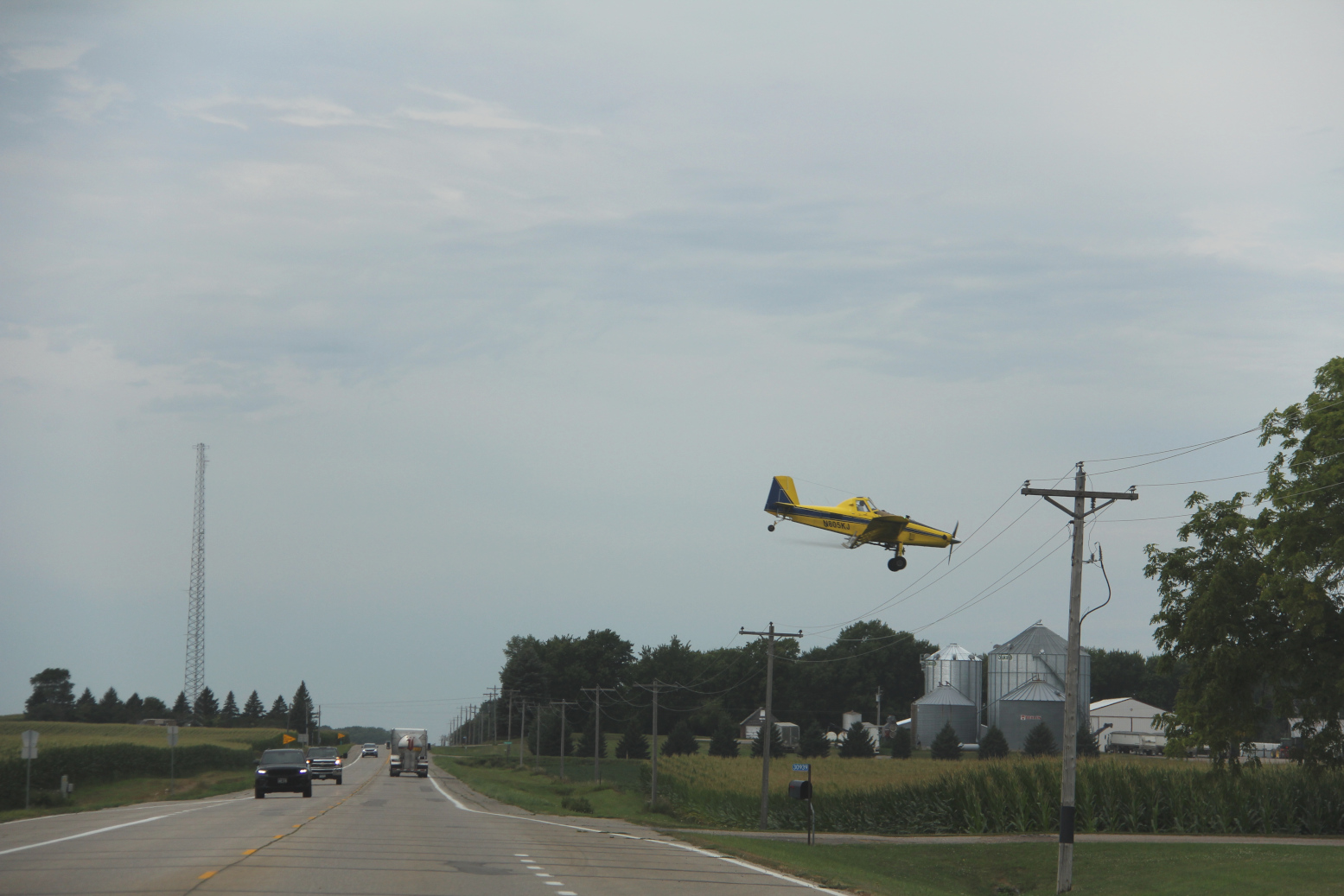
Sure, farming has changed. Many barns no longer house animals, once a farm staple, as ag has shifted to crop farming. But at its core, this profession, this way of life, still centers rural parts of Minnesota, keeps small towns going. I saw that, from Mantorville to Faribault and from Faribault to Morris and back home.
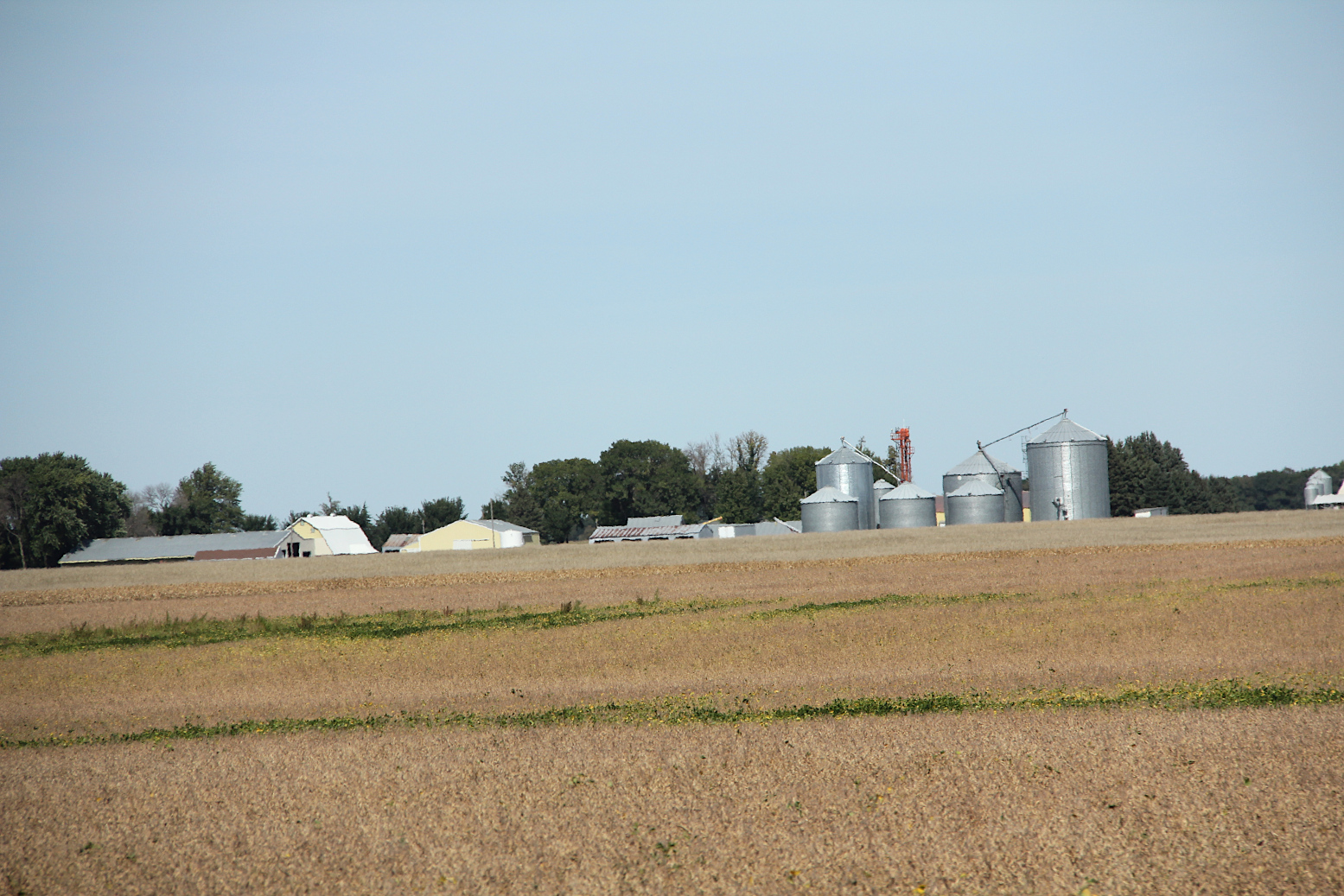
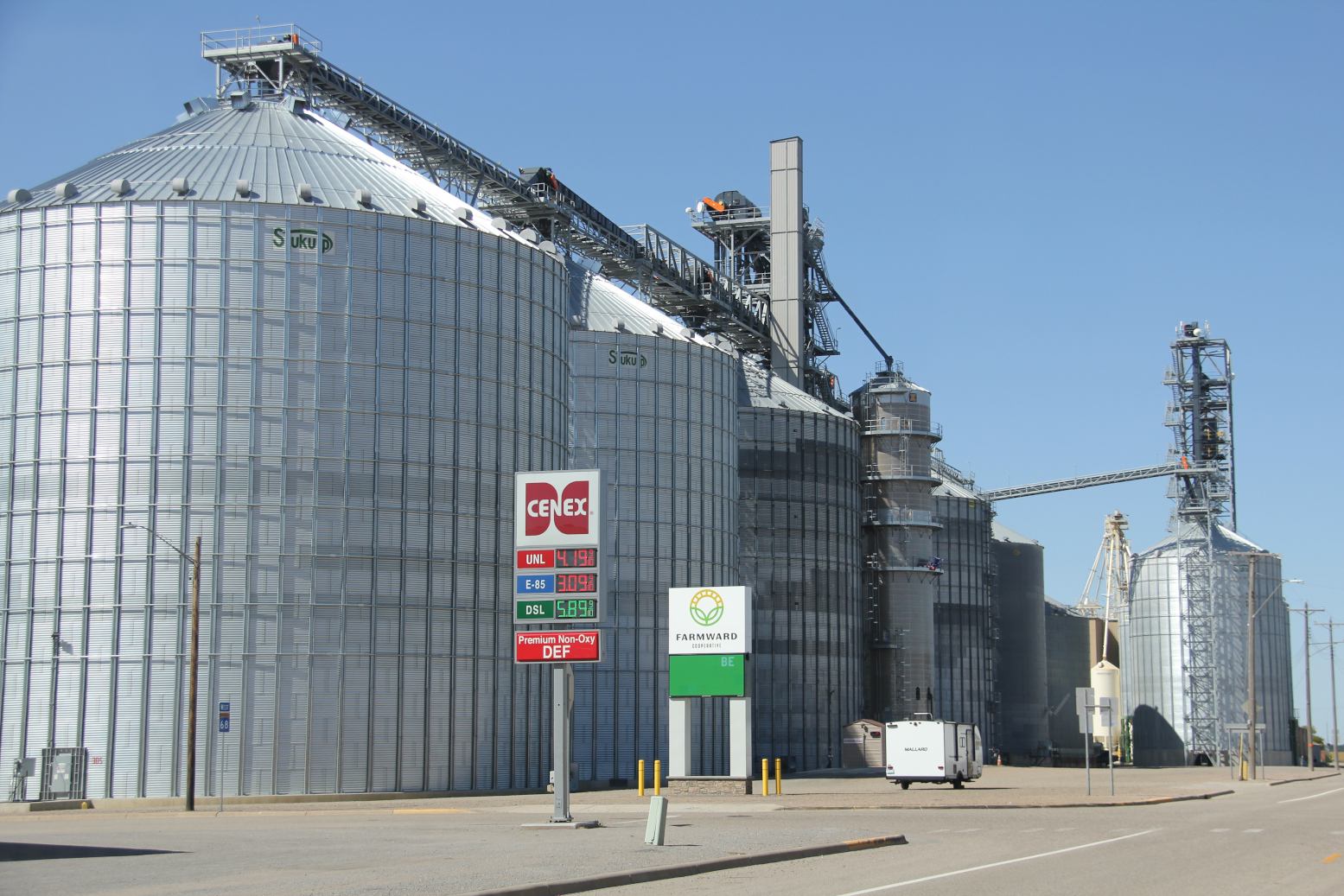
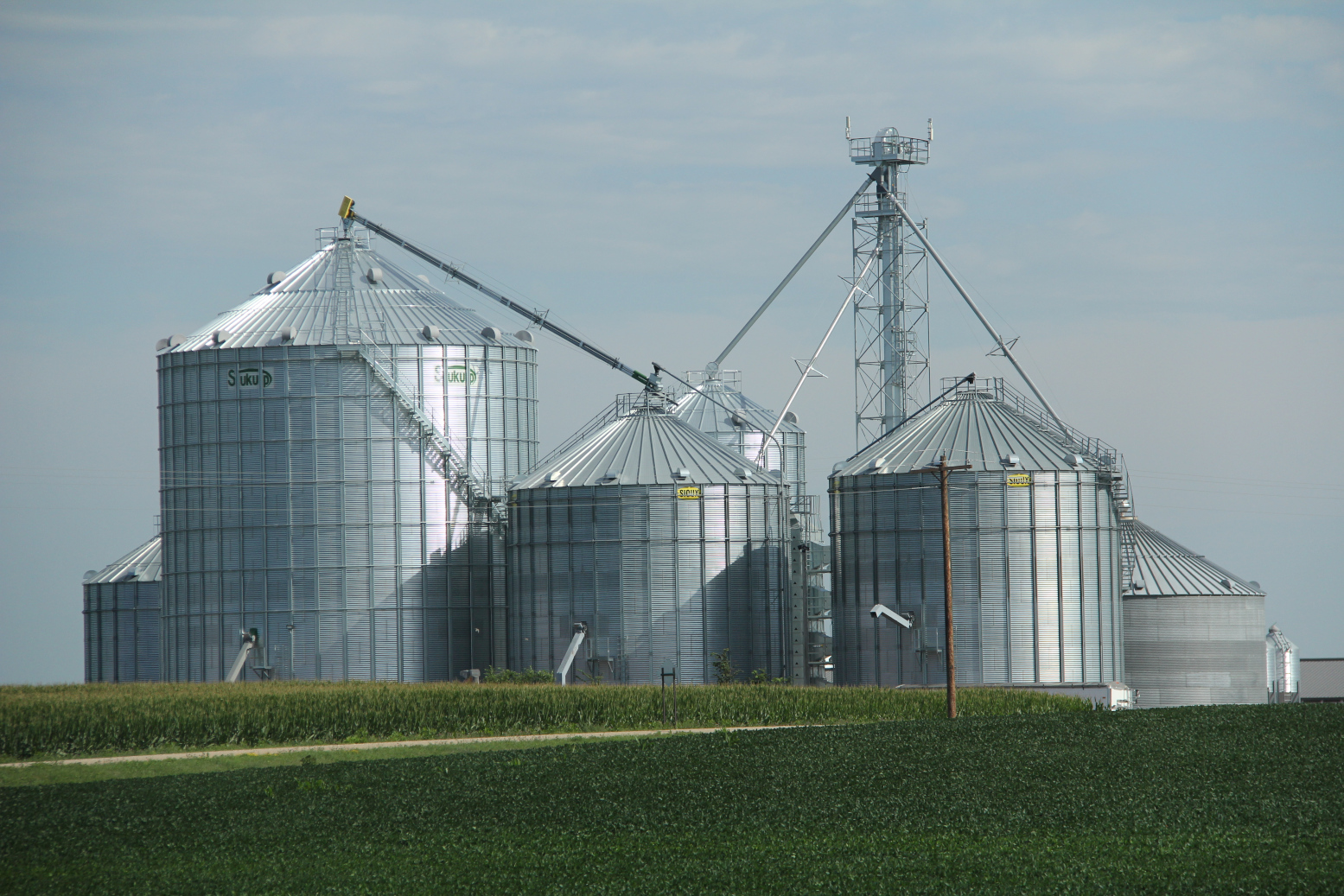
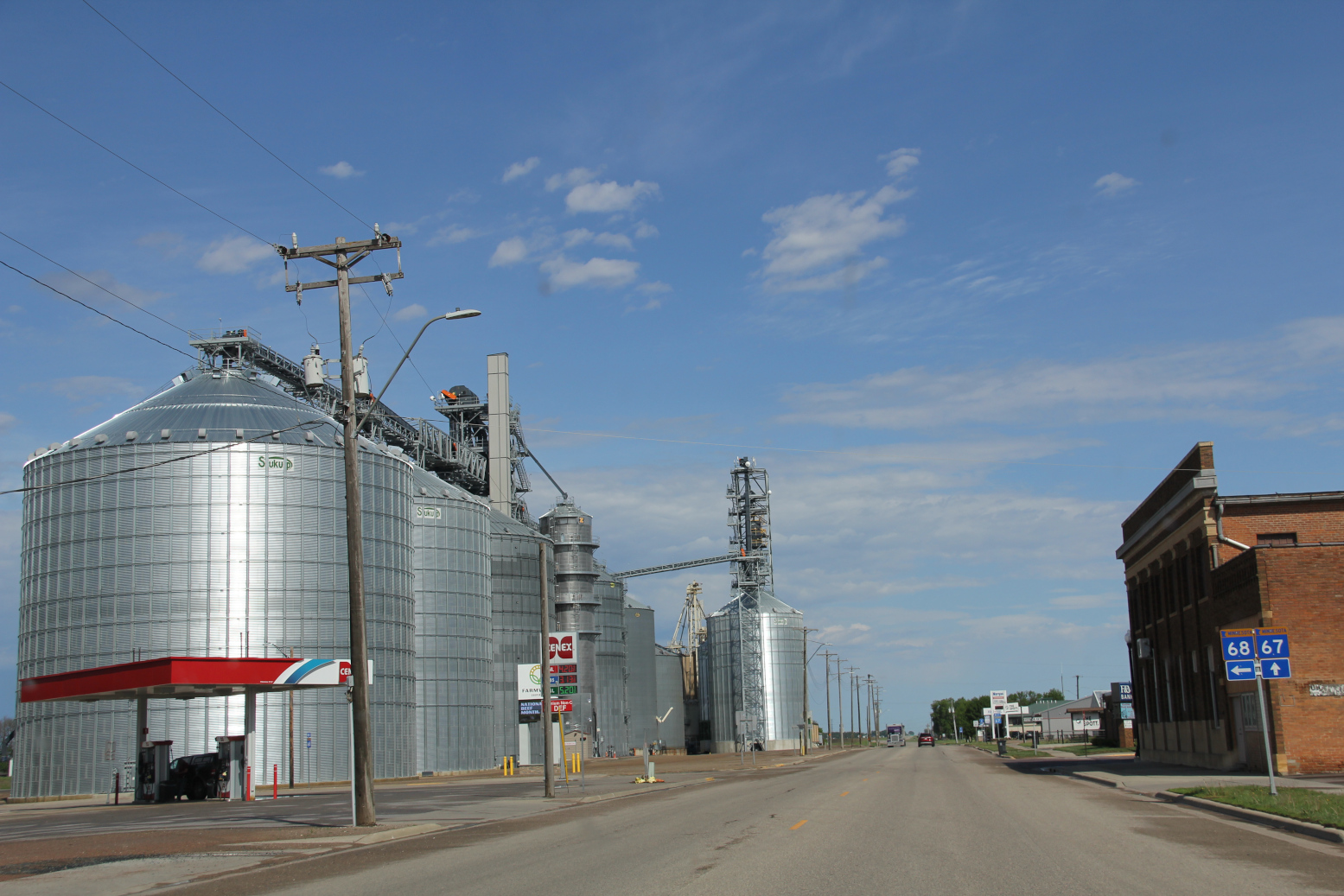
Barns dominate farm sites just like grain elevators landmark many small rural communities.
While I see too many dilapidated barns fallen into heaps of rotting wood, I also see those that are well-cared for, still standing strong against the ravages of time and weather. I know that comes at a cost to the landowner. Keeping a barn properly roofed and painted is a major expense. I appreciate efforts to preserve barns built by generations past.
My ancestry traces to farming, to German immigrants who arrived in America, eventually making their way to southwestern Minnesota. There they found rich dark soil in which to plant seeds. Land upon which to build farmhouses, barns and other buildings necessary to the operation of a farm.
I am rooted in farming. I worked inside the barn my father built. I shoveled manure, scooped silage, pushed a wheelbarrow heaping with ground feed, carried pails brimming with milk, bedded straw, tossed hay bales from the hayloft, fed calves… I worked the land, too, picking rock and pulling cockleburrs. I carried lunch to my dad and uncles on hot summer days of baling hay.
There is nothing romantic about farming. It is hard work. It is a risky business affected by weather, markets, prices, too many factors out of a farmer’s control.
Yet, I will unequivocally state that I am incredibly thankful I grew up on a working farm. The lessons learned there about working together, about forging forward despite setbacks, about standing independent and strong are ingrained in me.
My dad laughed when I told him I wanted to be a farmer when I grew up. He knew better. There was nothing to keep me on the farm. And so I left, went to college, became a journalist. But even though physically-removed from the farm, I’ve always carried my ruralness within me, reflected in my writing and photography.
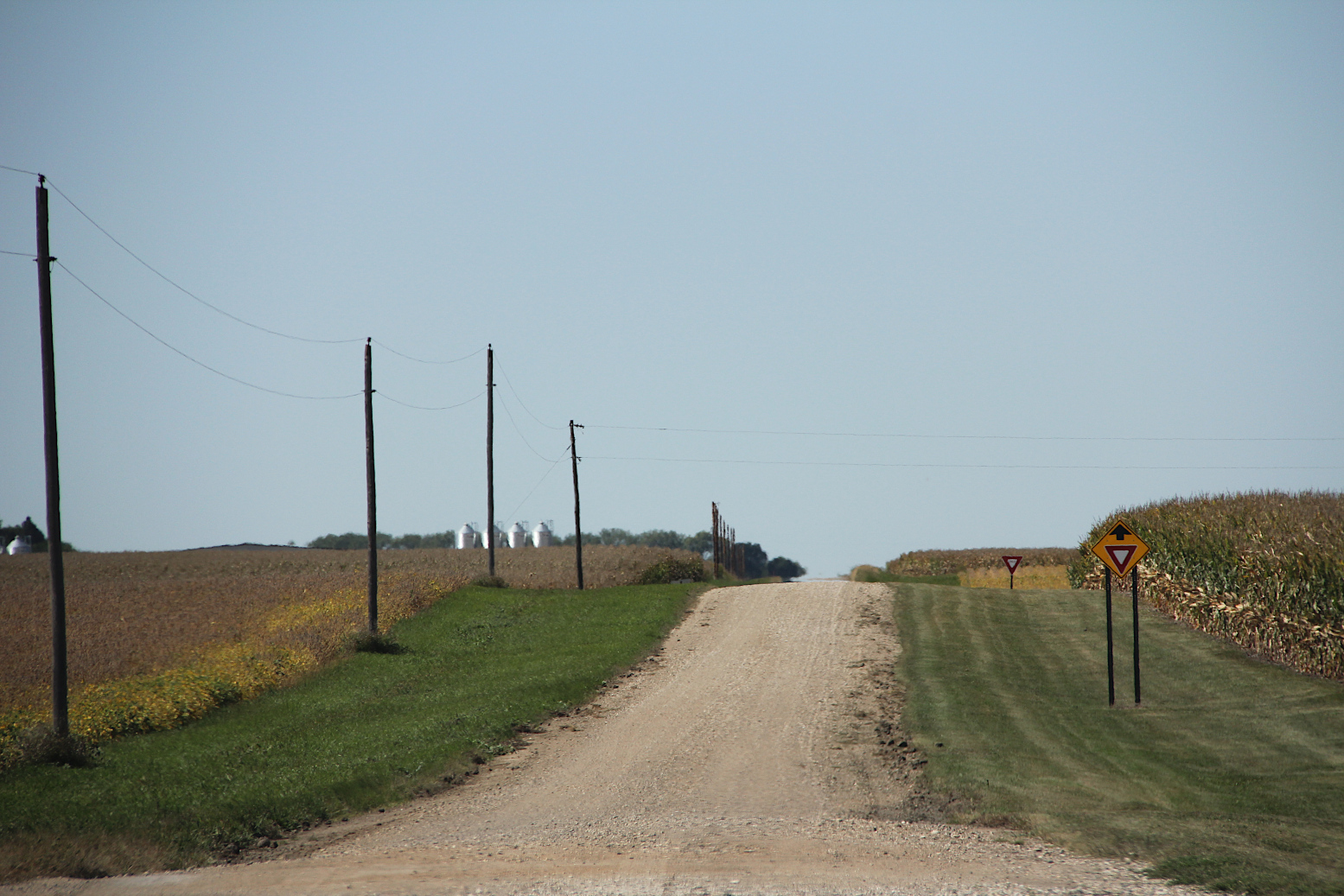
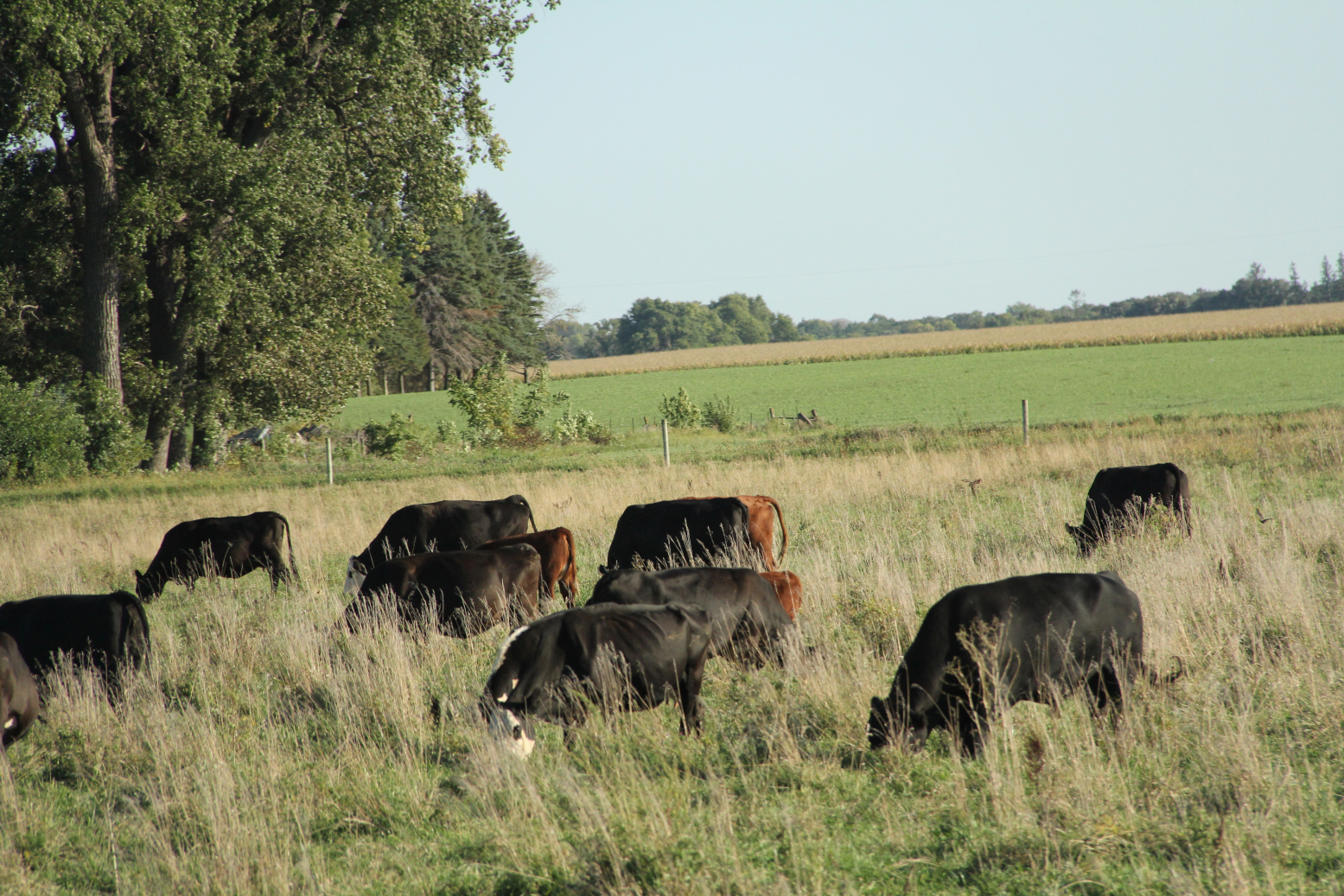
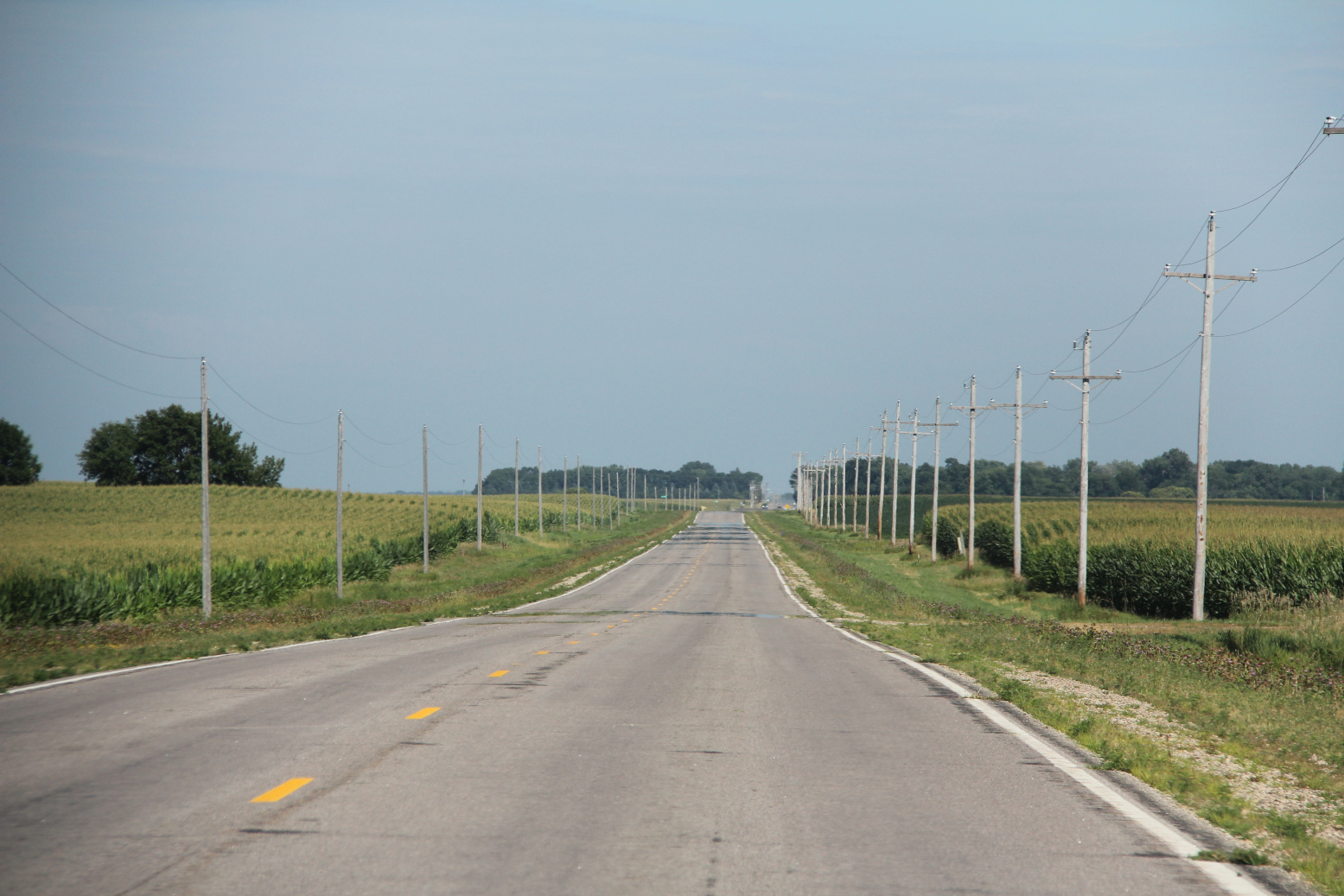
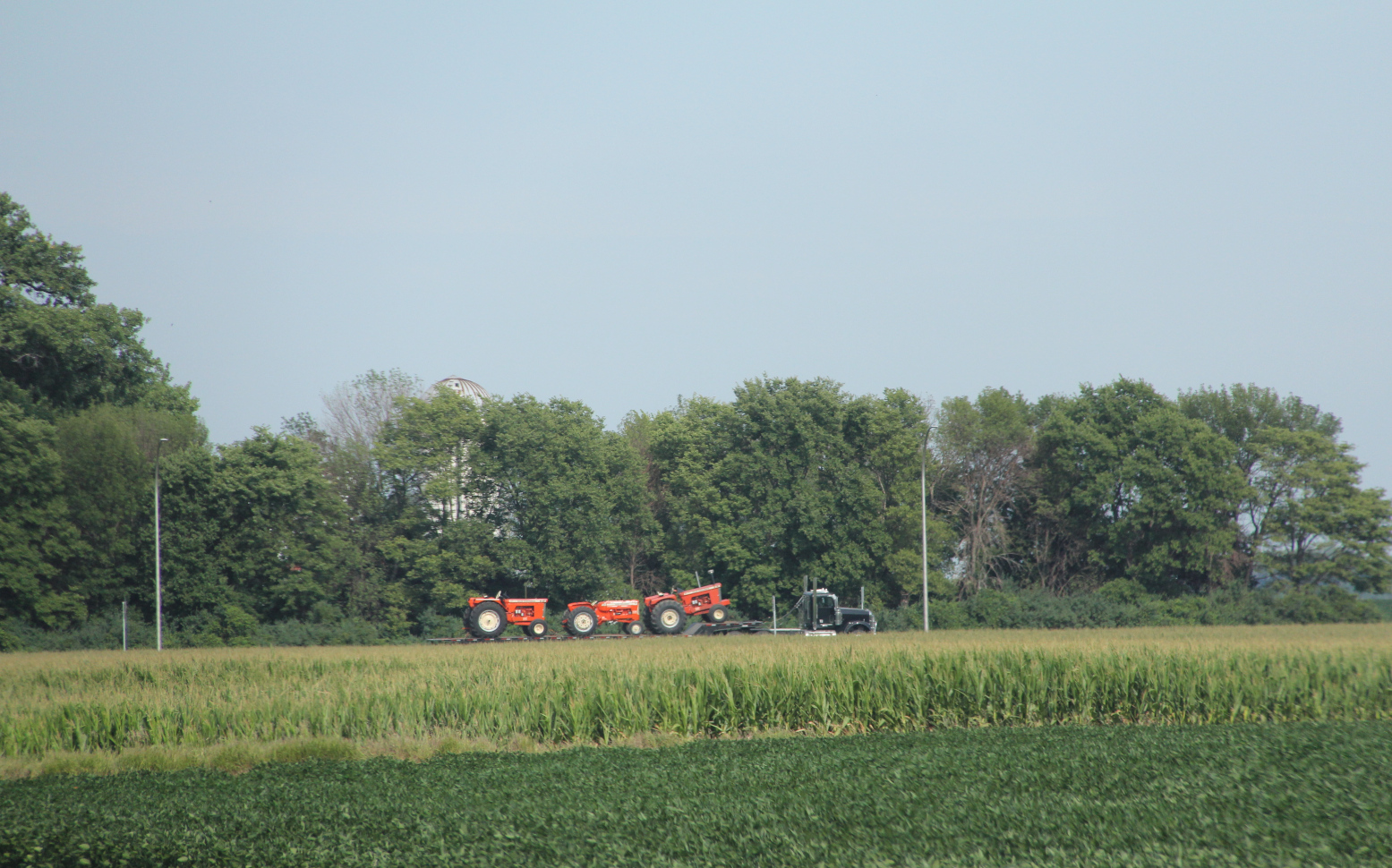
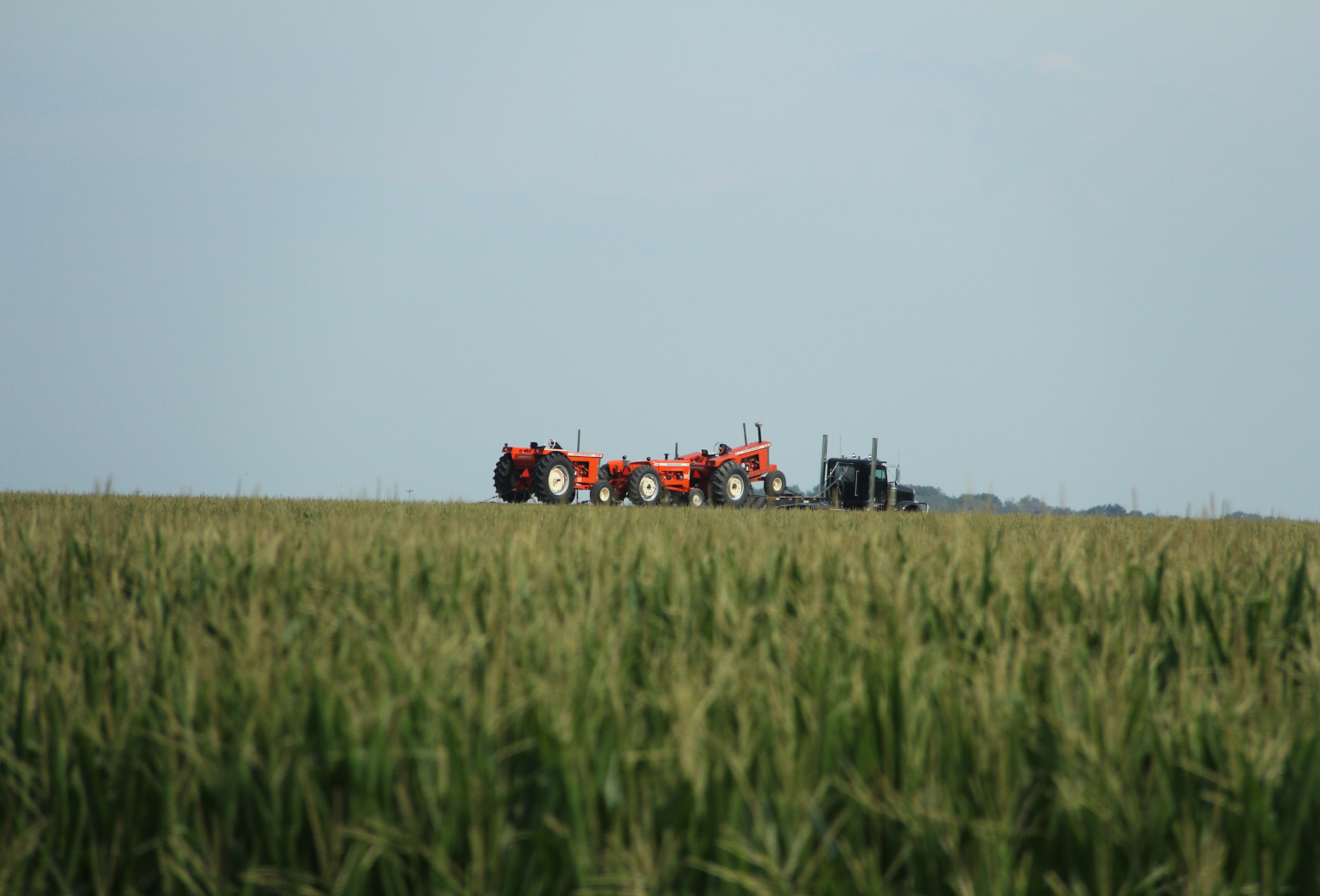
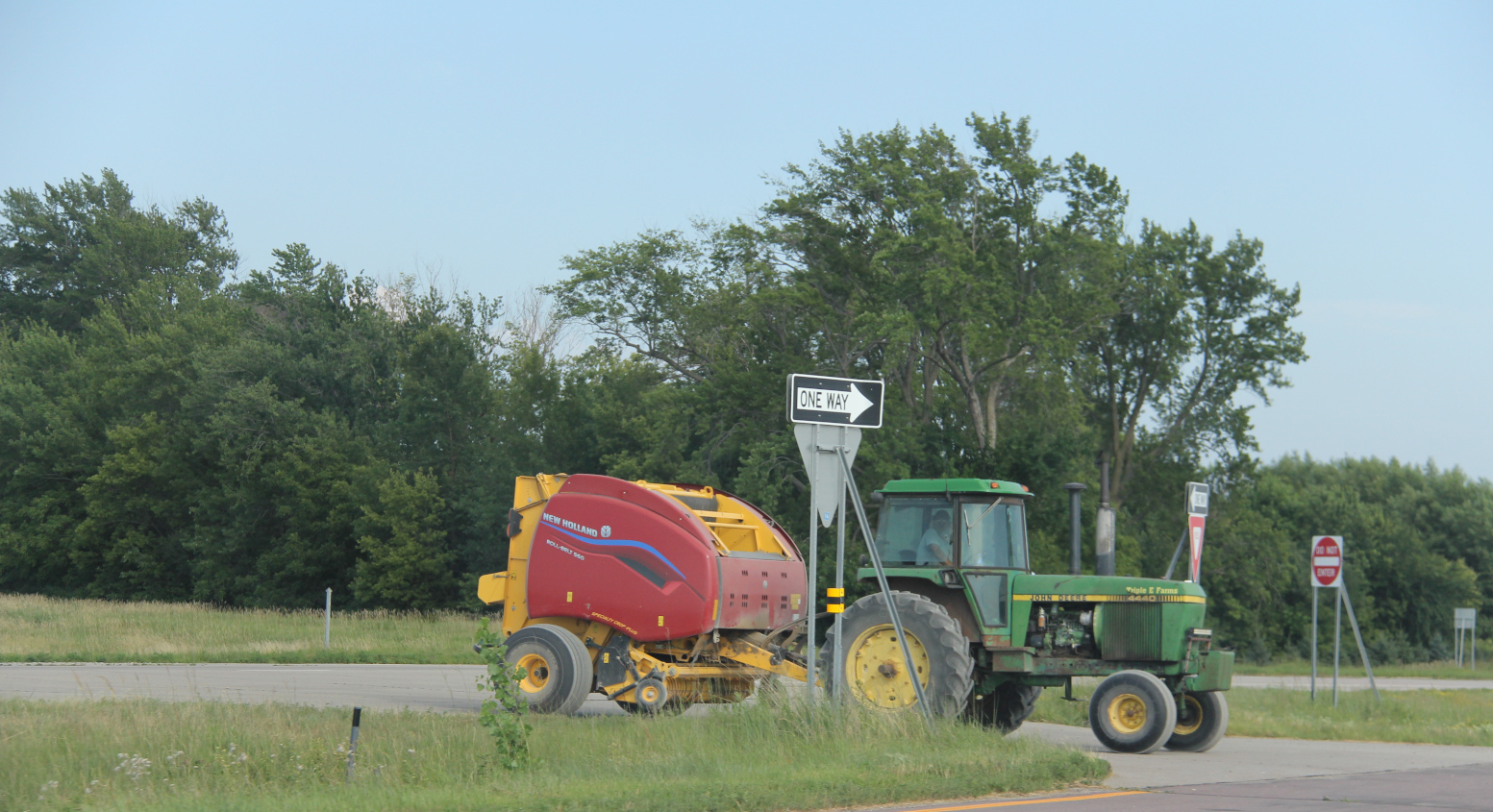
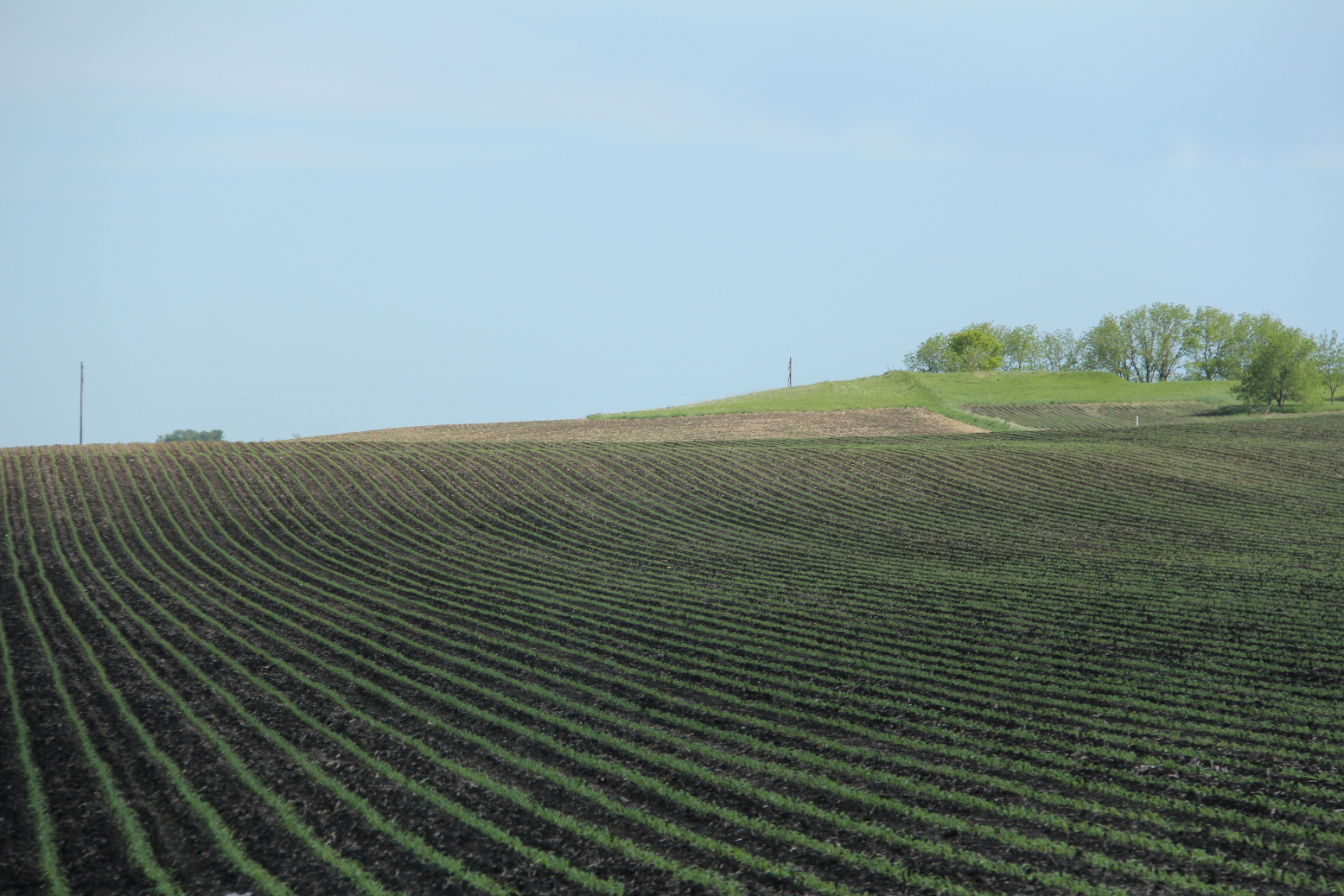
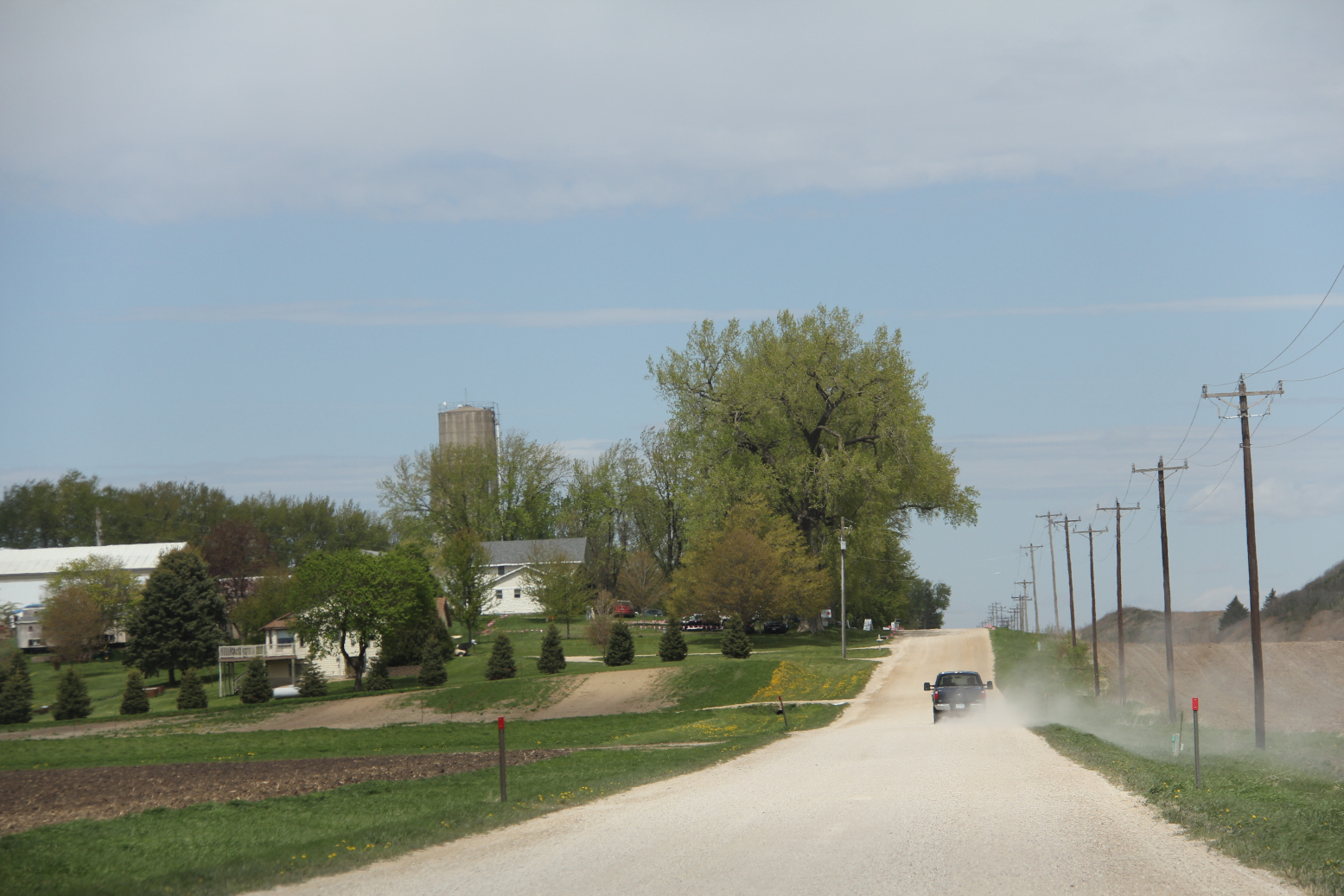
I find myself still drawn to rural scenes. A farm site. A grain elevator. A gravel road. Cattle grazing. Farm machinery, especially tractors, traversing fields. These all define agriculture. But it is the barn which symbolizes farming and the enduring strength and hope of a farmer.
#
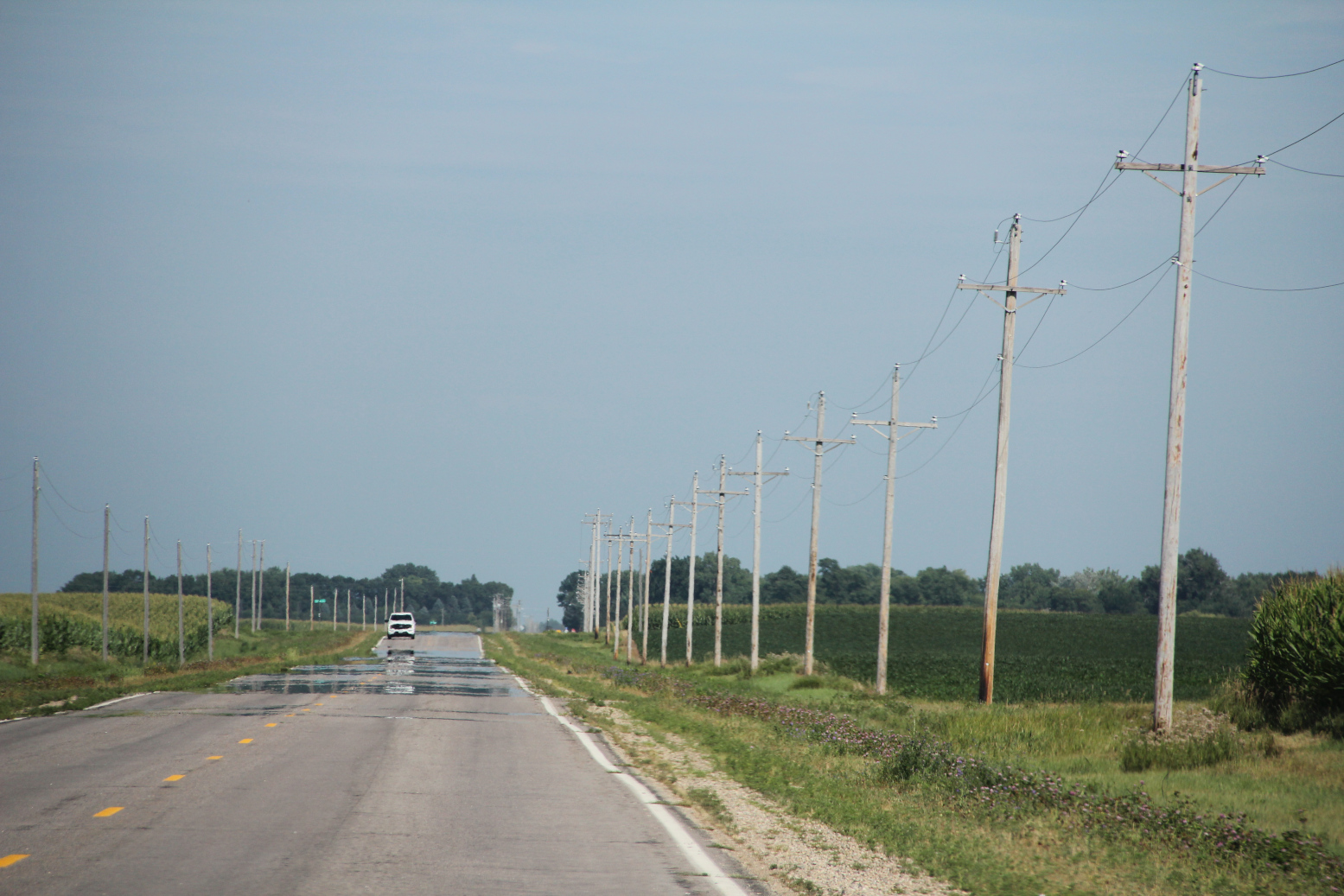
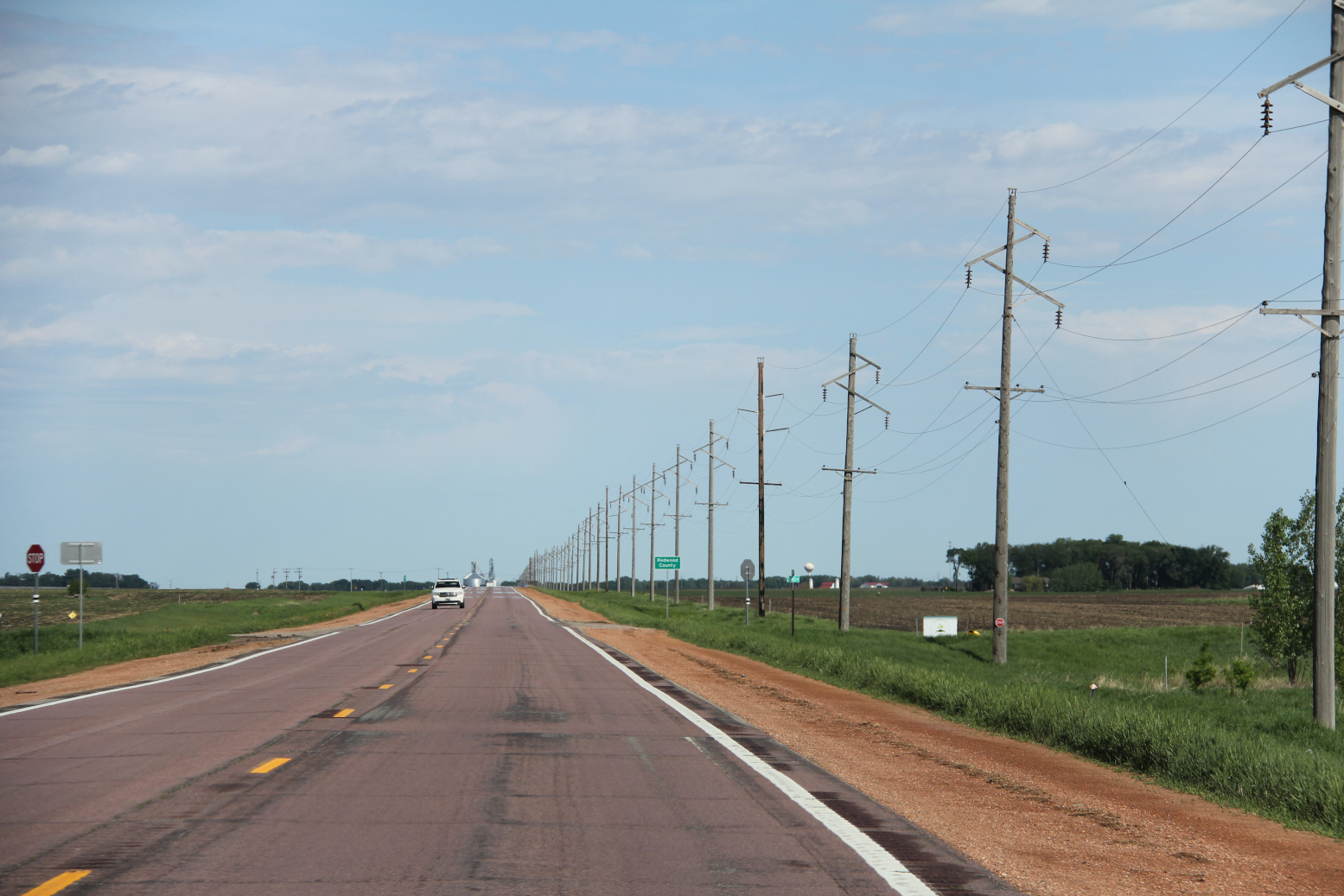
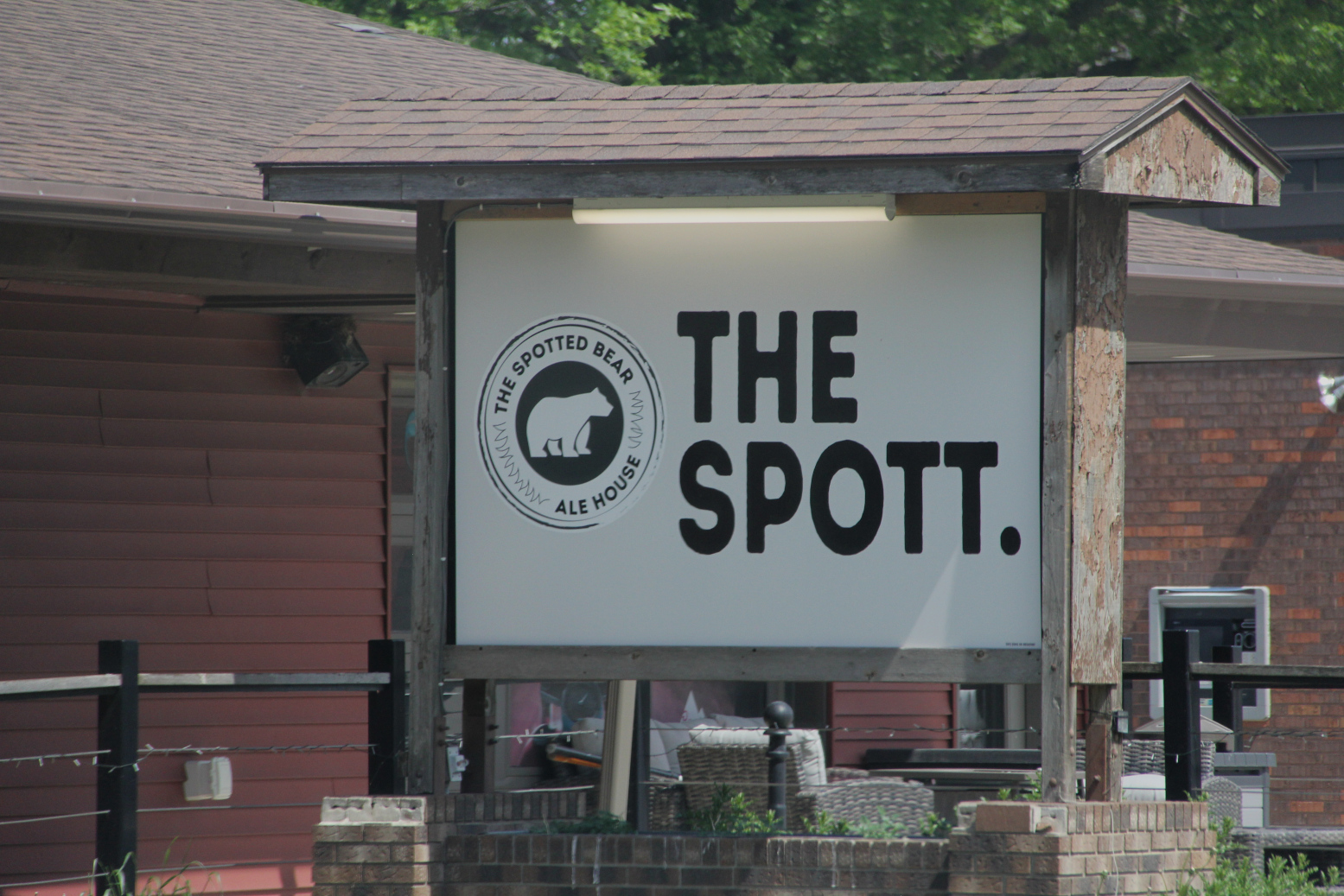
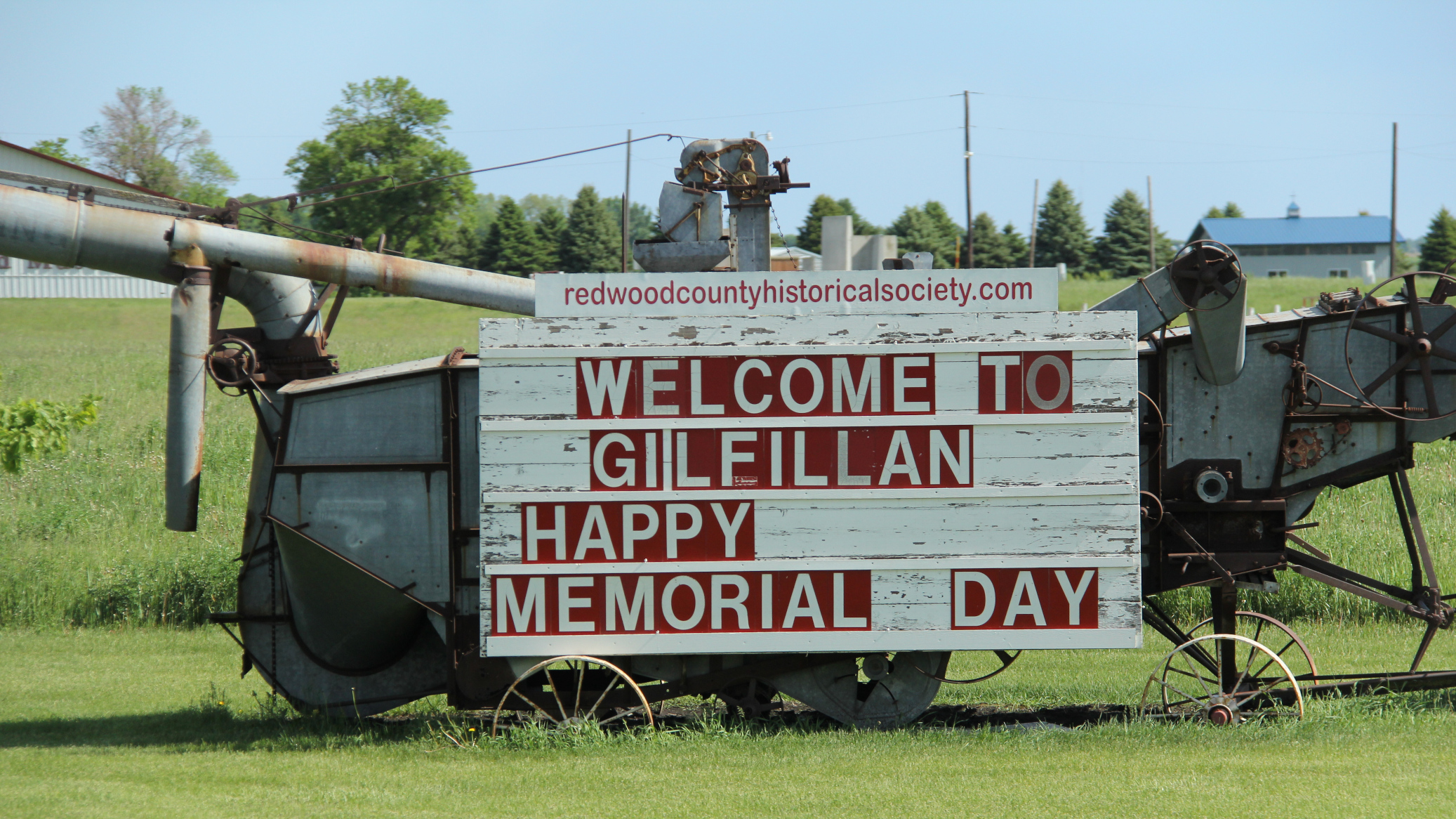
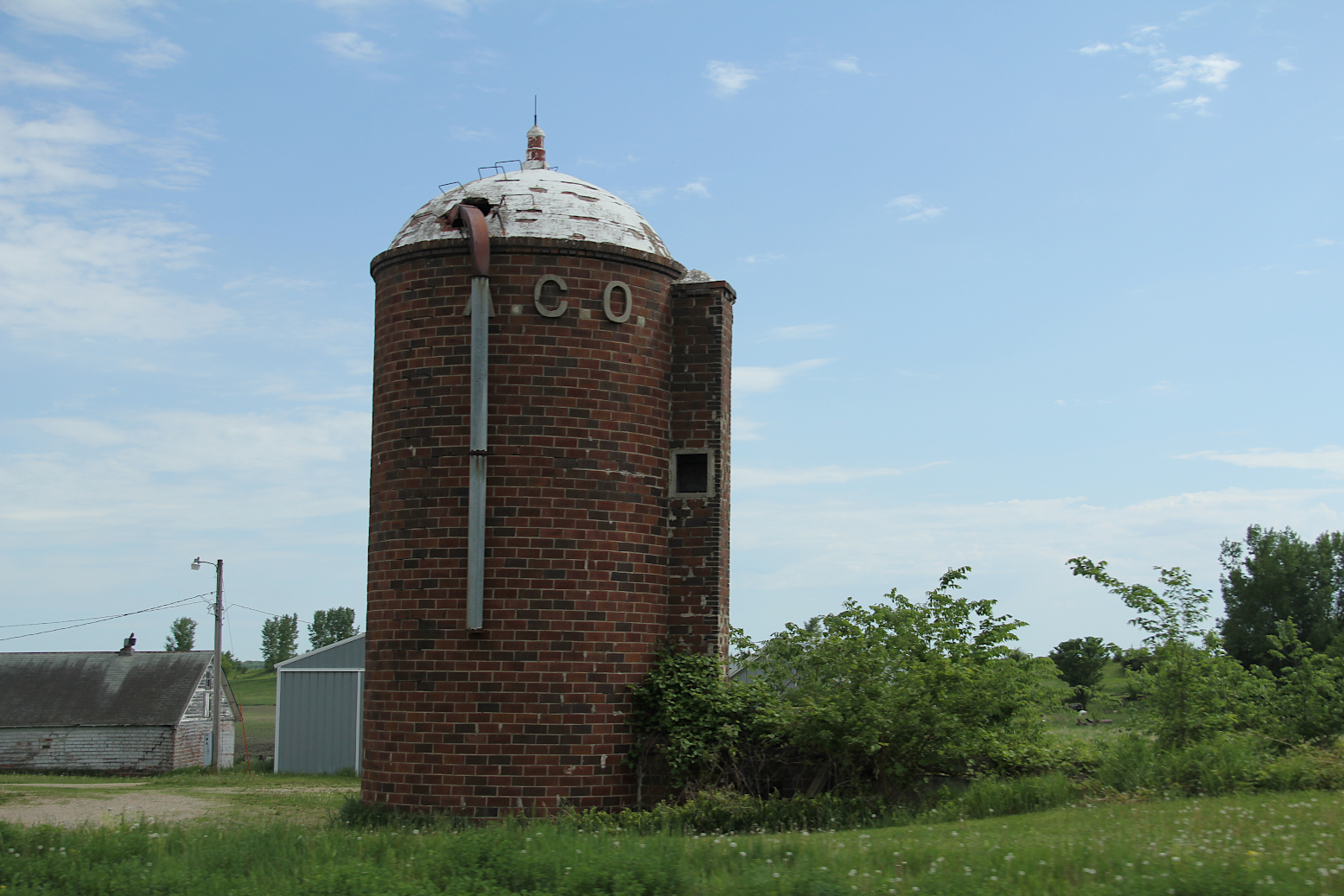
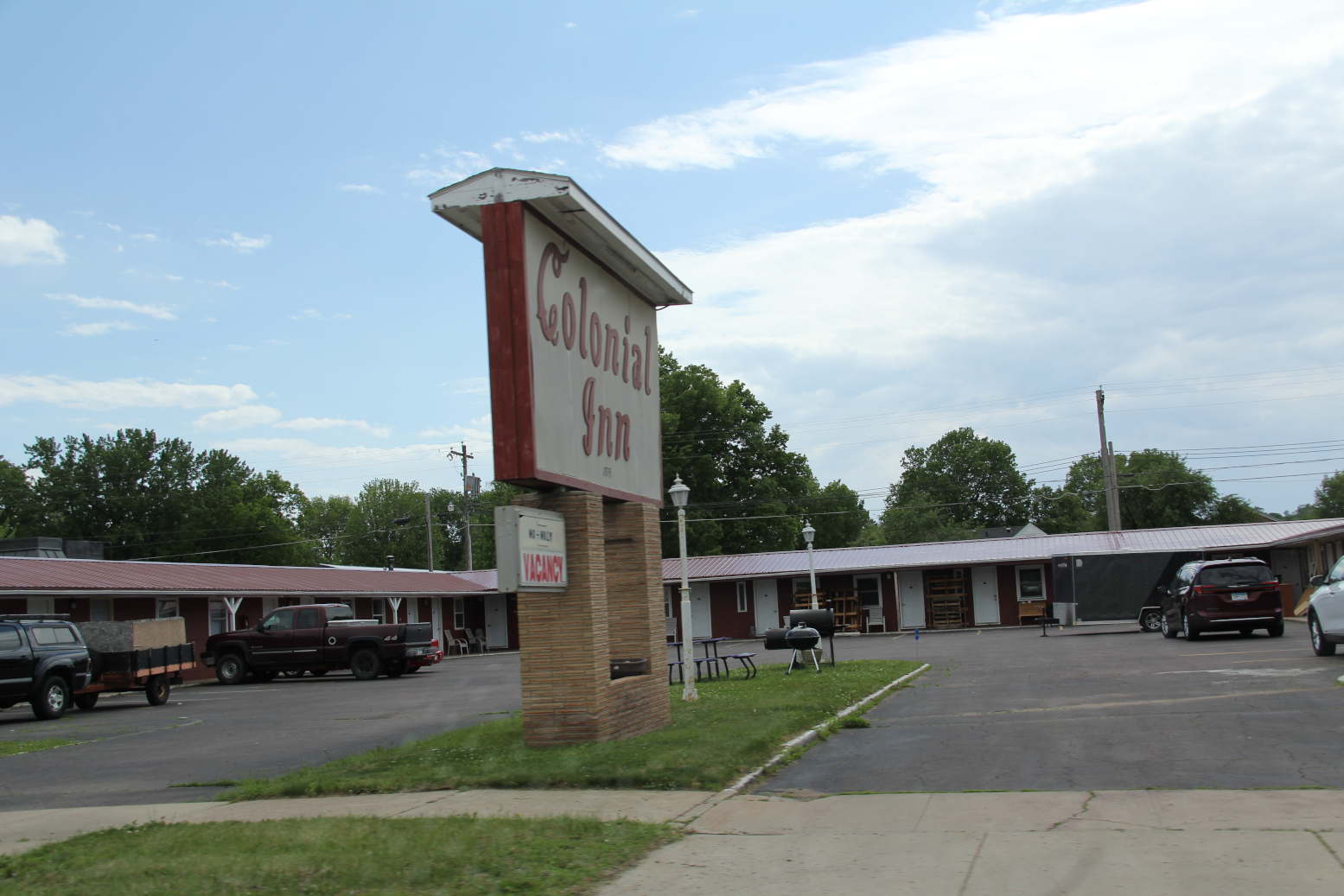
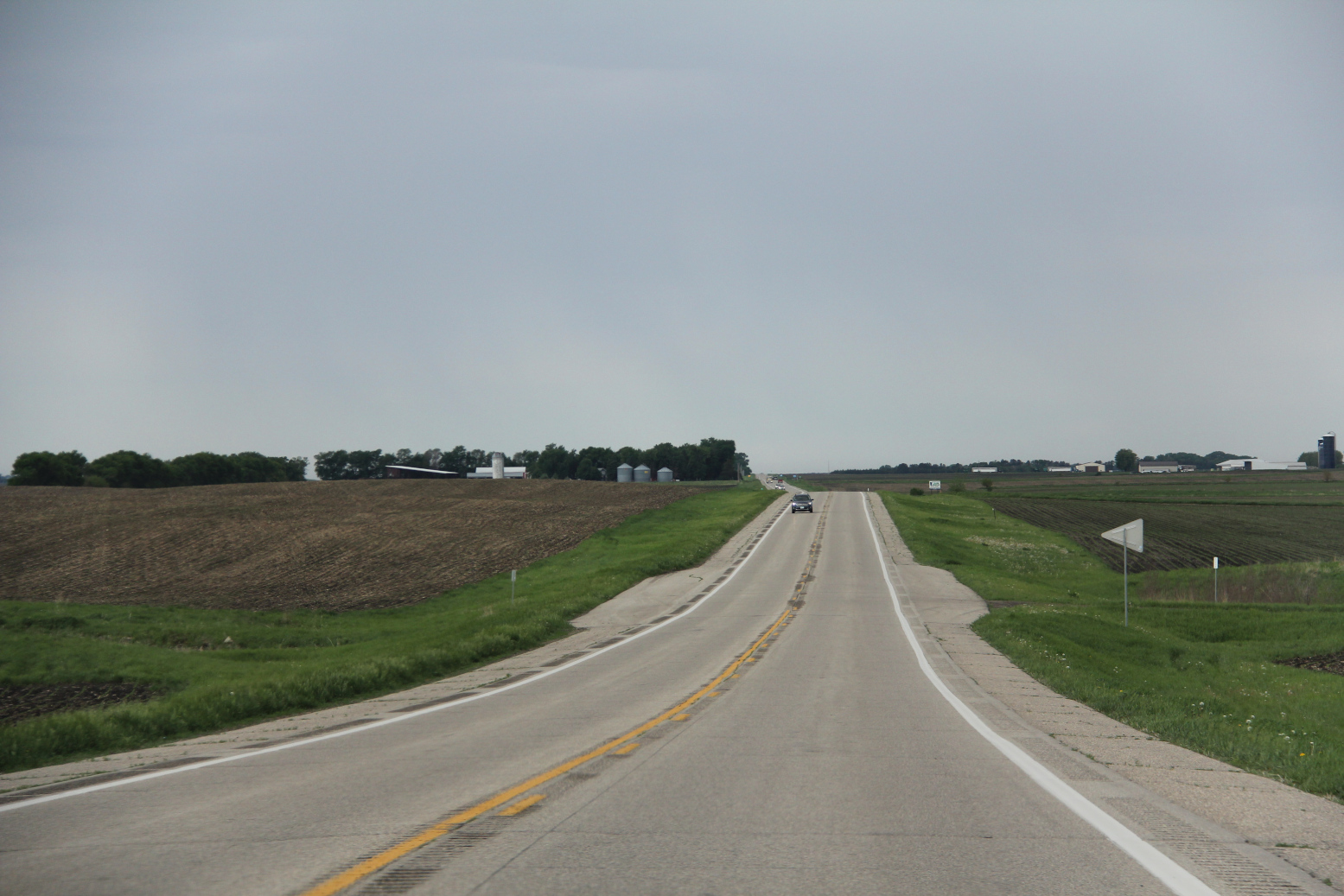
NOTE: I took these photos from the front passenger seat, either through the windshield or side window while traveling at highway speeds. Locations of several photos are not noted as I don’t recall the exact locations.
© Copyright 2026 Audrey Kletscher Helbling