
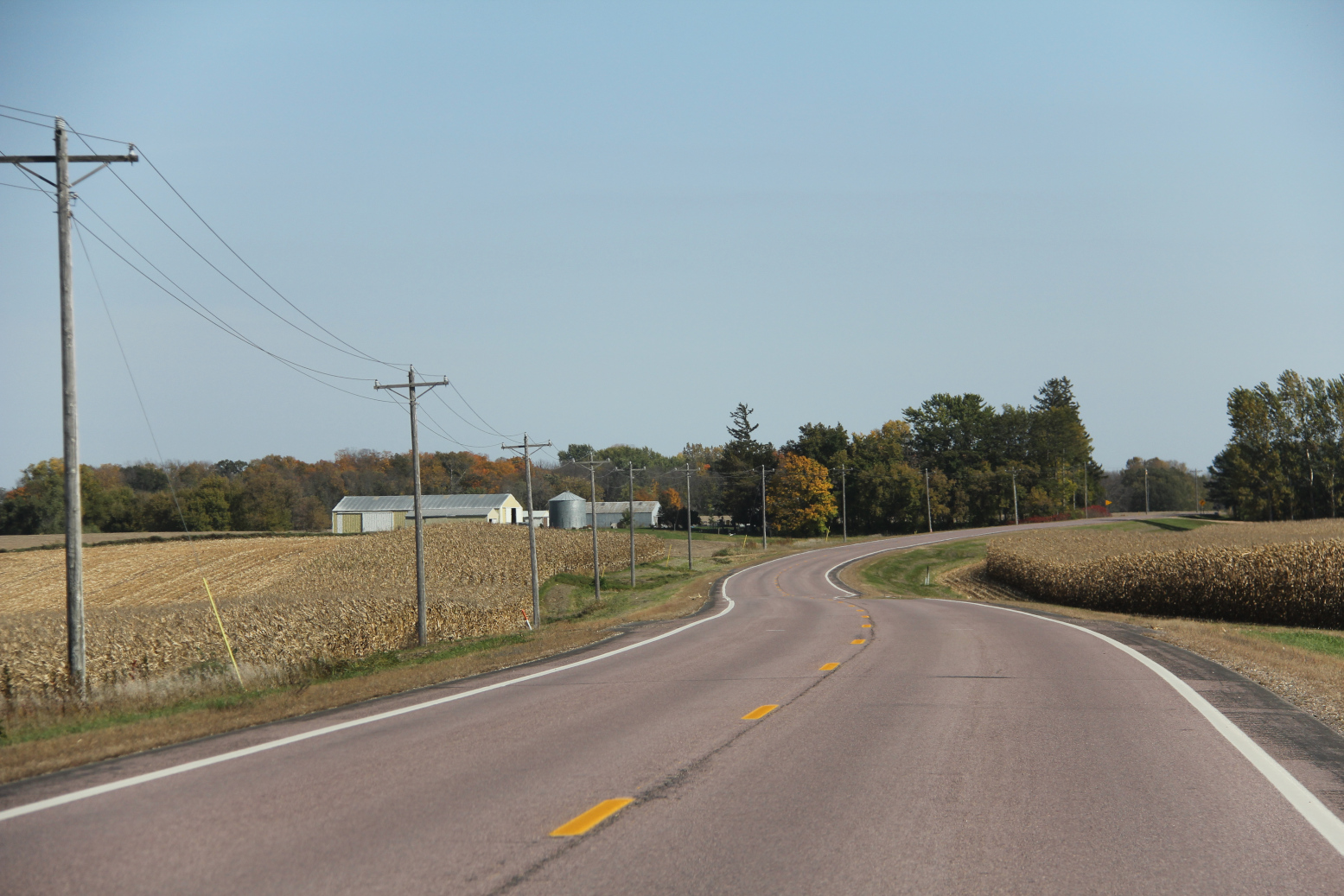
A PLANNED FALL COLOR DRIVE evolved into more like a harvest drive as Randy and I traveled recently through parts of Rice, Steele, Waseca and LeSueur counties. While we saw some color in the trees, fall field work centered our observations.
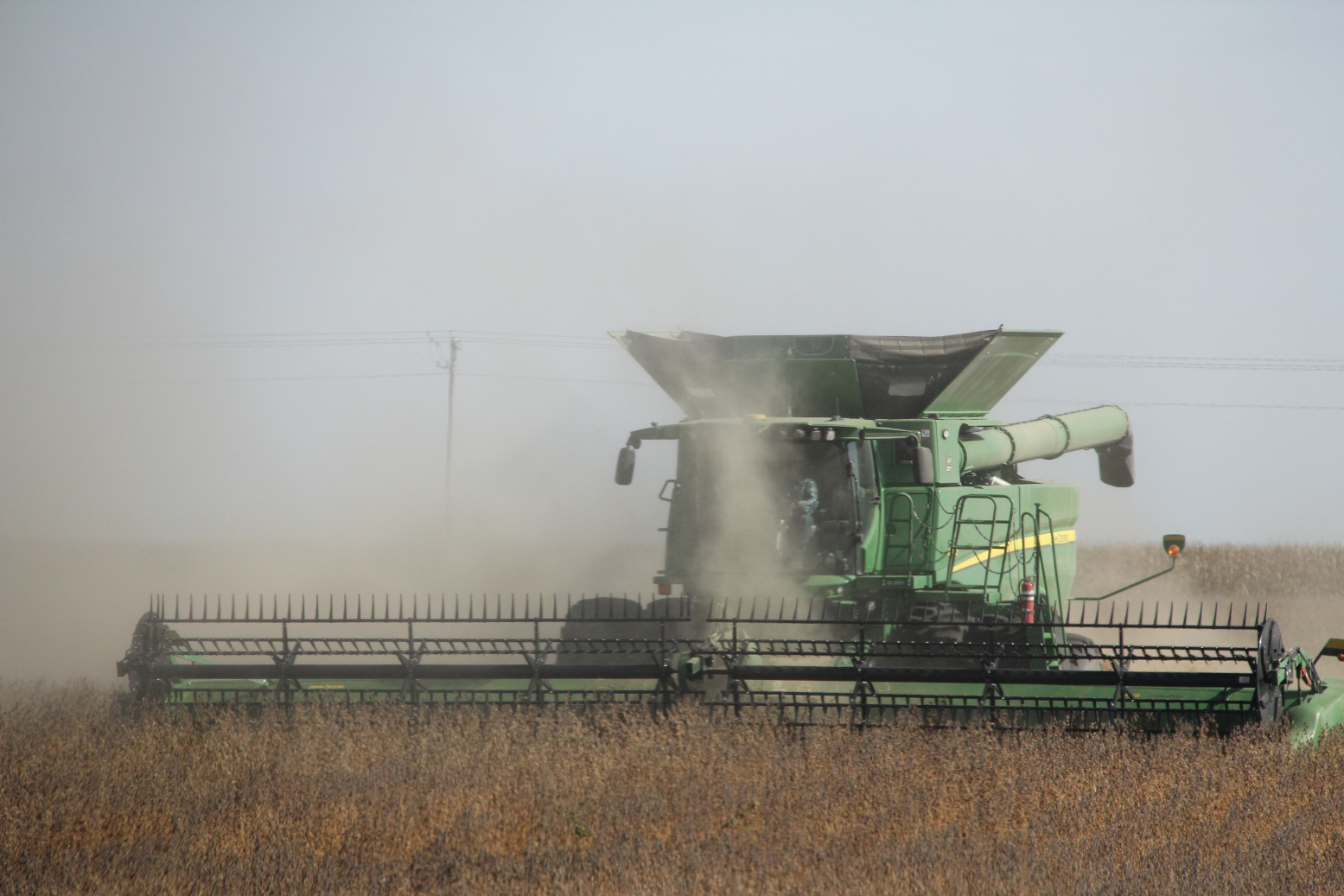
Area farmers were busy harvesting soybeans on the day we meandered through the countryside to the west of Faribault with no set destination.
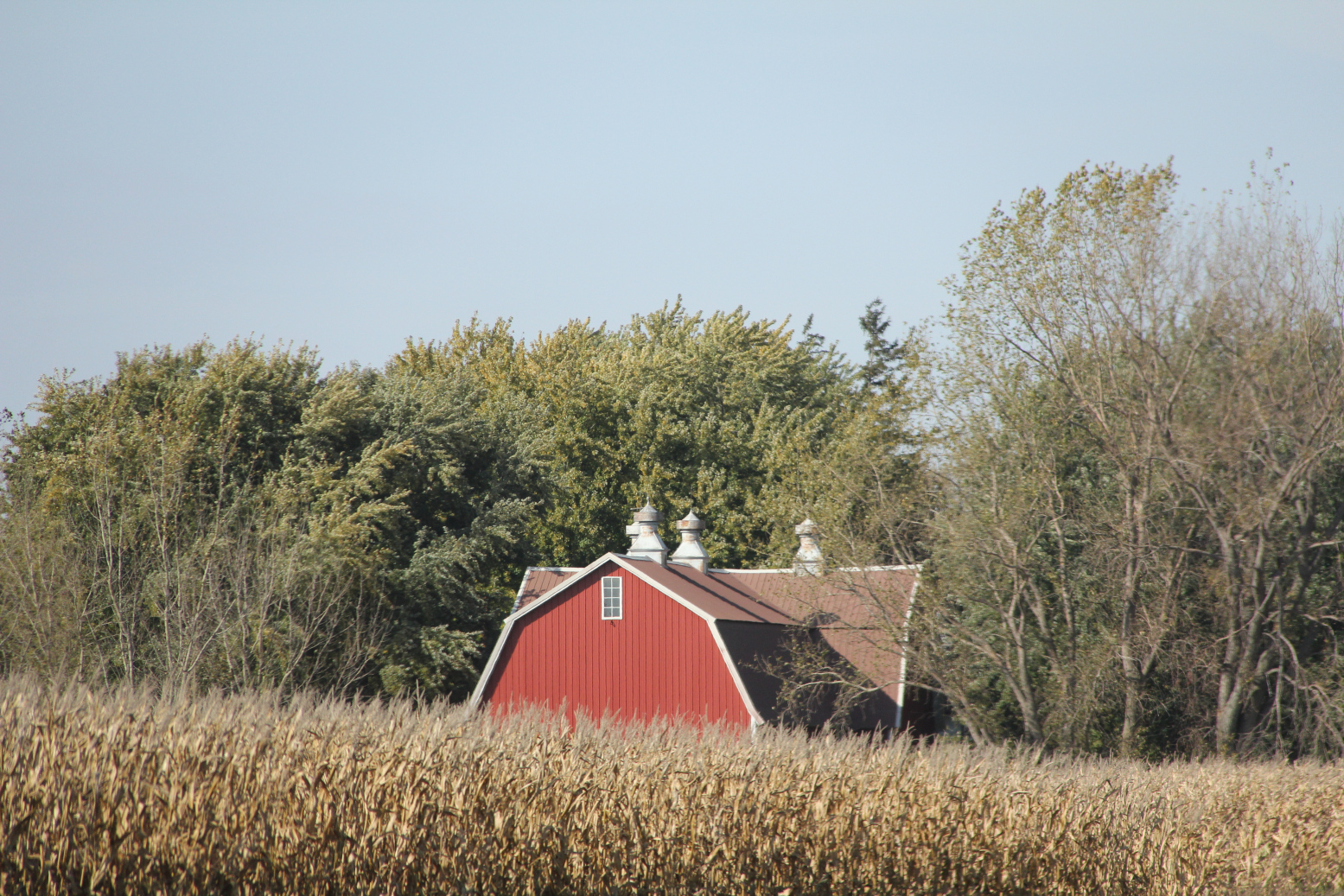
Given our farm backgrounds—Randy rooted in Morrison County in central Minnesota and me in Redwood County in southwestern Minnesota—we remain interested in farming, particularly in spring planting and fall harvest.
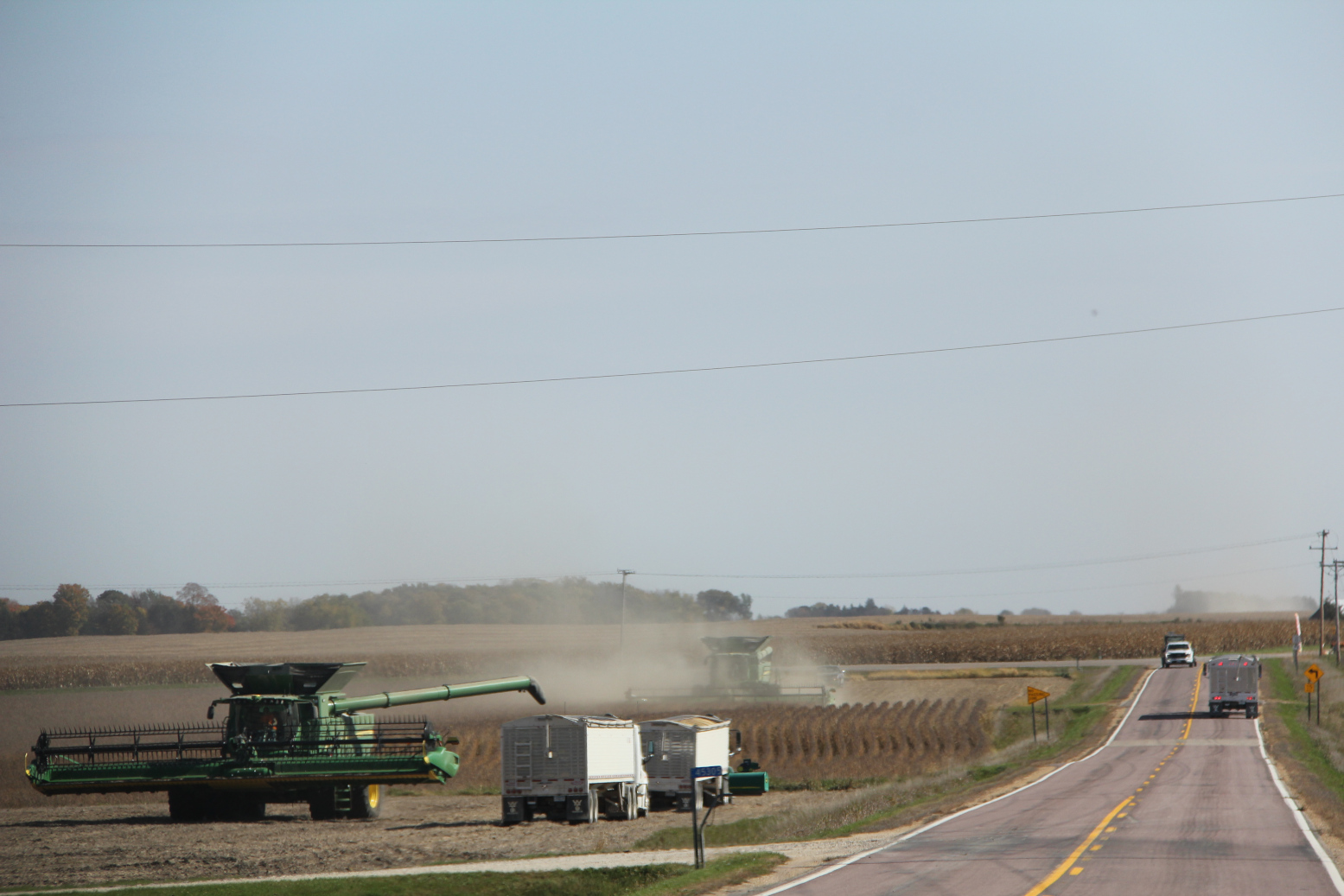
On this unseasonably warm autumn day, farmers hustled to get the beans out, their mammoth combines enveloped in dust as the machines raked across the acres. A stretch of hot, dry days made for ideal harvest weather.
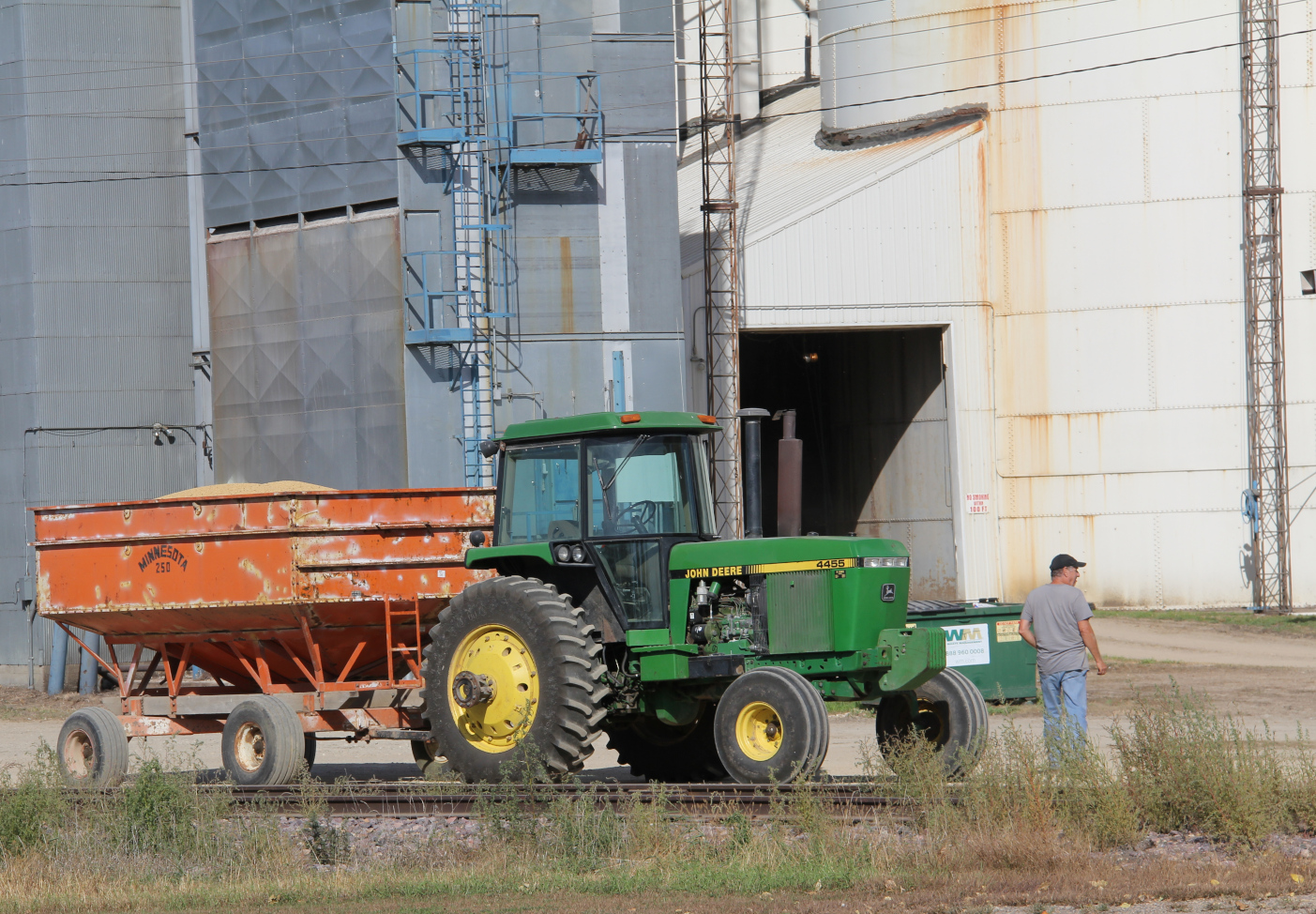
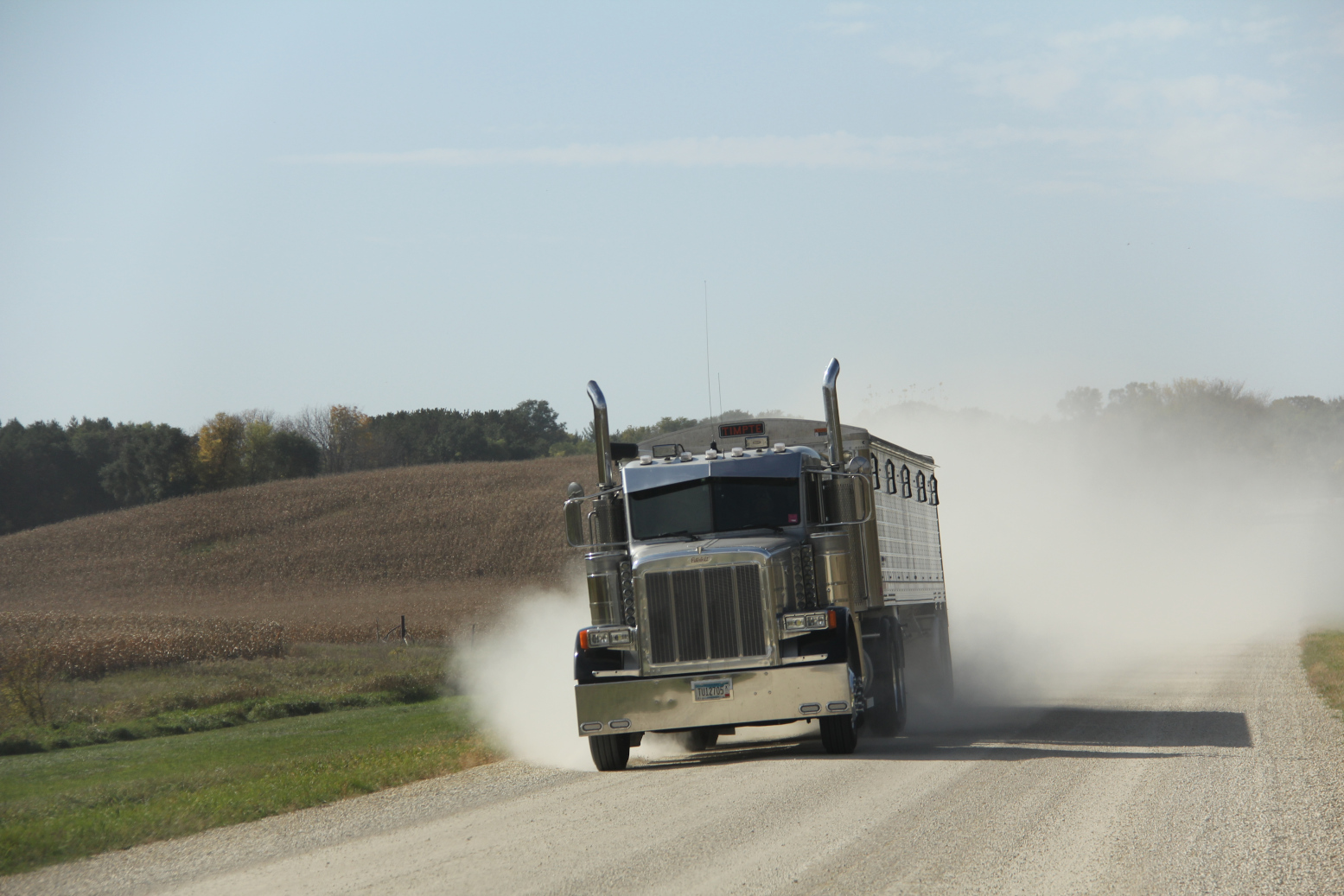
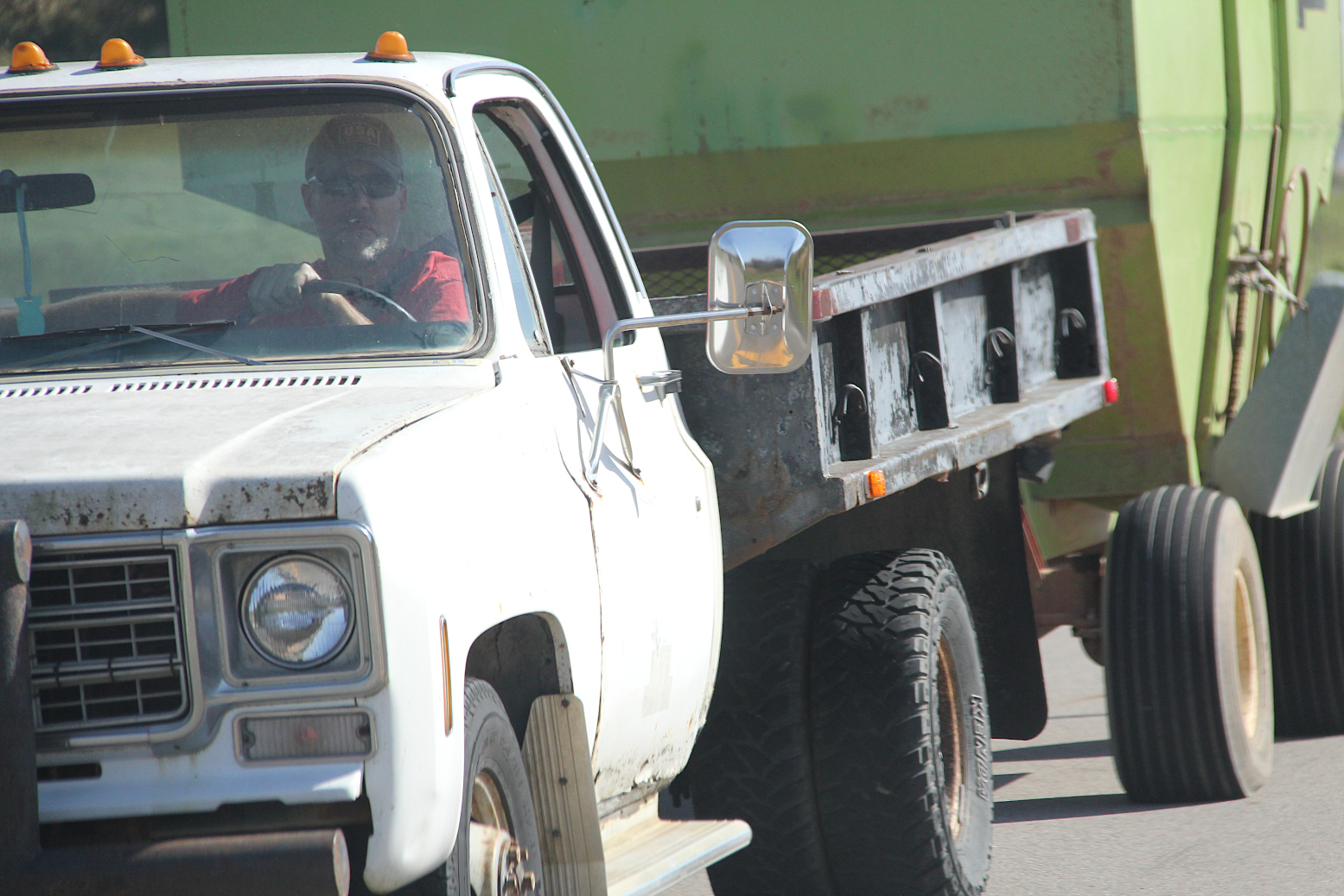
Grain trucks idled, awaiting loads of beans. Others brimmed with golden orbs. Gravity flow wagons pulled by tractors or pickup trucks also held the bounty of crops.
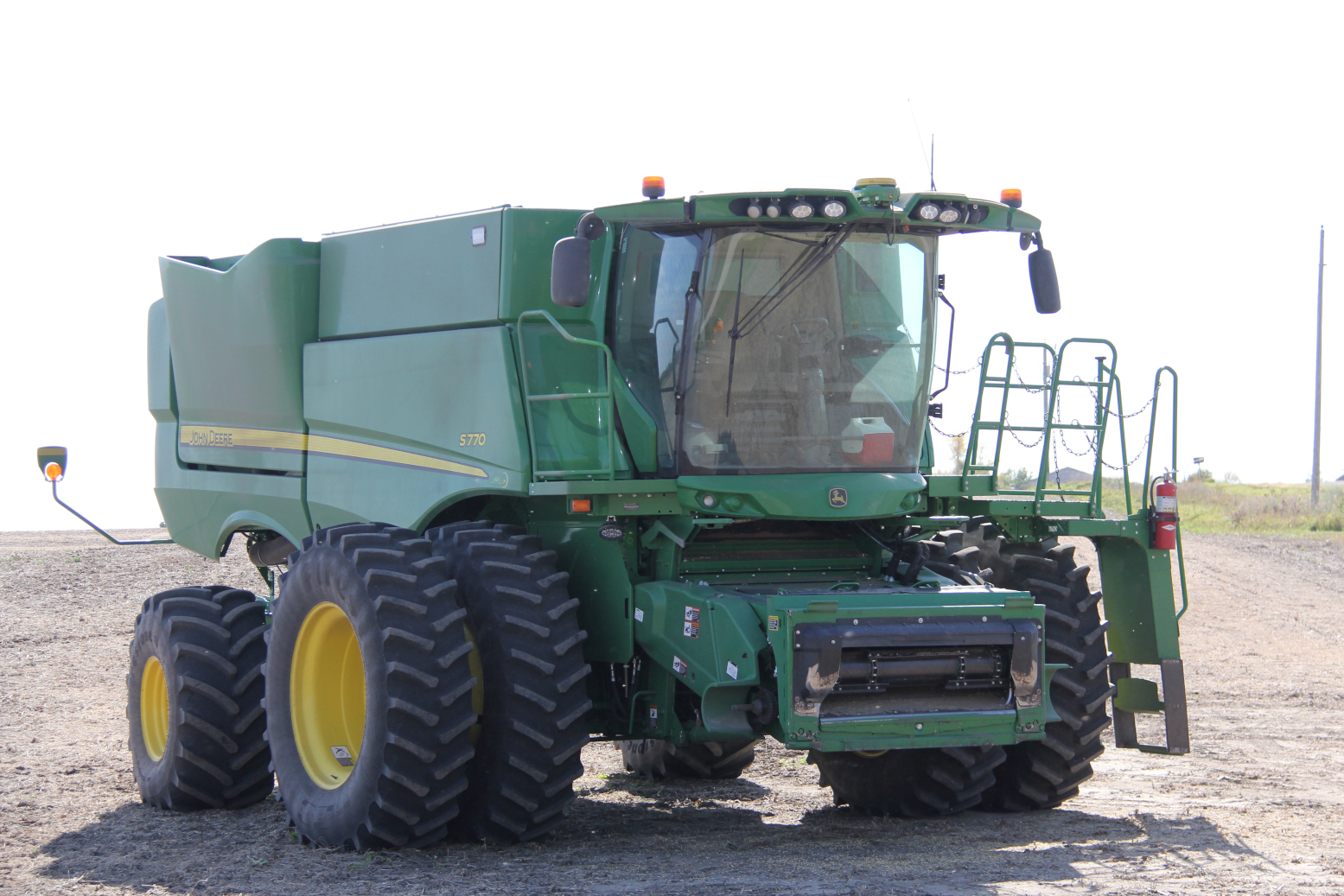
I noticed the details, too, like a small cooler inside a combine cab, probably packed with lunch. My friend Virginia shared recently that she delivered lunch to her son harvesting in the Millersburg area. It’s likely not all that uncommon for family members to take meals to farmers in the field. Going up to the farmhouse for lunch takes too much time.
Time is the farmer’s constant companion during this season of harvest. As the days tick closer to winter, pressure mounts to get first the soybeans, then the corn, out.
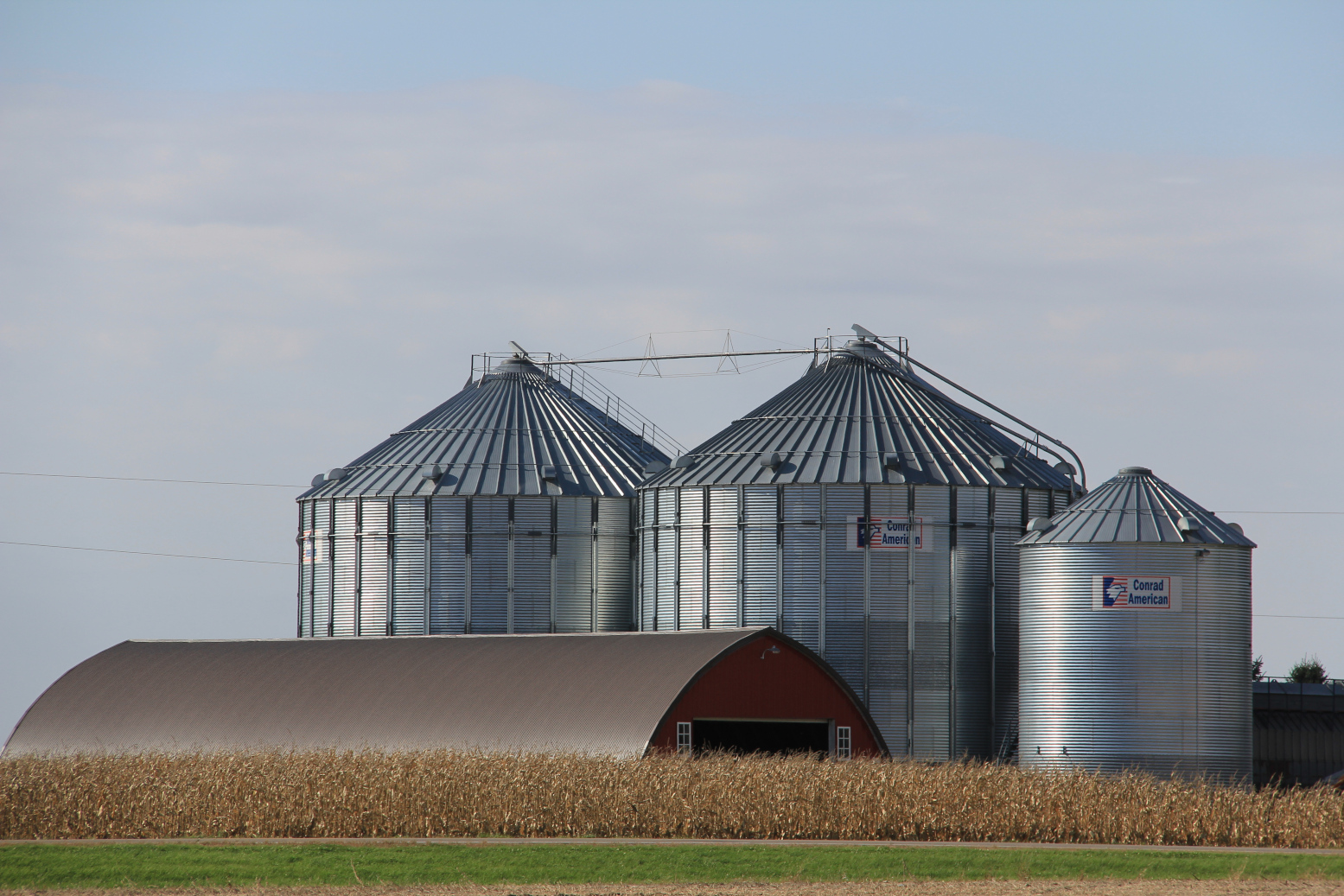
And then there’s the weather, always the weather. Unwanted rain can delay harvest, adding to an already stressful situation.
It takes a lot of mental fortitude to crop farm—to handle the stressors of time, weather, fluctuating prices and increasing operational expenses. But help is available 24/7 through a free and confidential state-funded Minnesota Farm & Rural Helpline at 833-600-2670. Trained counselors will listen, help and connect as needed. Other resources such as NAMI Minnesota and the Suicide Lifeline (call, text or chat to 988) are also available to assist.
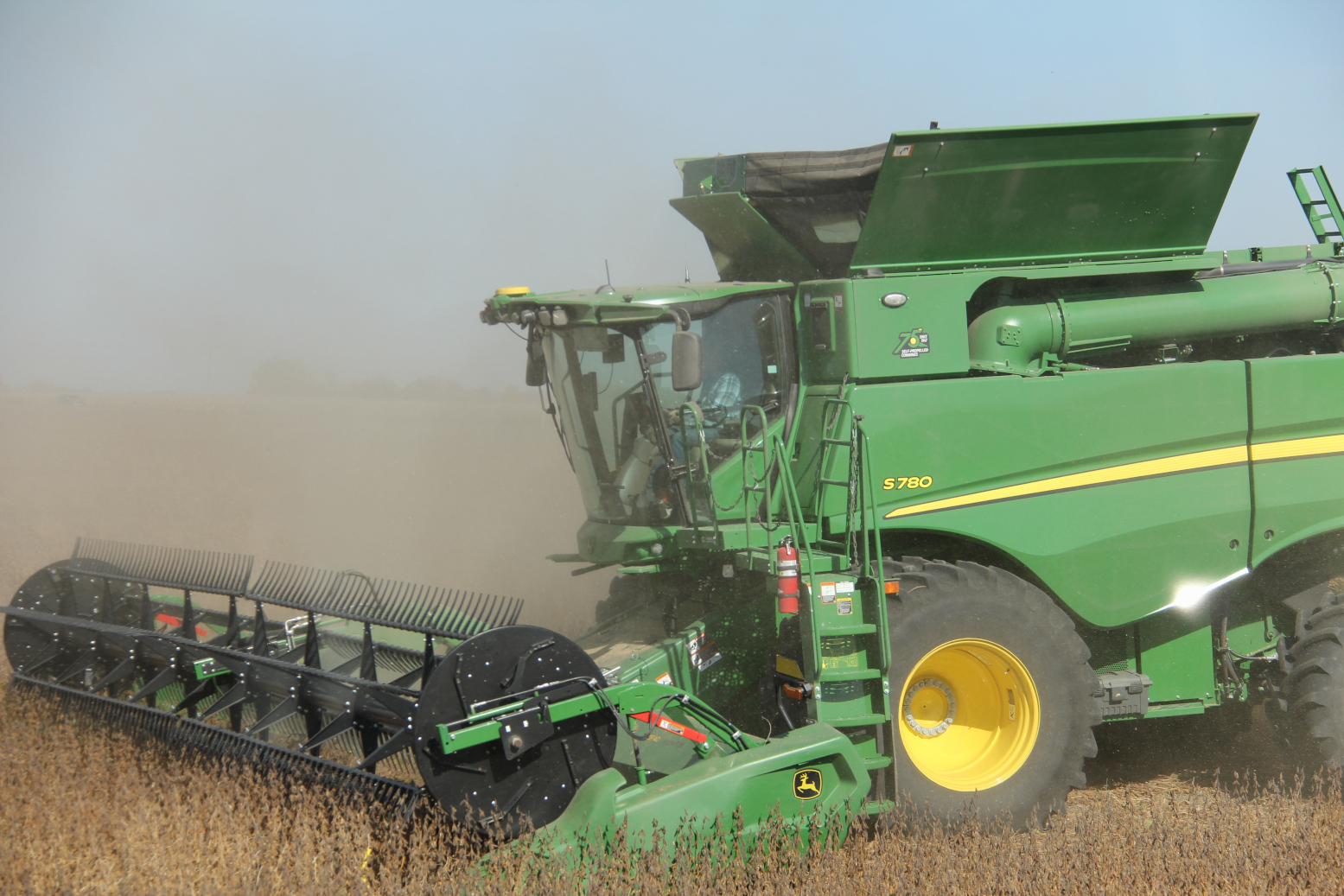
Along with mental health are physical safety concerns. I was reminded of that when I noticed a fire extinguisher attached to the side of laddered steps leading into a combine. Occasionally fire erupts when crop debris meets hot machinery or parts get overheated or for other reasons.
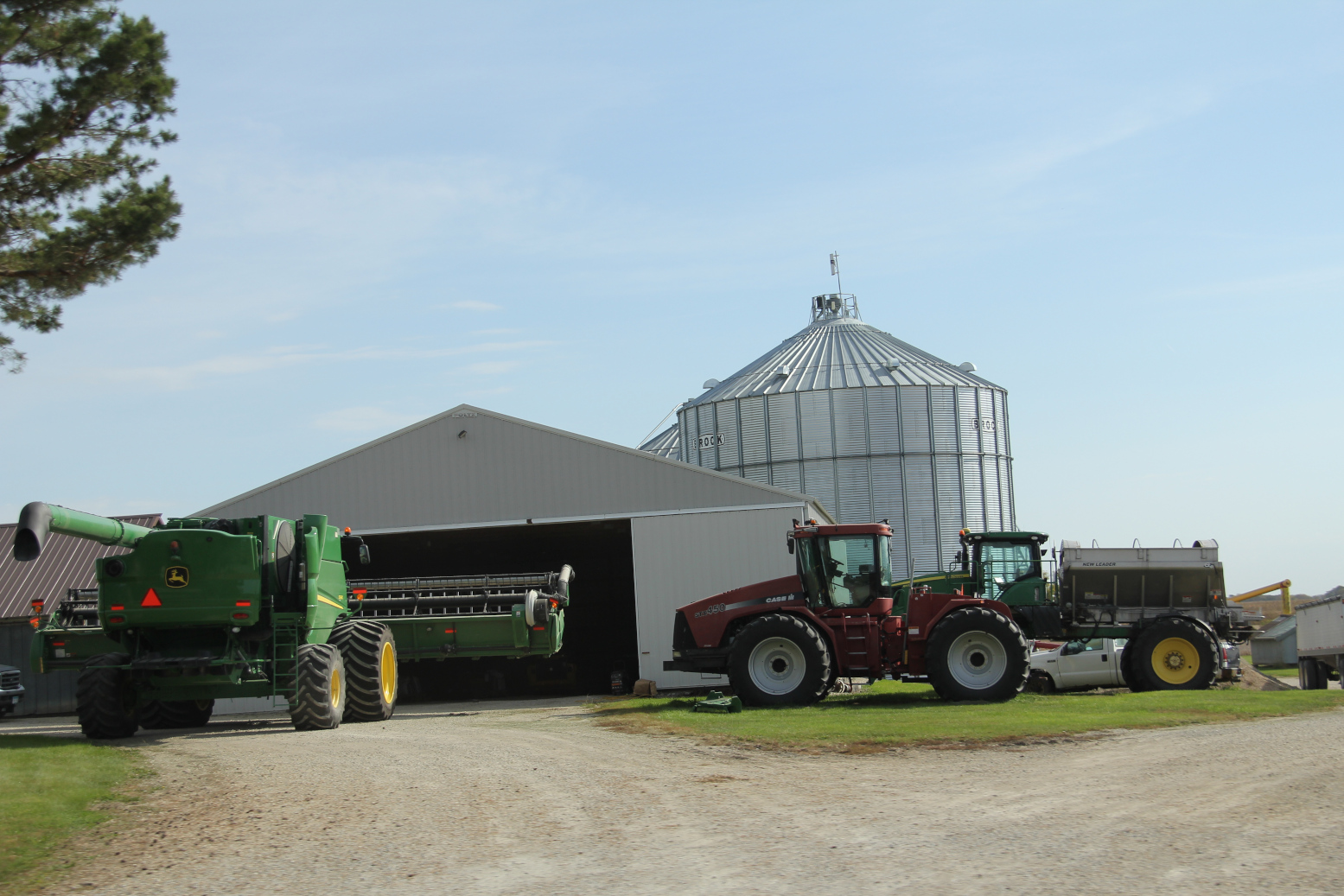
I expect most farmers take safety seriously. Yet it’s easy, when you’re working long, exhausting days and late into the night on minimal sleep, for accidents to happen. Every harvest season across Minnesota there are stories of grain bin rescues, sometimes successful, sometimes not.

Thankfully safety shields on modern day machinery mostly protect from serious injuries, unlike when my father-in-law’s left hand was pulled into a corn chopper in 1967. The accident happened as he hand-fed corn into the chopper. The blades chopped off his fingers with a surgeon later amputating part of his forearm. Eleven-year-old Randy, in the field with his dad when the accident happened, turned off the power take-off and then ran to a neighbor’s farm for help.
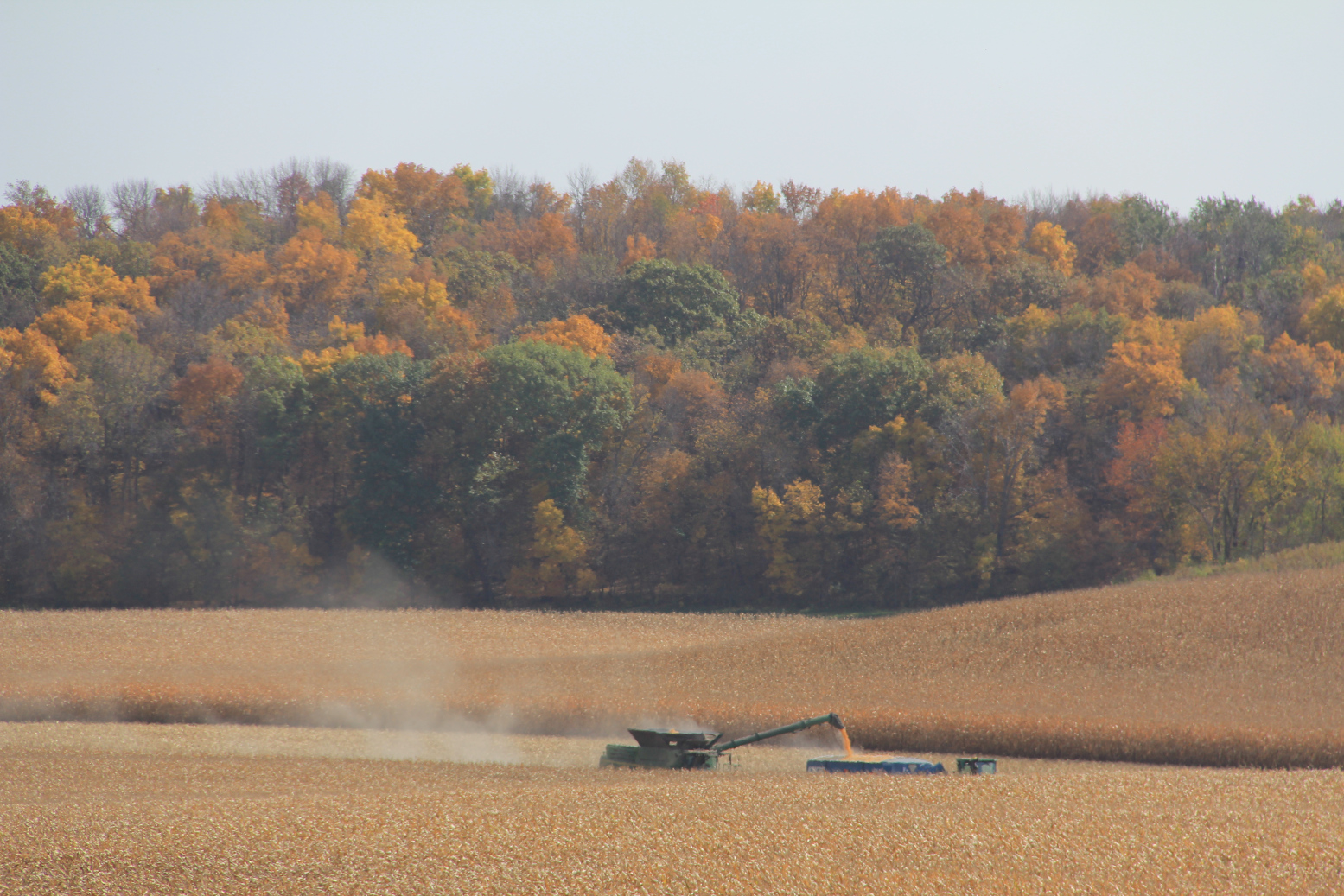
As we drove through the southern Minnesota countryside, deep into harvest, I thought of that long ago farm accident involving the man who would become my father-in-law. And I considered all the farmers today who love the land and farming, but who work in one of the top 10 most dangerous occupations in the U.S.
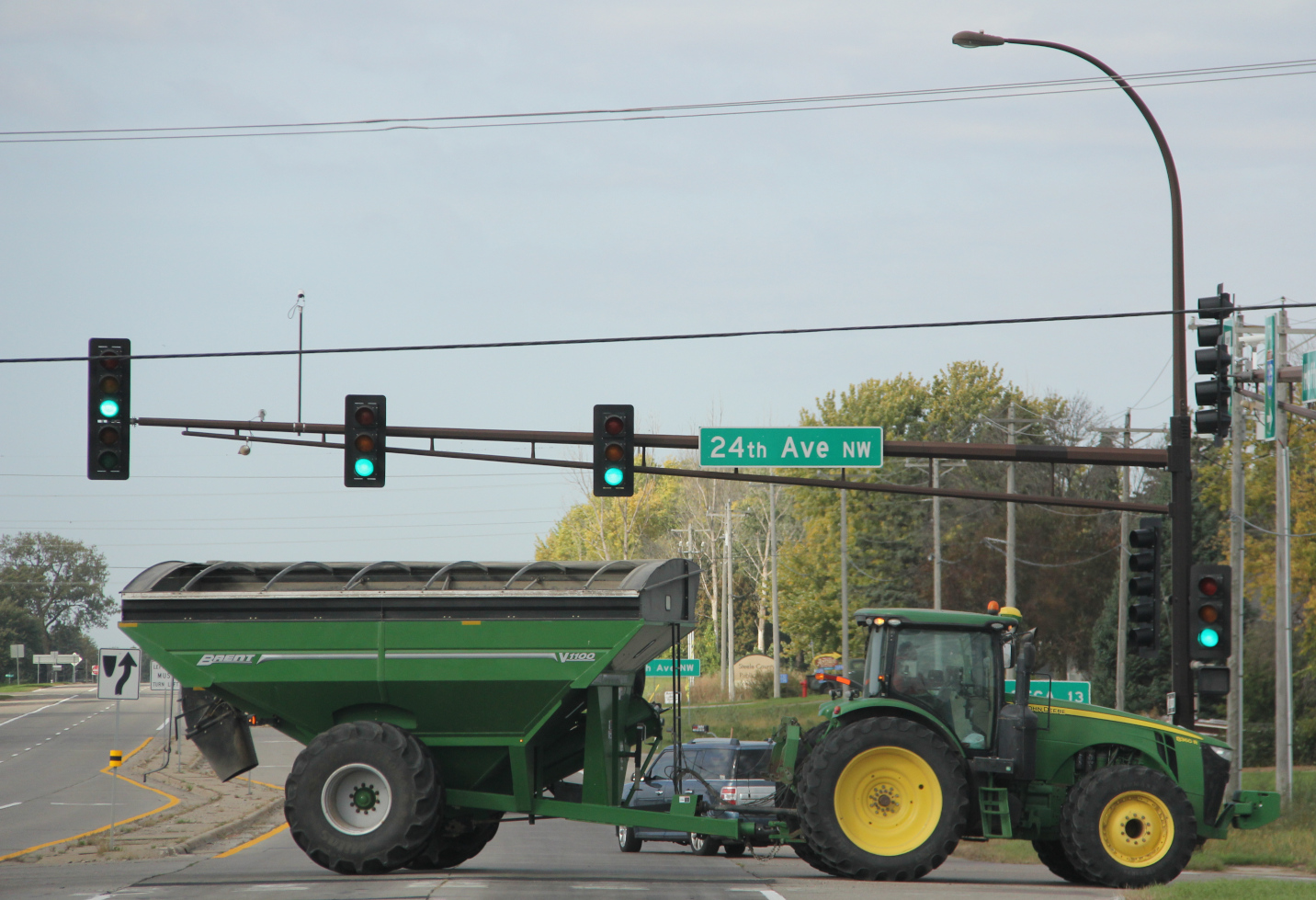
Farm life may, on the surface, appear a bucolic, simple life. But in reality, it isn’t. It’s hard work. I’m reminded of that as I travel through the countryside, documenting field work. This chosen life comes with rewards and risks, from planting to harvest.
© Copyright 2026 Audrey Kletscher Helbling

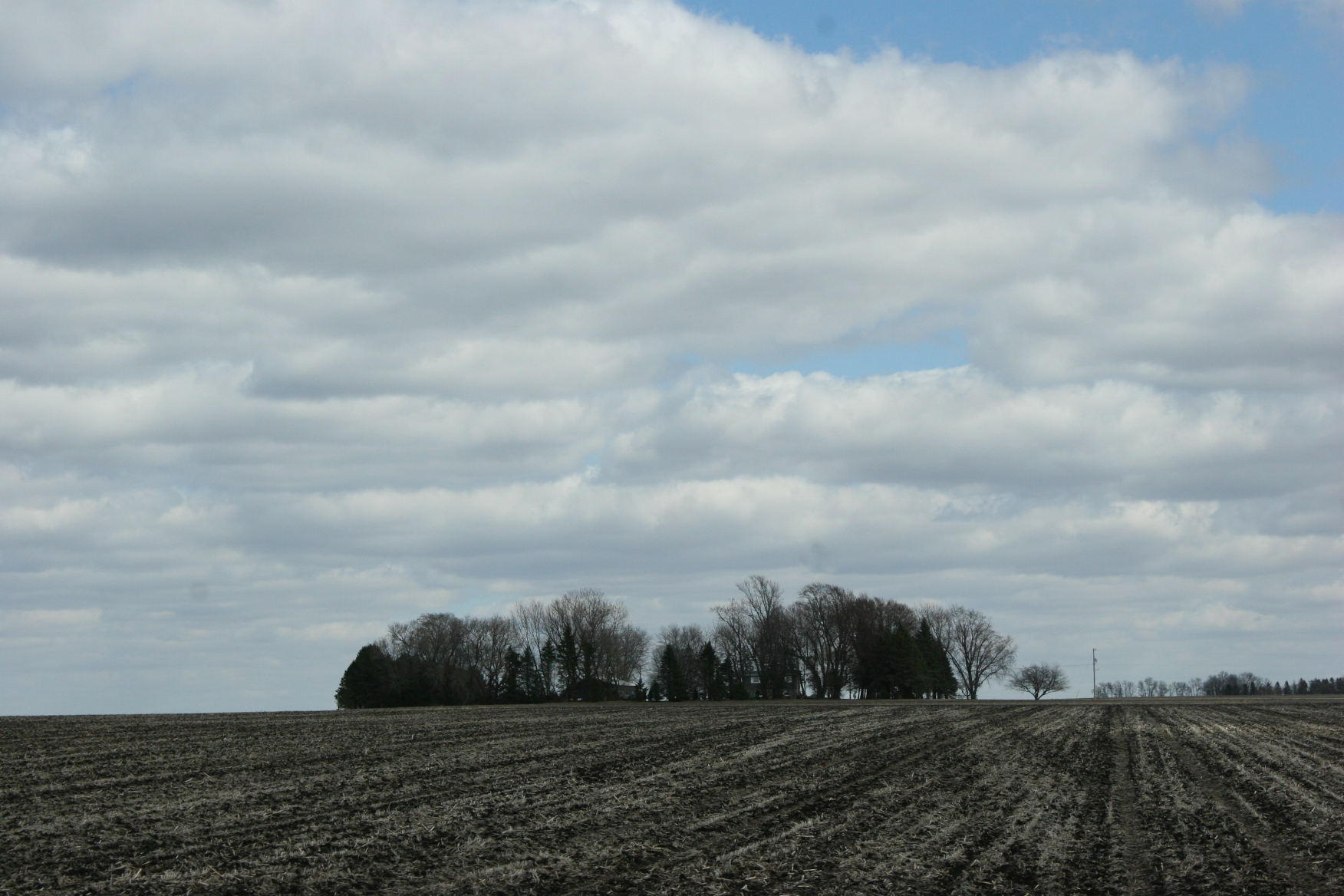
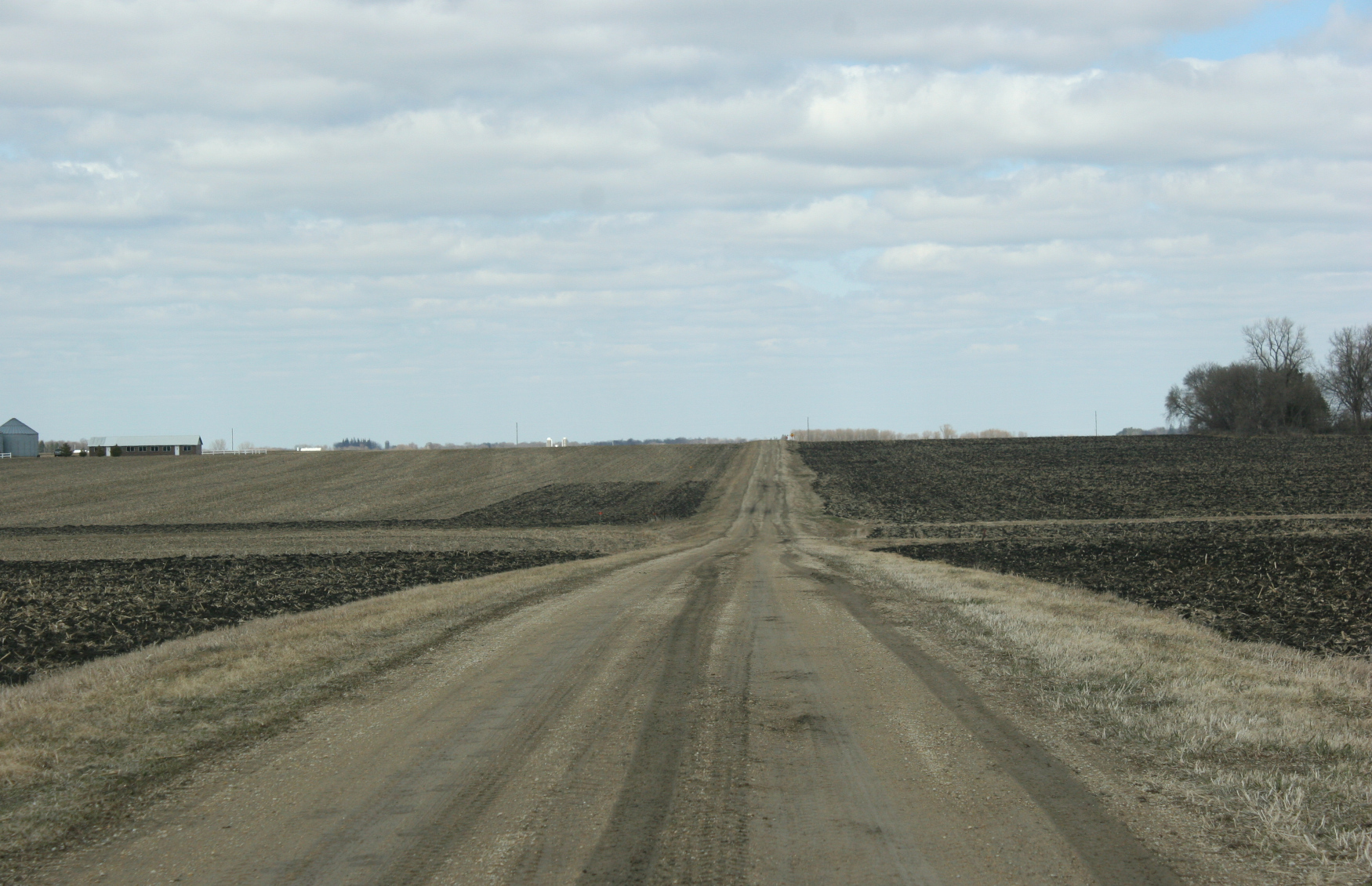
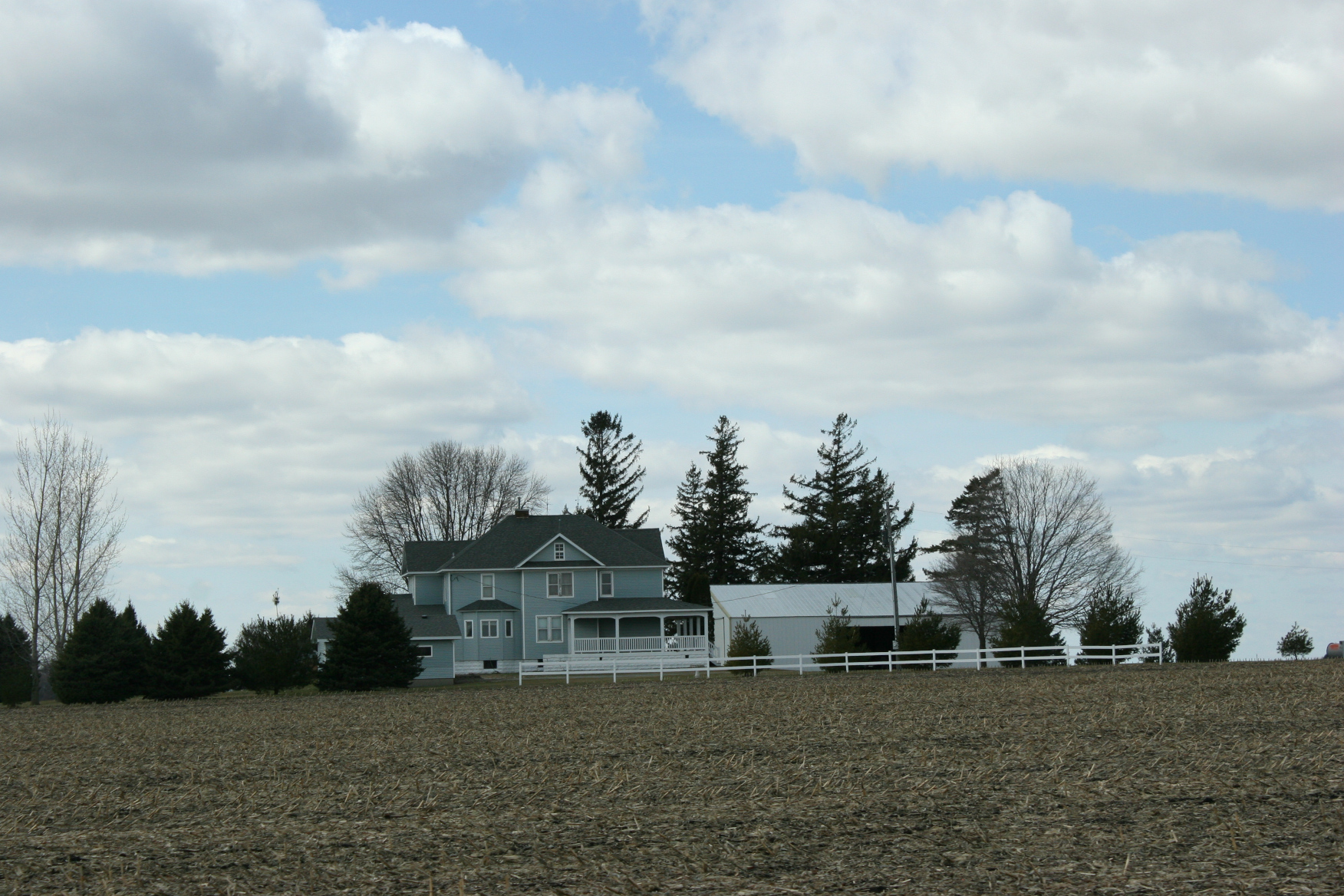
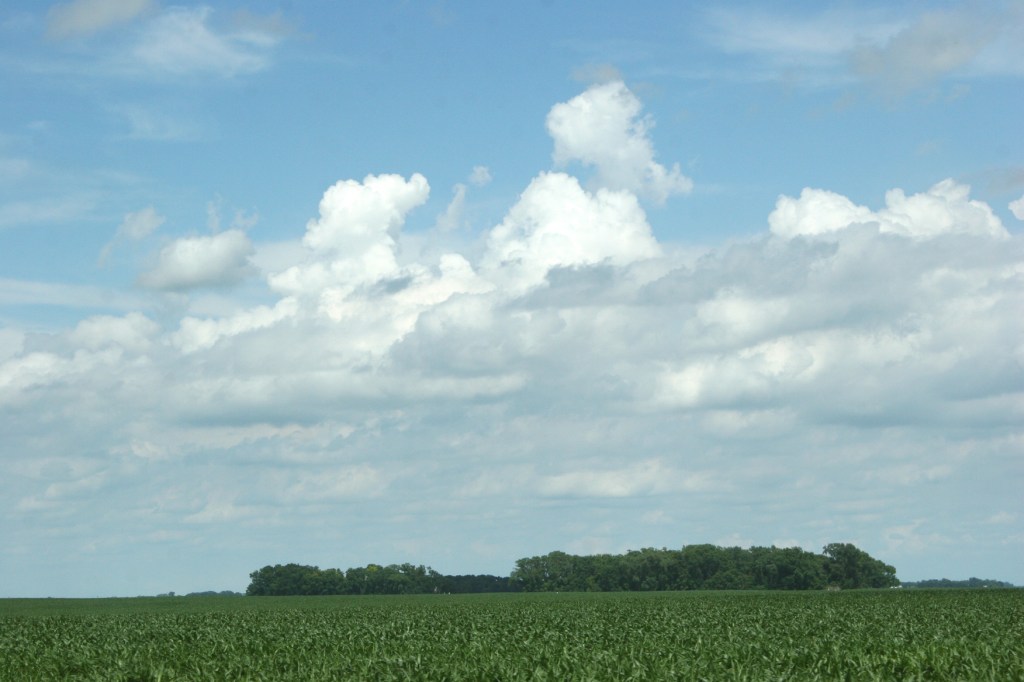

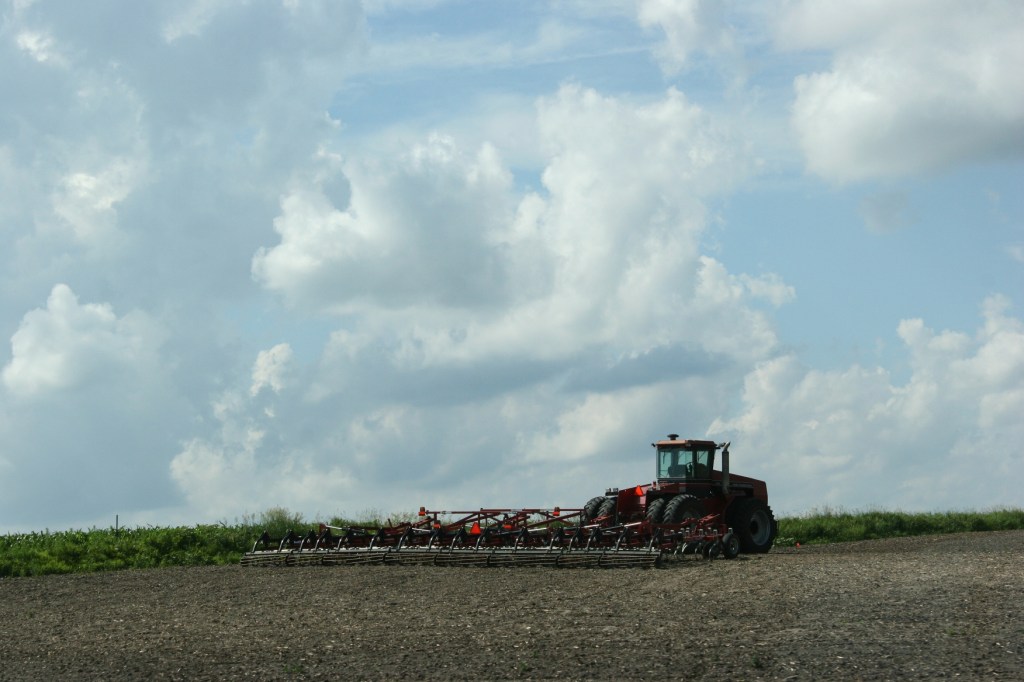
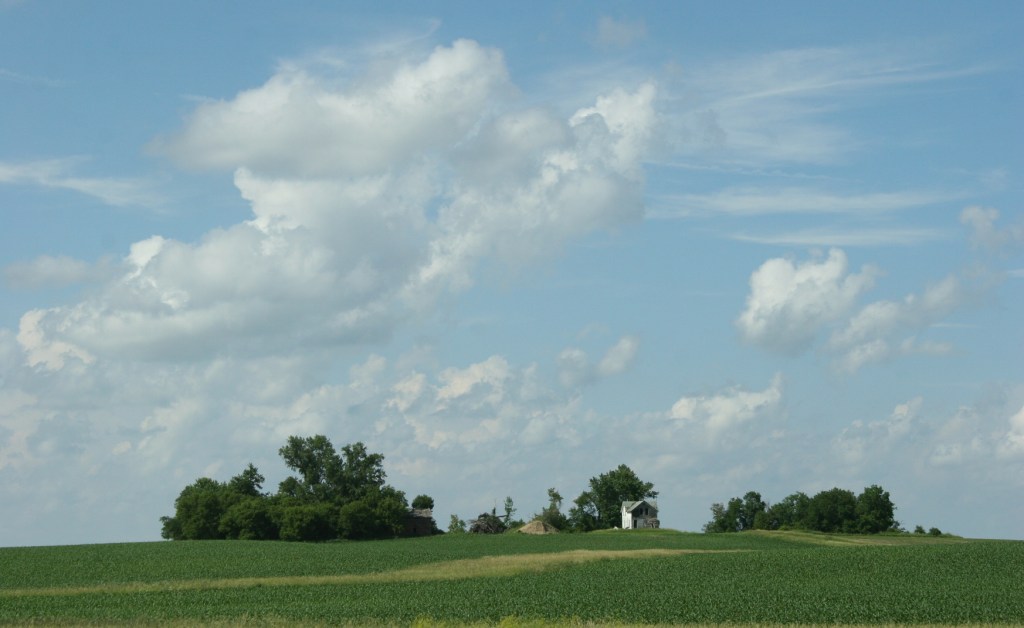



Westward bound deep into Minnesota farm country May 28, 2026
Tags: agriculture, barns, Brown County, commentary, farm fields, farm sites, farming, land, landscape, Mankato, memories, Morgan, New Ulm, Owatonna, photography, Redwood County, rural Minnesota, sky, southern Minnesota, travel, Vesta
THROUGH SEVEN SOUTHERN MINNESOTA counties we traveled—Rice, Steele, Waseca, Blue Earth, Nicollet, Brown and, then, home to Redwood. Westward bound.
Only occasionally now, mostly for the annual family reunion and on this day a beloved aunt’s funeral, do Randy and I follow this 125-mile route back to my native Redwood County.
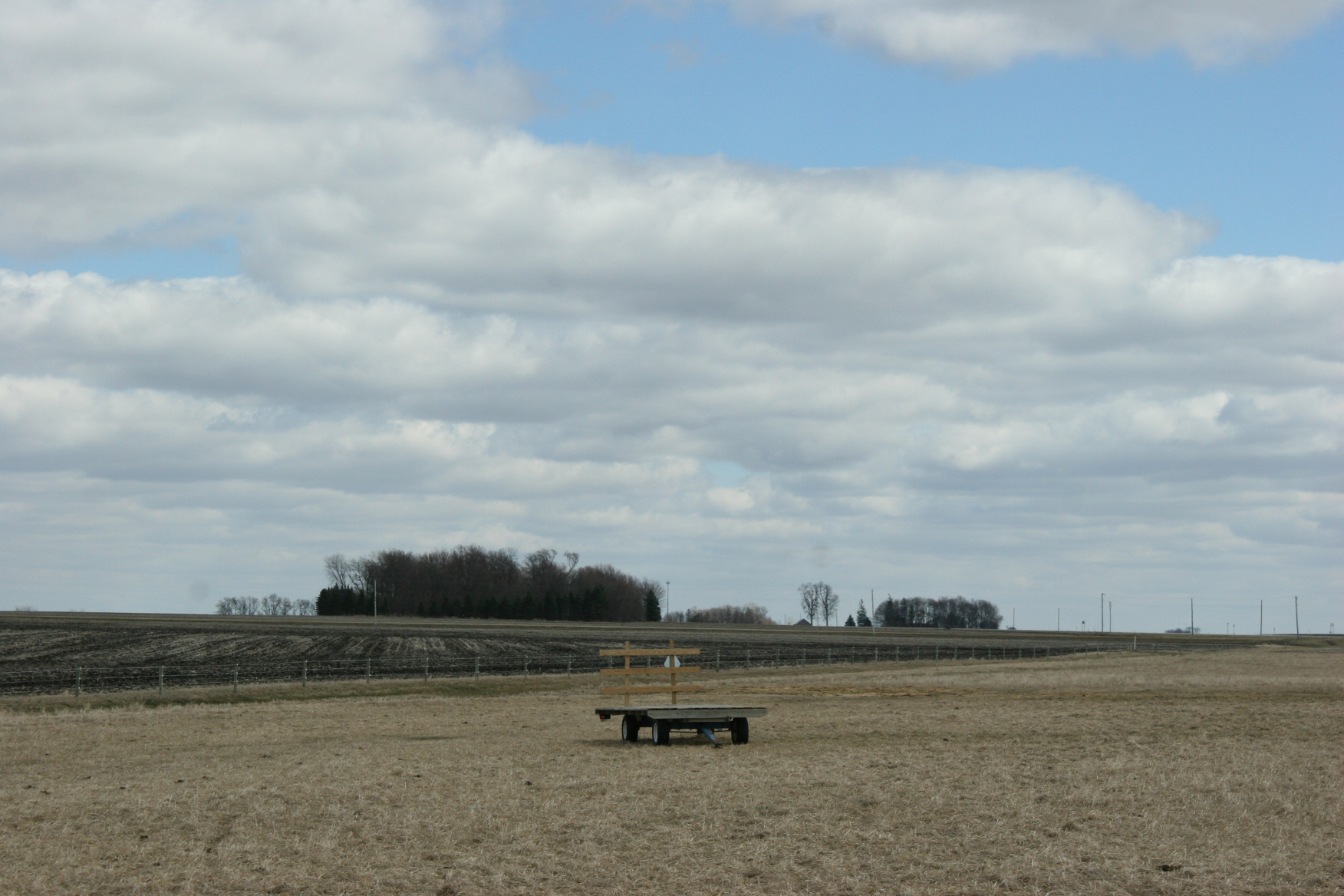
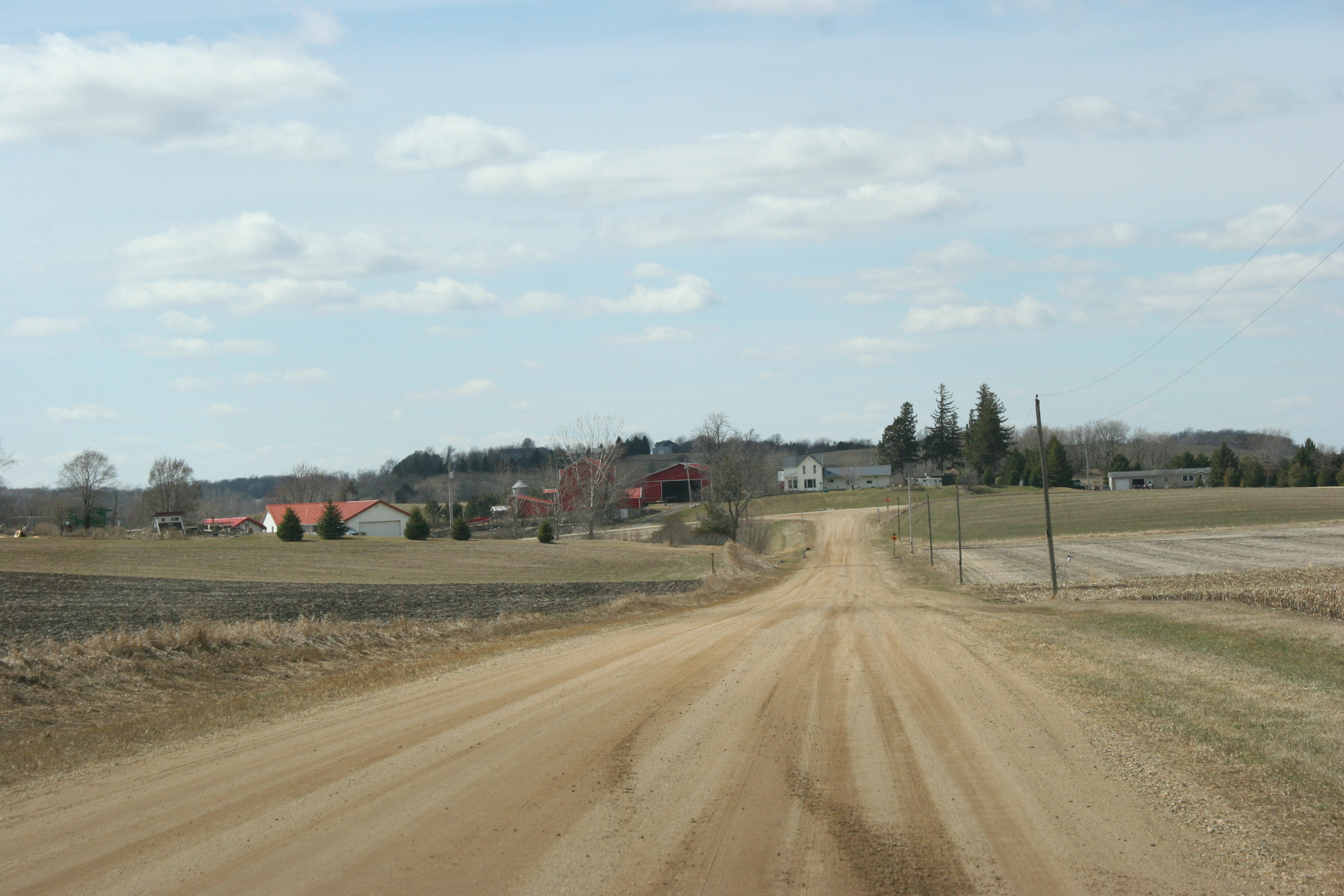
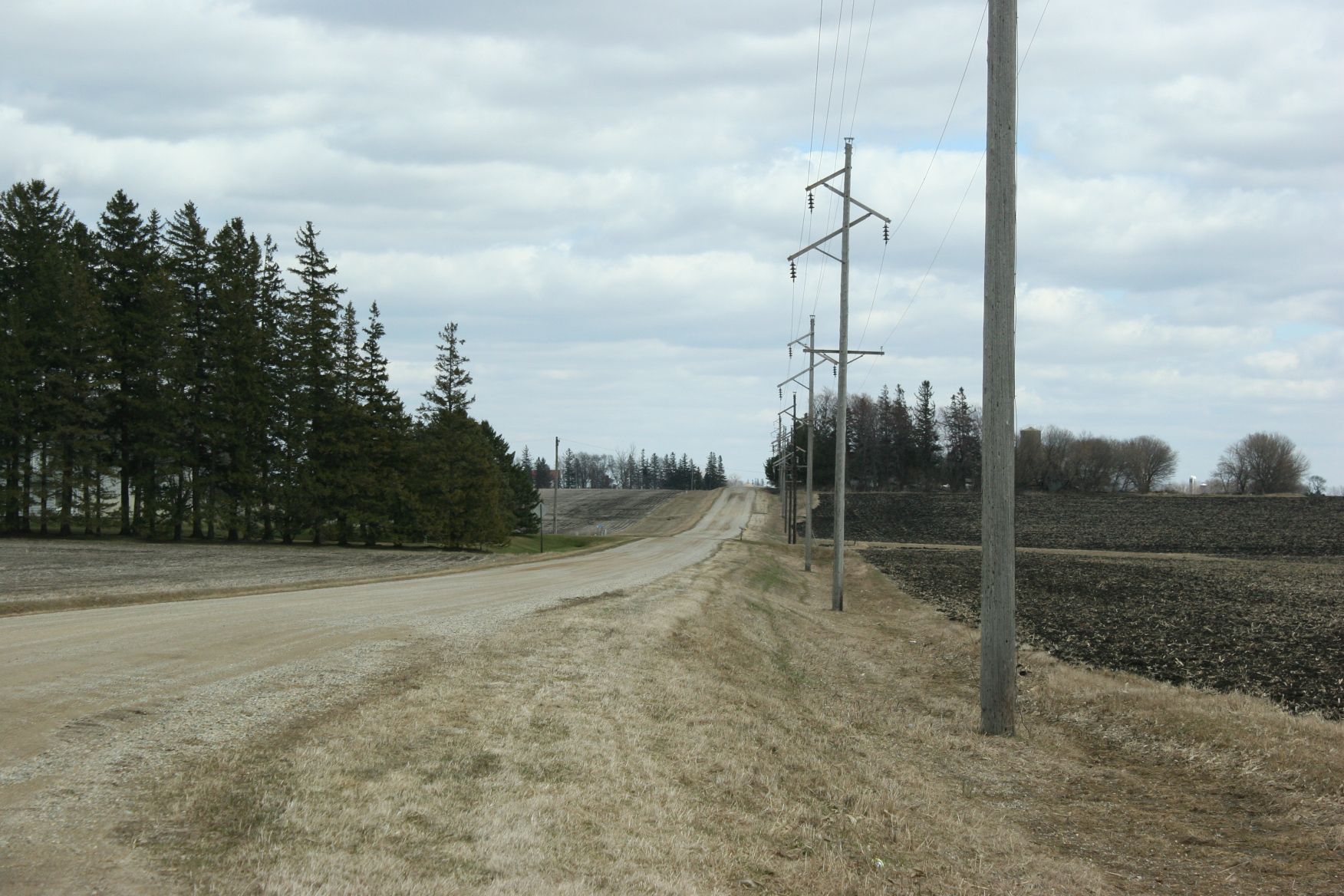
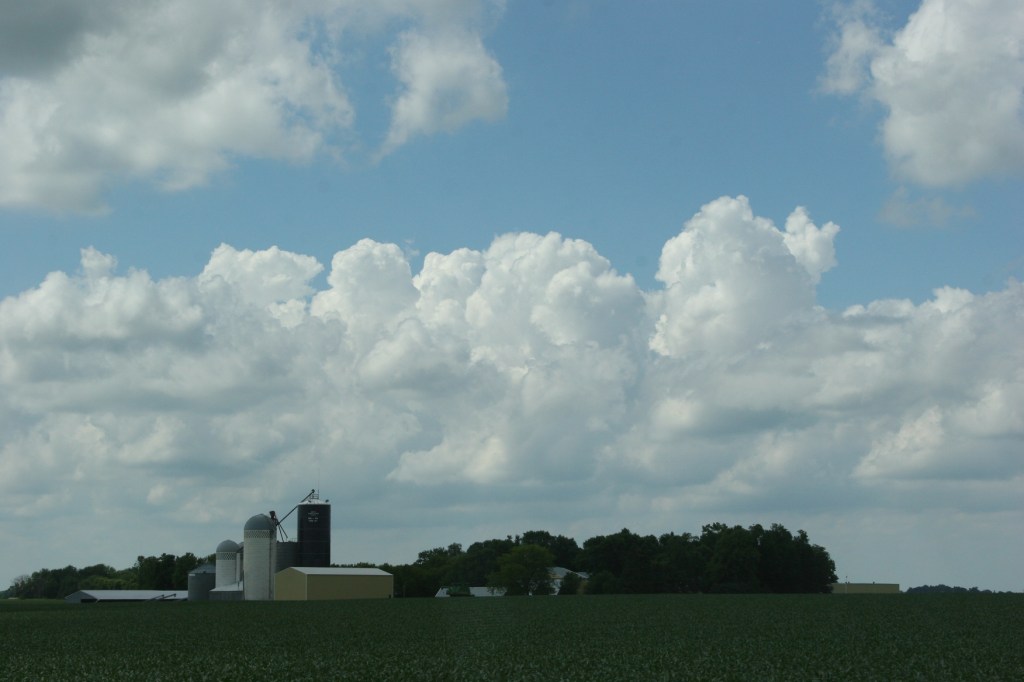
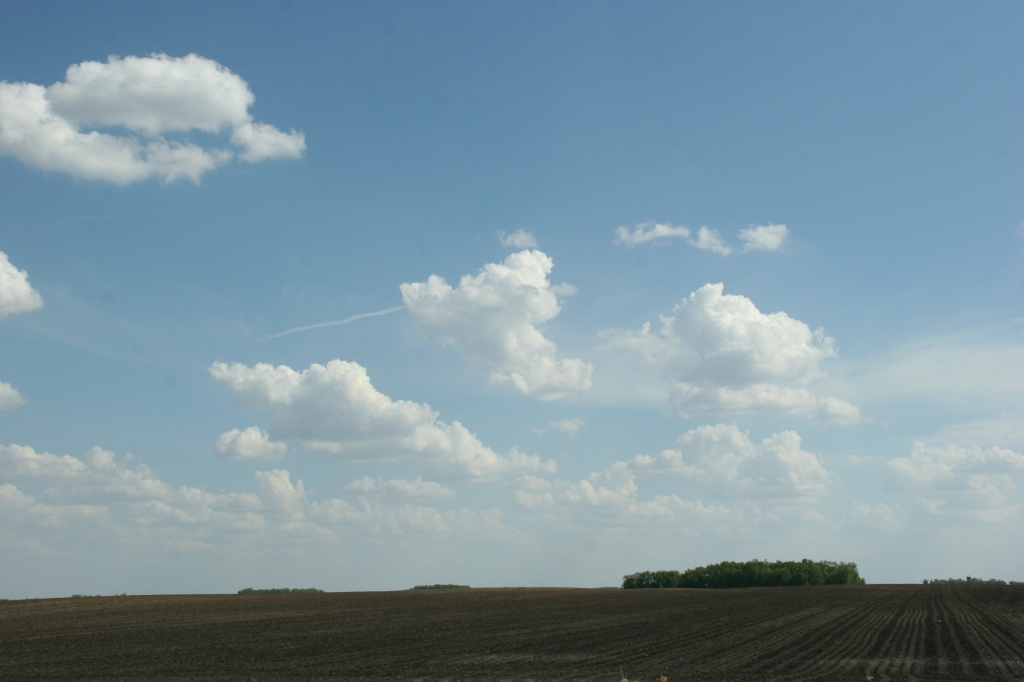
Every trip, I see the immensity of sky and land as the landscape unfolds before me. The farther west we drive, the more rural the look, the feel, with the exception of Mankato and New Ulm.
We bypass the small towns along four-lane U.S. Highway 14 while passing endless farm sites and fields.
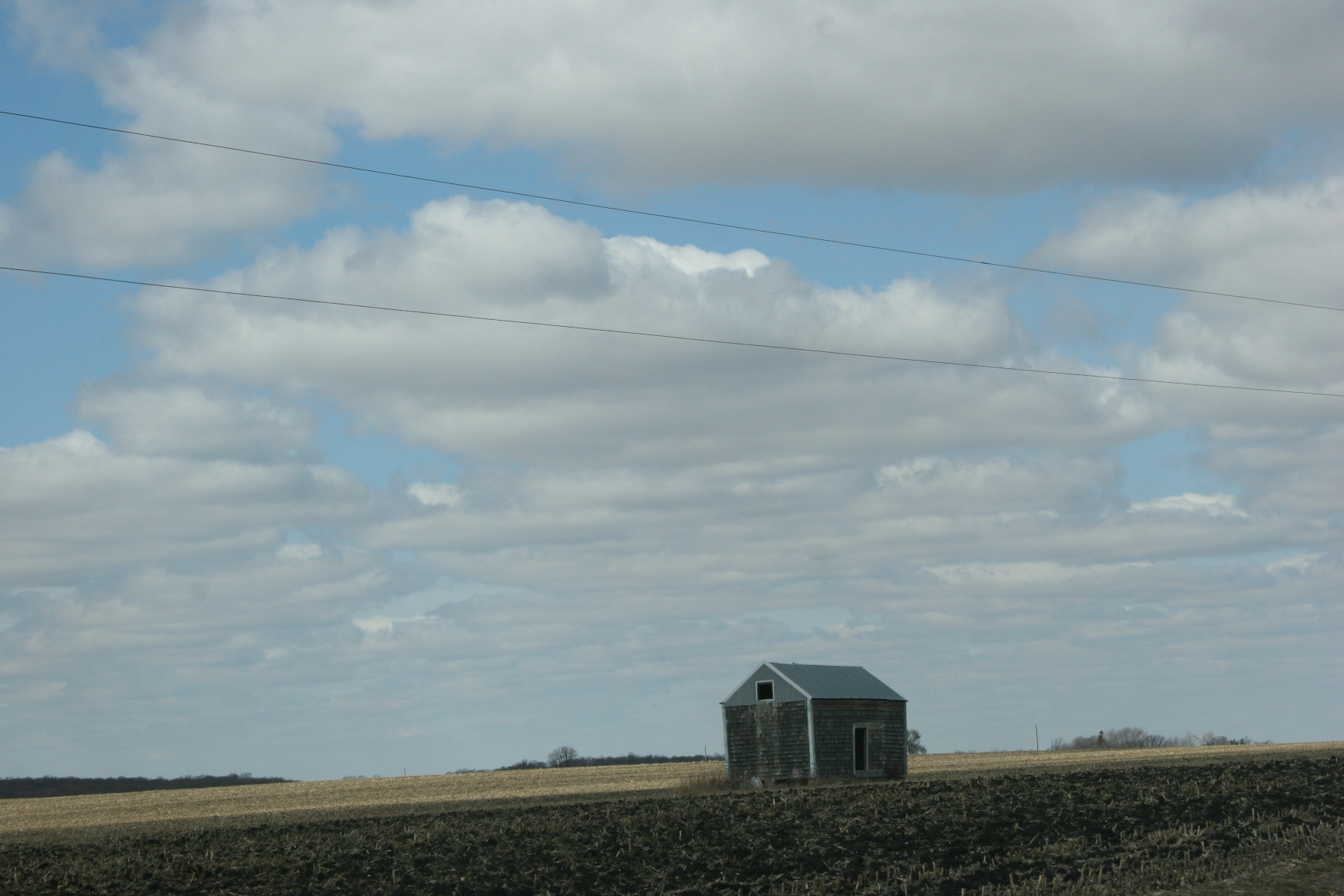
I have my eye on the view from the passenger side of our van, scanning the land, watching for photo ops. Photography can be a challenge while traveling at highway speeds. Still, I try, managing to capture images that document the ruralness of this place.
Barns, especially red ones, always grab my attention. They symbolize agriculture more than any other building. Yet, most no longer center a farming operation. Absent of animals, many barns have been repurposed or have fallen into heaps of rotting wood. I always appreciate a well-kept barn still standing strong against elements and the passage of time.
This trip I’m also cognizant of crops at the beginning of the growing season. Corn is popping up in rows across the land, green shoots reaching toward the sun, the sky. Green is good. When my next trip this direction comes in late July, that corn will stand towering and dense across acres of fields.
I may not be a farmer, but my connection to the land more than 50 decades removed from my childhood farm remains strong. I still look at the crops. I still hope to spot a herd of Holsteins. I still see a silo and mentally climb the interior ladder to throw down silage. I still eye a grove of trees with the playfulness of youth.
While nostalgia runs high on trips like this deep into Minnesota farm country, reality is that farming remains as challenging as ever with ever-rising expenses, low commodity prices and the uncertainties of weather. Will rain fall when needed? Will storms come with devastating wind and hail? Always, always, the risks exist from planting to growing to harvest.
But on this day, mile after mile after mile, I see the hope of a farmer. I see a way of life. I see dreams.
And I feel small in this place where land and sky dwarf farm sites, where fields stretch across endless acres, where the highway ribbons ahead of us across seven rural southern Minnesota counties, westward bound.
© Copyright 2026 Audrey Kletscher Helbling