
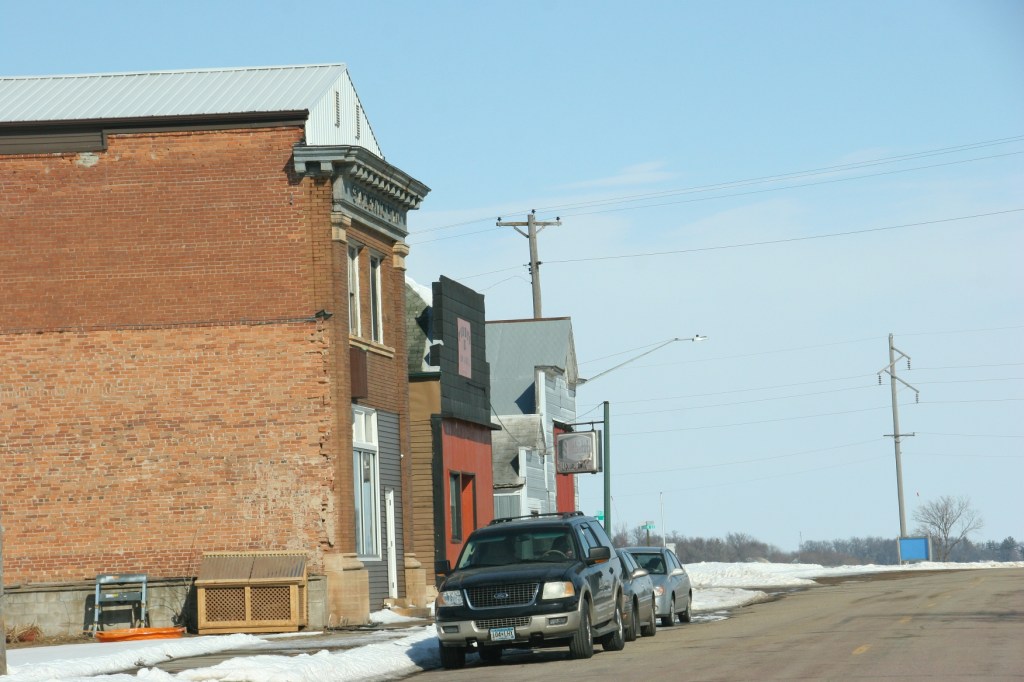
Downtown Evan today anchored by a former bank building.
LIKE SO MANY OTHER SMALL TOWNS on the southwestern Minnesota prairie, Evan once boasted a long list of businesses—creamery, bank, two general stores, hardware store, lumberyard, blacksmith shop, stock dealer, garage, implement dealer, three elevators, restaurant, utility company, library and two churches.
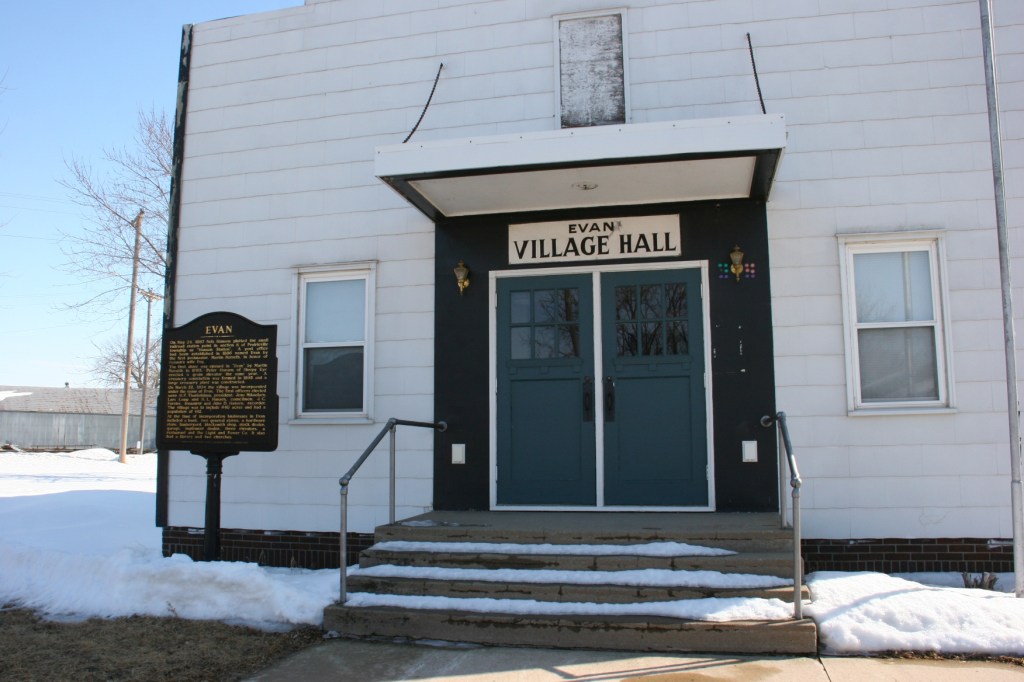
Evan, incorporated in 1904, is named after Eva Hanson, married to Nels. He platted the railroad station known as Hanson Station several years earlier.
So claims the historical marker fronting the village hall in this Brown County community of around 80 residents.

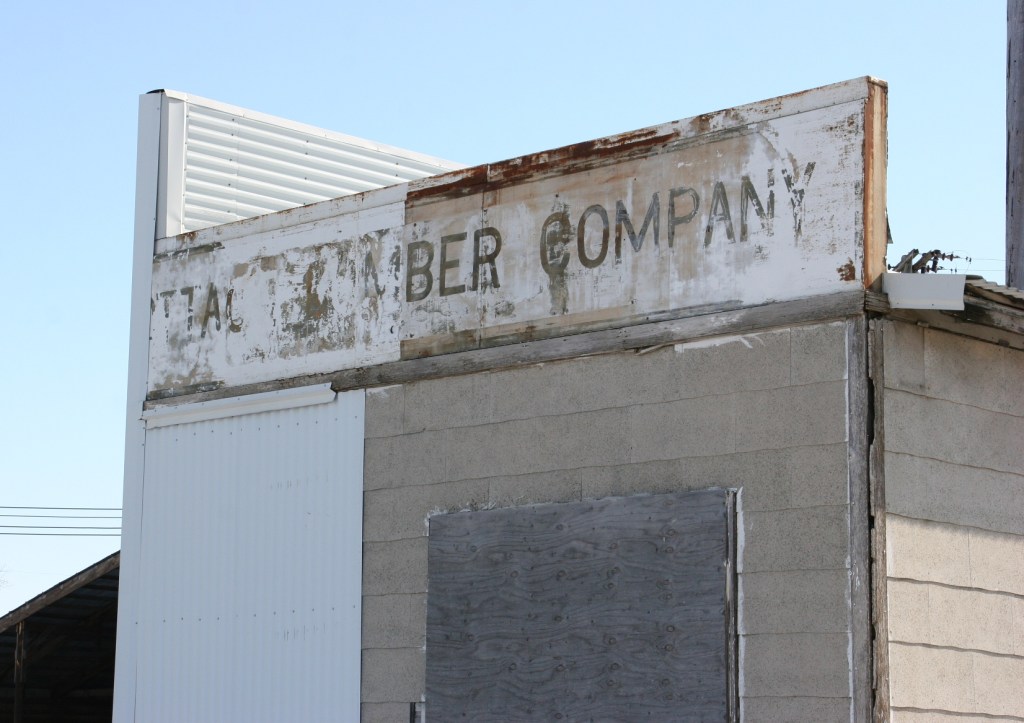
Fading signage identifies this as the former lumberyard.
Today only remnants of those original businesses remain.
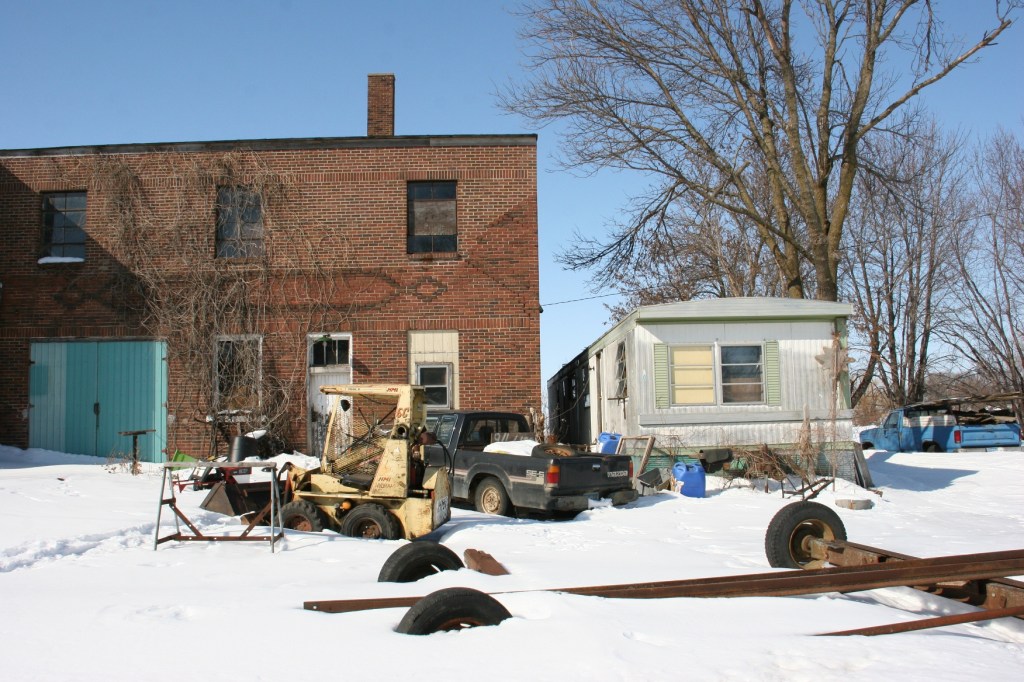
I believe the brick building may be the former creamery.
On a recent drive through Evan, I noted the decline.
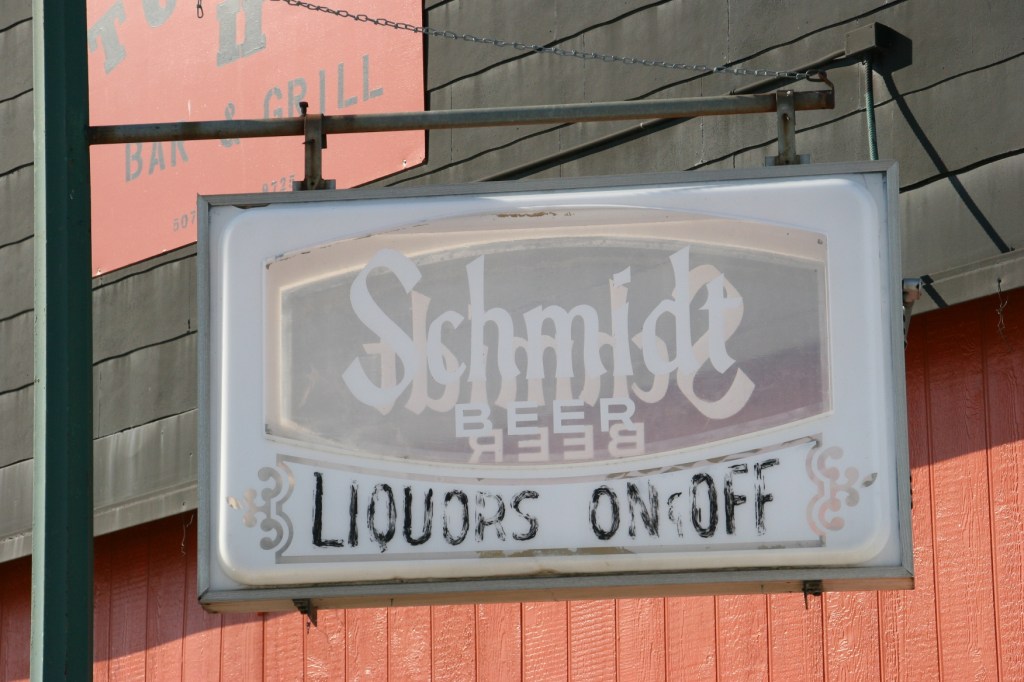
This vintage sign hangs outside Tubby’s II Bar & Grill. A sign in the window noted the bar is closed for the winter.
Faded signs.
Boarded windows.
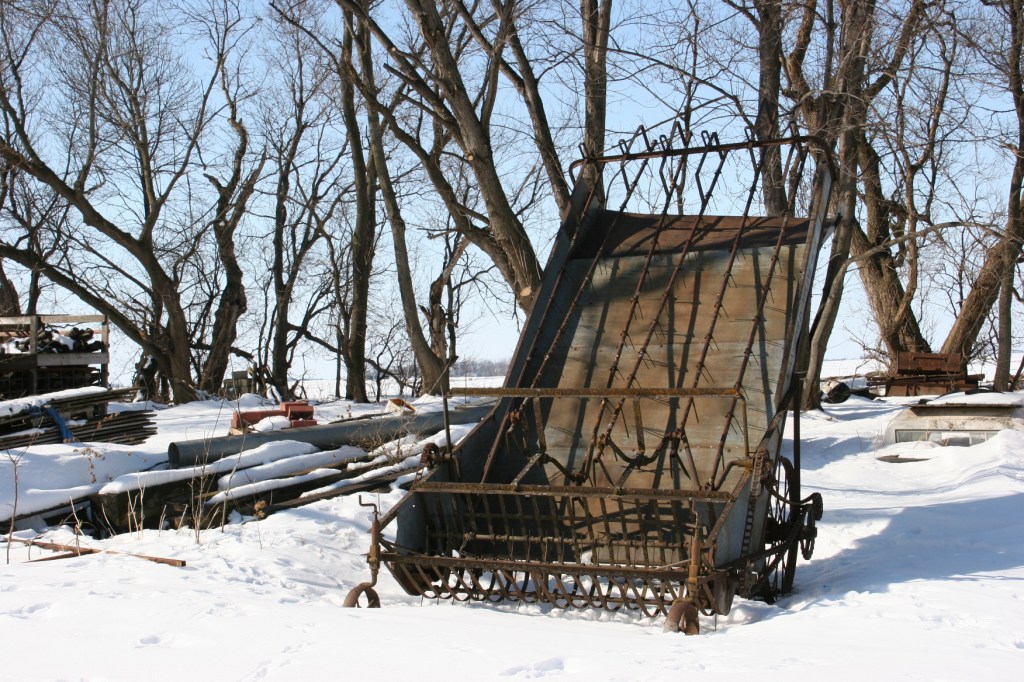
This vintage hay loader rested among other junk.
Clustered junk.

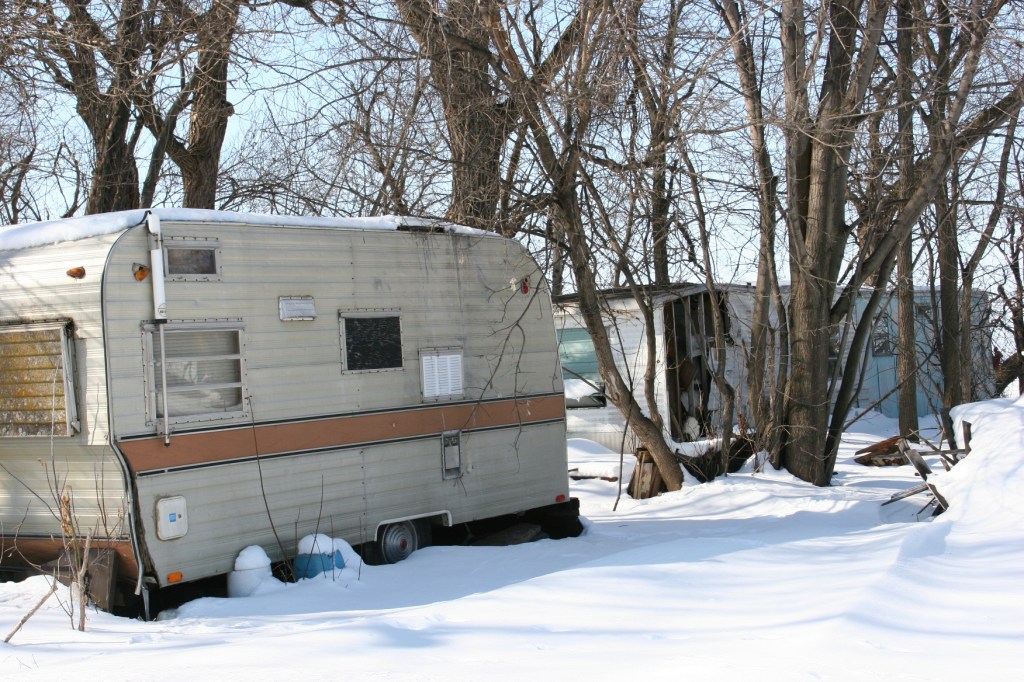
I’ve never seen anything like this graveyard of campers and trailers.
Abandoned campers and trailers and trucks. It made me sad, just sad, to see the abandonment.

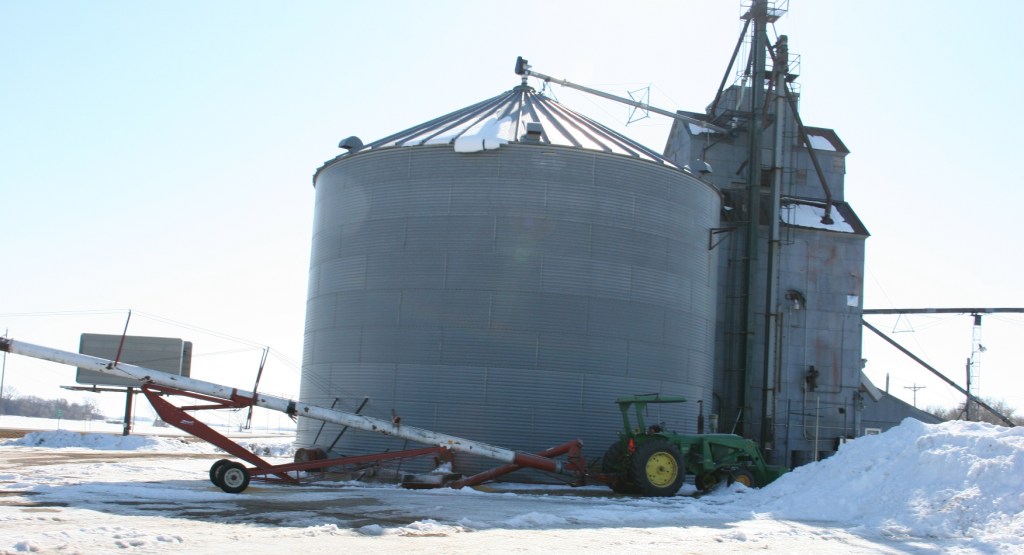
The old grain elevators still stand on the edge of town along the highway.
But none of this surprises me. It’s our fault really. We are a much more mobile society, a society much different than back-in-the-day or even 20 years ago. At one time, places like Evan thrived as area farmers and locals kept their business local. Today regional shopping centers pull in customers from all those small towns.
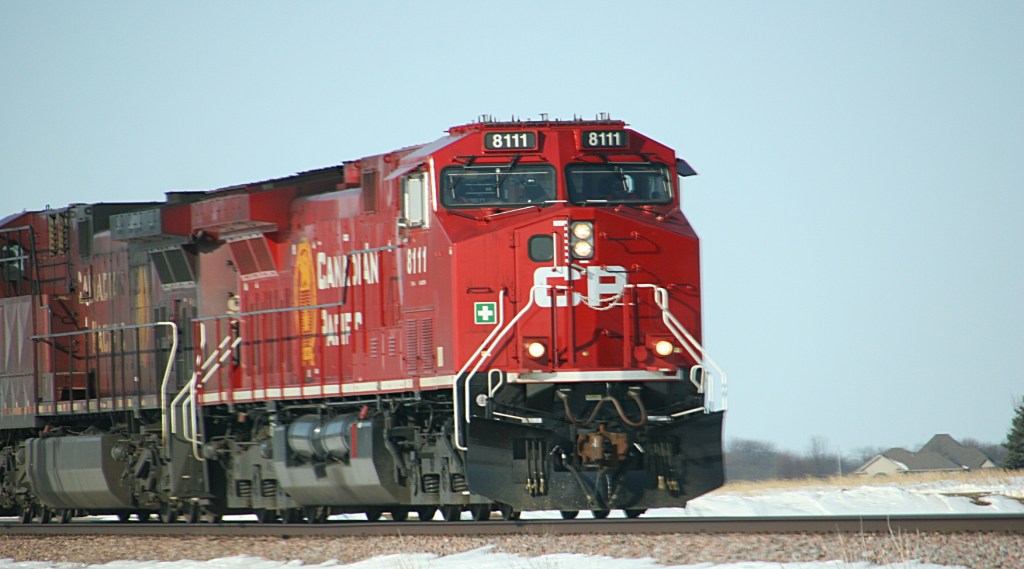
The train still runs, not through Evan, but through neighboring Sleepy Eye.
The railroad left.
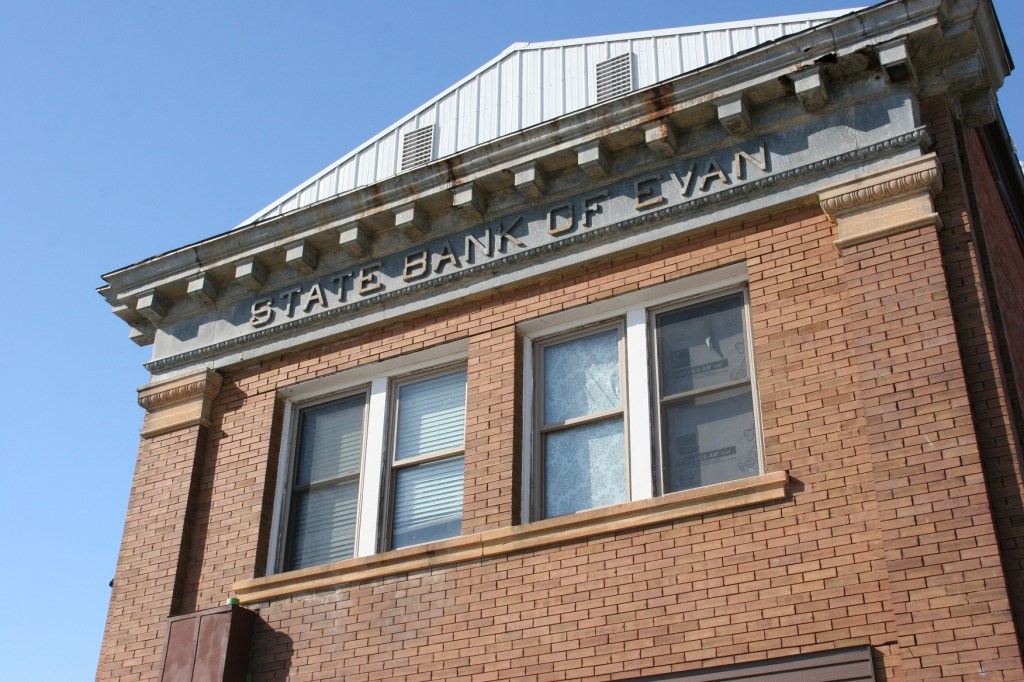
Without jobs, with our farmer fathers still farming, many from my generation of Baby Boomers left Minnesota’s small towns. We couldn’t bank on a future in our rural hometowns.

Attitudes changed. Kids from my generation left for college and bigger cities and better opportunities. There’s nothing wrong with that desire to see the world, to become something other than our parents. But in doing so we added to the demise of many a small town. I am hard-pressed to think of many classmates who stayed in my hometown of Vesta 45 minutes from Evan to the north and west. Vesta, too, is a shell of the community it was when I grew up there in the 1960s and 1970s.
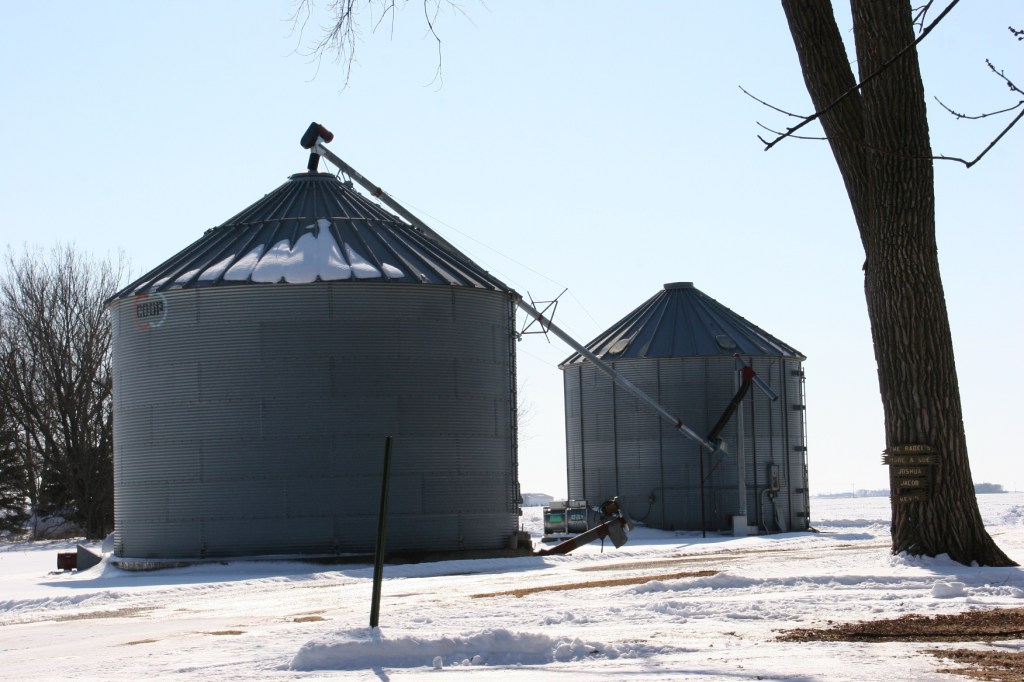
Grain bins on opposite ends of town mark this as a farming community still today.
I don’t pretend to know the intricacies of Evan’s decline except an overall understanding of why once thriving towns now are mere ghosts of their pasts. Certainly Evan’s remote rural location factors into the mix. Located along Minnesota State Highway 68, Evan is easy to bypass on the shortcut route between Sleepy Eye and Morgan.
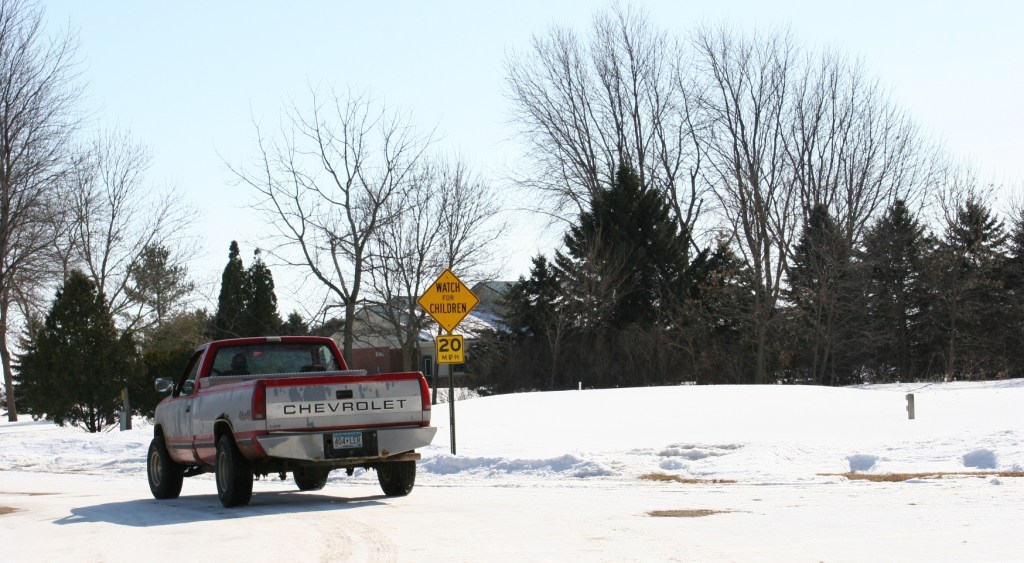
The only person or moving vehicle I saw in Evan during my short stop there.
Yet, Evan is home for some. I saw newer homes there. Not new as in recent, but newer than old. I saw a lovely church and that well-kept village hall. And grain bins. And the fading letters on the lumberyard, a visual reminder that at one time a demand for building supplies existed in a farming community that once prospered.
© Copyright 2018 Audrey Kletscher Helbling



Westward bound deep into Minnesota farm country May 28, 2026
Tags: agriculture, barns, Brown County, commentary, farm fields, farm sites, farming, land, landscape, Mankato, memories, Morgan, New Ulm, Owatonna, photography, Redwood County, rural Minnesota, sky, southern Minnesota, travel, Vesta
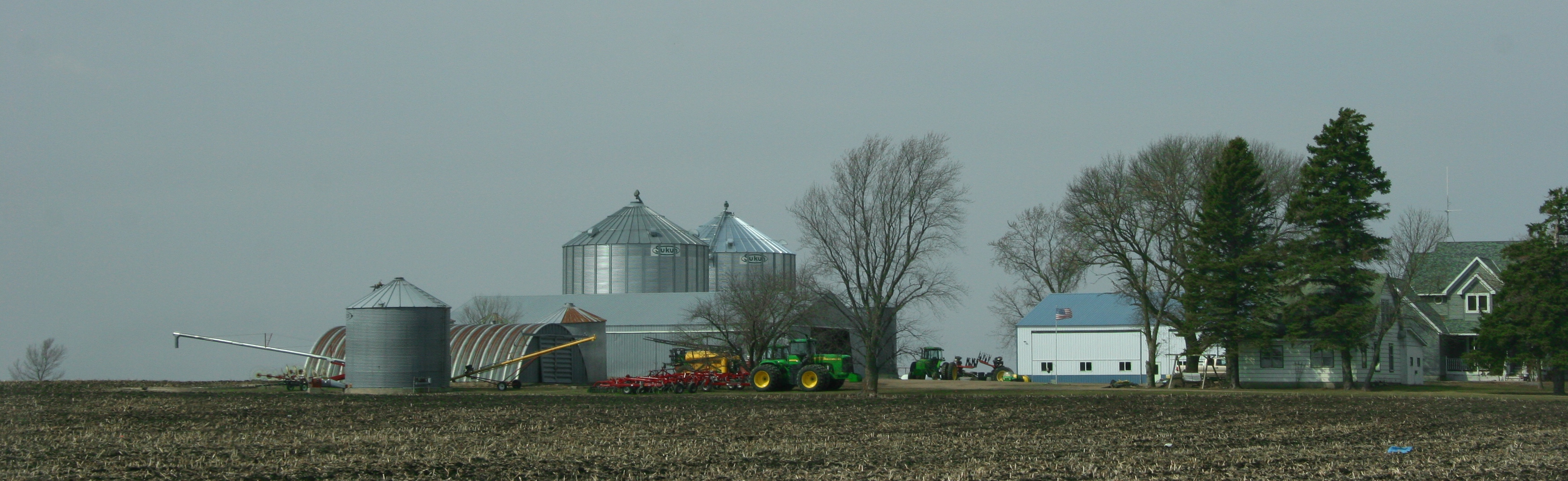
THROUGH SEVEN SOUTHERN MINNESOTA counties we traveled—Rice, Steele, Waseca, Blue Earth, Nicollet, Brown and, then, home to Redwood. Westward bound.
Only occasionally now, mostly for the annual family reunion and on this day a beloved aunt’s funeral, do Randy and I follow this 125-mile route back to my native Redwood County.
Every trip, I see the immensity of sky and land as the landscape unfolds before me. The farther west we drive, the more rural the look, the feel, with the exception of Mankato and New Ulm.
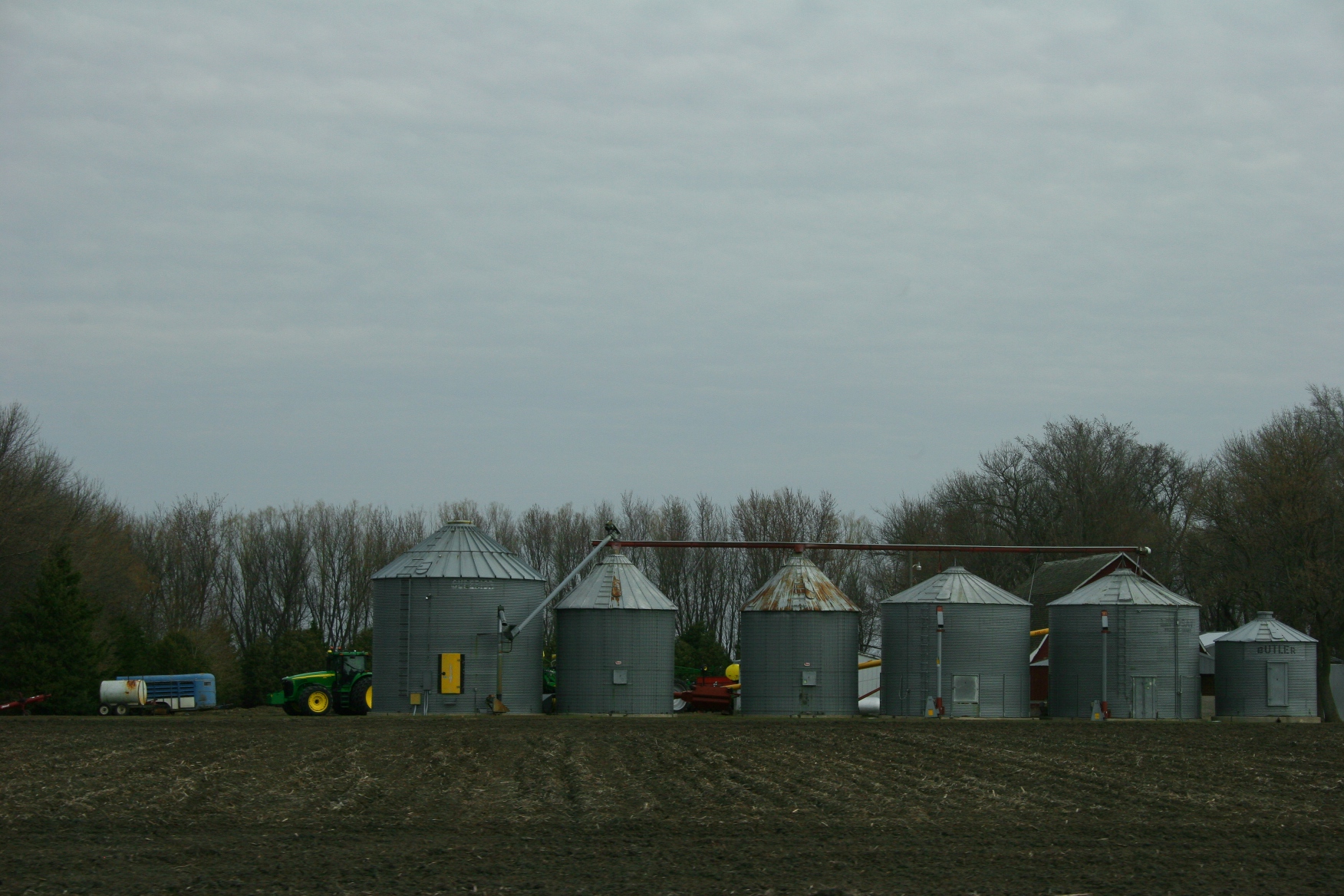
We bypass the small towns along four-lane U.S. Highway 14 while passing endless farm sites and fields.
I have my eye on the view from the passenger side of our van, scanning the land, watching for photo ops. Photography can be a challenge while traveling at highway speeds. Still, I try, managing to capture images that document the ruralness of this place.
Barns, especially red ones, always grab my attention. They symbolize agriculture more than any other building. Yet, most no longer center a farming operation. Absent of animals, many barns have been repurposed or have fallen into heaps of rotting wood. I always appreciate a well-kept barn still standing strong against elements and the passage of time.
This trip I’m also cognizant of crops at the beginning of the growing season. Corn is popping up in rows across the land, green shoots reaching toward the sun, the sky. Green is good. When my next trip this direction comes in late July, that corn will stand towering and dense across acres of fields.
I may not be a farmer, but my connection to the land more than 50 decades removed from my childhood farm remains strong. I still look at the crops. I still hope to spot a herd of Holsteins. I still see a silo and mentally climb the interior ladder to throw down silage. I still eye a grove of trees with the playfulness of youth.
While nostalgia runs high on trips like this deep into Minnesota farm country, reality is that farming remains as challenging as ever with ever-rising expenses, low commodity prices and the uncertainties of weather. Will rain fall when needed? Will storms come with devastating wind and hail? Always, always, the risks exist from planting to growing to harvest.
But on this day, mile after mile after mile, I see the hope of a farmer. I see a way of life. I see dreams.
And I feel small in this place where land and sky dwarf farm sites, where fields stretch across endless acres, where the highway ribbons ahead of us across seven rural southern Minnesota counties, westward bound.
© Copyright 2026 Audrey Kletscher Helbling