
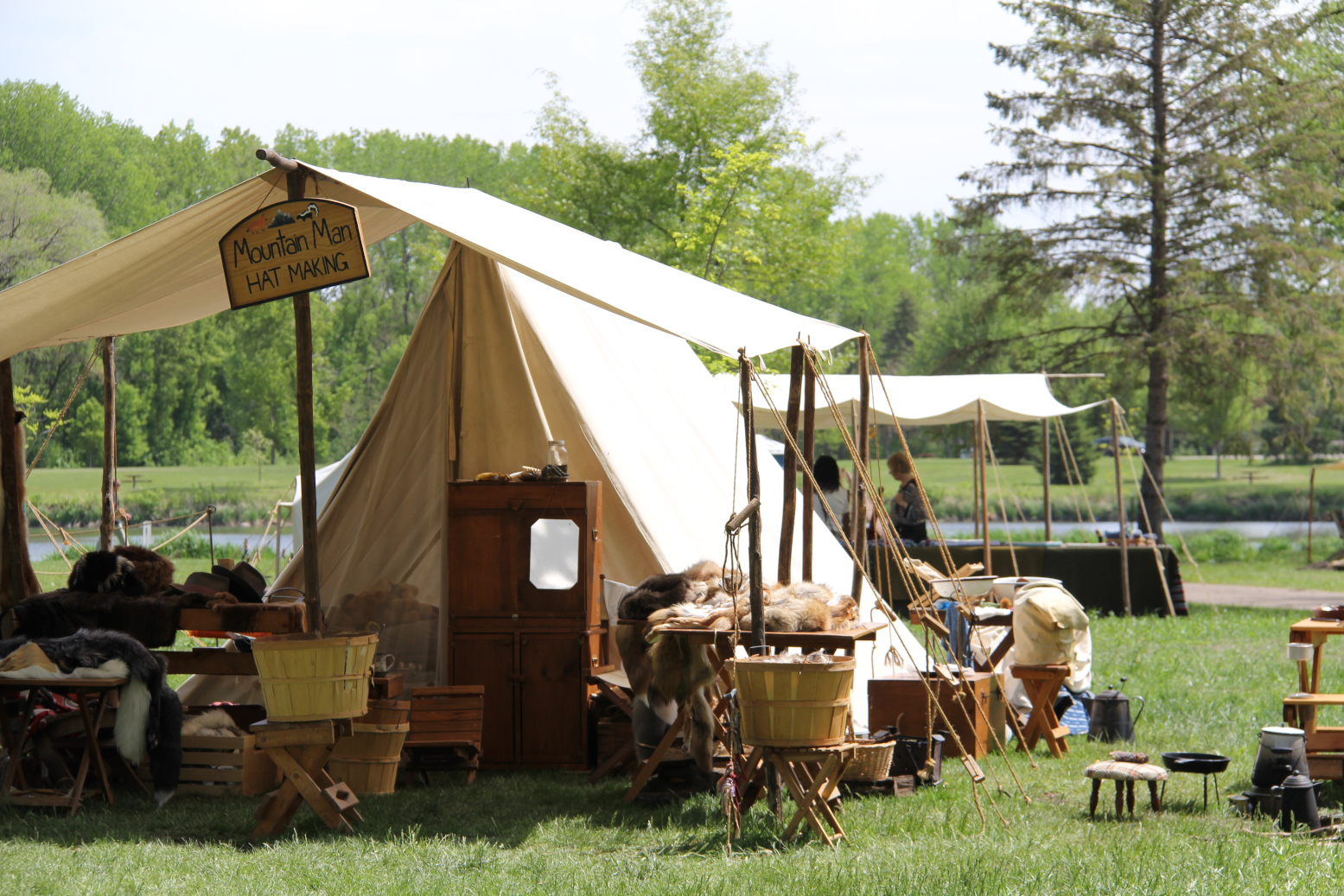
ALONG THE BANKS of the Cannon River in Faribault’s North Alexander Park, they set up camp. The fur trappers, the blacksmith, the weaver, the spinner, the tinsmith, the shopkeeper, the hat maker…all of them in a community founded by a fur trader, Alexander Faribault.
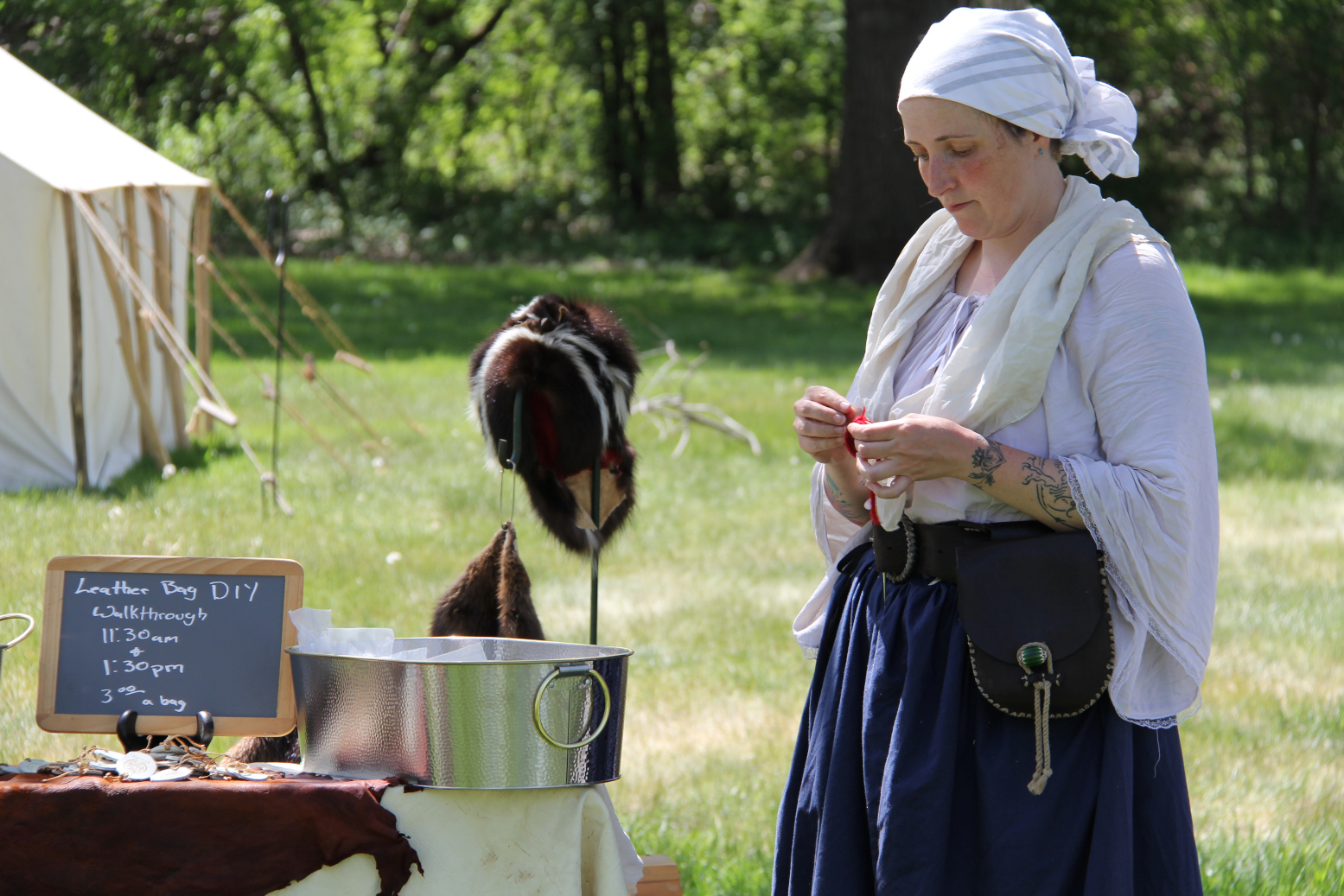
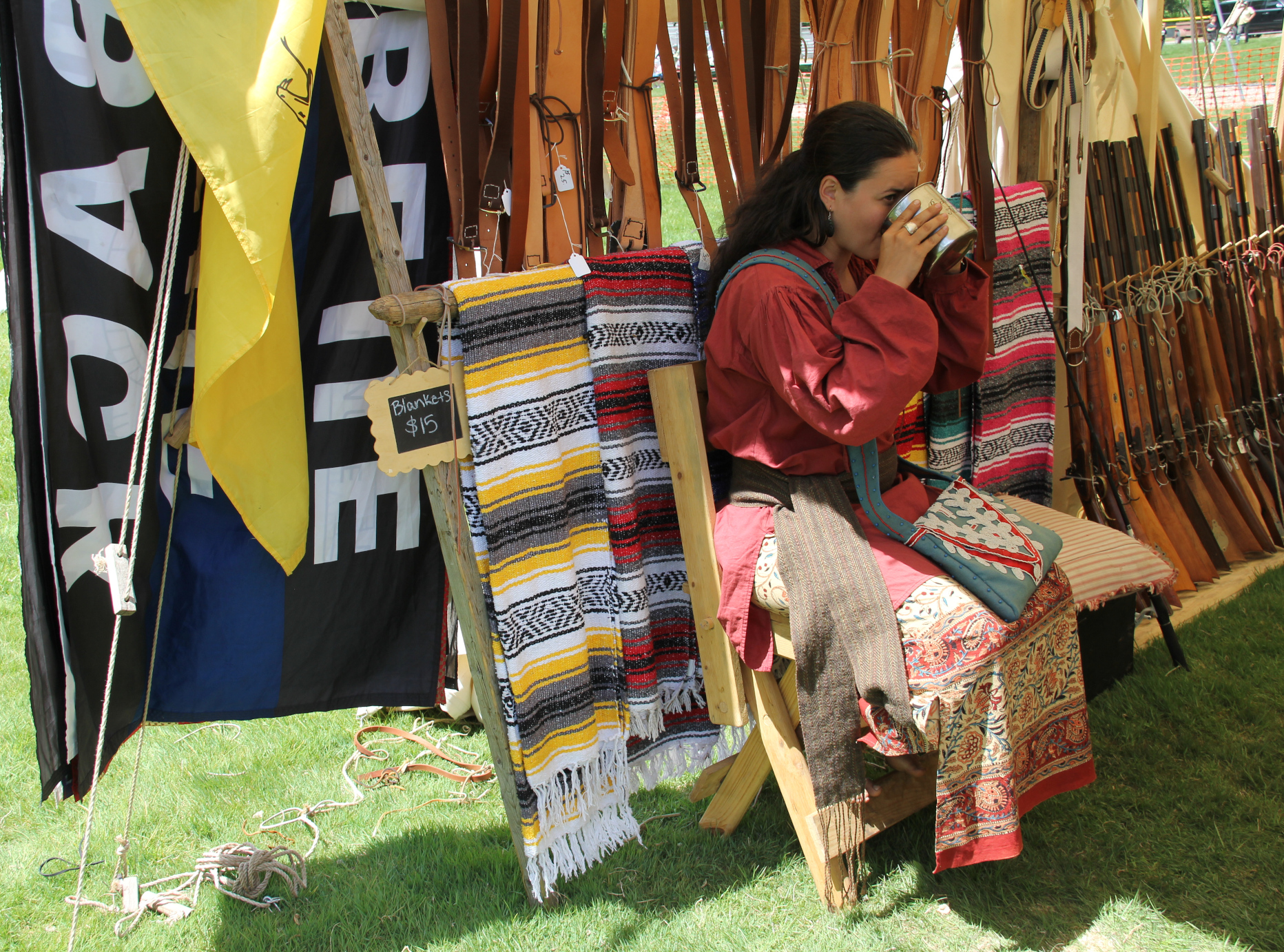
History came to life here, at the second annual Riverside Rendezvous and History Festival organized by the Rice County Historical Society. This event is like a step back in time to the 18th and 19th centuries with history enthusiasts in period costume demonstrating long ago hands-on work and talking up their passions.
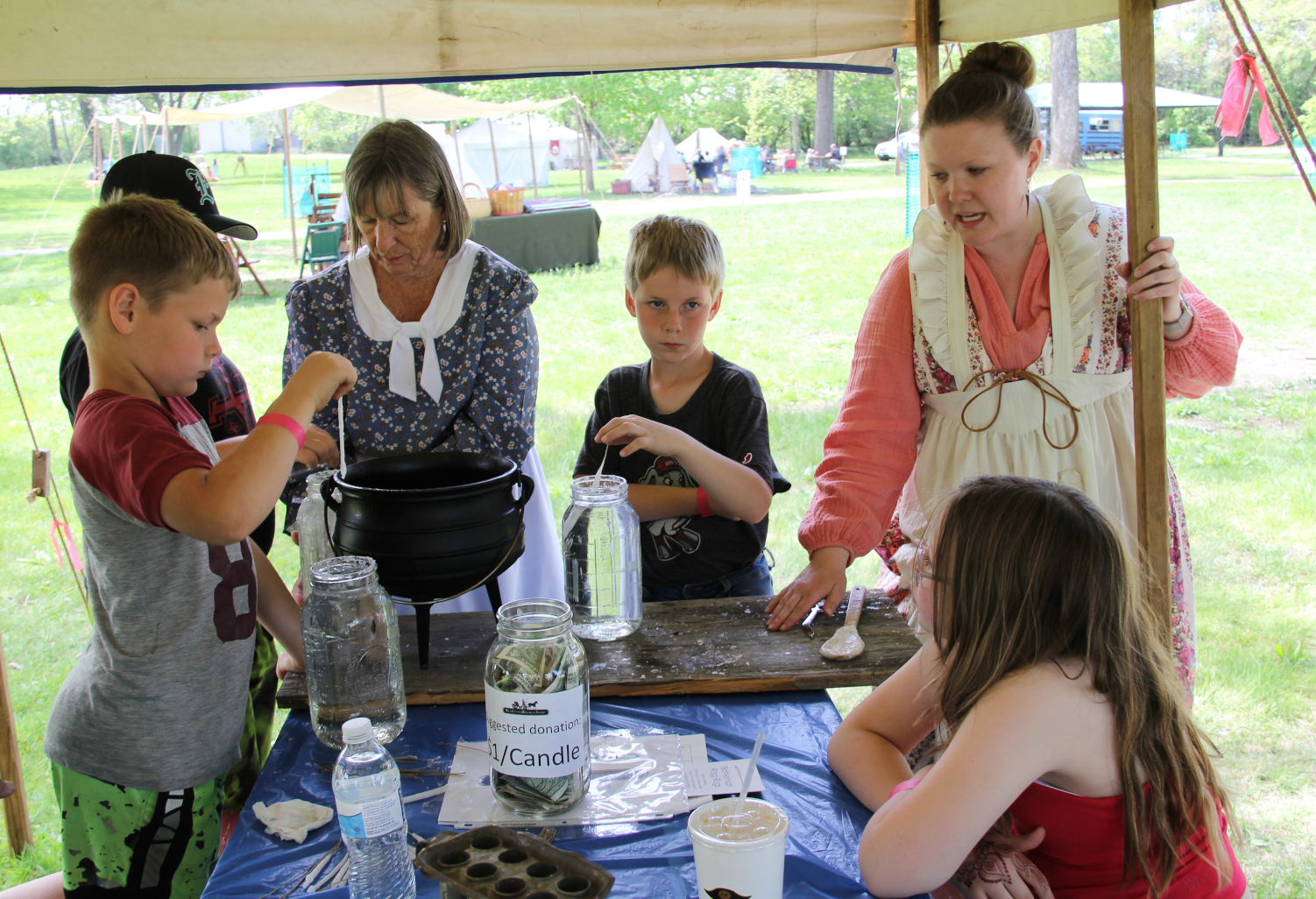
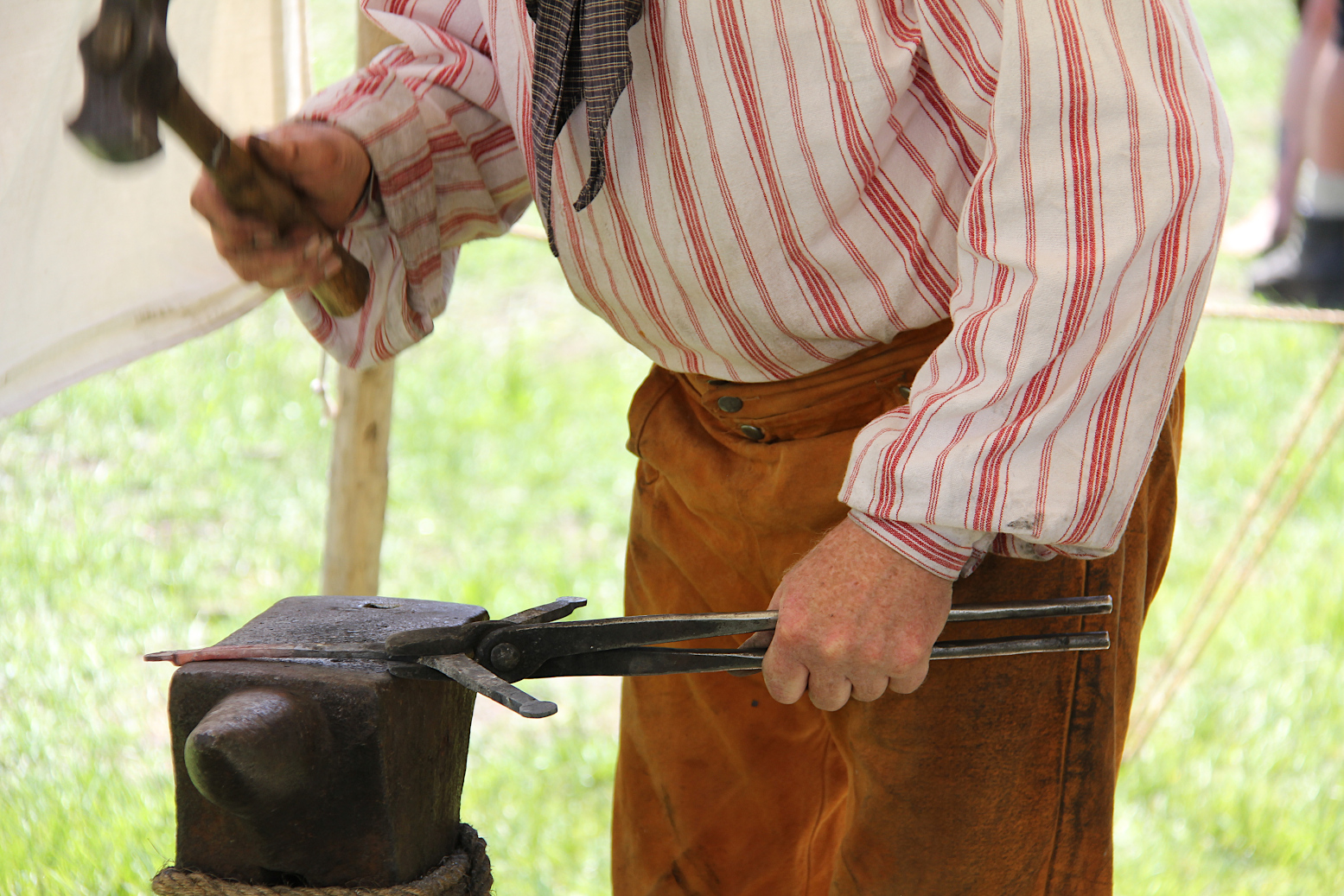
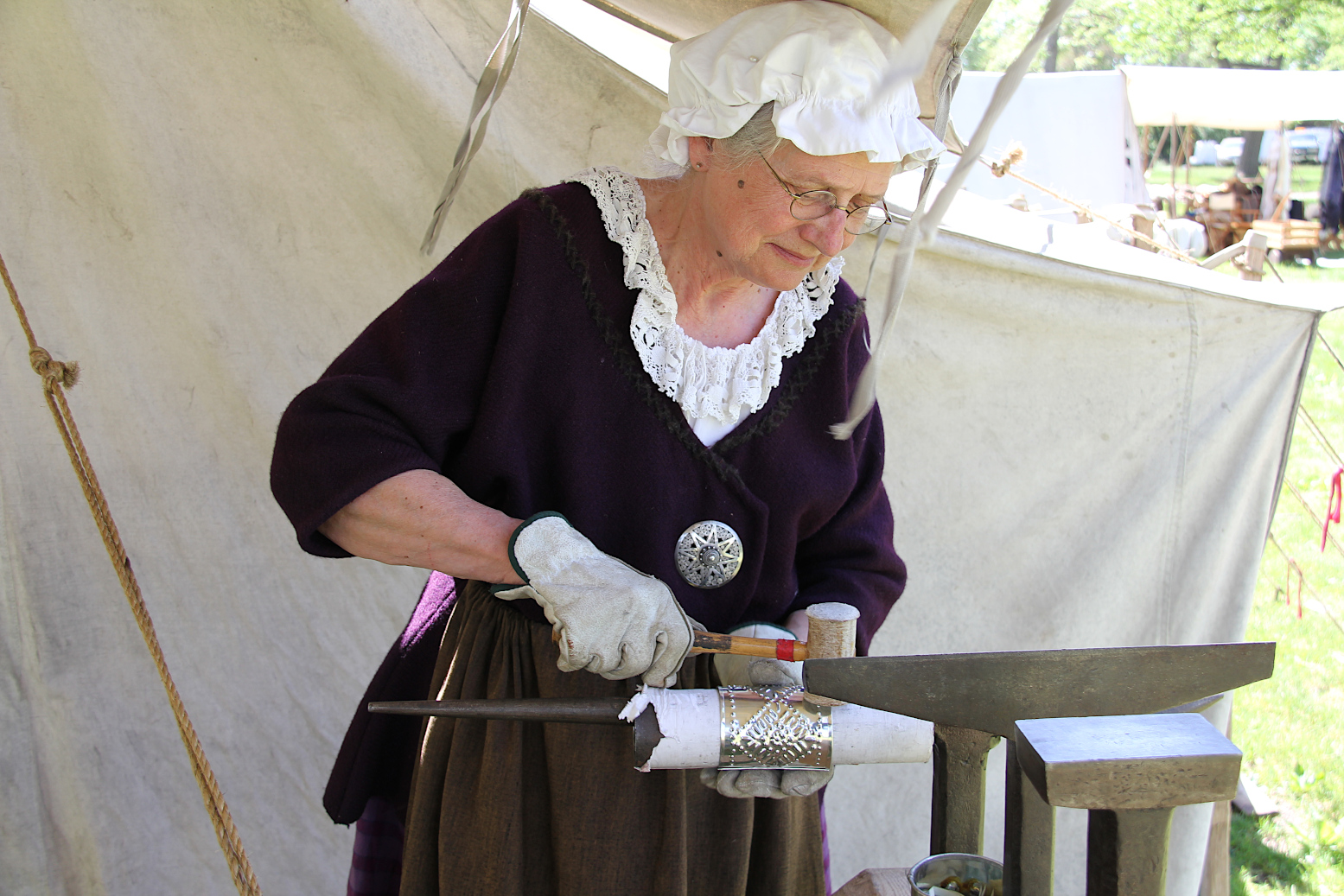
Here I watched candle-making, blacksmithing, rug weaving, spinning of wool into yarn, tinsmithing…
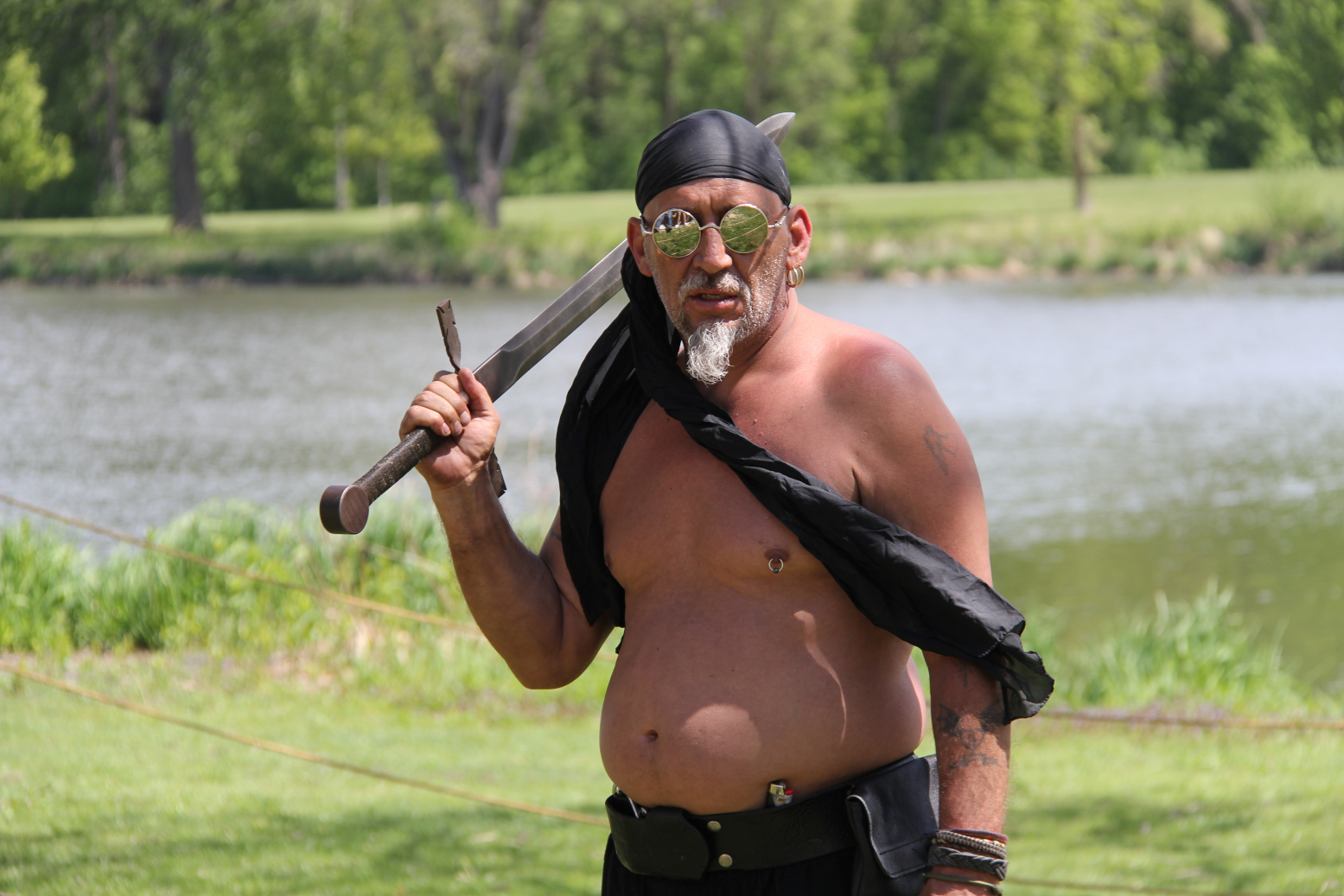
I learned about crests and weapons.
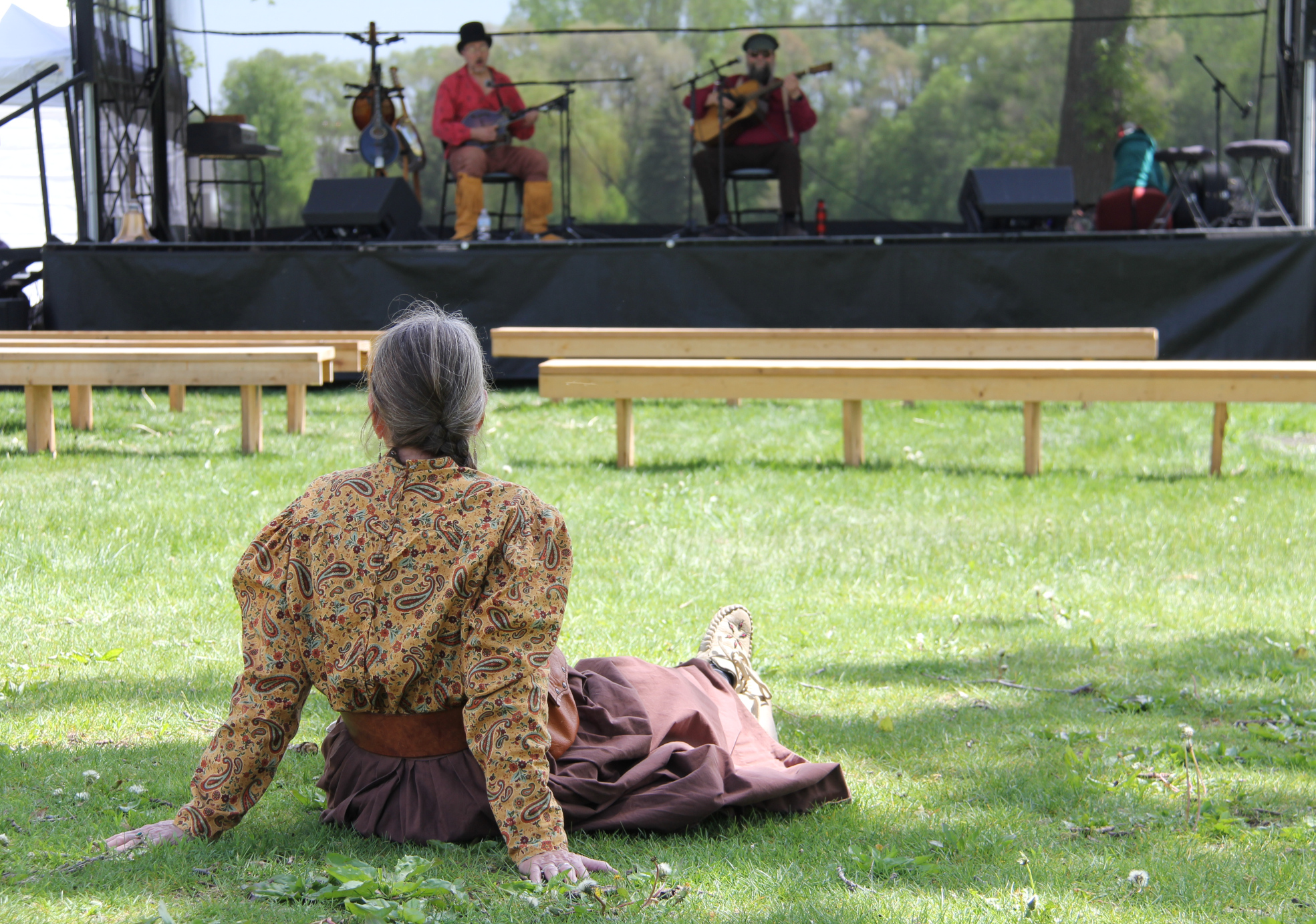
I listened to musicians on-stage, one group singing about Tator Tot Hotdish, not exactly period appropriate, but entertaining none-the-less.
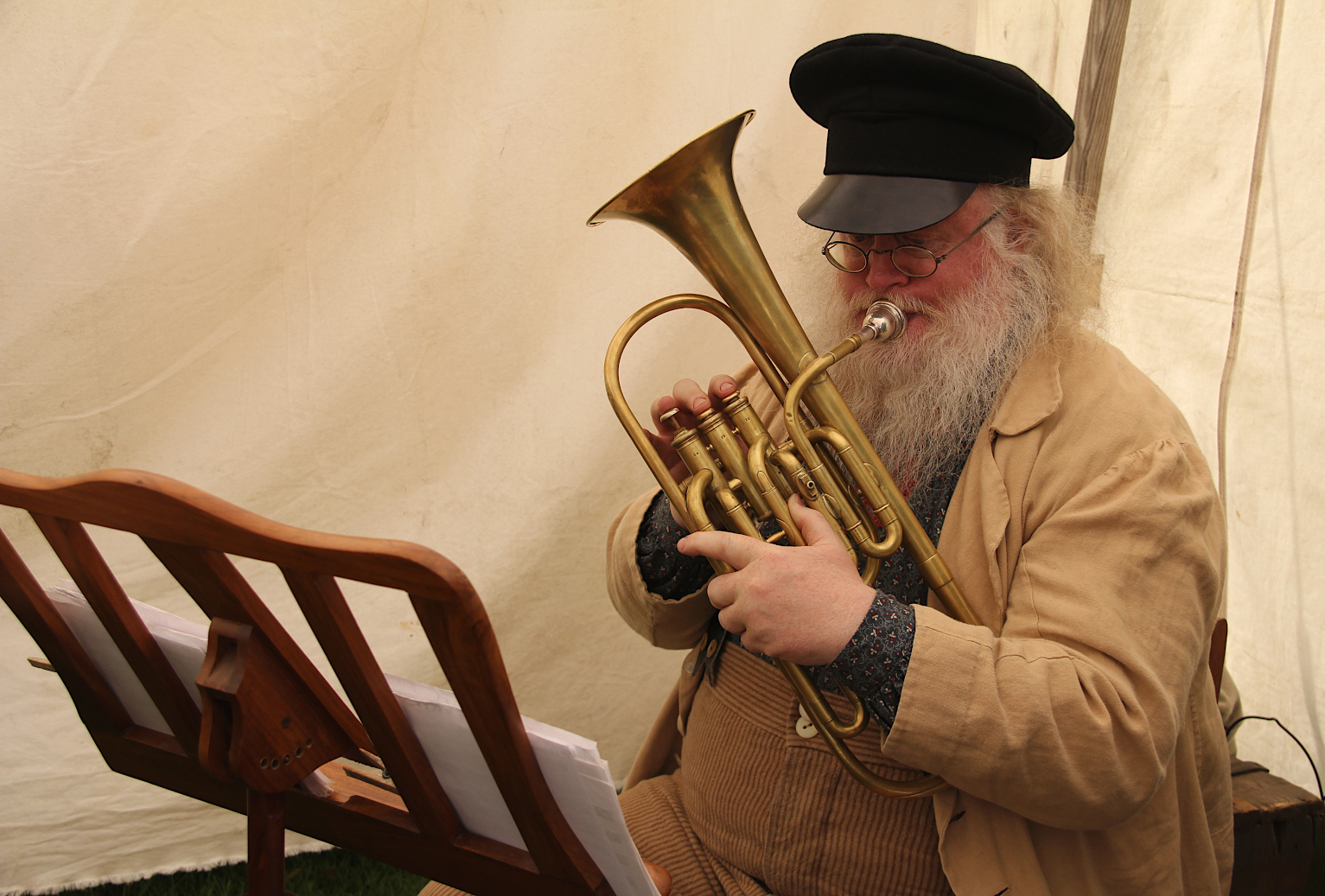
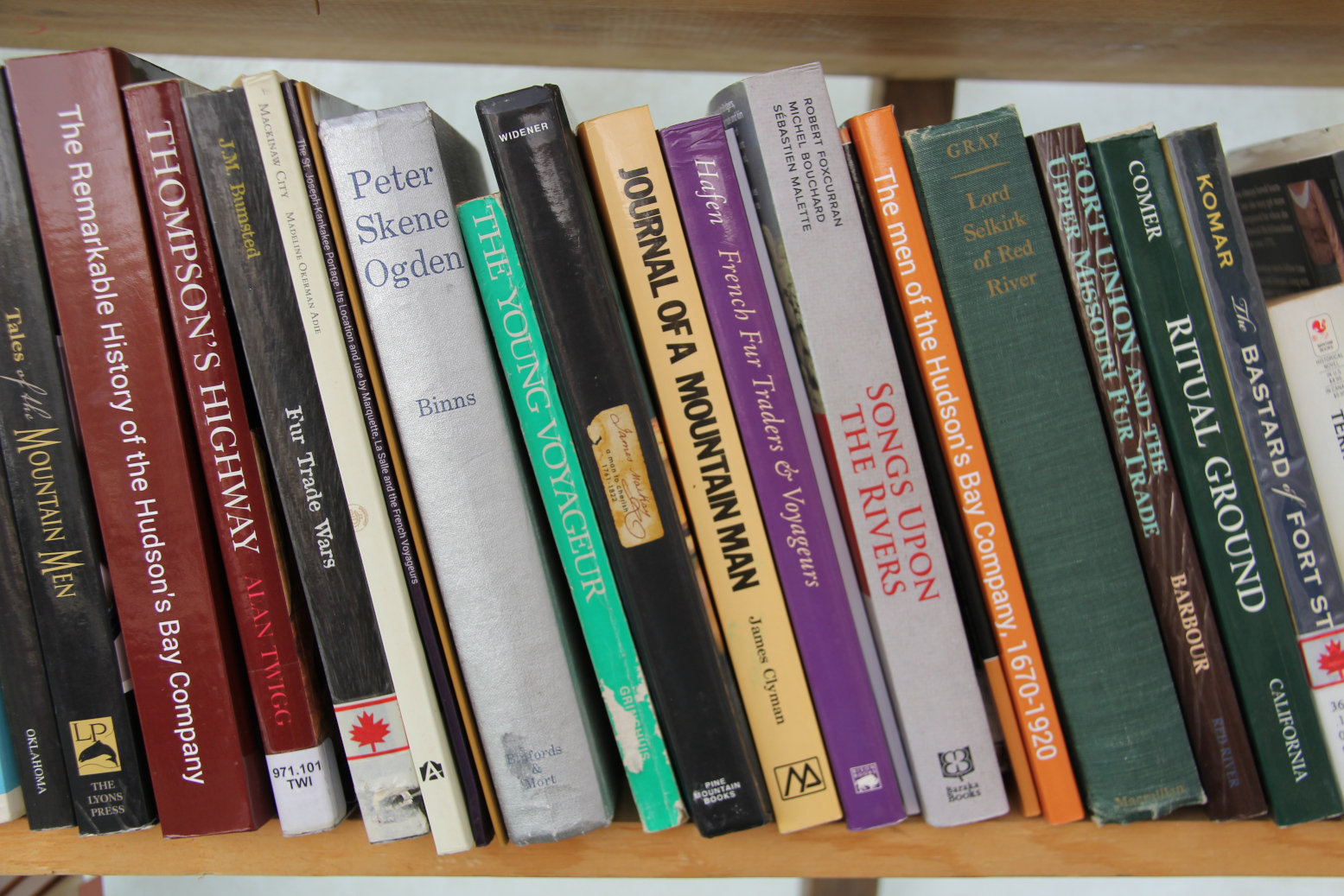
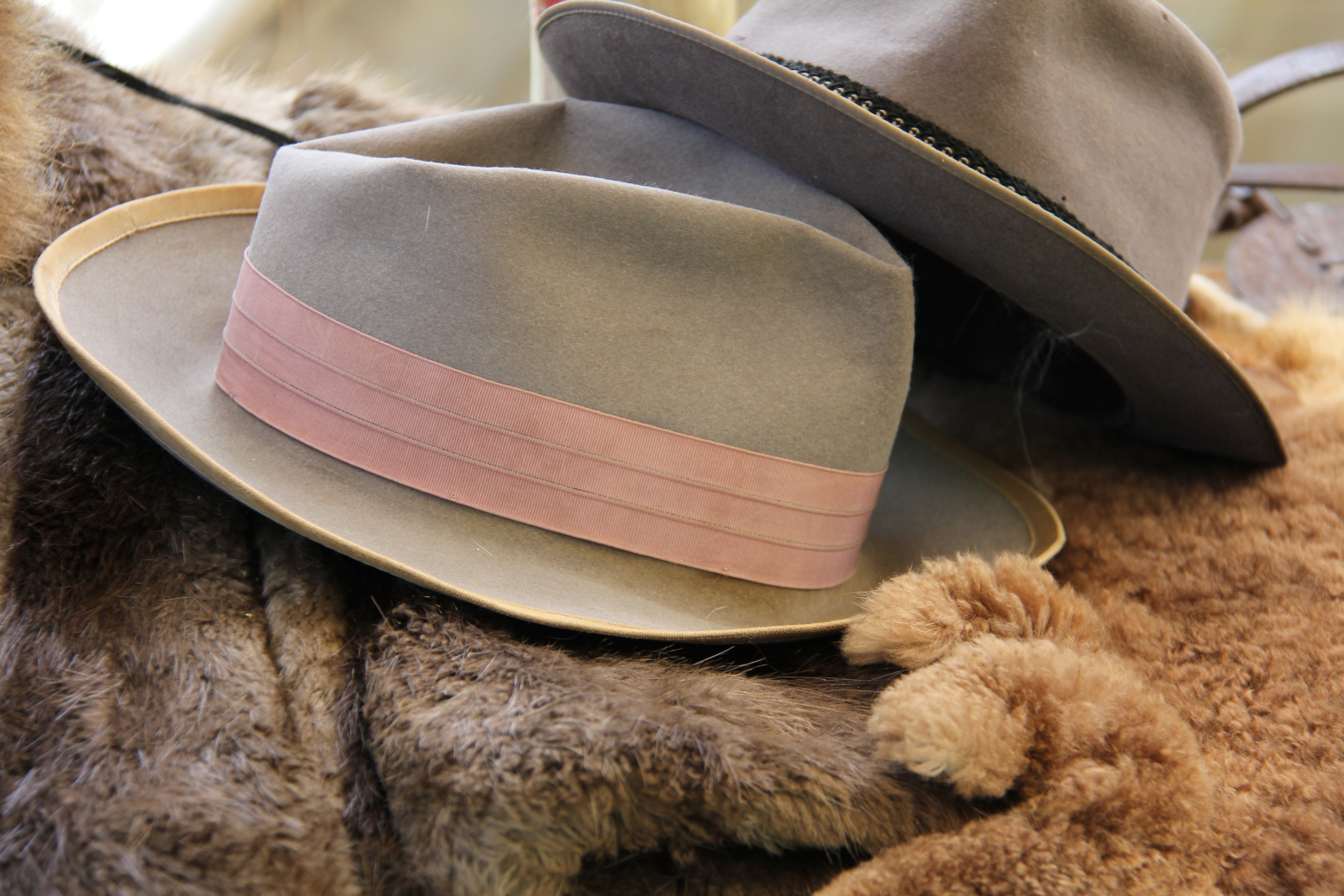
Inside Stick and Stump Dry Goods, a musician blew into an 1873 saxhorn, drawing attendees into the tent to peruse the merchandise. A row of merchants vended goods from tents, selling period weapons, beads, books, belts, soap, hats, knives, clothing and a whole lot more.
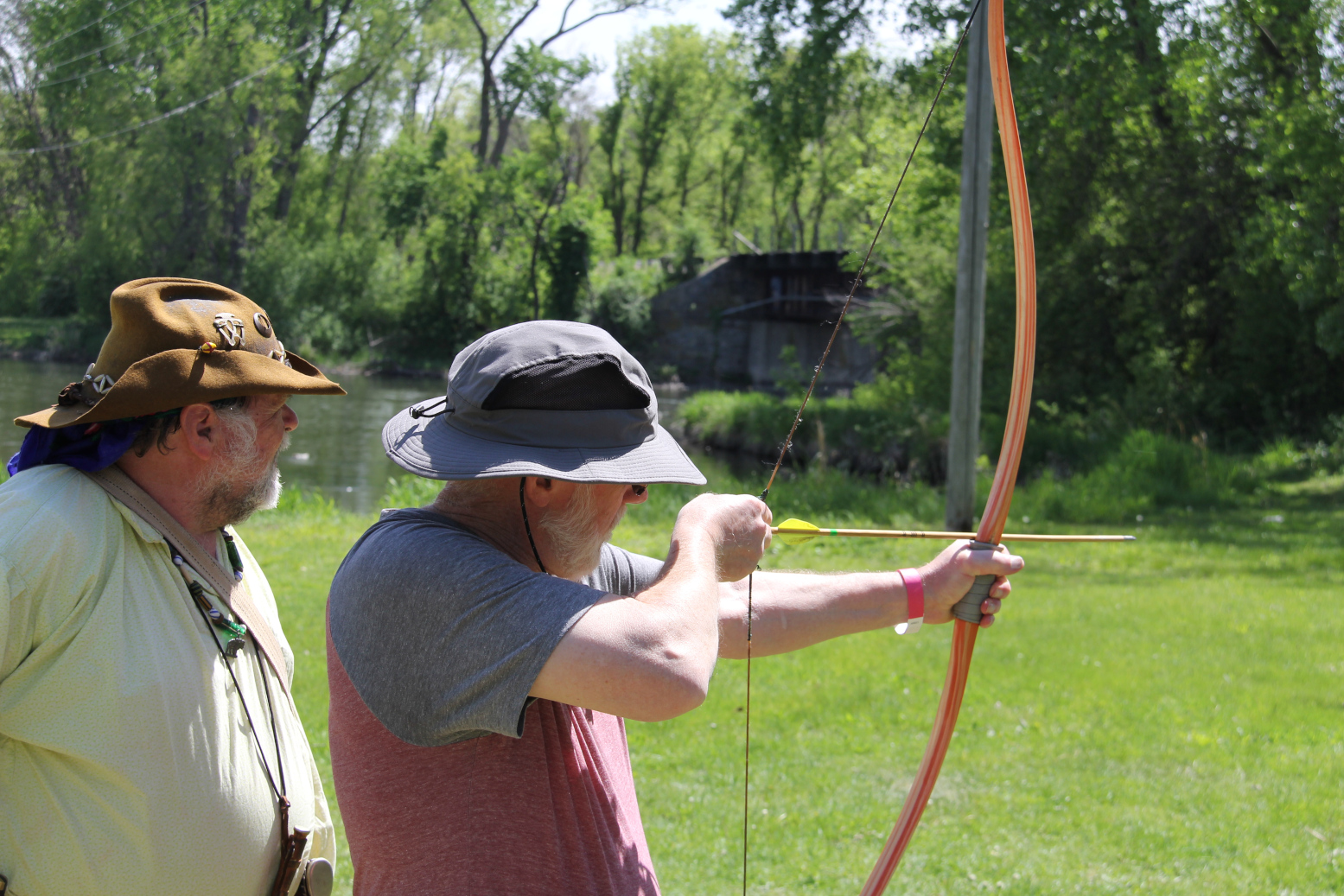
In a far corner of the park, rendezvous attendees stepped up and tried their skills at archery and tomahawk throwing. I passed given my lack of athleticism. I watched, though, while my husband, Randy, pulled the bowstring and, in one of three attempts, hit the target.
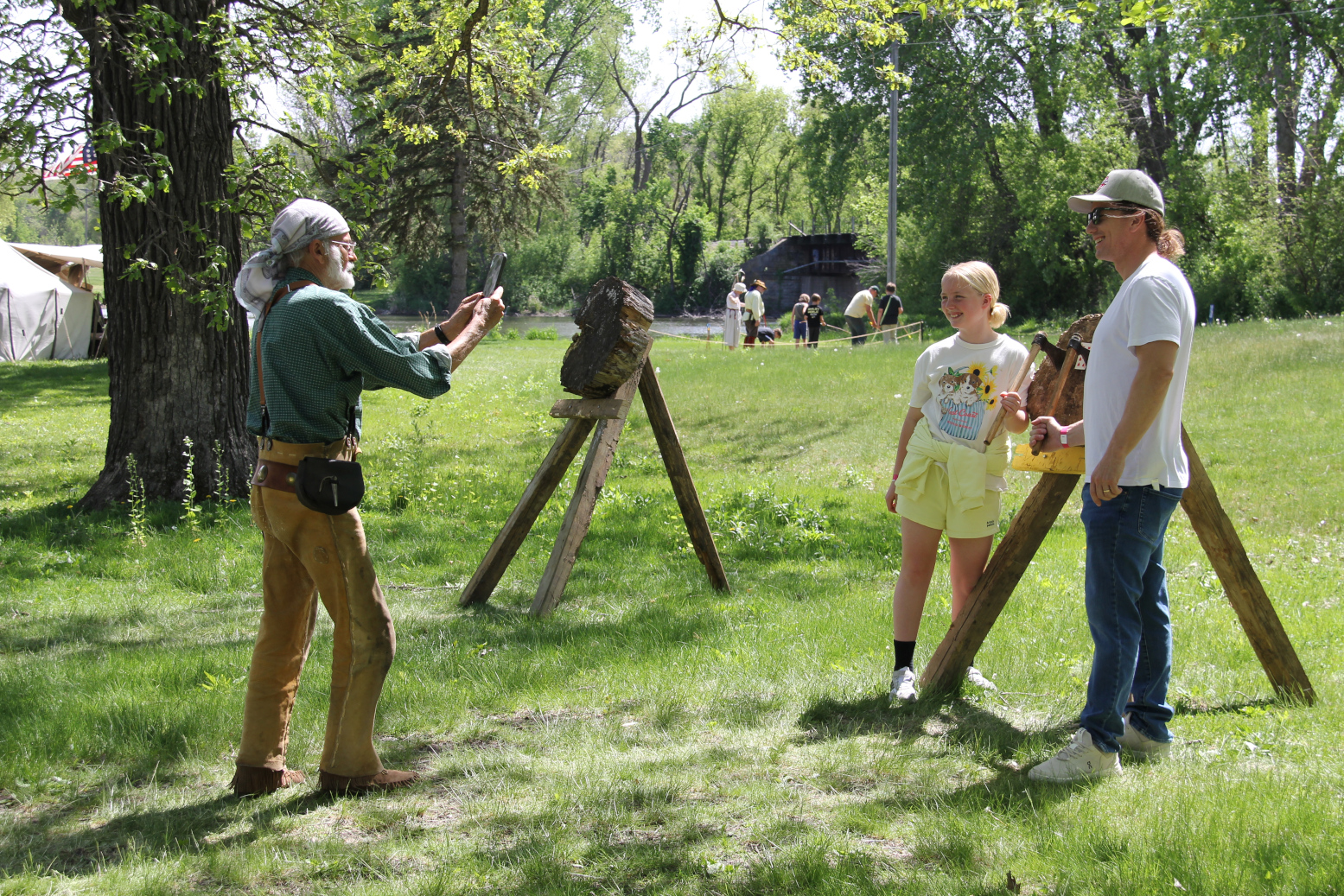
I also observed a re-enactor taking a photo of two tomahawk throwers with their smartphone, another example of present day and yesteryear mingling in an almost (at least to me) comical moment. Those long ago dwellers of this land could never have imagined the technology of today.
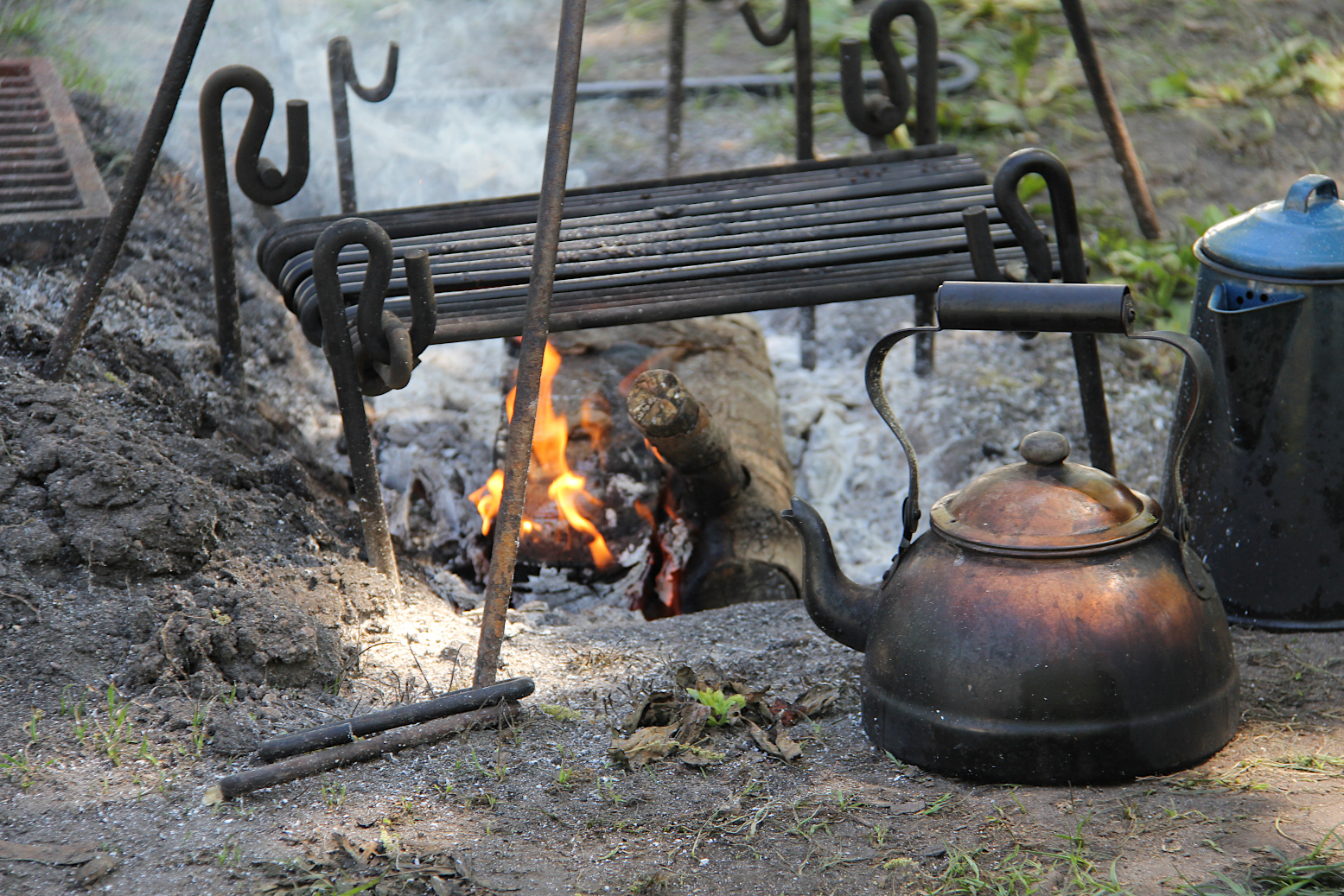
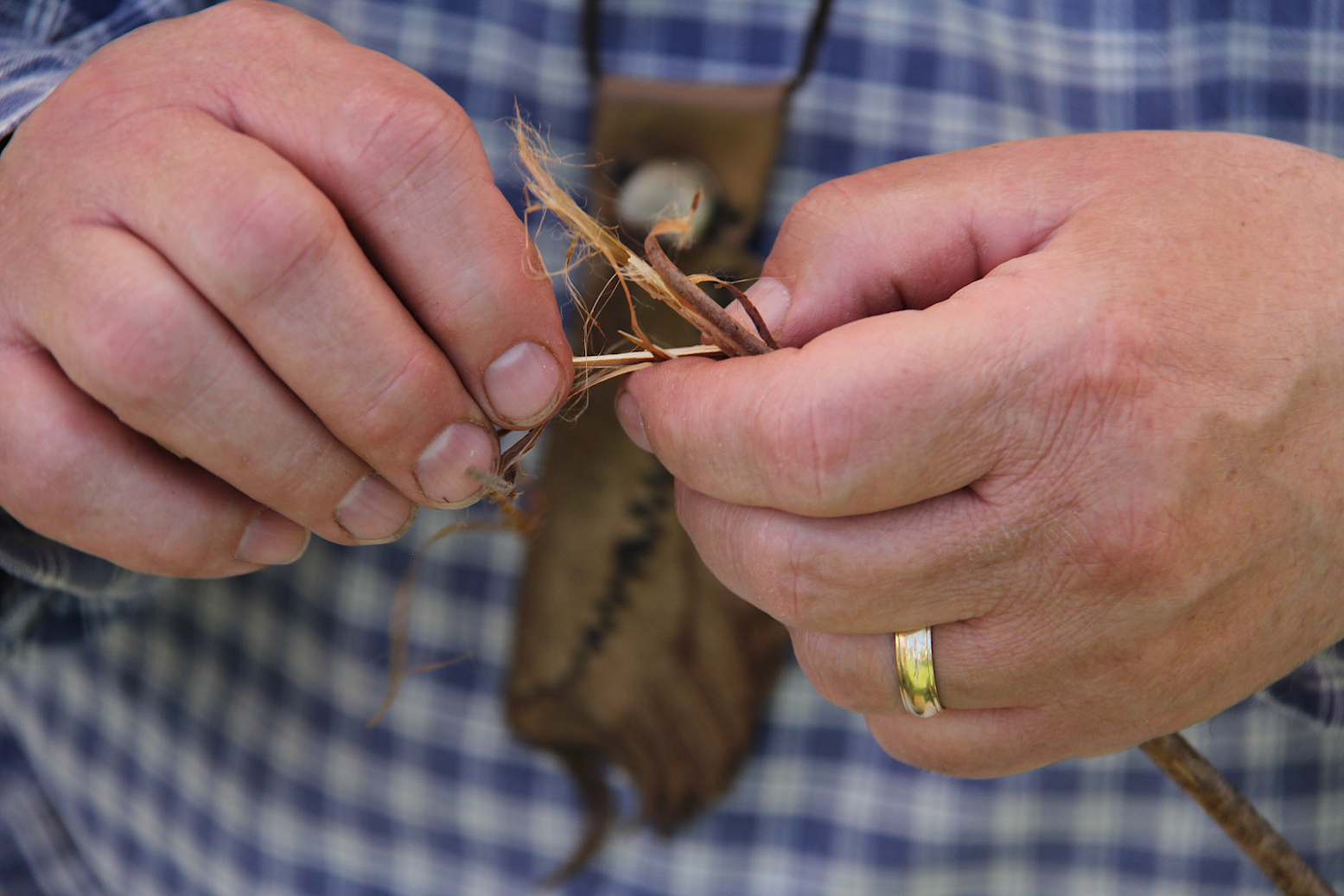
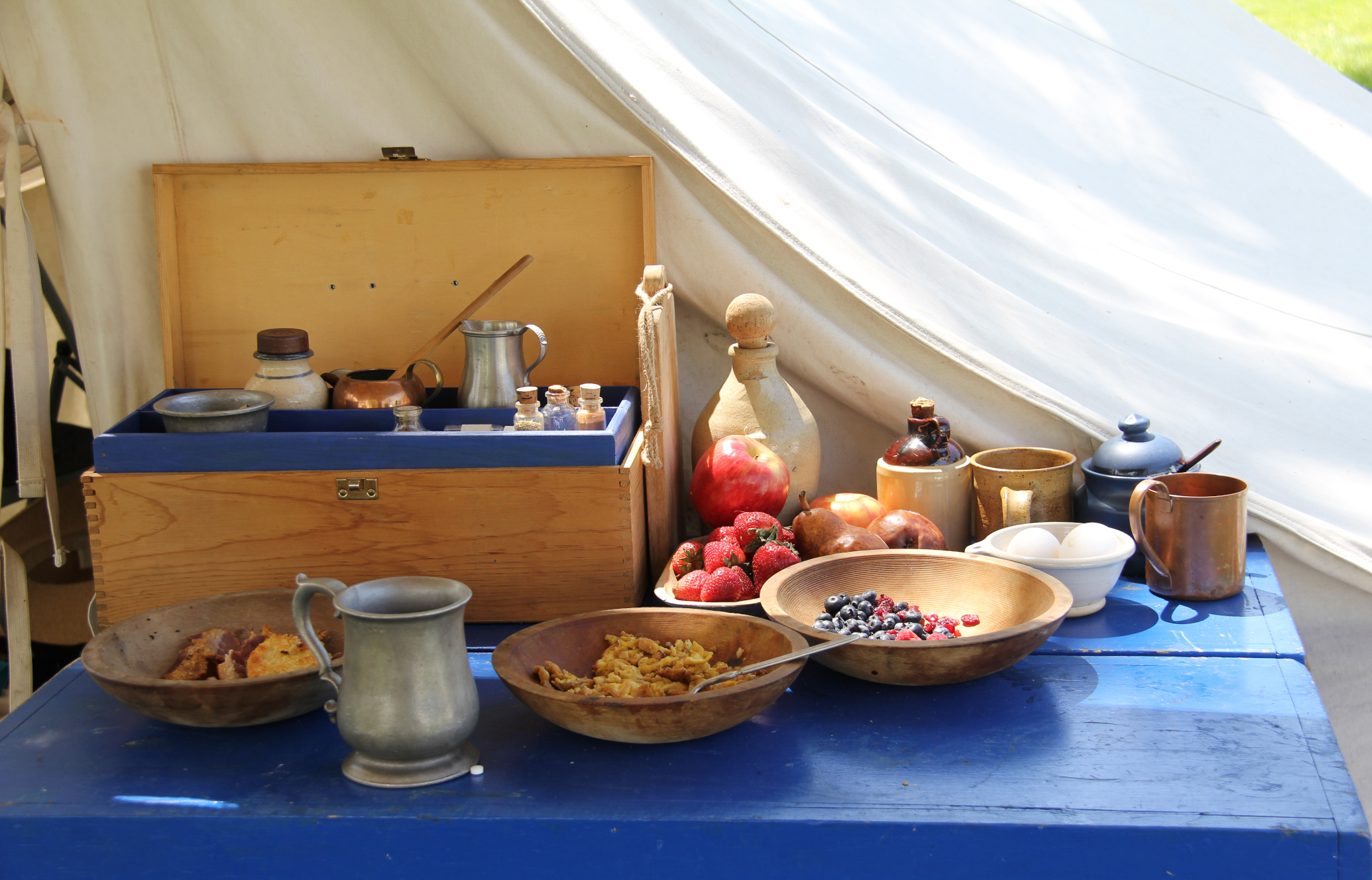
Events like this not only preserve and celebrate history, but serve as visual reminders of how much has changed with the passage of time. Progress can often be measured by the past.
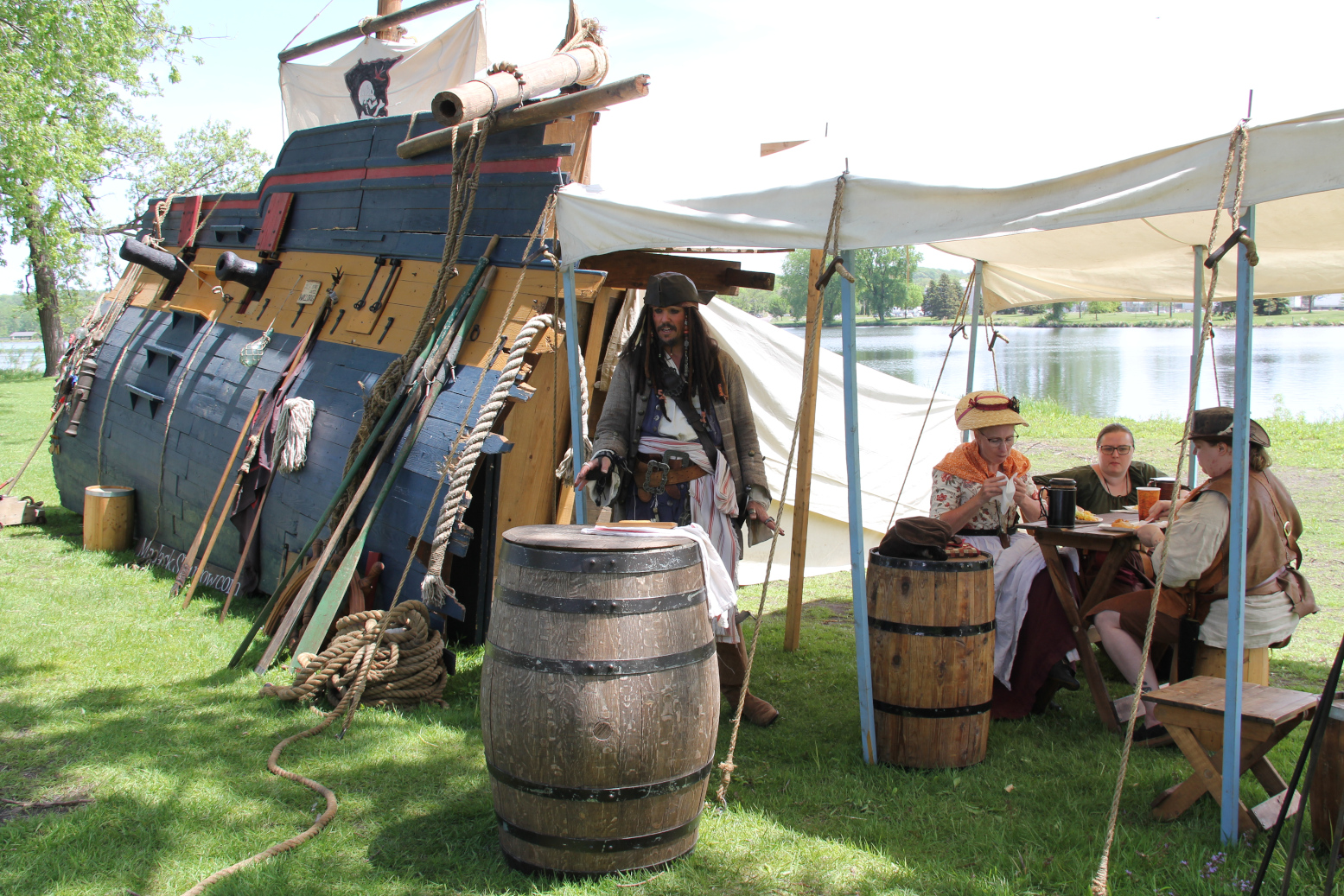
I’m not a history buff. Yet history interests me enough to want to learn more, to attend events like the rendezvous. Before the encampment opened to the public over the weekend, local students came by the hundreds to North Alexander Park for a living history lesson. I would have enjoyed history a whole lot more as a child had I gone to something like this.
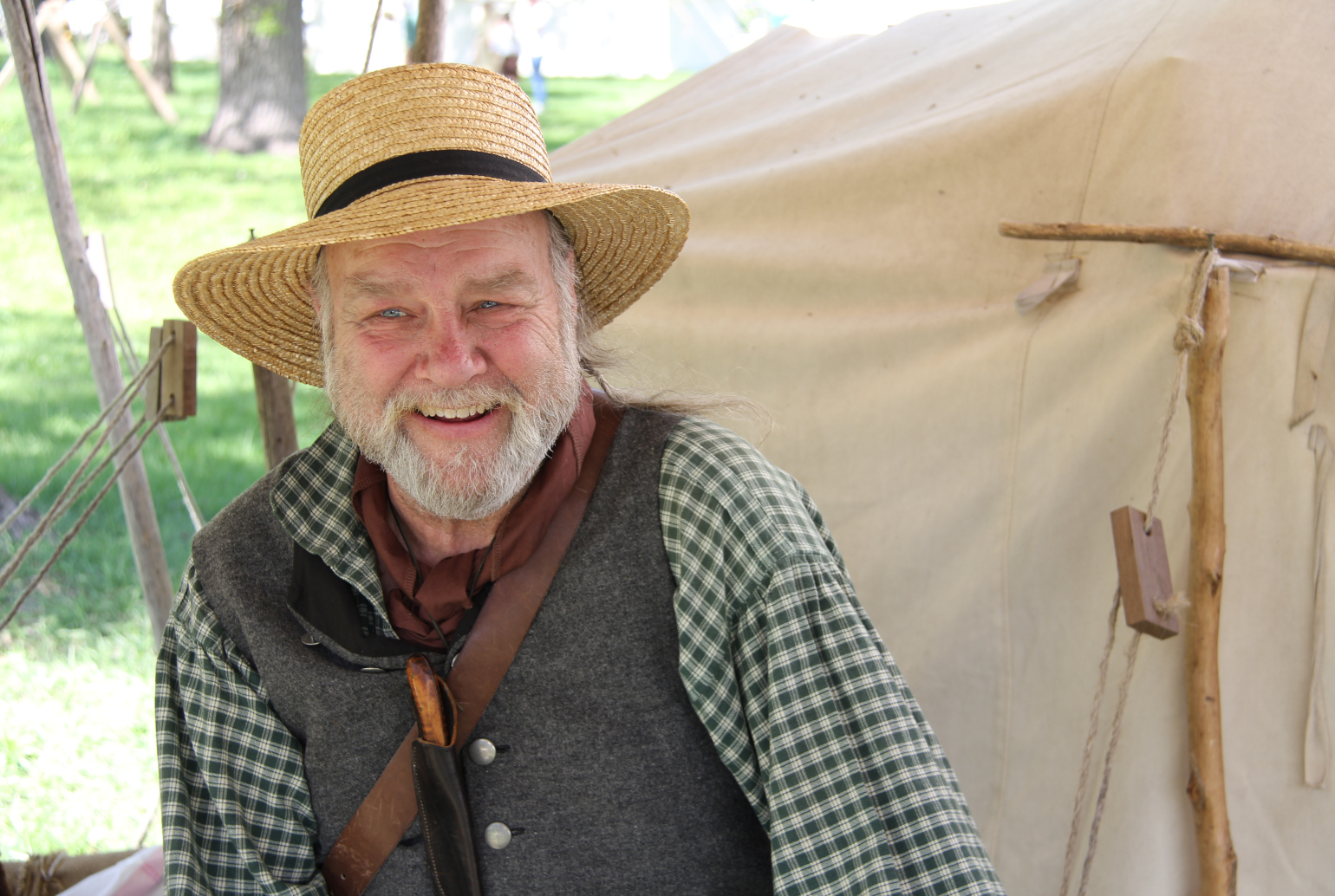
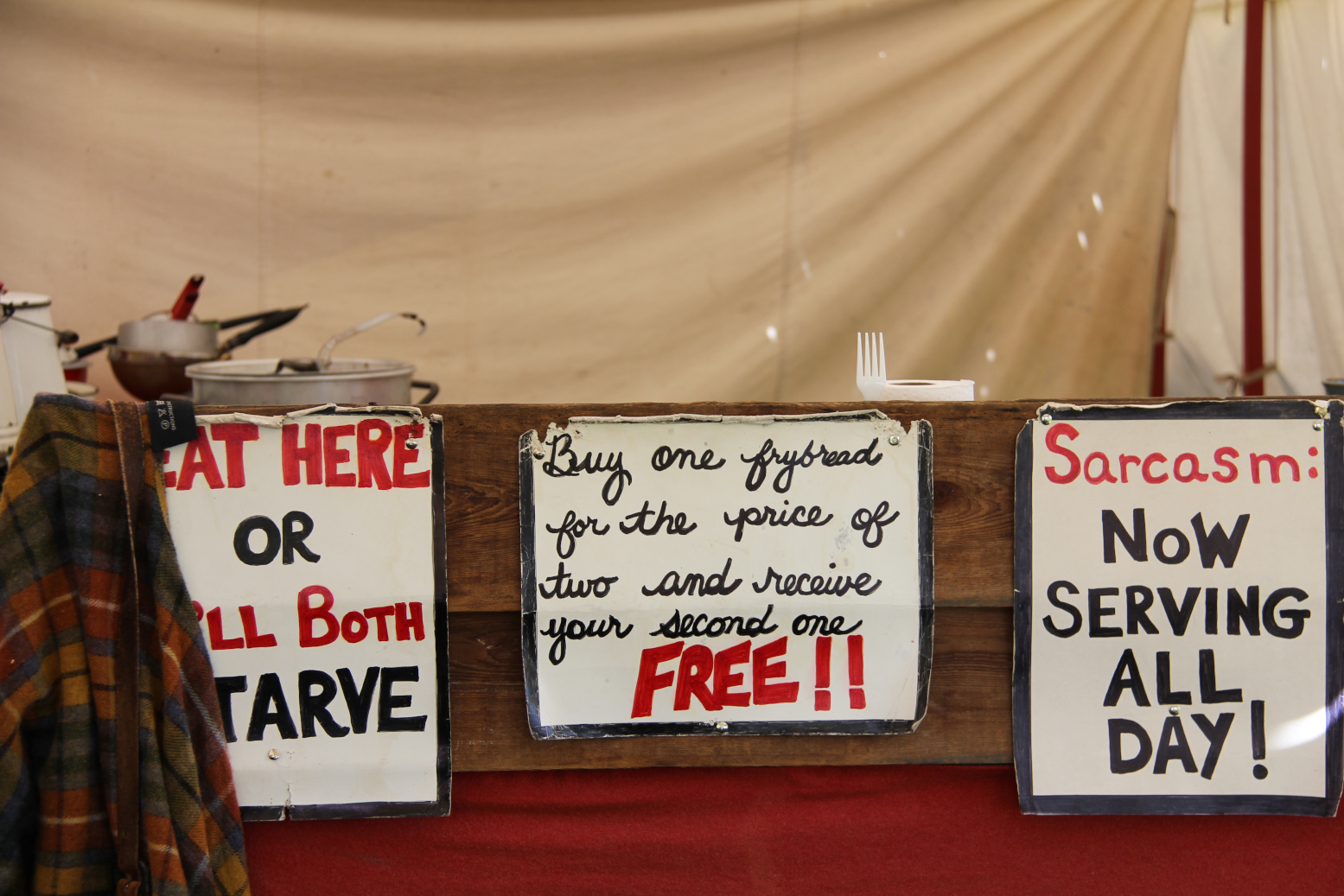
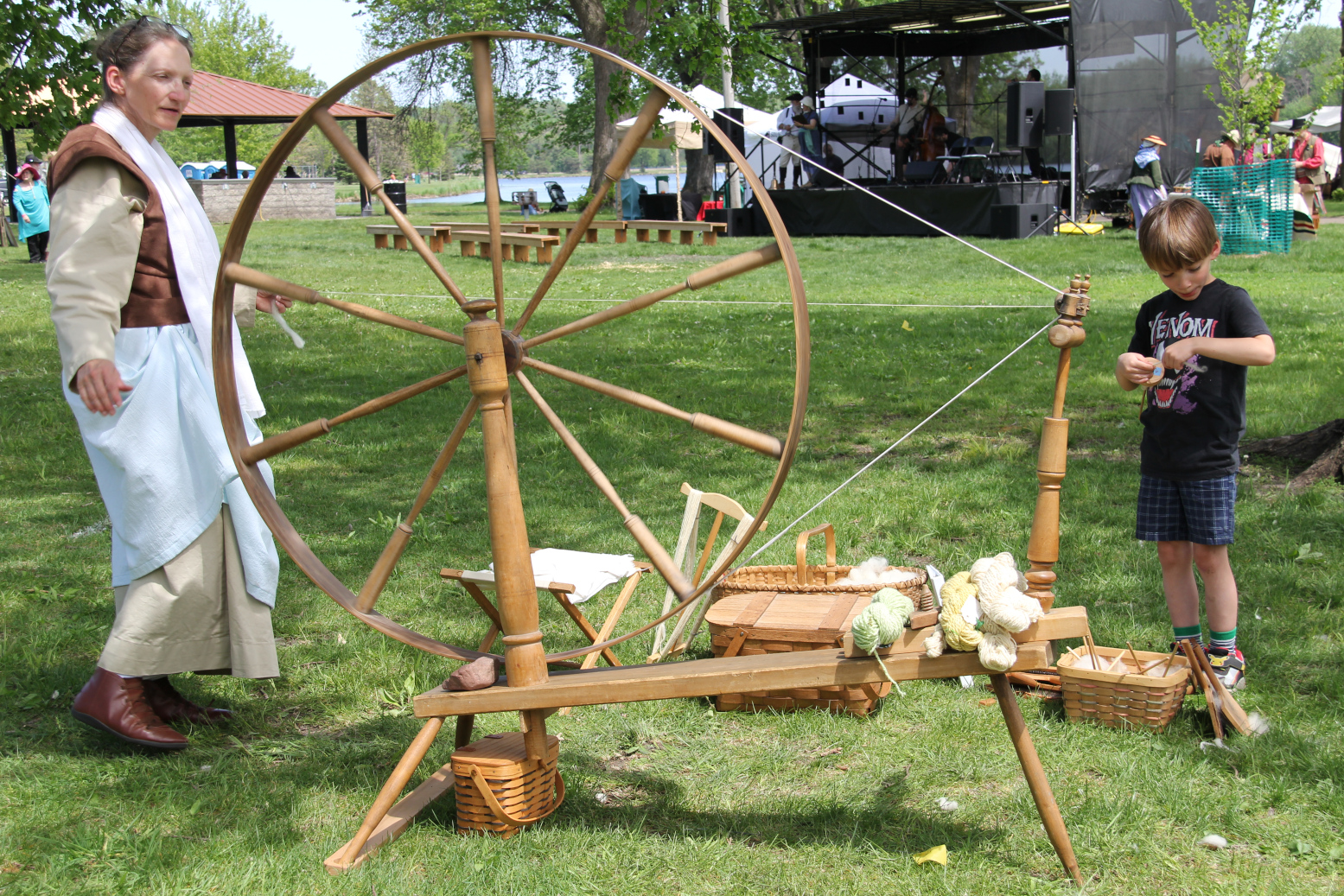
As I wandered around the grounds, photographed, listened, conversed, paused to eat first savory, then sweet, Baby’s Indian Frybread, I considered the time, effort and work involved in putting an event like this together. It’s a lot for the organizers, volunteers and participants.
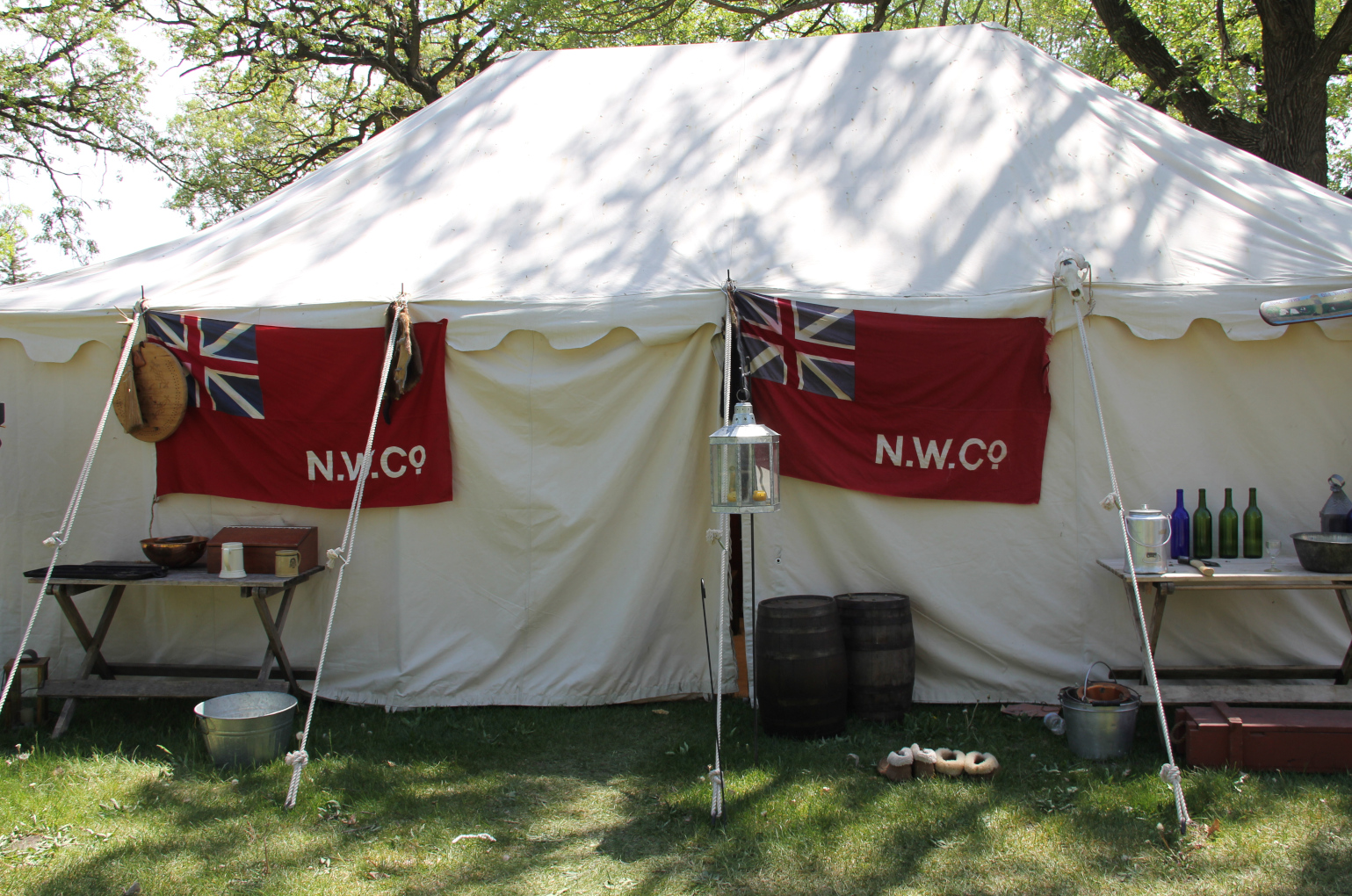
I’m grateful for this rendezvous which brings living history to Faribault, a place where the Wahpekute once fished and trapped and traded and dwelt. This place, too, where Alexander Faribault came to trade with the native Dakota, to settle, to establish the town named after him.
Faribault is a town rich in history. Rice County is a county rich in history. Minnesota is a state rich in history. And, on Saturday, for a few hours, I glimpsed that history along the banks of the Cannon River, where the water flows into the nearby Straight River, stories carried on the current of the water from the past into the present.
© Copyright 2026 Audrey Kletscher Helbling


From the looks of things, I would be at home drifting through there, by I would probably be in my Long Hunter or Mountain man outfit looking for a new rifle. I would wear it to add to the flavor of the event. Robert Rogers, of Rogers Rangers may have passed through as it is known that he camped near the falls by St, Paul during the Revolution. I have a female ancestor who was captured in North Tennessee, held as a slave and taken to Fort Detroit. British, were asked by the Native Americans where she was/ She had made her escape via a French suttler. To be returned to the Indians would have meant death, She made her escape and walked down to Illinois. Bad winter that year with little game and no drive through fast food – long walk home.
Gunny, you definitely would have enjoyed the Riverside Rendezvous. I could see you there in costume.
how fun and wonderful and informative at the same time. i’m such a fan of the people who recreate a living history for us, this is one of the ways in which i learn the most about history, to see it, feel it and talk to those who know.
I, too, best learn history in this way, anything interactive.