Minnesota Prairie Roots

Writing and photography by Audrey Kletscher Helbling

On the road into harvest in southern Minnesota September 16, 2026

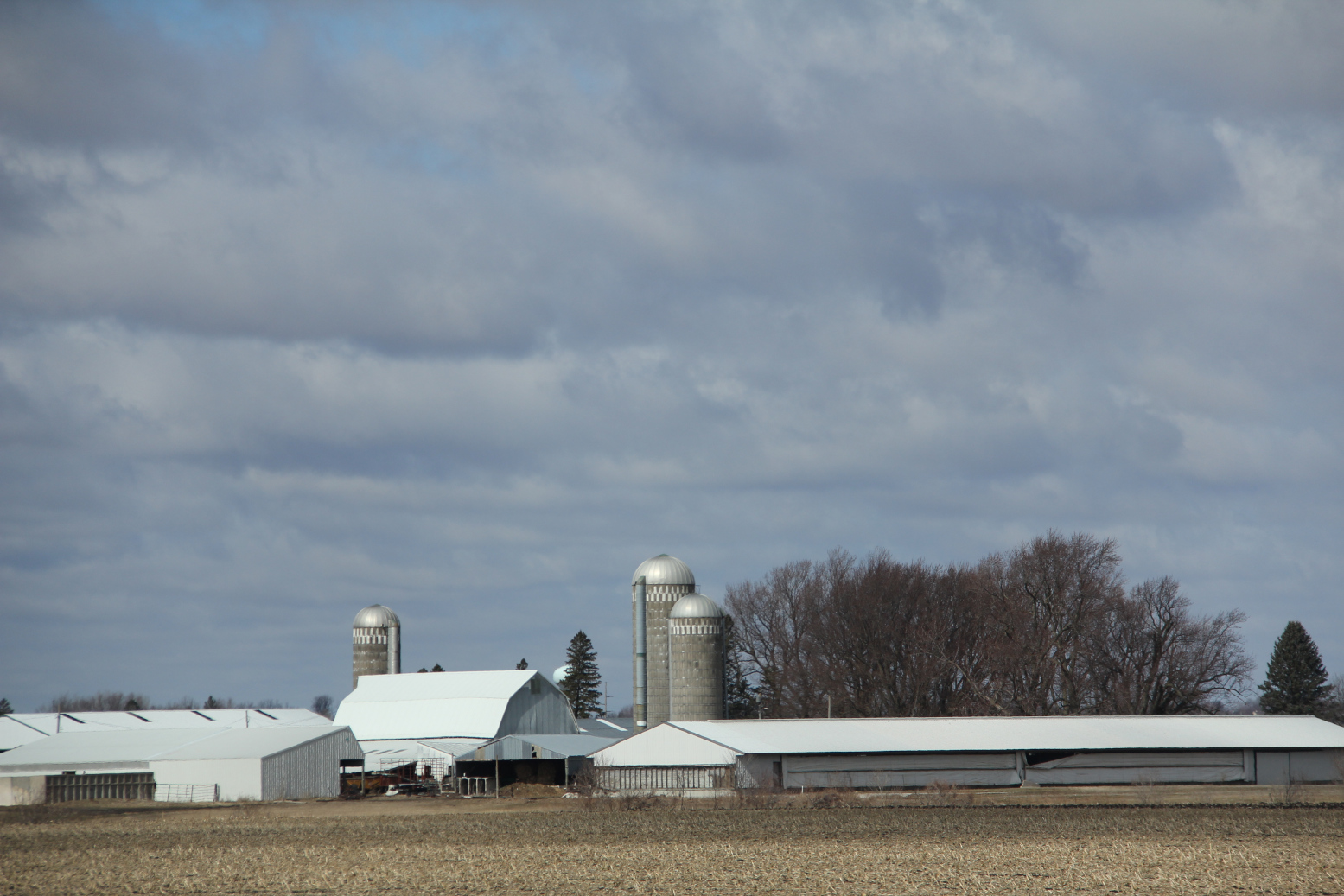
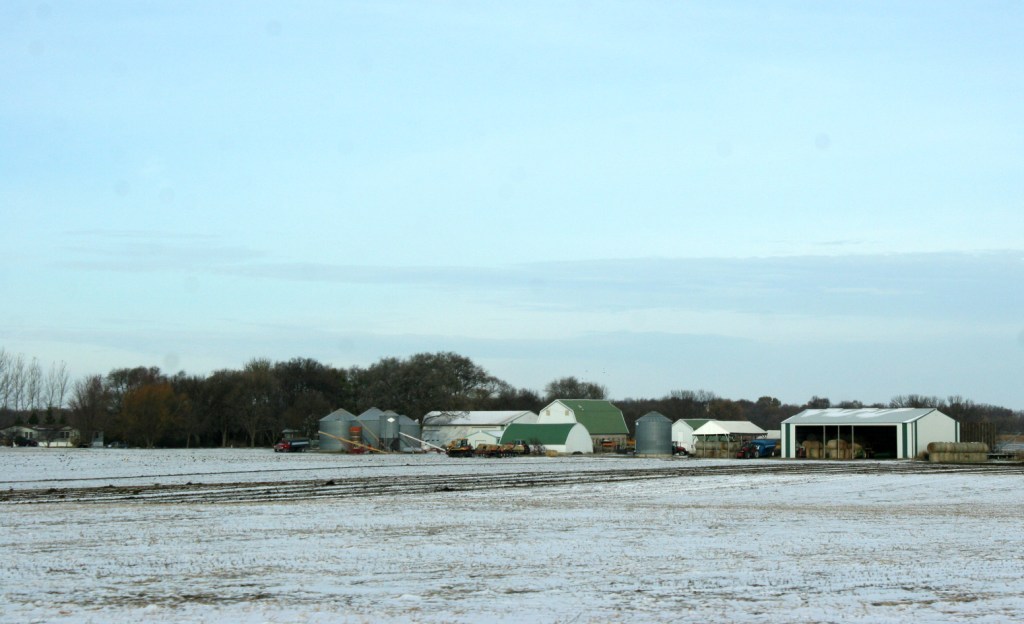
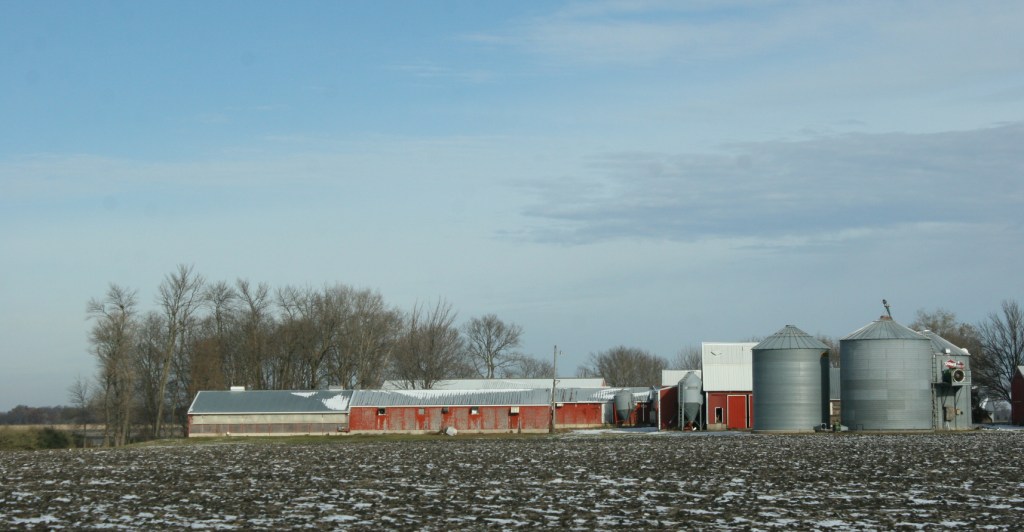
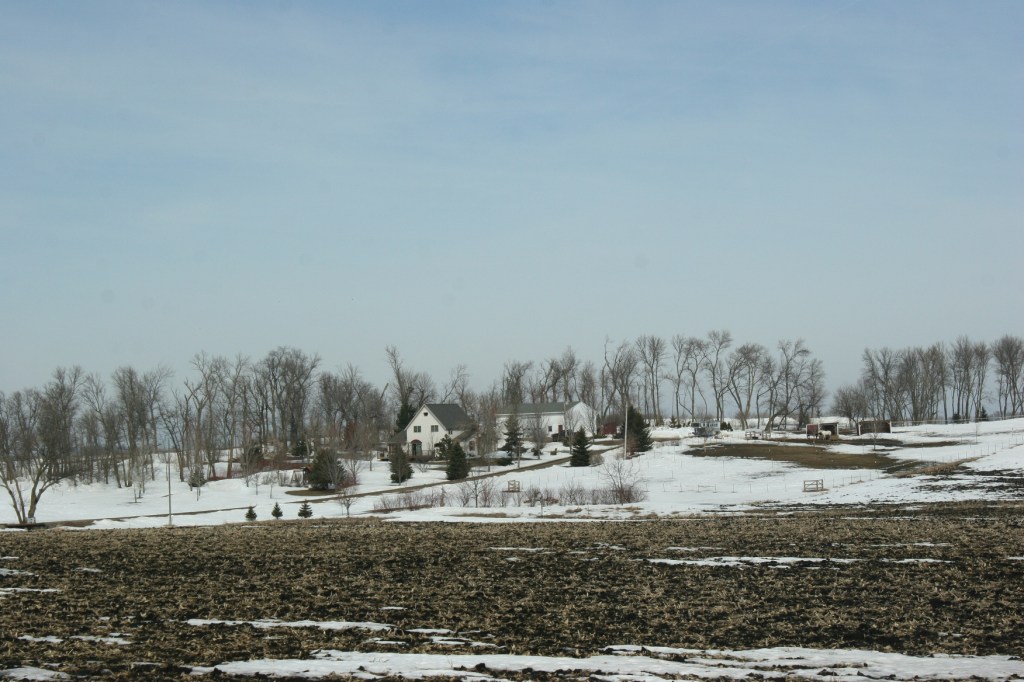
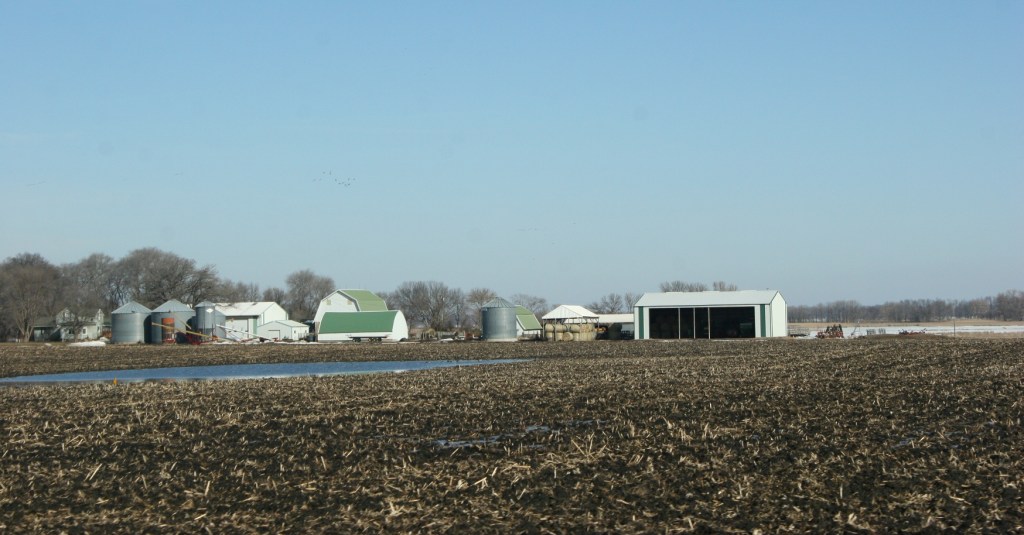
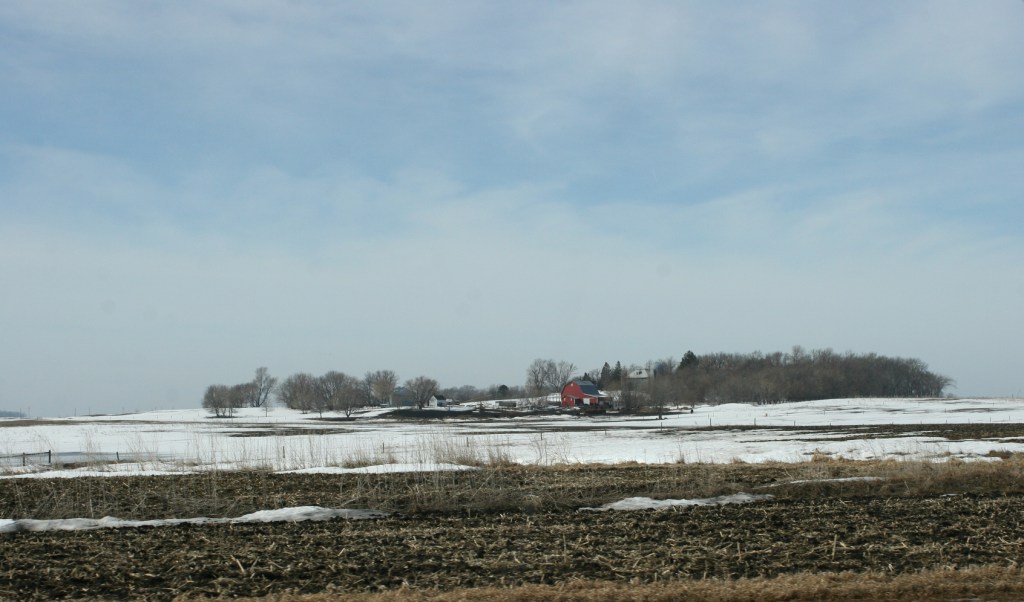
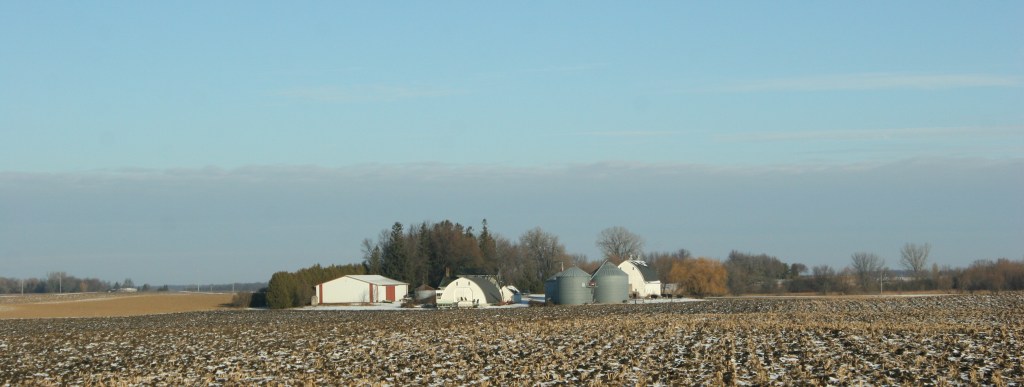
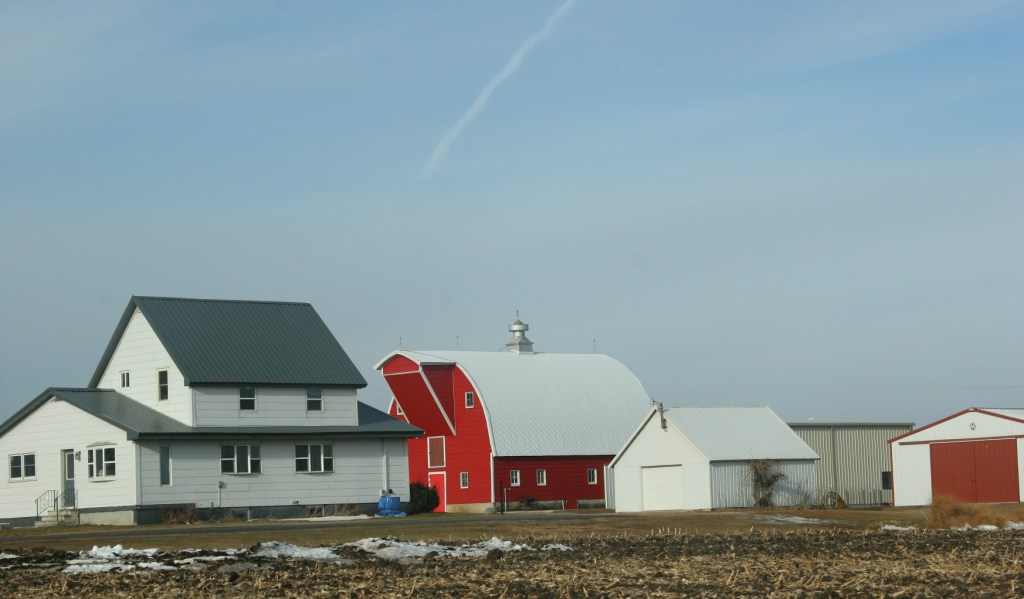
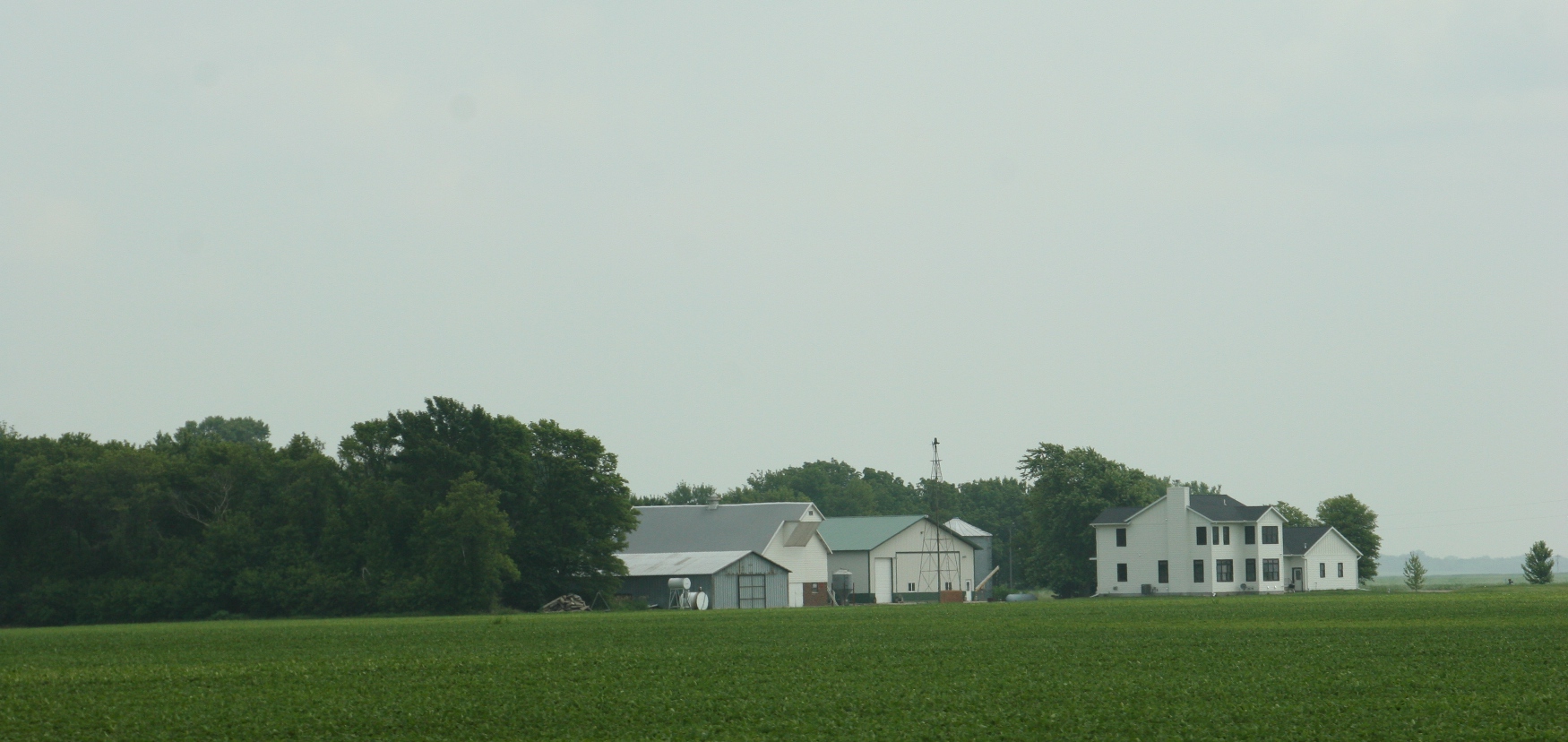
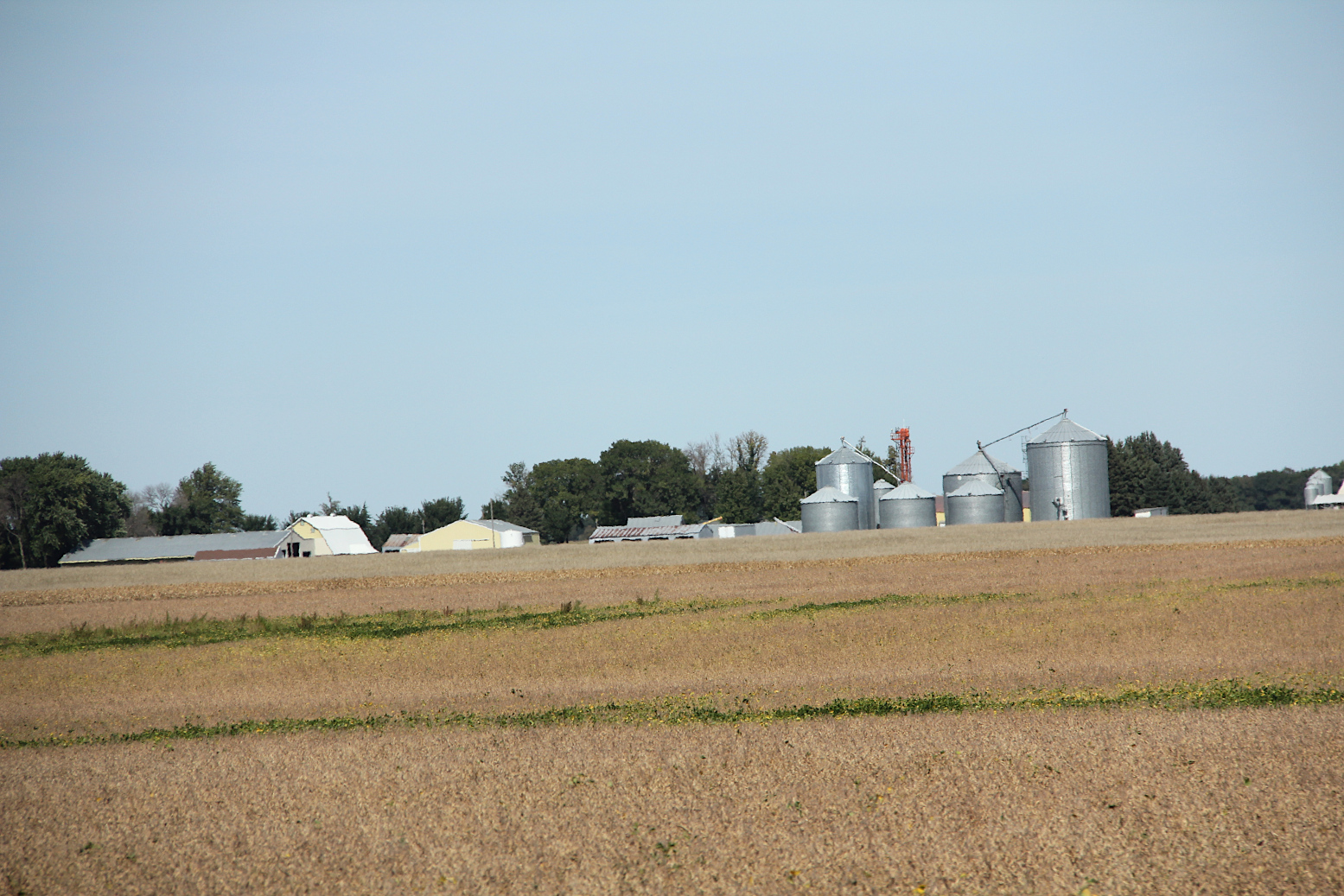
En route to Vesta and back, we passed endless ripening fields and farm sites, including this one in the New Ulm area. (Minnesota Prairie Roots copyrighted photo September 2026)

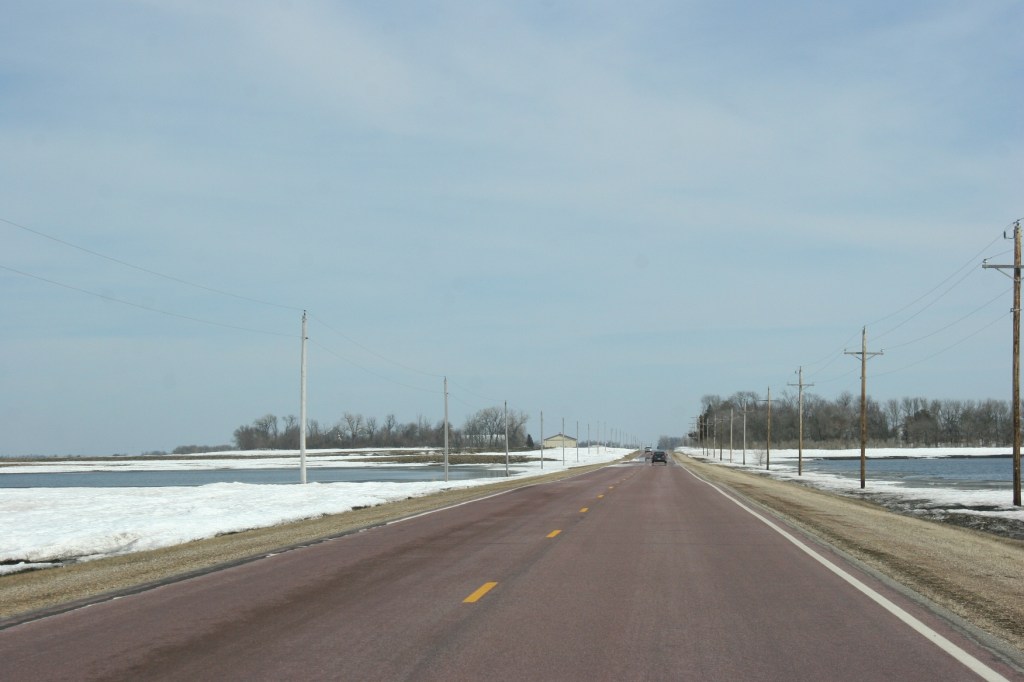
ACRE UPON ACRE of drying corn and soybean fields unrolled before us as Randy and I headed west 120 miles from Faribault to my hometown for a mournful family gathering, this time to honor my cousin Jeff. He died unexpectedly at the age of 63 only three months after his mother, my Aunt Marilyn.

Here we were again, back at the hilltop Vesta Cemetery, circling around gravestones to hear Scripture, to pray, to sing, to comfort one another, to remember Jeff while a fierce wind blew and the bright sunshine warmed us.
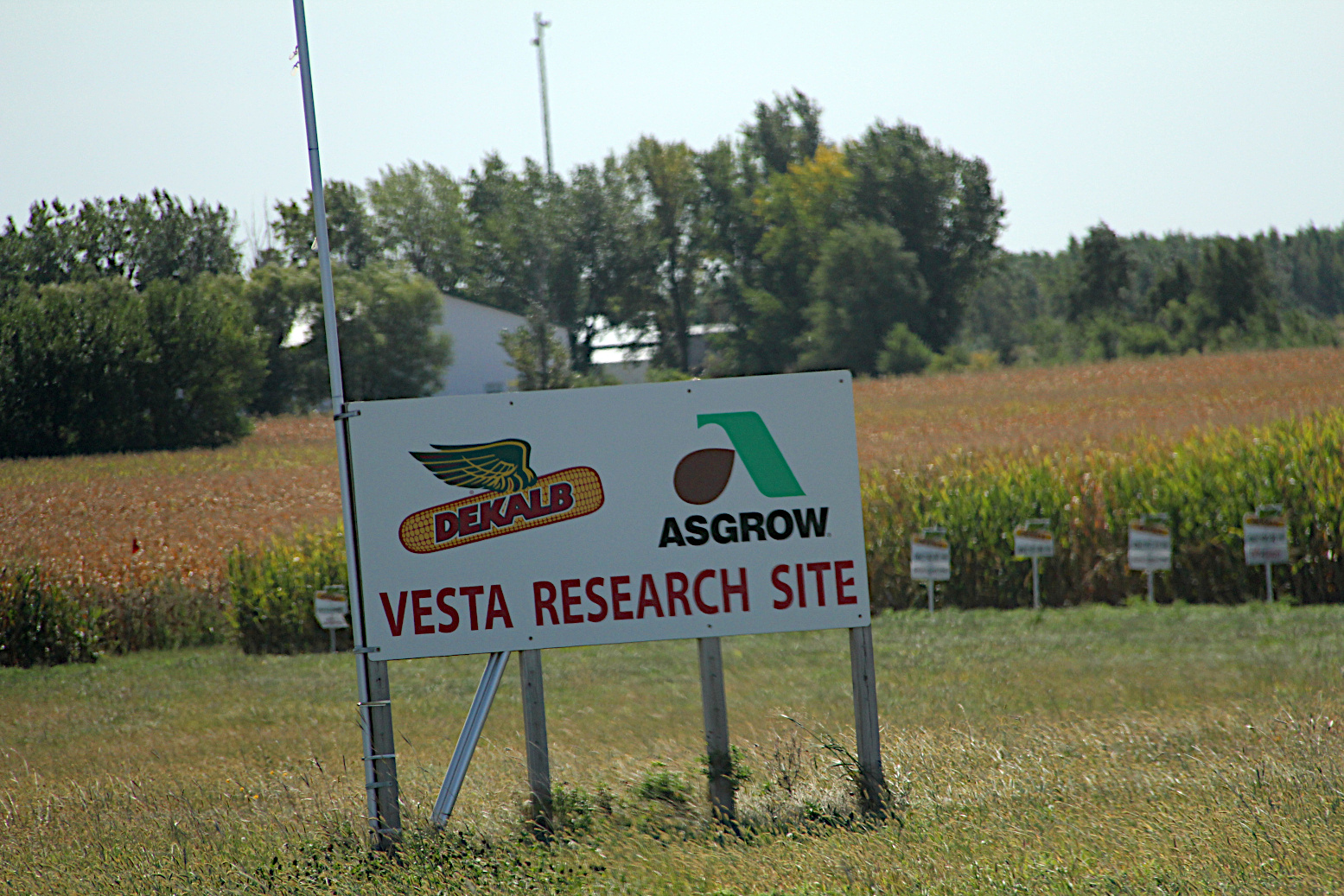
On the northwest edge of Vesta, a sign notes a corn research site. (Minnesota Prairie Roots copyrighted photo September 2026)

As I stood there, I took in the countryside of this prairie place. I love this land of rich, dark soil. This land from which seeds sprout, grow into plants reaching toward the sun. This is fertile land that holds the promise of a plentiful harvest. Redwood County has, undeniably, some of the best farmland in Minnesota.
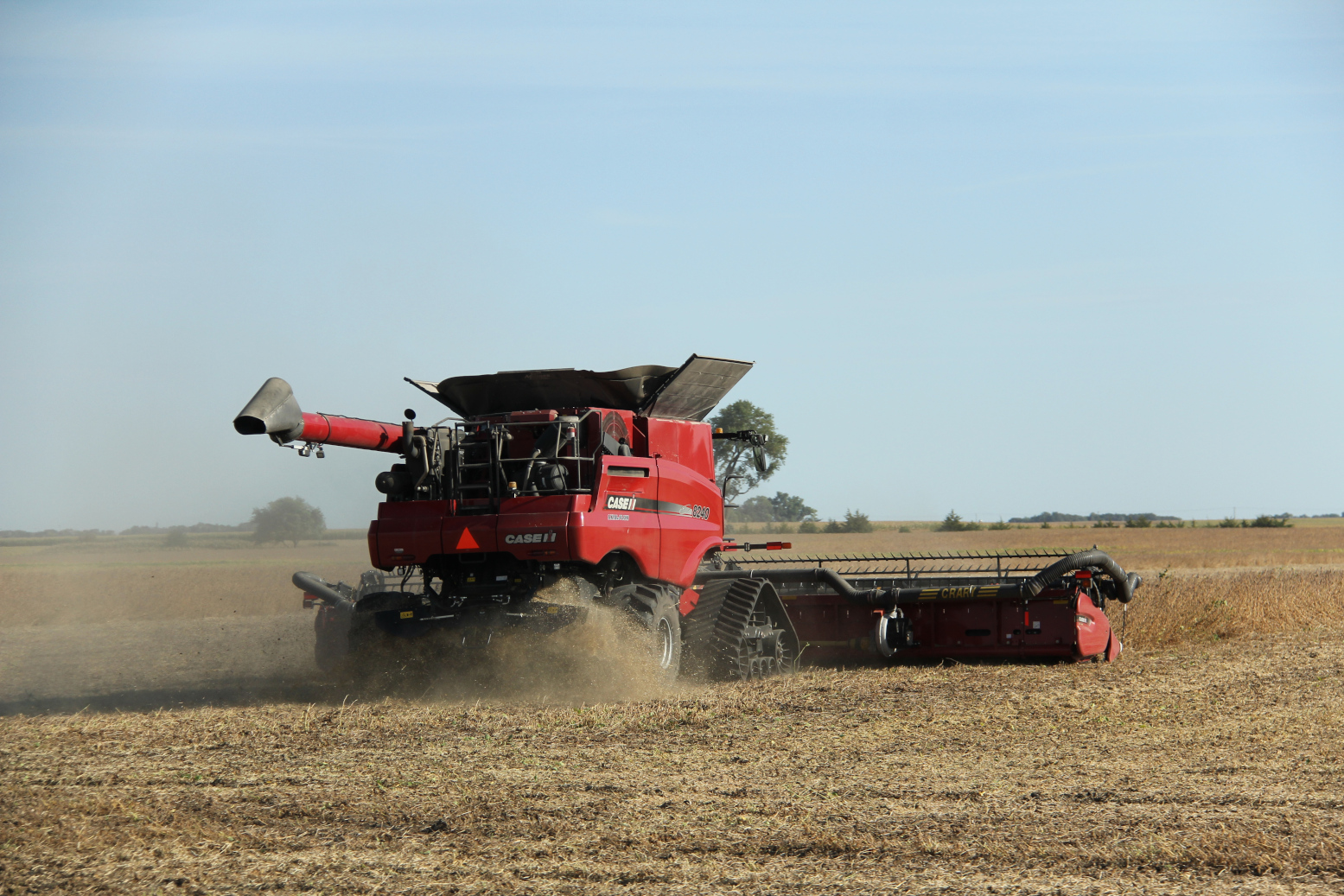
Combining soybeans north of Sleepy Eye. (Minnesota Prairie Roots copyrighted photo September 12, 2026)

All through our 5-hour round trip, Randy and I kept a watchful eye on the crops, noting some nearly ready for harvest, others awaiting ripening. And in one spot north of Sleepy Eye, we came across farmers harvesting soybeans.
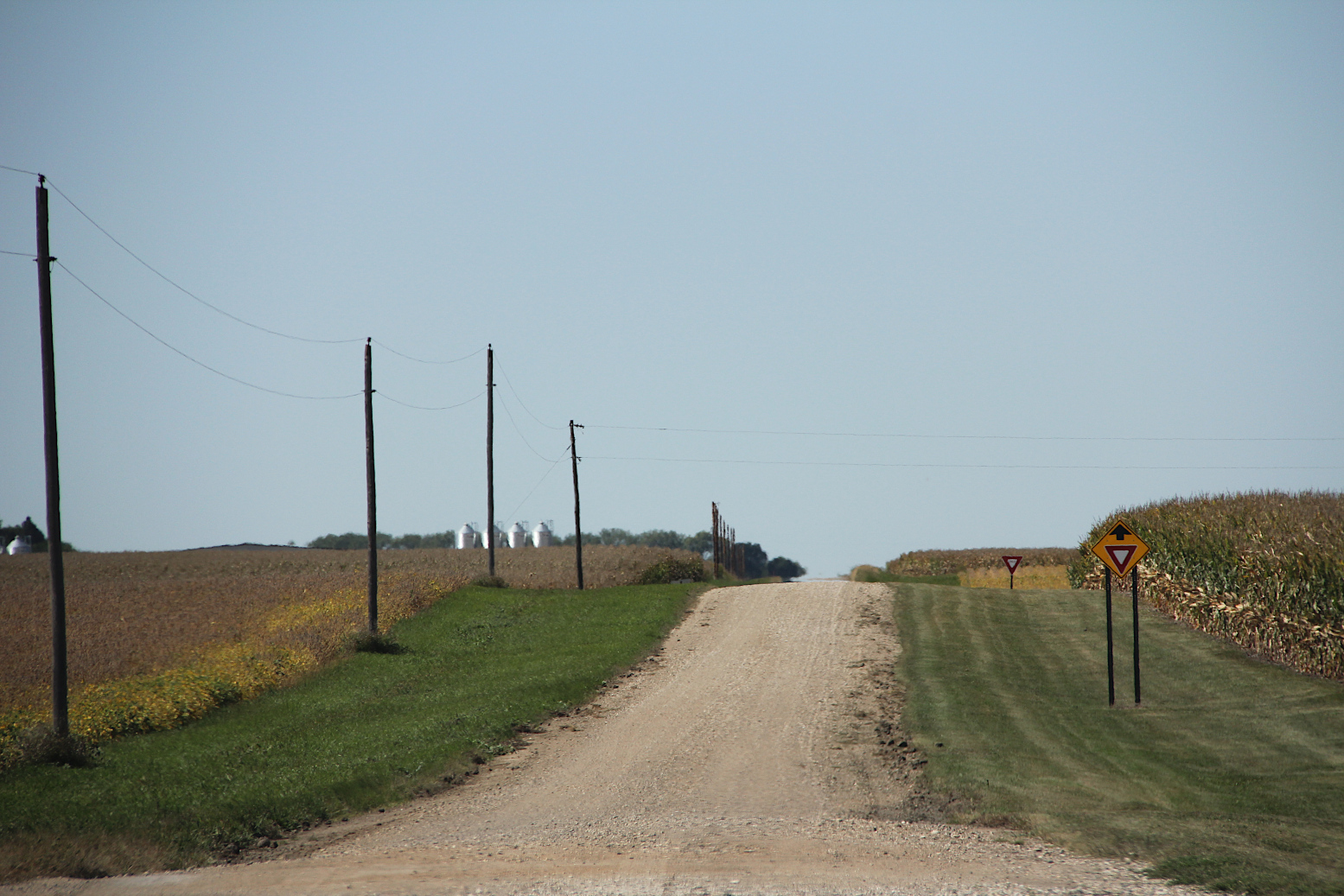
A gravel road southeast of Morgan threads between corn and soybean fields. (Minnesota Prairie Roots copyrighted photo September 2026)

We are both farm kids—he a native of Morrison County in central Minnesota. As such, our observation of crops comes from a childhood of living on the land, of working the land (Randy more than me), of watching our farmer fathers work.
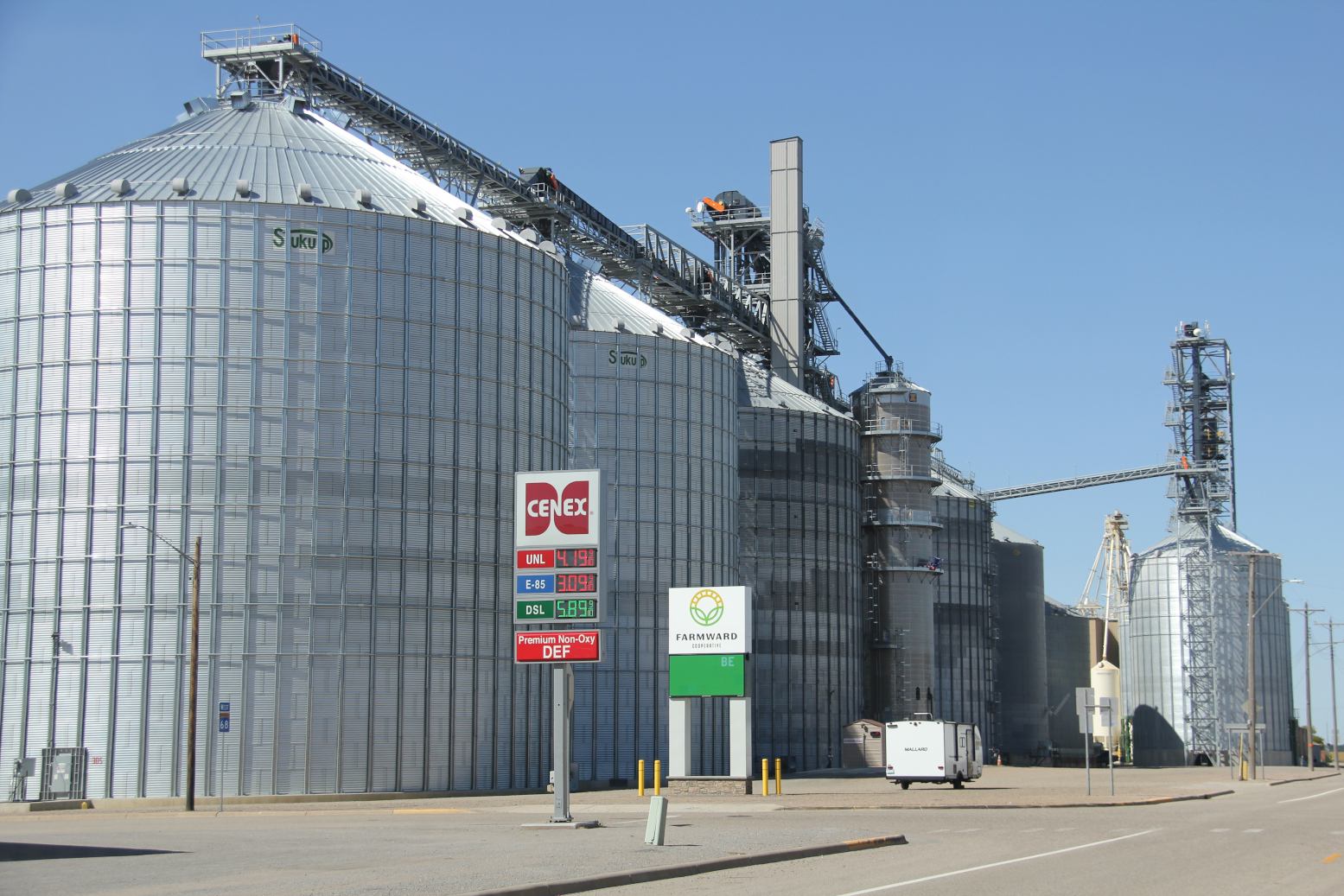
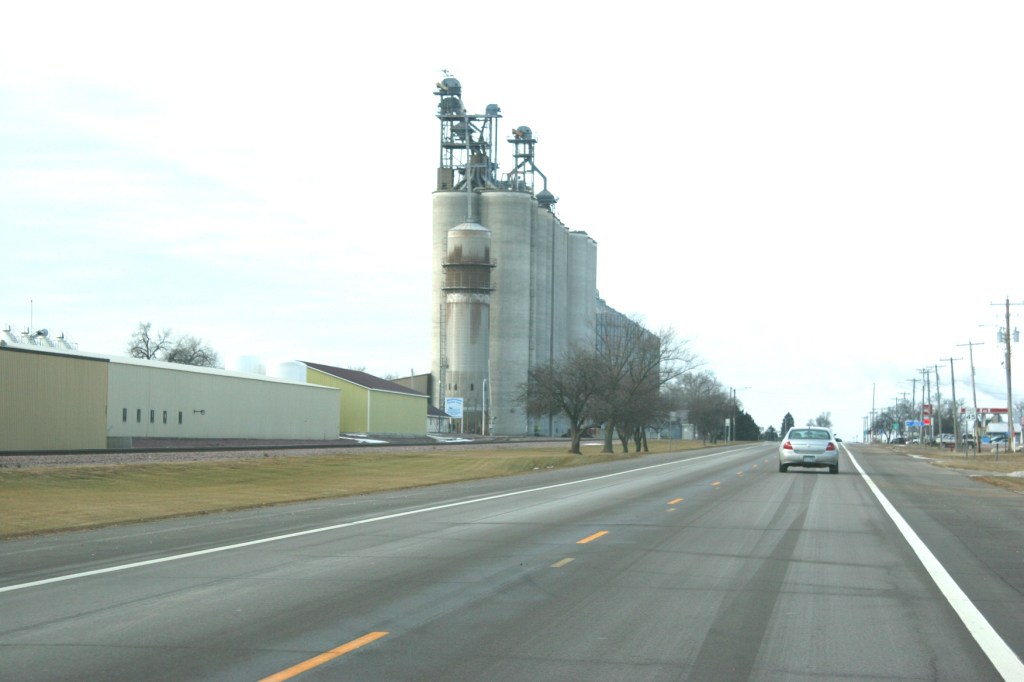
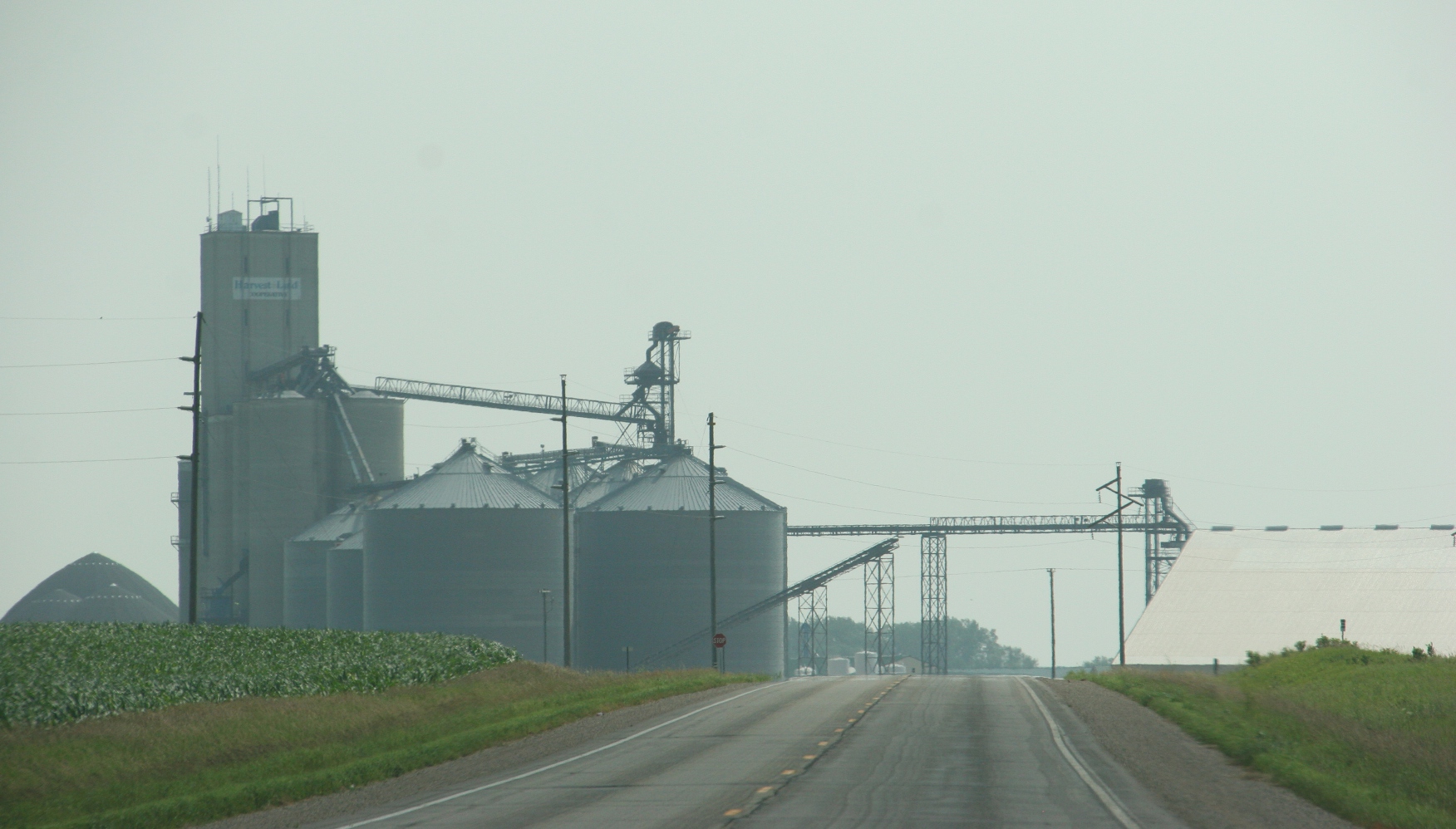
Farmward Cooperative centers the agricultural business community in Morgan. (Minnesota Prairie Roots copyrighted photo September 2026)

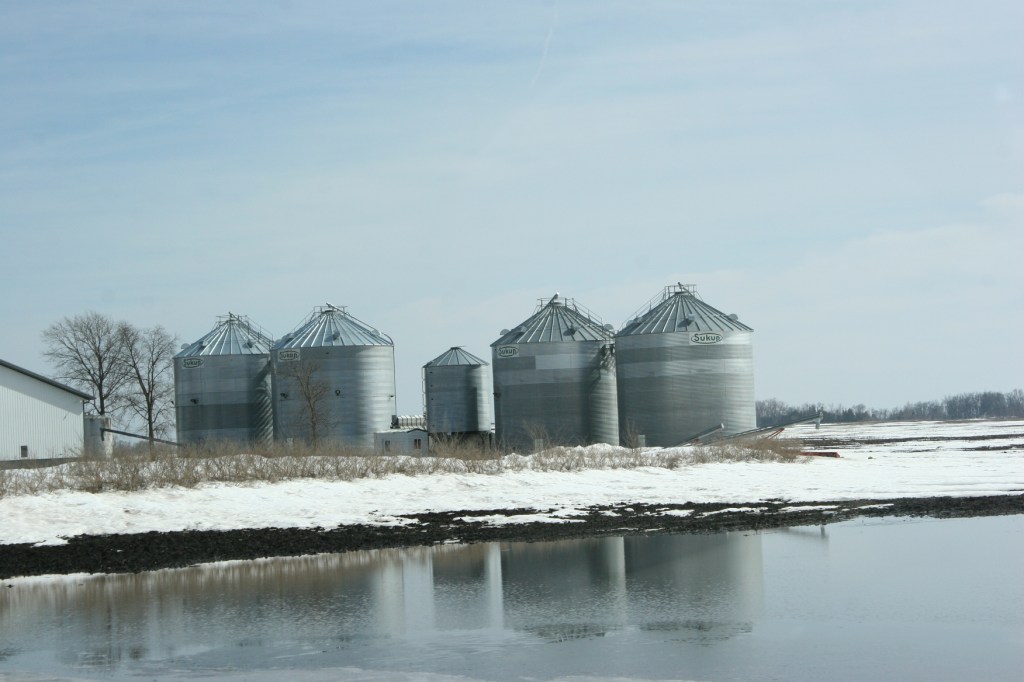
On this mid-September road trip, I was, in some ways, transported back in time to the farm. My focus shifted to the impending harvest. Preparation. Grain bins emptied to receive new crops. Combines and grain trucks at the ready.
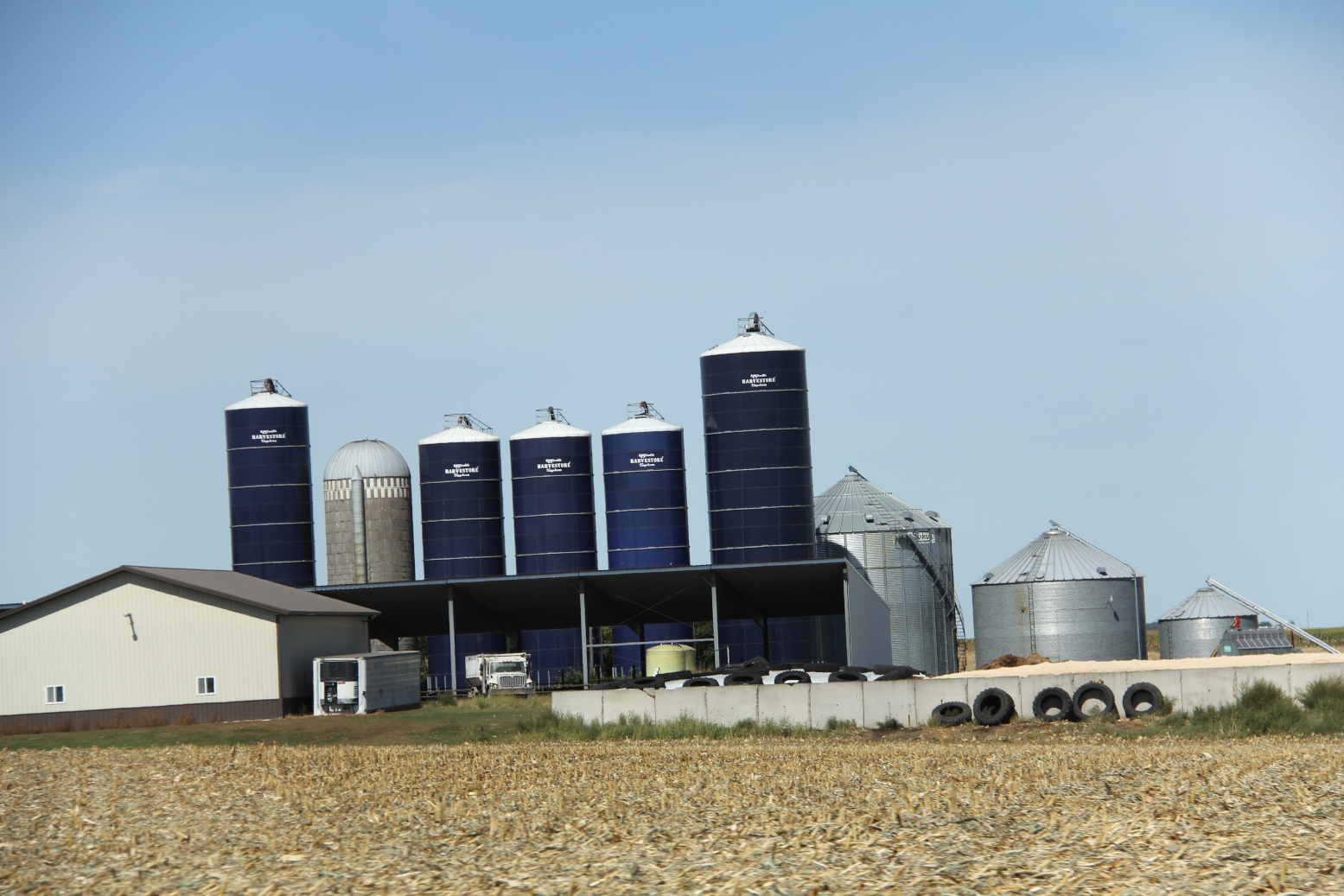
Corn has already been harvested at this farm along Minnesota State Highway 19 only miles from Vesta. (Minnesota Prairie Roots copyrighted photo September 2026)

A sense of anticipation prevails this time of year as farmers prepare to gather in the crops.
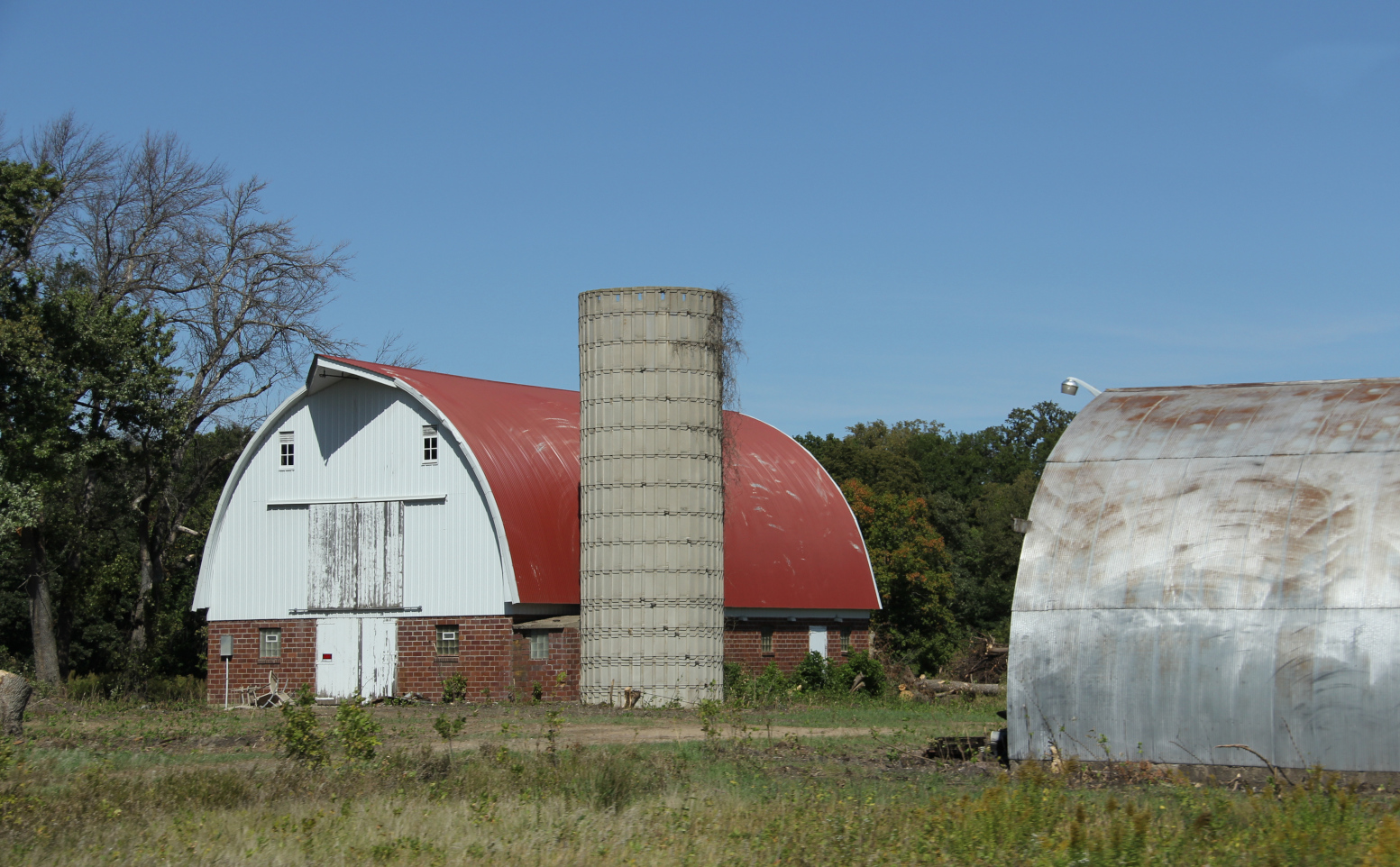
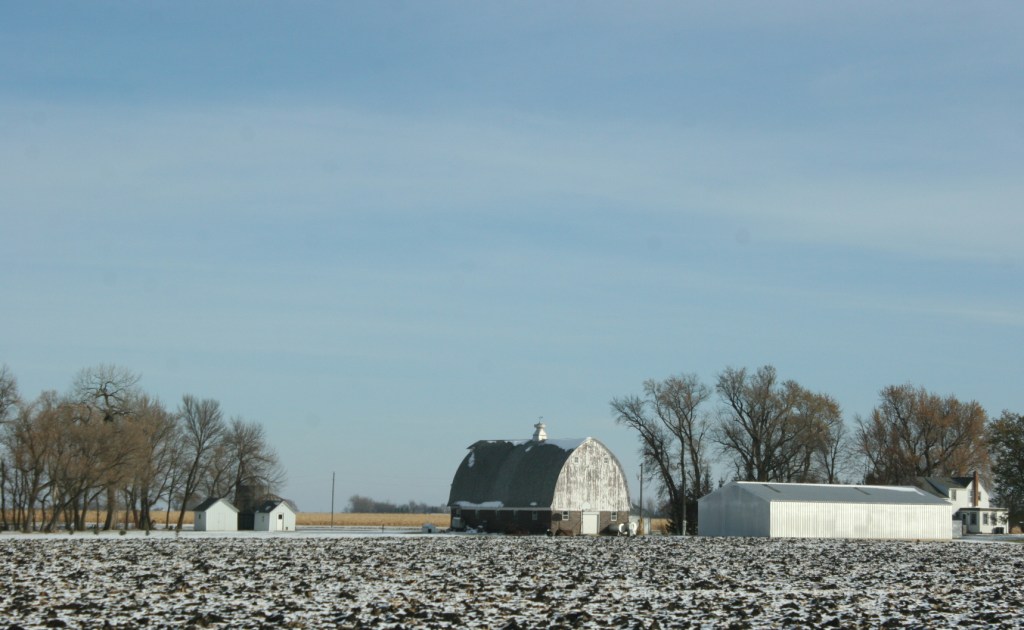
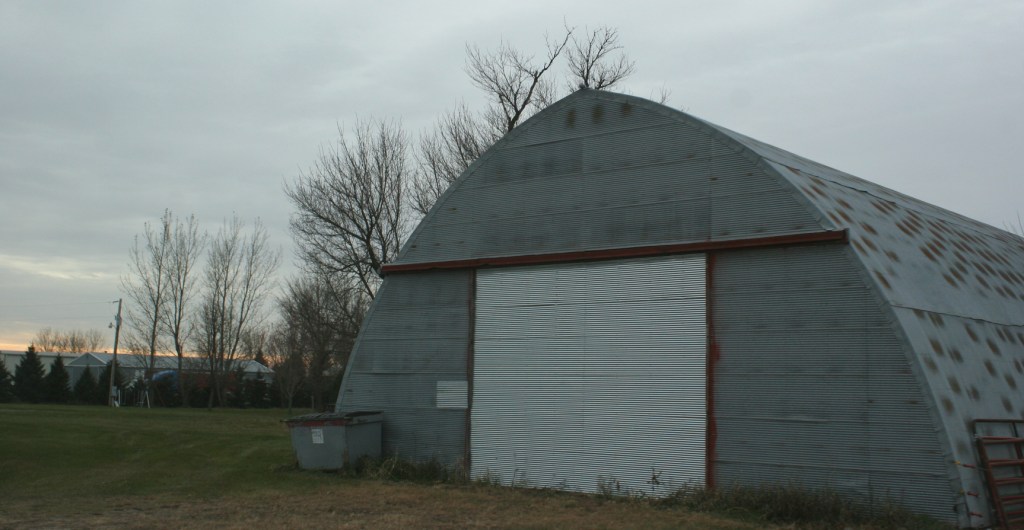
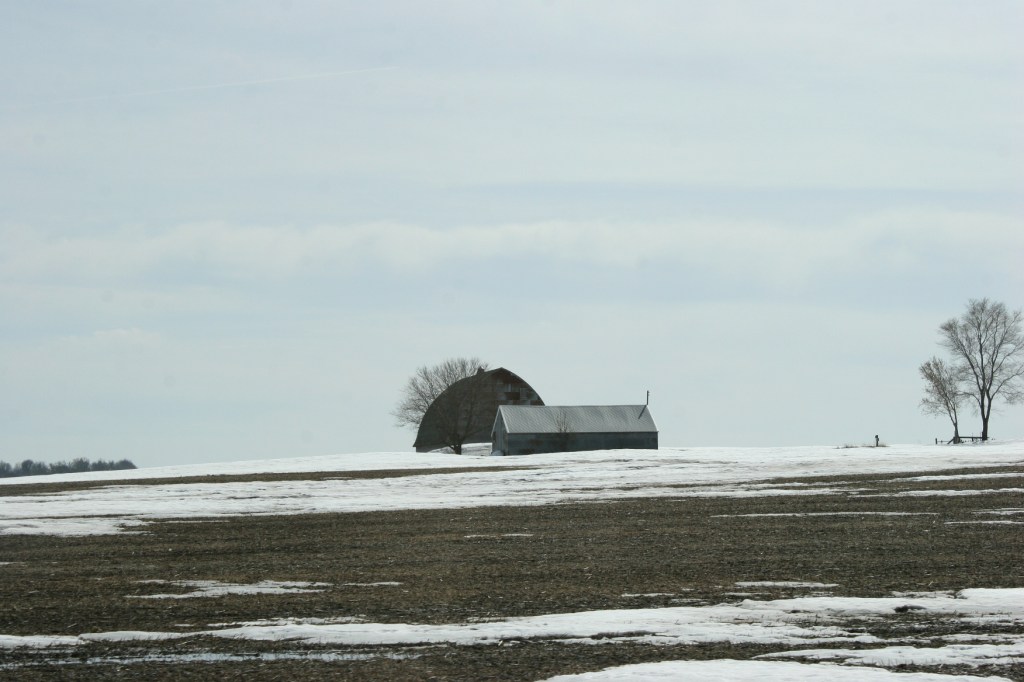
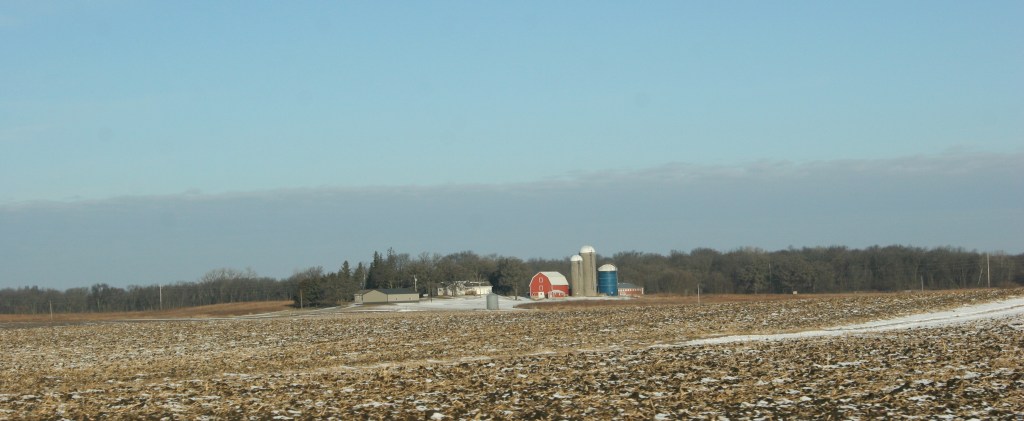
A barn near New Ulm. (Minnesota Prairie Roots copyrighted photo September 2026)

But beyond the fields, I noticed, too, the detailed ruralness of place the farther west we traveled. West of Mankato, the agrarian way of life always seems more defined as distances between farm sites grow.
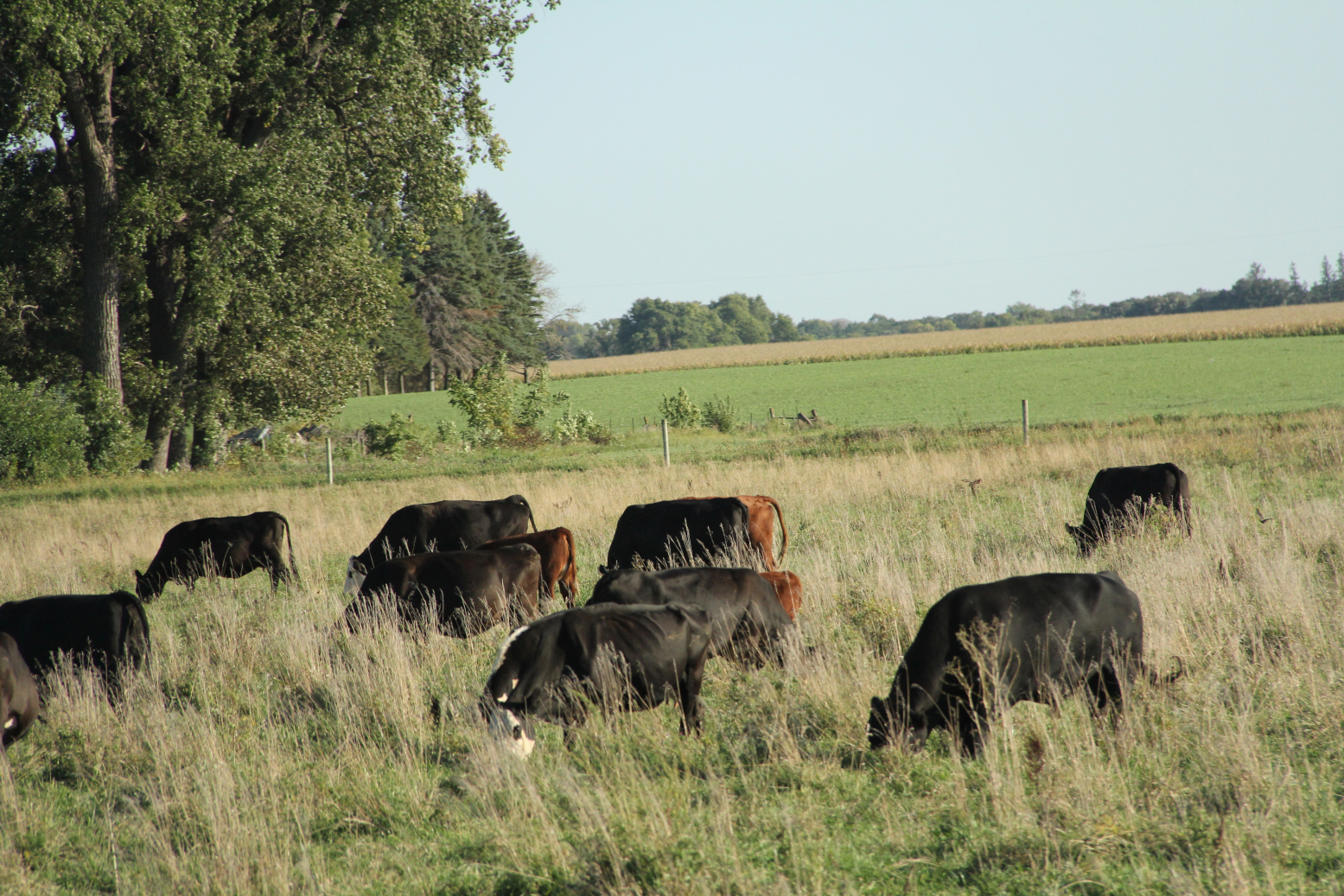
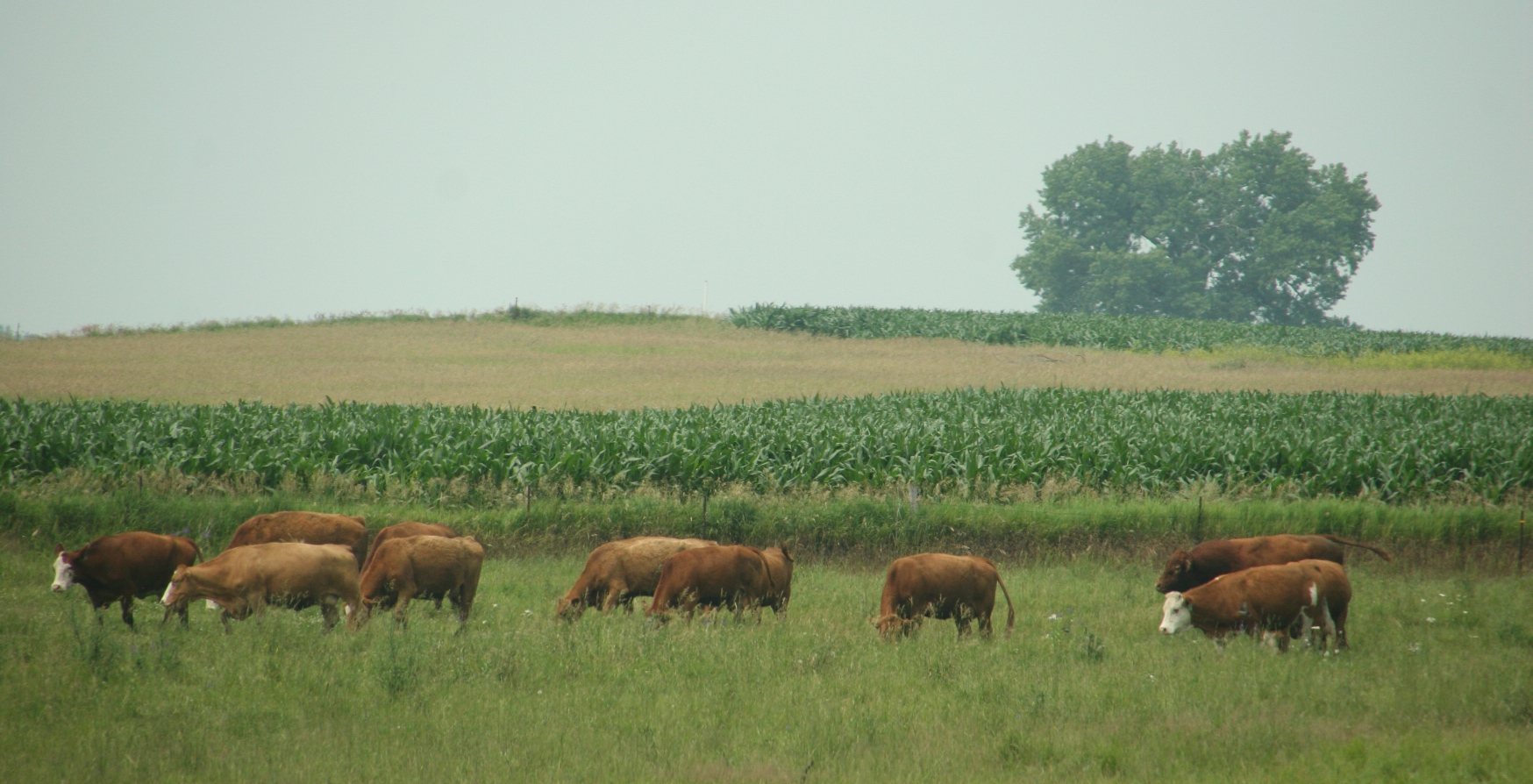
Cattle grazing in the Janesville area. (Minnesota Prairie Roots copyrighted photo September 2026)

With fewer visual distractions, I see the barns, the grain bins, the occasional cattle grazing.
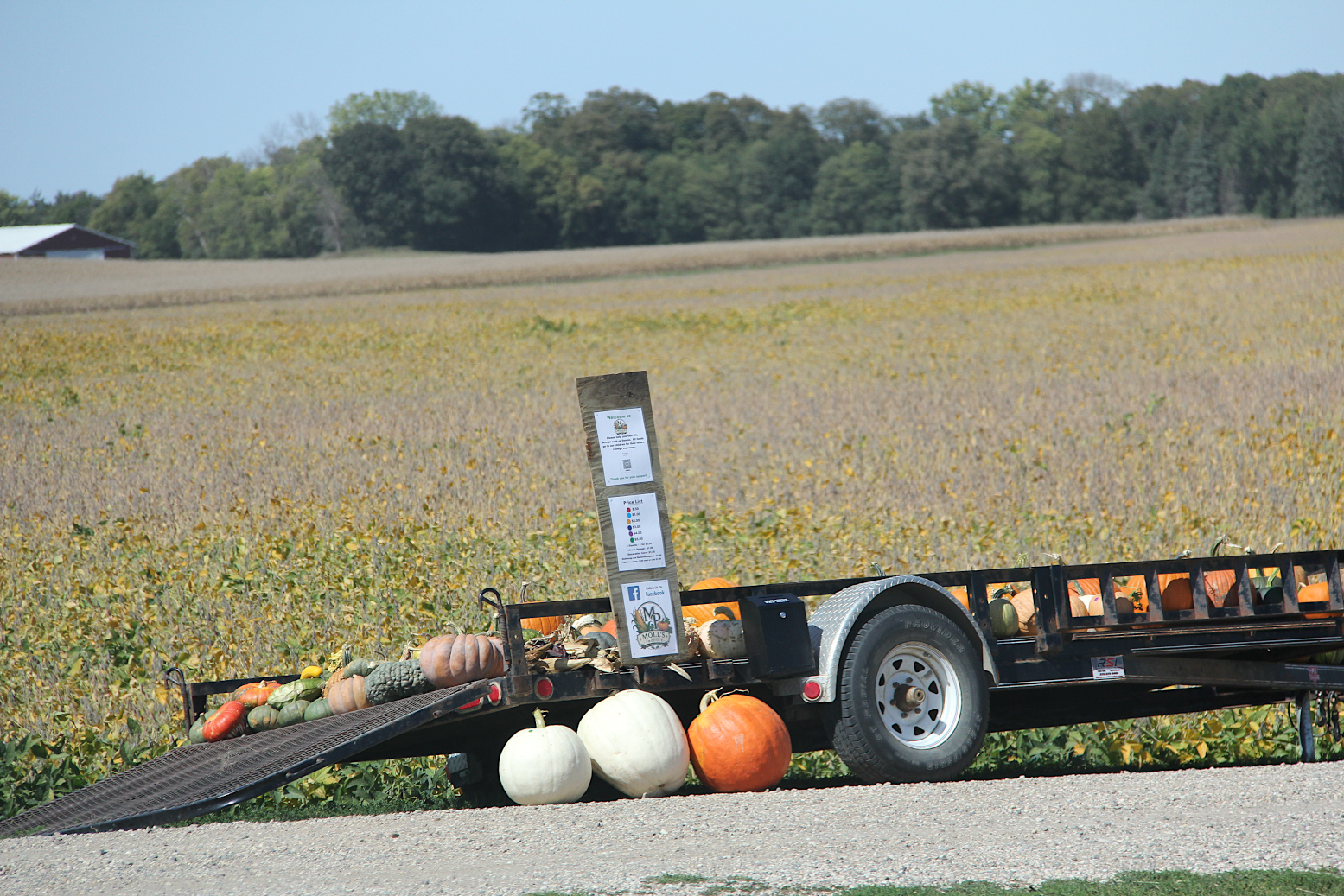
Roadside pumpkin stands, like Moll’s Produce near New Ulm, are beginning to pop up. (Minnesota Prairie Roots copyrighted photo September 2026)

I see roadside stands stocked with plump pumpkins ushering in autumn.
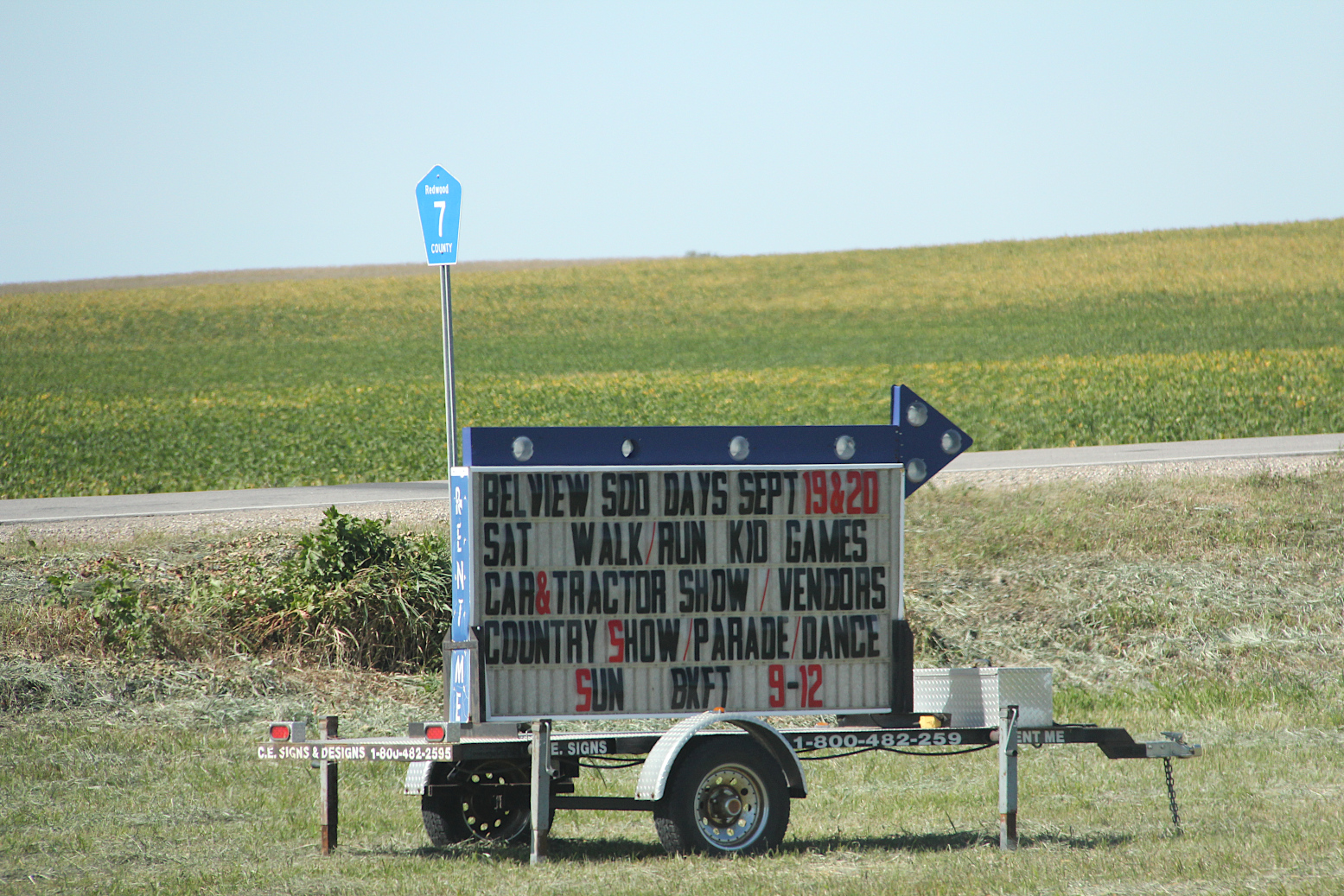
The soybean field backdropping this Old Sod Days sign south of Belview is beginning to ripen. (Minnesota Prairie Roots copyrighted photo September 2026)

I see corn leaves curling, drying. I see soybean fields morphing from green to yellow to brown.
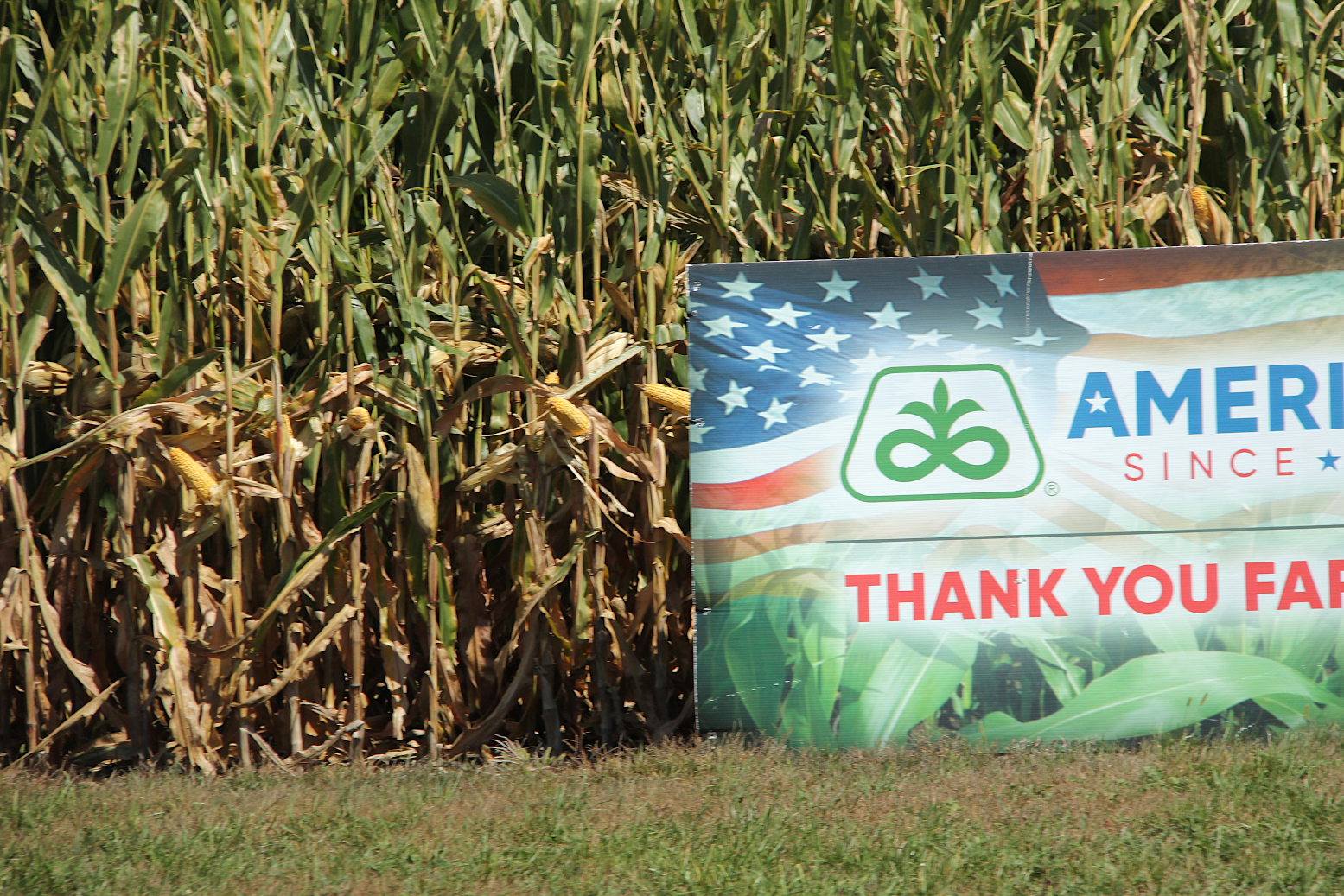
A partially-visible sign next to a cornfield thanks farmers. (Minnesota Prairie Roots copyrighted photo September 2026)

Near Morgan, the site of Farm Fest, a yearly Minnesota agricultural celebration, I spot several signs thanking farmers. Likewise in areas along U.S. Highway 14 between Owatonna and Mankato, farm-themed signage billboards the roadway.
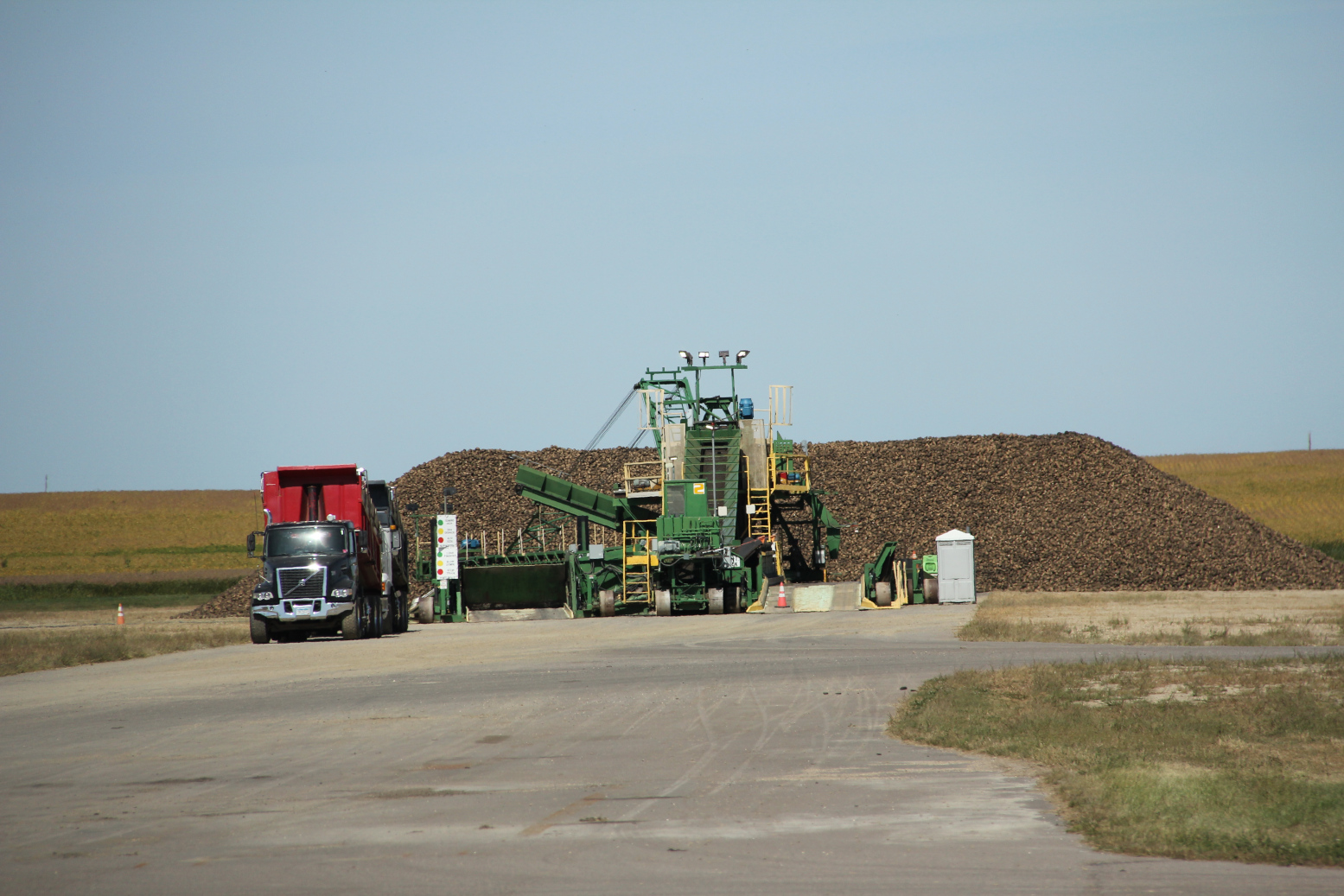
Sugar beets piled at a dumping station along Minnesota State Highway 19 between Redwood Falls and Vesta. (Minnesota Prairie Roots copyrighted photo September 2026)

There is reason to feel grateful for Minnesota farmers who grow the corn, soybeans and sugar beets I saw on this road trip. They work hard. They invest time, energy and lots of money in producing crops that benefit all of us. I could not do their job; I am risk averse.
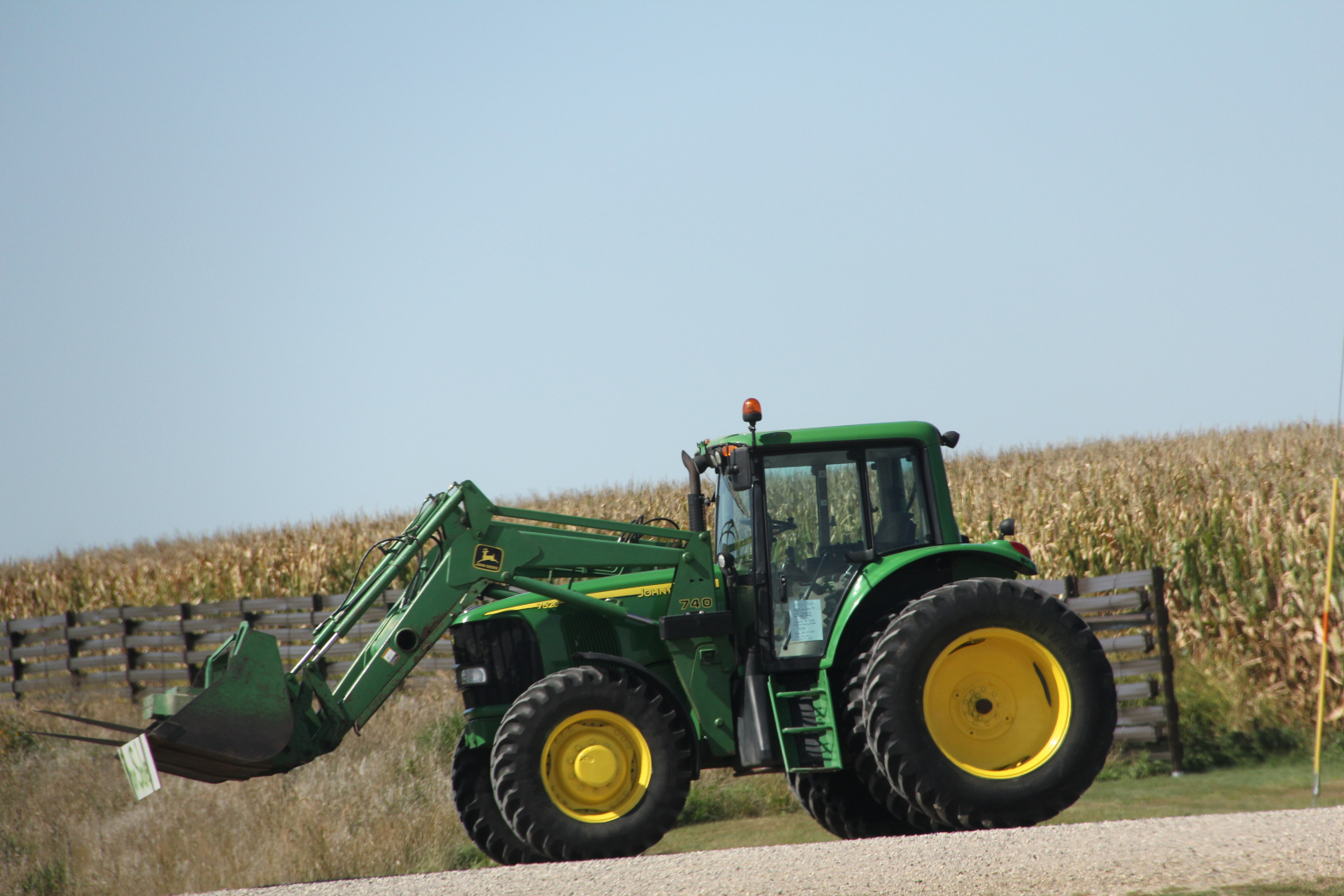
Parked next to a cornfield along U.S. Highway 14 in the New Ulm area, a John Deere tractor for sale. (Minnesota Prairie Roots copyrighted photo September 2026)

In a year like this with current diesel fuel prices at their highest level ever, profit margins will be slimmer, if at all. I cannot imagine the stress farmers feel as they crunch numbers, check prices, budget for expenses, wonder how they will make loan payments or pay for diesel to fuel up farm equipment.

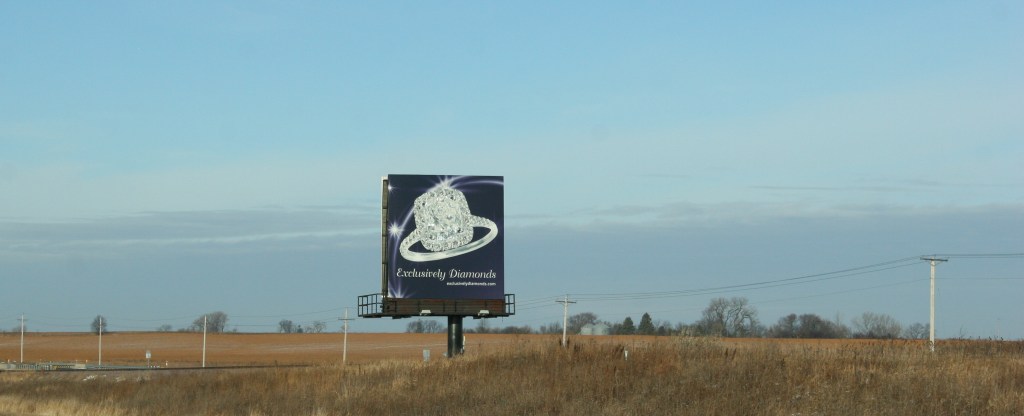
A billboard in the Janesville area advertises a seed brand. (Minnesota Prairie Roots copyrighted photo September 2026)

It takes courage to be a farmer. Optimism. Strength, too. Yet, farmers are a resilient bunch. Come next spring, most will be back on the land, seeding another crop in anticipation of another harvest.

© Copyright 2026 Audrey Kletscher Helbling


Noteworthy finds while on the road in southern Minnesota June 2, 2026

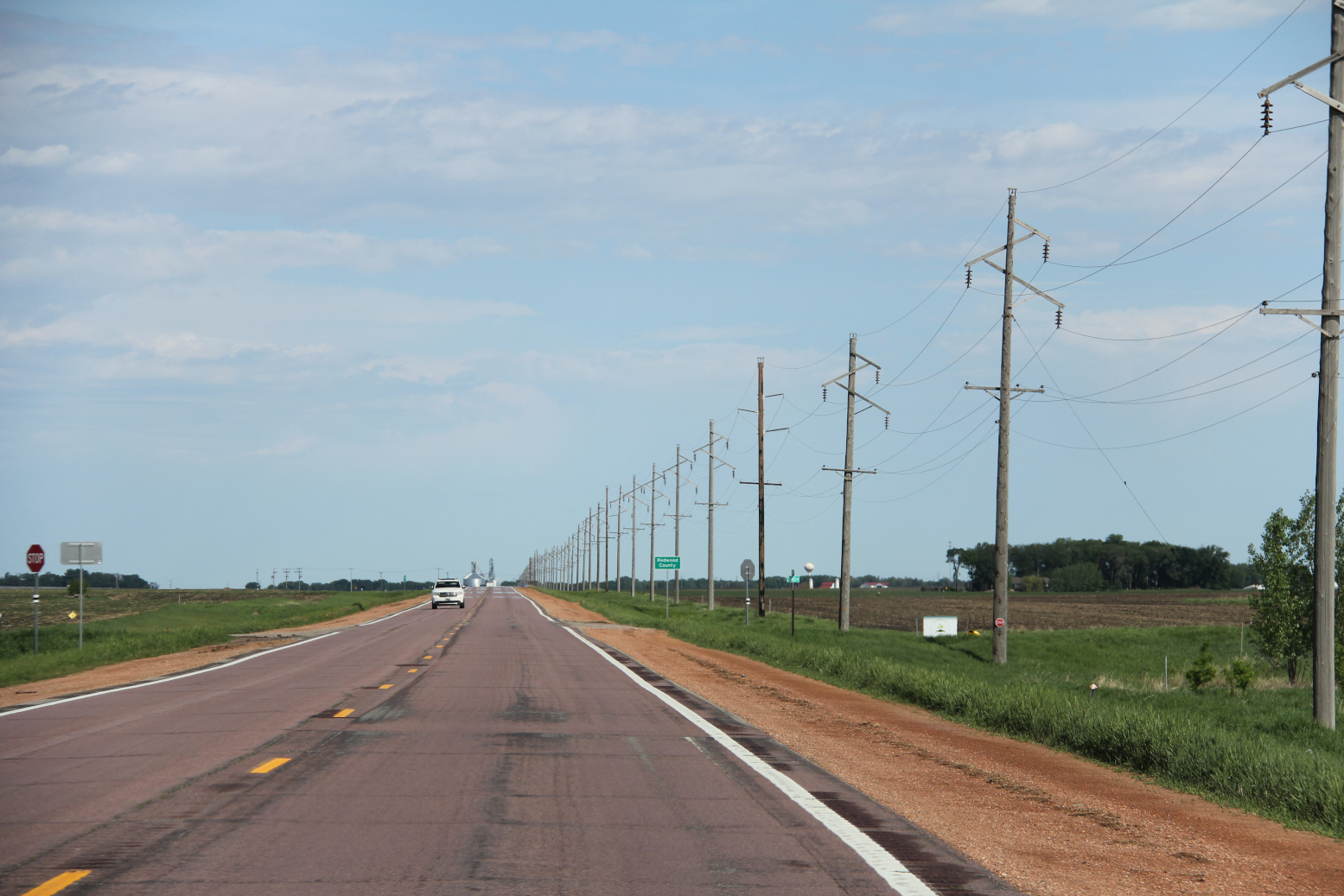
Driving into Redwood County near Morgan. (Minnesota Prairie Roots copyrighted file photo May 2026)

WHILE ON THE ROAD from Faribault to my hometown of Vesta and back recently, I noticed interesting roadside details. These may not necessarily catch the attention of other motorists. But they caught my eye.

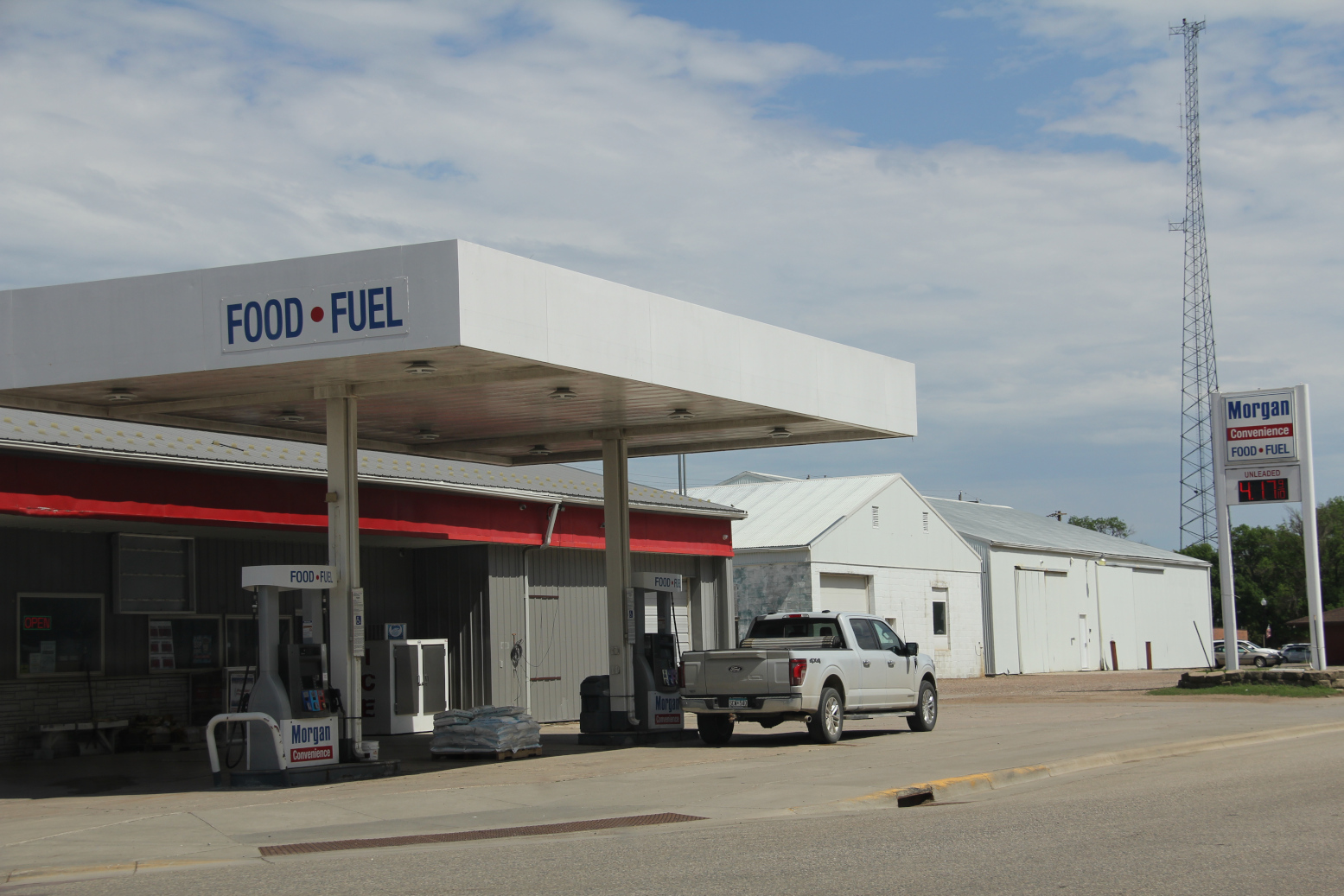
Unleaded gas was priced substantially lower than other places at Morgan Convenience on May 26. (Minnesota Prairie Roots copyrighted photo May 2026)

“BARGAIN” GAS

Let’s start with the price of unleaded gas at Morgan Convenience, Food & Fuel. It was priced at $4.18 (rounded up a tenth) on May 26. Elsewhere along the route, the cost was $4.49 (rounded up a tenth). I don’t understand how the gas price in Morgan, a small rural Minnesota town of some 900, can be so much lower than in neighboring New Ulm, population around 14,000, for example. Or in Faribault with about 25,000 residents. This makes no sense to me and is not the first time gas prices in more rural outstate Minnesota have been priced considerably lower.

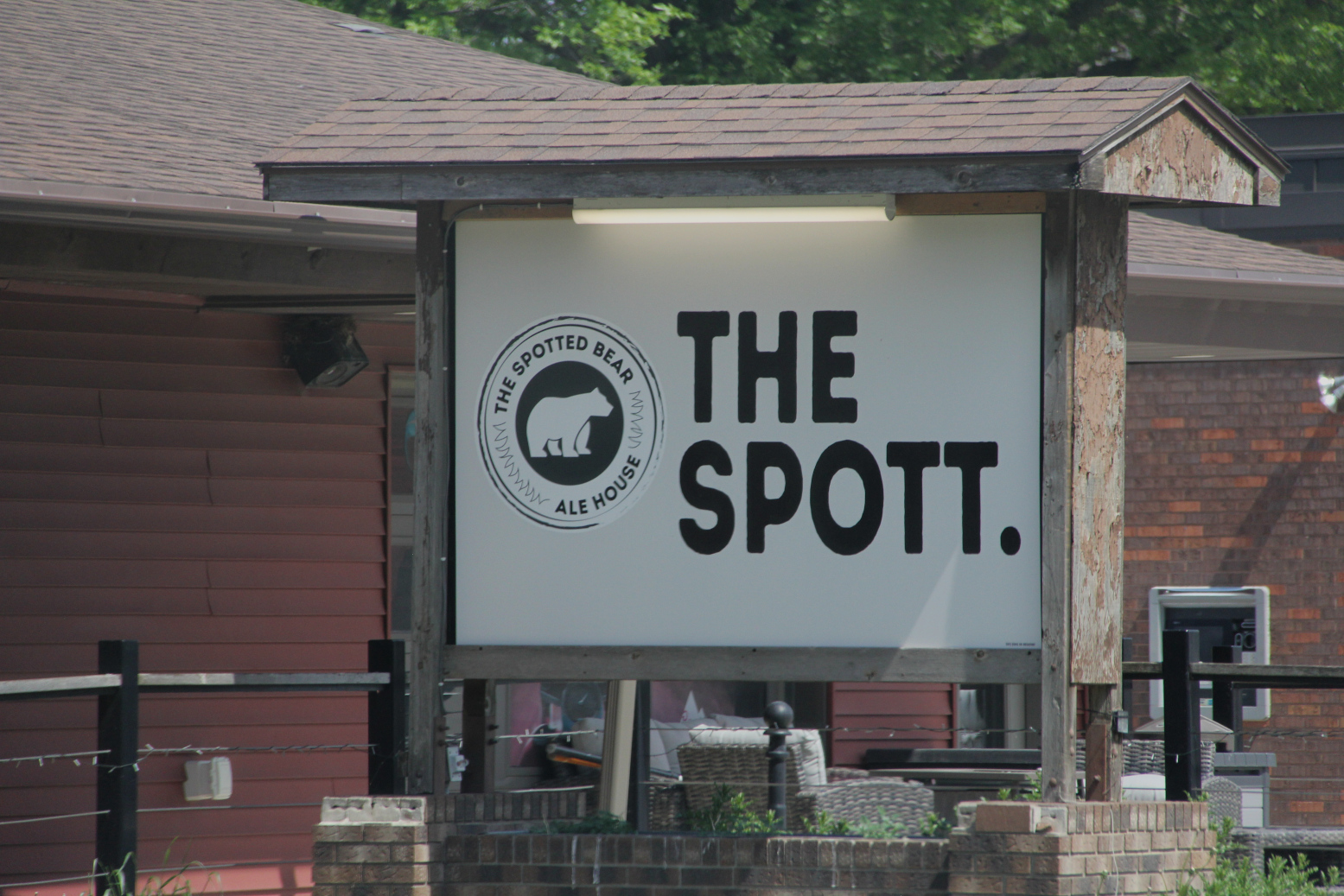
Signage at a restaurant and bar in Morgan. (Minnesota Prairie Roots copyrighted photo May 2026)

MORE THAN JUST BURGERS

Also in Morgan, I spotted this sign: THE SPOTT. And, yes, the period is part of the abbreviated name. Clever. Upon returning home, I researched this business, full name The Spotted Bear Ale House. It’s a restaurant and full service bar.

The Facebook page features lots of food I’d enjoy: loaded pulled pork baked potato; pulled beef Gouda sliders with Parmesan fries; caramel, strawberry lemon, raspberry and/or banana rolls with peanut butter frosting; General Tso chicken and rice with crab salad; and more. Yum. The offerings impress me as vastly different from your typical small town burgers and other bar food. As a side note, this business is for sale.

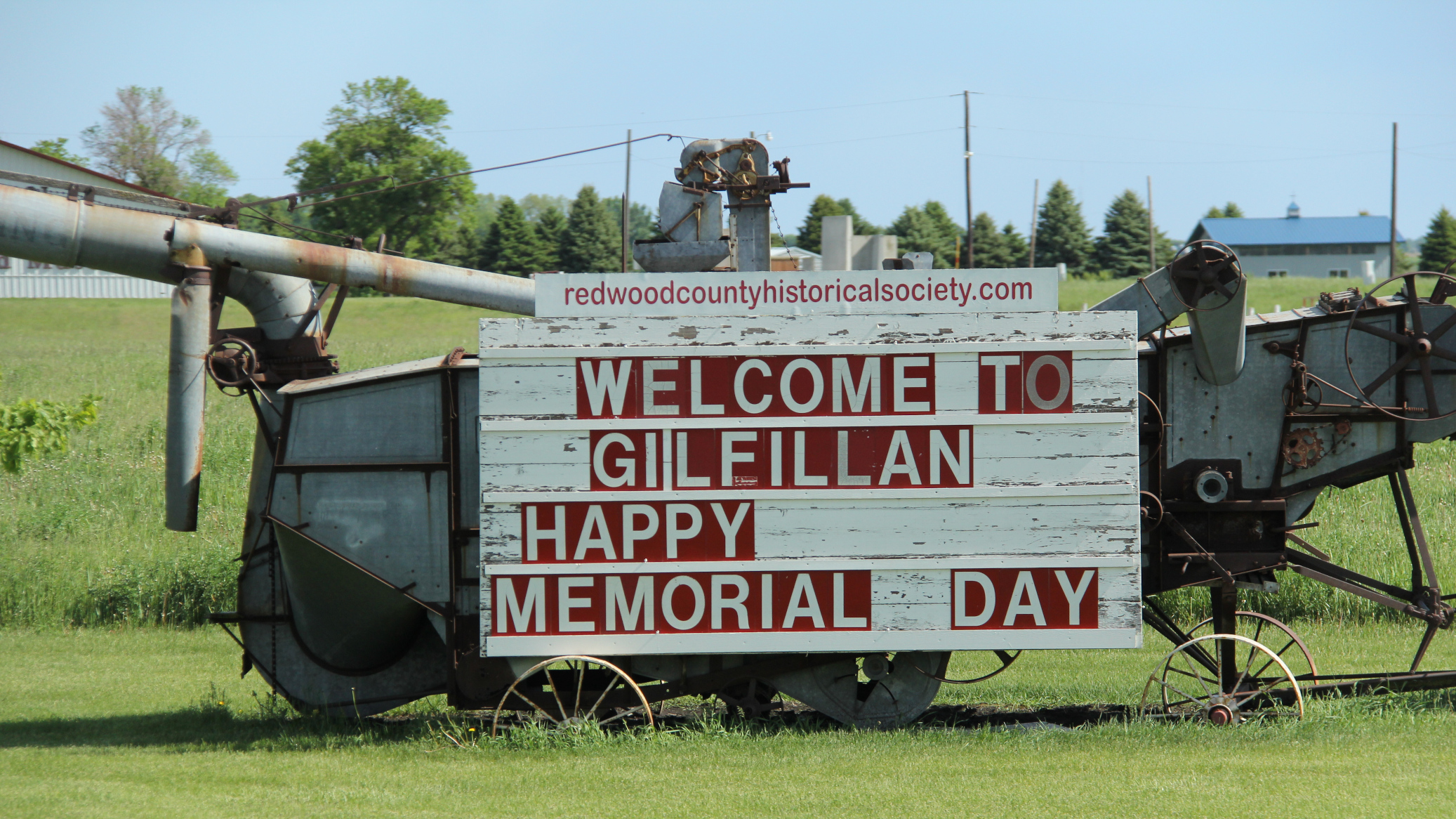
An old threshing machine is the backdrop for Gilfillan Estate signage. (Minnesota Prairie Roots copyrighted photo May 2026)

AN ESTATE IN THE MIDDLE OF FARM FIELDS

Just down the highway, another sign grabbed my attention. That was signage on an old threshing machine marking the Redwood County Historical Society’s Gilfillan Estate. It’s not the sign so much as this property west of Morgan along Minnesota State Highway 67 that is noteworthy. Here you’ll find both the estate and the site of Minnesota Farmfest.

The estate, with its long, tree-lined driveway leading to a stately house, has been here for as long as I can remember. The original owner, Charles Duncan Gilfillan (1831-1902), bought 10,000 acres of Redwood County farmland. He built a house, offices, a grain elevator, stockyard and tenet homes here and raised purebred livestock exported to Great Britain. Eventually his son, Charles Oswin Gilfillan, took over the estate. The younger Gilfillan was an active philanthropist in Redwood County. I must make an effort sometime to tour the estate and learn more about the Gilfillans and their generosity.

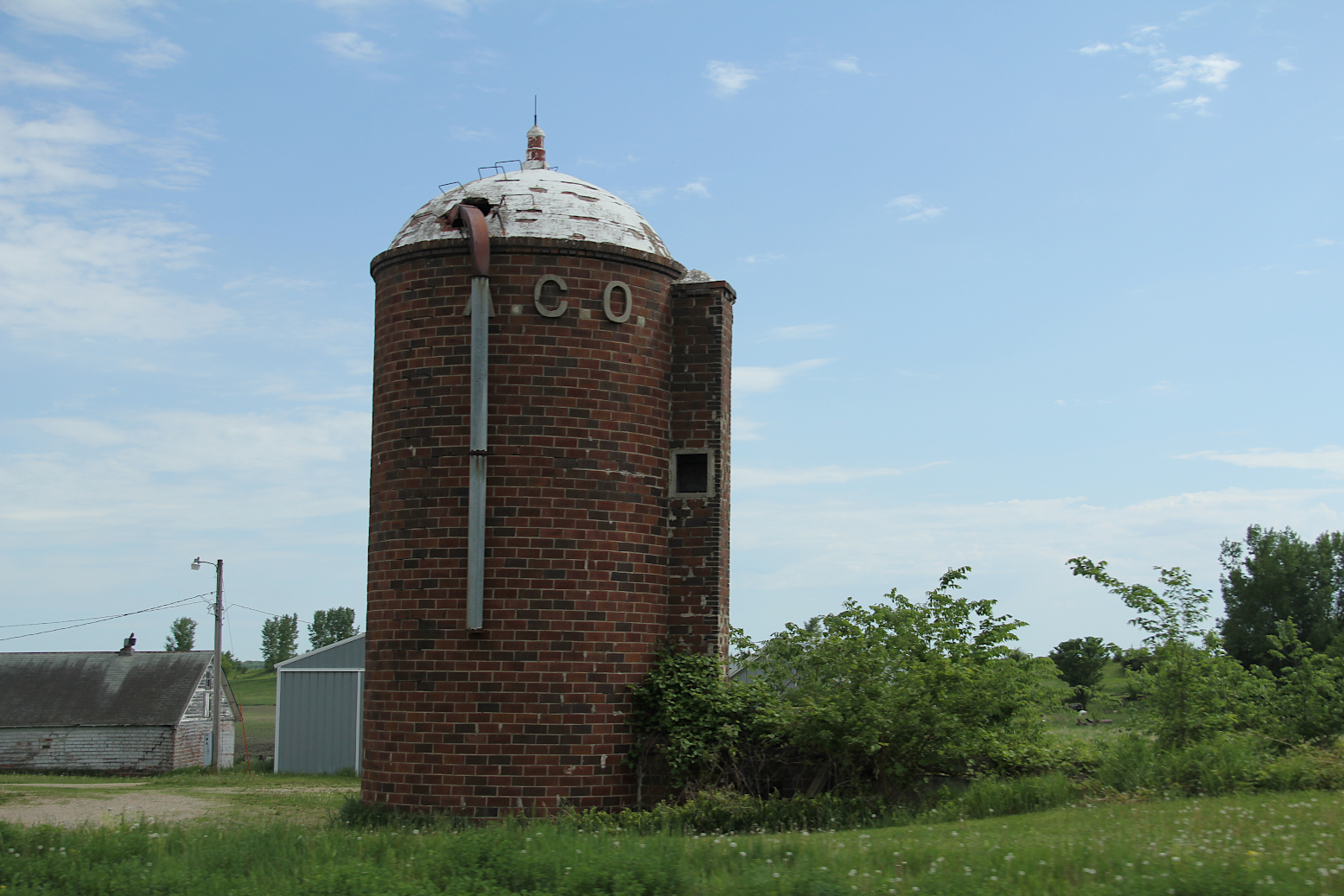
An A.C.O. silo still stands between New Ulm and Courtland. (Minnesota Prairie Roots copyrighted photo May 2026)

A NOD TO FARMING OF YESTERYEAR

More history is written onto a silo that hugs U.S. Highway 14 east of New Ulm. The A.C.O. on the brick silo stands for AC Ochs of the AC Ochs Brick and Tile Company in Springfield, several towns down the road to the west 30 miles distant. These silos, made from curved bricks, were built across the Midwest between 1910-1945. I love their historic, signature look and their unique construction. They are landmarks of a bygone era of diversified small family farms.

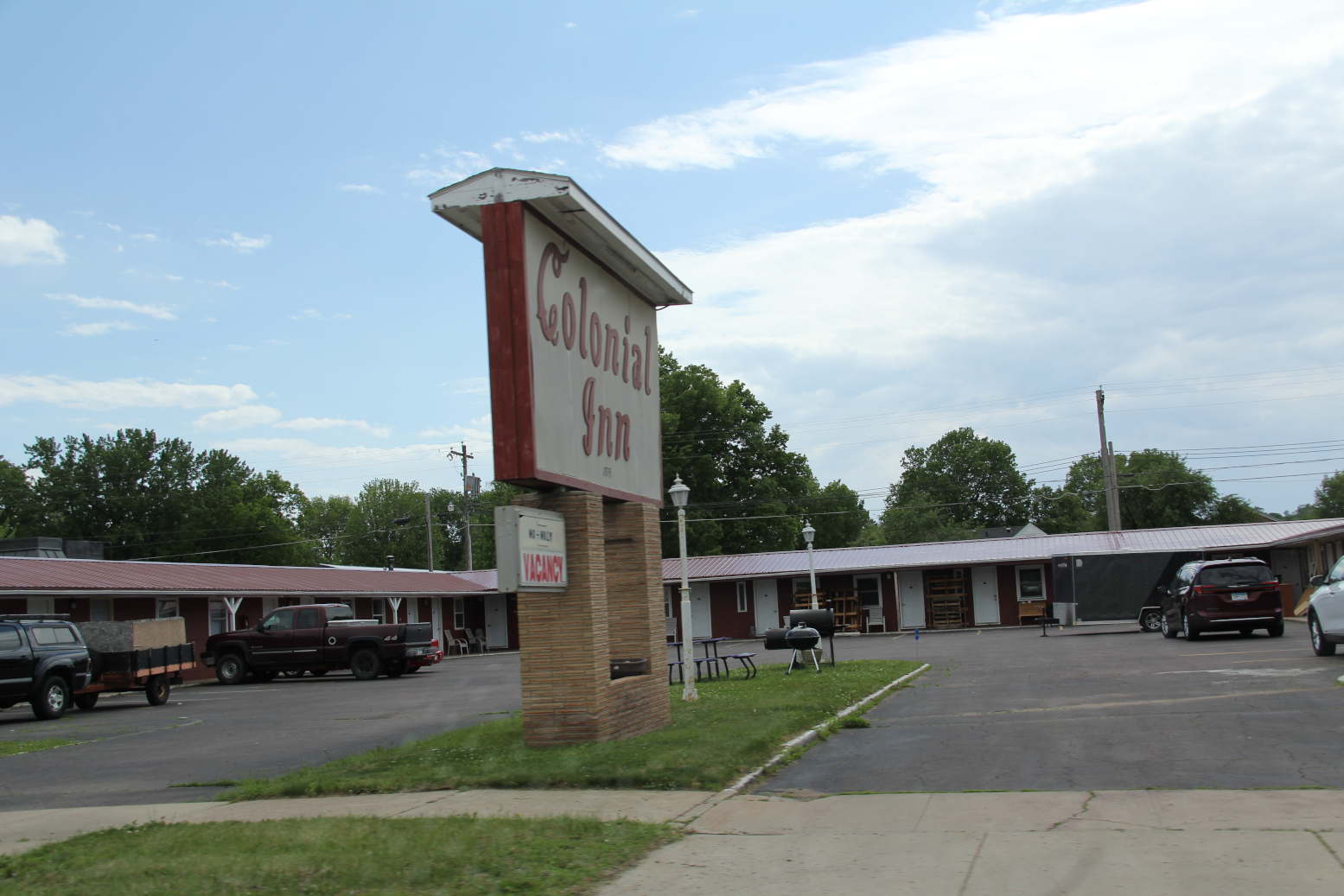
The Colonial Inn, with a 73-year history in New Ulm. (Minnesota Prairie Roots copyrighted photo May 2026)

AN OLD SCHOOL MOTEL

In New Ulm, the Colonial Inn along North Broadway/Highway 14 appears old school motel. And it is. Built in 1953, rooms in the U-shaped building open to the paved parking lot. While I’ve only seen the motel from the exterior and a few photos on the no-frills website, this motel seems exactly as I would expect. Basic. Simple. And a throwback to yesteryear with the exception of WiFi.

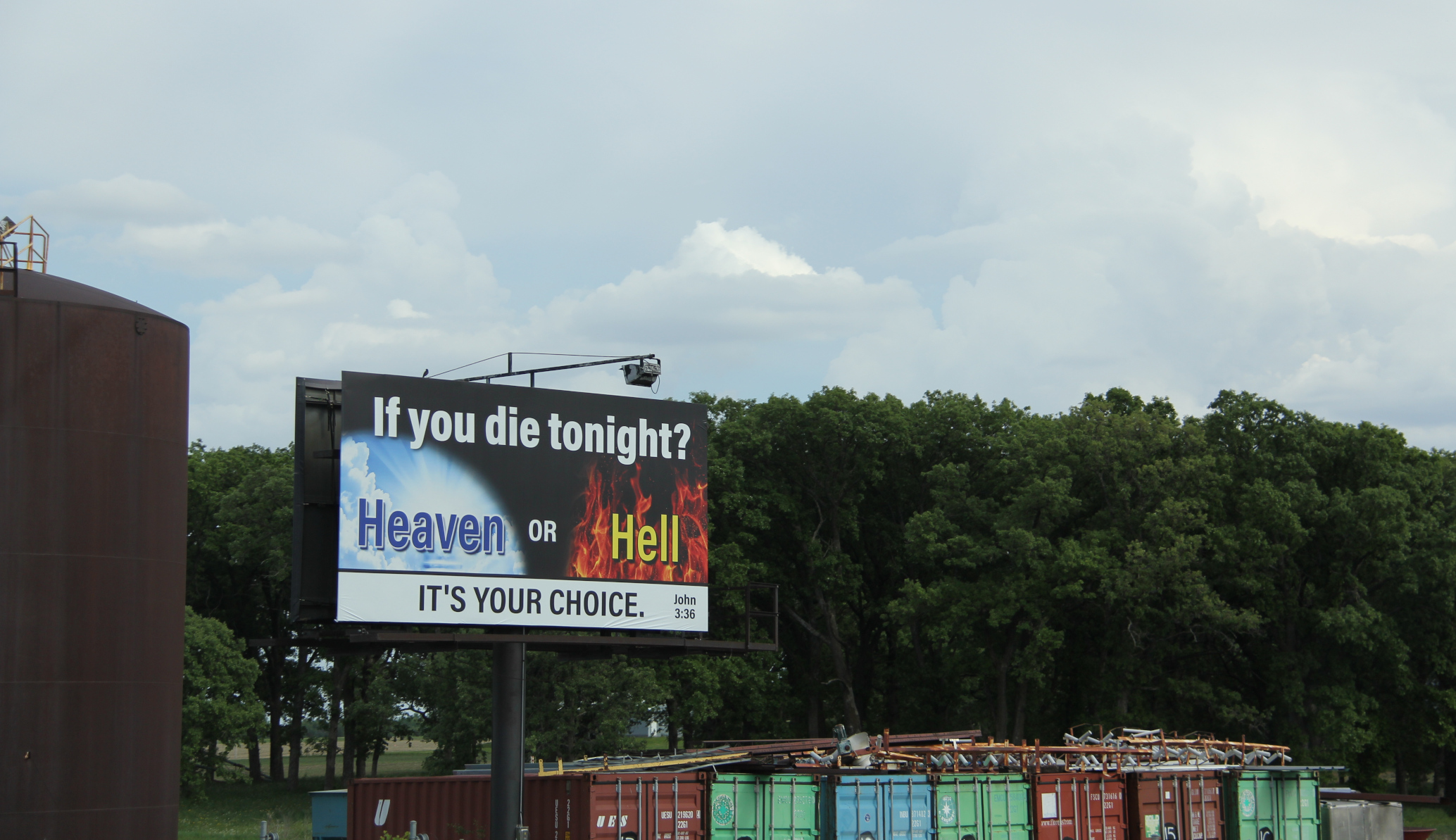
A billboard with an unusual question. (Minnesota Prairie Roots copyrighted photo May 2026)

FIRE & BRIMSTONE

Finally, in the Smiths Mill area along Highway 14 east of Mankato, a thought-provoking sign asks whether you will go to heaven or to hell when you die. I have no idea who paid for this billboard with the John 3:36 notation at the bottom. But it’s certainly an oddity in highway signage. Fire or no fire?

You never know what you’ll discover while on the road.

© Copyright 2026 Audrey Kletscher Helbling
 

On the road under brooding March skies in southern Minnesota March 24, 2026

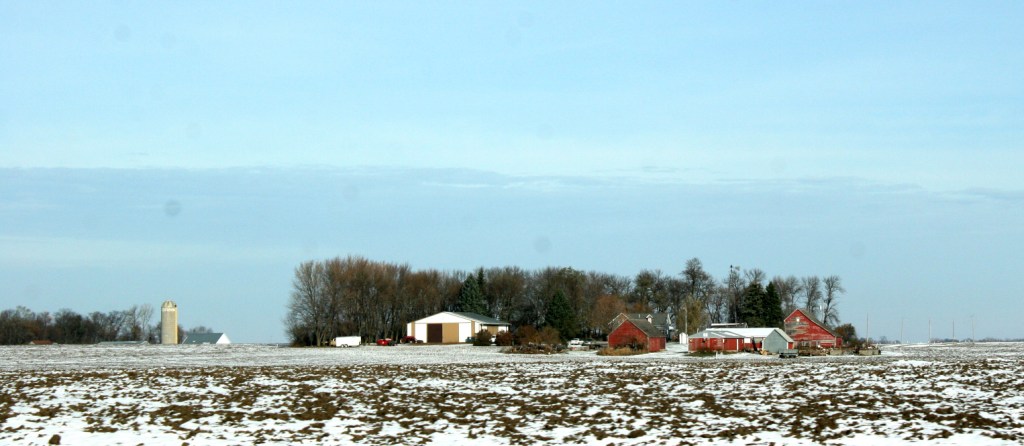
A farm site between Owatonna and Claremont. (Minnesota Prairie Roots copyrighted photo March 2026)

UNDER AN IMMENSE SKY in the wide open countryside of rural southern Minnesota, I always feel small.

Three US Air Force T-38 Talon Thunderbird jets landmark Owatonna Degner Regional Airport along Interstate 35. (Minnesota Prairie Roots copyrighted photo March 2026)

Sky and land dwarf me, impressing upon me the vastness and power of that which rises above and that which stretches around me.

On US Highway 14 just east of Owatonna, driving into early morning grayness. (Minnesota Prairie Roots copyrighted photo March 2026)

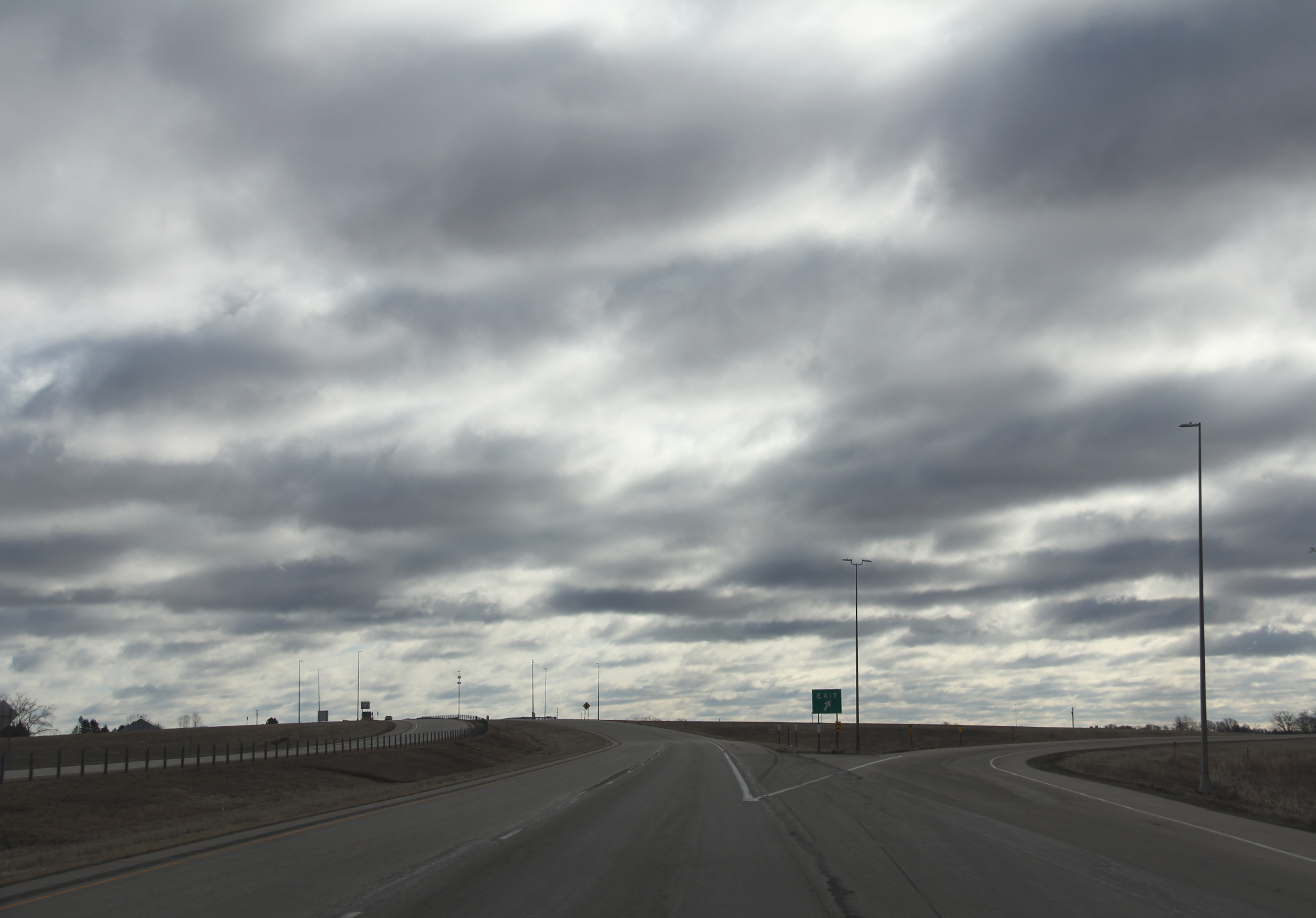
On a recent road trip to Rochester and back, the brooding sky of mid-March appeared unsettled, threatening. Cloud after cloud after cloud nearly swiped the earth while towering in a brute mass into seemingly infinity.

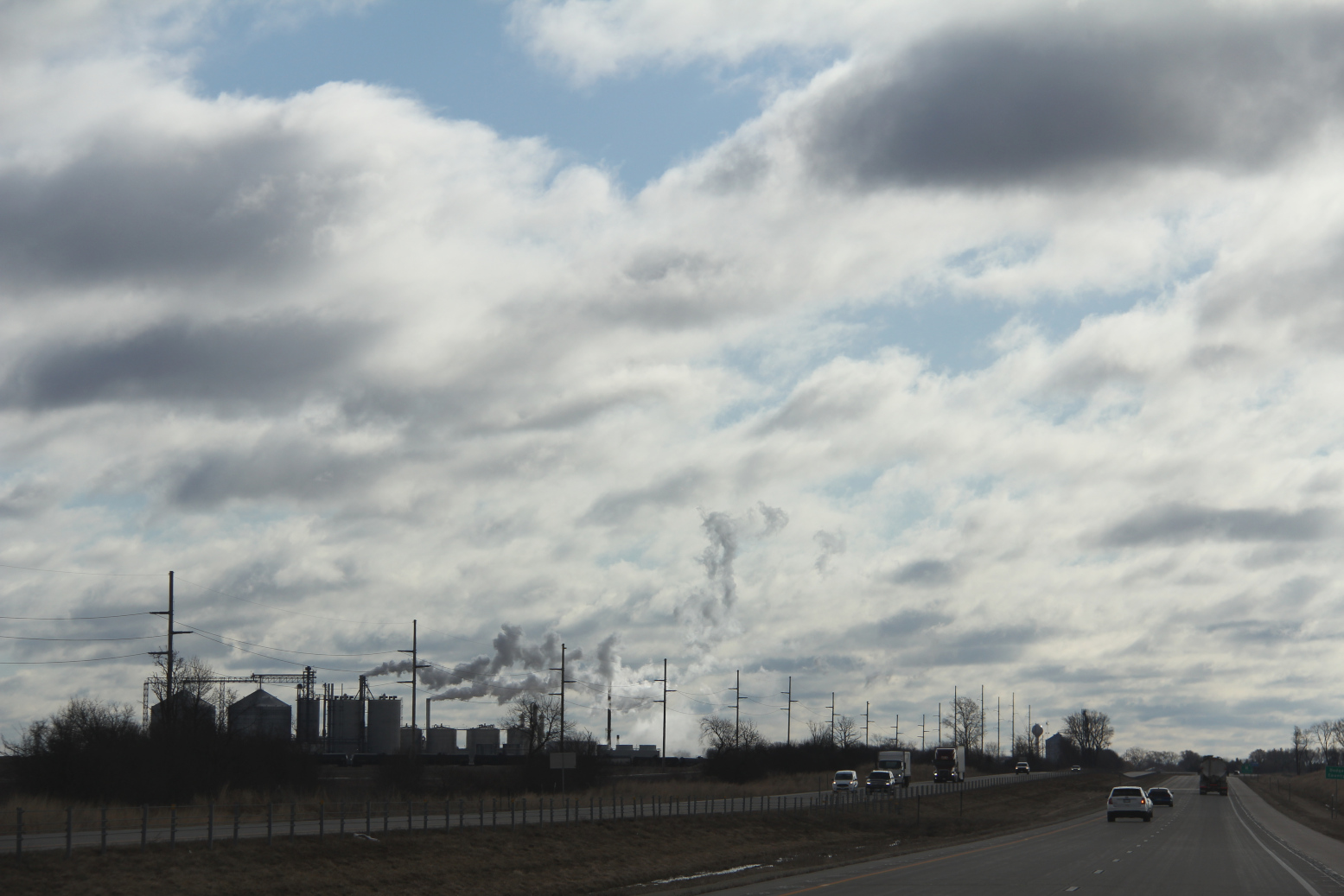
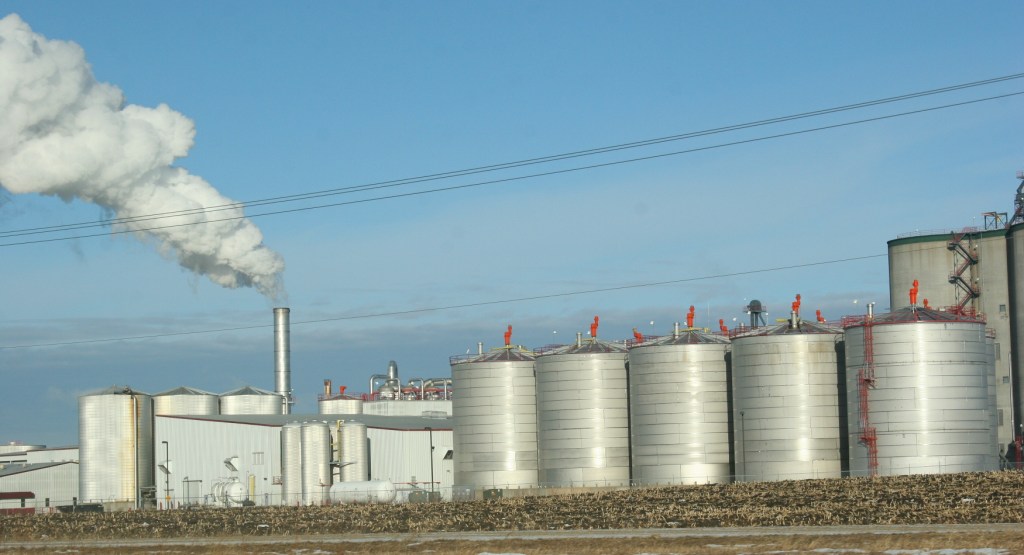
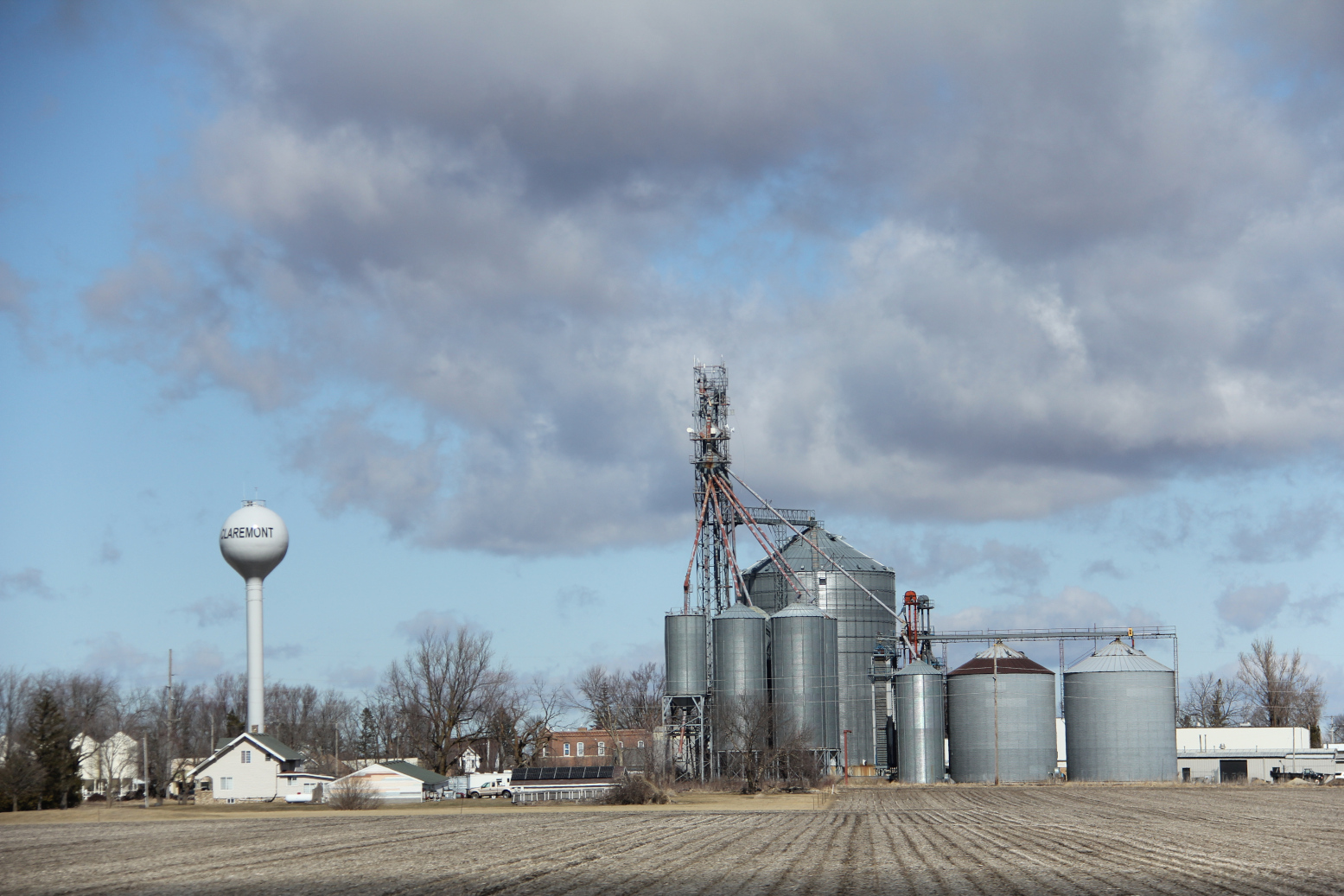
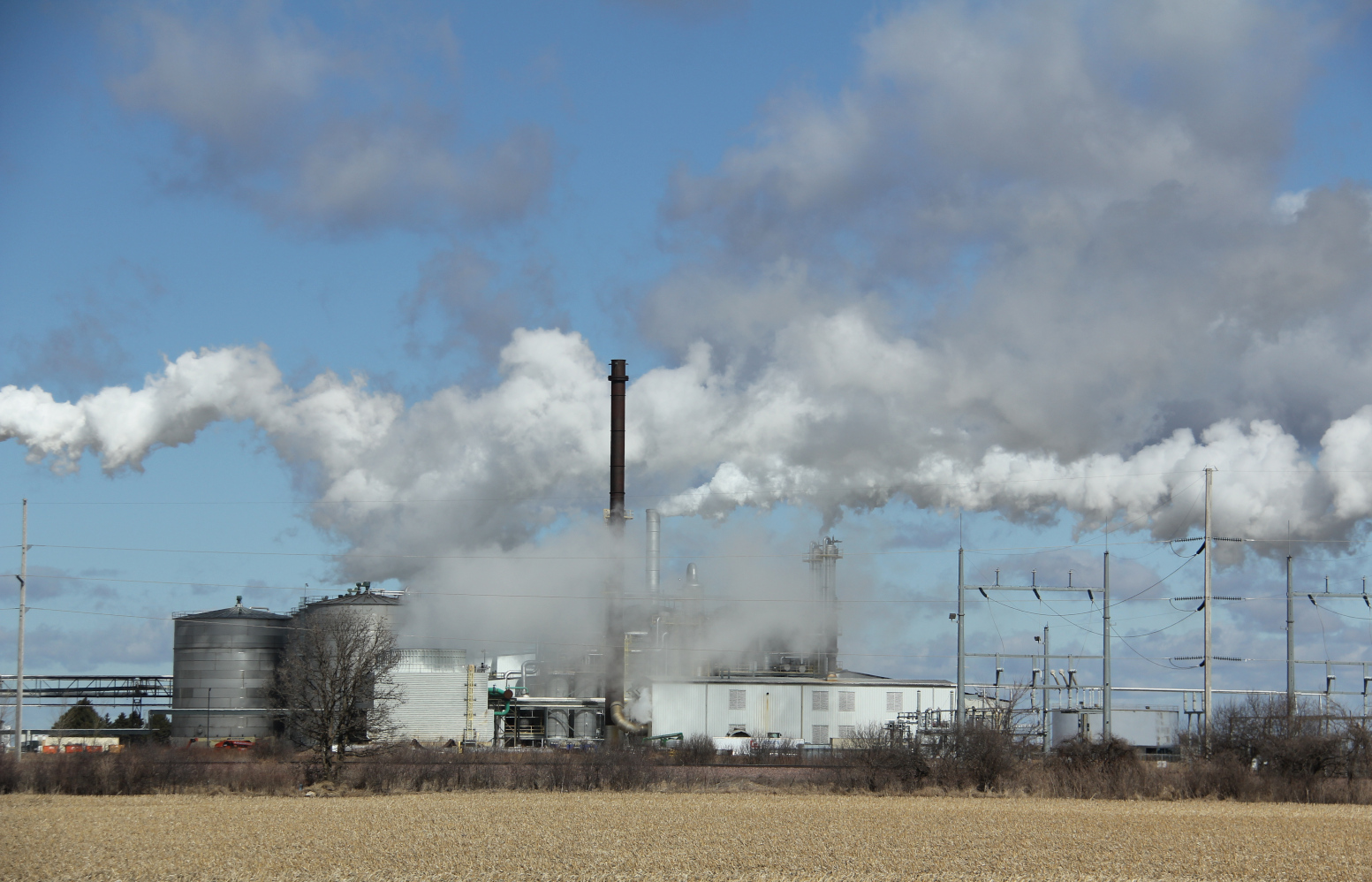
Heading east on highway 14, the All-Corn Clean Fuel ethanol plant by Claremont comes into view. (Minnesota Prairie Roots copyrighted photo March 2026)

Only occasionally did the sun fight through the clouds that darkened the day. Gray prevailed, a visual cue of the major winter storm that would arrive the next evening.

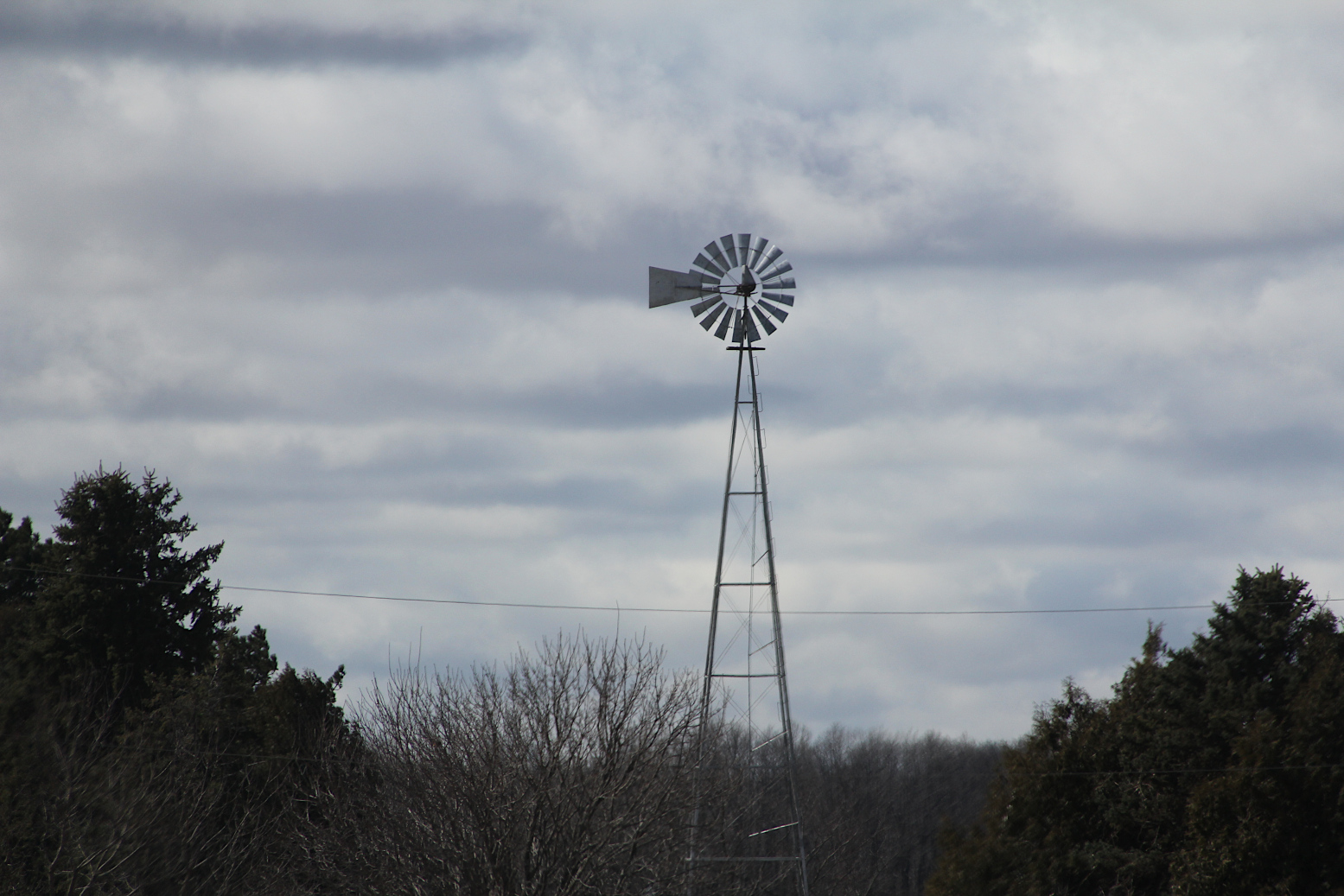
Harnessing the wind on a farm site near Claremont. (Minnesota Prairie Roots copyrighted photo March 2026)

In the flatness of the land, a strong wind bullied across the landscape. Pushing. Shoving. Bending the will of boughs. Punching at vehicles. Fearless and unrelenting.

On the return trip to Faribault, the clouds partially broke, opening to blue skies over Claremont. (Minnesota Prairie Roots copyrighted photo March 2026)

This is March in Minnesota. One day angry and roiling. The next day calm, even warm, sunny and inviting. March marks the indecisiveness of sometimes spring, sometimes still winter.

Byron Agri Center stretches skyward. (Minnesota Prairie Roots copyrighted photo March 2026)

There’s a certain restlessness this time of year among those of us who live in this cold climate state of long winters. We are weary of cold and snow, ready for real spring, not just the calendar spring. We crave sunshine, warmth and greenery.

A view of the ethanol plant near Claremont on the return trip, when skies lightened. (Minnesota Prairie Roots copyrighted photo March 2026)

But realistically, Mother Nature has her own mind, deciding when a season reveals herself, not simply teases. I see that in the sky on this drive. The heavy morning sky, wrapped in a mass of clouds, refuses to bare herself to the sun.

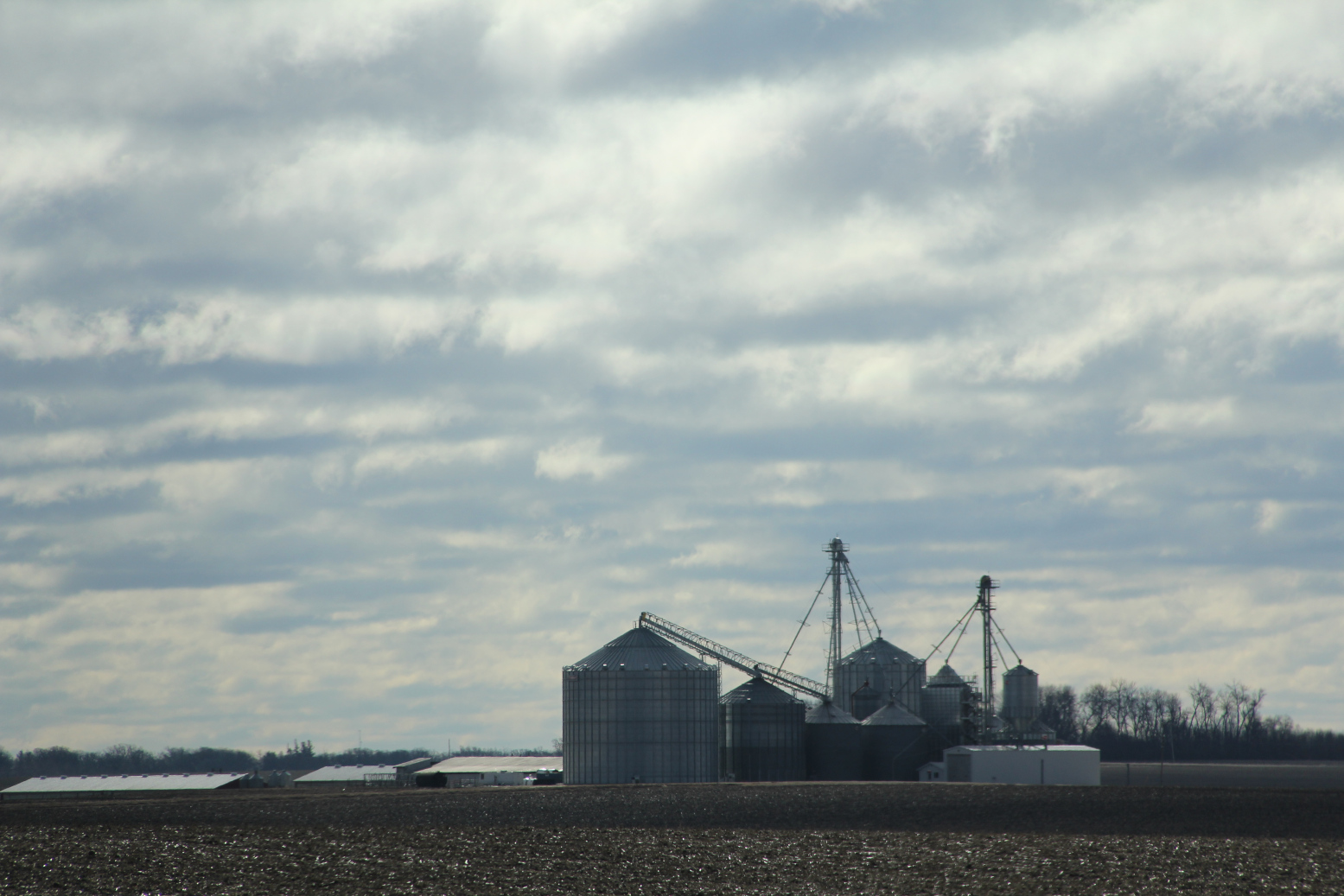
A farm site about 20 minutes west of Rochester. (Minnesota Prairie Roots copyrighted photo March 2026)

And so I feel pressed upon, diminished by sky. And land.

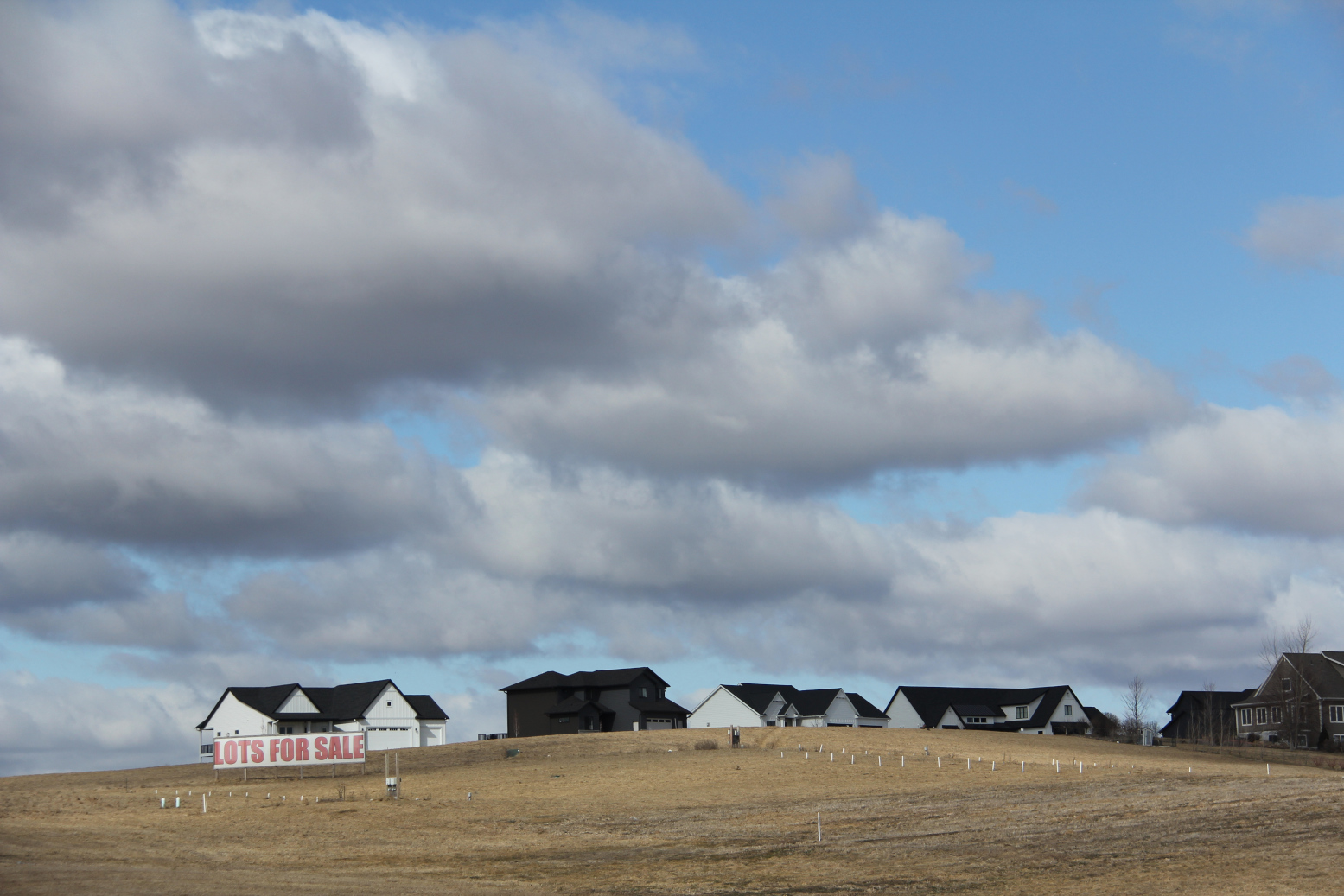
Dwarfed by the sky, a housing development atop a hill between Rochester and Byron. (Minnesota Prairie Roots copyrighted photo March 2026)

Buildings—barns and bins and houses—appear minuscule against this intimidating backdrop.

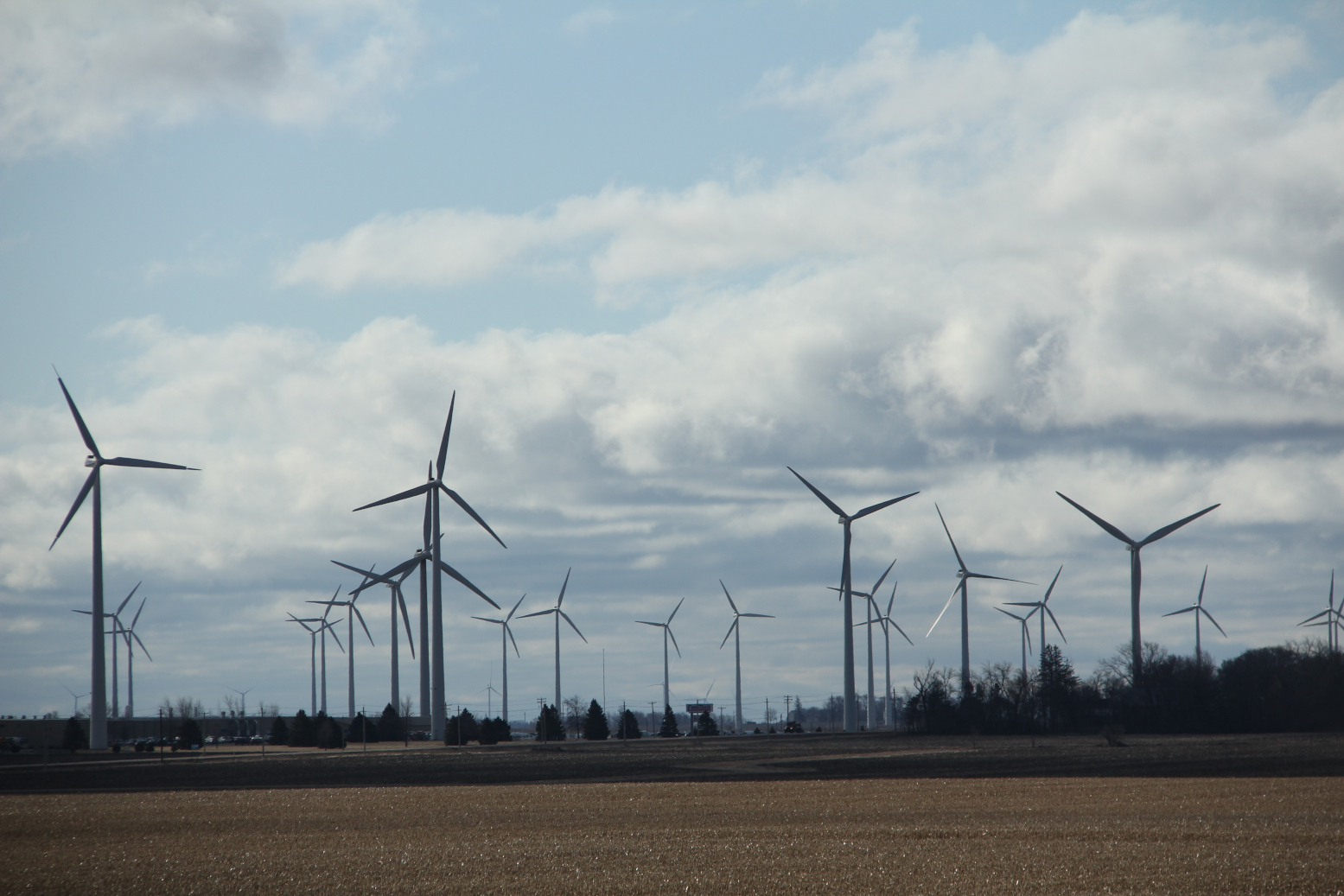
Wind turbines south of Dodge Center. (Minnesota Prairie Roots copyrighted photo March 2026)

Even wind turbines, which tower above treelines, and which I find visually unappealing, appear small-scale despite their height.

Sky and land meet in the immensity of this place. (Minnesota Prairie Roots copyrighted photo March 2026)

I suppose we really are small in the immensity of the universe. A road trip between Faribault and Rochester verifies that. The immense sky and stark, wide open land stretch before me, high and wide. And I feel small, oh, so small in the all of it in the midst of March in Minnesota.

NOTE: I took these on-the-road photos on March 13 as a front seat passenger in our van. I set my 35 mm camera at a fast shutter speed and shot images.

© Copyright 2026 Audrey Kletscher Helbling
 

“Back home” in rural southwestern Minnesota November 22, 2019

Along U.S. Highway 14 west of Mankato. I grew up some 80 miles west of here.


ALTHOUGH I’VE LIVED IN TOWN longer than in the country, I still feel most at home in the familiar surroundings of endless land and vast sky. Southwestern Minnesota. It is the place of my roots, the place of my heart, the place where I feel overwhelmingly comfortable.


Farms edge U.S. Highway 14 in this region of Minnesota.


I expect most people connect to a geographic location. Do you?


Another farm along Highway 14 west of Mankato.


Every time I’m back home, because, yes, I still call this rural region back home, I sweep my eyes across the landscape, noticing always how small I feel in this setting. The sky and land overtake every aspect of this place, dwarfing farm sites and farm machinery and people. Only grain elevators seem to hold any sort of visual power.


An old-style machine shed in southwestern Minnesota.


As I travel through this farming region, I study building sites, pleased by sturdy, maintained barns, dismayed by those with roofs caving. Too many barns are vacant of animals, an almost certain start of their demise.


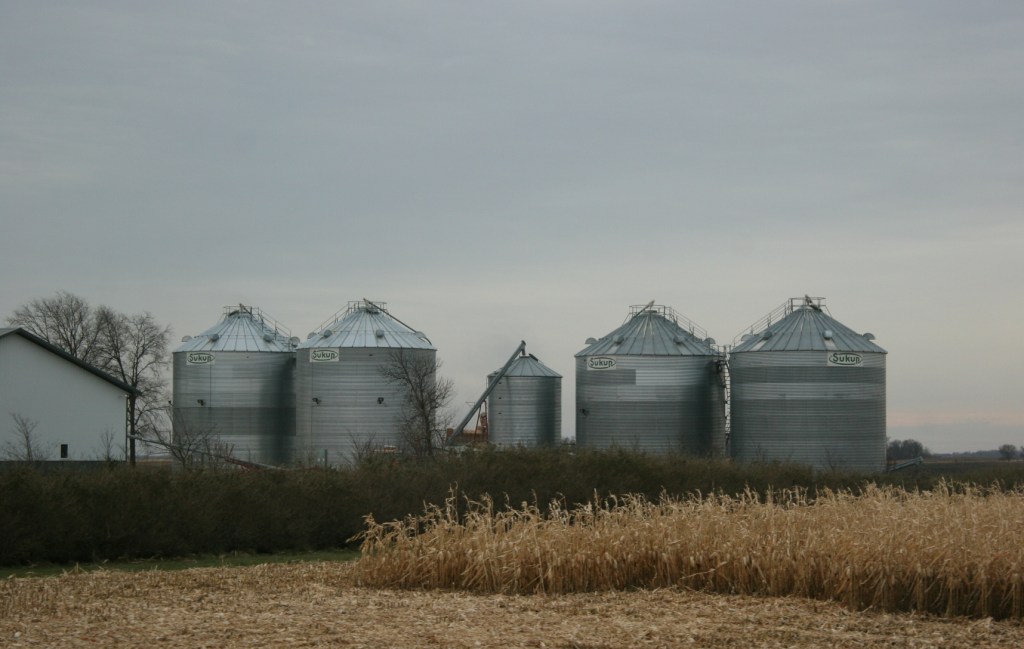
Grain bins define a farm site near Delhi, Minnesota, in my native Redwood County.


Like the farmer’s daughter I am, I notice the status of crops from spring planting to harvest. It’s in my DNA, this natural instinct to focus on corn and soybean fields, to assess the growing season, to care about the weather.


A farm site west of New Ulm, Minnesota.


Although I’ve left this land of my youth, I remain grateful for the earth, the sky, the wind, the communities, the schools, the churches and peoples of southwestern Minnesota. All influenced and shaped me. And still do.

© Copyright 2019 Audrey Kletscher Helbling
 

Downtown Sleepy Eye: A glimpse of small town character August 20, 2019

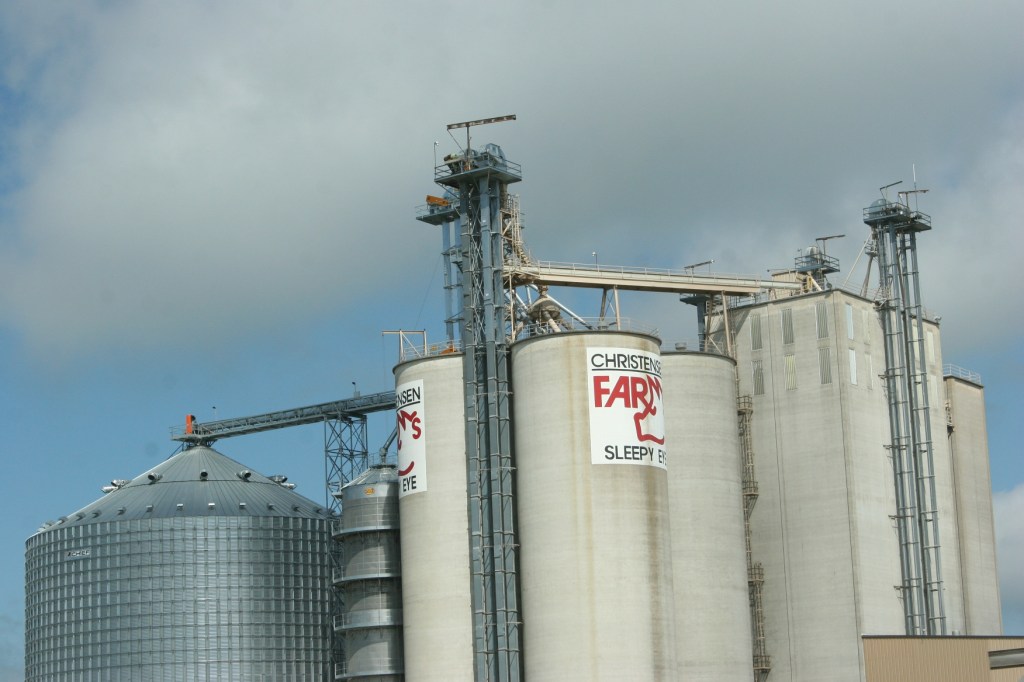
Just east of Sleepy Eye on U.S. Highway 14. That’s Christensen Farms headquarters to the right.


SMALL TOWNS, like cities, possess character. Each is unique. No matter how many rural communities I visit or how often I tour the same town, I discover something new. It takes more than a precursory glance to truly appreciate a community. Too often people dismiss small towns as places to simply pass through when traveling from Point A to Point B. But these communities are much more. And to see that requires pulling off the highway, parking your vehicle and exploring.


Agriculture anchors the small towns of southwestern Minnesota.


On a recent drive to southwestern Minnesota, Randy and I stopped in Sleepy Eye, which is west of New Ulm which is west of Mankato. I am forever pointing out to folks that civilization exists west of Mankato. I am proud to have grown up on the southwestern Minnesota prairie in rural Redwood County. I once lived and worked for the newspaper in Sleepy Eye, located in Brown County next to my county of origin.


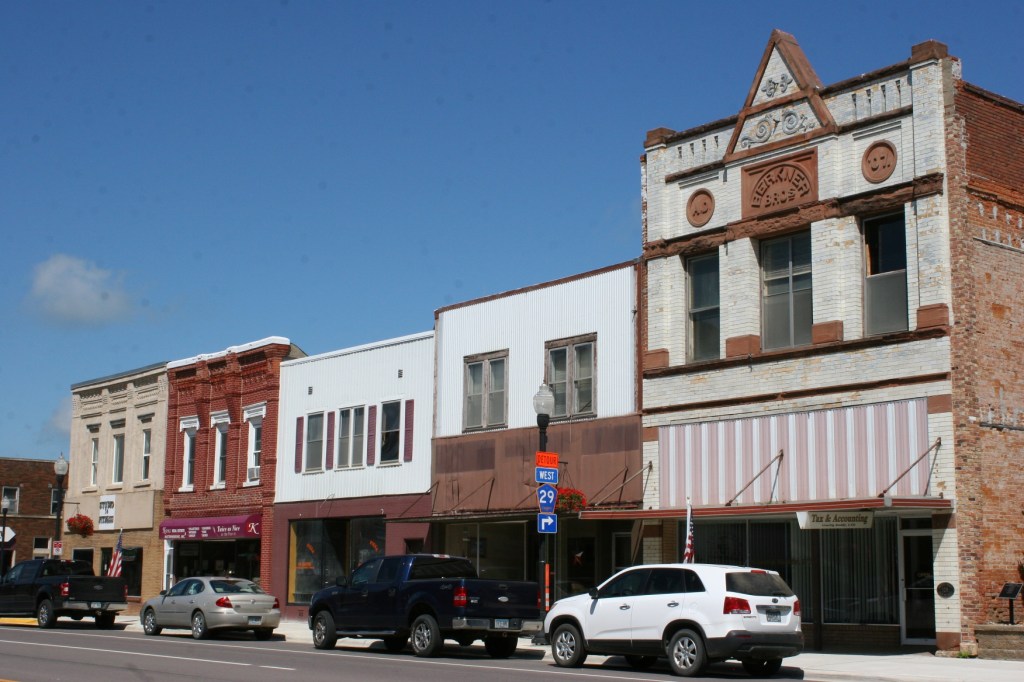
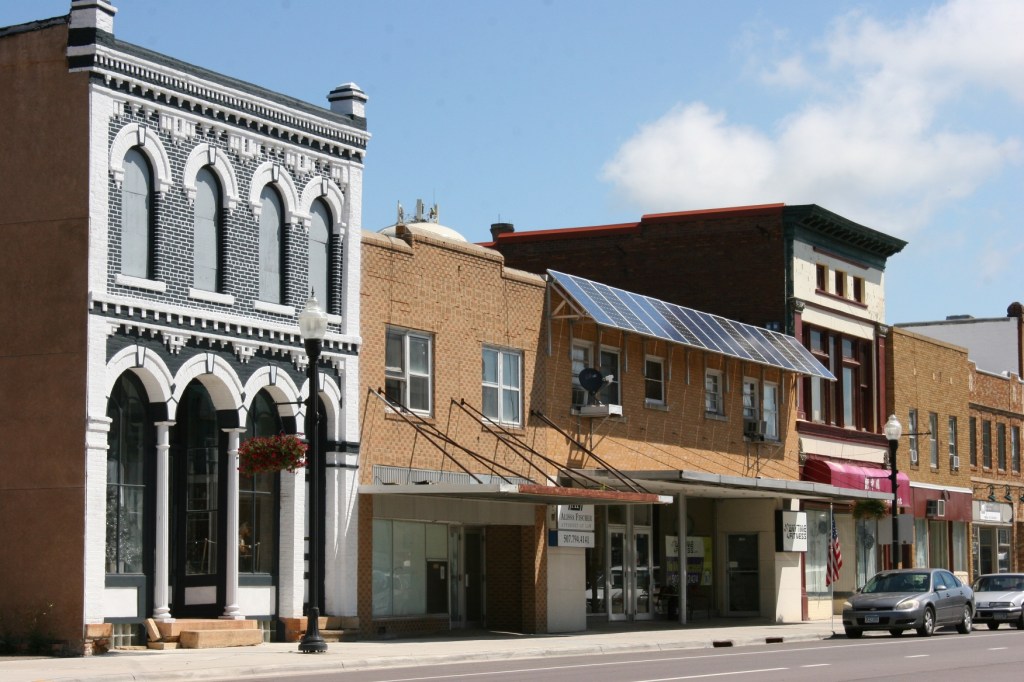
A snippet of downtown Sleepy Eye.


Sleepy Eye, like so many other small towns, has felt the impact of a more mobile society, of technology and more. Businesses I remember—a bakery, a department store—have long closed.


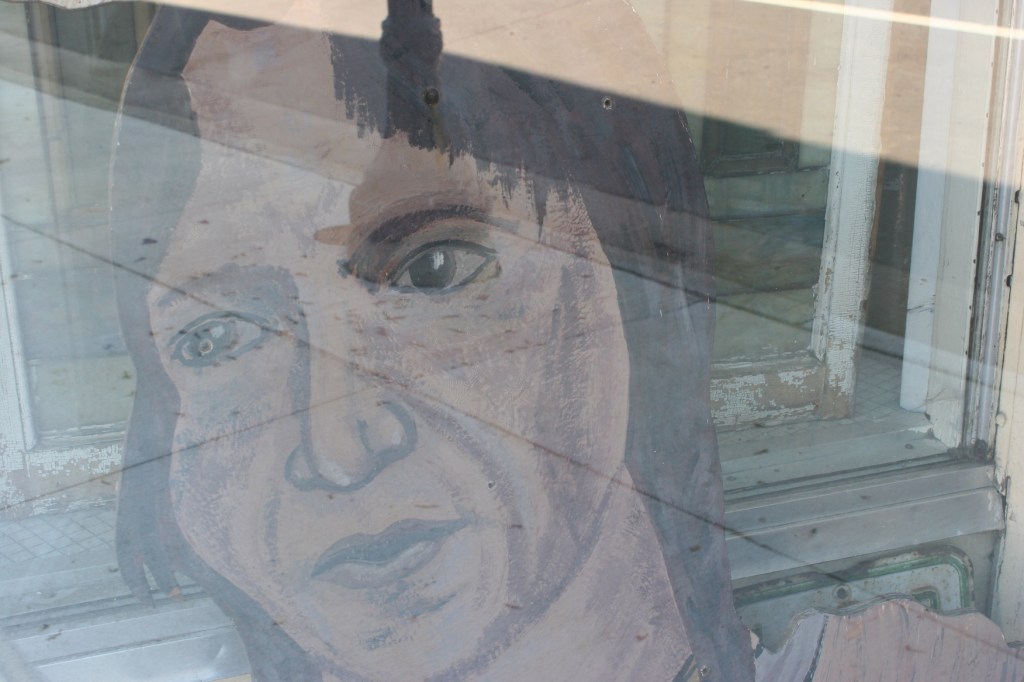
A wooden cut-out of Chief Sleepy Eye as photographed through an antique shop window. The town is named after this Dakota leader.


Photographed inside the entry of Sleepy Eye Stained Glass.


This refurbished marquee at the PIX Theatre marks the site of a forthcoming brewery and coffee shop.


But new businesses have opened in the decades since I left. Antique shops. Sleepy Eye Stained Glass, the reason for our stop. And the soon-to-open Sleepy Eye Brewing and Coffee Company.


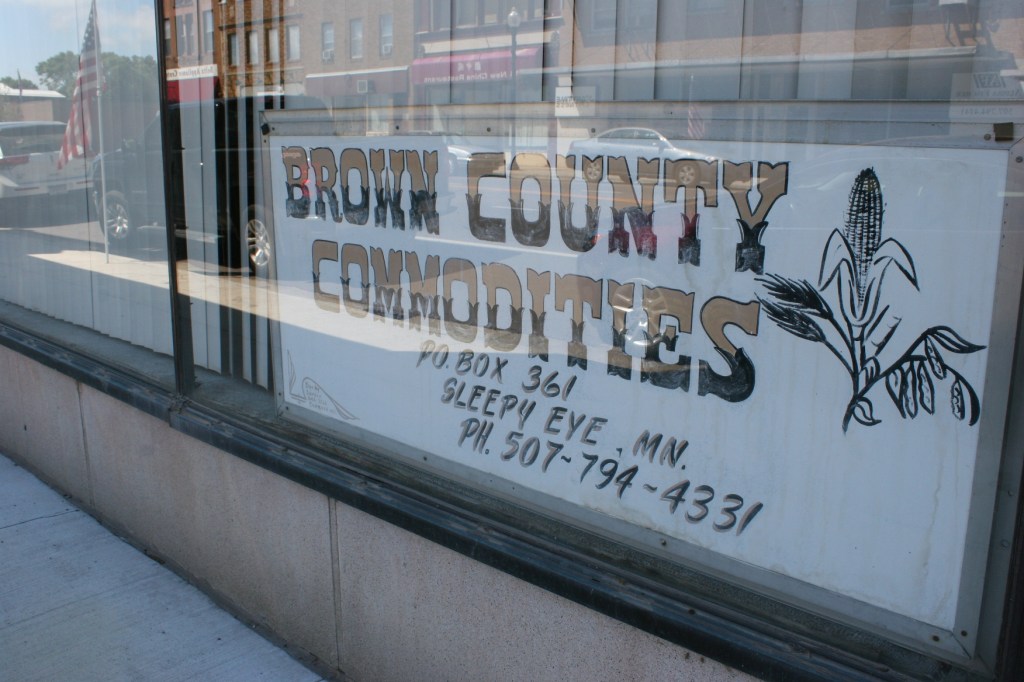
Agriculture centers these small towns as evidenced in this storefront signage.


A display window at Zooman’s Wacky World of Fun drew my interest. I would like to explore this space open to the public (on weekends) for birthday and other parties. It was closed when I was in Sleepy Eye.


Another section of downtown Sleepy Eye.


While Randy searched for stained glass, I grabbed my camera and meandered through a short stretch of the business district along busy U.S. Highway 14. I found myself wishing the second stoplight had not been removed during recent road reconstruction. The downtown is much less pedestrian friendly now. It’s a difficult roadway to safely cross.


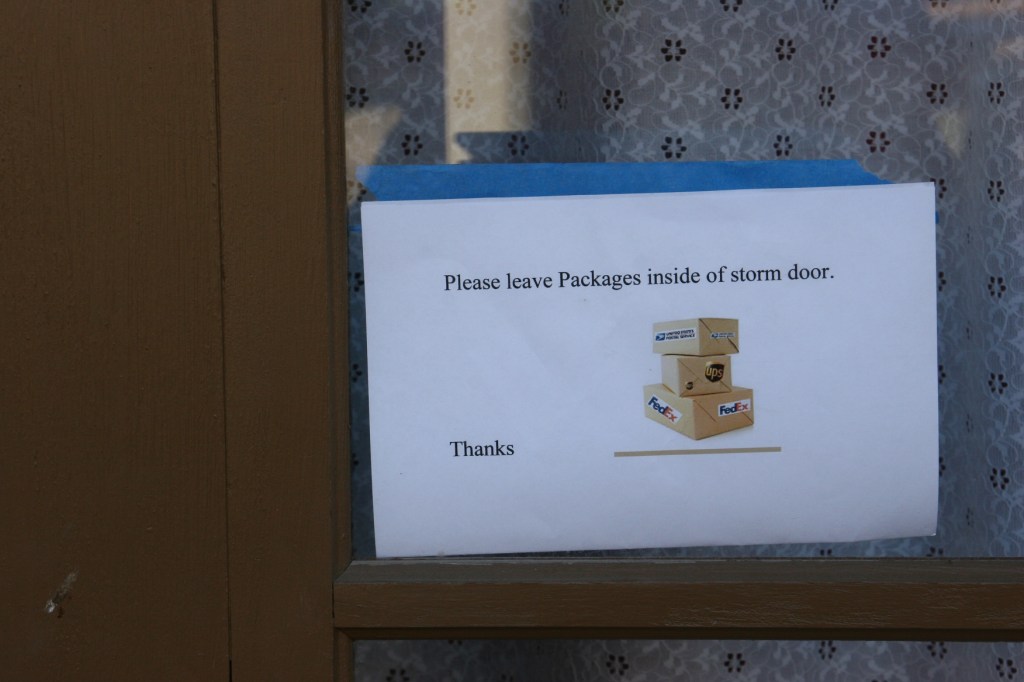
Posted on a door at the bottom of a stairway leading to upstairs apartments by Sleepy Eye Stained Glass. I love discovering signage like this.


That aside, I managed and took some photos that show the unique character of Sleepy Eye. Enjoy. And check back for more posts from this southwestern Minnesota community.

© Copyright 2019 Audrey Kletscher Helbling
 

On the road: A look at Redwood County flooding & snow pack March 24, 2019

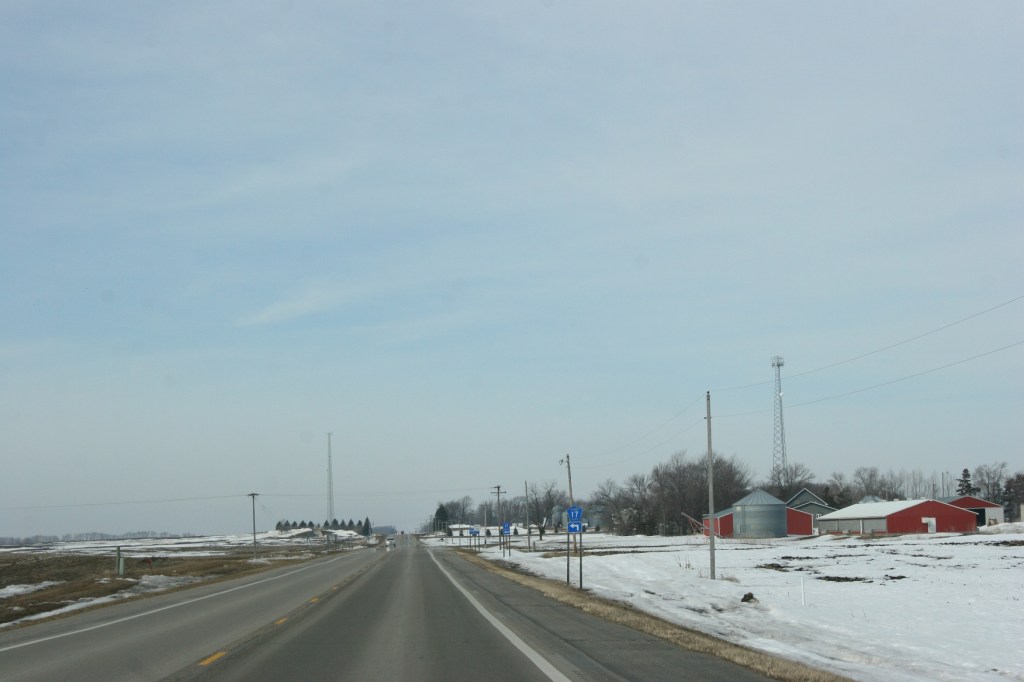
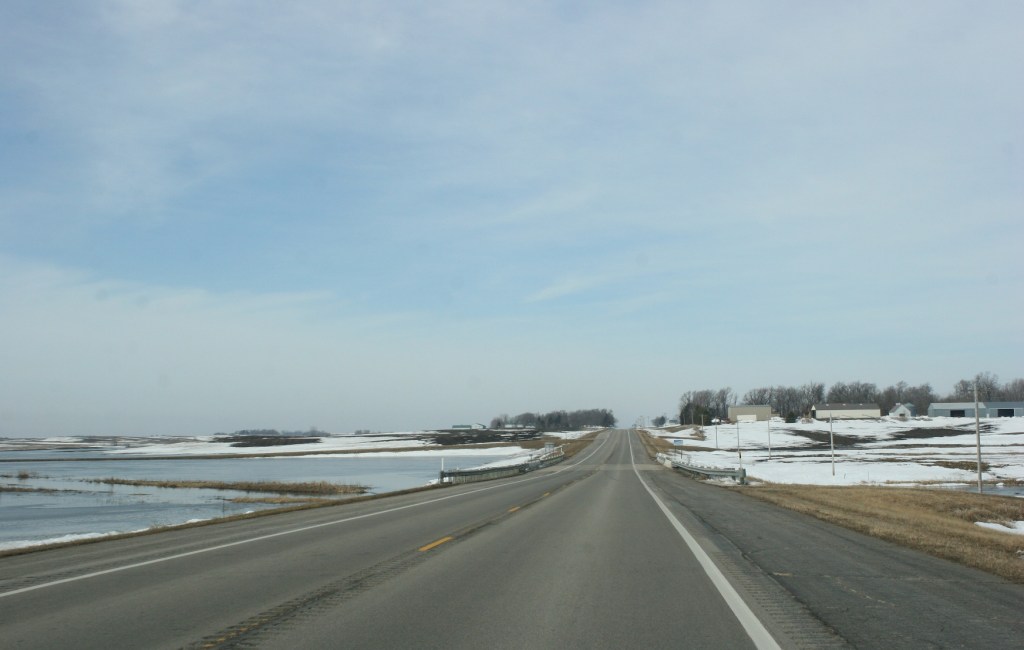
Westbound just outside of Redwood Falls along Minnesota State Highway 19 late Saturday morning.


SNOW LAYERS farm fields.


Along Minnesota State Highway 19 between Redwood Falls and the Belview corner.


Massive snow piles still mark farm sites, this one along Minnesota State Highway 19 near the Belview corner.


A scene along Minnesota State Highway 19 near the Belview corner appears more winter-like than spring.


In the shade of yards and groves and northern hillsides, snow banks remain, reminders of a long Minnesota winter not yet over.


In many spots along Minnesota State Highway 19 between Redwood Falls and the Belview corner, snow pushed off the highway (some up to 100 feet from the roadway) remains.


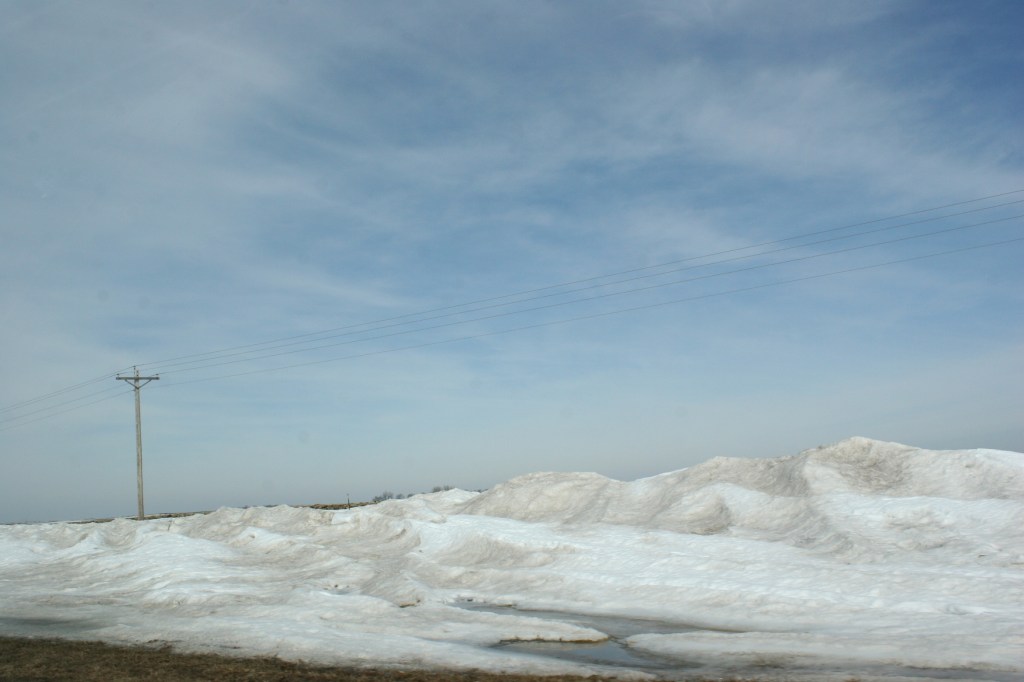
Snow shoved from a once-drifted Minnesota State Highway 19 appears like wind-sculpted waves frozen in place just west of Redwood Falls.


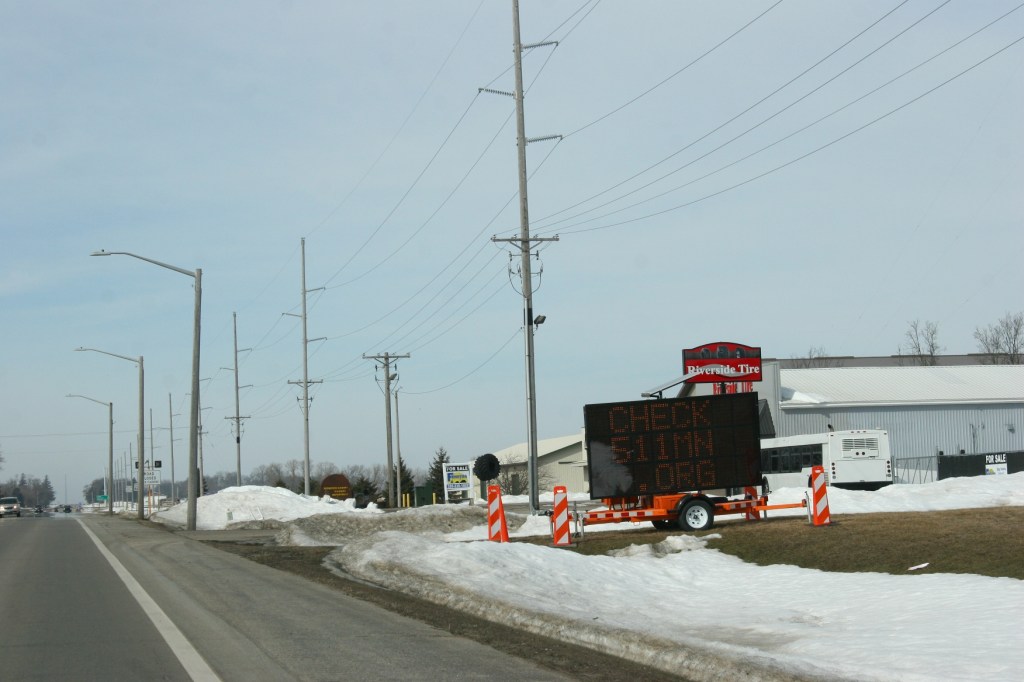
A sign on the west edge of Redwood Falls along Minnesota State Highway 19 advises motorists to check the Minnesota Department of Transportation website for road closures.


In Redwood, the Redwood River appears mostly iced-over.


Flooding along Minnesota State Highway 19 between Redwood Falls and the Delhi corner.


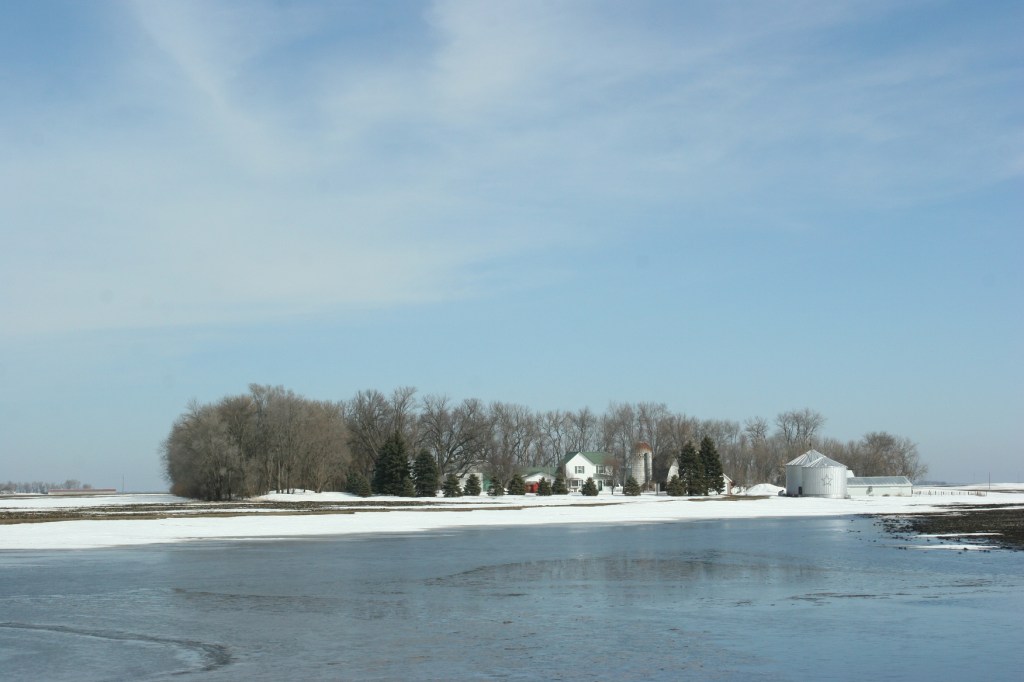
But outside of town, snow melt floods fields, settles in low-lying areas. Frozen tile and frozen ground allow no outlet for all that water. Farm sites seem temporary lakeside properties.


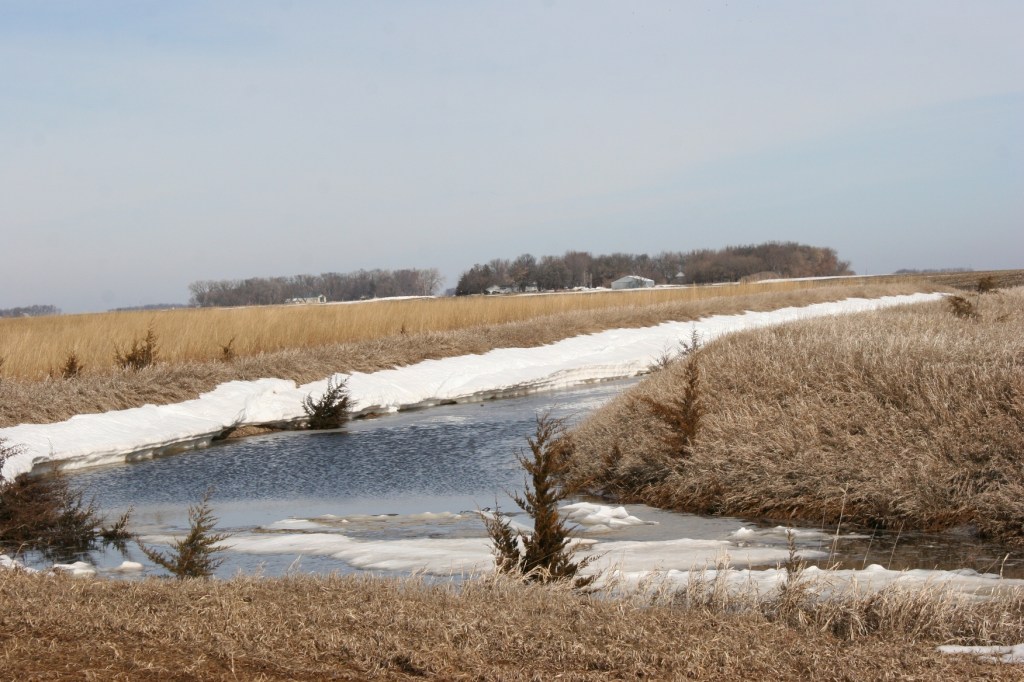
A drainage ditch near the intersection of Brown County Road 29 and Minnesota State Highway 67 southeast of Morgan.


Ditches brim with water.


East of Courtland along U.S. Highway 14, fields are mostly bare of snow.


Between Morgan and Gilfillan, snow cover and flooding increase.


Southeast of Redwood Falls.


A survey of the countryside while driving from Faribault to Belview and back Saturday presents a perspective on the flooding and potential flooding in southern Minnesota. Not until Randy and I drove northwest out of Morgan did we begin to really notice the difference. Our observations of significant remaining snow pack and already ponding water visually confirms the reason for a flood warning in my native Redwood County.


Flooded farm field near Delhi.


Just east of Belview.


East of Delhi, a closure on the Scenic Byway road.


There’s a lot of snow yet to melt, especially west of Redwood Falls. That water must go somewhere since it can’t soak into the frozen soil. And that somewhere is likely into the Redwood River, which feeds into the Minnesota River, which feeds into the Mississippi River. What happens in rural southwestern Minnesota will eventually affect the Twin Cities metro.


Near Delhi.


Temps and precipitation will factor into the flooding equation, too, as winter transitions into spring. I will tell you that Redwood County, on Saturday, seemed still stuck in the final days of winter.

© Copyright 2019 Audrey Kletscher Helbling
 

Revisiting downtown Sleepy Eye & the insights gleaned, Part I March 8, 2018

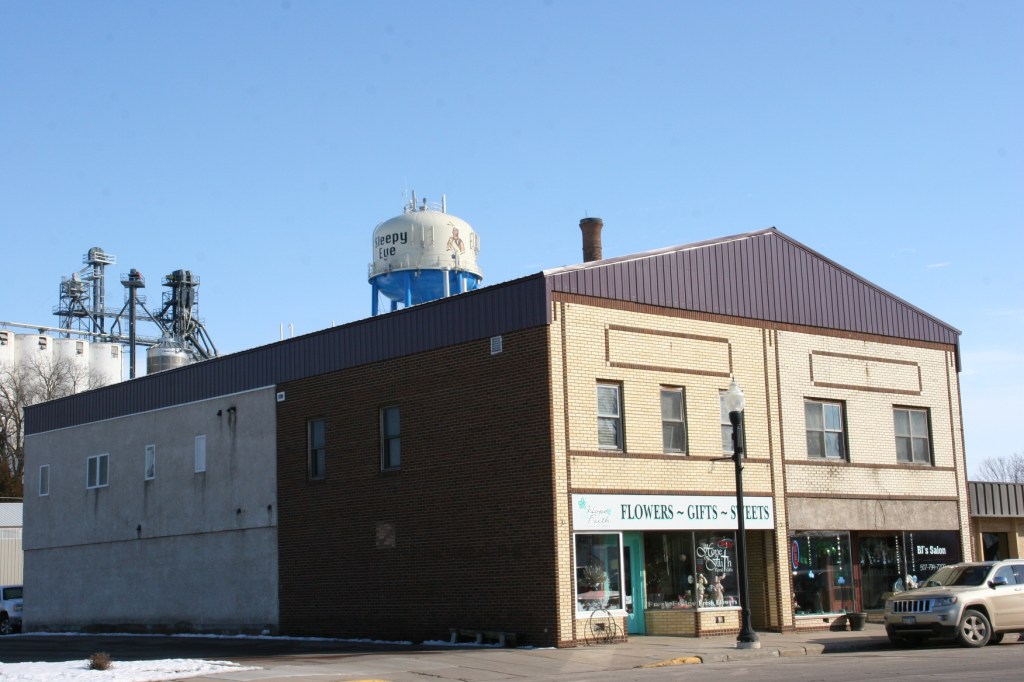
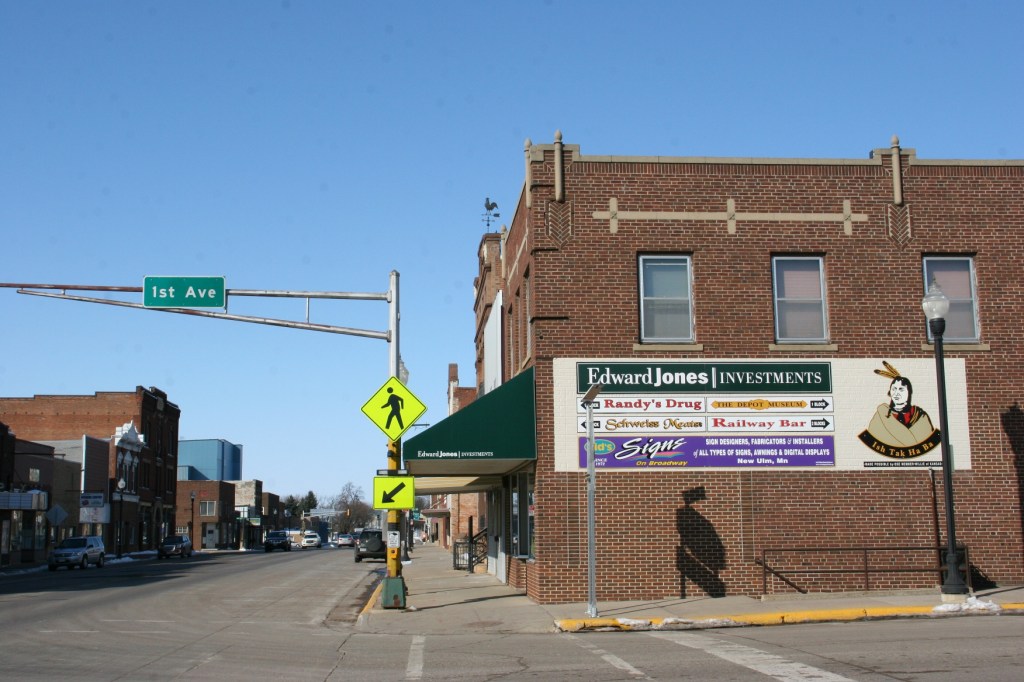
A painting of a Dakota chief on the city water tower gives travelers a hint at the history of Sleepy Eye, Minnesota. The town is named after noted and respected Dakota Chief Sleepy Eyes. He settled with his band along Sleepy Eye Lake and is buried here with a monument and park dedicated to him.


YOU CAN LEARN A LOT about a community by simply walking through the central business district. Many times I’ve done just that with camera in hand. I’ve found that, through photography, I focus on details in addition to the overall scene. That gives me insight into a place.


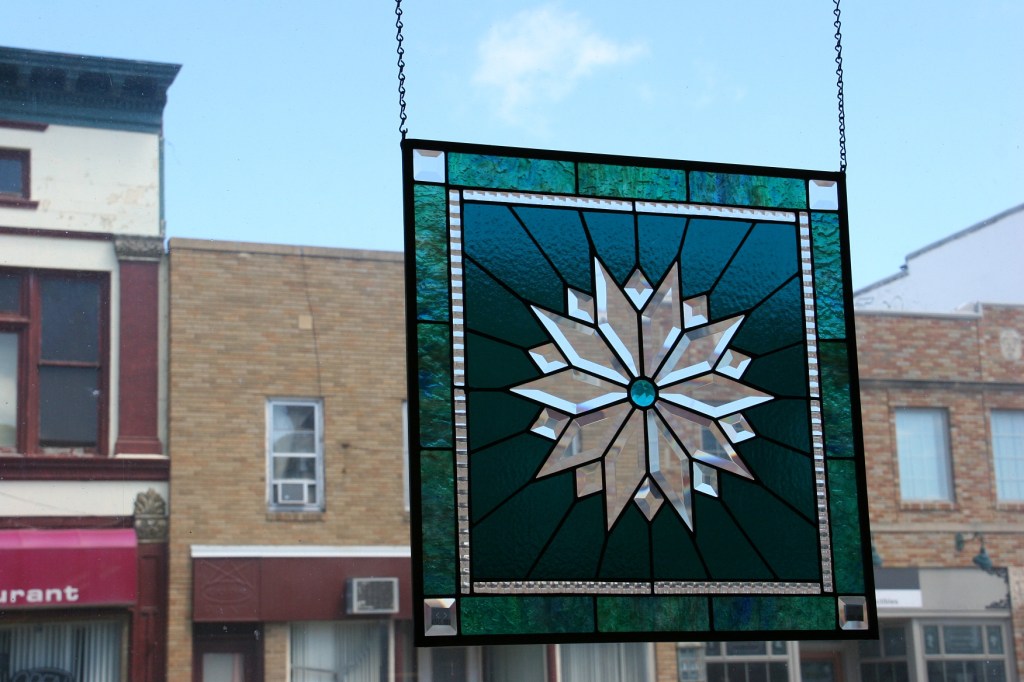
I photographed this stained glass hanging in the front window of Sleepy Eye Stained Glass during a May 2016 visit. Minnesota Prairie Roots file photo.


Most recently I walked along several blocks of downtown Sleepy Eye with my Canon DSLR while my husband shopped at Sleepy Eye Stained Glass for supplies for a church window he’s refurbishing. US Highway 14 (the Laura Ingalls Wilder Historic Highway) runs right through the heart of this small town in south central Brown County. That’s in southern Minnesota next to my native county of Redwood.


More than 30 years ago I lived and worked in Sleepy Eye for six months as a newspaper reporter and photographer. Thus I hold a certain familiarity of place. On this stop, I wanted to grab a sweet treat from the bakery next door to the newspaper office.


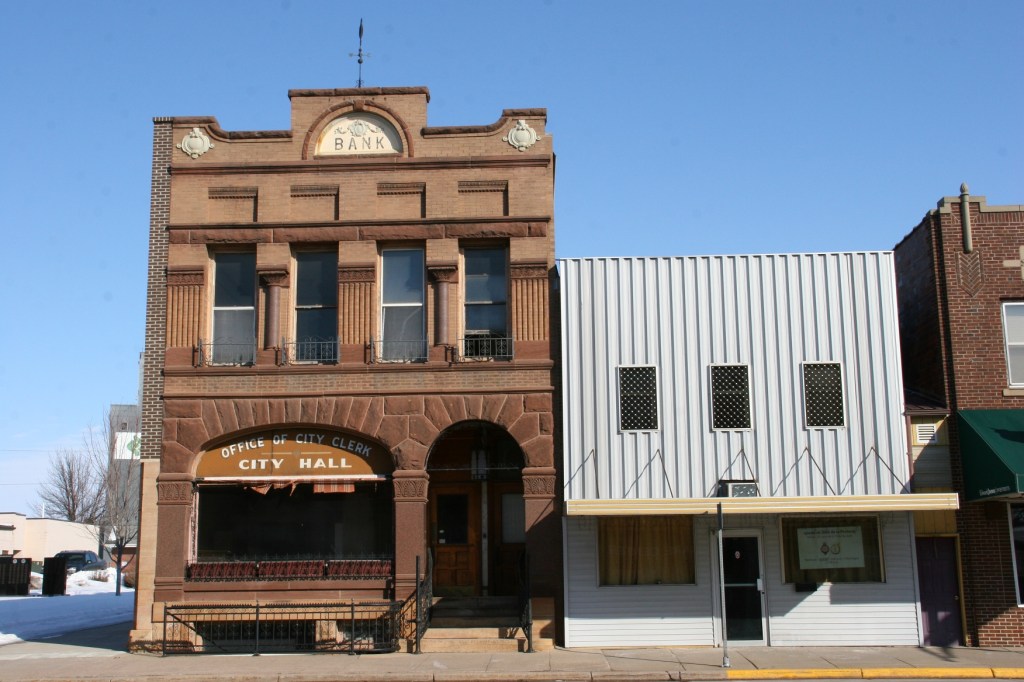
Sleepy Eye has many architecturally-pleasing aged buildings such as city hall.


I found, though, in the remembered location not a bakery, but rather K & J Antiques and Collectibles run by the welcoming Kurk K. Kramer. He happens also to work as the city’s Economic Development Authority coordinator. Given his friendly personality and clear love for Sleepy Eye, Kramer seems an ideal fit for the job. He laughed when I walked into his shop and asked for a doughnut from the long-closed bakery. He was a wealth of information about the town. I’ll share more in future posts and also show you a sampling of goods from Kramer’s shop.


A snippet of the downtown, situated along Highway 14, a major east-west roadway across southern Minnesota.


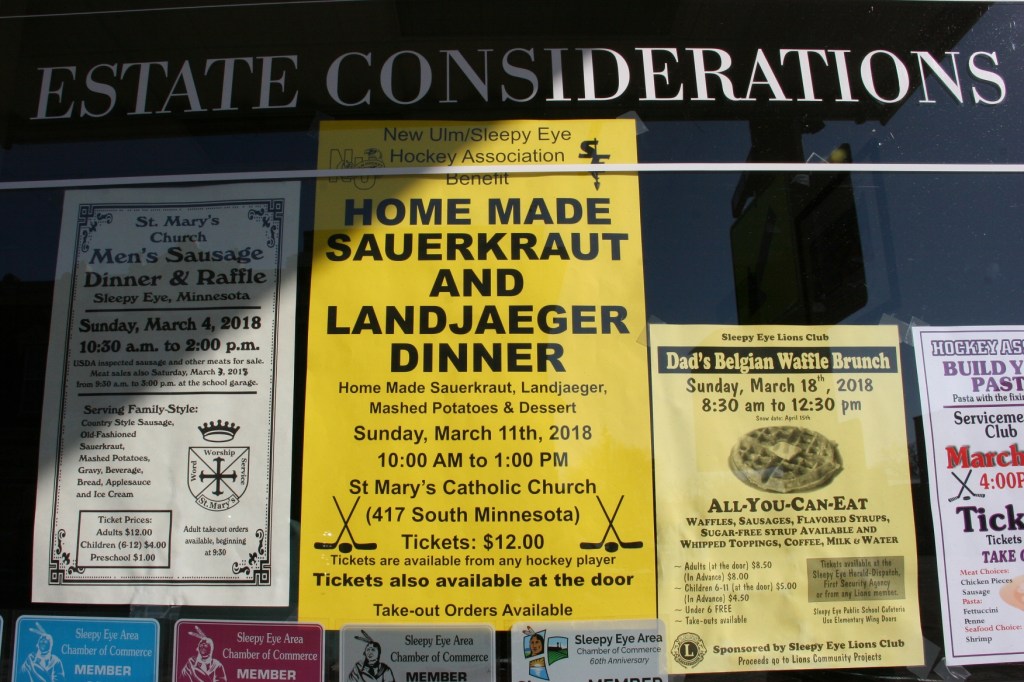
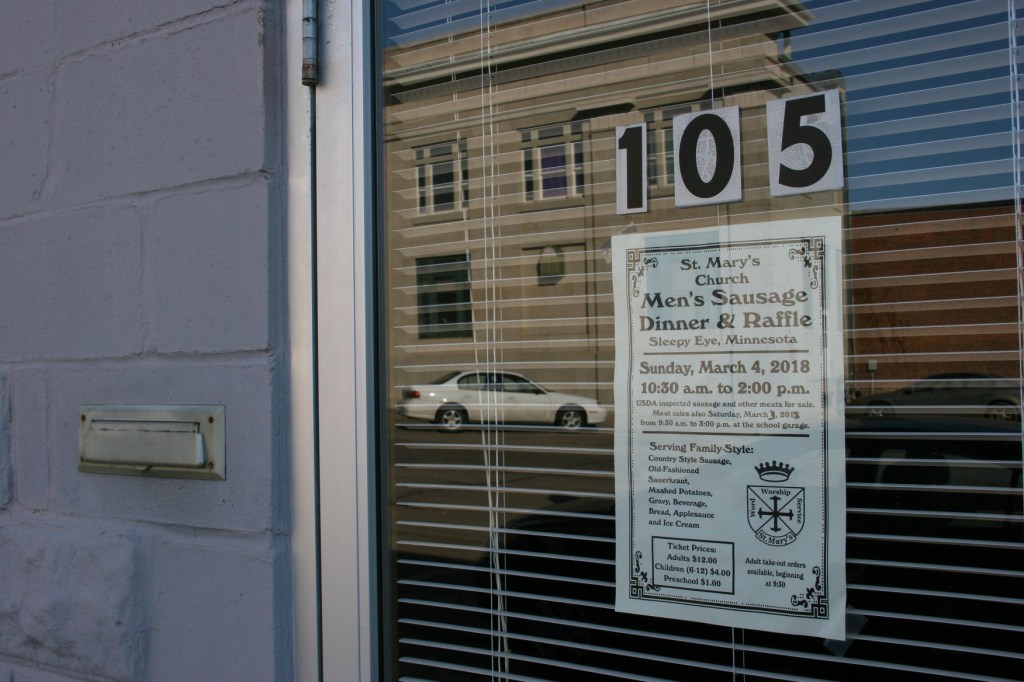
Despite my disappointment at the absence of the bakery, I still delighted in revisiting this town I called home for a short while. Whenever I explore a community, I look for fliers and notes posted in downtown businesses. Such finds often amuse me and present a snapshot of a place and its people. I love the small townishness of these public postings, these postscripts.


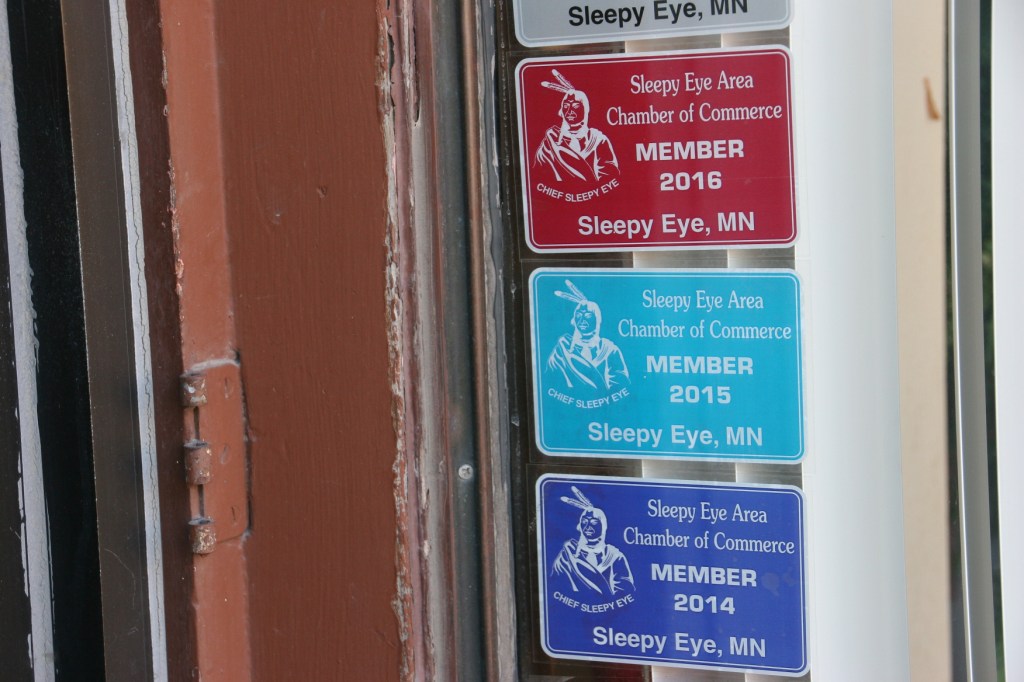
I saw lots of these stickers in many businesses, indicating a strong Chamber of Commerce and a sense of community pride.


Take a look at what I found in storefront windows. And then check back for more posts from Sleepy Eye. See what caught my eye as I wandered—and drew some curious looks—while the husband shopped.


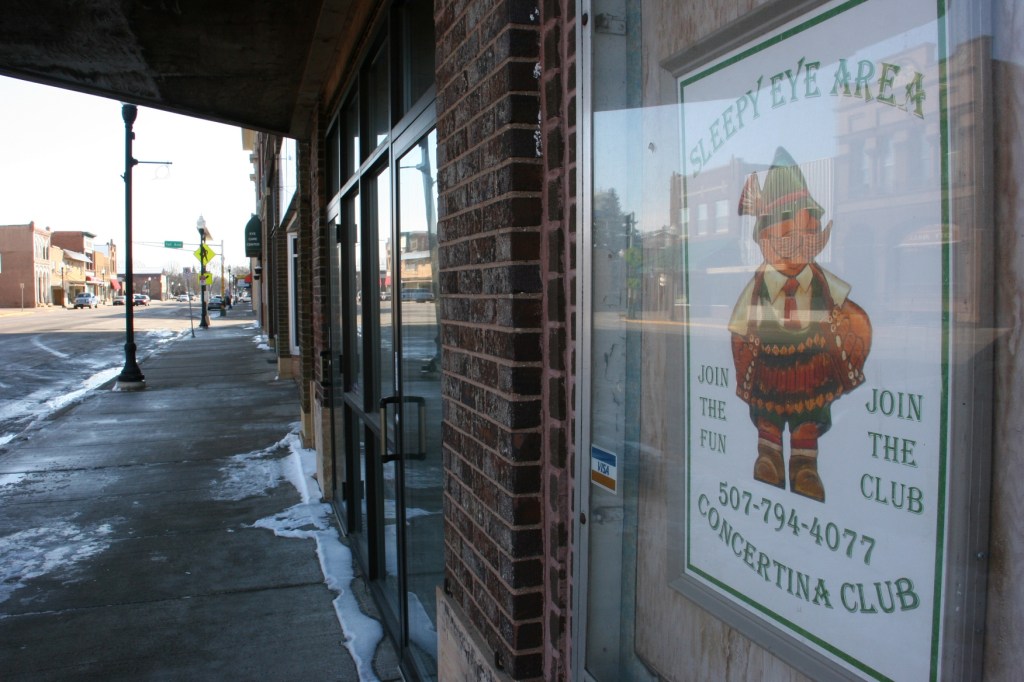
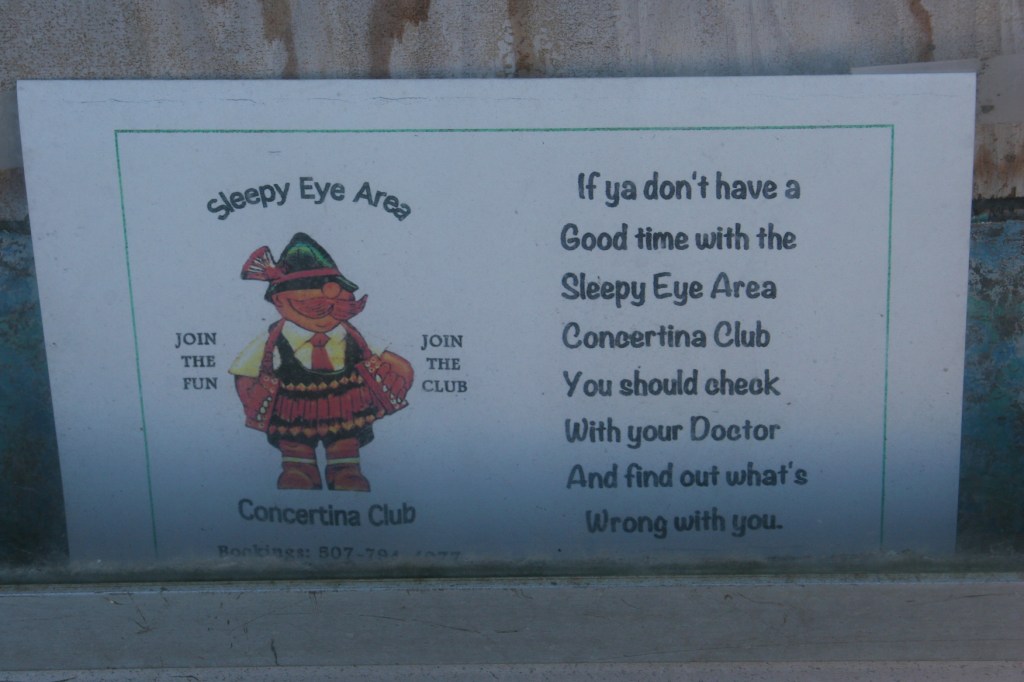
So what do my photos tell you about Sleepy Eye? Like most small Minnesota towns, community dinners/breakfasts/brunches are an integral part of the social fabric and also indicate a strong volunteer base of caring residents. Heritage is important. Note the homemade sauerkraut and Landjaeger (a type of sausage) dinner and the Sleepy Eye Area Concertina Club signs. Politeness, humor and community pride are givens.

These are my assessments based on my quick walk-through of peering into downtown storefront windows.

TELL ME: Have you ever done the same to learn more about the personality of a community?


Check back tomorrow for Part II in my series titled “An outsider’s quick look at, & visions for, Sleepy Eye.”

© Copyright 2018 Audrey Kletscher Helbling
 

On the road to southwestern Minnesota, a photo essay December 19, 2017

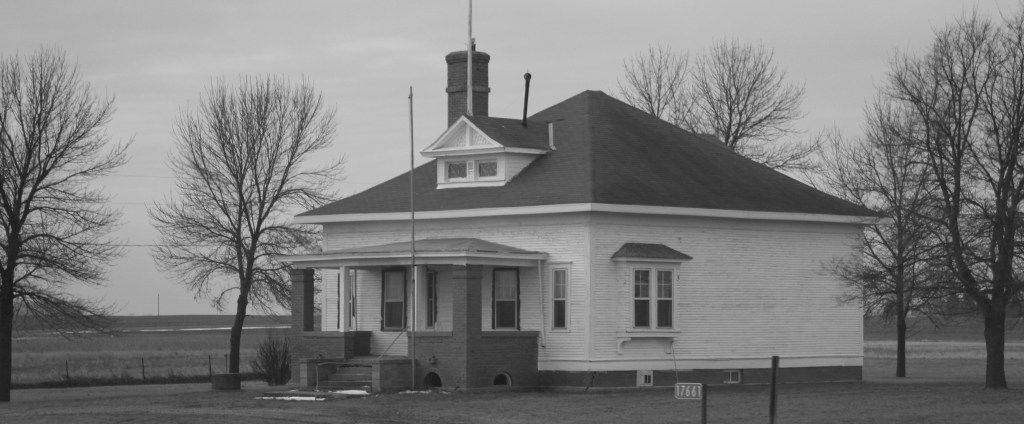
A former country school near Essig along U.S. Highway 14.


TWICE A YEAR, my husband and I head west from our Faribault home to my native southwestern Minnesota for gatherings with my extended family. We travel solely with destination in mind, not deviating to meander through small towns and explore. We get on Interstate 35 in Faribault, exit onto U.S. Highway 14 in Owatonna and then follow the Laura Ingalls Wilder Historic Highway all the way to our destination 2.25 hours away in Lamberton. That would be in Redwood County, just 10 miles east of Walnut Grove.

Near Janesville, this billboard sparkles in the morning light.

Everything along this route is familiar to me from the curves in the highway to the billboards to the farm sites and my favorite barns west of Springfield. While sometimes the drive can seem like forever, especially when wind whips snow to create iffy driving conditions, mostly I enjoy the rural route.

At the beginning of our trip, I photographed this farm site west of Owatonna. The farther west we drove, the greyer the skies became.

Enjoy this photo essay along U.S. Highway 14, aiming west toward the prairie into some of our state’s richest farmland as we headed back for the holidays last Saturday.

Red barns splash color into the rural landscape, here near Janesville.


An ethanol plant near Janesville breaks the monotony of farm fields.


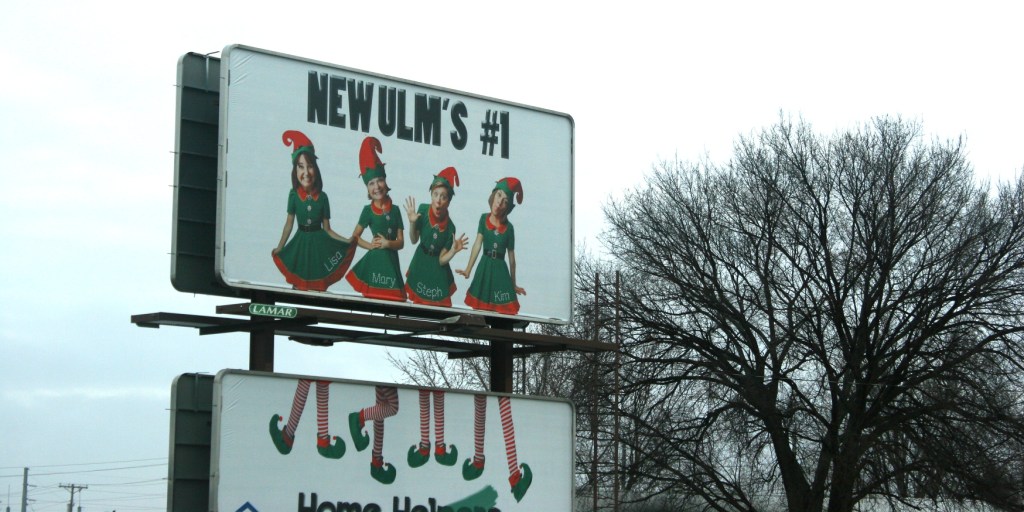
Highway 14 takes us through New Ulm. I spotted this catchy and festive billboard on the west end of town.


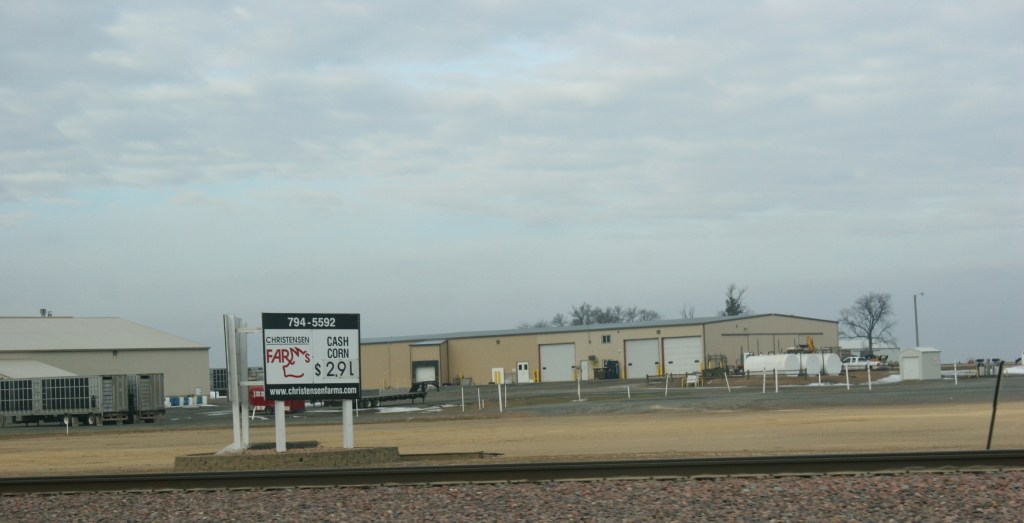
You know you’re in the heart of farmland when you see a cash corn price posted on a sign, this one at Christensen Farms near Sleepy Eye.


This reindeer statue stands along the east edge of Sleepy Eye. It’s there year-round.


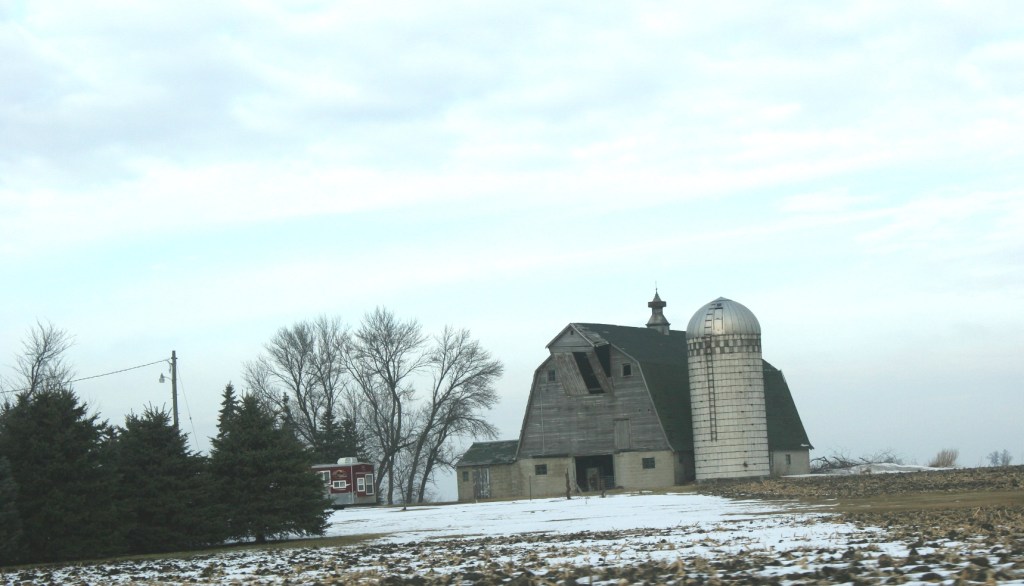
Weathered by wind and weather, this barn sits west of Sleepy Eye.


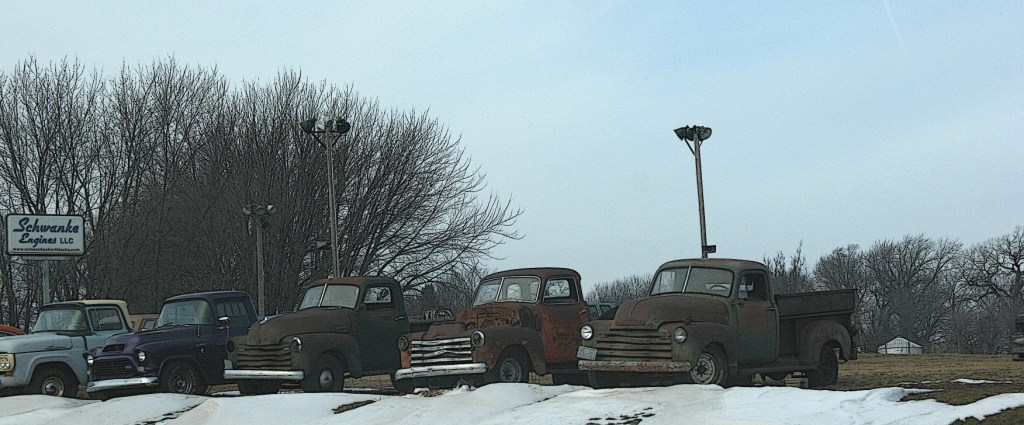
A row of vintage trucks are parked atop a hill on the east edge of Springfield.


One of my favorite barns on a farm site west of Springfield.


We reach our destination in Lamberton where grain elevators mark this rural community.


© Copyright 2017 Audrey Kletscher Helbling
 

West of Mankato August 23, 2017

Cattle graze in a pasture along U.S. Highway 14.

Cattle graze in a pasture along U.S. Highway 14.


WHEN I TELL FELLOW MINNESOTANS I grew up on the southwestern Minnesota prairie, specifically near the small town of Vesta, I typically get a blank stare. So, when “Vesta” doesn’t register with them, I mention Marshall to the west and Redwood Falls to the east of my hometown. Both are county seats and fair-sized communities, in my opinion.


Driving on U.S. Highway 14 around Mankato traveling to southwestern Minnesota.

Driving on U.S. Highway 14 around Mankato traveling through southern Minnesota toward the prairie.


Even after dropping those two names, I still often get that quizzical look. It’s as if they have no idea there’s anything west of Mankato.


This barn along U.S. Highway 14 west of Sleepy Eye always catches my eye.

Gotta love this barn between Sleepy Eye and Springfield.


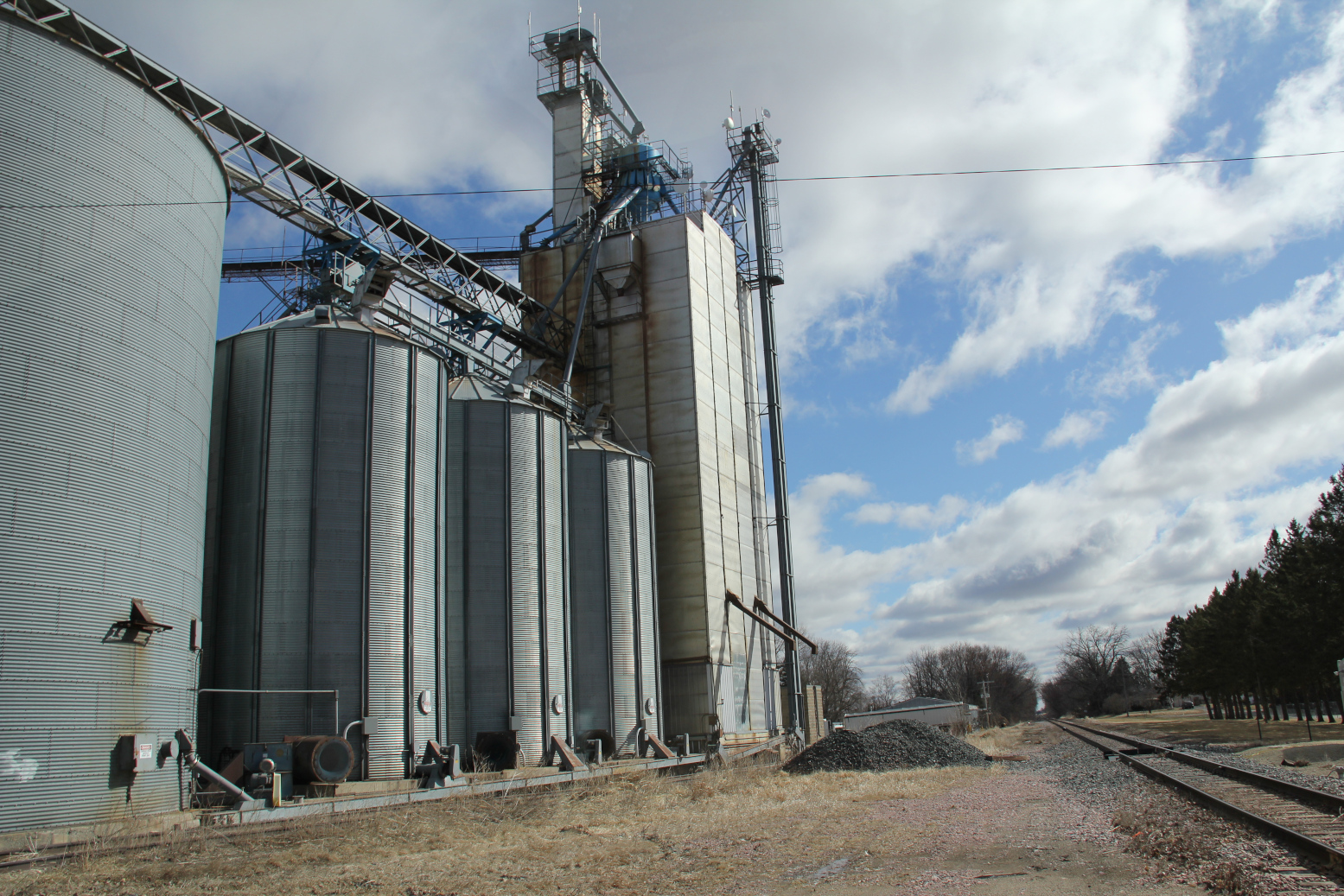
Grain storage along U.S. Highway 14.

Grain storage along U.S. Highway 14.


But there is. Lots. Land and sky and small towns and oddities and grain elevators, and corn and soybean fields stretching into forever. There are pitch-black skies perfect for star-gazing and sunsets so bold I sometimes wonder why I ever left this land.


There are so many well-kept barns along U.S. Highway 14, this one between Mankato and Nicollet.

There are so many beautiful old barns along U.S. Highway 14, this one between Mankato and Nicollet.


I understand beauty is in the eye of the beholder. I simply want others to see that this corner of Minnesota, just like the lakes and woods to the north and the rolling hills and rivers to the south and the Twin Cities metro, is lovely and quirky and interesting in a peaceful prairie way.


BONUS PHOTOS:

U.S. Highway 14 passes through many small towns, like Sleepy Eye where these guys were shopping for a car.

Shopping for cars in Sleepy Eye, one of many small towns along U.S. Highway 14 in southwestern Minnesota.


A farm site between Mankato and Nicollet.

A farm site between Mankato and Nicollet.


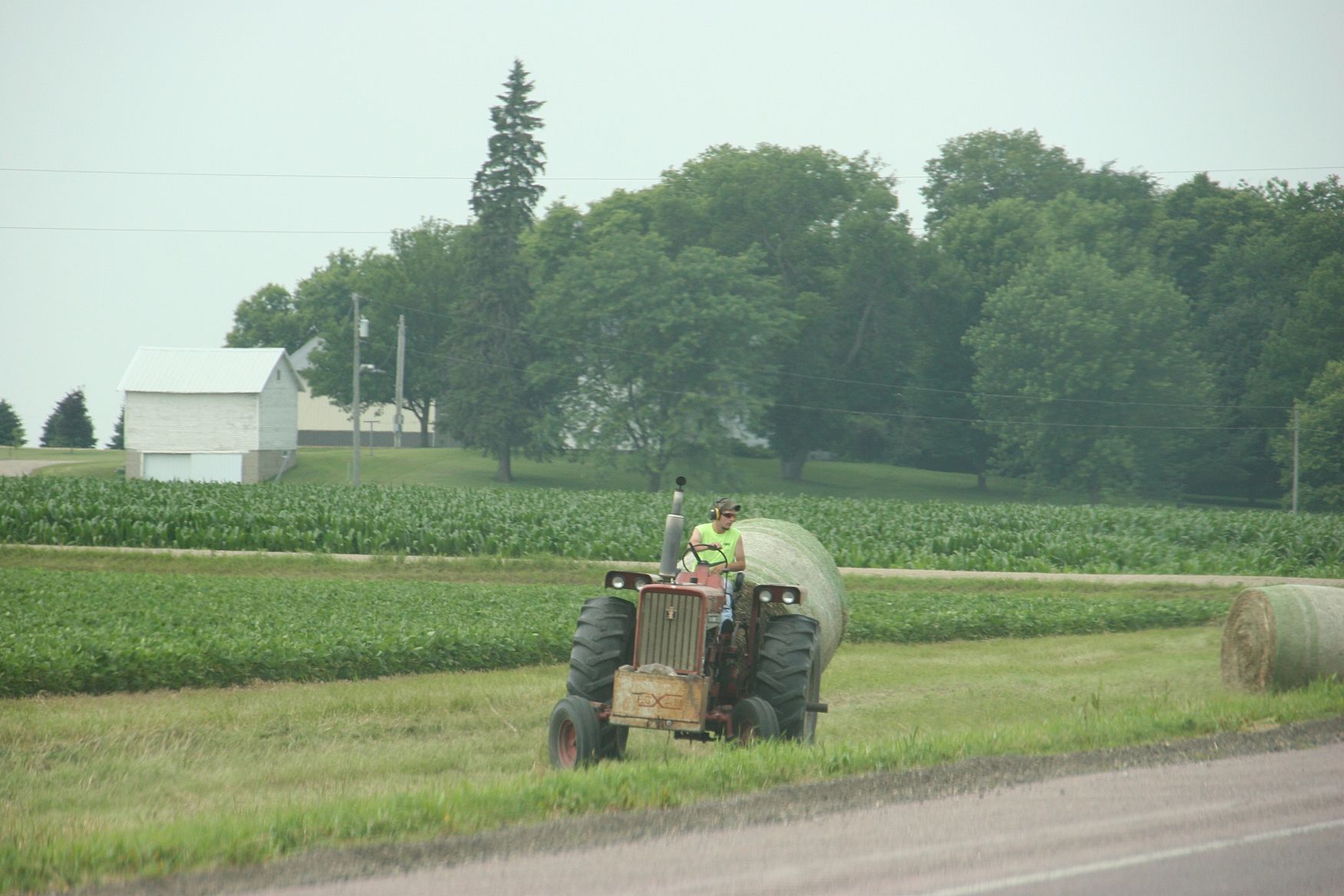
Baling the road ditch between Mankato and New Ulm.

Baling the road ditch between Mankato and New Ulm.


If you appreciate barns, this area of Minnesota offers plenty of barn gazing.

If you appreciate barns, this area of Minnesota offers plenty of barn gazing.


FYI: All of these photos are from my files and were taken along U.S. Highway 14 between Mankato and Lamberton. That would be west of Mankato.

© Copyright 2017 Audrey Kletscher Helbling
 

Put your money in the can August 2, 2017

Filed under: Uncategorized — Audrey Kletscher Helbling @ 5:00 AM
Tags: , , , , , , , , ,


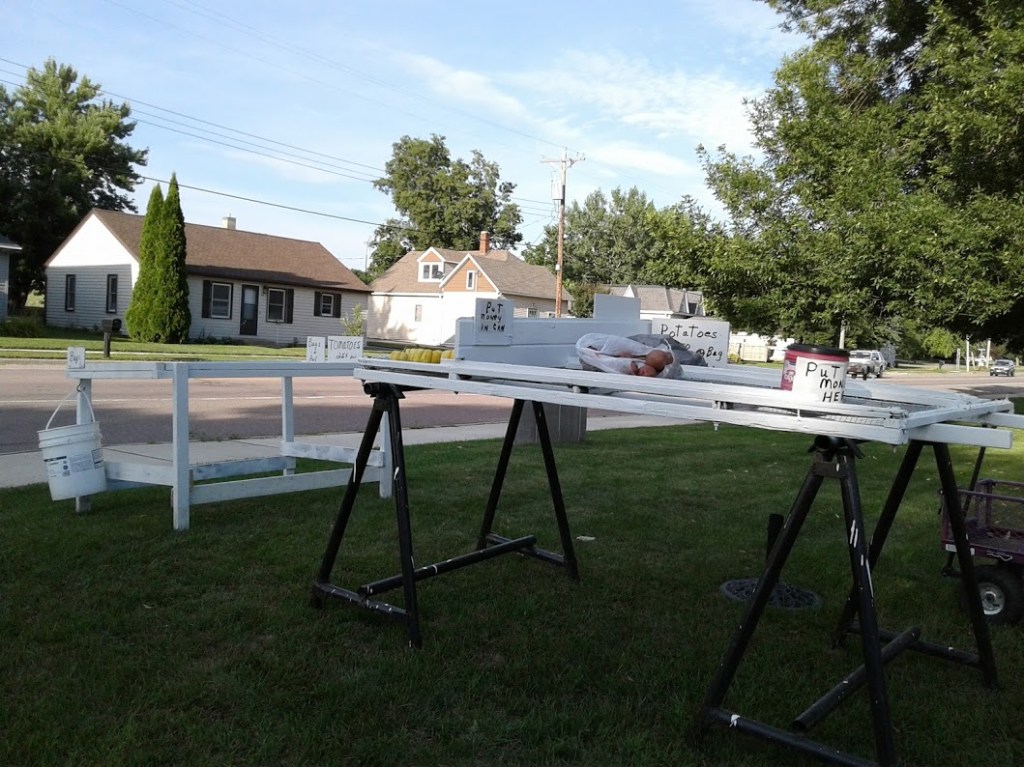
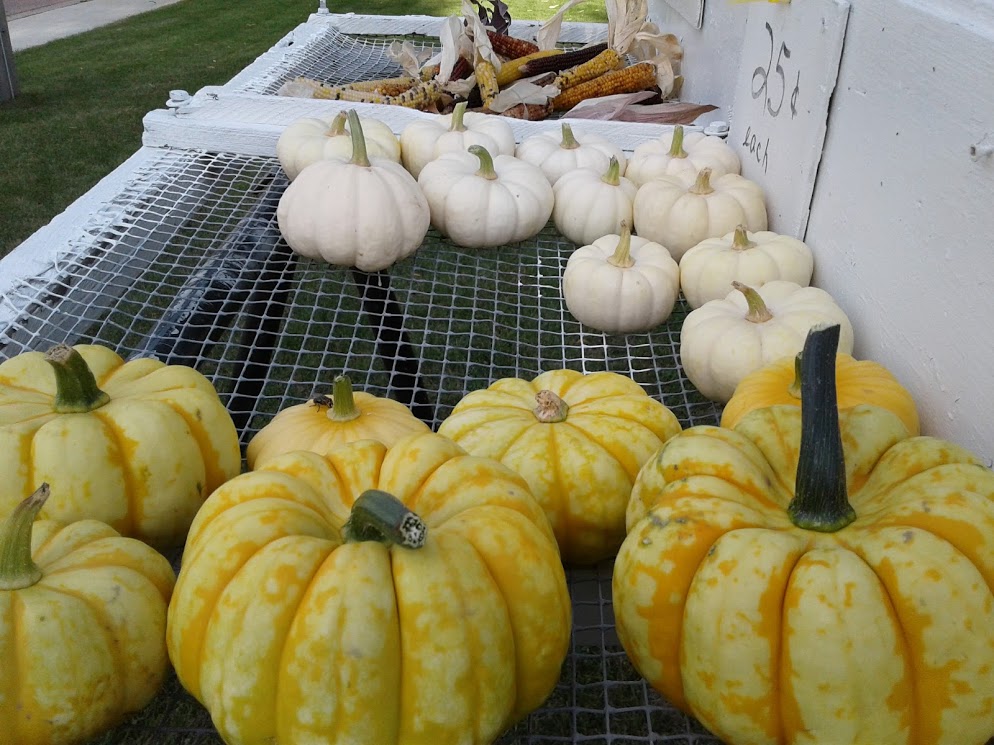
THIS TIME OF YEAR in Minnesota, roadside stands pop up with a bounty of fresh garden produce. Some are staffed. Some are not.


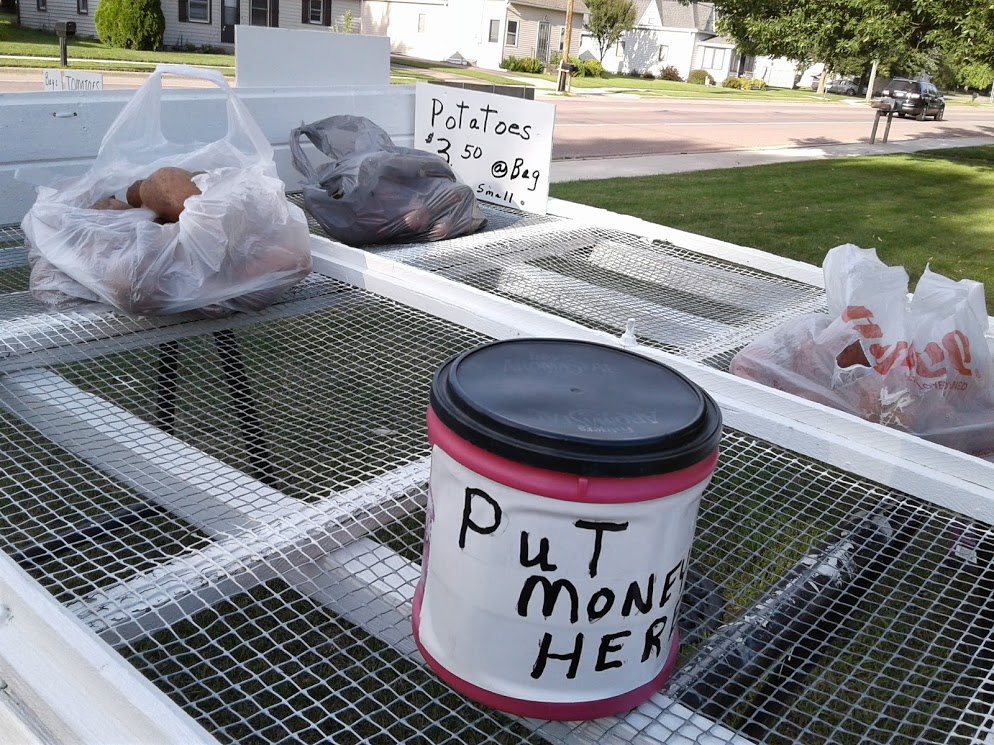
On Sunday evening, Randy and I stopped at an unmanned stand along U.S. Highway 14 as we passed through Courtland (between New Ulm and Mankato) after a weekend in southwestern Minnesota. We needed potatoes and always appreciate newly-dug spuds.


Pickings were slim at that time of day. But we found a bag of potatoes for $2 that fit our needs. Randy pulled two bills from his wallet and deposited the money in a mammoth coffee can labeled PUT MONEY HERE.

I love this trustworthiness that exists in rural Minnesota.


But apparently the gardener doesn’t trust Mother Nature. Inside the coffee can, an over-sized stone weighted the container against the wind.

© Copyright 2017 Audrey Kletscher Helbling