Minnesota Prairie Roots

Writing and photography by Audrey Kletscher Helbling

Into rural southern Minnesota during spring planting April 28, 2026

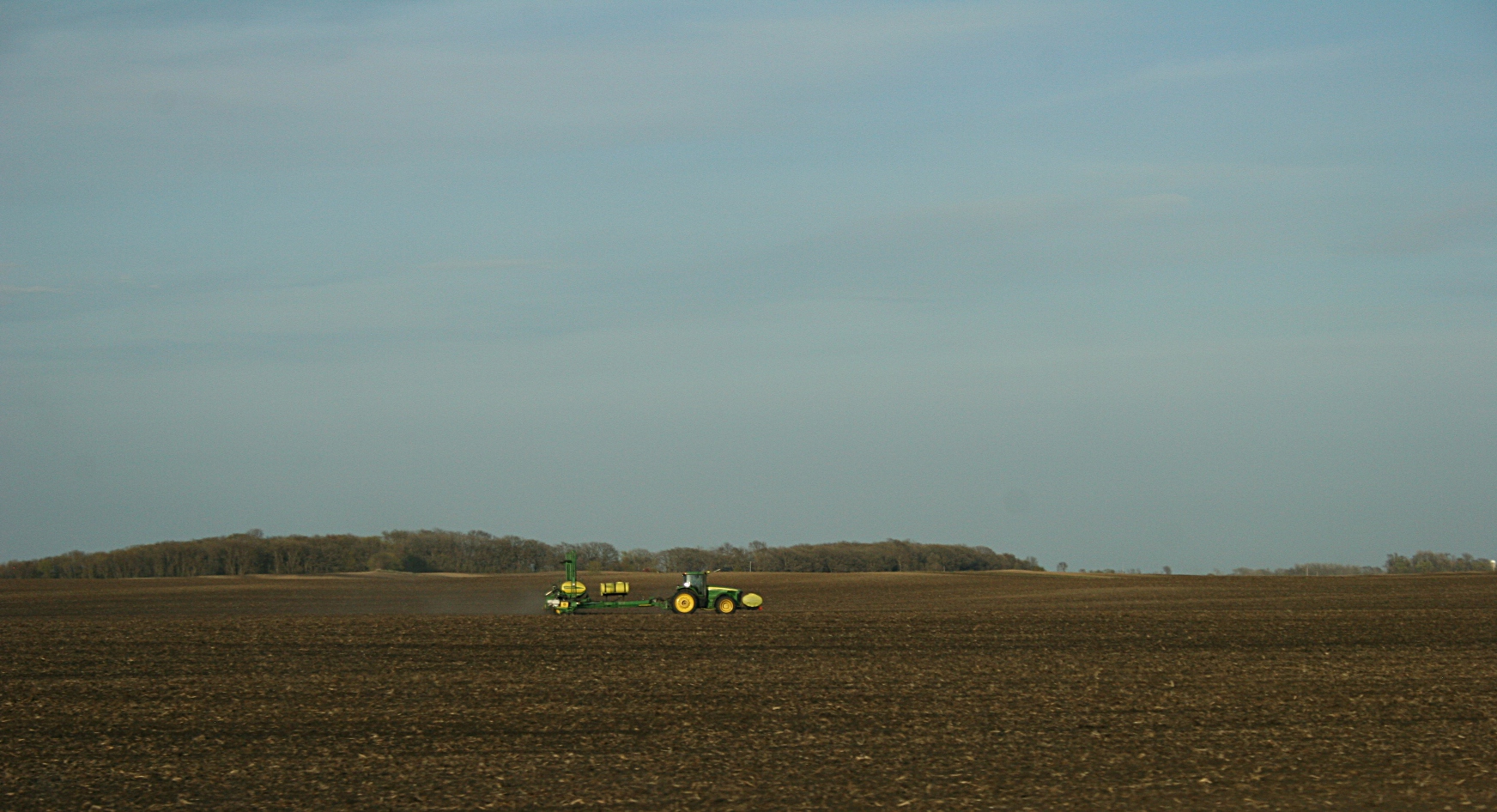
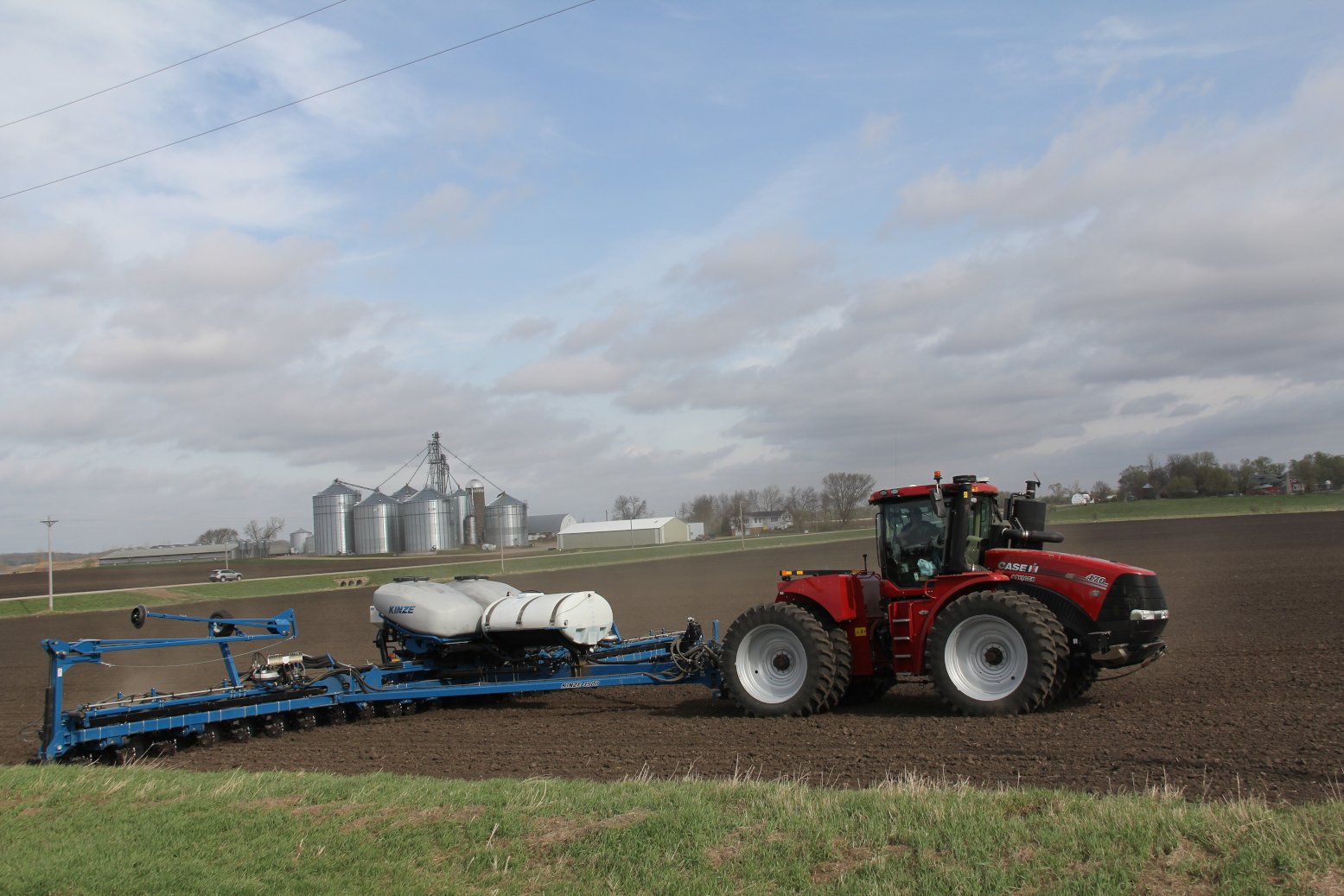
Planting just off Gates Avenue along 230th St. E. east of Faribault. (Minnesota Prairie Roots copyrighted file photo April 2026)

MY PHOTOGRAPHIC GOAL on a recent morning trip to and from neighboring Kenyon was simple enough: Photograph spring planting. But it wasn’t until Randy and I left this small Goodhue County town that I spotted field work underway.

On the drive over from Faribault, I saw a guy picking rock, more like a boulder, with a rock picker. That led to a brief conversation about our childhood rock picking experiences. Rock pickers were kids like us, not machines. They did not yet exist.

We assessed, as we headed east, that the absence of farmers in fields meant they’d either finished spring planting or had not yet begun due to no-tillage farming practices.
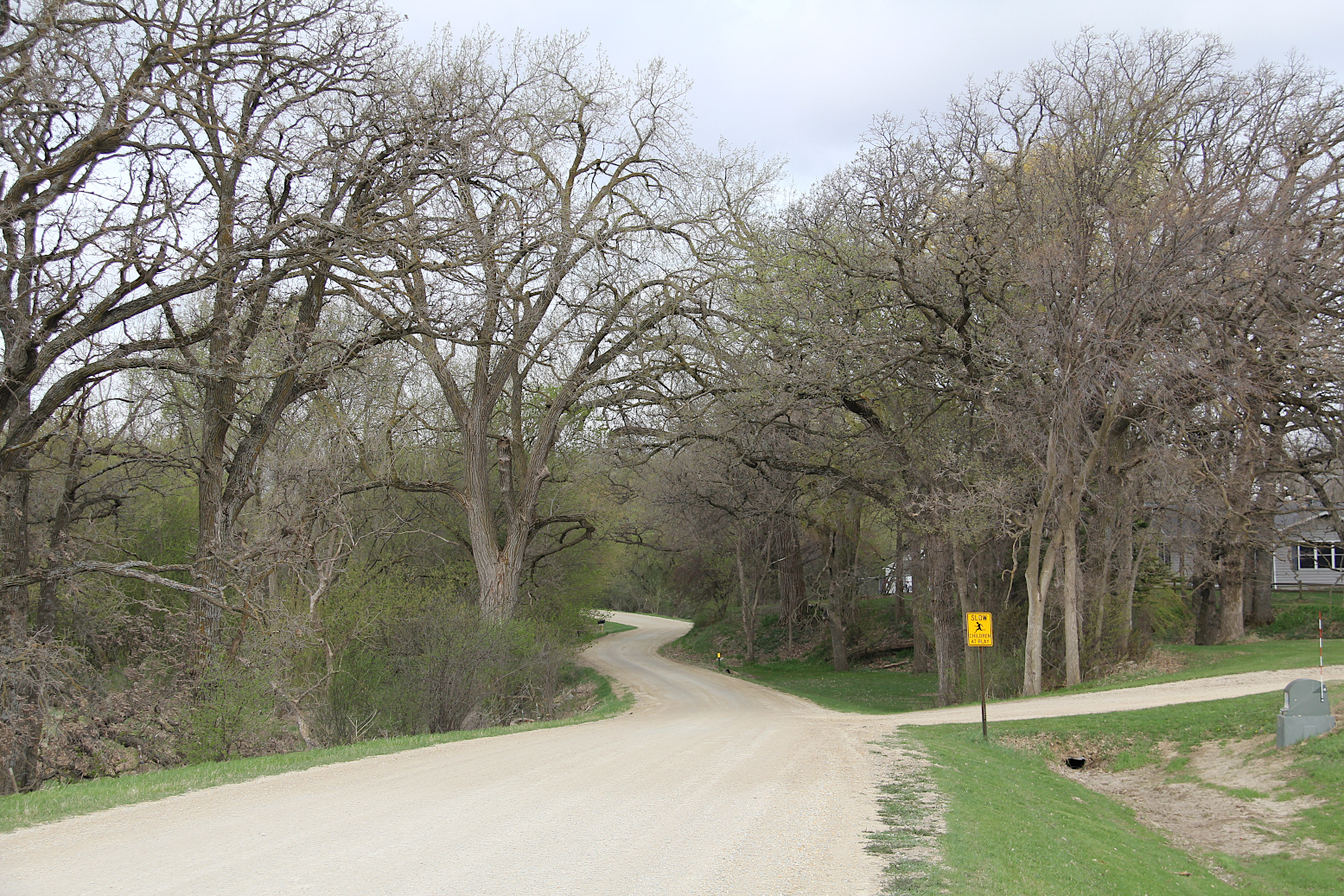
A winding road leads into Monkey Valley. (Minnesota Prairie Roots copyrighted photo April 2026)

Once we left Kenyon, heading southwest into Monkey Valley, a picturesque rural area of woods, rolling hills and valley, creek, the North Fork of the Zumbro River, farm sites and fields, a tractor came into view. I must pause here to explain that Monkey Valley, as local lore claims, was named after monkeys that long ago escaped from a traveling circus into the valley. True? I don’t know. But it’s a good story.
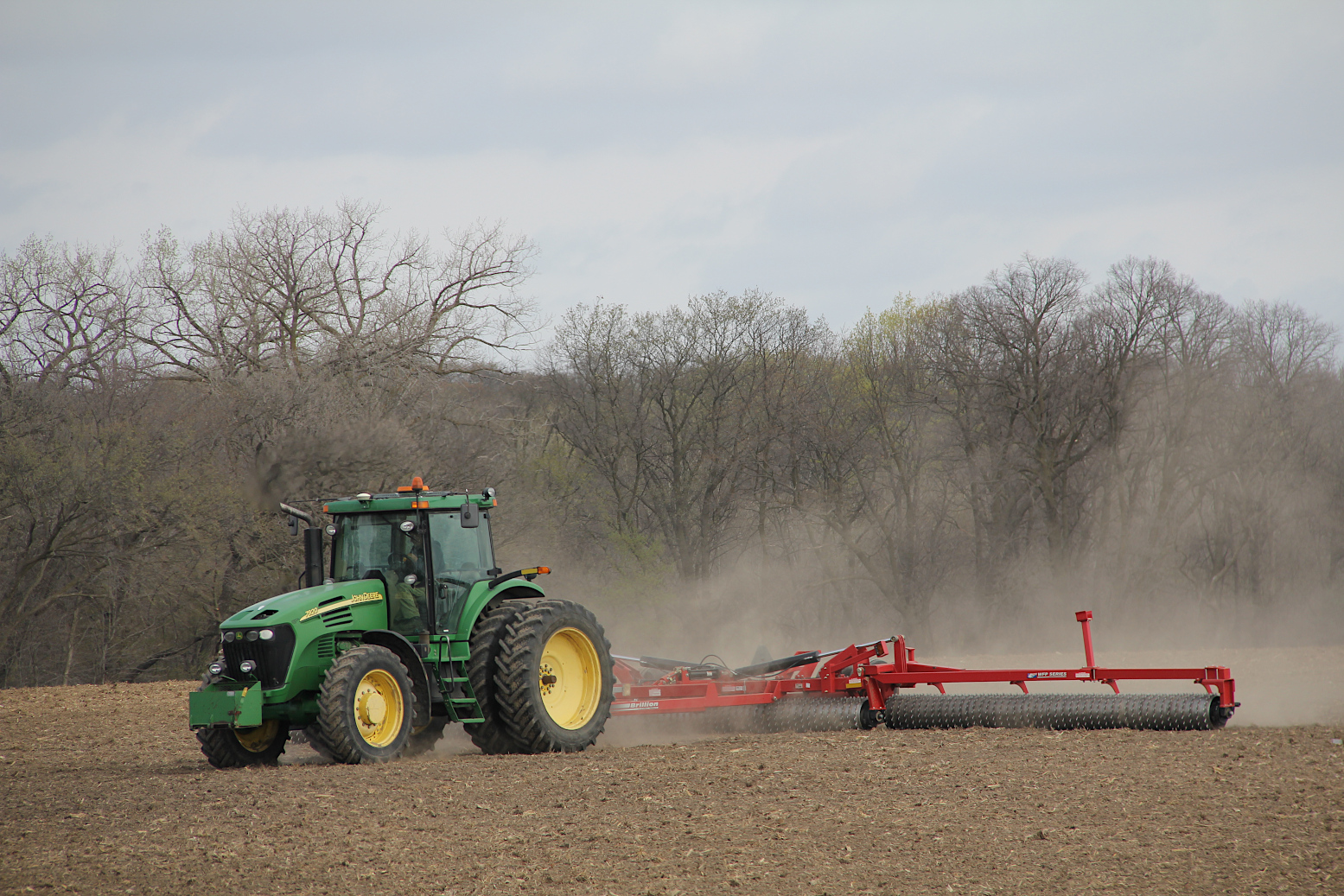
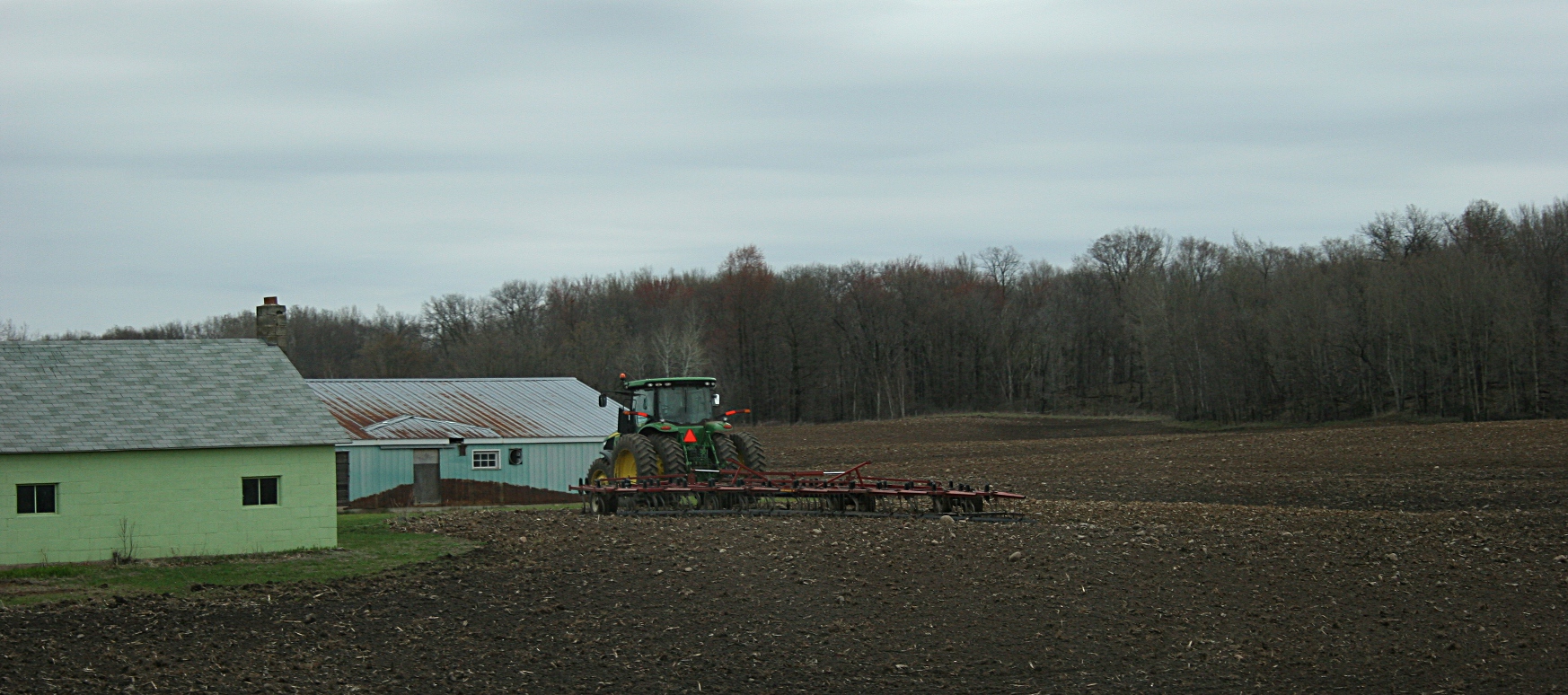
Leveling the field with a roller in Monkey Valley. (Minnesota Prairie Roots copyrighted photo April 2026)

I found that first farmer, pulling a roller across the land leveling the earth, just before the gravel road wound into the woods of Monkey Valley. I realized how much farming has changed in the decades since I left rural southwestern Minnesota. There’s more specialized equipment. Bigger implements to work more acres. Different methods of farming that are more environmentally-friendly.
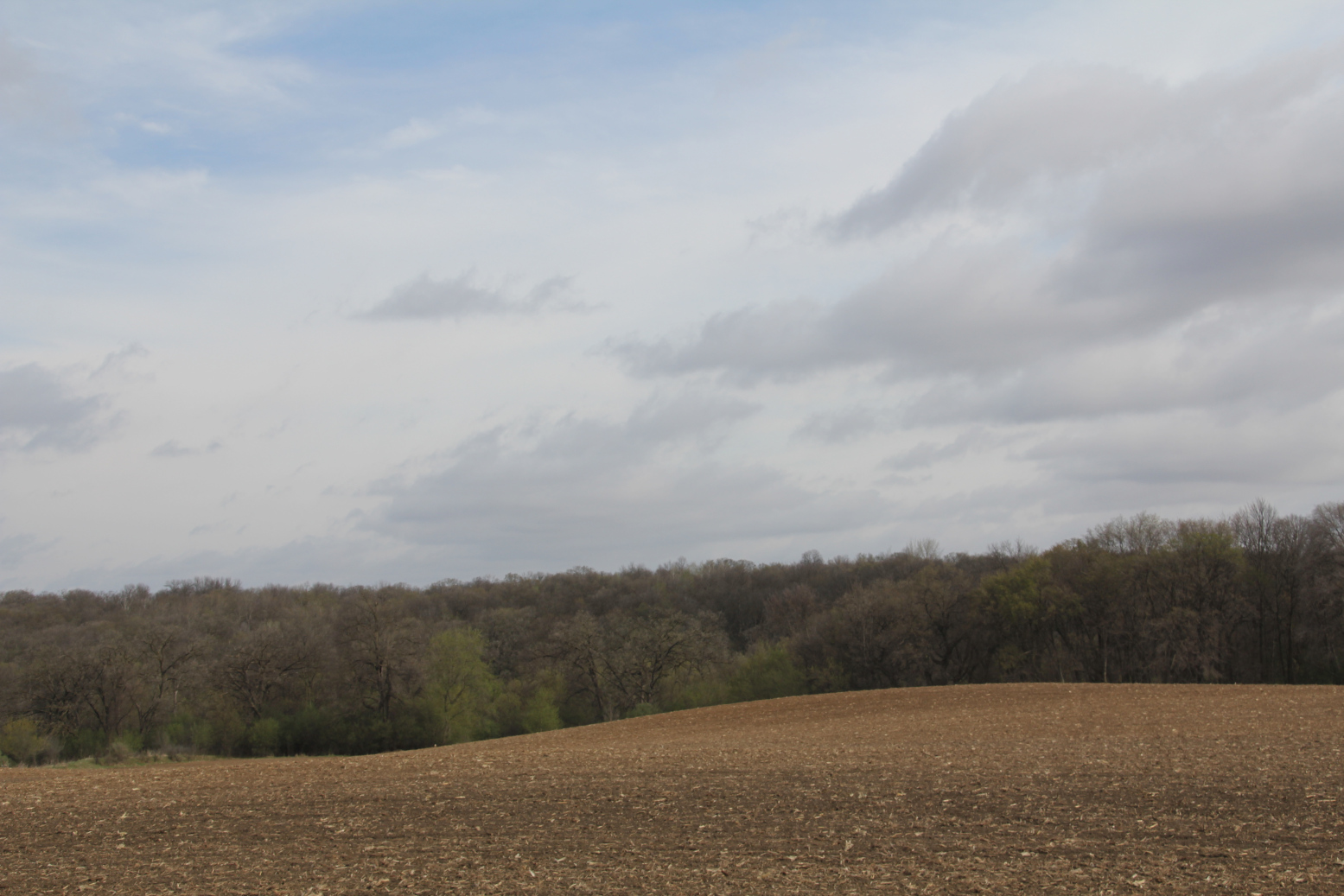
The woods of Monkey Valley. (Minnesota Prairie Roots copyrighted photo April 2026)

As we followed the gravel road, our van kicking up dust on an especially windy morning, I admired the distant dense woods nestling a farm field under a semi-cloudy sky. Patches of blue peeked through the gray of building rain clouds.
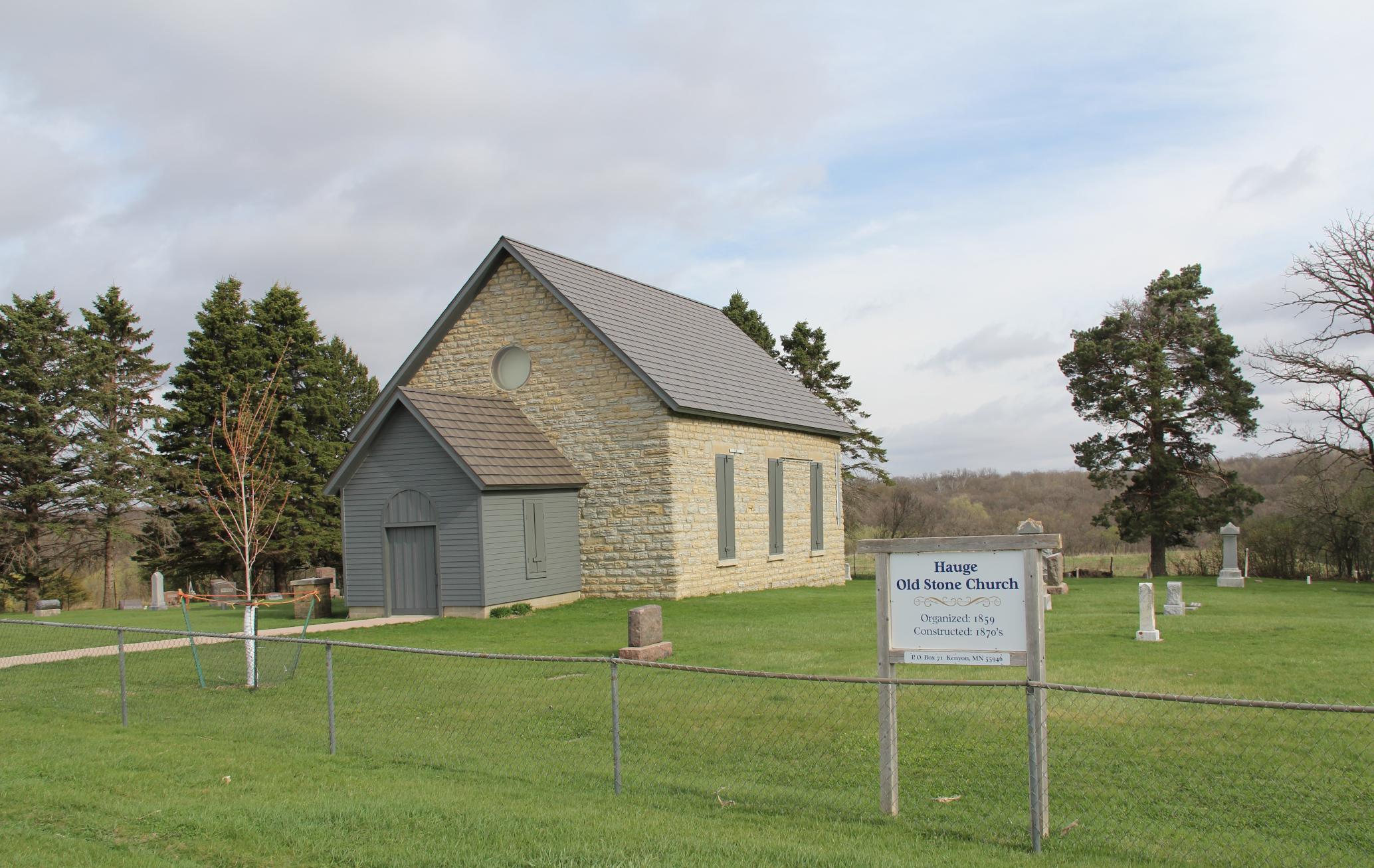
The Old Stone Church and cemetery in Monkey Valley. (Minnesota Prairie Roots copyrighted photo April 2026)

Soon we happened upon the Hauge Old Stone Church built in the 1870s, a place we’ve previously toured during an annual open house. We stopped only long enough for a photo. No meandering among the graves this time as we are wont to do when coming across a country cemetery.
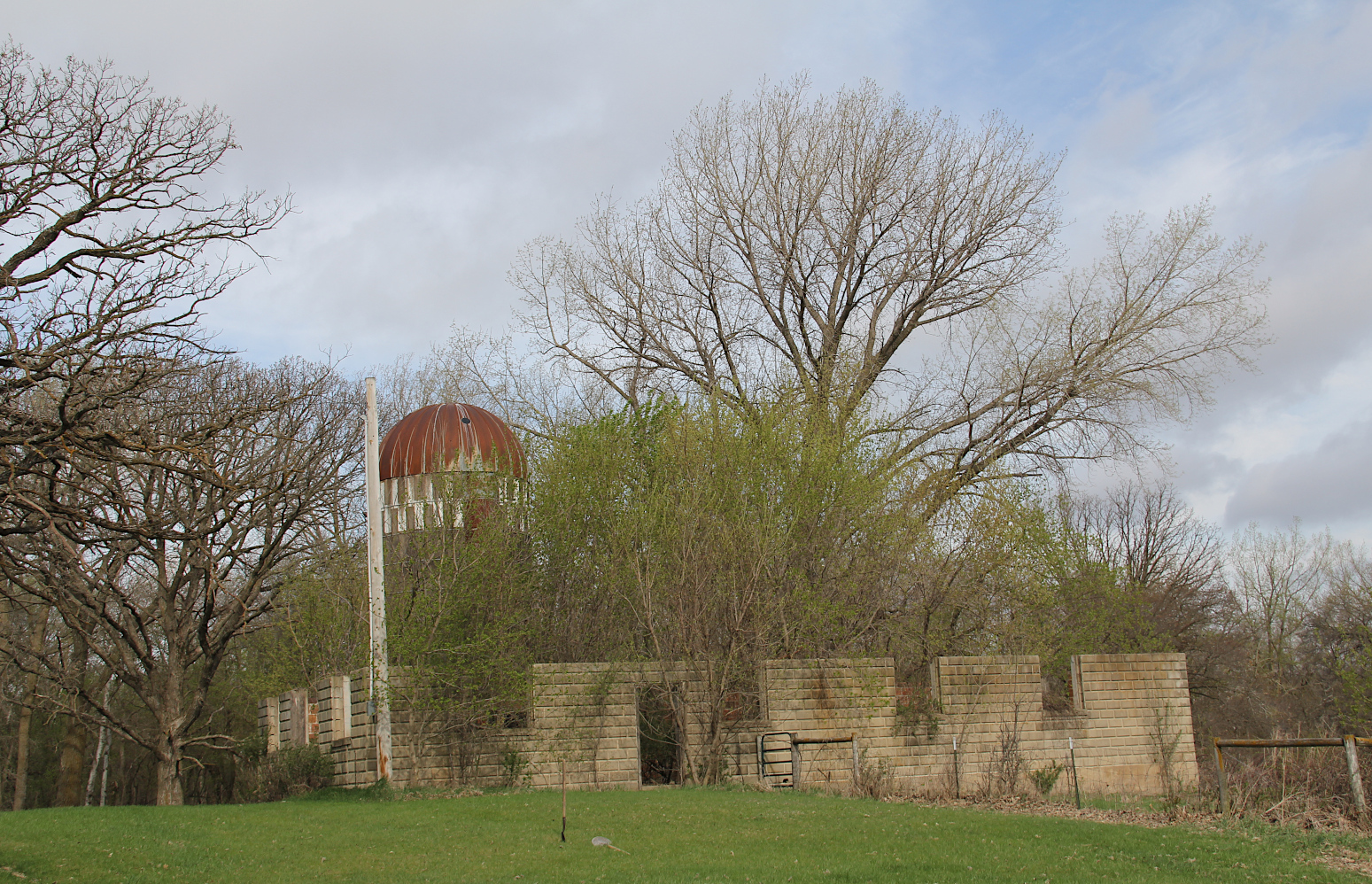
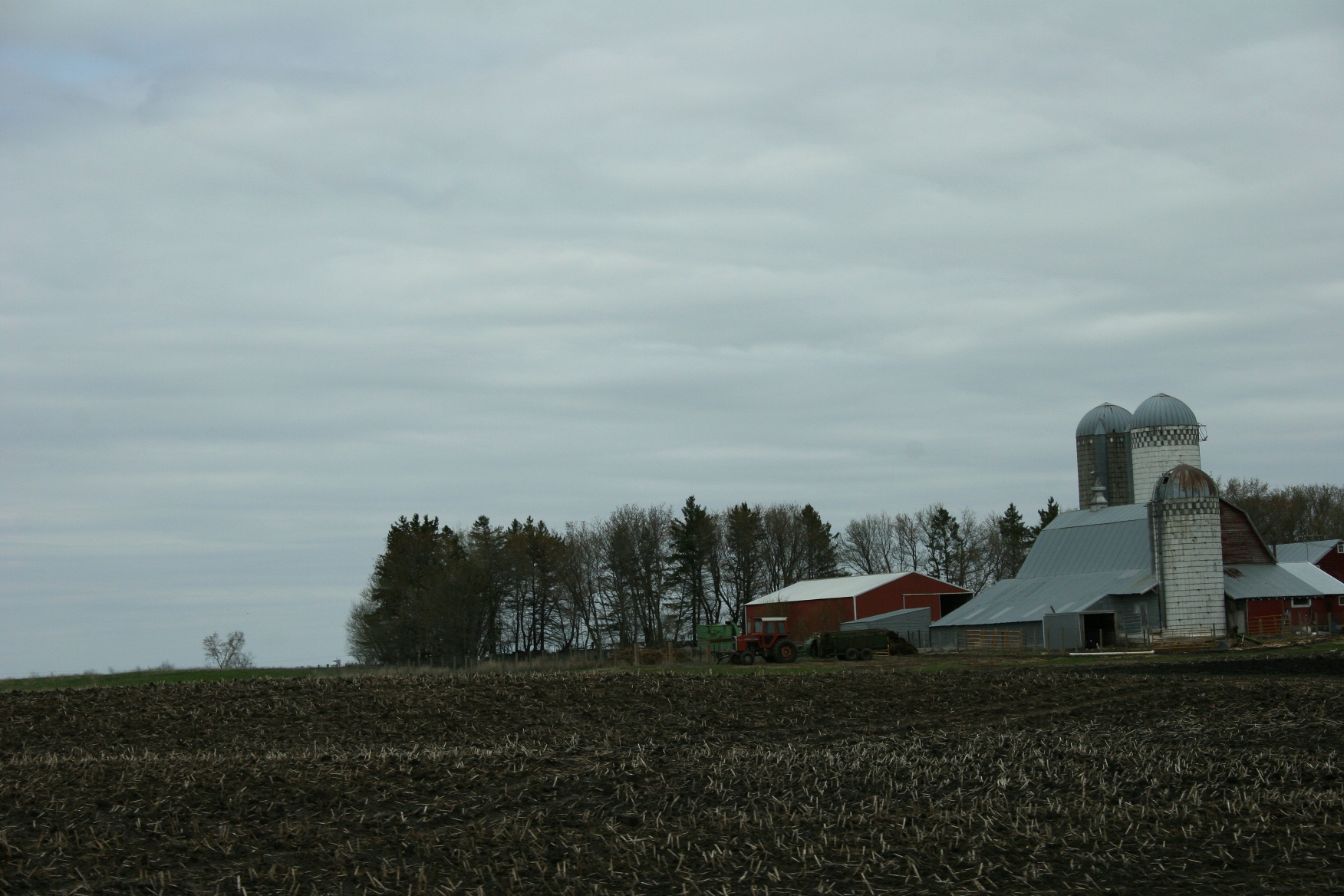
An old silo and barn ruins. (Minnesota Prairie Roots copyrighted photo April 2026)

Farm sites hug the road here in Monkey Valley. While many are well-kept, some show the marks of time, like an abandoned silo standing next to the walls of a collapsed barn. I always feel melancholy in the presence of barns gone, their ruins like rural gravestones.
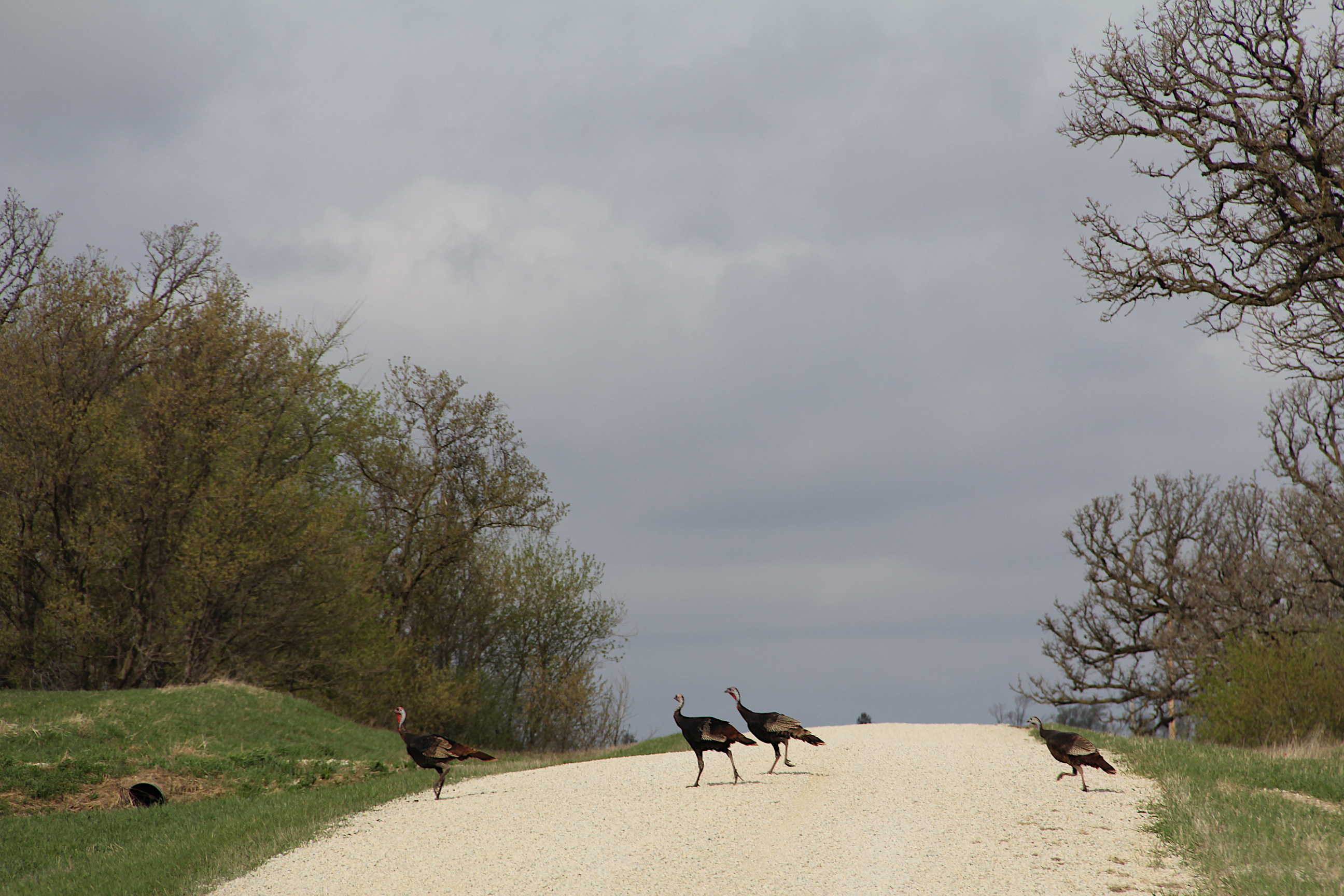
Wild turkeys cross a rural road near Kenyon. (Minnesota Prairie Roots copyrighted photo April 2026)

Not far ahead, life teemed in a flock of wild turkeys. I exited the van, moved slowly toward them, hoping to sneak closer for a better photo. But, like all wildlife, they are tuned in to danger and quickly dashed across the road from one ditch to the other. Never mind me and my photographic wishes.
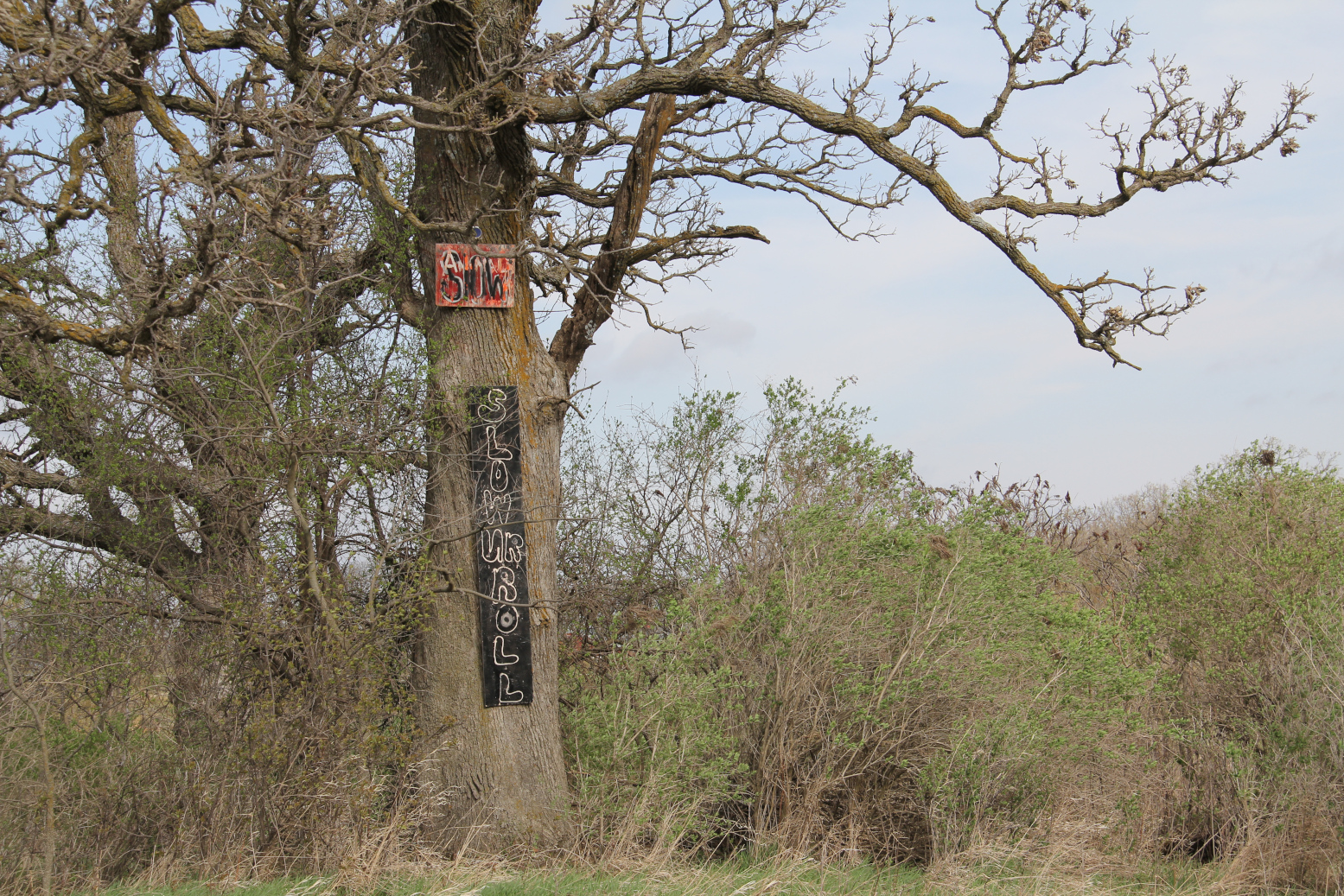
Signs on a tree advise motorists to drive slowly. (Minnesota Prairie Roots copyrighted photo April 2026)

Traveling on back gravel roads requires a slower pace. A sign posted on a roadside tree instructed: SLOW UR (sic) ROLL.
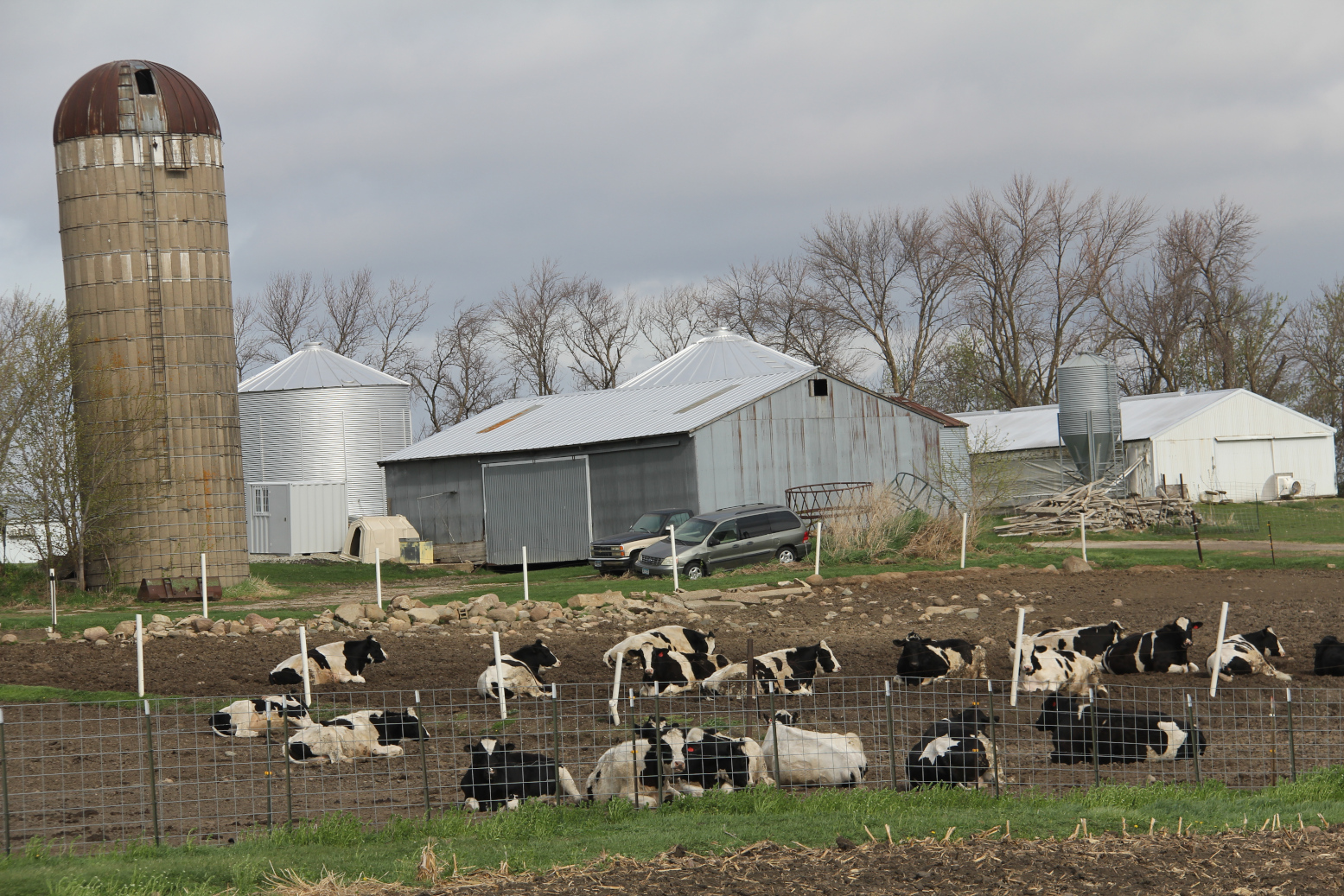
Cows at Donkers Farms. (Minnesota Prairie Roots copyrighted photo April 2026)

Continuing west toward Faribault, we slowed our roll for a herd of Holsteins fenced in the cow yard at Donkers Farm. I hold a special fondness for cows. I spent my formative years in the barn, scooping silage, pushing a wheelbarrow full of ground feed, feeding cows and calves, bedding straw, forking hay, shoveling manure, carrying milk pails and more. That imprinted upon me the value of hard work, of a farm family working together, of a rural way of life.
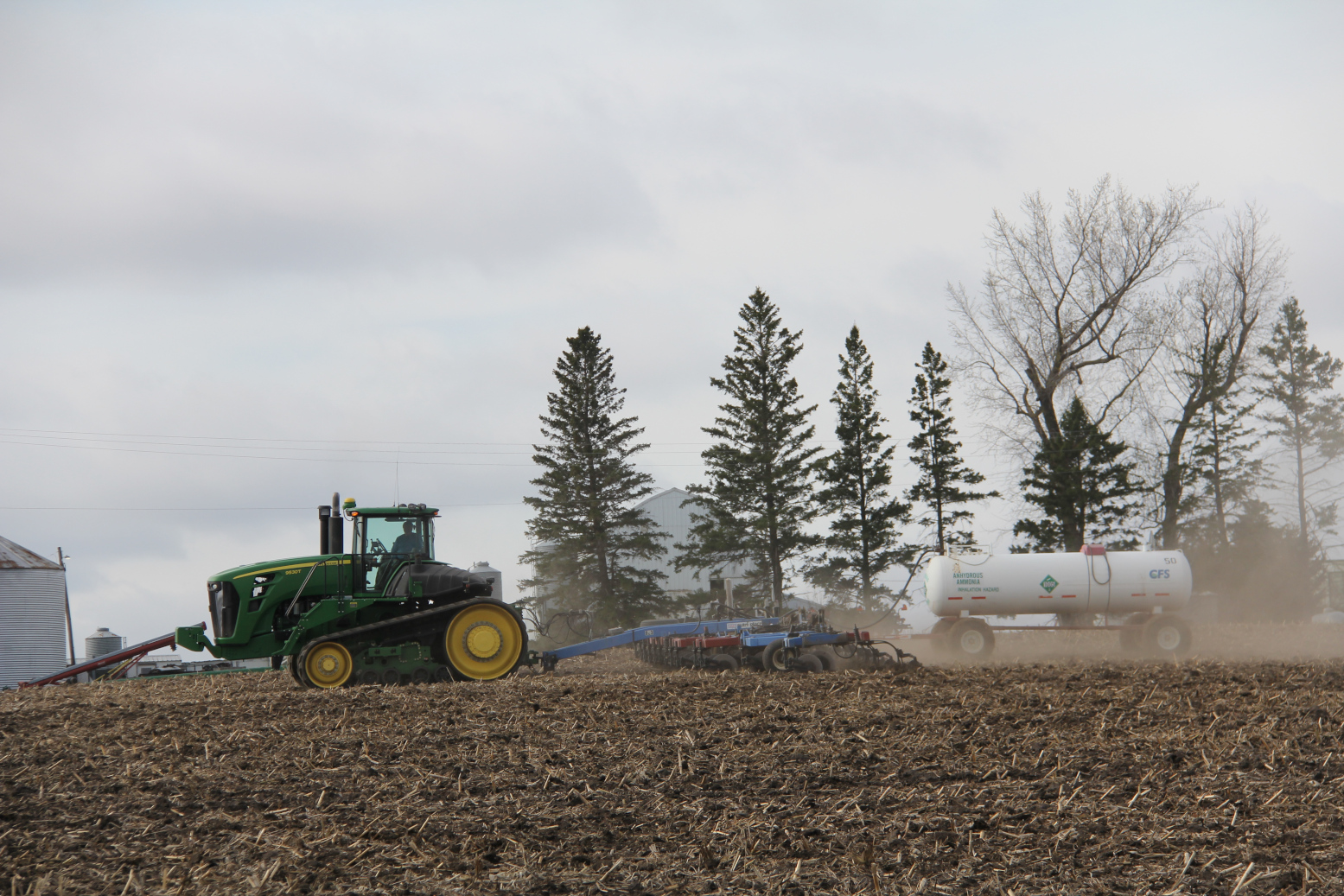
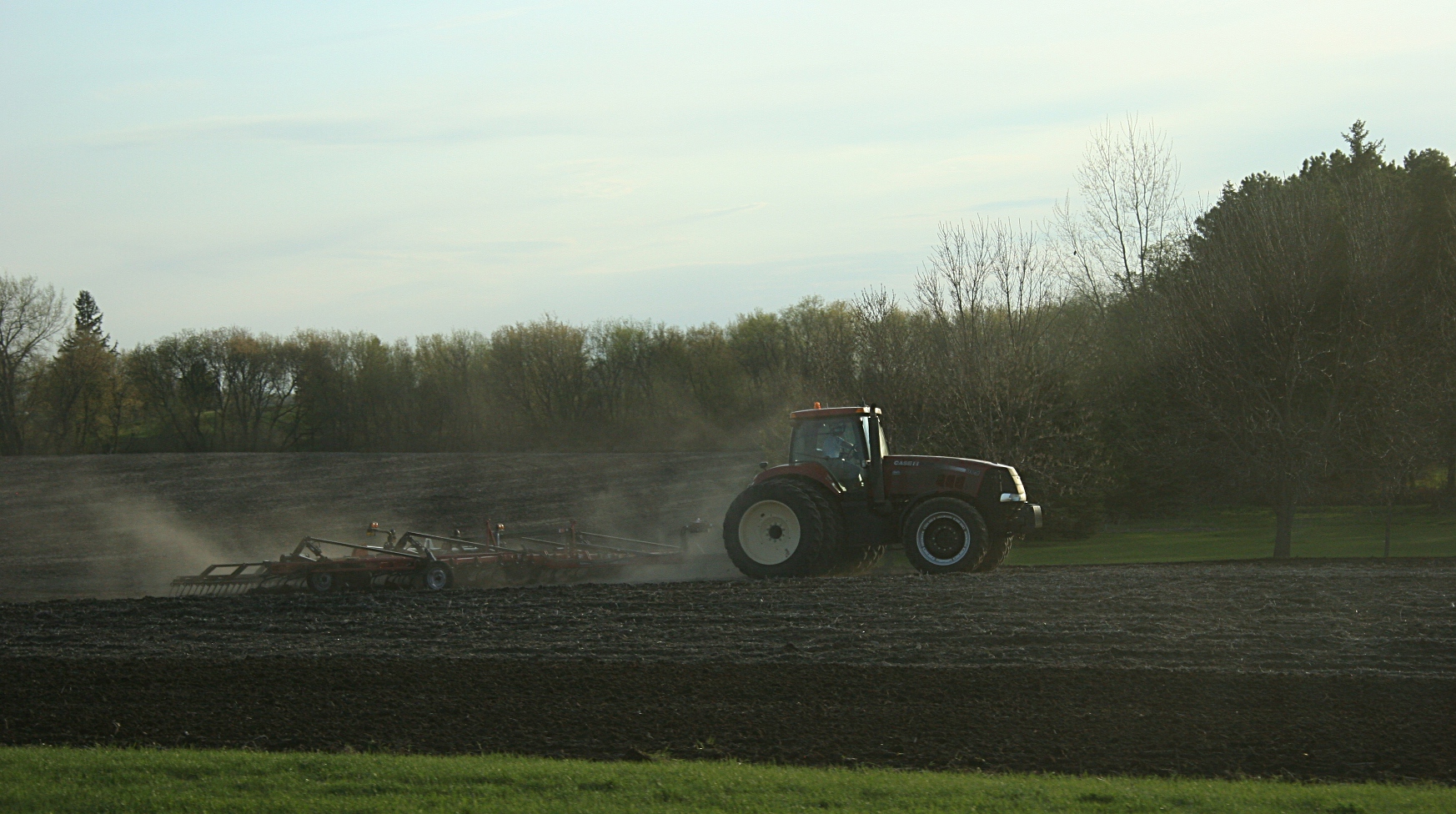
Tilling and applying anhydrous ammonia fertilizer in a field along 230th St. E. off Gates Avenue. (Minnesota Prairie Roots copyrighted photo April 2026)

All across southern Minnesota, farmers prep the land, apply fertilizer, sow corn and soybeans. They invest not only their time, efforts and finances in the land, but also their hopes. Hope for timely rains. Hope for good growing weather. Hope for an eventual bountiful harvest. And then hope for a good market with high commodity prices.
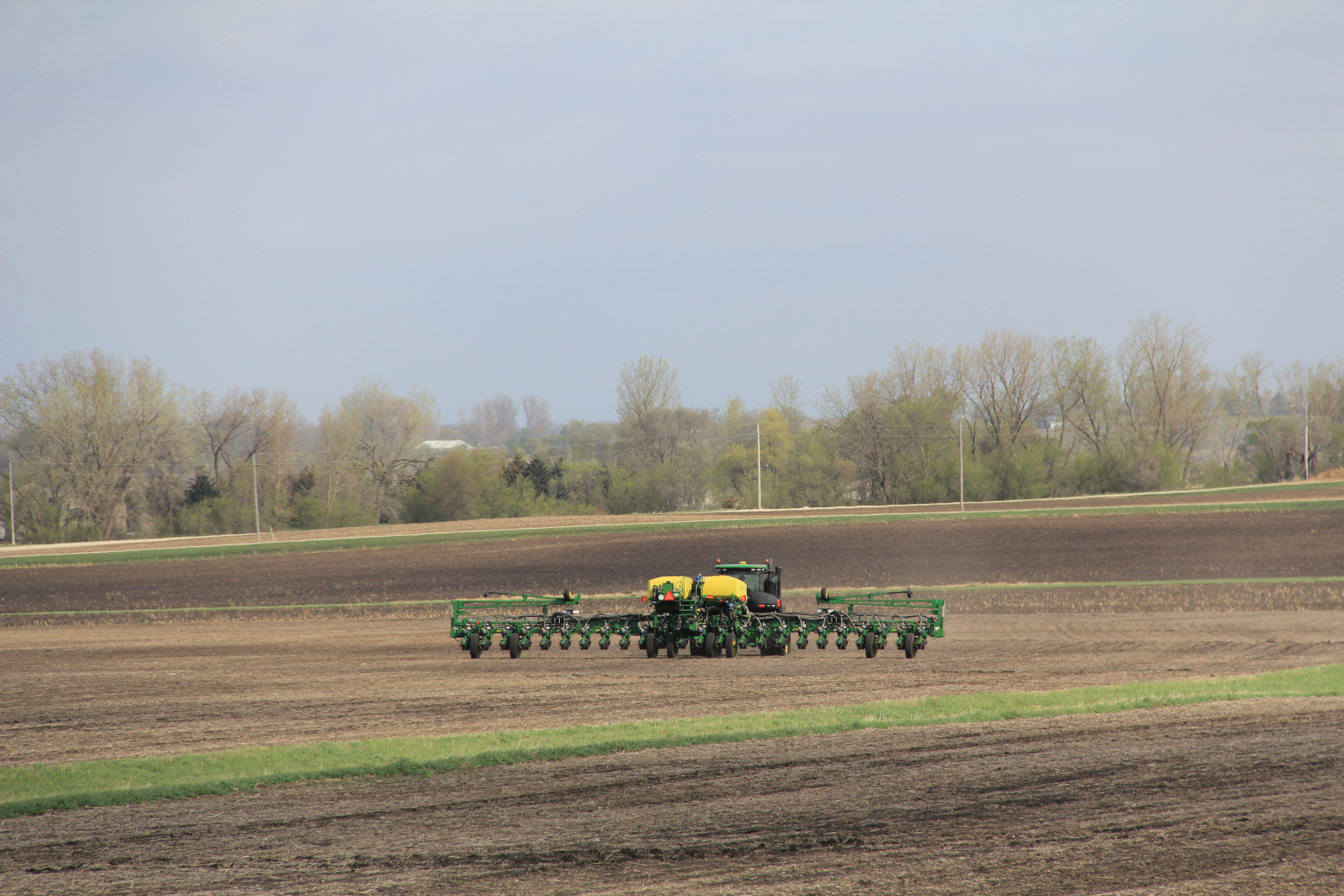
Another farmer in the field east of Faribault. (Minnesota Prairie Roots copyrighted photo April 2026)

So much hinges on hope. I see that on this day, on this drive past the fields and farm sites of southern Minnesota.

© Copyright 2026 Audrey Kletscher Helbling


An on-the-road field report May 13, 2013

Filed under: Uncategorized — Audrey Kletscher Helbling @ 6:24 AM
Tags: , , , , , , ,

Near St. Cloud Thursday afternoon.

Near St. Cloud Thursday afternoon on a day that seemed more November-like than May.

IN TYPICAL FORMER farm girl and farm boy fashion, my husband and I watched for farmers in the fields during our 600-mile round trip between Faribault and Fargo on Thursday and Friday to retrieve our youngest from North Dakota State University.

We traveled the interstate to Fargo, but took the back roads south and east (mostly Minnesota Highways 15 and 19) on the way home to avoid the road construction and traffic snarls near Clearwater and in the metro Friday evening.

Working the field near the Sabin exit.

Working the field near the Sabin exit Friday.

Digging, also near Exit 15 to Sabin.

Digging, also near Exit 15 to Sabin.

East of Moorhead, draft horses seed small grain.

East of Moorhead, draft horses seed small grain.

Based on our observations from Interstate 94, farmers between Fergus Falls and Moorhead, a distance of about 50 miles, are the most advanced in spring field work within the region we traveled.

Photographed near Collegeville.

Photographed near Collegeville on Thursday afternoon.

A Freeport area farm.

A Freeport area farm with an, as of Thursday afternoon, unworked field.

Field work before then rates as spotty and really only begins in the St. Cloud area.

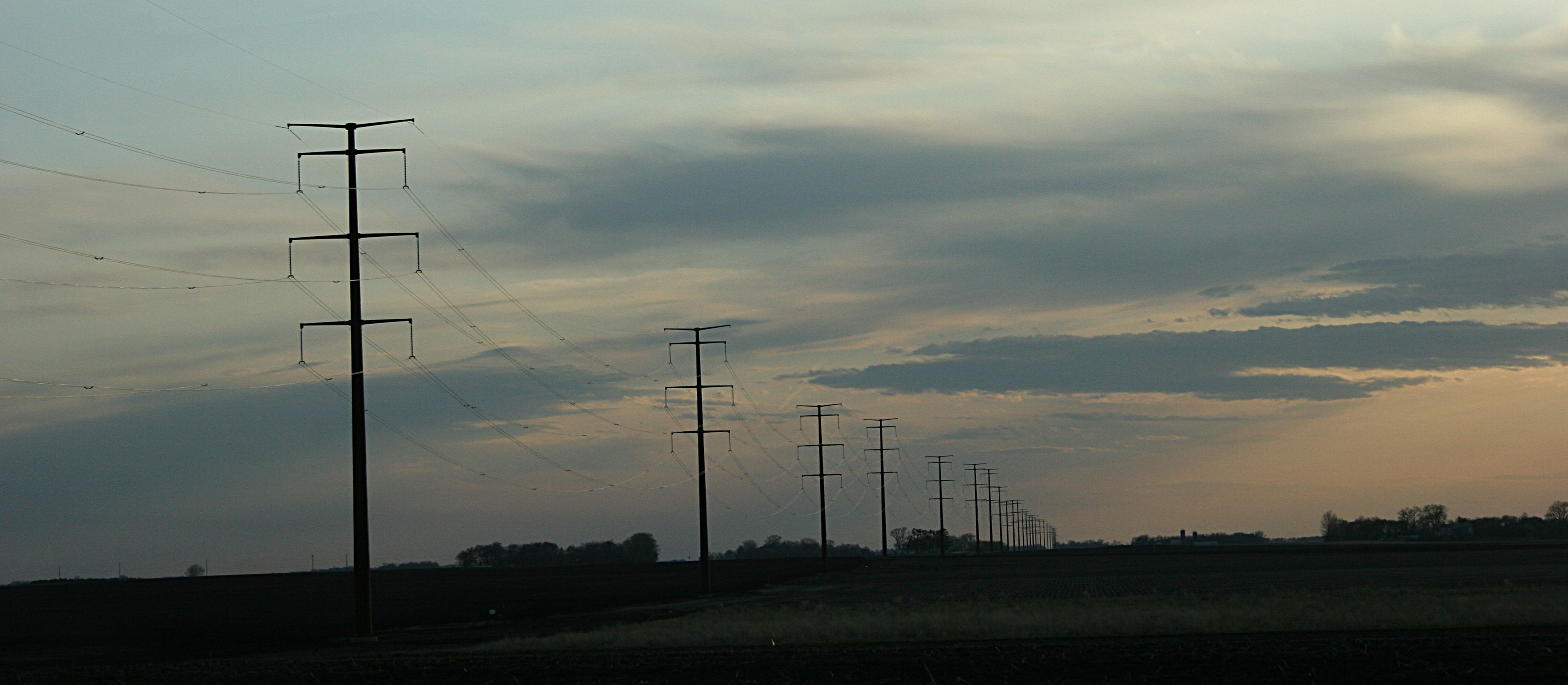
As the sun begins to set along Minnesota Highway 15, a John Deere works the land.

As the sun begins to set along Minnesota Highway 15, a John Deere works the land.

North of Winthrop Friday evening.

North of Winthrop Friday evening, dust flies in the field.

Driving south on Minnesota 15 between I-94 and Winthrop Friday evening, we noticed lots of farmers out and about.

But then, heading east on State Highway 19, we saw fields basically untouched since last fall.

I expect, at least in southern Minnesota where we had those monumental late spring snowfalls, farmers are getting a wee worried about getting corn in the ground.

The sun sets across the prairie north of Winthrop on Friday.

The sun sets across the prairie north of Winthrop on Friday.

© Copyright 2013 Audrey Kletscher Helbling


Fredrickson’s book presents field work, past and present August 3, 2010

Filed under: Uncategorized — Audrey Kletscher Helbling @ 7:41 AM
Tags: , , , , ,

ONCE UPON A TIME, I told my farmer-dad I wanted to be a farmer when I grew up. Clearly, I became a writer instead of a tender of the land or of animals. But my heart remains rooted in the southwestern Minnesota prairie, my childhood home, the place where I worked in the barns, worked in the fields and became the person I am today.

For those reasons I particularly appreciate children’s picture books like those written by Lakeville author Gordon W. Fredrickson who specializes in writing about country life and farming.

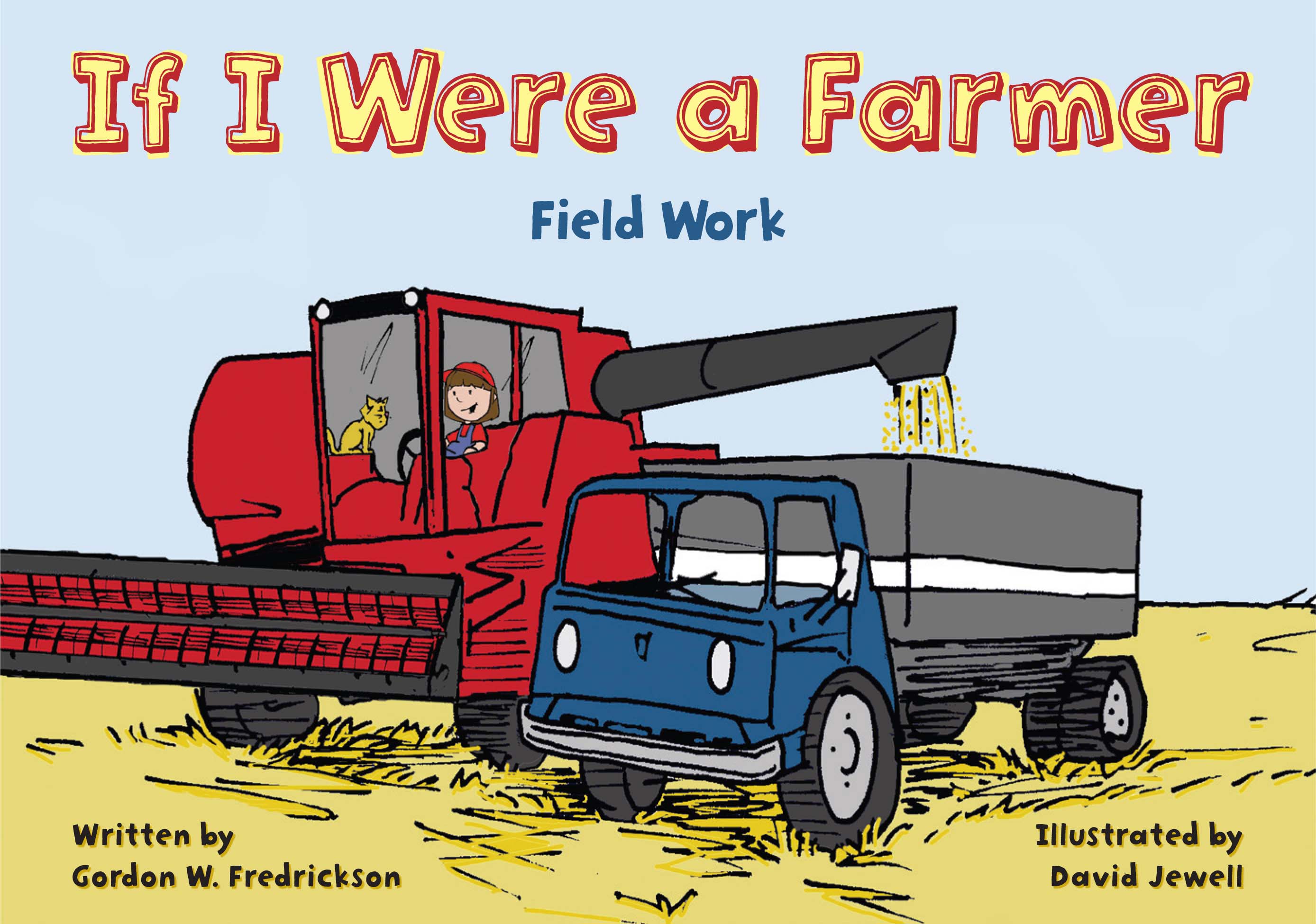
His second, If I Were a Farmer book, Field Work, recently released from Beaver’s Pond Press, just in time for Minnesota’s annual celebration of agriculture, Farmfest. Fredrickson and his wife, Nancy, will be in the Craft/toy/home and garden pavilion during Farmfest’s three-day run this week at the Gilfillan Estate between Morgan and Redwood Falls. The event opens at 8 a.m. today.

That pitch aside, let me tell you a bit about Fredrickson. He grew up on a Scott County dairy farm, did his share of farm chores and working the land, farmed for awhile as an adult and taught high school English. He possesses the experience, knowledge, skills and passion to write about agriculture in an interesting, informative and, sometimes, humorous fashion.

Fredrickson’s subtle humor shines in Field Work as page by opposite page, he compares past farming practices and farm equipment to modern-day farming practices and equipment.

His book reconnects me to the past, to those years on the farm. So for that reason, Fredrickson’s story also appeals to adults, particularly former farm kids.

For those unfamiliar with agriculture through the years, Fredrickson’s story provides a history lesson. He even includes a glossary (per my suggestion after publication of an earlier book) to further aid readers in understanding the equipment and other terminology used in his story.

From working the soil through planting and harvesting, this former farmer details the growing season via would-be farmers. Little Nancy imagines herself as a modern-day farmer while Tommy prefers older equipment and practices from about the 1950s. Children, especially those ages 6 – 8, will enjoy the storyline and the educational content woven into it.

I don’t want to spoil the ending for you, but the humorous clincher last page clearly shows me that Fredrickson, even though an award-winning writer now, is a true mustard-pulling, rock-picking, scoop-shoveling farm boy at heart.

#

IN ADDITION TO FIELD WORK, Fredrickson has also published If I Were a Farmer: Nancy’s Adventure and three books in the Farm Country Tales series–Christmas Eve, Halloween and Thanksgiving.

#

FIELD WORK ILLUSTRATOR David H. Jewell of Minneapolis died on July 15 after being hospitalized for pneumonia. He suffered from diabetes and related complications.

#

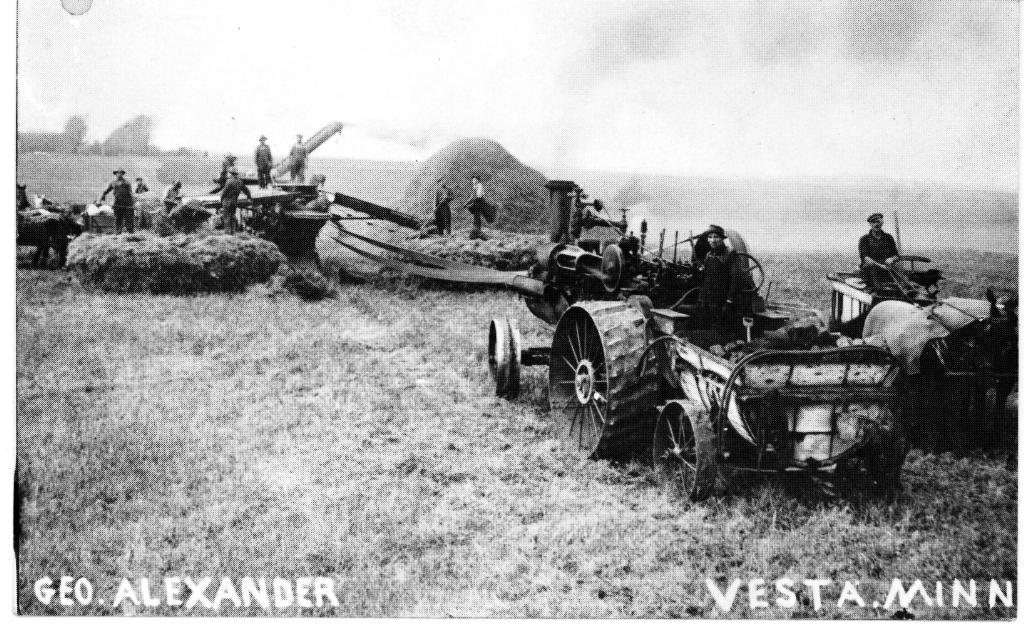
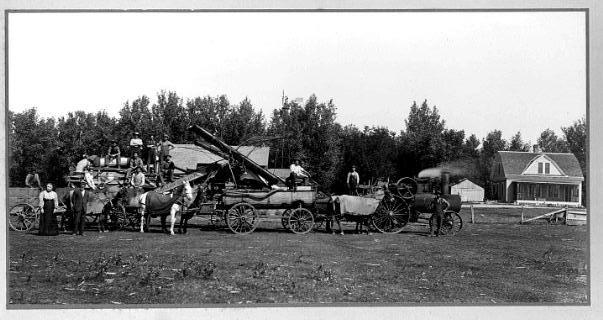
JUST FOR FUN, I asked Redwood County historian and Redwood Falls Mayor Gary Revier if he had any old farm photos he could share for publication on this post. He obliged and here are just three of the many he e-mailed. These hearken back to the days of horse-drawn machinery, even earlier than the time period covered in Fredrickson’s Field Work.

This threshing scene is near my hometown of Vesta in southwestern Minnesota, in Redwood County, home to Farmfest. Given the label, I assume this was at the George Alexander farm.

Another threshing scene, this one from the Whittet place in Redwood County.

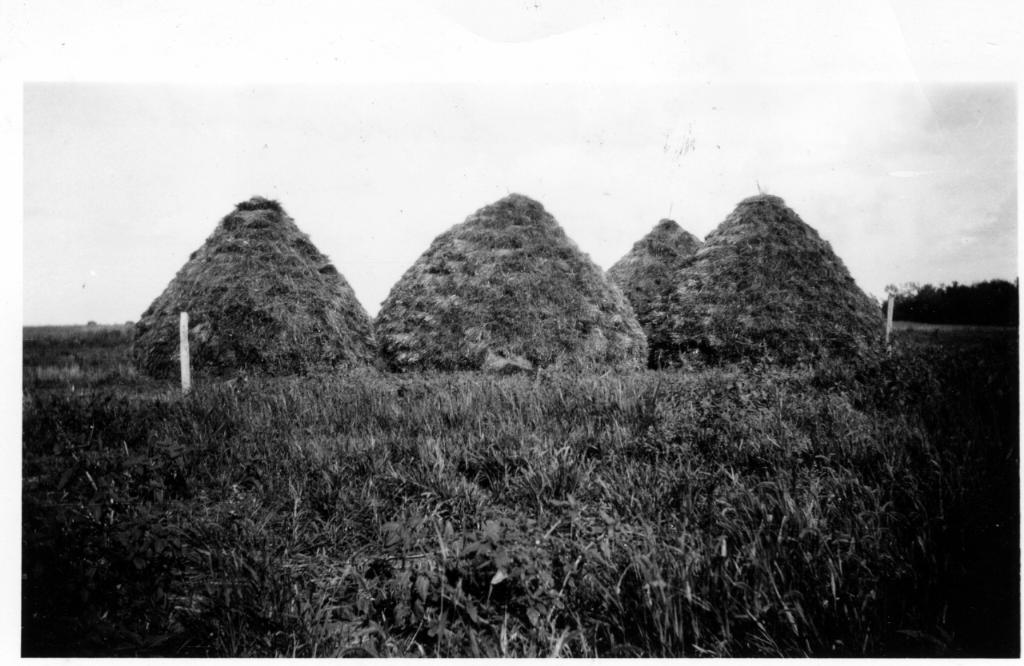
A field scene from Sundown Township.

© Text Copyright 2010 Audrey Kletscher Helbling

Photos courtesy of Gary Revier

Book cover image courtesy of Gordon W. Fredrickson