Minnesota Prairie Roots

Writing and photography by Audrey Kletscher Helbling

Into rural southern Minnesota during spring planting April 28, 2026

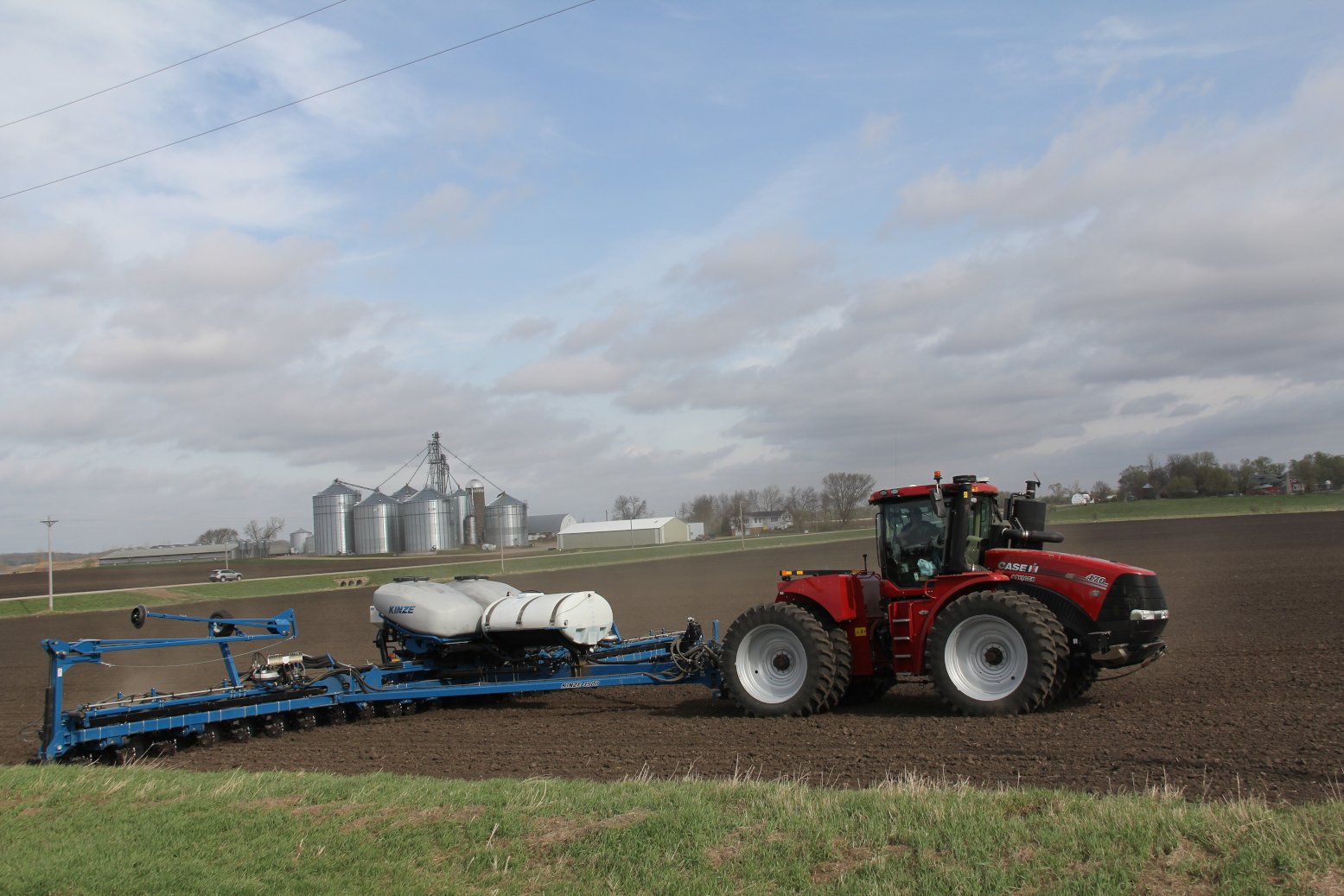
Planting just off Gates Avenue along 230th St. E. east of Faribault. (Minnesota Prairie Roots copyrighted file photo April 2026)

MY PHOTOGRAPHIC GOAL on a recent morning trip to and from neighboring Kenyon was simple enough: Photograph spring planting. But it wasn’t until Randy and I left this small Goodhue County town that I spotted field work underway.

On the drive over from Faribault, I saw a guy picking rock with a rock picker. He had uncovered an oversized rock, too big to move. That led to a brief conversation about our childhood rock picking experiences. Rock pickers were kids like us, not machines. They did not yet exist.

We assessed, as we headed east, that the absence of farmers in fields meant they’d either finished spring planting or had not yet begun due to no-tillage farming practices.
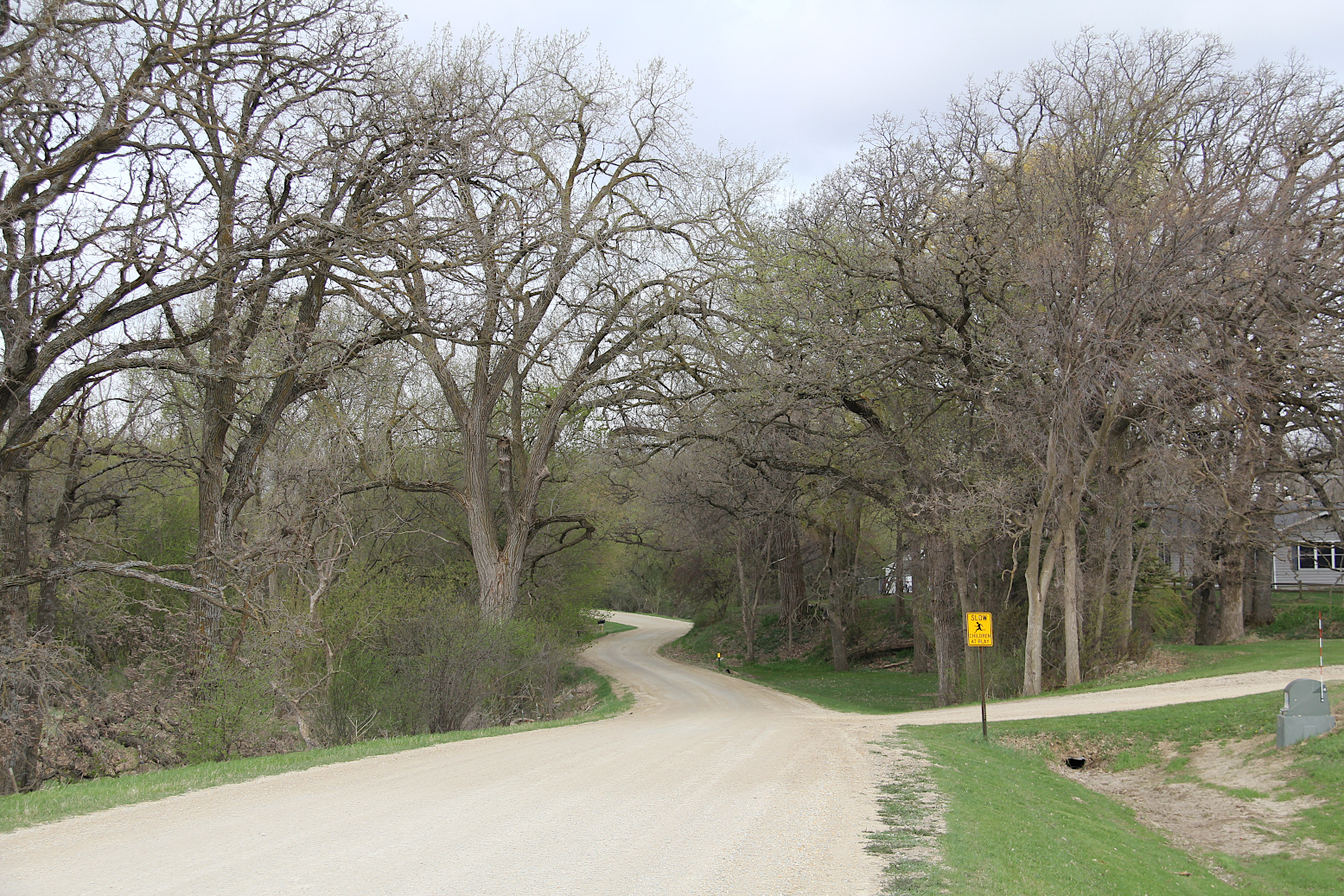
A winding road leads into Monkey Valley. (Minnesota Prairie Roots copyrighted photo April 2026)

Once we left Kenyon, heading southwest into Monkey Valley, a picturesque rural area of woods, rolling hills and valley, creek, the North Fork of the Zumbro River, farm sites and fields, a tractor came into view. I must pause here to explain that Monkey Valley, as local lore claims, was named after monkeys that long ago escaped from a traveling circus into the valley. True? I don’t know. But it’s a good story.
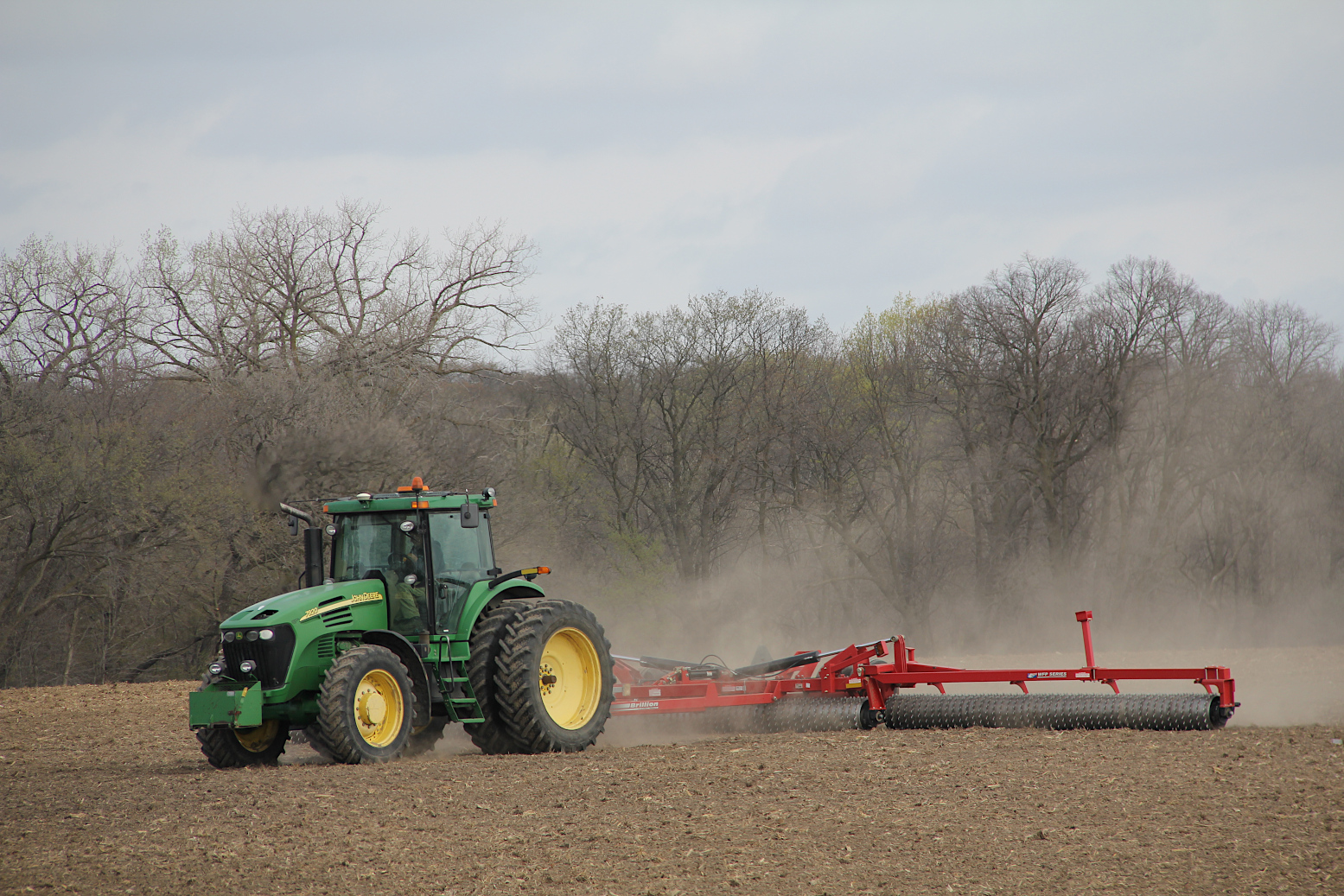
Leveling the field with a roller in Monkey Valley. (Minnesota Prairie Roots copyrighted photo April 2026)

I found that first farmer, pulling a roller across the land leveling the earth, just before the gravel road wound into the woods of Monkey Valley. I realized how much farming has changed in the decades since I left rural southwestern Minnesota. There’s more specialized equipment. Bigger implements to work more acres. Different methods of farming that are more environmentally-friendly.
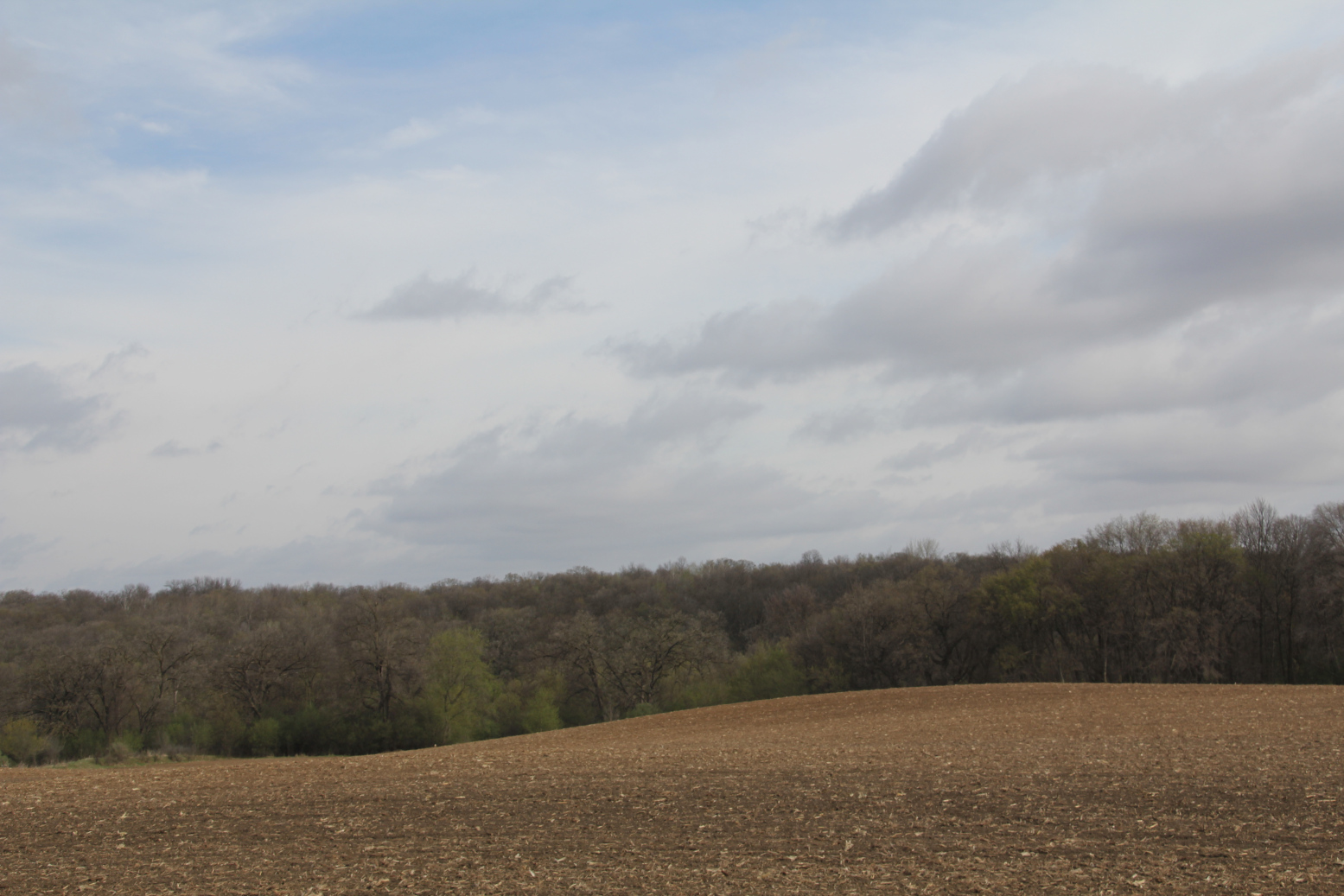
The woods of Monkey Valley. (Minnesota Prairie Roots copyrighted photo April 2026)

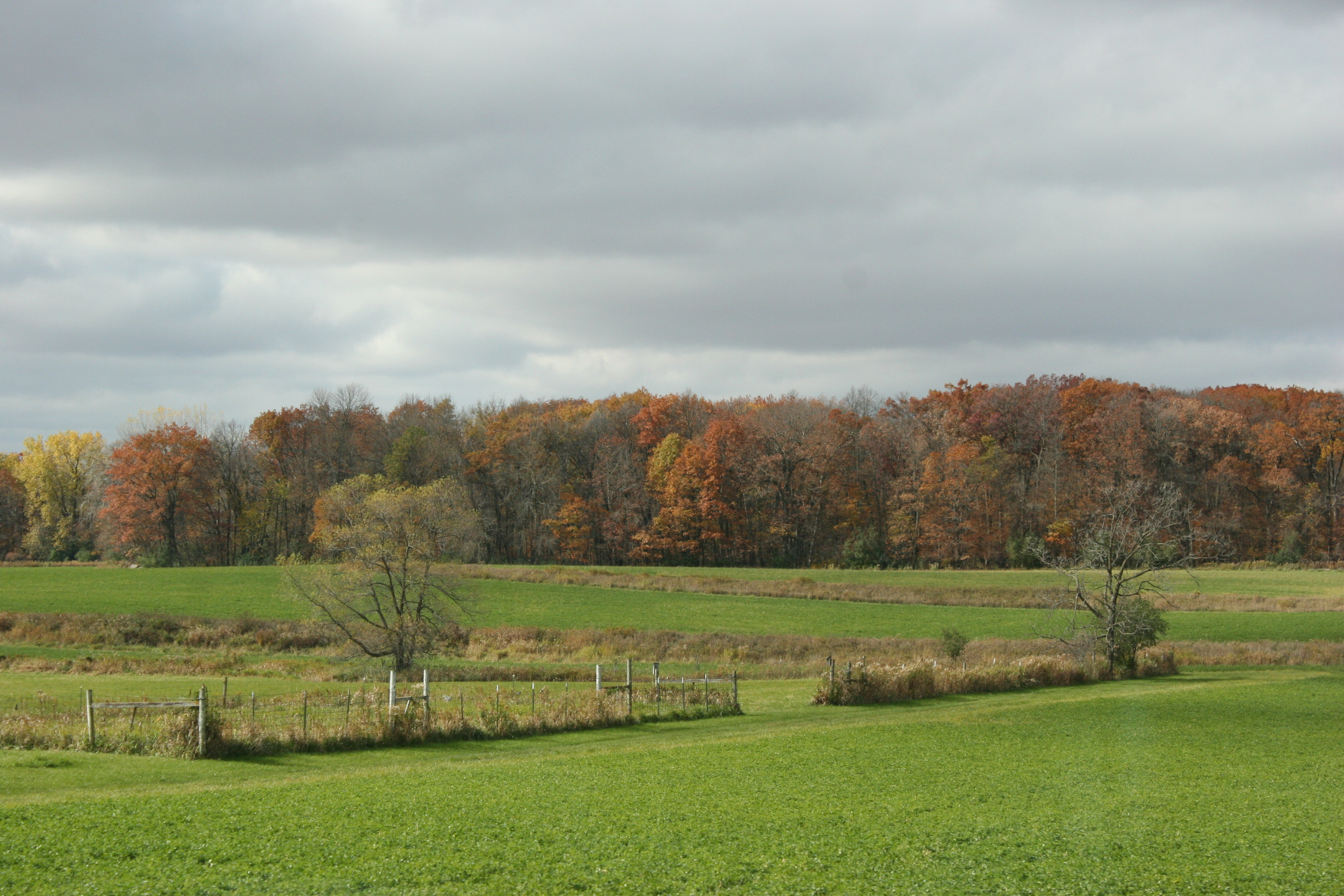
As we followed the gravel road, our van kicking up dust on an especially windy morning, I admired the distant dense woods nestling a farm field under a semi-cloudy sky. Patches of blue peeked through the gray of building rain clouds.
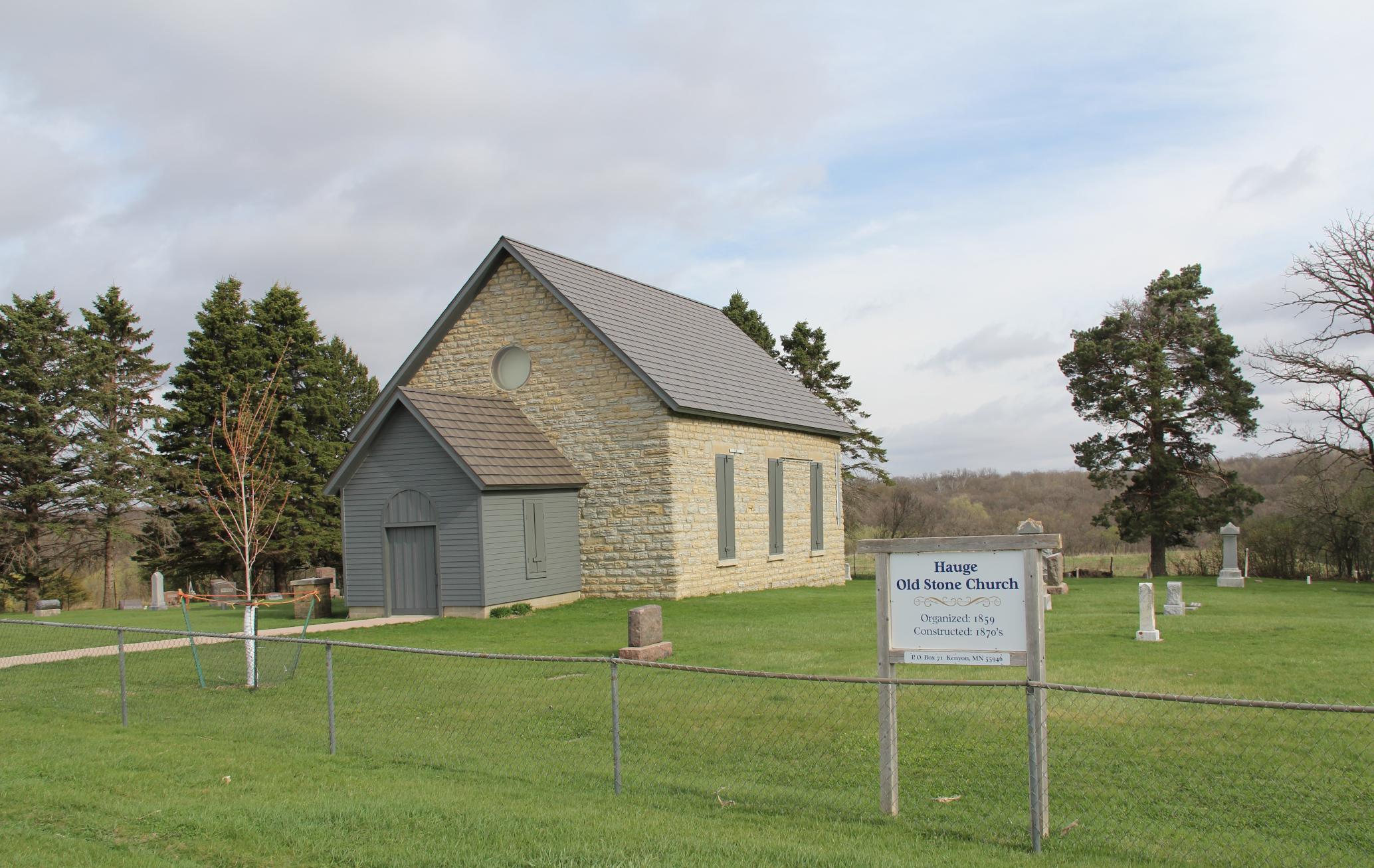
The Old Stone Church and cemetery in Monkey Valley. (Minnesota Prairie Roots copyrighted photo April 2026)

Soon we happened upon the Hauge Old Stone Church built in the 1870s, a place we’ve previously toured during an annual open house. We stopped only long enough for a photo. No meandering among the graves this time as we are wont to do when coming across a country cemetery.
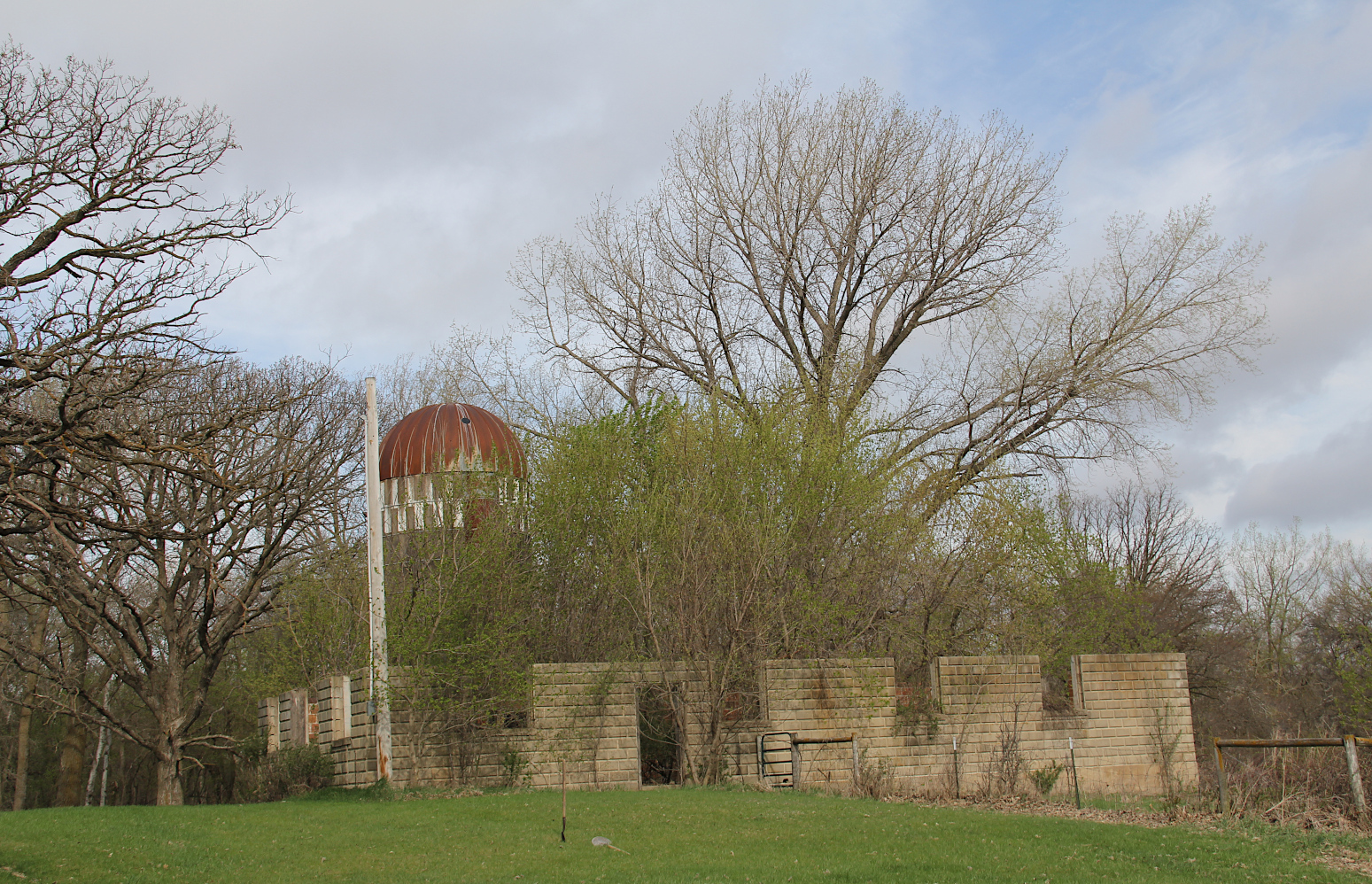
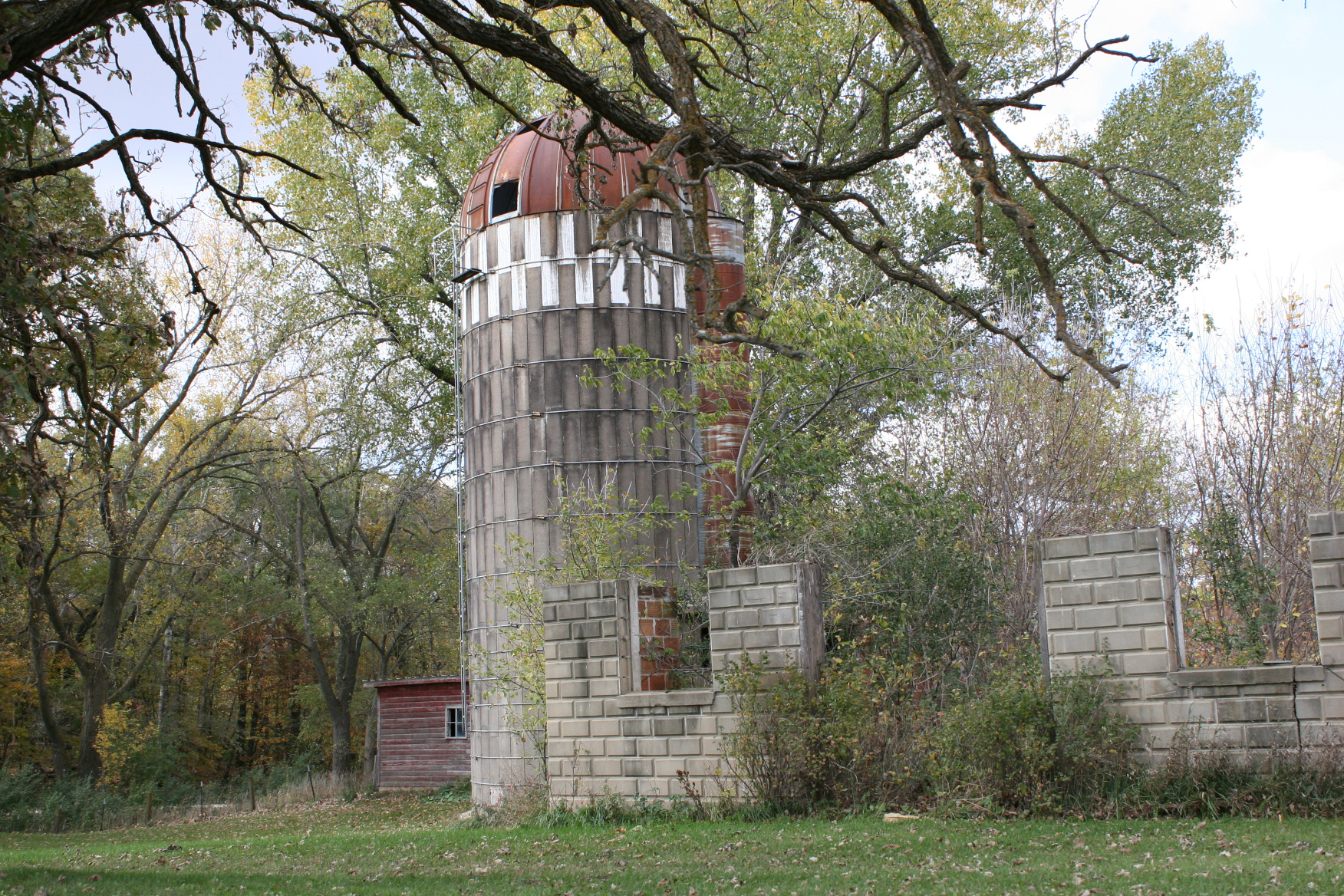
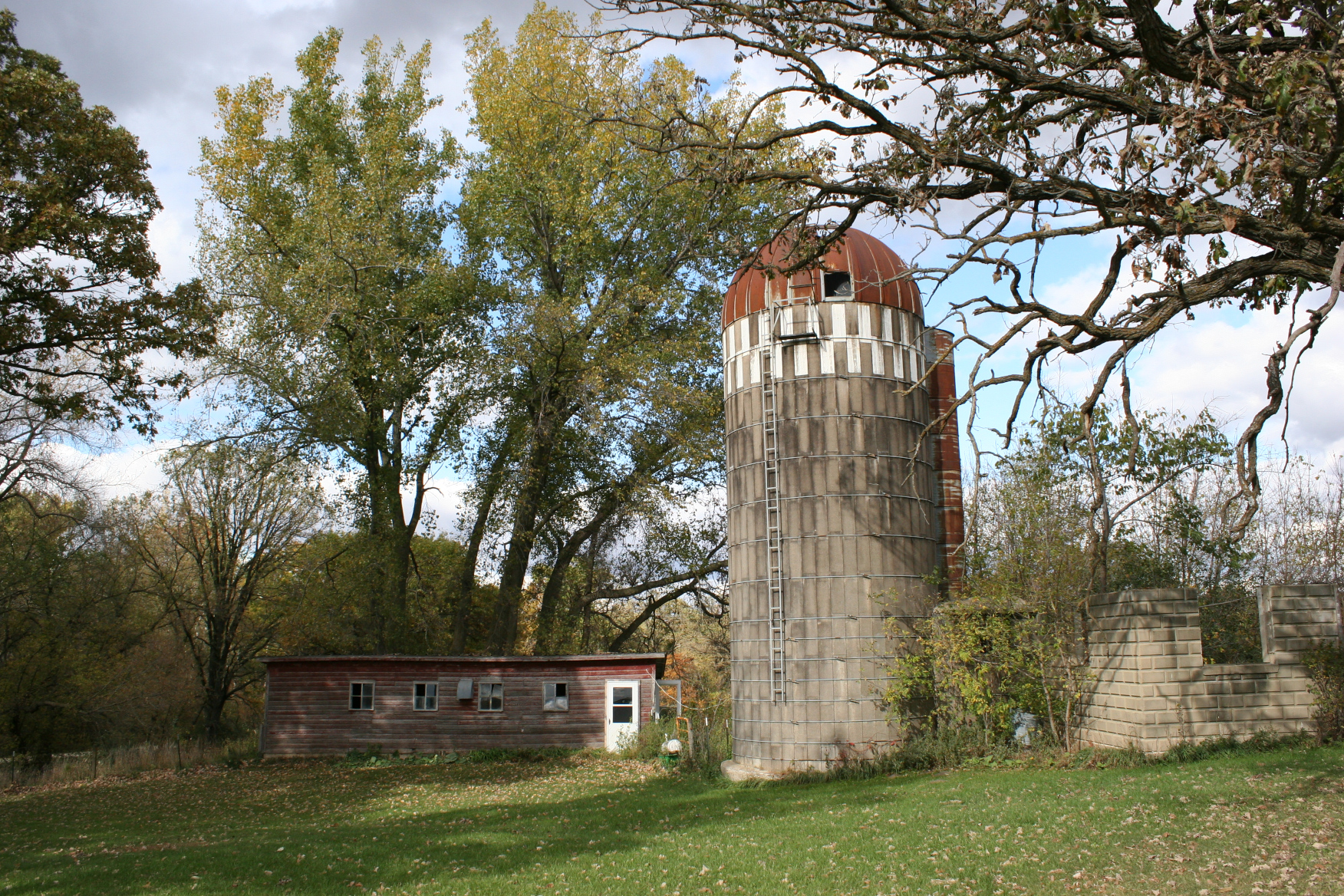
An old silo and barn ruins. (Minnesota Prairie Roots copyrighted photo April 2026)

Farm sites hug the road here in Monkey Valley. While many are well-kept, some show the marks of time, like an abandoned silo standing next to the walls of a collapsed barn. I always feel melancholy in the presence of barns gone, their ruins like rural gravestones.
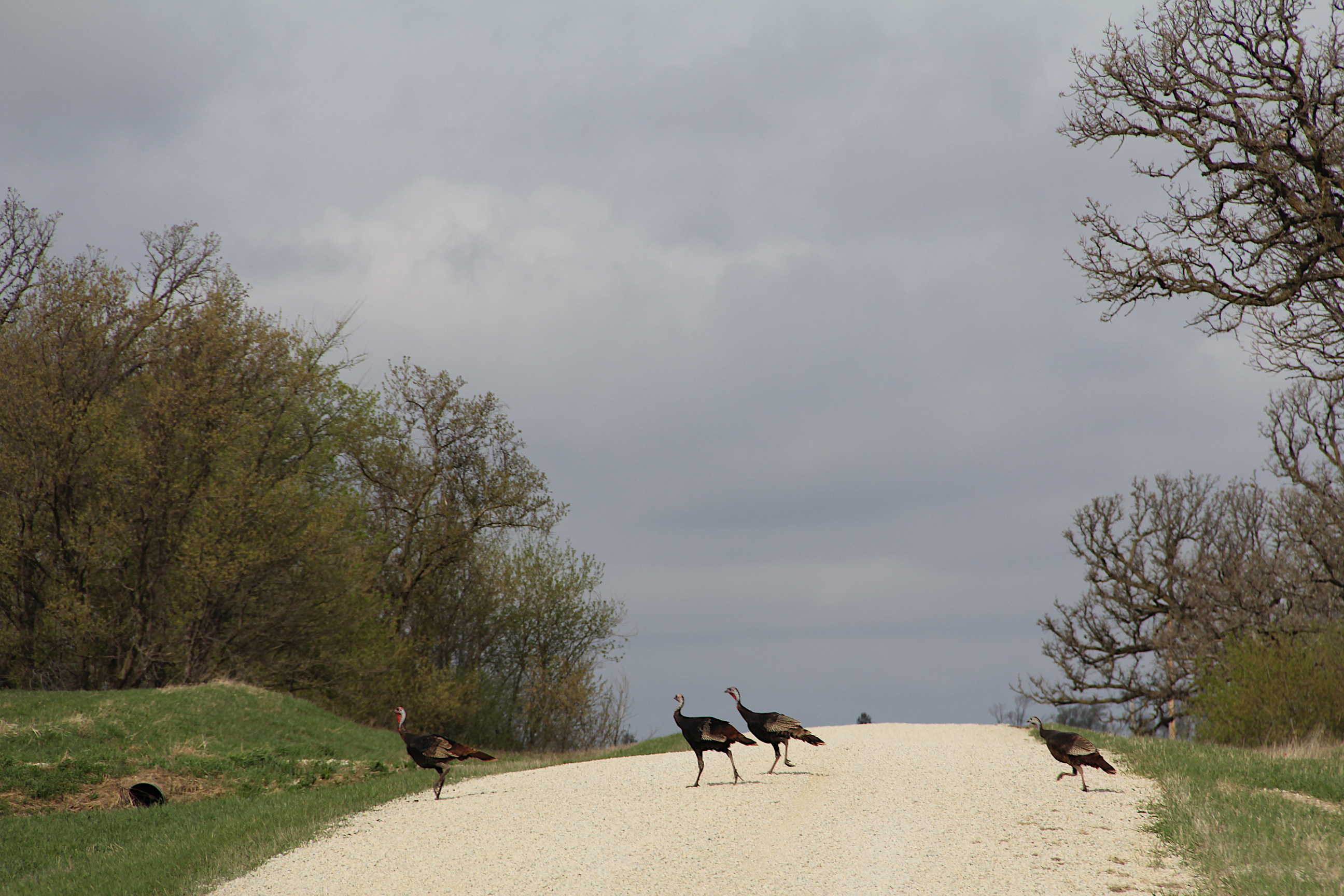
Wild turkeys cross a rural road near Kenyon. (Minnesota Prairie Roots copyrighted photo April 2026)

Not far ahead, life teemed in a flock of wild turkeys. I exited the van, moved slowly toward them, hoping to sneak closer for a better photo. But, like all wildlife, they are tuned in to danger and quickly dashed across the road from one ditch to the other. Never mind me and my photographic wishes.
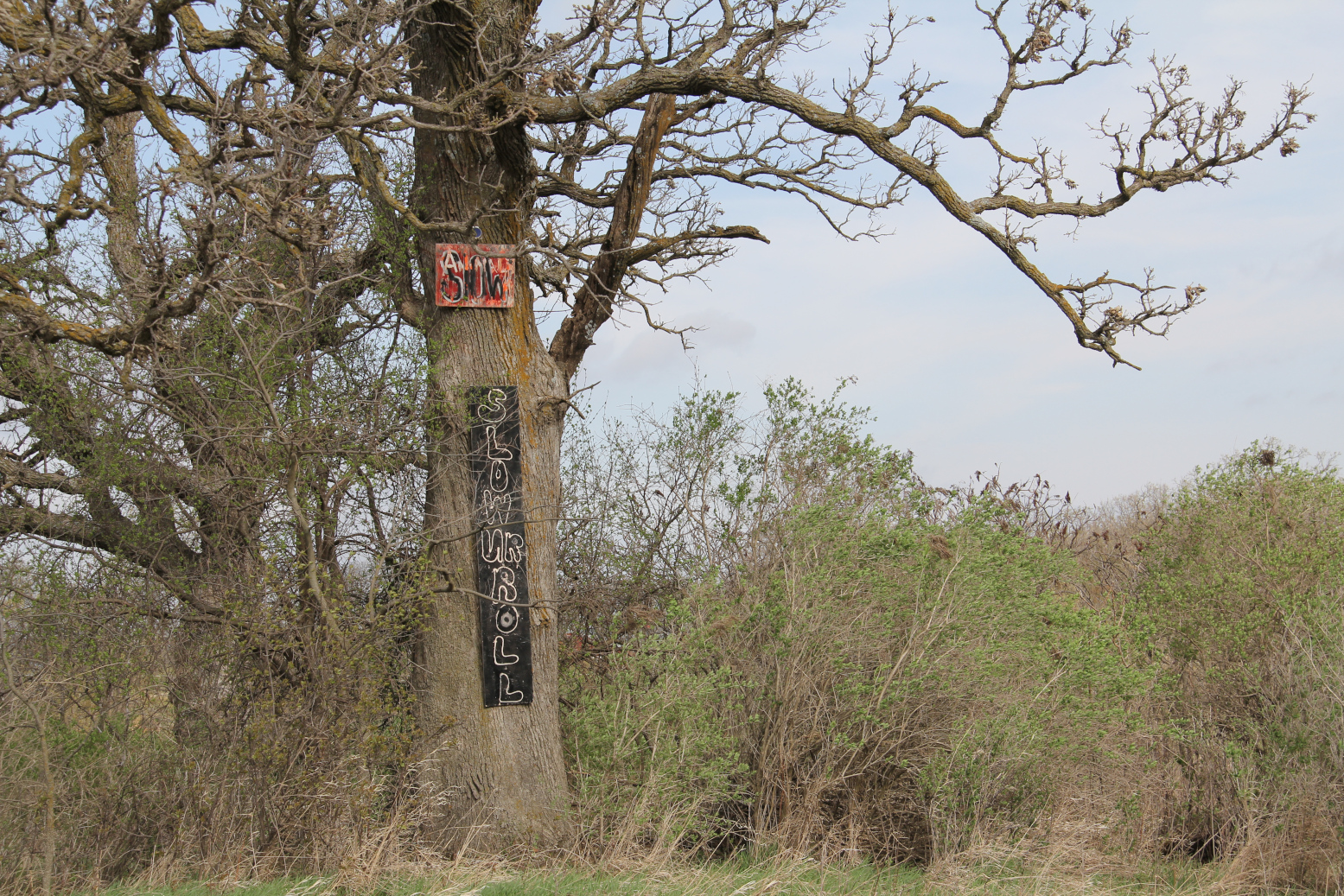
Signs on a tree advise motorists to drive slowly. (Minnesota Prairie Roots copyrighted photo April 2026)

Traveling on back gravel roads requires a slower pace. A sign posted on a roadside tree instructed: SLOW UR (sic) ROLL.
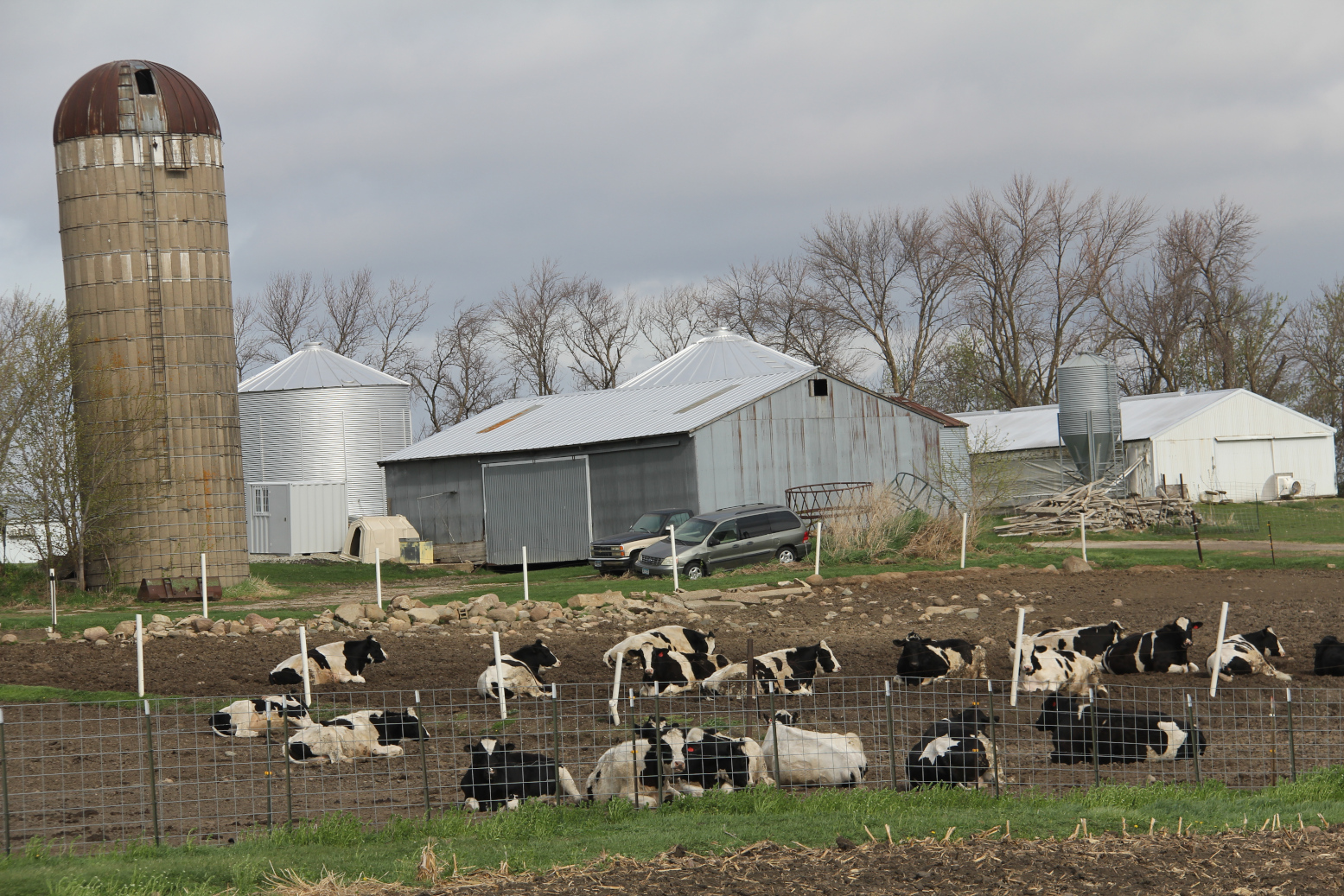
Cows at Donkers Farms. (Minnesota Prairie Roots copyrighted photo April 2026)

Continuing west toward Faribault, we slowed our roll for a herd of Holsteins fenced in the cow yard at Donkers Farm. I hold a special fondness for cows. I spent my formative years in the barn, scooping silage, pushing a wheelbarrow full of ground feed, feeding cows and calves, bedding straw, forking hay, shoveling manure, carrying milk pails and more. That imprinted upon me the value of hard work, of a farm family working together, of a rural way of life.
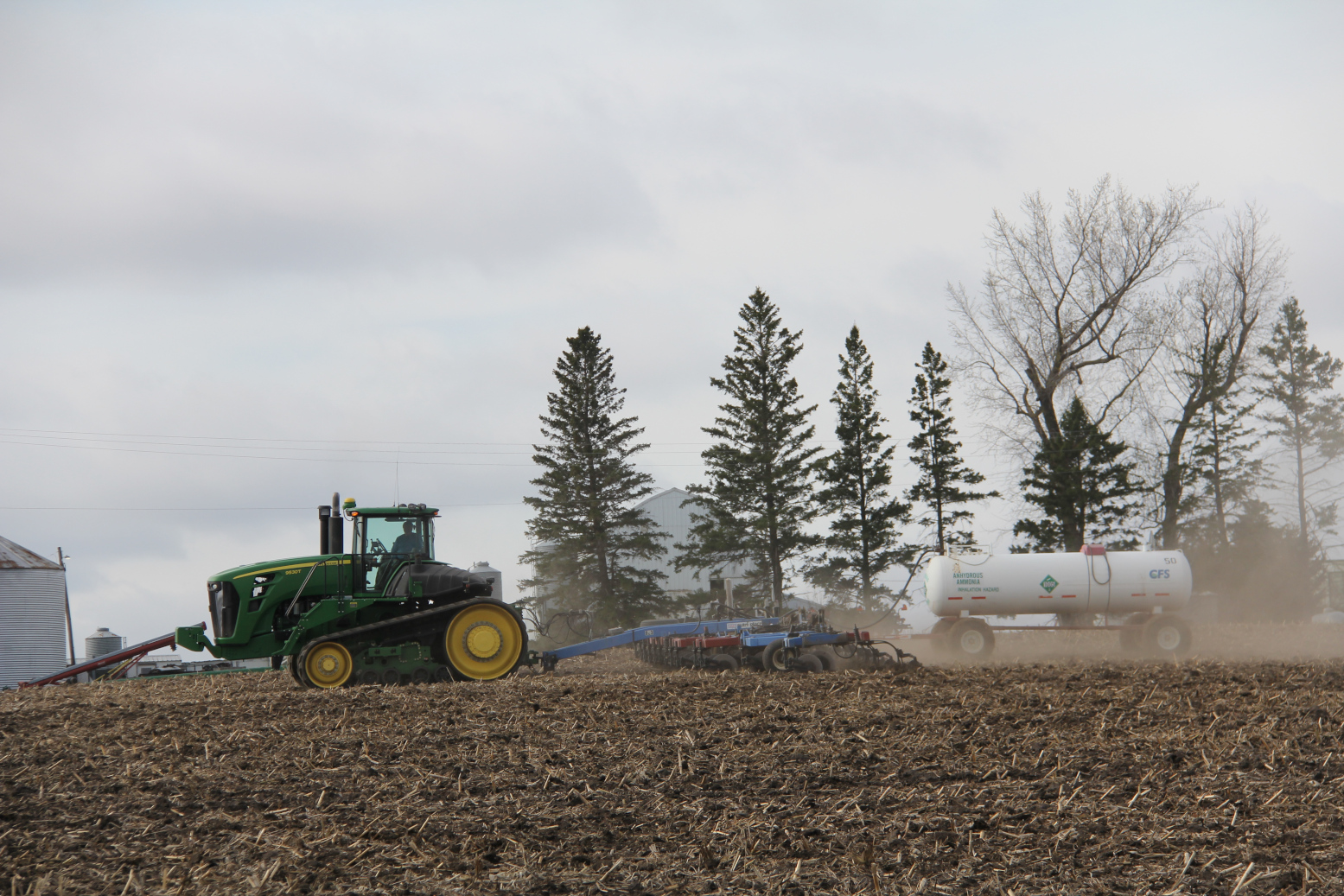
Tilling and applying anhydrous ammonia fertilizer in a field along 230th St. E. off Gates Avenue. (Minnesota Prairie Roots copyrighted photo April 2026)

All across southern Minnesota, farmers prep the land, apply fertilizer, sow corn and soybeans. They invest not only their time, efforts and finances in the land, but also their hopes. Hope for timely rains. Hope for good growing weather. Hope for an eventual bountiful harvest. And then hope for a good market with high commodity prices.
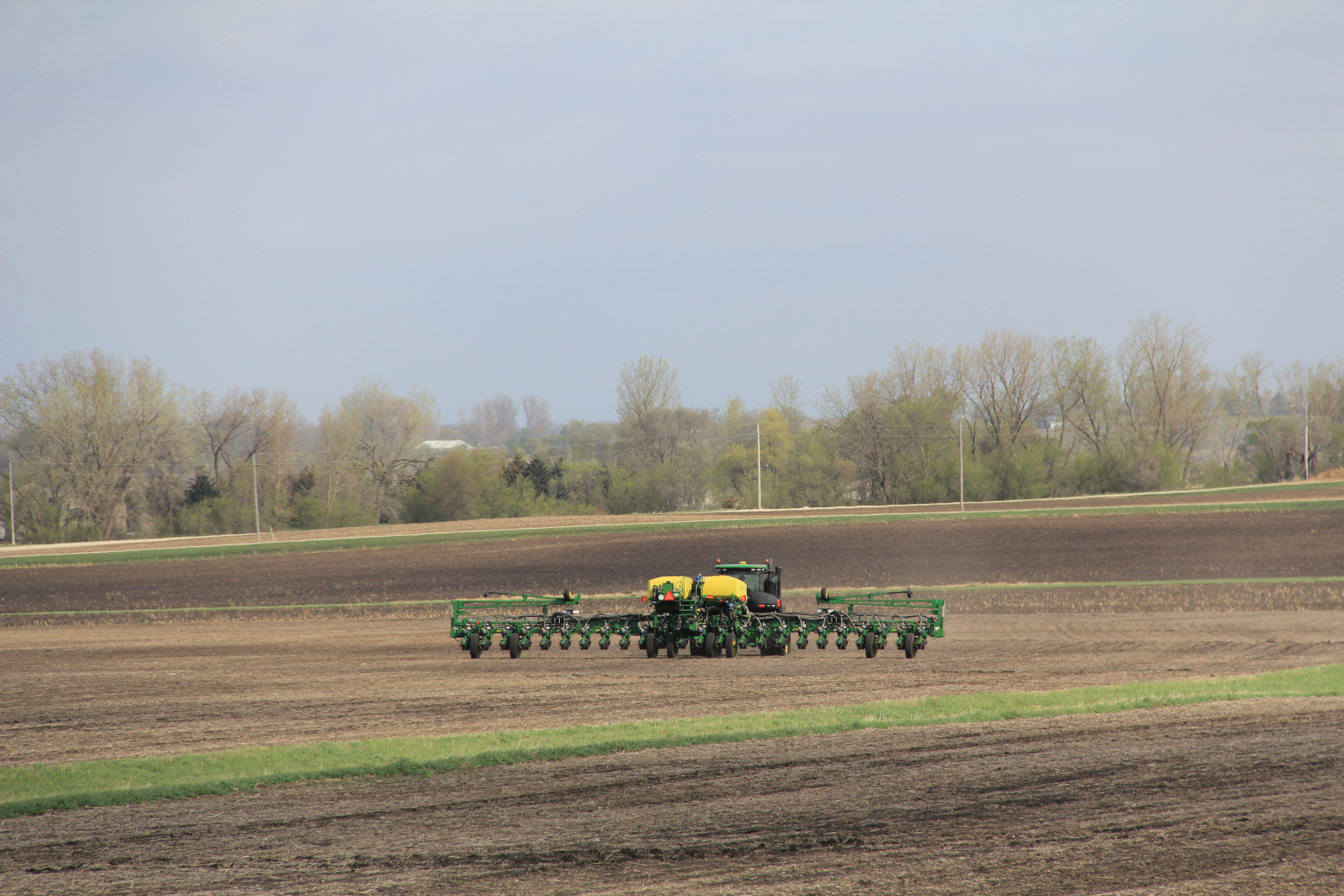
Another farmer in the field east of Faribault. (Minnesota Prairie Roots copyrighted photo April 2026)

So much hinges on hope. I see that on this day, on this drive past the fields and farm sites of southern Minnesota.

© Copyright 2026 Audrey Kletscher Helbling


Rural reflections in the season of autumn November 22, 2021

Harvest in Monkey Valley near Kenyon. (Minnesota Prairie Roots file photo October 2021)

NOVEMBER MARKS A MONTH of transition from autumn to winter here in Minnesota.

A tree frames an abandoned silo and the remains of a barn in Monkey Valley. (Minnesota Prairie Roots copyrighted photo October 2021)

Trees stand against an often grey sky, brisk winds stripping the last of their leaves to bare branches. Nests crafted by squirrels high in treetops appear vulnerable, unsheltered, exposed to the elements while far below these busy oversized rodents munch on maple seeds, hide walnuts, prepare for winter. Their smaller cousins find their way into our aged house and garage, necessitating a daily check of the trap-line.

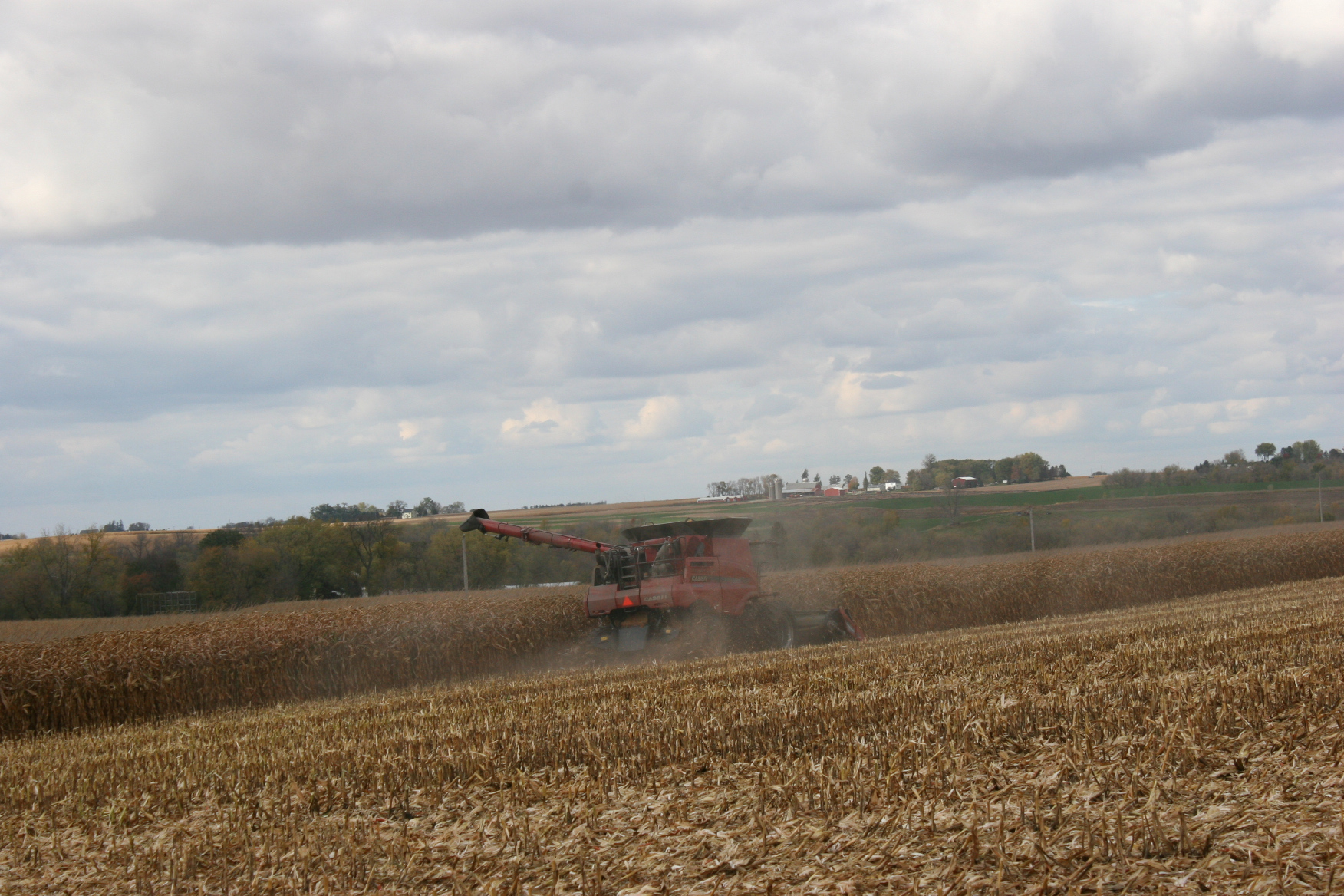
Harvesting corn in Monkey Valley. (Minnesota Prairie Roots copyrighted photo October 2021)

Harvest is done. Corn and soybeans reaped. A once lush rural landscape now looks drab, awash in muted earth-tones.

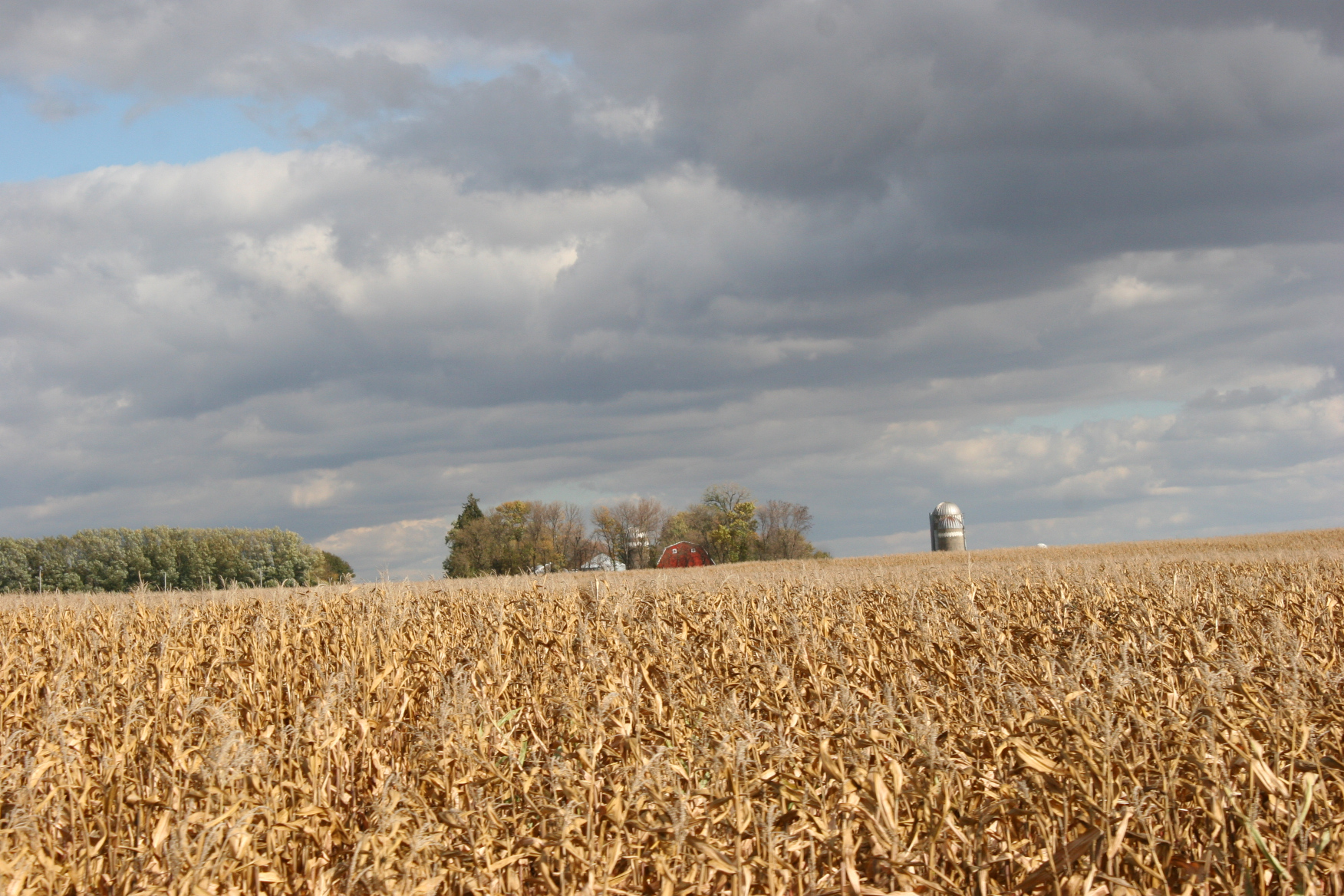
Endless acres of corn defined the landscape near Kenyon pre-harvest. (Minnesota Prairie Roots copyrighted photo October 2021)

For farmers, long days and nights in the field are but a memory. Stress and rush easing into a slower rhythm of life.

Spotted along a gravel road near Kenyon, grazing cattle. (Minnesota Prairie Roots copyrighted photo October 2021)

The early days of autumn hold such beauty in landscape, such promise in anticipation of harvest. I’ve always loved September and October. This autumn, particularly, in the unchanging season of COVID-19, I’ve needed to reconnect with the earth. To witness the harvest. To view farm sites. To follow back country gravel roads, dust trailing the van. To find peace.

A farm site in the ghost town of Aspelund. (Minnesota Prairie Roots copyrighted photo October 2021)

My appreciation for rural traces to my rural roots. I shall always feel gratitude for my 18 years on the farm. The southwestern Minnesota prairie shaped me as a writer and a photographer in that I noticed, still notice, details. The brutal slice of the winter prairie wind. The remarkable beauty of a flaming sun edging down. The taste of earth in potatoes dug from the garden. The sound of silence in hearing nothing. The unmistakable smell of harvest carried from combine to farmyard.

Just another view of the farm site in Monkey Valley. (Minnesota Prairie Roots copyrighted photo October 2021)

These farm memories I carry with me as autumn wanes, as November days move Minnesota toward winter. Harvest done.

#

NOTE: All of these photos were taken a month ago. The landscape looks much different now. Grey. Stark.

© Copyright 2021 Audrey Kletscher Helbling
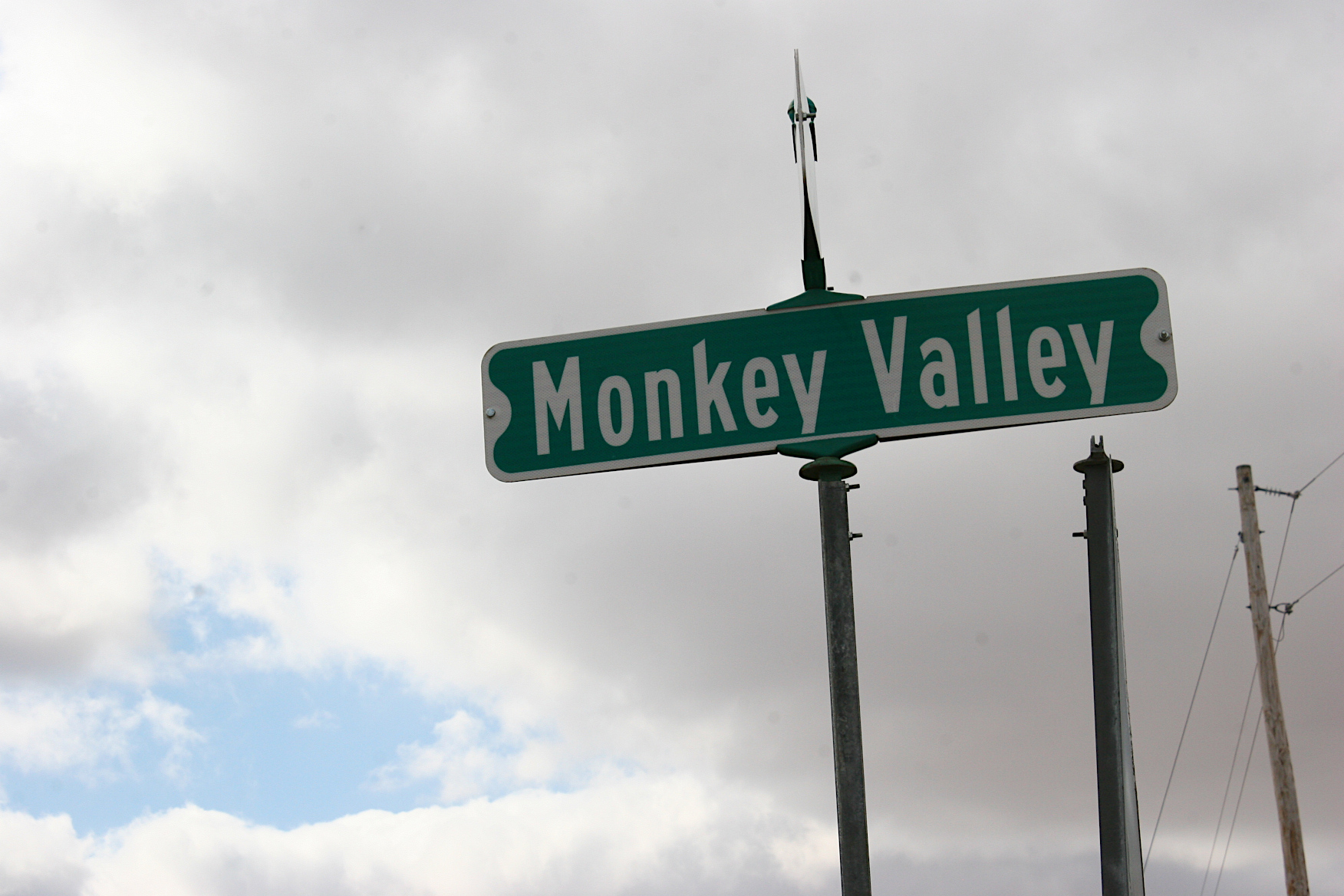
 

Destination: Monkey Valley October 22, 2020

On Sunday afternoon, the landscape near Kenyon looked very much like autumn.

JUST DAYS AGO, the southern Minnesota landscape looked like autumn. But, after a record-breaking early snowstorm of up to nine inches of snow on Tuesday, this place I call home looks like winter.

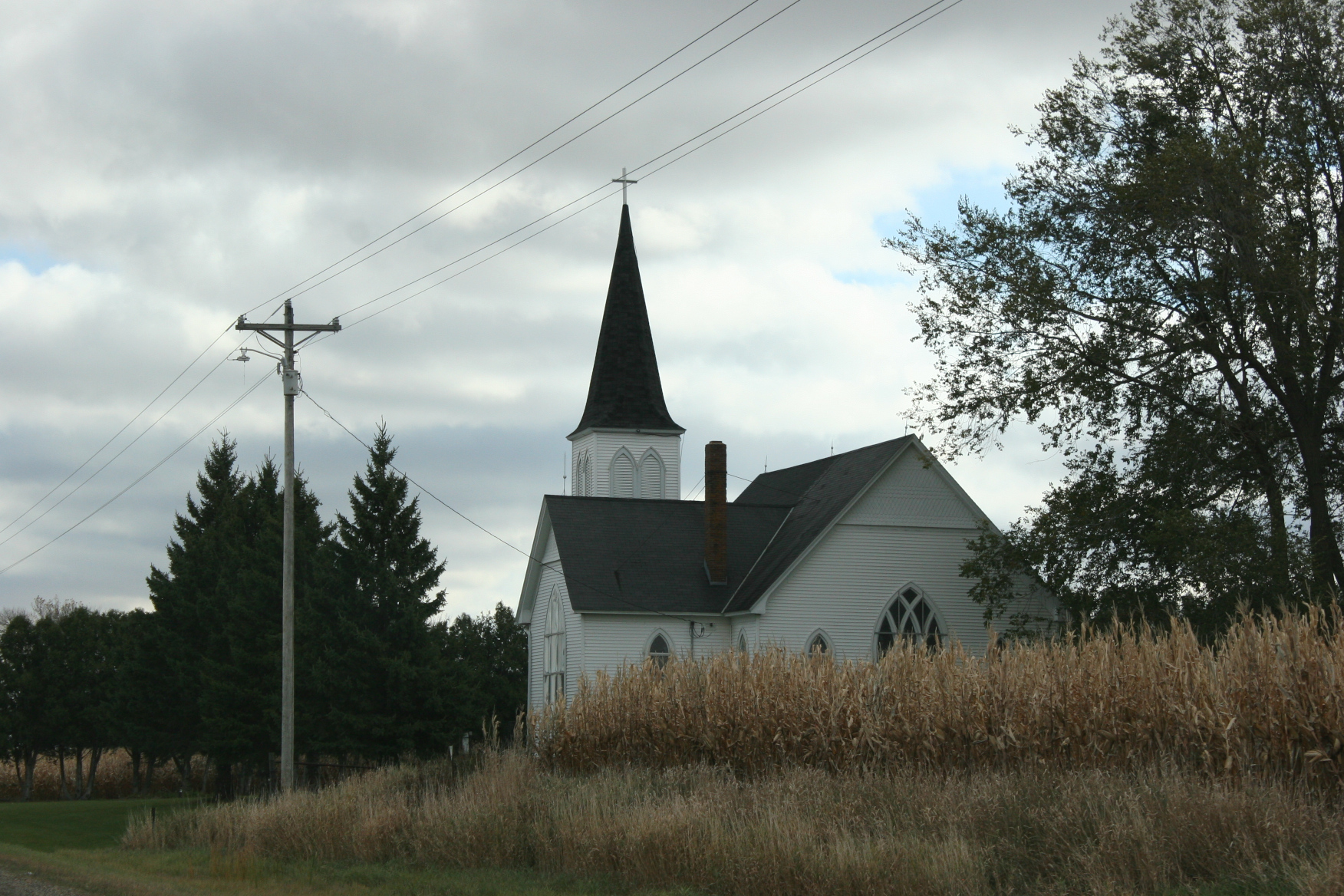
Prairieville United Methodist Church, located along Minnesota State Highway 60 east of Faribault, is no longer an active congregation and opens only for special occasions.

Still, I need to share with you the last remnants of autumn, photographed during a Sunday afternoon drive east of Faribault and eventually into the Zumbro River Valley between Zumbrota and Oronoco. Randy and I felt the urge, the need, to take this final drive of the season, although we were really about two weeks late to see the fall colors. Yet, we found much to appreciate.

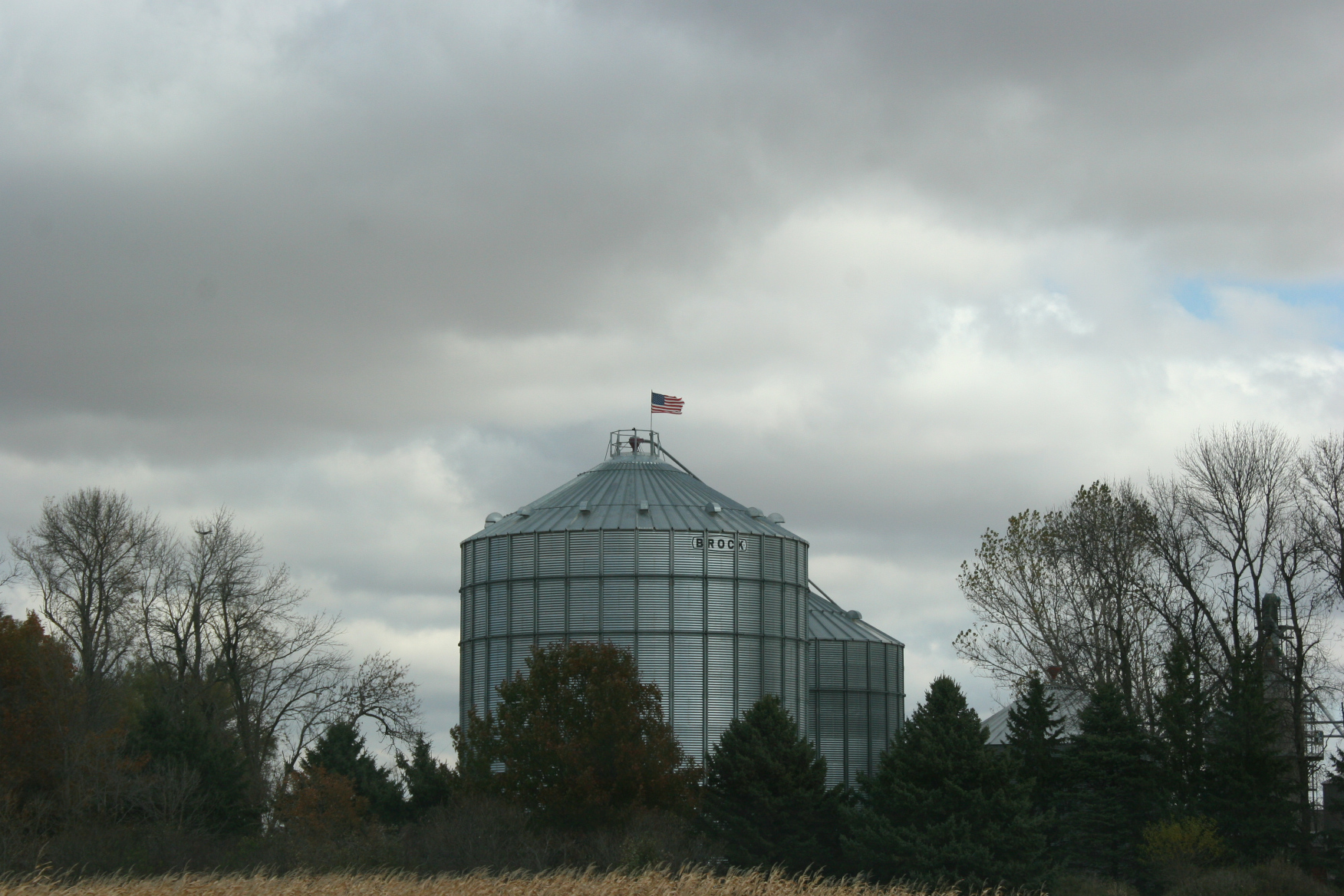
These grain bins are located along Minnesota State Highway 60 between Faribault and Kenyon.

As usual, I collected photo stories. Drives into the countryside and into small towns yield many such stories that often go untold. Had the day been warmer than about 35 degrees, we would have stopped more than twice to walk in these small communities. Our plans to eat a picnic lunch at a park ended with us parked outside the Zumbrota Public Library eating our ham sandwiches, grapes and protein bars in the van.

Harvesting corn Sunday afternoon east of Faribault along Minnesota State Highway 60.

I filled my camera with images as we began out eastward drive along Minnesota State Highway 60. I found myself focused on documenting the harvest. Farmers were out in full force on Sunday, sweeping across acres of cornfields to bring in the crop.

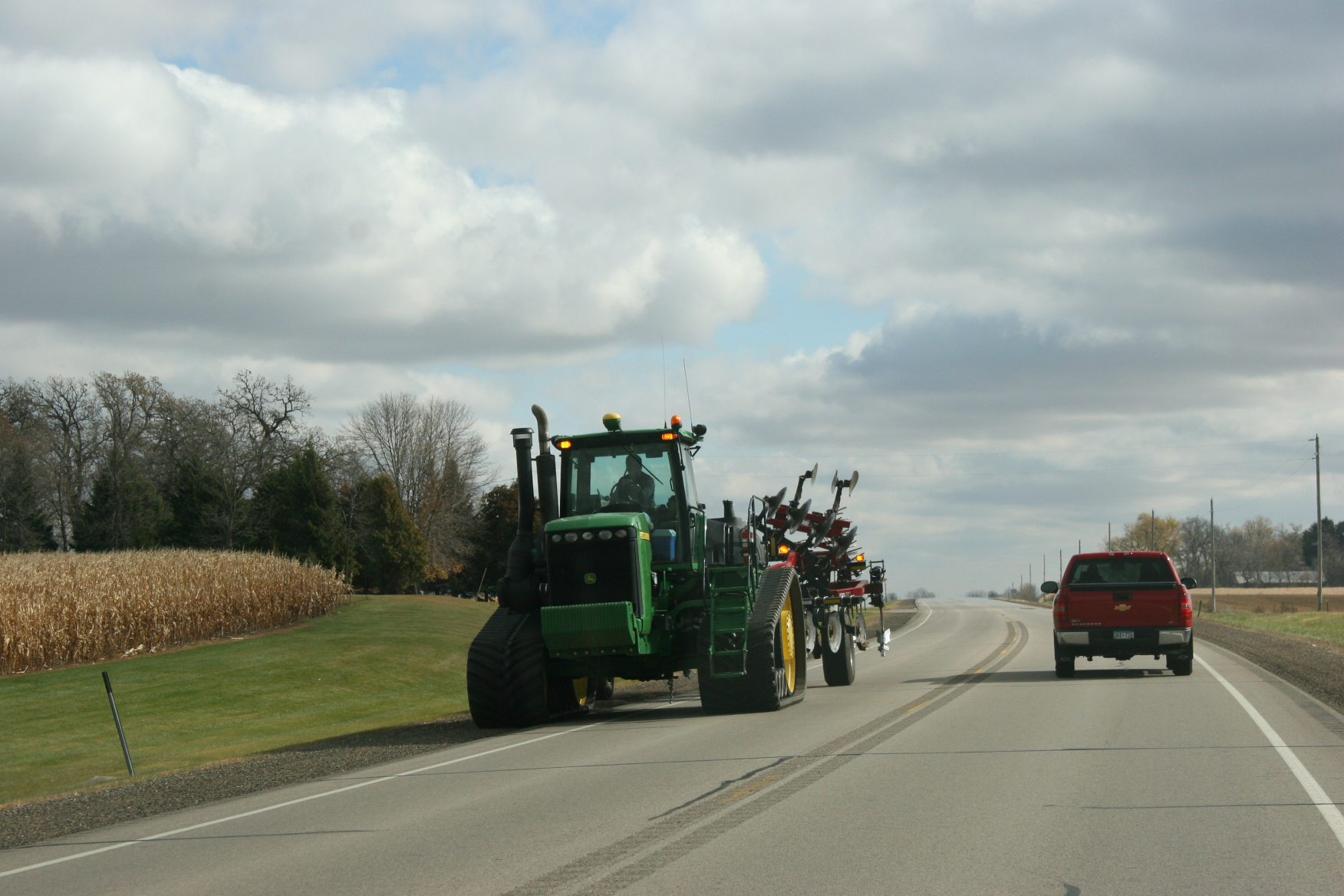
A common site, and reason to slow down, during the harvest season.

Countless times, we encountered farm machinery on the highway, which led to Randy reciting this sound bite: Farmer on the road! That became a familiar refrain each time we slowed behind or met a tractor or combine and attempted to safely pass.

We’ve traveled highway 60 so many times that I struggle to find something new and interesting to photograph. So I suggested exiting onto a gravel road southwest of Kenyon into Monkey Valley.

Beautiful Monkey Valley.

The name itself intrigues me. As legend goes, the area was named such after a monkey escaped a traveling circus many many years ago. True? I don’t know. But I like the story.

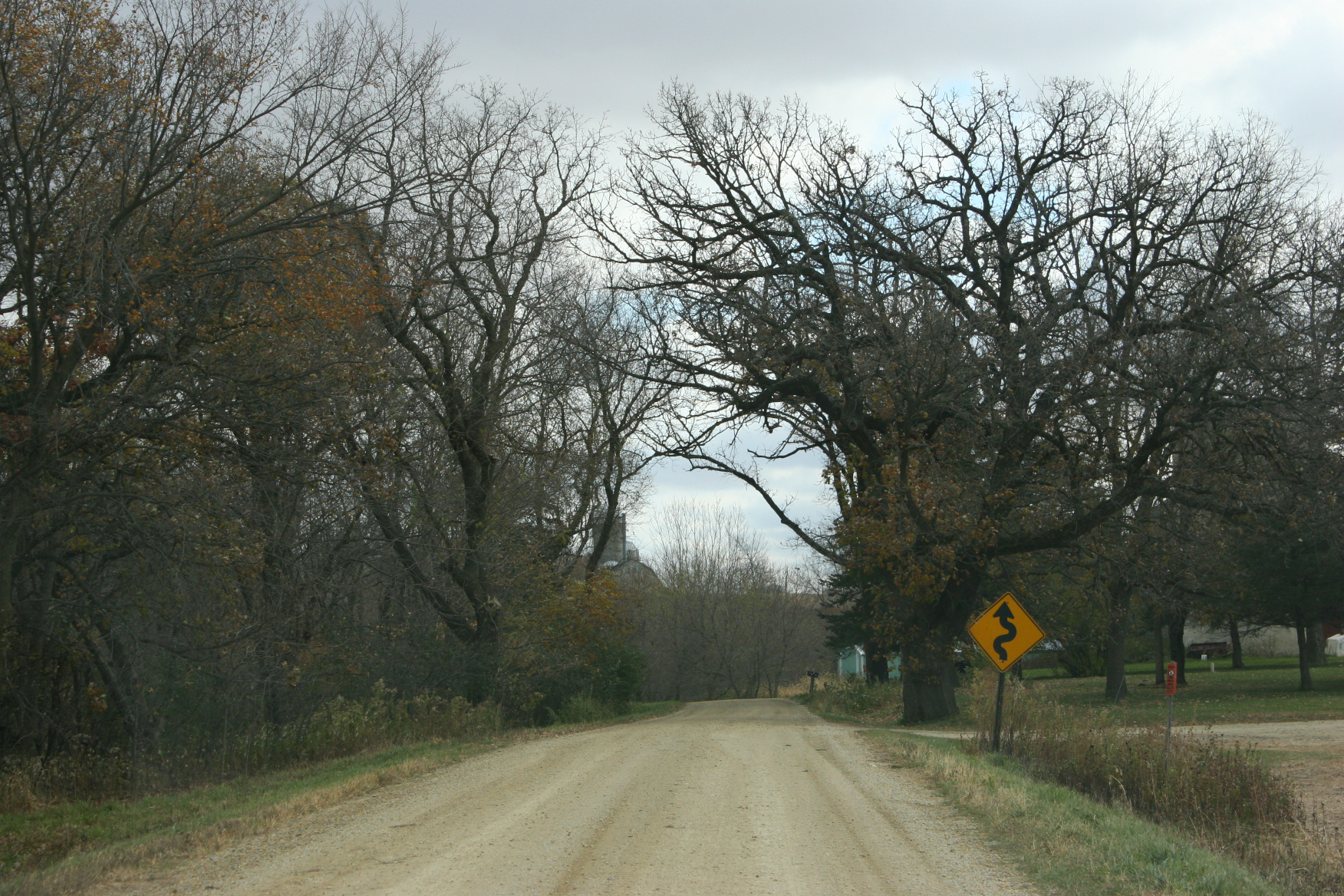
The gravel road winding through Monkey Valley.
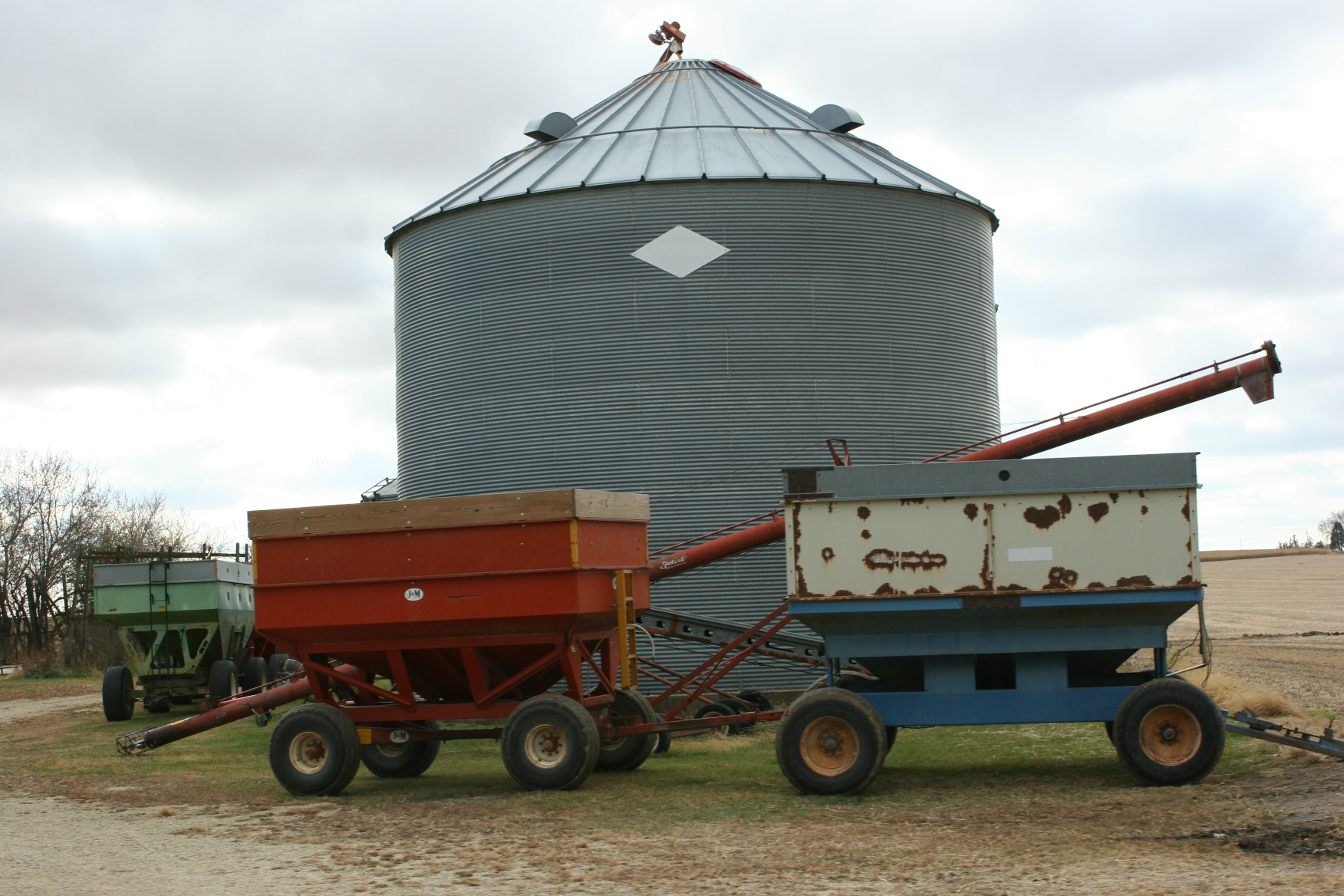
Grain wagons parked next to a grain bin in Monkey Valley.
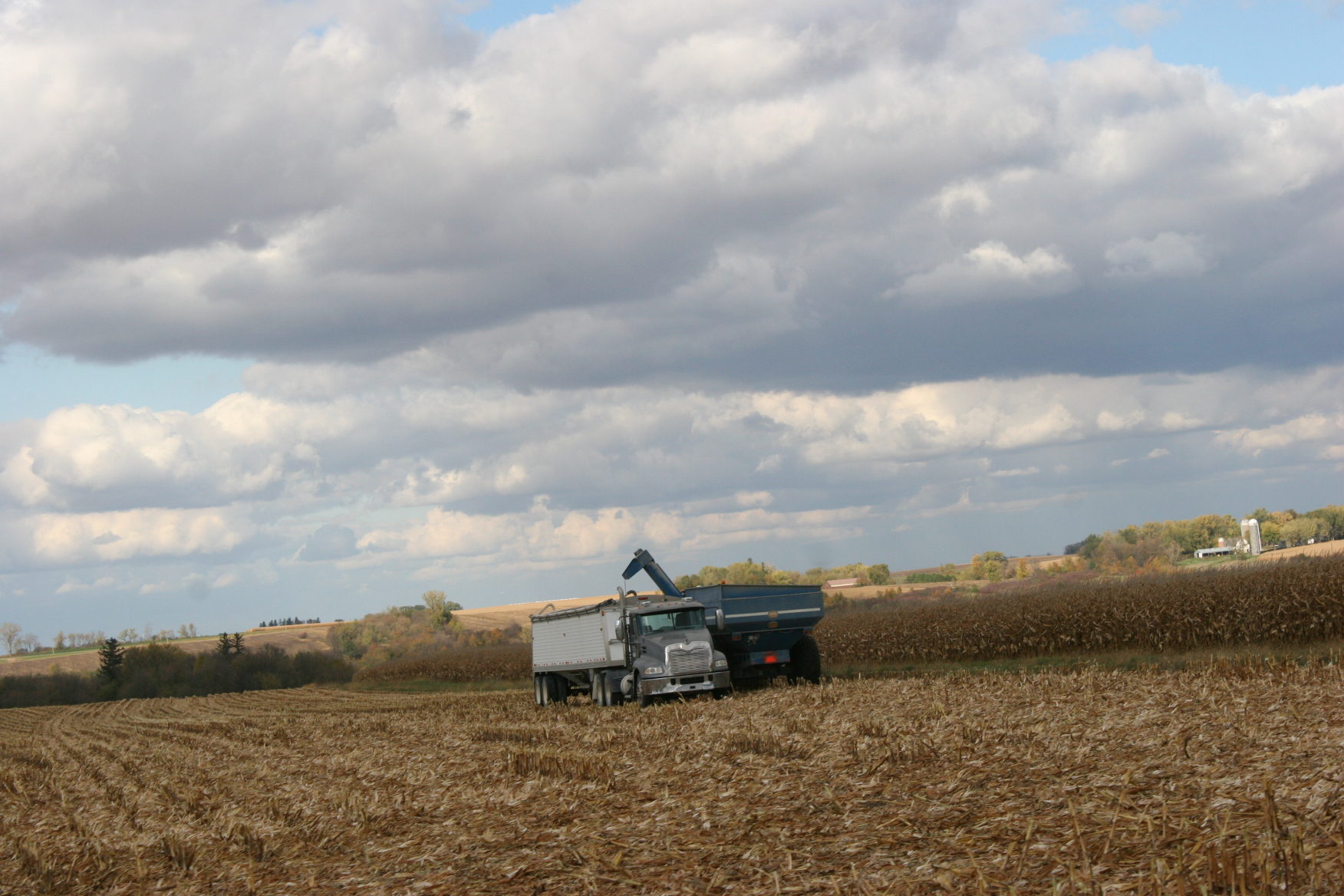
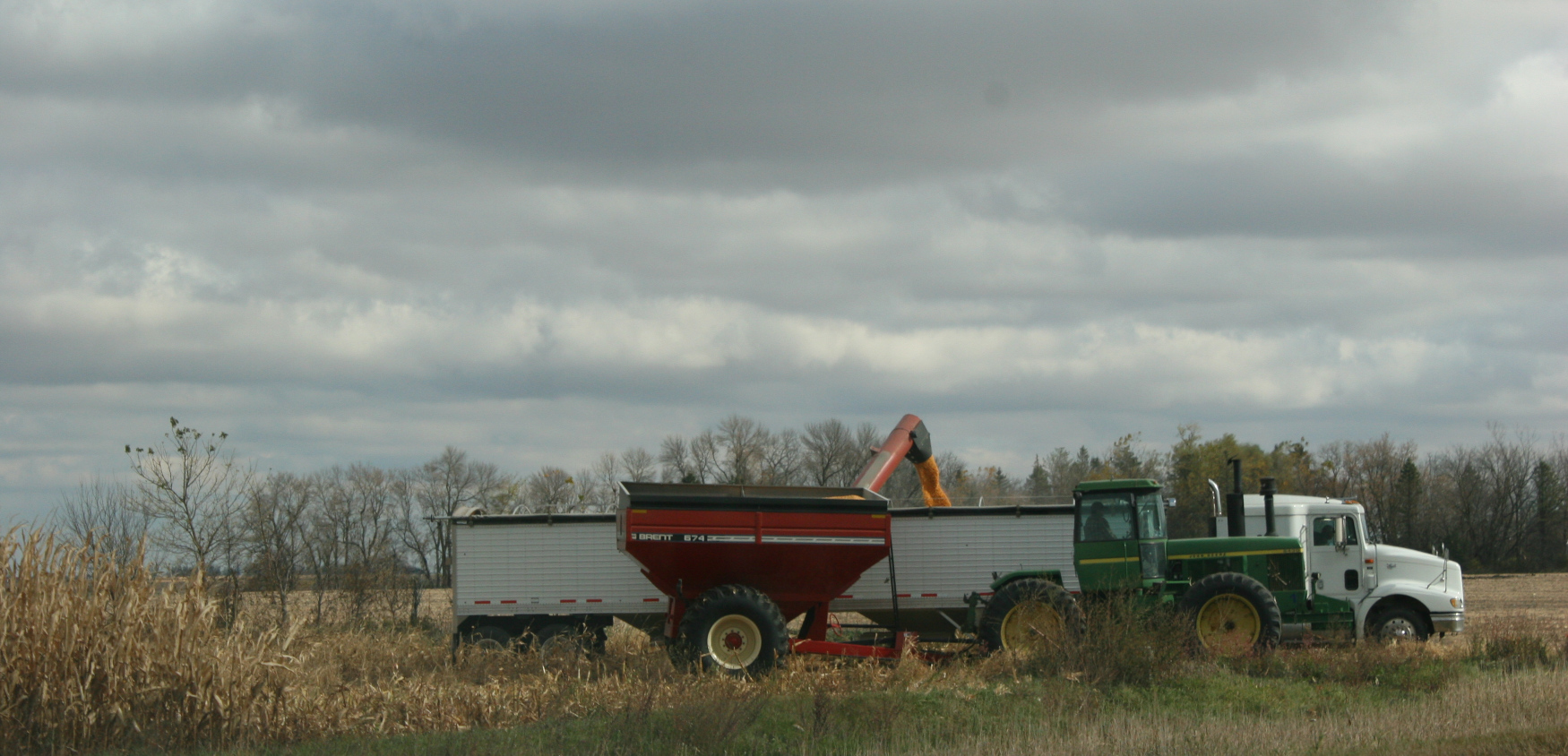
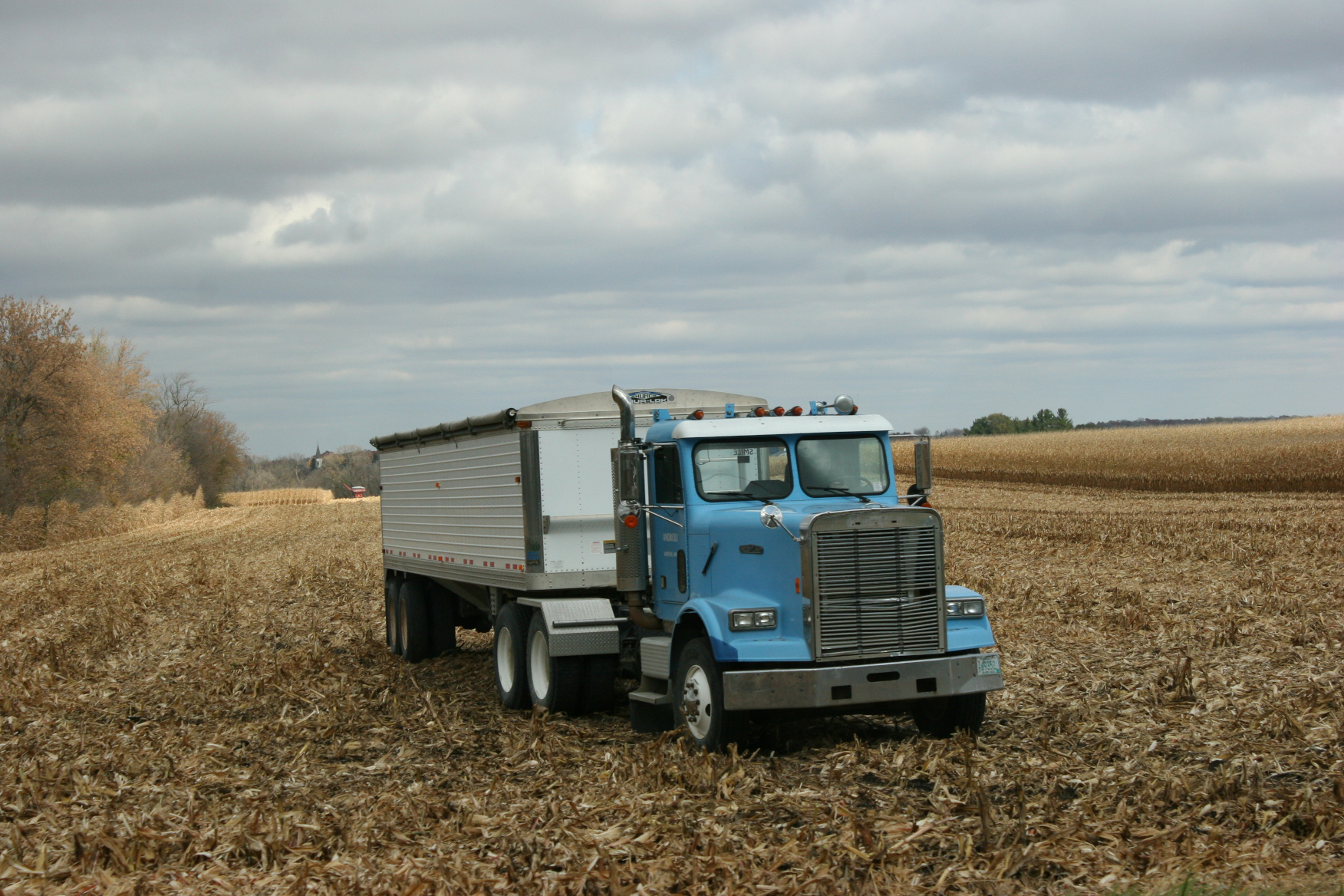
A semi truck awaits the harvesting of corn in a Monkey Valley field.

And I also like this rural route, Monkey Valley Hollow, a gravel road which twists and turns through the woods past farm sites and fields and the Old Stone Church (which I didn’t photograph this time).

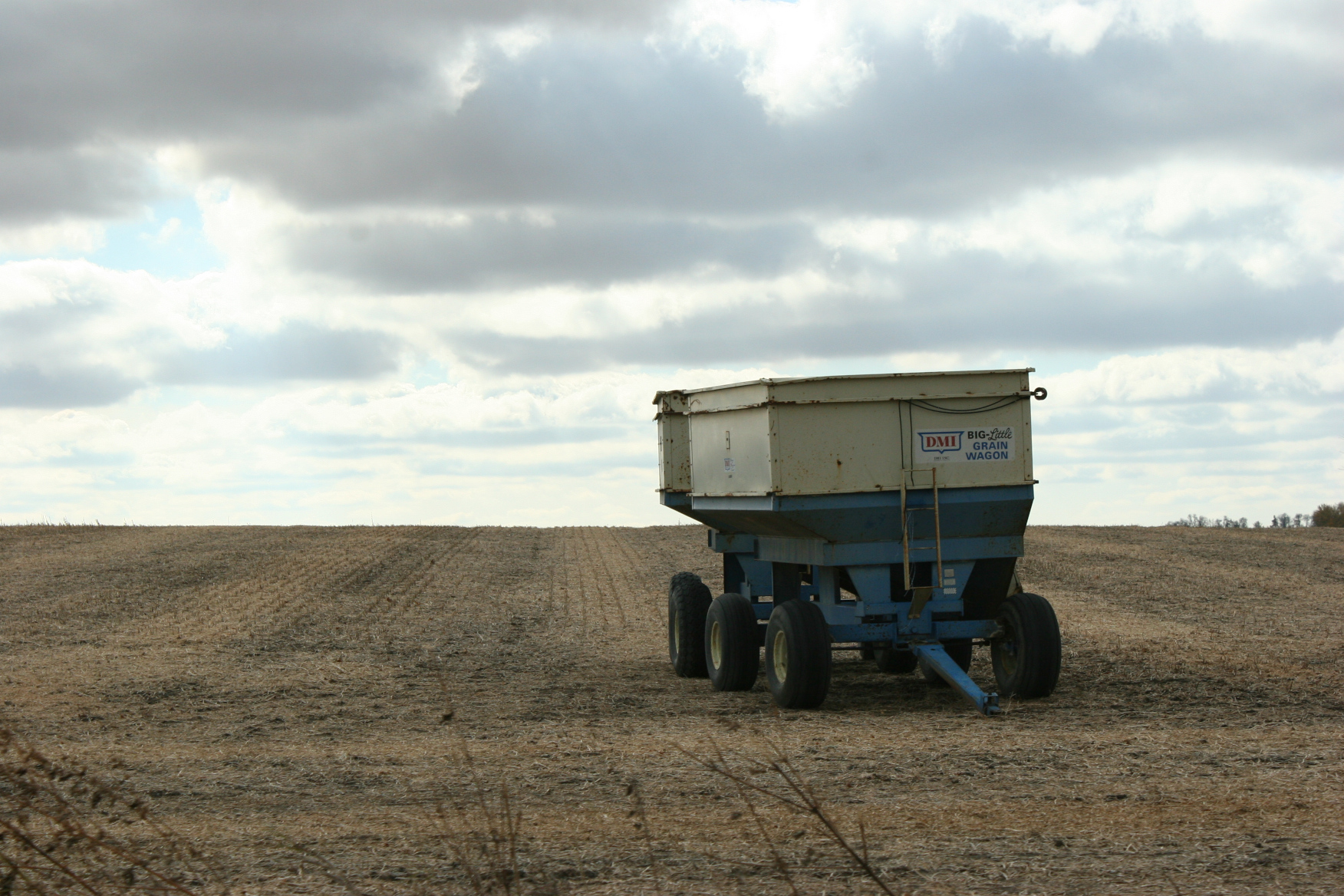
A lone grain wagon, my final photo before leaving Monkey Valley.

After completing this leg of our day trip, we aimed north for Kenyon. I always find something interesting in this small town, even though I’ve been here many times. Check back for those photo stories tomorrow as I show you my discoveries.

© Copyright 2020 Audrey Kletscher Helbling


Gather with the Norwegians and the Lutherans this weekend in rural Minnesota June 21, 2013

IF YOU’RE NORWEGIAN (which I’m not), appreciate historic country churches (which I do), rejoice in the preservation of old buildings (which I do) and value worshiping God in a rural setting (which I do), then venture into Monkey Valley this weekend.

If you can’t resist a tasty meal in a church basement (which I can’t), love strawberries (which I do), enjoy good fellowship with the locals (which I do) and delight in a beautiful and historic country church (which I do), drive south of Monkey Valley to Moland on Sunday.

A rear view of the Old Stone Church, a simple structure with three shuttered windows running along each side of the building.

A rear view of the Old Stone Church, a simple structure with three shuttered windows running along each side of the building.

Within miles of each other, two area churches are celebrating this weekend, first with a Norwegian church service in an 1875 limestone church, appropriately called the Old Stone Church and located 2.3 miles south and west of Kenyon along Monkey Valley Road.

A stone's throw from the Old Stone Church, a view of Monkey Valley.

A stone’s throw from the Old Stone Church, a view of Monkey Valley.

The road name alone was enough to draw me to this ethnic worship service three years ago. As one story goes, monkeys escaped here from a traveling circus and fled into the woods. True or not, I’m buying it.

During a worship service filled with music, choir and congregational members sing in Norwegian, "Ja, vi elsker."

During a worship service filled with music, choir and congregational members sing in Norwegian, “Ja, vi elsker.”

To read about the Norwegian worship service I attended in 2010 and to learn more about the Old Stone Church, click here and here and here.

Sunday’s once-a-year worship service begins at 9:30 a.m.

Moland Lutheran Church, a Norwegian Lutheran church south of Kenyon in Steele County, the subject of my post which was Freshly Pressed in July 2010.

Moland Lutheran Church, a Norwegian Lutheran church south of Kenyon in Steele County near Owatonna.

About the time the service wraps up at the Old Stone Church and you’ve finished mingling, you’ll start thinking about lunch, conveniently served at Moland Lutheran Church a few miles to the south and west at 7618 84th Avenue N.E., rural Kenyon, close to where the counties of Rice, Steele, Dodge and Goodhue meet.

From 11 a.m. to 3 p.m., Moland folks will serve pulled pork sandwiches, potato salad, strawberries with angel food cake and/or ice cream, chocolate cake (if the menu is the same as in 2010) and beverages. As church meals go, I’d highly recommend this one for the food, the hospitality and setting.

Be sure to check out the sanctuary and history of this 1884 country church before leaving. Moland reminds me of the Lutheran church I attended growing up in southwestern Minnesota.

The Moland folks serve a generous amount of strawberries with two scoops of ice cream.

The Moland folks serve a generous amount of strawberries with two scoops of ice cream.

To read my 2010 post on the Moland strawberry festival, click here.

My Moland post, “In Praise of Preserving Country Churches,” was featured in WordPress’ “Freshly Pressed” on July 9, 2010. That’s a huge honor for any blogger, to have his/her work selected as among the best of the day from WordPress blogs world-wide. You can read about that honor by clicking here. Last year I was also featured in WordPress and you can read that post about the Faribault Heritage Days Soapbox Derby by clicking here.

The real honors, though, go to all those men and women out there who preserve country churches and serve all those delicious meals in church basements.

FYI: To read about more church dinners/meals, check out the Faribault-based blog, Church Cuisine of Minnesota, by clicking here.

© Copyright 2013 Audrey Kletscher Helbling