
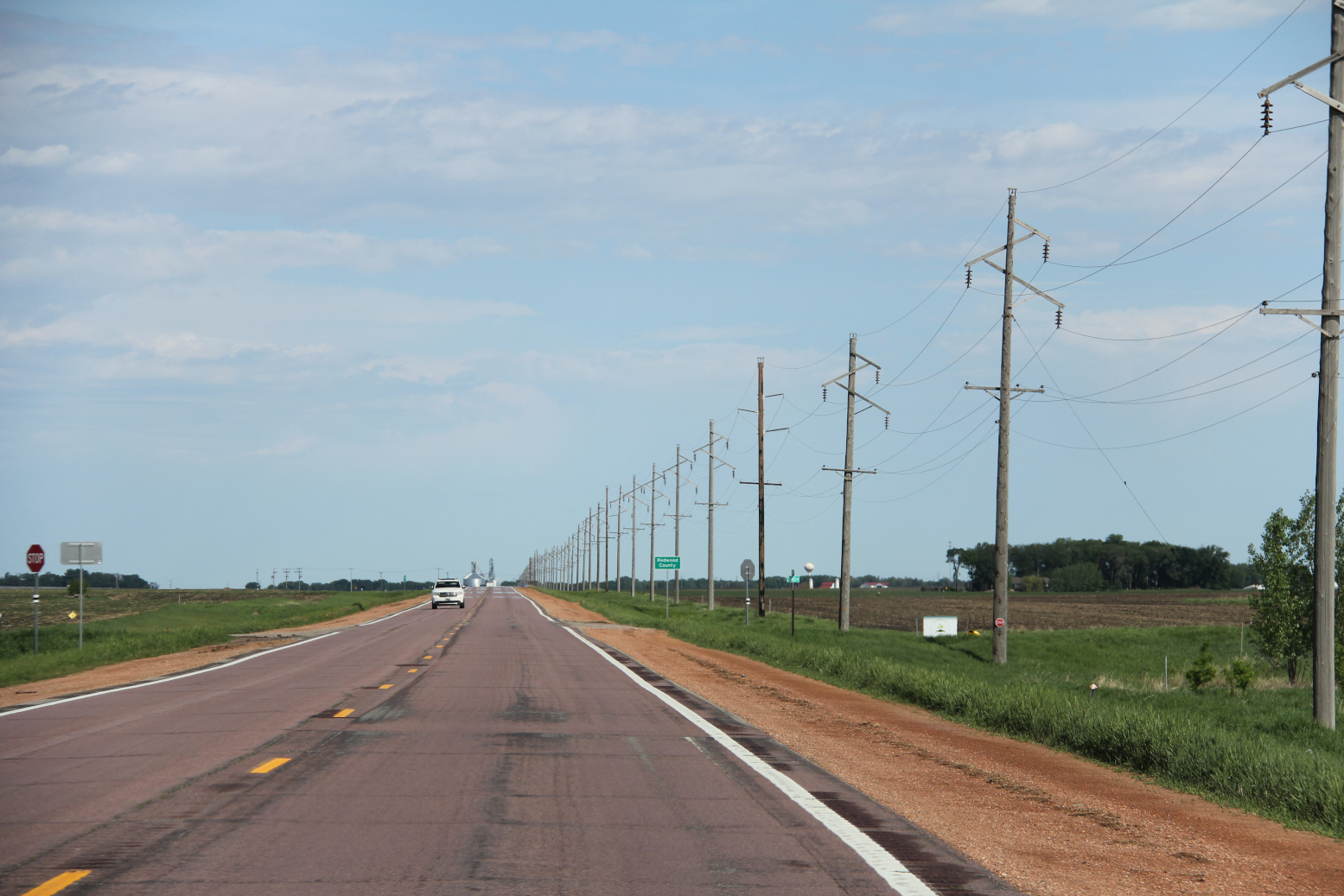
WHILE ON THE ROAD from Faribault to my hometown of Vesta and back recently, I noticed interesting roadside details. These may not necessarily catch the attention of other motorists. But they caught my eye.
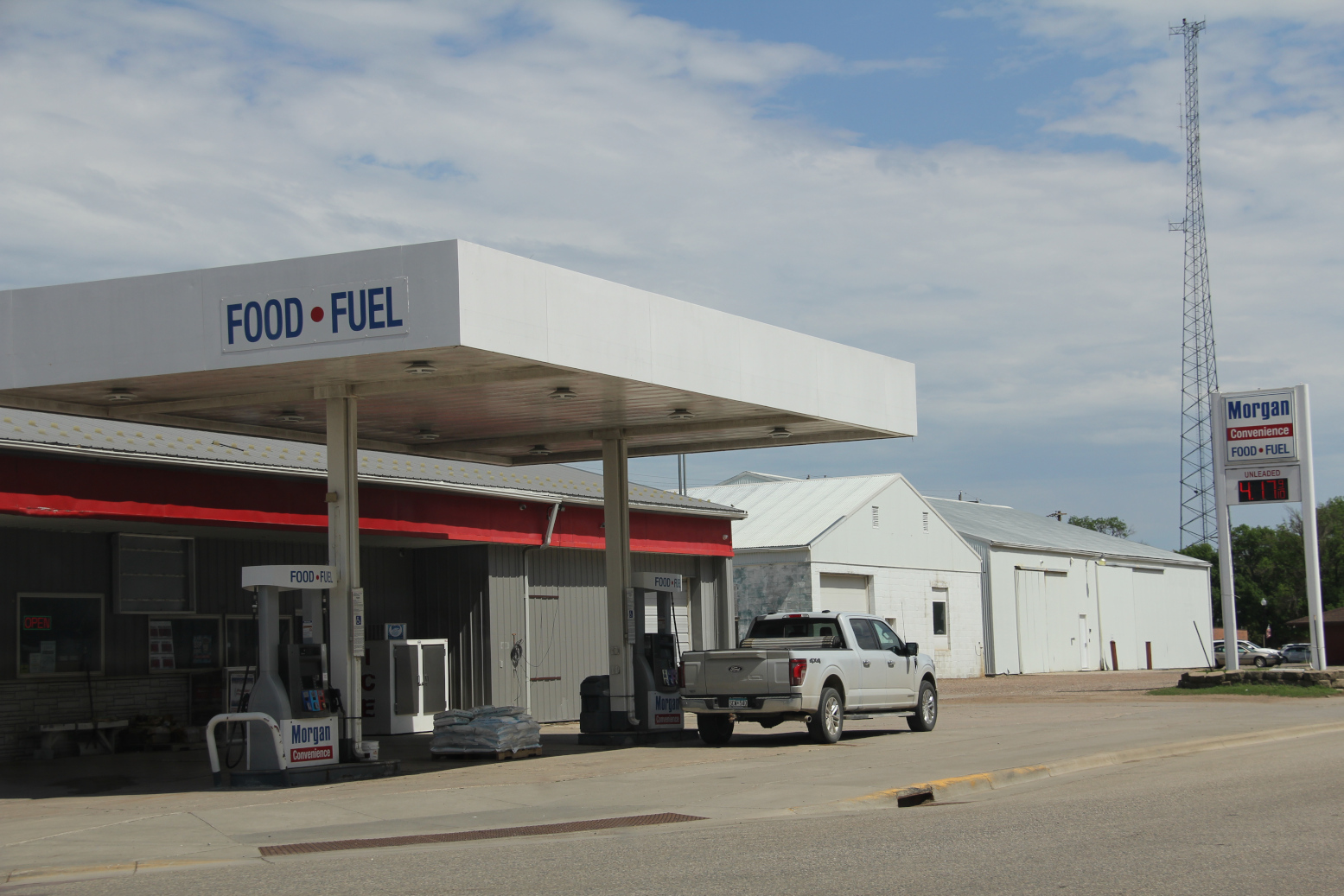
“BARGAIN” GAS
Let’s start with the price of unleaded gas at Morgan Convenience, Food & Fuel. It was priced at $4.18 (rounded up a tenth) on May 26. Elsewhere along the route, the cost was $4.49 (rounded up a tenth). I don’t understand how the gas price in Morgan, a small rural Minnesota town of some 900, can be so much lower than in neighboring New Ulm, population around 14,000, for example. Or in Faribault with about 25,000 residents. This makes no sense to me and is not the first time gas prices in more rural outstate Minnesota have been priced considerably lower.
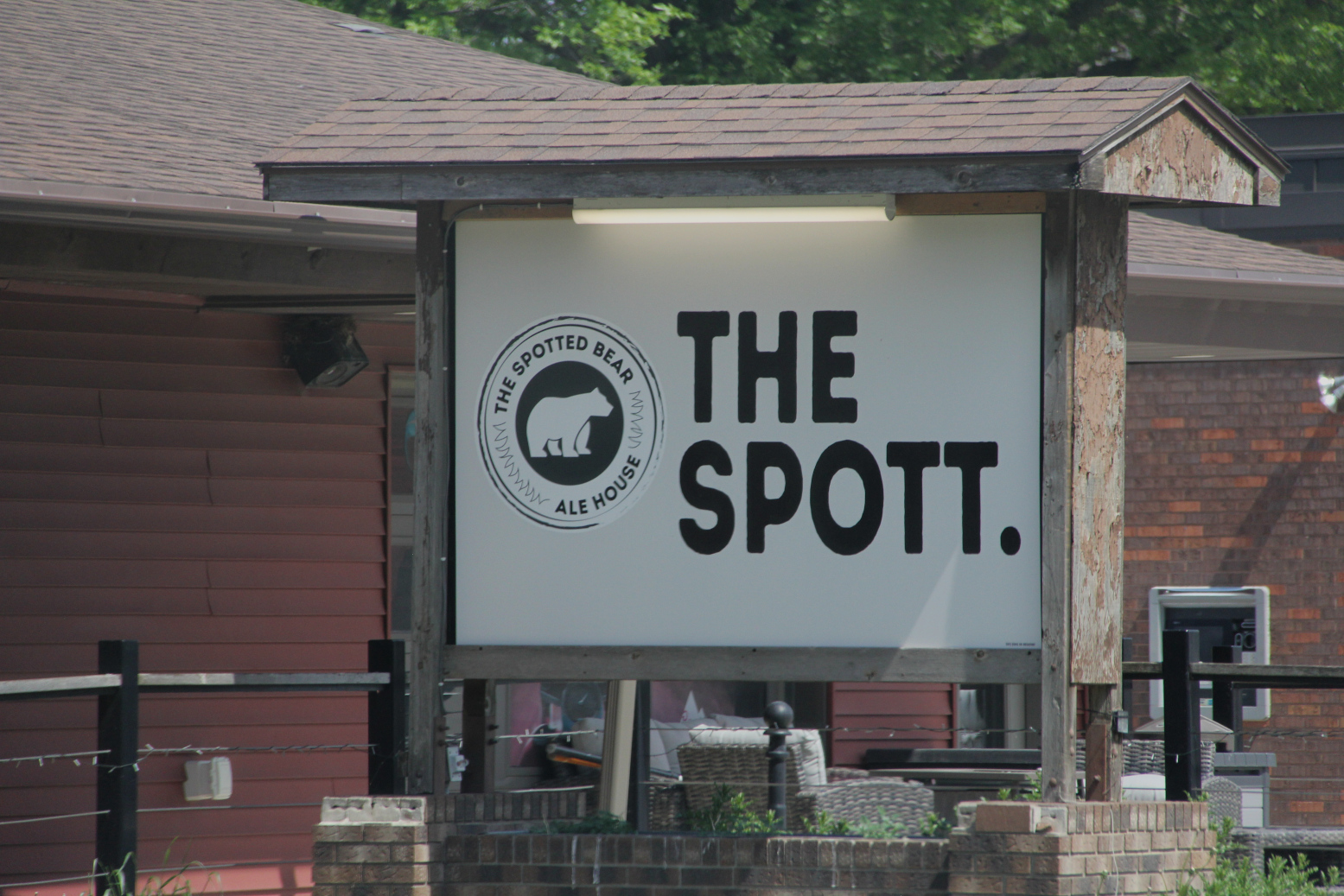
MORE THAN JUST BURGERS
Also in Morgan, I spotted this sign: THE SPOTT. And, yes, the period is part of the abbreviated name. Clever. Upon returning home, I researched this business, full name The Spotted Bear Ale House. It’s a restaurant and full service bar.
The Facebook page features lots of food I’d enjoy: loaded pulled pork baked potato; pulled beef Gouda sliders with Parmesan fries; caramel, strawberry lemon, raspberry and/or banana rolls with peanut butter frosting; General Tso chicken and rice with crab salad; and more. Yum. The offerings impress me as vastly different from your typical small town burgers and other bar food. As a side note, this business is for sale.
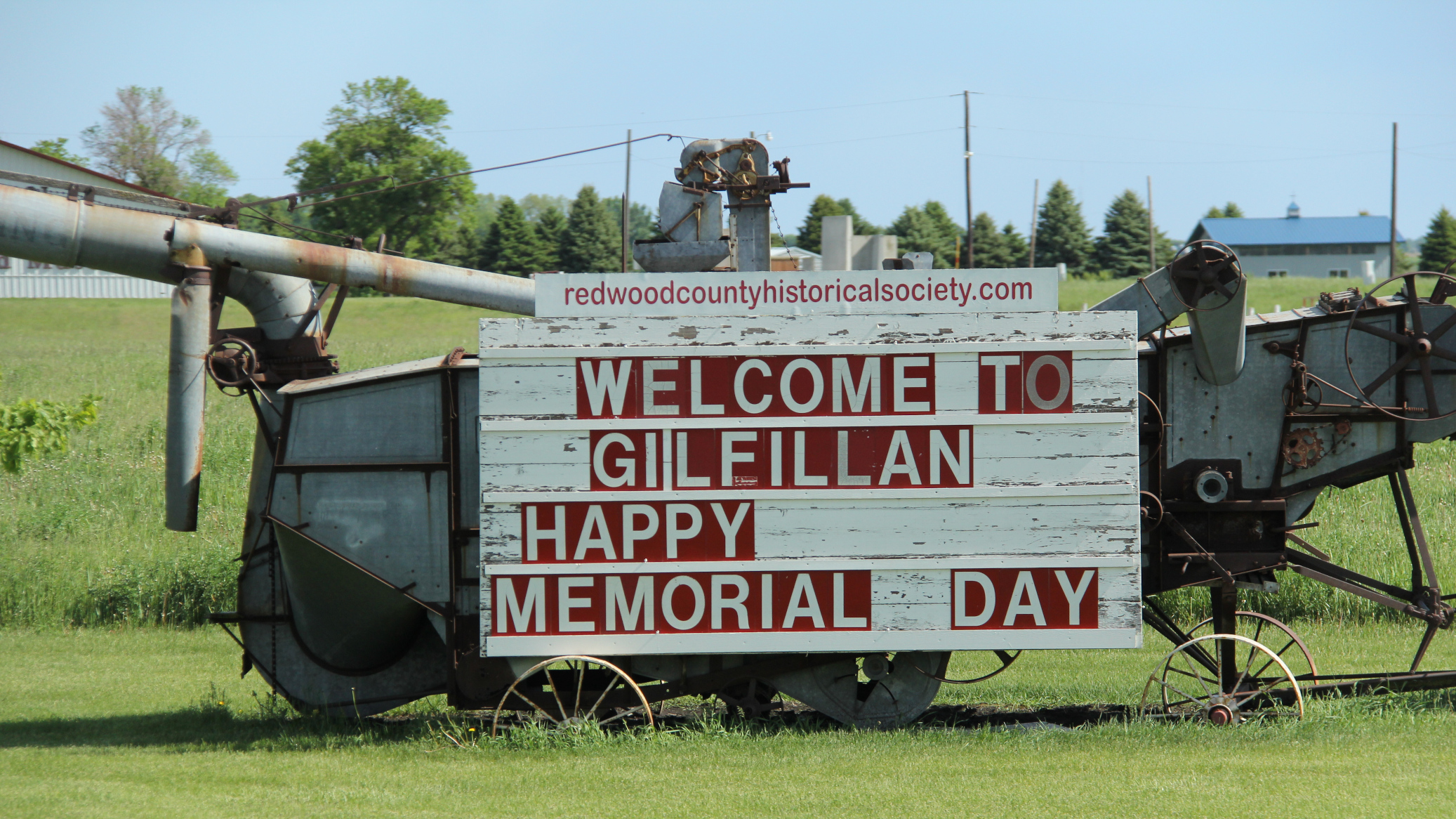
AN ESTATE IN THE MIDDLE OF FARM FIELDS
Just down the highway, another sign grabbed my attention. That was signage on an old threshing machine marking the Redwood County Historical Society’s Gilfillan Estate. It’s not the sign so much as this property west of Morgan along Minnesota State Highway 67 that is noteworthy. Here you’ll find both the estate and the site of Minnesota Farmfest.
The estate, with its long, tree-lined driveway leading to a stately house, has been here for as long as I can remember. The original owner, Charles Duncan Gilfillan (1831-1902), bought 10,000 acres of Redwood County farmland. He built a house, offices, a grain elevator, stockyard and tenet homes here and raised purebred livestock exported to Great Britain. Eventually his son, Charles Oswin Gilfillan, took over the estate. The younger Gilfillan was an active philanthropist in Redwood County. I must make an effort sometime to tour the estate and learn more about the Gilfillans and their generosity.

A NOD TO FARMING OF YESTERYEAR
More history is written onto a silo that hugs U.S. Highway 14 east of New Ulm. The A.C.O. on the brick silo stands for AC Ochs of the AC Ochs Brick and Tile Company in Springfield, several towns down the road to the west 30 miles distant. These silos, made from curved bricks, were built across the Midwest between 1910-1945. I love their historic, signature look and their unique construction. They are landmarks of a bygone era of diversified small family farms.
AN OLD SCHOOL MOTEL
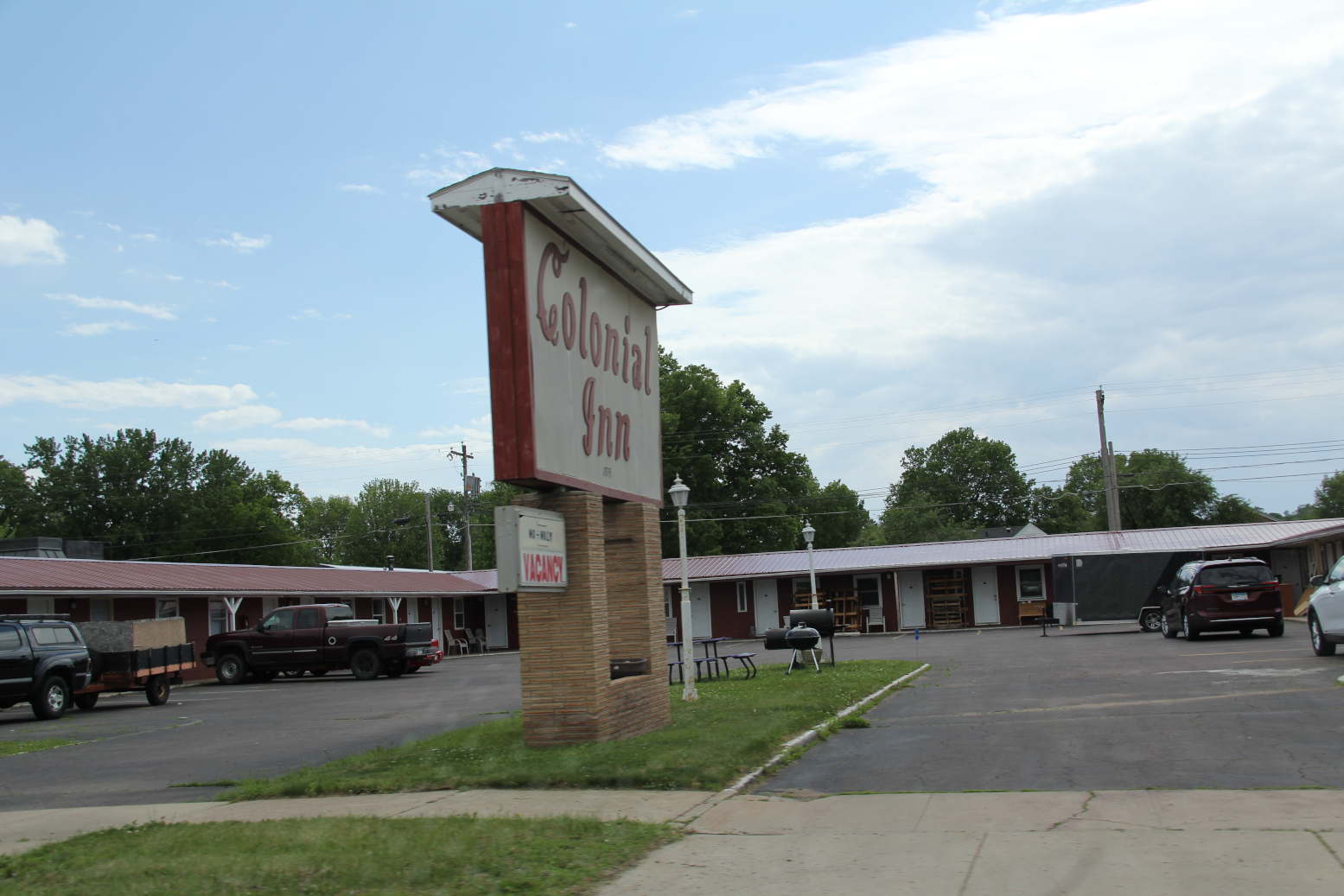
In New Ulm, the Colonial Inn along North Broadway/Highway 14 appears old school motel. And it is. Built in 1953, rooms in the U-shaped building open to the paved parking lot. While I’ve only seen the motel from the exterior and a few photos on the no-frills website, this motel seems exactly as I would expect. Basic. Simple. And a throwback to yesteryear with the exception of WiFi.

FIRE & BRIMSTONE
Finally, in the Smiths Mill area along Highway 14 east of Mankato, a thought-provoking sign asks whether you will go to heaven or to hell when you die. I have no idea who paid for this billboard with the John 3:36 notation at the bottom. But it’s certainly an oddity in highway signage. Fire or no fire?
You never know what you’ll discover while on the road.
© Copyright 2026 Audrey Kletscher Helbling


Recent Comments