
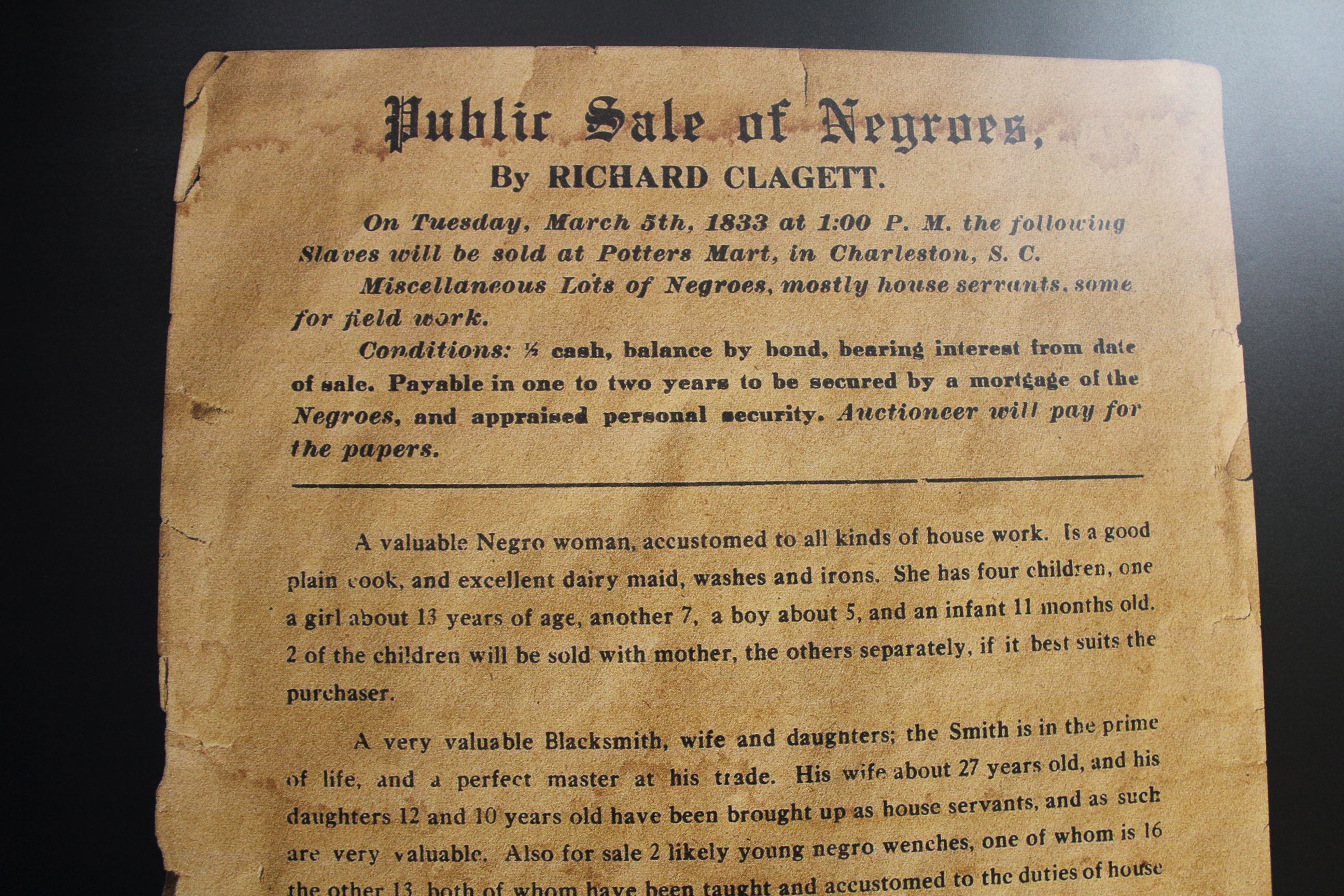
CONSIDER FOR A MOMENT the significance of Juneteenth. On this date in 1865, news of the Emancipation Proclamation finally reached enslaved African Americans in Galveston, Texas.
Imagine the jubilation of learning that you might really and truly be free. I expect that may have been difficult for many to believe. But two years earlier, President Abraham Lincoln signed the document ending slavery in states that had seceded from the Union. Not all states. Only those that had been part of the Confederacy.
The proclamation reads in part: I do order and declare that all persons held as slaves within said designated States, and parts of States, are, and henceforward shall be free… What powerful words—shall be free.

While slavery ended long ago, the struggle continues for anyone whose skin is other than white. Injustices and racial discrimination remain. To think otherwise is to be in denial. Look what’s happening with gerrymandering and voting rights. Consider cases of police brutality and incarcerated Black men who were later cleared of crimes they did not commit. Consider poverty.
And remember the Civil Rights movement, the fight for equality that happened long after slaves were declared free. But not equal.
Juneteenth marks a day to reflect on how far we have come and how far we have yet to go. I care about this personally. My 18-month-old grandson is bi-racial. And although he looks decidedly White with light skin and a head of blonde curls, the blood of slavery runs through his ancestral veins. Some day he will learn about the Emancipation Proclamation and the struggles that preceded and followed.
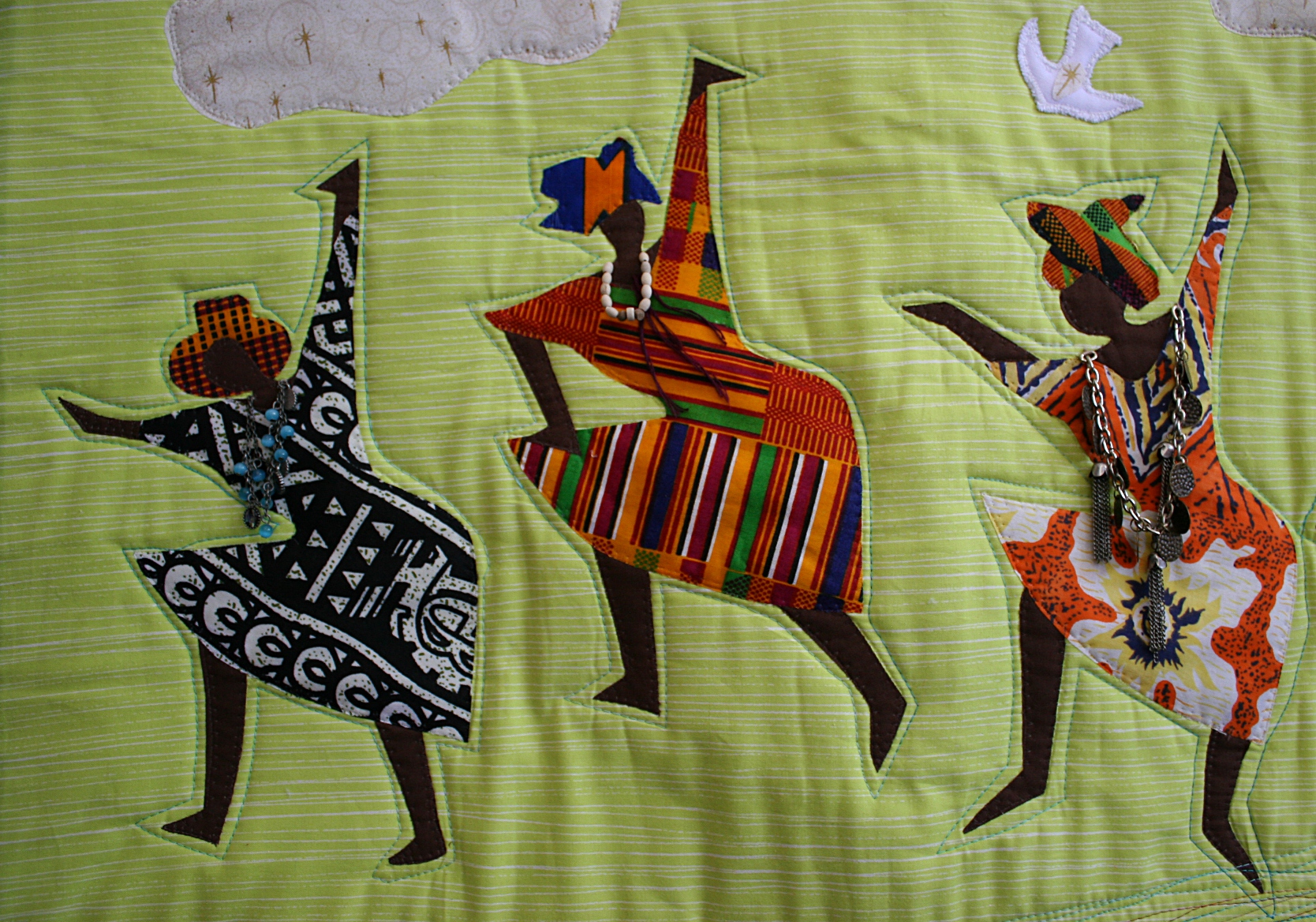
And I hope that when he understands, he will celebrate Juneteenth in a big way. He already loves music, bopping his head and swaying his body to the beat of songs thrumming from his toys.
Juneteenth holds the same joyfulness. The spirit of freedom and celebration encompassed in the words of the Emancipation Proclamation. You shall be free.
© Copyright 2026 Audrey Kletscher Helbling





Thoughts on the 250th birthday of America July 4, 2026
Tags: 250th birthday of America, America, bicentennial, commentary, democracy, Fourth of July, freedom, opinion, protesting, semiquincentennial, threats to democracy, United States of America
FIFTY YEARS AGO, my friend Barb married Chuck during the bicentennial year. She themed her wedding in red, white and blue.
That same year, my dad bought a boxcar full of hay to feed his cattle during one of Minnesota’s worst droughts ever.
And in 1976, I attended Farmfest, an agricultural exhibition and bicentennial celebration near Lake Crystal in southern Minnesota.
That trio of memories defines the bicentennial for me. I wasn’t thinking about the stability of the U.S. or anything political back then. But, oh, how my thoughts have shifted in 50 years. In 2026, I find myself worried about the future of this country.
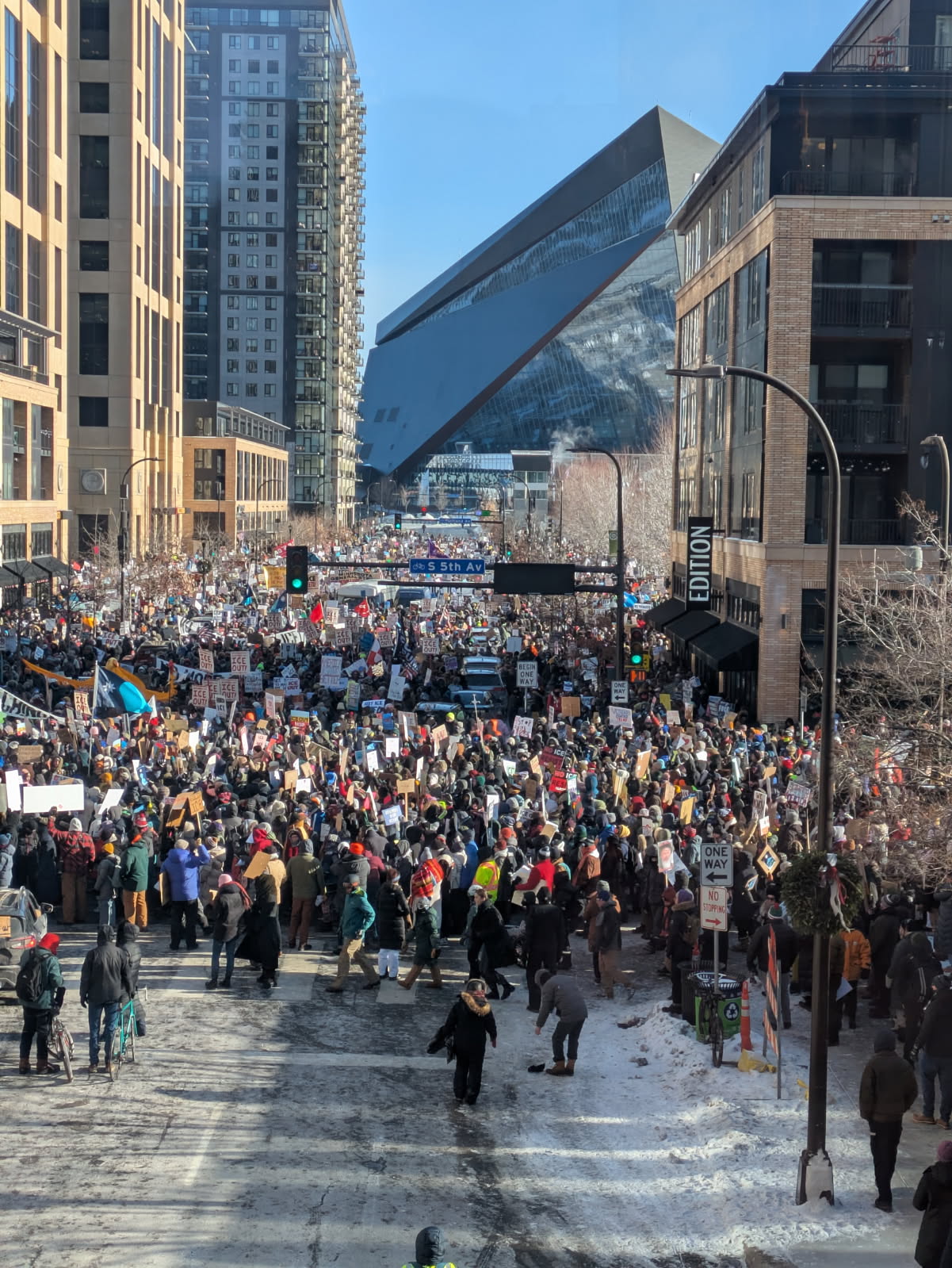
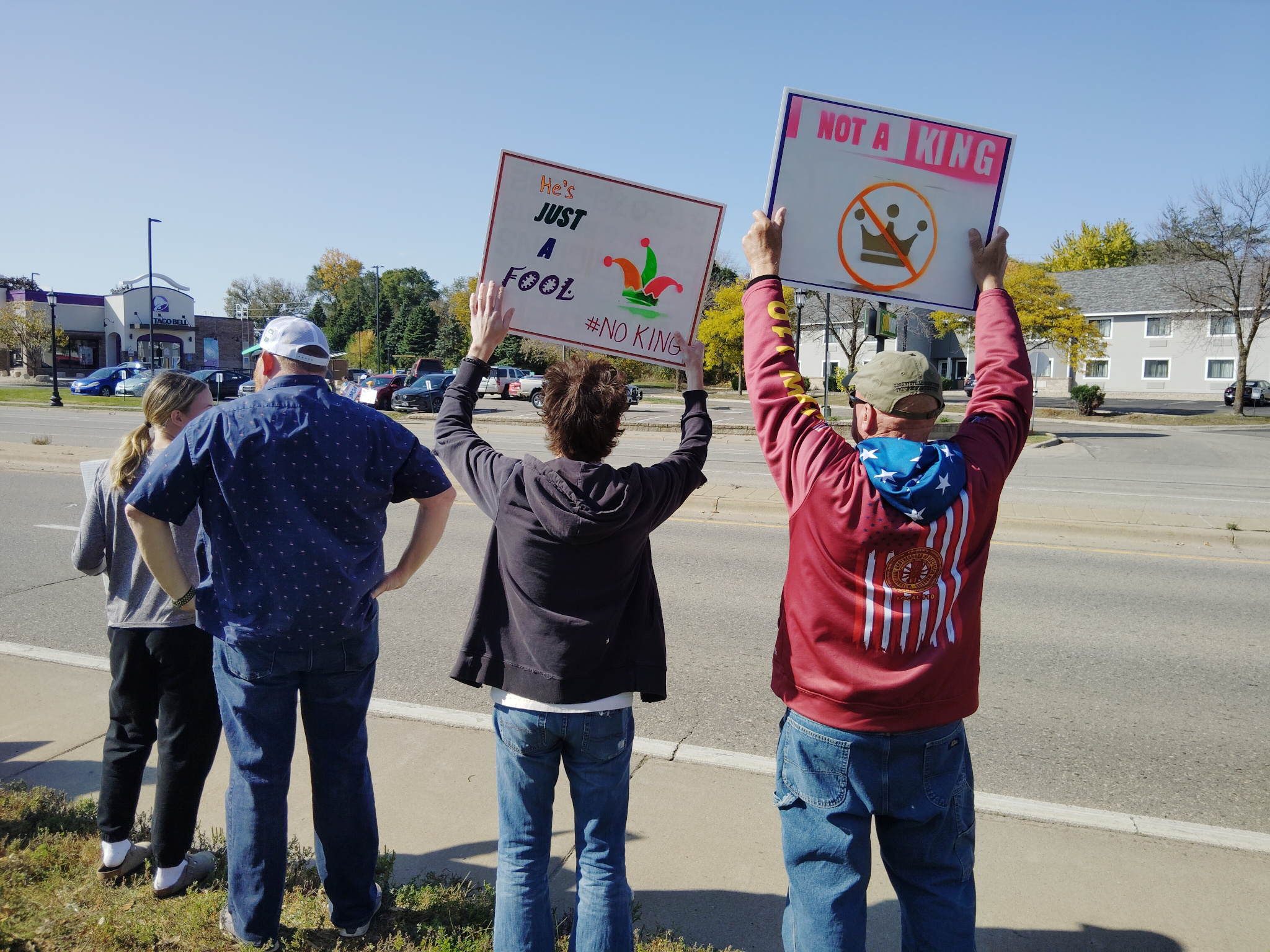
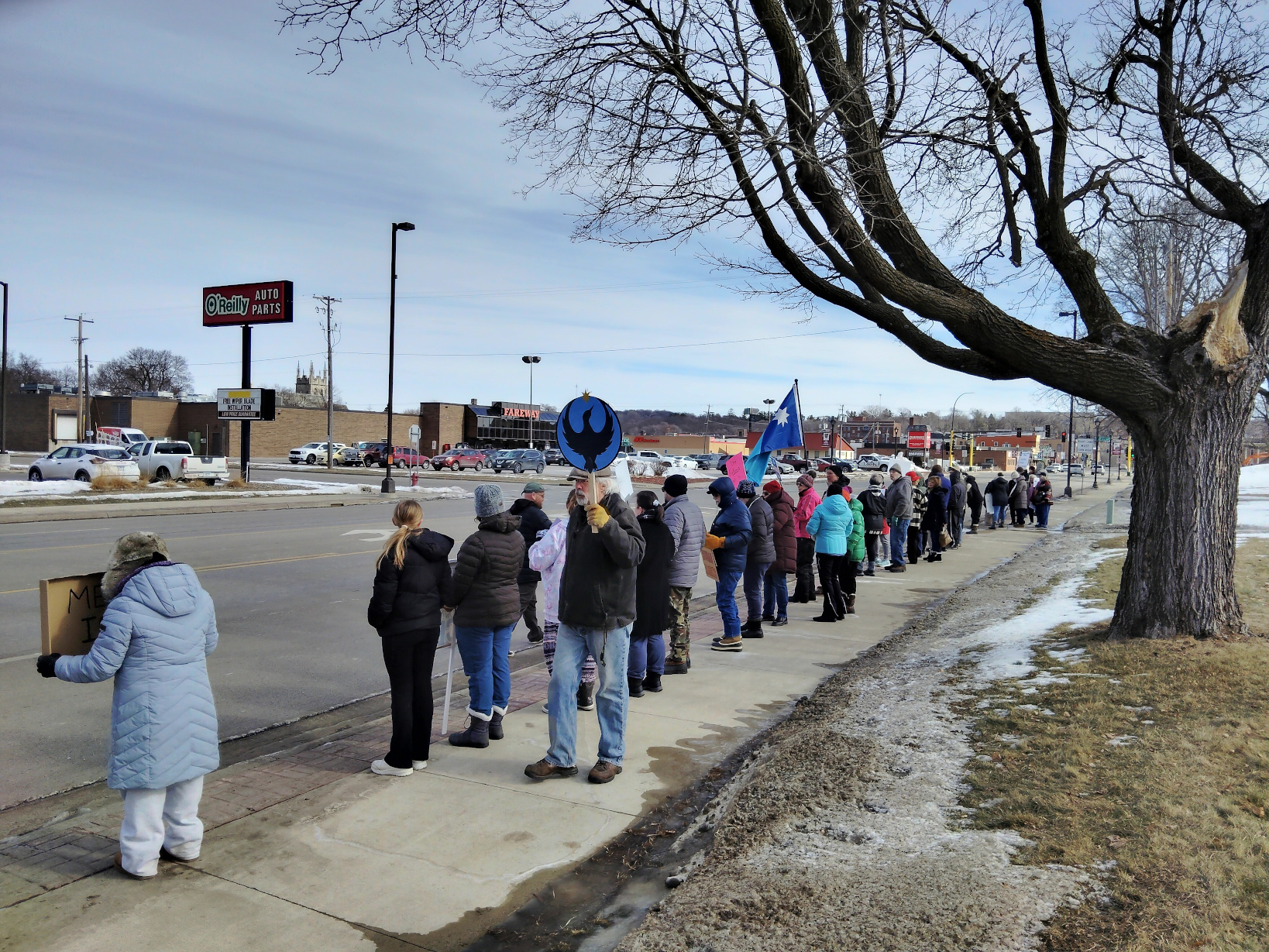
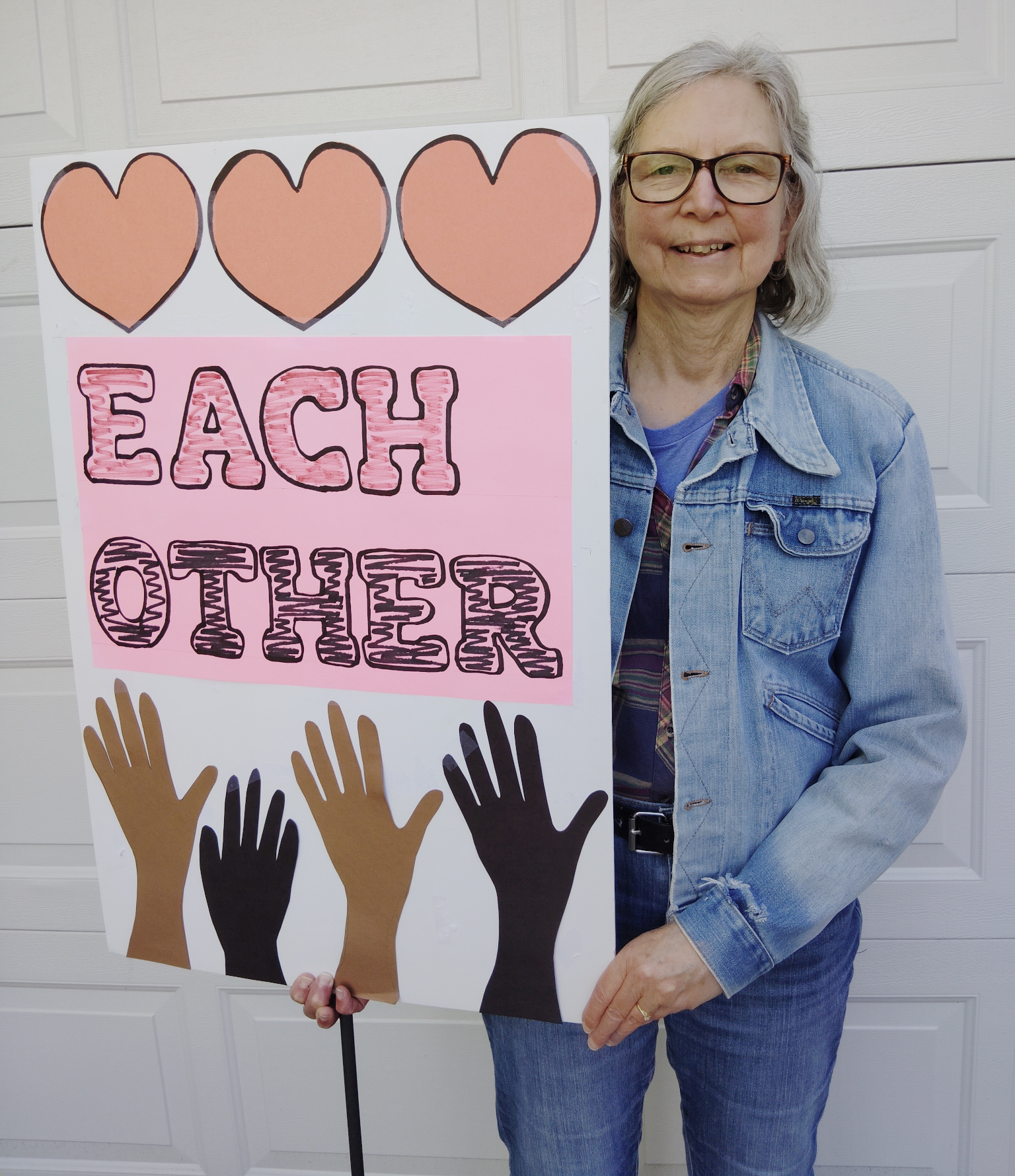
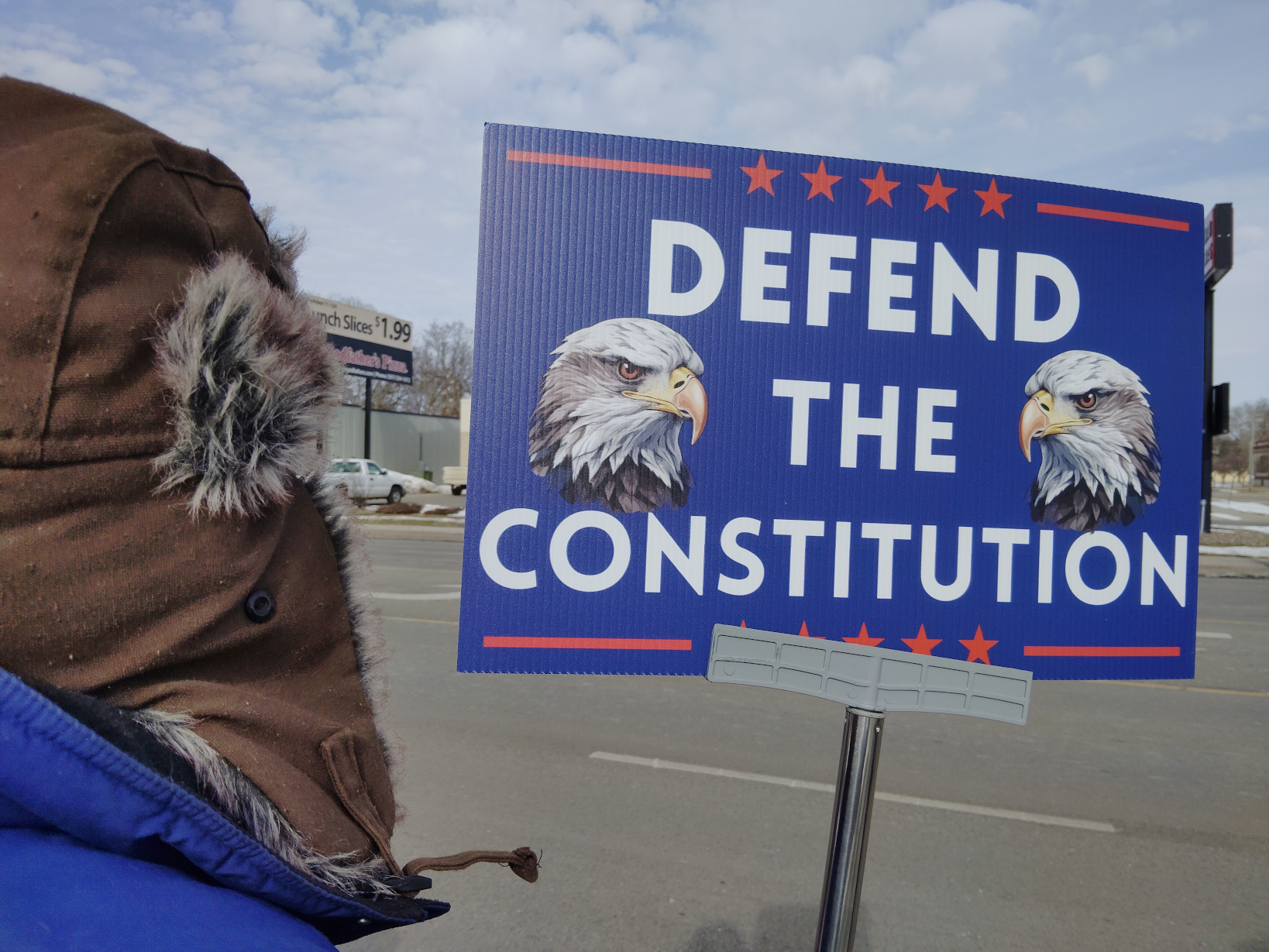
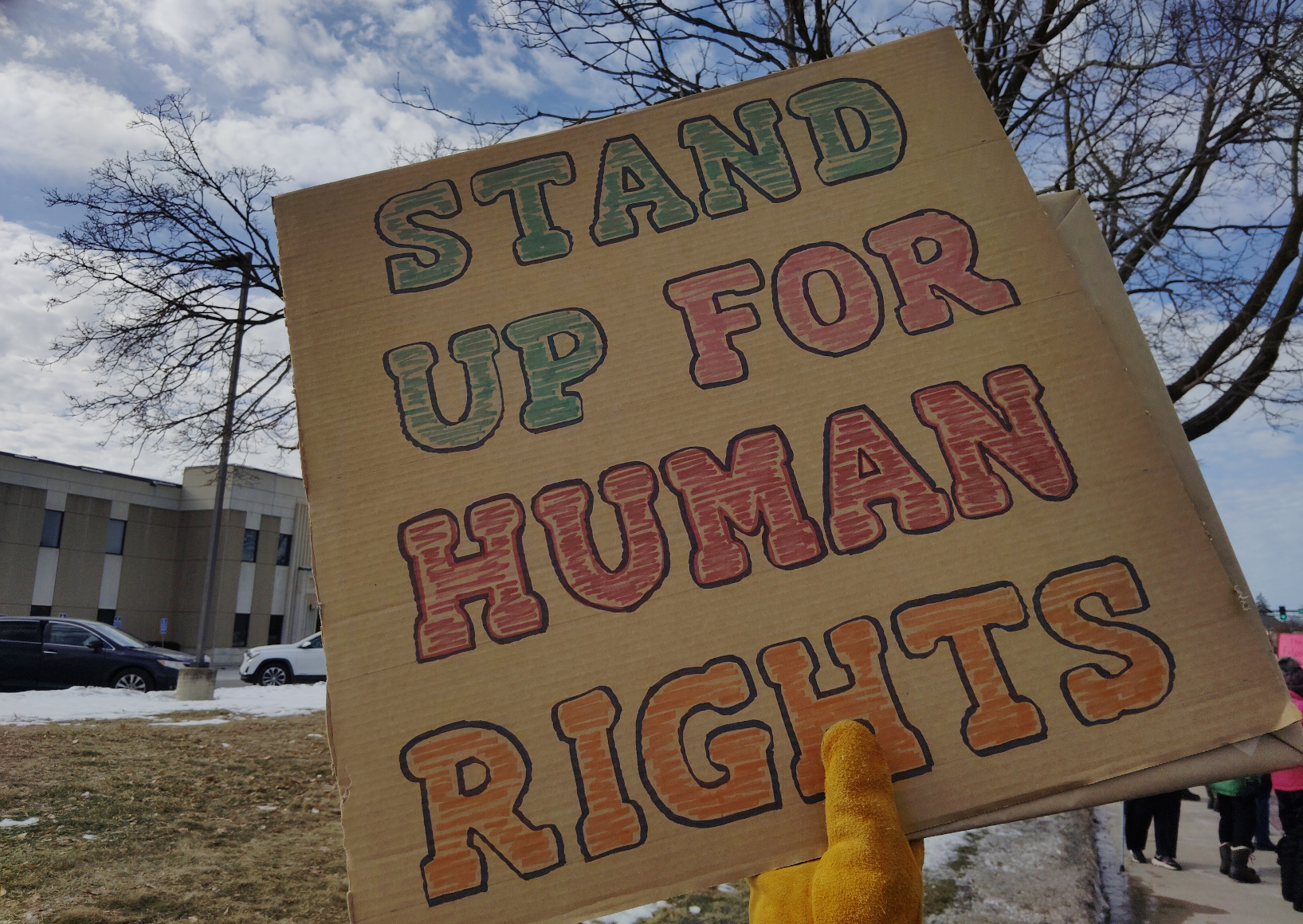
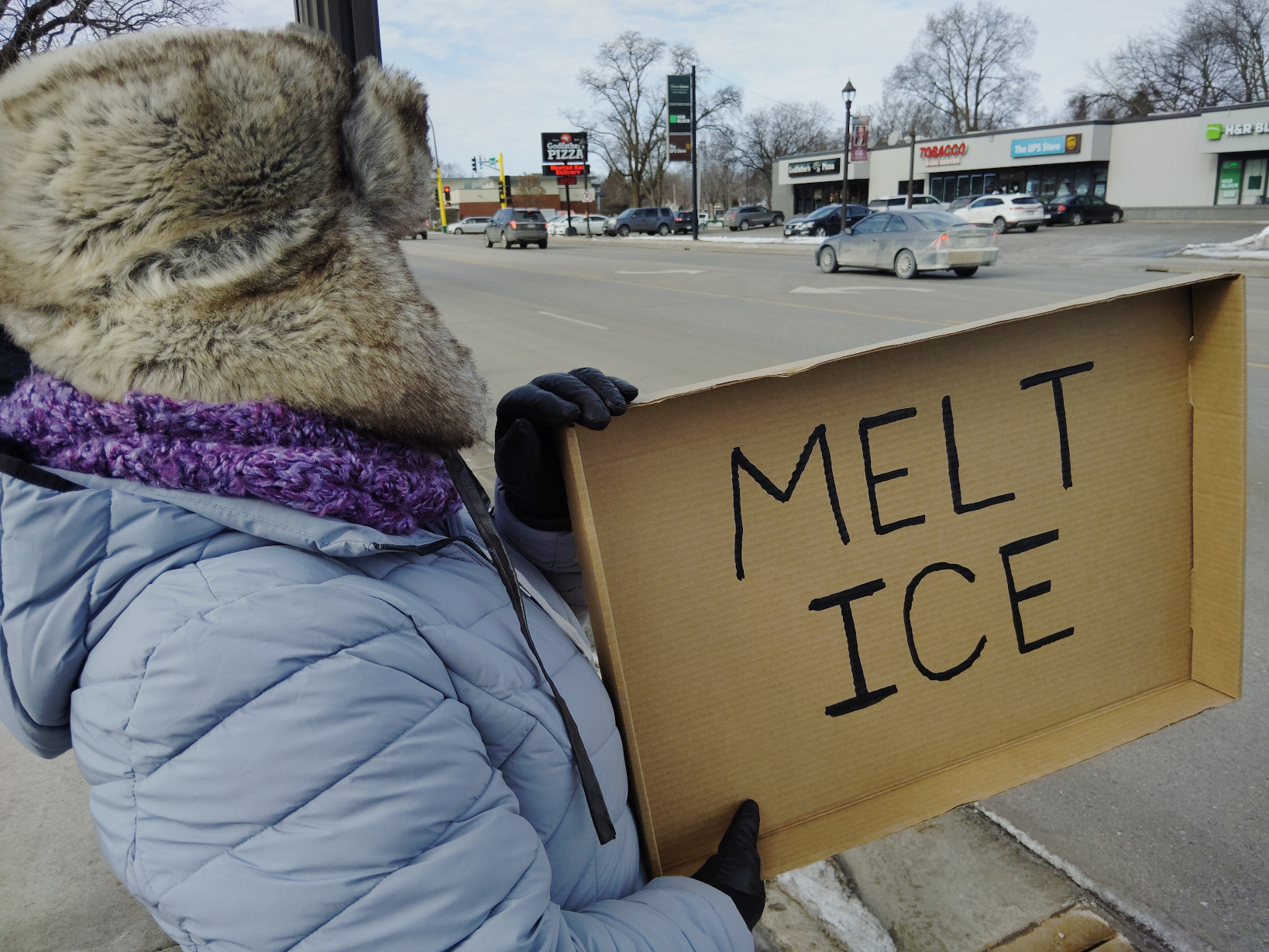
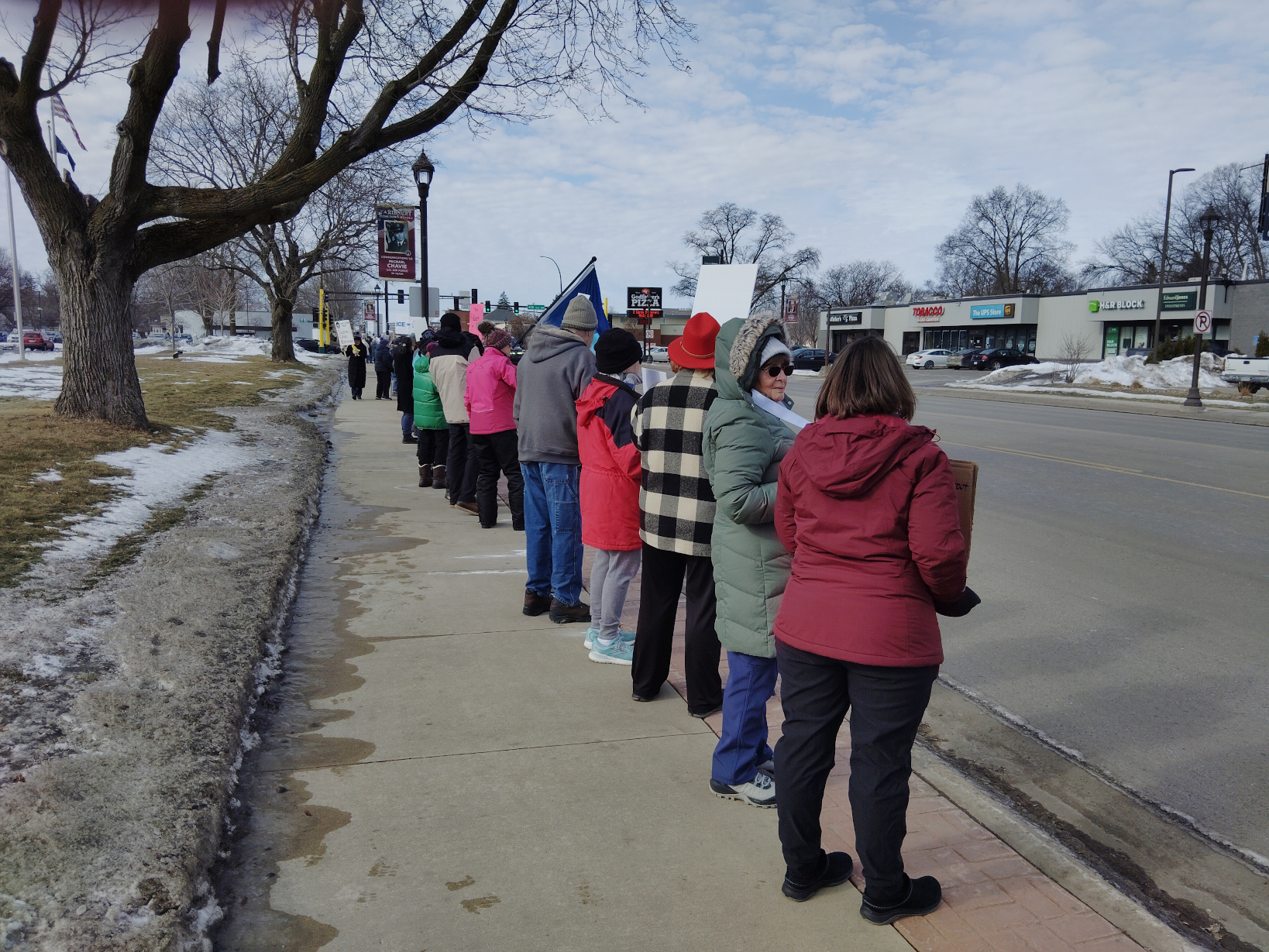
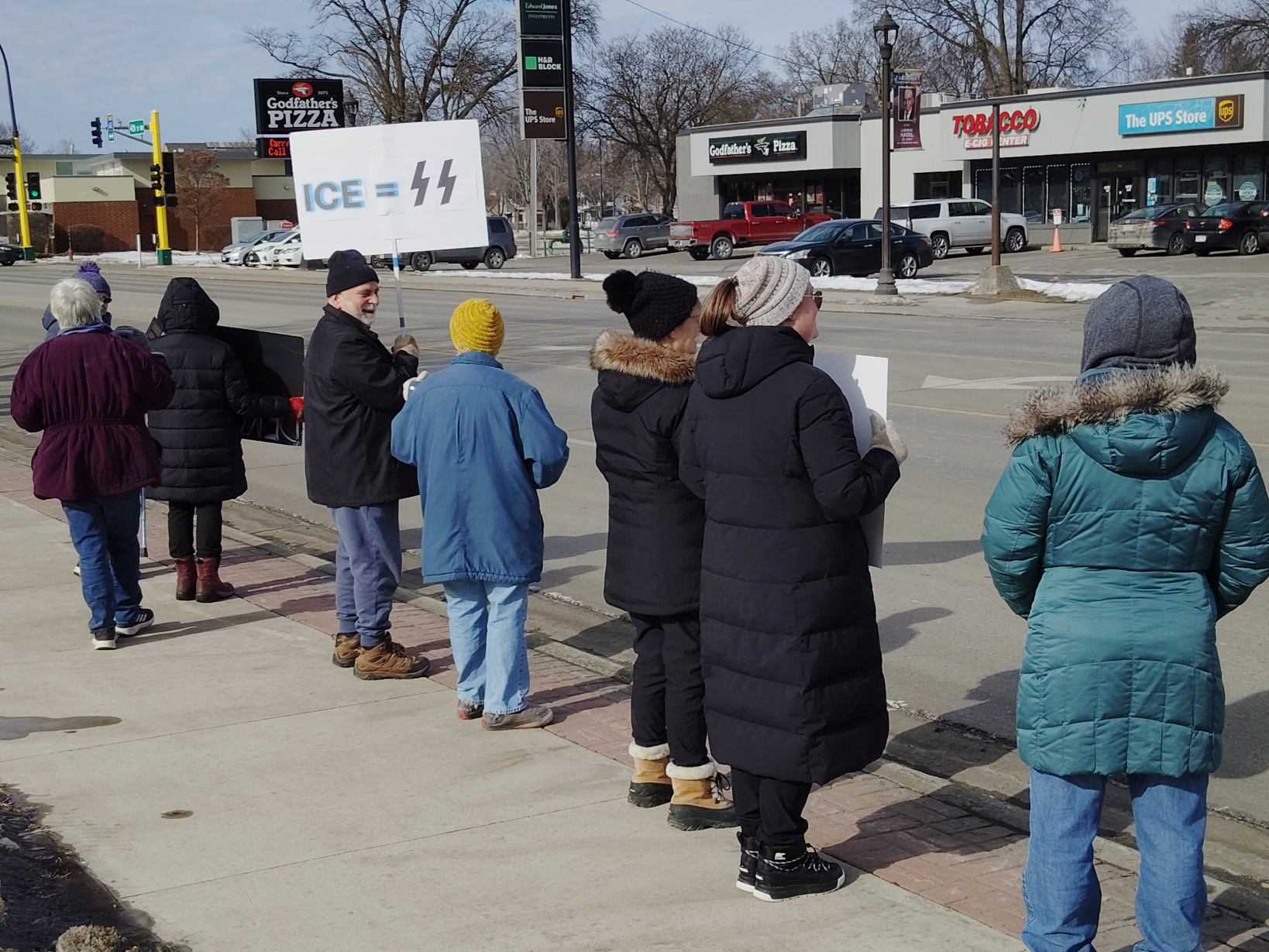
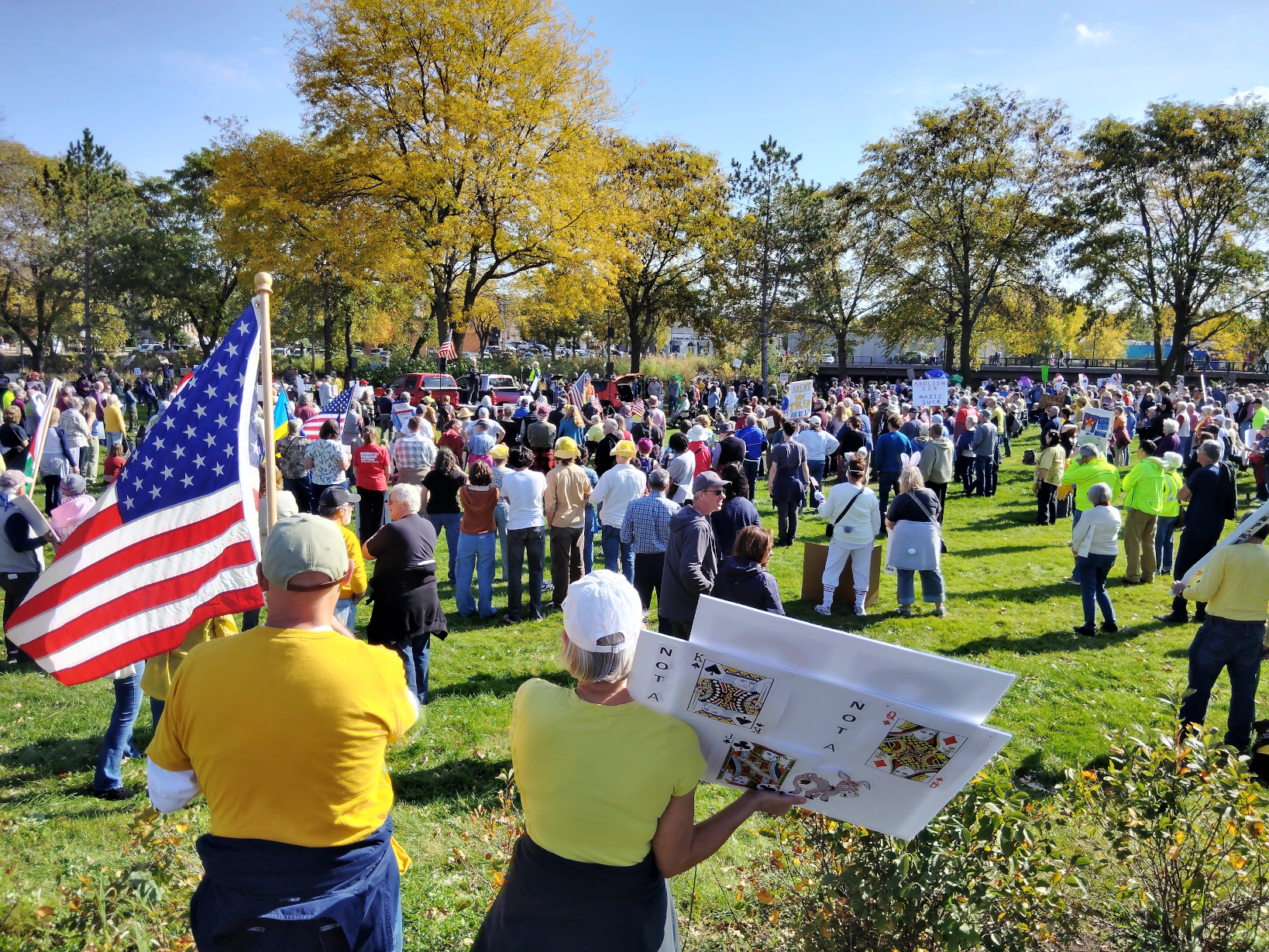
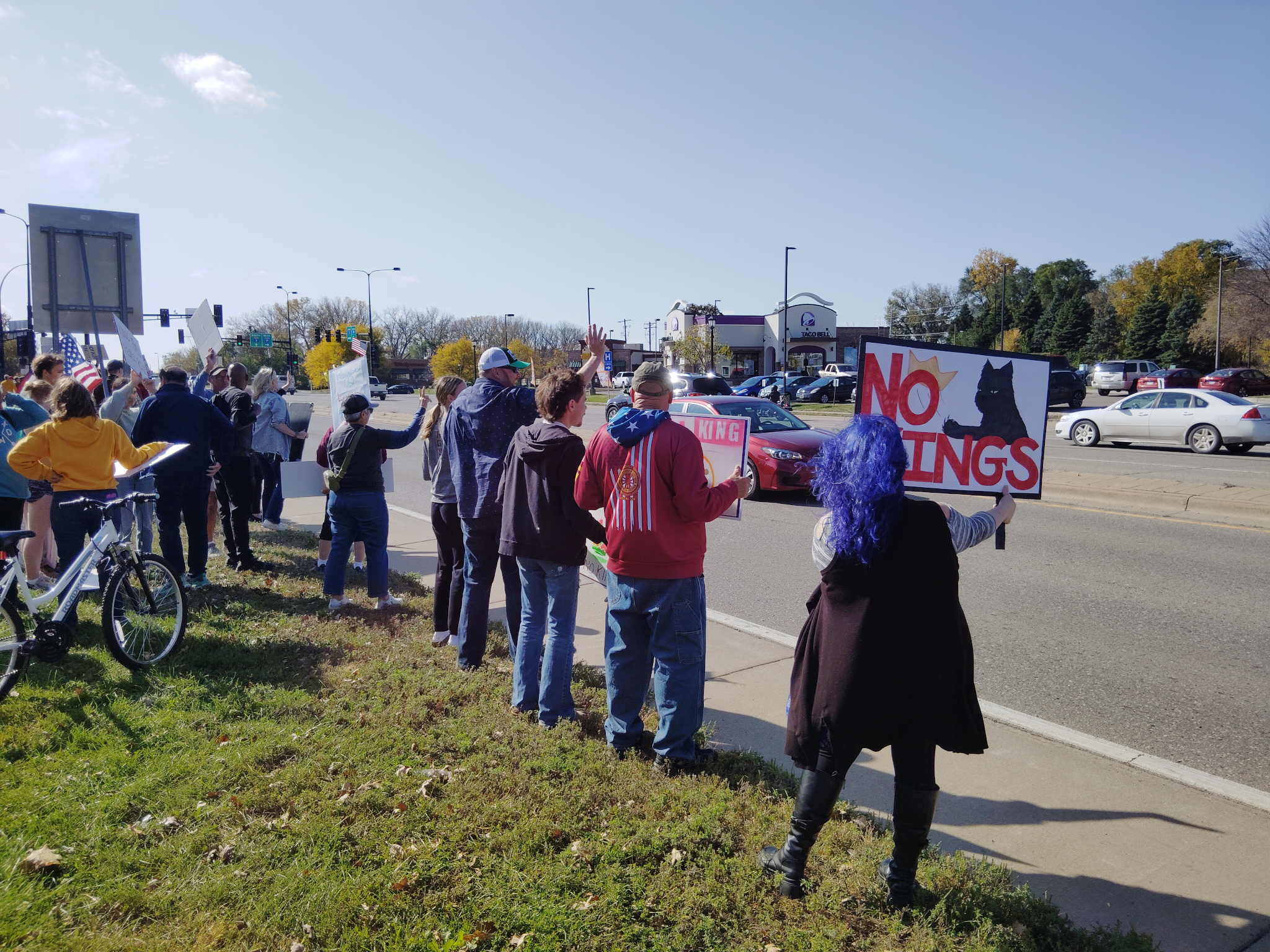
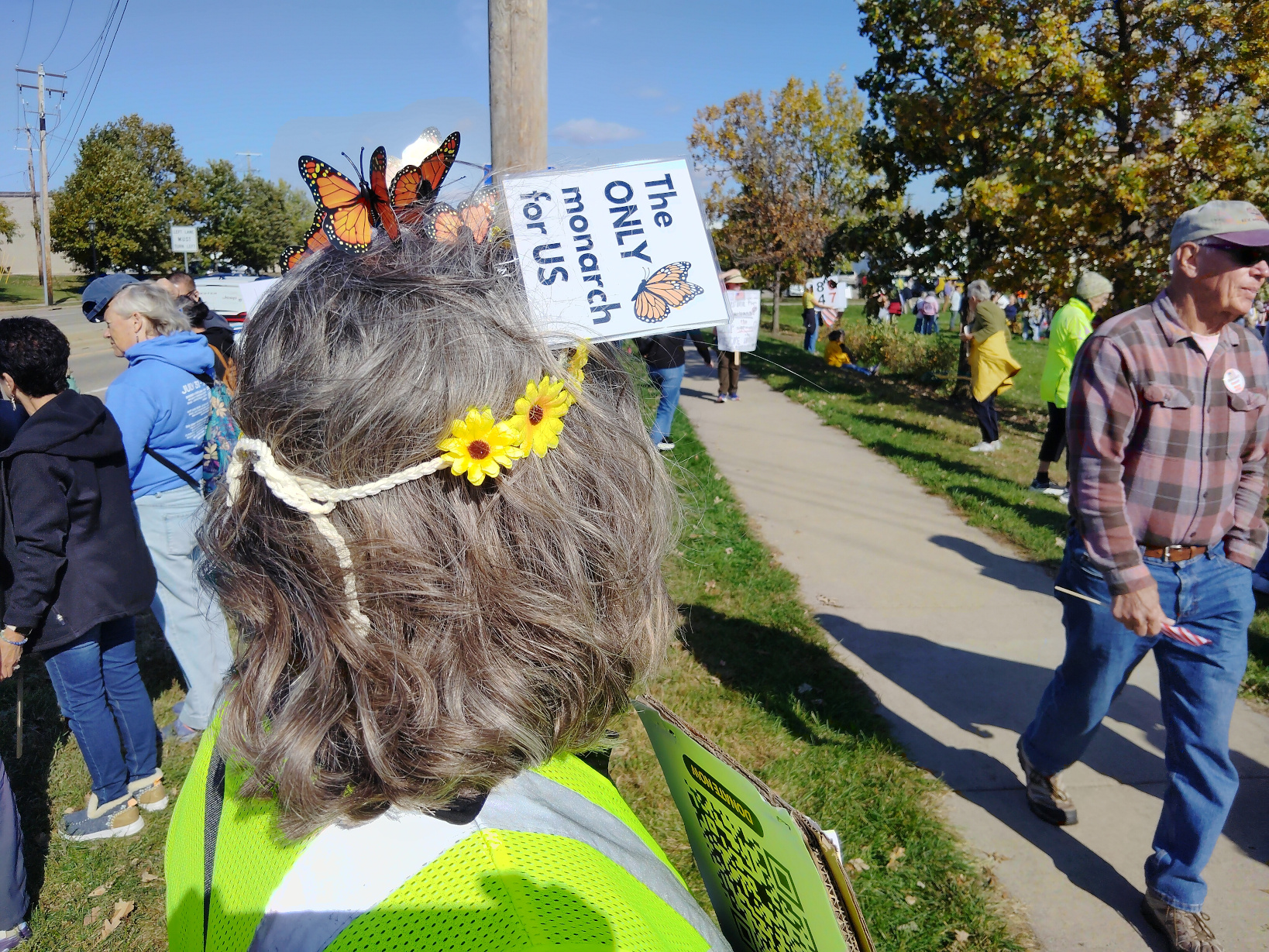
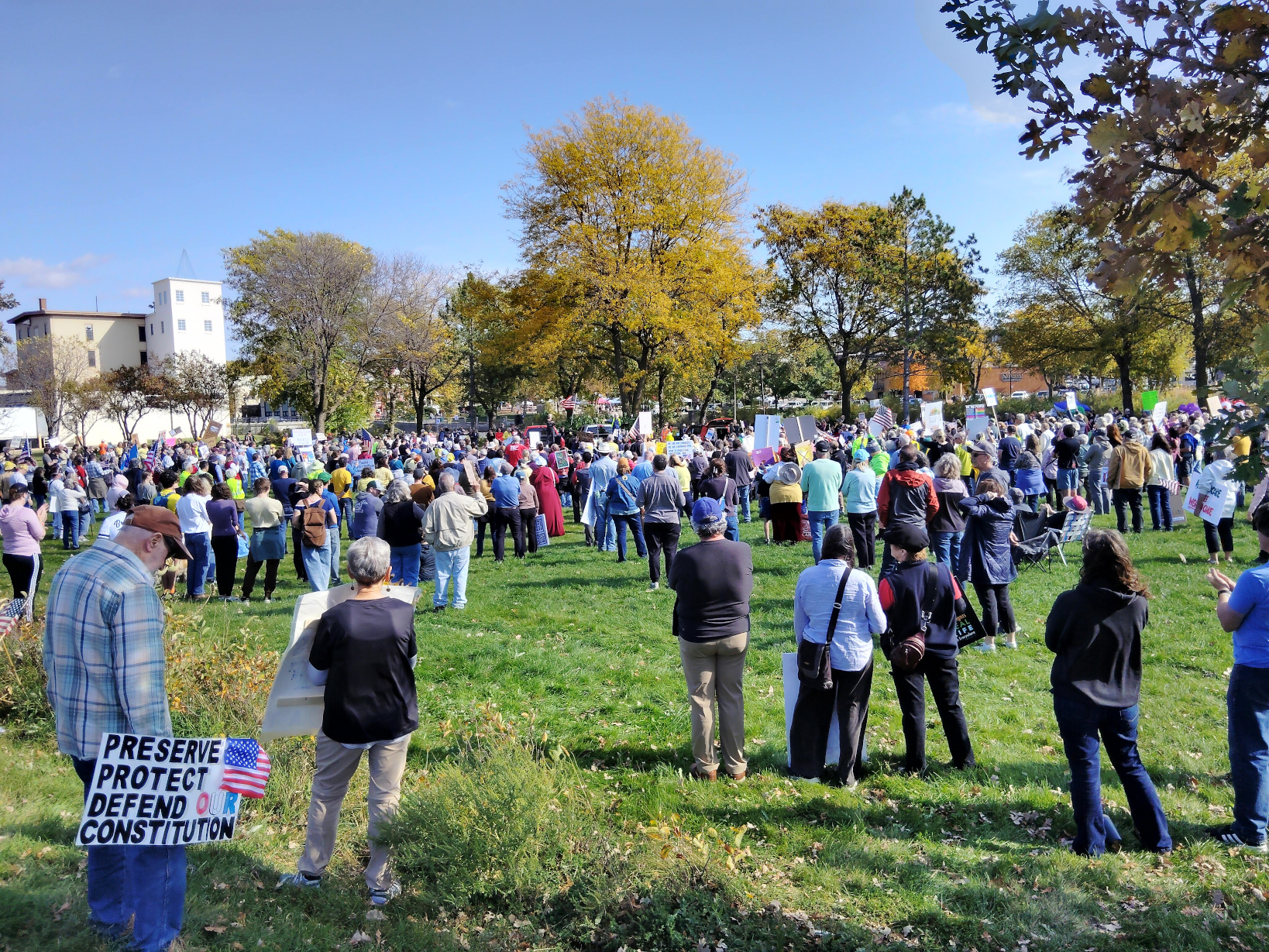
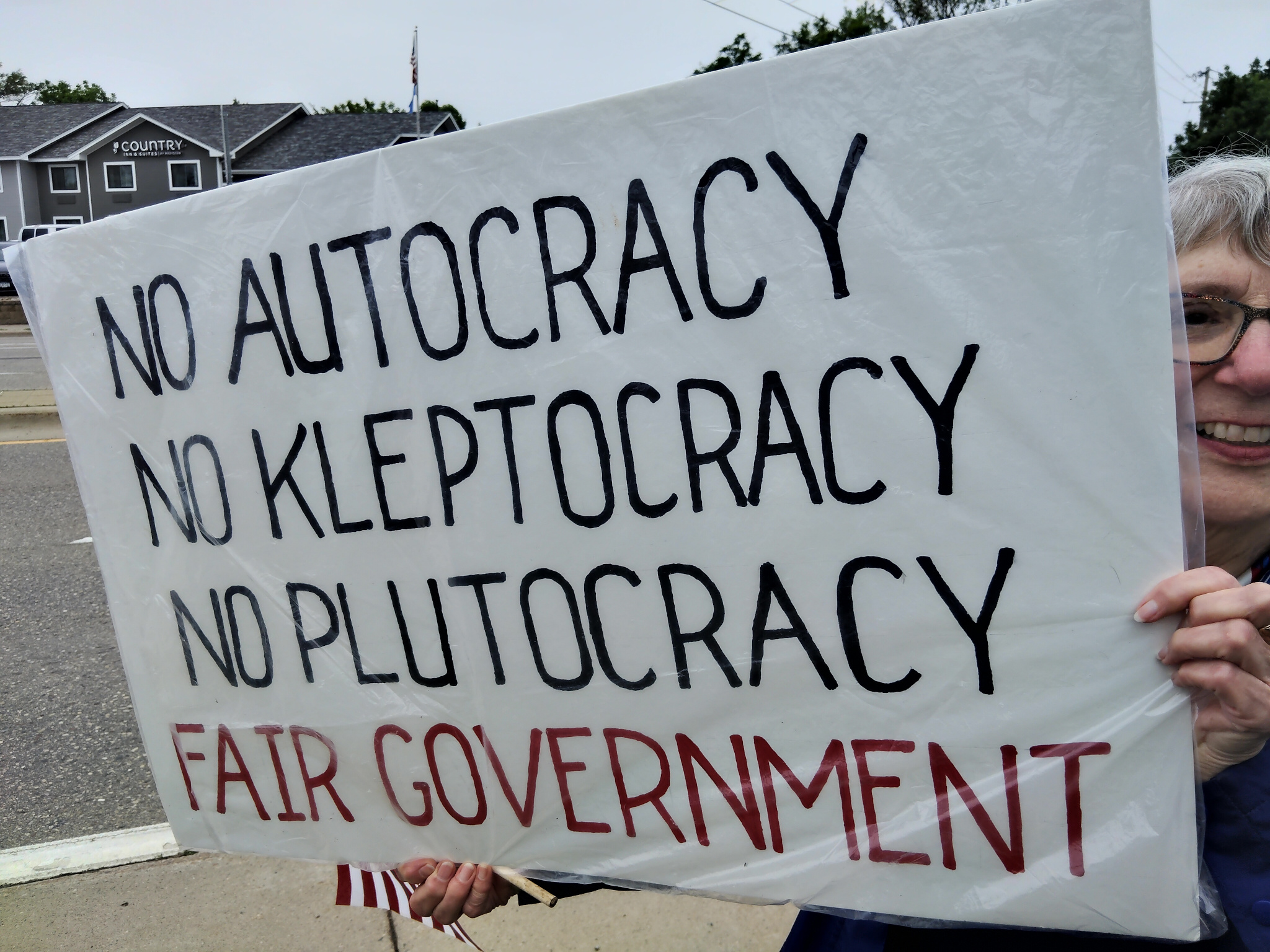
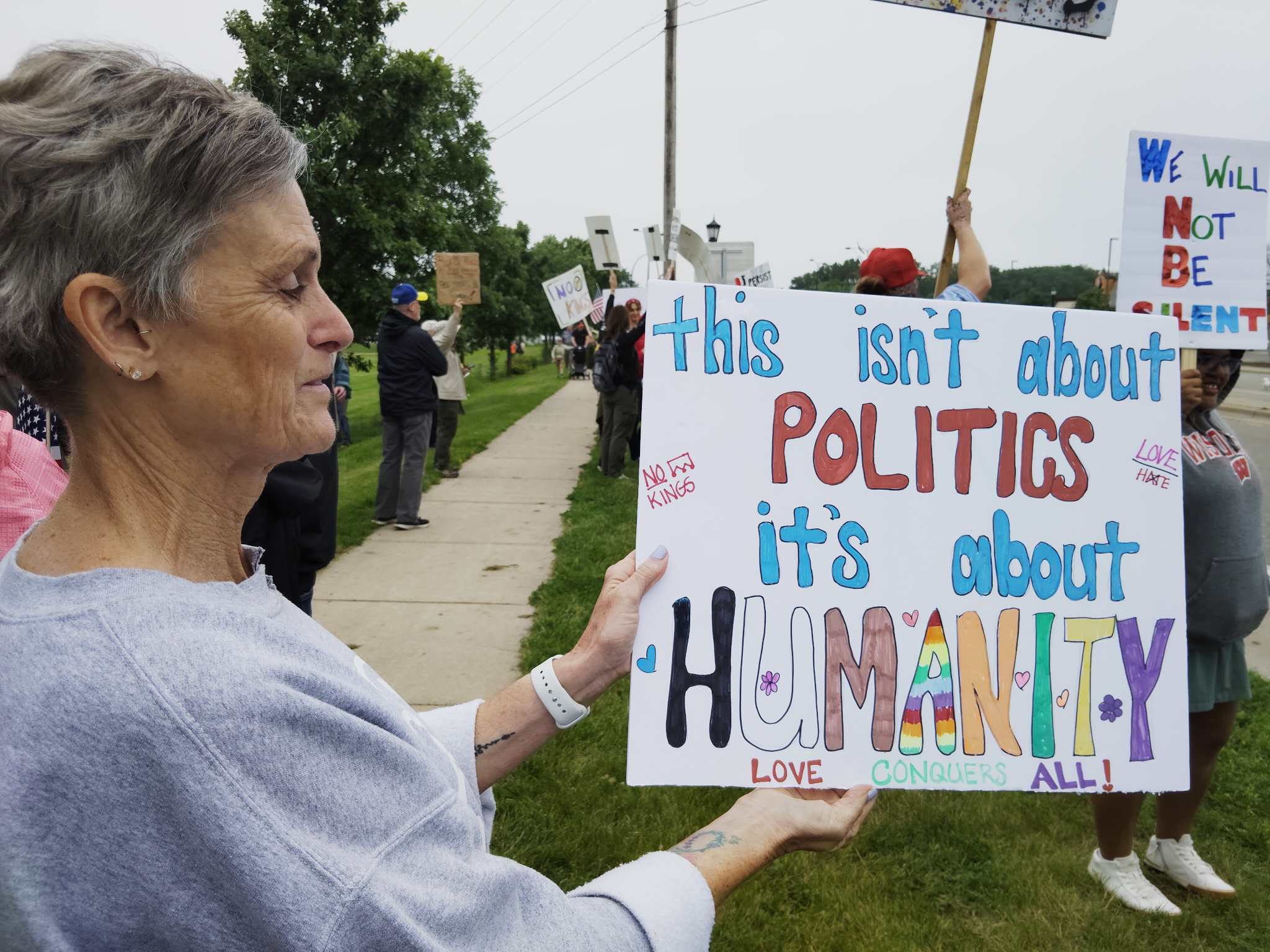
In June 2025, I attended my first protest. Since then, I’ve become a regular on the protest line in my community, publicly raising my voice every Saturday morning against the current administration. I never thought that at my age, I would be protesting. But there I am standing street-side, shoulder-to-shoulder with others as concerned as me about the leadership in America and the very real threats to our democracy. “Very” is not a word I like to use. But I can’t think of a suitable synonym.
What concerns me? Threats to voting rights. Threats to freedom of speech and freedom of the press. Threats to individual liberty. Threats to the environment. Unlawful immigration enforcement. Lack of due process. Unauthorized and unnecessary war. A lack of checks and balances in a government of executive, legislative and judicial branches. Unchecked power. Unqualified individuals in federal government leadership positions. Cuts to Medicaid, education and more areas than I can possibly list. A Congress that mostly seems to lack a backbone, that caters to the president. Inflation. Tariffs. The high price of everything. The pardoning of insurrectionists. Abuse of power. Lies, lies and more lies. So much. So much.
I find all of this incredibly challenging in this semiquincentennial year when we should all be focused on celebrating. But if I pause and reflect among all the uncertainty and chaos, I recognize that I still have a voice. I am free to express myself. To write. To disagree. To hold a protest sign.
And, for now, that is something worth celebrating.
© Copyright 2026 Audrey Kletscher Helbling