
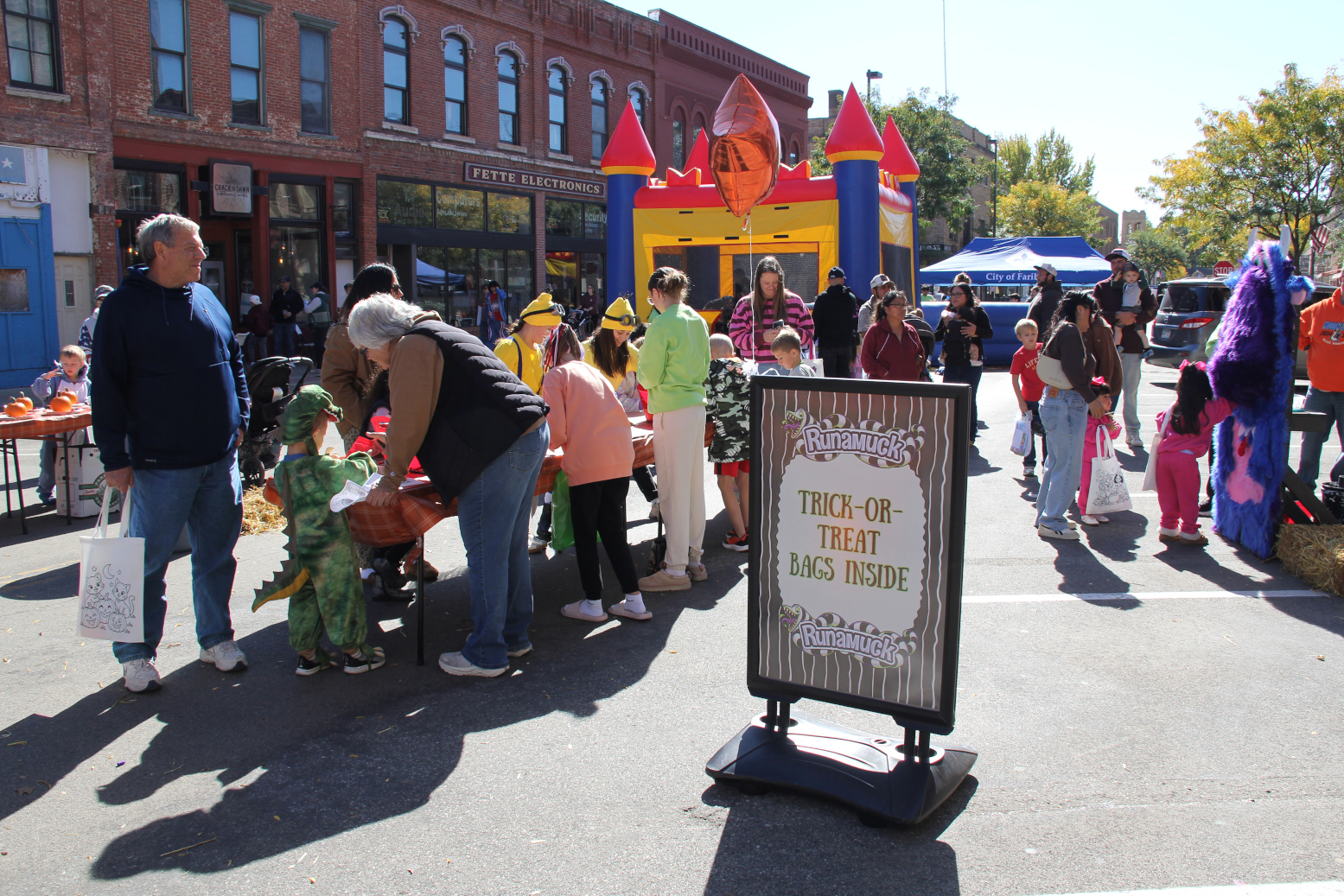
KIDS COSTUMED as Big Bird, Buzz Lightyear, a firefighter, cowboy, dinosaur, pig, even a cupcake, and many other characters descended on Central Avenue Saturday for the Faribault Fall Festival. What a delight to see the street crowded with costumed kids and with adults enjoying a beautiful, sunshine-drenched autumn day in our historic downtown.
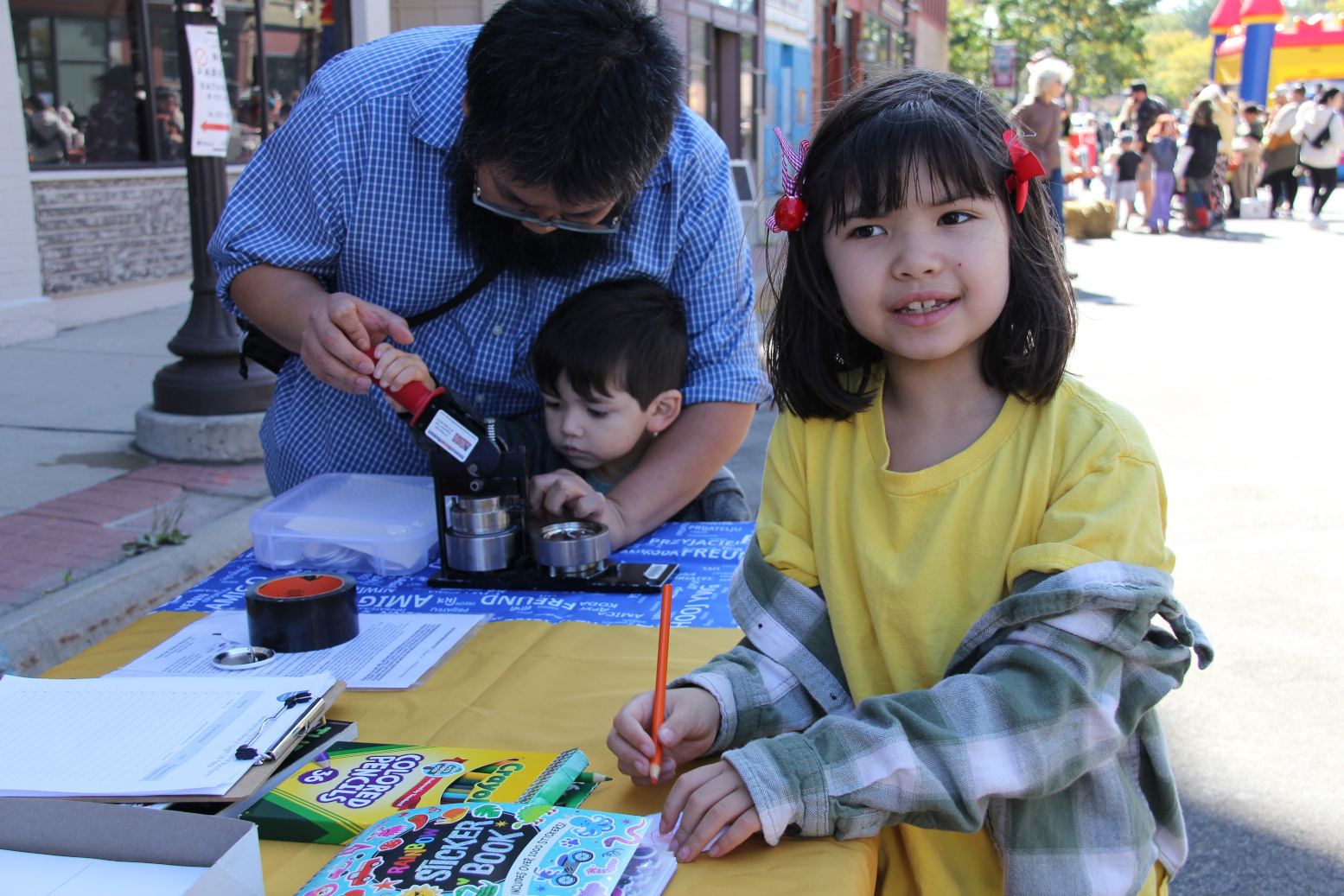
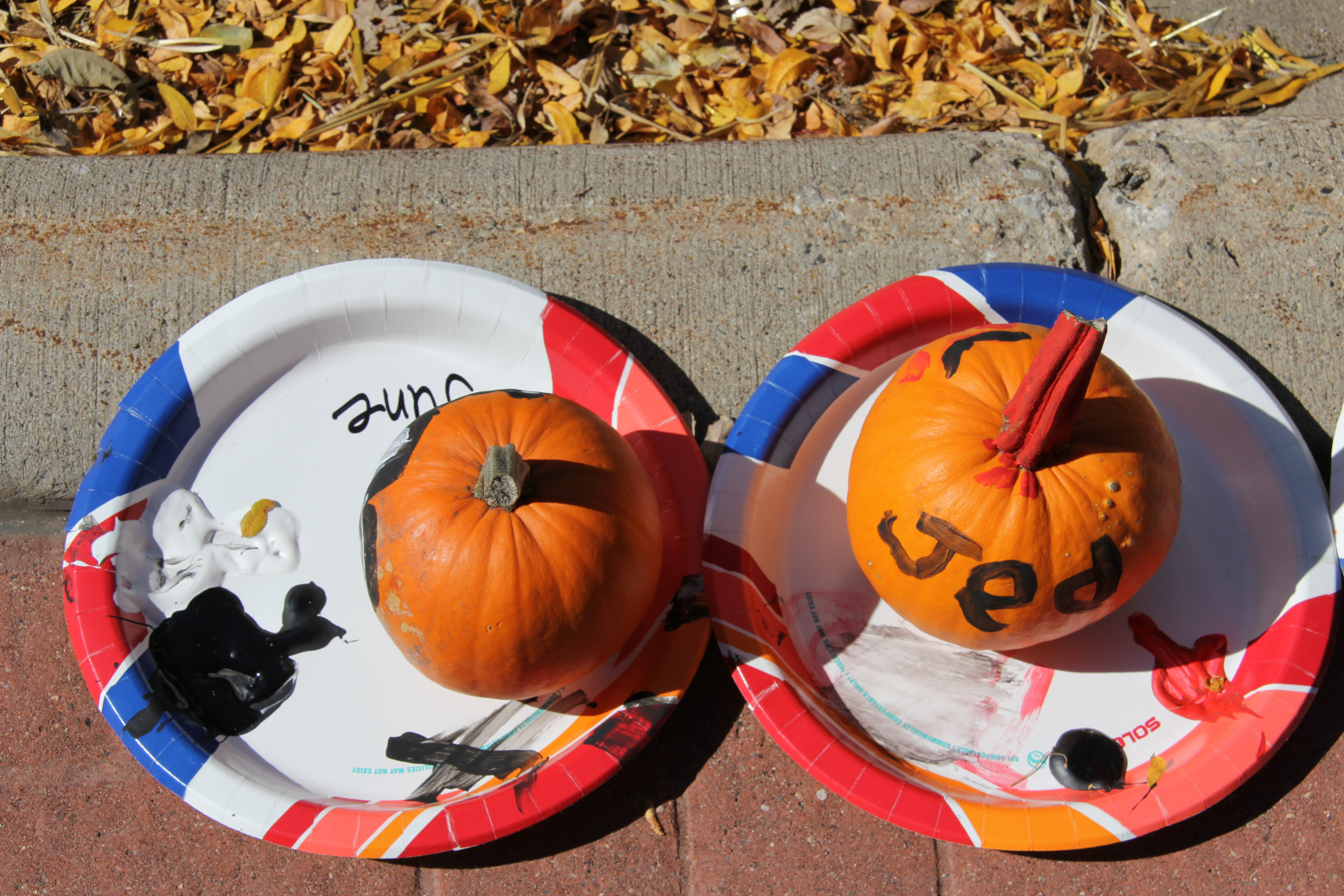
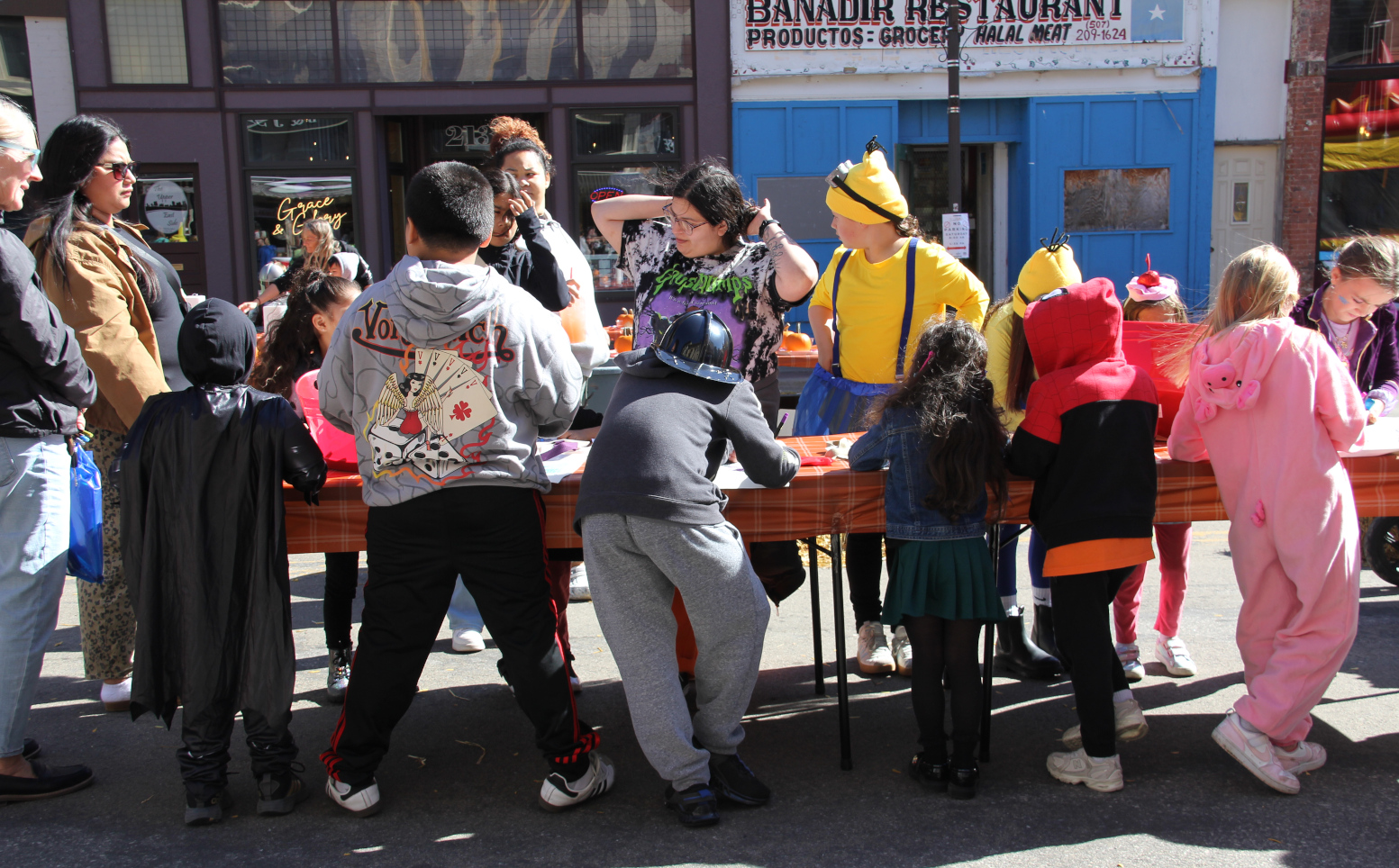
The event featured not only kids’ activities and trick-or-treating, but also the Studio ARTour, fire department open house, vendor market and chili sampling.
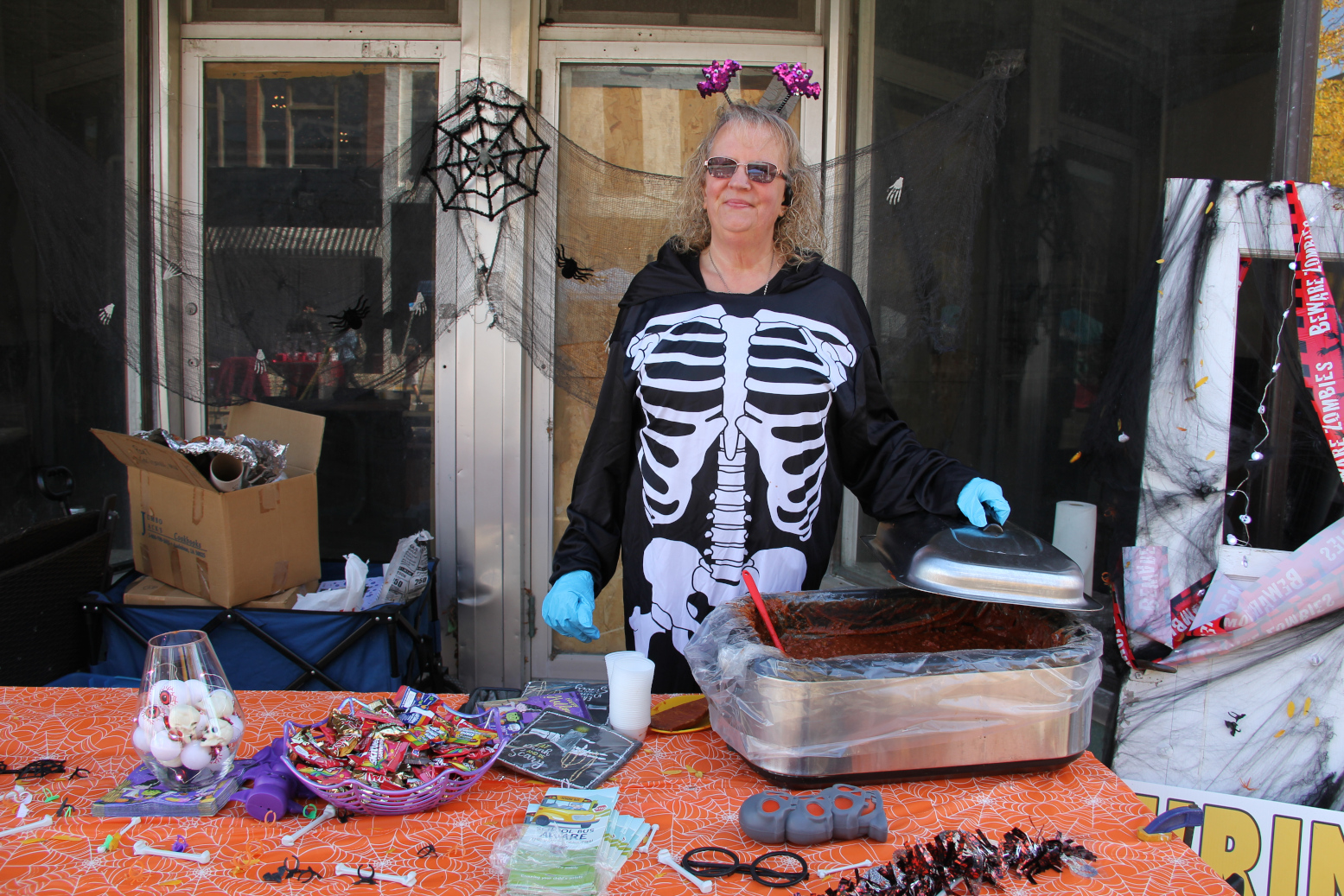
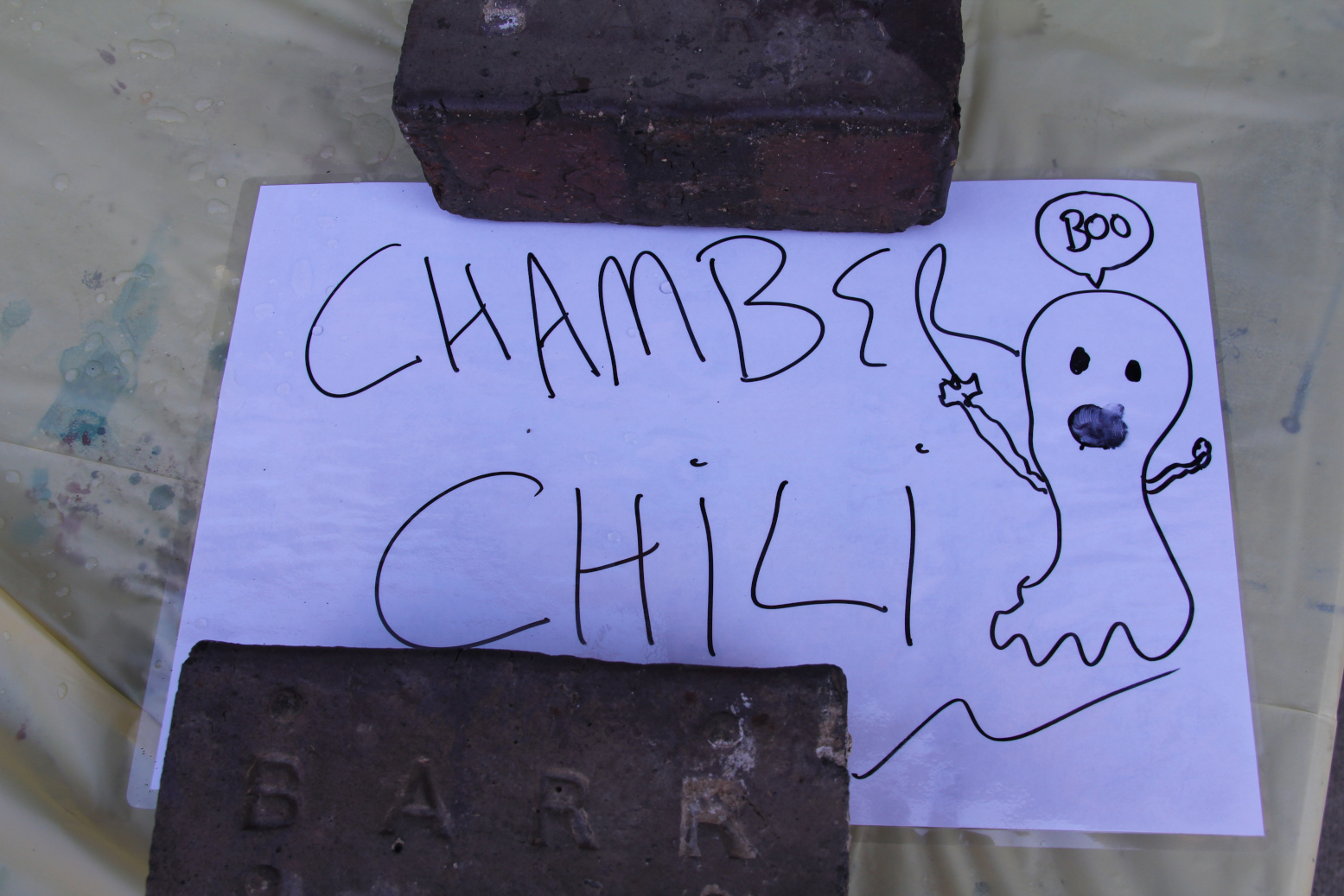
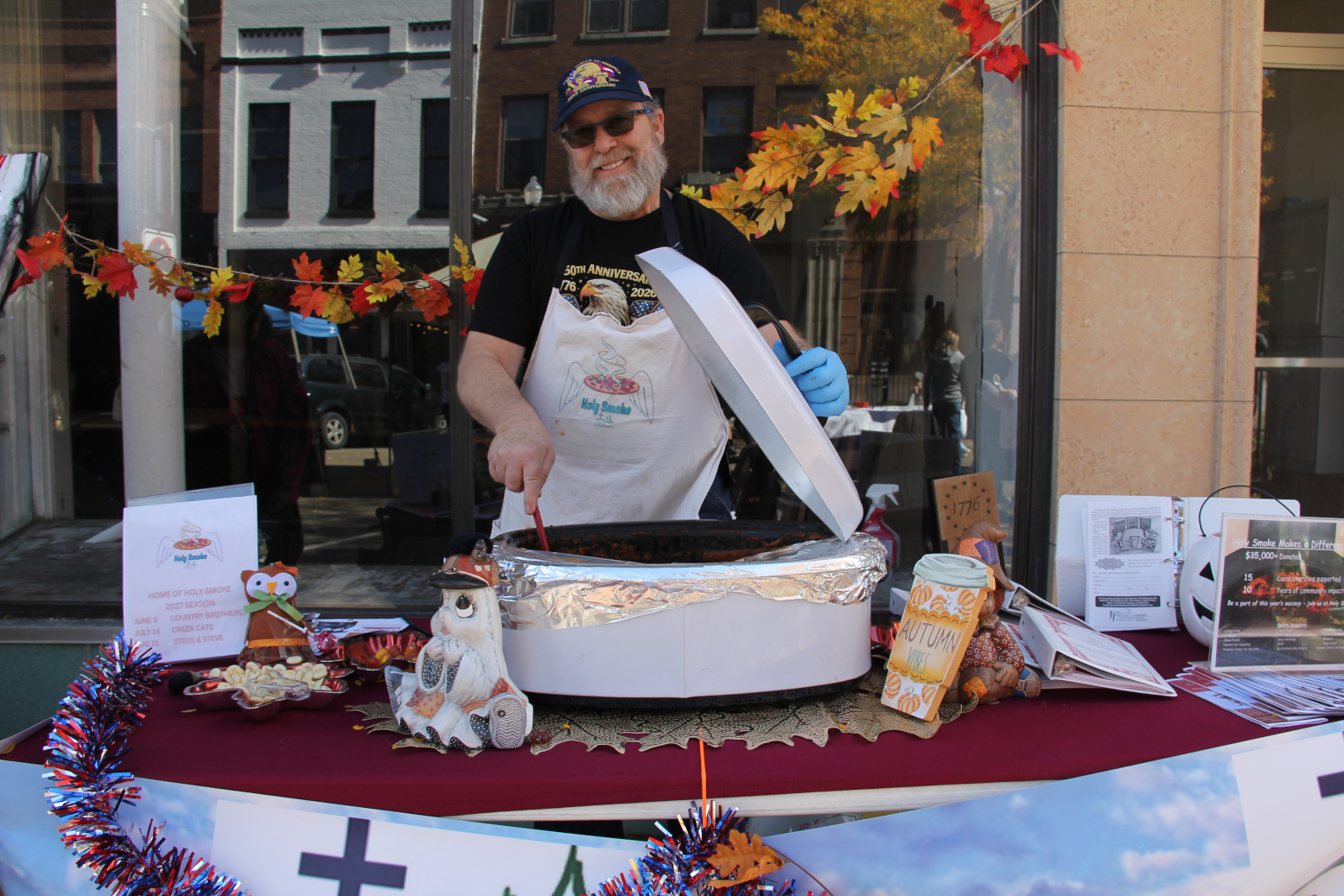
Randy and I arrived at noon specifically to sample chili made by non-profits, businesses, candidates for public office, a church and other cooks. For $5 each, we enjoyed a tasty lunch of chili samples. But it wasn’t all about the food. Moving among chili serving stations set up on sidewalks along several blocks, I met new people, talked with friends, dodged costumed kids, all the while feeling a strong sense of community connection.
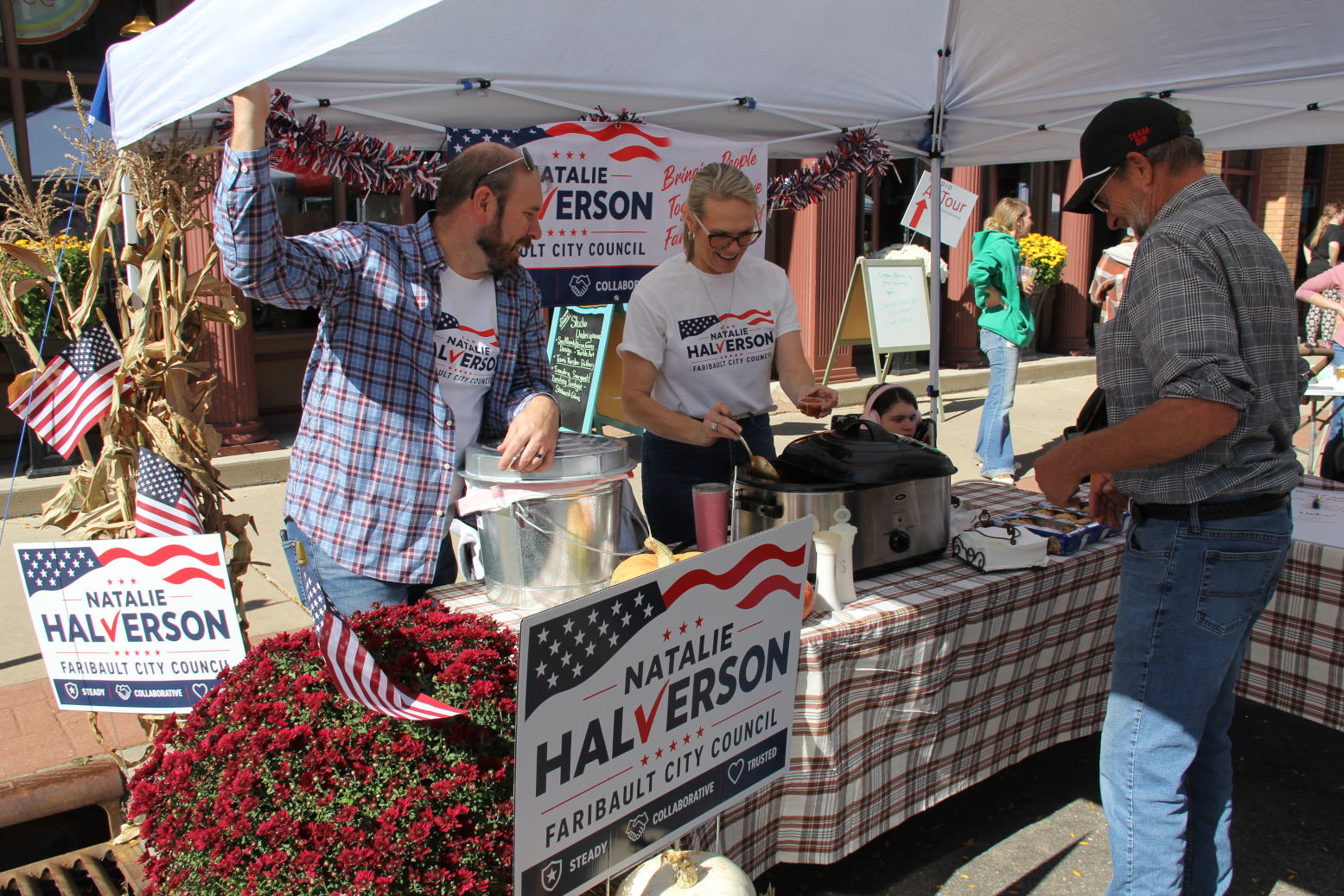
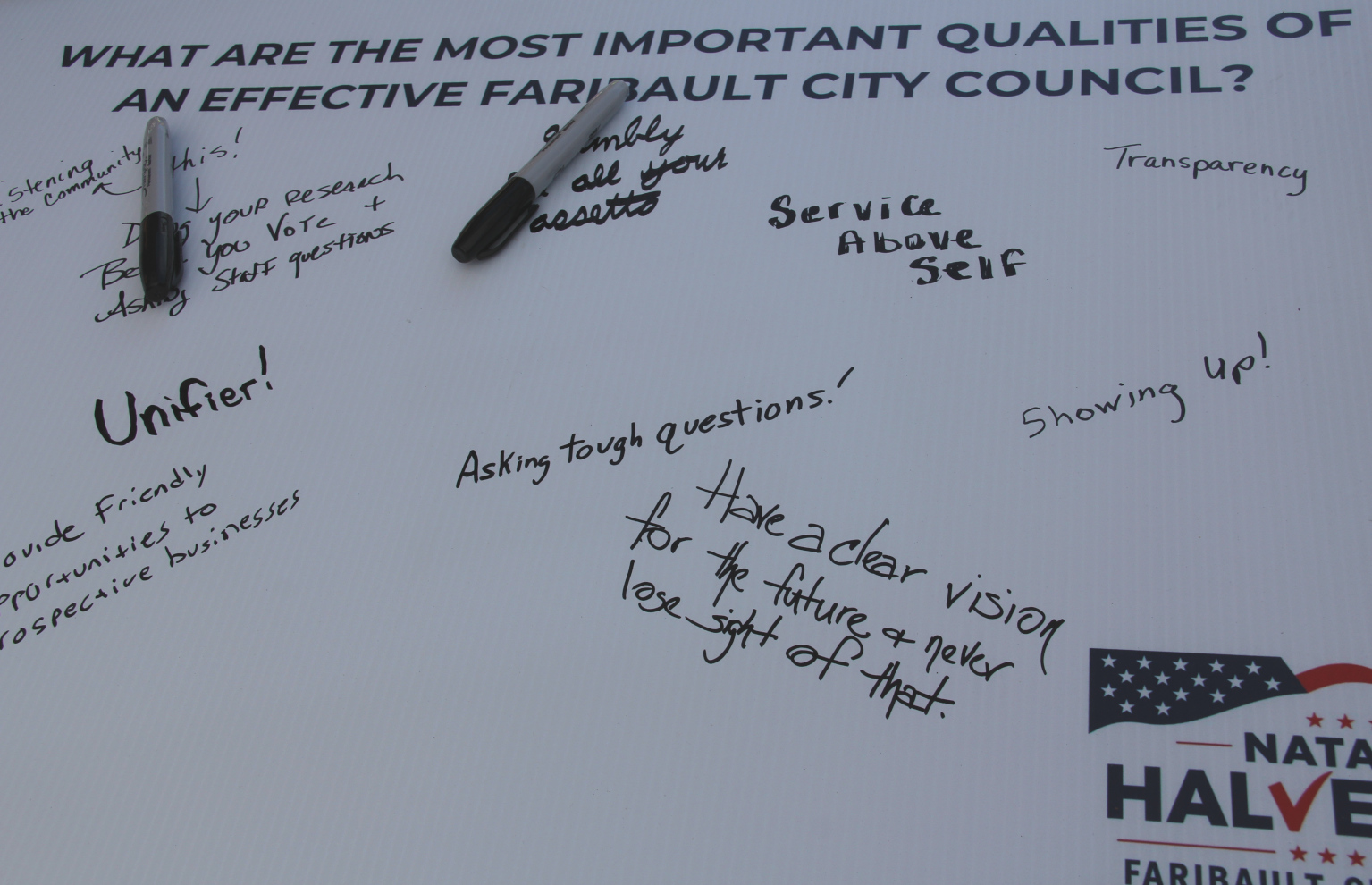
City council candidate Natalie Halverson scooped out pumpkin chili made with foods sourced in Faribault, including turkey and beans. But she also served up an opportunity for locals to jot down their answers to this question: “What are the most important qualities of an effective Faribault City Council?” That engagement impressed me.
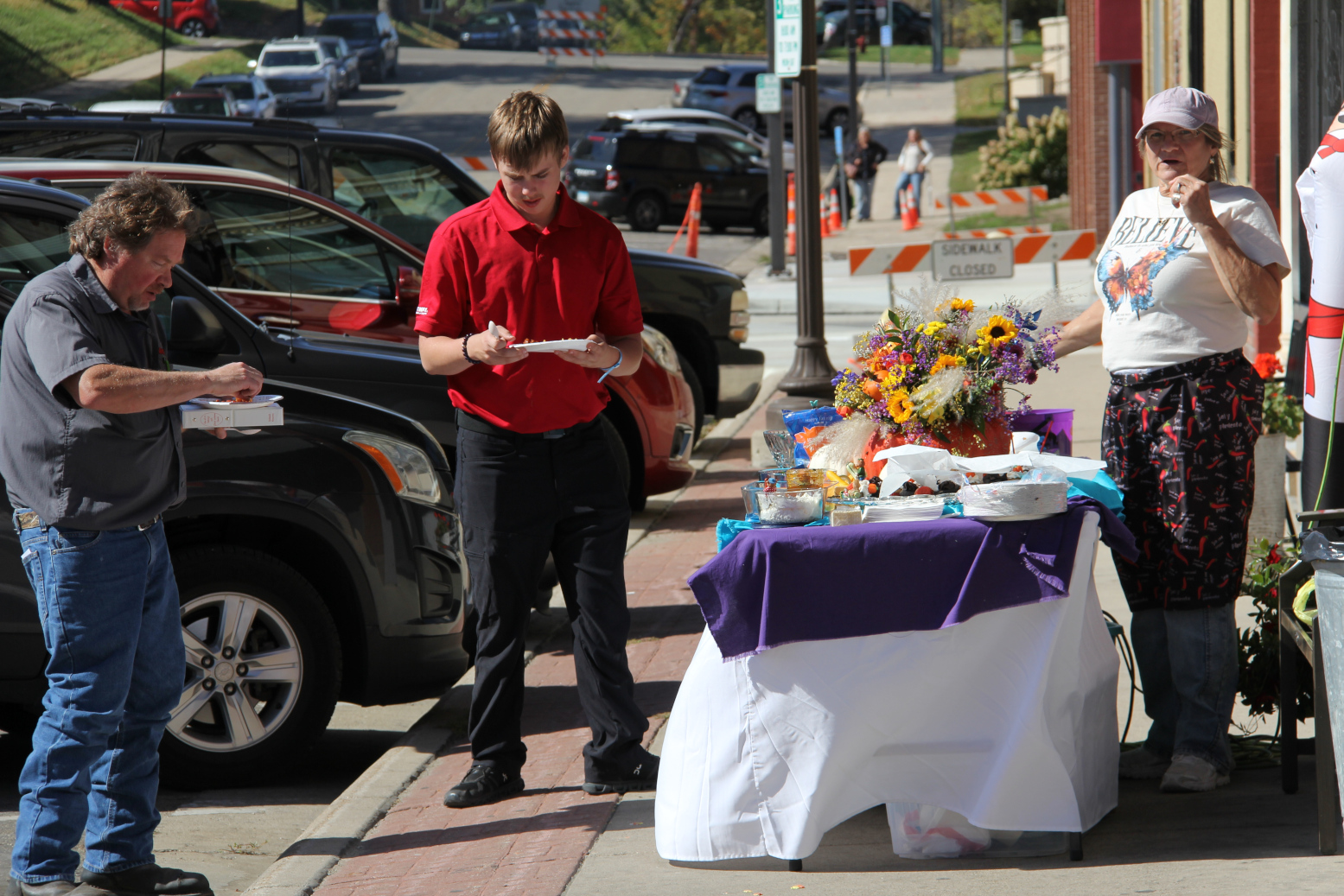
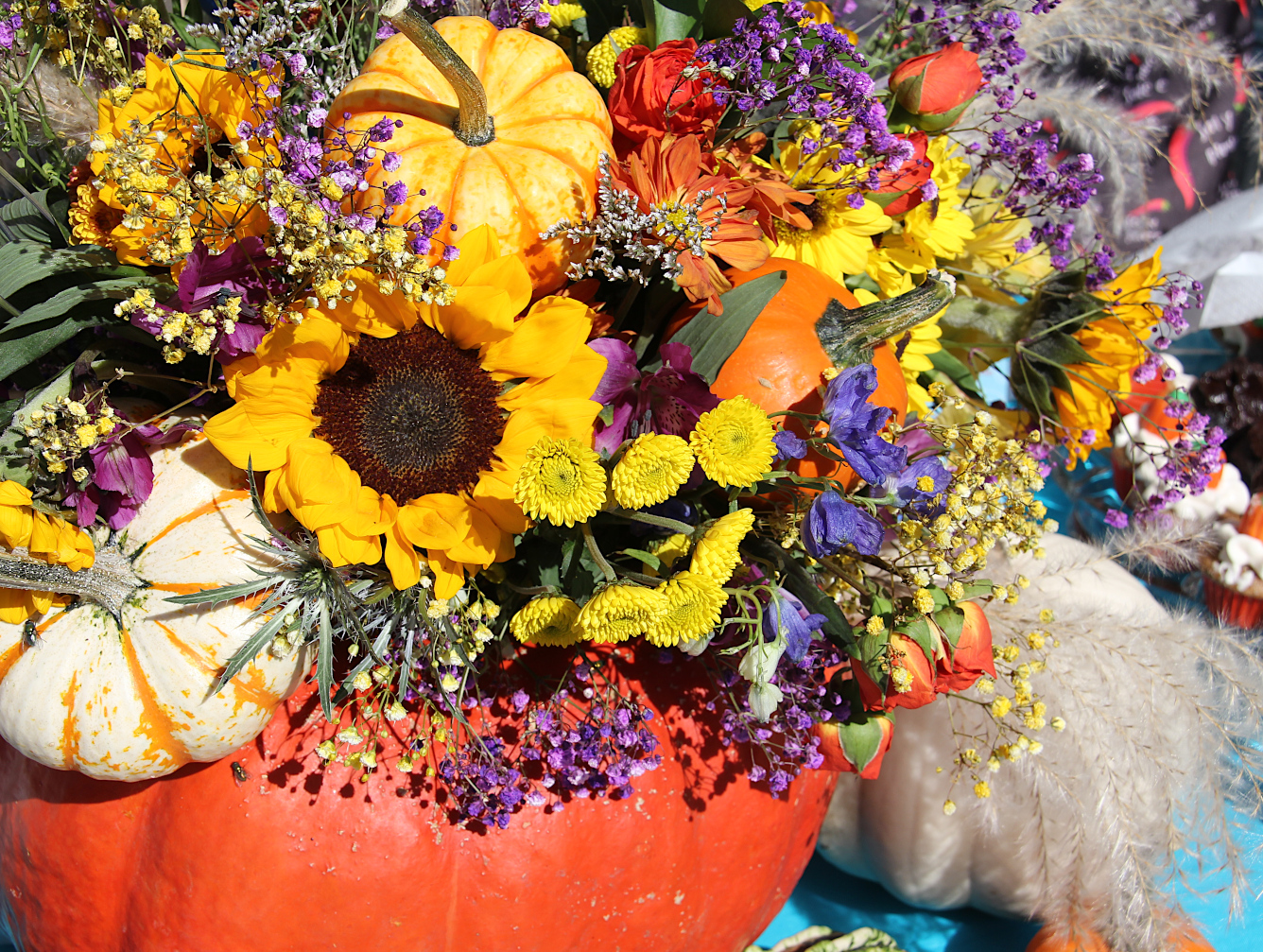
Around the block, Nancy Greer served her beefy chili, cornbread, cheese and crackers with a pepper spread, and mini cupcakes on a festive table outside Our Place on 3rd. Like Halverson, she offered more. Greer shared mental health and suicide prevention information, handing me a flier about World Mental Health Day on October 10 and Recovery Road MN. The Recovery Road team is walking 1,776 miles to raise awareness about youth mental health and reduce the stigma.
Greer’s care, compassion, generosity and optimism—she wore a butterfly tee emblazoned with “BELIEVE in who you are”—left me feeling really good. I walked away with a business-sized card telling me “SOMETIMES YOU FORGET you’re AWESOME. SO THIS IS YOUR REMINDER.” The flip side of the card included validating words such as strength, bravery, smartness and love.
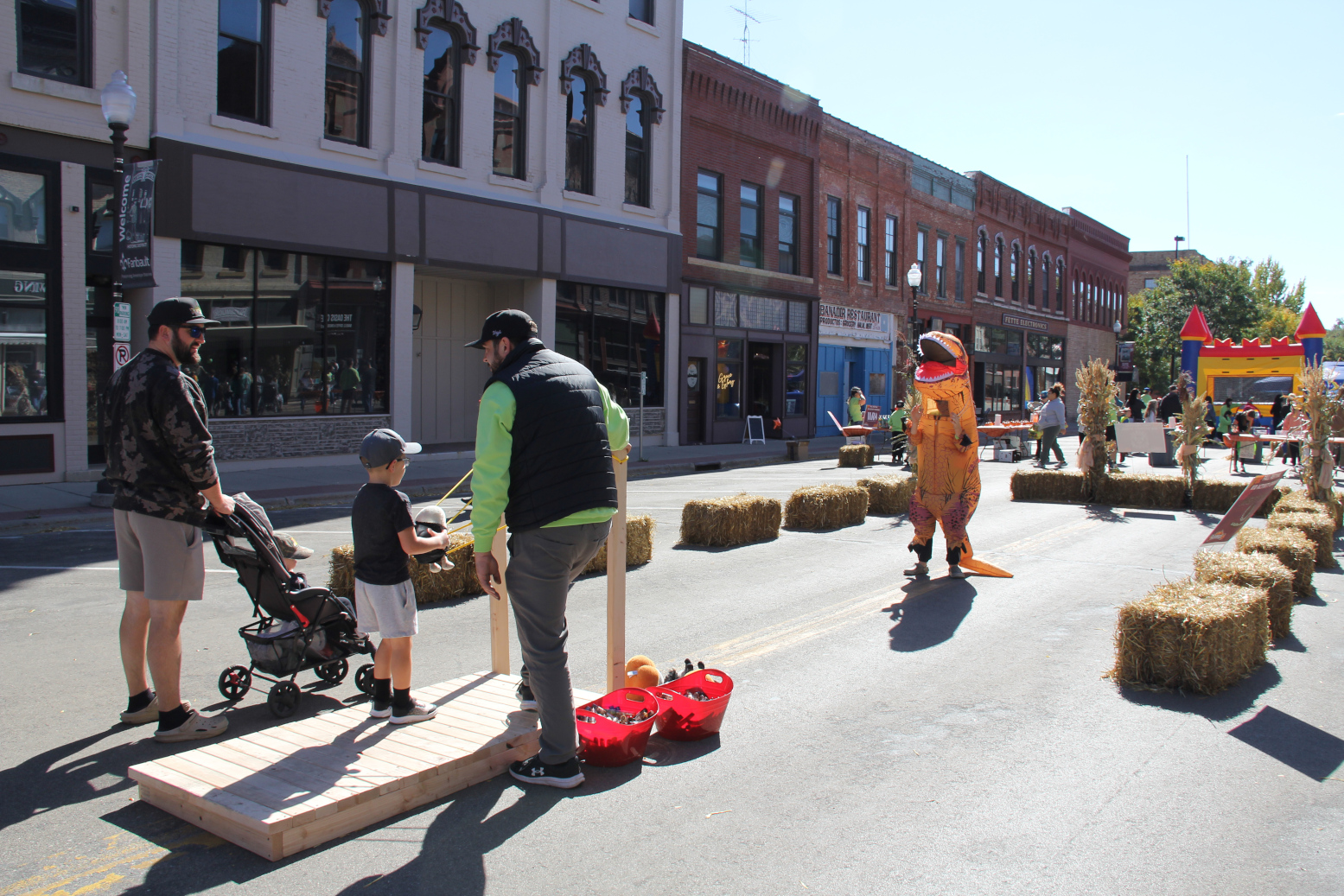
All around me I witnessed and felt the love. Families walking together. Grandparents, parents and volunteers leading, assisting or simply standing by as kids painted small pumpkins, colored cloth trick-or-treat bags, jumped in a bouncy house, launched stuffed animals toward a dinosaur, created sand and button art, and more.
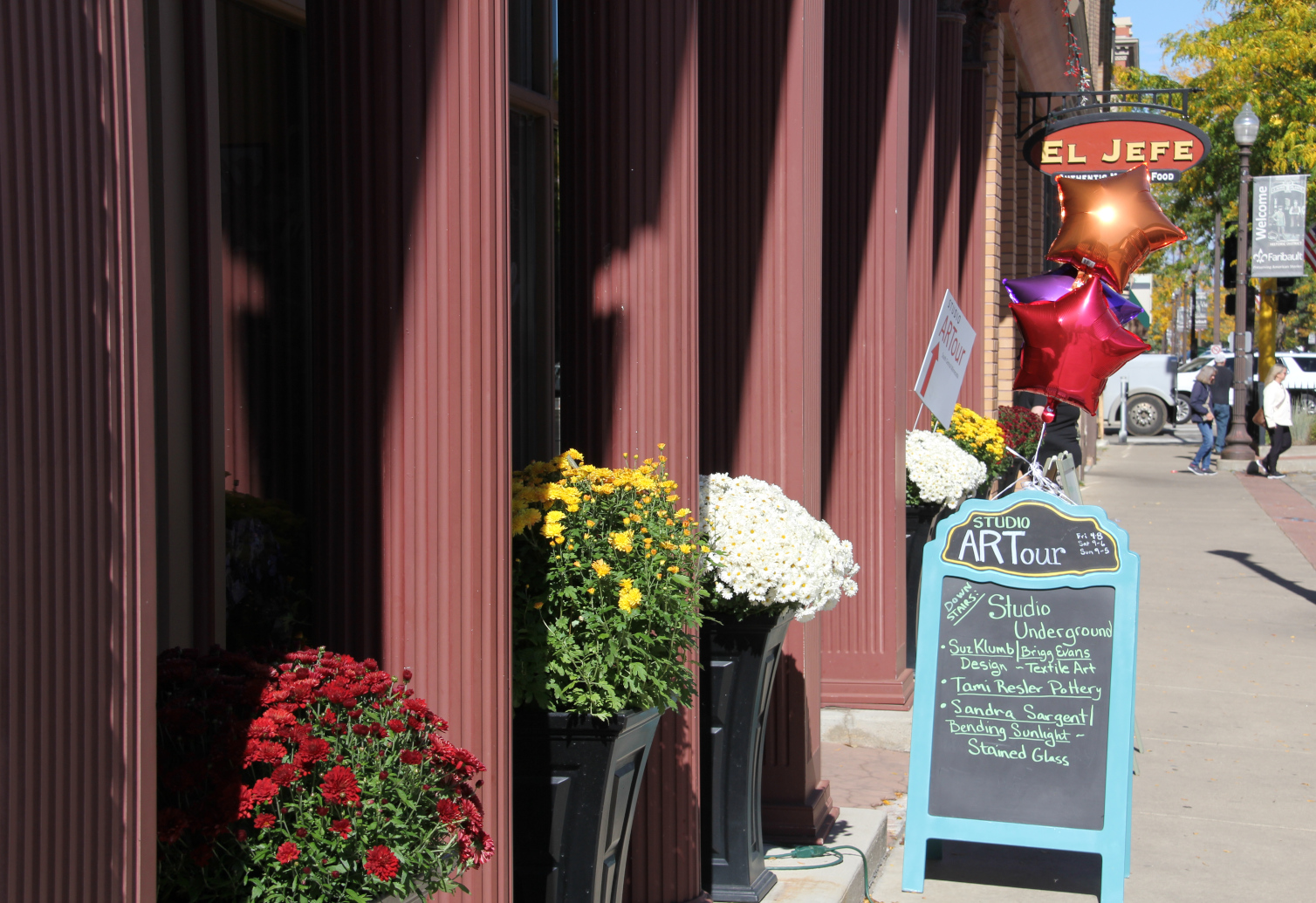
Inside Runamuck Workshop, throngs of kids and adults crammed the toy store. Across the street, Books on Central was also busy. And a block to the north, the Paradise Center for the Arts teemed with art-lovers there for the Studio ARTour, gallery shows and live music.
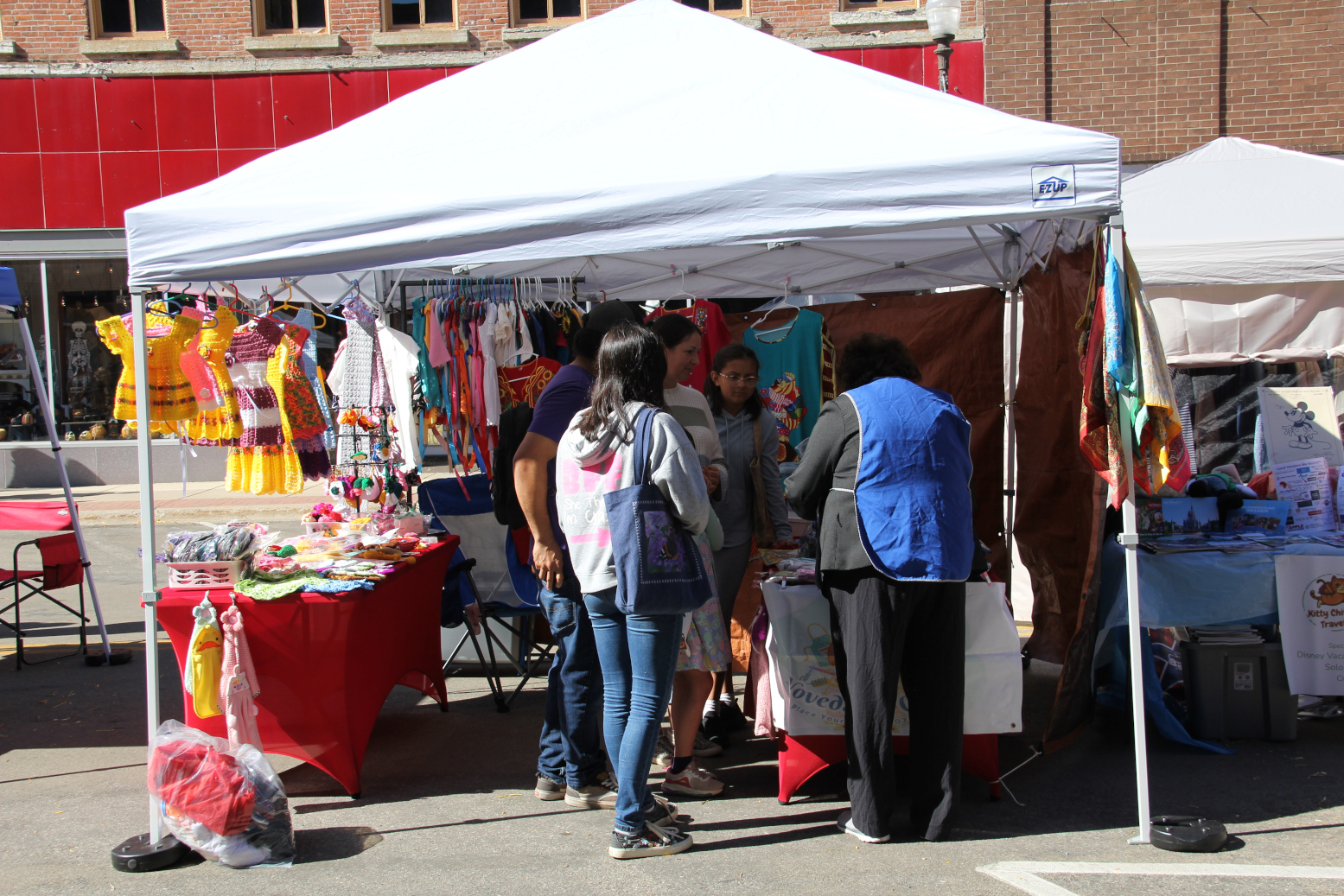
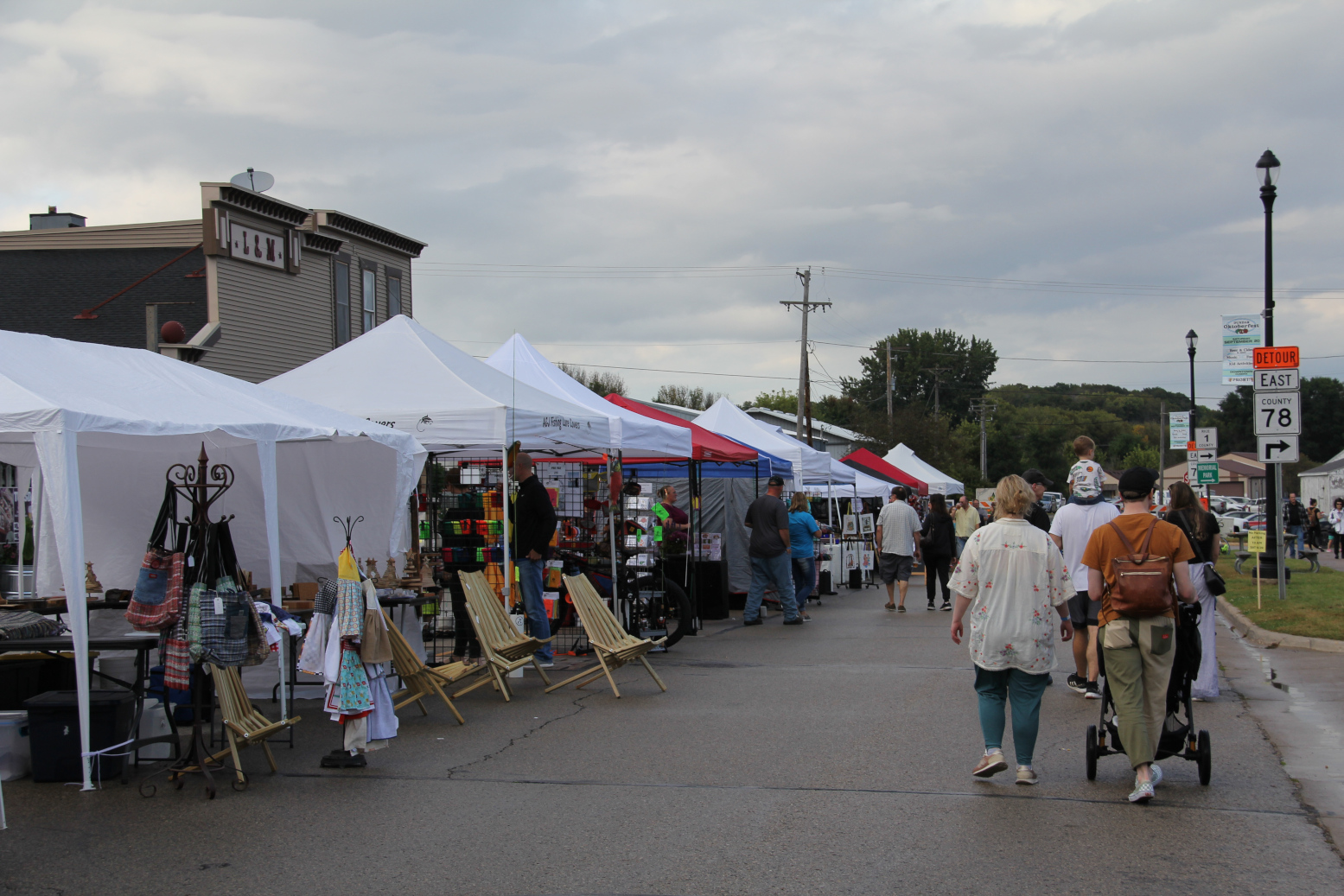
Vendors selling everything from sweet treats to handcrafted items lined the center of Central Avenue.
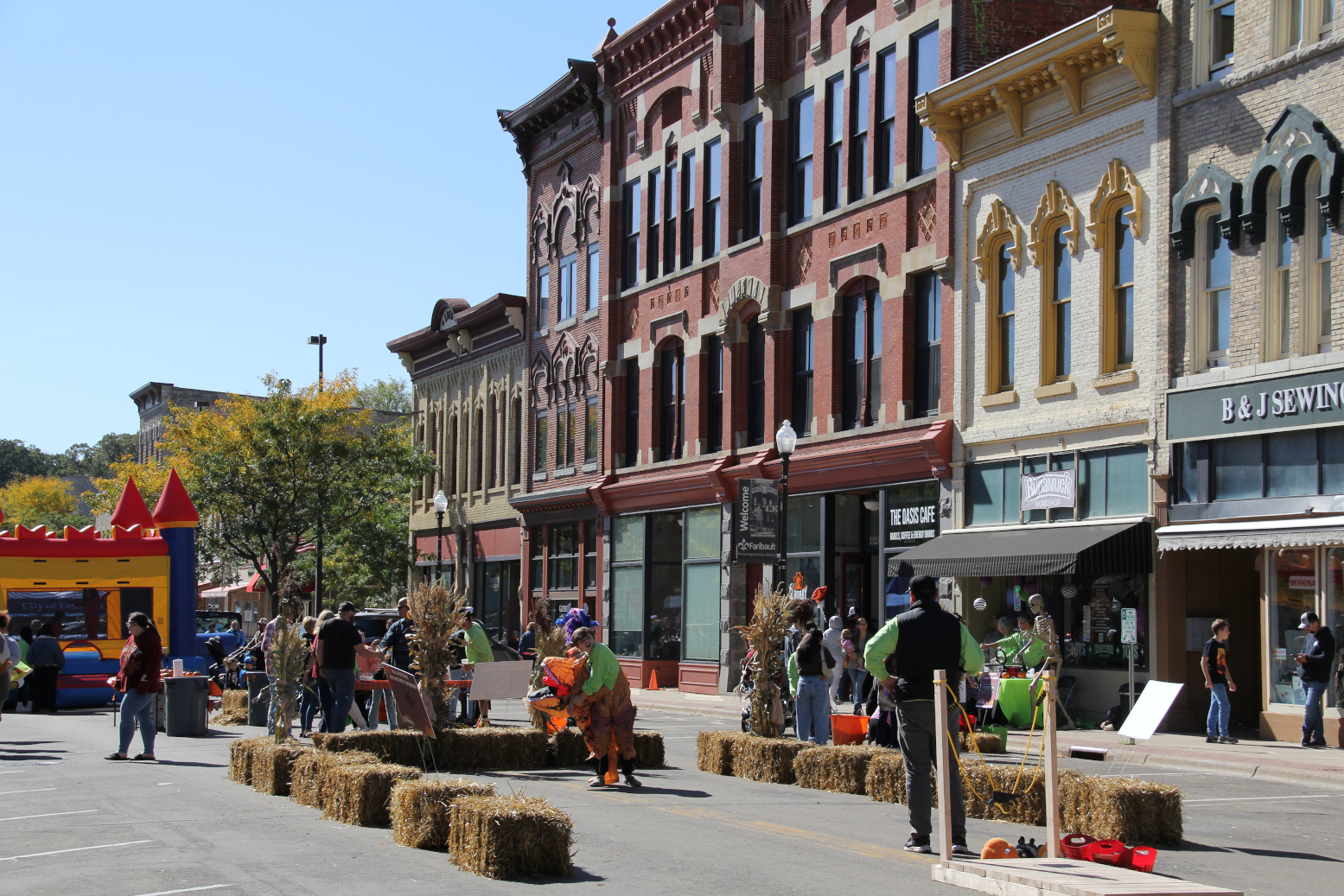
I didn’t hit every aspect of the Faribault Fall Festival. But I experienced enough to feel the strong sense of community created by this event. It’s good for the heart and soul of a community to come together, to have fun, to appreciate one another, and to recognize that this city we call home is worth celebrating.
© Copyright 2026 Audrey Kletscher Helbling








Juneteenth: You “shall be free” June 19, 2026
Tags: Abraham Lincoln, African Americans, Blacks, celebration, commentary, Emancipation Proclamation, freedom, history, holiday, June 19, Juneteenth, slavery
CONSIDER FOR A MOMENT the significance of Juneteenth. On this date in 1865, news of the Emancipation Proclamation finally reached enslaved African Americans in Galveston, Texas.
Imagine the jubilation of learning that you might really and truly be free. I expect that may have been difficult for many to believe. But two years earlier, President Abraham Lincoln signed the document ending slavery in states that had seceded from the Union. Not all states. Only those that had been part of the Confederacy.
The proclamation reads in part: I do order and declare that all persons held as slaves within said designated States, and parts of States, are, and henceforward shall be free… What powerful words—shall be free.
While slavery ended long ago, the struggle continues for anyone whose skin is other than white. Injustices and racial discrimination remain. To think otherwise is to be in denial. Look what’s happening with gerrymandering and voting rights. Consider cases of police brutality and incarcerated Black men who were later cleared of crimes they did not commit. Consider poverty.
And remember the Civil Rights movement, the fight for equality that happened long after slaves were declared free. But not equal.
Juneteenth marks a day to reflect on how far we have come and how far we have yet to go. I care about this personally. My 18-month-old grandson is bi-racial. And although he looks decidedly White with light skin and a head of blonde curls, the blood of slavery runs through his ancestral veins. Some day he will learn about the Emancipation Proclamation and the struggles that preceded and followed.
And I hope that when he understands, he will celebrate Juneteenth in a big way. He already loves music, bopping his head and swaying his body to the beat of songs thrumming from his toys.
Juneteenth holds the same joyfulness. The spirit of freedom and celebration encompassed in the words of the Emancipation Proclamation. You shall be free.
© Copyright 2026 Audrey Kletscher Helbling