
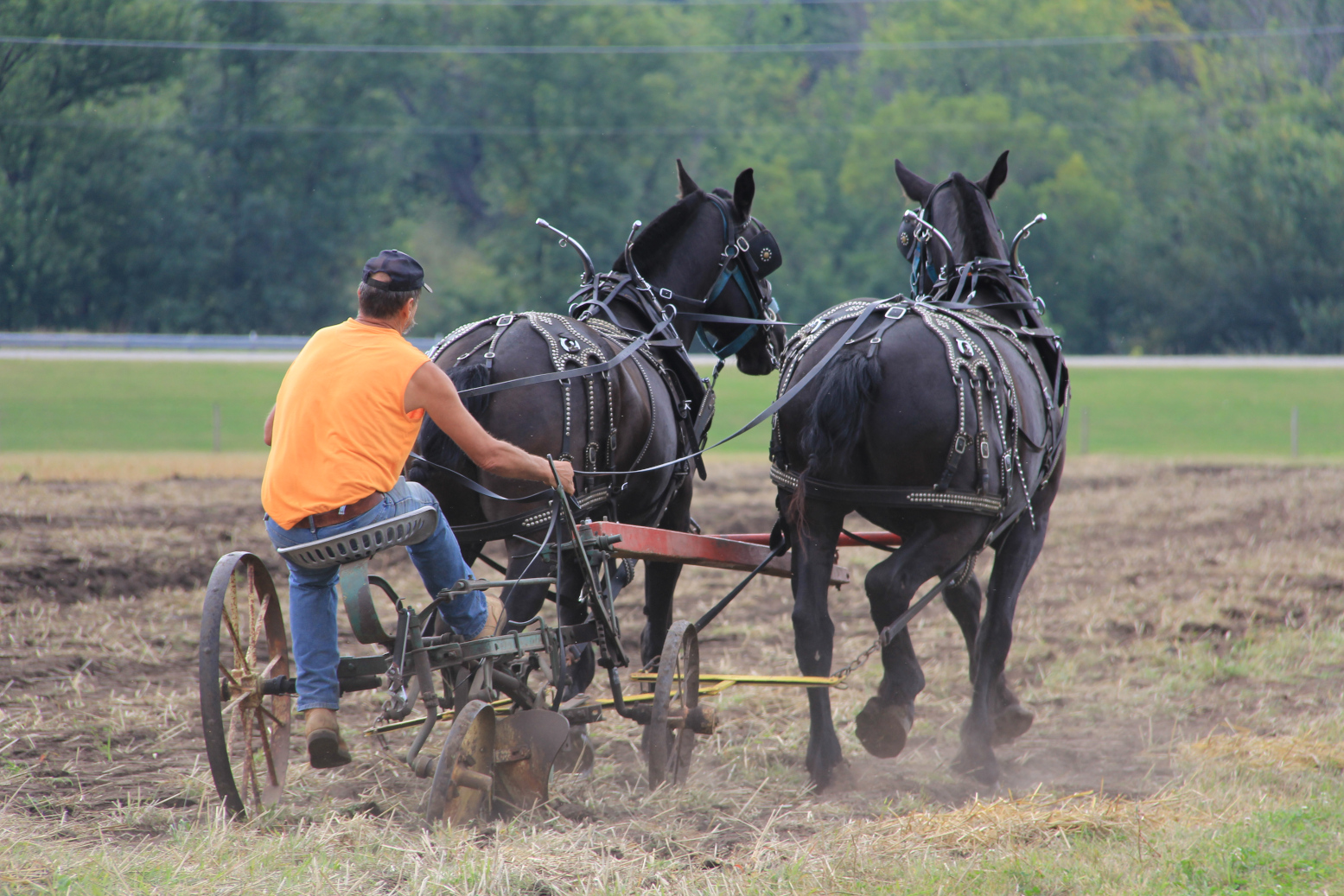
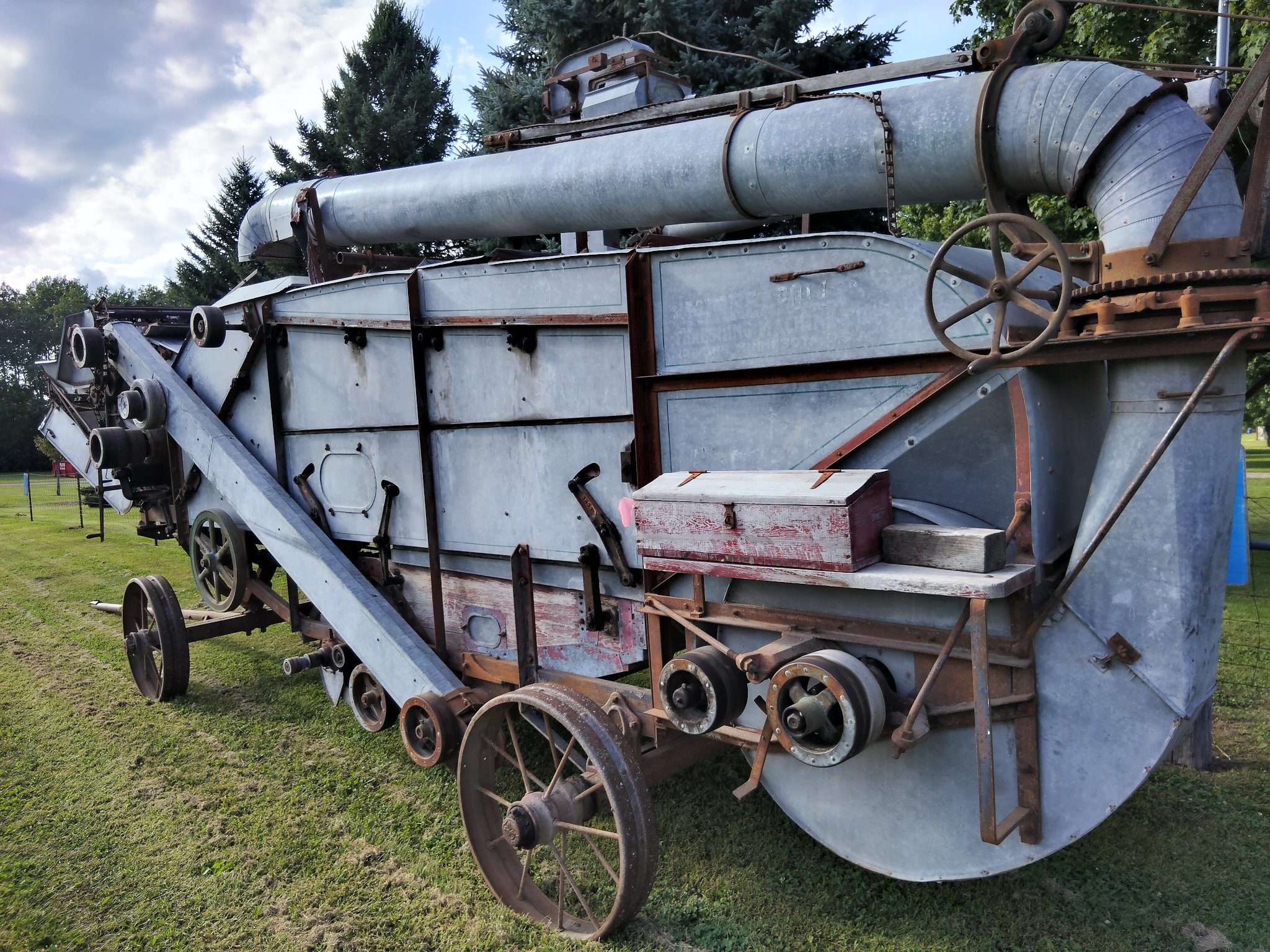
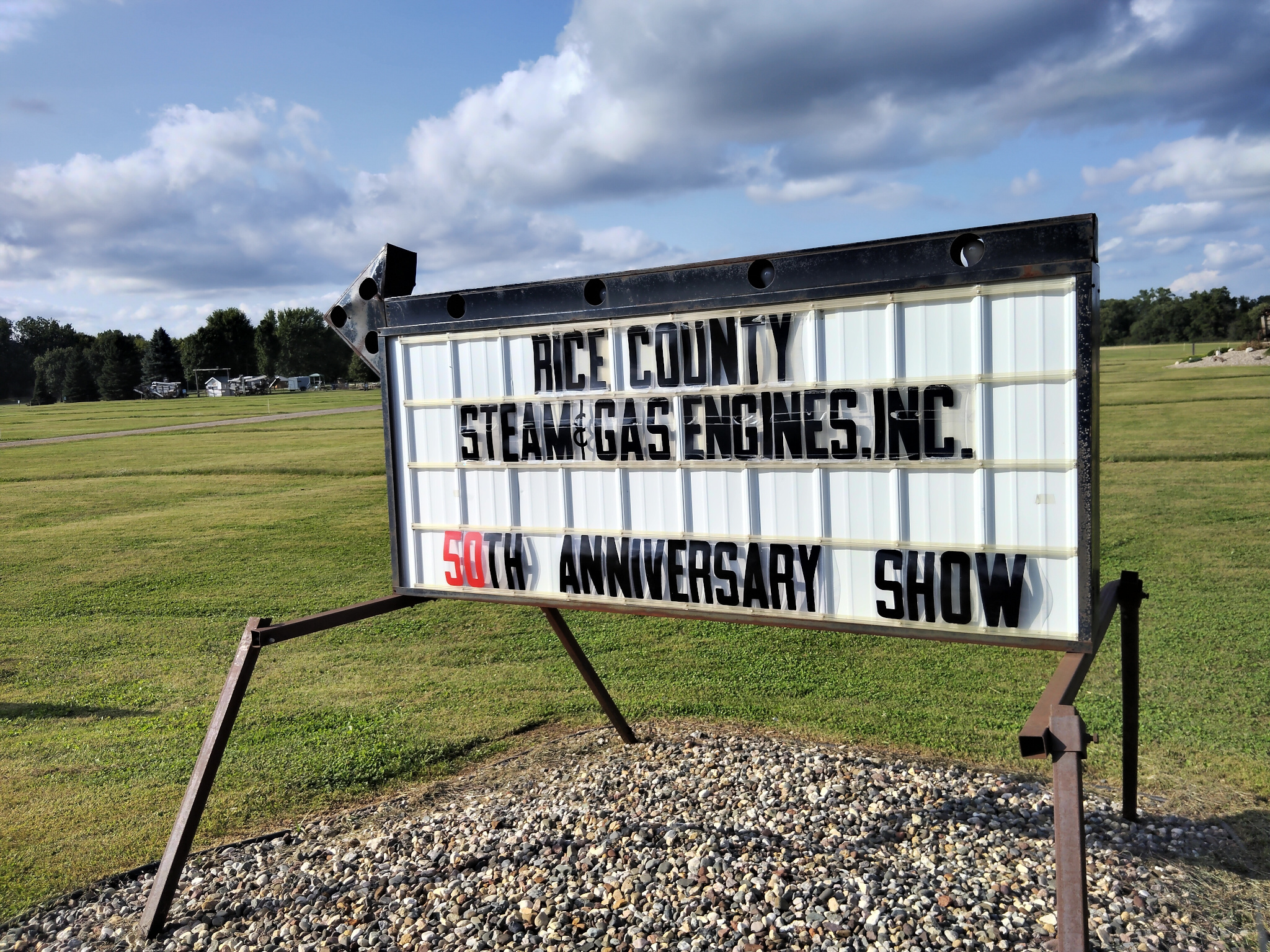
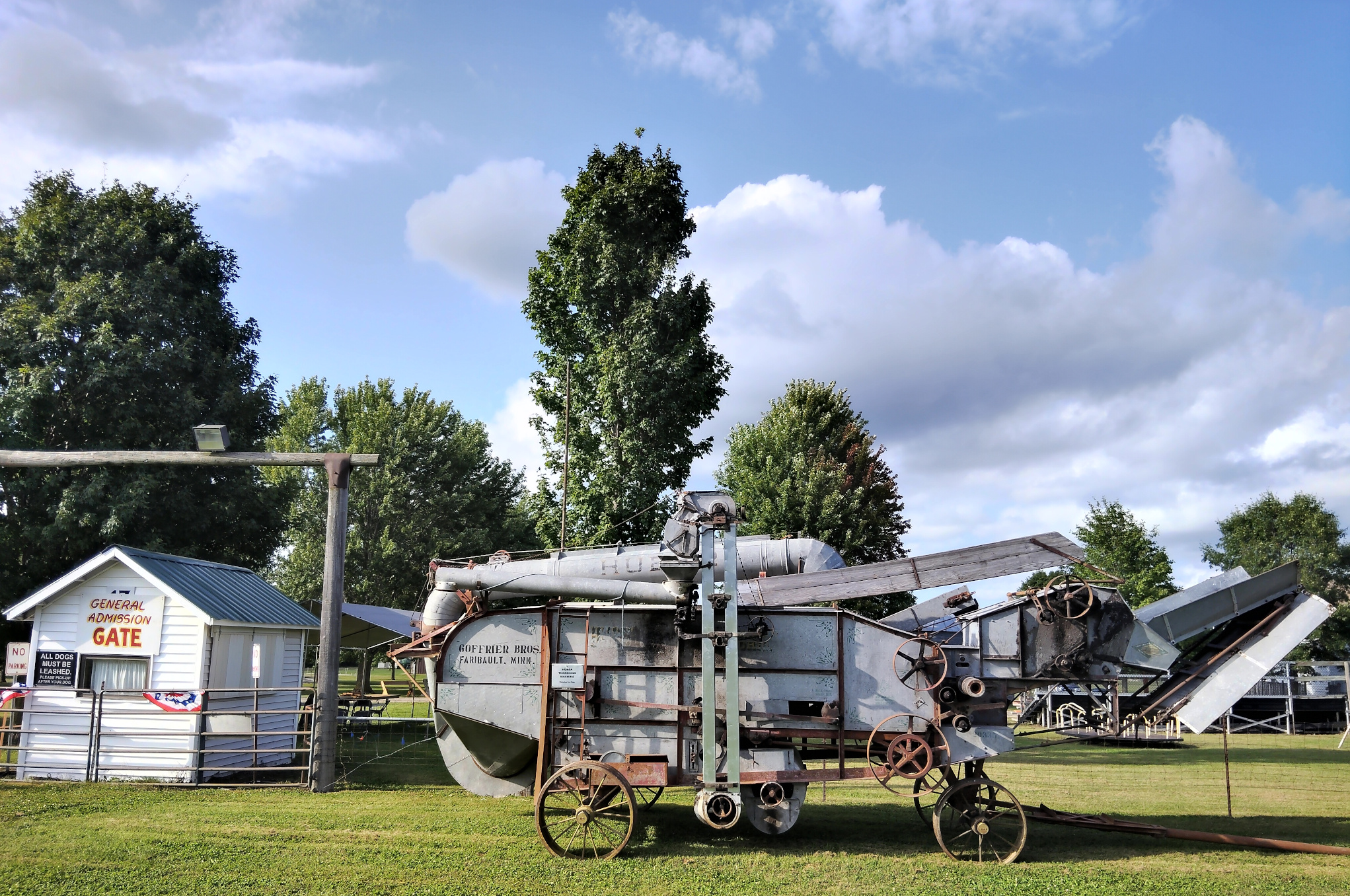
STEP ONTO THE RICE COUNTY Steam & Gas Engines showgrounds this Labor Day weekend in rural Dundas, and you’ll return to farming of yesteryear, exactly as the organizers intend. The fall show, along with the spring show in May, honors the past in a big way with hundreds of old tractors, several steam engines, demonstrations of long ago farming and a whole lot more.
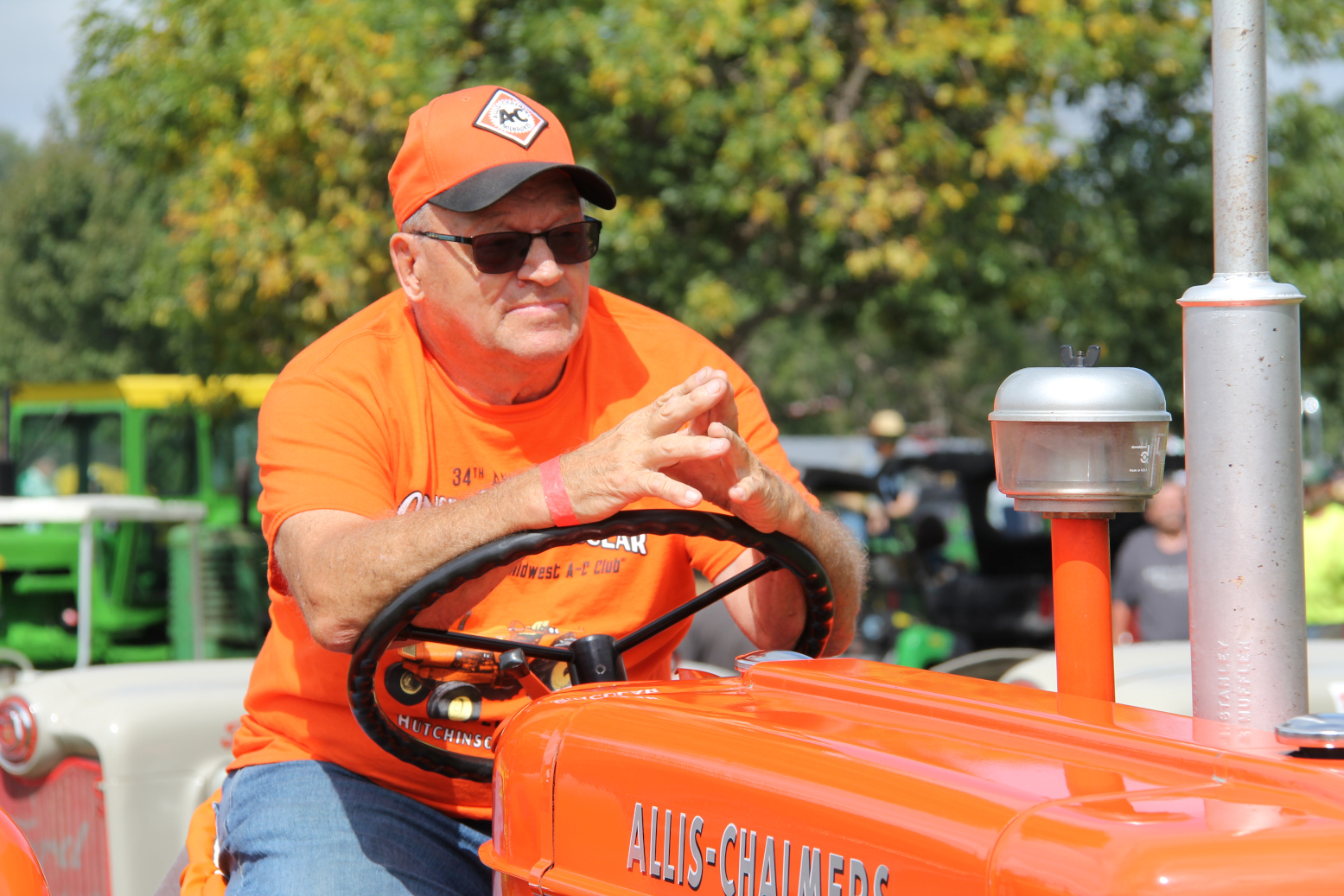
This year’s show features the Allis-Chalmers tractor brand, noted for its signature bright orange color.
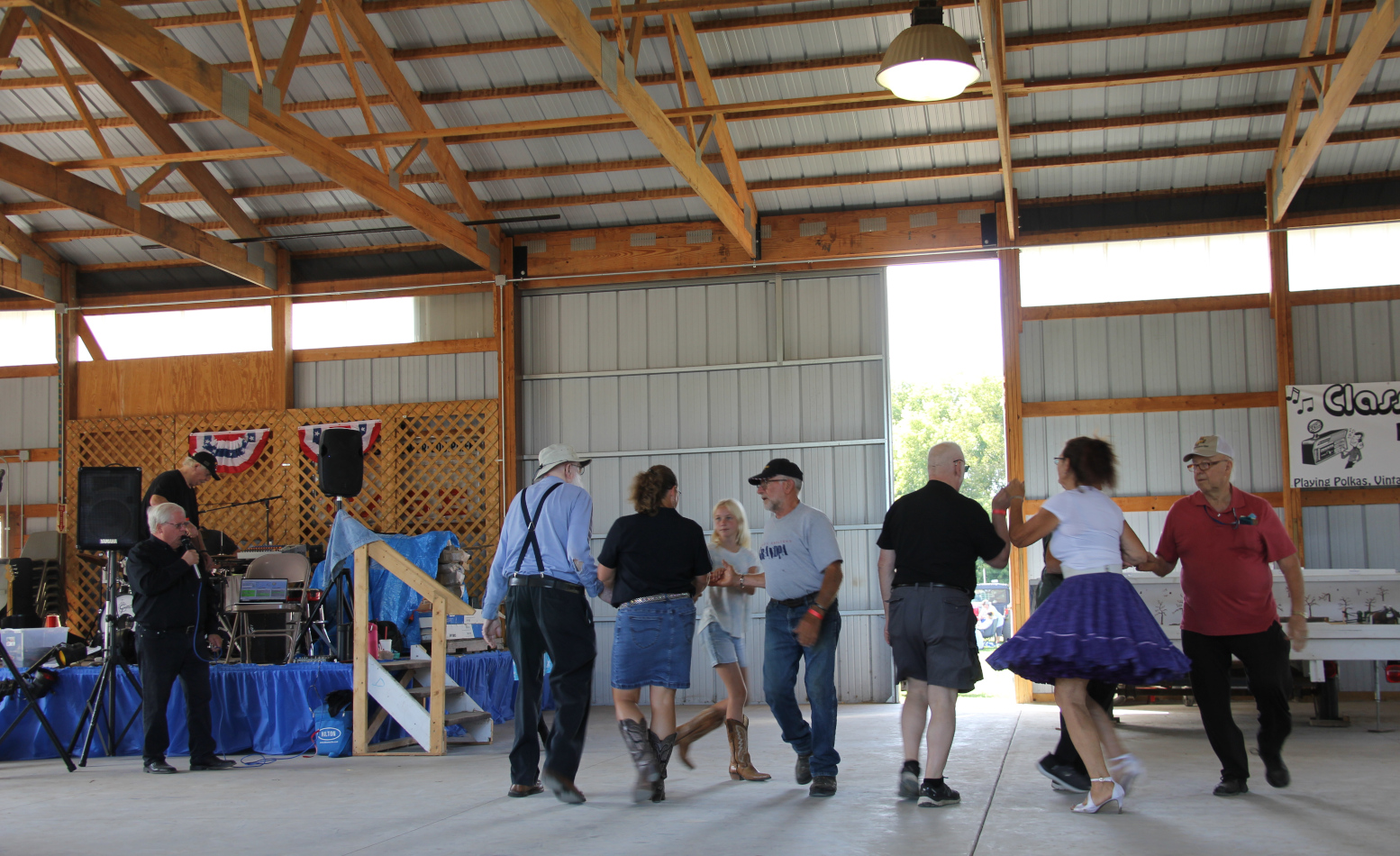
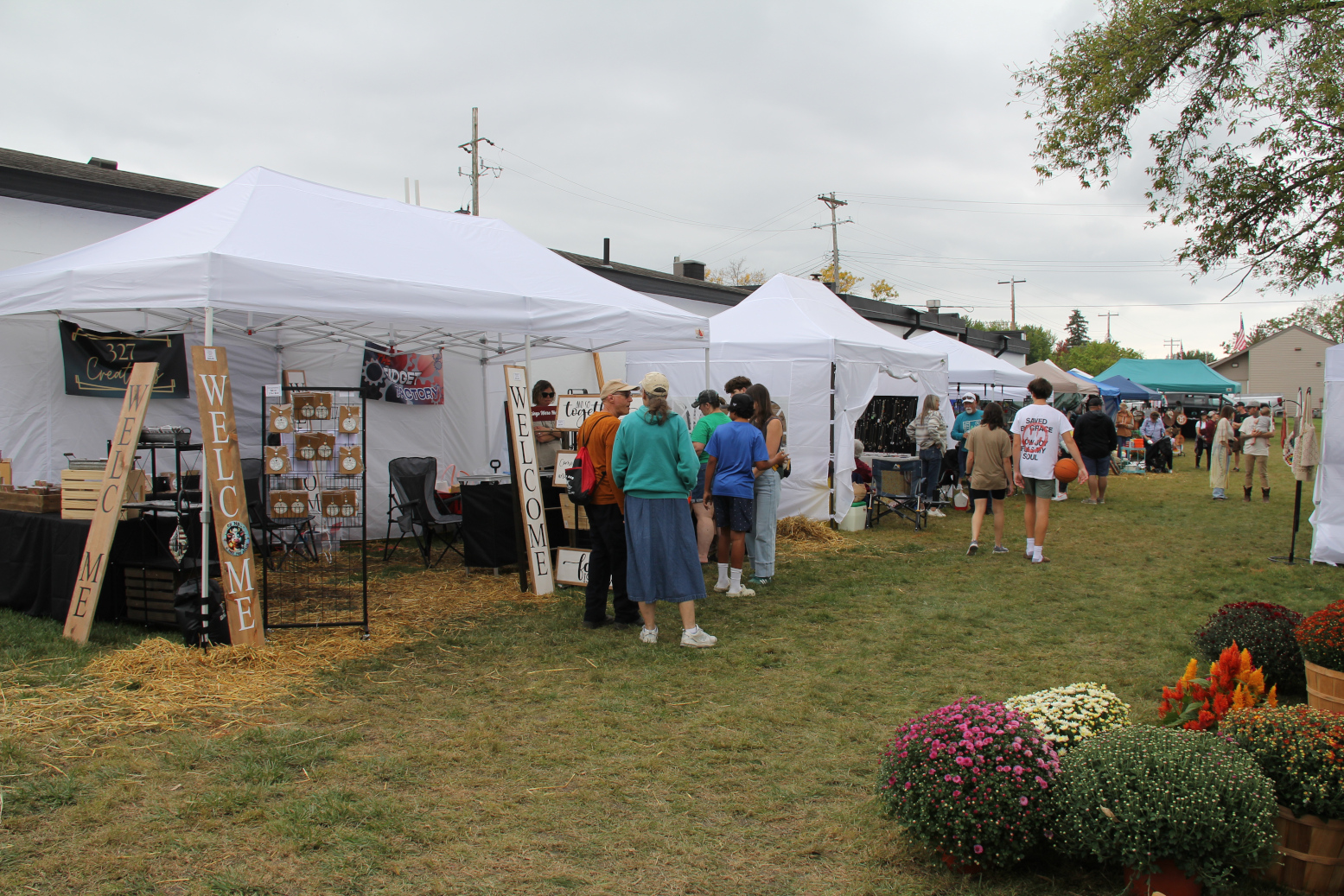
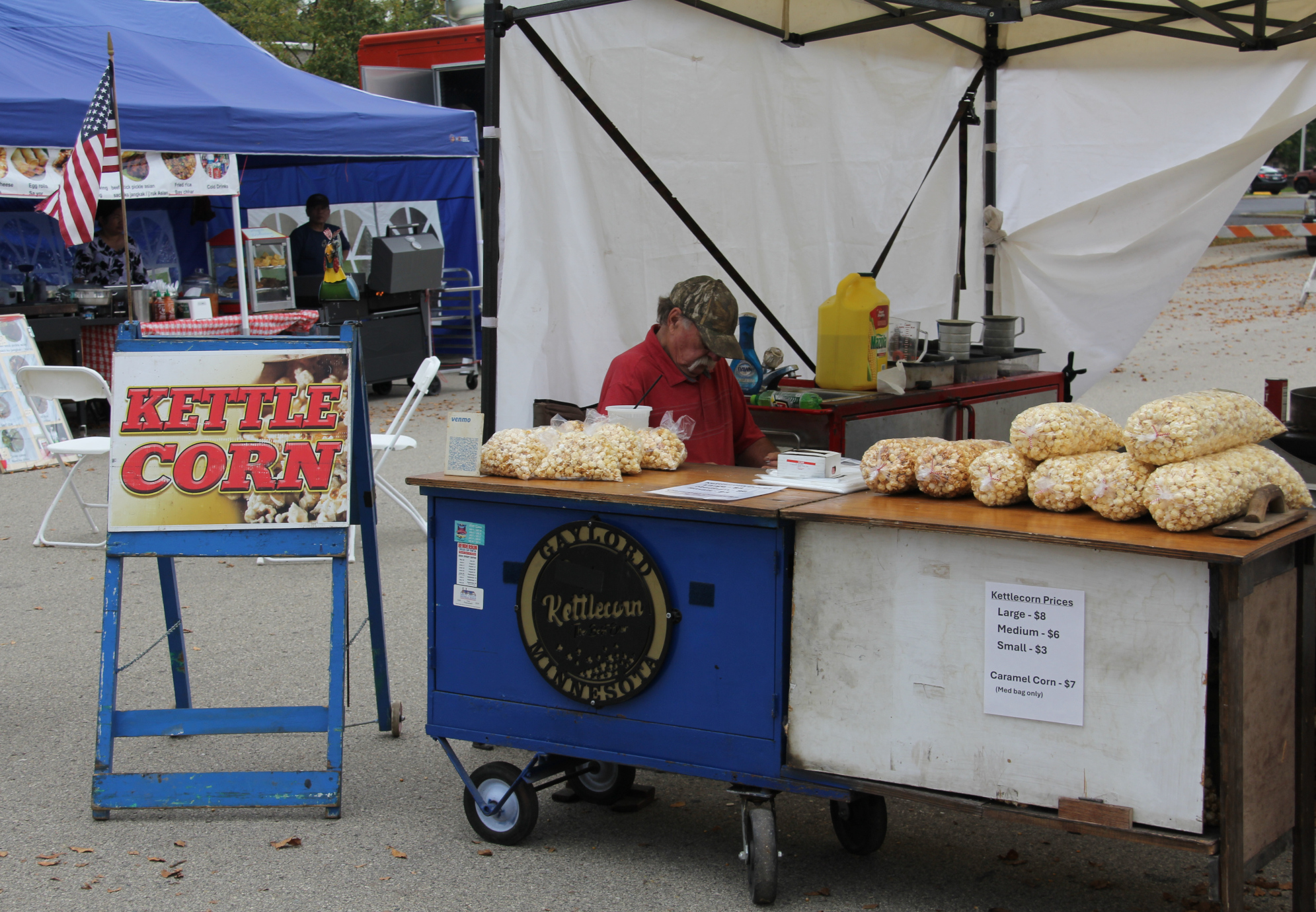
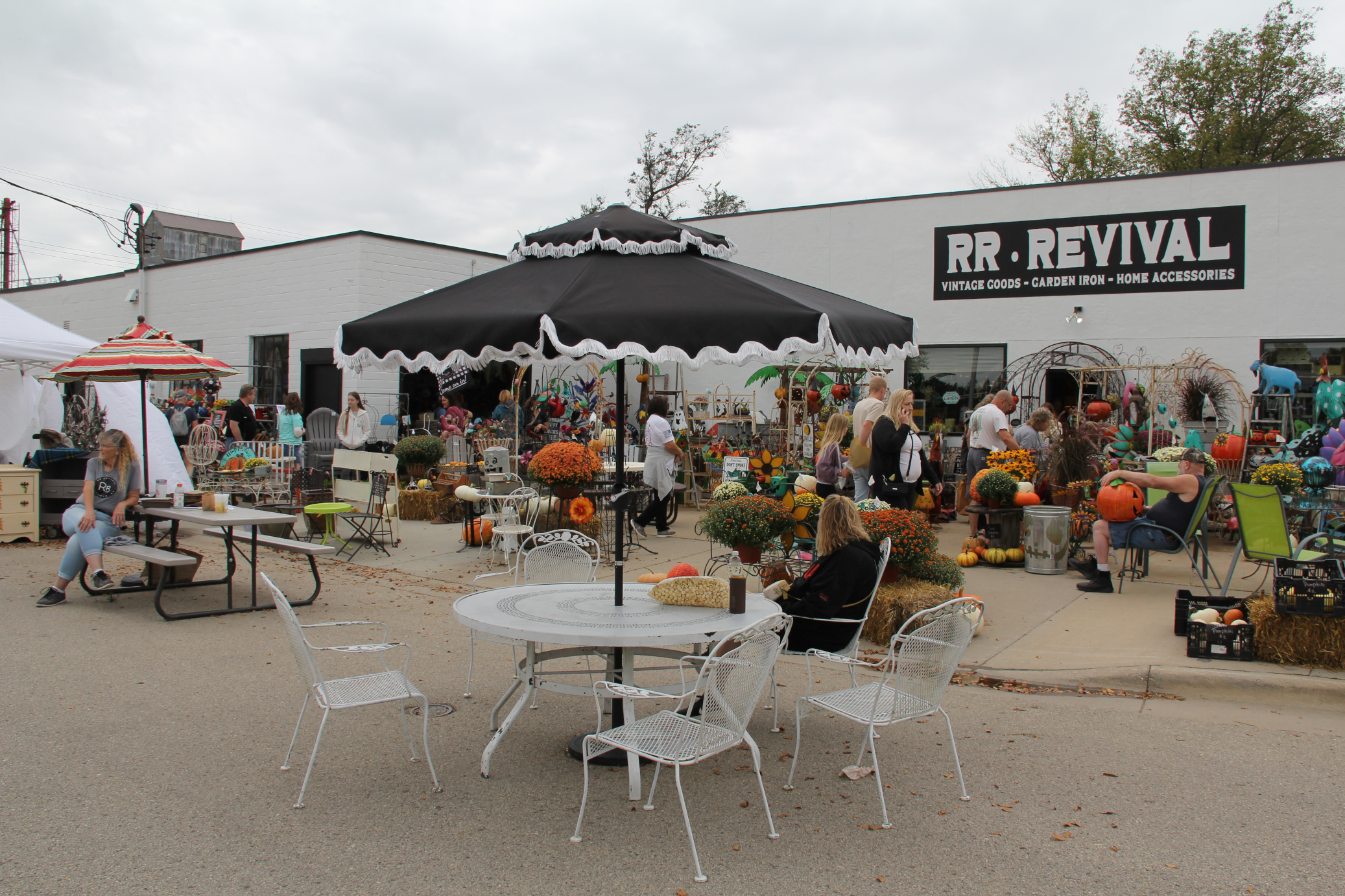
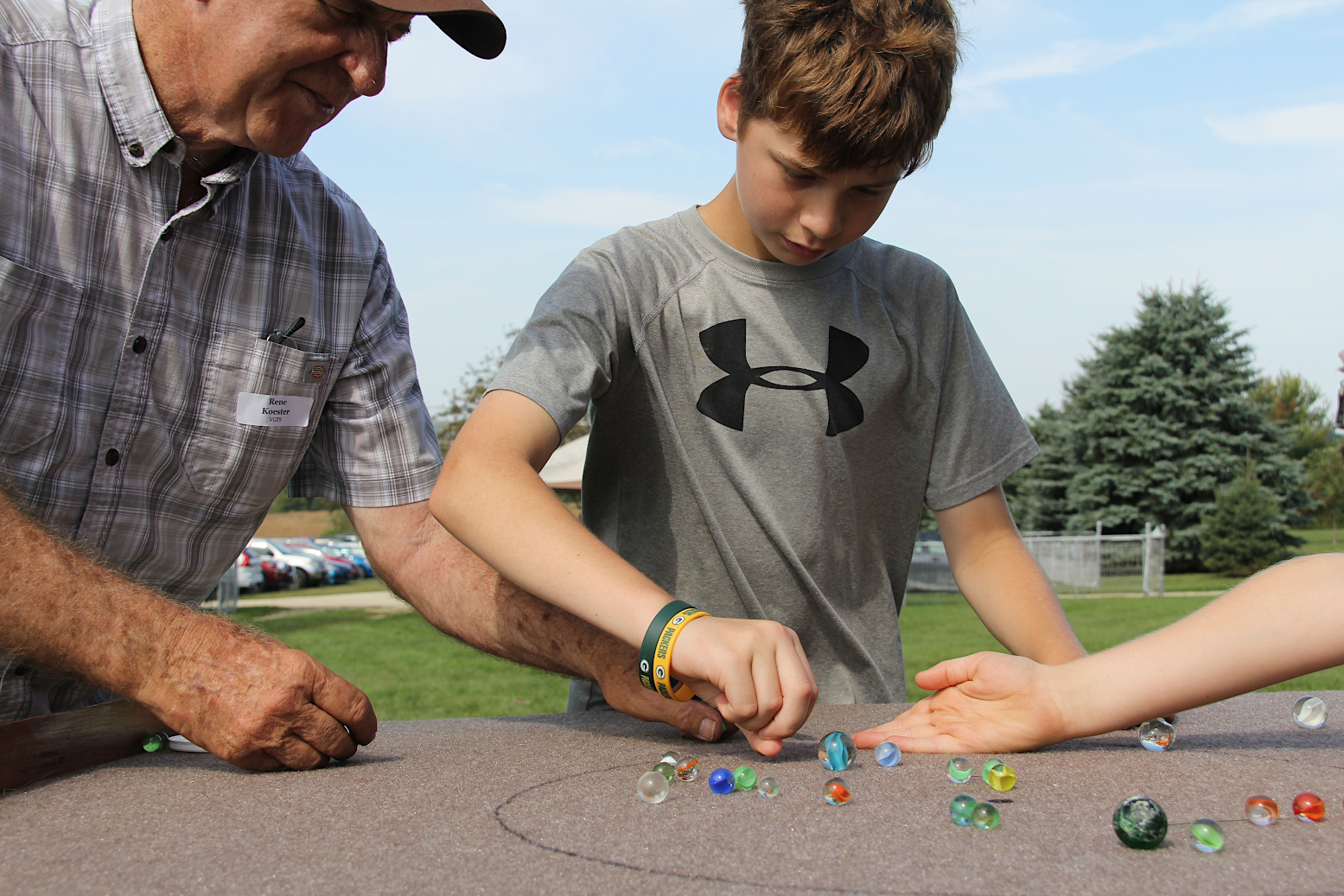
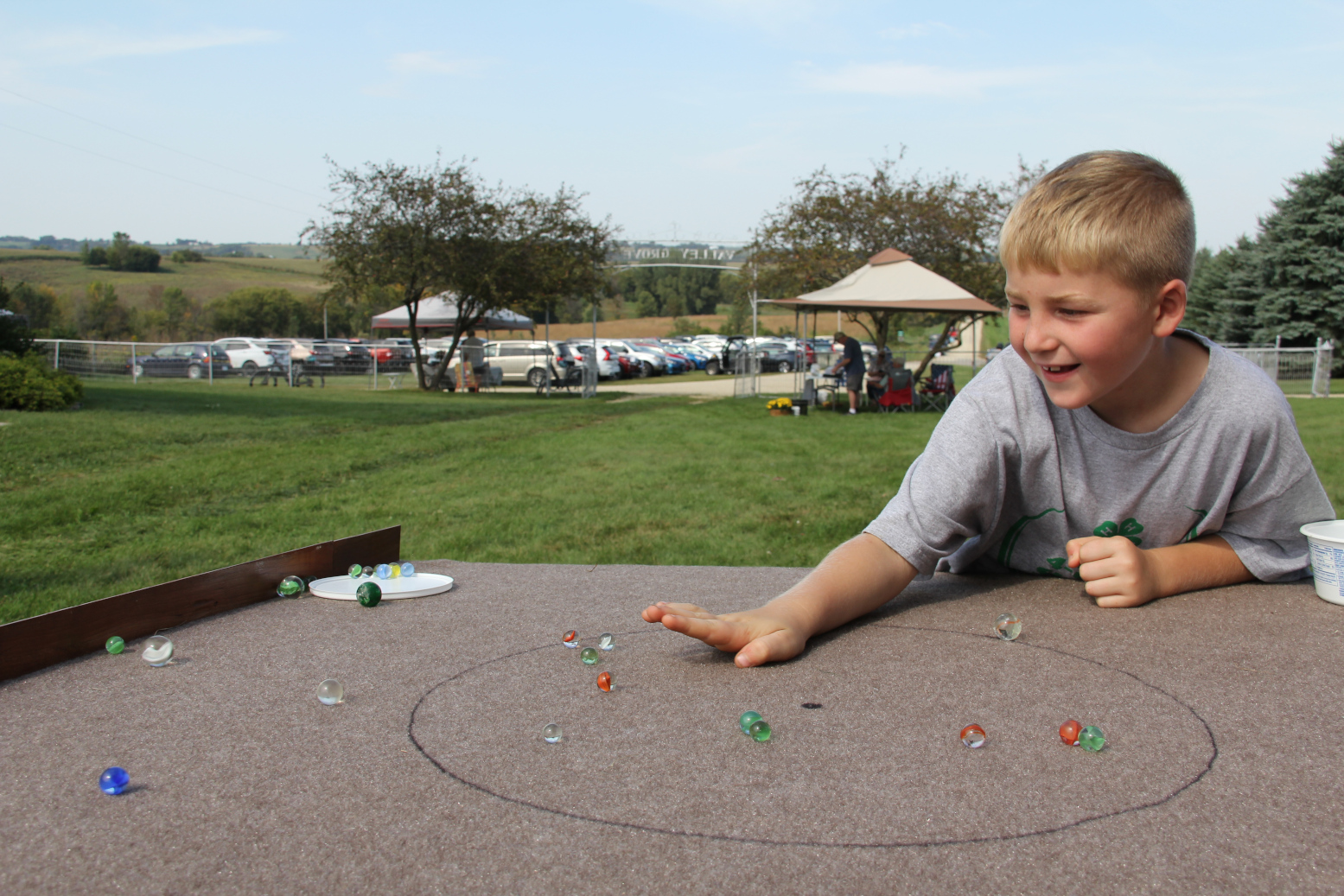
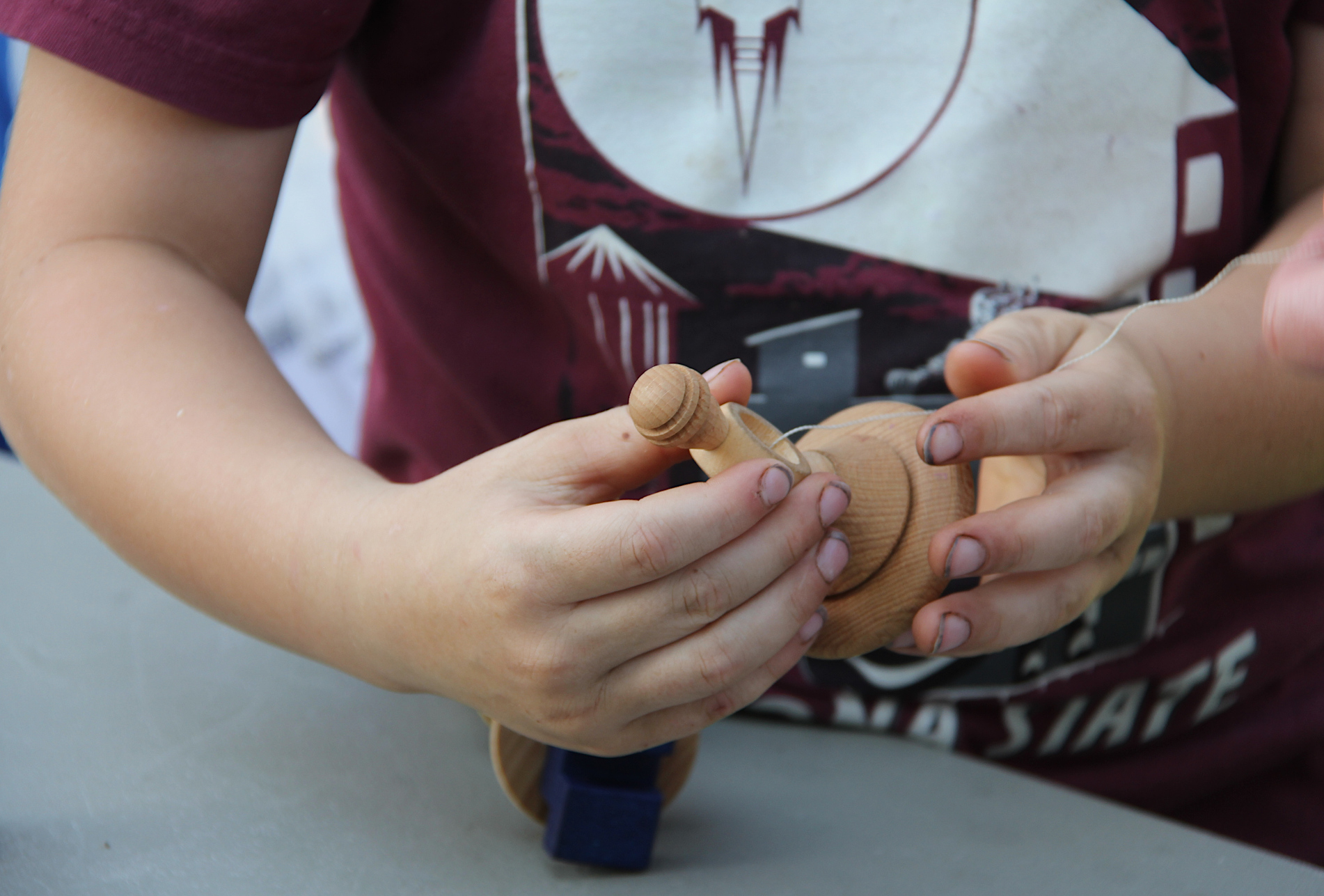
But you needn’t be all that interested in tractors or even have a farm background to appreciate this event. There’s plenty more to do with a flea market, petting zoo, music, food, cornhole tournament, kids’ pedal tractor pull, mini train rides and on and on. Enough to keep you on the grounds for hours, if not a full day or multiple days. The event runs September 4-6 with gates opening at 7 a.m.
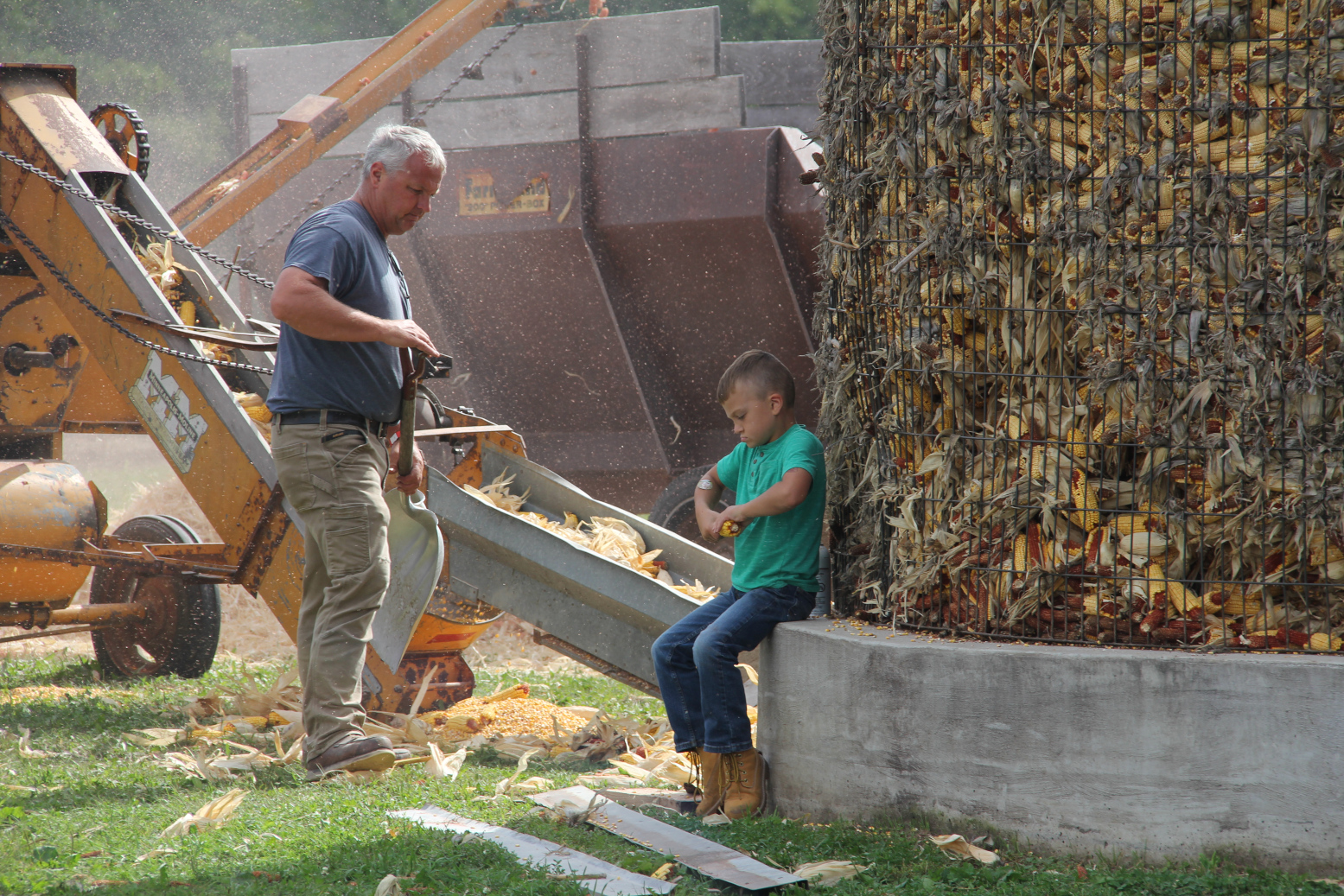
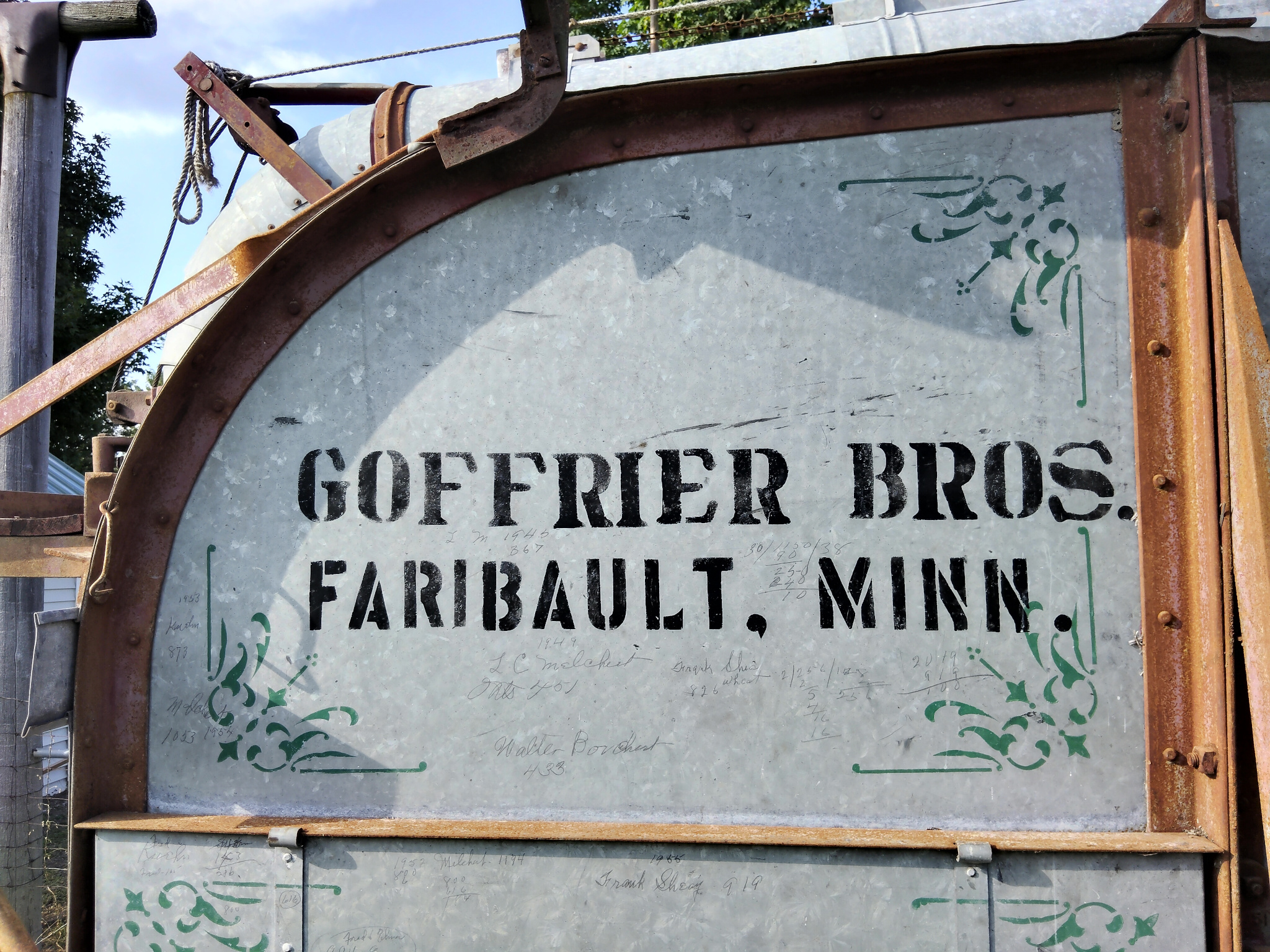
I approach this ag-focused show with historic, artistic and photographic interests. My farm background draws me to demonstrations like threshing, shelling corn and plowing. And among the rows and rows of tractors, I always search for my favorite B-Farmall, the tractor I drove as a farm kid, and a John Deere like my Dad’s.

There’s something comforting about turning back the clock, of being in the presence of memories, of feeling a connection to my farming past. I am rooted in the rich black soil of southwestern Minnesota, the place which shaped me, my writing and my photography.
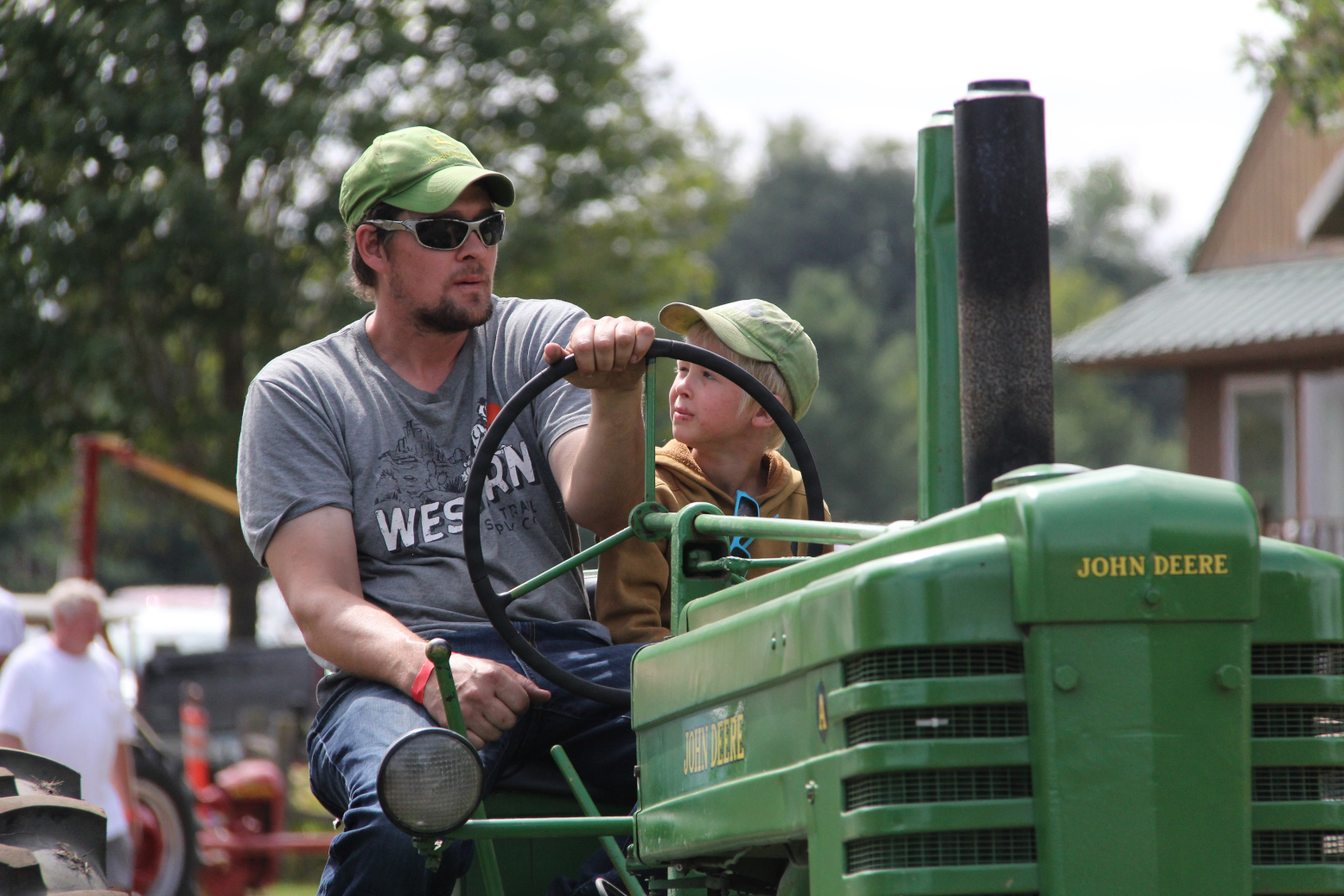
Oh, the photos I find while at the Rice County Steam and Gas Engines Show. I’ve managed through many years of attending the fall and spring shows, to gather a collection of images that reflect a deep love and respect for the land, for farmers, for heritage. I especially delight in spotting “characters” or catching a “look” or a moment. Some of my favorites came last year while roaming the showgrounds and also while watching the tractor parade.

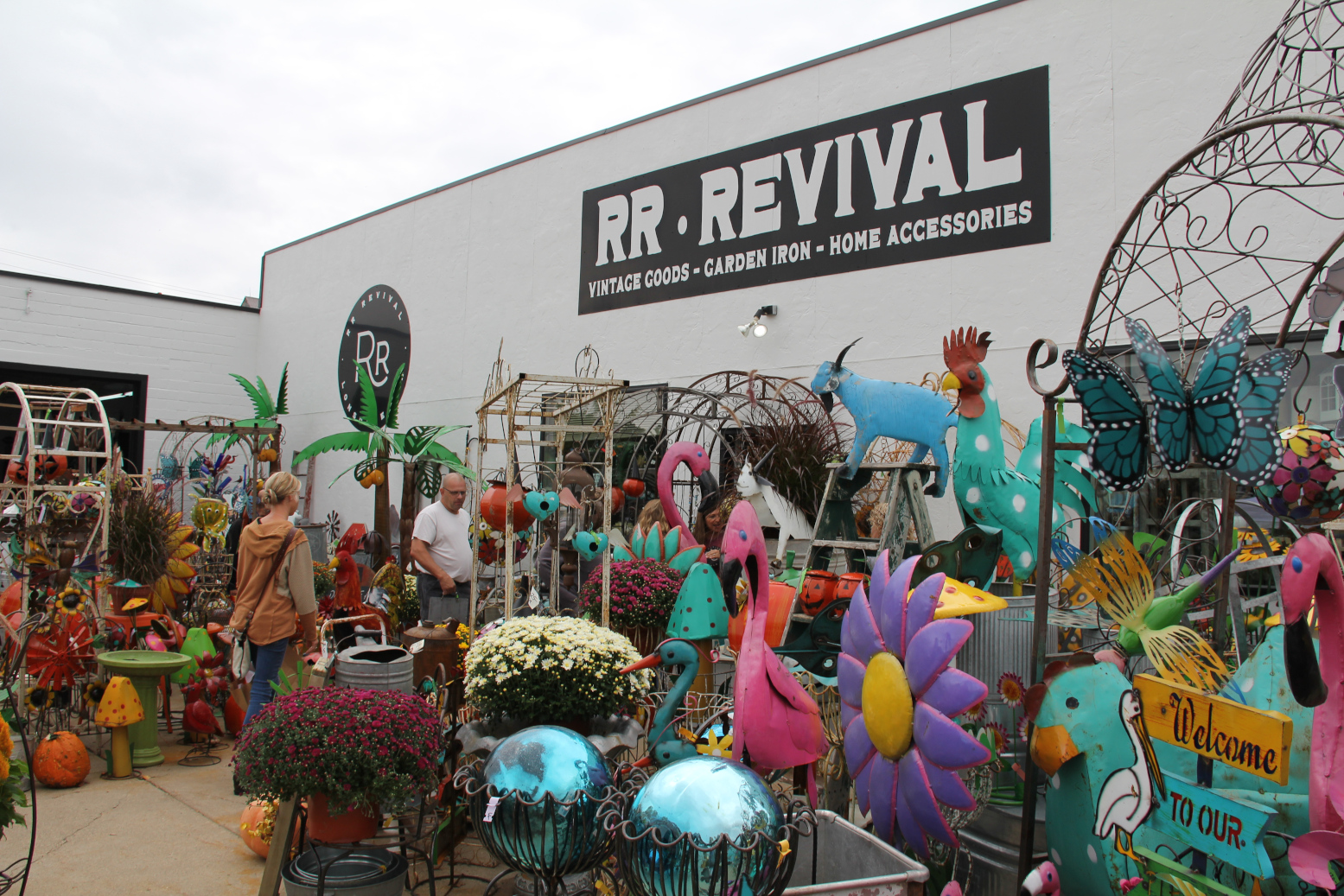
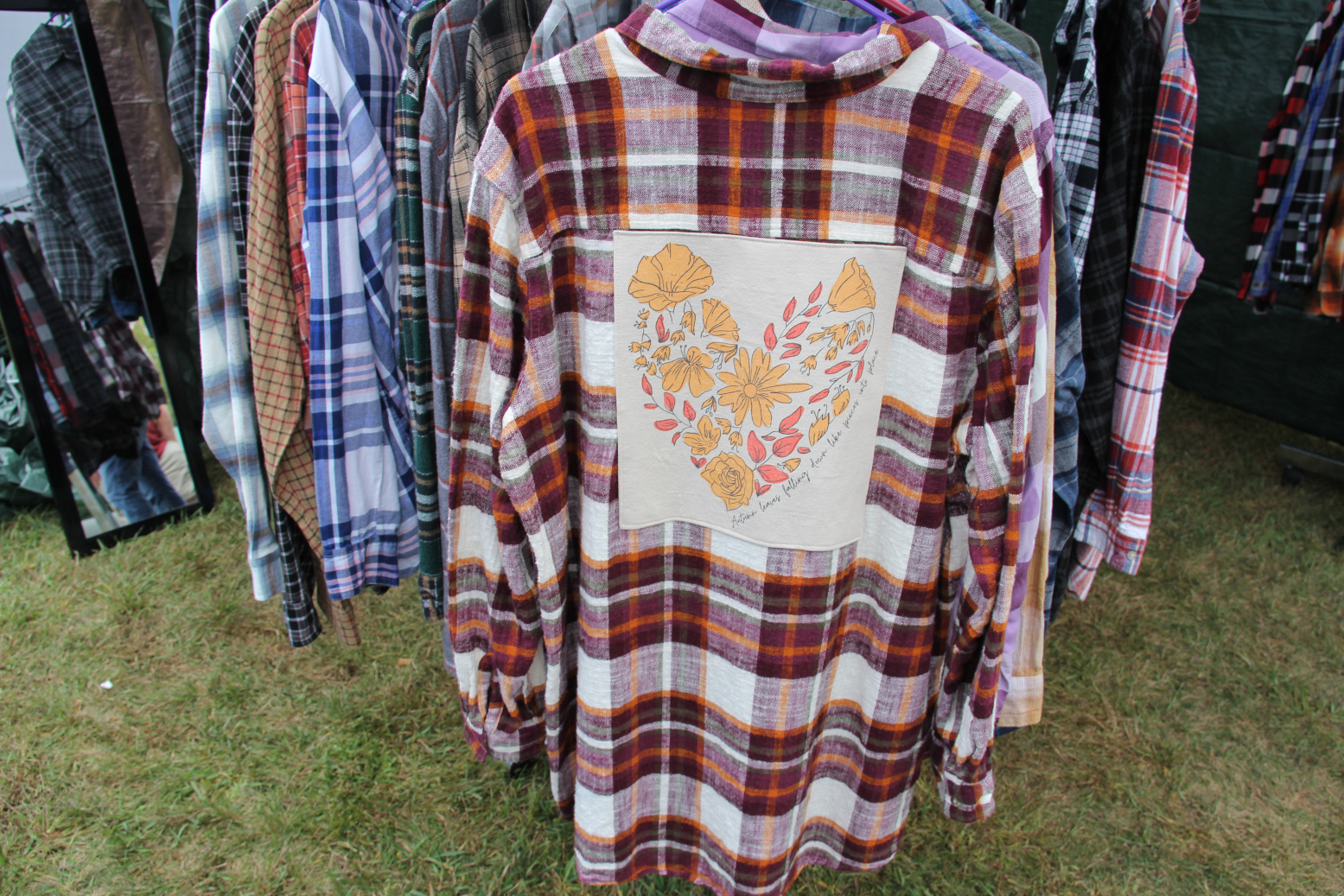
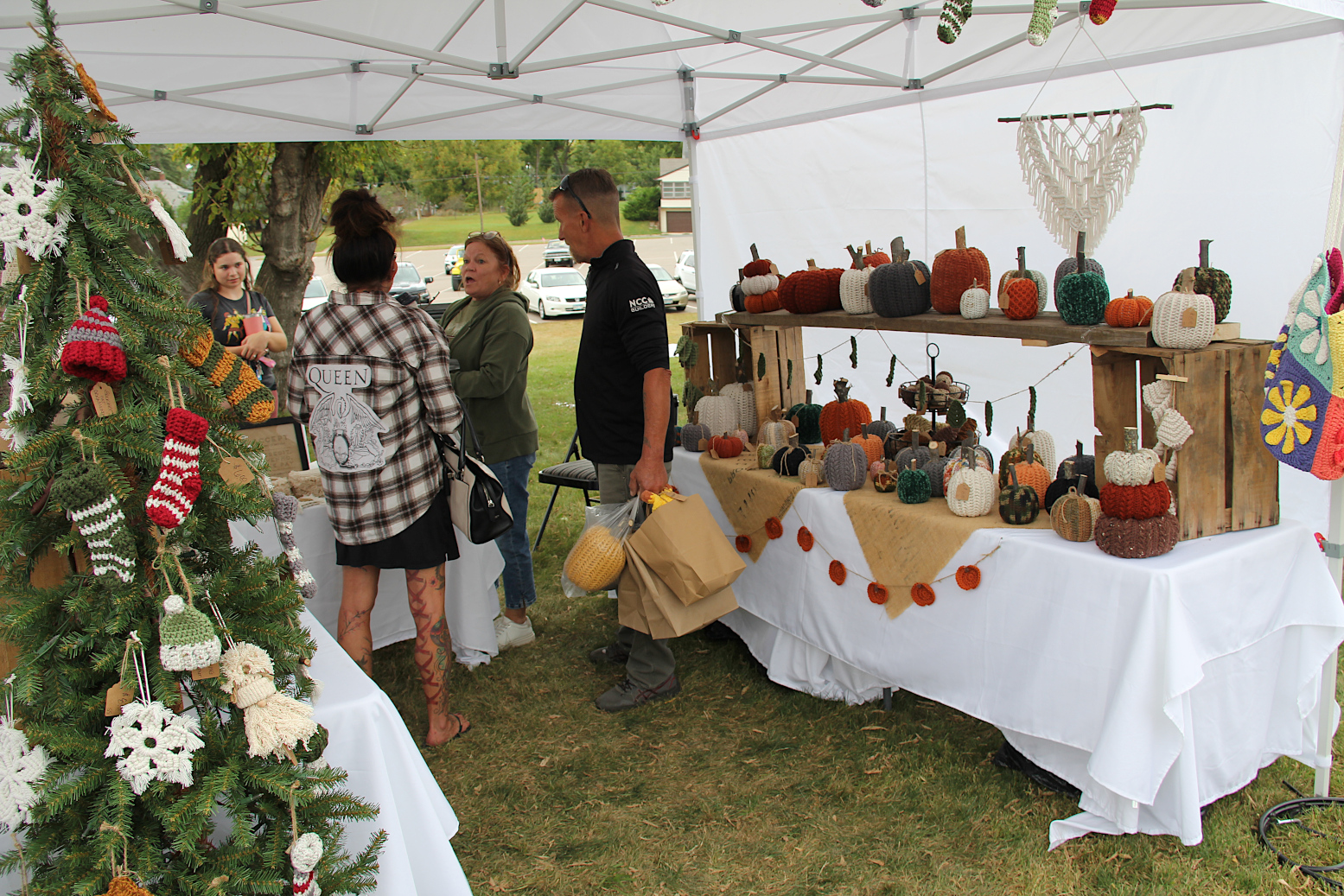
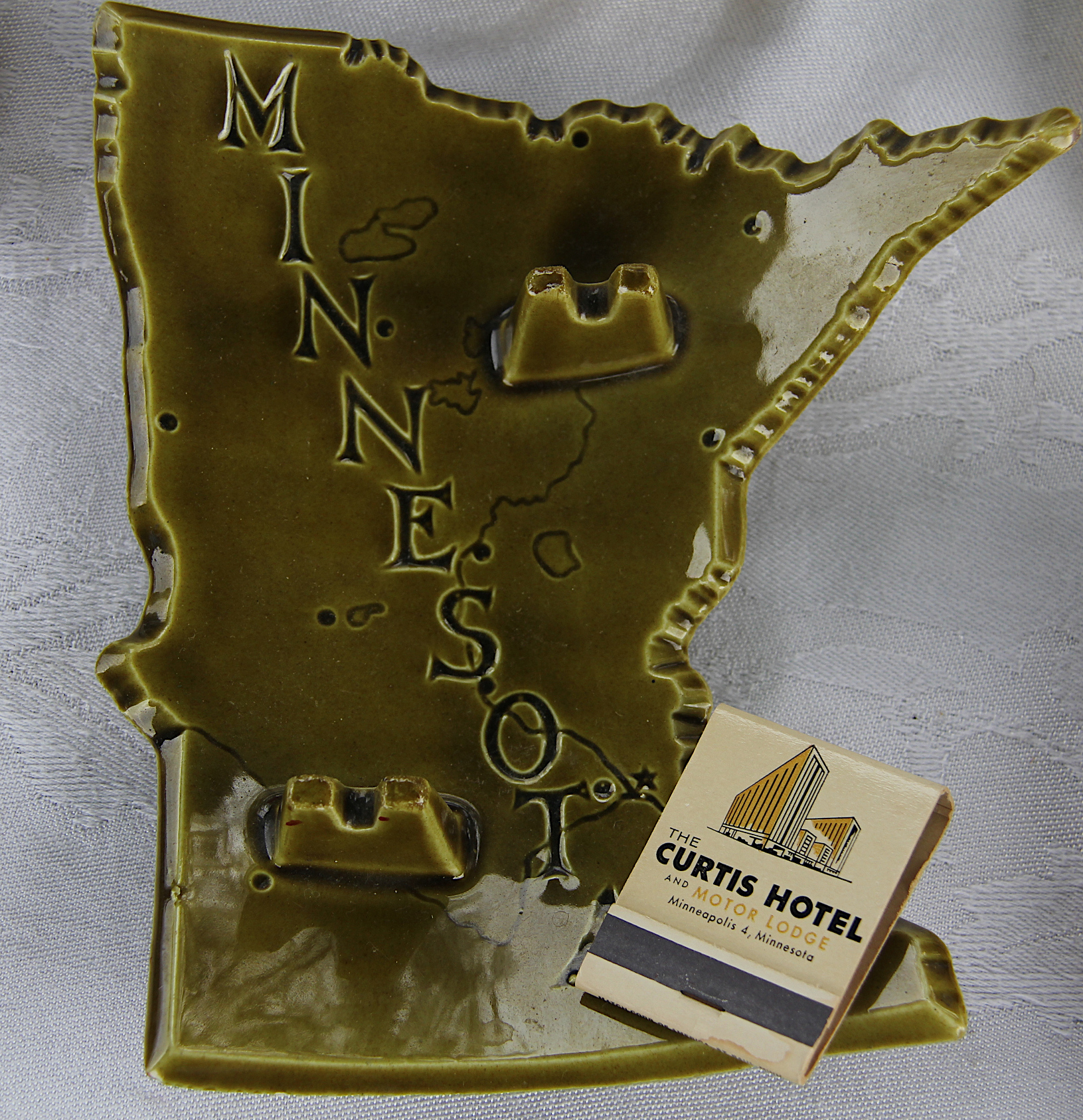
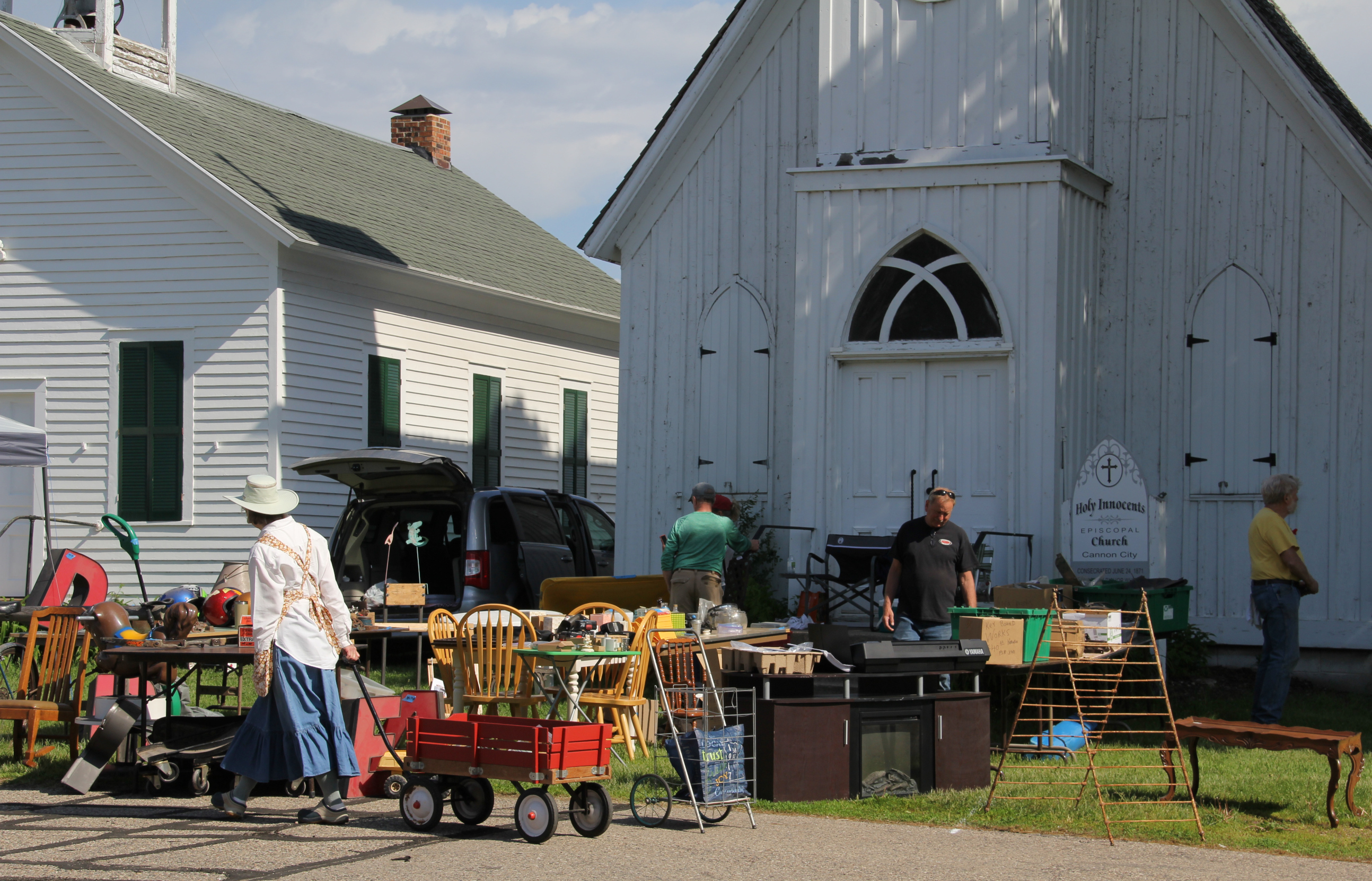
The flea market has also always offered plenty of photo ops as I search for the weird, the quirky, the unusual, the artsy. More and more, I find merch from my youth, prompting long ago memories.

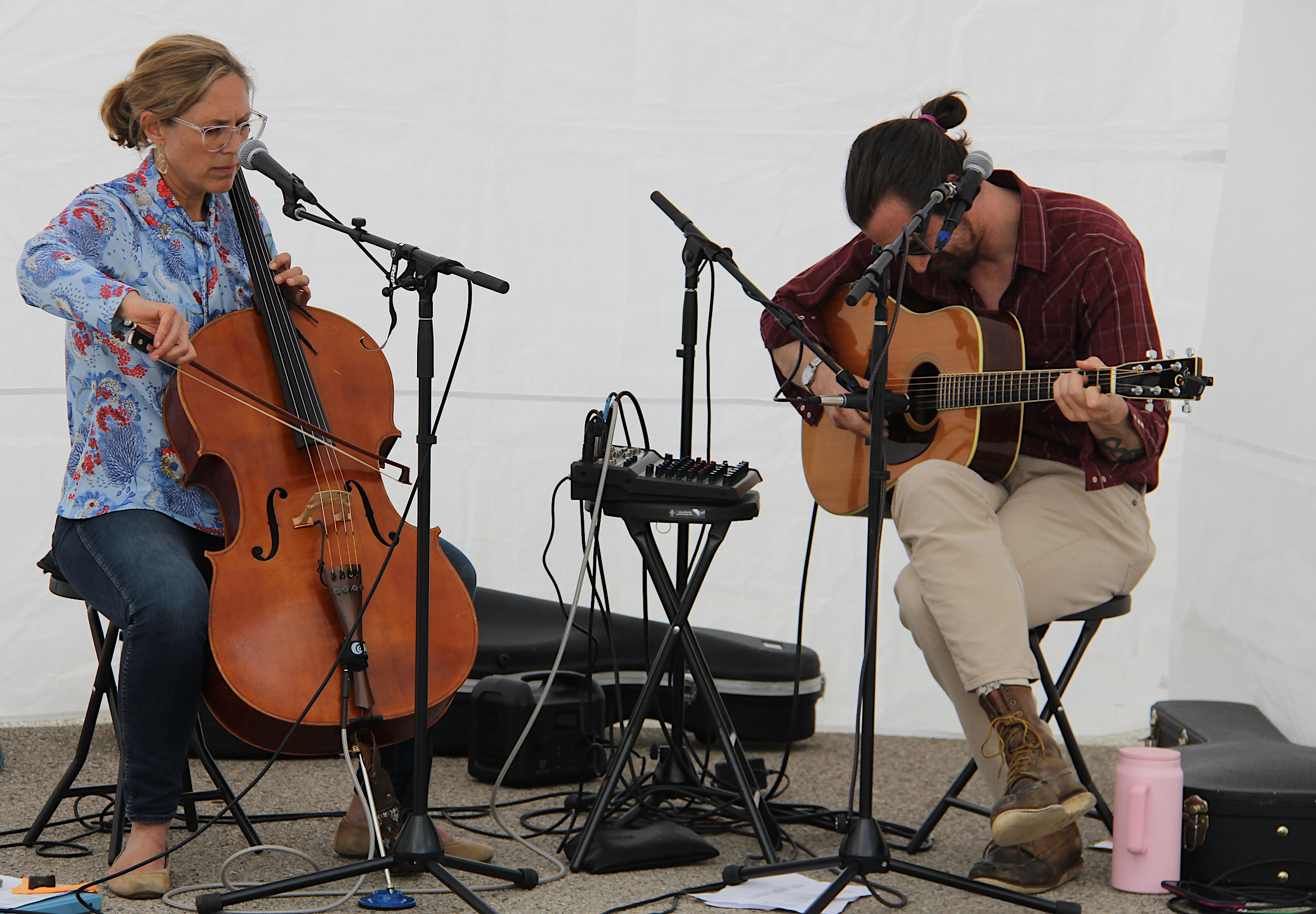
Whether I’m perusing second-hand goods, touring on-site historic buildings like a 1920s farmhouse or an old one-room schoolhouse, visiting with friends, enjoying a burger from the Knights of Columbus food stand or an Amish-made fruit pastry, listening to music, meandering among the tractors, watching a farming demo or one of many other show options, I find myself immersed in the experiences.
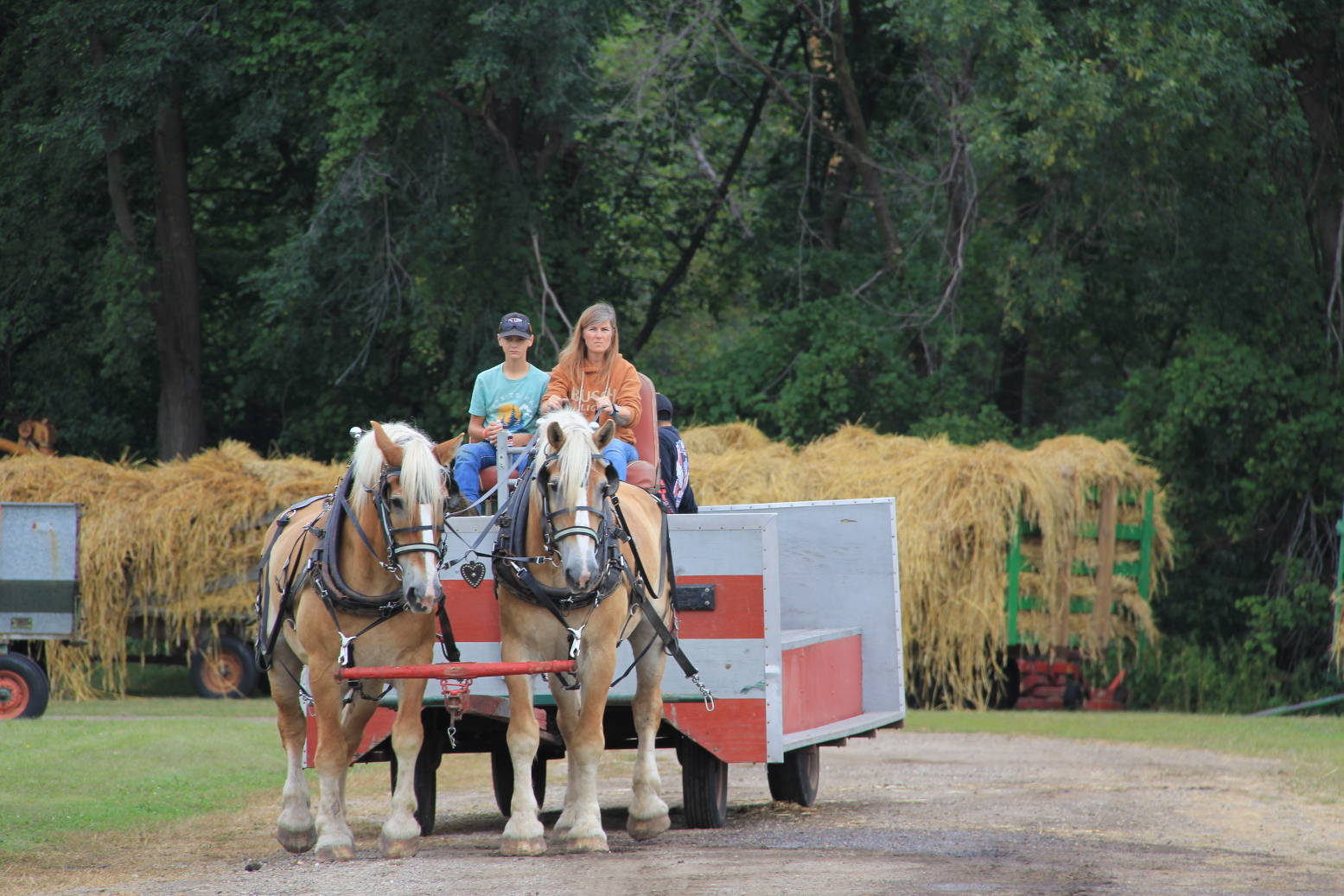
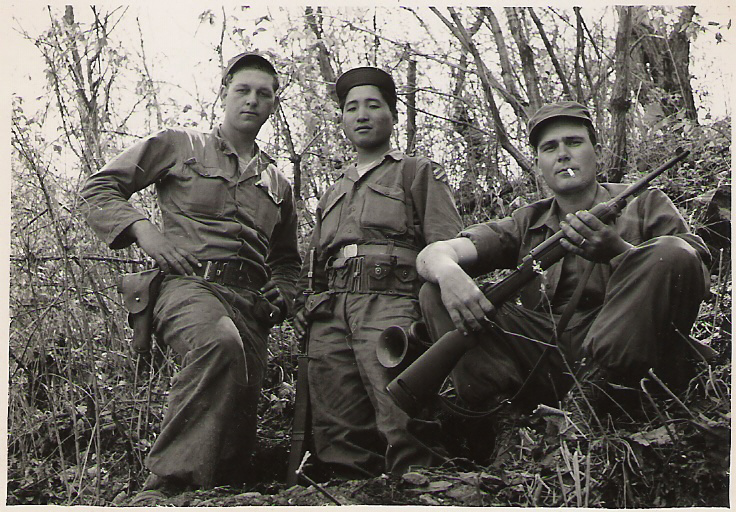
Above all, I value this opportunity to reconnect with my rural roots, to celebrate my rural-ness, to honor those who’ve worked the land. Like my dad. Except for a short stint serving on the front lines during the Korean War, farming was Dad’s life. He milked cows, grew corn and soybeans, all in a time period of intense hands-on labor. He, along with my mom, raised six children to work the soil, to tend the animals, to understand the importance of faith, family and farming. And for that I am grateful
© Copyright 2026 Audrey Kletscher Helbling



















 Minnesota Prairie Roots
Reflecting on Alexander Faribault upon his June 22 birthday June 17, 2026
Tags: Alexander Faribault, Alexander Faribault House, birthday, Calvary Cemetery, celebration, commentary, Dakota, diversity, events, Faribault, fur trader, history, June 22, Minnesota, open house, Rice County Historical Society, Wahpekute
MANY YEARS HAVE PASSED since I toured the nondescript wood-frame house built by Alexander Faribault in 1853. Multiple times a week I pass by this house which sits along busy Minnesota State Highway 60 in downtown Faribault. It’s become so much a part of the local landscape that I don’t even notice the building which was briefly home to Faribault and his family. But it’s an important part of local history given Alexander Faribault founded the town in 1855.
On Monday, June 22, Alexander Faribault will be celebrated at a free birthday open house from 5-6:30 p.m. in his former home at 12 First Avenue Northeast. Born 220 years ago in 1806, Faribault died at age 76 in November 1882.
Attendees at the upcoming birthday celebration can learn a whole lot more about Faribault, the town and the house from staff and volunteers with the Rice County Historical Society. I’m always up to learning more about the city I’ve called home since 1984.
I know the basics about Alexander Faribault, a licensed fur trader who first established a trading post along the Cannon River in 1826 or 1827, depending on your information source. He was only twenty years old. He grew his business throughout the region, trading with the Wahpekute, a band of the Dakota, and moving his trading post to the confluence of the Cannon and Straight Rivers, current-day Faribault.
I imagine for Faribault, who was French Canadian and Dakota, developing trading partnerships with the Dakota proved easy given his understanding of the people, their language and culture. But later that same relationship proved challenging for him. Some locals, after the U.S.-Dakota War of 1862, no longer appreciated his friendship with the Dakota and his willingness to shelter some of them on his farm.
Back then, just like today, this community has not always been accepting of others. In the 1860s, the Dakota were targeted. Today it is the Somali community. It’s disheartening when history repeats itself, when differences in skin color, food, culture and language separate us. Alexander Faribault, as a mixed blood who embraced the Dakota, surely witnessed and felt the challenges of injustices and discrimination.
My community has certainly made progress in welcoming all to our city. Yet, we could do better. I still hear derogatory comments about our Somali neighbors, worsened by the current political climate. I still hear derogatory comments about our Hispanic neighbors, made worse by current immigration policies. We are all, unless Indigenous or descendants of slaves, of immigrant roots, something people often forget.
Alexander Faribault wasn’t “from” here. He was born in Prairie du Chien, Wisconsin. But he came here, established a fur trading business and eventually founded the city of Faribault. By all accounts, he was kind, generous and compassionate and served in many capacities from interpreter to territorial legislator to school board member to postmaster. I’m sure he had his flaws. We all do. But it seems Alexander Faribault did his best to build a strong and inclusive community that has grown into the diverse city of today. I think he’d appreciate a legacy of diversity.
On a 1958 marker at the entrance to Calvary Cemetery where Alexander Faribault is buried, these words are written about him: Race or creed did not color his judgments. He saw in every man the image of God and thereby the possibility of making this a better place in which to live.
Those seem necessary and profound words for all of us to read. Especially today.
© Copyright 2026 Audrey Kletscher Helbling