
IF YOU WERE TO COLLECTIVELY consider two upcoming events this week and one current art exhibit in Faribault, you would find a common theme. That would be humanity and how we treat one another.
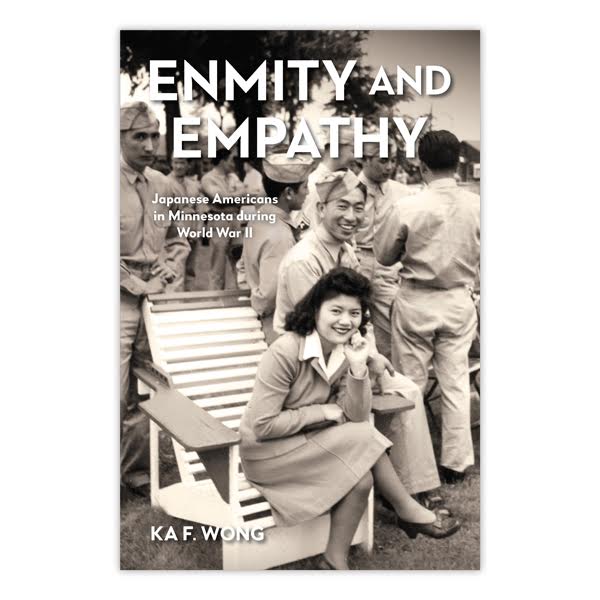
Let’s start with “Enmity and Empathy: Japanese Americans During World War II,” a talk by Dr. Ka Wong, set for 6 p.m. Thursday, March 19, at the Rice County Historical Society in Faribault. Wong, a professor of Asian Studies at St. Olaf College in Northfield wrote a book by that name. I’m 25 pages into the book, which was published in May 2025 by the Minnesota Historical Society Press and is a finalist for the “Emilie Buchwald Award for Minnesota Nonfiction” Minnesota Book Award.
Award nominee or not, this book is assuredly a winner for the depth and volume of information Wong shares about imprisoned Japanese Americans, something unknown to many Americans. My knowledge is limited, so I’m looking forward to this presentation.
In promoting Wong’s talk this Thursday evening, the county historical society shared this in a media release:
Drawing on personal interviews, archival sources, and historical literature, Professor Ka Wong explores the courageous struggles of trailblazers who left the incarceration camps and rebuilt their lives in the North Star State. He will share stories of college students pursuing higher education, including the two colleges in Rice County, young men and women training at the Military Intelligence Service Language School at Camp Savage and then Fort Snelling, the US Cadet Nurse Corps serving in Rochester hospitals, and entrepreneurial families and individuals in the Twin Cities and beyond.
All of this, of course, makes me think of the recent massive federal immigration enforcement in Minnesota. In that operation, many were illegally detained by federal agents, flown out of the state and held without due process in detention camps, where they remain. Others were released, some deported. I expect Wong may address this during his presentation. He can definitely provide historic perspective.
NOTE: Reserve a spot at this talk by calling (507) 332-2121. Space is limited. Admittance is free for RCHS members and $5 for non-members.
ART EXHIBIT FEATURES IMMIGRANT PORTRAITS
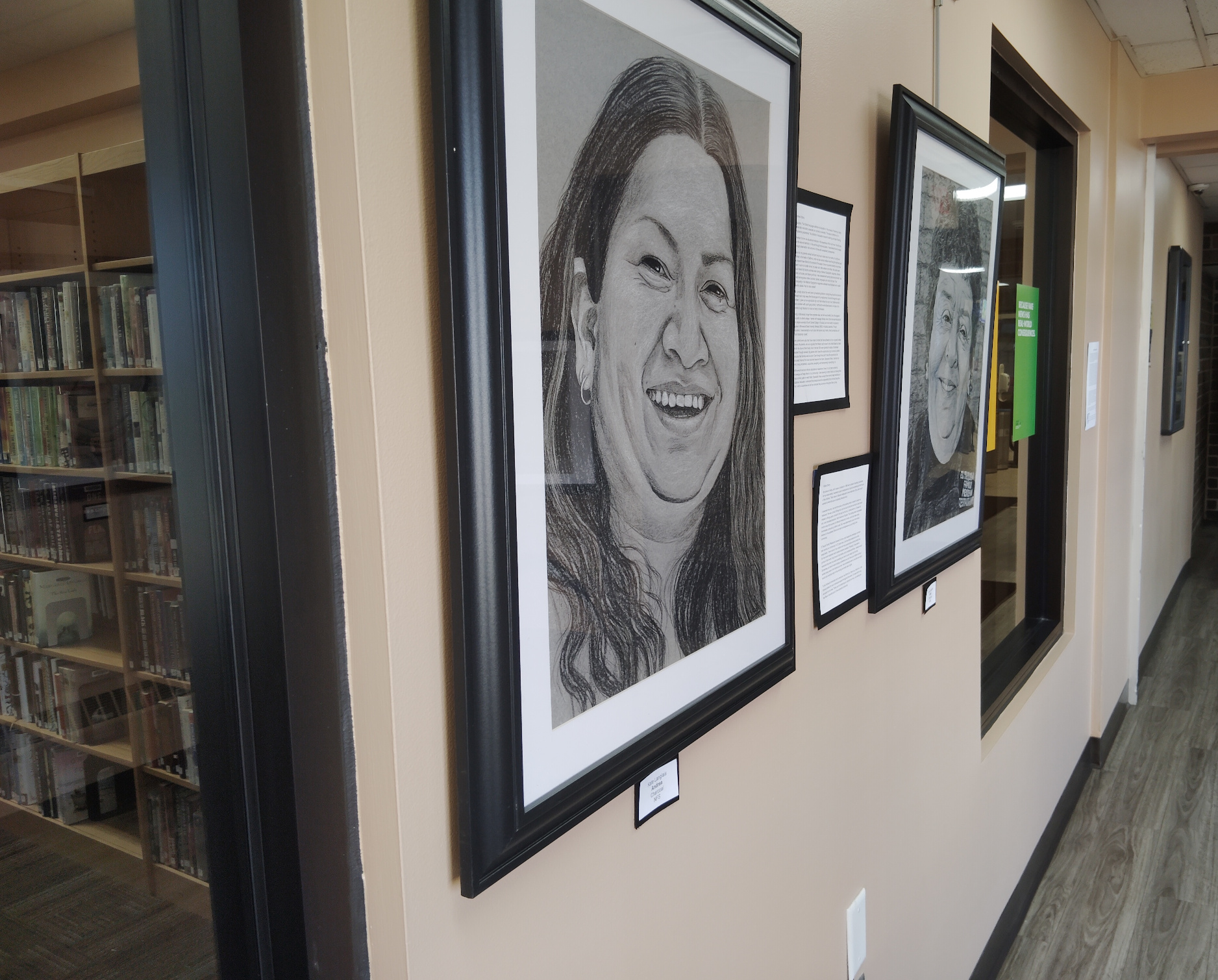
Immigrants are the focus of an exhibit currently showing in the hallway between the Faribault Community Center and Buckham Memorial Library. Faribault artist Kate Langlais shows 13 of her portraits from her “I Am Minnesota” project. These are first and second-generation immigrants.
Four months ago, Langlais’ immigrant portraits filled a spacious gallery at the Paradise Center for the Arts in Faribault. These are selected drawings from that show. She’s also previously shown her artwork in the same space where the 13 portraits now hang.
In my opinion, these portraits should be shared as often as possible in Faribault, which has not always been particularly welcoming to immigrants. I’m certainly not talking everyone, but too many people would rather our newest neighbors from Somalia, Mexico and other countries leave our city. I’ve heard that shouted while protesting ICE operations.
AN AUTHOR TALKS ABOUT THE GOSPEL OF SALOME
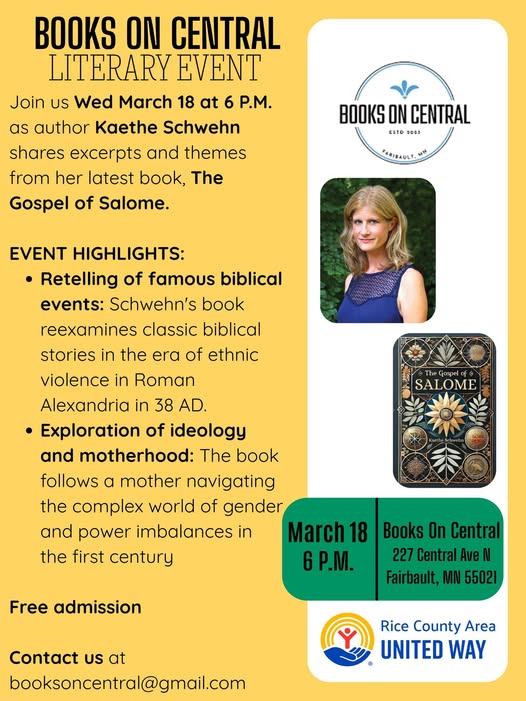
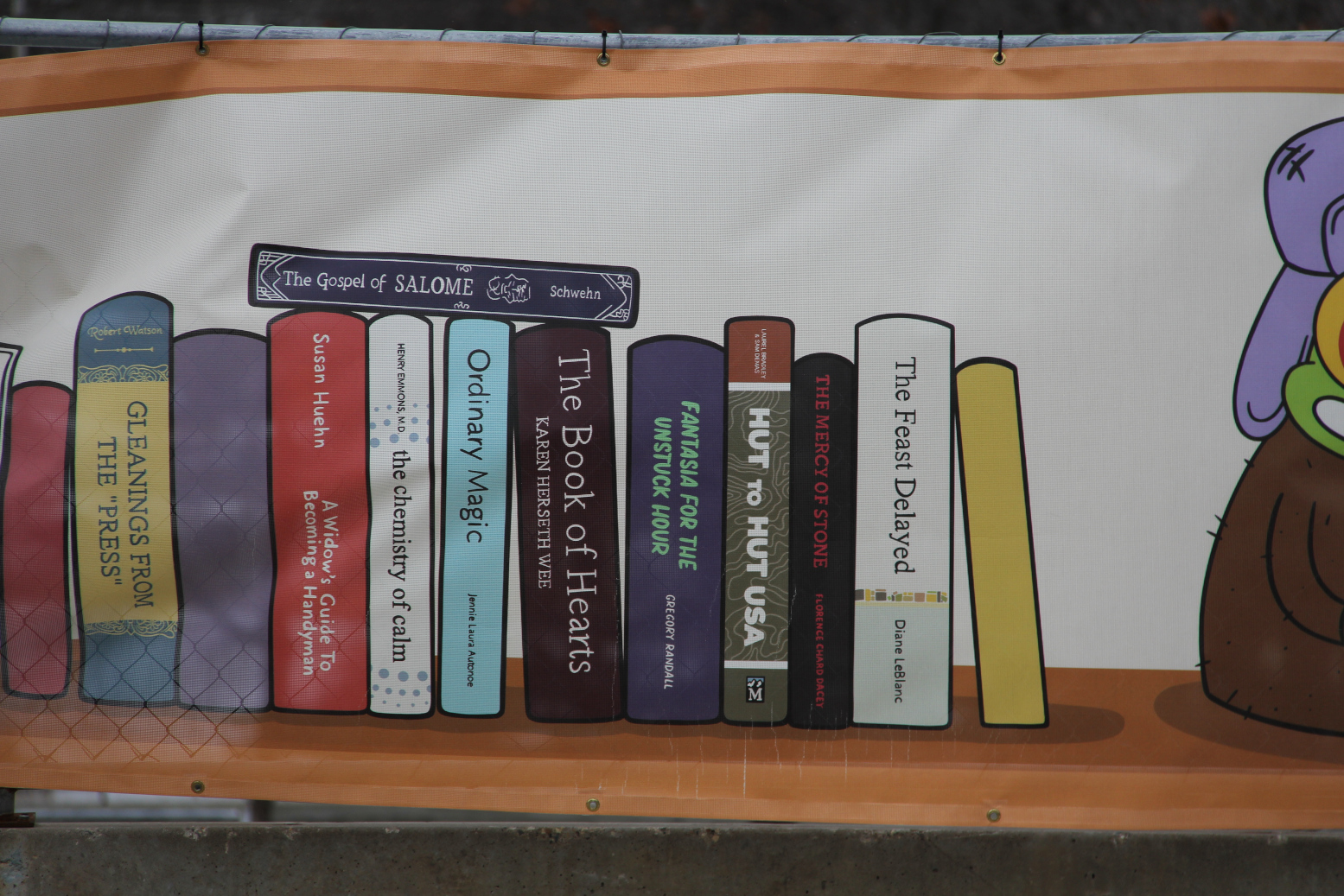
Finally, St. Olaf College professor and author Kaethe Schwehn will talk about her newest book, The Gospel of Salome, at 6 p.m. Wednesday, March 18, at Books on Central in Faribault. The historical novel set in Biblical times follows a mother who is navigating a complex world of gender and power imbalances during the First Century. Schwehn will read from her book and talk about some of its themes, examining ideology, motherhood and a poignant argument for love and equality in today’s world, according to pre-event information.
I expect good discussion will follow, as it always does at these free literary events at Books on Central.
There’s a lot to be learned in Faribault this week. I hope locals and others will embrace these three opportunities to grow their knowledge and broaden their perspectives.
© Copyright 2026 Audrey Kletscher Helbling




1984 Oceania & 2025 America December 31, 2025
Tags: 1984, America, book review, books, commentary, dystopian novel, fiction, freedom, George Orwell, novel, Oceania, reading, We the People
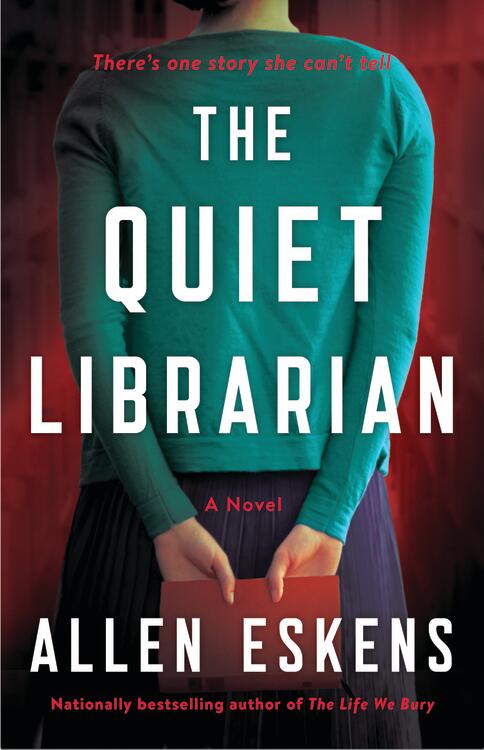
MULTIPLE TIMES I NEARLY STOPPED reading the book. But I was determined to finish, although the process took weeks. Sometimes I could read many pages. Other times I had to stop, set the book aside and not pick it up for several days. Yet, I continued slogging through the pages.
What book caused me to struggle so? The answer: 1984 by George Orwell.
If you’ve never read this dystopian novel and, no, I hadn’t, you should. Written in 1949, it is so relevant to today that the book could easily be titled 2025. And that’s not a good thing.
I jotted four full-sized pages of notes while reading. And what emerged was downright scary, because the fiction Orwell penned 76 years ago strongly resembles the United States of America under our current administration.
PLOT SUMMARY
But first, a summary of 1984. Main character Winston Smith lives in Oceania, a country ruled by The Party and the unseen Big Brother, who is watching, always watching. Smith is a writer, working for The Ministry of Truth, which is anything but. Workers there are tasked with rewriting history, basically erasing the past. Censorship. Smith, however, secretly disagrees with The Party’s work and ideology. But he, like others of the same mind, must be careful, oh, so careful. No one can be trusted, as Smith eventually learns firsthand.
People are disappeared from the streets, snatched. Vaporized, as if they never existed.
Troubling words like hatred, Thought Police, thought crime and control emerge in this novel. All are connected to The Party, a party focused on absolute power, world domination, acquiring more territory, on shaping narrative, on eliminating art, literature and science.
If The Party told you that 2+2=5, you better believe that. Smith didn’t.
The Party aims for absolute dominance—authoritarian rule under a dictatorship that opposes individual freedom and seeks to control every facet of life and the mind. Children are indoctrinated, blindly following and adoring The Party, becoming little spies who will turn on anyone suspected of defying Big Brother’s ideology. A woman calls Big Brother “My Savior.” Big Brother’s image is imprinted upon a coin. The eyes are watching, always watching.
HOW WILL IT END?
As I turned page after page, I tried to hold hope that 1984 would end well, although I knew it wouldn’t. I can only hope that the fiction George Orwell wrote does not fully become our reality in America. Whether it does or doesn’t is on all of us.
We can choose love over hatred. We can choose to exercise our personal liberties by speaking up, voting, contacting our elected officials, protesting, standing strong in and for freedom. We can advocate for others, calling out wrongs, working for the marginalized, the “snatched,” those struggling emotionally, financially and otherwise. We can help, encourage, uplift. We can listen. We can remember and learn from the past, not some rewritten version of the past. We can stand up for art, science, literature, truth. We can support freedom of the press, turn to trusted and reliable media sources. We can declare that we, the people, hold the power. Not Big Brother. Not a single man or his followers. Not The Party. But, we, the people.
WE THE PEOPLE
We the People of the United States, in Order to form a more perfect Union, establish Justice, insure domestic Tranquility, provide for the common defence, promote the general Welfare, and secure the Blessings of Liberty to ourselves and our Posterity, do ordain and establish this Constitution for the United States of America. —Preamble to the United States Constitution
#
TELL ME: Have you read 1984? If yes, what are your thoughts in the context of today, specifically in America? Do you see similarities, relevancy? What concerns you, if anything?
© Copyright 2025 Audrey Kletscher Helbling