Minnesota Prairie Roots

Writing and photography by Audrey Kletscher Helbling

Author tracks the James-Younger Gang’s escape from Northfield May 29, 2026

An overview of a presentation given by Russ Swanson at the Rice County Historical Society on May 28. The coat lying on the podium is a replica of the inverness capes worn by the James-Younger Gang. (Minnesota Prairie Roots copyrighted photo May 2026)

THEY WERE, HE SAID, masters of deception. And after listening to a well-researched and entertaining presentation about the James-Younger Gang at the Rice County Historical Society in Faribault recently, I agree.

This assessment of the outlaws who attempted to rob the First National Bank of Northfield on September 7, 1876, comes from Russ Swanson of Canton, South Dakota. The ag teacher, farmer, author and researcher shared a wealth of information on the gang, focusing on the outlaws’ efforts to escape capture after the failed robbery.

(Book cover sourced online)

But Swanson, author of A Chase to the Death: The Detailed Pursuit of the James-Younger Gang Following the Northfield Raid, also provided plenty of pre-robbery history that I found especially interesting. The eight-member gang arrived in St. Paul in late August 1876 after a 13-hour train ride from Sioux City, Iowa. I always thought they rode into Minnesota on their horses and headed for Northfield. Not so.
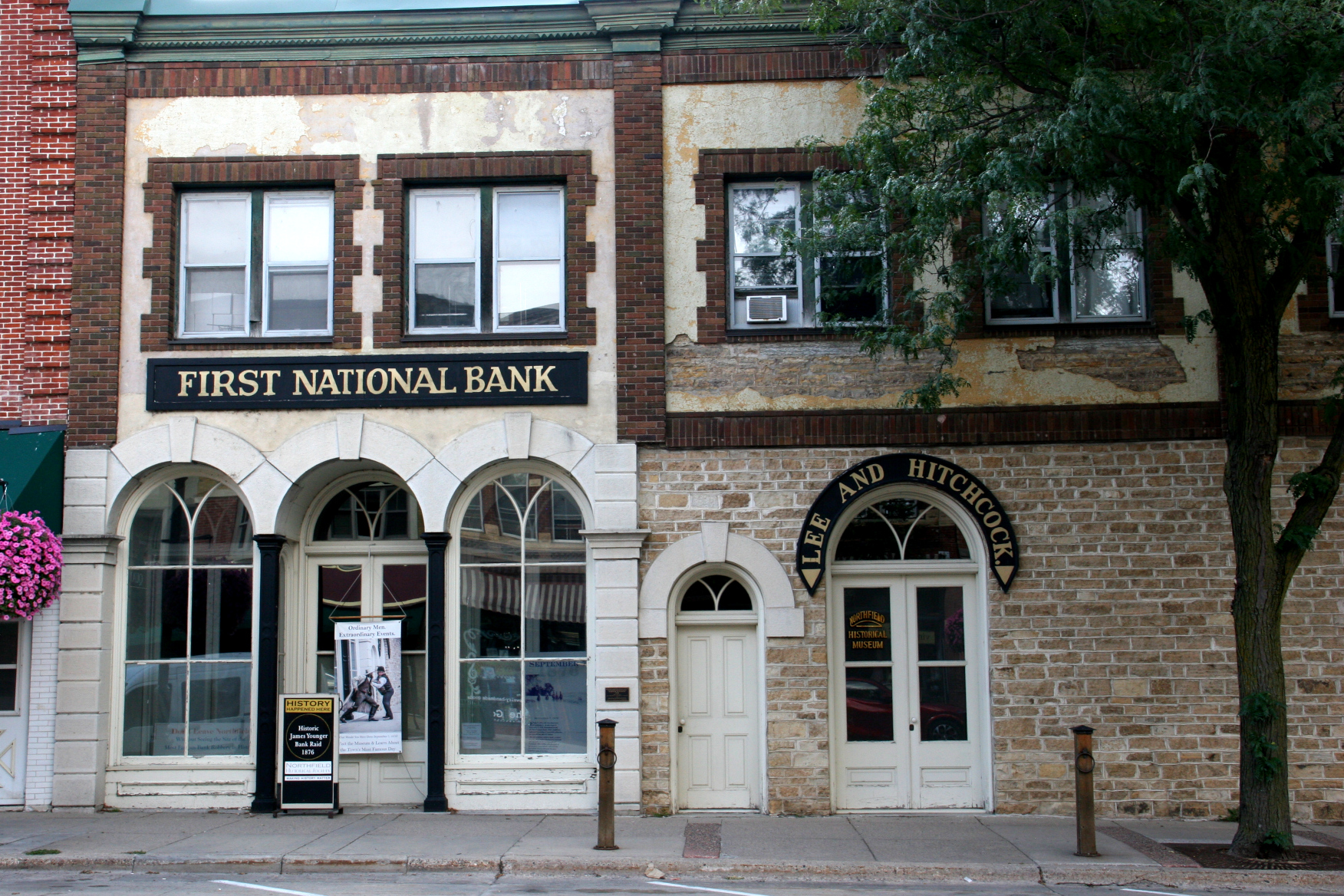
Instead of robbing the bank in Mankato, the gang attempted to rob the Northfield bank, pictured here. (Minnesota Prairie Roots copyrighted file photo)

PLANS TO ROB MANKATO BANK

The gang split upon their arrival in St. Paul with some going to Red Wing, where they stayed at the St. James (National) Hotel. Others went to St. Peter, then to Madelia. By this time, they’d purchased horses. Eventually the eight met in Mankato, intending to rob the First National Bank of Mankato, their original Minnesota target. But they were recognized and ditched the plan.

Swanson threw out a lot of information as he led the audience on the gang’s journey through Minnesota, then back west to Dakota Territory and Iowa. En route to Northfield, they stayed in LeSueur Center (current-day Le Center), Janesville and then Millersburg, imbibing in whiskey purchased there. Swanson spun a detail-rich storyline.

He didn’t spend much time on the actual seven-minute Northfield bank robbery, a point Swanson acknowledged at the beginning of his presentation. The short crime left a bank cashier, a bystander and two of the outlaws dead and others wounded.

This slide created by Russ Swanson shows the eight outlaws with information in red about them and also their horses. To the left are the locals wounded and killed during the attempted robbery.

PURSUIT & ESCAPE

The gang’s efforts to escape capture prompted the largest manhunt in U.S. history with 1,000 men searching for the outlaws. Swanson used maps to show the routes taken by the gang, which eventually split. Frank and Jesse James traveled together while the three Younger brothers and Charlie Pitts stuck together.

The saga is one of stolen horses, the first taken near Dundas. Of gunfights, including south of Shieldsville. Of taking men captive to guide them through the Big Woods near Kilkenny and elsewhere. Of awakening to church bells by Marysburg. Of abandoning horses near German Lake. Of crossing the Cannon, the Blue Earth and other rivers. Of hiding in cornfields.

Russ Swanson points to information specific to Northfield in another slide. (Minnesota Prairie Roots copyrighted photo May 2026)

MASTERS OF DECEPTION & HORSE THIEVES

To hear so many familiar place names took me along the escape route—riding into woods, crossing an unguarded railroad bridge, traversing rivers, stopping at farm sites. Desperate to evade capture, the savvy outlaws pretended to be members of the posse pursuing them. They stayed with farm families under those false pretenses.

That their true identities remained mostly hidden speaks to that “masters of deception” label Swanson tags to the gang. The outlaws stood out in their mannerisms, their talk and even their dress—draping, sleeveless inverness capes concealing their firearms—yet still fooled many.

They stole Percheron draft horses in Garden City. The James brothers stopped for breakfast in Luverne and then were pursued into Dakota Territory, stealing more horses. Blind and partially-blind horses. Eventually, the pair stole a horse at gunpoint north of Canton, South Dakota. Turns out that horse owner, Peter Wahl, homesteaded on land that Russ Swanson now owns. That prompted his 10 years of researching the James-Younger Gang, authoring a book and today presenting on the topic.

“This area is a hotbed of their territory,” Swanson told the audience in Faribault. He backs up that statement with extensive research, tapping into maps, newspaper articles, census records and more from Minnesota into South Dakota and Iowa. He noted the abundance of eyewitness accounts.
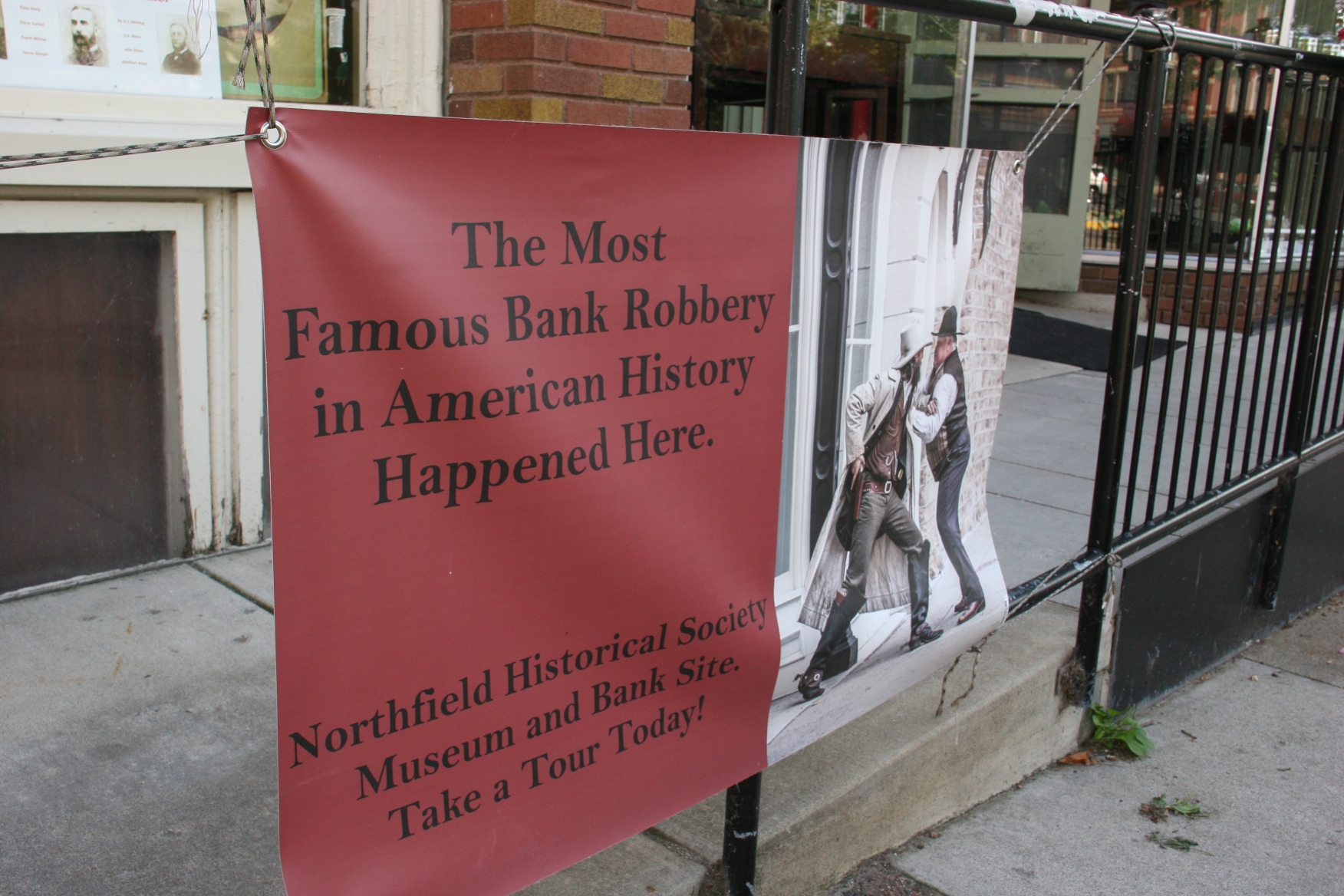
The First National Bank is now a museum with tours available. (Minnesota Prairie Roots copyrighted file photo)

DETAIL-RICH STORIES

I found the entire presentation intensely fascinating, rich in details. A lost hat. Nights of impenetrable darkness. Stolen chickens. Too much whiskey. Eleven bullet holes in Cole Younger, whose toenails fell off when he removed his boots after days of riding. A bullet that wounded a pursuer’s horse still in possession of his family generations later.

As Swanson concluded his talk, he shared a quote from Cole Younger, captured in a September 21 shoot-out in Hanska Slough near Madelia that took the life of outlaw Charlie Pitts. “Be true to your friends if the Heavens fall,” Younger said, refusing to give up any information to authorities. The Younger brothers went to prison while the James brothers escaped to Missouri.

Swanson shared more, much more, in his lengthy talk and Q & A. In the all of it, I was surprised to learn of so many locations in this region connected to the failed Northfield bank raid. Had the eight gang members remained incognito while in Mankato, this story would have followed a different plot line, a different path into history.

© Copyright 2026 Audrey Kletscher Helbling


Thoughts after tragedy strikes Minnesota’s Amish community January 13, 2016

Filed under: Uncategorized — Audrey Kletscher Helbling @ 5:01 AM
Tags: , , , , , , ,

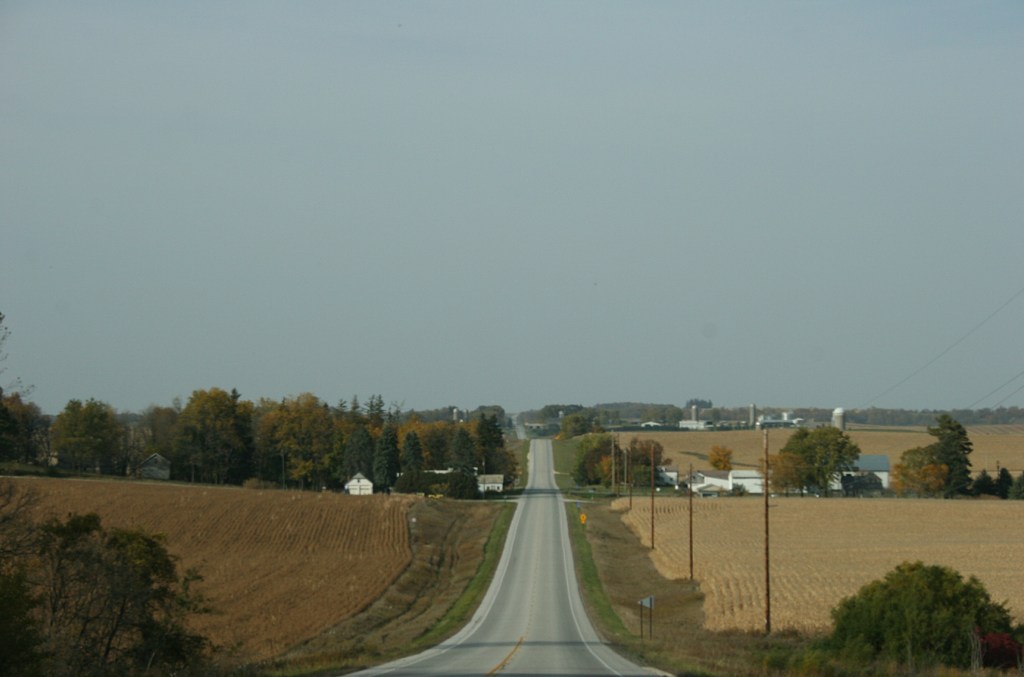
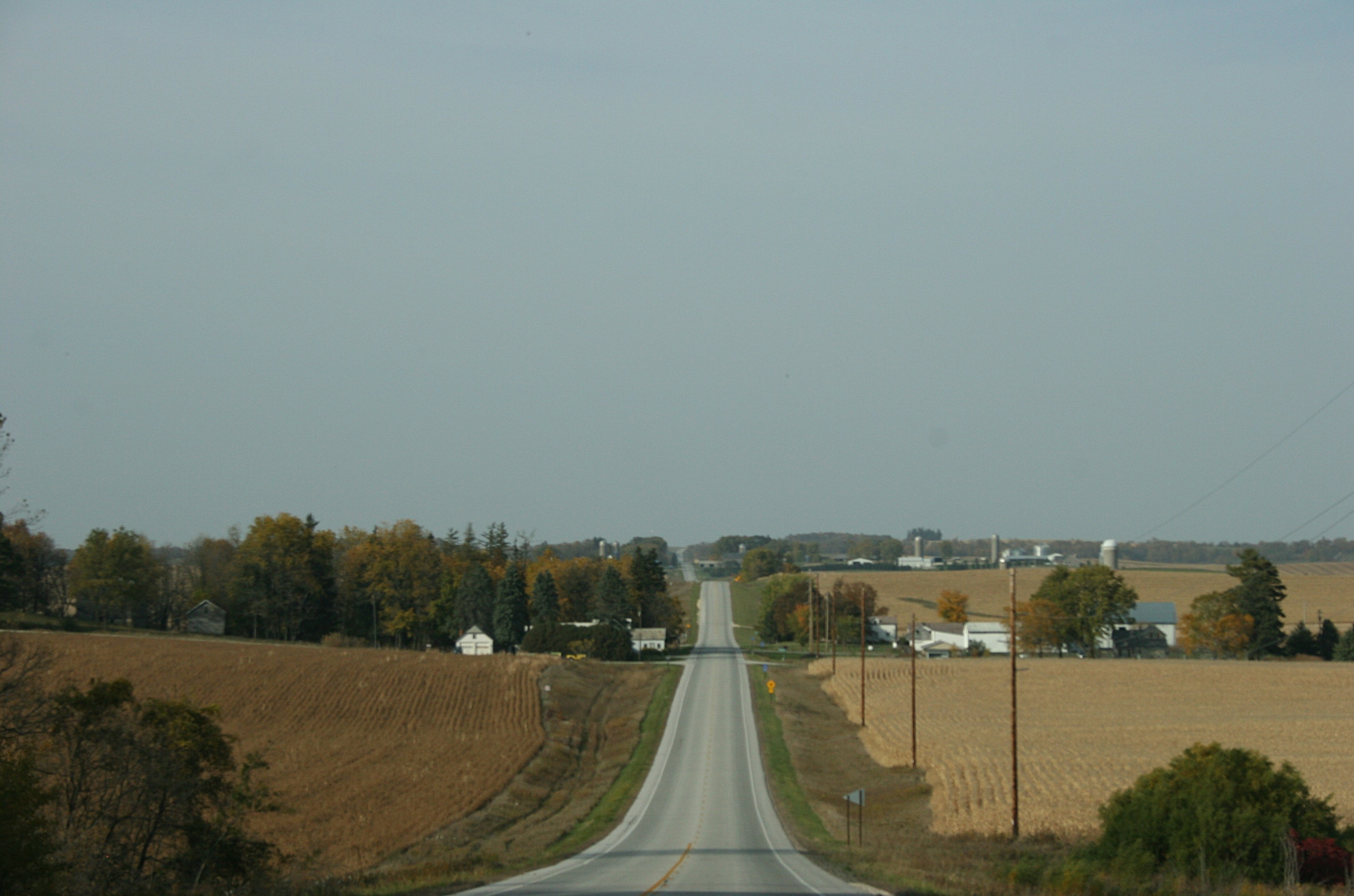
Driving Fillmore County Road 21 north of Canton toward Henrytown then west to Dennis and Mary Hershberger's farm. This is deep in Minnesota Amish country.

Driving Fillmore County Road 21 north of Canton toward Henrytown then west to Dennis and Mary Hershberger’s farm. This is deep in Minnesota Amish country. Minnesota Prairie Roots file photo 2012.

THREE SUMMERS AGO, my husband and I explored the extreme southeastern portion of Minnesota that is home to pockets of Amish. During that tour, just north of Canton, we followed back roads to the home of Dennis Hershberger, a gifted carpenter who crafts raw wood into stunning pieces of furniture at his Countryside Furniture business.

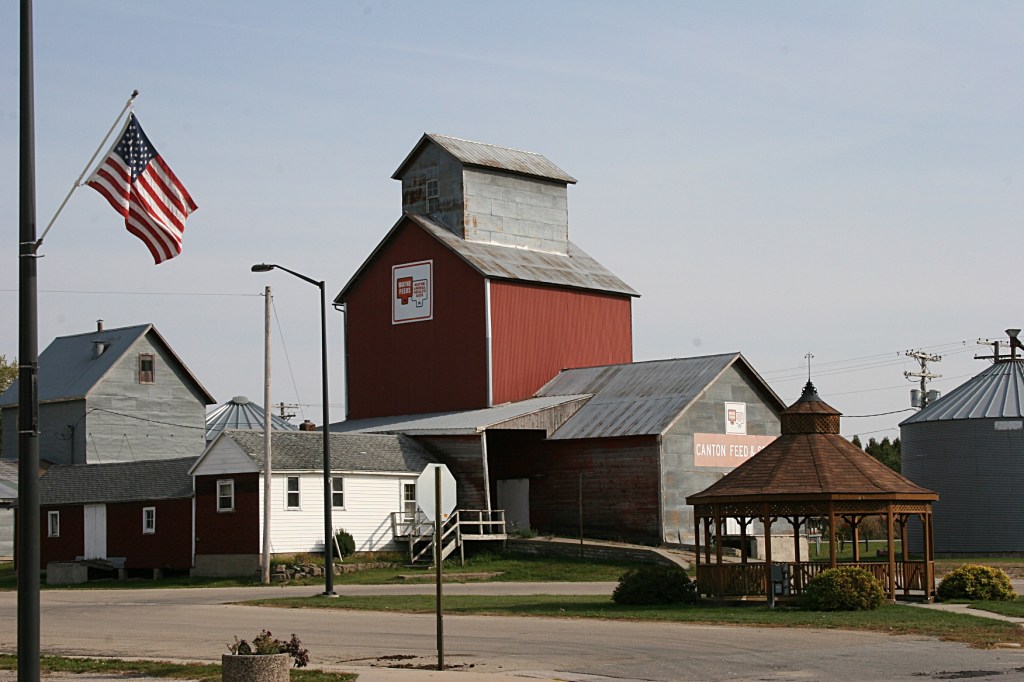
An overview of Canton's historic area. Minnesota Prairie Roots file photo 2012.

An overview of Canton’s historic area. Minnesota Prairie Roots file photo 2012.

Today I am thinking of Dennis and other Canton area Amish suffering the loss of two community members who died in an early Monday morning house fire. The victims have been tentatively identified as a local bishop, Yost Hershberger, 58, and his son, Ben, 18. Three other family members went to the hospital with non-life threatening injuries.

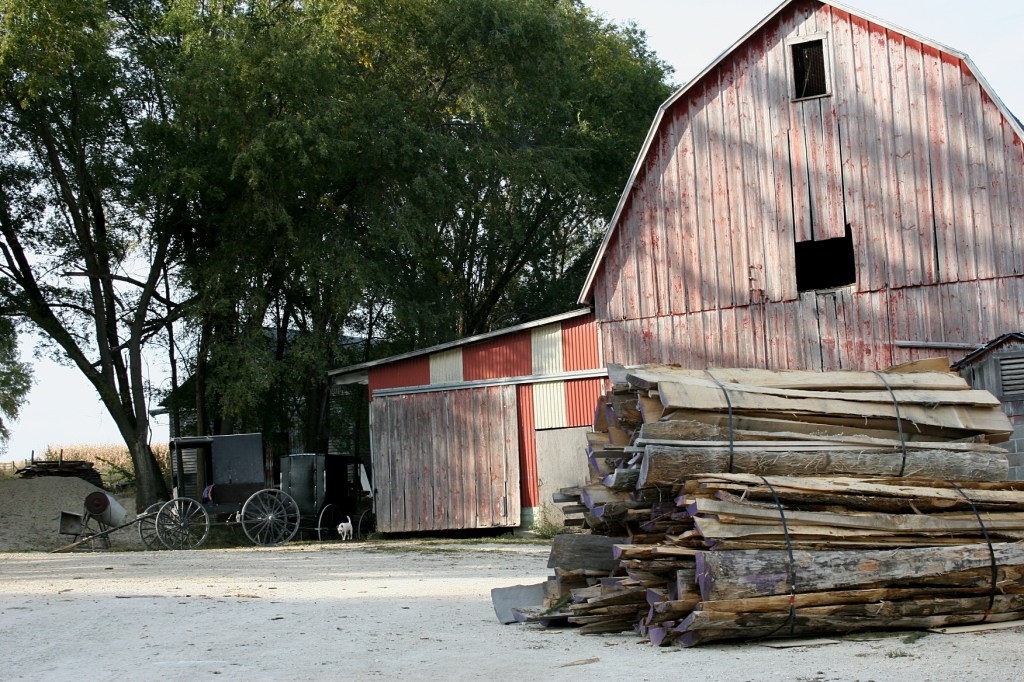
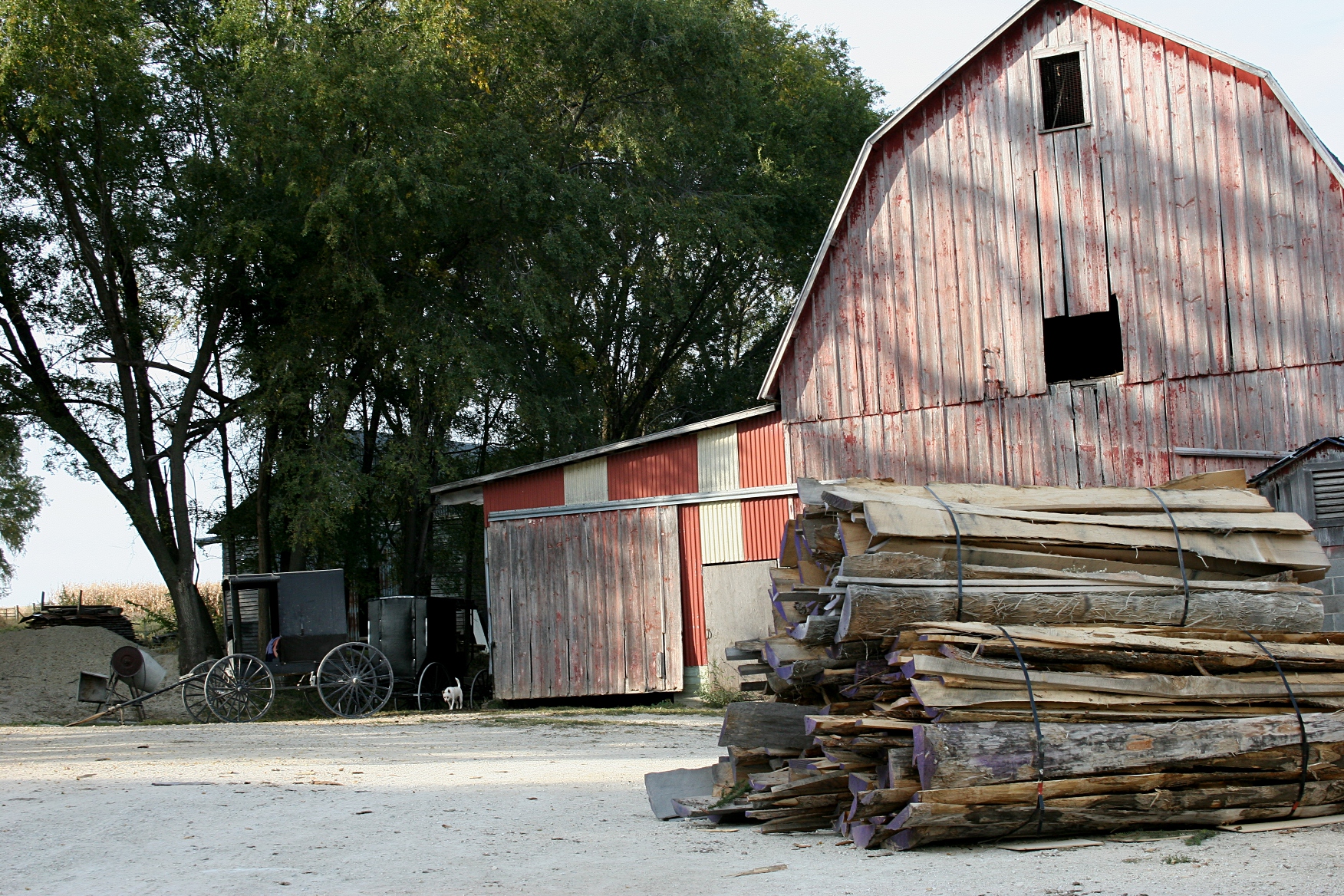
My final shot on the Hershberger farm: the barn, the buggies, the stack of wood.

A snapshot of Dennis Hershberger’s farm yard. Minnesota Prairie Roots file photo 2012.

I don’t know whether Dennis the carpenter is related to the two men who died. Hershberger is a common name among the Amish. But Dennis and his family live near the scene of Monday’s fatal house fire along Fillmore County Road 21. Whether connected by blood or by community, the commonality of grief now unites this Amish settlement.

Just last May, 23-year-old Yost J. Hershberger of Decorah, Iowa, died after being trapped between a logging truck and a trailer in nearby rural Mabel. Another tragedy within this tight-knit community of Amish.

On this day, I feel a deep sense of sadness for the Hershberger family, for these Amish of southeastern Minnesota.

© Copyright 2016 Audrey Kletscher Helbling
 

Up close with an Amish family in southeastern Minnesota October 15, 2013

HIS NAME SURPRISES ME. Dennis. “It is not,” I insist to my husband, “in The Book of Amish.”

Not that a Book of Amish exists. I have made that up. But in my mind, this trim Amish carpenter with the dark beard, suspenders criss-crossing his back and a tape measure hooked on his black pants, should bear a biblical name like Samuel, Jacob or Daniel.

Dennis sounds too Englisch.

His surname of Hershberger, however, seems appropriate although the German in me would like to insert a “c” and make that Herschberger.

Driving Fillmore County Road 21 north of Canton toward Henrytown then west to Dennis and Mary Hershberger’s farm in early October 2012. This is deep in Minnesota Amish country.

The photographer in me would also like very much to photograph this young Amish father who crafts the most beautiful, gleaming furniture you can imagine on his farm north of Canton and west of Henrytown in southeastern Minnesota. But I know that to photograph him would violate his trust and hinder my welcome to Countryside Furniture.

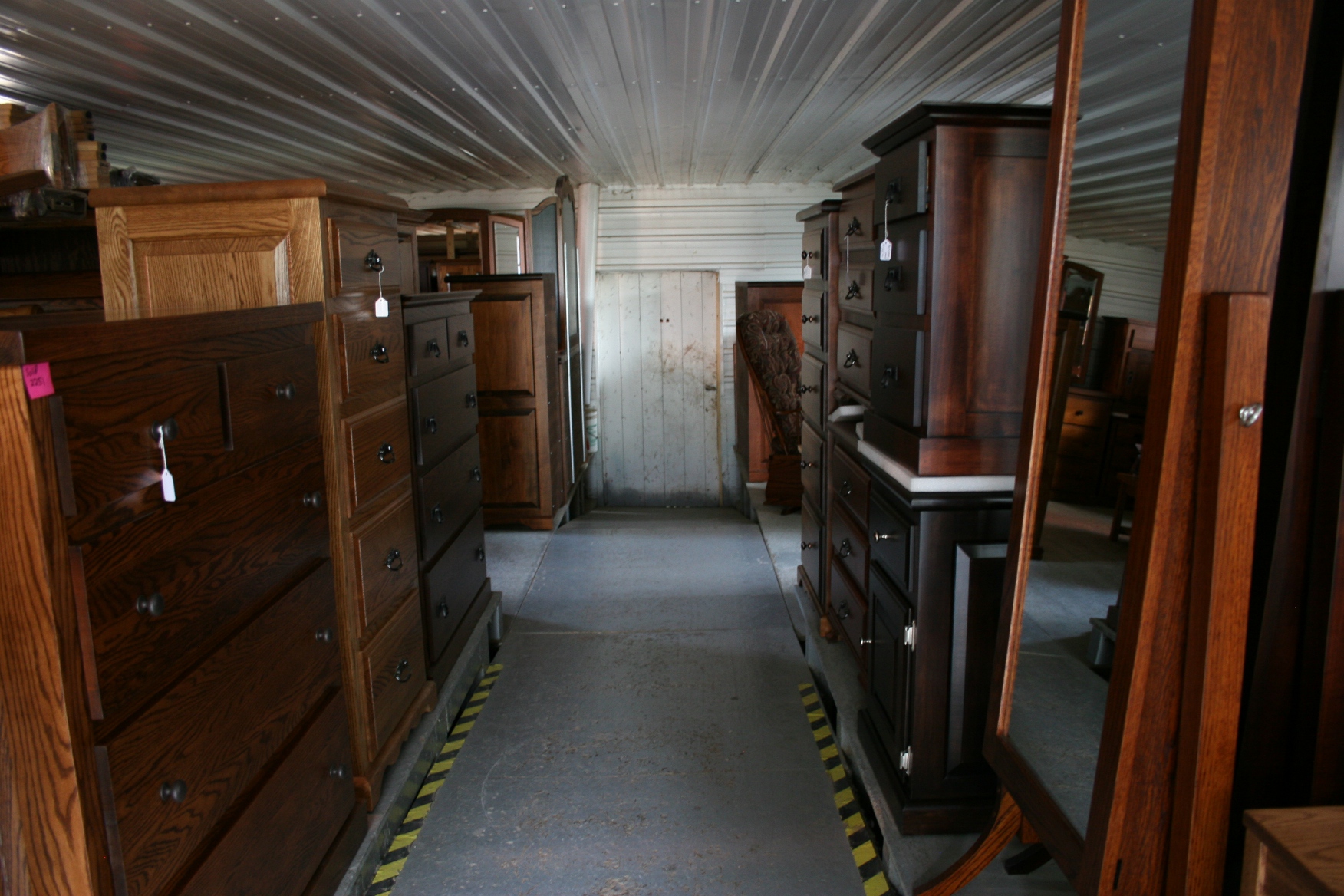
Inside Countryside Furniture, with furniture crafted by Dennis and crew.

So I keep my camera low, tugging it to my side as I watch the Hershberger children, 17-month-old Simon and his 3-year-old sister, whose name I never do learn, wheel a faded red wagon. I am mostly intrigued by Simon in the plain handcrafted blue dress that skims his ankles above pudgy bare feet hardened to the stones and rough grass underfoot. His face is still edged with the softness of a baby, but emerging into that of a little boy. Straight cut bangs ride high on his forehead with wisps of hair tickling his ears in a bowl cut hair style.

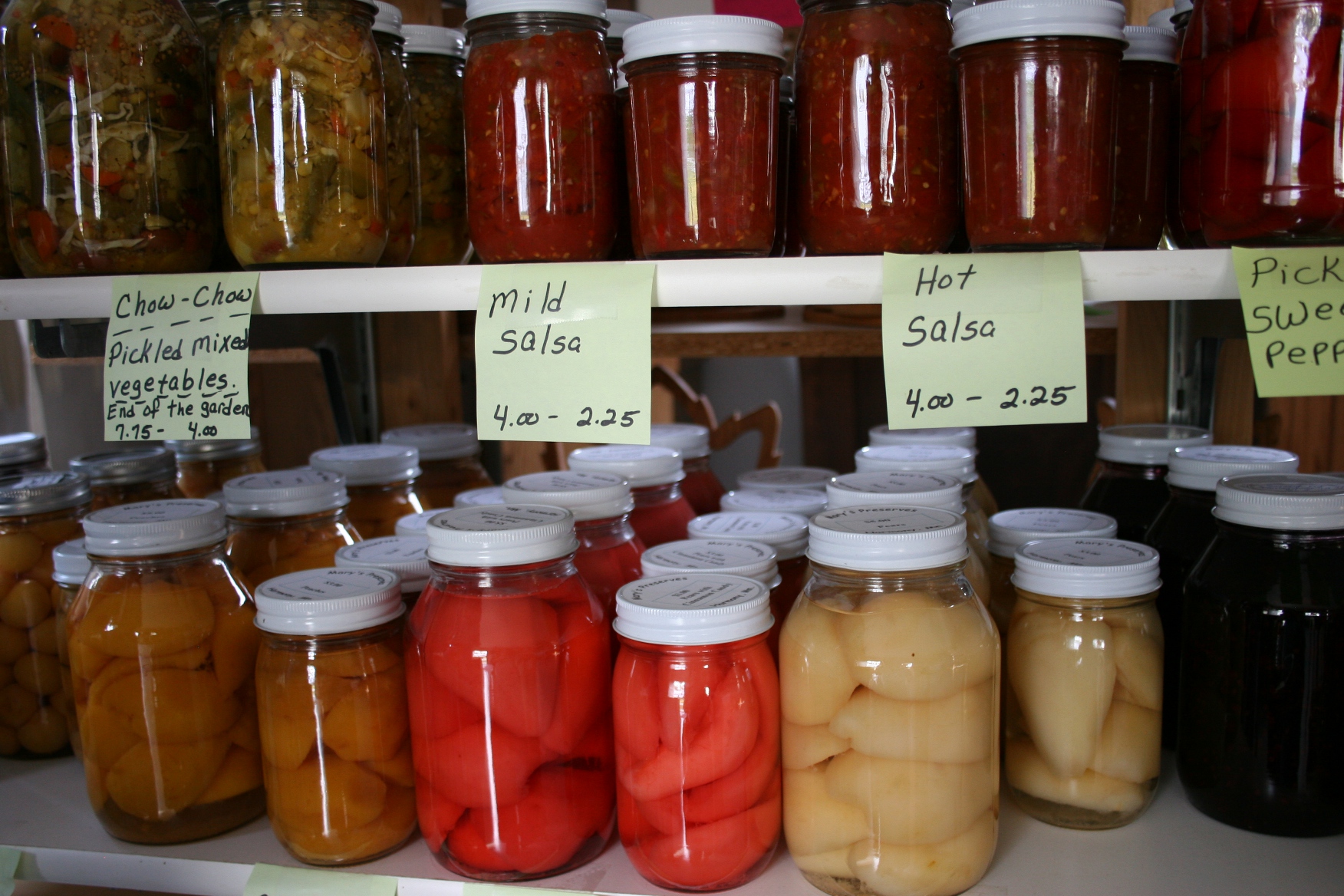
Jars of canned goods line the shelves in Mary’s shop.

When I amble next door, the siblings follow me into their mother’s shop, rattling round and round with the wagon like a car on a racetrack.

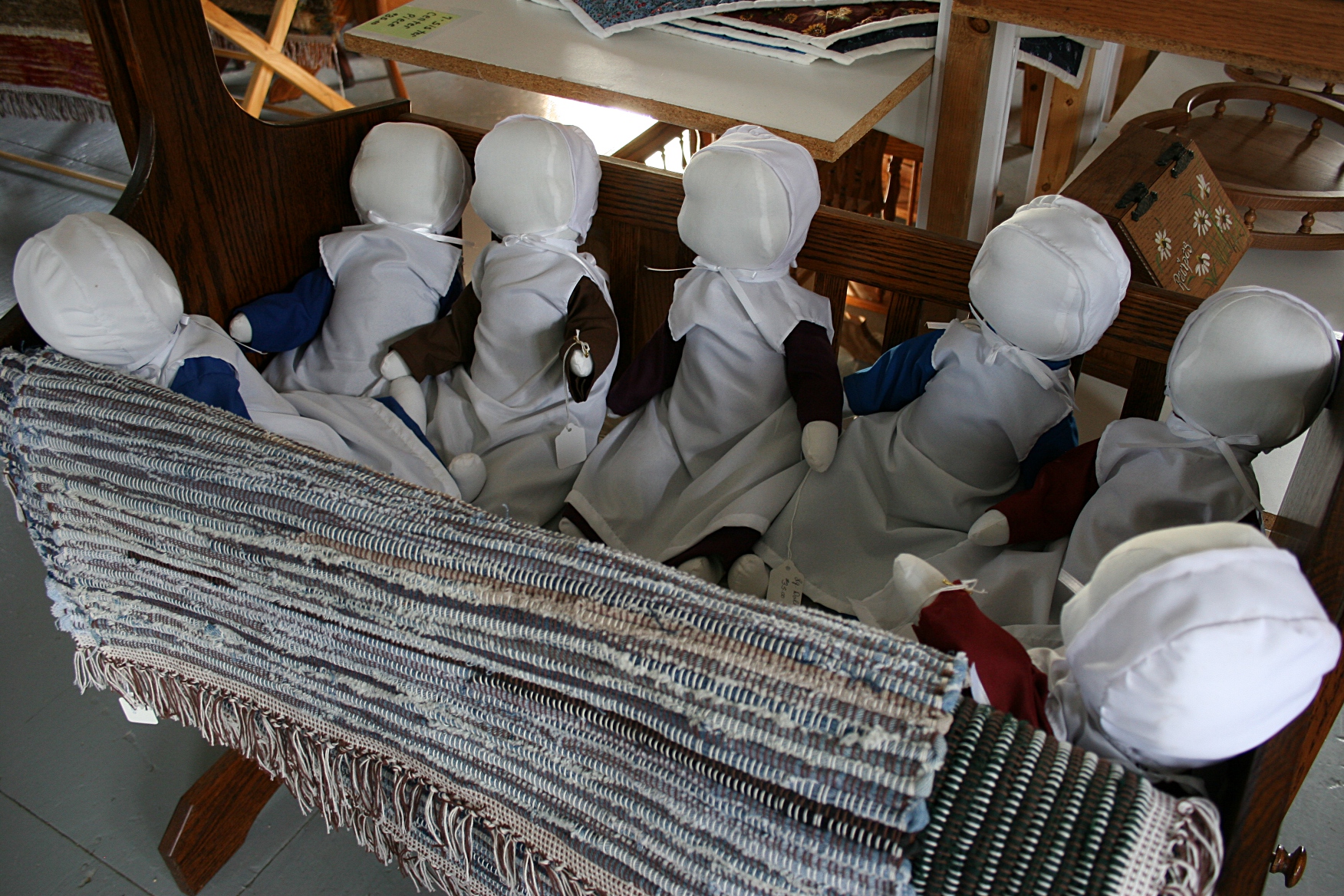
I admire the rows of canned produce (bright orange carrots, golden nuggets of corn, jade spears of dill pickles), the faceless Amish dolls snug in a cradle, the tight weave of cotton rag rugs…

Faceless handcrafted Amish dolls in a handcrafted cradle.

I lift bars of homemade soap and breathe in their perfumed scent.

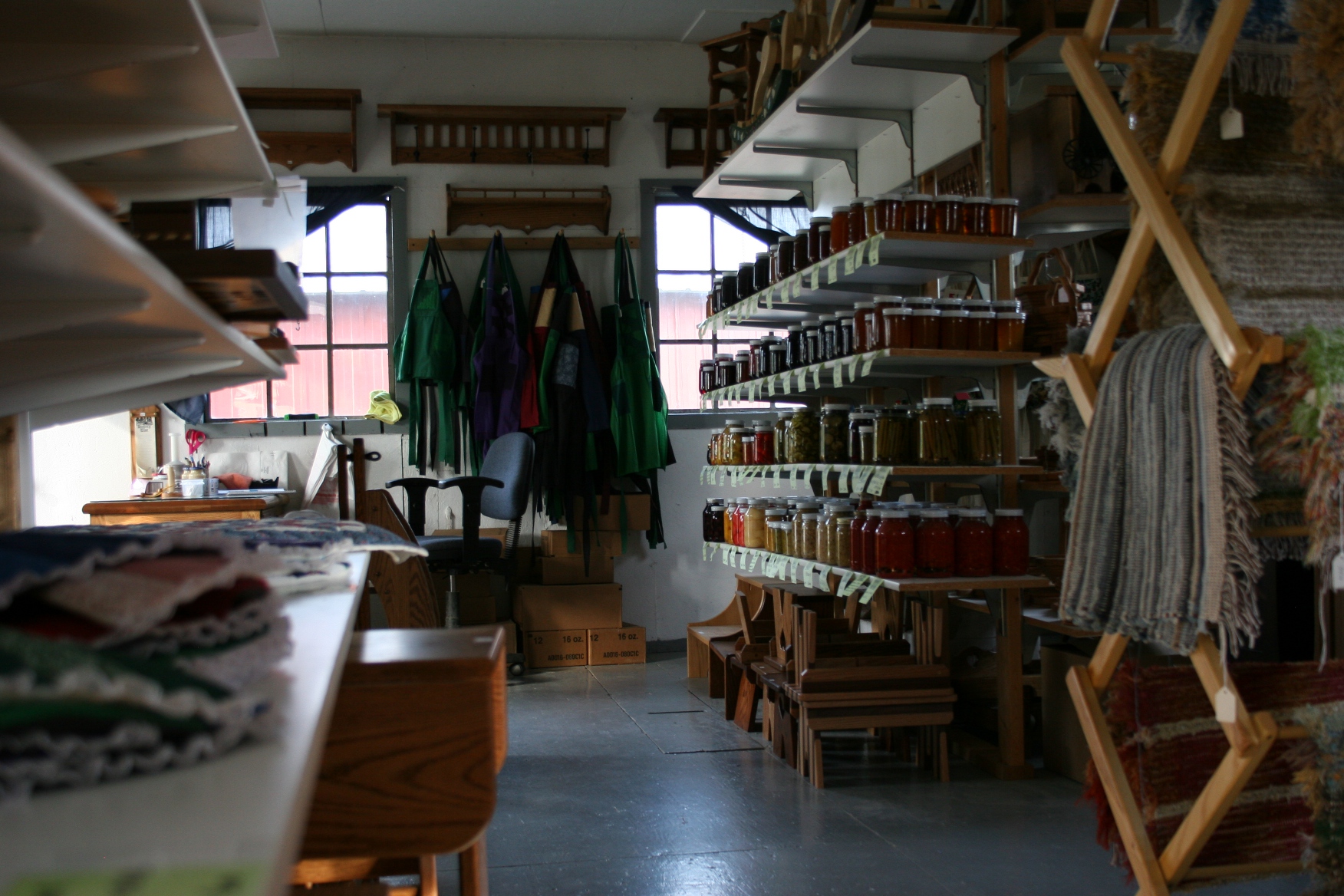
A pathway in the crafts store where Simon and his sister circled their wagon.

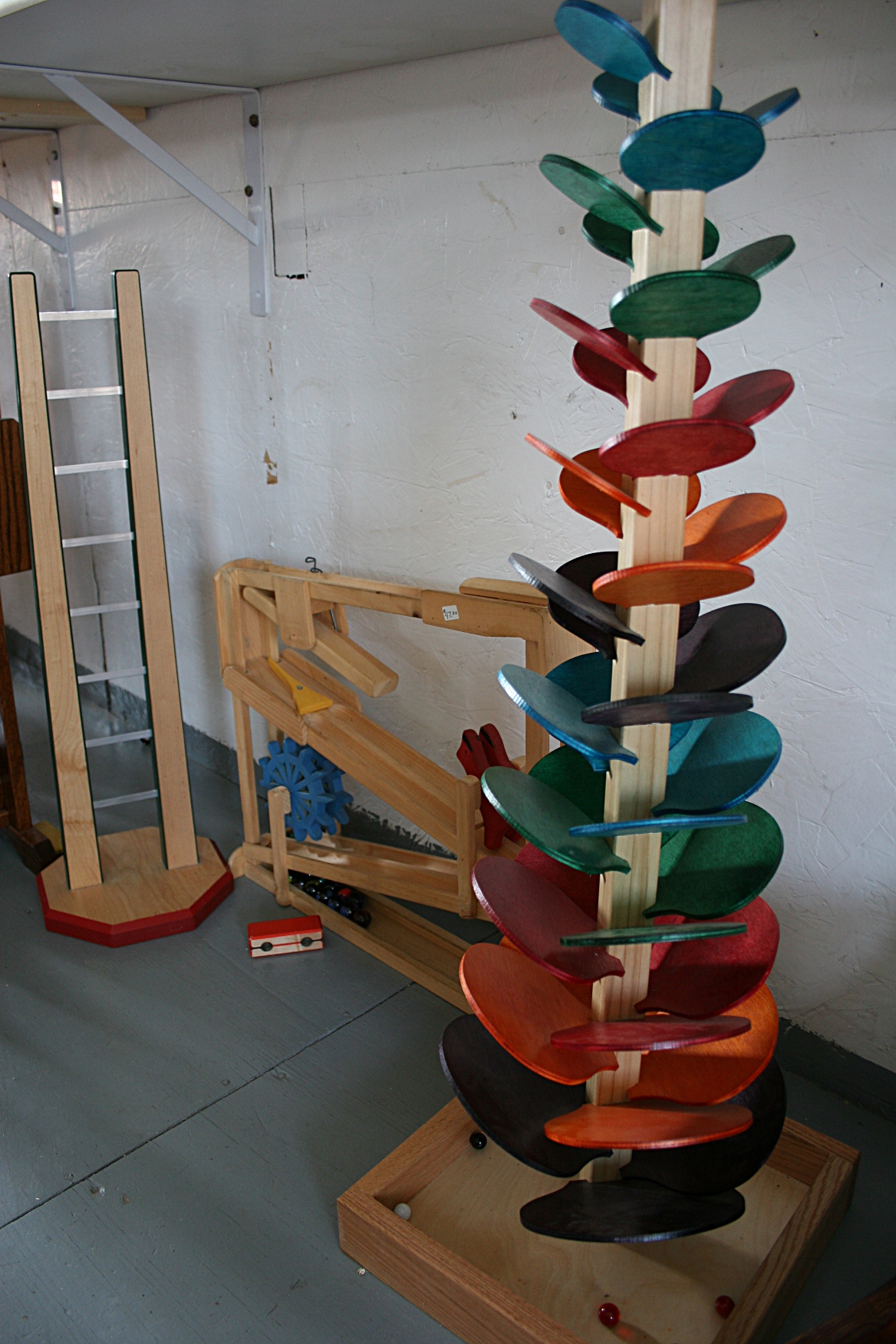
Then my attention turns again toward little Simon and his sister as they drop marbles onto a colorful tower before darting outside. Clack, clack, clack.

The siblings dropped marbles down the colorful tower on the right.

Through the open shop door, I watch a horse and buggy wheel into the farmyard, steering toward the weathered red barn. A boy, perhaps 10 years old, strolls toward the farmhouse and I lift my right hand to wave. He hesitates, then returns my greeting.

I turn my attention back to Mary’s merchandise. We must choose something to purchase now. It is expected. So Randy picks two jars of Mary’s Preserves. We head back to the furniture showroom, a small outbuilding with white walls and a low ceiling, with two jars of strawberry and tripleberry jams.

We make small talk. Dennis asks where we’ve come from. “Faribault,” I tell him.

“Along Interstate 35,” he notes, then tells us of a good customer from our community.

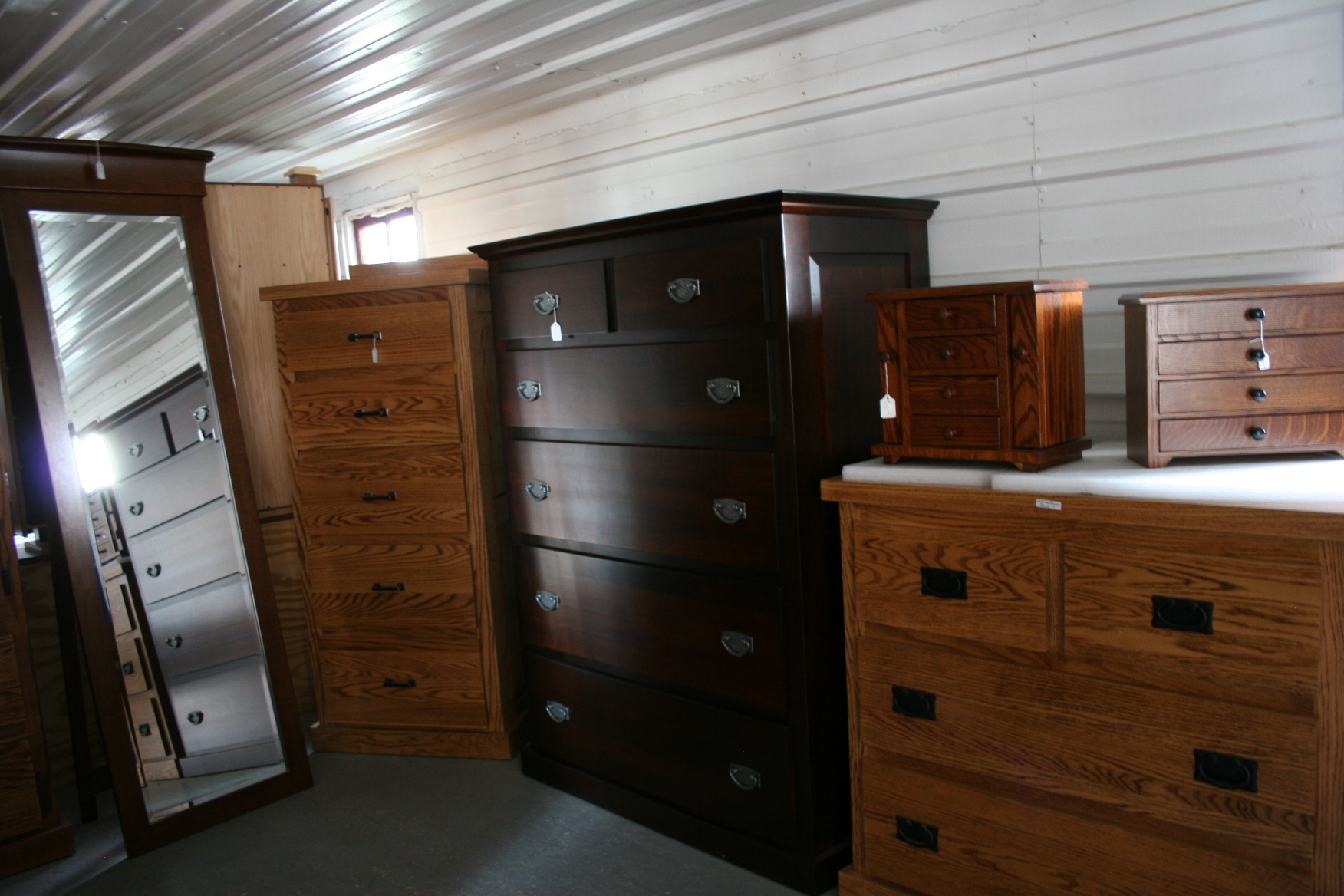
A close-up of the furniture Dennis and his crew craft.

I ask Dennis’ permission to photograph his fine furniture and he gives his OK. Then we return, with Simon still tugging that wagon, to Mary’s shop. As we walk, Dennis lifts his son off the ground, snugs the boy against his right hip, then speaks to him in a language I can only assume is a German dialect. I expect Simon may be getting a gentle admonition about taking the wagon inside his mother’s shop.

Randy pays $4.50 for the jam. We thank Dennis for the gracious welcome to his farm.

My final shot of the Hershberger farmyard: the barn, the buggies, the stack of wood.

As we head to the car, I photograph the red barn, the two buggies parked next to it and the rough-hewn lengths of stacked wood which Dennis and his helpers will soon craft into fine furniture.

Even though I couldn’t photograph the Hershbergers, the visuals of this place, of this Amish family, of this experience, have imprinted upon my memory. And sometimes that is better than a photo.

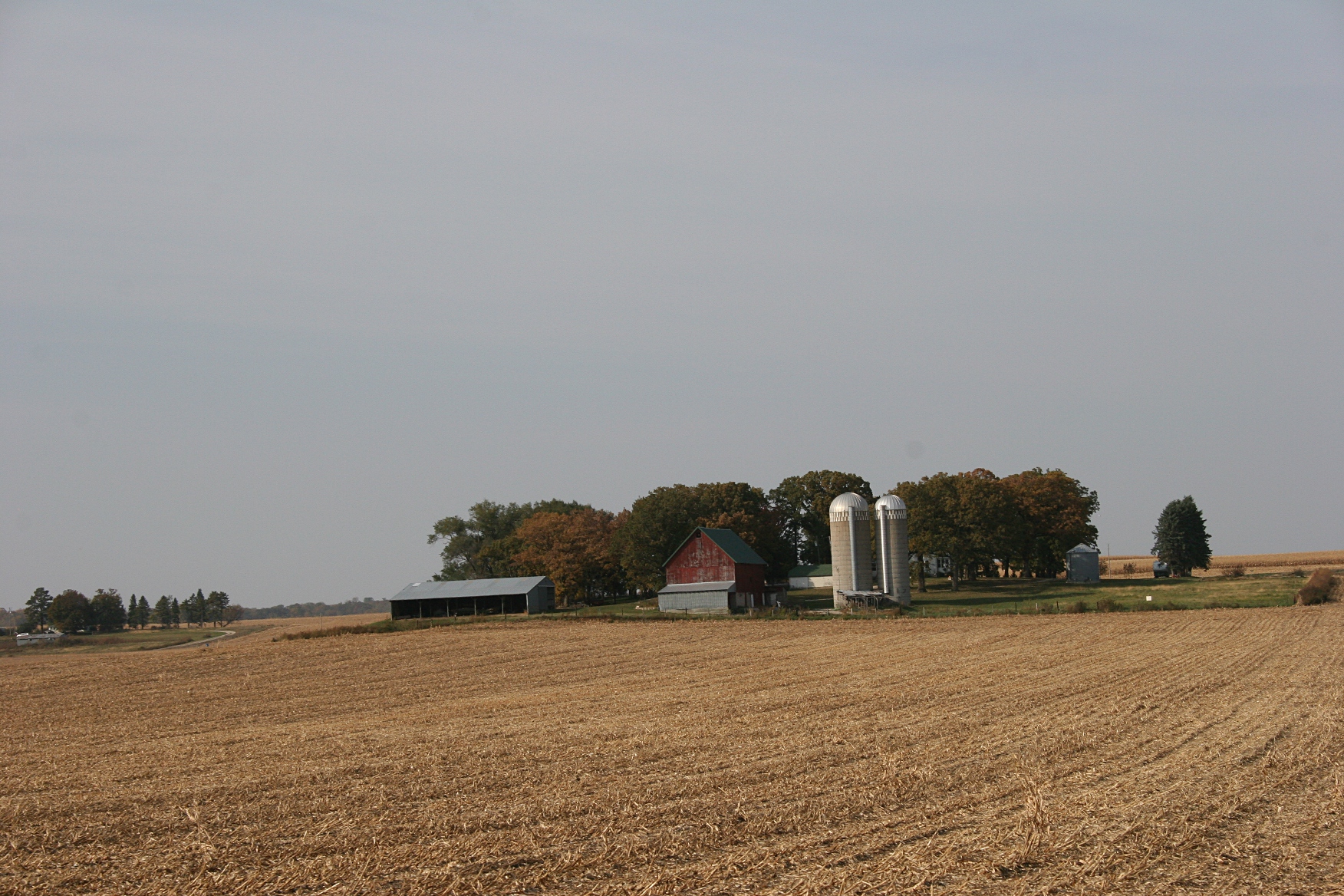
A picturesque farm near the Hershberger place, rural Fillmore County, Minnesota, taken in early October 2012.

FYI: Dennis Hershberger also sells his furniture at Countryside Furniture, located at Old Crow Antiques in Canton, at the intersection of U.S. Highway 52 and Fillmore County Road 21. The Hershberger farm is about five miles northwest of that intersection.

Old Crow Antiques is a great place to stop for information on local Amish farms.

This story and these images are from an October 2012 visit to the Hershberger farm.

© Copyright 2013 Audrey Kletscher Helbling
 

Rural Americana: A personal tour of historic Canton, Minnesota October 18, 2012

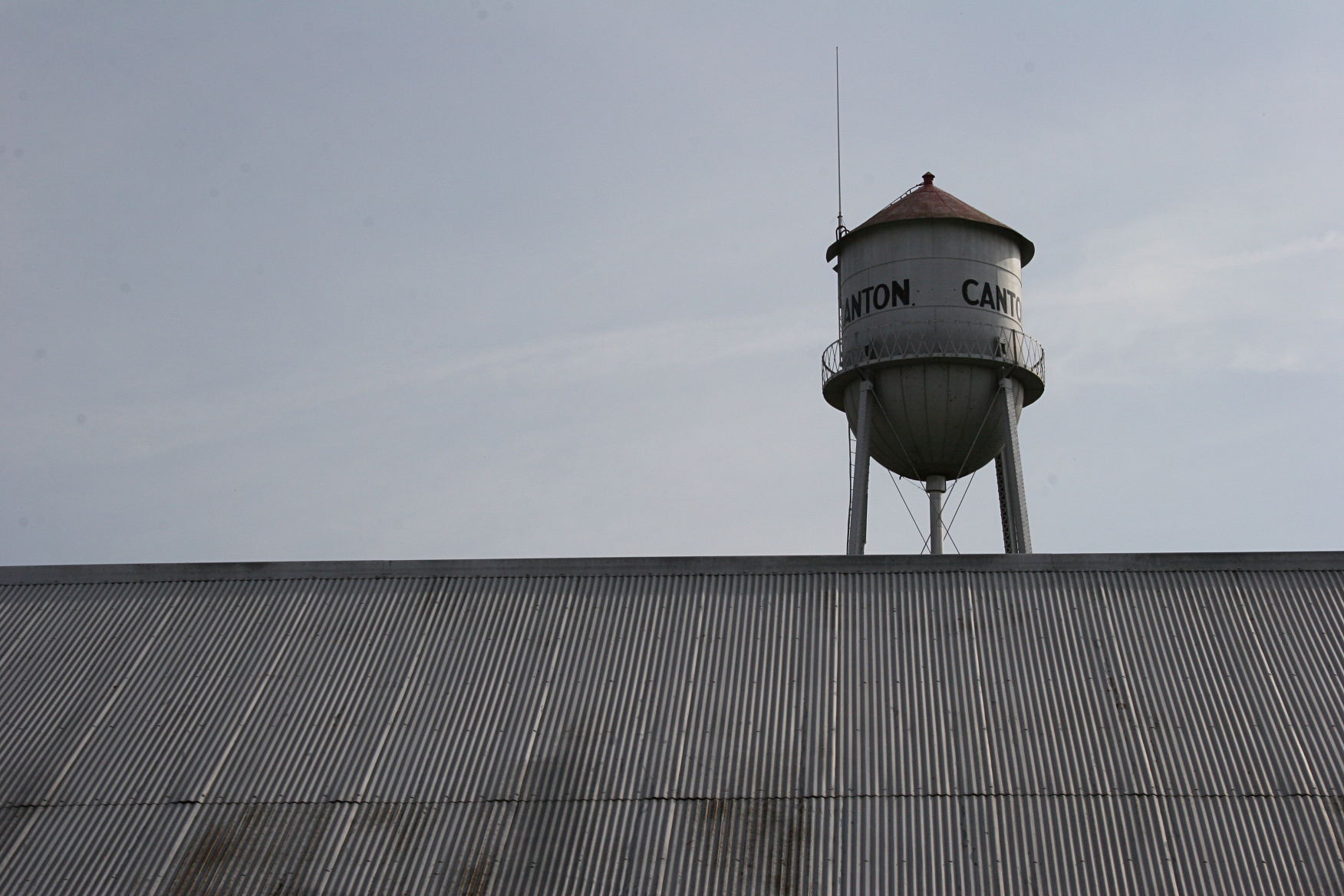
The water tower in Canton, on the other side of the roof line seen here in the foreground.

LeROY HAYNES WAS BRUSHING green paint onto wainscoting in the sunny warmth of an October afternoon when I happened upon him in Canton, a town of 328, in southeastern Minnesota near the Iowa border.

He was, he said, in the process of sprucing up Lumber Yard Antiques, the shop he and wife Kathie opened in July. Kathie’s originally from Canton where the couple now lives only three blocks from their antique store.

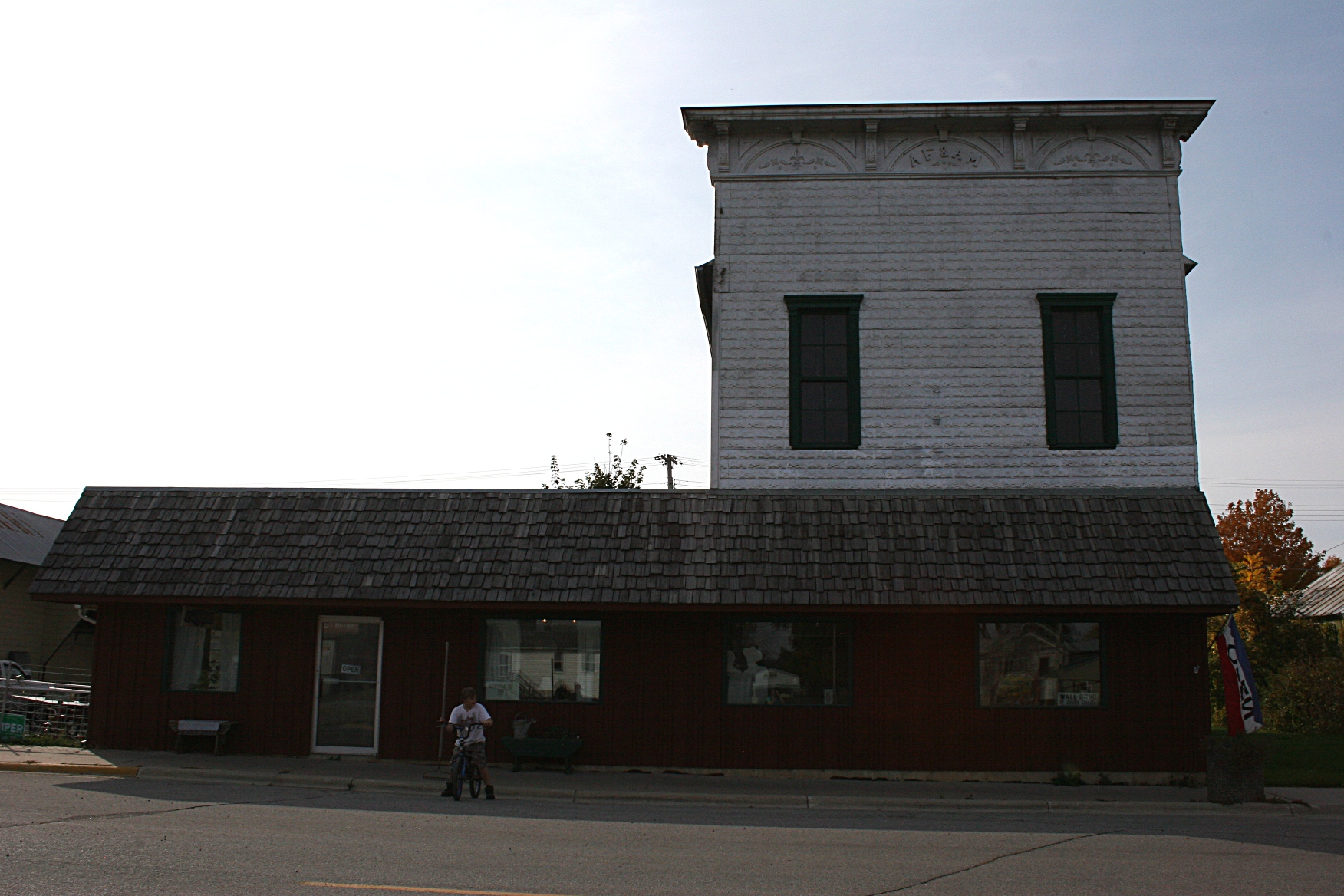
When the lumber yard moved here, it added the front red part of the building onto the former Masonic Lodge building on the right. The first floor of this complex now houses Lumber Yard Antiques.

They named their business after the lumber yard previously housed in the building complex which some 10-plus years ago was home to another antique shop and before that Canton city offices. The older part of the Haynes’ shop, the Masonic Lodge building, was once rented out by the Masons and used as a grocery store, barbershop and even as apartment space.

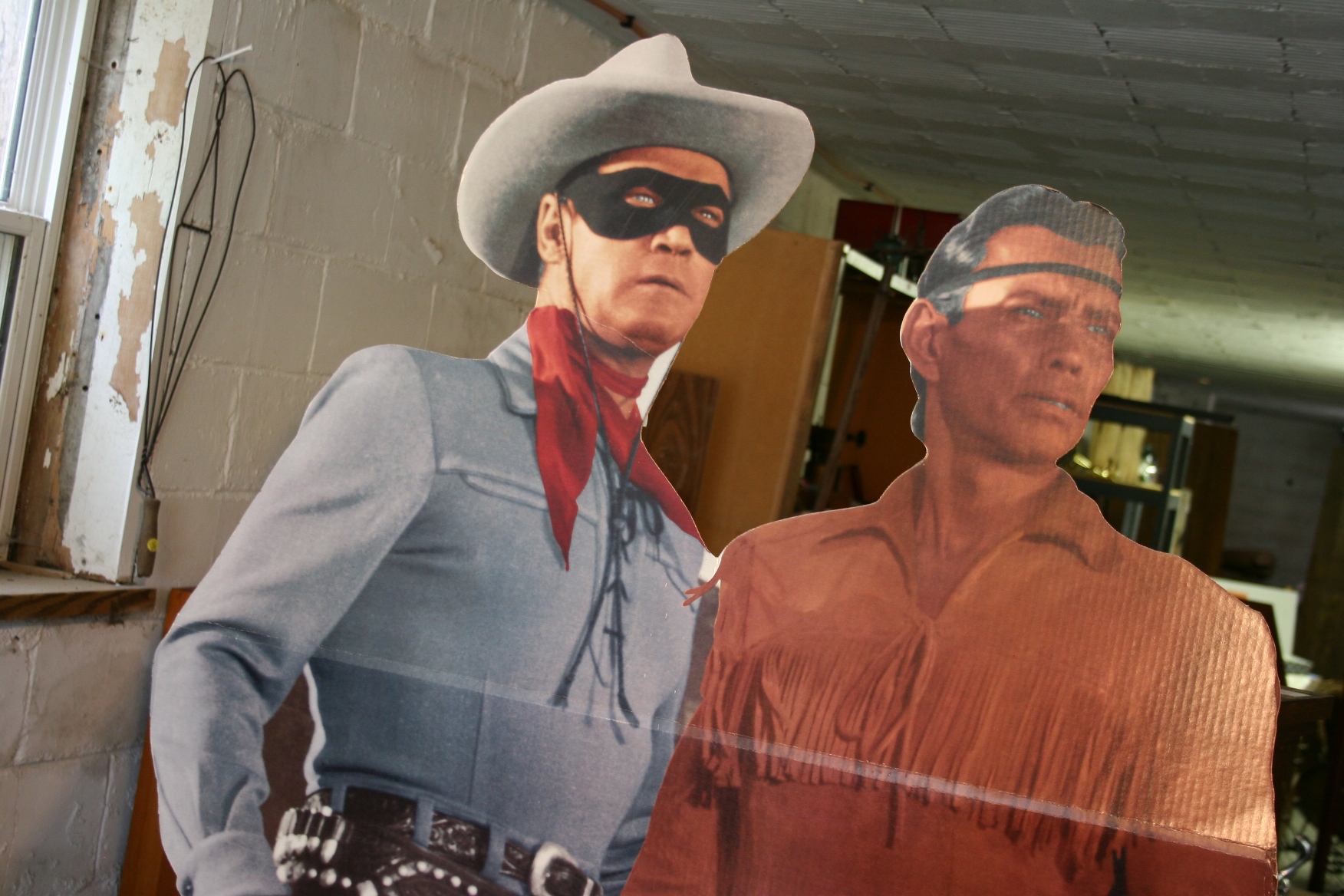
See what you learn when you start a conversation. I learned even more when I spotted a cut-out of Tonto and the Lone Ranger and mentioned to LeRoy that I’d seen one just like it in the basement of an antique shop in Stockholm, Wisconsin.

The Lone Ranger and Tonto cut-outs, photographed last fall in Stockholm, Wisconsin.

Imagine my surprise when LeRoy informed me that the cut-out had come from Stockholm, where he once sold his antiques and collectibles at A+ Antiques & Oddities.

It is a small world.

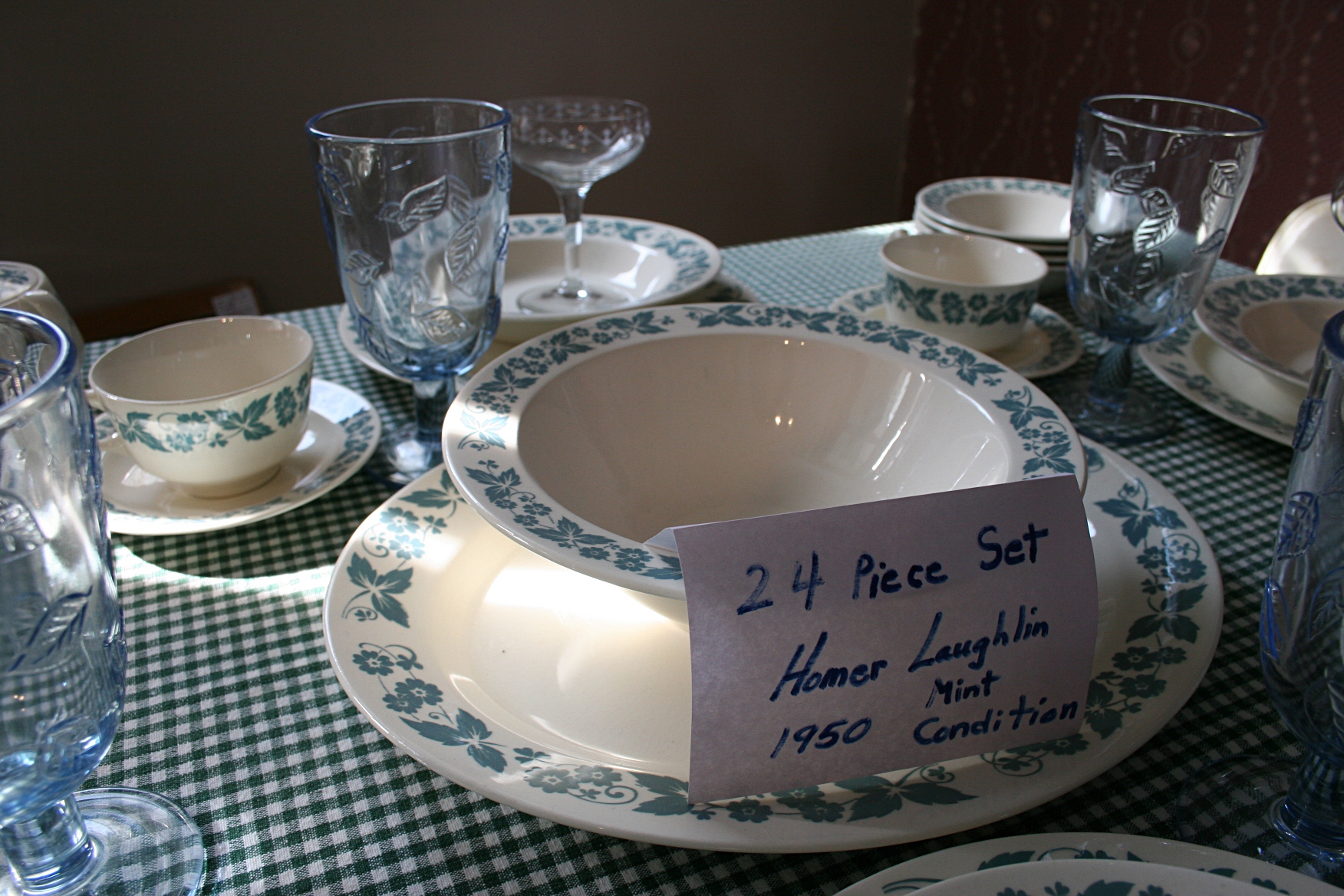
Beautiful 1950 Homer Laughlin china for sale at Lumber Yard Antiques.

LeRoy and I hit it off marvelously and soon he was offering to take me and my husband into the upstairs of the former Masonic Lodge. I had my doubts as this Presbyterian minister led us past a jumble of boxes, over broken glass and finally weaving our way up a steep and dark stairway littered with piles of bird poop. And I was wearing flip flops.

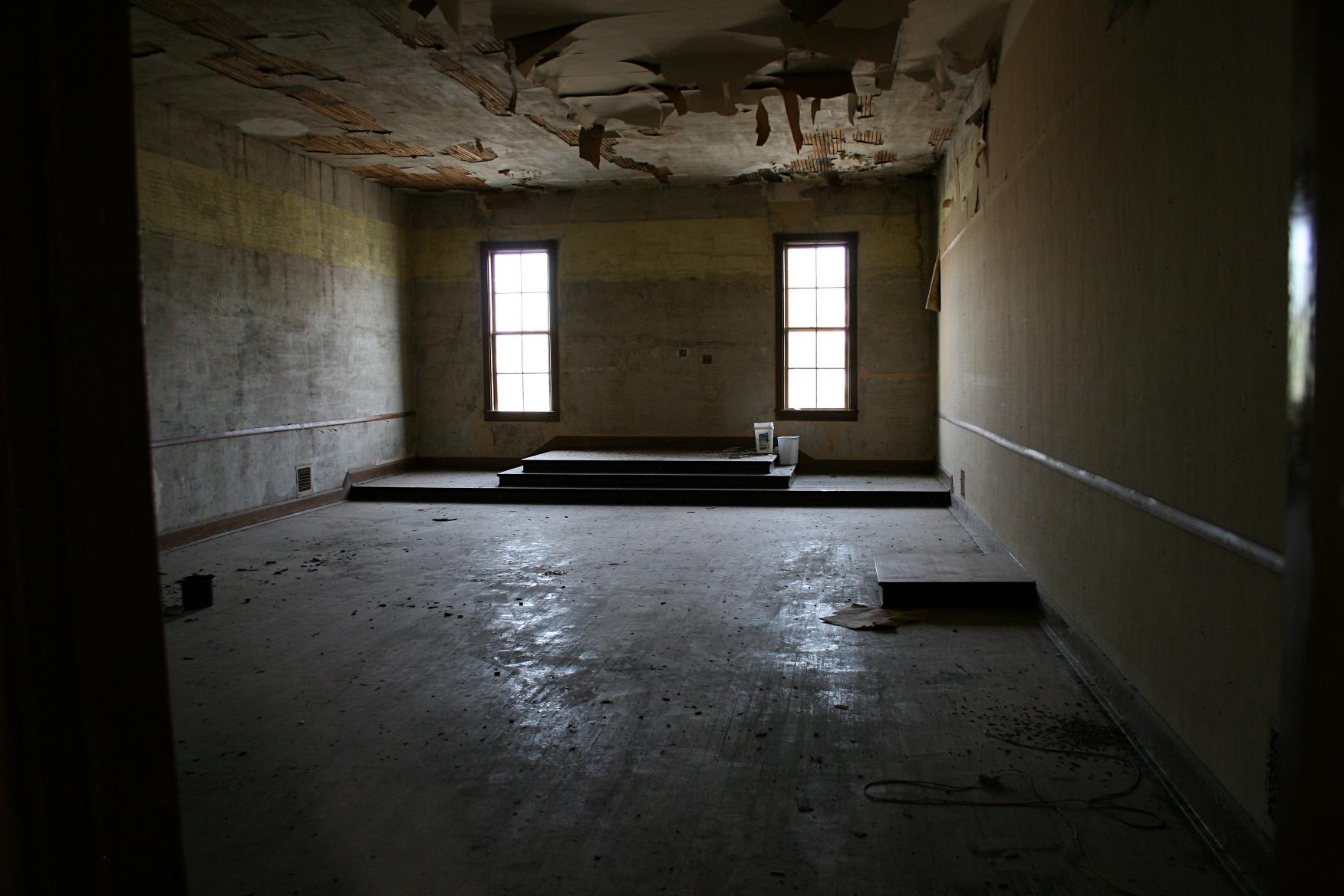
Inside the former Masonic Lodge, the second floor of Lumber Yard Antiques. Can you see the potential here?

But it was worth the climb when LeRoy led us into a spacious room with incredible potential, despite the crumbling ceiling and general disrepair. The wood floor and the step-up small “stages” on both ends of the room—something to do with Masconic ritual, LeRoy said—instantly ignited my creative thoughts. This, I told our tour guide, would be perfect for theatre and/or music.

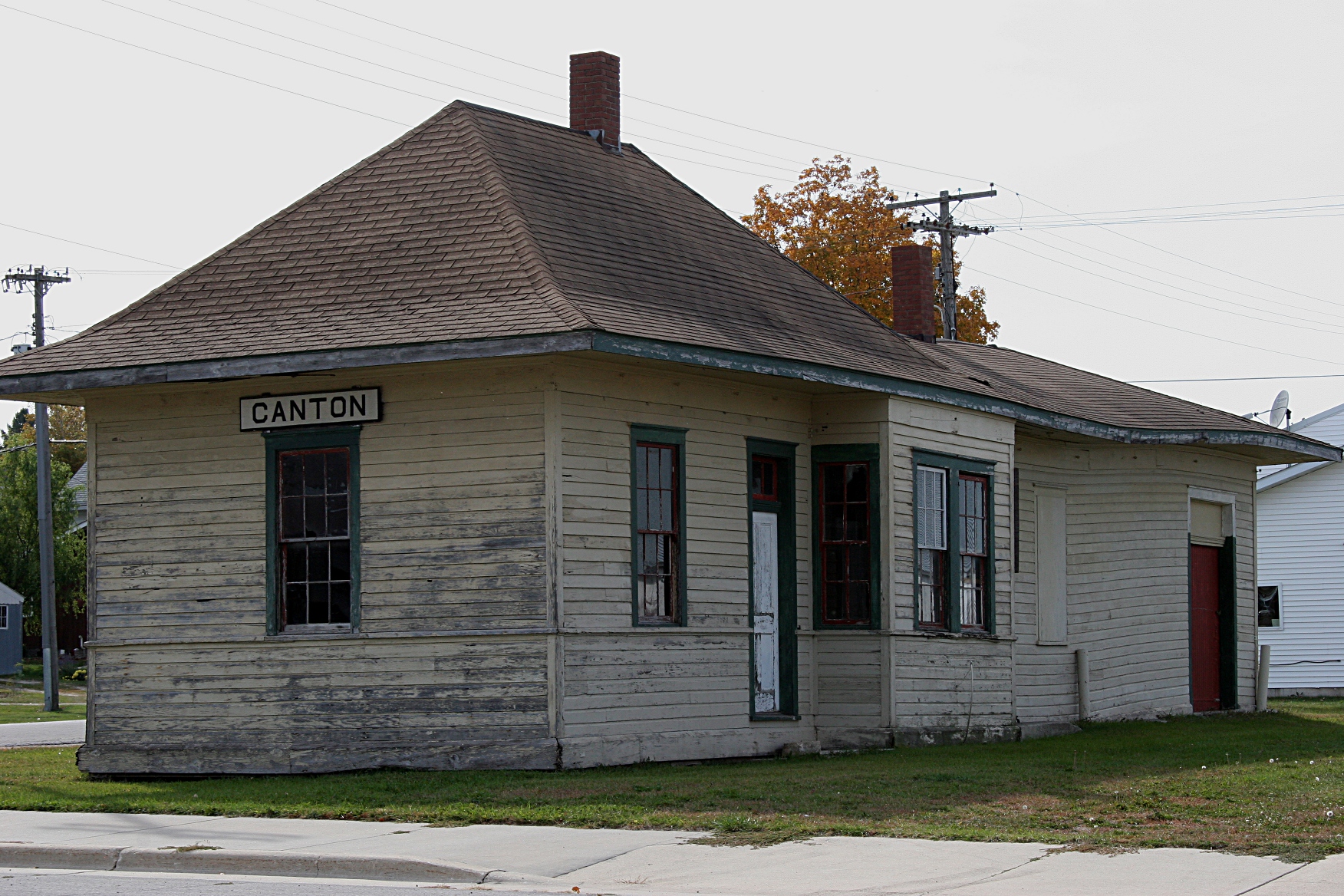
Canton’s original depot, recently reroofed.

I don’t know that LeRoy and Kathie share my vision. But they have been thinking preservation as has a railroad buff from California who bought the next door vintage railroad depot, sight unseen, according to LeRoy.

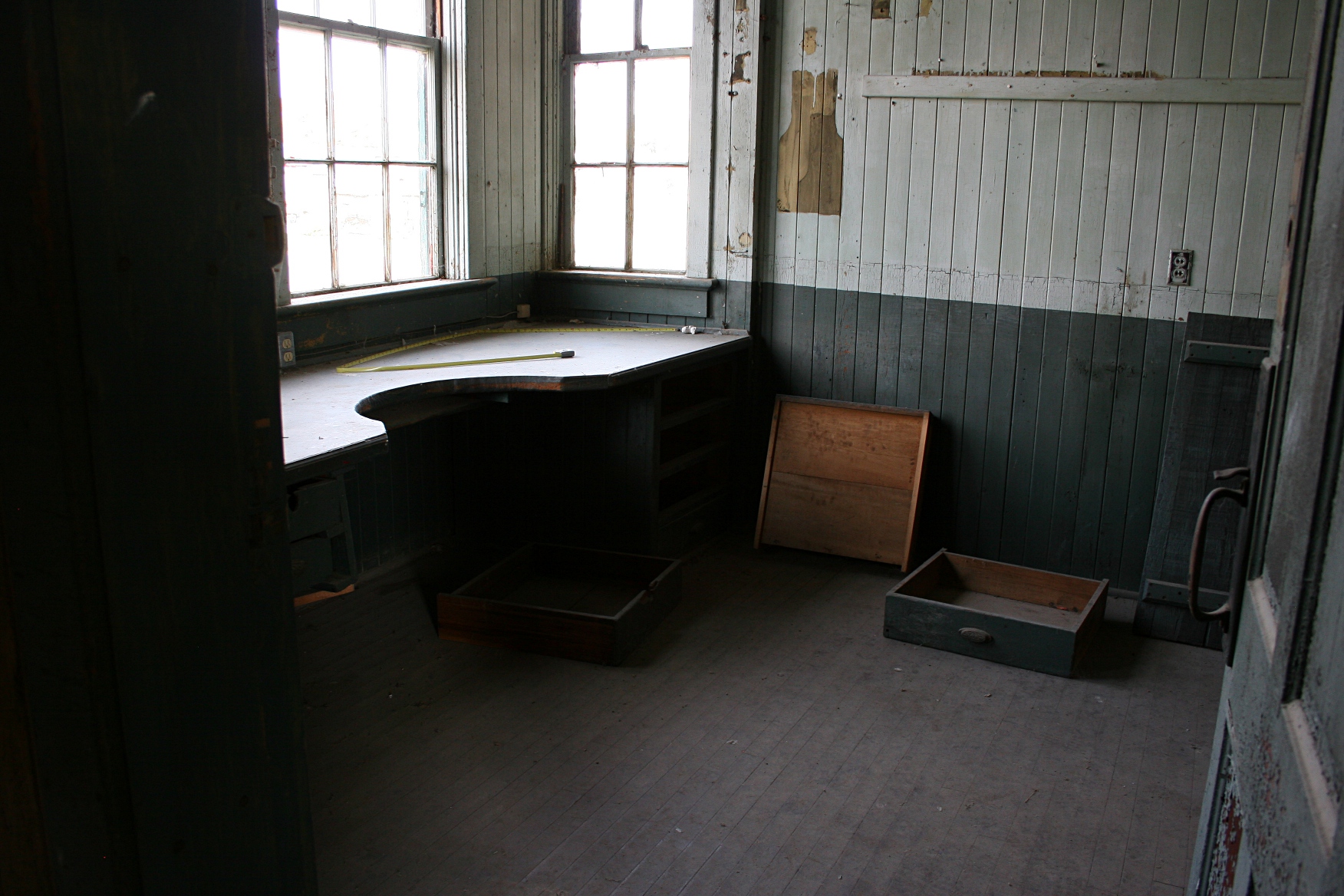
Inside the depot.

The depot came next on our tour (LeRoy’s been entrusted with a key) and I was just as delighted to get inside this historic building.

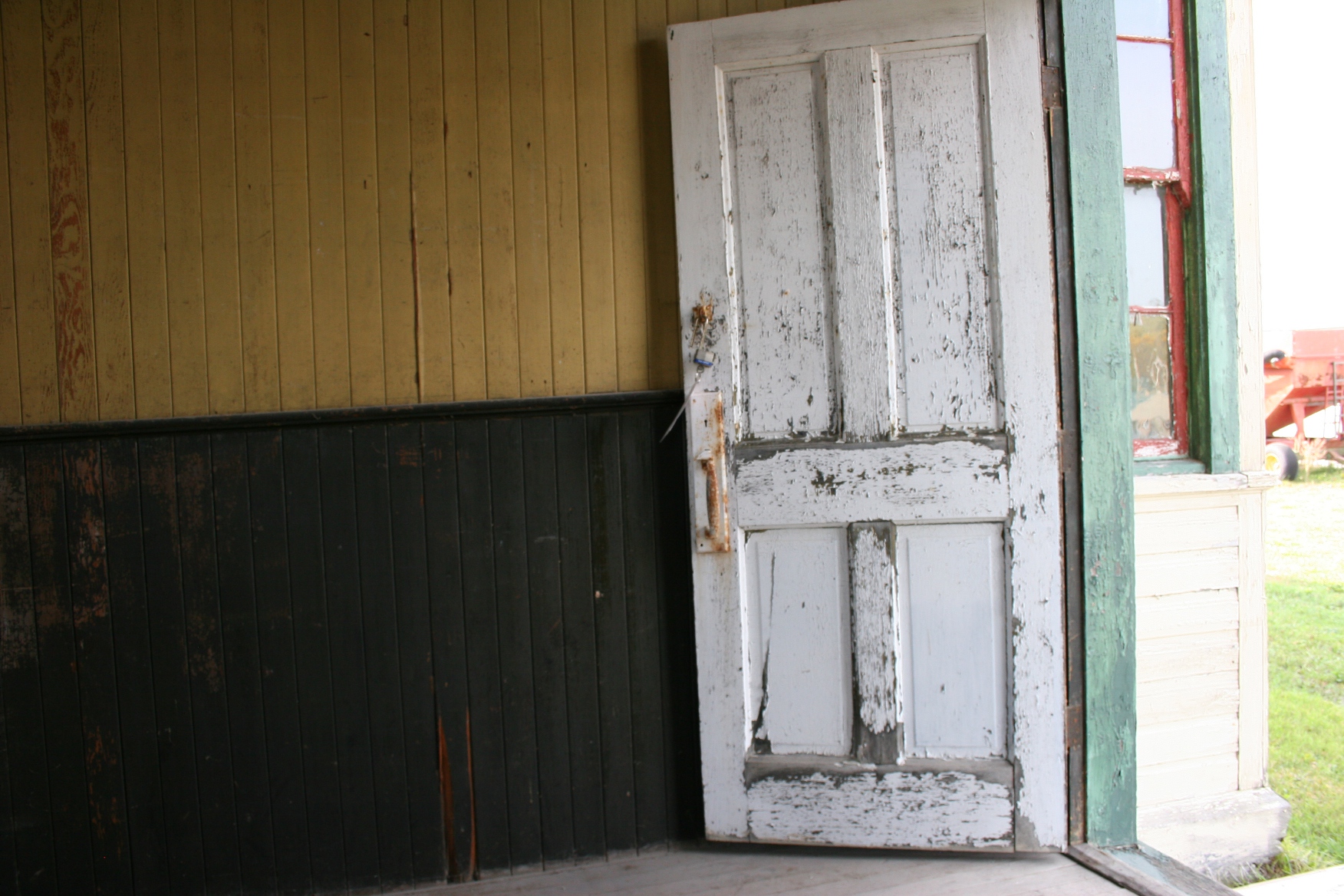
The door LeRoy unlocked into the depot. Love it.

The California man has a vision to create a historic site in Canton and a Canton Historical Society has been formed. Plans are to seek grants to restore old buildings like the depot.

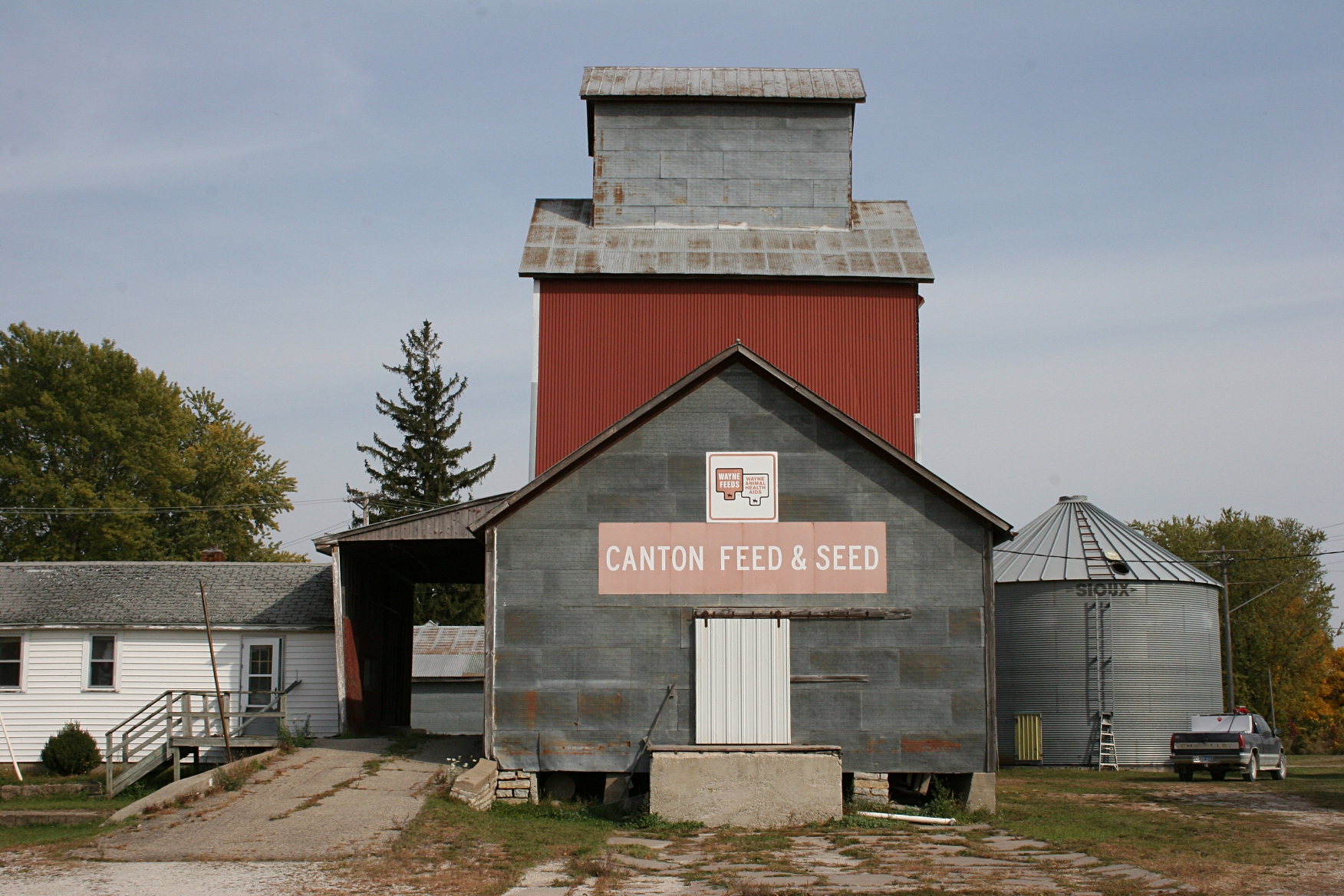
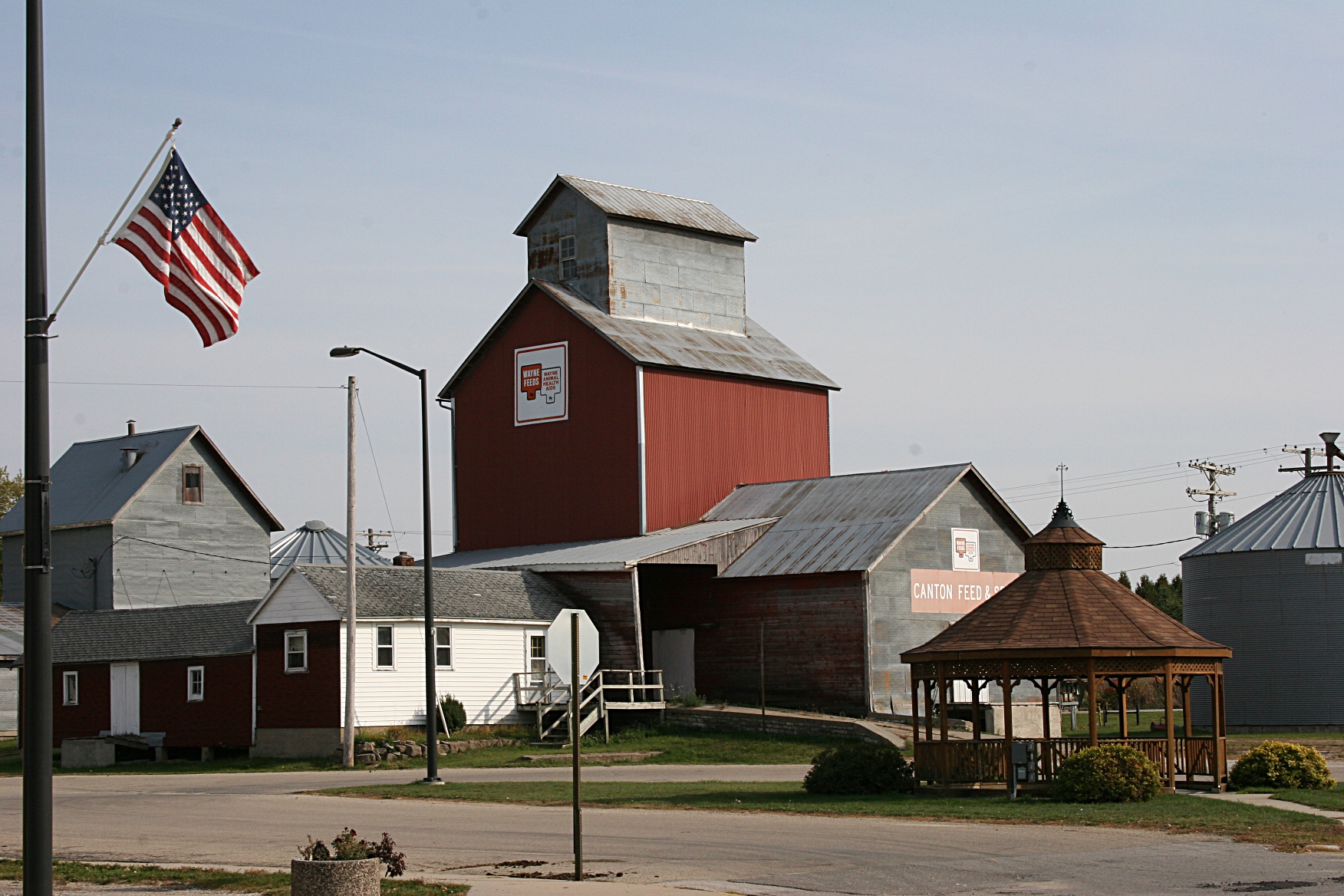
Old elevators like this are disappearing from our small towns, replaced by large, generic storage units. The Canton Historical Society hopes to save Canton Feed & Seed and other old buildings in town as part of an historic site.

And that pretty much ended our tour of the portion of Canton which lies off the main route past town, Minnesota Highway 44. Had we not driven into town via the back way, past the elevator, we may have missed all of this, and that personal, historic tour by LeRoy.

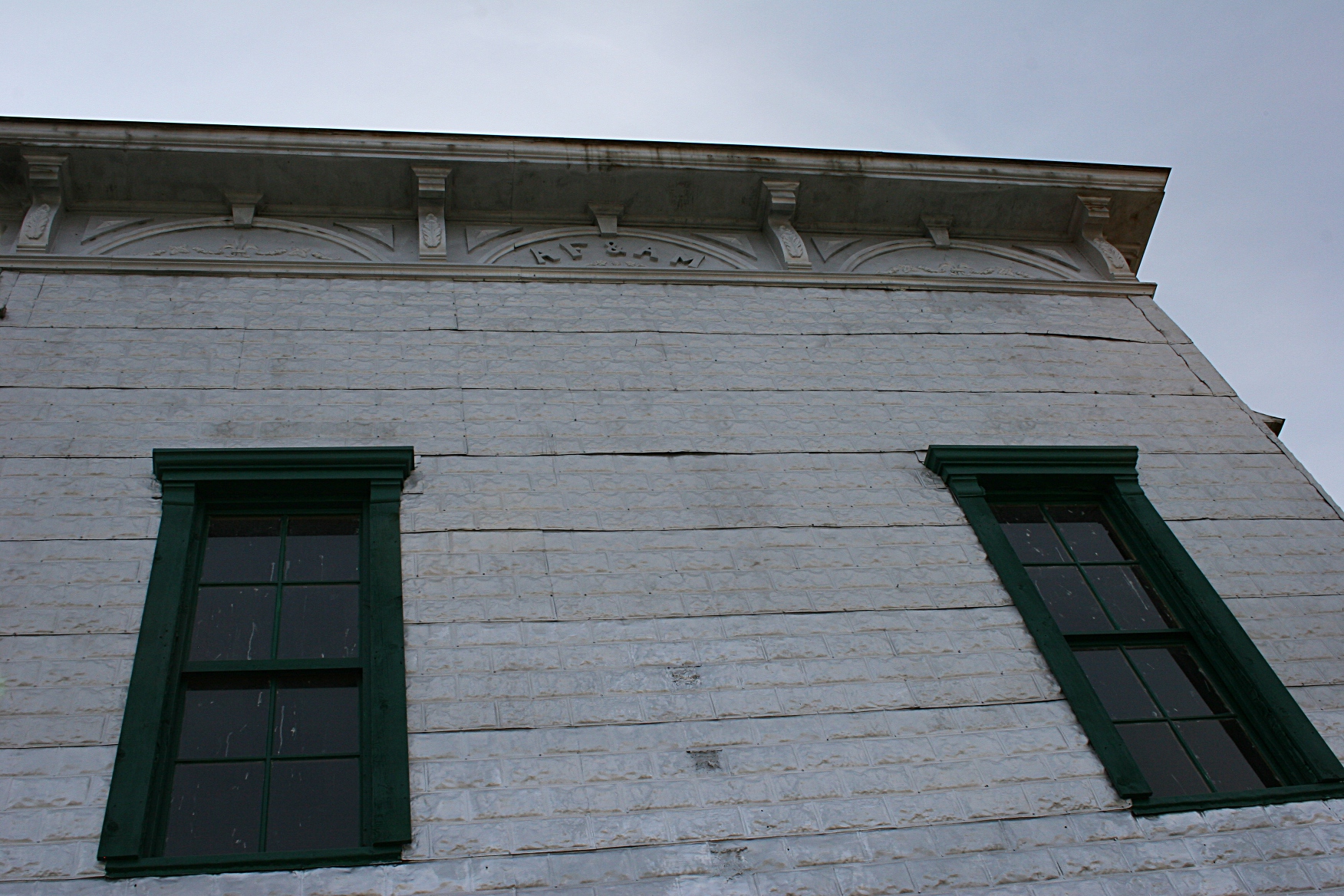
Exterior details on the old Masonic Lodge building.

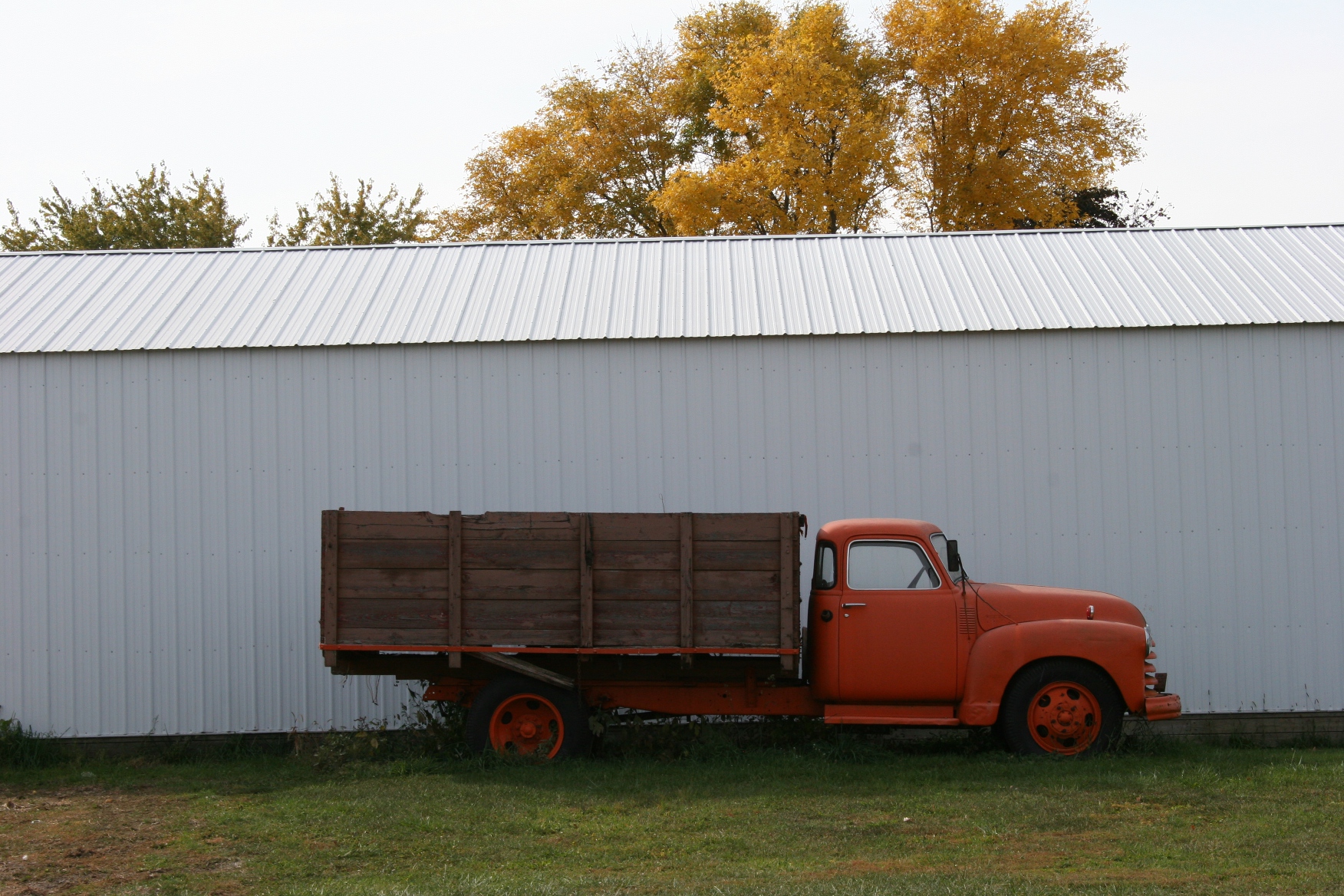
Outside the back door of the antique shop, this tangerine hued vintage truck contrasted against the gray metal caught my artist’s eye.

A broader view of the scene directly across the street from Lumber Yard Antiques and the depot. Pure rural Americana.

FYI: Lumber Yard Antiques is open from 11 a.m. – 5 p.m. “most days,” LeRoy says, but will be closed from January – March. My apologies for failing to photograph LeRoy and Kathie. What was I thinking? Clearly I was not.

CLICK HERE TO READ a previous post from Canton. 

© Copyright 2012 Audrey Kletscher Helbling
 

The corner bar in Canton October 17, 2012

If you can take your eyes off the vintage phone booth, you’ll notice a beer sign suspended from ZZs Tap (bar) along Canton’s Main Street.

PEER DOWN THE ONE-BLOCK Main Street of Small Town, USA, and your eyes likely will land on a bar or two anchoring a business district comprised of primarily vacant and crumbling buildings.

That’s an over-generalization, of course, but sadly all too true for many once-thriving small towns.

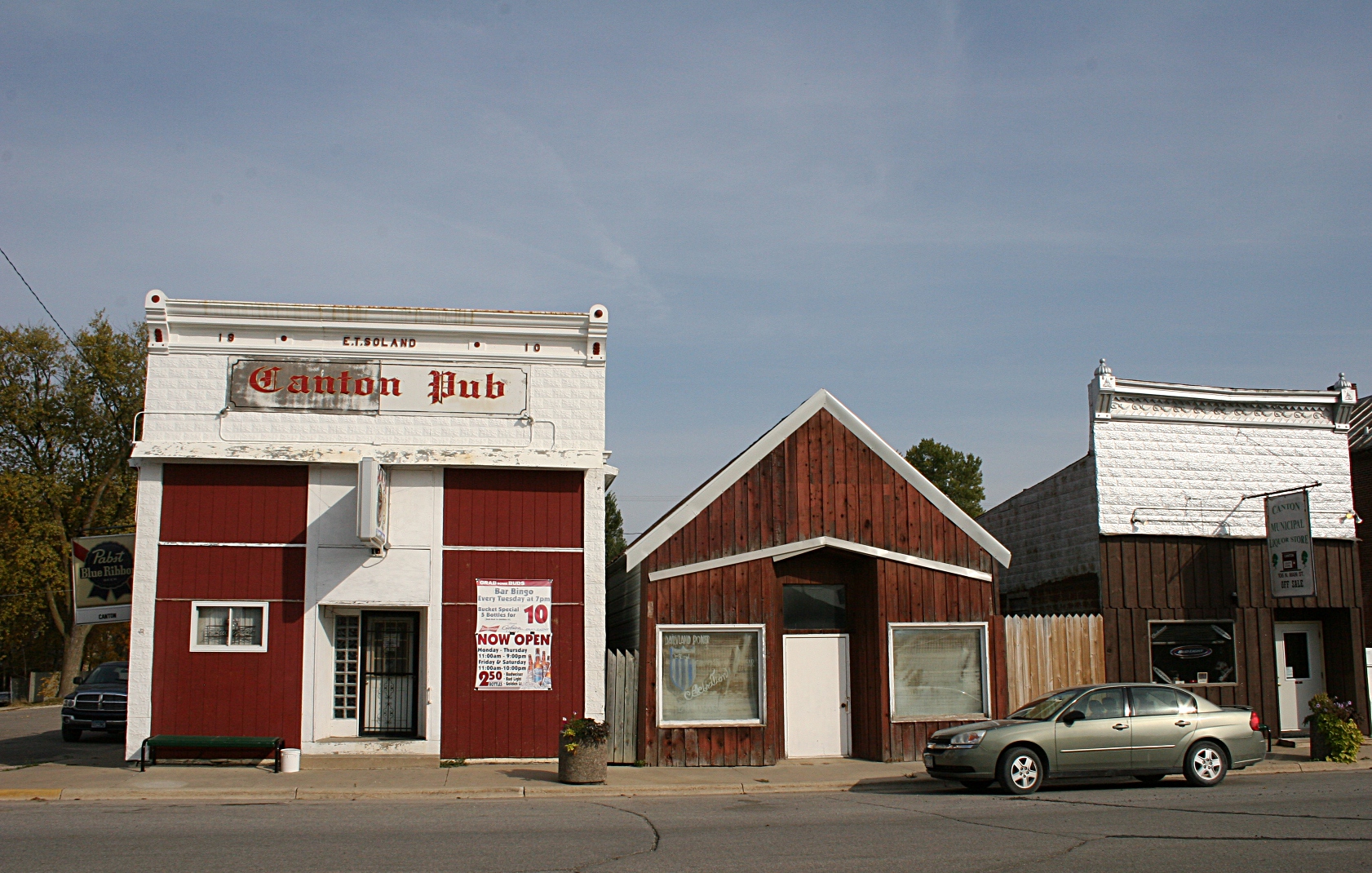
That’s the Canton Pub on the left and the Canton Municipal Liquor Store on the right with an unknown business sandwiched in between.

While hardware stores and grocery stores, even hometown cafes and barber shops, have closed, the corner bar typically endures.

I’ve never been a frequent bar customer and honestly can’t remember the last time I stepped into a small town bar where heads swivel when a stranger enters. You know what I mean, right?

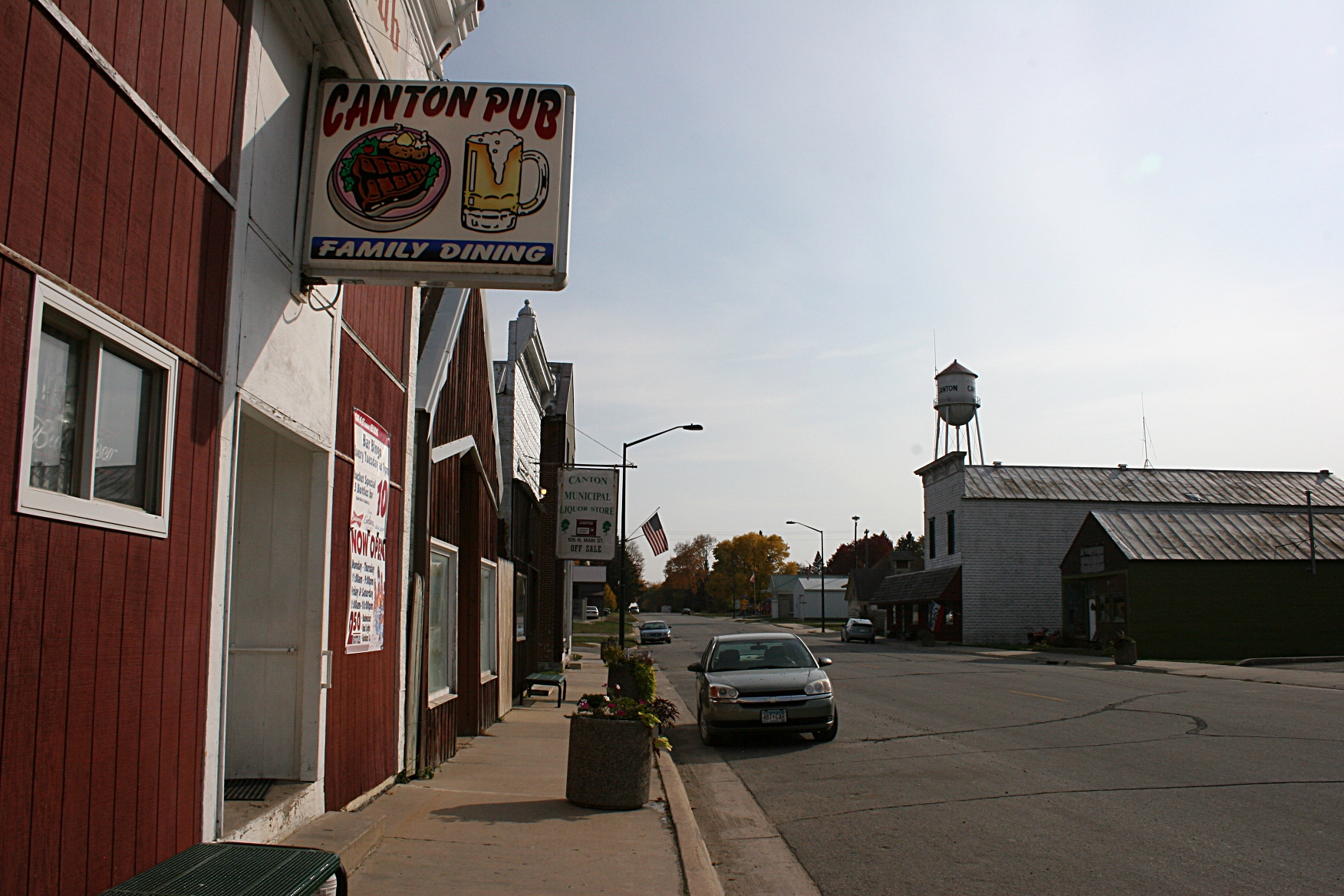
Food and drink and Tuesday night bar bingo can be found at the Canton Pub.

On a recent stop in Canton, a town of 328 nudging the Iowa border in southeastern Minnesota, I spotted the Canton Pub. I didn’t even try the pub door to see if I might slip inside for a cold one on an autumn afternoon.

I was too busy photographing the beer signs.

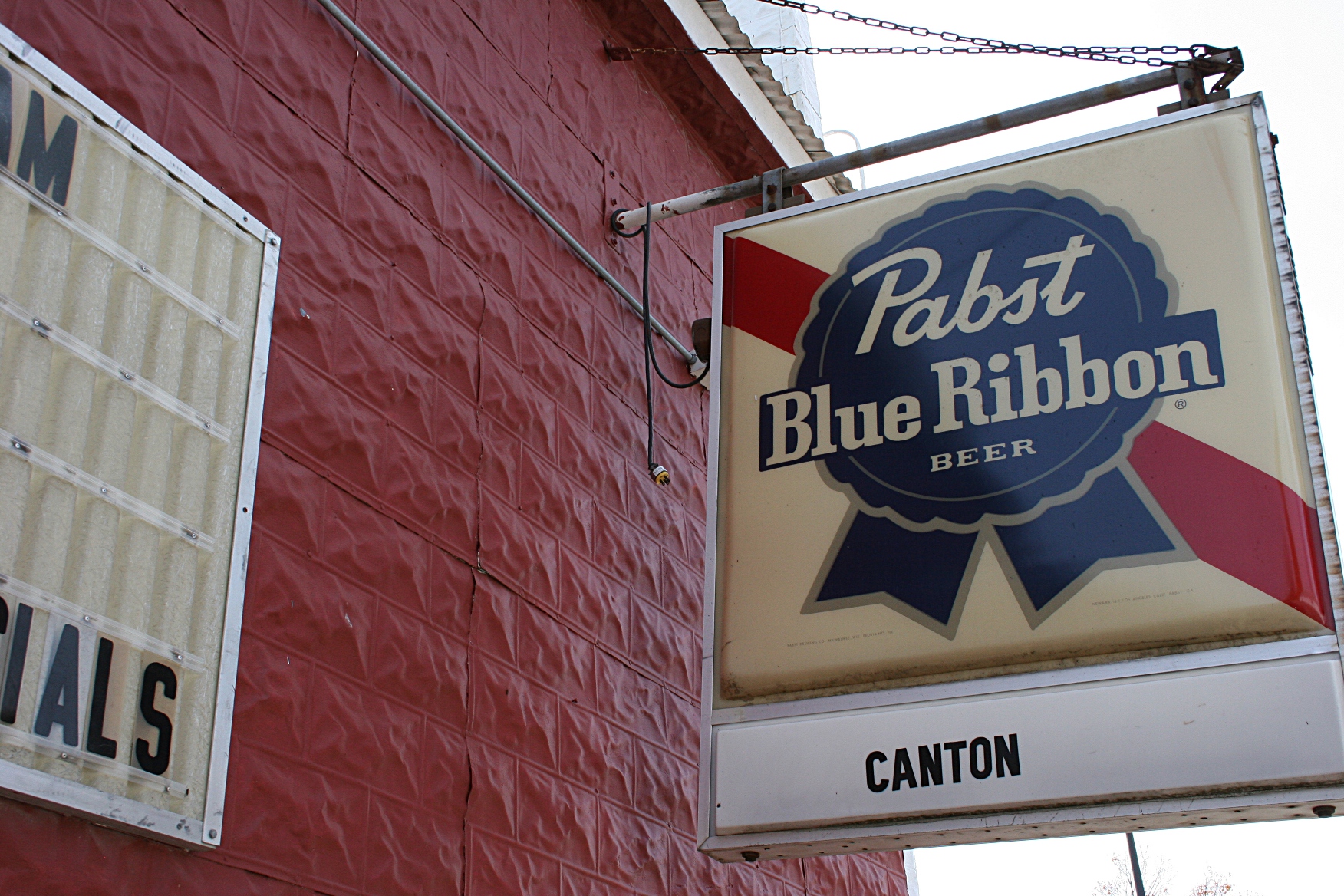
I photographed this sign at the Canton Pub for my oldest daughter’s boyfriend, Marc Schmidt, who recently relocated to the Twin Cities from LA.

Another beer sign on the Canton Pub.

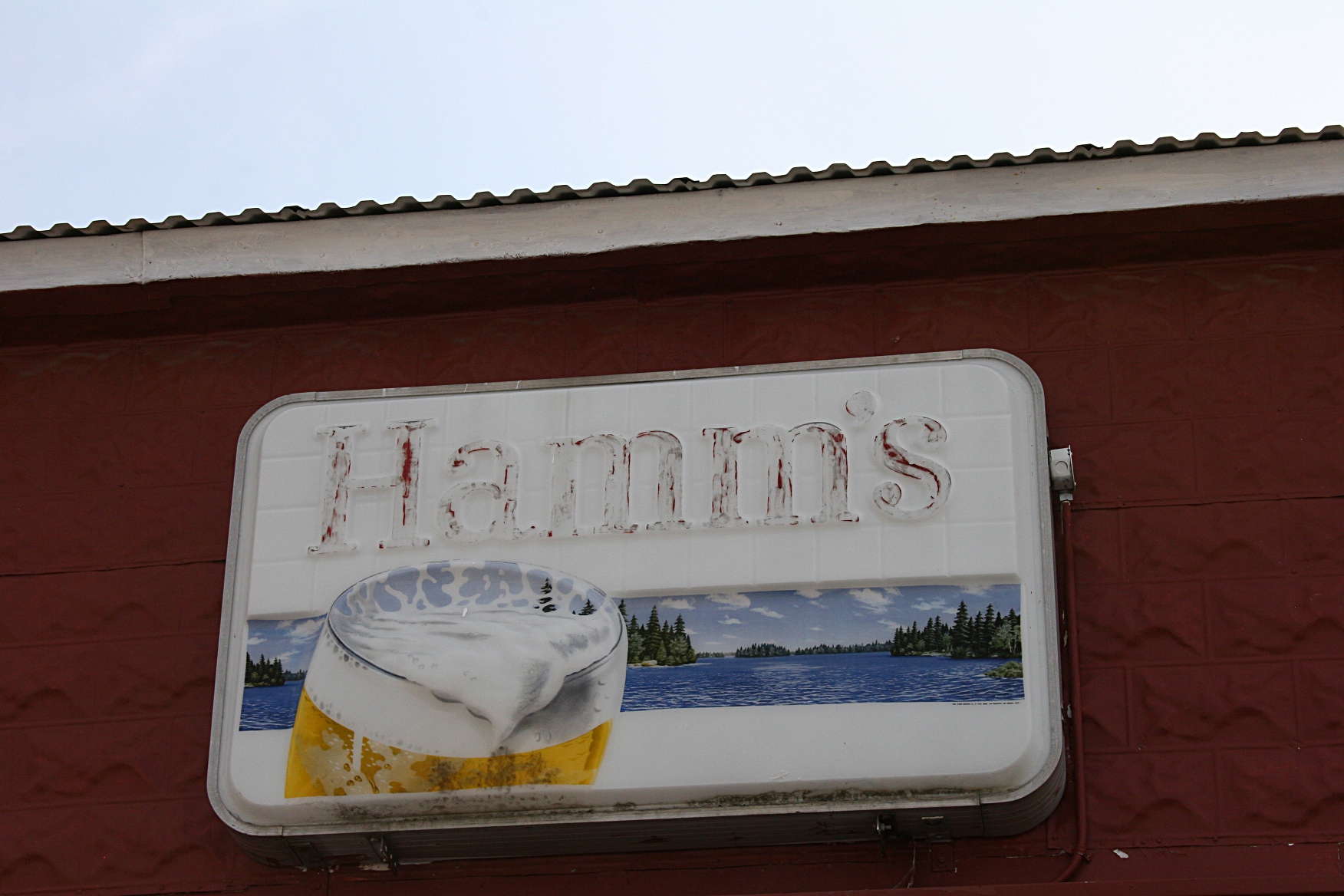
I almost missed the classic “land of sky blue waters” Hamm’s sign until my husband pointed it out at the Canton Pub.

CHECK BACK FOR ANOTHER post from Canton. There’s more to see in this small town than the bars.

© Copyright 2012 Audrey Kletscher Helbling