Minnesota Prairie Roots

Writing and photography by Audrey Kletscher Helbling

Lutefisk, bars, kolacky, horseradish & more October 3, 2023

Across the cornfield stands Vang Lutheran Church north of Kenyon and home to an annual lutefisk supper. (Minnesota Prairie Roots copyrighted file photo October 2011)

IN THIS SEASON of church dinners, I am reminded of an event I covered decades ago as a young reporter fresh out of Minnesota State University, Mankato, with a journalism degree. My editor assigned me to write about and photograph the annual Lutefisk Dinner (or maybe it was supper) at Bernadotte Lutheran in Bernadotte, an unincorporated community northeast of New Ulm.

Having heard a few things about lutefisk—cod soaked in lye—I was in no hurry to undertake this assignment. But work is work and I eventually headed to this rural church to get the story. I don’t recall all the details from that late 1970s introduction to lutefisk. But I do remember a hardworking crew of volunteers, enthusiastic diners packing the church basement and my first taste of this Scandinavian seafood. A generous dose of melted butter made lutefisk, which reminded me of warm Jell-O, palatable. Sorry, Norwegians.
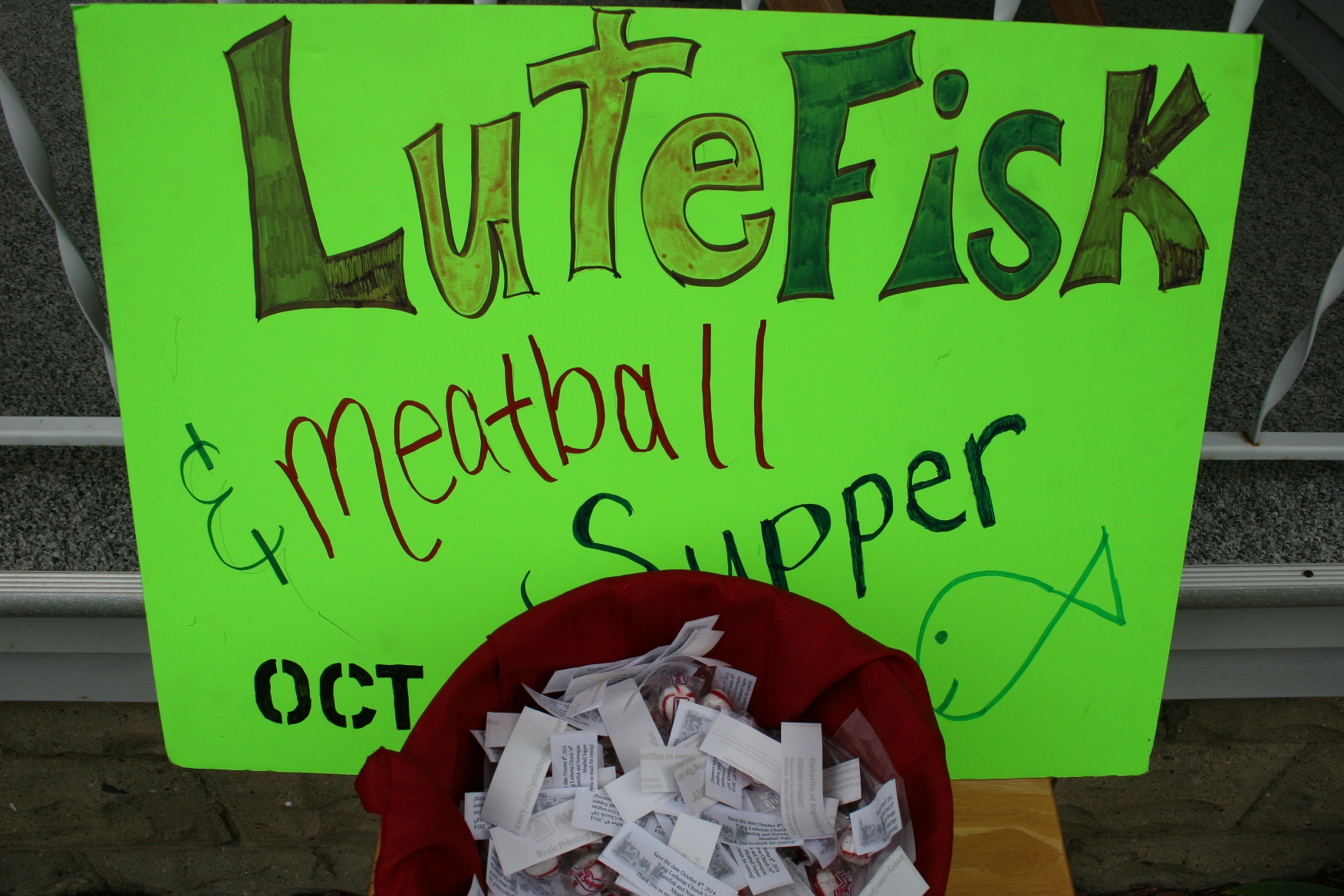
A sign promoting Vang’s 2014 Lutefisk & Meatball Supper. (Minnesota Prairie Roots copyrighted file photo 2014)

Lutefisk dinners remain popular in Minnesota’s Scandinavian enclaves. Like Vang Lutheran, rural Dennison, hosting a Lutefisk and Meatball Dinner on Wednesday, October 11, starring lutefisk and Norwegian meatballs with gravy plus fruit soup, lefse and Norwegian pastries. On Saturday, October 14, First Lutheran in Blooming Prairie is also serving a Lutefisk and Meatball Dinner. Except their meatballs are Swedish (what’s the difference?). Sorry, folks, all three dine-in seatings at First Lutheran are sold out, proving just how popular lutefisk dinners are in these parts. The Blooming Prairie lutefisk dinners have been around since 1934.

Bars. (Minnesota Prairie Roots copyrighted file photo)

BARS & BARS, NOT TO BE CONFUSED

This got me thinking about ethnic and unusual foods some of us love and others of us don’t. For example, this past July while vacationing in the central Minnesota lakes area, I came across turkey gizzards and pickled eggs prominently displayed on an end cap at a Crosslake grocery store. You couldn’t pay me to try the gizzards, priced at $12.49 for 16 ounces. But I’d give pickled eggs a try. Apparently there’s a market in Paul Bunyan country for these delicacies. And in some Minnesota bars, not to be confused with the bars we Minnesotans eat.

Ah, bars. They hold two definitions. I recall my native-born California son-in-law’s confusion about bars. It took a bit of explaining for him to understand that bars, besides a place to imbibe, are also, in Minnesota, a sweet treat that is not a cookie, cake or brownie. But similar, made in a cake pan and cut into squares.

Prune kolacky ready to bake at Franke’s Bakery. (Minnesota Prairie Roots copyrighted file photo March 2013)

KOLACKY OR SAUERKRAUT

Then there are kolacky, a Czech pastry unknown to me until I moved to this region. It was at Franke’s Bakery in nearby Montgomery, self-proclaimed “Kolacky Capital of the World,” that I first tasted this dough into which prunes, apples, raspberries, blueberries and other fruit or a poppy seed filling are folded. Kolacky are so popular in this Czech stronghold that Franke’s baked nearly 1,800 dozen of the treats for the annual town celebration, Kolacky Days, in July. That’s a whole lot of kolacky, like nearly 22,000.

Me? I prefer a Bismarck oozing with custard. And, yes, I am German, which might also explain my love of sauerkraut. Henderson, where my paternal great grandparents settled upon arriving in America, celebrates Sauerkraut Days annually. And, yes, there’s a sauerkraut eating contest. I grew up eating homemade sauerkraut fermented from cabbage grown in our large garden. My grandma made kraut and my dad thereafter.

Homemade horseradish in jars. (Minnesota Prairie Roots copyrighted file photo October 2012)

HOW ABOUT HORSERADISH OR COTTAGE CHEESE PIE?

Dad also made horseradish, a tradition which continues in my extended family today, 20 years after his death. Horseradish seems an acquired taste. Not everyone likes a condiment that burns nostrils, clears sinuses, waters eyes, nips the tongue. But I do.

And once upon a time I also ate SPAM, a canned meat made in Austin, Minnesota, and wildly popular in Hawaii. I liked it in Pizza Burgers—SPAM, onion and American cheese ground in a hand-cranked meat grinder and then canned chili (without beans) stirred in. I haven’t quite figured out the “without beans” in chili. Mom made and spread the mix on homemade bun halves, broiled until the cheese bubbled. Yum. I no longer eat SPAM. Or Jell-O. Make that red Jell-O with bananas, a staple of extended family gatherings many decades ago.

On the shelves at Reed’s Market in Crosslake. (Minnesota Prairie Roots copyrighted photo July 2023)

Food, in many ways, connects to memories, traditions, heritage. You won’t find me eating peanut butter on pancakes or Cottage Cheese Pie, food oddities my husband brought into our marriage. I don’t much like pancakes and I’ve never made the Helbling signature pie. Nor have I made my mom’s favorite pie, Sour Cream Raisin. But I love cottage cheese and I eat Raisin Bran cereal. Just don’t ask me to eat turkey gizzards. Or lutefisk. Once was enough for this writer.

© Copyright 2023 Audrey Kletscher Helbling


We’re not hyphenated Americans… September 12, 2011

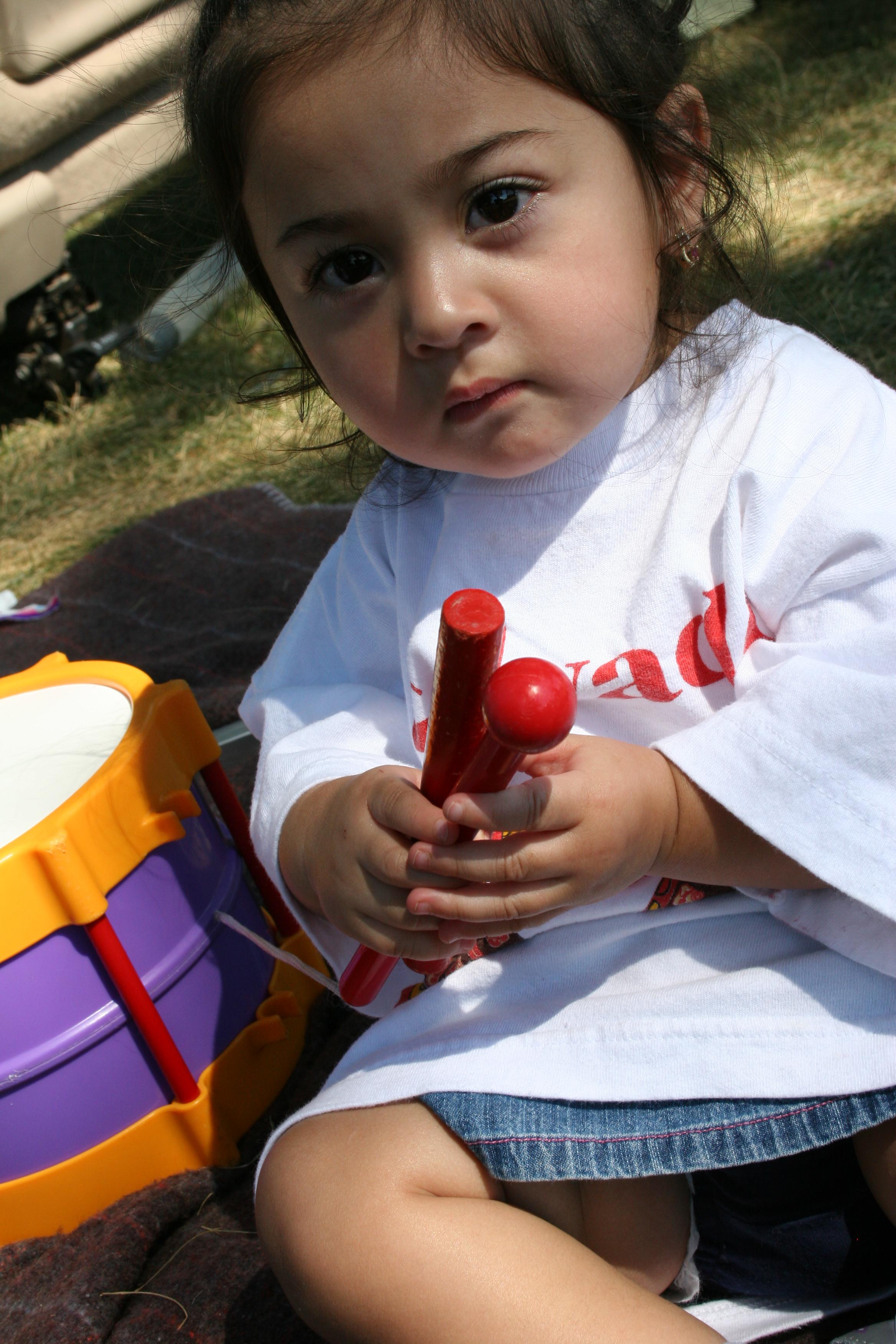
Xafsa, age 5

THEY ARE THE FACES, the hands, the feet, the voices of a new Faribault. Not the community of only French or Germans, Scandinavians or whatever ethnic groups shaped and defined this southeastern Minnesota city for so many years.

Today the face of Faribault is changing with one-fifth of the population identifying itself as non-white in the 2010 U.S. Census. Most of those minorities are Latinos and Somalis, “drawn by the opportunity to live in a small town and work in food processing plants, especially meat-packing plants,” according to a recent research report, “After the Welcome Center: Renewing Conversations about Immigration and Diversity in Faribault,” conducted by students and staff with the St. Olaf College Political Science Department. To read that report, follow this link:

http://www.stolaf.edu/services/cel/students/CURI_Immigration.html

I can’t possibly attempt to summarize the contents of that report here. But it is packed with information that should be a must-read for every member of my community. We can all learn a thing or two or ten or 20 from this research project.

But mostly we can learn from meeting our neighbors at events like the International Festival held Saturday in Faribault’s Central Park. I’ve attended this meld of ethnic cultures several times already and each time enjoyed interacting with my neighbors whose skin color differs from my own.

That all sounds nice, politically-correct, and exactly what you’d expect me to write in a public venue like this blog. But I am sincere in my appreciation to the volunteer organizers of the International Festival and to those who participate. We just need more Caucasians to attend.

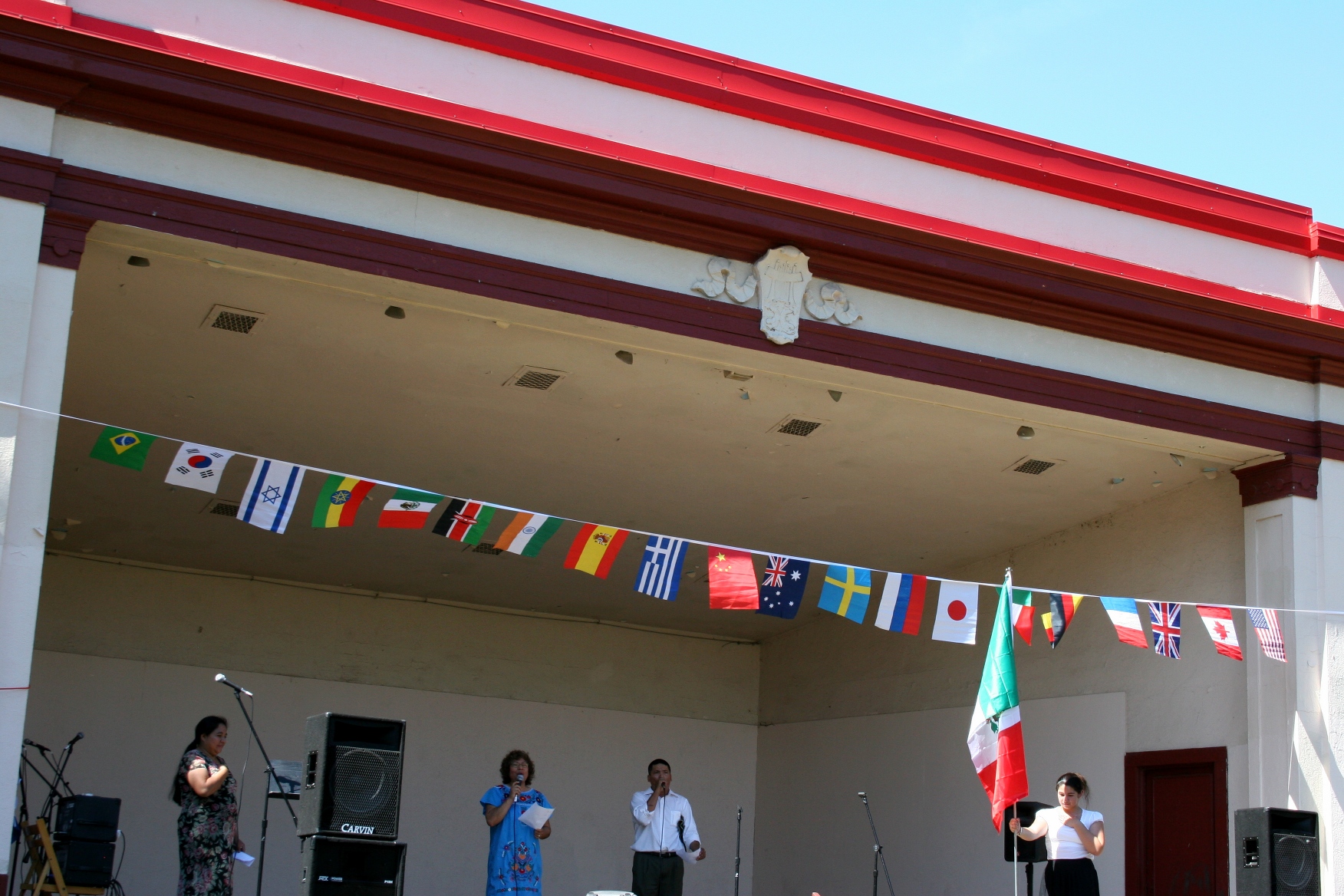
Several Latinos lead in singing of Mexico's national anthem on the band shell stage.

From the food and merchandise vendors to the musicians and everyone in between, I had ample opportunity to educate myself about Mexico, El Salvador, Guatemala, Honduras, Somalia, Holland and Norway. My husband and I sampled ethnic foods from five vendors.

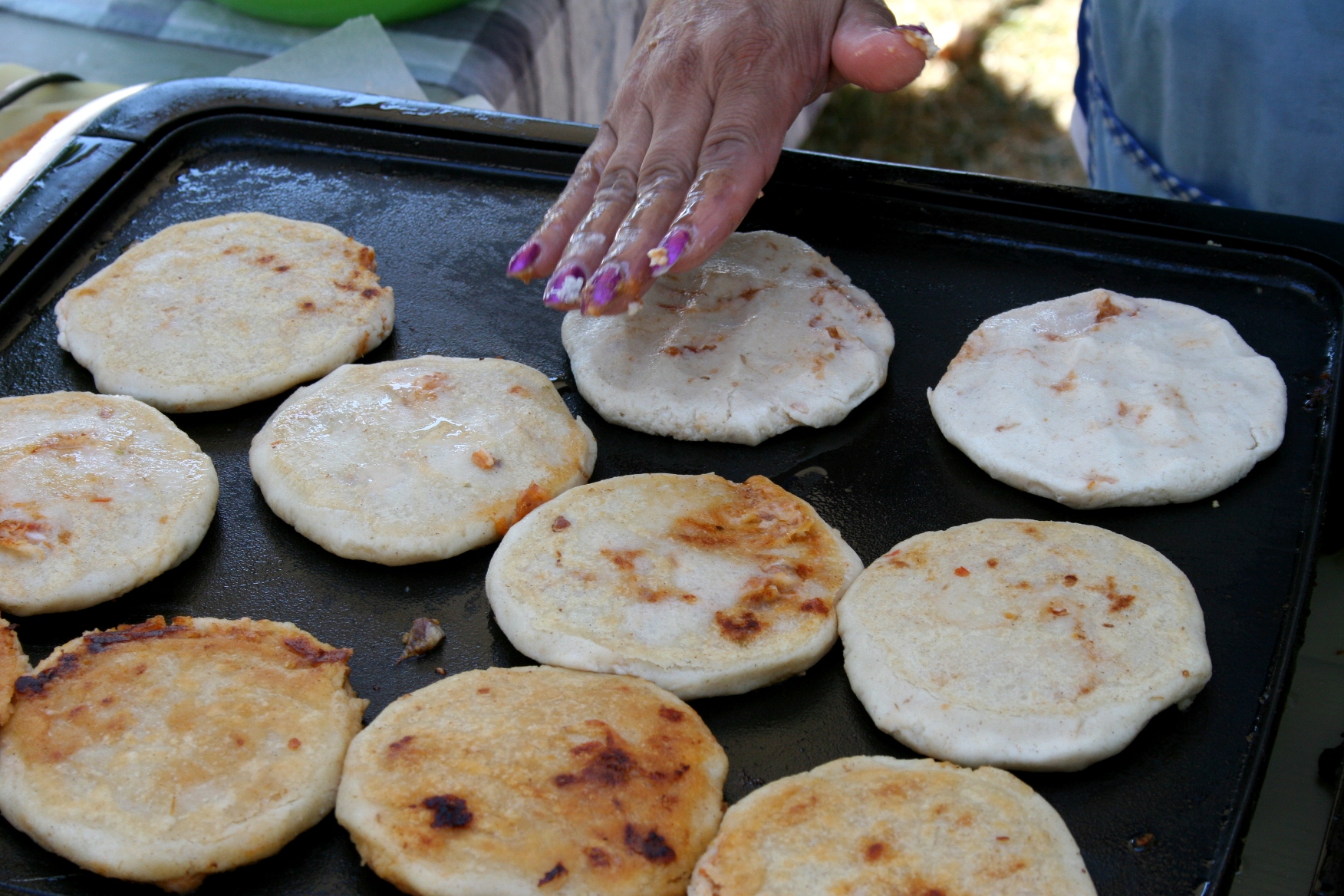
We sampled pupusas right off the griddle.

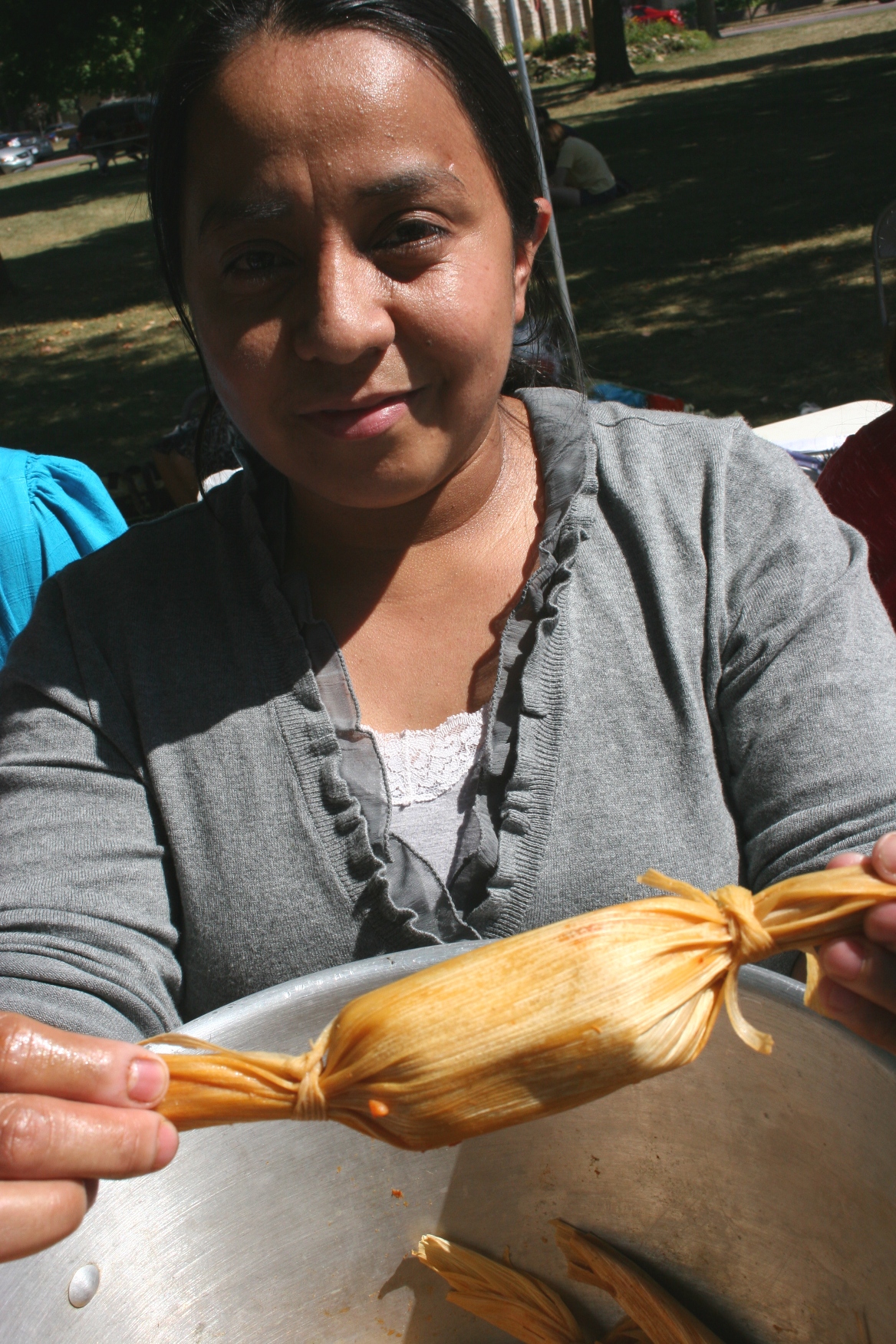
My husband and I tried Guatemalan chuchitos-- chicken, corn and salsa wrapped in a corn husk.

Faribault resident and one of the organizers, Peter van Sluis a Dutch citizen who has lived in the U.S. for 25 years, says the festival offers “a chance to mingle with different cultures.”

For me that mingling was most evident when children gathered under shade trees just south of the Central Park band shell to break piñatas. It didn’t matter if their skin was the beautiful color of sun-baked clay, or a nearly-black deep brown, or pale white. They were all kids, just kids, waiting to whack that swaying treasure-trove apart and then scramble for candy.

After the pinata was broken, the kids shared the candy.

While waiting for the piñata busting, I made a point of scanning the adult faces. I saw smiles—smiles nearly as wide as the brimmed hat worn by the man donning an El Salvador T-shirt. That’s an exaggeration, but you get my point. Viewing kids having fun has no color barriers.

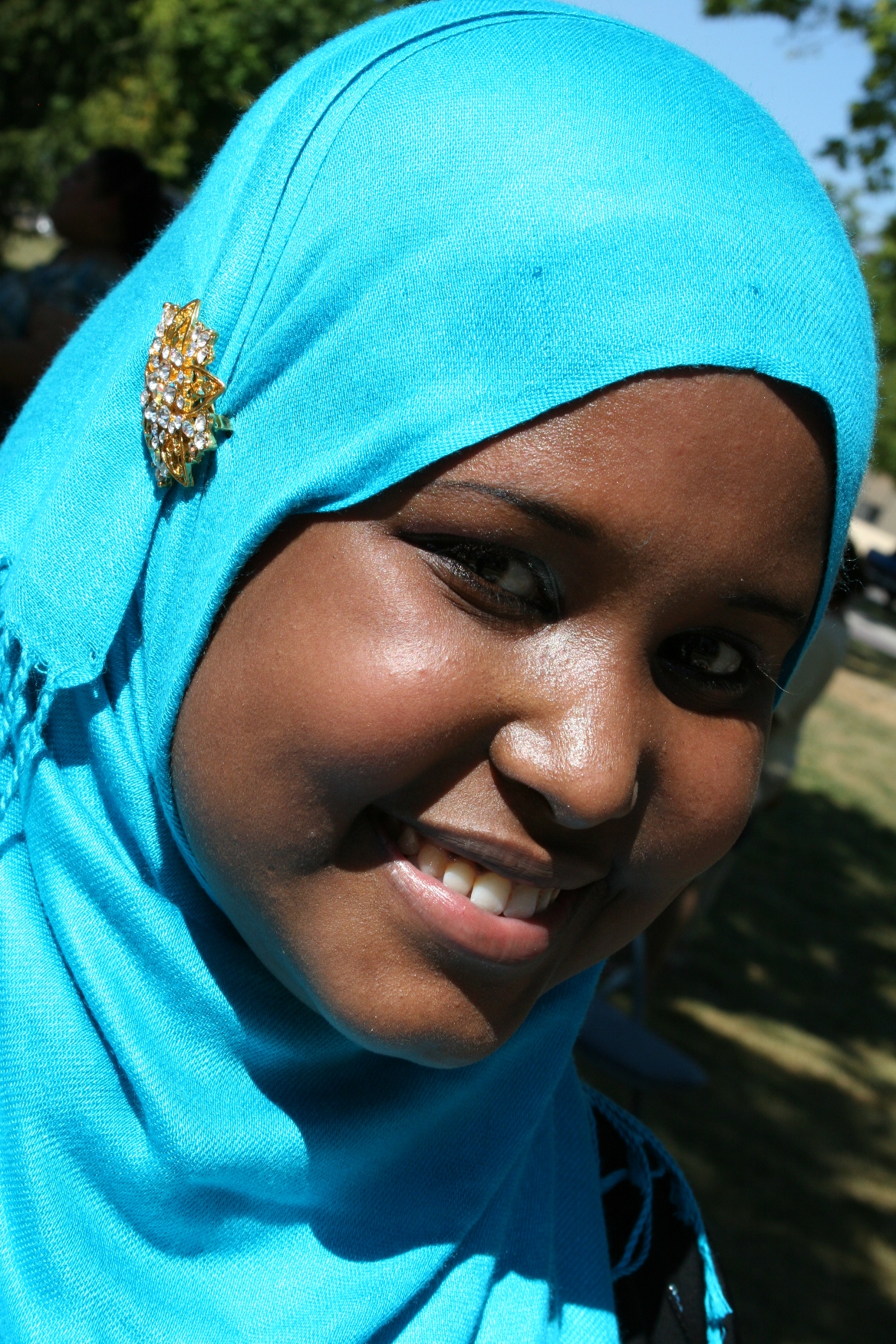
Riyaam, 16

I would be remiss, however, if I didn’t mention my chat with Owatonna High School student Riyaam, a stunning Somali teen who was peddling shoes, skirts and other merchandise at a table. Well-spoken and seemingly mature beyond her 16 years, Riyaam and I talked about clashes between whites and Somalis at OHS which she says has led to a new policy of basically, “you fight, you’re out.”

She told me how the angry voice of a single white student, who declared, “Somalis don’t belong here,” triggered those racial tensions.

As she spoke, her voice became more agitated, edged with emotion. I wanted to reach across the table and hug her and I wish now that I had.

But I didn’t and it is too late for that now, but not too late to encourage Faribault residents to make the effort to meet the Somalis, the Sudanese, the Latinos and other immigrants who now live among us. It is easy to dismiss and stereotype an ethnic group if you’ve never made the effort to personally meet them individually.

A member of the Faribault-based band Circles and Squares, of which two members performed at Saturday’s International Festival, nicely summarized, I thought, the goal of the gathering: “Remember, we’re not hyphenated Americans. We’re friends.”

Well, said.

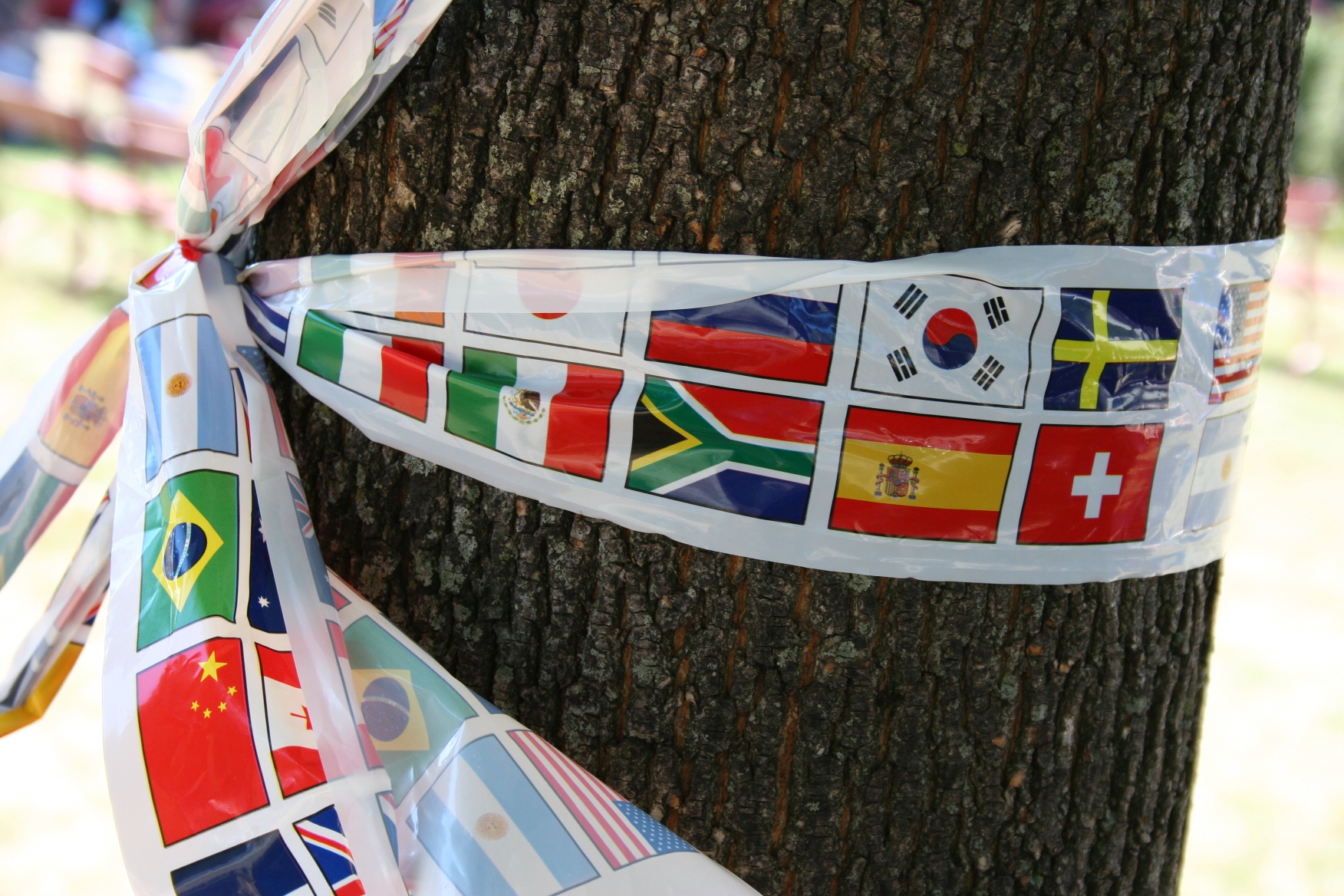
National flag ribbons were tied to trees in Central Park during the celebration.

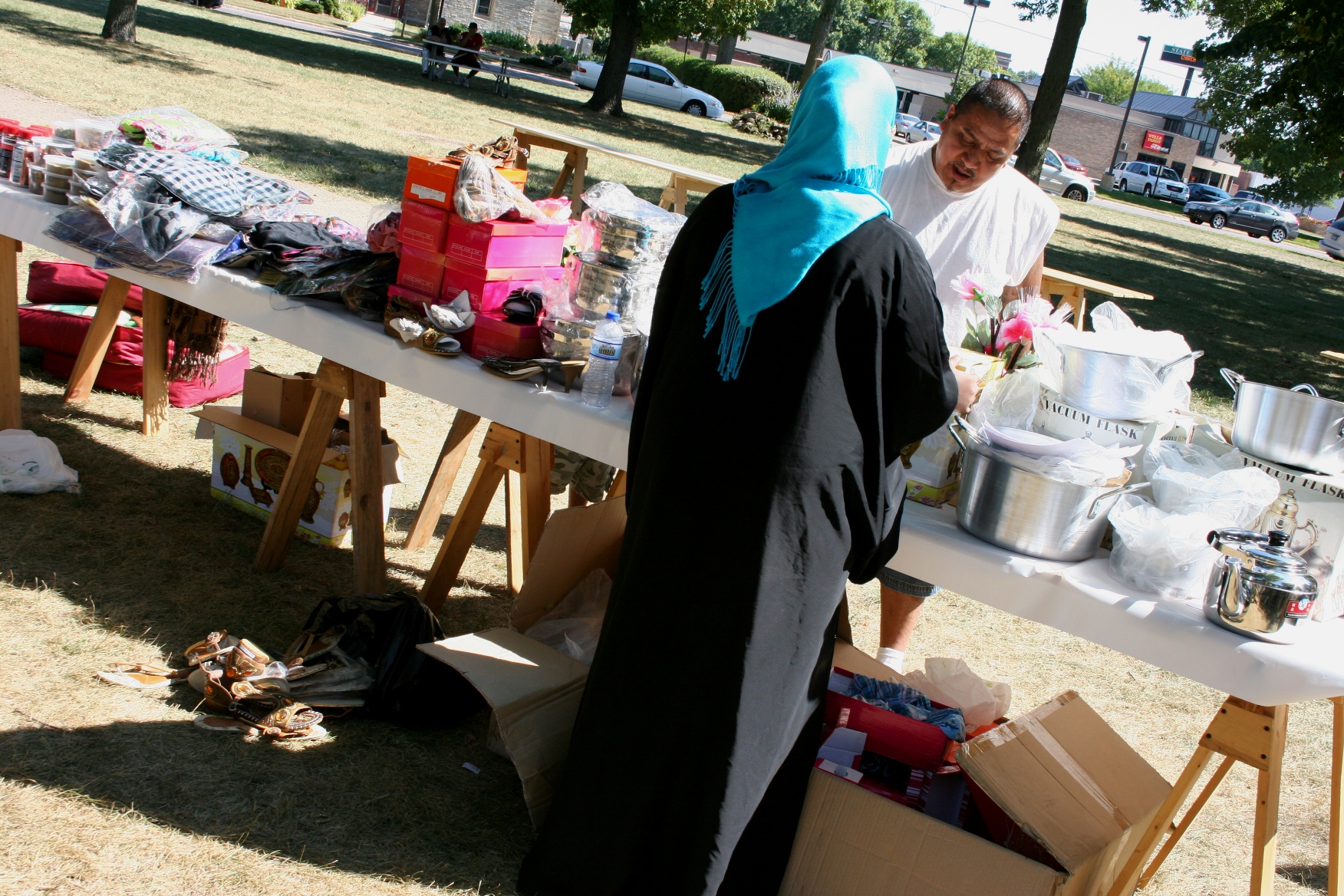
Vendors peddled their wares at the festival.

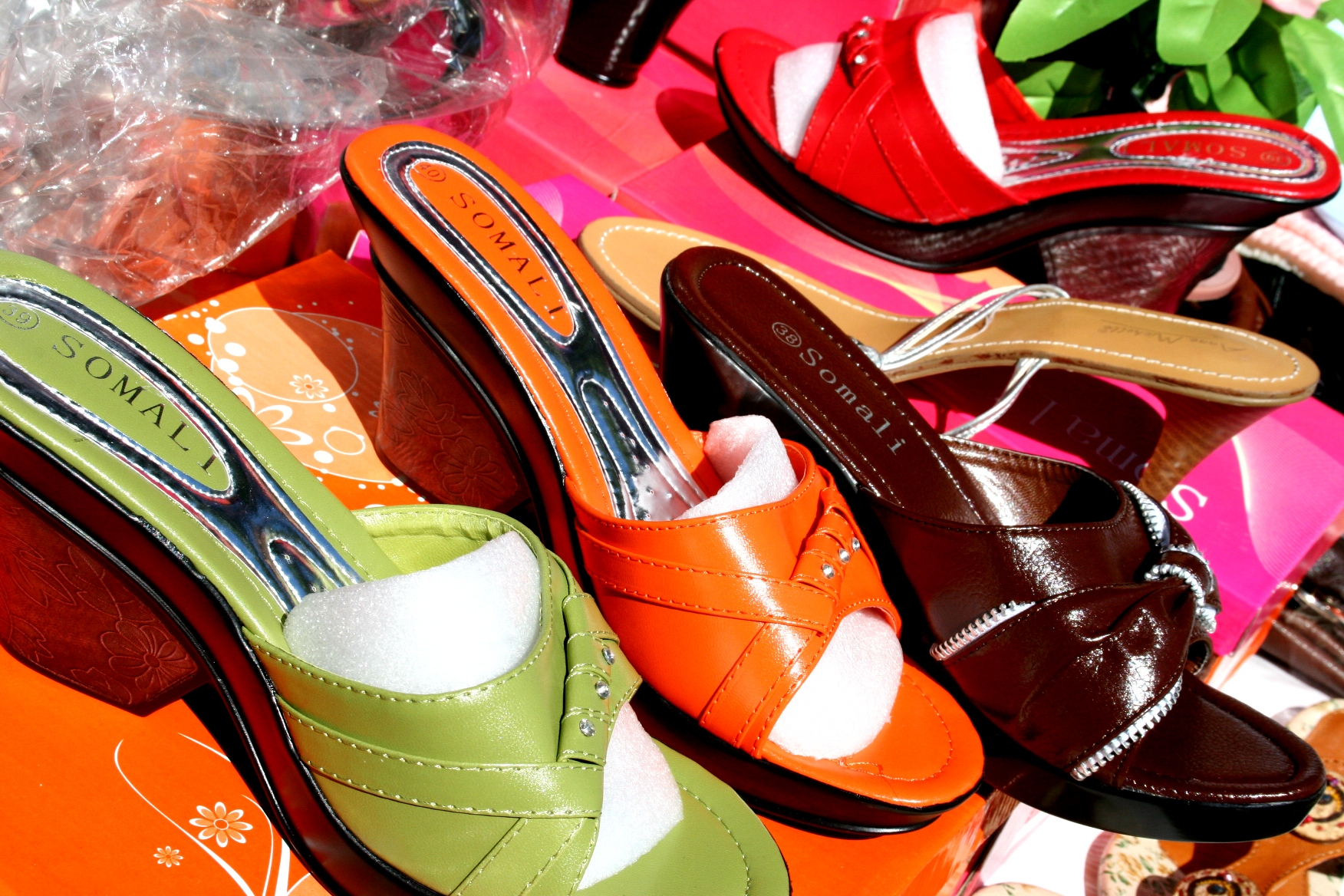
Shoes from Somalia on display at Riyaam's table.

A woman from El Salvador cooked at her food both.

Sanji, 18 months, plays with toys in the kids' activity area of the fest.

Hoop maker, performer and teacher Adrienne Lee teaches a Girl Scout the art of hoop dancing. The Girl Scouts were among the non-profit groups with booths at the festival.

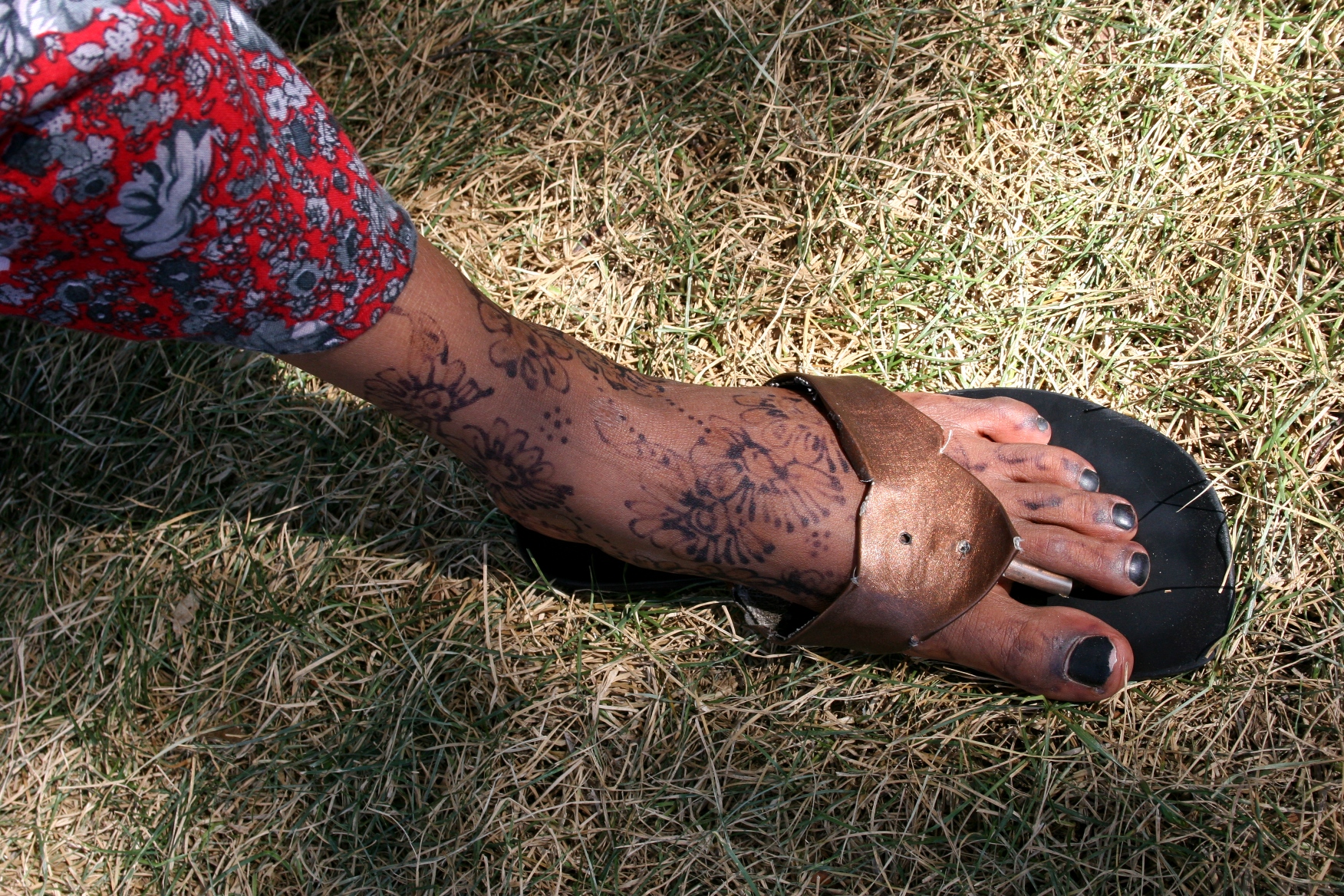
A young girl's henna stained foot.

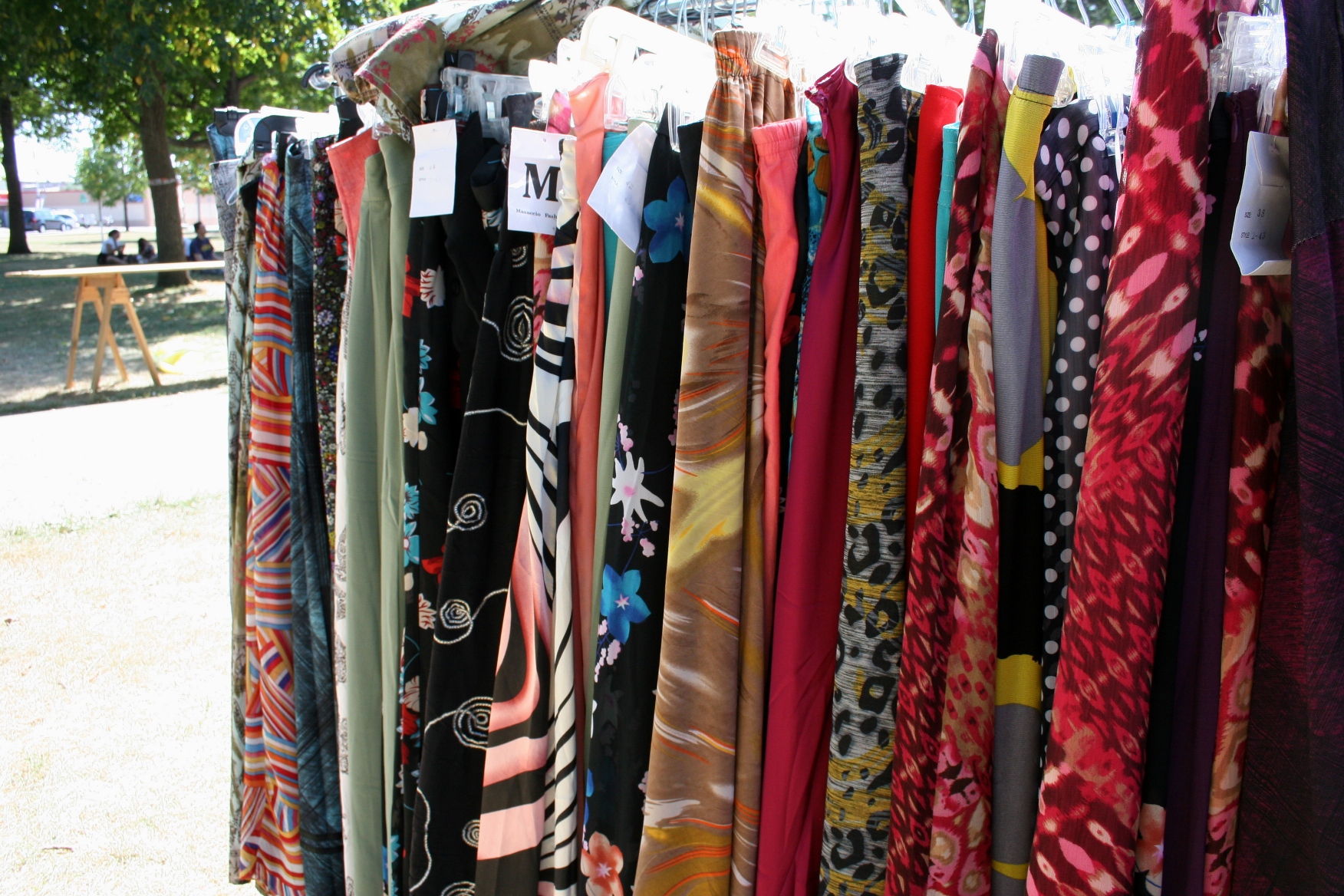
Colorful skirts for sale at Riyaam's booth.

THE ST. OLAF RESEARCH, which included interviews with 39 Faribault community members, states: “Most interviewees agree that Faribault’s immigrant and native-born communities operate alongside each other; coexisting peacefully, but not acting as a single integrated community.”

Exactly.

The report continues: “They do not agree about what should be done to unite these groups.

“We found Faribault leaders thus enmeshed in the long-standing American debate about which people ought to change and how much.”

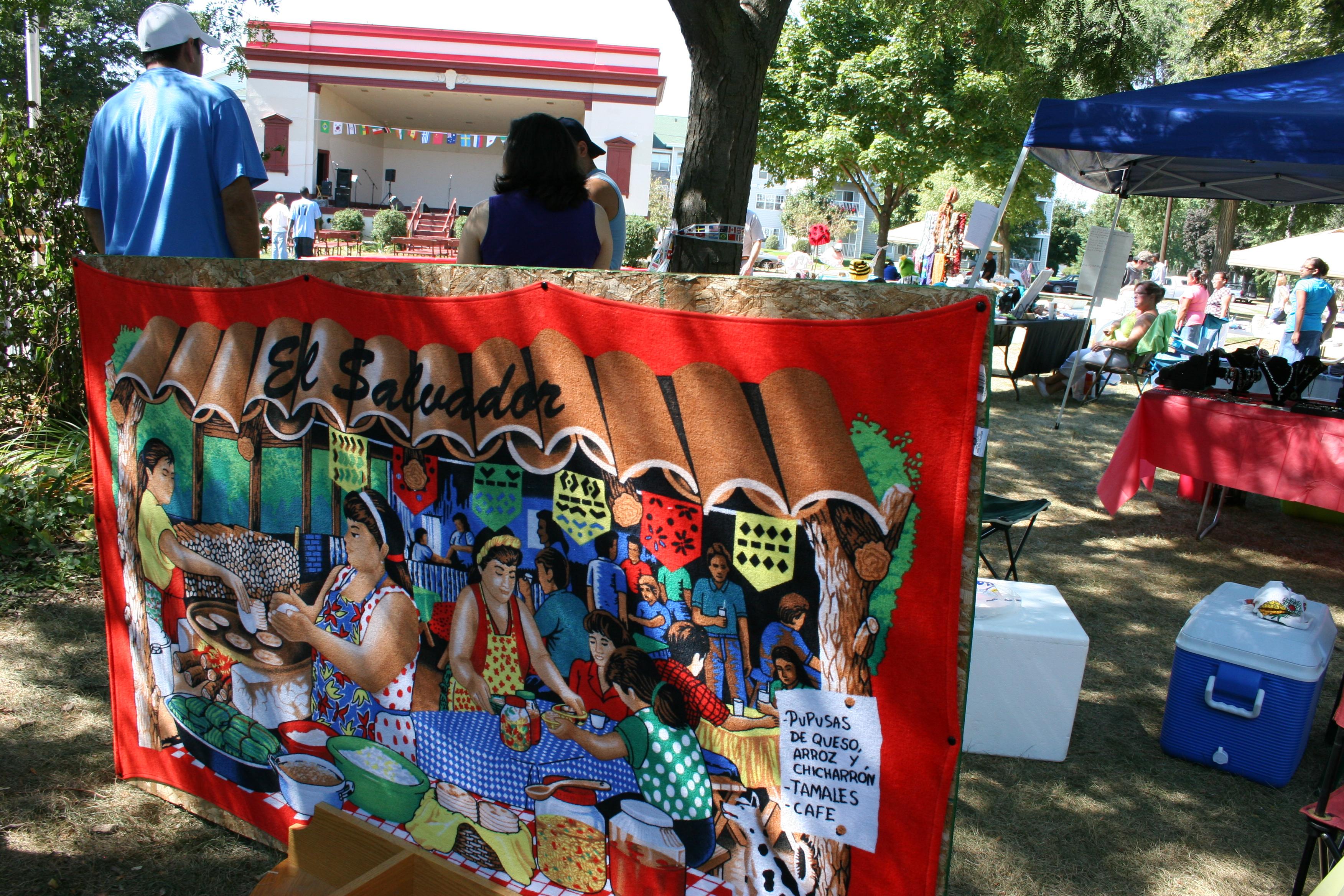
A colorful, detailed wall hanging/blanket represented El Salvador at one booth.

FYI: International Festival, Faribault, a recently-formed non-profit, has set its number one goal “to promote understanding of different cultures by organizing an annual event,” says Peter van Sluis. Secondly, the group wants to raise money and assist other non-profits.

© Copyright 2011 Audrey Kletscher Helbling