Minnesota Prairie Roots

Writing and photography by Audrey Kletscher Helbling

A tale of two rivers: Muddy, menacing & mesmerizing June 4, 2024

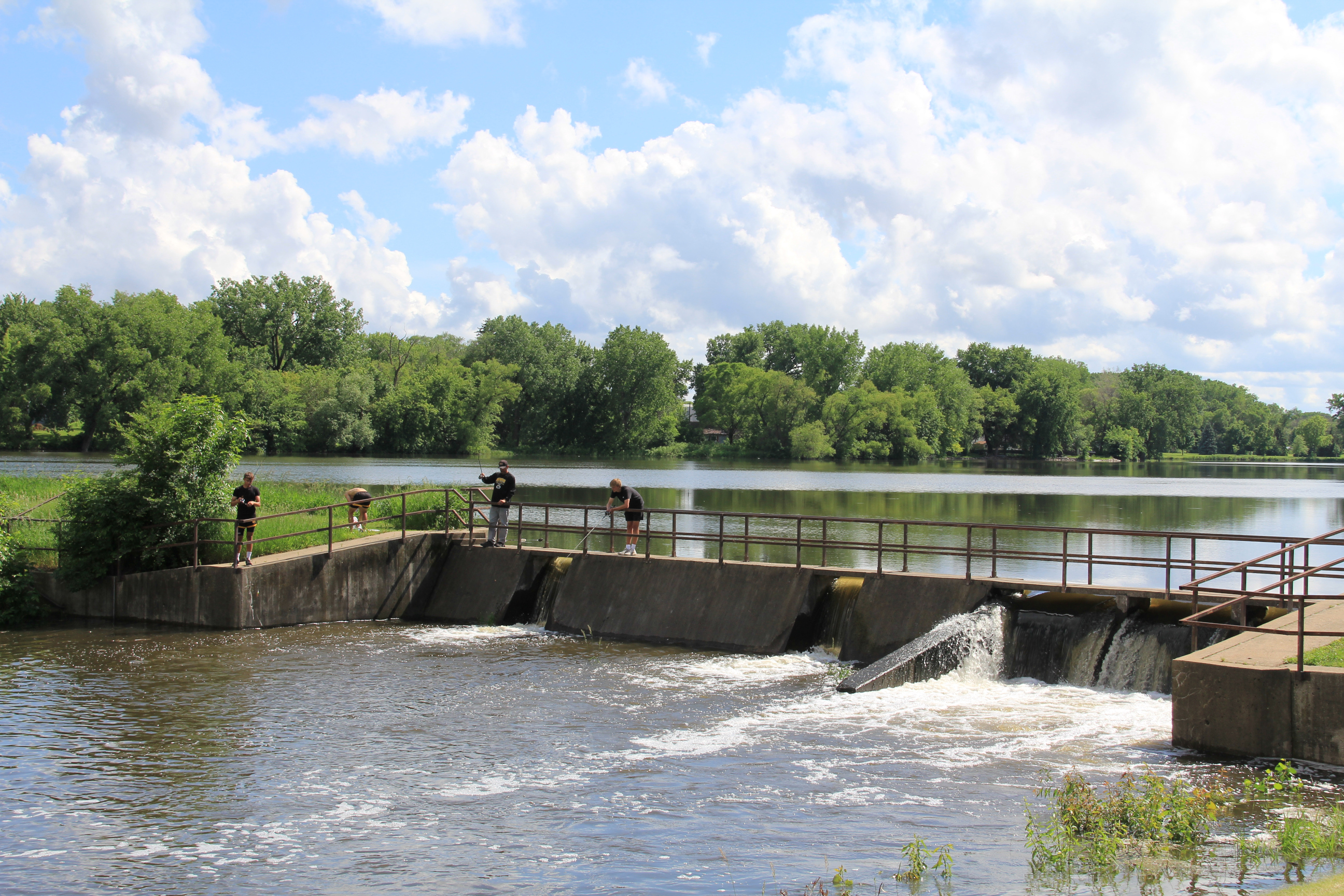
Fishing at the dam by Father Slevin Park in Faribault. (Minnesota Prairie Roots copyrighted photo June 2024)

RIVERS REEL US IN, like fish to bait. There’s something about water, especially a river. It’s mesmerizing, soothing, poetic and, right now, rather dangerous.
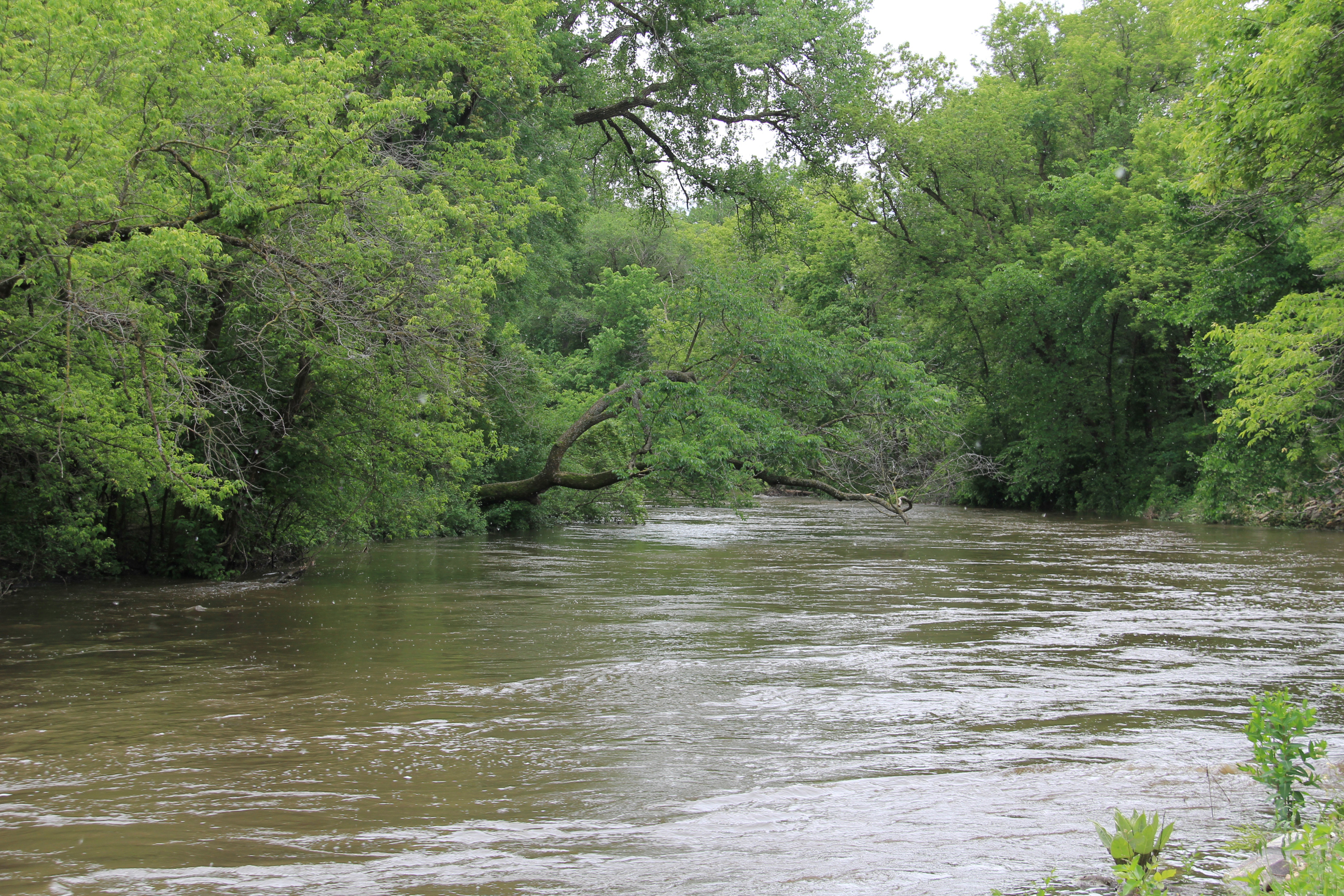
The rushing Straight River, photographed just off the Straight River Trail near Fleckenstein Bluffs Park. (Minnesota Prairie Roots copyrighted photo June 2024)

Recent days found me watching the two rivers—the Cannon and the Straight—which flow through Faribault. They are full to overflowing, muddied and rushing after significant rainfall dropped an unofficial 3.5 inches into my rain gauge over the weekend. That followed weeks of heavy rain.
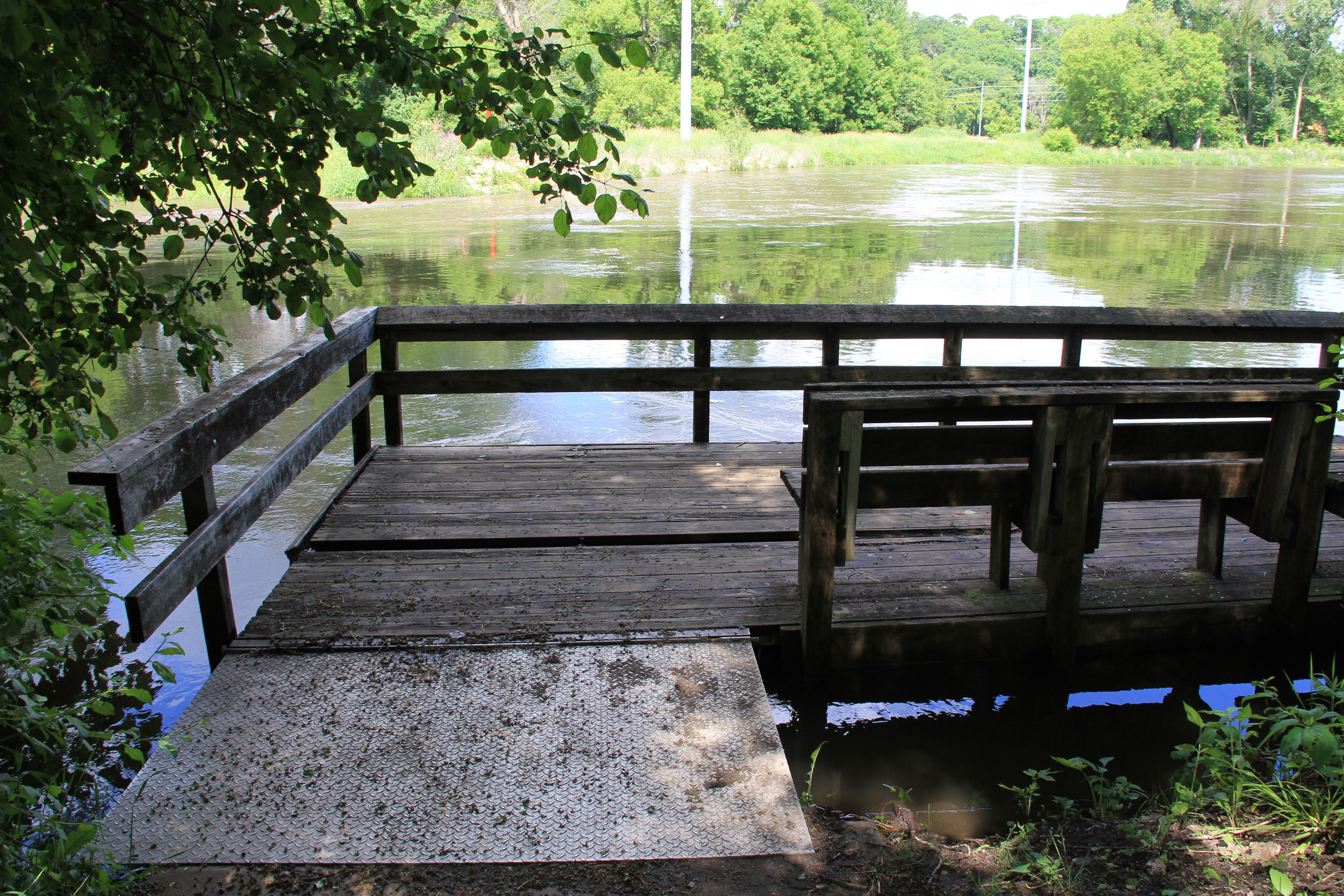
On the day I photographed this dock at Two Rivers Park, it was nearly submerged by the Straight and Cannon Rivers, which meet here. The dock typically sits high above the water. In retrospect, I should have stayed off this dock, which doesn’t seem all that safe. (Minnesota Prairie Roots copyrighted photo June 2024.
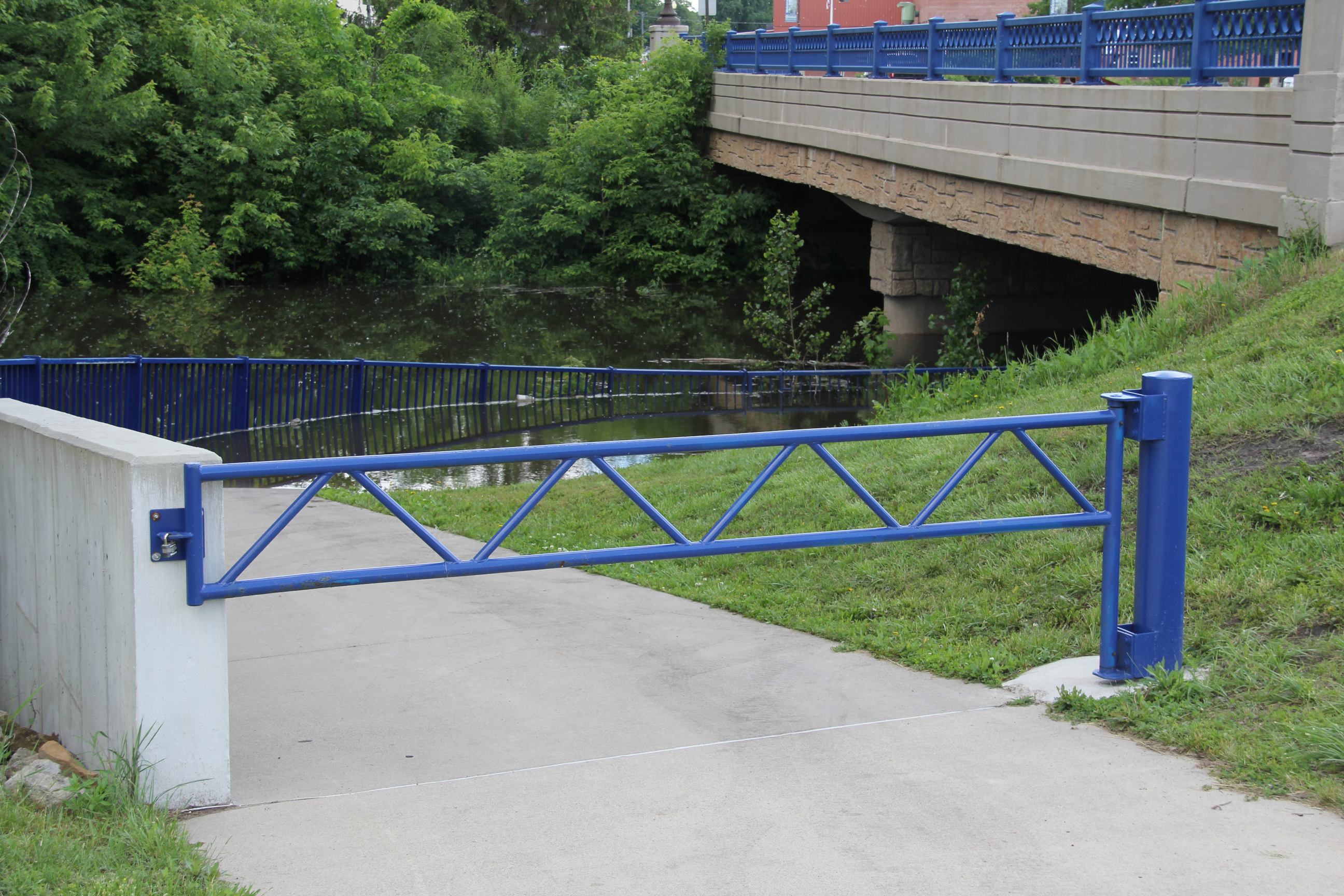
The City of Faribault has closed a section of a recreational trail running under the Second Avenue bridge due to flooding from the Cannon River. (Minnesota Prairie Roots copyrighted photo June 2024)

River levels are high, replenished after a near snow-less winter and the drought of 2023. But enough is enough. We need consistent sunshine and for the rain to stop. And for people to take extra care around fast-moving rivers.
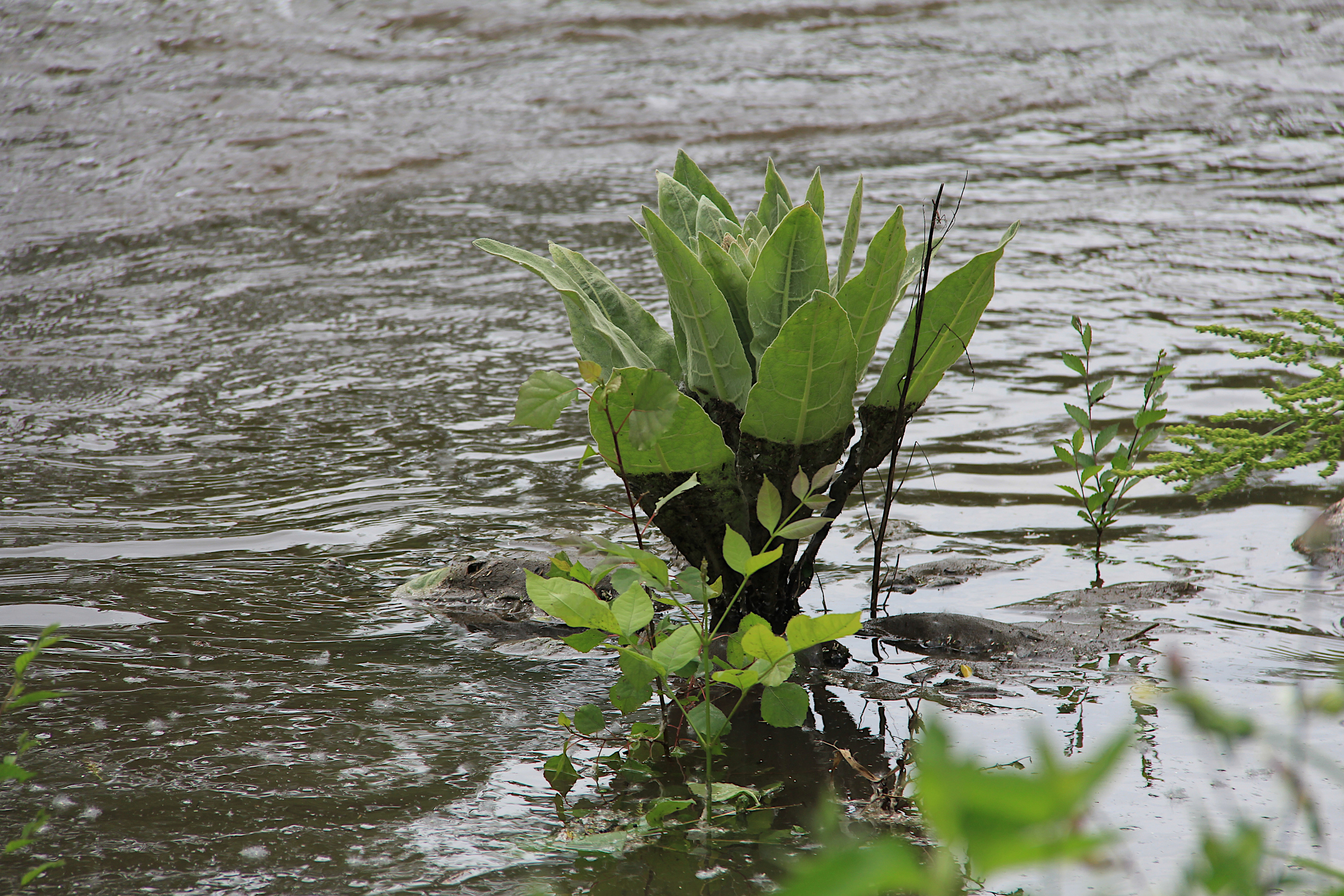
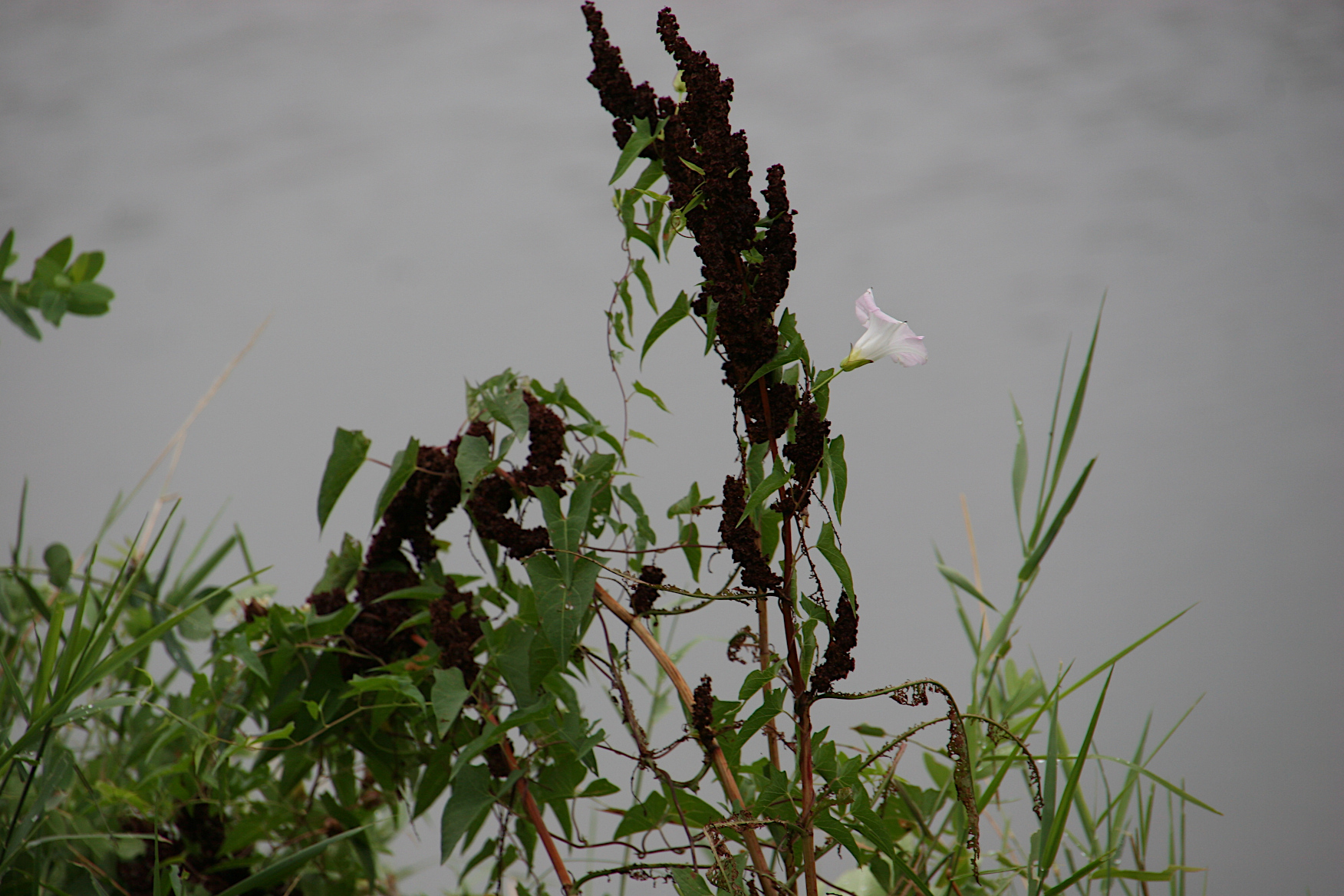
Muddy marks on this plant show how high the roiling Straight River rose, just off the Straight River Trail near Fleckenstein Bluffs Park. (Minnesota Prairie Roots copyrighted photo June 2024)

The Rice County Sheriff’s Department has advised people to be cautious on local waterways and to stay off the Cannon River. Six young people and three adults were recently rescued from the Cannon after their canoes and kayaks overturned. I saw drone footage of rescuers plucking people from the river. They were wearing life jackets, clinging to fallen trees. They got out alive. They were fortunate.
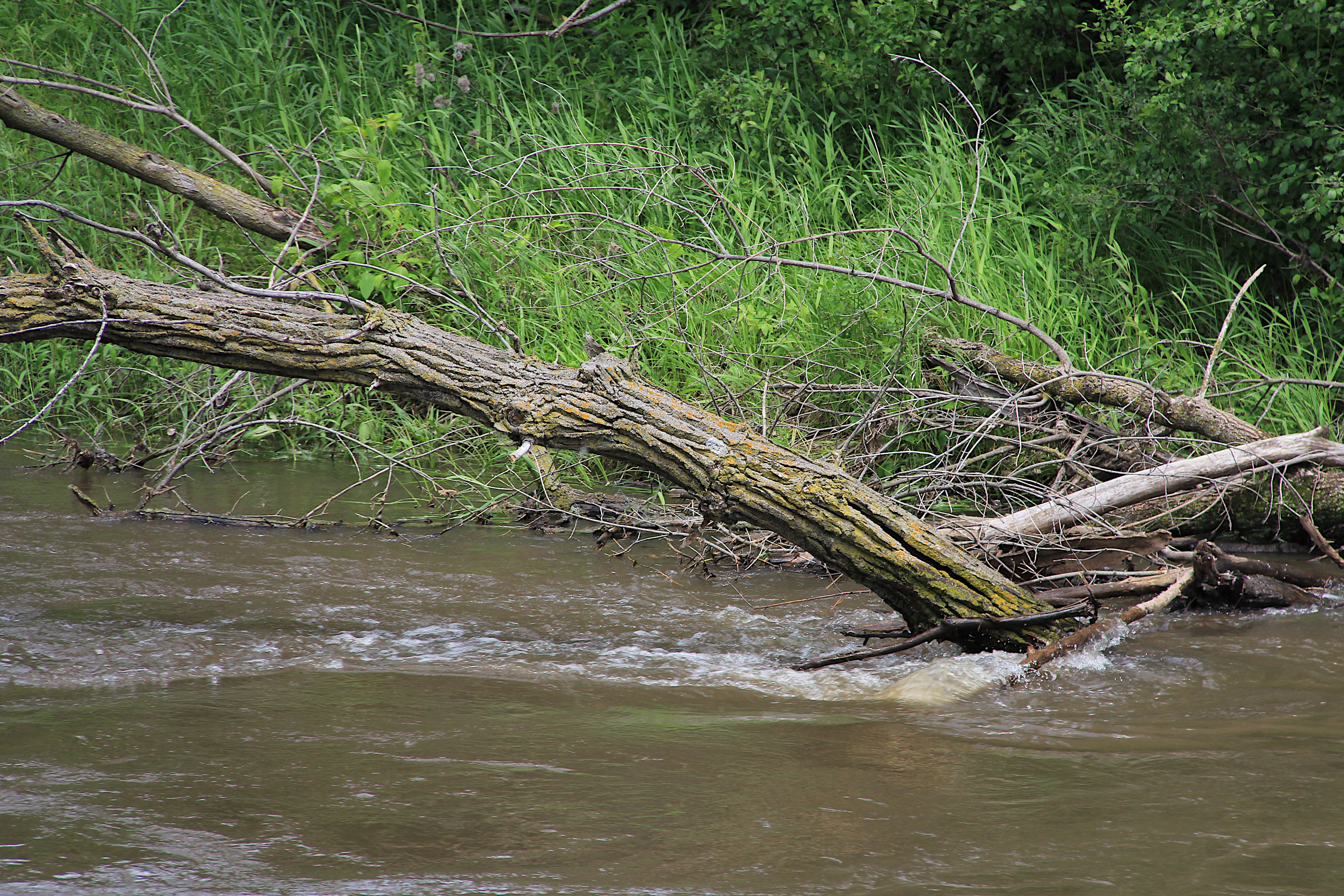
Fallen trees and limbs like these in the Straight River near Fleckenstein Bluffs Park present a hazard to anyone on the water. (Minnesota Prairie Roots copyrighted photo June 2024)

Local rivers are snagged with obstacles, especially trees downed by a 2018 tornado. The current is fast, the water swift-moving, dangers hidden below the surface. Watercraft can easily capsize, turning an outing into tragedy or near tragedy.
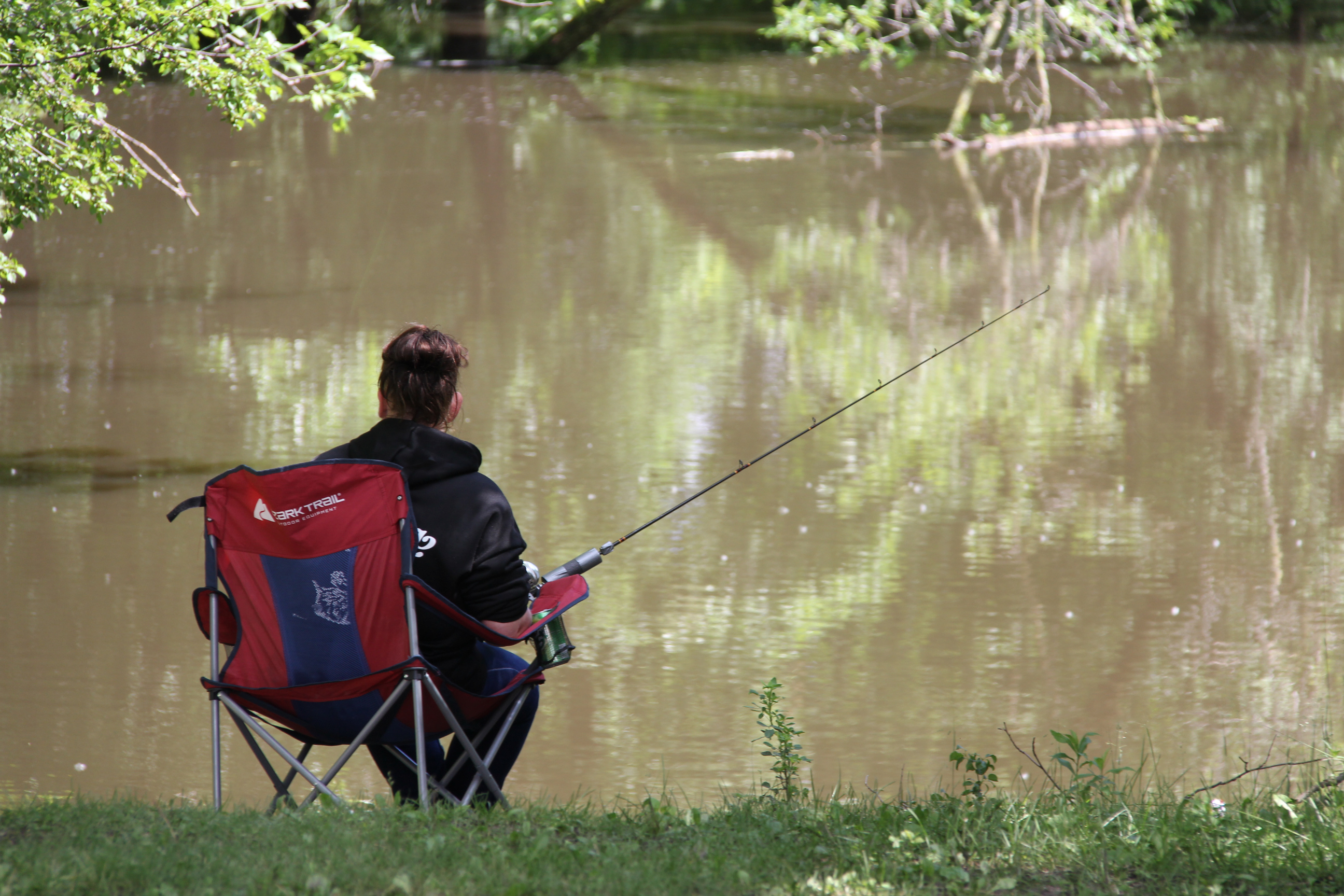
Fishing the muddy Cannon River at Two Rivers Park. (Minnesota Prairie Roots copyrighted photo June 2024)

I observed anglers safely fishing along the river bank at Two Rivers Park, above the dam by North Alexander Park and by the Woolen Mill Dam. These have always been popular fishing spots in town, although at Two Rivers most people fish from the dock. That was nearly under water when I stopped by. I didn’t visit the King Mill Dam, but I anticipate anglers were lining the shoreline there also.
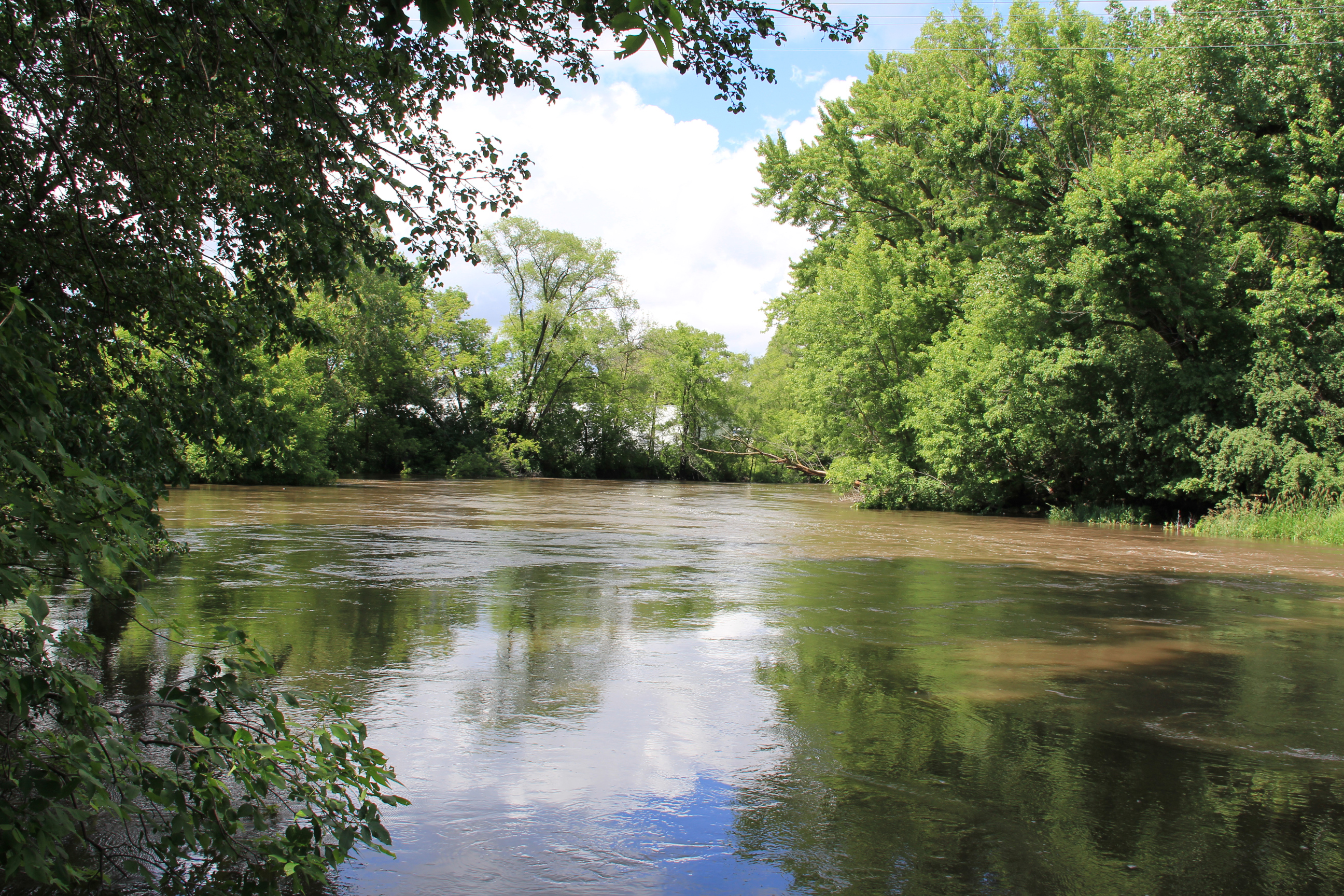
The Cannon River is high and swift-moving at Two Rivers Park. The park was the staging scene for a recent water rescue. (Minnesota Prairie Roots copyrighted photo June 2024)

An abandoned bobber tossed into the water where the Cannon and Straight rivers converge showed just how swift the current. I have no doubt the river could quickly pull a person under who’d fallen from a canoe or kayak.
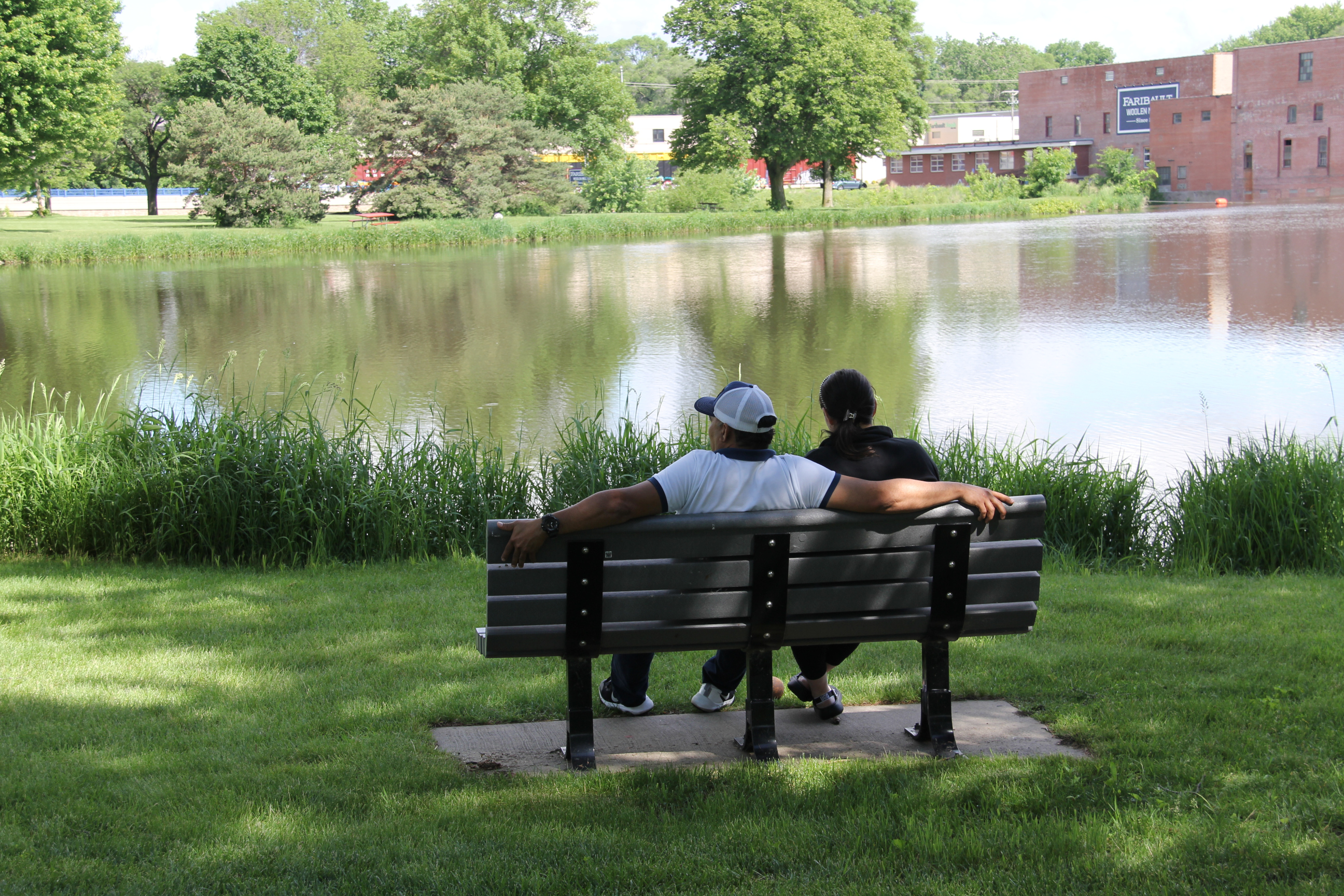
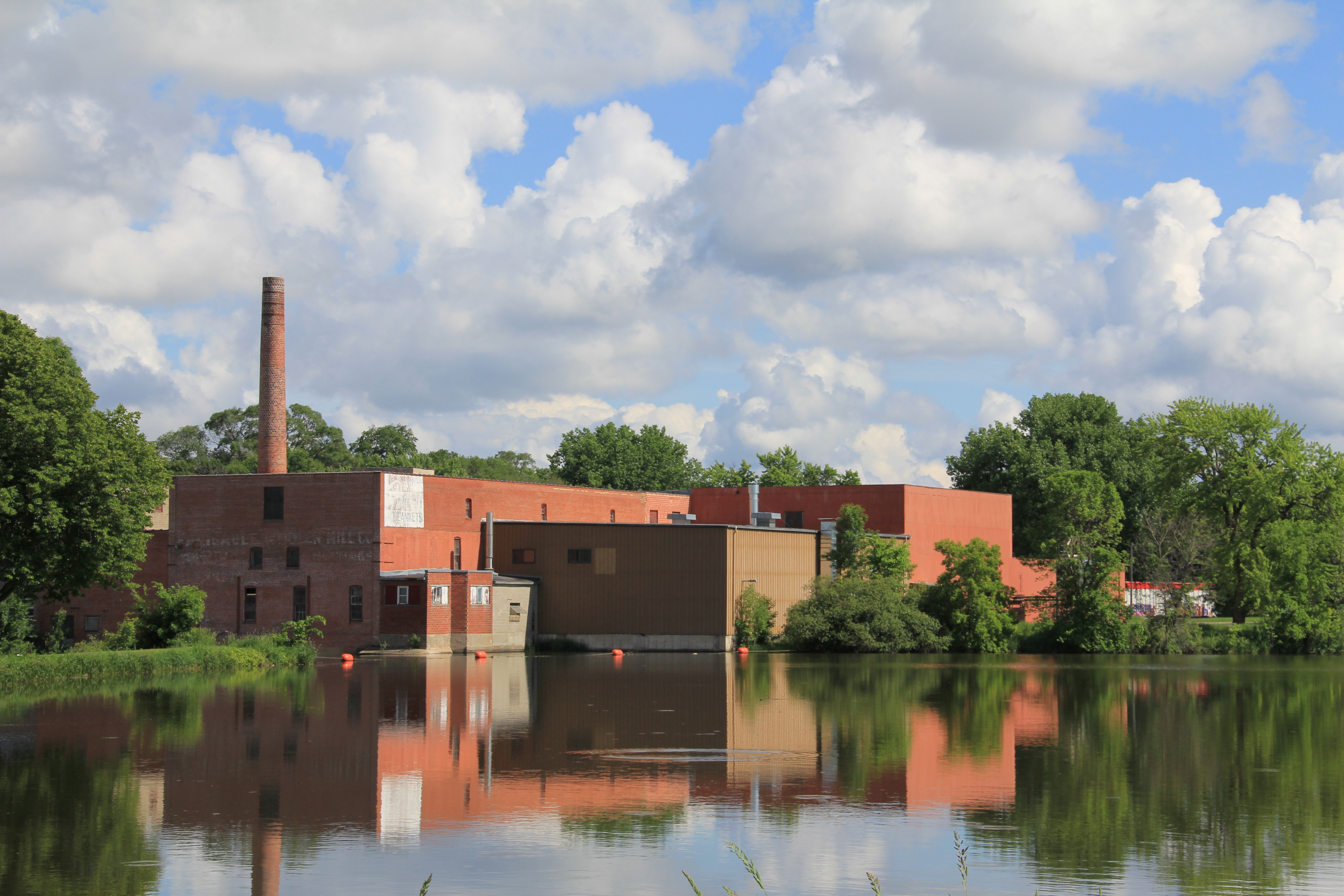
Relaxing along the Cannon River in North Alexander Park, the Faribault Woolen Mill on the opposite shoreline. (Minnesota Prairie Roots copyrighted photo June 2024)
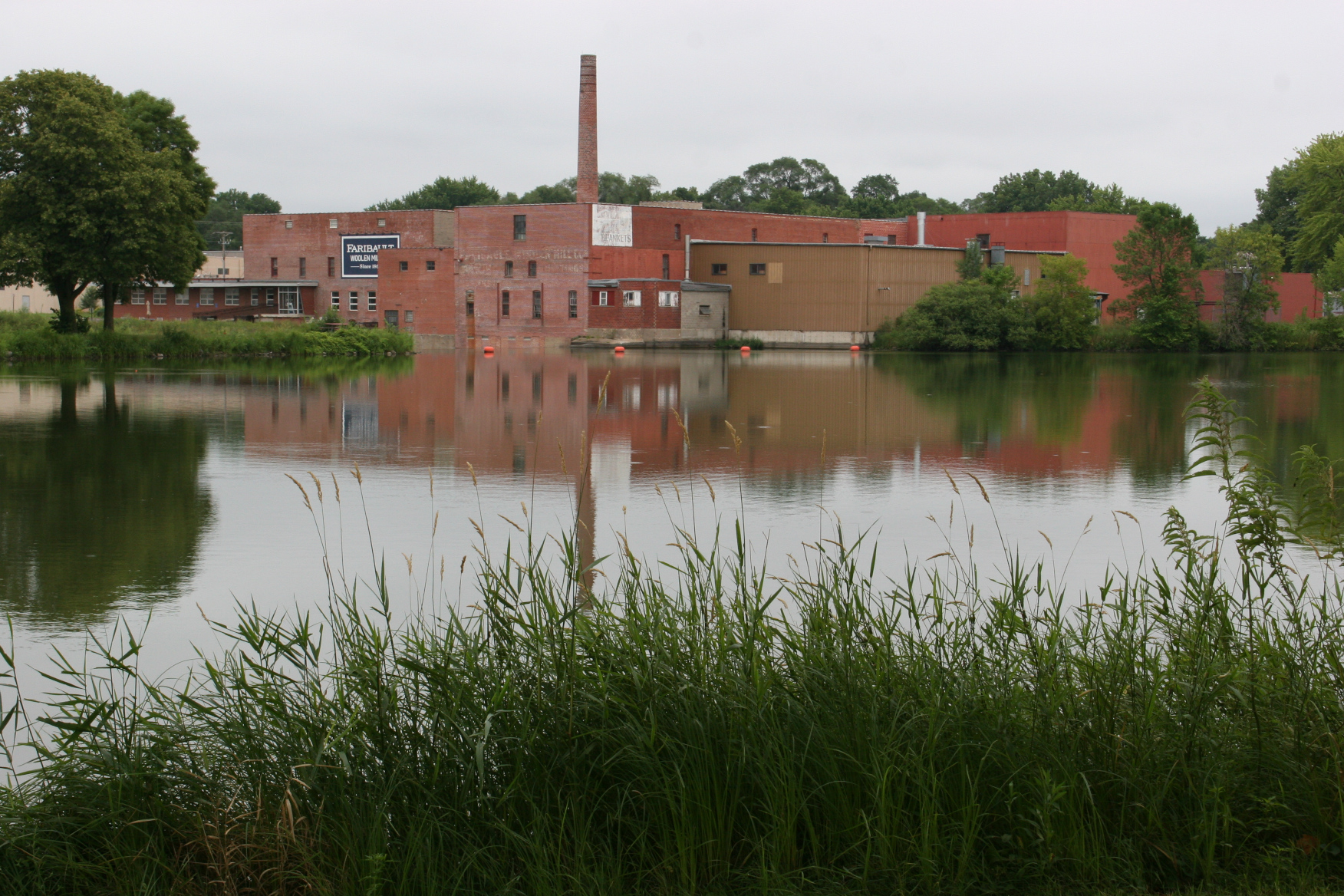
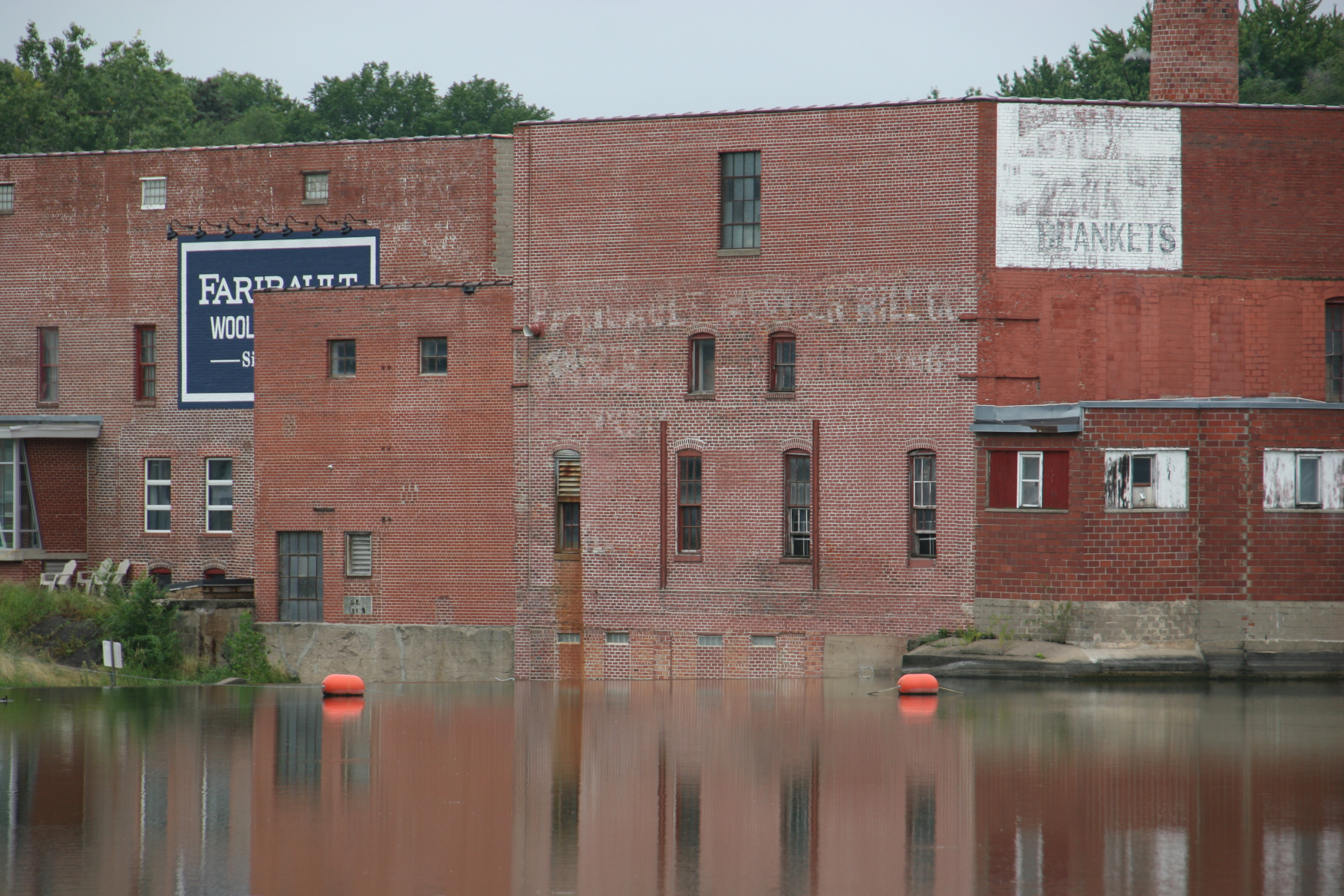
The iconic, historic Faribault Mill sits aside the Cannon River. (Minnesota Prairie Roots copyrighted photo June 2024)
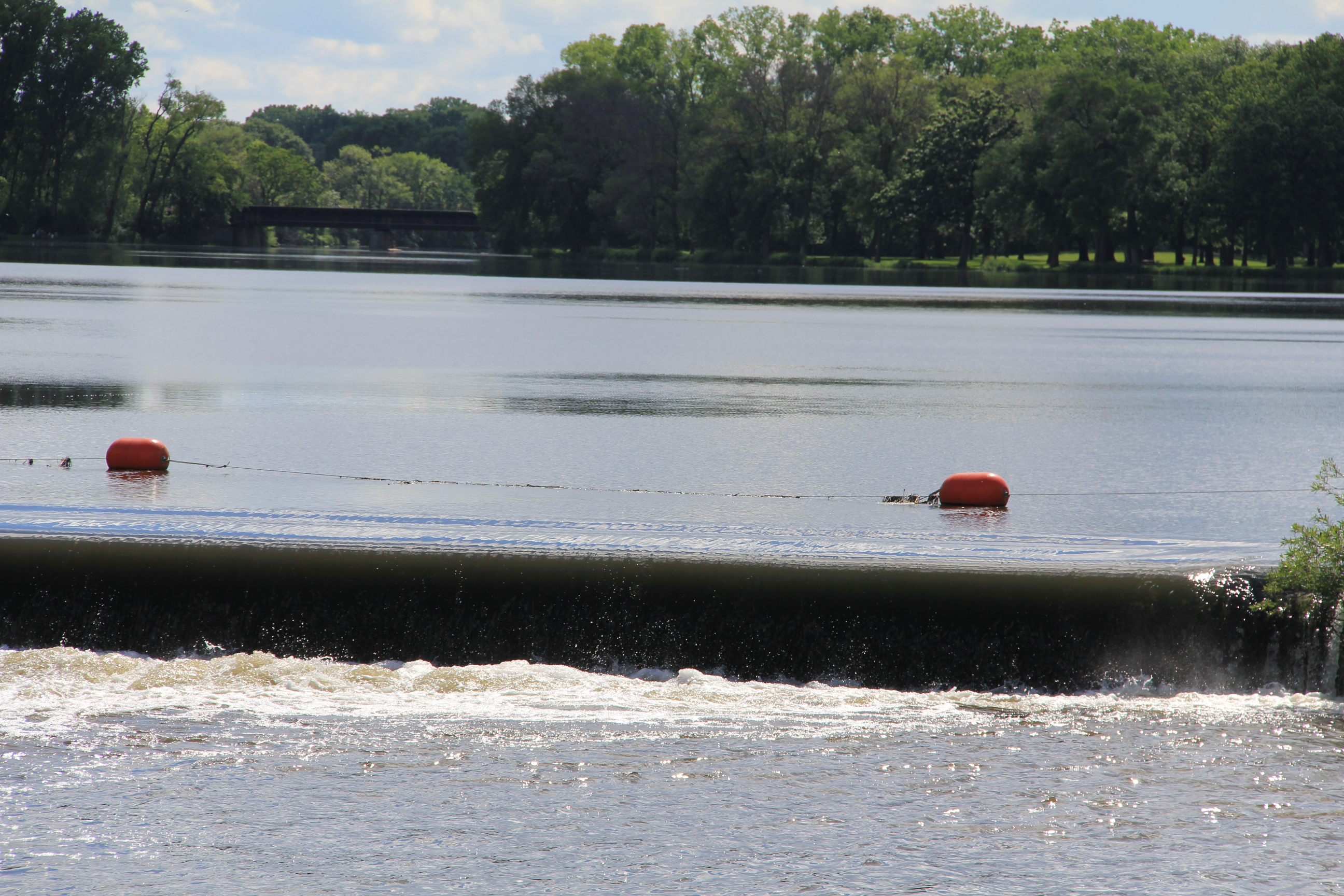
This photo taken several days ago shows the minimal drop over the Woolen Mill dam, with raging river below. (Minnesota Prairie Roots copyrighted photo June 2024)

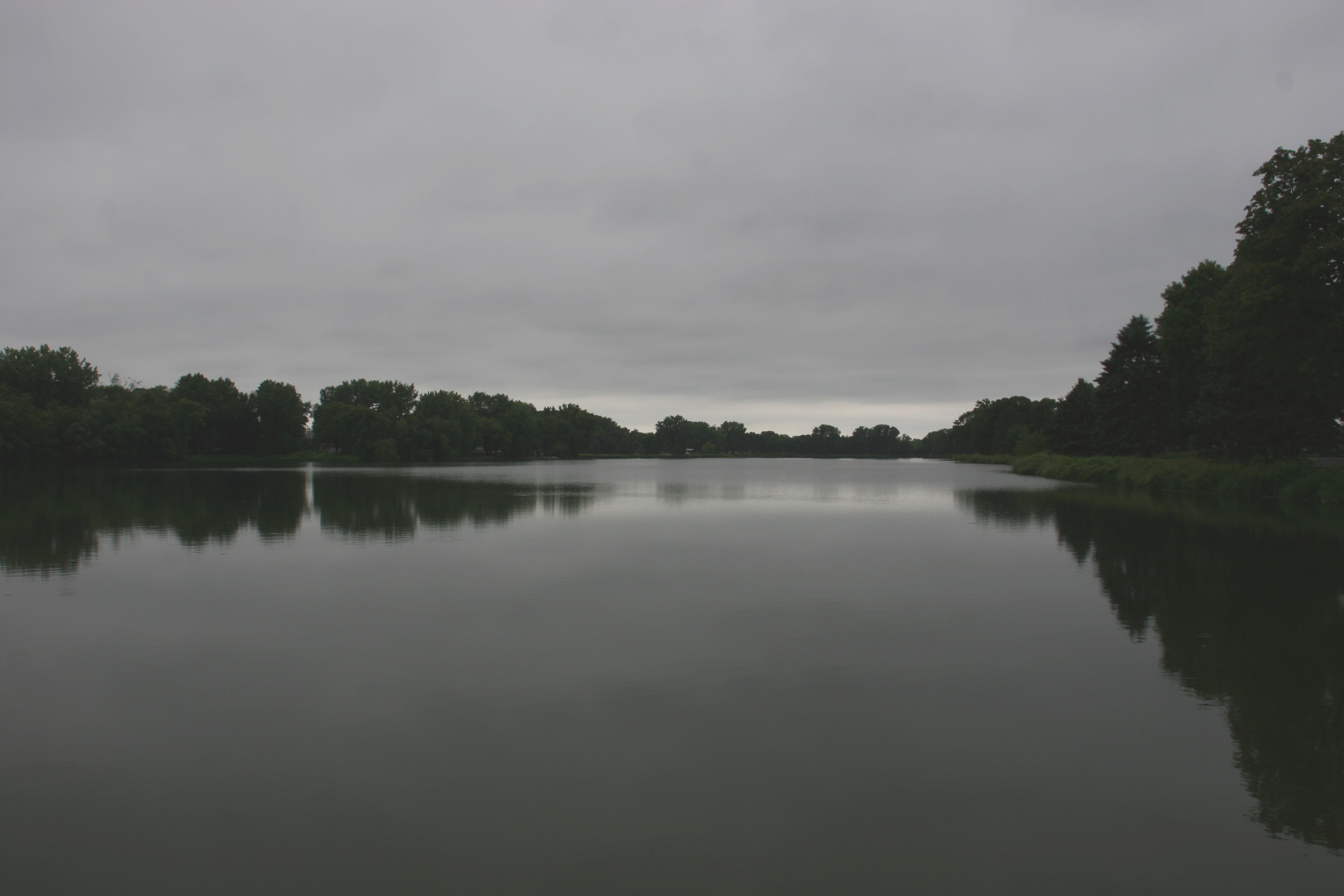
It’s easy enough to get misled by the water. Sit aside the wide stretch of the Cannon before it spills over two dams and the scene looks tranquil. The water’s surface is smooth, reflecting sky and trees and the historic woolen mill. But when the water spills over the dams, it transforms into something muddy and menacing, not to be messed with.
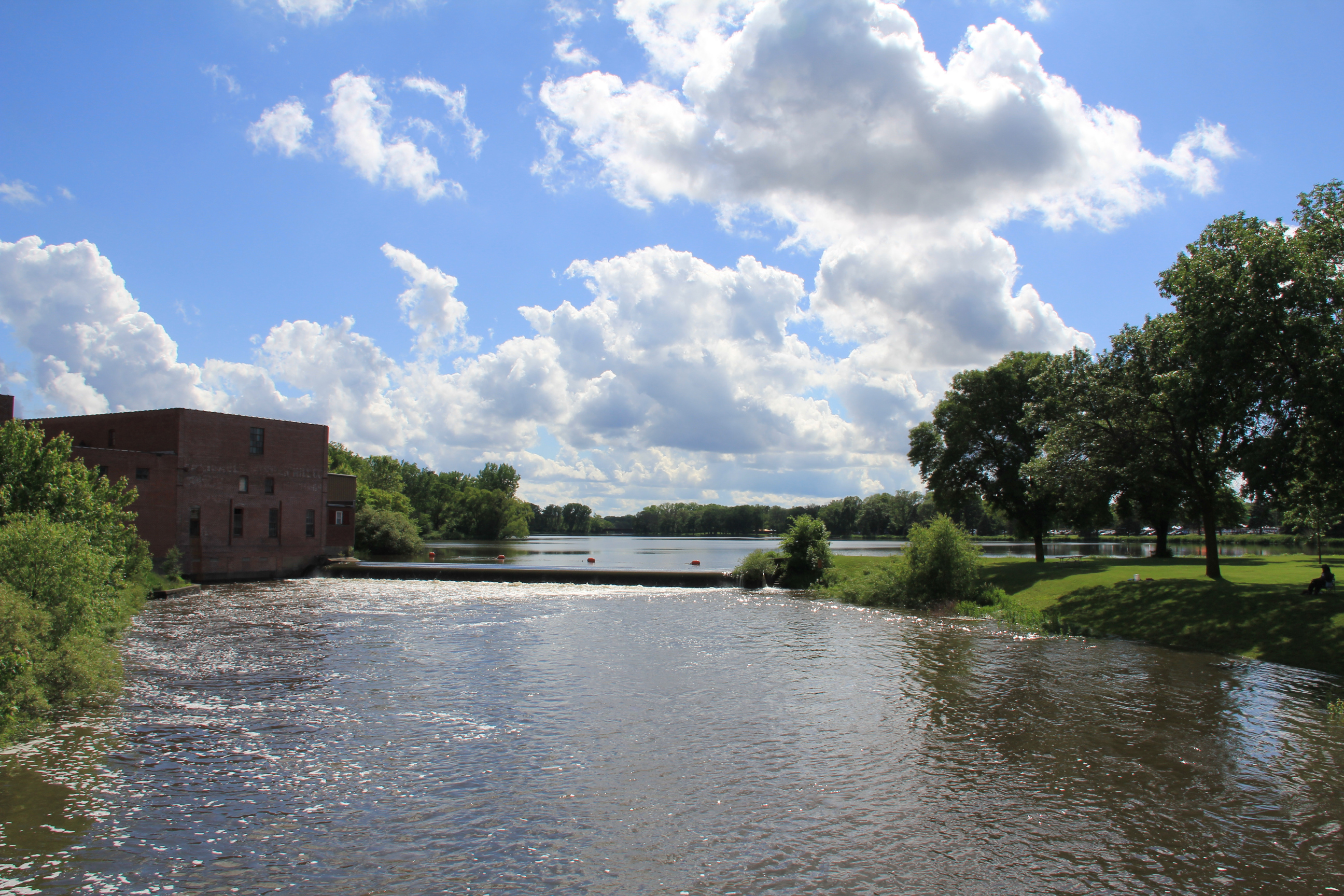
The scenic Cannon River and dam near the Faribault Mill. (Minnesota Prairie Roots copyrighted photo June 2024)

Respect the rivers, I say, even if it is tempting to launch a canoe or ease into a kayak. River levels will drop in due time as summer unfolds. There will be ample opportunity to get on the water, to enjoy the river scenery, to delight in the natural beauty of Mni Sóta, Dakota for “land of sky tinted waters.”

© Copyright 2024 Audrey Kletscher Helbling


Along the Cannon River, by a dam in Faribault August 16, 2022

The picturesque Faribault Mill along the Cannon River in Faribault. (Minnesota Prairie Roots copyrighted photo August 2022)

THE RIVERS RUN THROUGH, the Cannon and the Straight converging on Faribault’s north side at Two Rivers Park.

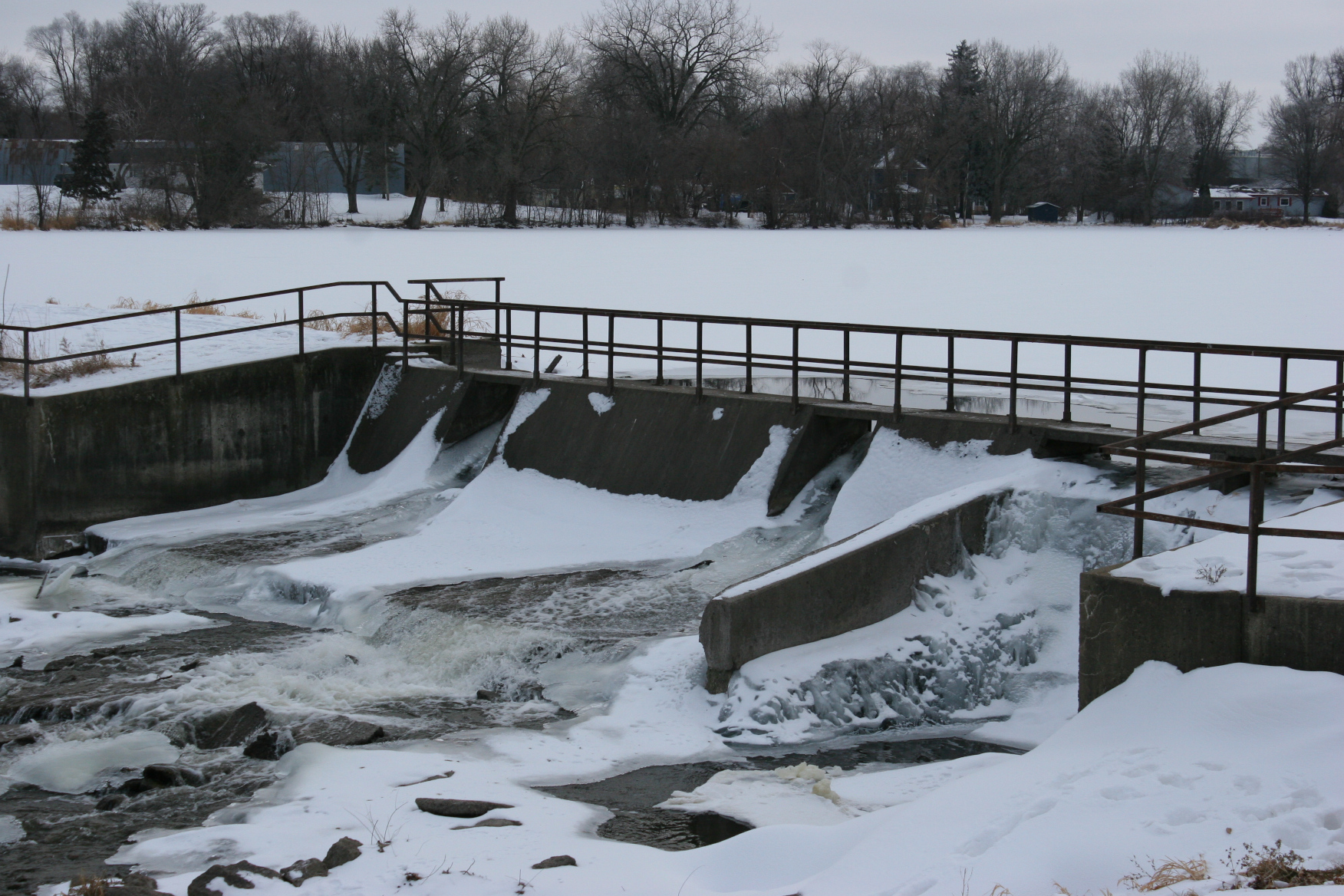
A view of the Cannon River looking west while standing on the walkway over the dam next to Father Slevin Park. (Minnesota Prairie Roots copyrighted photo August 2022)

The history, the founding of my southeastern Minnesota community is channeled through these waterways. In the history of the Dakota who first called this place home. In the history of the fur traders, including town founder Alexander Faribault, who settled along and traveled the rivers. In the history of flour mills and sawmills and the renowned Faribault Woolen Mill, established in 1865.

There’s a buffer of plants along the shores of the Cannon in Faribault. (Minnesota Prairie Roots copyrighted photo August 2022)

Whenever I walk the Northern Link Trail in North Alexander Park along the Cannon River Reservoir, I pause to view the 1892 Faribault Mill. Often I photograph this iconic brick building aside the appropriately-named Woolen Mill Dam. I appreciate this long-standing business, still operating today, weaving fine woolen blankets and more that have garnered national respect for quality craftsmanship.

Ghost signs on the Faribault Mill along the Cannon River. (Minnesota Prairie Roots copyrighted photo August 2022)

Ghost signs on the building’s exterior remind me of this mill’s long history here, along the river, by the dam.

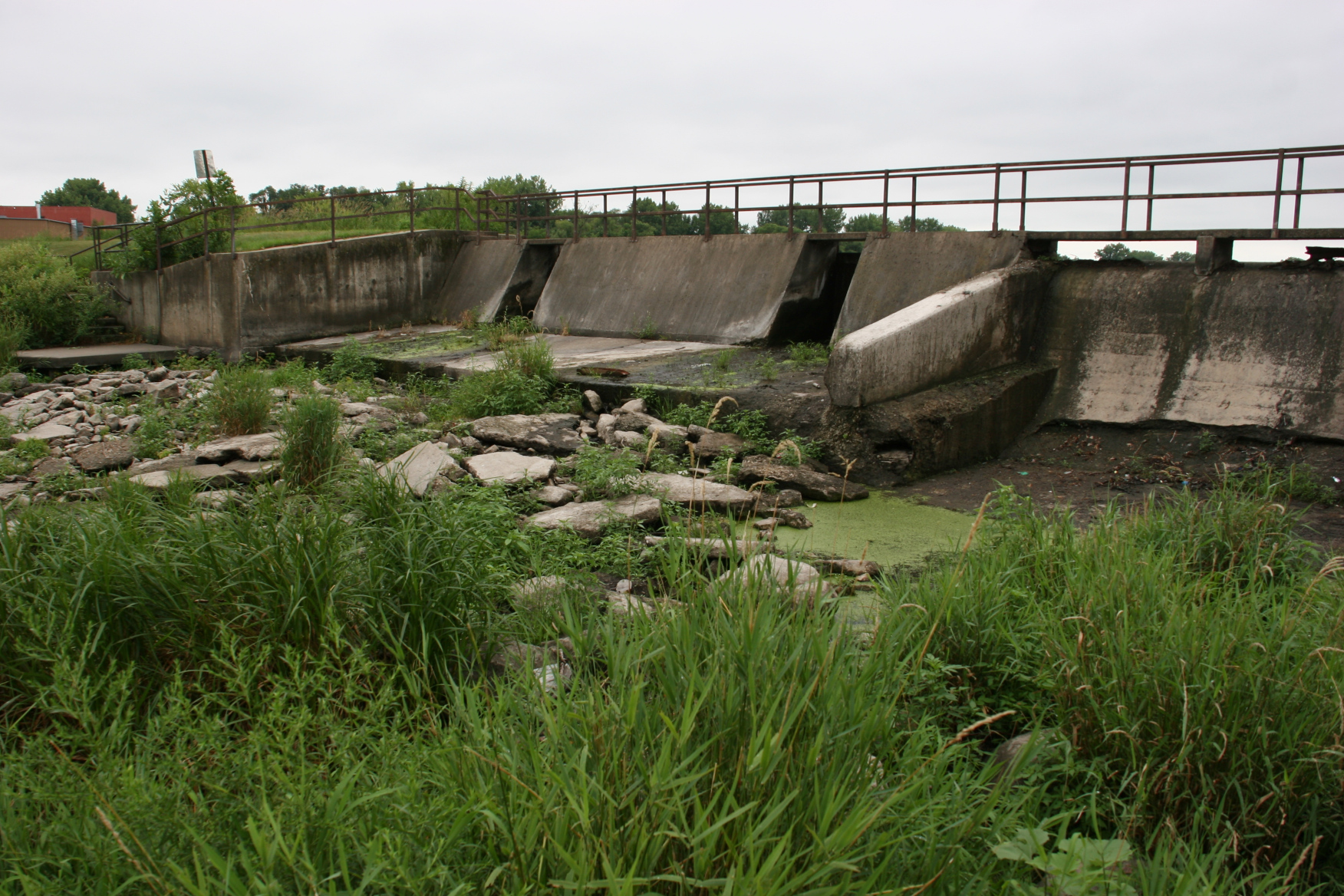
There’s a notable absence of water at this dam on the Cannon River in Faribault. (Minnesota Prairie Roots copyrighted photo August 2022)

A grassy patch away, a second dam manages river flow next to Father Slevin Park. But when I last visited the area on August 7, I saw bare concrete with only a trickle of water leaking through boards at that smaller dam. Rather than rushing water defining this place, stagnant ponding water defines it.

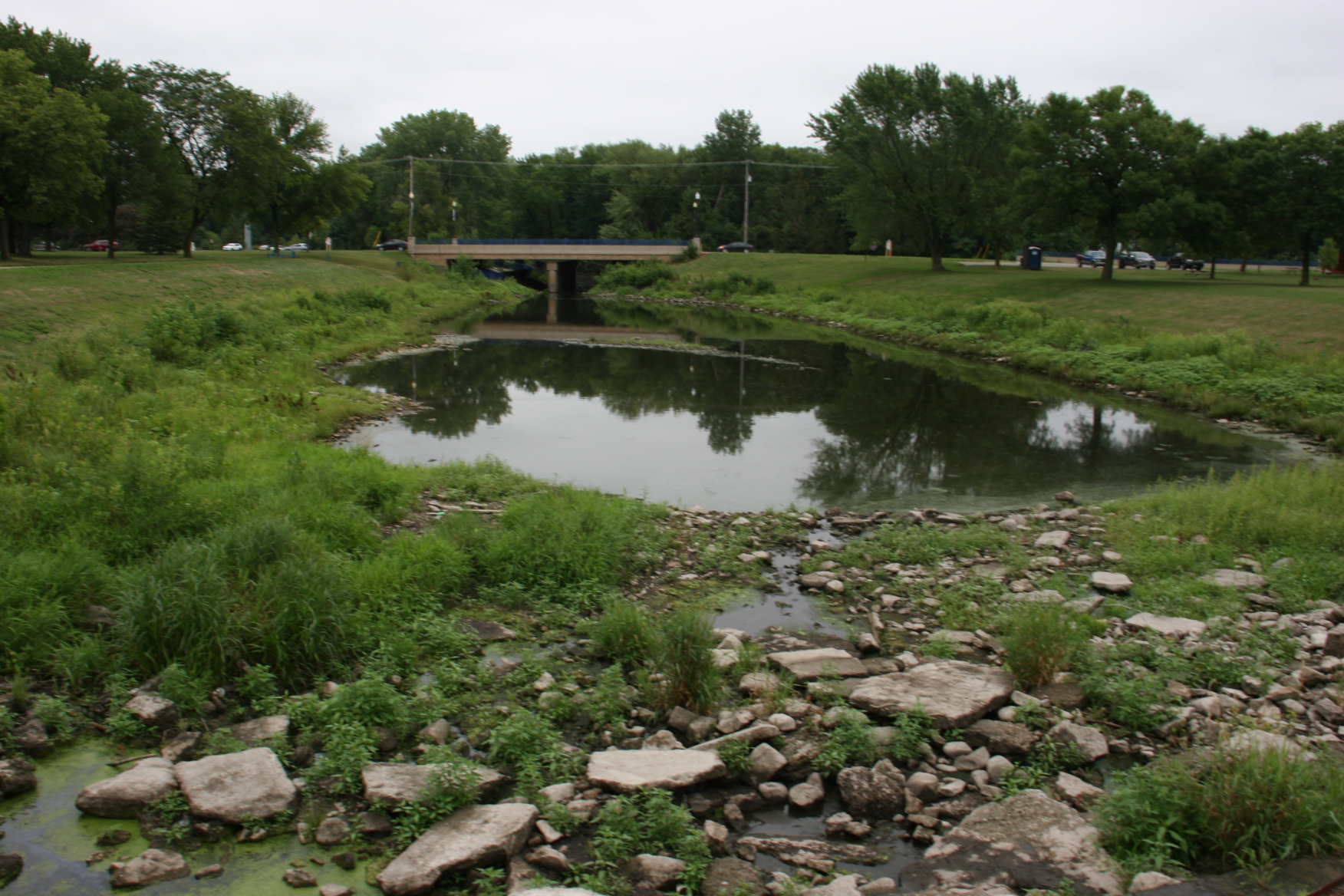
The drying river bed and stagnant water below the dam. (Minnesota Prairie Roots copyrighted photo August 2022)

I observed green algae and litter on the water’s surface. I observed exposed rocks and plants growing where water should flow. All are evidence of the drought conditions we are experiencing here in southern Minnesota. We’ve had some rain since I paused beside the dam. But not enough to totally compensate for the lack of moisture.

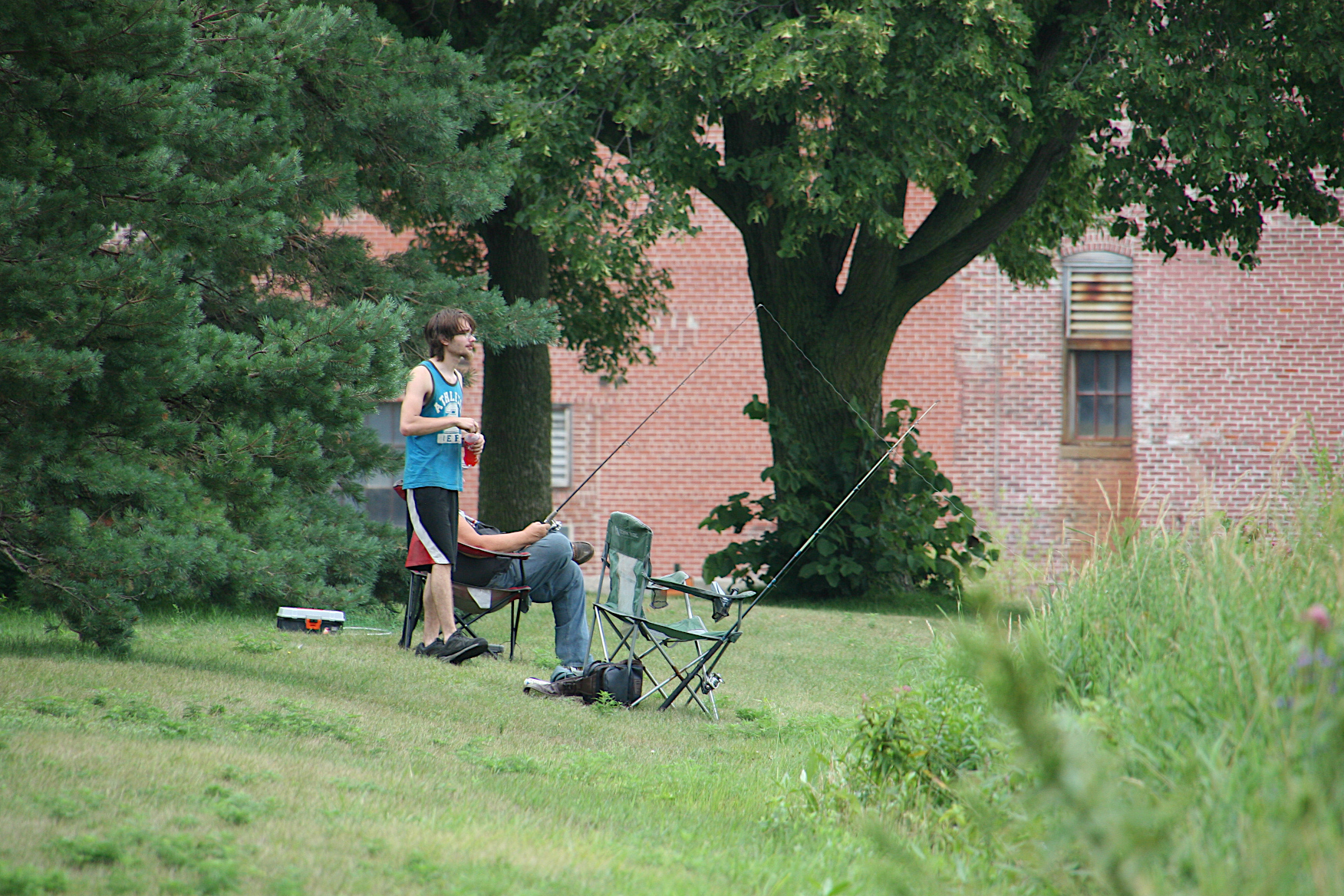
Fishing in the Cannon River at Father Slevin Park near the Woolen Mill Dam. (Minnesota Prairie Roots copyrighted photo August 2022)

Typically, anglers frequent the river banks below this particular dam. But not now. Not in this summer of drought. These dry weather conditions plague so many locations across the country and world as the effects of climate change continue. One need only look to the West, to the decades of drought, the wildfires and the ever-growing tensions over water to understand the crisis.

I’ve seen more grasshoppers this year than in recent years, including this one among plants on the Cannon River bank. (Minnesota Prairie Roots copyrighted photo August 2022)

Locally, low river levels visually remind me that we are not untouched by evolving weather patterns. There was a time when I held a heightened awareness of weather as my farmer father looked to the sky, waiting for rain clouds to open, to drench his corn and soybean fields. I remember the summer of 1976 when he purchased boxcar loads of hay from Montana to feed our livestock. Worry defined that summer.

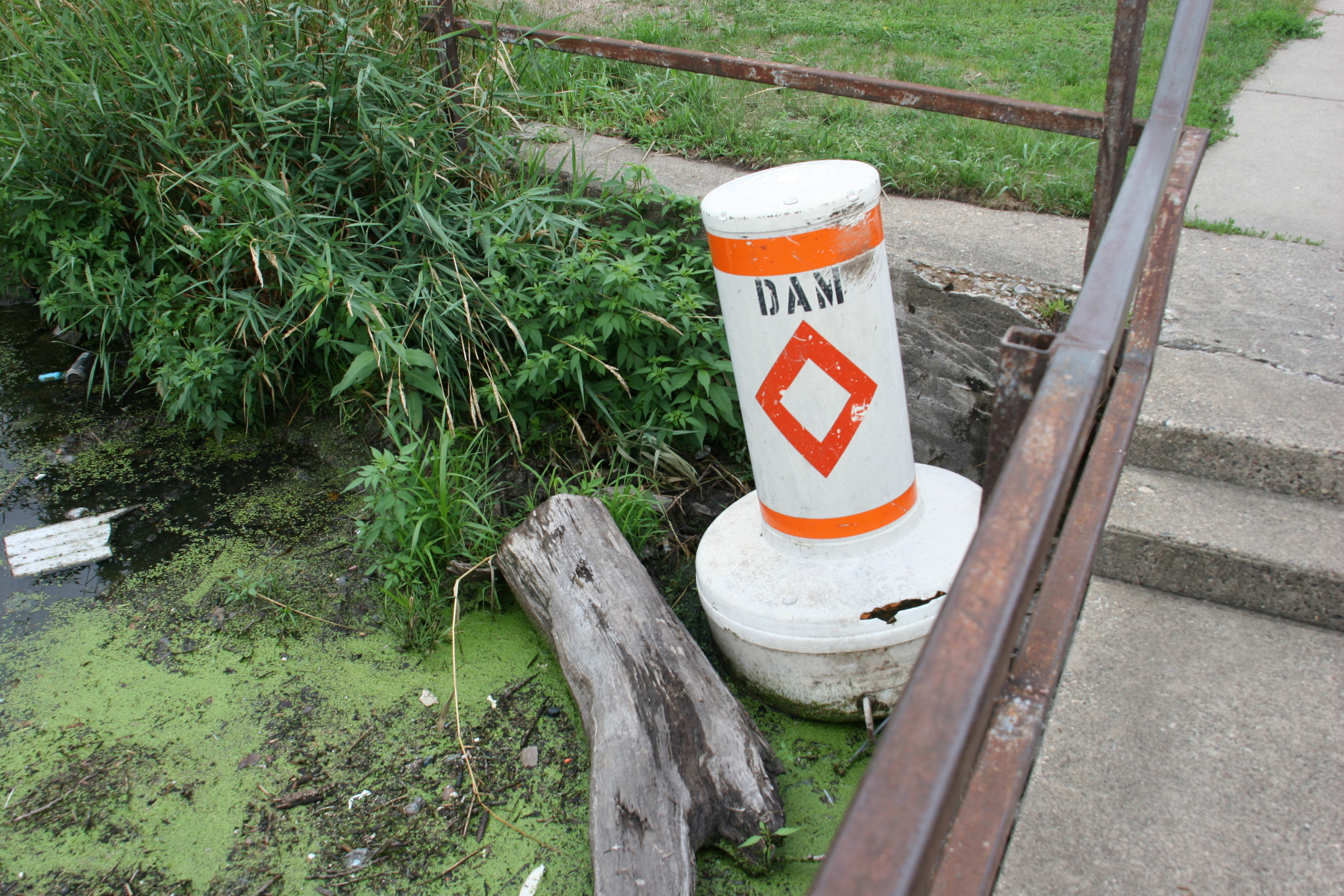
I spotted this buoy tucked next to a corner of the dam, hugging the shore above the dam. (Minnesota Prairie Roots copyrighted photo August 2022)

And now worry edges into my thoughts as I observe the stillness. No sound of rushing water. No sight of rushing water. Only the exposed concrete dam and the stagnant water pooling below.

© Copyright 2022 Audrey Kletscher Helbling


The poetry of Minnesota rivers January 15, 2021

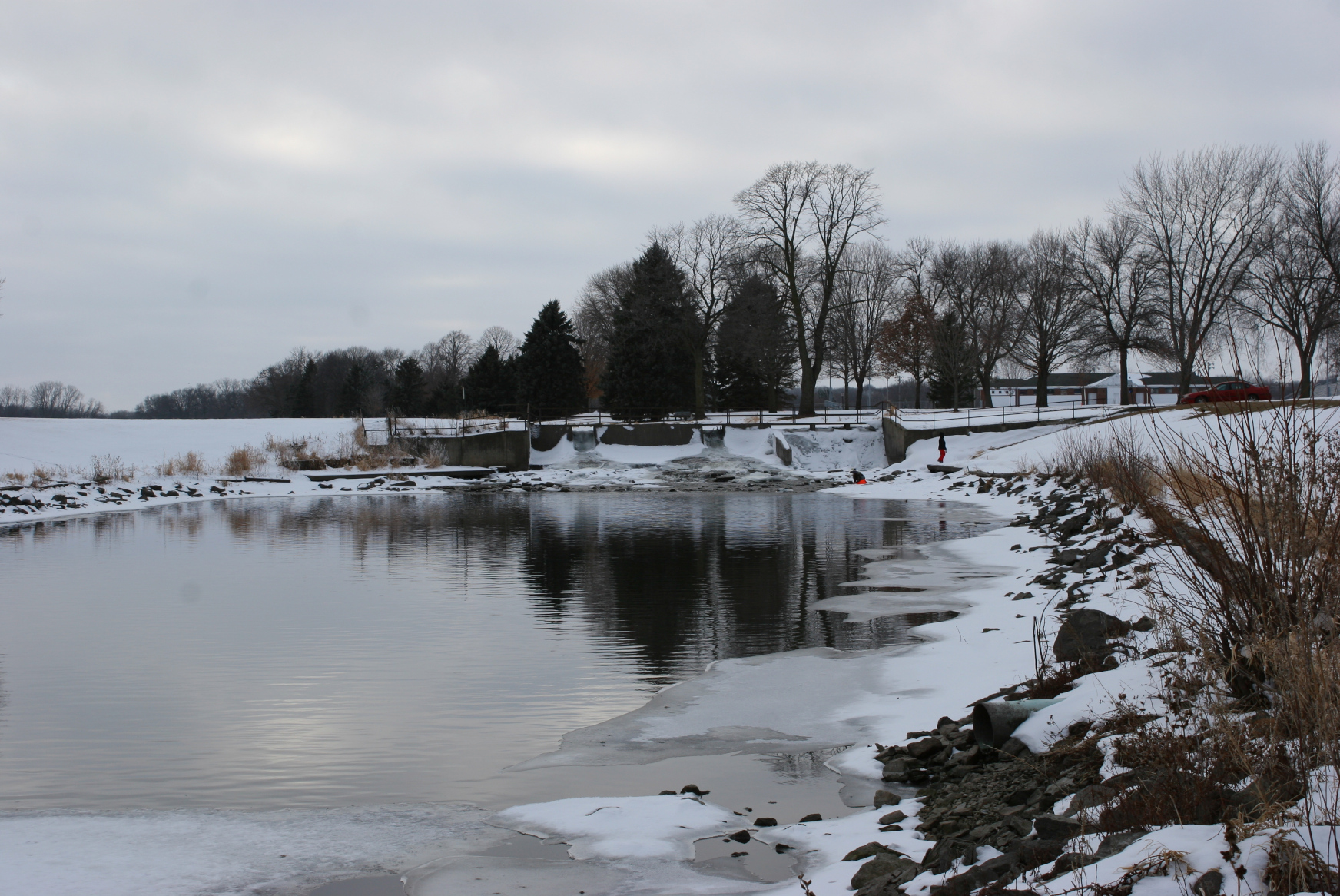
An overview of the Cannon River and the dam photographed from the river walk by the Rice County Fairgrounds/North Alexander Park.

RIVERS, STRONG AND MIGHTY, flow through our state. The Mississippi. The Minnesota. And here in my county of Rice, the Cannon and Straight Rivers.

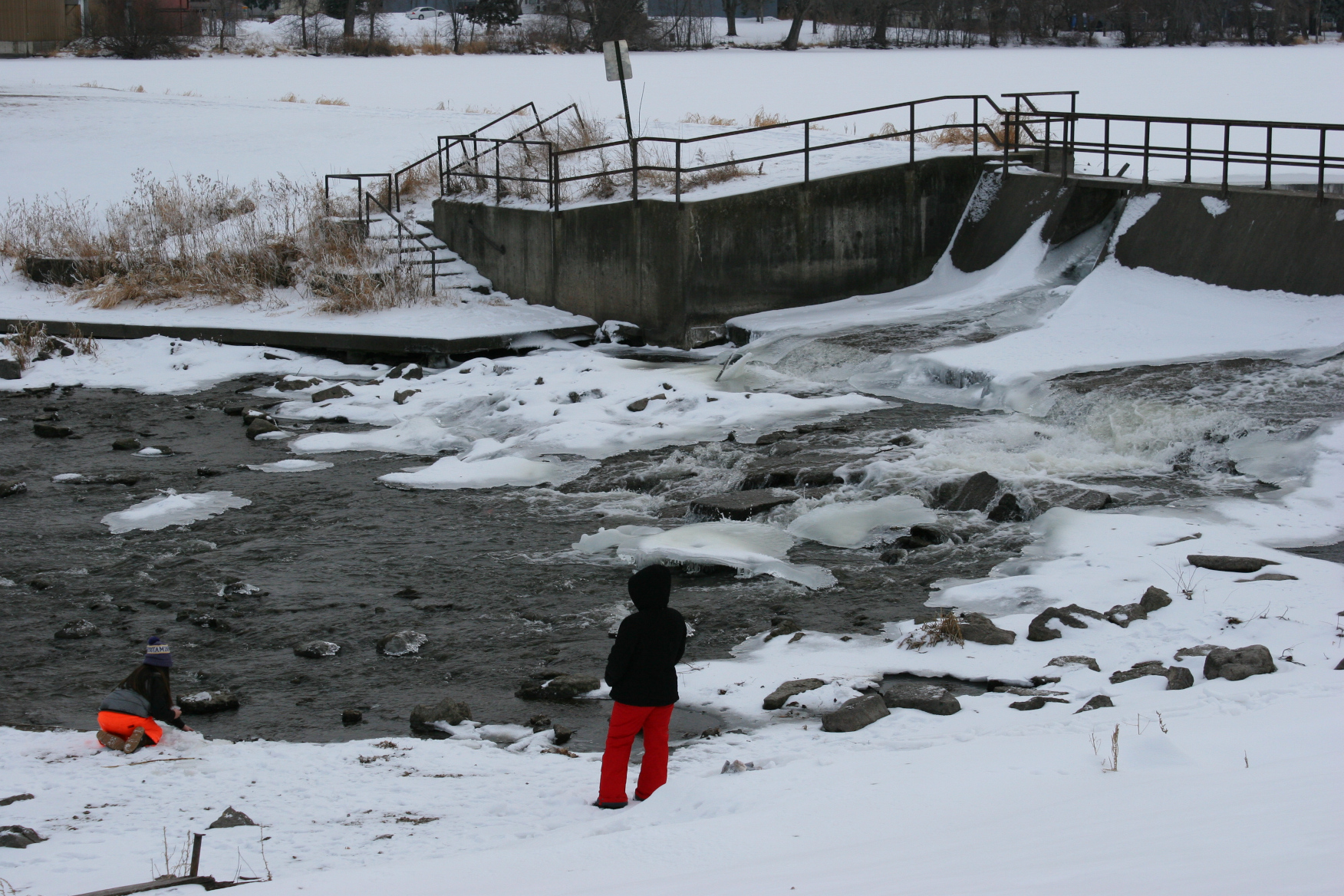
Up close to the Cannon River on a January afternoon. Initially, I thought this pair was fishing. They were, instead, playing beside the river.

Here, on these waters, early inhabitants traveled via canoe, traded along river banks, built flour and woolen mills. And formed communities like Faribault, Northfield, Dundas and Morristown, all with waterways that run through.

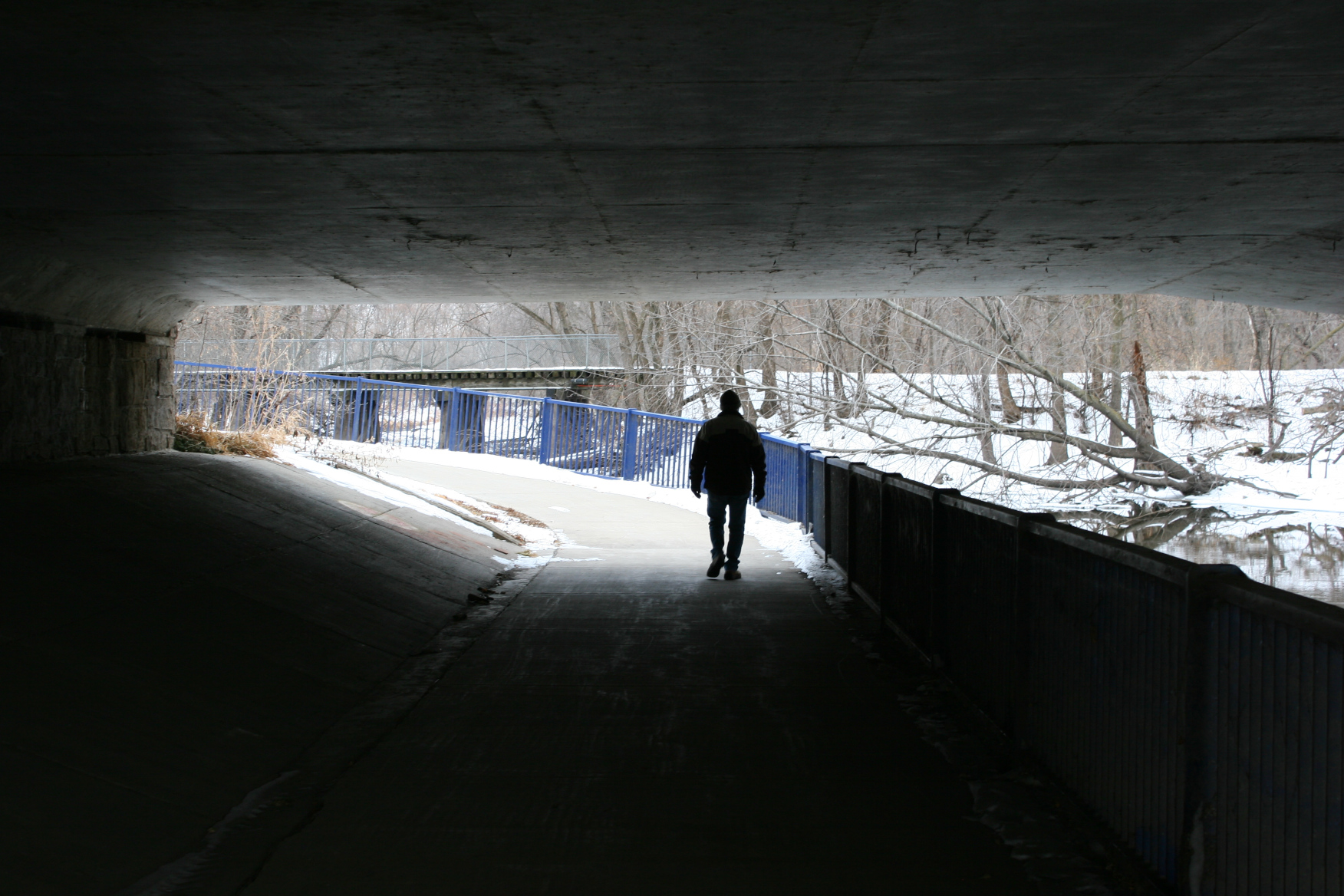
Randy walks on the river walk under the bridge spanning the Cannon River along Second Avenue in Faribault. The river is to his right.

Rivers are as much about nature as they are about our history. Like railroads, they helped to shape our towns and cities. And today, while no longer of the same utilitarian use, they remain valuable assets.

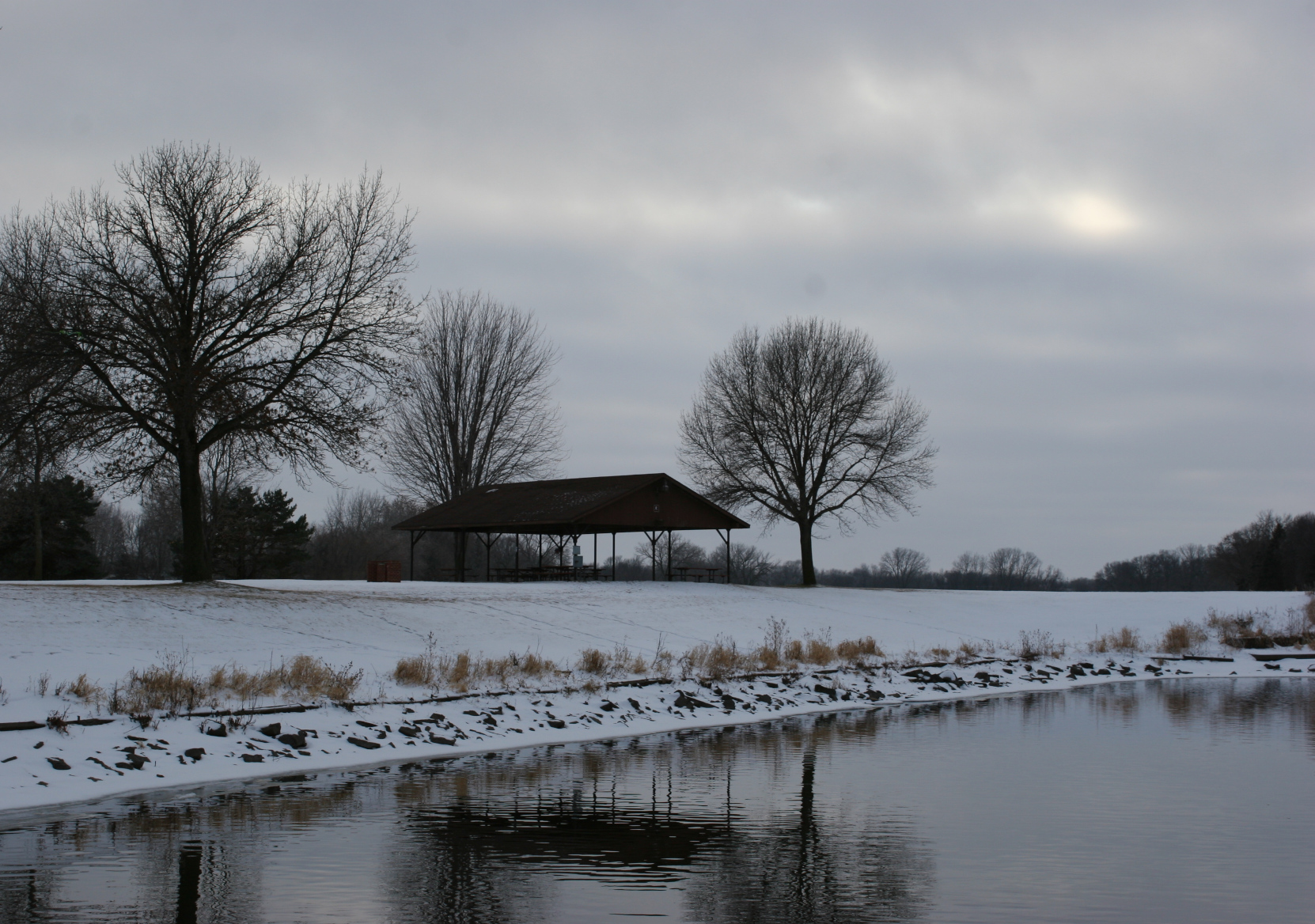
Many picnic shelters grace Faribault’s riverside parks.

In my community of Faribault, the Cannon and Straight Rivers, which converge at Two Rivers Park, enhance our local outdoor spaces. The Straight winds through River Bend Nature Center and near city recreational trails. The Cannon spills over three separate dams and flows alongside North and South Alexander Parks and Father Slevin Park. The historic, and still operating, Faribault Woolen Mill sits next to the river, too, by the appropriately named Woolen Mill Dam.

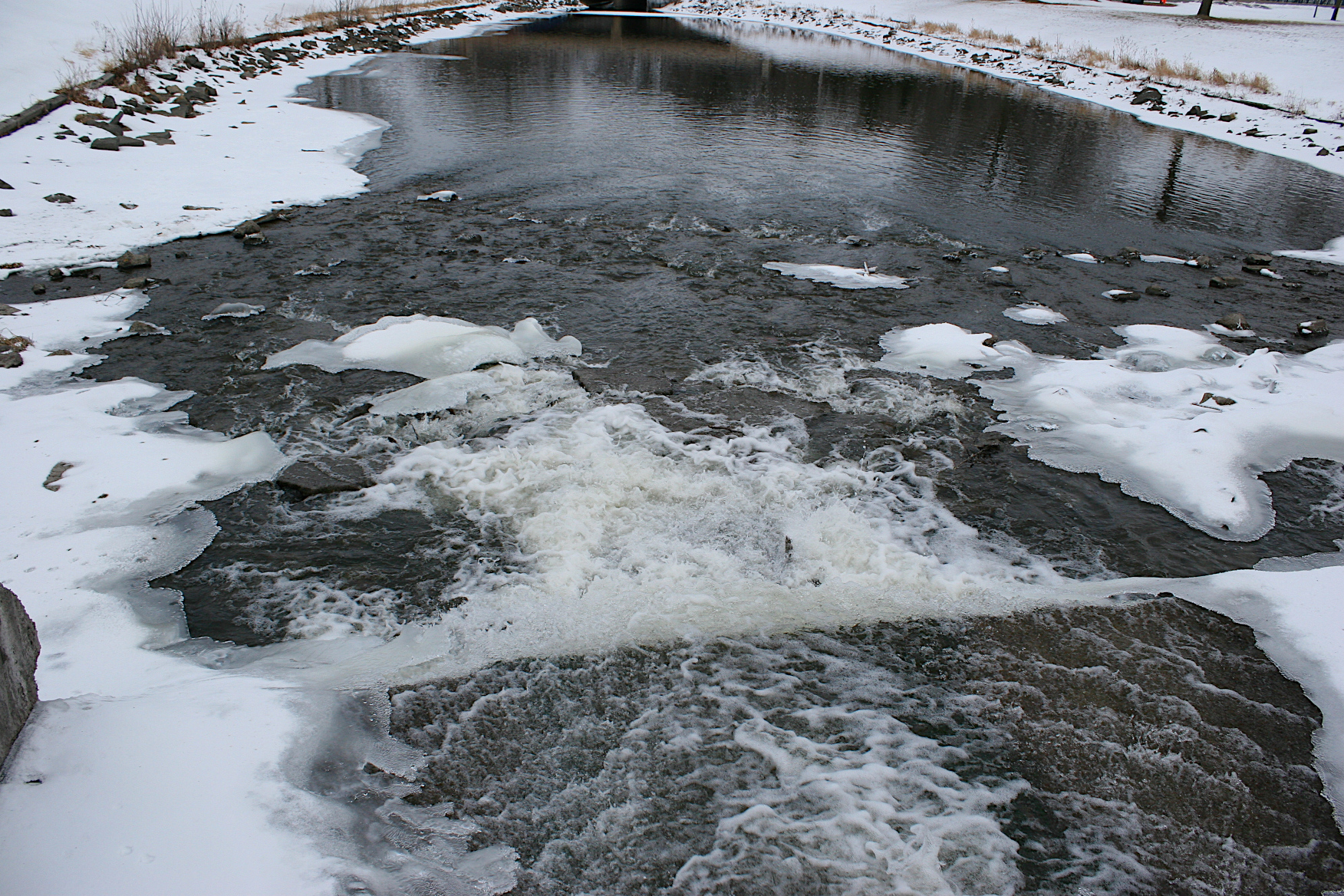
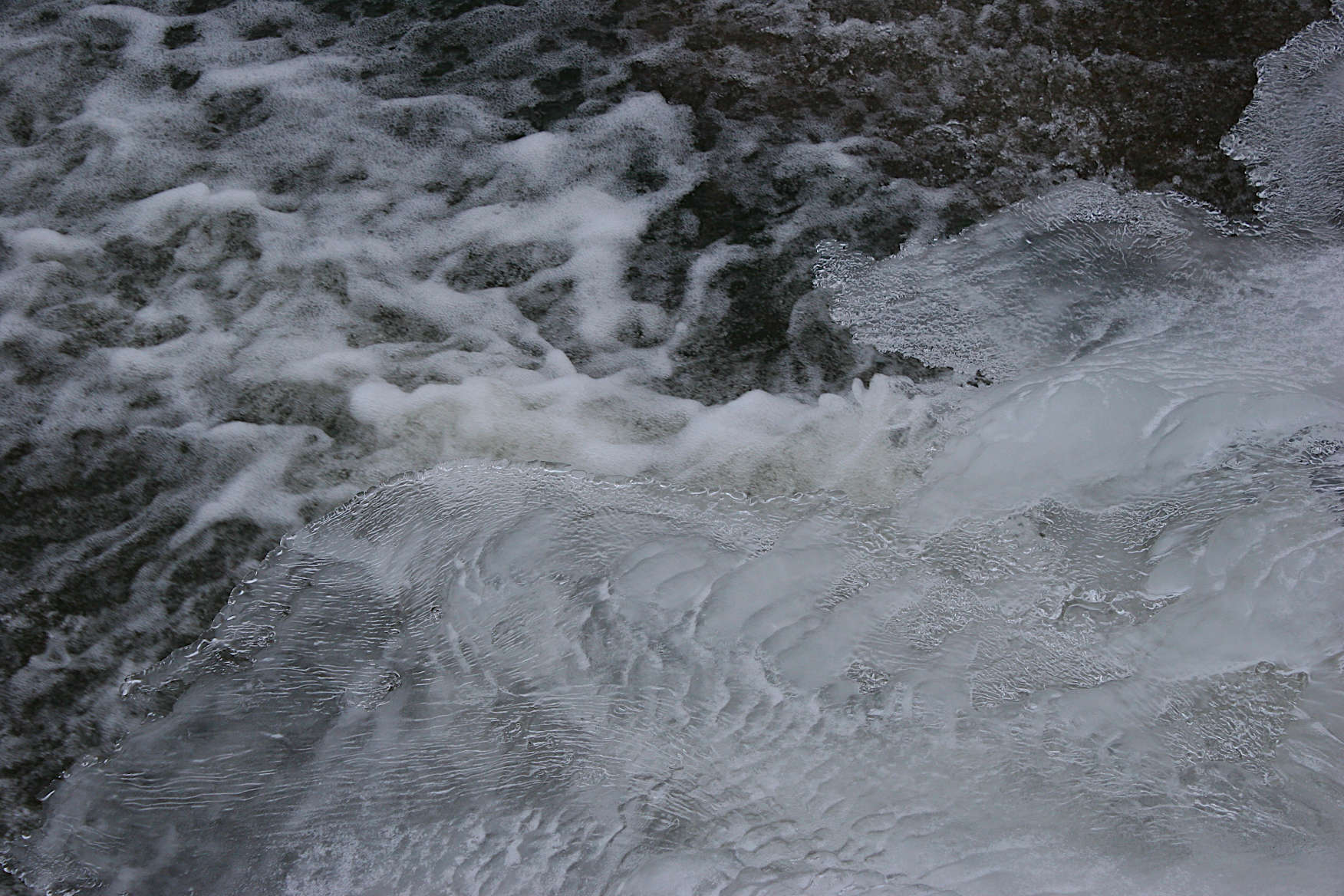
Water rushes over rocks and through ice at the dam by Father Slevin Park.

I am naturally drawn to water, as I expect many of you are. There’s something about water—its power, its motion, its almost hypnotic quality, its soothing sound when rushing over rocks. It’s like poetry flowing into the land.

I stood on the narrow dam walkway to photograph water rushing over the dam on the Cannon River.

Even in the depth of winter, a river—whether iced over or still running—draws me near. To listen, like poetry read aloud. To view, like words of verse written upon paper. To photograph, like an artist and poet and writer who cares. And I do.

Water rushes over the dam along the Cannon River in Faribault.

To walk or pause beside a river is to appreciate art and history and nature. I feel connected to the rivers that trace like poetry through the landscape of southern Minnesota. My home. My place of peace and contentment when I walk beside the waters therein.

TELL ME: Do you have a favorite river? If so, please share why you appreciate this waterway.

© Copyright 2021 Audrey Kletscher Helbling
 

The Cannon River today and six months ago March 25, 2011

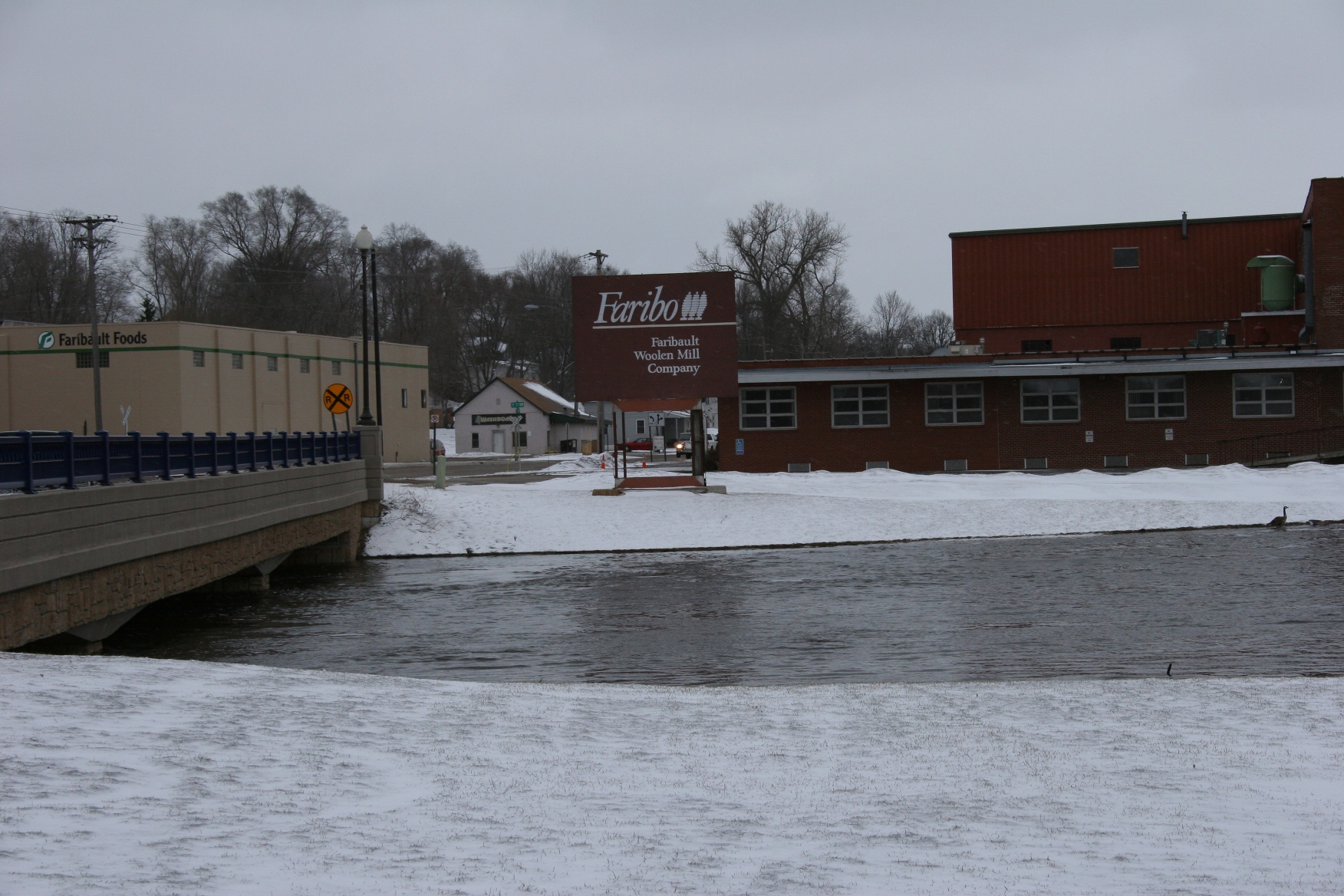
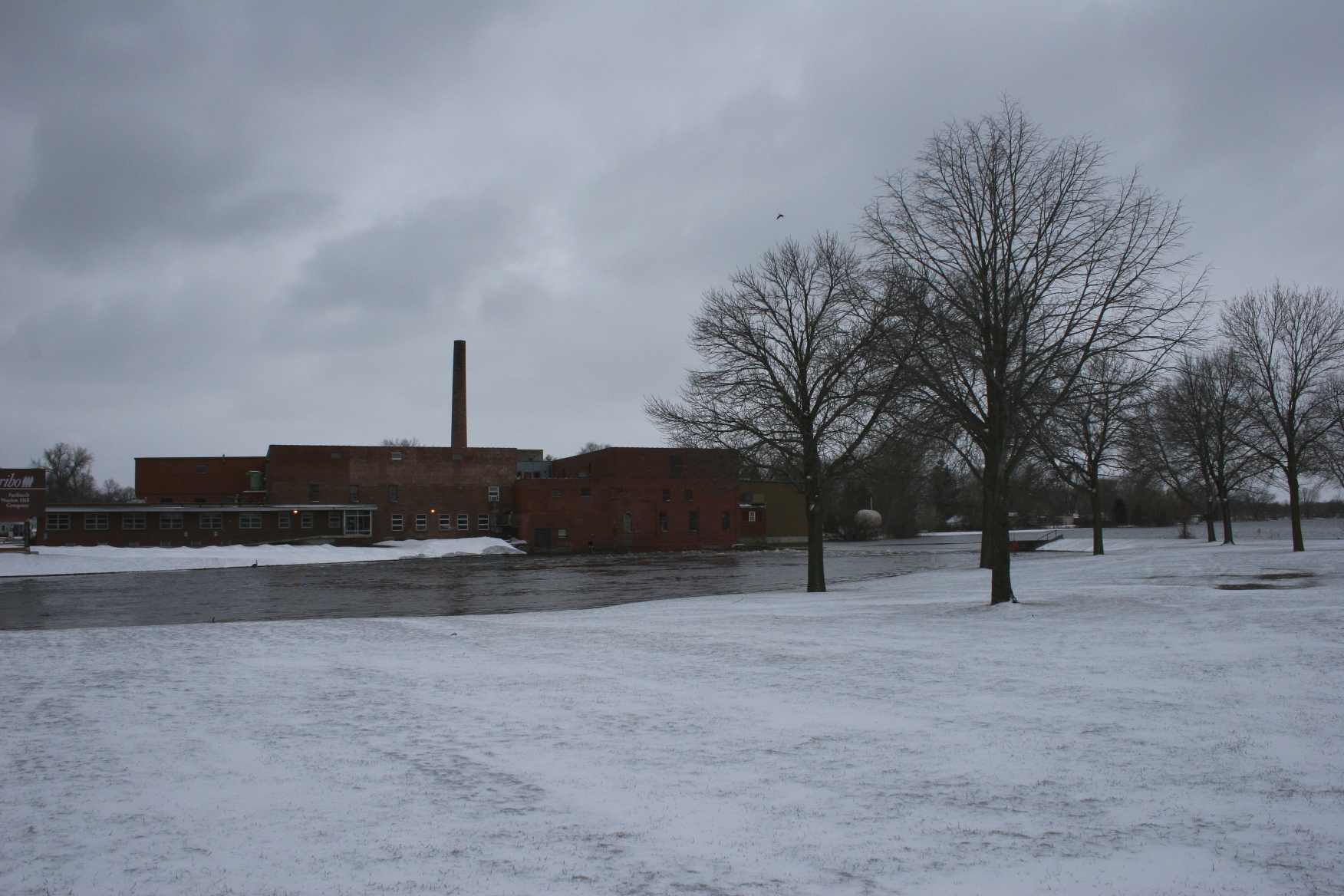
A view of the Cannon River from Father Slevin Park, looking toward the former Faribault Woolen Mill factory on the right and Faribault Foods on the left.

SIX MONTHS AGO I would not have been standing on this wedge of park land photographing the rising Cannon River by the Faribault Woolen Mill dam.

Here, by this dam, most locals judge the river level. And Wednesday evening, only the slightest hint of the dam showed beneath the roiling river. I kept a safe distance as I photographed scenes I had shot in September when a flash flood sent the Cannon spilling over its banks.

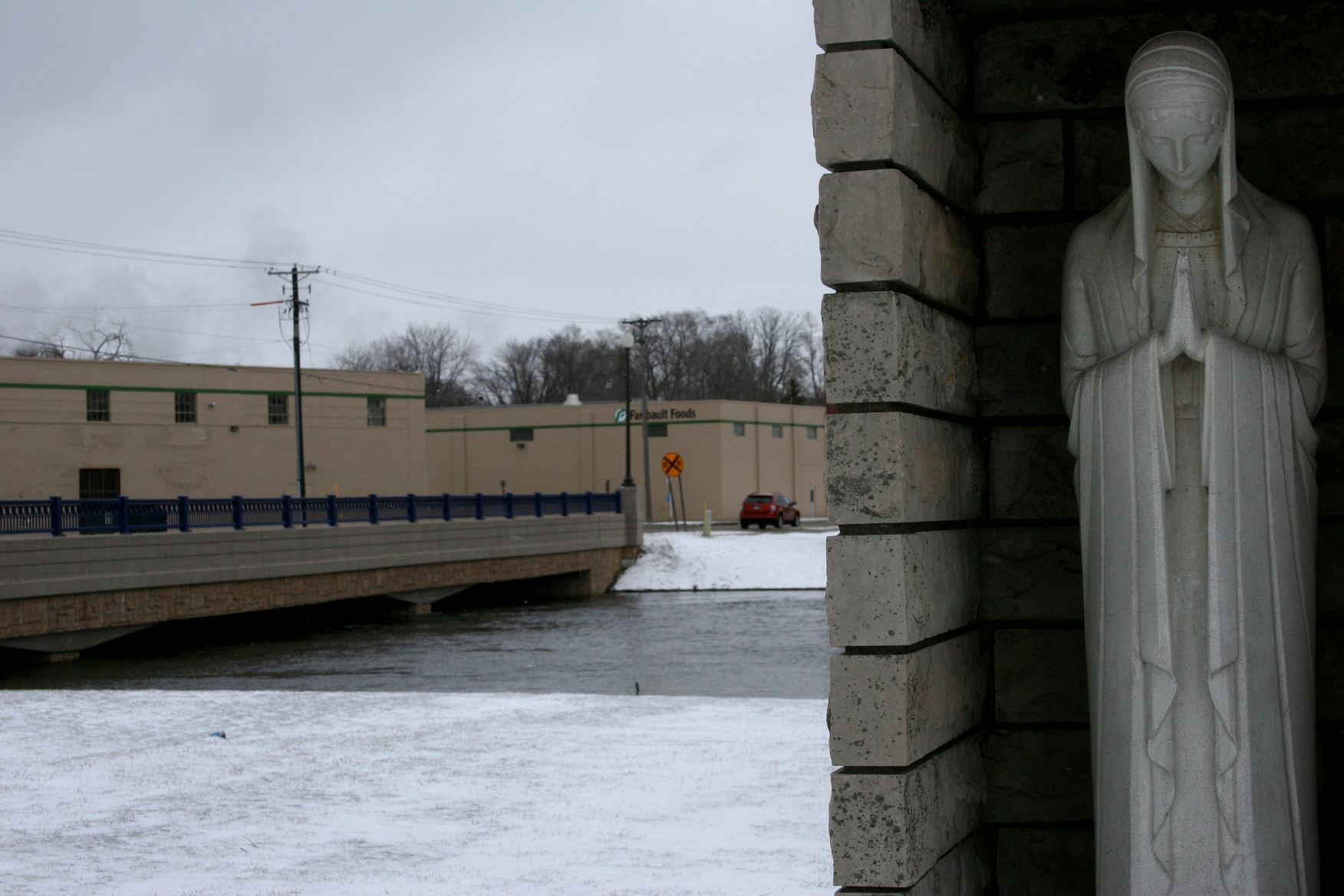
A statue in Father Slevin Park (I believe she is the Virgin Mary) next to the Cannon River.

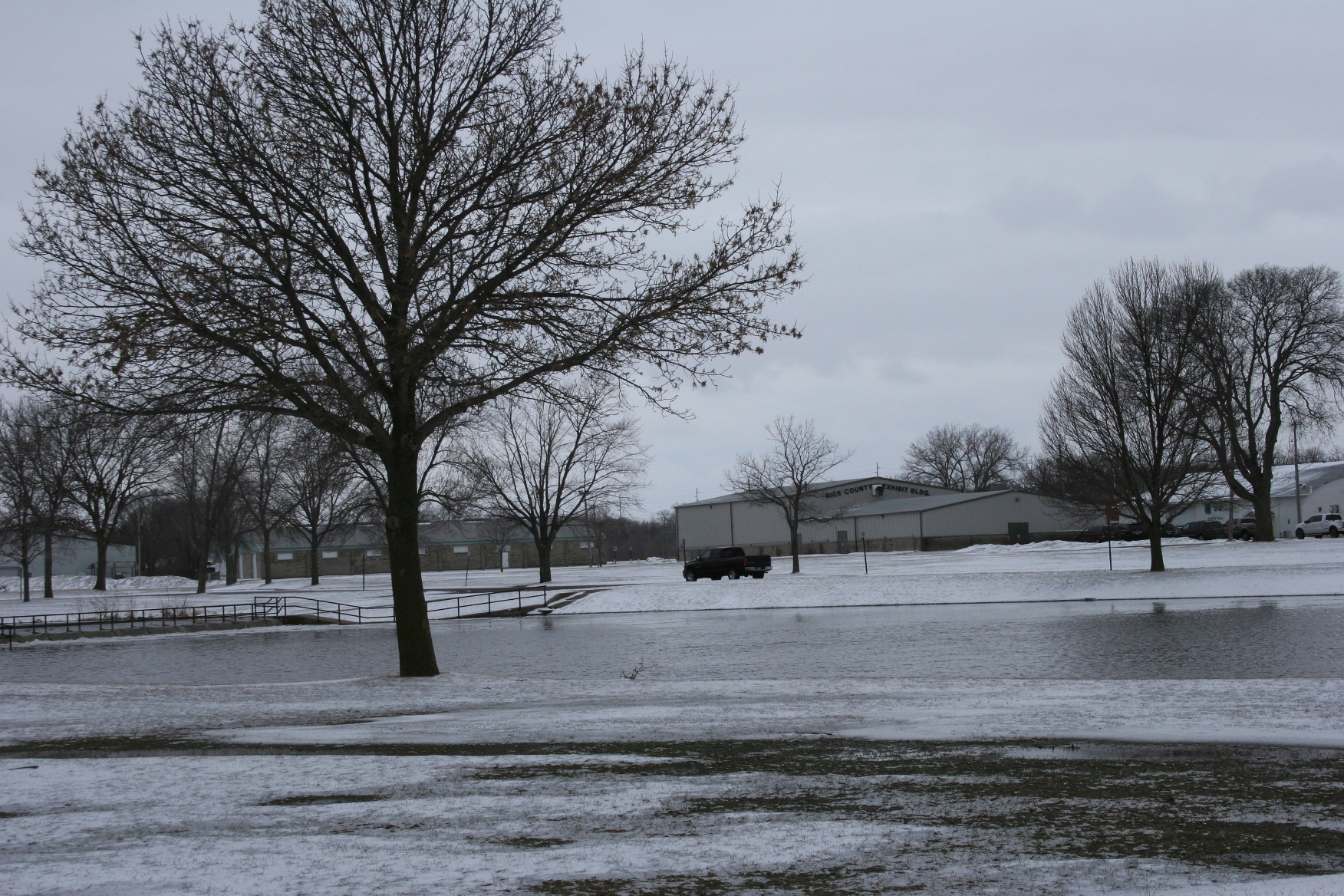
Back then, this park, Father Slevin Park, was engulfed in water that had risen all the way to the roadway into the Rice County Fairgrounds and North Alexander Park in Faribault.

Father Slevin Park splits the Cannon. This is the other side of the river, looking toward the fairgrounds. The river was nearly out of its banks Wednesday evening.

The situation was not the crisis of six months ago, not at all. Just being here, beside the river, eased my fears about flooding in my community.

My husband, who travels by the Cannon daily on his way to and from work in nearby Northfield, tells me the river level dropped since I took these photos. That is good news for my town, for residents like me who had wondered and worried as the Cannon and Straight Rivers rose.

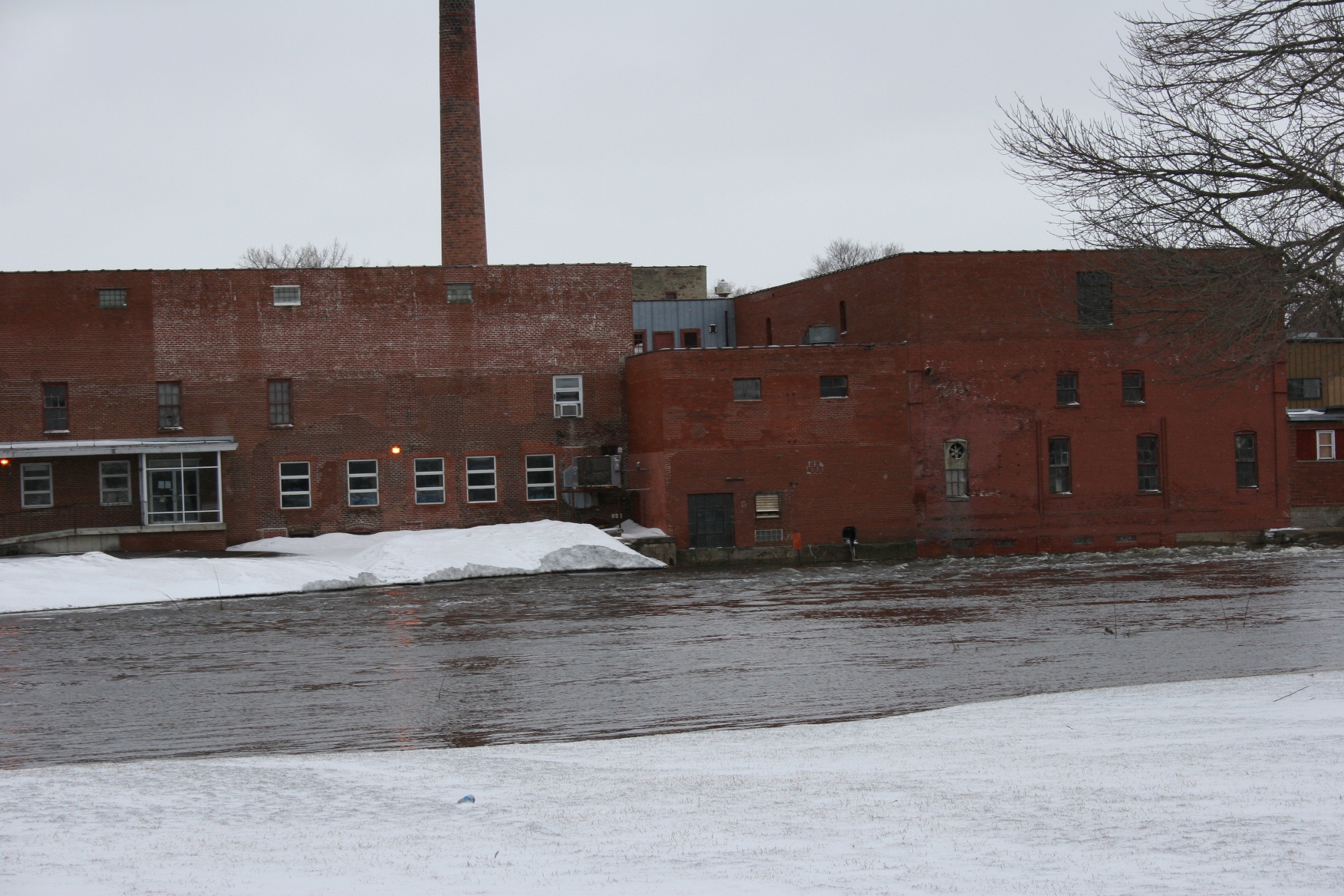
The former Faribault Woolen Mill building along the banks of the Cannon River.

A view of the Cannon River and the Faribault Woolen Mill from Father Slevin Park.

CLICK HERE to see images of the Cannon taken during the late September 2010 flash flood.

© Copyright 2011 Audrey Kletscher Helbling