

NOT EVERYONE WOULD CELEBRATE a birthday by exploring historic ruins and then capping the day by creating art within an historic context. But then I am not everyone.
This week, on my closing-in-on-seventy birthday, I took a day trip to Wasioja and neighboring Mantorville. Randy and I packed our picnic lunches and then hit the road east in late morning. No need to rush and get going too early at our ages.
After a brief stop at a Kenyon thrift shop, which smelled strongly of natural gas, we made a quick exit. But not before warning the shopkeeper that he needed to check on the odor immediately. And don’t turn on a light switch, although the lights were already on, we advised. (The shop was still standing on our return route home.)
GOING BACK IN TIME
I digress. In Wasioja, we discovered aged ruins and historic buildings, many connected to Minnesota’s involvement in the Civil War. I was aware of the Civil War recruiting station, but not some of the other sites. I’ll write more on our visits to Wasioja and Mantorville in future posts.
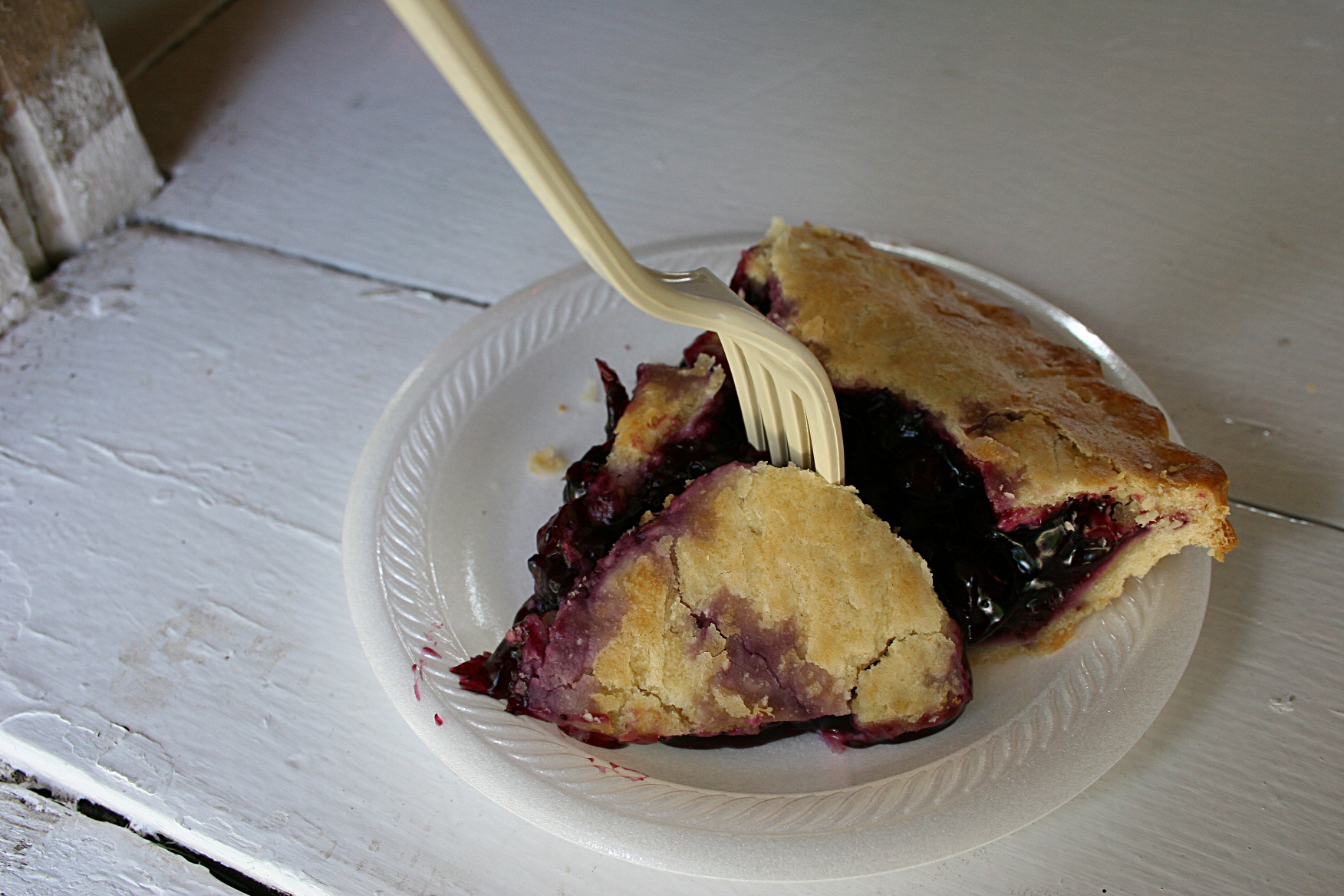
However, I should note now that Randy and I enjoyed slices of homemade blueberry and strawberry/rhubarb pie at County Seat Coffeehouse in Mantorville. It was, after all, my birthday. No sweet treat awaited me at home.
Back home by late afternoon with me feeling a bit tired after being on my feet all day (remember that broken right toe, which makes walking a tad more challenging), I put my feet up. Randy napped.
STEPPING BACK IN TIME WITH MICA ANDERS
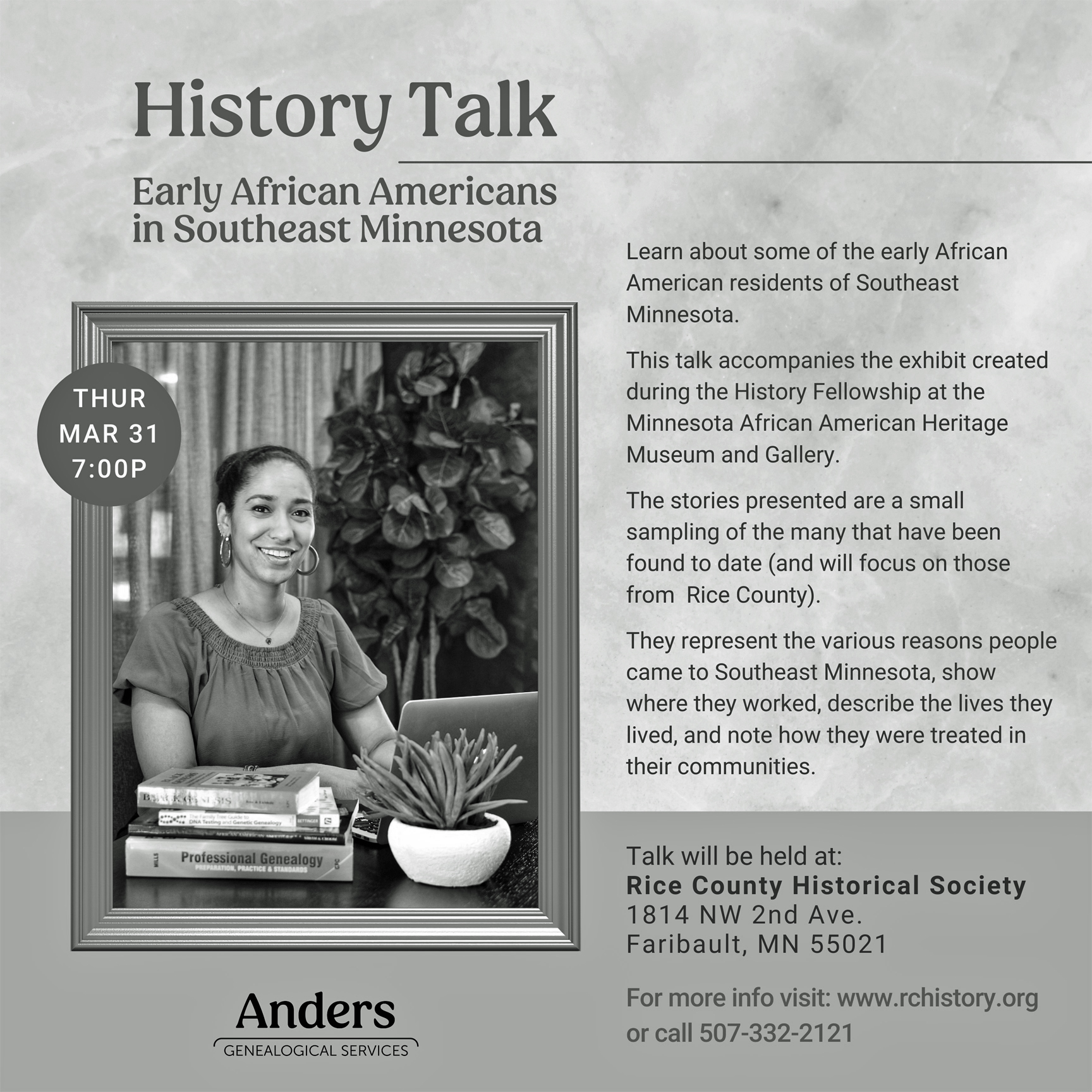
And then, less than two hours later, we were off to the Rice County Historical Society for an interactive historical presentation by St. Paul genealogist and artist Mica Lee Anders. She was presenting on early (1850-1900) African American residents of Rice County. I’m always up to learning more about the history of this place I’ve called home for 42 years.
Anders made the entire event hands-on engaging by asking attendees to create flower mosaics that will honor the legacies of early African Americans. The flowers will be installed as public art at gravesites in Faribault and Northfield.
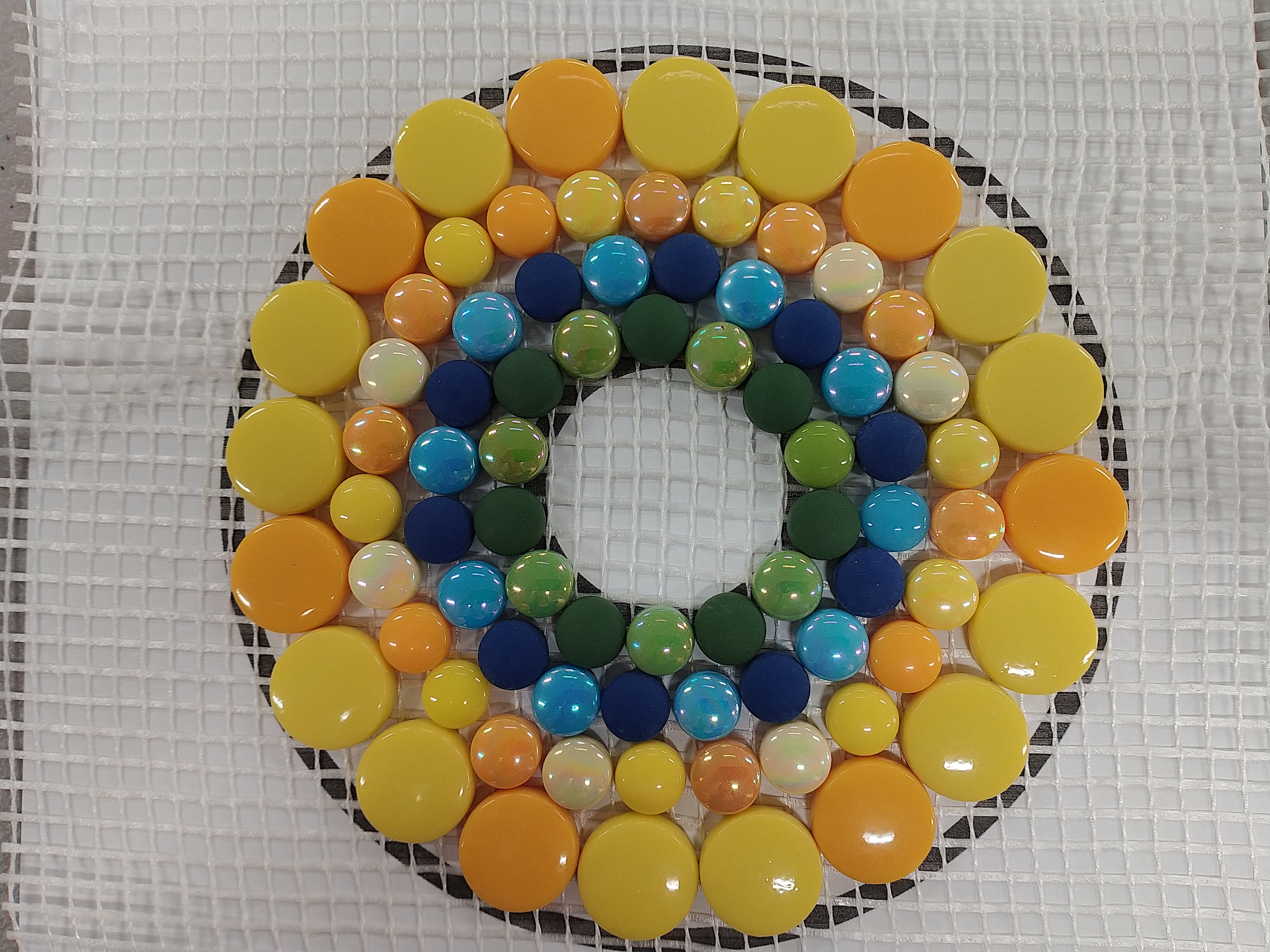
Not being especially artistic beyond creating with a camera and with words, I felt initially tentative about the whole idea. But Anders quickly put me at ease, explaining how to go about the process of creating mosaic flowers from glass tiles. We grabbed cupcake tins then scooped tiles in assorted shapes (mostly round) and colors (blues, greens, oranges and yellows) into individual holders. From there, we designed within a donut shape printed on paper. Later, we would transfer our designs onto sticky mesh.
As a perfectionist, I sorted my tiles by size and color before beginning to create. Part of me wanted to pause and take notes on everything Anders was sharing. But art won over being a journalist for the evening. I created. I listened. I asked questions. But I didn’t jot down a single word.
I heard about the success of those early African Americans who lived here. The barber. The young man who would become a doctor. The college grad. But I learned, too, of efforts to hide racial identity. Yet, races intermarried. And, said, Anders, Faribault was a welcoming place to those African Americans who settled here early on. To hear that pleased me greatly. Faribault has not always been a welcoming place for people of color.
CONNECTING HISTORY & ART
Anders’ passion for history, genealogy and honoring the legacies of African Americans in southeastern Minnesota via her research and now her public art project coursed through the meeting room where a small group of us created colorful mosaics. It felt good to be part of something like this, a tangible way to honor those who came before us, who likely faced more struggles than I will ever know.
My mosaic was well thought out. I don’t usually randomly do anything. I used orange and yellow tiles in the outer two rings of my flower to represent the sun. The next ring featured blue round tiles representing the sky—dark blue for stormy days, lighter shiny blue for happier days. I finished my flower with an inner ring of green tiles representing the earth, growth, place.
THANKFUL
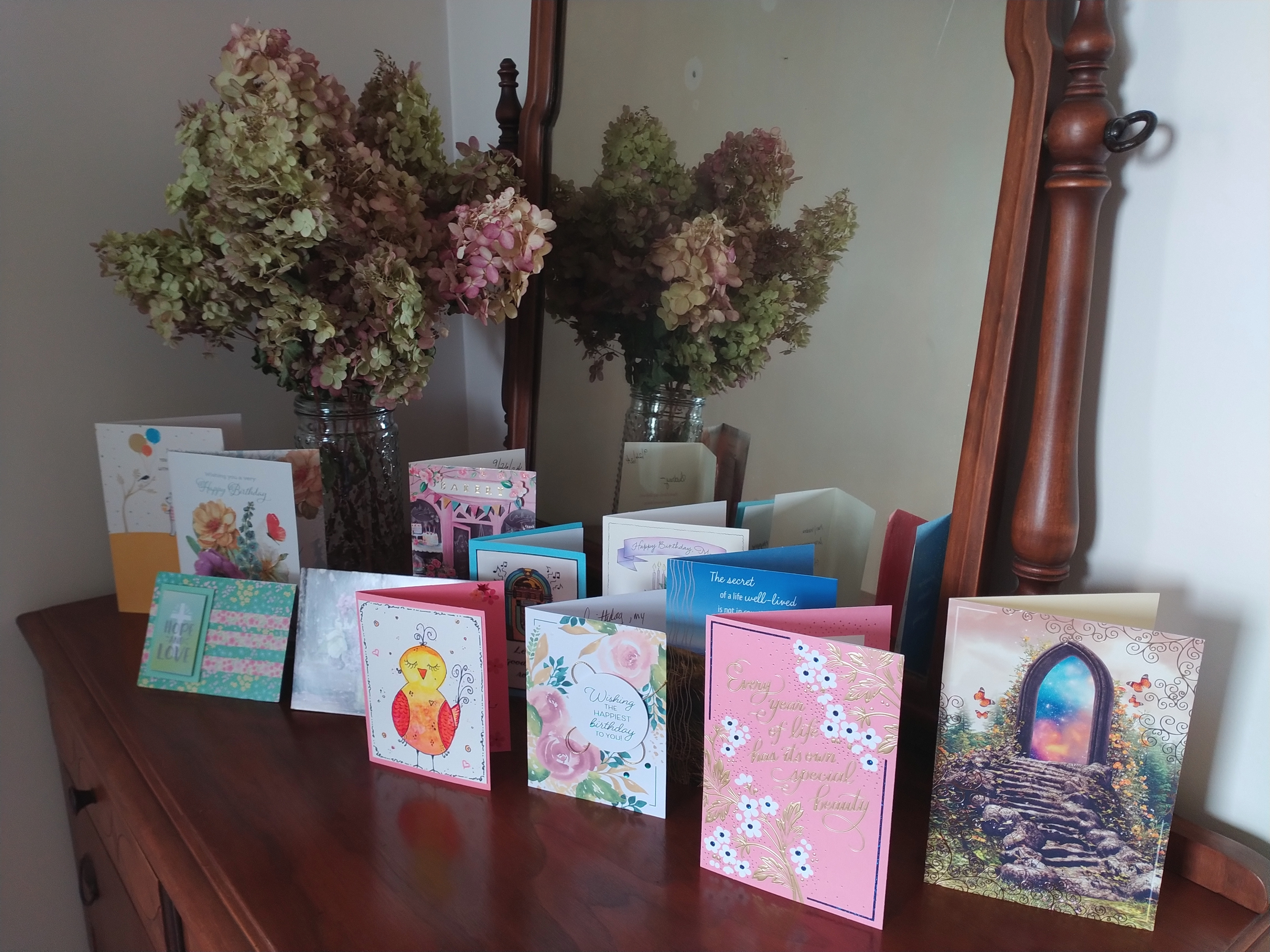
Thus I began another year of life. Learning. Creating art. Honoring. Celebrating. And feeling incredibly thankful for all the people who care about me. From greeting cards to an audio message, from texts to emails to calls (including a singing of “happy birthday”), I feel cherished and loved.
#
FYI: Mica Anders will host more workshops in Rice County (including in Northfield) to talk about early African Americans in southeastern Minnesota and to create flower mosaics. I encourage you to participate. Her project was made possible in part by Springboard for the Arts’ Rural-Urban Solidarity Initiative.
© Copyright 2024 Audrey Kletscher Helbling


 Minnesota Prairie Roots
Recent Comments