Minnesota Prairie Roots

Writing and photography by Audrey Kletscher Helbling

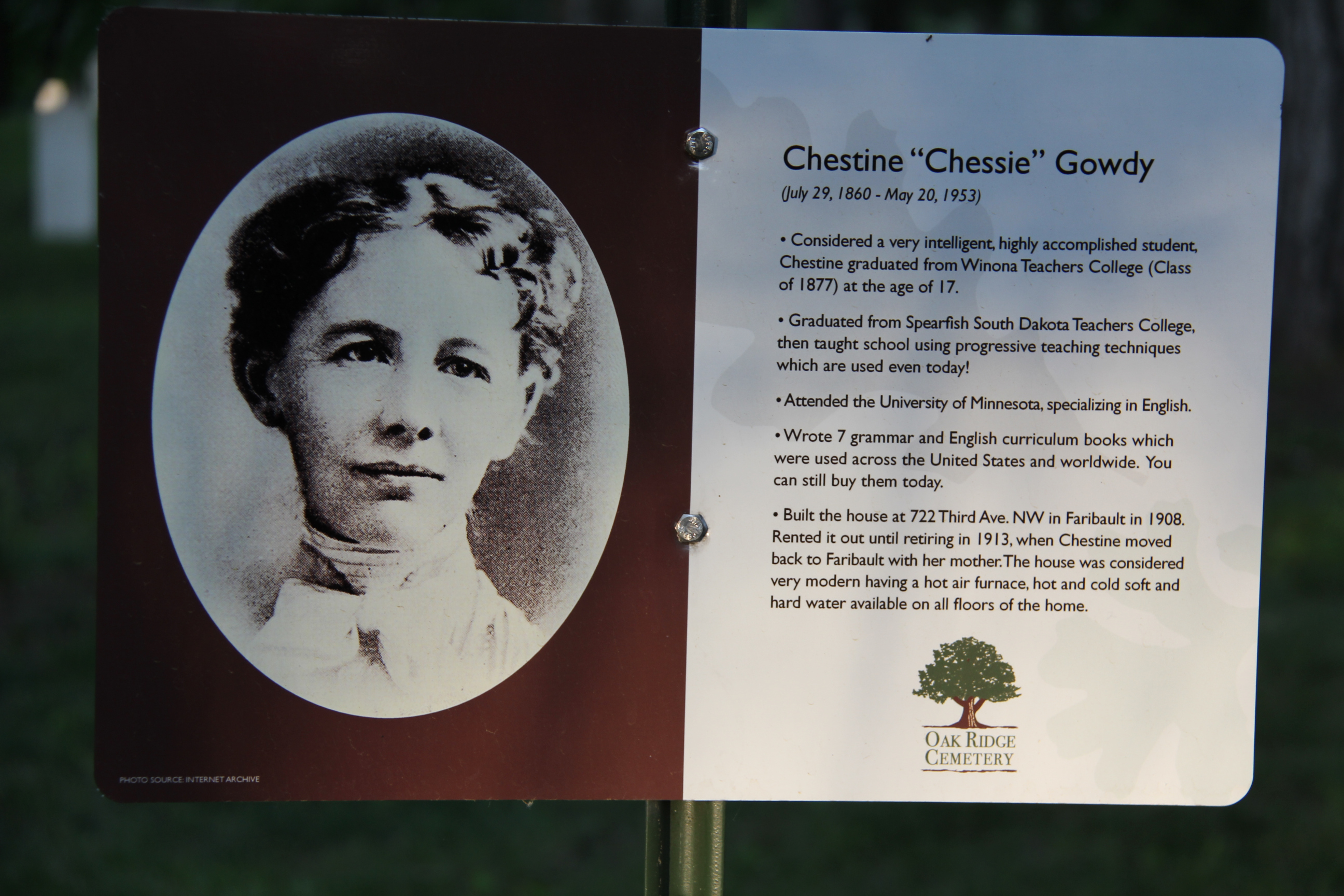
Exploring historic Oak Ridge, more than just a cemetery June 15, 2023

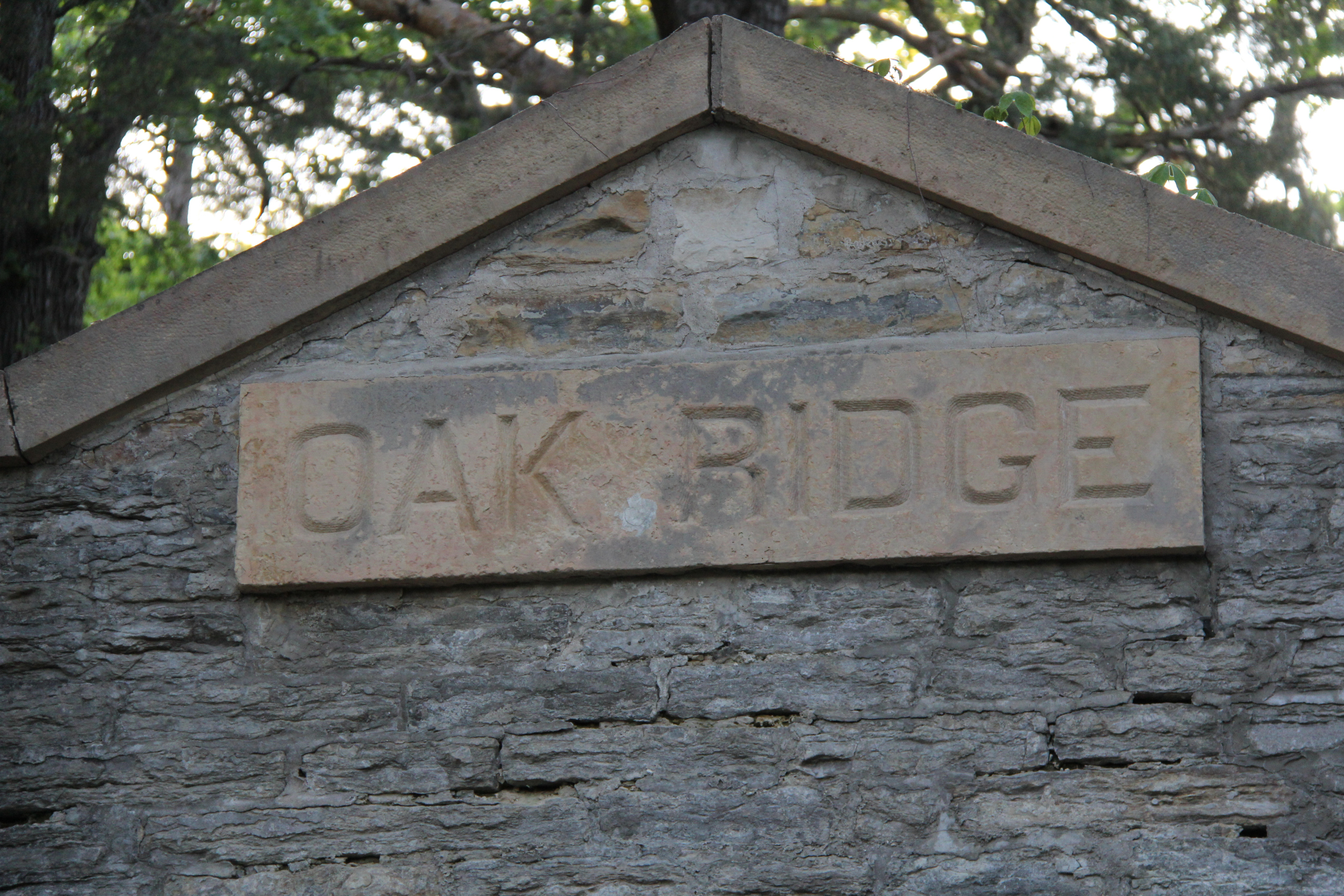
Sign on the Oak Ridge Cemetery limestone crypt. (Minnesota Prairie Roots copyrighted photo May 2023)

THEY ARE PLACES of sorrow, of history, of art, of beauty. Of stories, too. They are cemeteries.
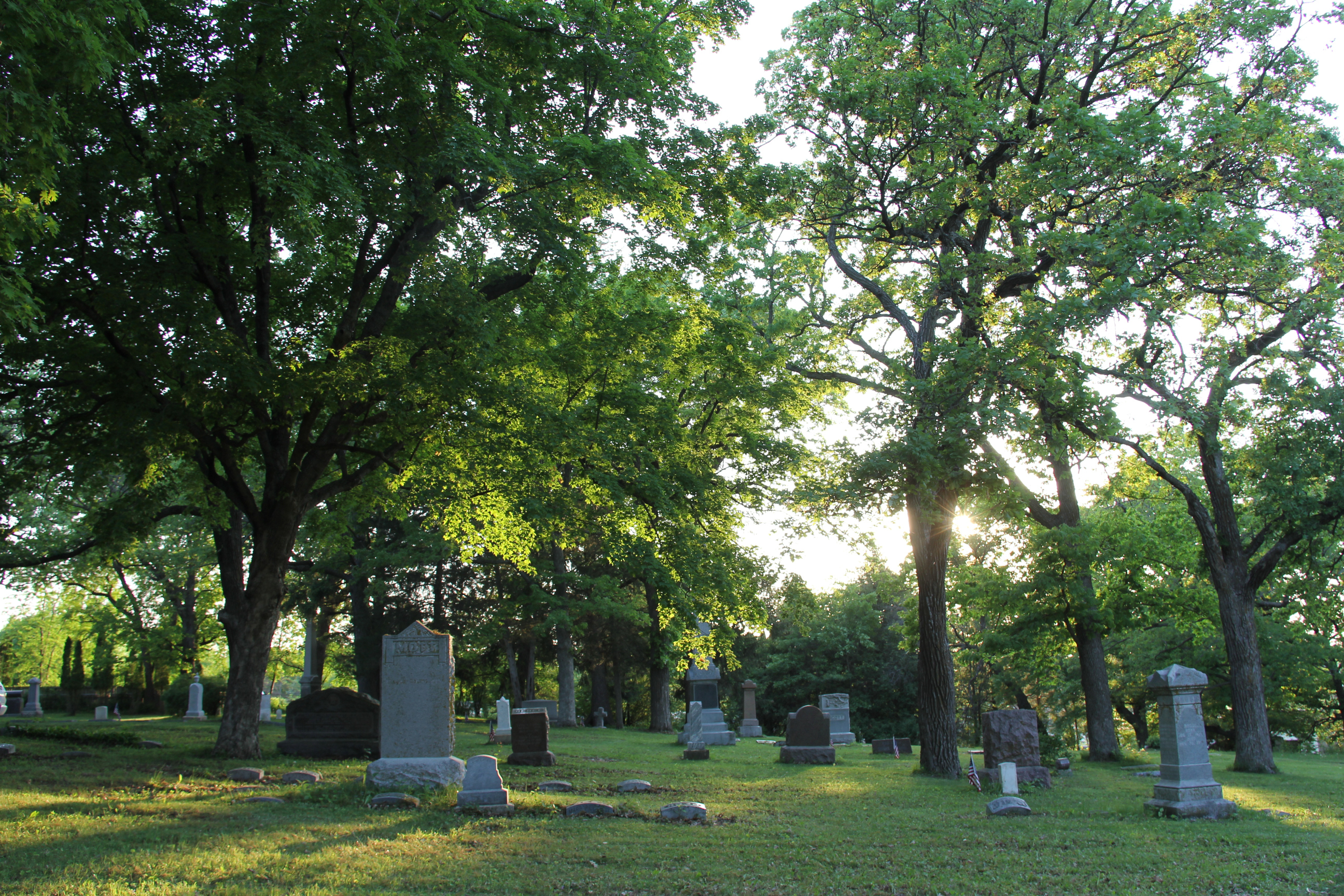
Trees fill the historic Oak Ridge Cemetery in Faribault. (Minnesota Prairie Roots copyrighted photo May 2023)

Decades ago, as a child, I feared cemeteries, thinking about the bodies buried in caskets beneath the ground. The unexpected death of my paternal grandfather when I was not quite eight shaped my thoughts then of graveyards. But my thinking and perspectives changed as I aged until I felt comfortable walking in a cemetery. I had accepted death.
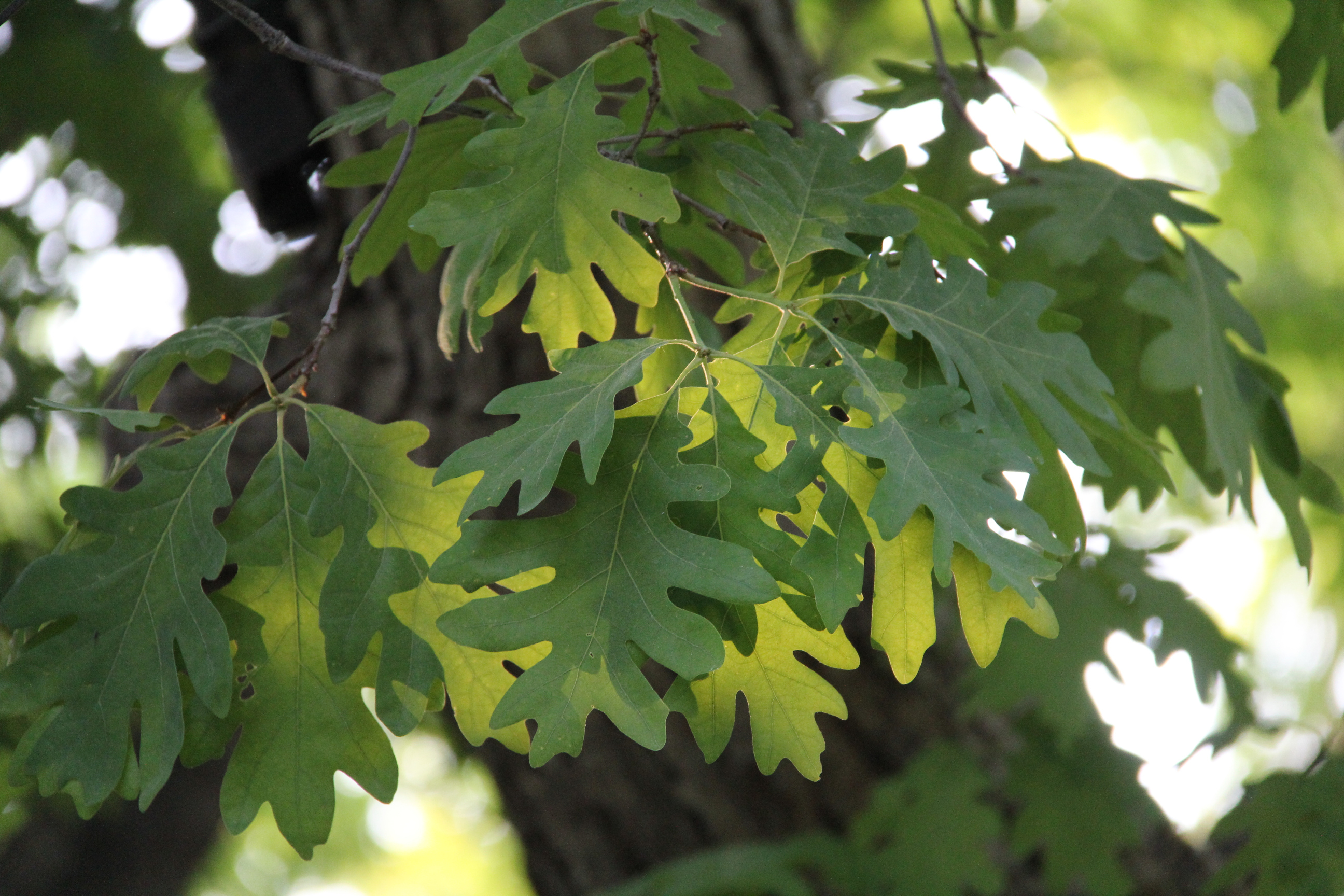
The natural beauty of Oak Ridge, especially the oaks, is one of the things I most appreciate. (Minnesota Prairie Roots copyrighted photo May 2023)

Today, exploring cemeteries is an activity I enjoy. I appreciate all they hold. Oak Ridge Cemetery, set on rolling hills on Faribault’s northwest side just off Second Avenue NW/Minnesota State Highway 3, is among the countless graveyards I’ve walked.
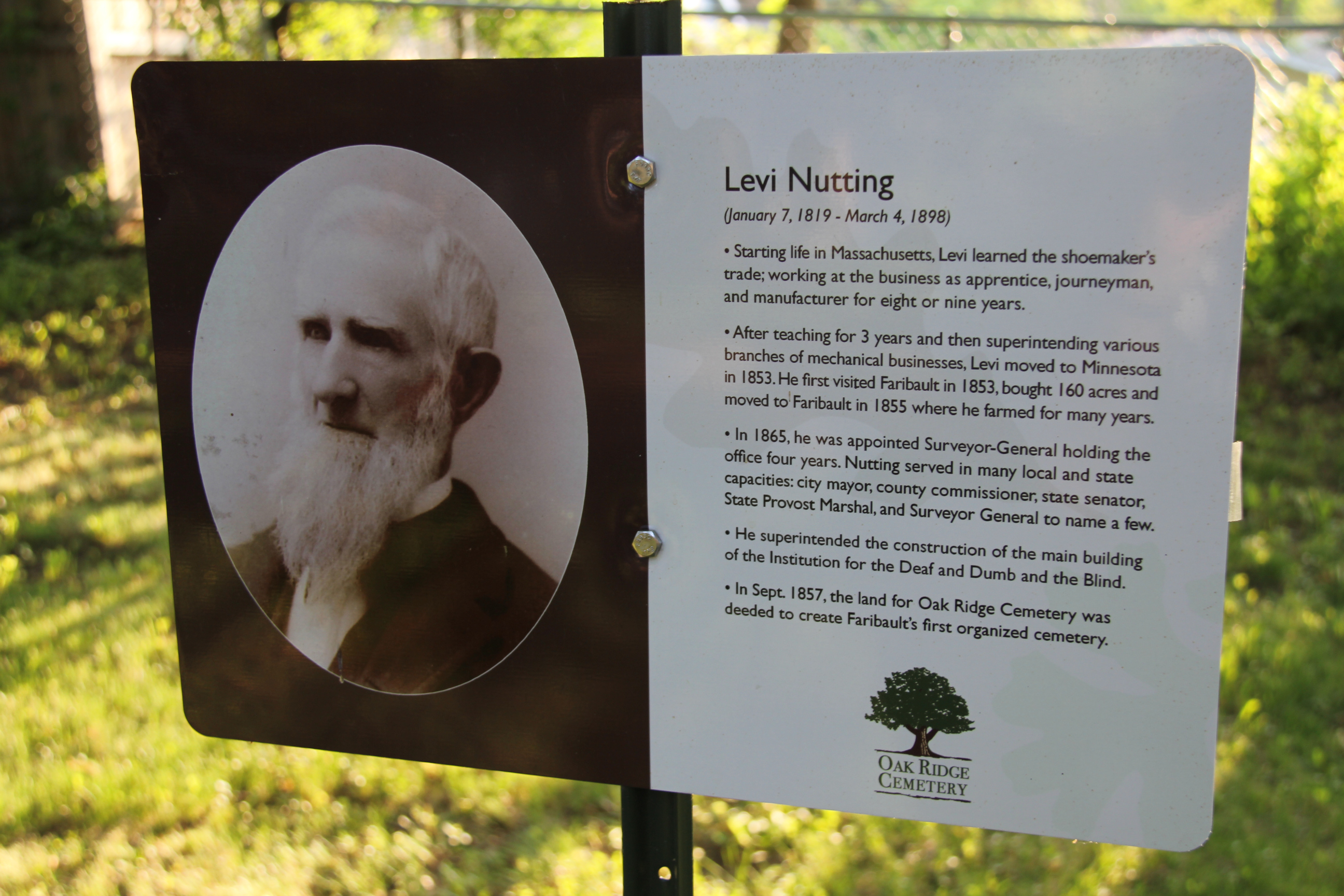
An informational sign about Levi Nutting. (Minnesota Prairie Roots copyrighted photo May 2023)

It’s Faribault’s first cemetery, incorporated in 1857, five years after the town was founded. The death of his 26-year-old wife, Mary, on Christmas Day 1856 prompted Levi Nutting to lead founding of an official cemetery. Nutting was a man of prominence. As an early area settler, he helped shape his community, serving as mayor and Rice County commissioner. Nutting also held several state government offices, including that of a senator.
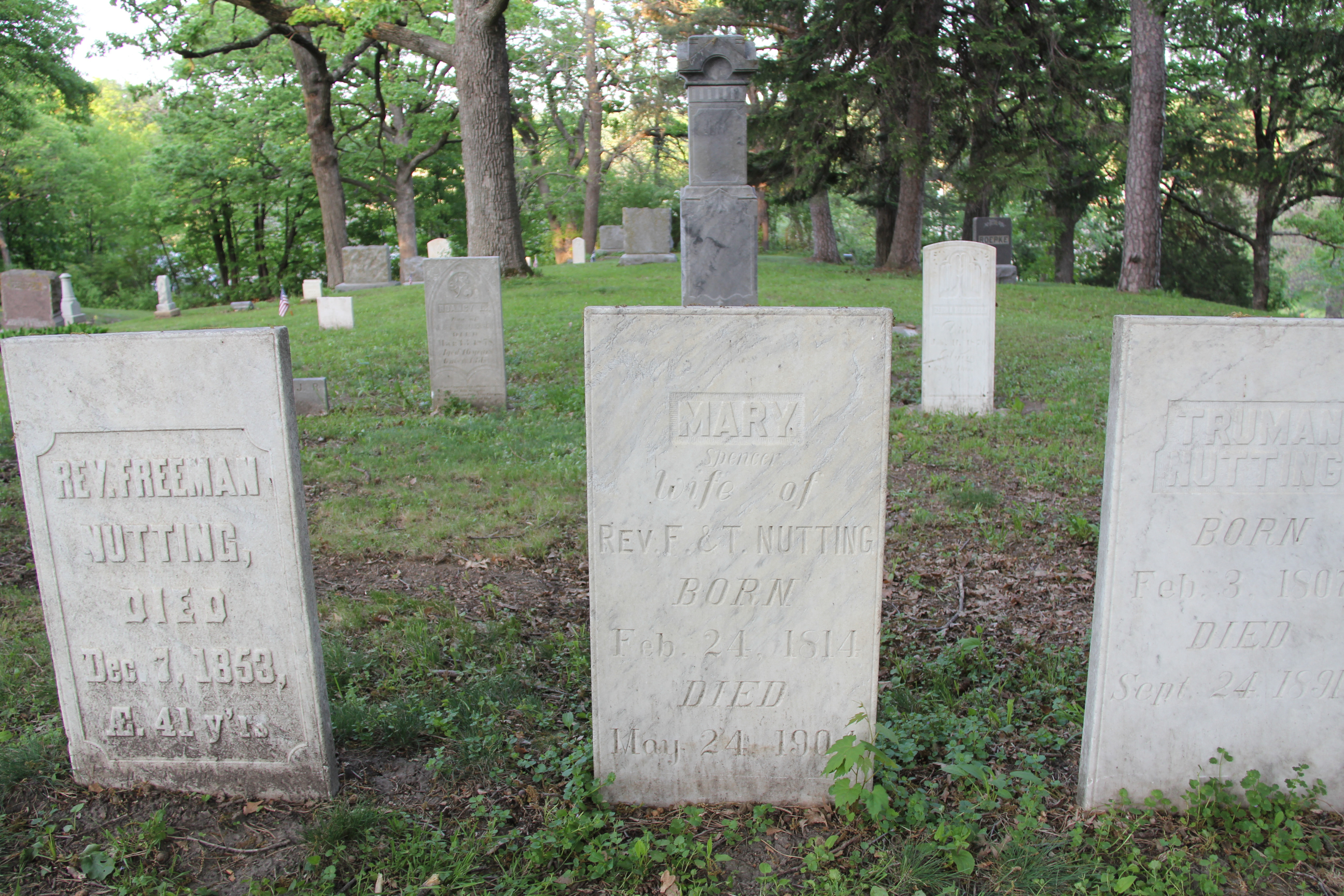
Nutting family grave markers. (Minnesota Prairie Roots copyrighted photo May 2023)

Levi and many other Nuttings lie buried beneath the soil at Oak Ridge among the oaks and spruce and maple. This place feels like a hilltop island of peacefulness. Not that it’s quiet here. But a sense of calm and serenity in this spot of remarkable natural beauty prevails.
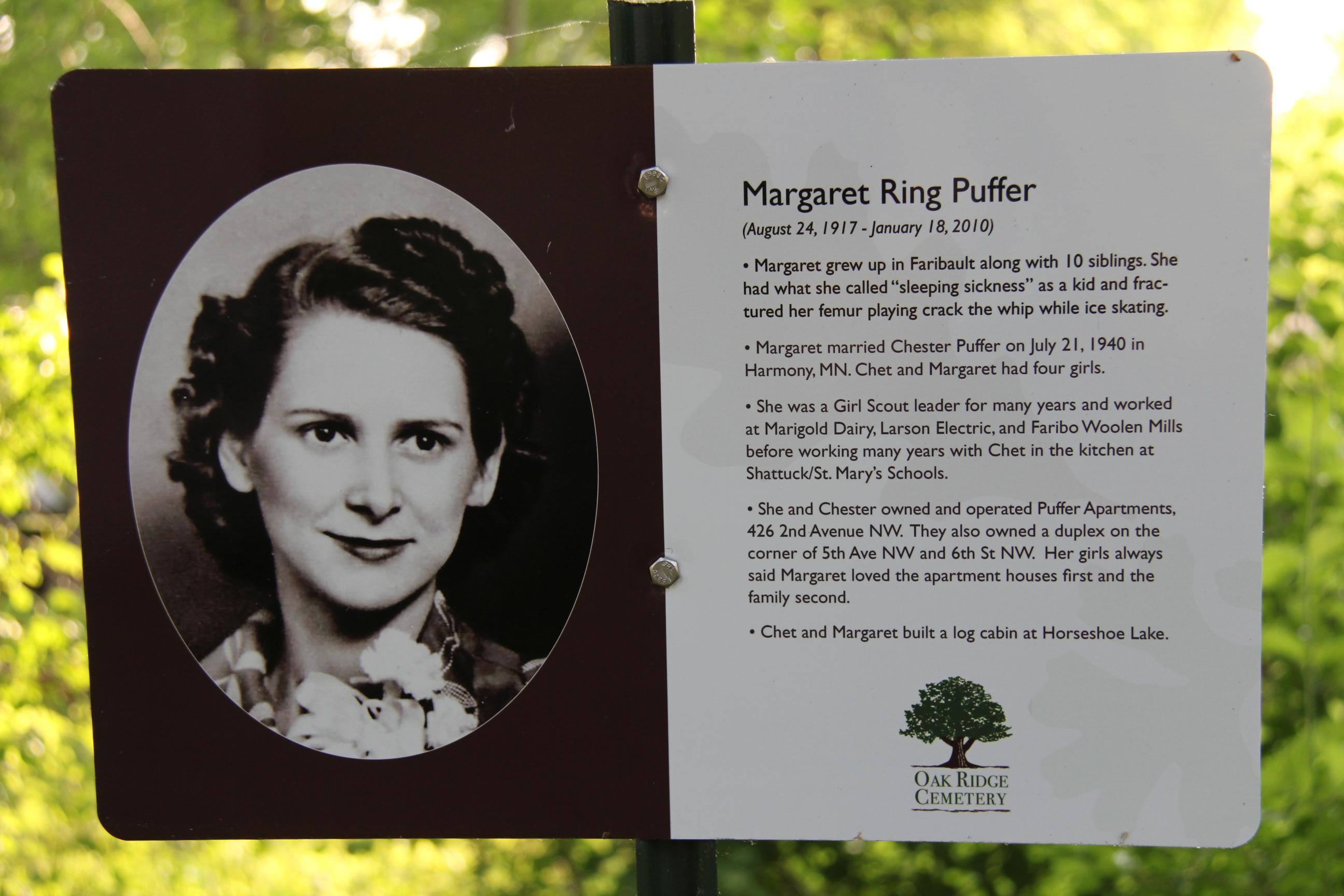
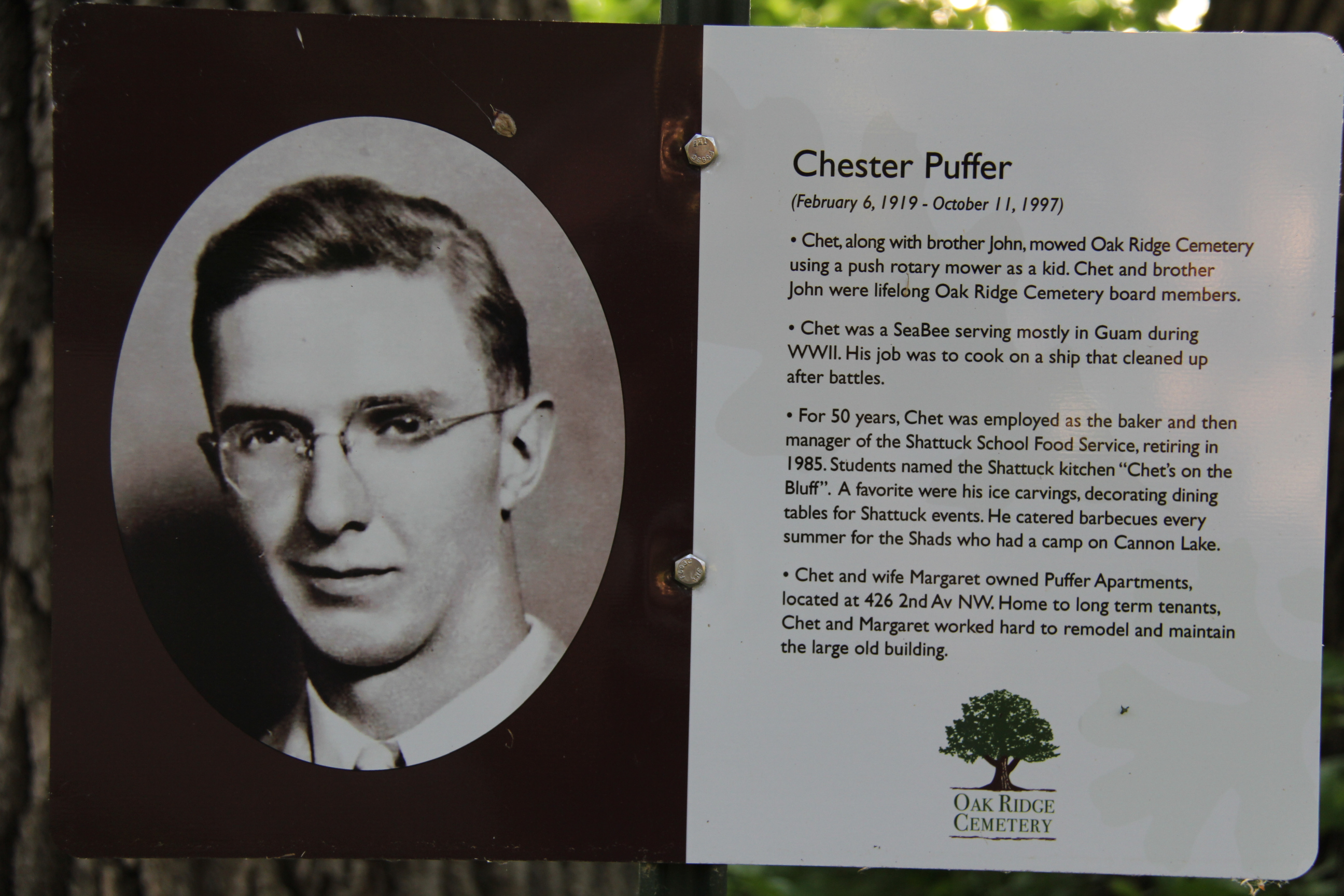
(Minnesota Prairie Roots copyrighted photo May 2023)

History also infuses Oak Ridge, not only in names on gravestones, but also on informational plaques scattered throughout the grounds.
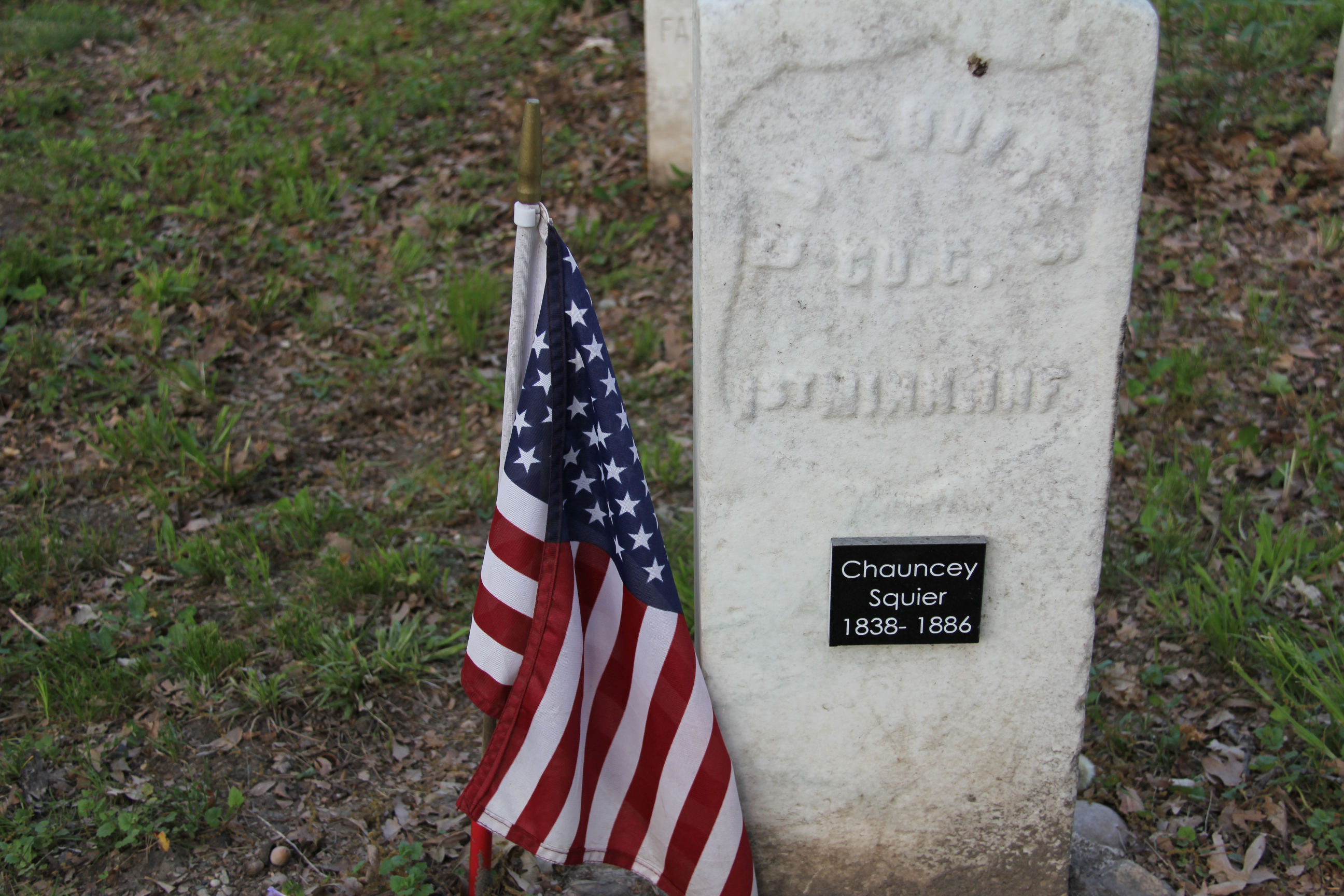
The burial spot of a Civil War veteran, flagged for Memorial Day. (Minnesota Prairie Roots copyrighted photo May 2023)
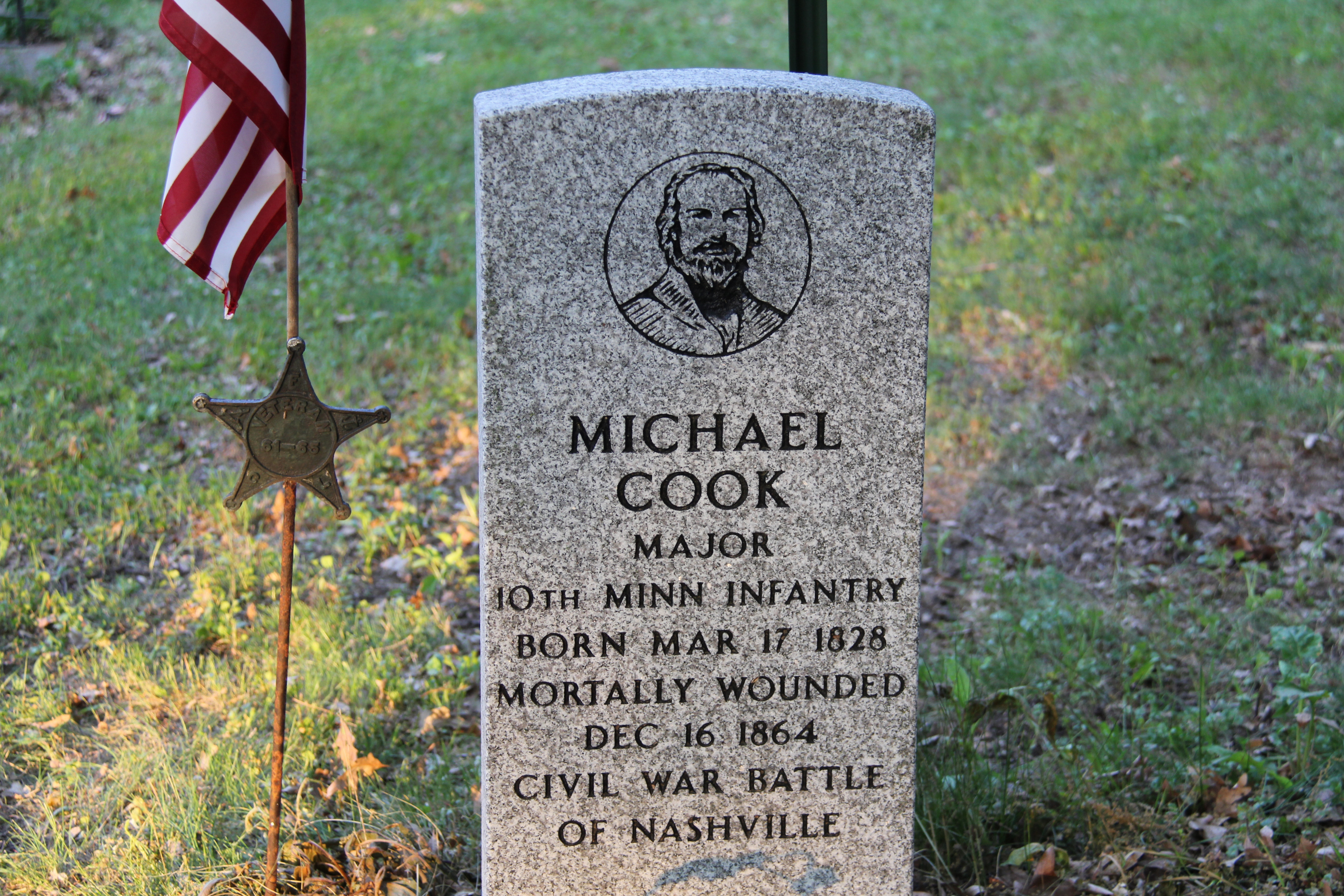
Civil War veteran Michael Cook’s marker details his death. (Minnesota Prairie Roots copyrighted photo May 2023)

There are a whole lot of long ago dates inscribed in stone. The first known burial here was in 1850, before cemetery incorporation. Men who fought in the Civil and Spanish American Wars lie here. So do legislators, business leaders, farmers, paupers, immigrants and more, according to the Oak Ridge website.
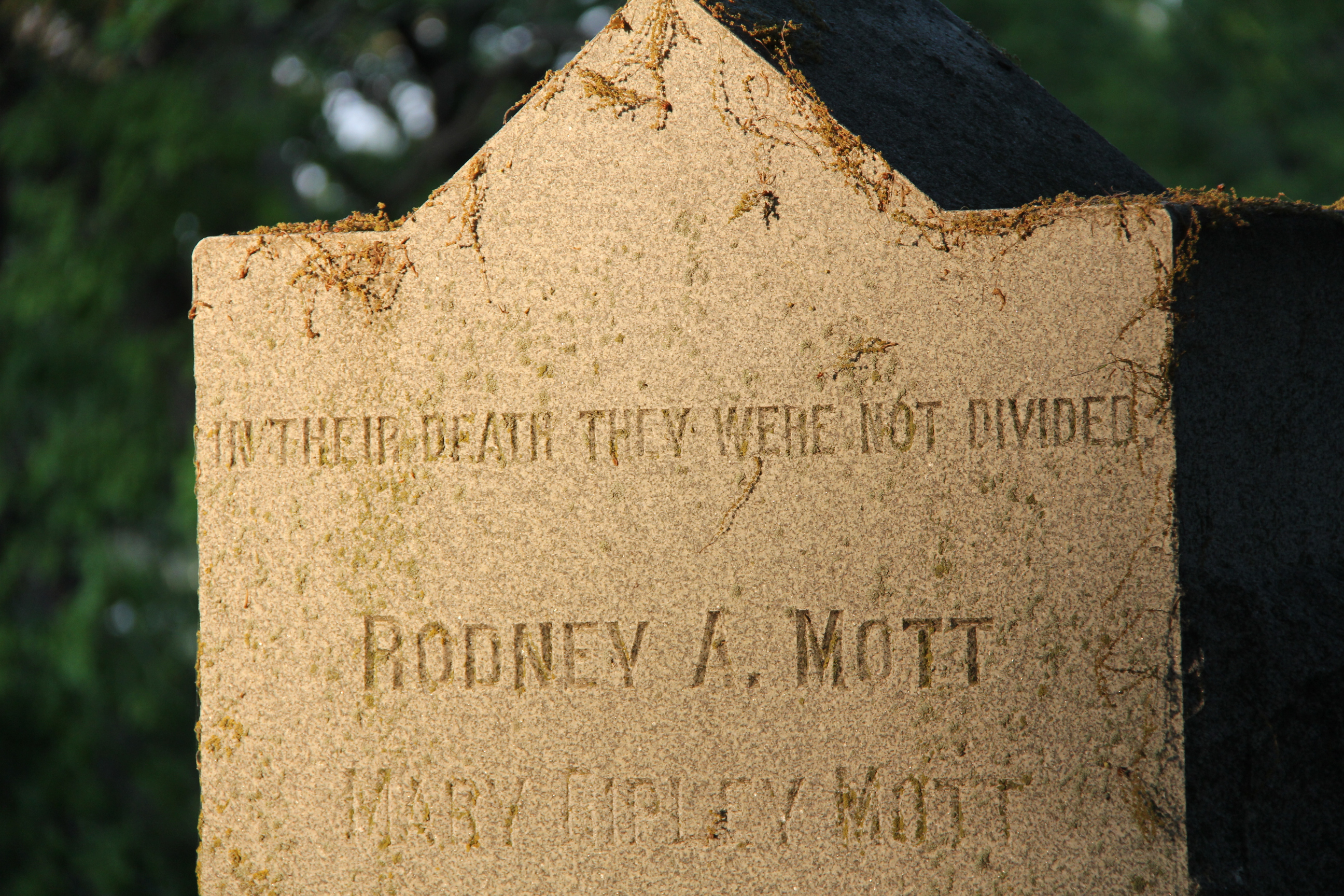
Loving words on a husband and wife’s tombstone. (Minnesota Prairie Roots copyrighted photo May 2023)

“IN THEIR DEATH THEY WERE NOT DIVIDED” reads the message on the headstone of Rodney A. Mott and Mary Ripley Mott.
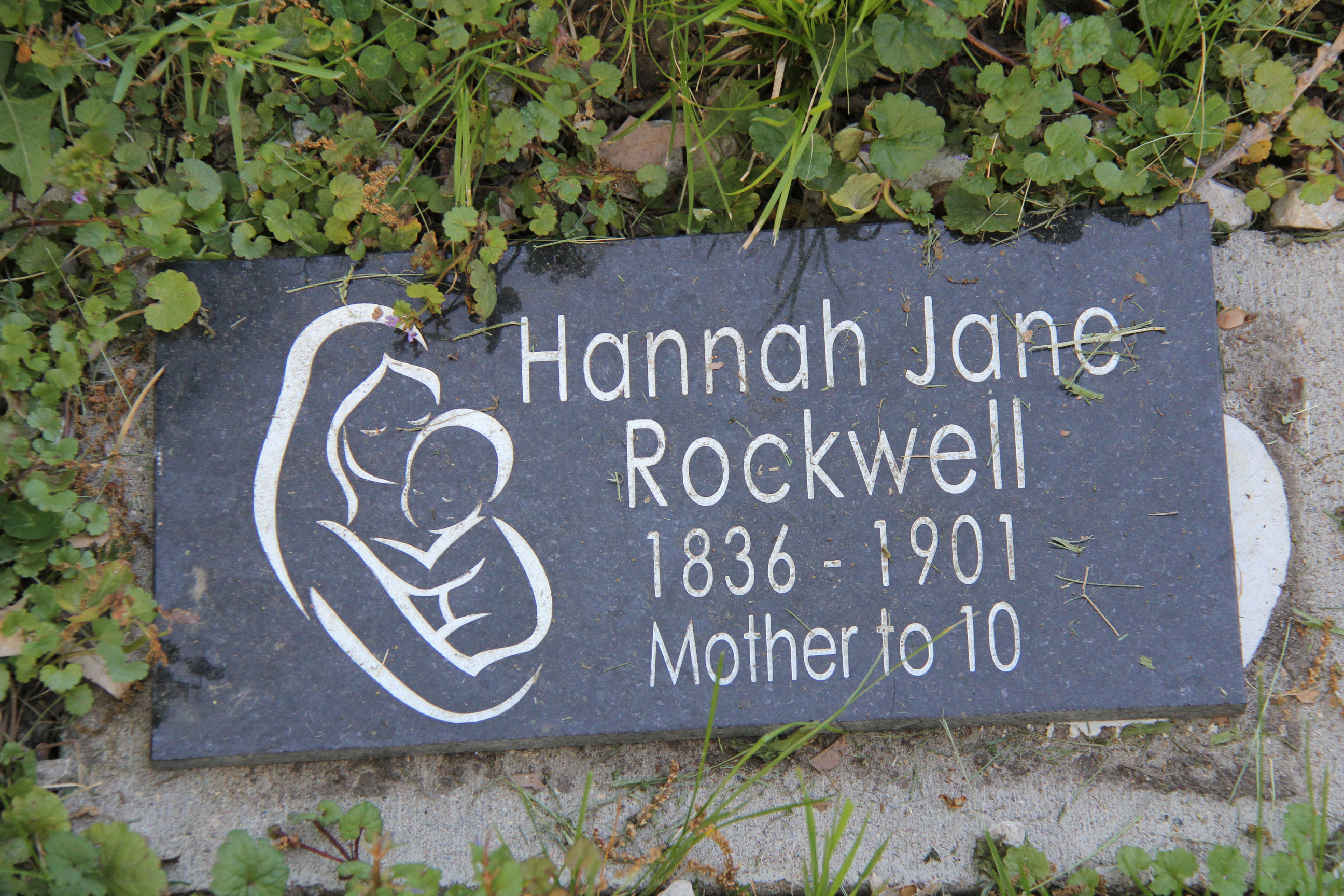
Markers like this can be purchased for unmarked graves. (Minnesota Prairie Roots copyrighted photo May 2023)

Hannah Jane Rockwell’s marker, installed through Oak Ridge’s Sponsor a Marker for an Unmarked Grave Program, simply lists her name, birth and death dates, and then the loving words, “Mother to 10.”
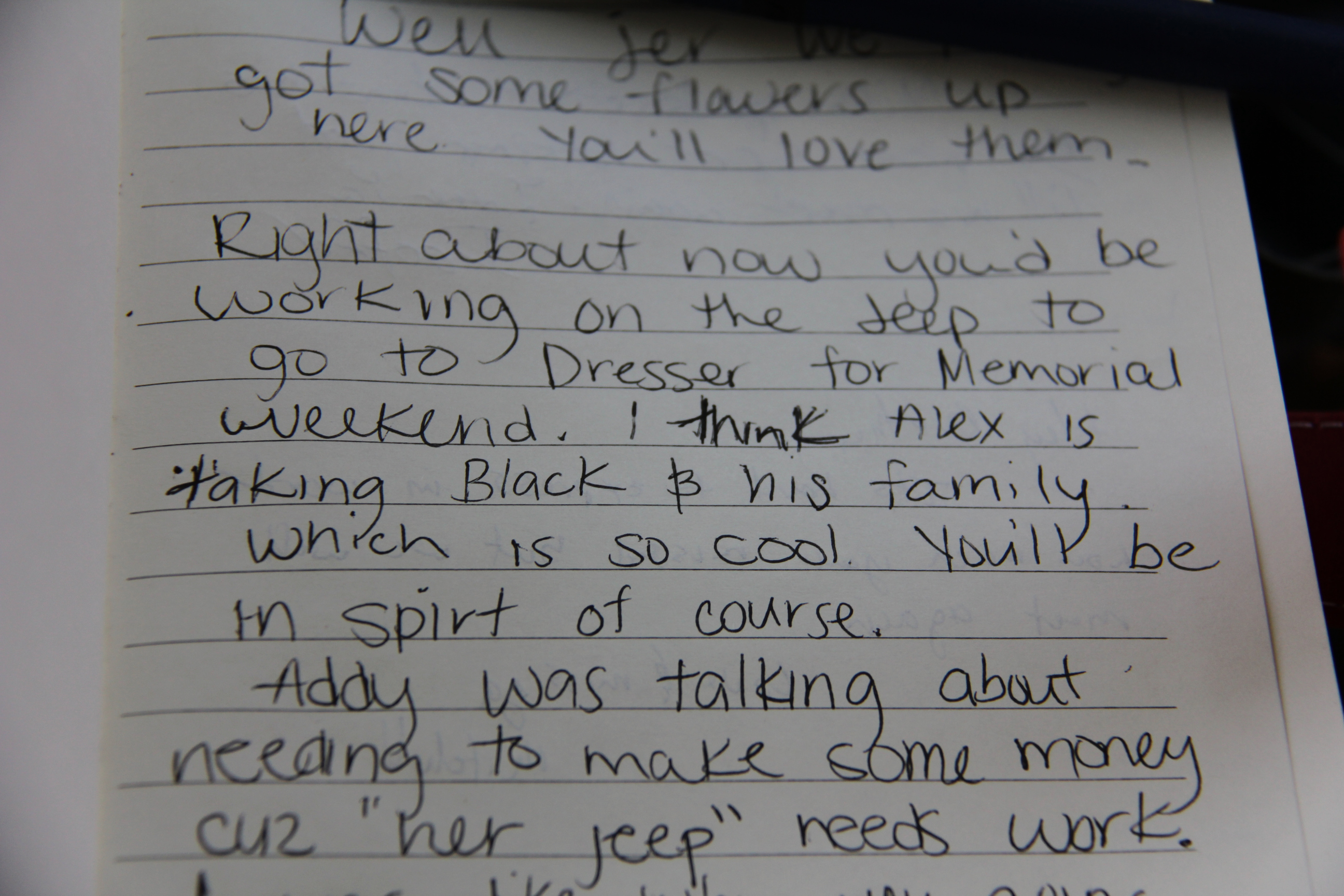
A message written in a notebook at Jeremy’s grave. (Minnesota Prairie Roots copyrighted photo May 2023)

Jeremy J. Weber’s black tombstone, still shiny with newness, is surrounded by expressions of recent grief. The 34-year-old father of three died in 2021. A waterproof case includes a notebook for messages and memories. Words written therein are loving, heartbreaking.
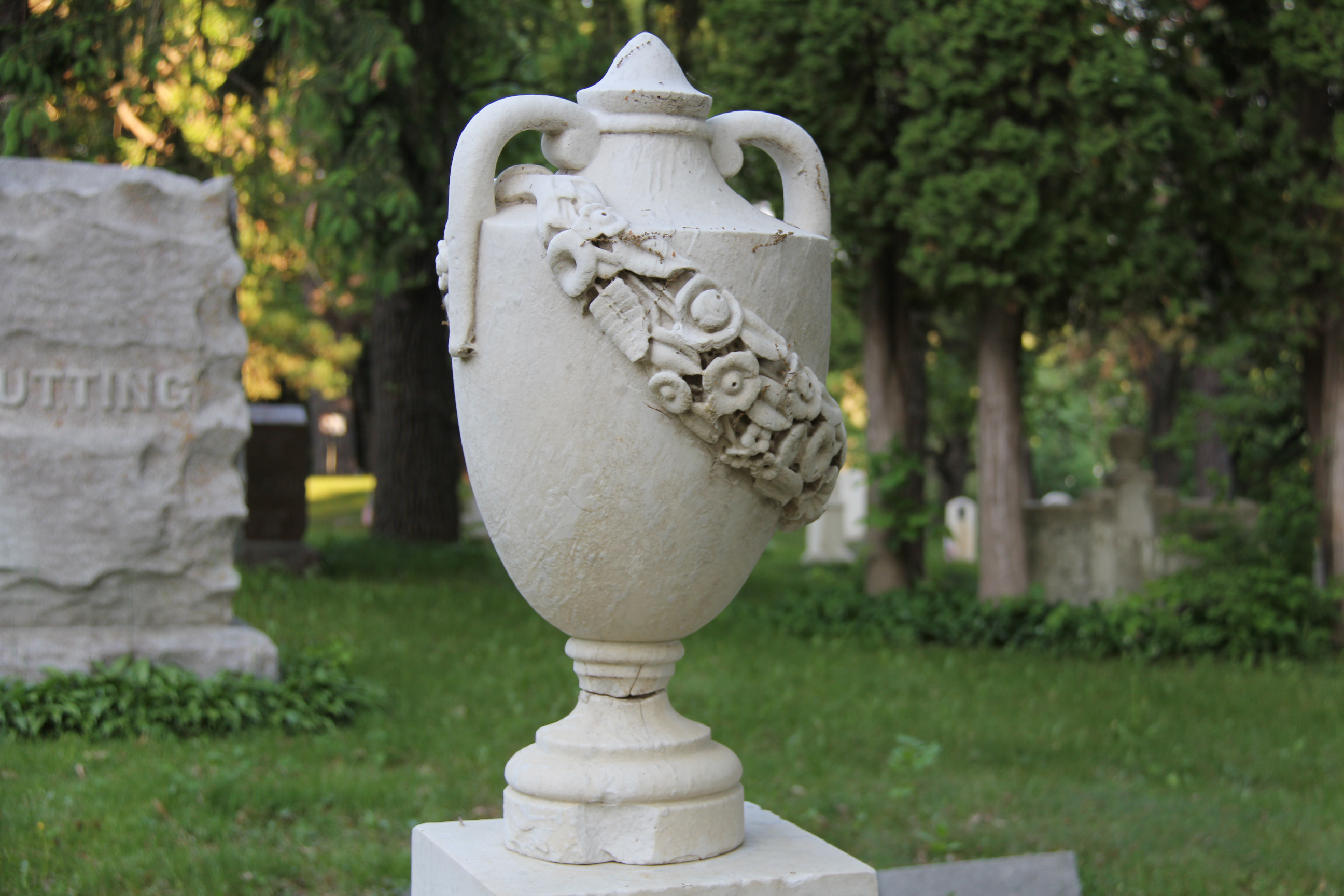
Beautiful urn art graces a grave. (Minnesota Prairie Roots copyrighted photo May 2023)

Grief is undeniably here. I read that, see that, feel that. But I also feel the love. These were individuals with families who loved them and whom they loved. These were individuals who were valued personally and/or professionally. They were, above all, human beings who held a special place on this earth.
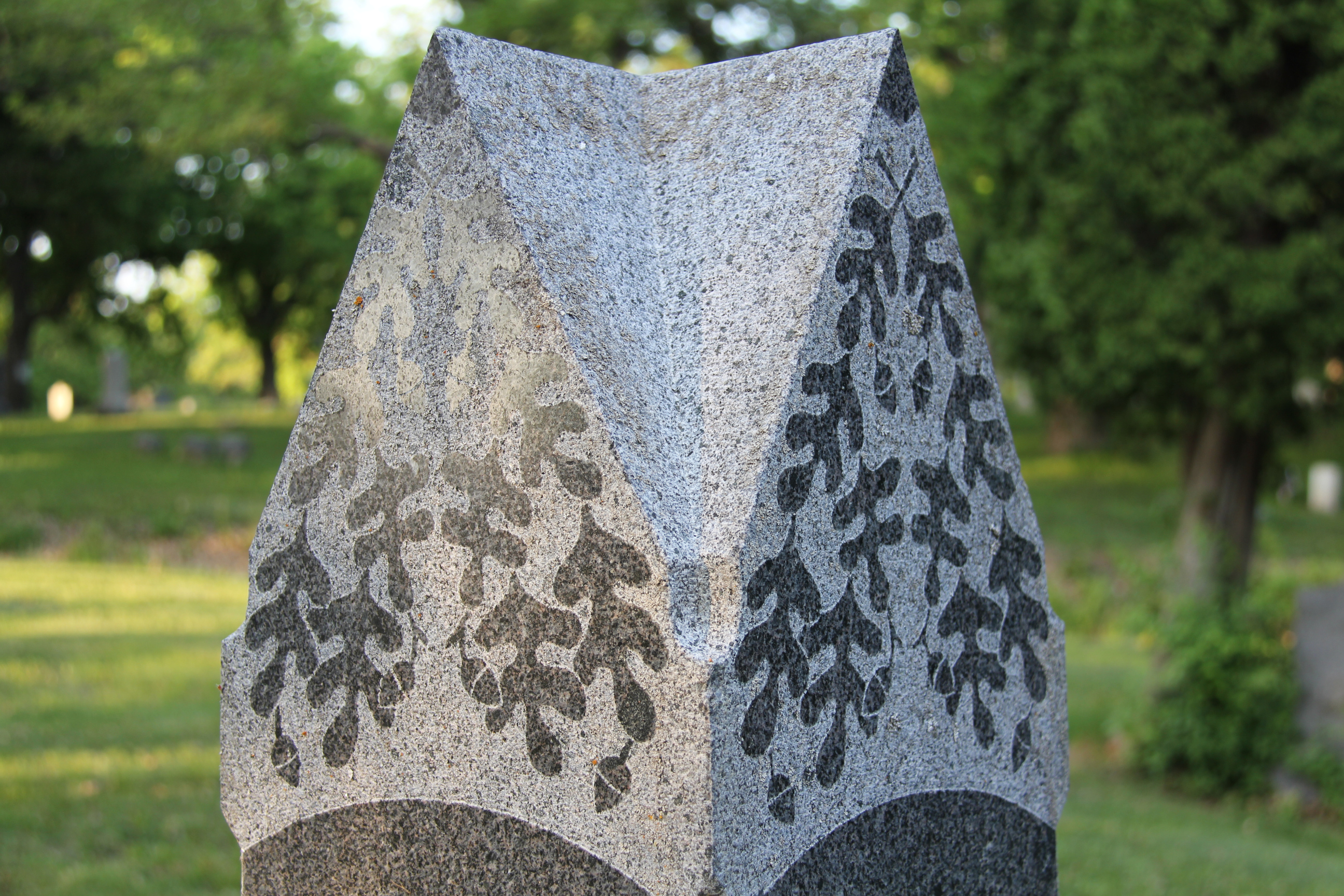
Fitting for Oak Ridge, oak leaves on a tombstone. (Minnesota Prairie Roots copyrighted photo May 2023)

Cemeteries reveal all of this, if only we take the time to walk among the tombstones, aged and new. Inscriptions, art, names, dates, memorabilia and flowers placed graveside all tell stories. That is the beauty within the boundaries of a cemetery like Oak Ridge, which rises high above a city founded 171 years ago, the place where Levi Nutting moved with his family in 1855, a year later his young wife dead.
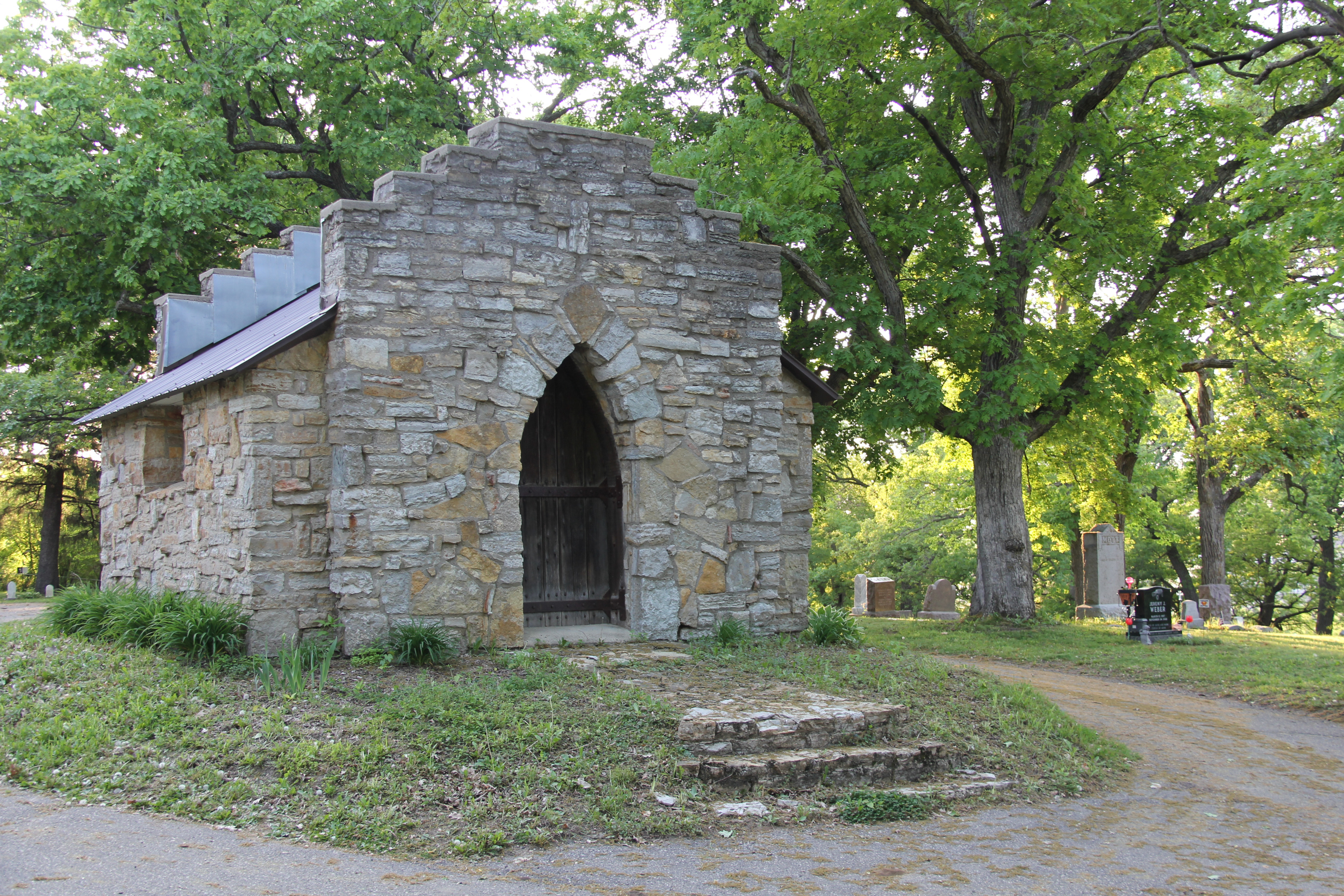
The historic limestone pumphouse sits atop the hill, in the heart of the cemetery. (Minnesota Prairie Roots copyrighted photo May 2023)
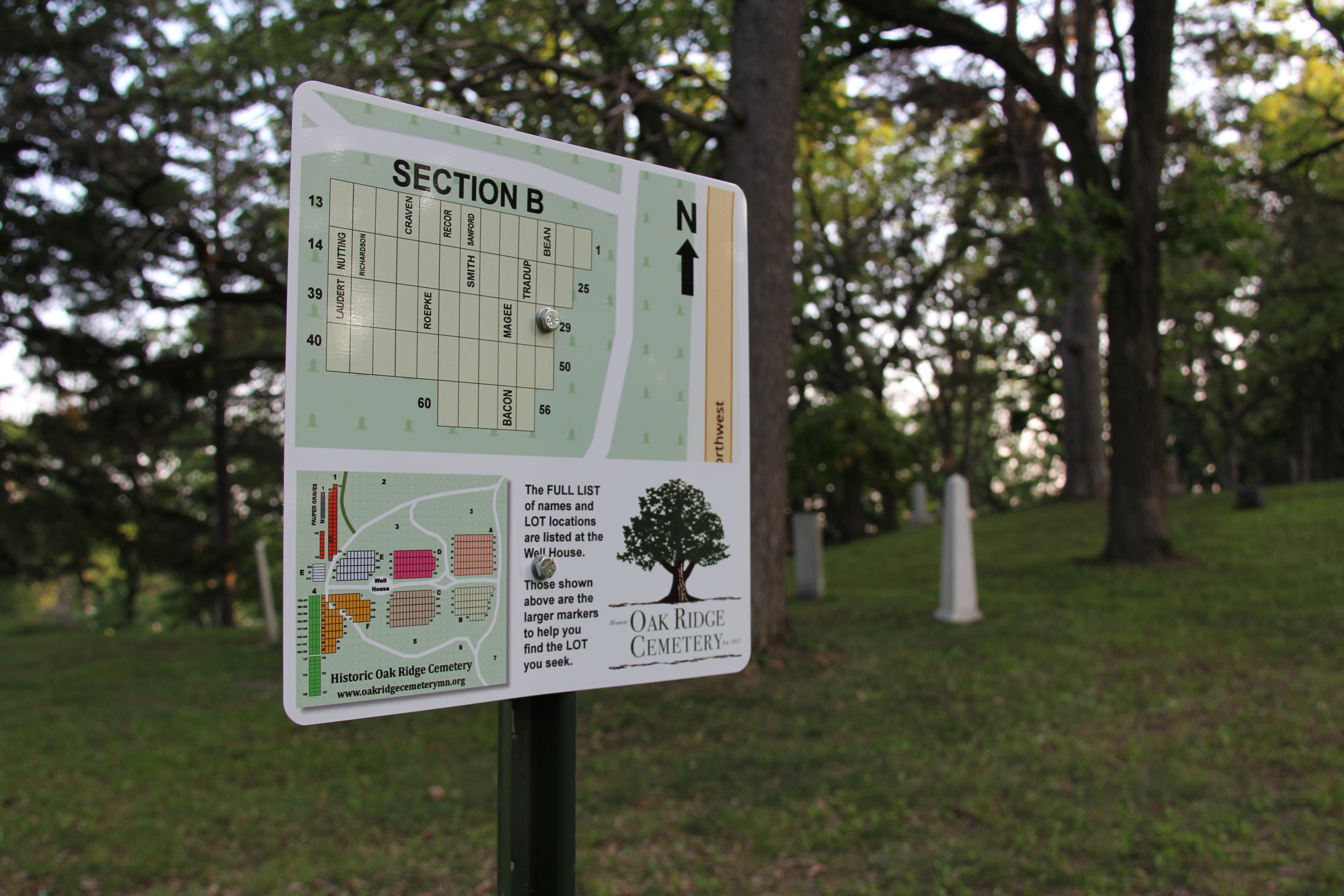
This map shows a section of Oak Ridge’s lay-out. (Minnesota Prairie Roots copyrighted photo May 2023)

FYI: Oak Ridge accepts donations and welcomes volunteers to help with cemetery upkeep. Burial plots are for sale. And markers may be purchased for unmarked graves.

 

Picnicking at historic Christdala Swedish Lutheran Church August 16, 2020

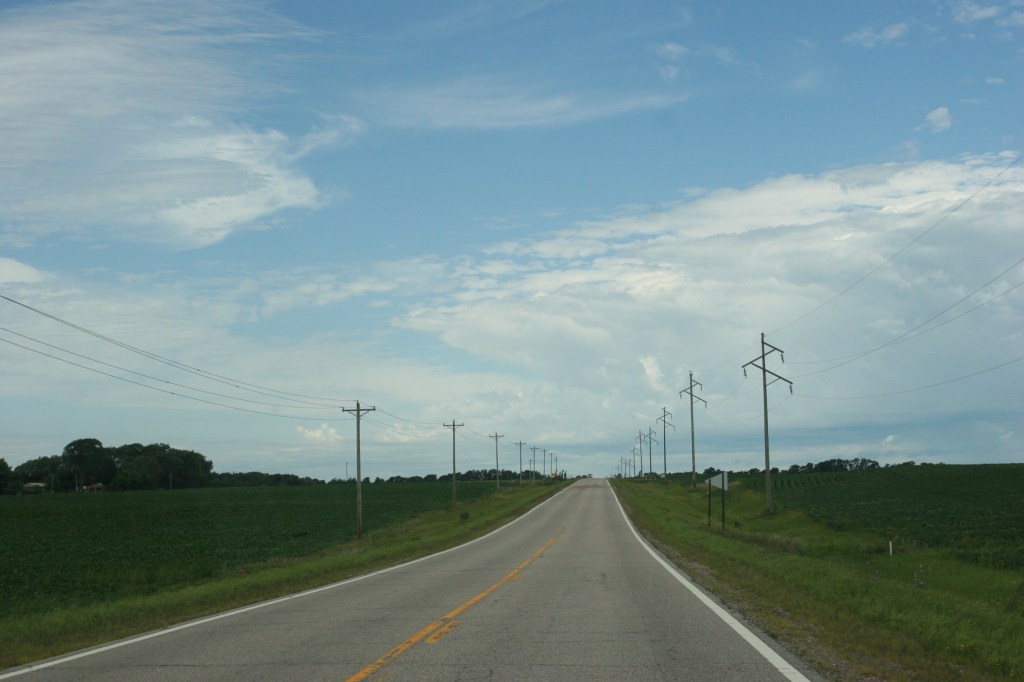
On the backroads in Rice County, heading northwest of Faribault.


IN MINNESOTA, WE LOVE our summers. And that has a lot to do with our long winter season of too much cold, too much darkness and too much being cooped up inside. Factor in COVID-19, and summer days are even more beloved.

This summer, especially, Randy and I often pack sandwiches, fruit and whatever else for a weekend picnic lunch. It gets us out of the house/town and into nature, exactly what we need when so few options exist for escaping anywhere these days.

On a recent Sunday we contemplated our choices and decided to head to Cannon Falls, a lovely river town about a 40-minute drive northeast of Faribault. But, as we backed out of the driveway and looked to the east, we saw storm clouds building. Change of plans.


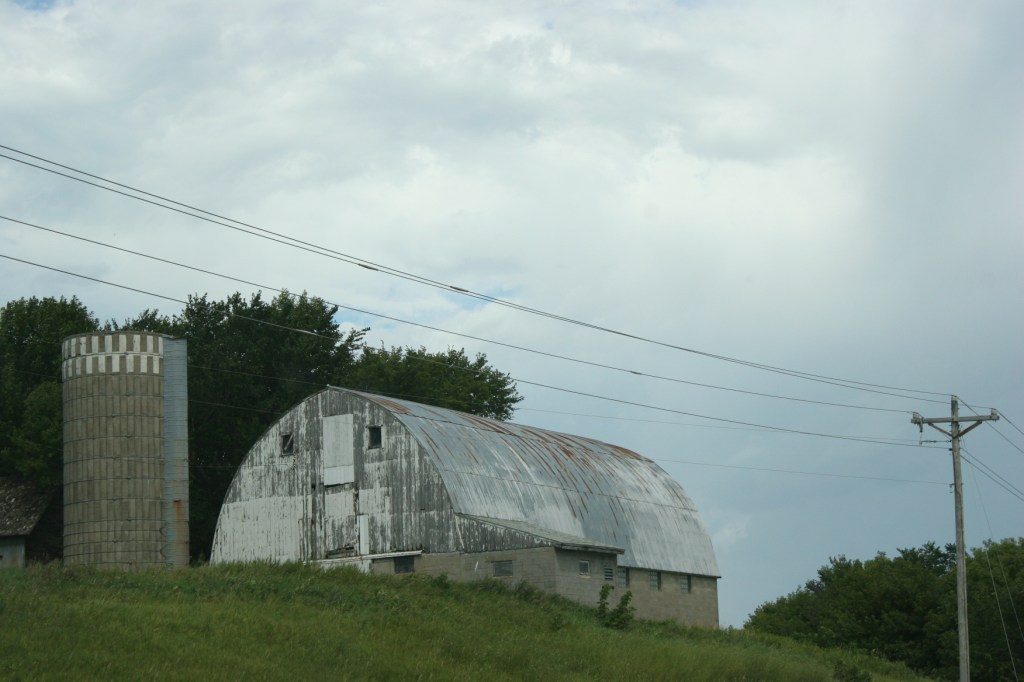
One of my favorite rural sightings: aged barns. This one is near Circle Lake.


Instead, we drove northwest, with the intention of picnicking at Circle Lake near Millersburg. A much shorter drive on a day of unsettled weather and possible afternoon storms. As farm-raised kids, Randy and I always delight in traveling rural roads—paved and gravel—to reach our destination. On our way to the lake, I observed acres and acres of cornfields, far exceeding soybeans. Not uncommon.


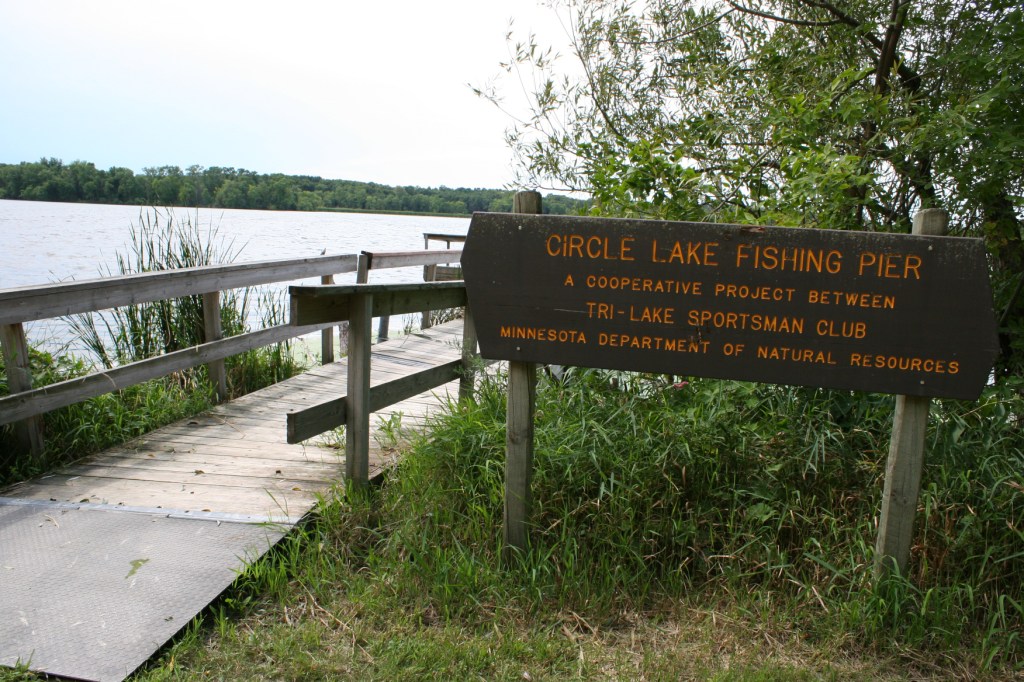
The sign marking Circle Lake’s public pier.


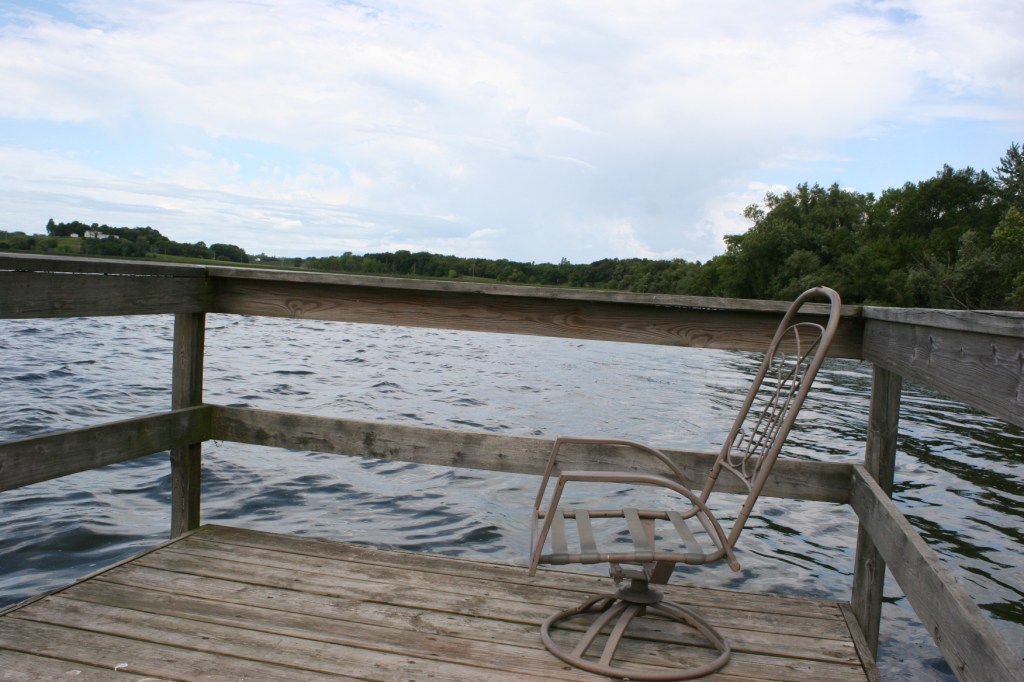
No comfortable place to sit here…


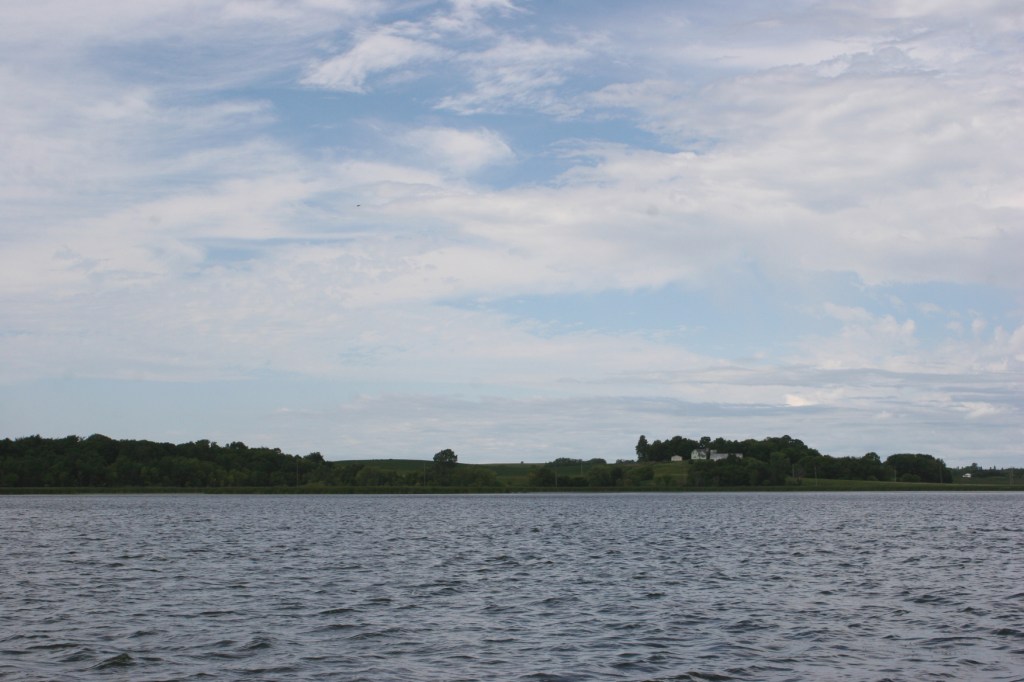
A view across the lake of the surrounding countryside.


Randy missed the lake turn, backed up on the county road and then proceeded down a gravel road toward the public access point on Circle Lake. To our dismay, we saw no picnic tables either at the boat launch site or the adjoining patch of green space. A bit farther, though, we spotted a public fishing pier and decided to eat our lunch there.


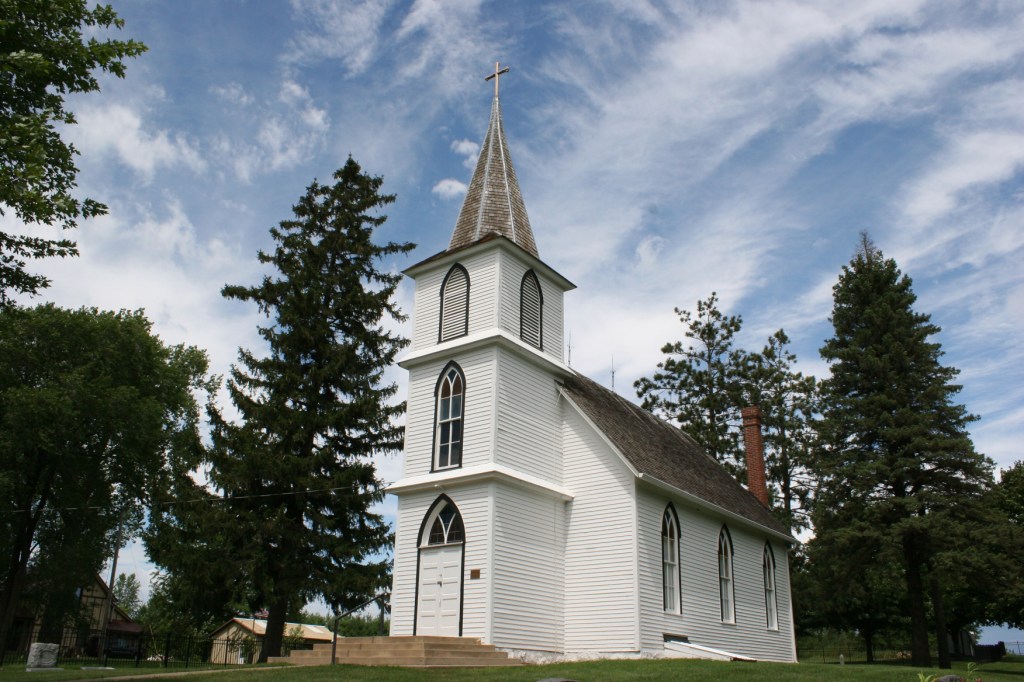
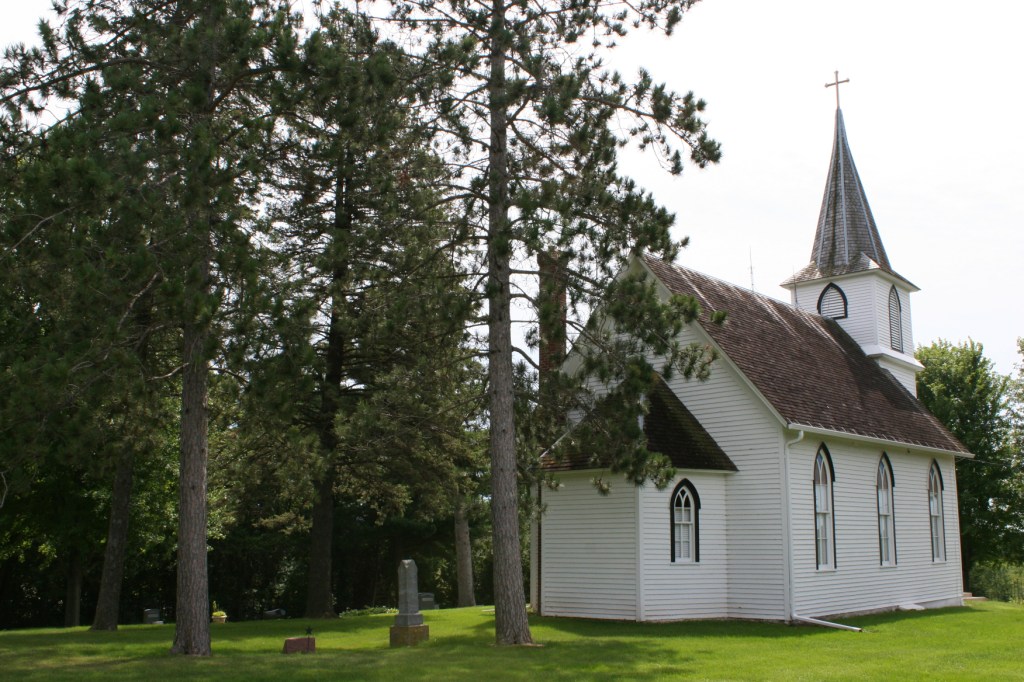
Christdala Swedish Lutheran Church, rural Millersburg. This congregation is no longer active with the church open only for special services and events.


Except, upon exiting the van, the stench and sight of stagnant green lake water, a floating dead fish and an obviously neglected dock caused us to, once again, change plans. I suggested we drive to Christdala Swedish Lutheran Church, a nearby historic church set atop a hill overlooking the countryside. We could, I suggested, sit and eat on the front steps.


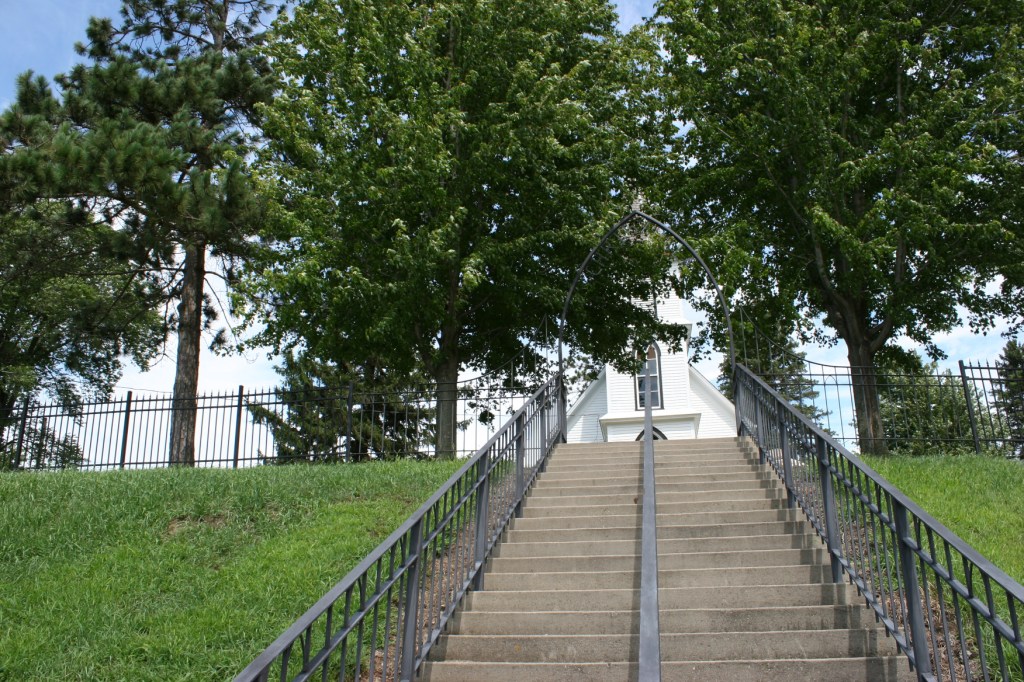
A long flight of steps lead up to Christdala.


And that’s exactly what we did, after we climbed a flight of steep steps and passed under an arch leading into the fenced church property. We turned our backs to the sun, settled onto the cement steps and pulled our sandwiches and other food from the cooler. It’s the first time I’ve picnicked next to a graveyard.


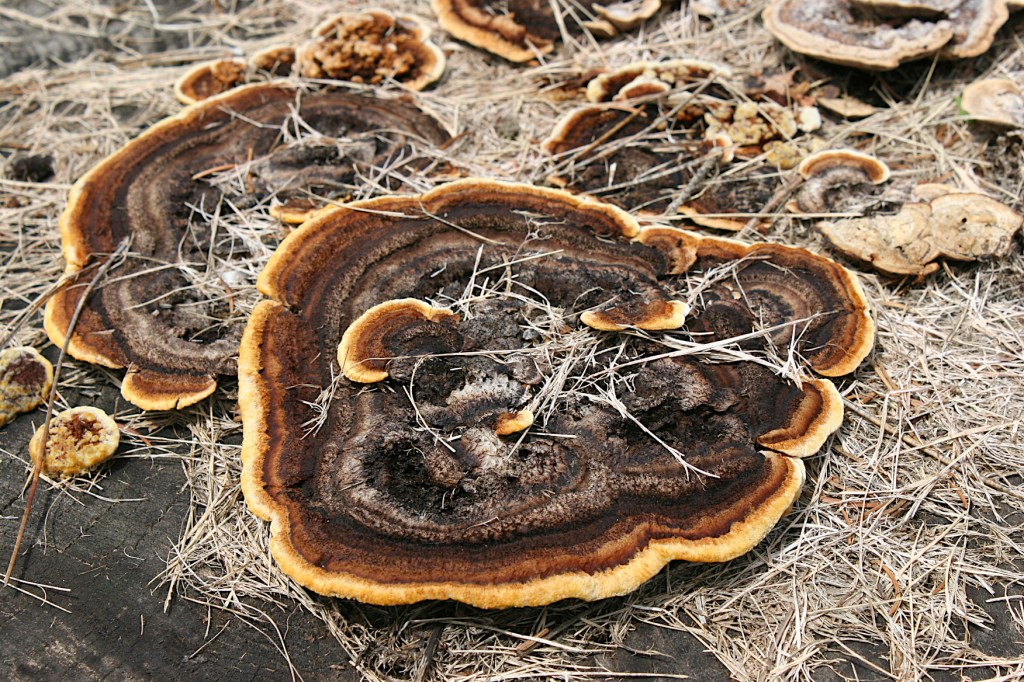
Near Minnie’s gravestone, I photographed this interesting fungi on a stump.


As we ate, we talked. About Minnie’s gravestone, in our direct line of vision. She died at age 23. Like too many who lost their lives prematurely so long ago, pre-modern medicine.


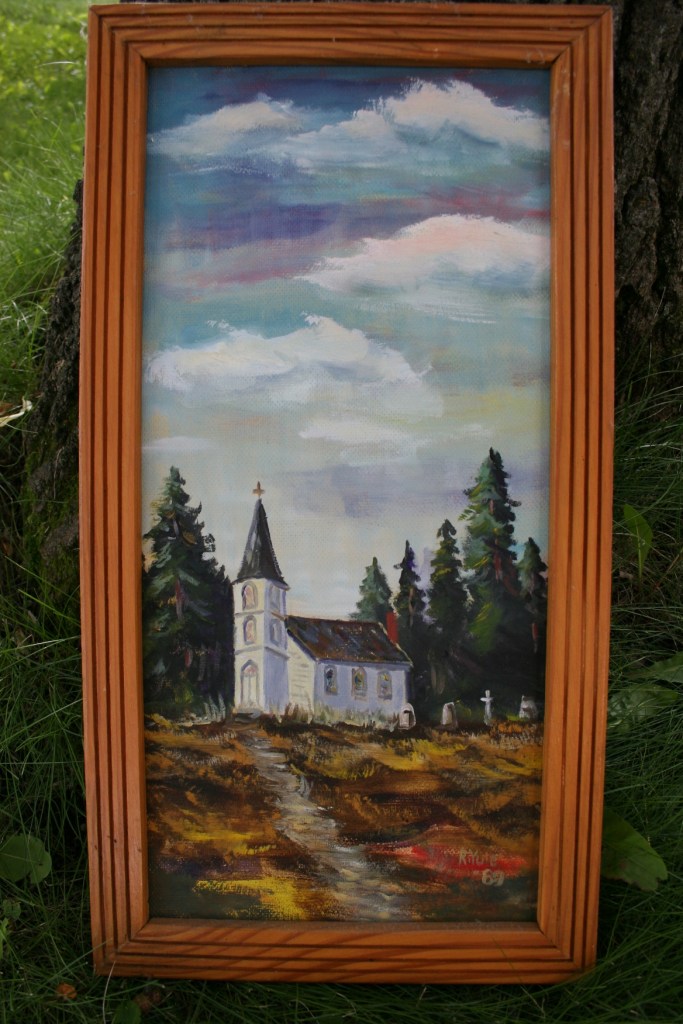
Christdala Swedish Lutheran Church painted in 1969 by Faribault artist Rhody Yule. Minnesota Prairie Roots file photo.


We talked about our friend Rhody Yule, who showed select original religious-themed paintings here in September 2010. He gifted his 1969 painting of Christdala to the church on that Sunday afternoon. I organized the outdoor exhibit and a more extensive gallery show months later at the Paradise Center for the Arts in Faribault. Randy and I shared how much we liked Rhody, an artist we met while on a Sunday afternoon drive two years prior. He quickly became a good friend, someone we delighted in for his gentle spirit of kindness and deep faith. A true joy.


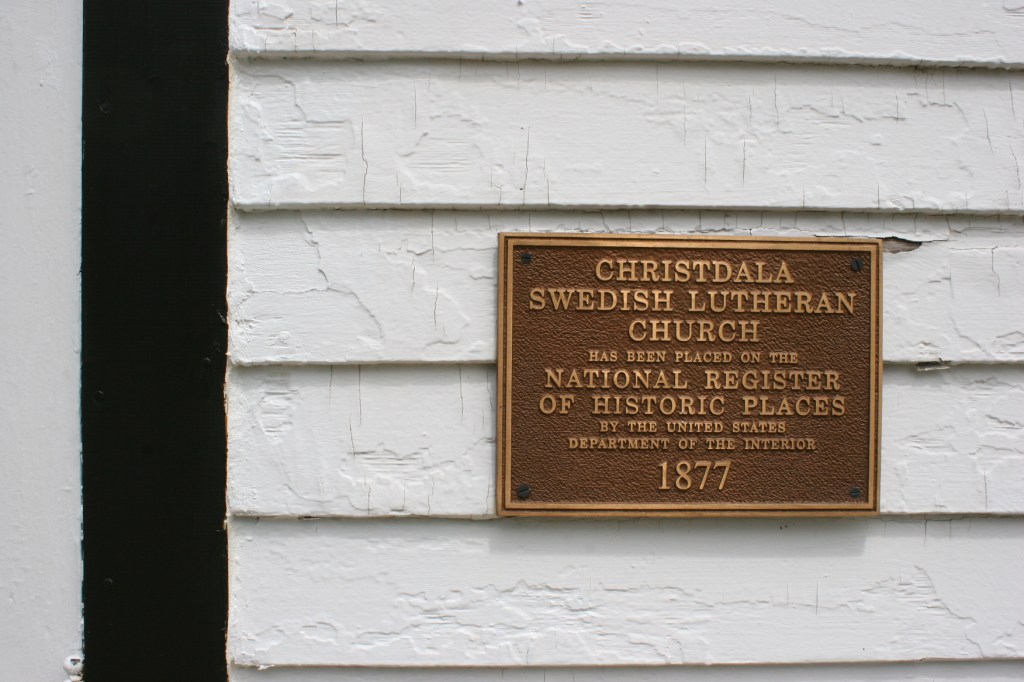
Posted next to the front door.


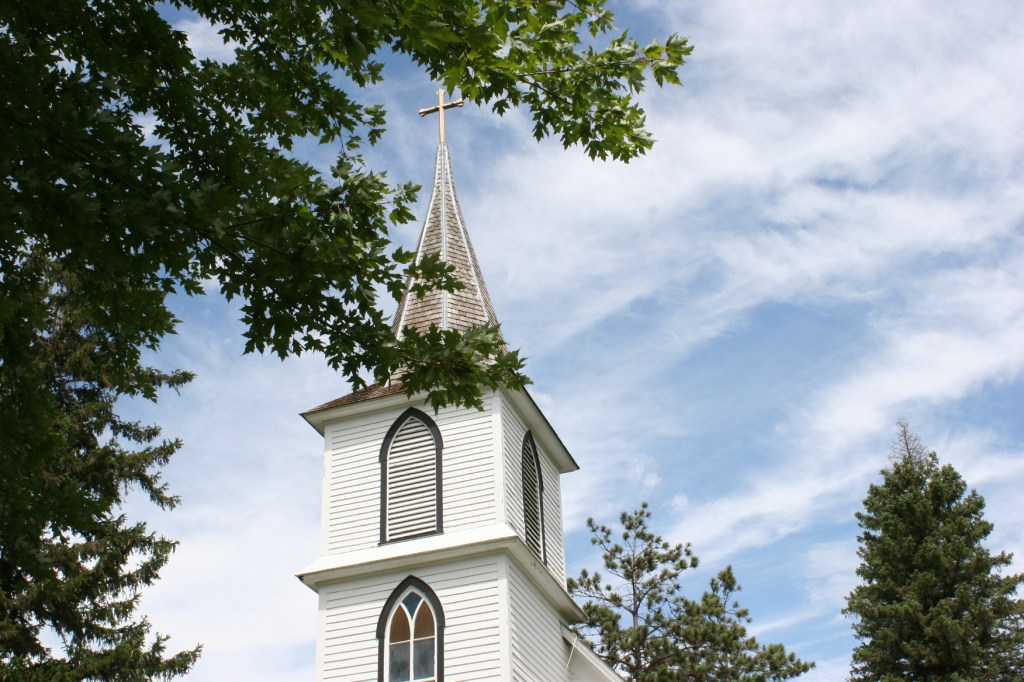
The steeple rises high above the treetops.


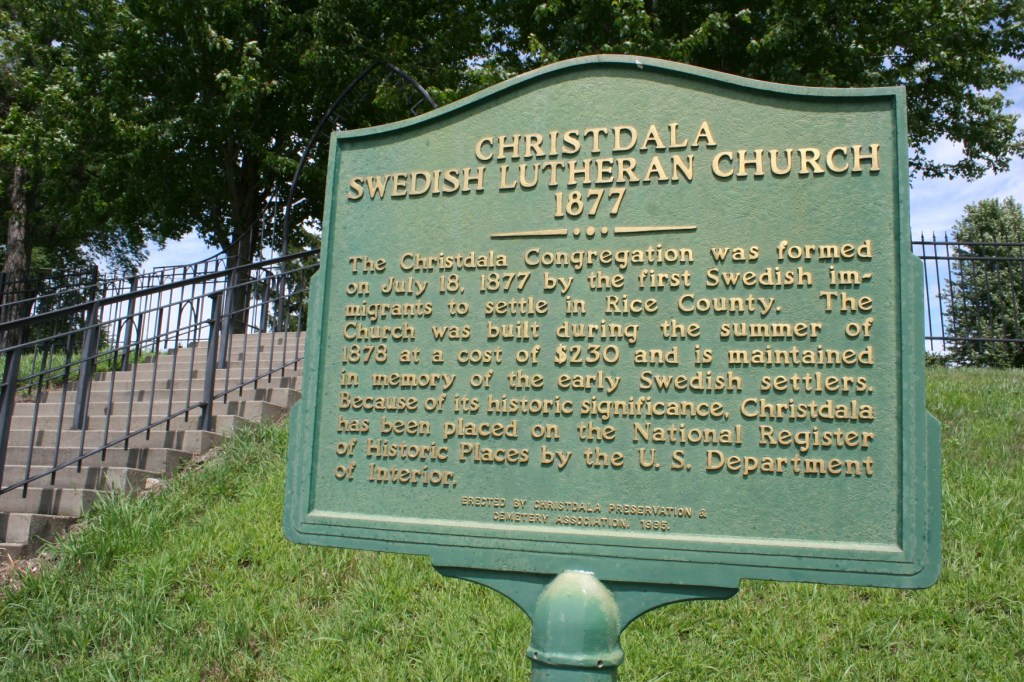
A summary of church history is posted next to the parking area at the bottom of the hill.


We noticed paint scrapings on the ground, indicating the 1877 church was recently repainted. It’s on the National Register of Historic Places, significant because the first Swedish settlers in Rice County founded this congregation, built this church.


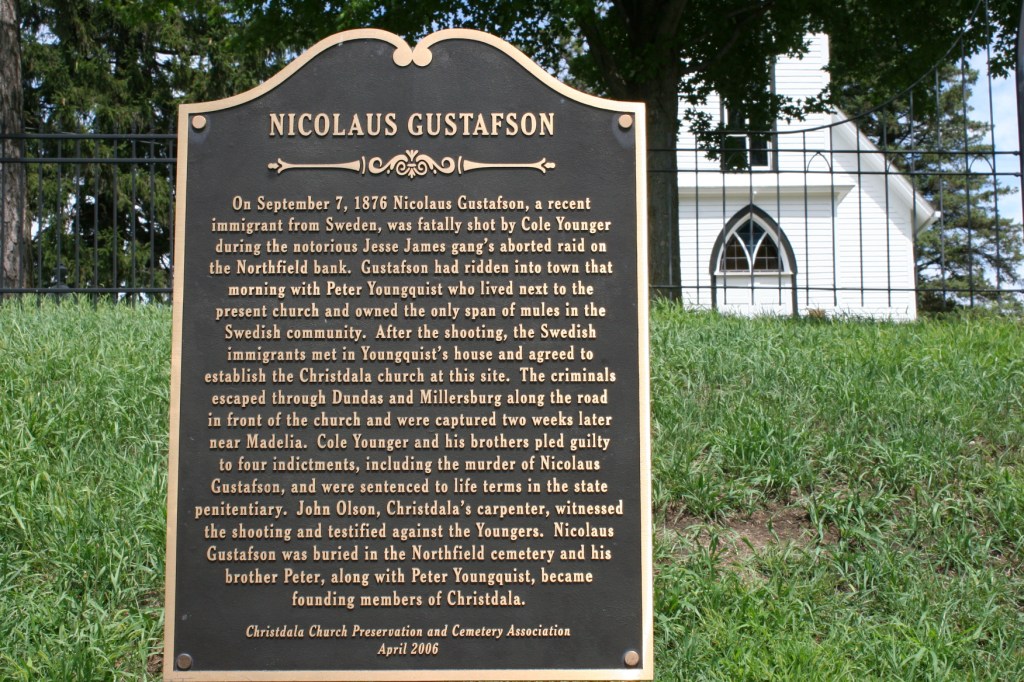
Another marker nearby honors Swedish immigrant Nicolaus Gustafson.


One of those immigrants, Nicolaus Gustafson, was fatally shot by Cole Younger in the attempted raid of the first National Bank in nearby Northfield in 1876.


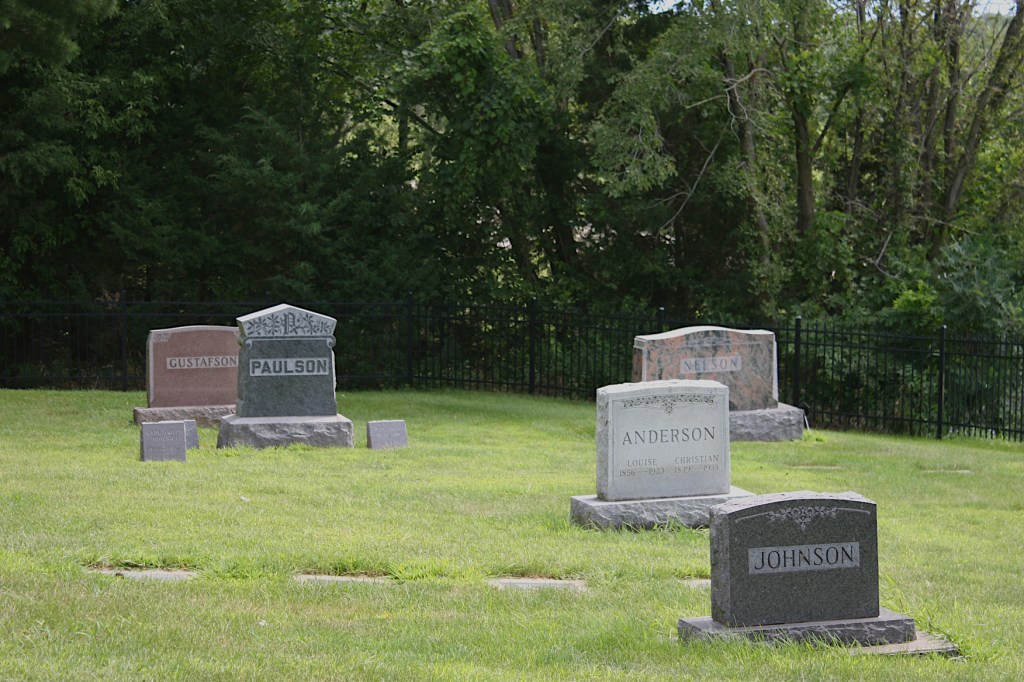
Just a sampling of the Swedish names on gravestones at Christdala.


There’s so much history and heritage here in names like Johnson, Anderson, Paulson, Gustafson, Nelson…the “son” of Swedish ancestry.


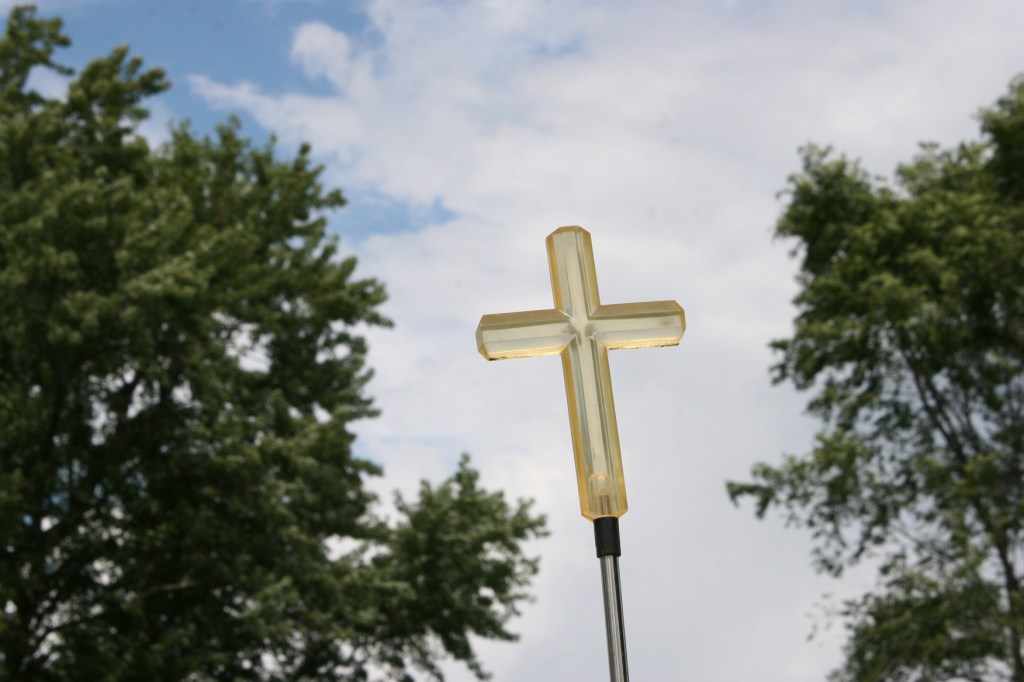
I spotted this probably glow-in-the-dark cross near a gravesite.


The graveyard surrounds Christdala church.


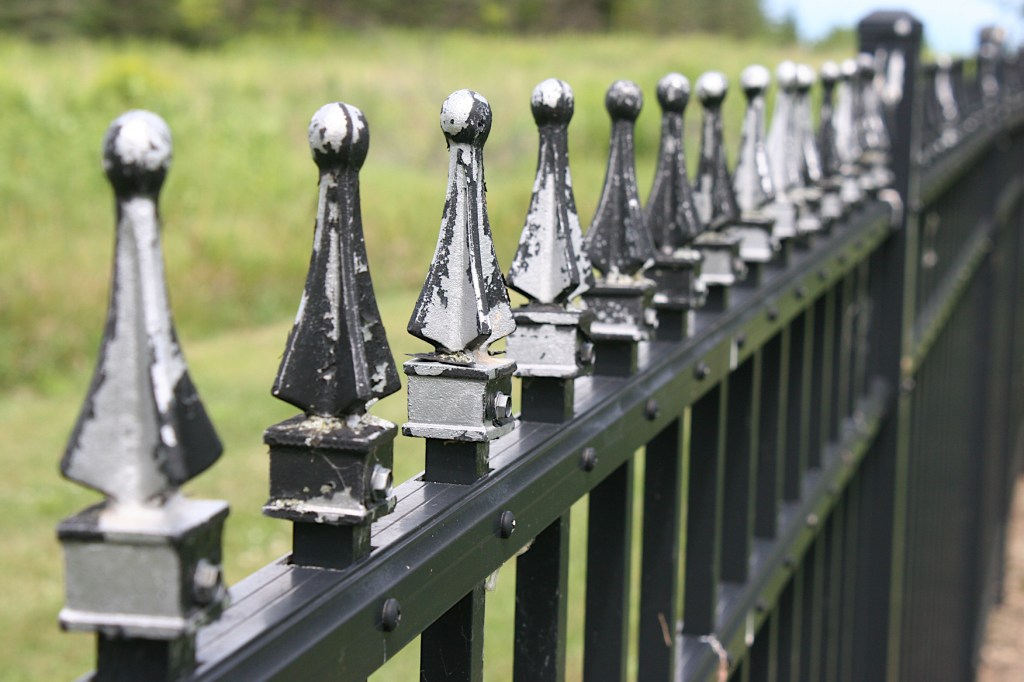
A wrought iron fence encloses the entire property.


We meandered through the graveyard separately. I didn’t recall the wrought iron fencing or the graveyard expansion with plenty of open space for future burials. It’s a lovely and peaceful spot behind the church, away from busy enough Rice County Road 1.


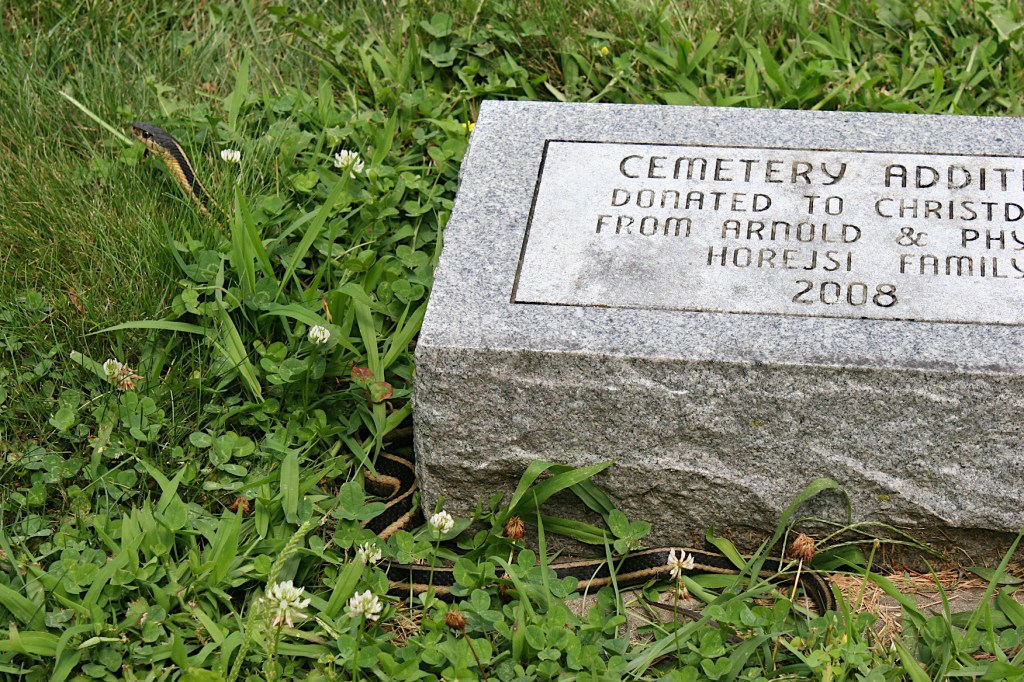
Randy saw this snake before me, but didn’t tell me. He knows I intensely dislike snakes. He suggested I move in for a closer photo. Nope, won’t get any nearer.


Randy directed me to a small stone marking the additional graveyard space as a 2008 donation from Arnold and Phyllis Horejsi. Arnold, 91, died on March 23 with services delayed until August 18 and burial at Christdala at a later date. I walked over to the marker, commenting on the many small holes that pock the land. And then, as I focused my camera lens on the stone, I noticed the garter snake. Striped. Too long. Head up. Tongue flicking.

That was it. I was done touring this cemetery, especially after I saw a second snake nearby. My mind fixated on snakes slithering over my feet and I couldn’t help but think of the biblical reference in Genesis to Satan as a snake. I wanted out, away, gone.


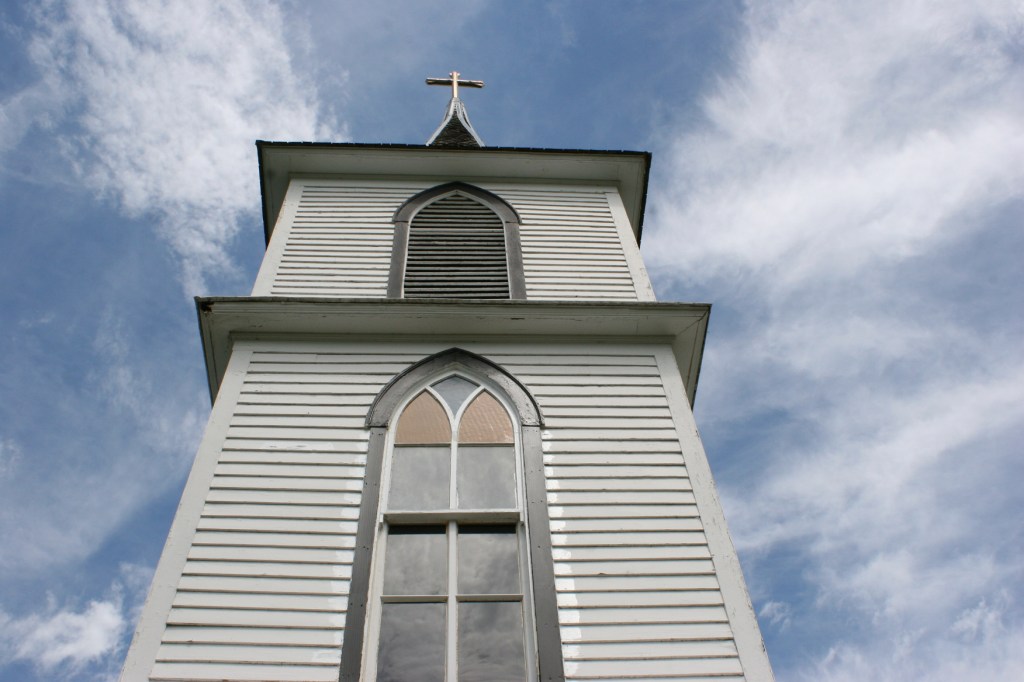
A heavenward view of Christdala.


And so I waited near the front steps for Randy to finish his graveyard tour. I aimed my camera lens skyward, away from the ground and slithering snakes. High toward the steeple. To the cross.


© Copyright 2020 Audrey Kletscher Helbling