
I STILL REMEMBER the derogatory label, even after all these years. “Gooks,” he called them. I lashed back, defending the Asian families who fled their war torn countries to start new lives in America in the late 1970s and early 1980s.
“Didn’t your great grandparents immigrate here?” I asked, trying to control my emotions as I confronted the Faribault man who spit out the venomous word. But I knew, even as I spoke, that I could not quell his hatred.
Now, nearly 30 years later, I hear similar disparaging terms directed toward Somalis and Sudanese and, yes, Hispanics, too.
Don’t we ever learn?
These thoughts, of anything I could have considered, passed through my mind yesterday afternoon as I photographed Hmong families participating in a “Let the People Praise!” mission event at my Faribault church, Trinity Lutheran.
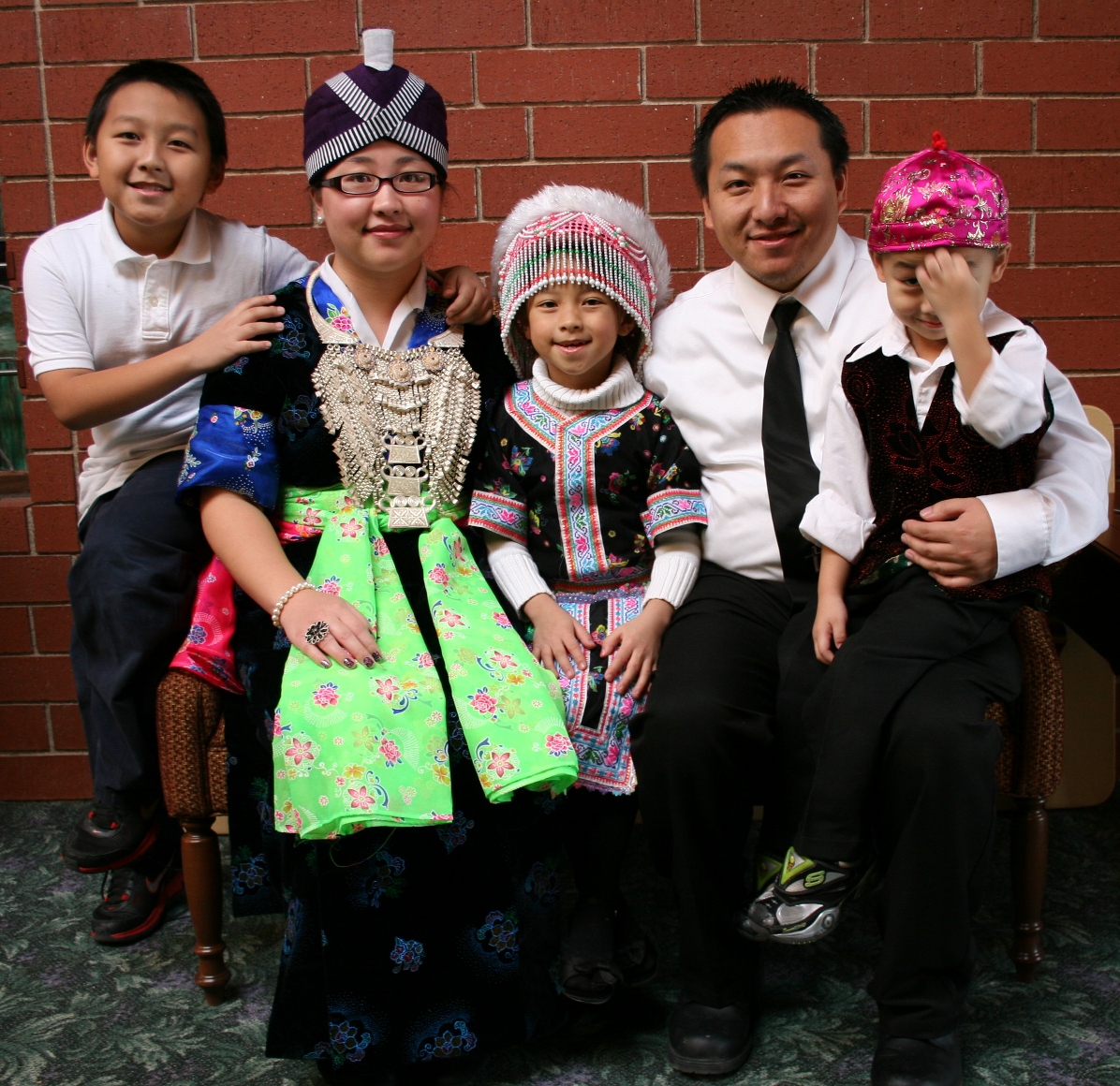
Deacon Johnny Vang of New Life Lutheran Church, Robbinsdale, with his wife Tina and children, Leviticus, 10, Cecilia, 7, and Christian, 4.
I could forgive the man who nearly three decades prior had spoken with such ignorance. But I could not forget.
The organizers and participants in Sunday’s mission gathering wouldn’t expect my thoughts to wander back to that previous unwelcoming American attitude toward Southeast Asians. But I am honest and this post would not be mine if I ignored that unsettling flashback.
With that historic frame of reference, I could only admire the faith and fortitude of the men and women who stood before me in the sanctuary singing in the Hmong choir, speaking of their mission outreach to Southeast Asia and in Minnesota, specifically in Robbinsdale and the east side of St. Paul.
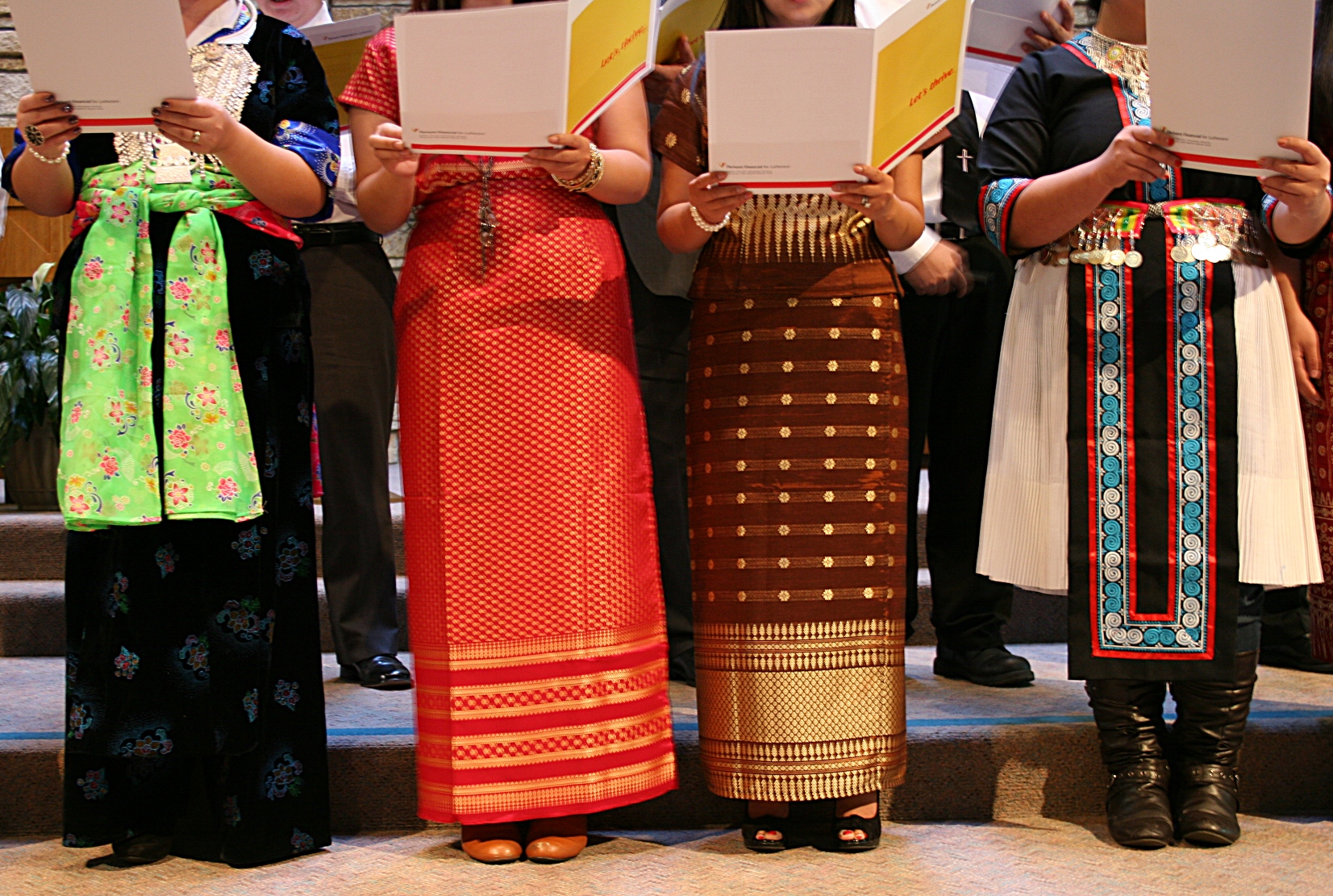
Members of the Hmong choir wore colorful, ethnic costumes.
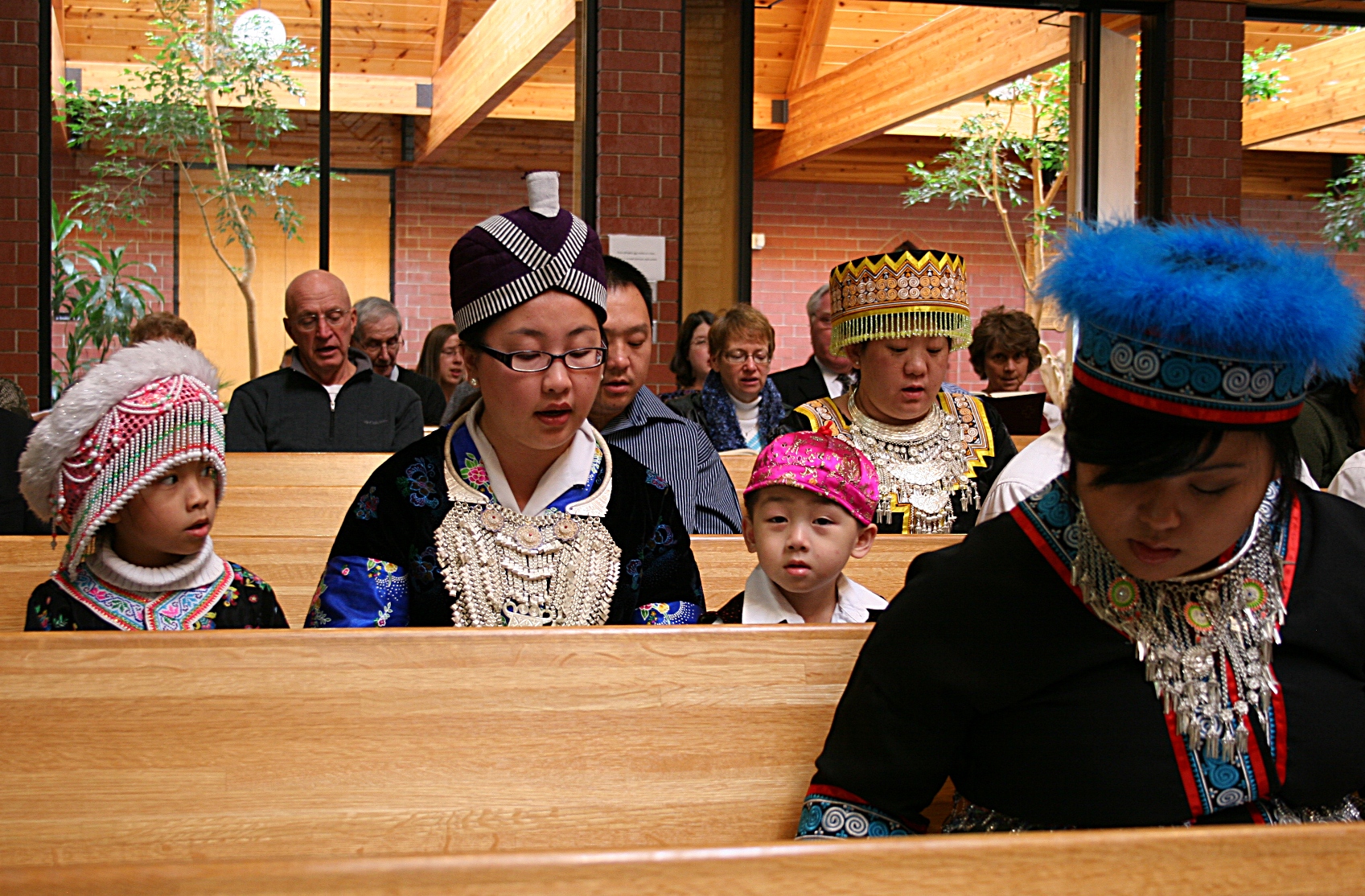
The congregation, including individuals from the Hmong community, sang at Sunday's mission celebration.
Churches initially embraced Cambodian and Laotian refugees in the years following the divisive and turbulent Vietnam War. I remember, during my first newspaper reporting job out of college in 1978, writing about a Southeast Asian family resettling to the small Minnesota town of Gaylord. I don’t recall details now, but the compassionate sponsorship of this family by a local church made an impression on me.
That care and love triumph over the hateful words and attitudes of the past.
It pleased me to listen to those involved in the Hmong Lutheran Ministry speak of mission trips to the Communist countries of Laos and Vietnam and to Cambodia and Thailand. The “Communist” part certainly doesn’t please me, but the Christian outreach does.
“They are hungry for the gospel and they want to be saved,” a Hmong deacon told us.
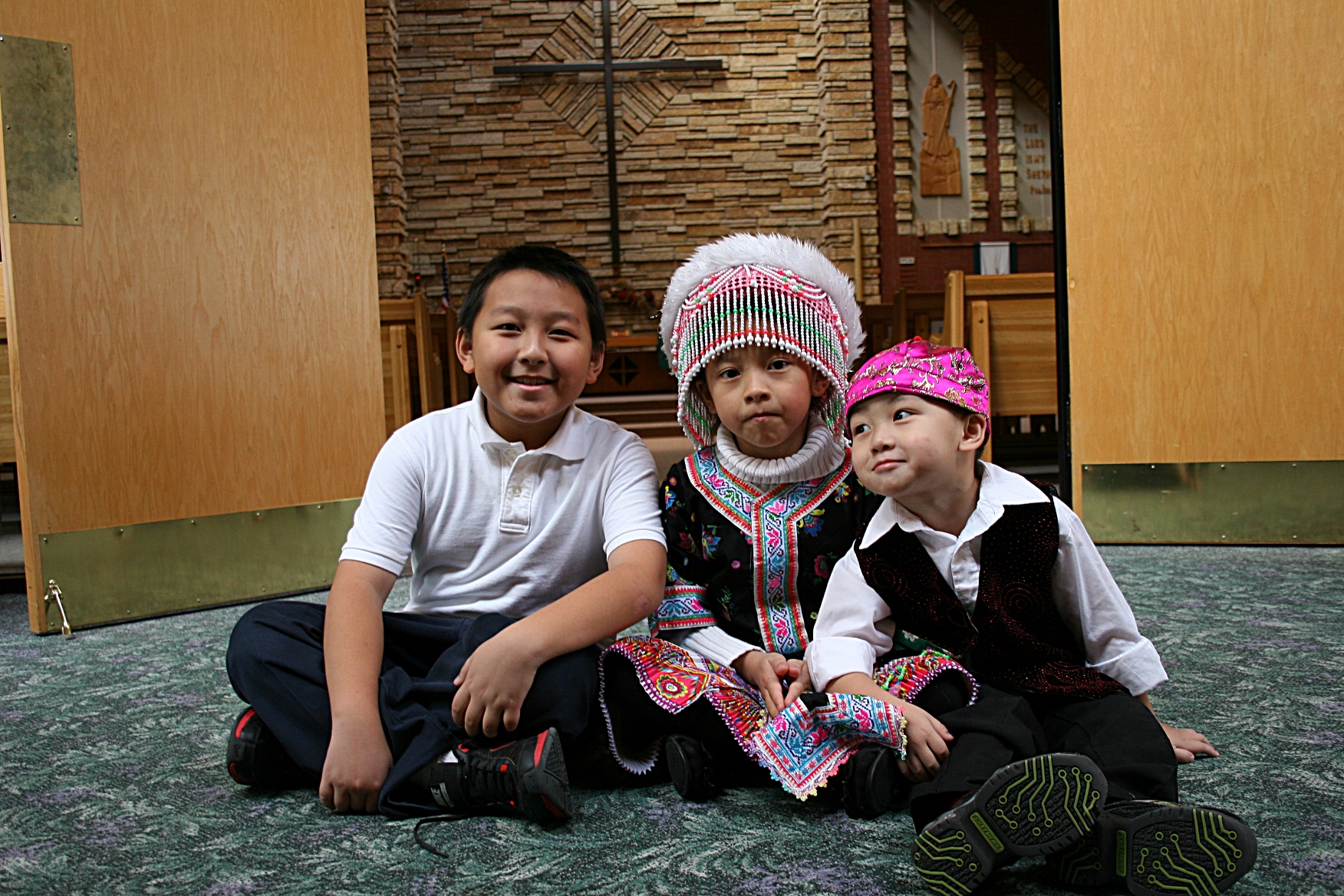
My favorite photo of the day shows the Vang children, Leviticus, Cecilia and Christian on the floor in the narthex, the church doors into the sanctuary flung wide open. This symbolizes to me the doors that are being opened to Christianity through mission work here in Minnesota and in Southeast Asia.
Later the Rev. David Seabaugh of Bethel Lutheran Church in St. Paul, home to a Liberian ministry, used nearly the same words: “The Liberian people are hungry for the gospel.”
I considered then how complacent I’ve sometimes become in my Christian faith, even in my free access to the bible, and in my personal outreach.
I needed to hear this Scripture from I Chronicles 16: 24:
Declare his glory among the nations, his marvelous deeds among all peoples.
God doesn’t care if we’re black or white or yellow, or even Lutheran for that matter, or where we live. He considers us “the nations.”
Today, just like 100 years ago when the Germans and Italians and Swedes and Norwegians and so many others immigrated to America, “the nations” are still arriving on our doorstep.
Are you welcoming them?
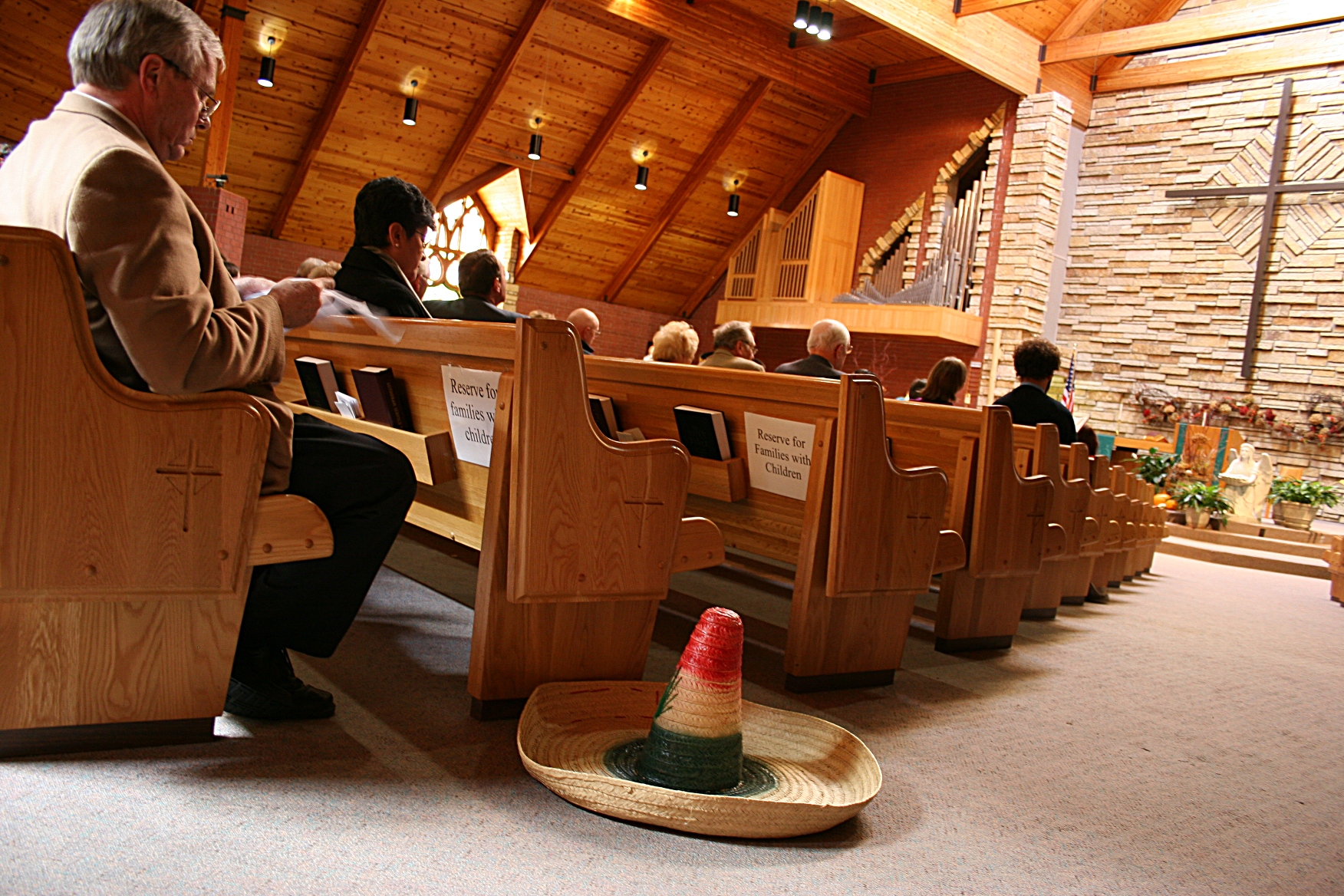
A sombrero rests in the side aisle prior to a musical performance by Hispanic children from the Le Sueur and Henderson areas.
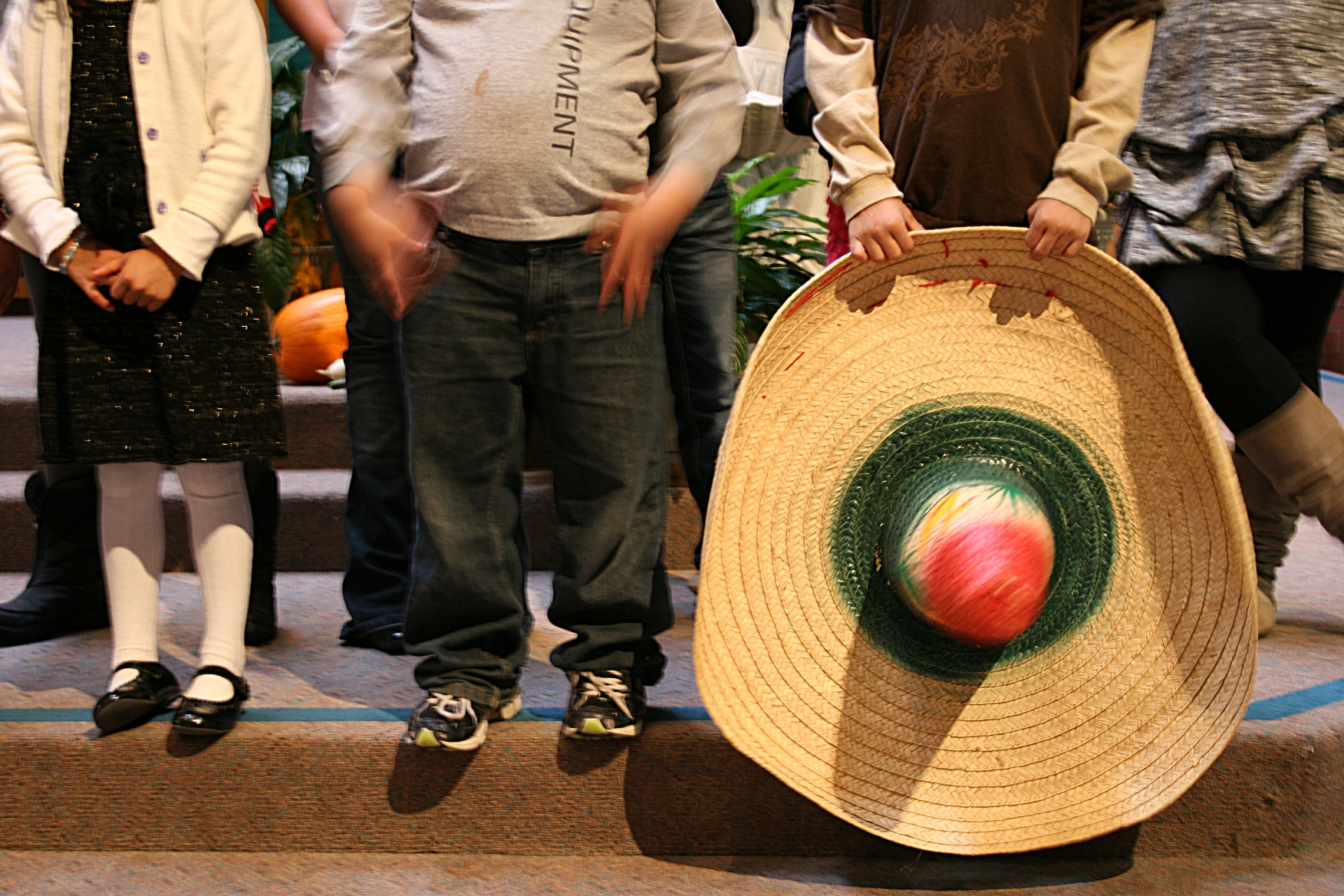
Members of the Hispanic children's choir perform.
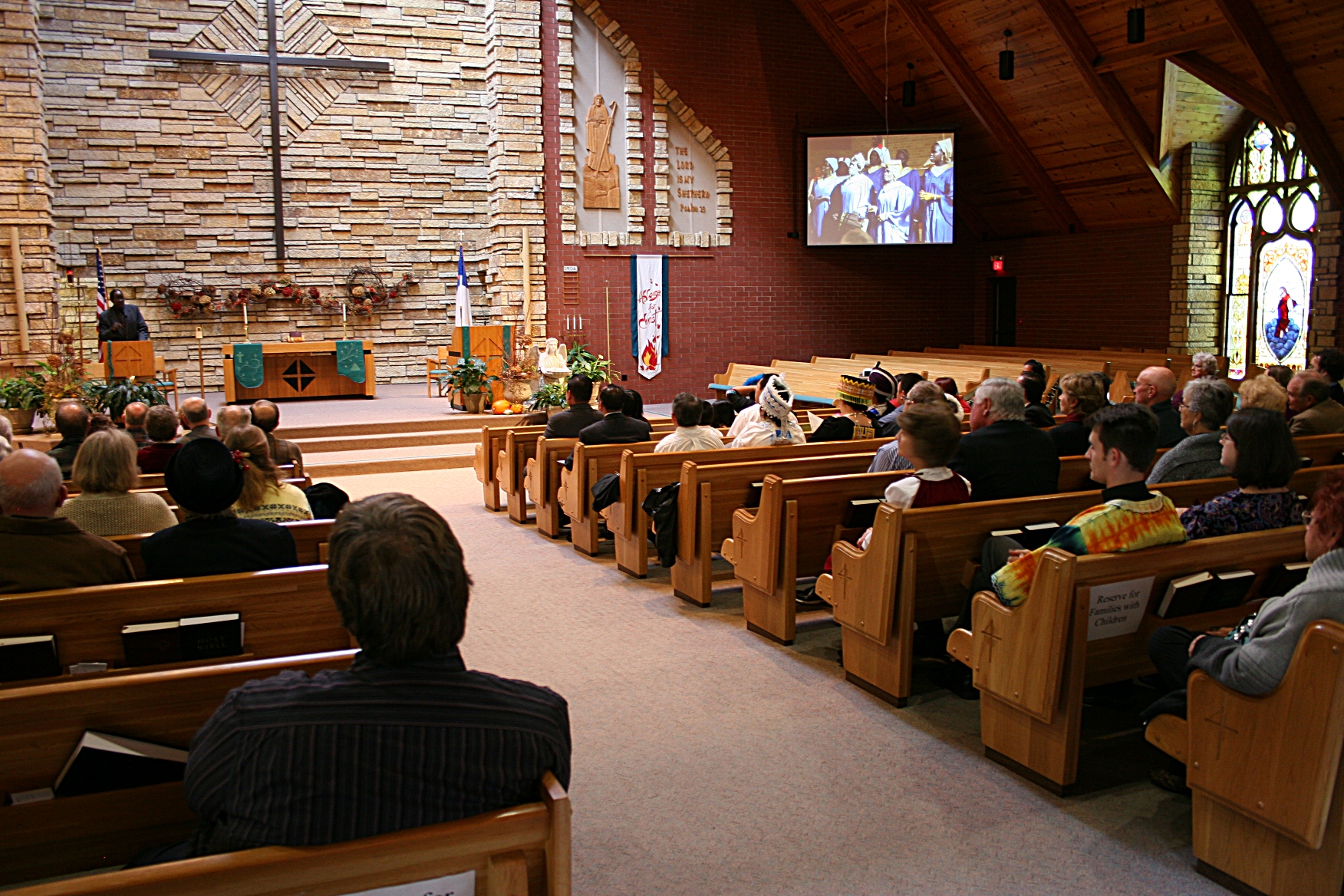
A representative of the Sudanese ministry spoke at the mission gathering. "Before, we suffer a lot," he said, calling it "God' s plan" that the Sudanese came to America and to Minnesota.
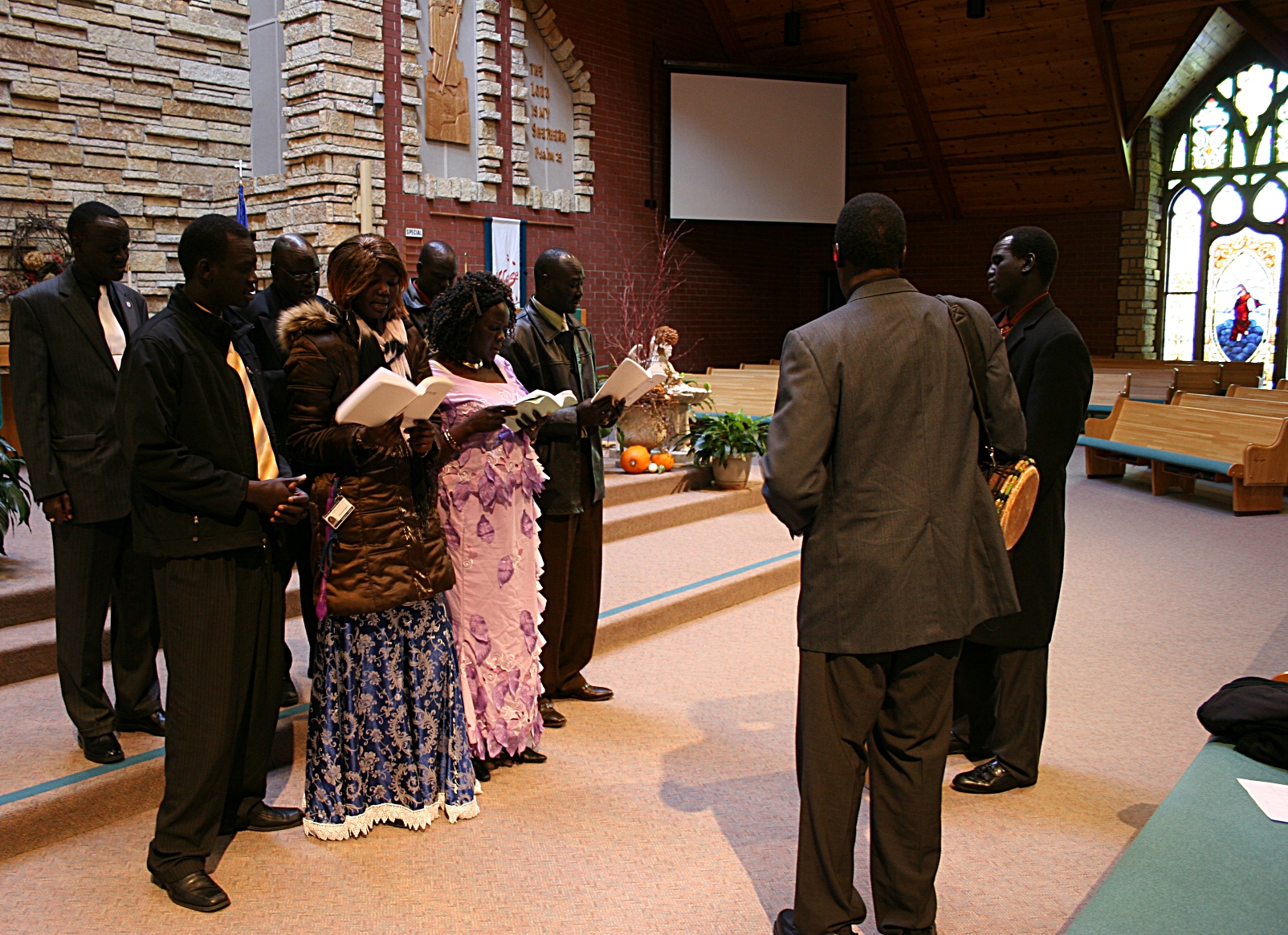
A musical performance by the Sudanese.
Copyright 2011 Audrey Kletscher Helbling



 Minnesota Prairie Roots
Recent Comments