Minnesota Prairie Roots

Writing and photography by Audrey Kletscher Helbling

Lutefisk, bars, kolacky, horseradish & more October 3, 2023

Across the cornfield stands Vang Lutheran Church north of Kenyon and home to an annual lutefisk supper. (Minnesota Prairie Roots copyrighted file photo October 2011)

IN THIS SEASON of church dinners, I am reminded of an event I covered decades ago as a young reporter fresh out of Minnesota State University, Mankato, with a journalism degree. My editor assigned me to write about and photograph the annual Lutefisk Dinner (or maybe it was supper) at Bernadotte Lutheran in Bernadotte, an unincorporated community northeast of New Ulm.

Having heard a few things about lutefisk—cod soaked in lye—I was in no hurry to undertake this assignment. But work is work and I eventually headed to this rural church to get the story. I don’t recall all the details from that late 1970s introduction to lutefisk. But I do remember a hardworking crew of volunteers, enthusiastic diners packing the church basement and my first taste of this Scandinavian seafood. A generous dose of melted butter made lutefisk, which reminded me of warm Jell-O, palatable. Sorry, Norwegians.
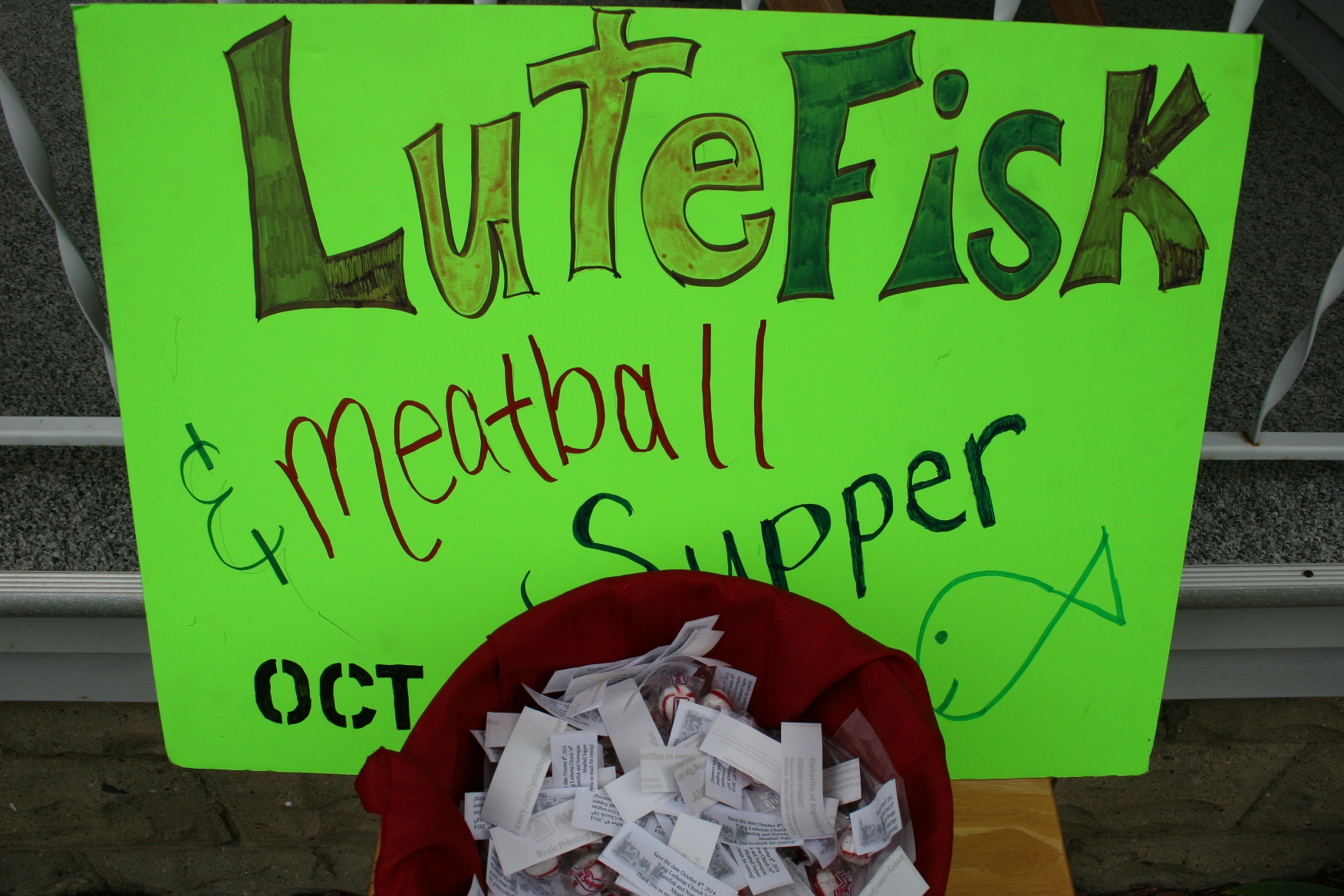
A sign promoting Vang’s 2014 Lutefisk & Meatball Supper. (Minnesota Prairie Roots copyrighted file photo 2014)

Lutefisk dinners remain popular in Minnesota’s Scandinavian enclaves. Like Vang Lutheran, rural Dennison, hosting a Lutefisk and Meatball Dinner on Wednesday, October 11, starring lutefisk and Norwegian meatballs with gravy plus fruit soup, lefse and Norwegian pastries. On Saturday, October 14, First Lutheran in Blooming Prairie is also serving a Lutefisk and Meatball Dinner. Except their meatballs are Swedish (what’s the difference?). Sorry, folks, all three dine-in seatings at First Lutheran are sold out, proving just how popular lutefisk dinners are in these parts. The Blooming Prairie lutefisk dinners have been around since 1934.

Bars. (Minnesota Prairie Roots copyrighted file photo)

BARS & BARS, NOT TO BE CONFUSED

This got me thinking about ethnic and unusual foods some of us love and others of us don’t. For example, this past July while vacationing in the central Minnesota lakes area, I came across turkey gizzards and pickled eggs prominently displayed on an end cap at a Crosslake grocery store. You couldn’t pay me to try the gizzards, priced at $12.49 for 16 ounces. But I’d give pickled eggs a try. Apparently there’s a market in Paul Bunyan country for these delicacies. And in some Minnesota bars, not to be confused with the bars we Minnesotans eat.

Ah, bars. They hold two definitions. I recall my native-born California son-in-law’s confusion about bars. It took a bit of explaining for him to understand that bars, besides a place to imbibe, are also, in Minnesota, a sweet treat that is not a cookie, cake or brownie. But similar, made in a cake pan and cut into squares.

Prune kolacky ready to bake at Franke’s Bakery. (Minnesota Prairie Roots copyrighted file photo March 2013)

KOLACKY OR SAUERKRAUT

Then there are kolacky, a Czech pastry unknown to me until I moved to this region. It was at Franke’s Bakery in nearby Montgomery, self-proclaimed “Kolacky Capital of the World,” that I first tasted this dough into which prunes, apples, raspberries, blueberries and other fruit or a poppy seed filling are folded. Kolacky are so popular in this Czech stronghold that Franke’s baked nearly 1,800 dozen of the treats for the annual town celebration, Kolacky Days, in July. That’s a whole lot of kolacky, like nearly 22,000.

Me? I prefer a Bismarck oozing with custard. And, yes, I am German, which might also explain my love of sauerkraut. Henderson, where my paternal great grandparents settled upon arriving in America, celebrates Sauerkraut Days annually. And, yes, there’s a sauerkraut eating contest. I grew up eating homemade sauerkraut fermented from cabbage grown in our large garden. My grandma made kraut and my dad thereafter.

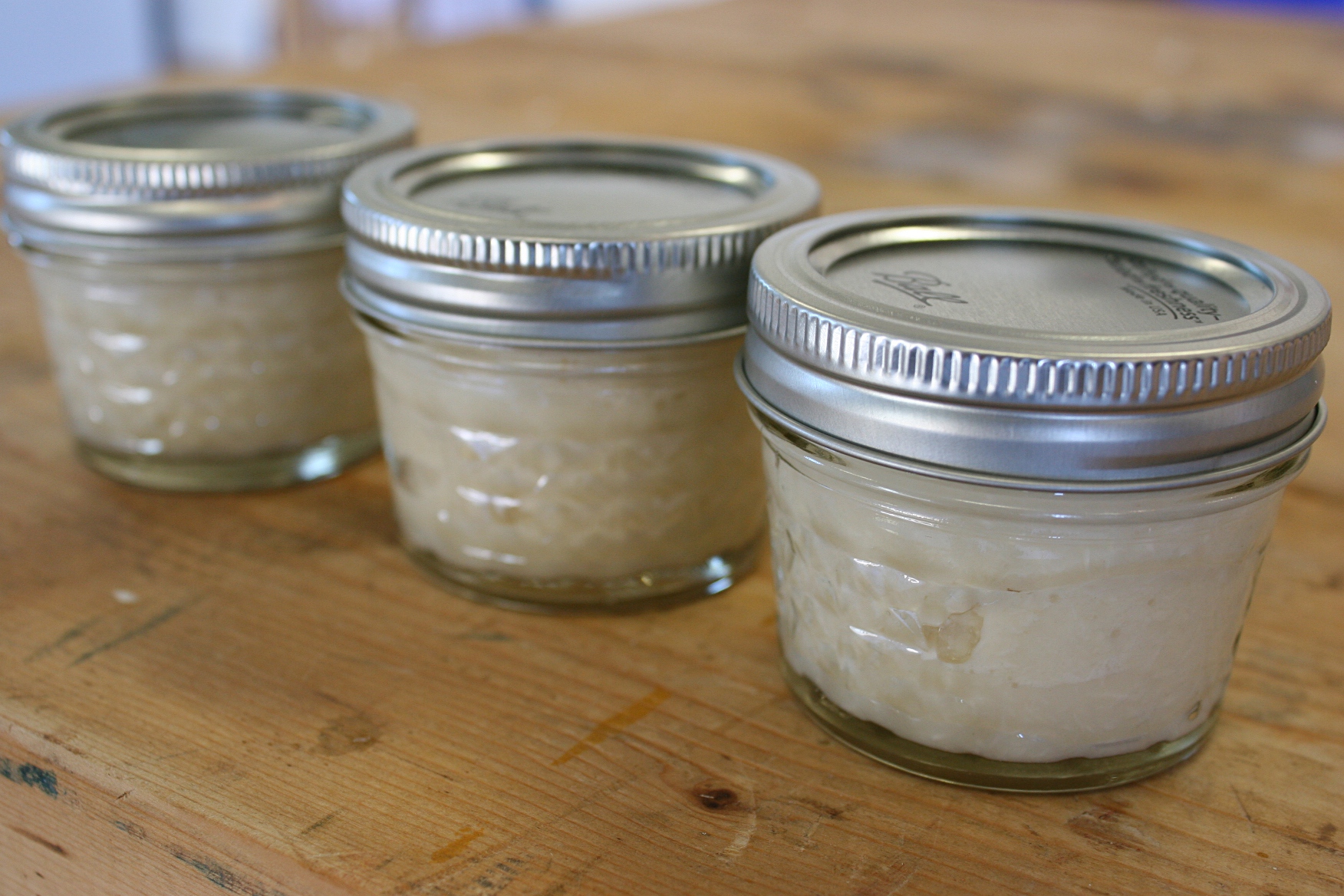
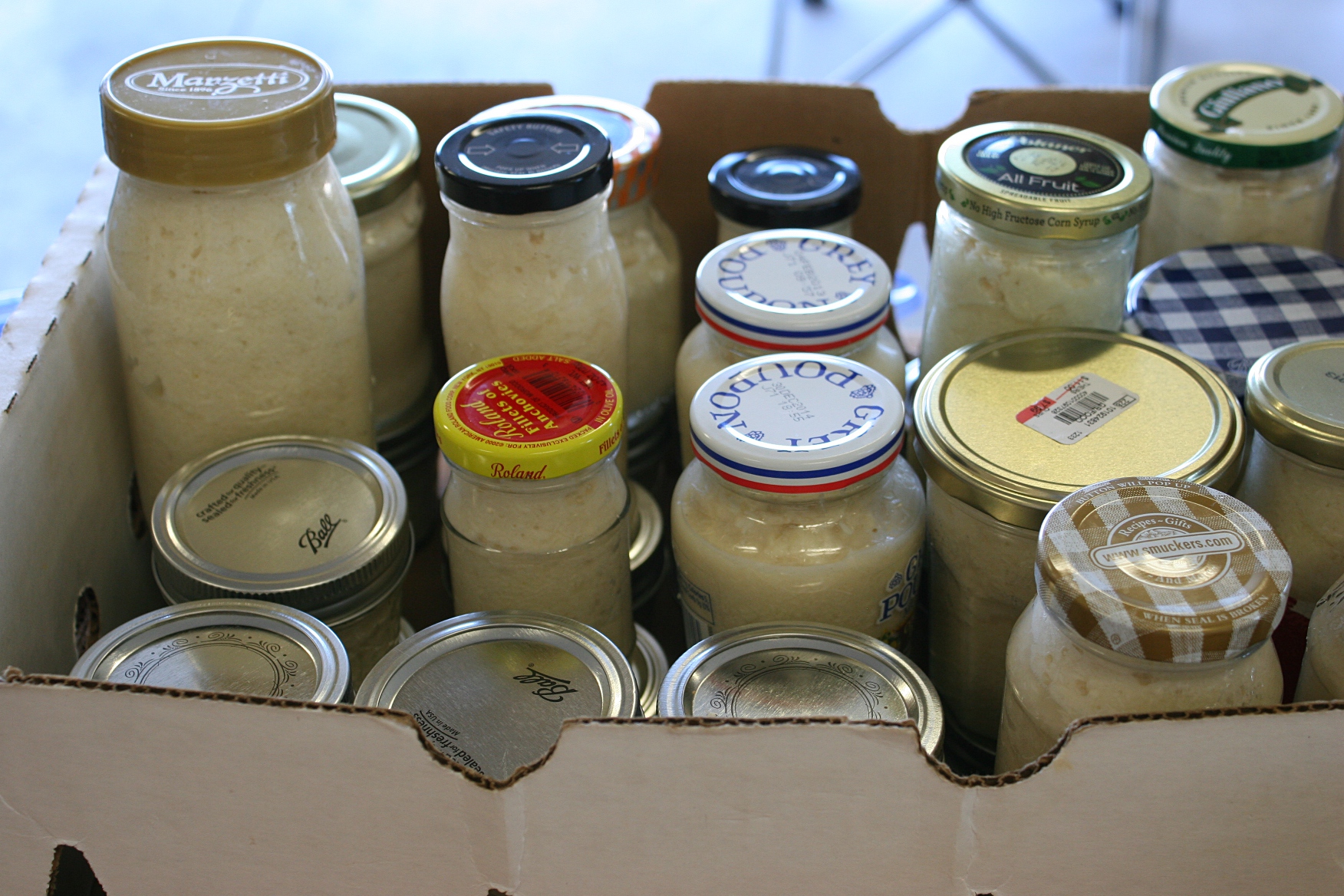
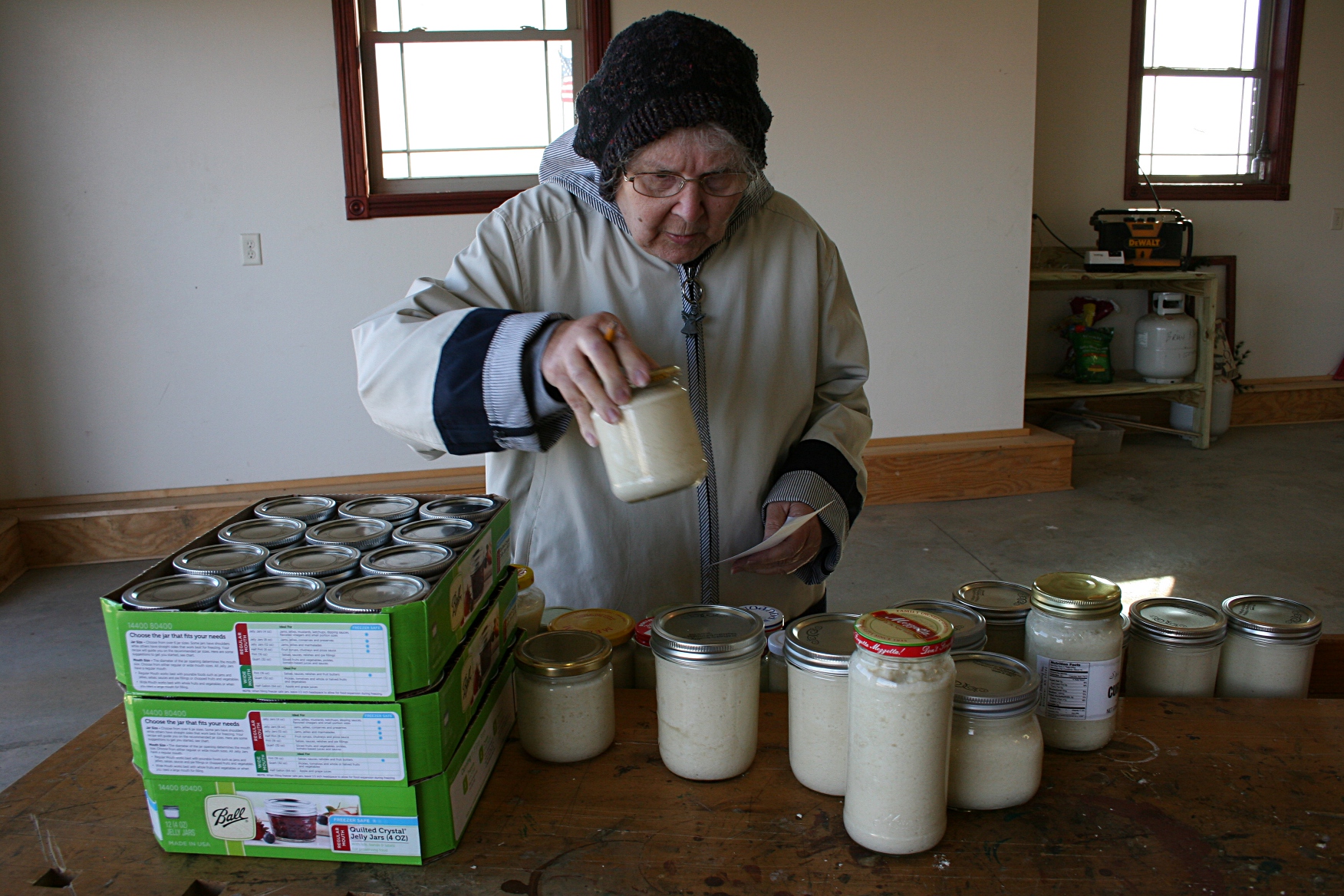
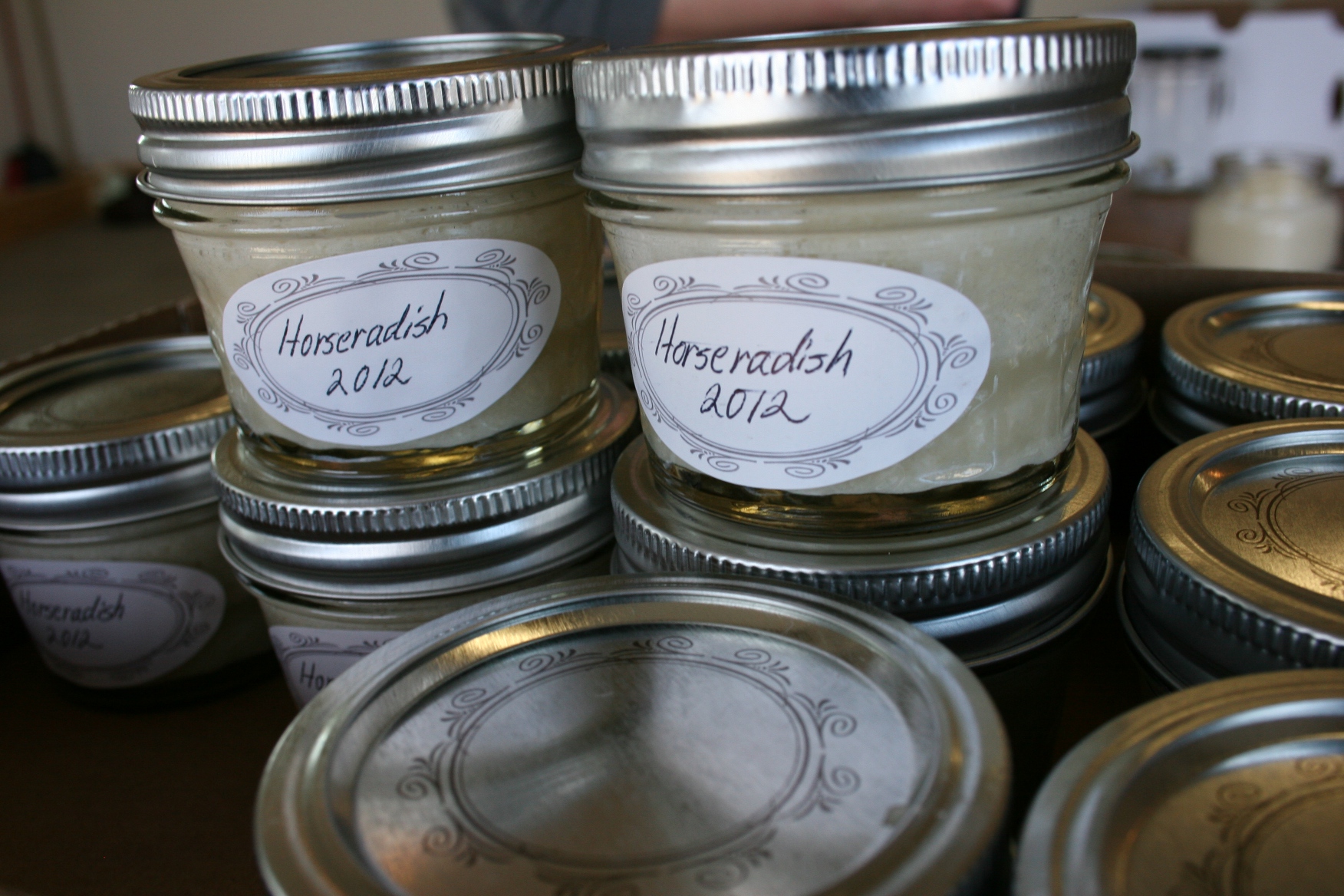
Homemade horseradish in jars. (Minnesota Prairie Roots copyrighted file photo October 2012)

HOW ABOUT HORSERADISH OR COTTAGE CHEESE PIE?

Dad also made horseradish, a tradition which continues in my extended family today, 20 years after his death. Horseradish seems an acquired taste. Not everyone likes a condiment that burns nostrils, clears sinuses, waters eyes, nips the tongue. But I do.

And once upon a time I also ate SPAM, a canned meat made in Austin, Minnesota, and wildly popular in Hawaii. I liked it in Pizza Burgers—SPAM, onion and American cheese ground in a hand-cranked meat grinder and then canned chili (without beans) stirred in. I haven’t quite figured out the “without beans” in chili. Mom made and spread the mix on homemade bun halves, broiled until the cheese bubbled. Yum. I no longer eat SPAM. Or Jell-O. Make that red Jell-O with bananas, a staple of extended family gatherings many decades ago.

On the shelves at Reed’s Market in Crosslake. (Minnesota Prairie Roots copyrighted photo July 2023)

Food, in many ways, connects to memories, traditions, heritage. You won’t find me eating peanut butter on pancakes or Cottage Cheese Pie, food oddities my husband brought into our marriage. I don’t much like pancakes and I’ve never made the Helbling signature pie. Nor have I made my mom’s favorite pie, Sour Cream Raisin. But I love cottage cheese and I eat Raisin Bran cereal. Just don’t ask me to eat turkey gizzards. Or lutefisk. Once was enough for this writer.

© Copyright 2023 Audrey Kletscher Helbling


My Minnesota family’s tradition: Harvesting & preserving horseradish November 5, 2015

Filed under: Uncategorized — Audrey Kletscher Helbling @ 5:00 AM
Tags: , , , , , , ,

Freshly-processed horseradish from southwestern Minnesota.

Freshly-processed horseradish from southwestern Minnesota.

THE CREAMY SAUCE LINGERS on my tongue. Then, zip, my nostrils burn with the zing of stinging horseradish. My eyes water. And I wonder why I eat this stuff.

I like spicy. I like hot. Not jalapeno with too many seeds hot. But horseradish hot I can handle in small doses. It’s part of my DNA.

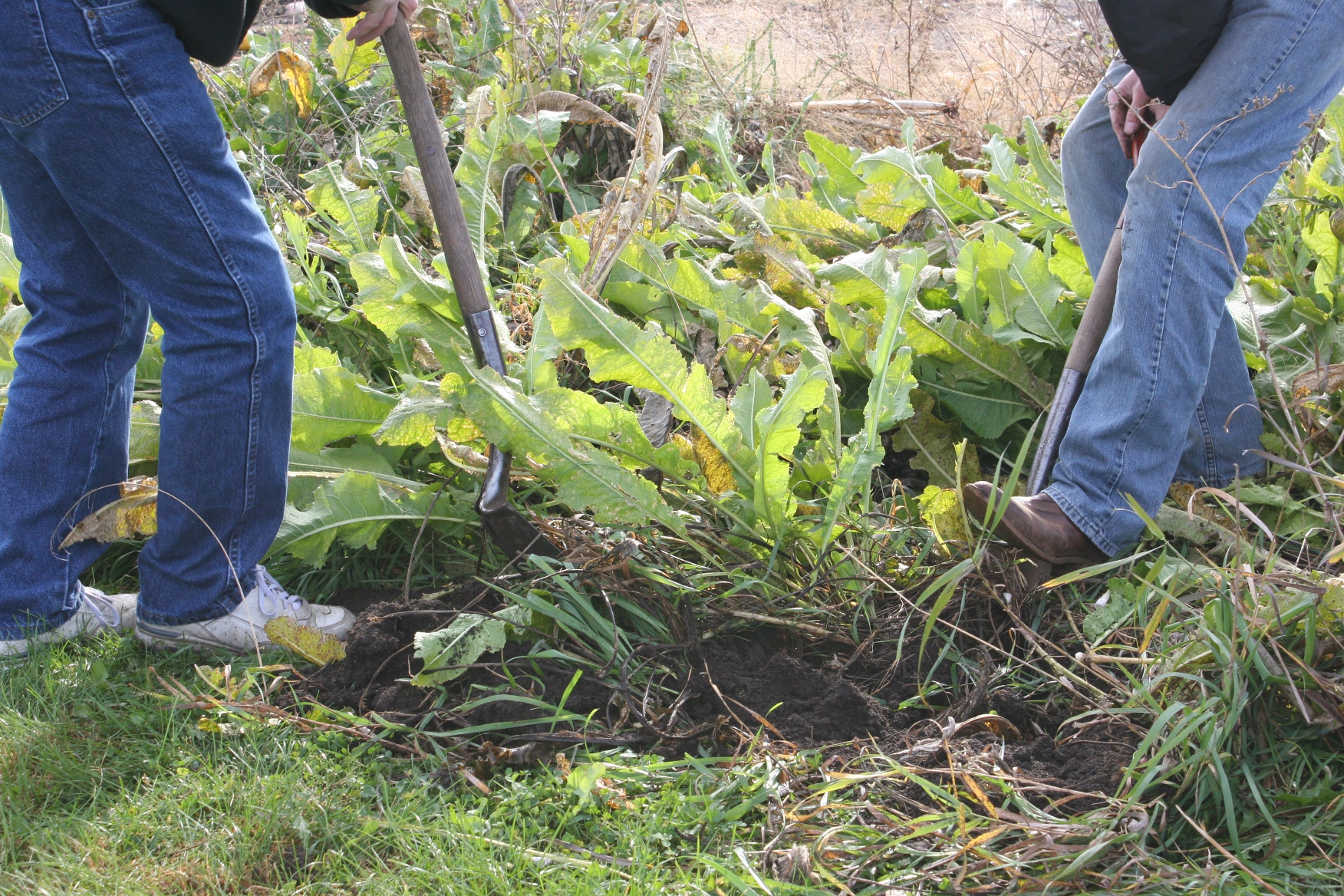
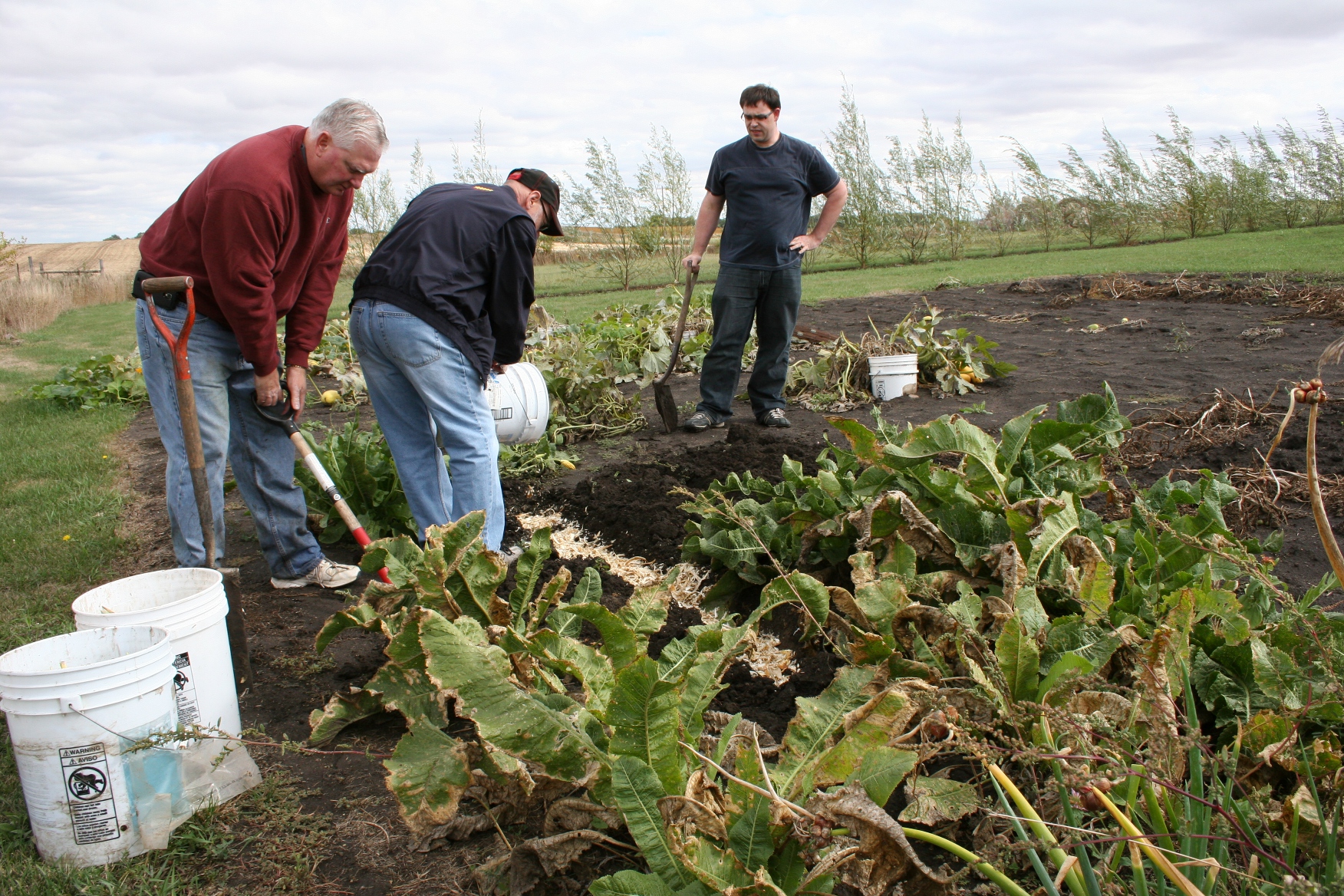
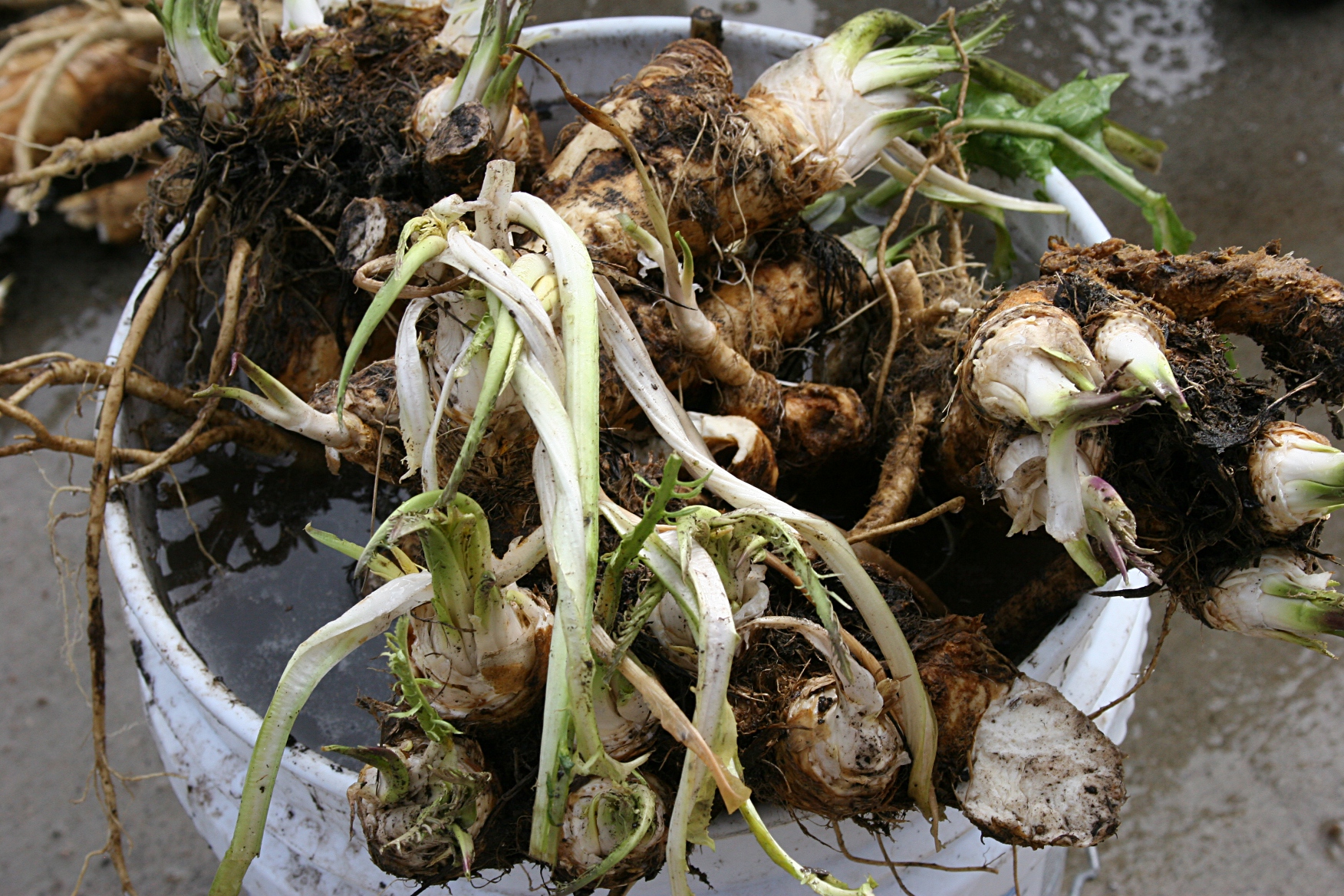
STEP ONE: Digging the horseradish, which grows like carrot roots underground.

STEP ONE: Digging the horseradish, which grows like carrots underground.

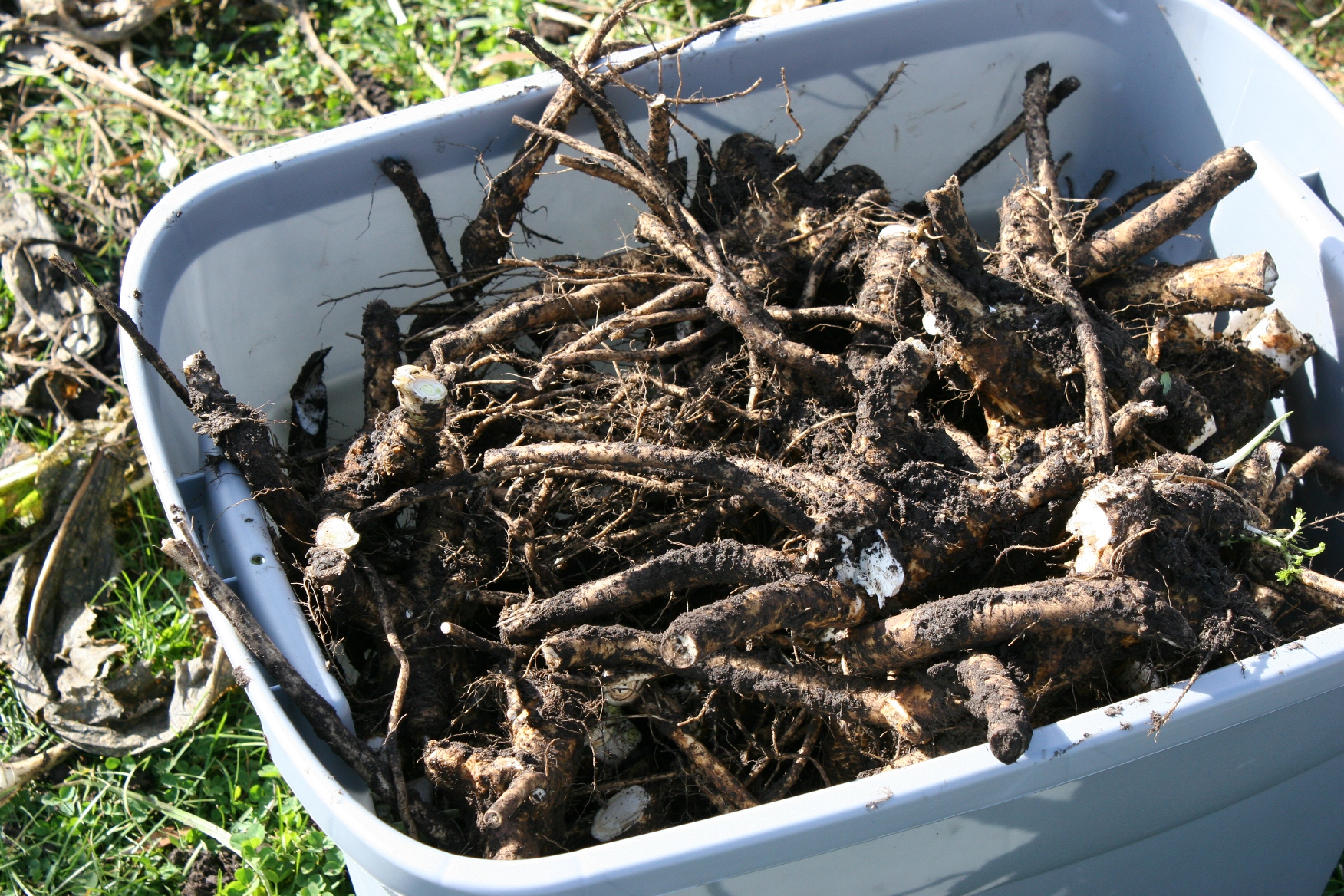
Just dug horseradish.

Just dug horseradish.

We arrive mid-morning on a cool and windy Saturday to process the horseradish.

We arrive mid-morning on a cool and windy Saturday in late October to process the horseradish.

For years, until his death in 2003, my dad made horseradish. You don’t really make horseradish. Rather you process the roots into a creamy white sauce. Horseradish preserved in vinegar.

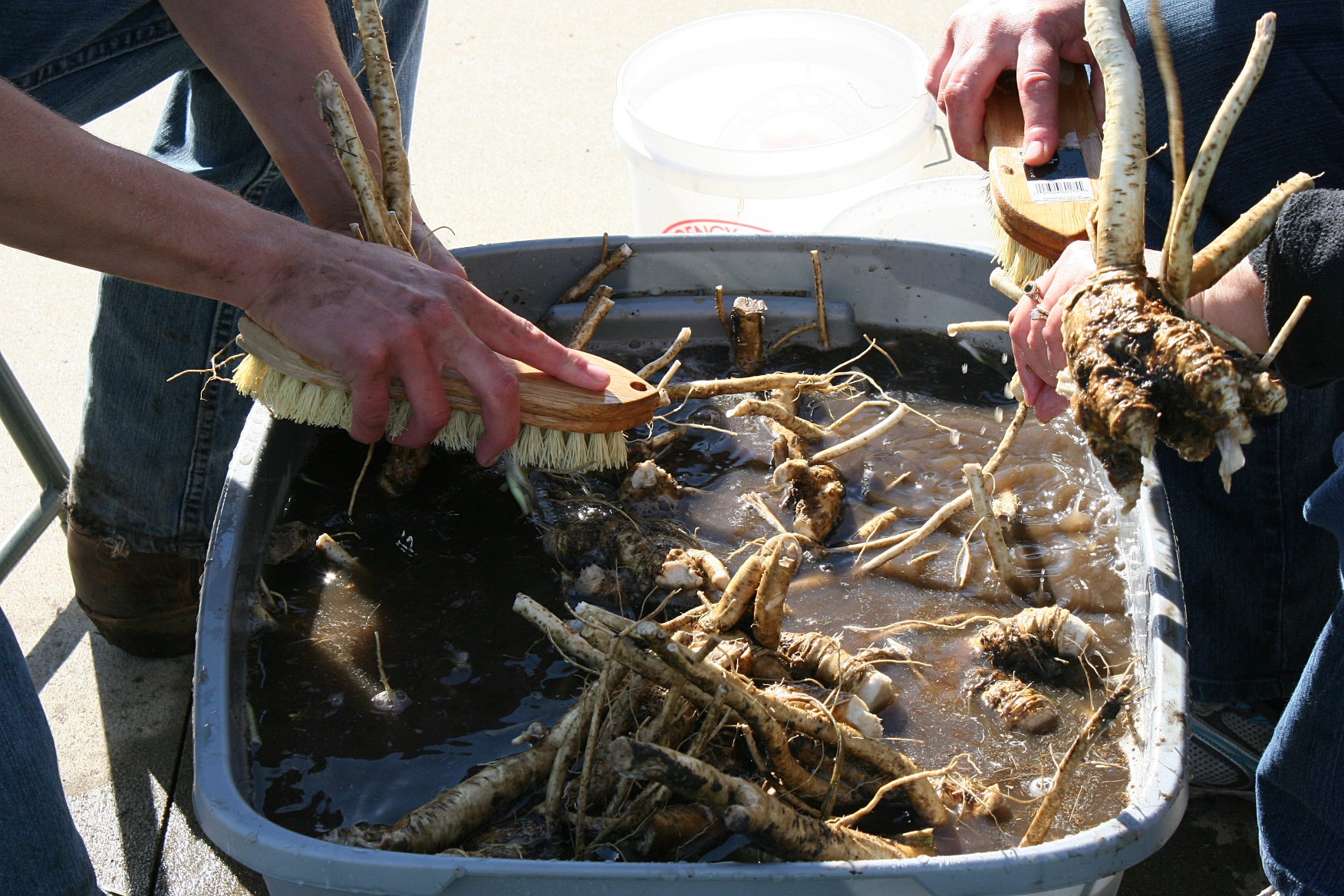
STEP TWO: Scrubbing the dirt away with brushes.

STEP TWO: Scrubbing away the dirt.

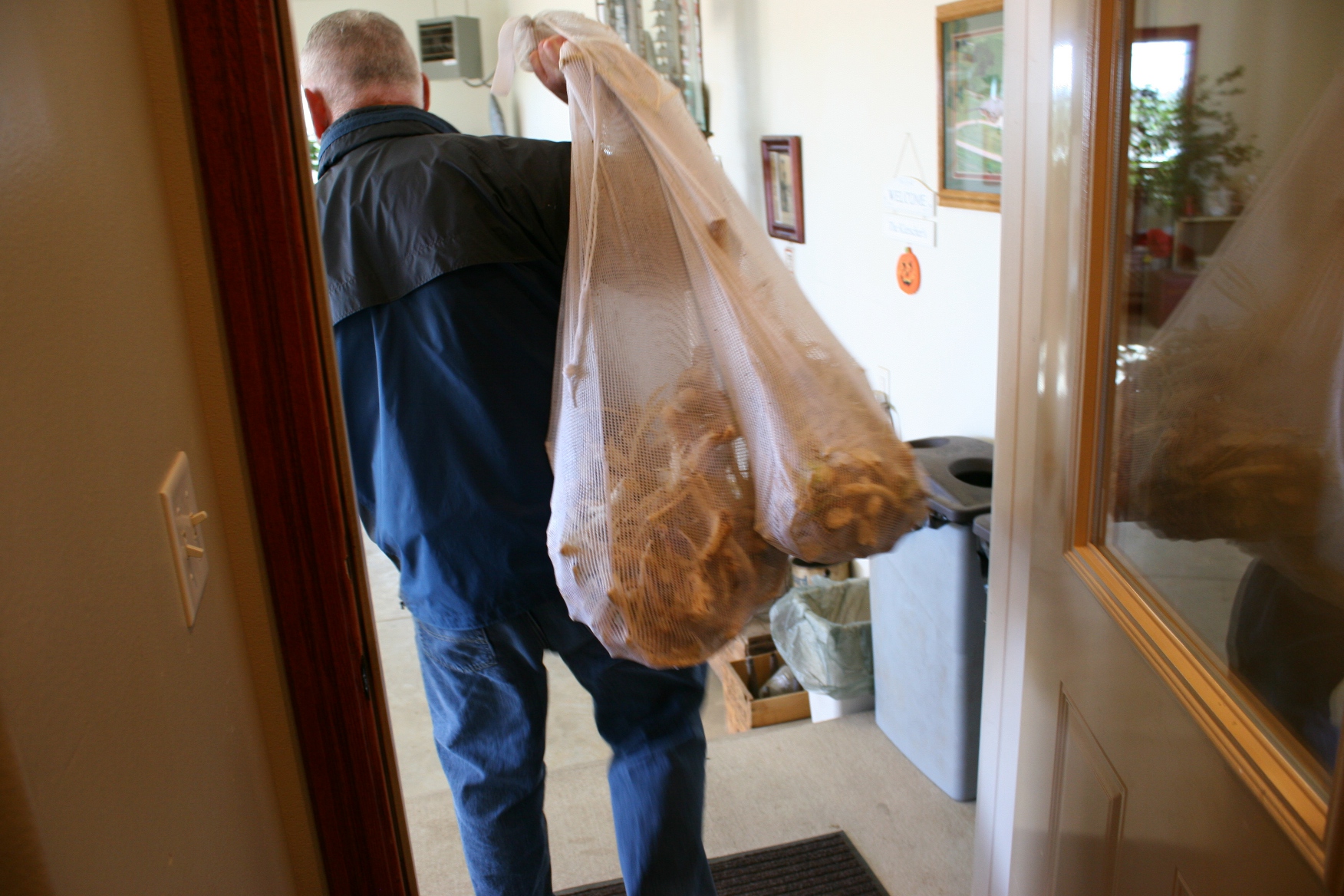
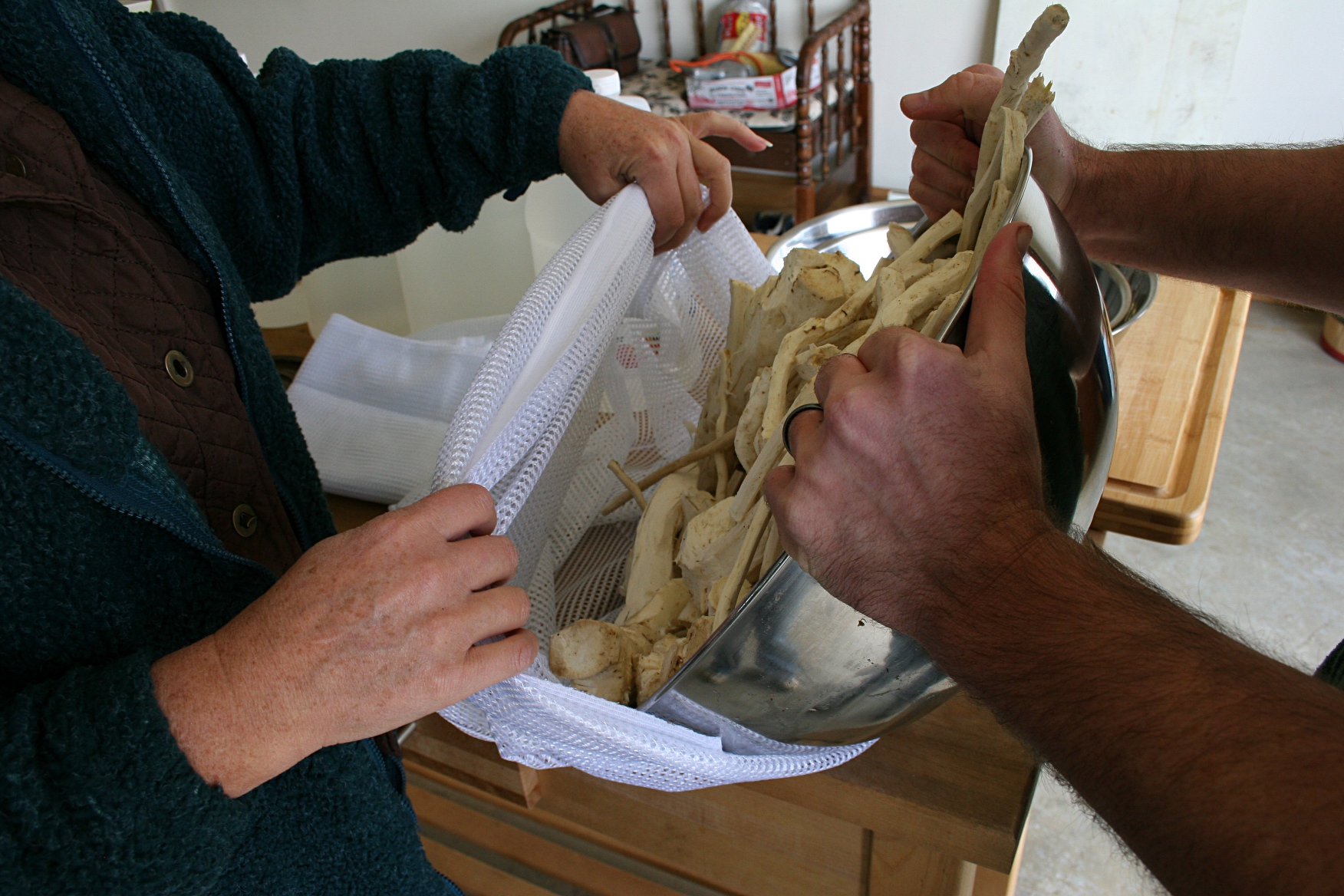
STEP THREE: The horseradish if placed in laundry bags and washed in the washing machine. Here my brother carries the just-washed horseradish to the work area in his garage.

STEP THREE: The horseradish is placed in laundry bags and washed in the washing machine. Here my brother carries the just-washed horseradish to the work area in his garage.

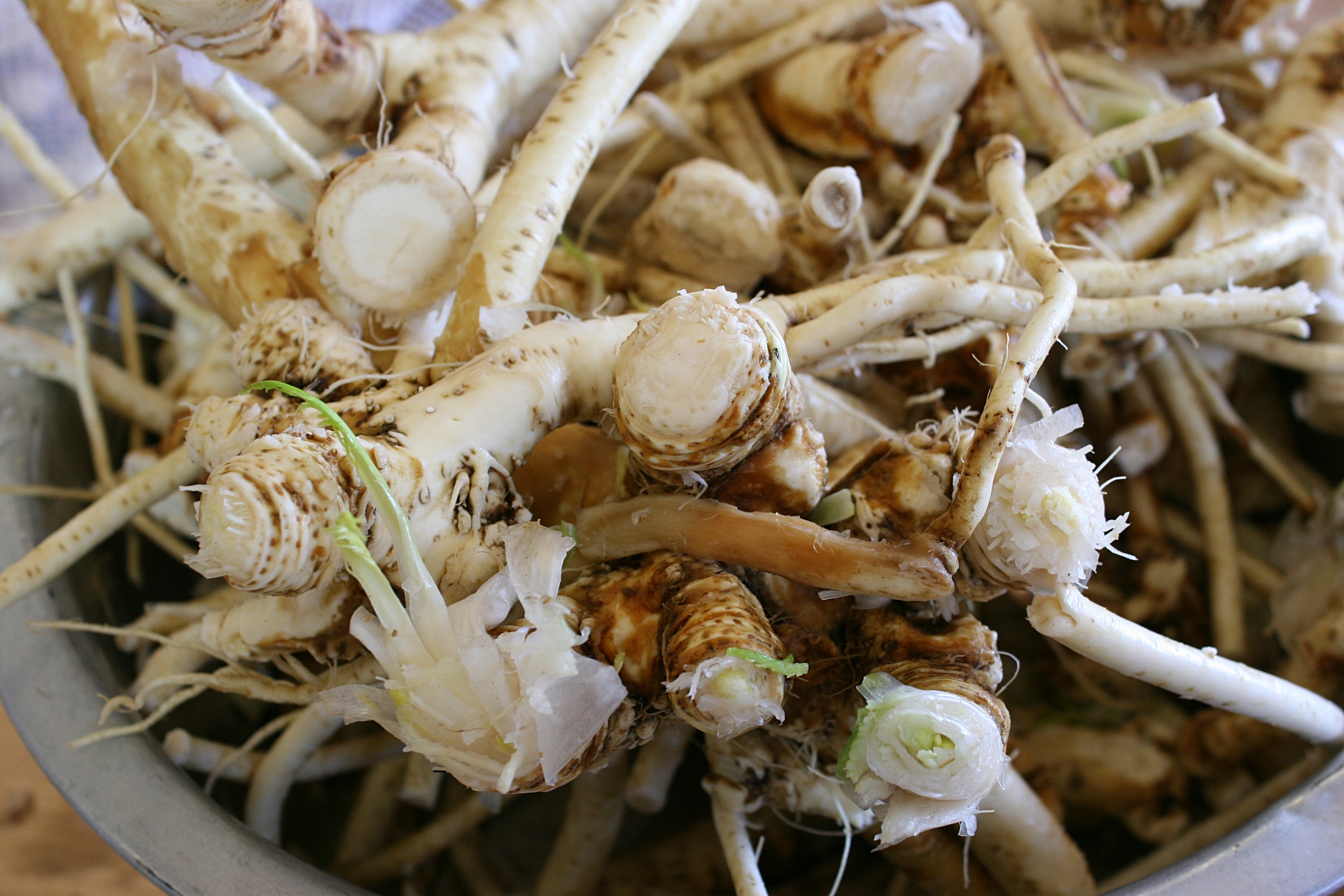
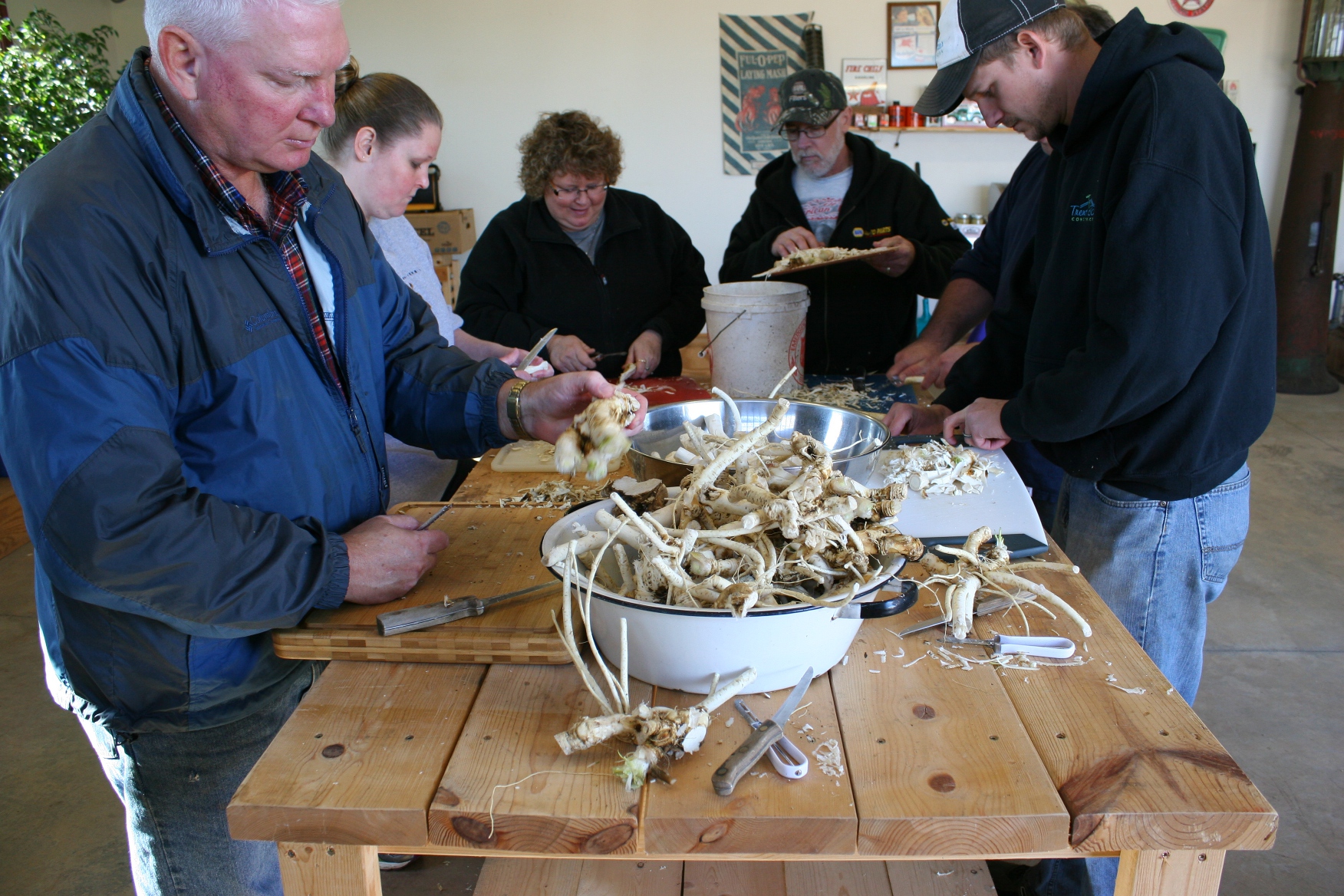
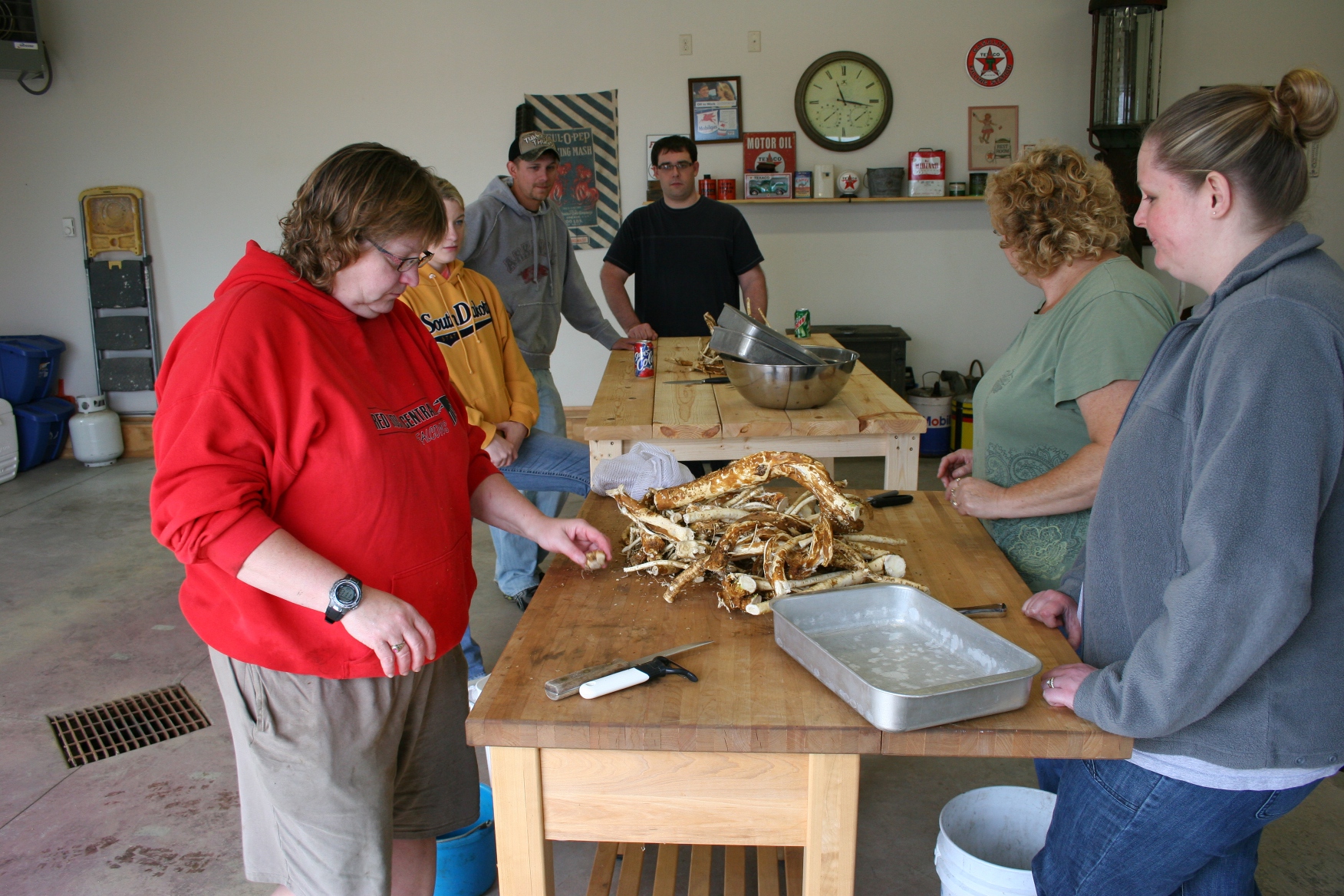
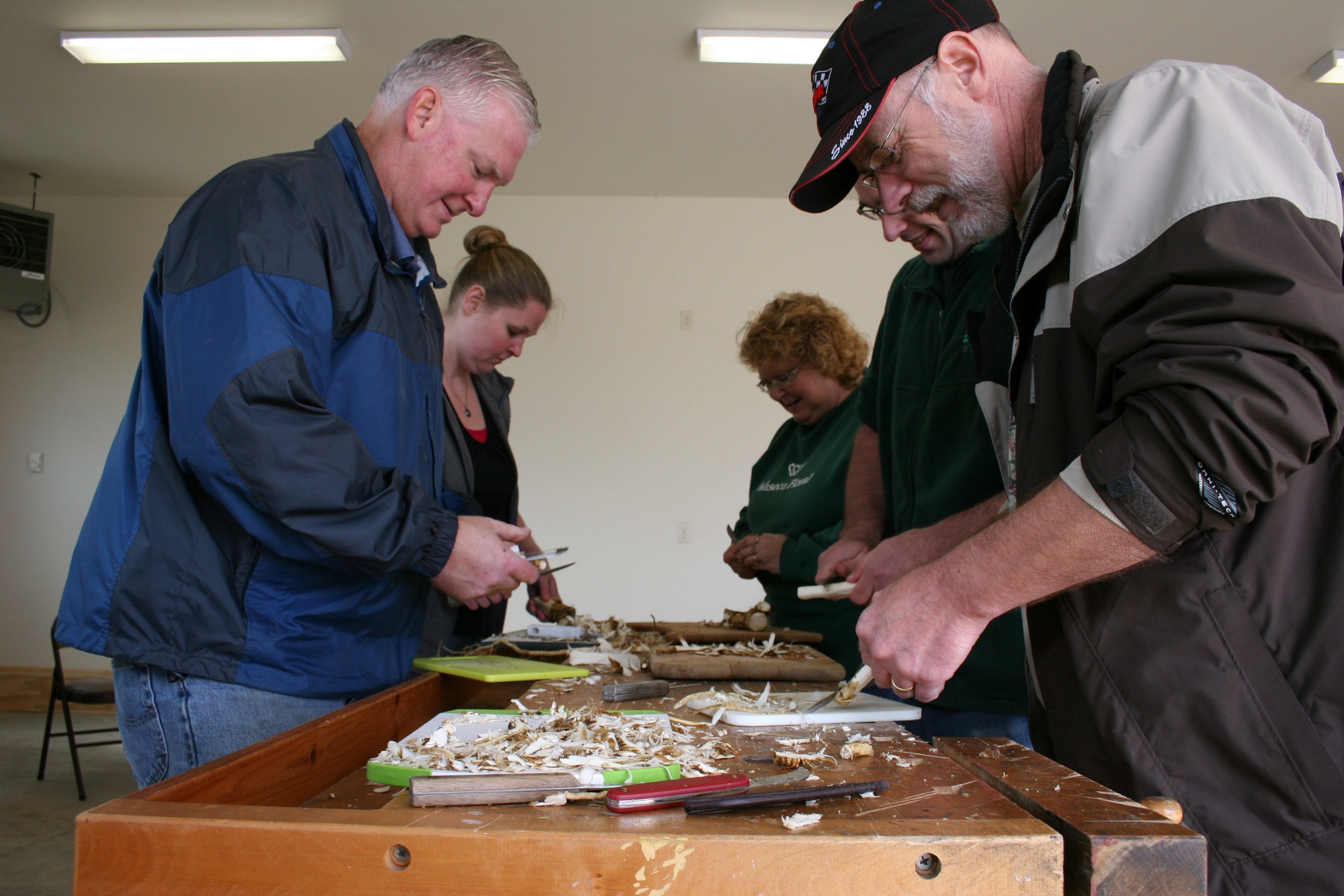
The roots are now ready to be peeled with a knife and/or potato peeler.

The roots are now ready to be peeled with a knife and/or potato peeler. Every bit of brown must be removed to get a creamy white sauce.

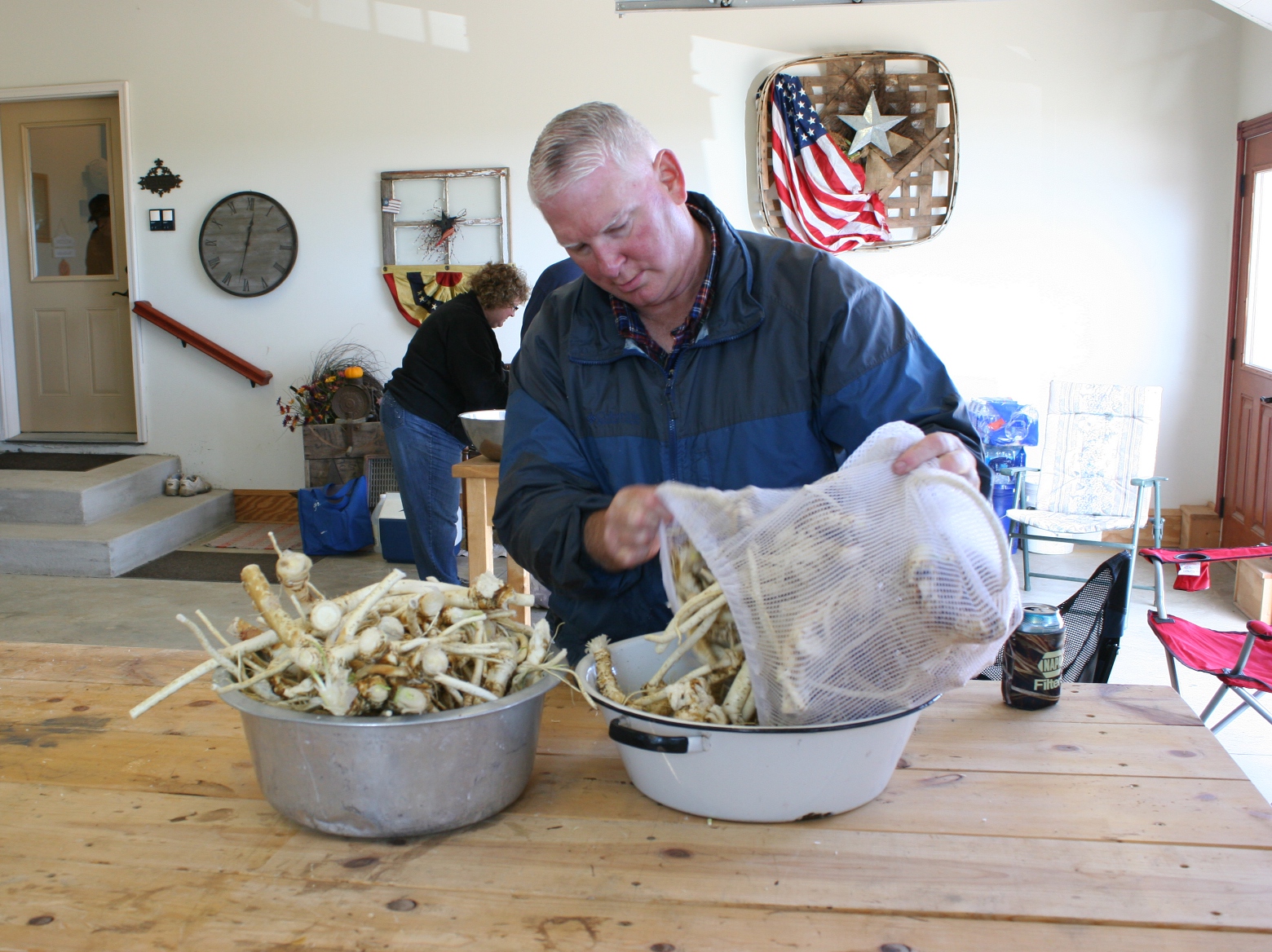
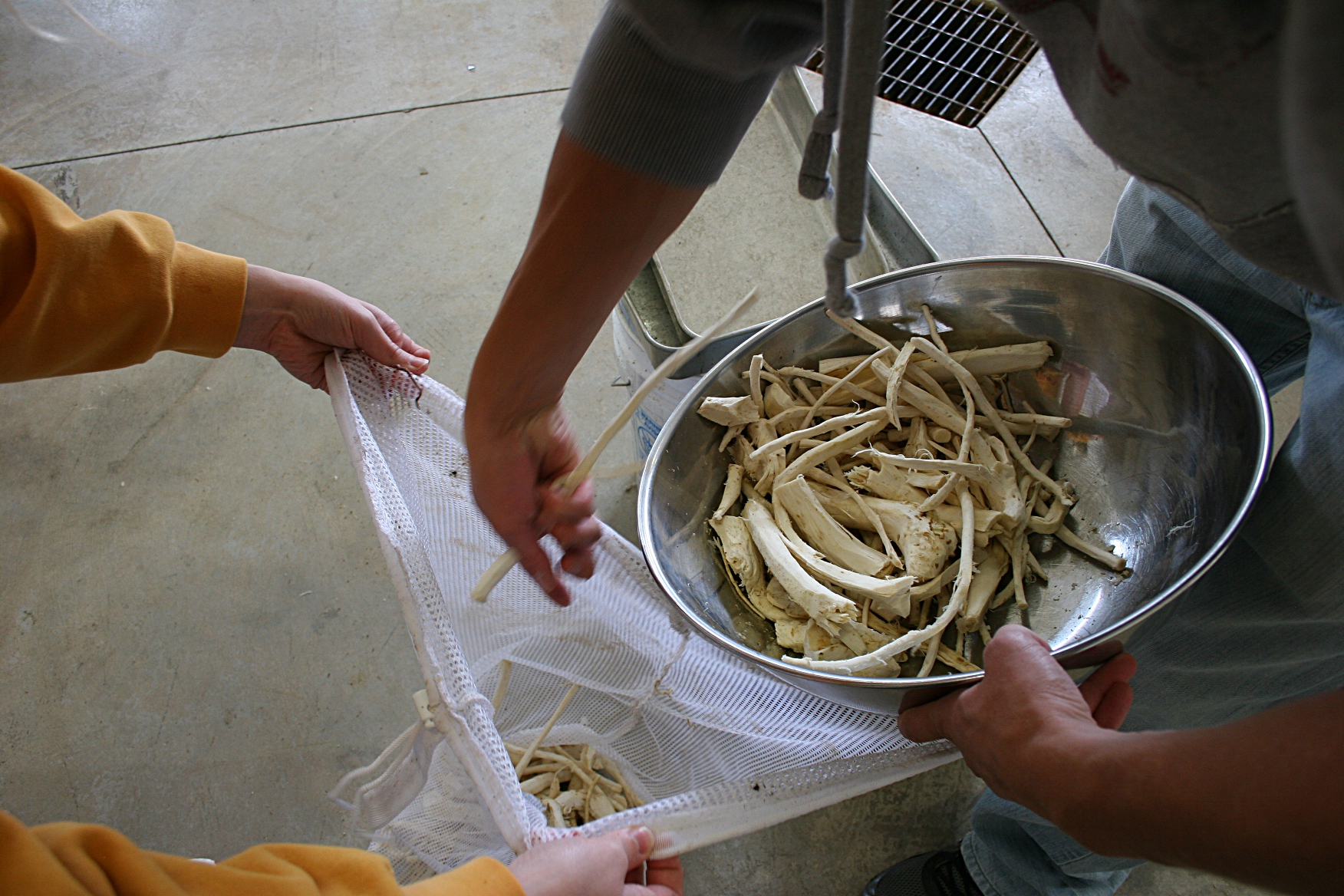
My brother empties the second laundry bag.

My brother empties the second laundry bag.

It’s not an easy task. Creating a horseradish condiment requires a full day of digging, scrubbing, washing, peeling, washing, cutting, shredding, blending, pouring into jars and, finally, planting the peelings for new growth.

STEPS FOUR & FIVE: Family members peel horseradish before it's washed for a second time.

STEPS FOUR & FIVE: Family members peel horseradish before it’s washed for a second time.

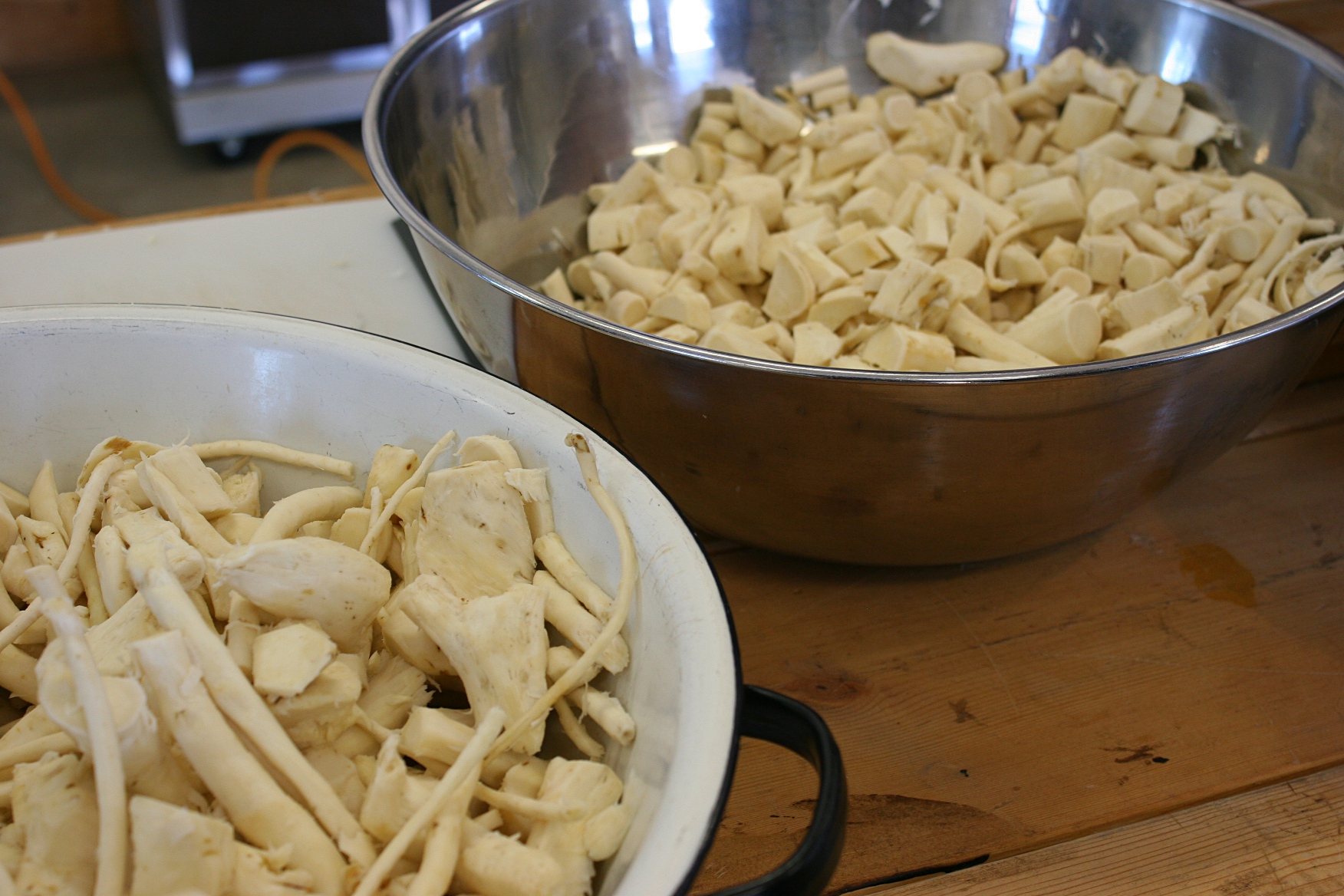
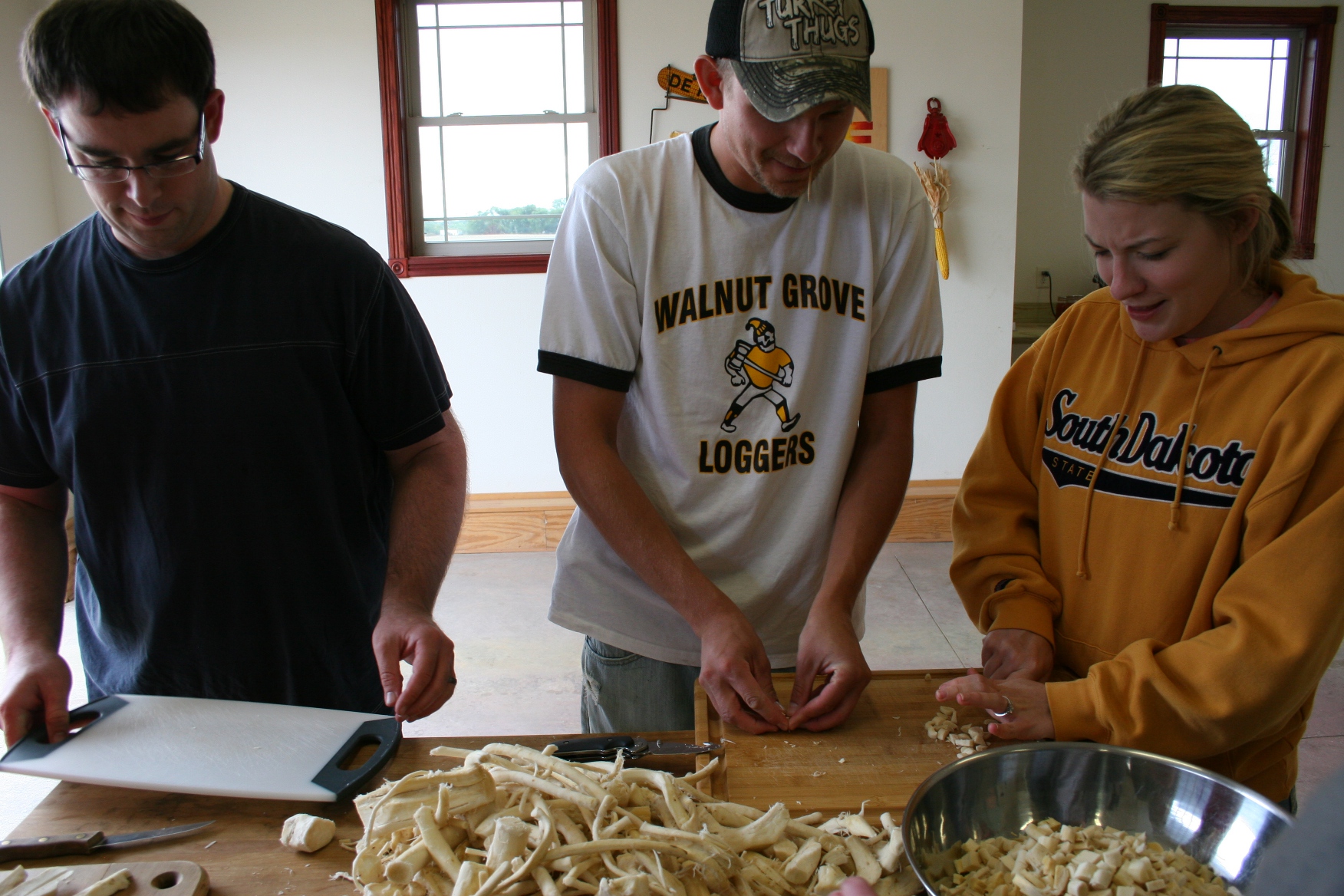
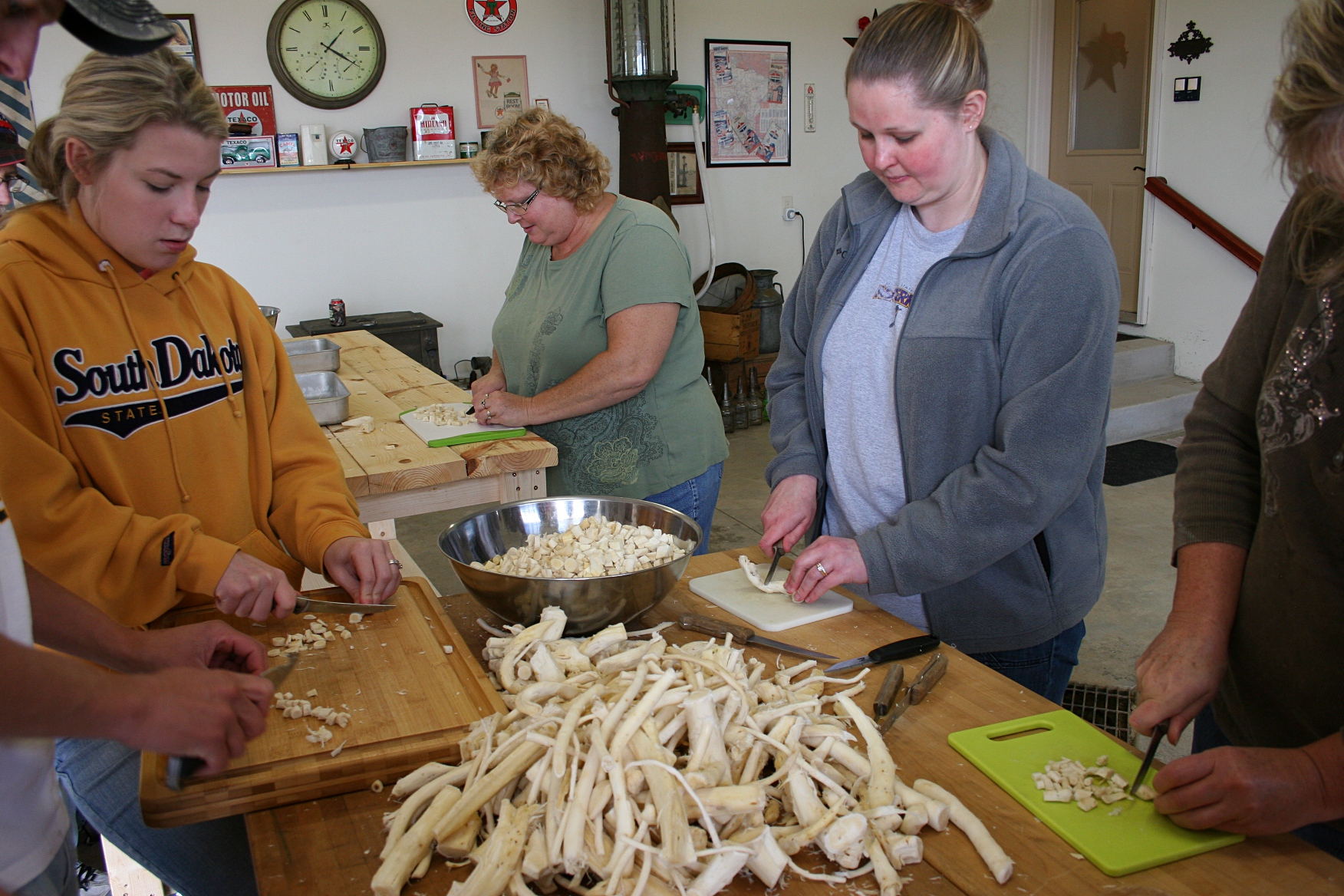
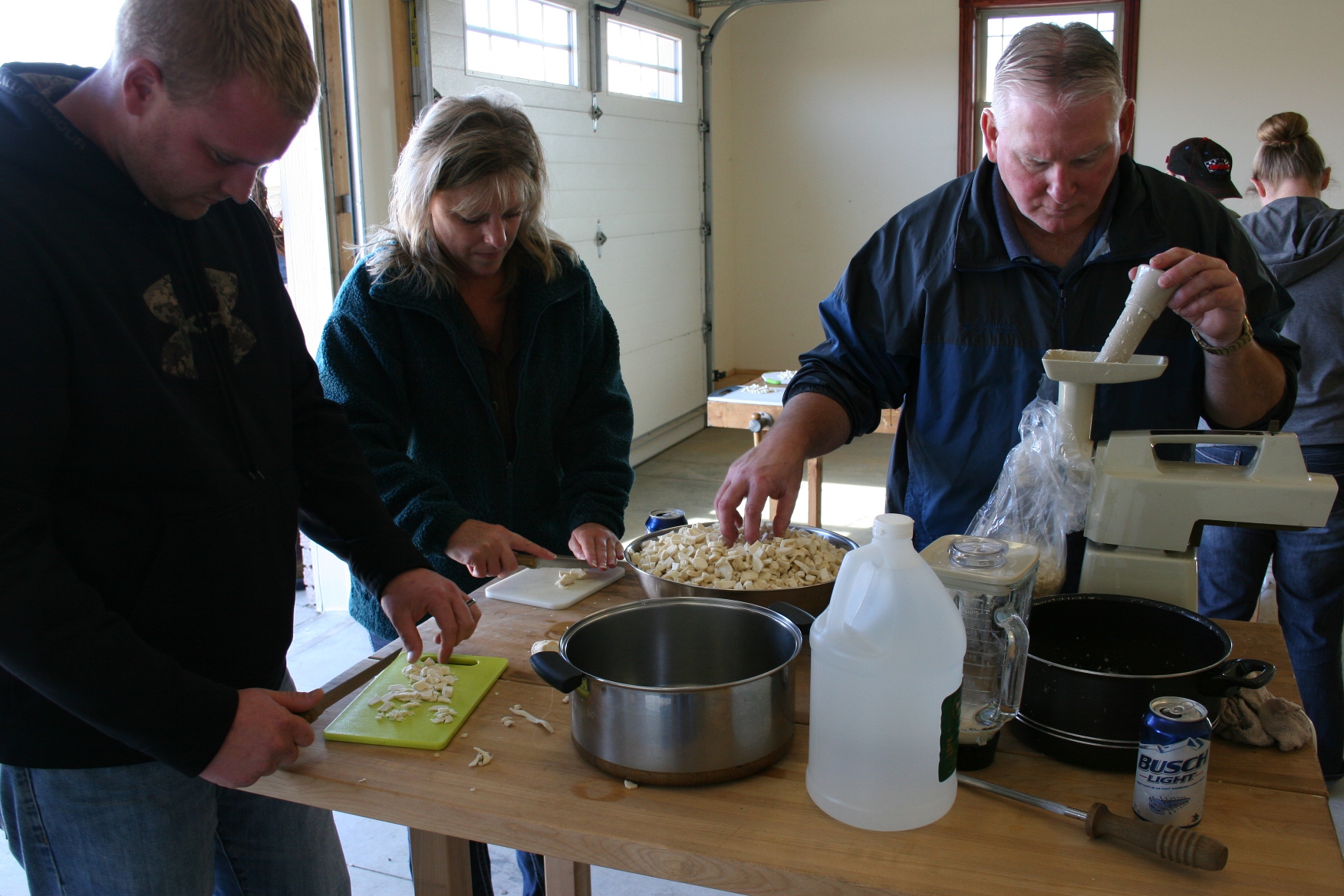
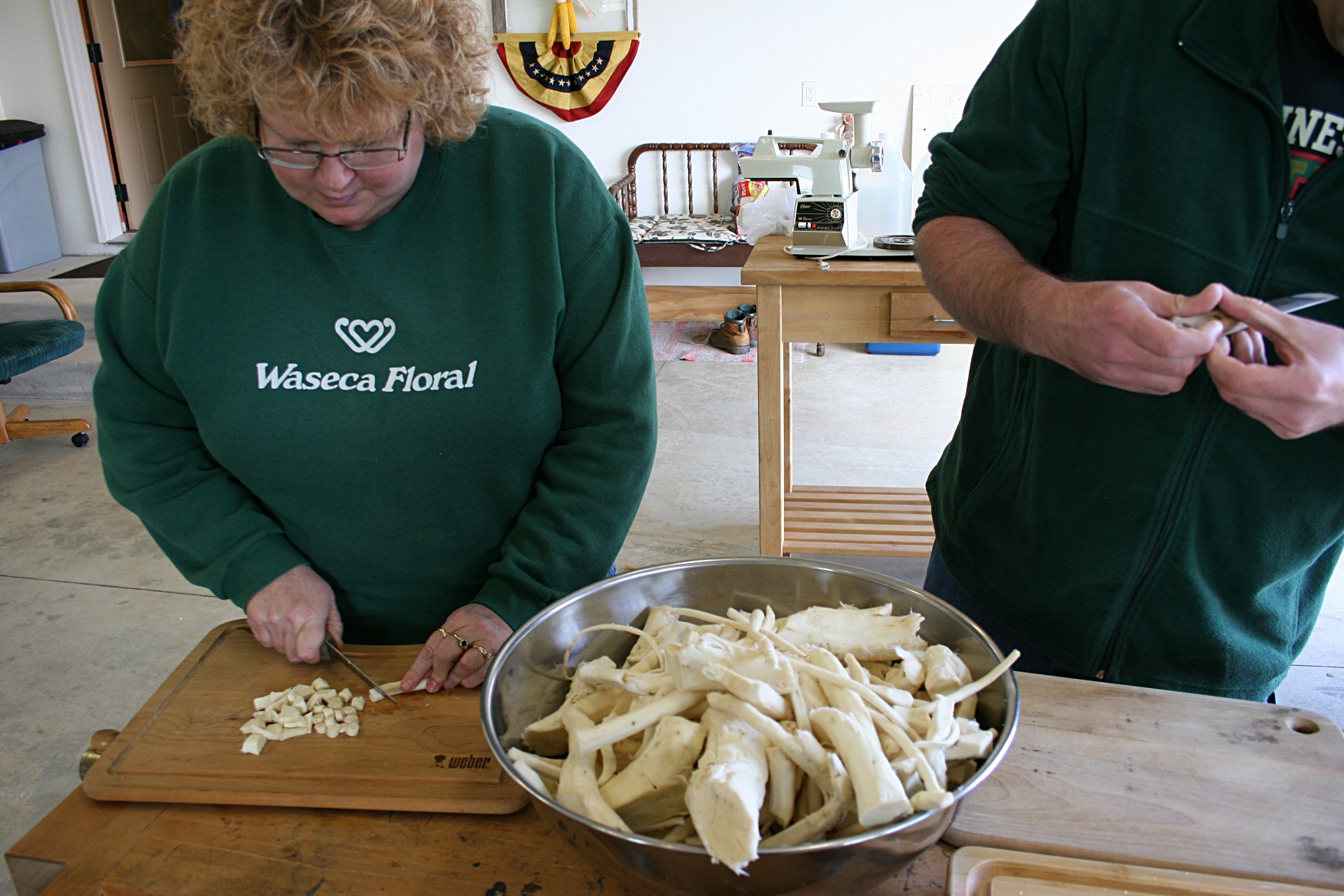
STEP SIX: Using knives, we slice the horseradish into chunks.

STEP SIX: Using knives, we slice the horseradish into chunks.

My sister Lanae and her husband, Dale, whom Dad mentored in all things horseradish, pushed for continuing the family horseradish tradition. And so, on a Saturday each autumn, we gather at my middle brother and sister-in-law’s rural southwestern Minnesota acreage to honor our dad with this seasonal rite.

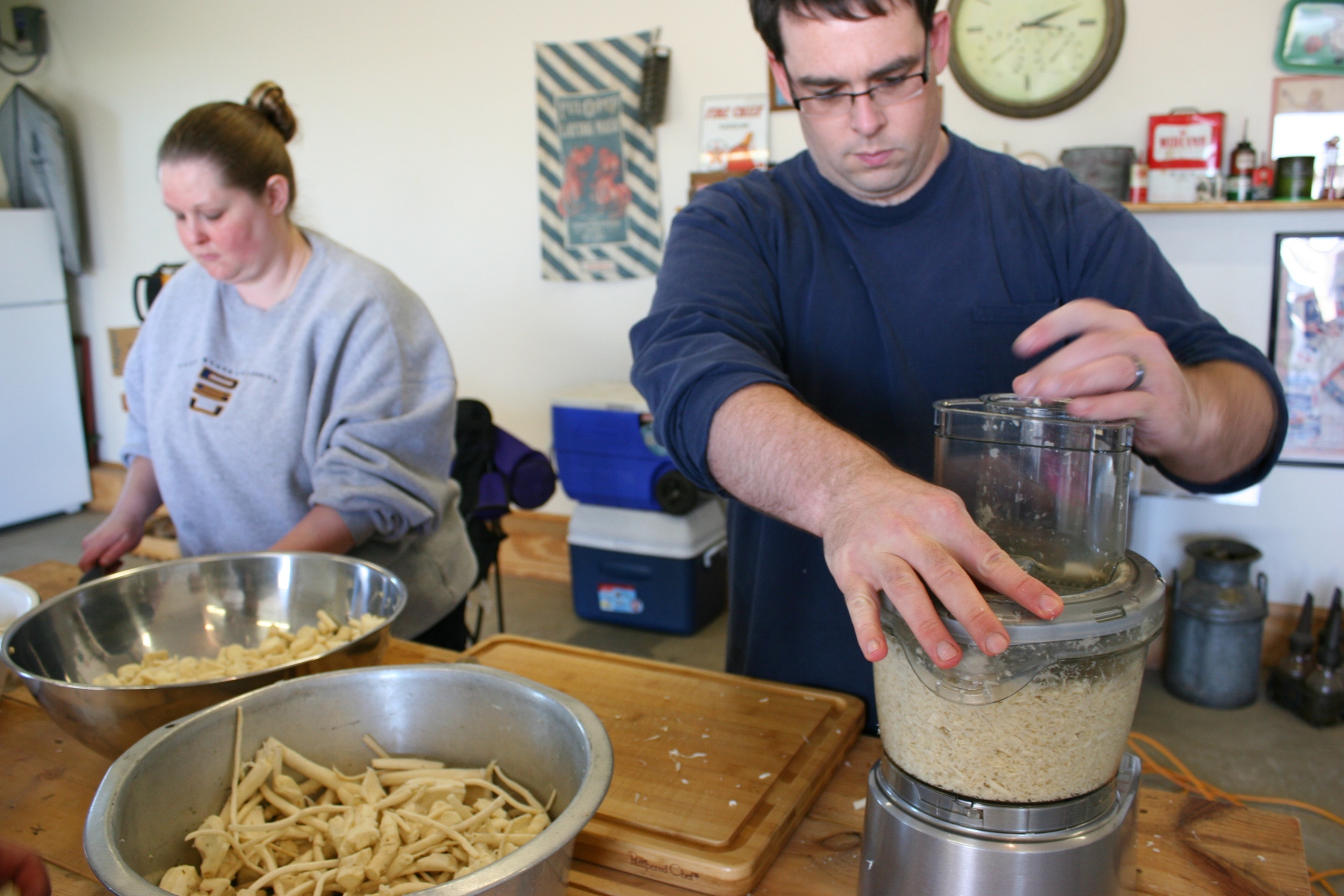
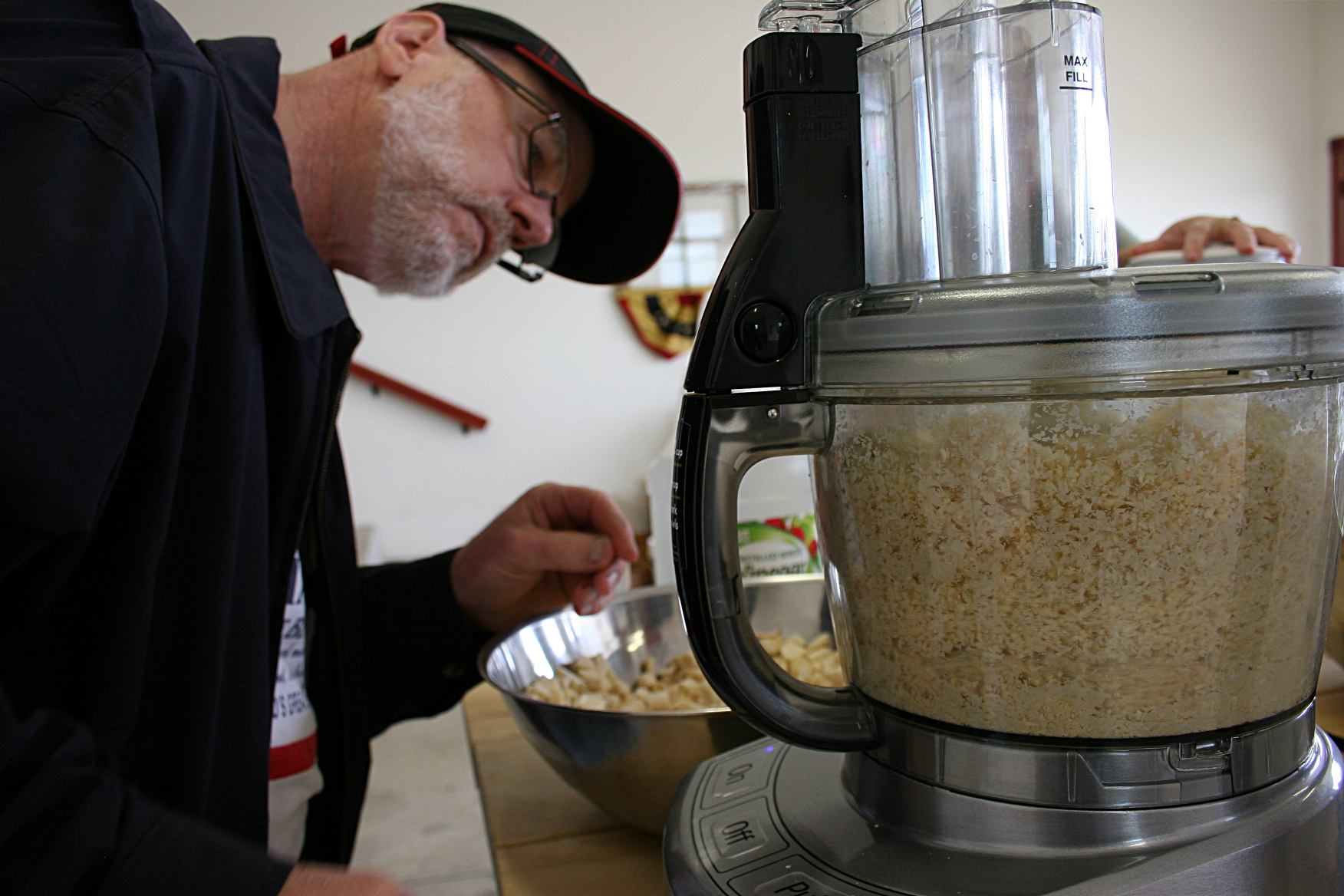
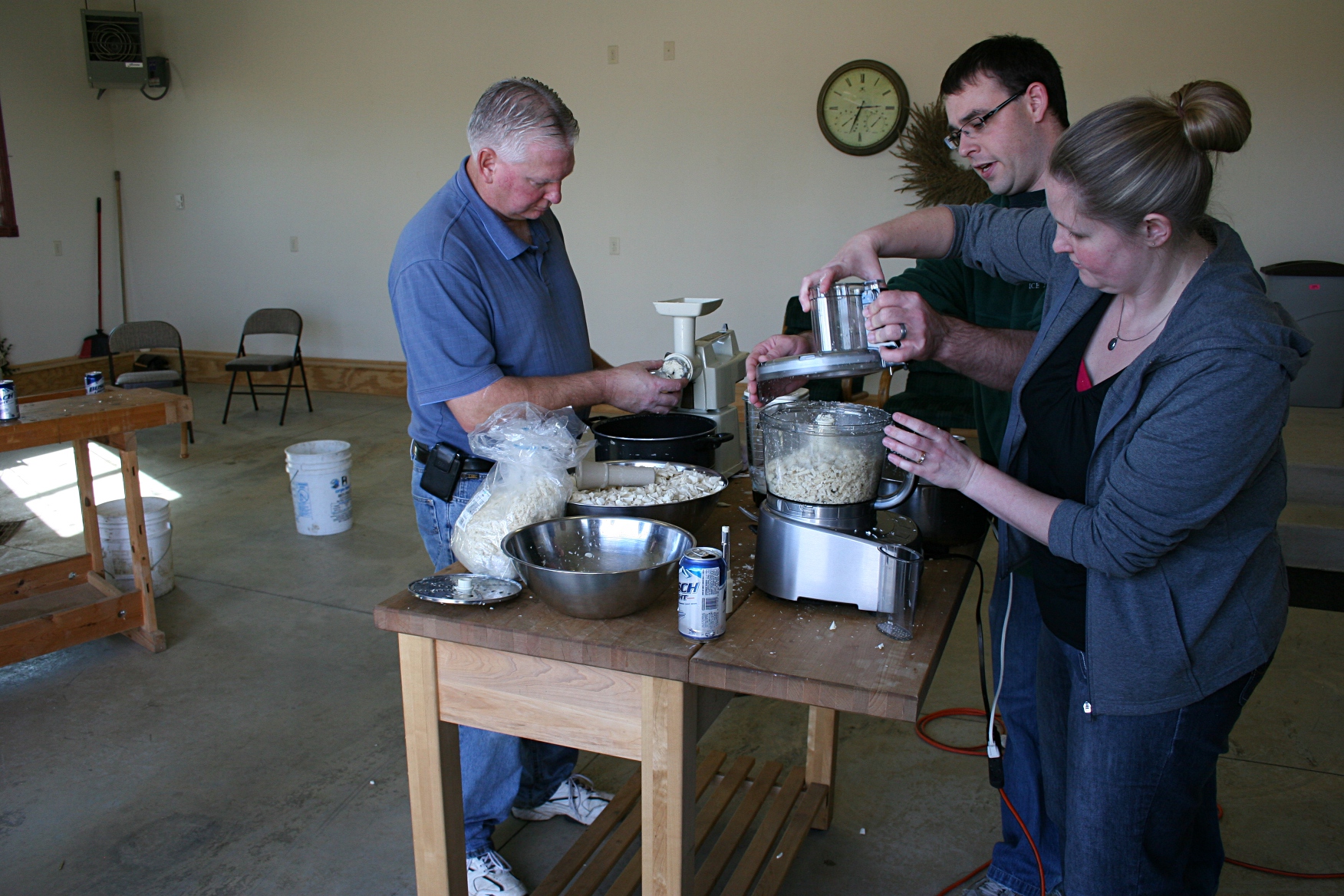
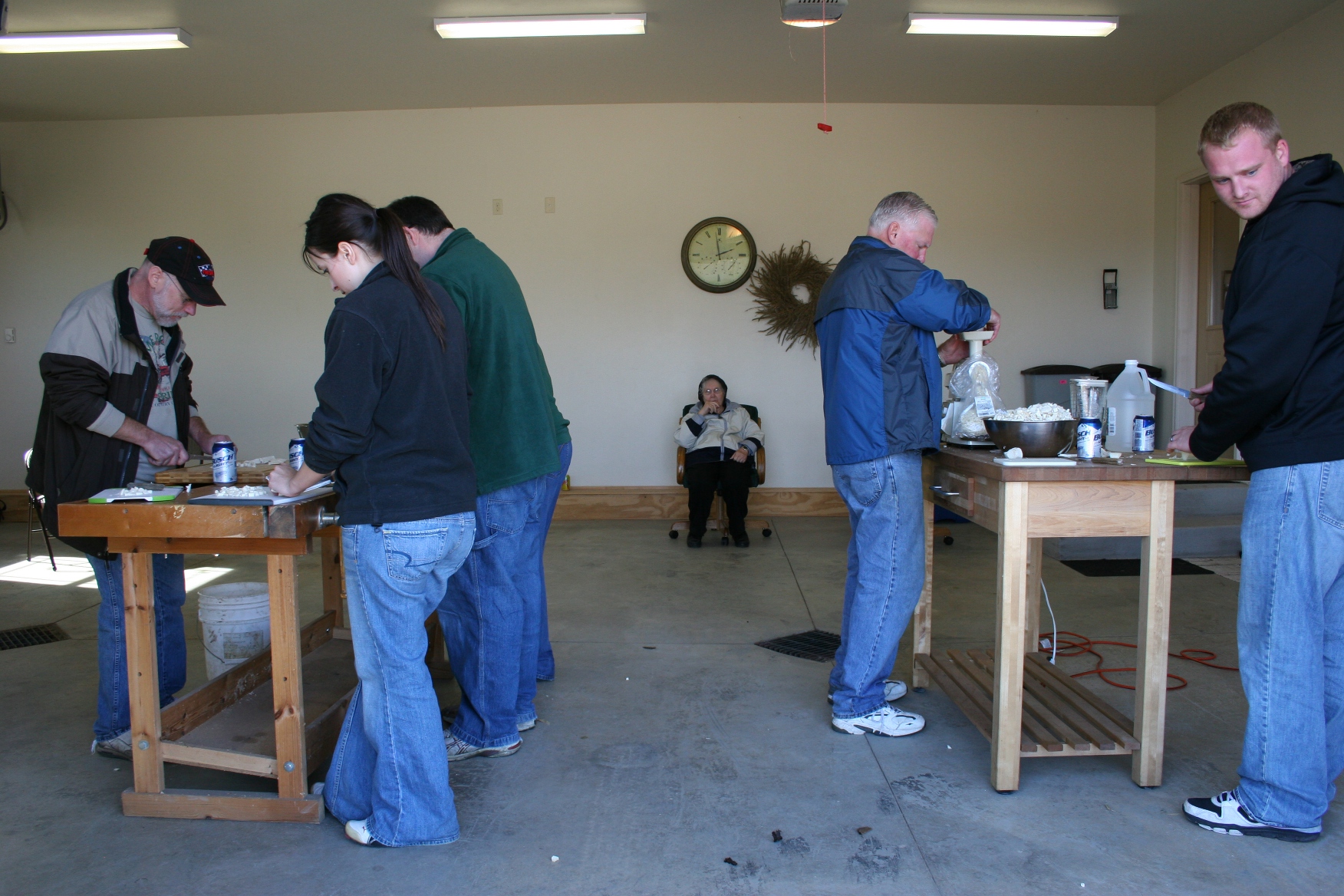
My niece cuts horseradish while her husband refines it in a food processor.

STEP SEVEN: My niece’s husband refines the horseradish in a food processor.

Sometimes the fumes are more than the workers can handle.

Sometimes the potent fumes are more than workers can handle.

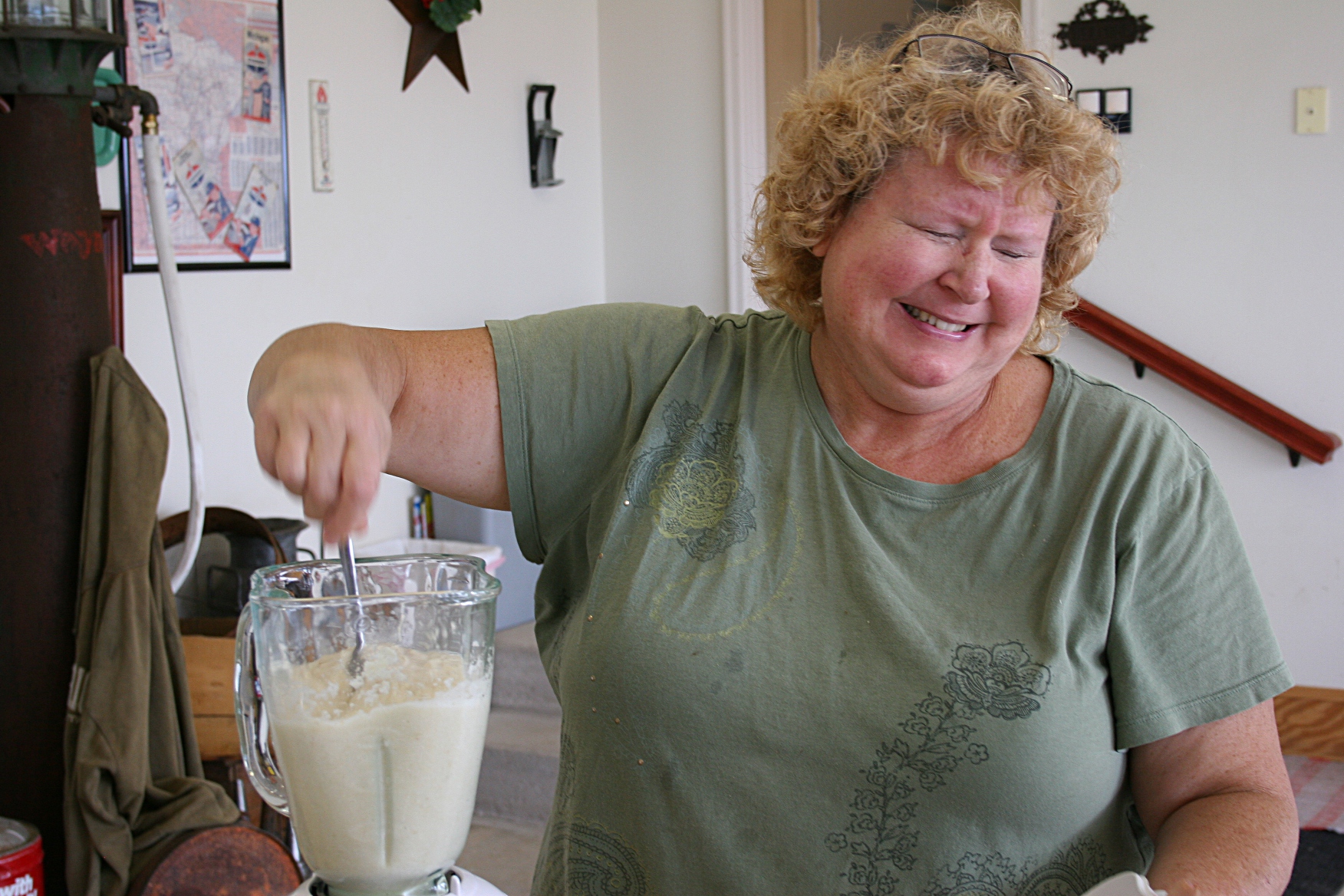
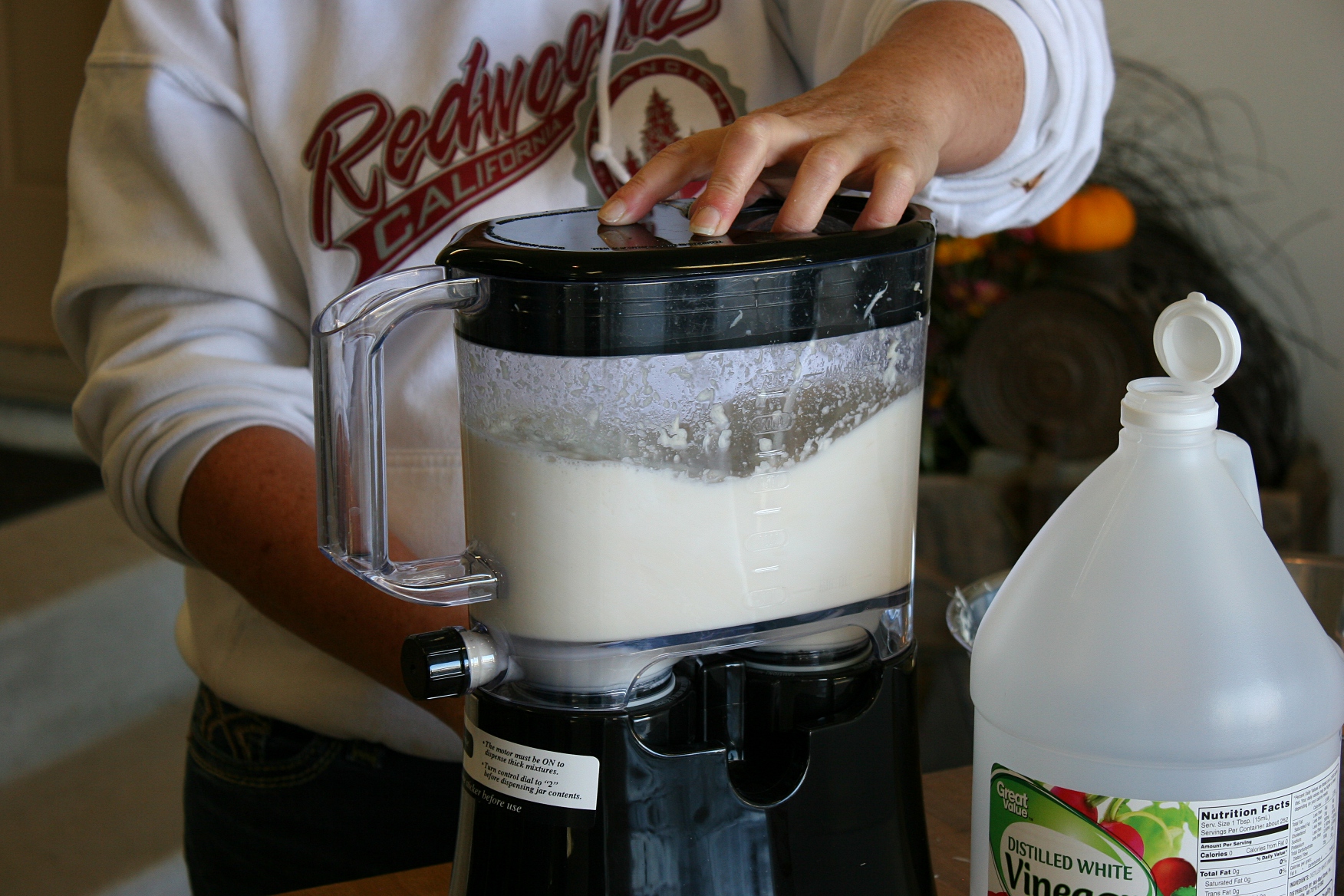
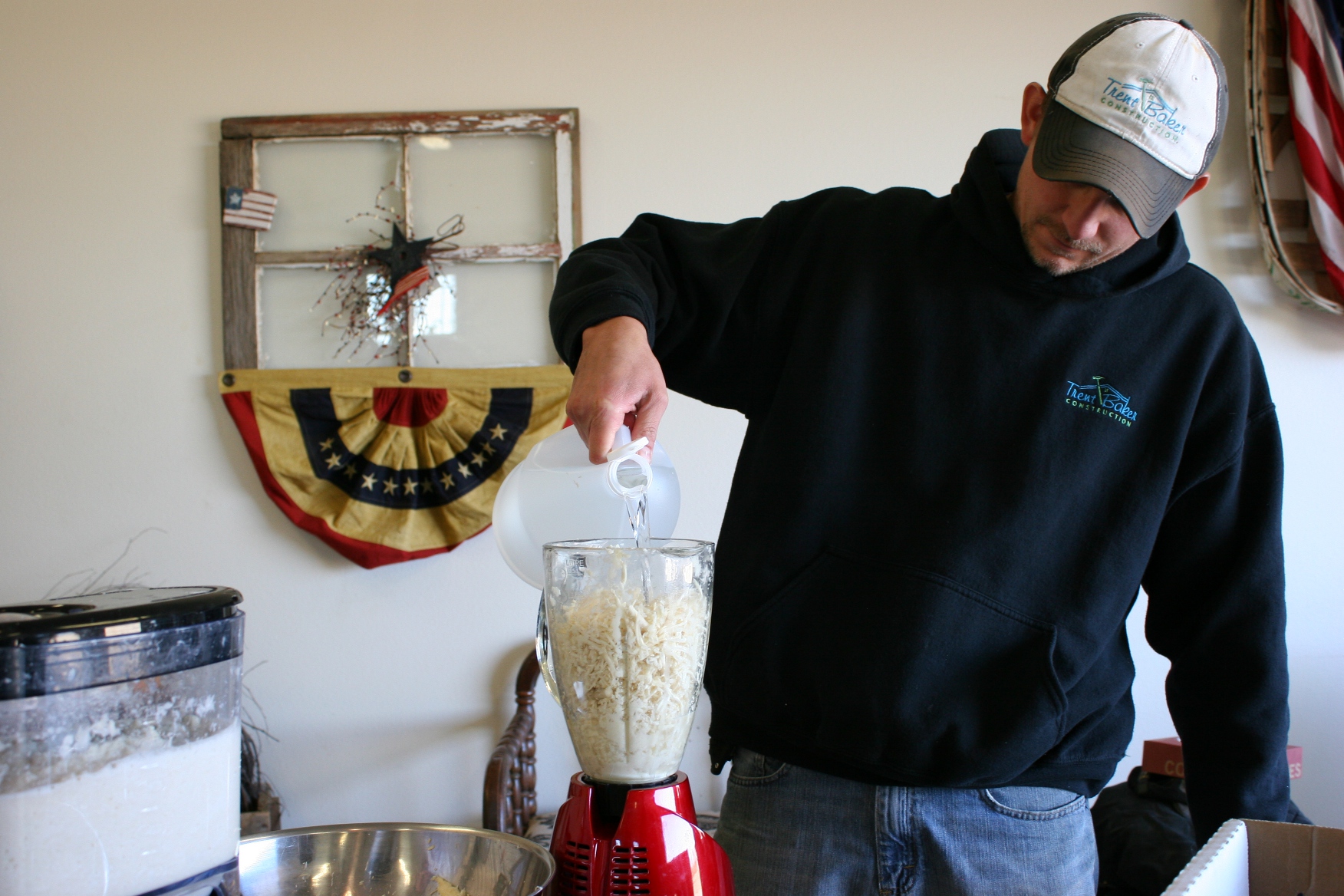
STEP EIGHT: Blending horseradish and vinegar.

STEP EIGHT: Blending horseradish and vinegar.

Peelings and conversation fly. Washing machine, food processor and blender whir. Eyes water. Heads turn. And the beer stays in the fridge until the last knife is stashed away. But not always.

An overview of most of the crew.

An overview of most of the crew nearing the end of a long work day.

My nephew adds vinegar (it's by guess, not measurement) to the horseradish before blending.

My nephew adds vinegar (it’s by guess, not measurement) to the horseradish before blending.

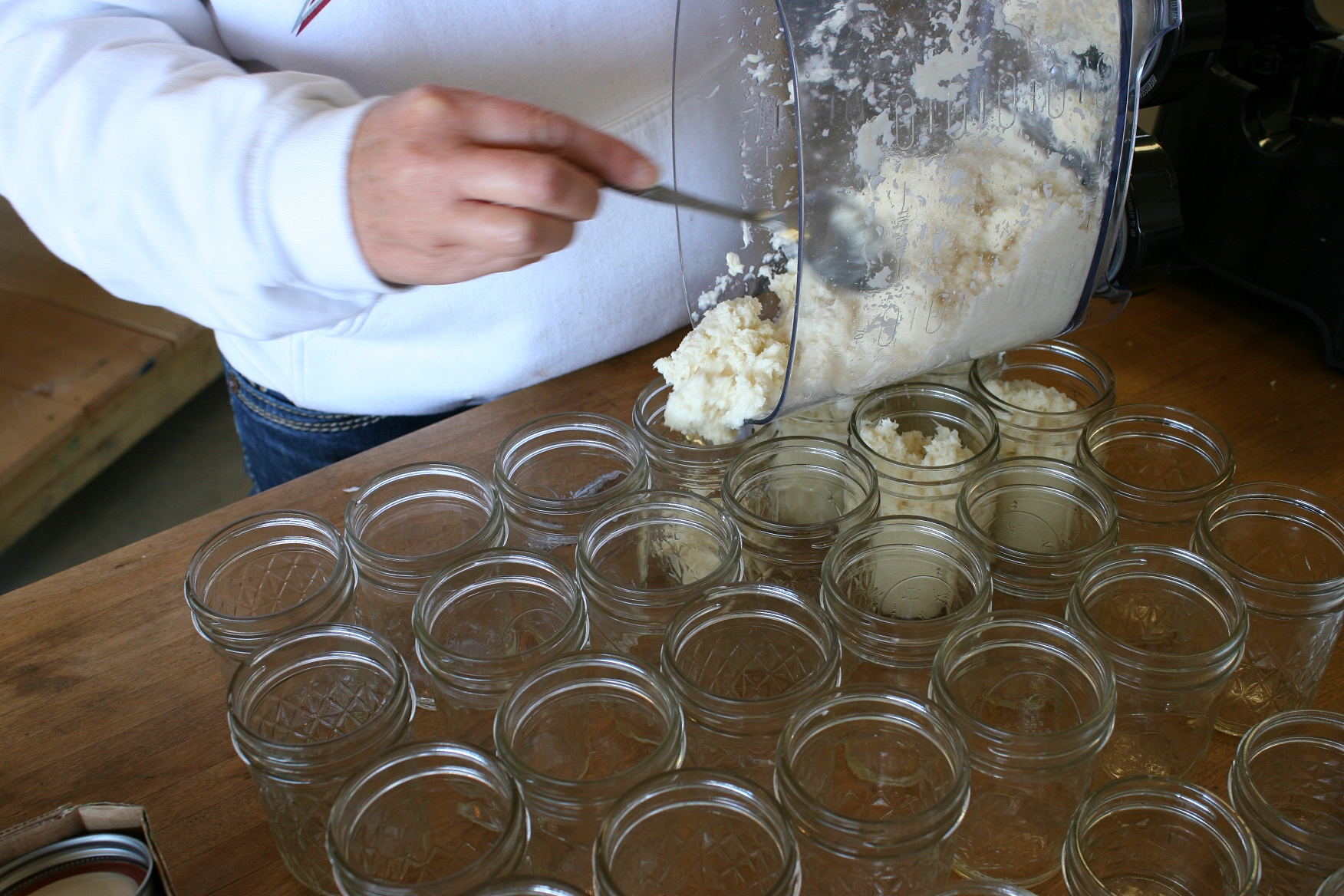
STEP NINE: Filling jars.

STEP NINE: Filling jars.

It’s a day that’s as much about horseradish as about family. A coming together. Building memories. Remembering Dad.

STEP TEN, OPTIONAL: Counting the filled jars.

STEP TEN, OPTIONAL: Counting the filled jars.

This year a new supervisor—my sister-in-law’s mother from Iowa—replaced my mom, who is no longer able to watch over the crew and count the jars. Still, Mom asked how many jars we filled. No one counted. We told her 88.

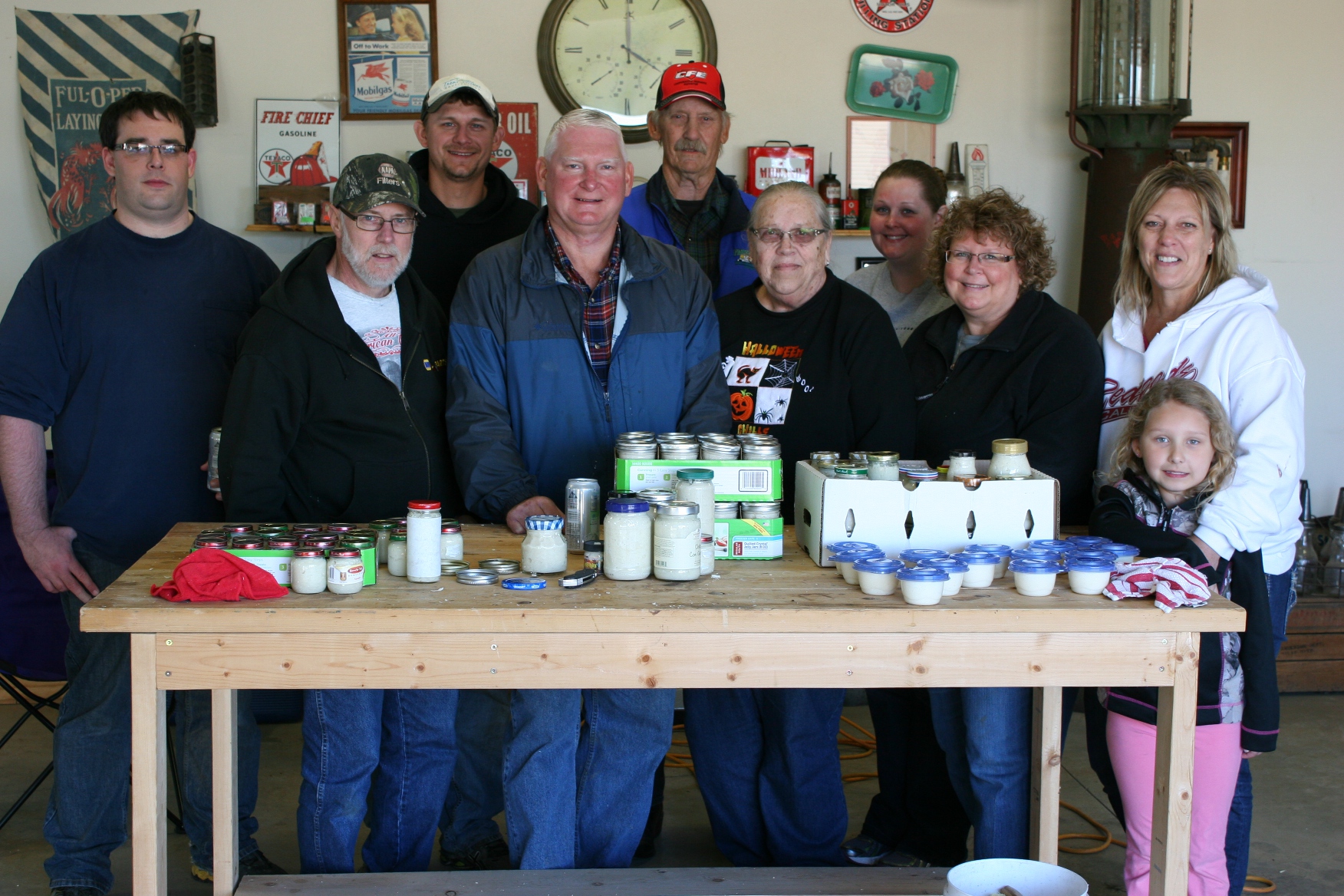
The crew.

The crew.

Life changes. We age. Loved ones die. But we can honor their legacy, their love—for my family via harvesting the horseradish.

© Copyright 2015 Audrey Kletscher Helbling


A Minnesota family tradition: Honoring Dad by making horseradish October 7, 2013

Filed under: Uncategorized — Audrey Kletscher Helbling @ 6:00 AM
Tags: , , , , , , ,

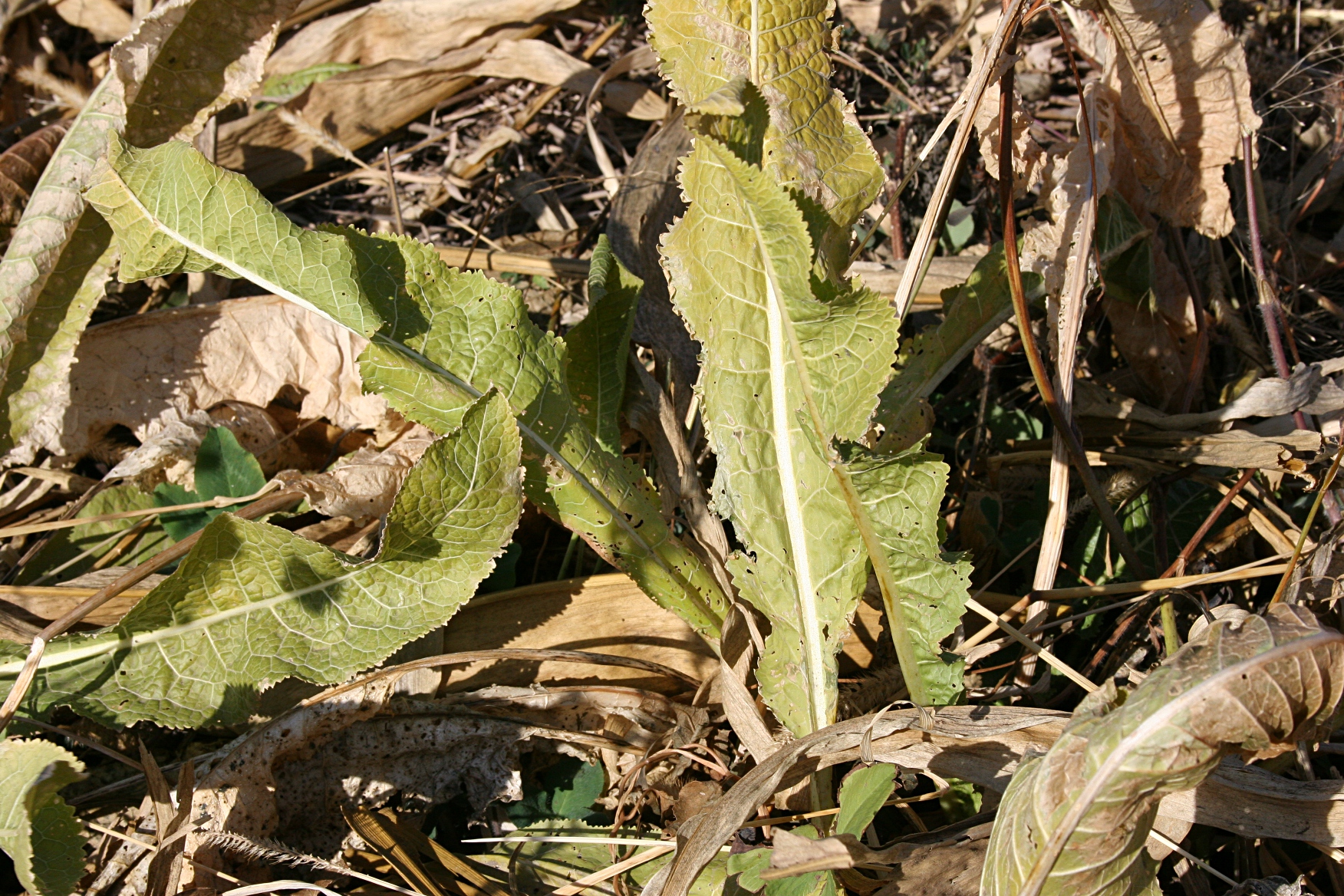
Horseradish planted last year in my brother's garden and ready to harvest in a few years. This year's horseradish came from a patch near Sanborn.

Horseradish planted last year in my brother and sister-in-law’s garden and ready to harvest in a few years. This year’s horseradish came from a patch near Sanborn.

FOR MY EXTENDED FAMILY, making horseradish marks a time-honored tradition started by my father and my Uncle Mike decades ago.

Dad died 10 years ago, Uncle Mike before him, and, for awhile, so did the annual ritual of making horseradish. In his last years, Dad made horseradish with my sister Lanae and her husband, Dale.

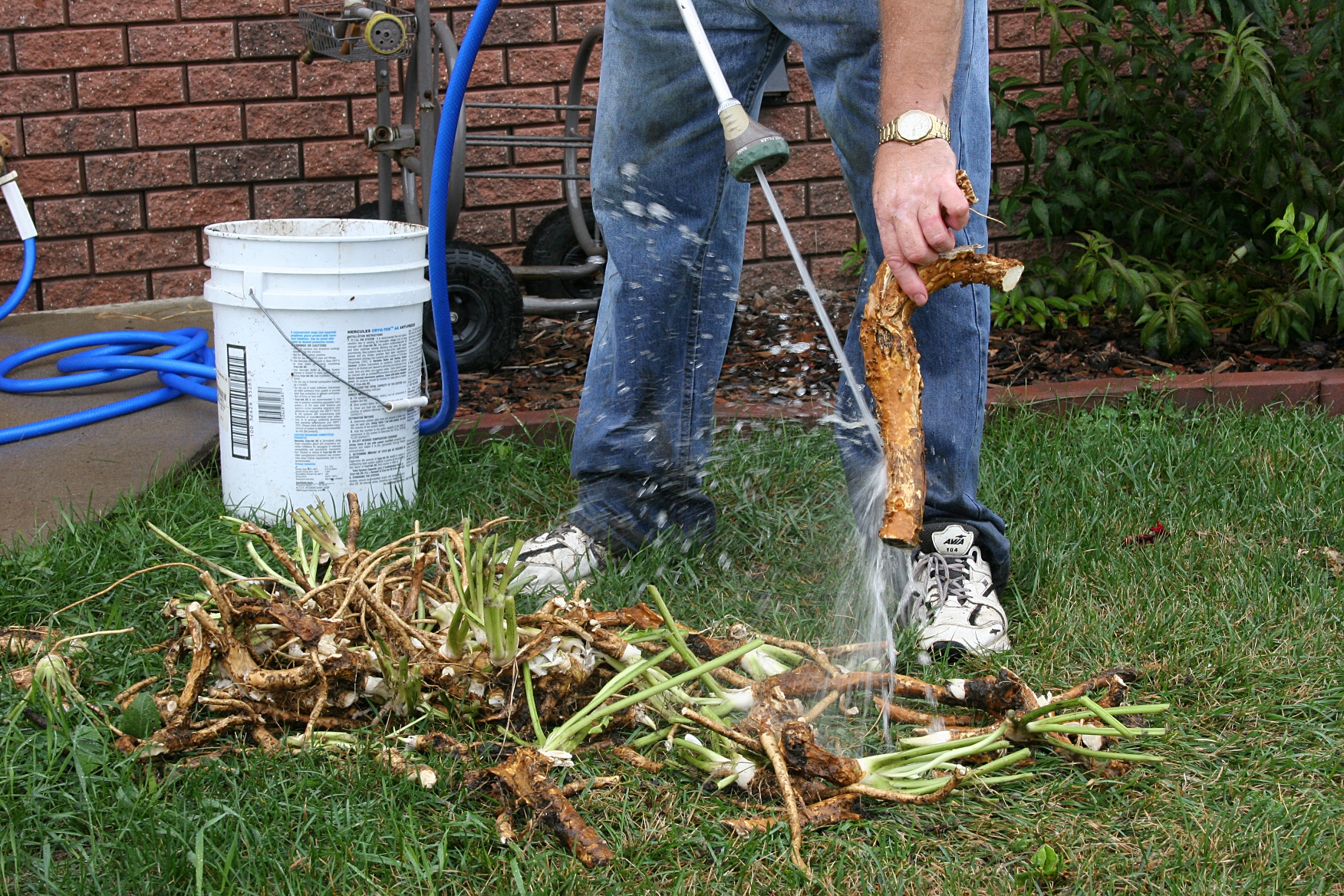
Washing mud and dirt from the horseradish roots with the garden hose is the first step after digging.

Washing mud and dirt from the horseradish roots with the garden hose is the first step after digging.

Then, in recent years, Lanae and my brother Brian restarted this family tradition. The past two autumns, my husband and I have traveled the 120 miles to Brian’s rural Lamberton home to peel and slice, process and bottle horseradish. Mostly, I’ve documented the process with my camera although I’ve also assisted (some) with the actual making of this condiment.

To be honest, the horseradish isn’t the reason I’m there. It’s the cherished time with my mom (also known as “The Supervisor”) and extended family that draws me back to my native southwestern Minnesota prairie. We are building memories and honoring the memory of my farmer father.

Dad would delight in our gathering—in hearing the laughter and bullshit (sorry, I can’t think of a better word choice) and seeing us together. Dad was all about family.

Like our father before us, we give away our horseradish. My husband and I gathered a baker’s dozen jars to take back to Faribault for Mick and Mooch, Howard and Neal, and Dan, Steve and John, and a few others who appreciate a good taste of potent, eye-stinging, nostril-clearing horseradish.

#

THE STEP-BY-STEP PROCESS:

After the initial washing of the roots, the stems are trimmed away and the horseradish goes into a laundry bag for washing in the washing machine.

After the initial washing of the roots with a garden hose, the stems are trimmed away and the horseradish goes into a laundry bag for washing in the washing machine. Do NOT add laundry detergent.

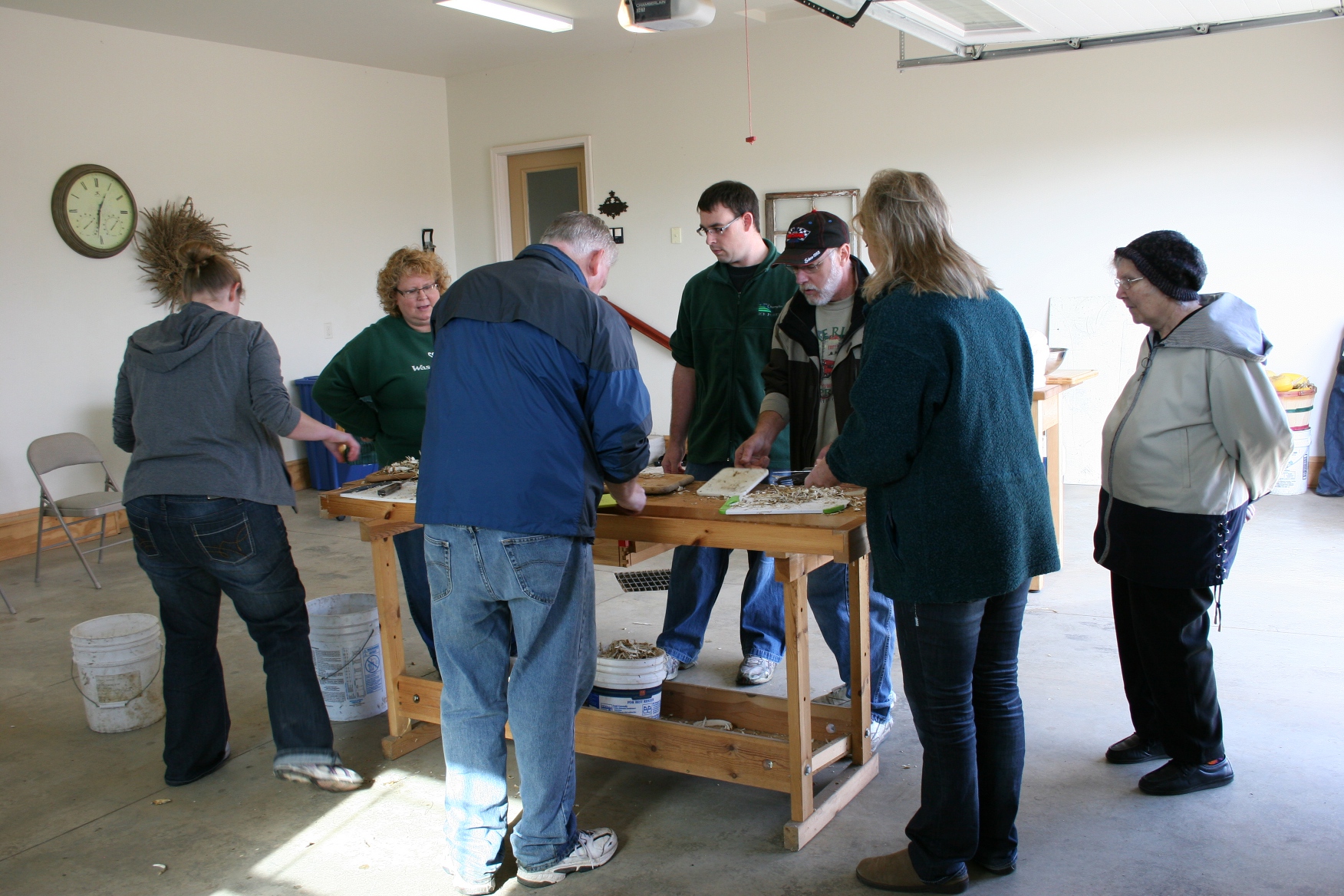
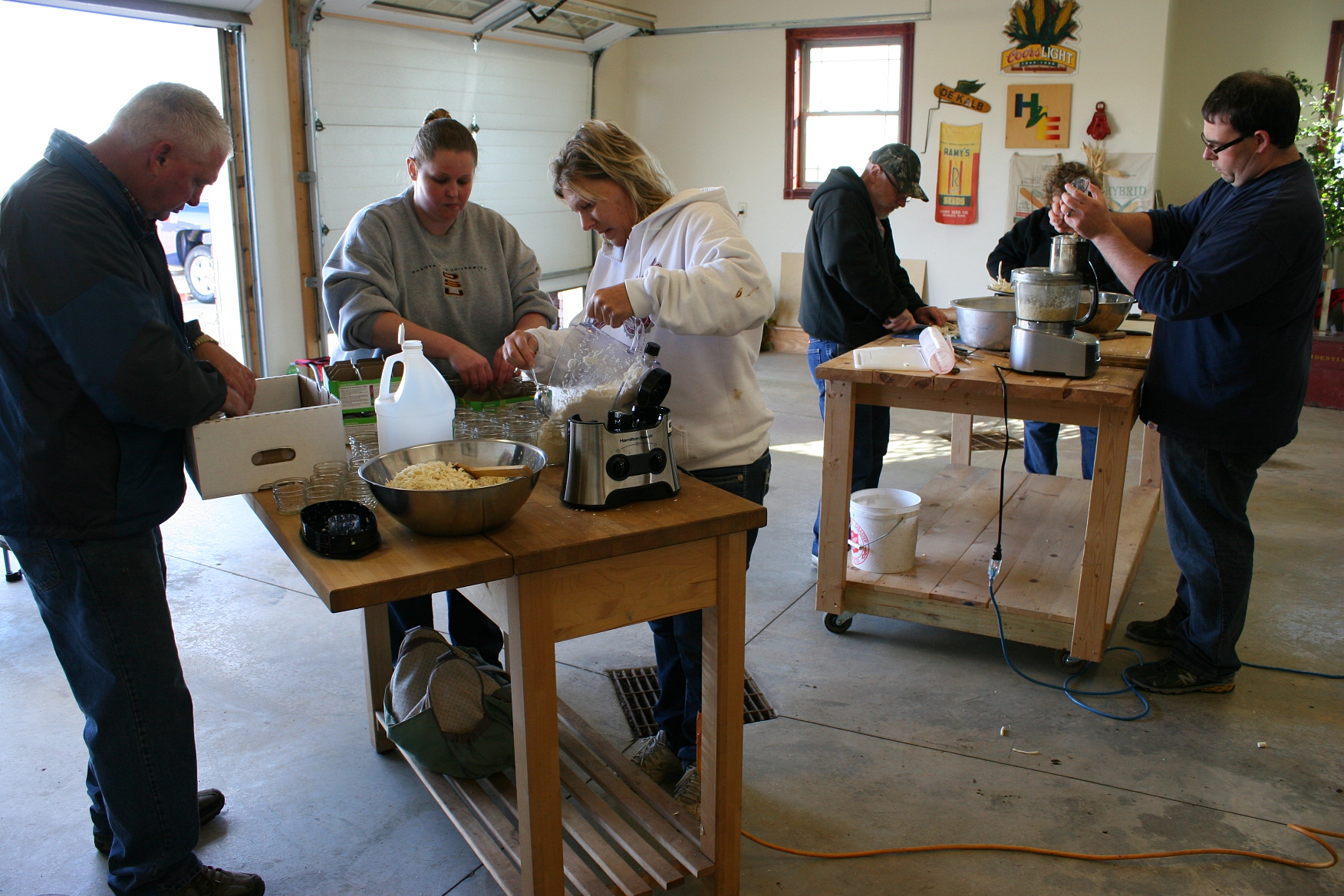
The crew (not all shown) prepares to peel the brown outer layer from the roots. Remove all of the brown so the end product is a creamy white.

Part of the crew, left to right around the tables, Julie (a friend of my brother and his wife, and a newcomer) and family members Adrienne, Adam, Andy, Lanae and Tara, prepare to peel the brown outer layer from the roots. All of the brown is removed so the finished horseradish is a creamy and unblemished white.

Once peeled, the horseradish is dumped back into a laundry bag for a second wash in the washing machine. Do NOT add detergent.

Once peeled, the horseradish is dumped back into a laundry bag for a second wash in the washing machine. Do NOT add detergent.

Once out of the washing machine, the process of chopping the horseradish begins.

Once out of the washer, the horseradish is chopped.

Lots of horseradish to cut in to small pieces.

Lots of horseradish to cut in to small pieces.

Next, the horseradish pieces go into the food processor, operated here by my husband, Randy.

Next, the horseradish pieces go into the food processor, operated here by my husband, Randy.

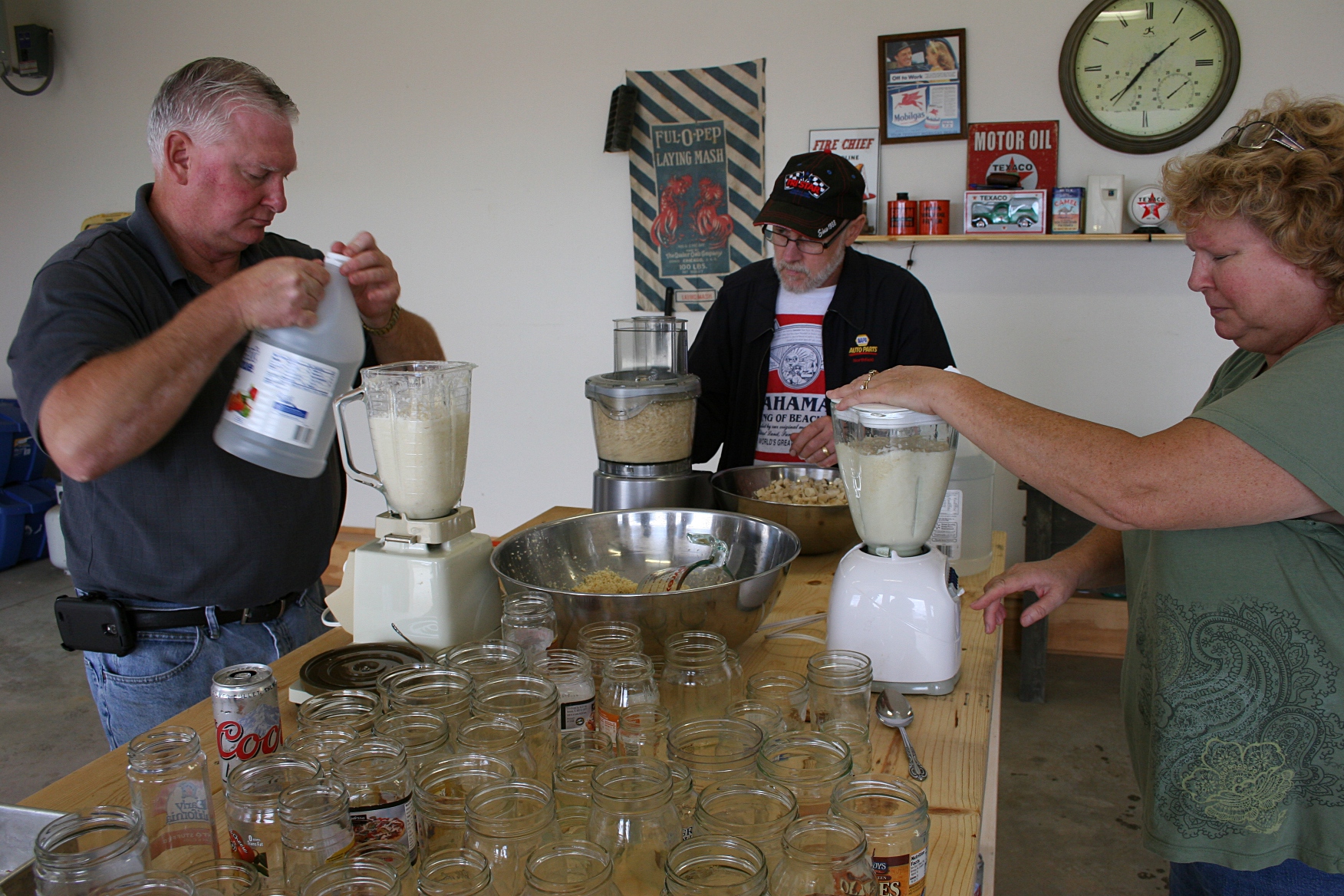
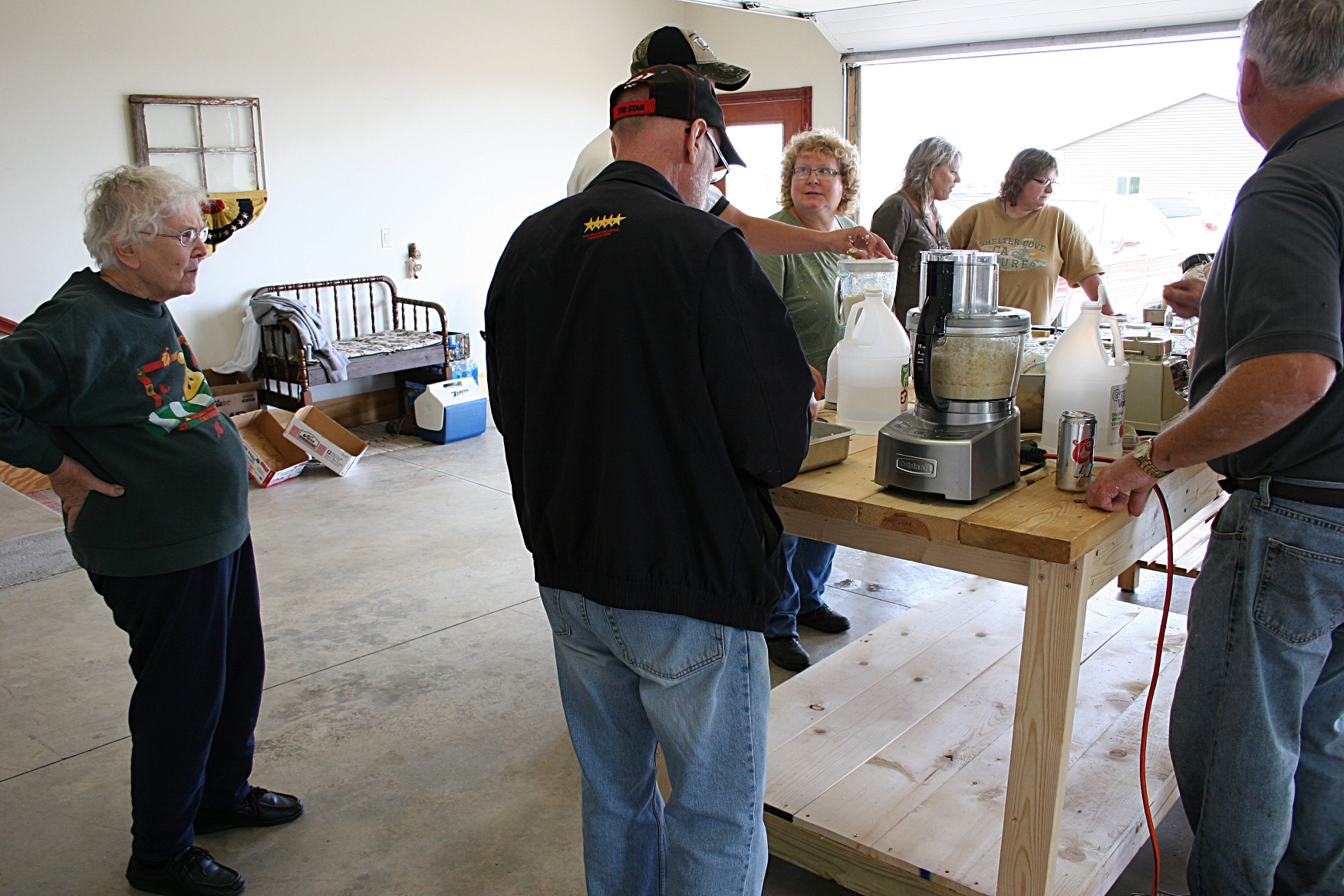
Brian, left, and Lanae blend the horseradish with vinegar in blenders while Randy uses the food processor.

Brian, left, and Lanae blend the horseradish with vinegar in blenders while Randy uses the food processor.

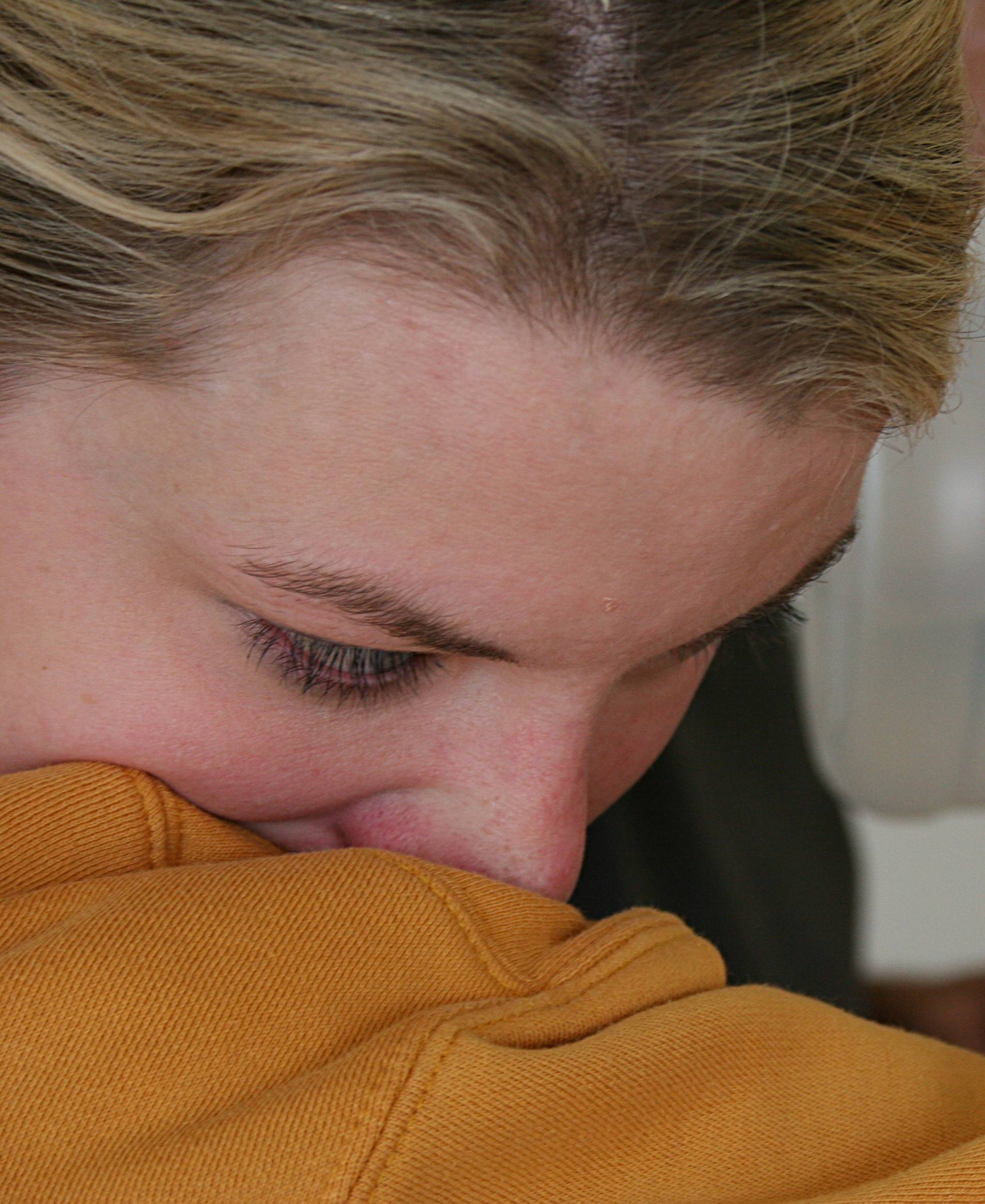
Sometimes the powerful pungent fumes overpower the workers.

Sometimes the powerful pungent fumes overpower the workers.

Adrienne buried her nose in her sleeve and stepped out of the garage a few times when she couldn't handle the overwhelming sting of the horseradish.

Adrienne buries her nose in her sleeve and stepped out of the garage a few times when she couldn’t handle the overwhelming sting of the horseradish.

Once blended to just the right consistency with the correct amount of vinegar, the horseradish is poured into jars.

Once blended to just the right consistency with the correct amount of vinegar, the horseradish is poured into jars.

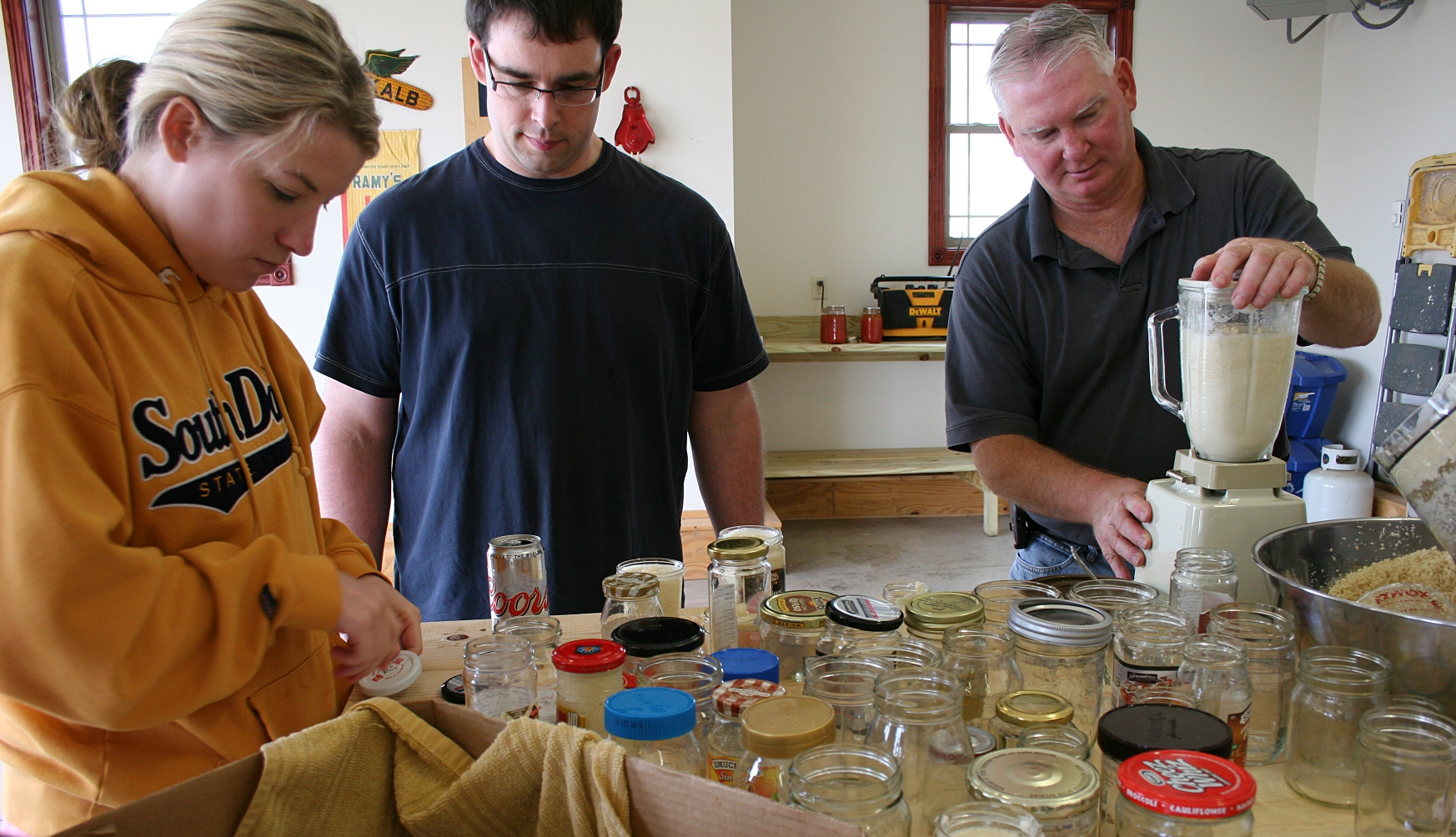
Lots and lots of jars of all sizes will hold the horseradish.

Lots and lots of jars of all sizes will hold the horseradish.

The Supervisor, aka my mom, Arlene, shows up to inspect.

“The Supervisor, ” aka my mom, Arlene, shows up to inspect.

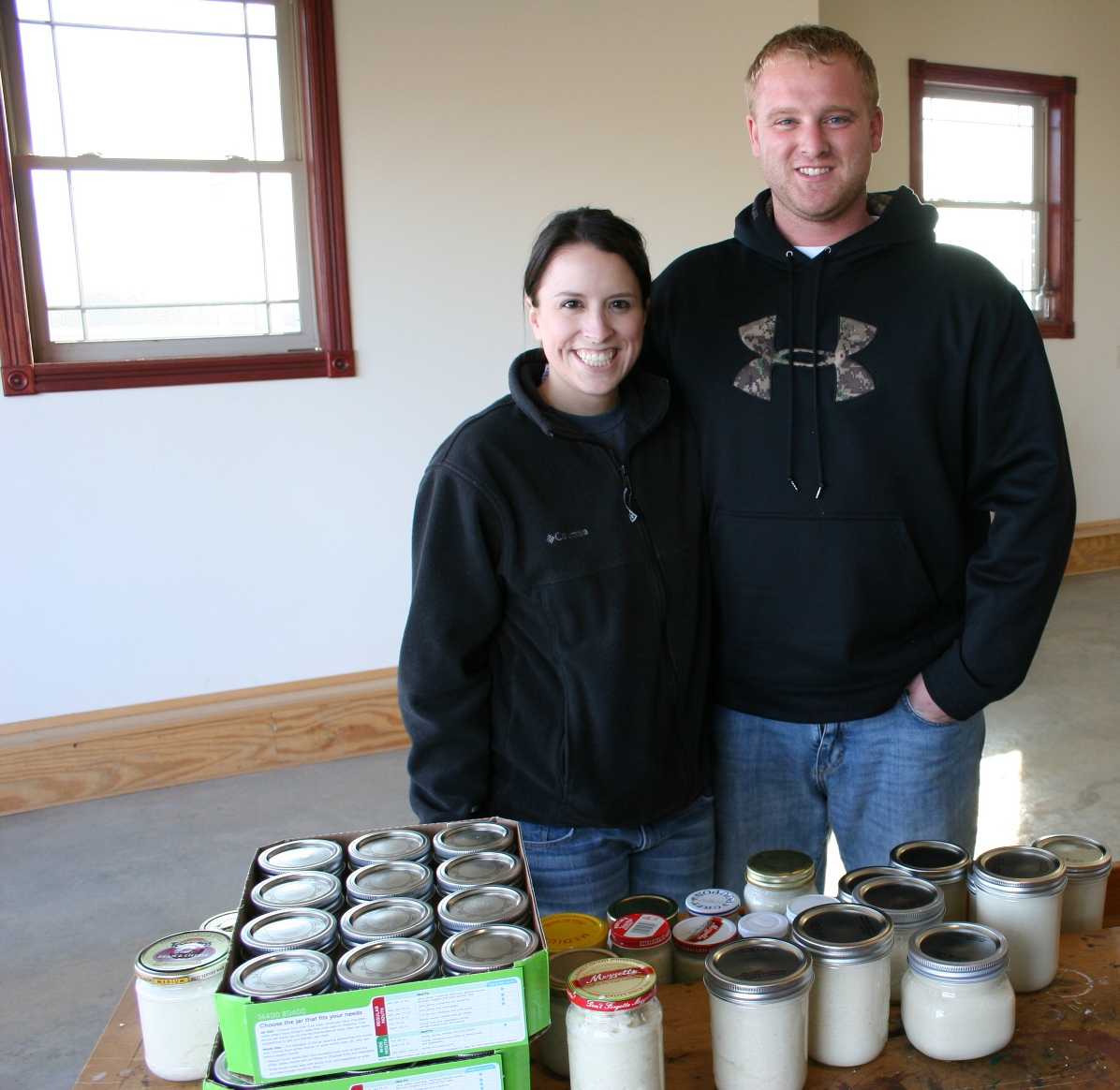
After hours of labor, the beautiful results. Creamy white horseradish.

After hours of labor, the beautiful results. Creamy white horseradish.

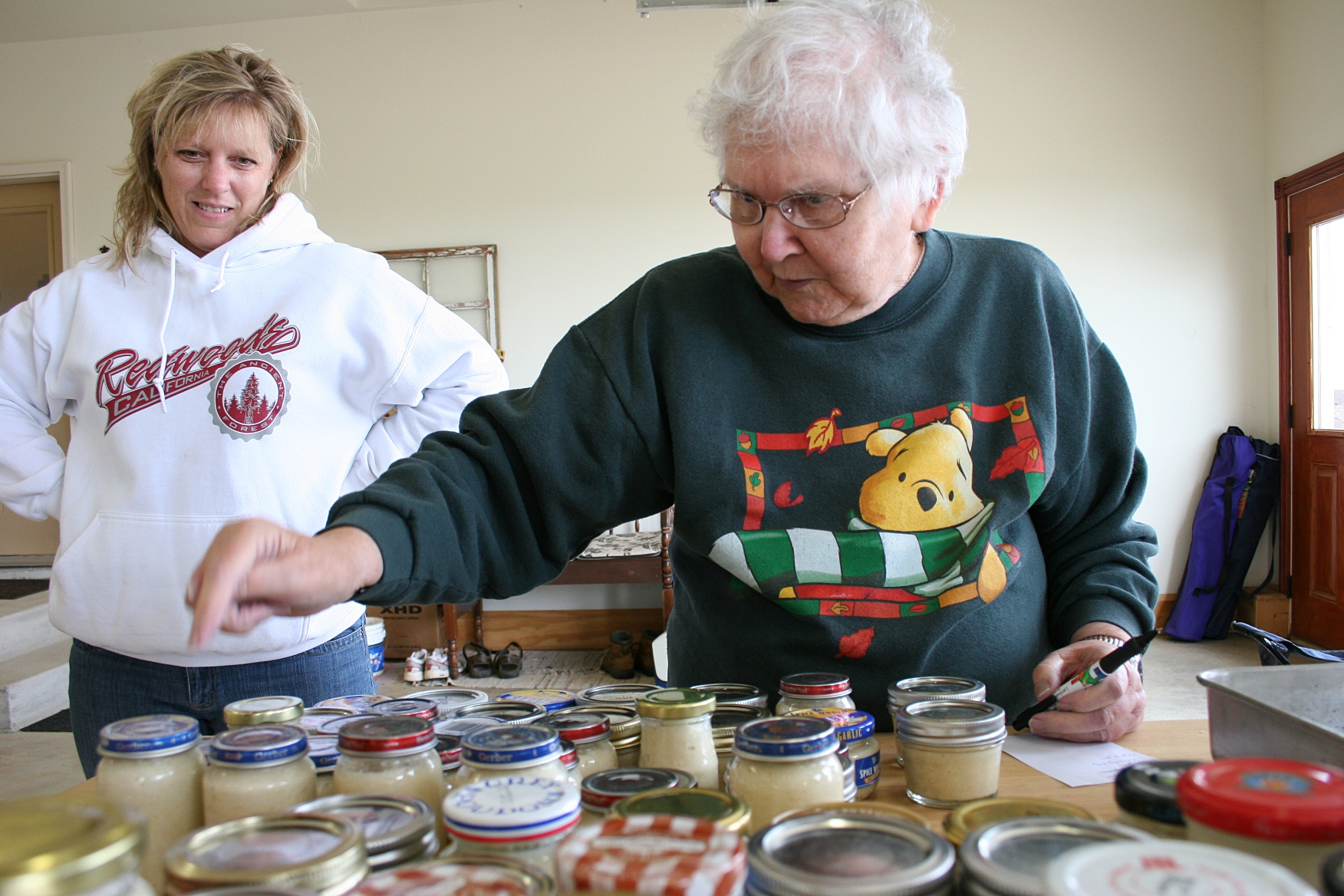
As the final step, The Supervisor steps in to count the jars. My sister-in-law, Vicki, watches my mom at work.

The Supervisor counts the jars., 70 total ranging in size from baby food jars to around 12-ounce size. My sister-in-law, Vicki, watches my mom at work. At one point, when my brother suggested an easier method of counting, The Supervisor told him to “shut up.” We all cracked up. We know who’s boss, and it isn’t Brian.

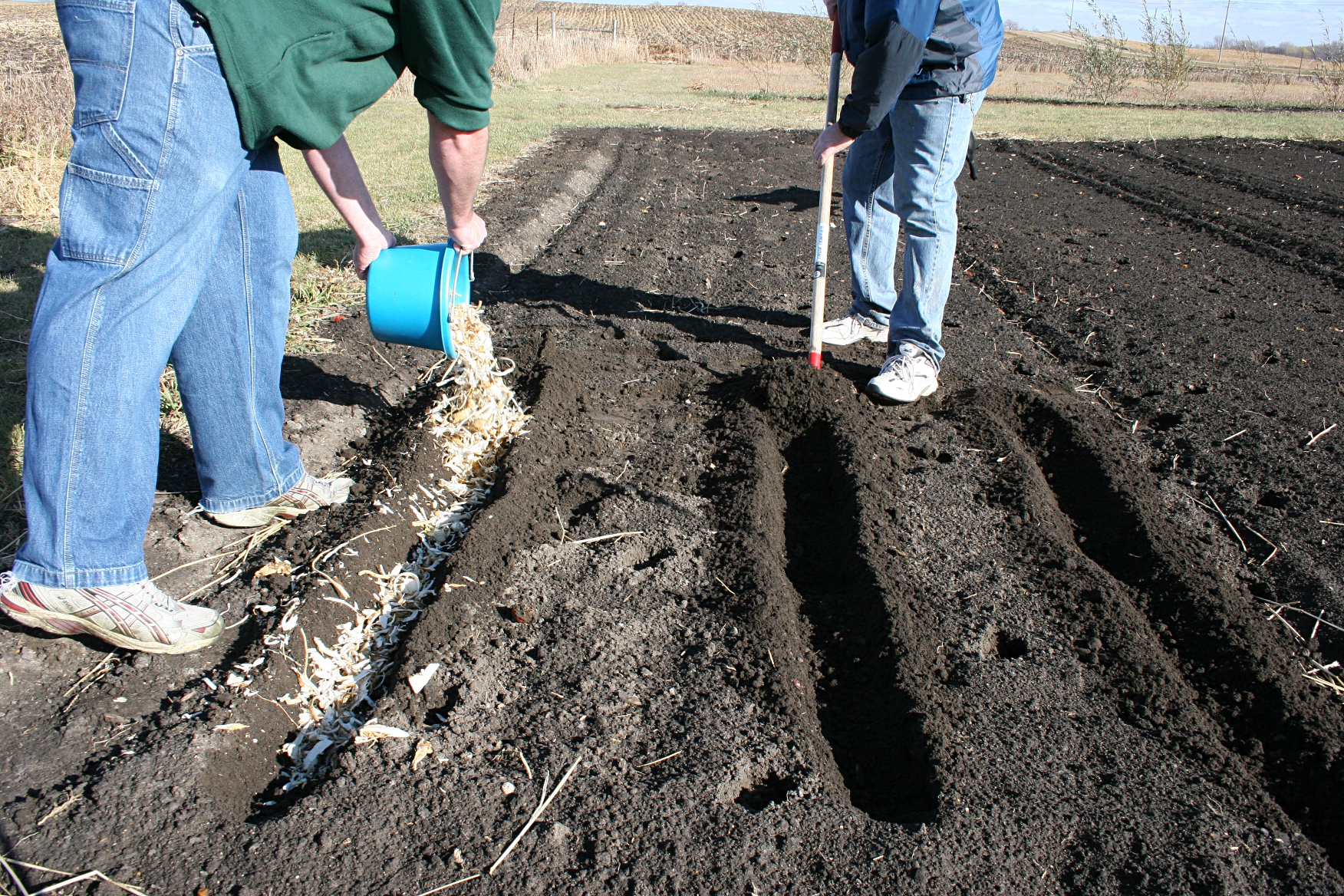
The last step is to take the peelings and horseradish tops to the garden for planting. We want to assure that we will have horseradish for years to come, holding on to traditon, building memories.

The last step is to take the peelings and horseradish tops to the garden for planting. We want to assure that we have horseradish for years to come, holding on to tradition, building memories and honoring our dad.

CLICK HERE TO READ last year’s post about making horseradish.

© Copyright 2013 Audrey Kletscher Helbling
 

Making horseradish, a family tradition October 24, 2012

Filed under: Uncategorized — Audrey Kletscher Helbling @ 6:58 AM
Tags: , , , , ,

MY DAD WOULD HAVE loved it.

On Saturday, my husband and I gathered with extended family in a garage just north of Lamberton in rural southwestern Minnesota for the annual making of horseradish, a tradition started by my horseradish loving father many years ago.

Freshly dug horseradish, soaking in water and ready to be washed.

Back in the day, my dad and bachelor uncle, Mike, would occasionally make horseradish. Eventually my sister Lanae (and later her husband, Dale, too) began assisting Dad with the digging and washing and peeling and slicing and processing of this pungent root. And then, when the creamy white sauce was bottled, Dad would haul it down to the Vesta Community Hall for the annual Senior Citizens’ craft/bake/produce sale. Folks would wait in line to snap up Vern’s homemade horseradish.

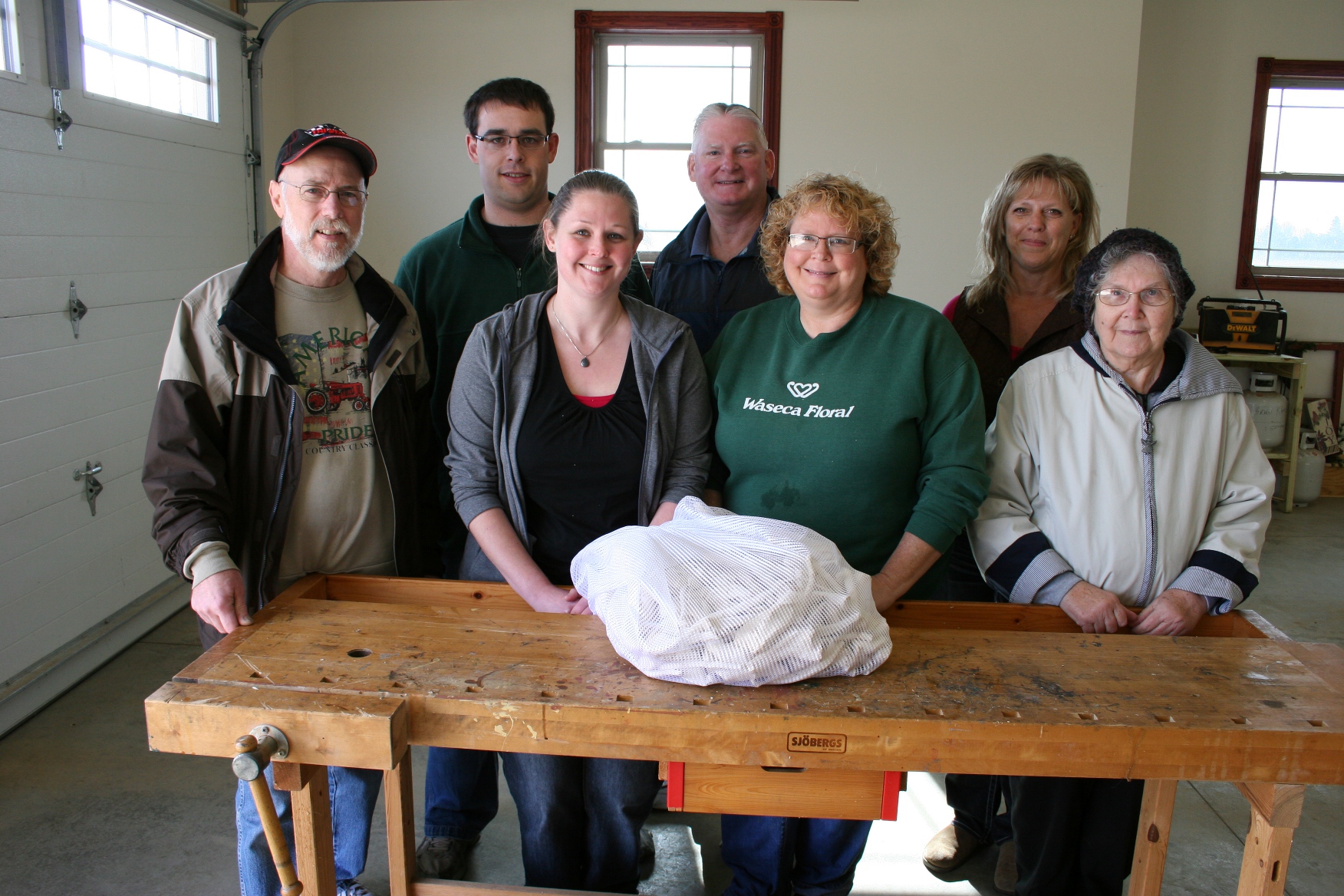
The 2012 horseradish making crew, front row, left to right, Randy, Tara, Lanae and Arlene. Back row: Andy, Brian and Vicki. I’m obviously missing from the photo as are Al and Alyssa, who arrived later.

Dad has been gone for nearly 10 years now, his annual root rite resurrected in recent years by Lanae and my middle brother, Brian. For the first time I joined them and other family in making horseradish, and, although I will eat horseradish, I am not a fanatical fan like my siblings and our father before us.

Peeling the horseradish, the third step after digging and washing.

But it wasn’t the horseradish which drew Randy and me to drive more than two hours to Brian and Vicki’s rural acreage to stand at tables in a garage on a chilly Saturday to process horseradish that would soon overwhelm us with eye-stinging fumes.

It was family and tradition and memory-building and time together which brought us to this peaceful place, to this land where I grew up some 25 miles to the north and west. Any reason to return to my beloved prairie.

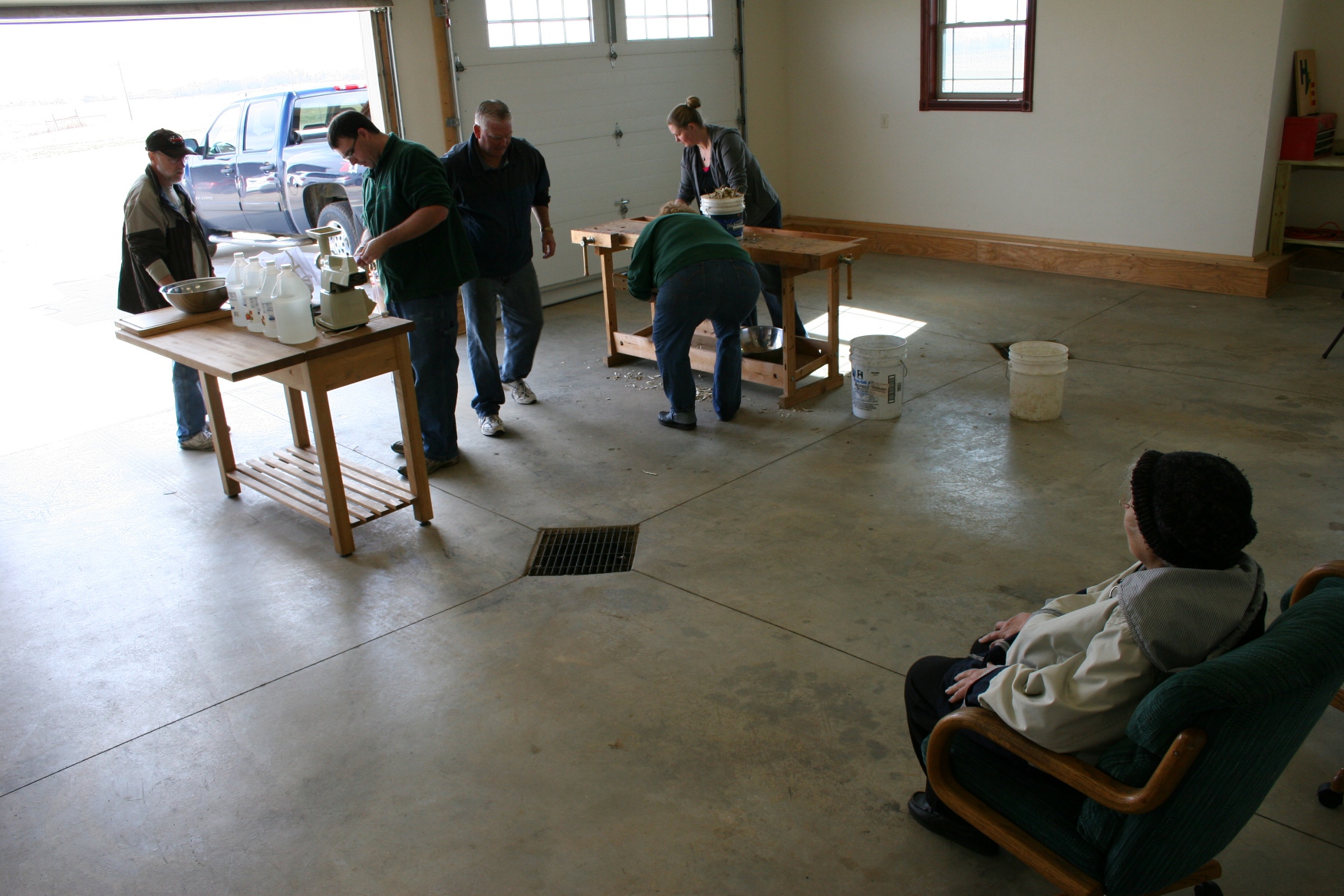
My mother, the main supervisor, watches from her chair. Vicki, who is recovering from surgery, also supervised.

And so Randy and I were instructed in the art of horseradish making while my 80-year-old mother supervised from a comfy chair, occasionally rising to skirt the tables, to check the progress.

We listened to the tales of horseradish making past, when metal shavings from the old meat grinder flaked into the horseradish. We heard of Dad’s old drill shorting and shocking whoever was using the drill (which he had rigged to drive the meat grinder) to pulverize the roots.

First the food grinder was used…

And when the food grinder continually plugged, the food processor was put into action and this worked.

The old meat grinder and drill have been stashed away now, replaced first by a modern electric grinder (which failed to work as planned) and then by a food processor before the pulverized roots were mixed with vinegar in a blender.

Proof that honeymooners Al and Alyssa helped make horseradish.

As words and horseradish peelings flew and laughter bounced around the garage, it was sometimes difficult to separate fact from fiction, especially when the beer was cracked open upon the arrival of honeymooners Al and Alyssa. Al and his bride of one week, on their way home from Duluth to Tyler, pitched in. And I photographed them so some day their children will believe their parents made horseradish on their honeymoon.

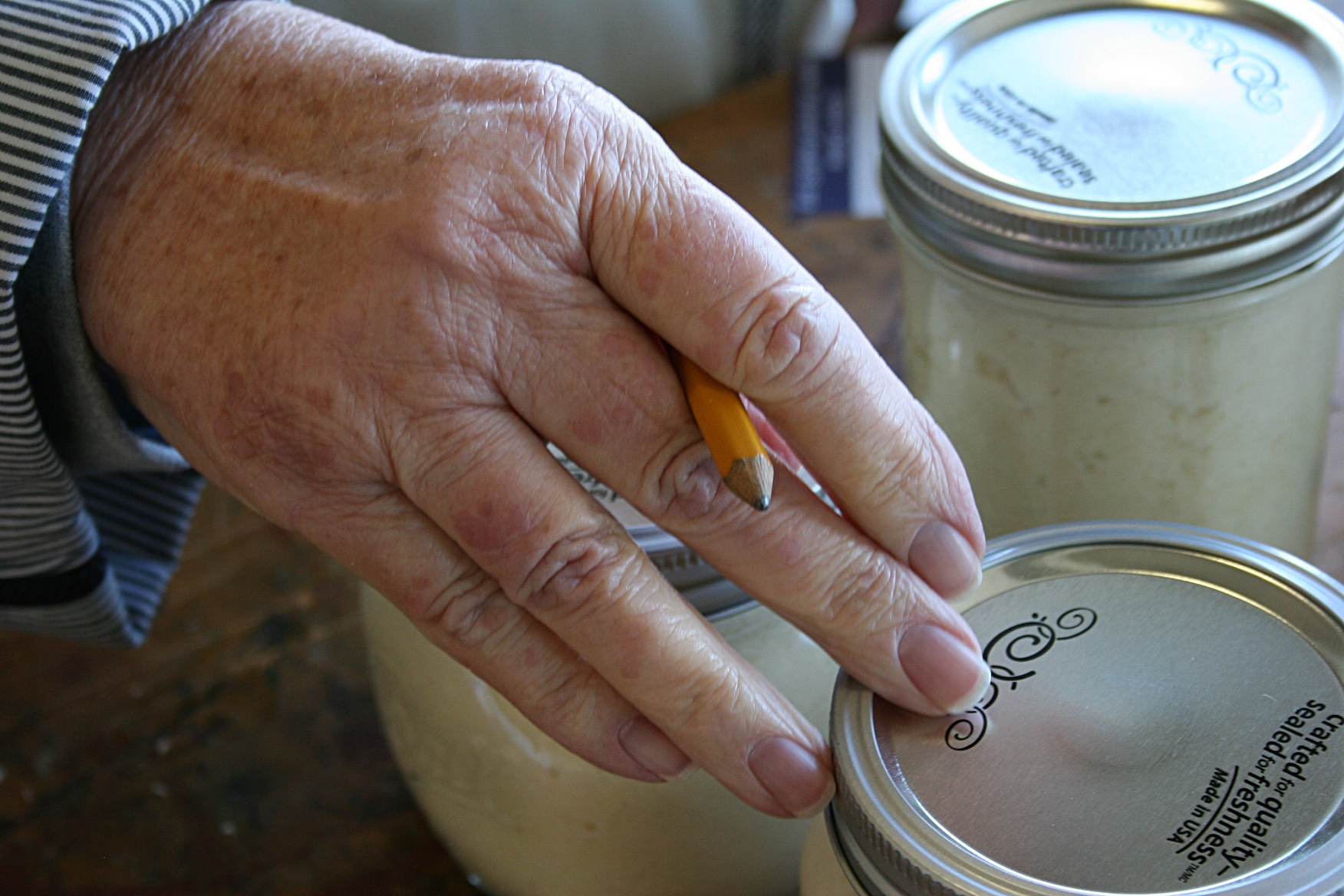
My mom, the supervisor, counts jars. We filled 66, a smaller yield than normal. Horseradish not kept by family is given away (never sold) as our Dad, except for those he sold at the fundraiser, gave his away. We honor him by gifting horseradish lovers with a jar.

The supervisor counts the jars of horseradish.

These are the moments that matter most in life, the sweet times with family. And nothing touched my heart more than watching my aging mom, the supervisor, rise from her chair to meticulously count and record the yield.

AND FOR THOSE OF YOU unfamiliar with the entire process, here are additional photos to show you the steps needed to grow and make horseradish:

STEP 1:

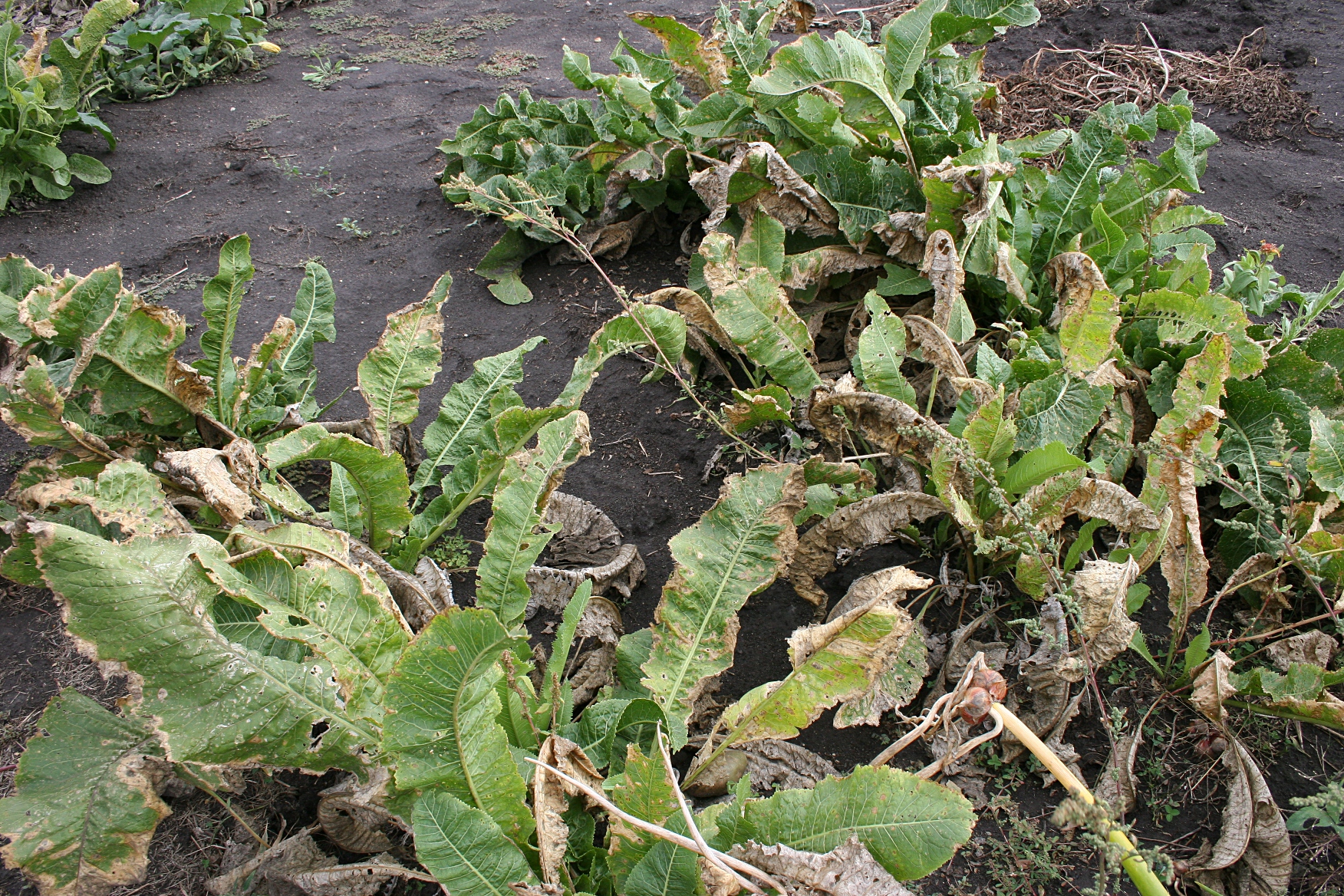
Plant the horseradish, which grows from the left-over scraps of roots, etc.

STEP 2:

The plants will need to grow for about three years before you can reap the first harvest. We will be looking for additional horseradish to harvest in 2013. If you live anywhere near Lamberton, Vesta,  Faribault or Waseca, and have extra horseradish, let me know.

STEP 3: Dig up the roots; I missed photographing this given I arrived after the digging.

STEP 4:

Wash the dirt from the roots using a hose.

STEP 5:

Peel the roots, remaining aware that your work is being closely monitored by the supervisor, right.

STEP 6:

Dump the horseradish into a laundry bag and wash in the washing machine, without detergent, of course, and I think on a gentle cycle. About this time, your crew can take a break and eat lunch which may or may not include red Jell-O with bananas.

STEP 7:

Chop the machine-washed horseradish.

STEP 8:

While one crew chops ,left, the other grinds the horseradish, step 8, with a grinder (fail) or food processor. The supervisor keeps a watchful eye over operations.

STEP 9:

Dump the pulverized roots into the blender, add vinegar and blend until creamy. You may want to cover your face, or make a face, to deal with the eye-stinging fumes.

STEP 10:

Pour into jars and cap.

STEP 11:

Label the jars. Stash jars in refrigerator. Give away or eat.

BONUS PHOTO:

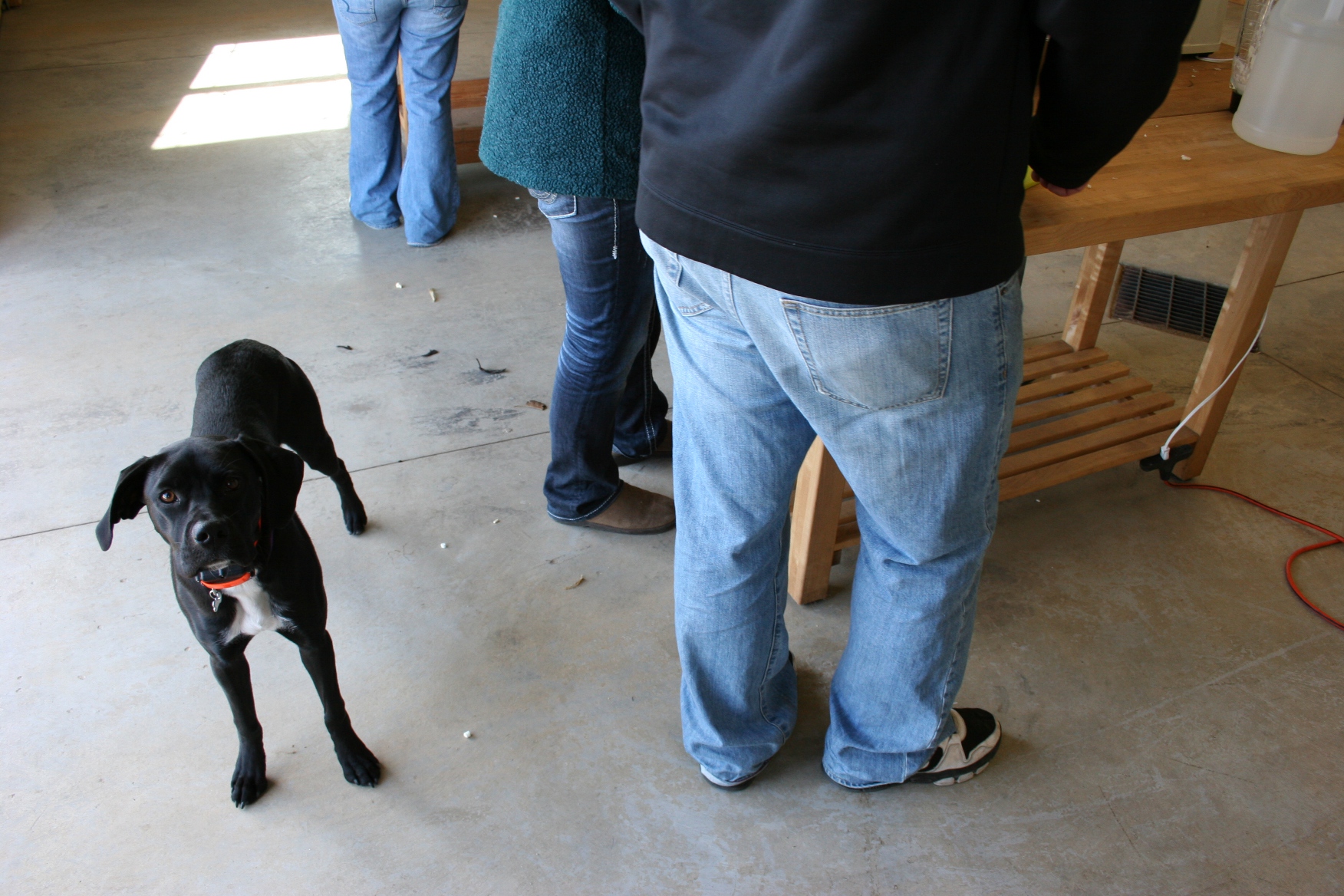
Al and Alyssa’s dog, Lily, whom we had to keep from eating errant chunks of horseradish that fell onto the floor.

© Copyright 2012 Audrey Kletscher Helbling
 

In the middle November 5, 2011

Filed under: Uncategorized — Audrey Kletscher Helbling @ 2:50 PM
Tags: , , , , , , , ,

TODAY I HAVE SEVERAL STORIES to share with you, all with a single common denominator: the middle.

Let’s start with the most recent. I made myself a sandwich for lunch—a little mayo, turkey deli meat and ham deli meat with a slice of pepperjack cheese layered in the middle. Nothing unusual about that.
The second half of my sandwich, minus the...

Until I bit into the sandwich and hit something that didn’t seem quite right. But I kept biting and chewing, thinking it was just the rough grains in the multi-grained bread or an edge on the meat.
But after several bites, I paused to investigate and discovered a piece of paper. Yes, people, I was eating the paper that separates cheese slices. I had removed one piece of paper while making the sandwich. Clearly I had not checked the flip side of the cheese slice.

WARNING: Always remove the paper from BOTH sides of the cheese slice before eating.

In relaying this story to my husband, he could only shake his head, laugh and repeat several times, “That’s my Audrey.”

Now onto those other “middle” stories, which have cast me in the role of a “middlewoman.”

Earlier this week I received a request from a retired Air Force chaplain for commissioned artwork. Not my art; I don’t paint or draw or sculpt or anything artsy like that. Rather, the retired military man was looking to contact Richard Vilendrer, a 72-year-old Faribault artist whom I met at the Faribault Farmers’ Market and featured in a September blog post. I spoke with Richard’s wife Carol several days ago and now I’m waiting to hear if Richard is being commissioned.

An example of Richard's nature and faith-inspired pen-and-ink and colored pencil artwork.

Another inquiry this week came from a videographer for Farm Rescue, an organization that helps farmers in need. The North Dakota man was requesting permission to use images from a July 1 storm (in southwestern Minnesota) which I published on my blog. Because I hadn’t taken the two photos he wanted, I had to contact my brother and my uncle. Done. I’ll tell you more about this organization next week.

Then, the same day, an inquiry came via a blog comment from a South Dakota writer. She wanted to know if I knew of a Minnesota organization that works to preserve prairie churches. I don’t. Do you?

On Friday I learned that I made my first art sale. Again, not my art. Not my money. But a reader saw my photo of a hideous “turkey choir” print in a blog post about a Stockholm, Wisconsin, antique shop and promptly put the print on hold to purchase. Do I get a commission on this sale?

The "singing turkeys" print I helped to sell.

Finally, today, a metro woman asked, via a blog comment, if I could find the man at the Faribault Farmers’ Market who sold fresh horseradish. I knew exactly who she needed to contact. So I dialed Dennis Gare’s number, spoke to his wife and hopefully fresh horseradish will soon be on its way to this reader’s house.

You might rightly conclude from the above stories, with the exception of that paper eating incident, that I am truly a “middlewoman.” And all because of the power of this blog.

Thank you, readers, for reading Minnesota Prairie Roots. Happy to help you if you’re in the market for art, photos, information or horseradish.

© Copyright 2011 Audrey Kletscher Helbling