
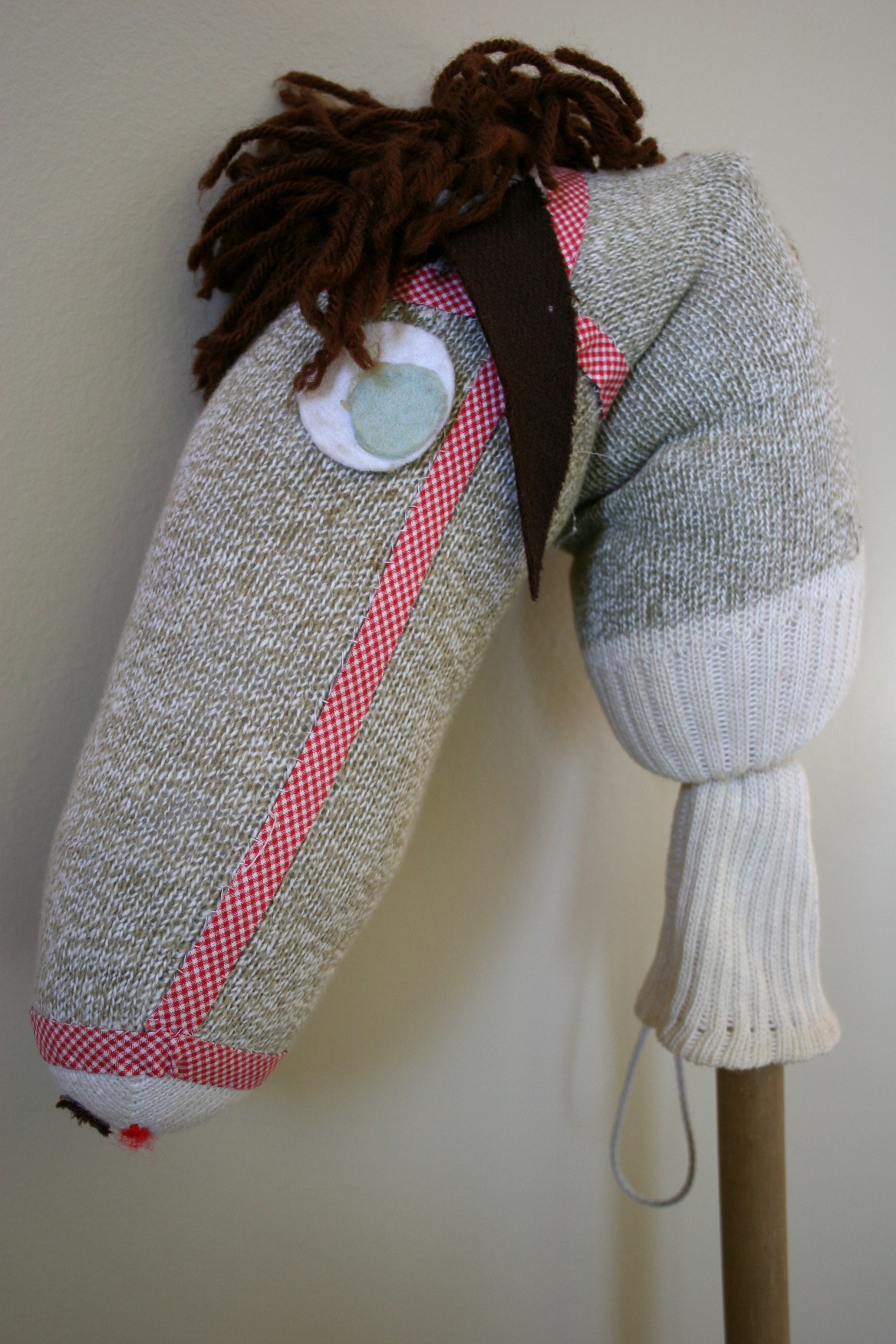
This isn't my stick horse; mine is long gone. But my parents made stick horses for my two daughters 20-plus years ago. This horse belongs to one of them.
GROWING UP ON A SOUTHWESTERN Minnesota farm, I wanted a horse. Bad. Really, really bad.
But Dad wasn’t buying my and my siblings’ pleas to “Please, please, pretty please, Dad, can we get a horse?”
He stood firm in his belief that horses were dangerous. And then he would give us the facts to back up his fear. Dad would regale us over and over again with the tale of the boy he’d seen lying in the Redwood Falls Hospital with a hoof print embedded in his forehead. Whether that story was entirely true or a bit of exaggeration, I’ll never know. I only knew, unequivocally, that Dad didn’t want any of his six kids kicked in the head by a horse.
I think he also had concerns about keeping an animal that wasn’t earning its keep on our dairy and crop farm. With tractors, he didn’t need horses that, in his opinion, would do nothing except consume corn and hay that he needed for the cattle.
And so my siblings and I improvised. Socks with eyes, mouths and ears and with yarn manes sewn on and then jammed onto sticks became our horses. Stick horses. I rode mine around the farmyard so much that I easily could have ridden to Montana and back.
These were the days, too, of television westerns like Gunsmoke, Bonanza, Rawhide. These were the days of shooting cap guns and, even though this is certainly not politically-correct today, of playing “cowboys and Indians.”
When my siblings and I weren’t riding our stick horses with guns blazing, we were riding our bicycles. Up and down the driveway. On the rock-hard dirt paths we’d carved through the grove. We pedaled furiously, escaping robbers and savages on our bikes turned horses.
On occasion, we also straddled empty barrels, slipping our feet into stirrups we’d fashioned from baler twine. We were, if anything, innovative, resourceful and imaginative.
Dad wasn’t giving us our horse, so we made do.
For my oldest brother, making do also meant attempting to ride a steer. I don’t recall that he was ever bucked off. But I also don’t remember that he succeeded in his mission.
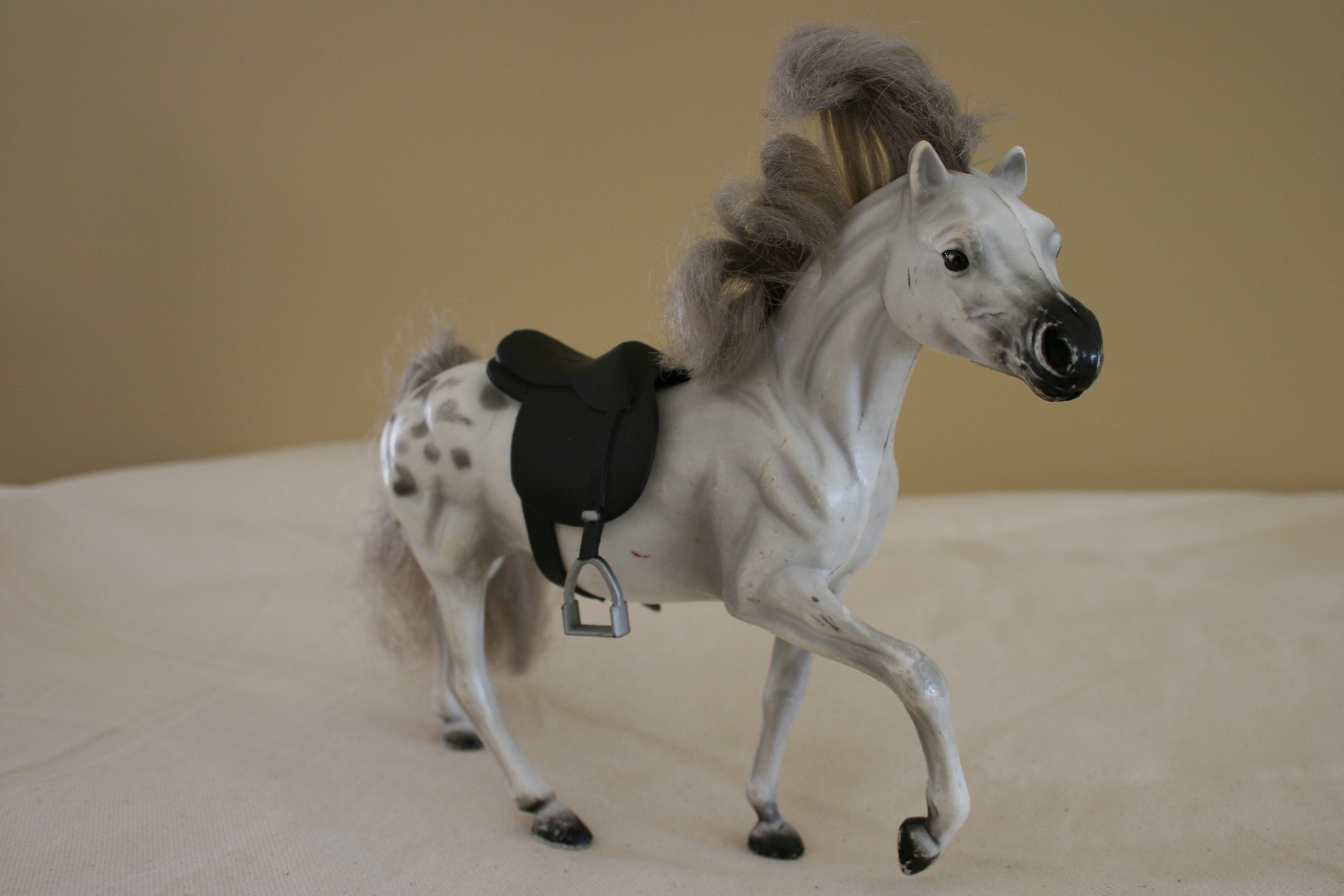
My second daughter went through a phase, when she was about four years old, of being obsessed with horses. She drew horse pictures non-stop. I read every horse book to her available through the southeastern Minnesota library system. And I bought her toy horses, all of which are still in a plastic tote for her to someday claim.
All of which brings me to this story. Have you heard about the 15-year-old German girl who trained a cow that she can ride like a horse? Her parents, like my dad, told her she couldn’t have a horse. So she improvised.
Shortly after Luna was born on the family’s farm two years ago, Regina Mayer started working with the animal. Her persistence paid off as she can now saddle up and ride the cow like a horse. Luna even is trained to jump over hurdles.
I like the spunk of this teen. Knowing what I know about cattle, I realize just how determined Regina had to be to get her “horse.”
Apparently my brothers, sisters and I weren’t determined enough. So, instead, we settled for sticks, bikes and barrels. And, on occasion, we cajoled a relative into riding her horse from several miles away to our farm. She would allow us to climb into the saddle for a walk around the farmyard. It was then that I discovered I really didn’t feel all that comfortable riding a horse. But I never told my dad. Not once.
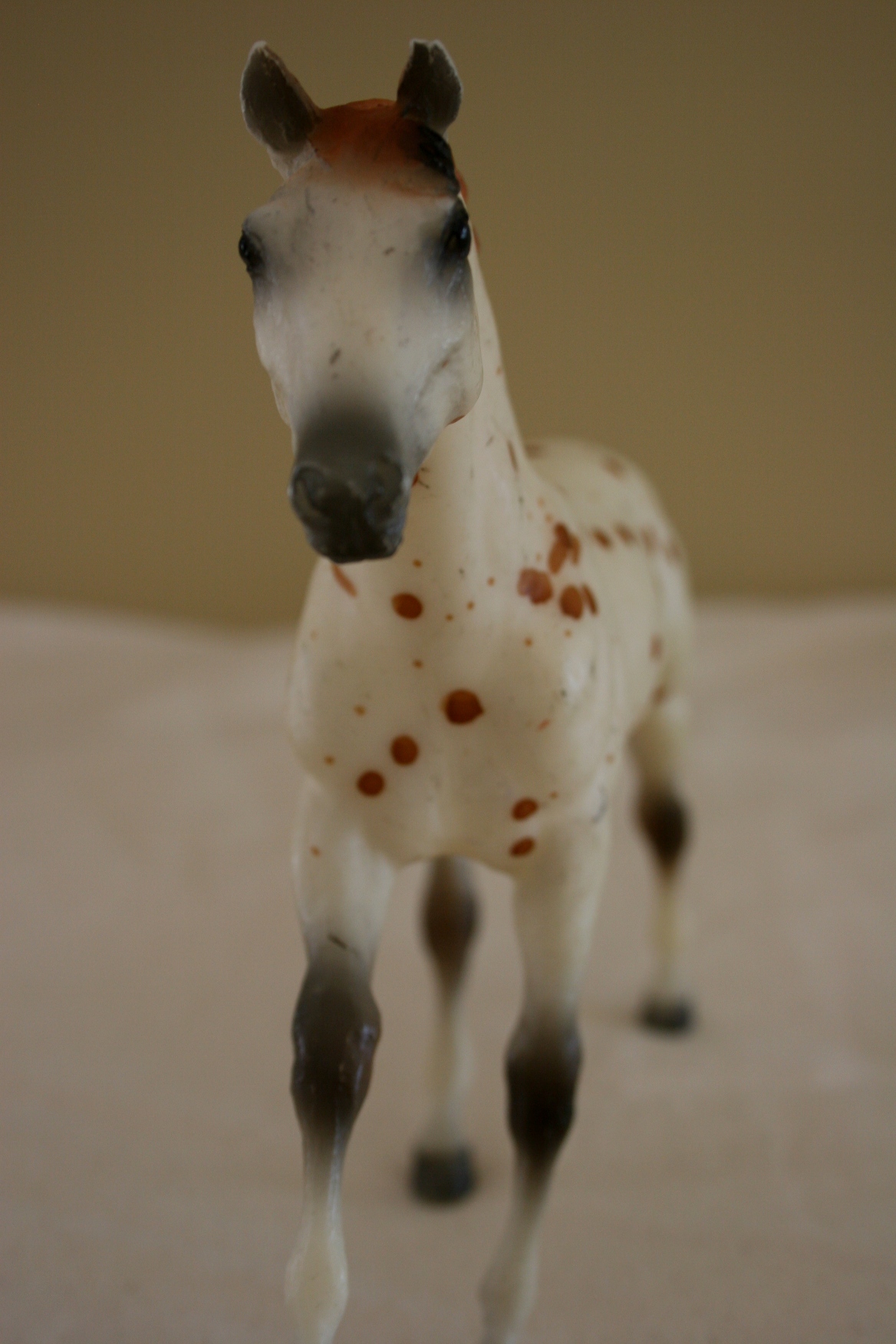
One of the many horses in my second daughter's collection.
© Copyright 2011 Audrey Kletscher Helbling






 Minnesota Prairie Roots
Recent Comments