

A TIME EXISTED when I loved winter. The snow more than the cold. During my growing up years on a southwestern Minnesota farm, I could not wait for the first snowfall, which then piled snow upon snow upon snow for months.

Fierce prairie winds swept snow around outbuildings, sculpting rock-hard drifts, an ideal landscape for Canadian Mounties. Snow pushed into piles by the loader of Dad’s John Deere tractor became mountains, rugged terrain to conquer. And pristine snow presented the perfect canvas for a game of Fox and Goose.
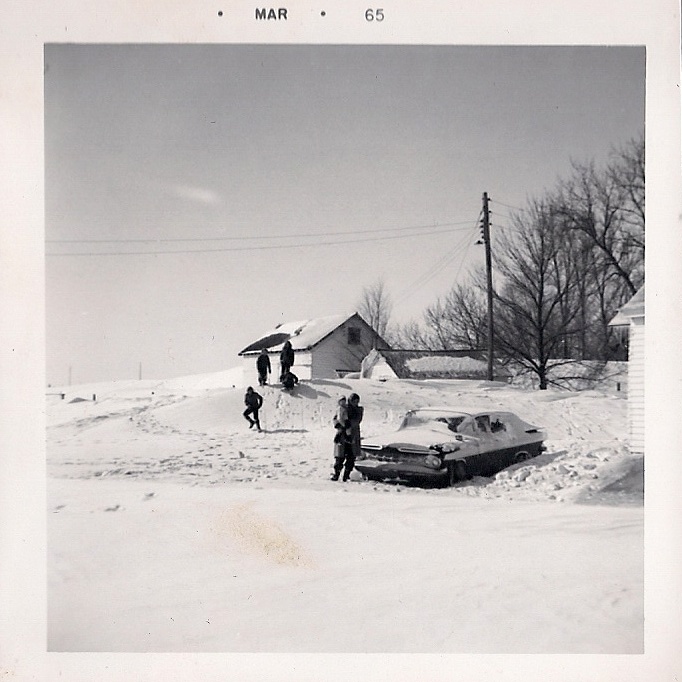
I remember, too, the crisp winter evenings of walking from barn to house after finishing chores. Packed snow crunched beneath my buckle overshoes. Frigid air bit at my nose, my mouth streaming billows of vapor. Overhead a billion stars pricked light into the immense black sky. Ahead of me, windows glowed in our tiny wood-frame farmhouse.
Those are the good memories I choose to remember. Not the near-frozen fingers. Not the pot on the porch because we had no bathroom. Not the house foundation wrapped in brown paper to seal out the cold. Not the central oil-burning stove that never kept the house warm enough.
Today I have it so much better. A warm house with a bathroom. No cows or calves to feed or straw bales to shake or manure to scoop. No dealing with cracked, chapped, bleeding hands. I have every reason today to embrace winter minus many of the hardships of yesteryear. But I find I don’t.
I’m working, though, on shifting my attitude back to that of appreciating a season which is often harsh here in Minnesota, although not in this unseasonably mild and nearly snow-less winter of 2023-2024. Last winter, now that was a record snowfall winter which tested many a life-long Minnesotan. Except perhaps my friend Jackie of Rochester, who loves winter.
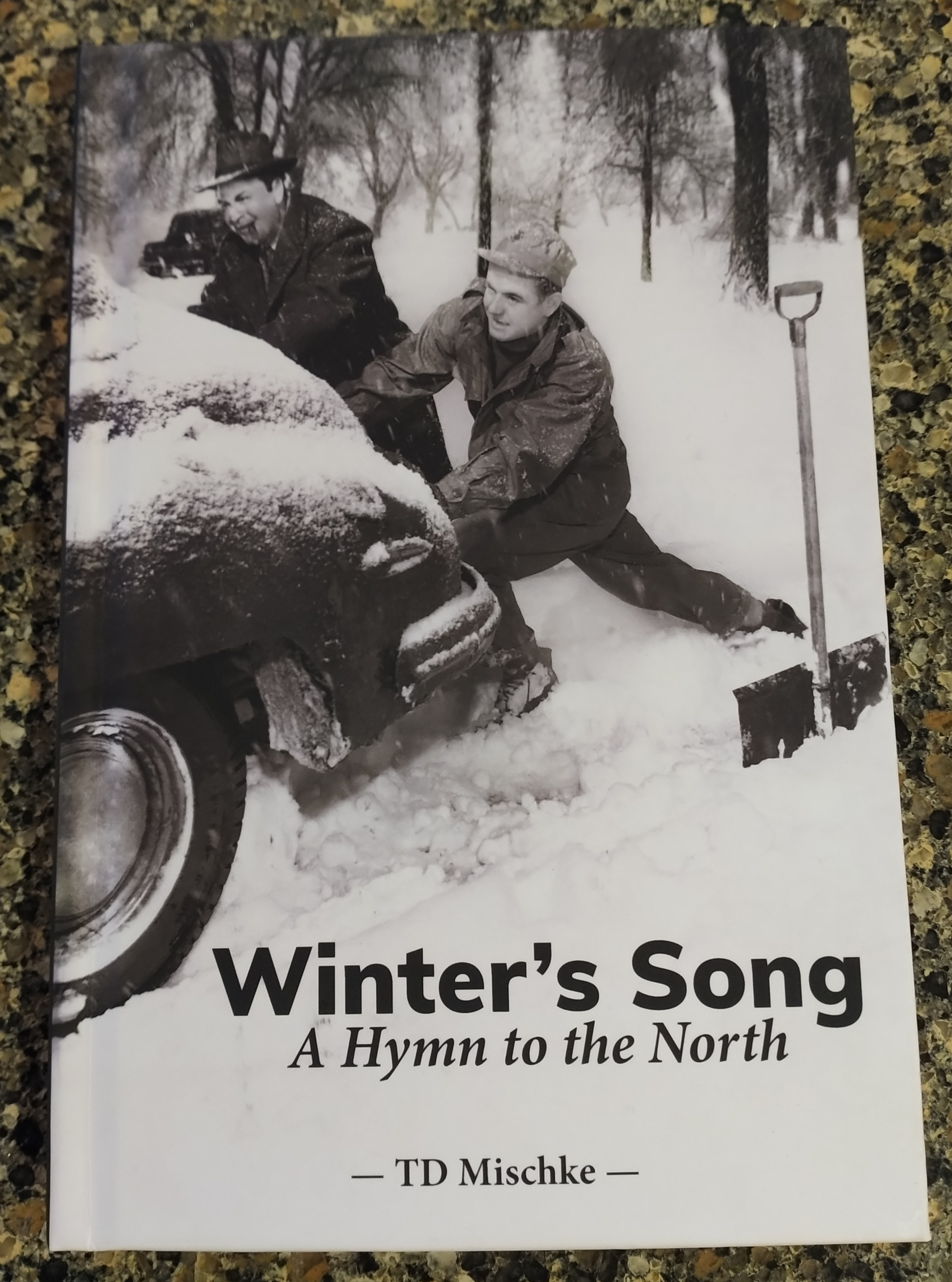
Writer, musician, podcaster and former radio talk show host TD Mischke also loves winter (most of the time) as evidenced in his book Winter’s Song—A Hymn to the North, published in 2023 by Skywater Publishing Cooperative. I happened upon his collection of winter writing at my brother-in-law and sister-in-law’s house north of the metro. Jon is about as avid an outdoorsman as they come. Hunting. Fishing. And in the dead of winter, spearfishing on the frozen lake. This seemed a book written just for him.
Recognizing the Mischke name, I immediately inquired whether the writer, TD Mischke, was any relation to Sy Mischke, friend of my late father-in-law. Sy, a “character” by my definition, was TD’s uncle. TD Mischke certainly writes about characters in Winter’s Song.
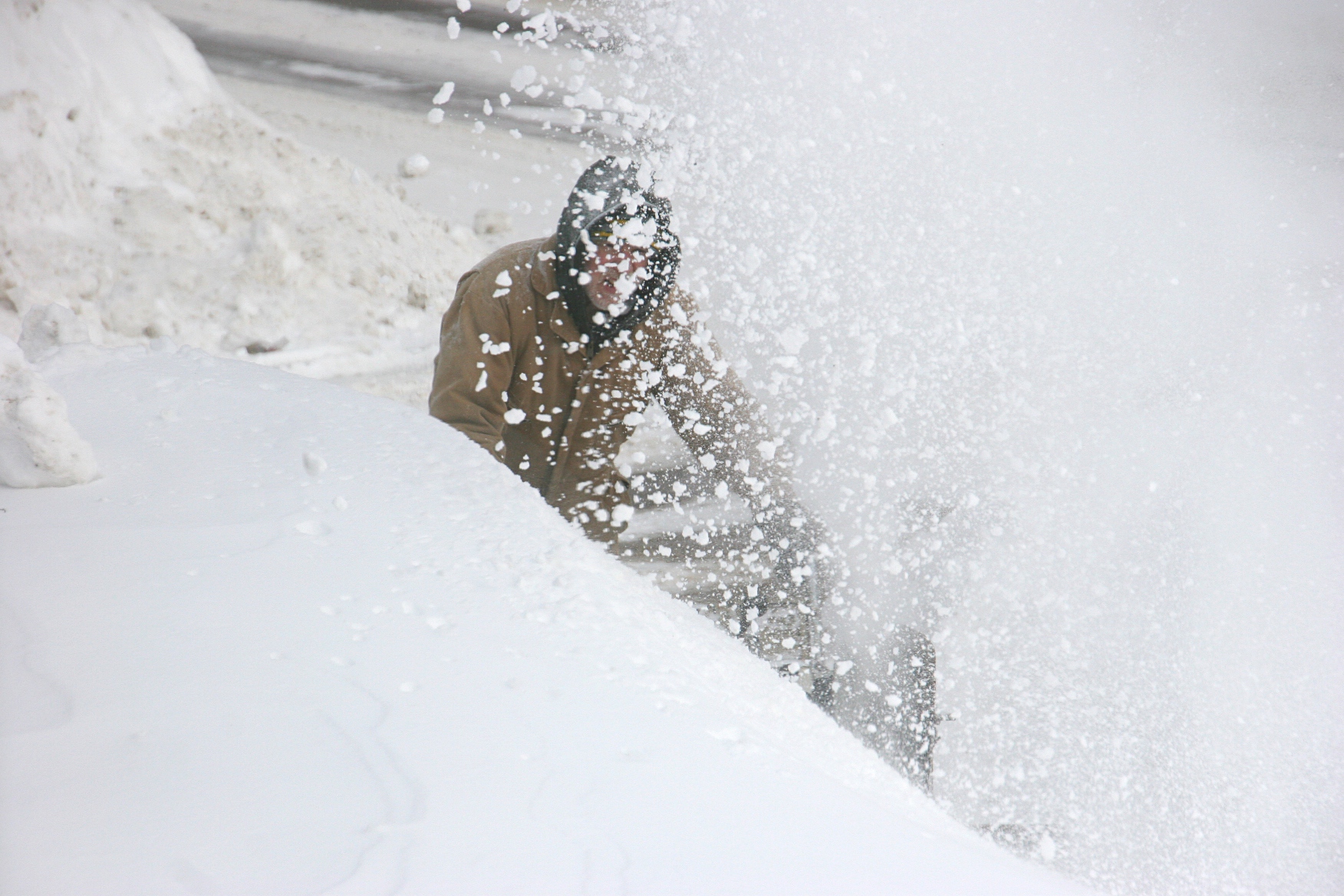
His collection of short stories, essays and three poems honors Midwest winters. Not in a fully nostalgic way, but with a mix of reality. Winters are, admittedly, brutal. But also brimming blessings. The word “hymn” in the book title fits.
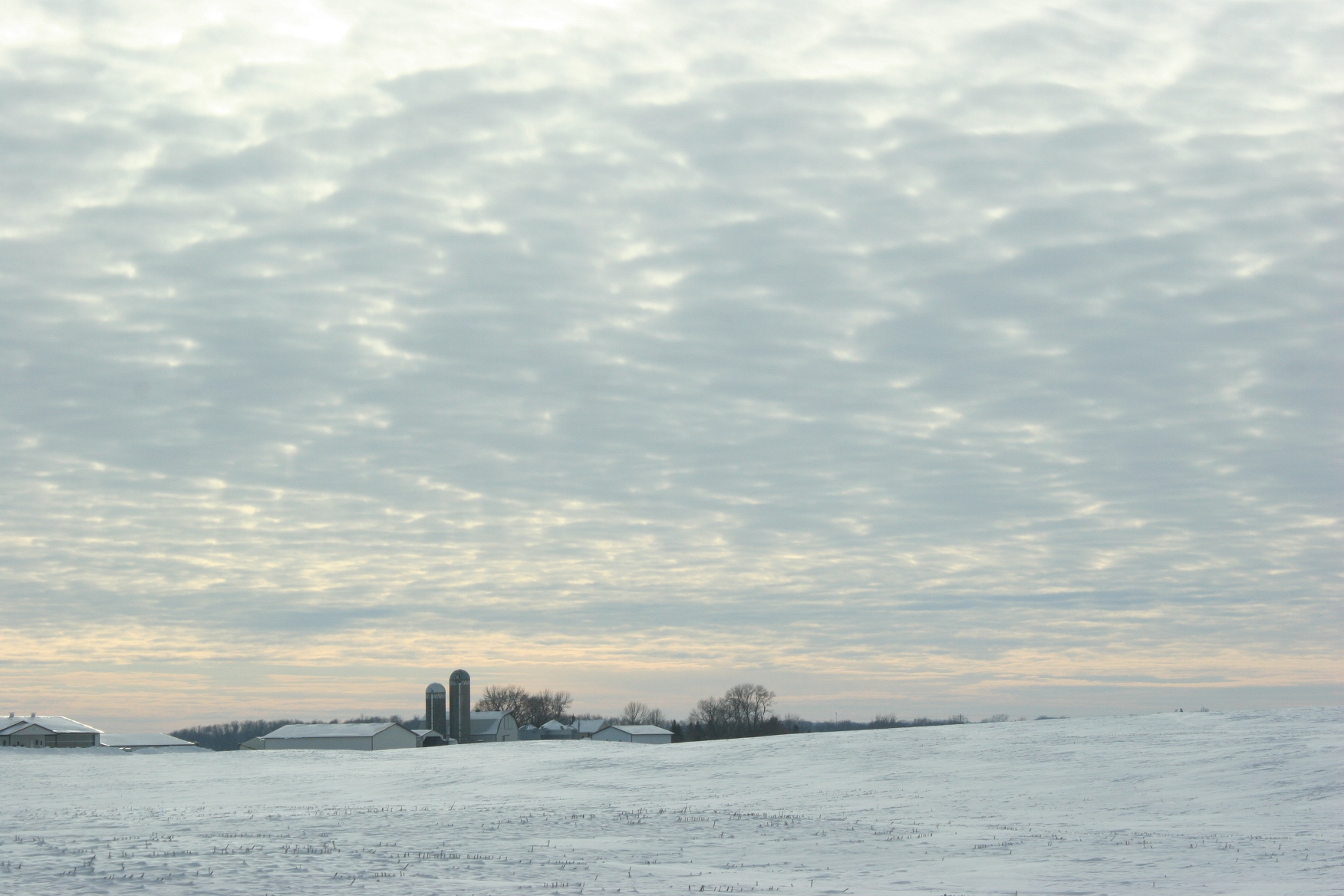
As I read through the short chapters, I found myself liking winter more and more. And that’s thanks to Mischke’s storytelling skills, his attention to detail, his introspective writing, his humor, his honest portrayal of winter in Minnesota. Not everyone is meant to live here. That Mischke acknowledges. But he also acknowledges the toughness, stamina, strength and endurance of those who call the North home. I agree that it takes a bit of fortitude to manage some six months of winter. I felt in that moment a sense of pride as a life-long Minnesotan.

That brings me to the second to last chapter of Winter’s Song—“Lessons of March.” It seemed only fitting that I was reading this chapter near the end of March on a day of predicted snow. I’ve never liked March much. But Mischke reminded me that this often grey month, which can throw in surprise snowstorms, should be appreciated for the simple reason that it makes us appreciate April even more. The arrival of spring. He’s right. Winter is often about perspective. After finishing Winter’s Song, I feel my thoughts shifting toward a renewed appreciation for this longest of seasons here in Minnesota.
FYI: Winter’s Song—A Hymn to the North is a finalist for the 2024 Emilie Buchwald Award for Minnesota Nonfiction. Minnesota Book Award winners will be announced May 7. To listen to TD Mischke’s podcast, The Mischke Roadshow, click here.
















Barns, an enduring symbol of farming June 25, 2026
Tags: agricultural symbol, agriculture, barns, childhood memories, commentary, cosmos, farm sites, farming, Hutchinson, Mantorville, Minnesota, photography, road trip, rural life, rural Minnesota, southern Minnesota, travel
IF A SINGLE BUILDING symbolizes agriculture in Minnesota, it is a barn.
Barns hold the history of farming within their walls. They hold the stories of farm families who labored therein. They hold memories—the heat of cattle, the lingering scent of manure, the pulse of milking machines, the scurrying of barn cats and much more.
Barns also hold heartaches and challenges and the satisfaction and rewards that come with farming.
To step inside a barn, or even to observe one from a distance as I did on recent trips out and about in rural Minnesota, is to understand the importance agriculture plays in this state.
Sure, farming has changed. Many barns no longer house animals, once a farm staple, as ag has shifted to crop farming. But at its core, this profession, this way of life, still centers rural parts of Minnesota, keeps small towns going. I saw that, from Mantorville to Faribault and from Faribault to Morris and back home.
Barns dominate farm sites just like grain elevators landmark many small rural communities.
While I see too many dilapidated barns fallen into heaps of rotting wood, I also see those that are well-cared for, still standing strong against the ravages of time and weather. I know that comes at a cost to the landowner. Keeping a barn properly roofed and painted is a major expense. I appreciate efforts to preserve barns built by generations past.
My ancestry traces to farming, to German immigrants who arrived in America, eventually making their way to southwestern Minnesota. There they found rich dark soil in which to plant seeds. Land upon which to build farmhouses, barns and other buildings necessary to the operation of a farm.
I am rooted in farming. I worked inside the barn my father built. I shoveled manure, scooped silage, pushed a wheelbarrow heaping with ground feed, carried pails brimming with milk, bedded straw, tossed hay bales from the hayloft, fed calves… I worked the land, too, picking rock and pulling cockleburrs. I carried lunch to my dad and uncles on hot summer days of baling hay.
There is nothing romantic about farming. It is hard work. It is a risky business affected by weather, markets, prices, too many factors out of a farmer’s control.
Yet, I will unequivocally state that I am incredibly thankful I grew up on a working farm. The lessons learned there about working together, about forging forward despite setbacks, about standing independent and strong are ingrained in me.
My dad laughed when I told him I wanted to be a farmer when I grew up. He knew better. There was nothing to keep me on the farm. And so I left, went to college, became a journalist. But even though physically-removed from the farm, I’ve always carried my ruralness within me, reflected in my writing and photography.
I find myself still drawn to rural scenes. A farm site. A grain elevator. A gravel road. Cattle grazing. Farm machinery, especially tractors, traversing fields. These all define agriculture. But it is the barn which symbolizes farming and the enduring strength and hope of a farmer.
#
NOTE: I took these photos from the front passenger seat, either through the windshield or side window while traveling at highway speeds. Locations of several photos are not noted as I don’t recall the exact locations.
© Copyright 2026 Audrey Kletscher Helbling