Minnesota Prairie Roots

Writing and photography by Audrey Kletscher Helbling

Learning & connecting at a bridging cultures talk in Faribault January 30, 2026

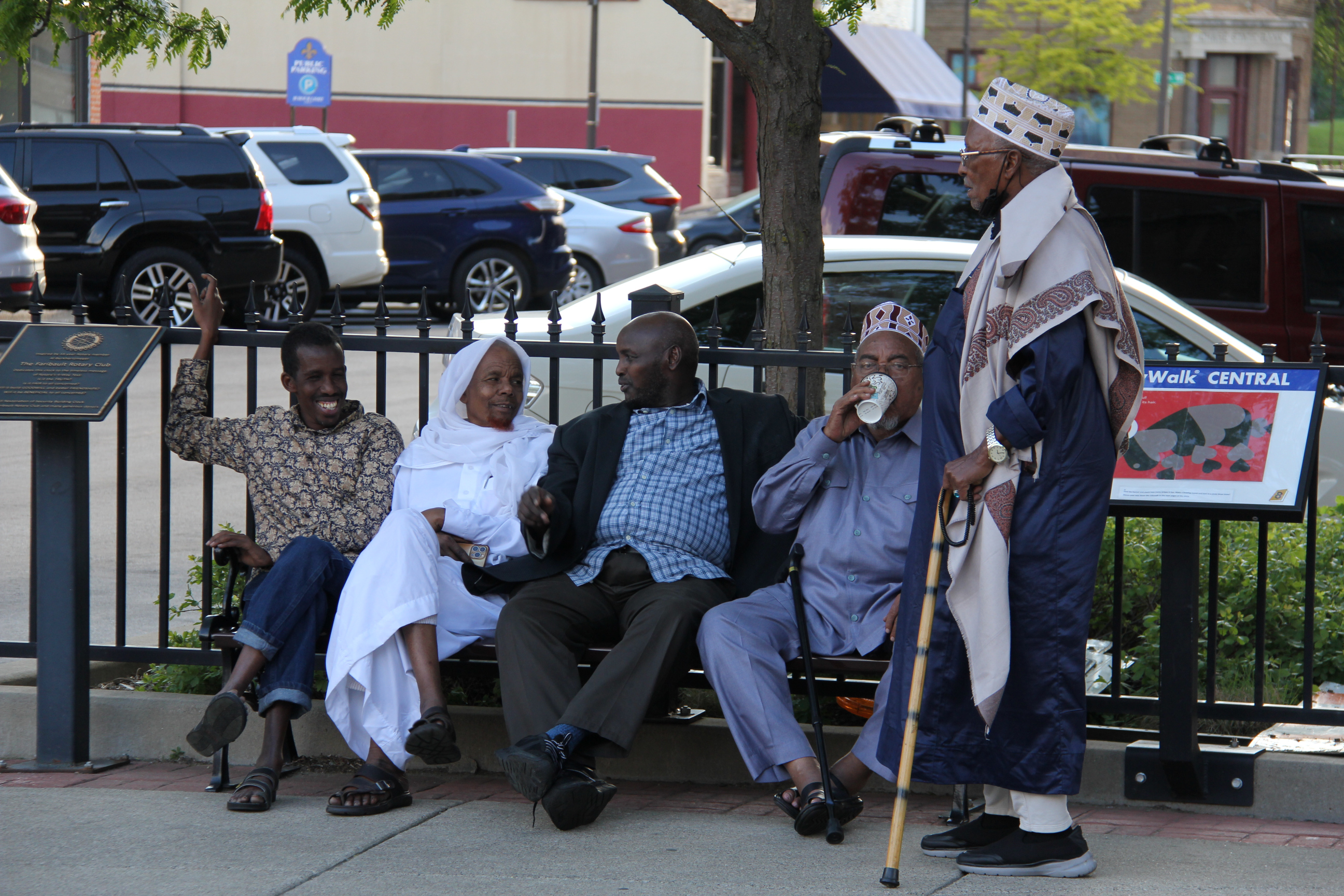
Somali men gather on a bench in downtown Faribault. (Minnesota Prairie Roots copyrighted file photo May 2024)

HE ARRIVED IN MINNESOTA as a teenage refugee from Somalia. Today Ibrahim Khalif heads the nonprofit Faribault Youth Empowerment Center. And Thursday evening this well-spoken young man with a sense of humor spoke to nearly 60 people at Buckham Memorial Library. We gathered to learn about Somali history and culture in a “Building Bridges Across Cultures” talk.

I am a firm believer that knowledge, understanding and personal connections do, indeed, build bridges.

Ibrahim presented a whole lot of information with accompanying slides. So, rather than attempt to cover everything, I’ll share some highlights.

The Somalian culture is an oral culture, Ibrahim said. That was not new to me, mostly because I’ve heard complaints through the years of locals fearing the Somali men who gather on street corners in downtown Faribault. I knew these men met outside to chat and share news, much like men everywhere meet for coffee and playing cards. Many Somalis live above businesses in downtown Faribault and street corners are their front porches.

ARRIVING IN FARIBAULT

In the early 2000s, Somalis began arriving in Faribault, many from refugee camps, Ibrahim said. They fled a civil war that started in 1991 with faith-based organizations—Lutheran and Catholic—helping them resettle in America. Ibrahim showed before and after the civil war pictures of Somalia that revealed absolute devastation. He also showed images of crowded refugee camps.

Minnesota is home to the largest population of Somalis, some 25,000, outside of Somalia. Thousands call my community home. Ibrahim shared that they came to Faribault for a quiet life, to be close to family already here (family is deeply-valued), for the education system, affordable housing and jobs not requiring English-speaking skills. He specifically named the local turkey processing plant as a place of employment.

Challenges upon arrival included, as you would expect, language barriers, an educational system unprepared for an influx of Somali students, difficulty making friends, racial discrimination and more, Ibrahim said.

VETTING

While I was taking notes, I starred Ibrahim’s statement that refugees undergo rigorous security vetting and screening by the FBI before they are allowed into America. I found that especially pertinent in these times when Somali refugees have been targeted by the federal government and called “garbage” by the president who wants them out of the U.S. Yes, Somalis are worried, Ibrahim acknowledged. Yet, he sounded upbeat, emphasizing several times how much he loves Faribault.

LEARNING

I appreciated that Ibrahim engaged us via asking us to repeat Somali phrases that will help us connect with our Somali neighbors. I admit, I struggled. But I tried and trying is a start. He encouraged us to love each other, to break the ice even with something as simple as a smile. To build partnerships.

But a hug or a handshake with someone of the opposite sex, unless initiated by the person, is unacceptable in Somali culture. Both my friend Ann and I publicly admitted breaking that cultural rule, unbeknownst to us. I am a hugger.

I am also an appreciator of personal details, like Ibrahim’s memory of drinking water from a dirty creek in Somalia and how much his elderly parents miss goats and cattle.

LAUGHING

I also appreciate Somali food, enjoying a savory sambusa Ibrahim brought in a heaping tray to the event. When an audience member asked about his favorite Somali food, Ibrahim replied, burgers and fries. The crowd erupted in laughter.

It felt good to laugh. In the midst of everything happening in Minnesota with ICE, we need laughter. And we need individuals like Ibrahim, standing strong and helping build bridges across cultures.

© Copyright 2026 Audrey Kletscher Helbling


My non-diverse background & “Building Bridges Across Cultures” January 28, 2026

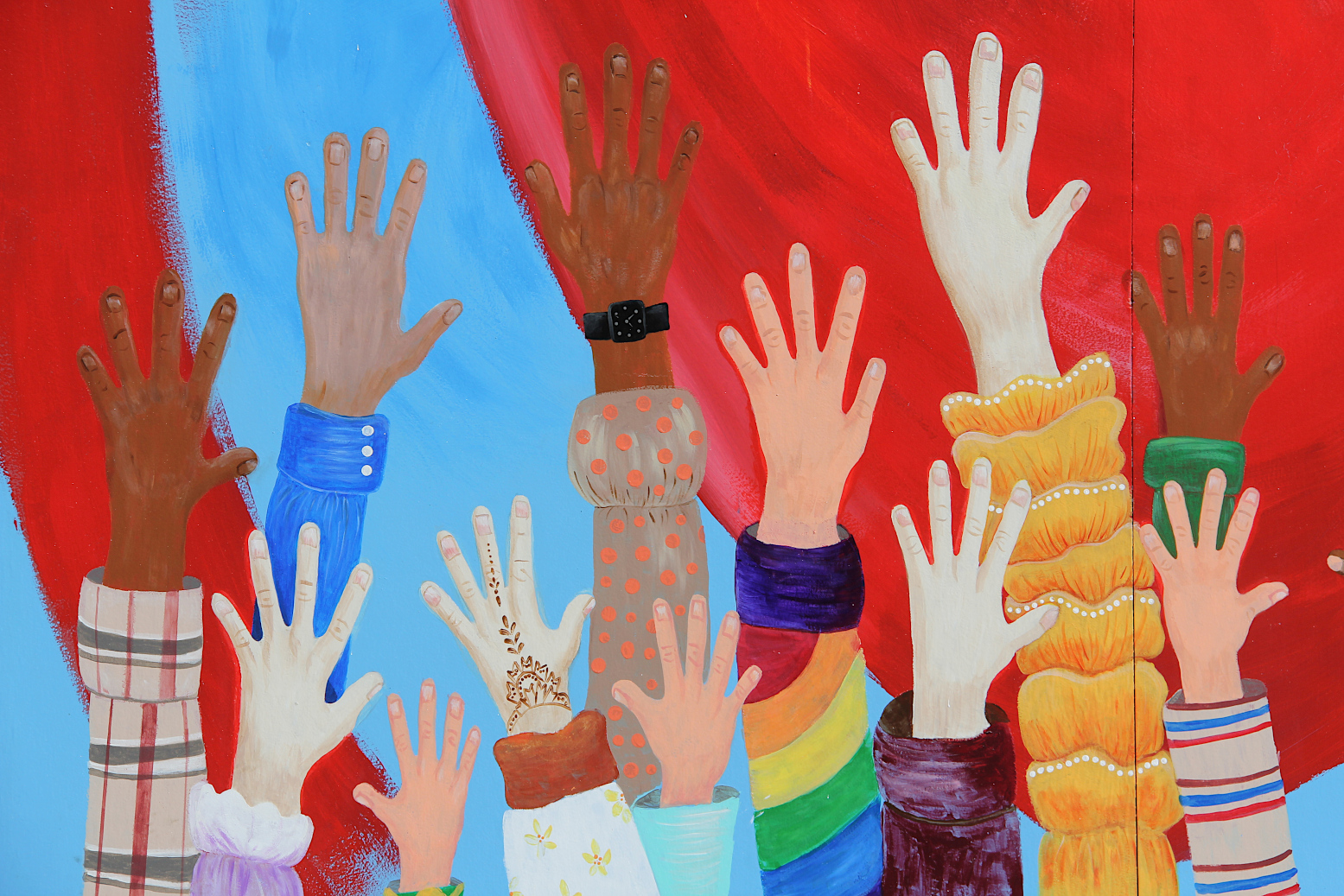
Some places are culturally-diverse, others not. This new mural at the Congregational Church of Faribault United Church of Christ reflects Faribault’s diversity. (Minnesota Prairie Roots copyrighted file photo September 2025)

I GREW UP in southwestern Minnesota, in rural western Redwood County where diversity was absent unless you count religious affiliation or ancestry as diversity. You were either Lutheran or Catholic with a few Methodists, Presbyterians and Brethren thrown in the mix. And you were of German, Irish, Polish or Scandinavian descent, but mostly German. And your skin color was certainly white, unless you were among the Native Americans living on the eastern side of the county.

I left Redwood County for college in the early 1970s. Not much has changed in racial demographics in that rural area, population hovering around 15,000, with the exception of a sizable Hmong population resettling in small town Walnut Grove. Leaving the prairie, a place I loved and still love, broadened my perspectives.

Many Somalis live in downtown Faribault above businesses. They often meet on street corners to visit. (Minnesota Prairie Roots copyrighted file photo May 2024)

Today I live on the eastern side of Minnesota in Faribault, a city of around 25,000 about an hour south of Minneapolis. Mine is a diverse community, home to many Hispanics, Latinos and Somalis. They work here, raise families here, open businesses here and add much color and culture to this city I’ve called home since 1984. Somalis are the newest of Faribault’s immigrants and the group which still struggles with animosity toward them. That makes getting to know them and their stories especially important.

Lul Abdi shows off beautiful wood crafts from Kenya and Somalia at a past International Festival in Faribault (Minnesota Prairie Roots copyrighted file photo)

I’ve attended Somali cultural events, diversity celebrations, talked with local Somalis, photographed them, drank their delicious hot tea, eaten their savory sambusas, walked into their shops, tried to learn about and embrace these residents of Faribault.

I love living in a community with such diversity. Not everyone here feels as I do and would prefer Faribault remain white and non-diverse, as it was when they were growing up. That saddens me. I often think, if only people would take the time to connect one-on-one, to listen, they would begin to see that we are all human, even if different.

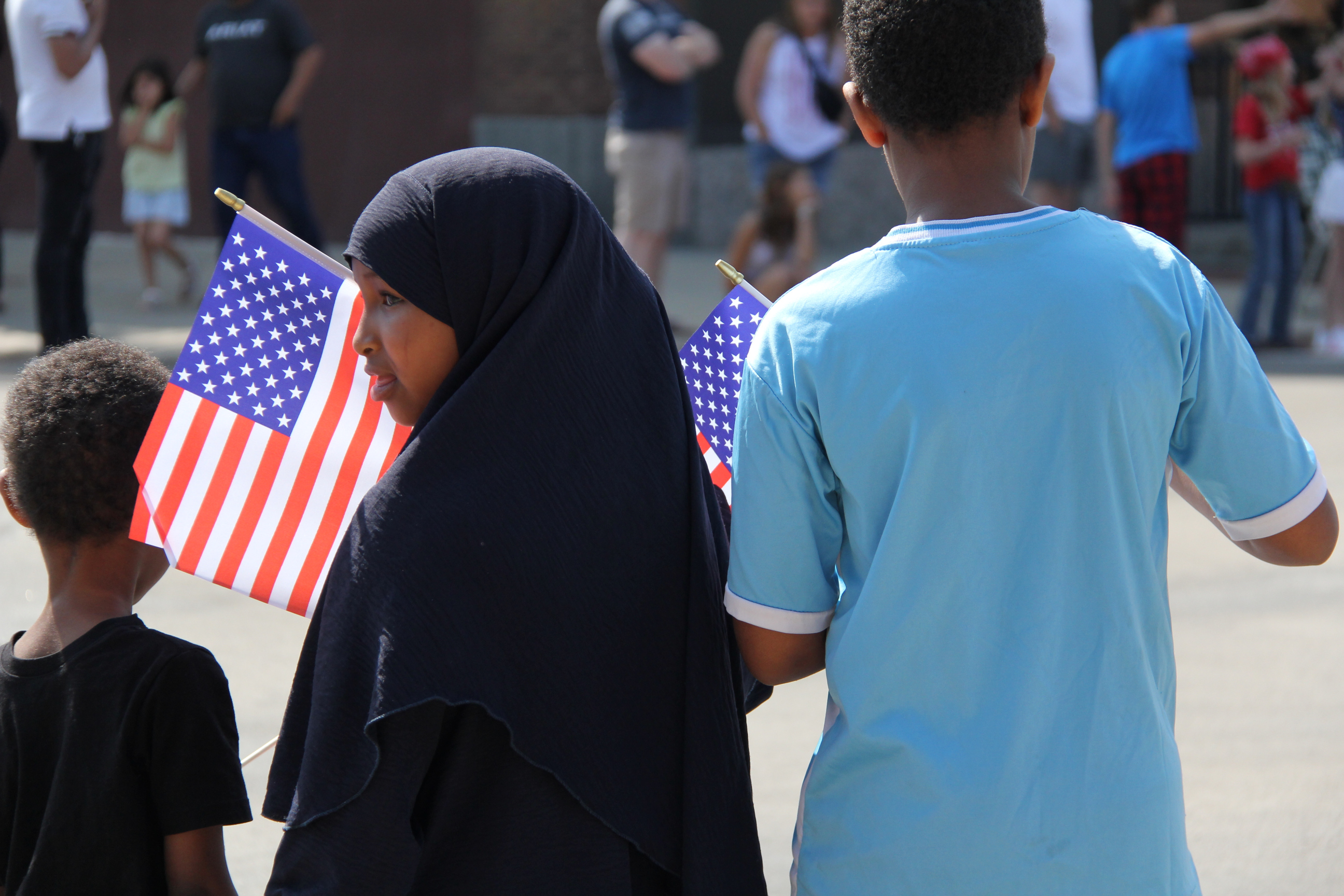
Somali children watch Faribault’s 2025 Memorial Day parade. (Minnesota Prairie Roots copyrighted file photo May 2025)

Instead of fearing others who may not speak the same language, eat the same foods, wear the same clothes, practice the same religion, we can choose to embrace one another. In an ideal world, that would happen. But it takes time, effort and an open heart and mind to get there.

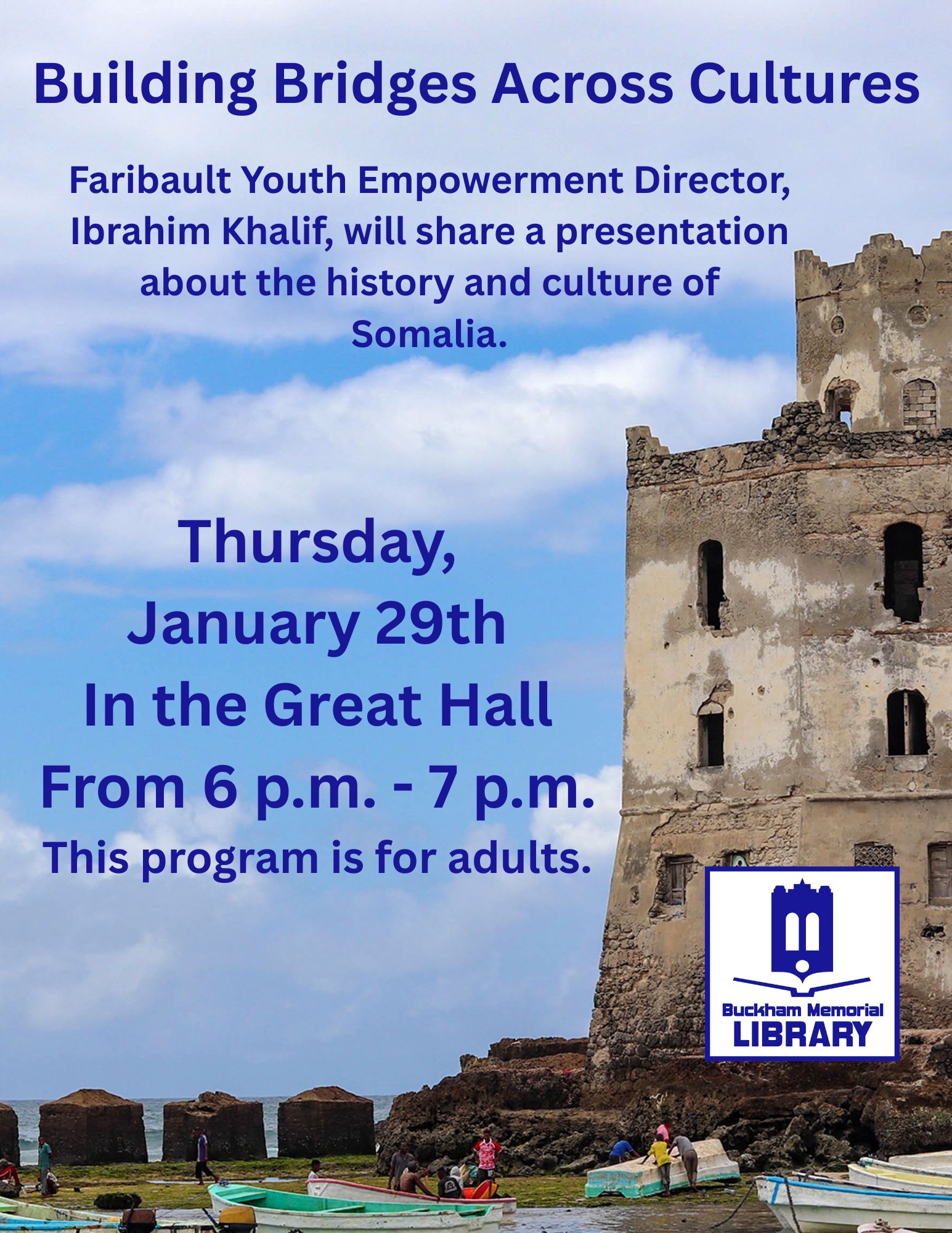
(Promo courtesy of Buckham Memorial Library)

At 6 pm this Thursday, January 29, Buckham Memorial Library is hosting a talk, “Building Bridges Across Cultures,” by Ibrahim Khalif, director of Faribault Youth Empowerment. He will present on the history and culture of Somalia in the library’s Great Hall. The event is part of the library’s adult programming efforts.

This talk is certain to be interesting and informative. The title alone, with the words “building bridges,” reflects my feelings on what needs to happen in my community. A bridge gets you from one side to the other, to a different destination. But to get from one side to the other, you need to first build a bridge together then willingly cross it, not remain firmly planted and divided on a riverbank, unwilling to move.

© Copyright 2026 Audrey Kletscher Helbling