Minnesota Prairie Roots

Writing and photography by Audrey Kletscher Helbling

Escaping the heavy wildfire smoke in north central Minnesota July 16, 2026

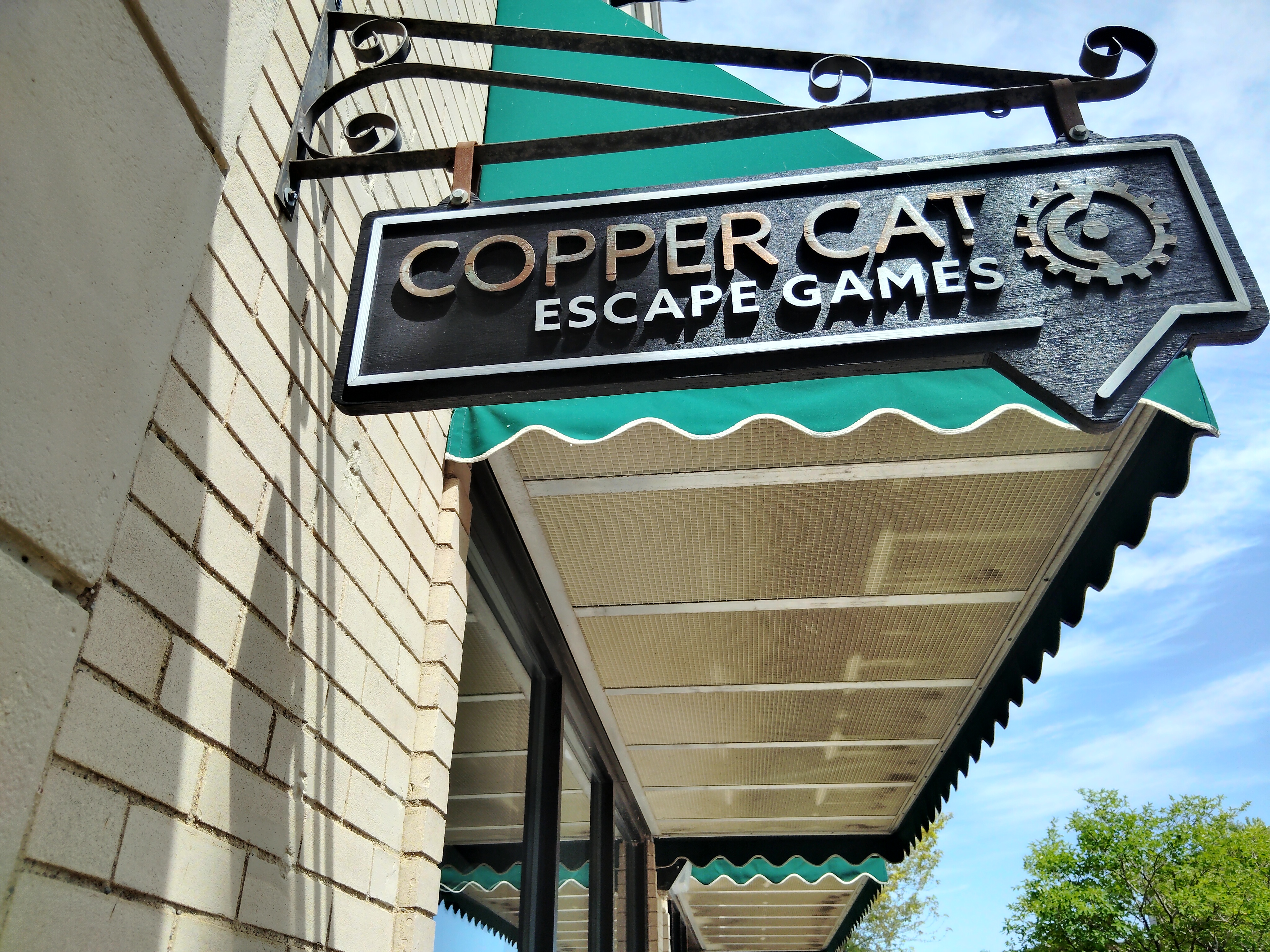
Signage on an escape room business in downtown Brainerd, photo taken Monday afternoon before wildfire smoke rolled in. (Minnesota Prairie Roots copyrighted photo July 2026)

IN THE EXTREME HEAT and humidity of Monday afternoon, my husband and I and our eldest daughter and her family escaped to Copper Cat Escape Games in Brainerd to sleuth for Granny’s hidden secret recipe. It was great fun finding and solving clues, unlocking boxes and finally solving the mystery with five minutes to spare.

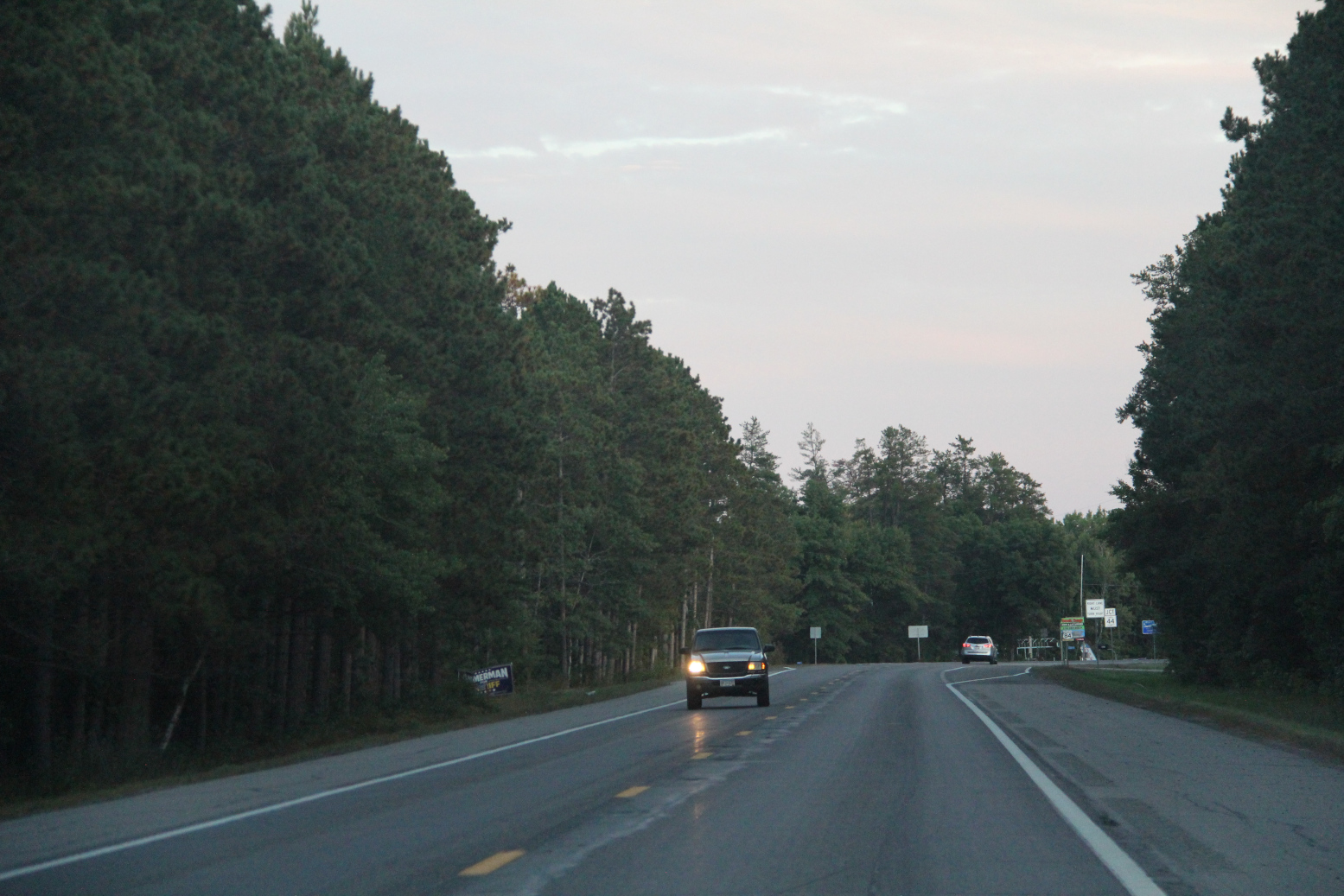
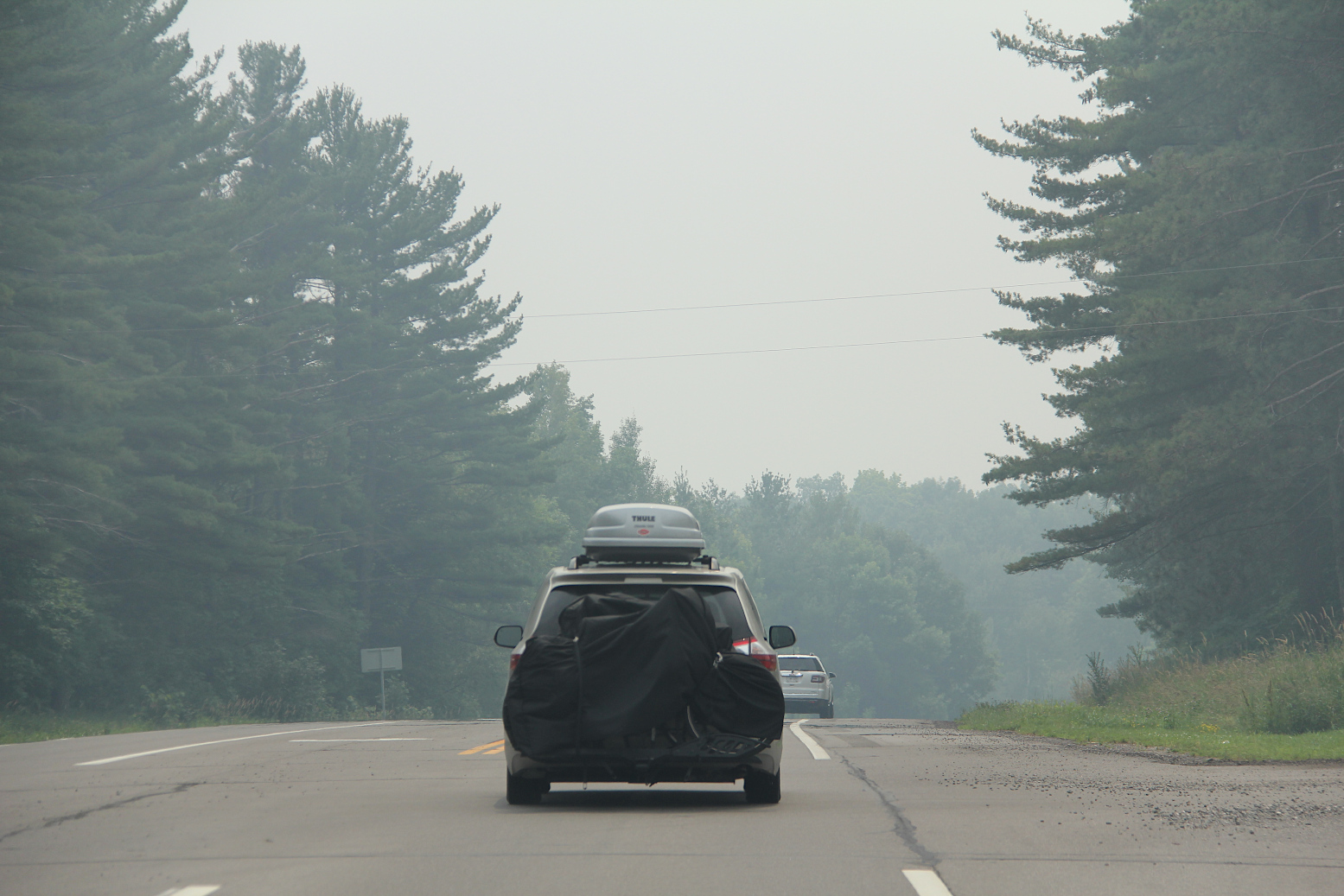
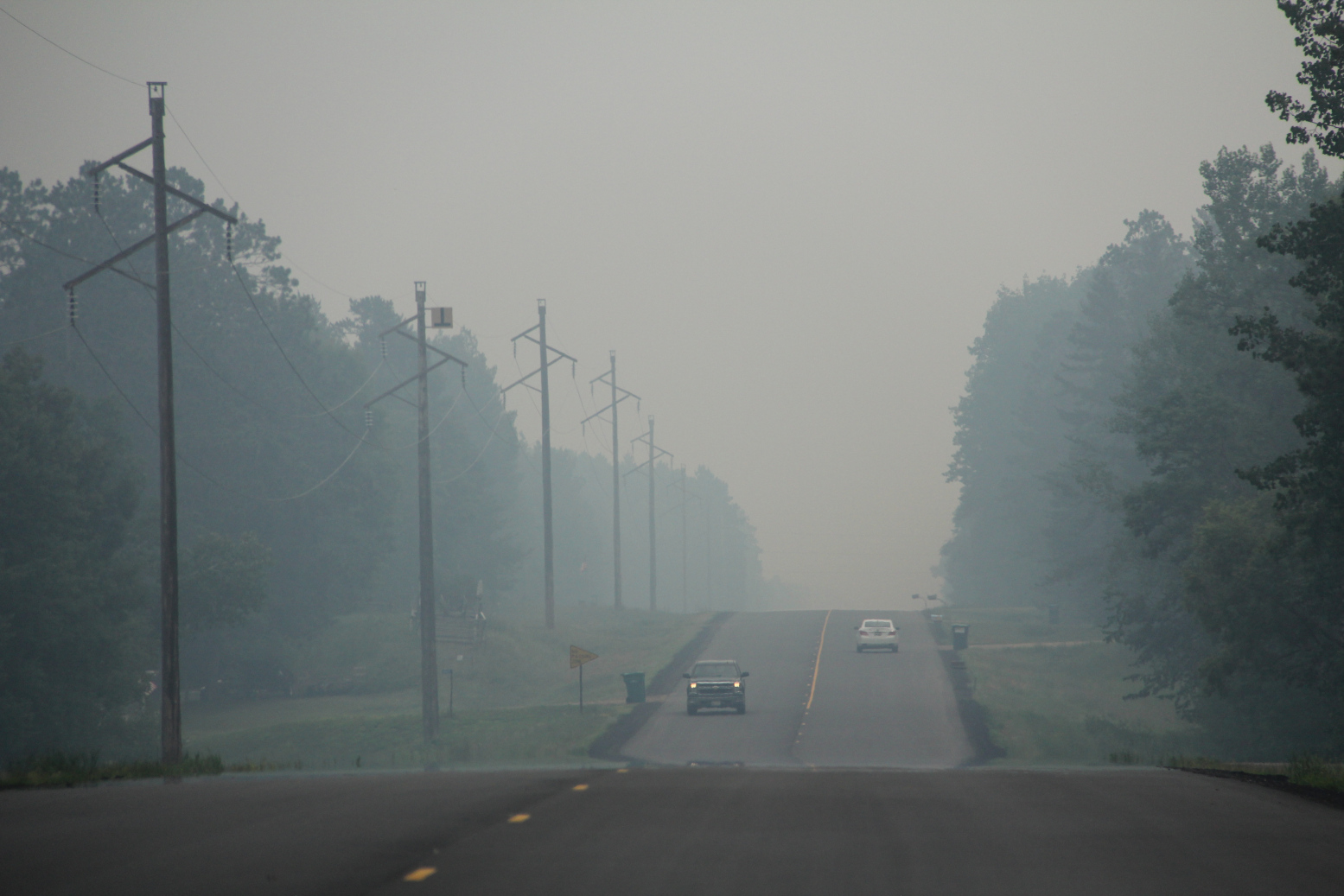
Driving into and through wildfire smoke early Wednesday afternoon near Garrison. I took these photos as a passenger. (Minnesota Prairie Roots copyrighted photo July 2026)

On Wednesday afternoon, we escaped, too, but this time from intense wildfire smoke which blew in from the north, enveloping the Brainerd Lakes area cabin where we were vacationing. We’ve experienced smoke on previous visits. This time, though, the smoke was especially thick, intense and oppressive.

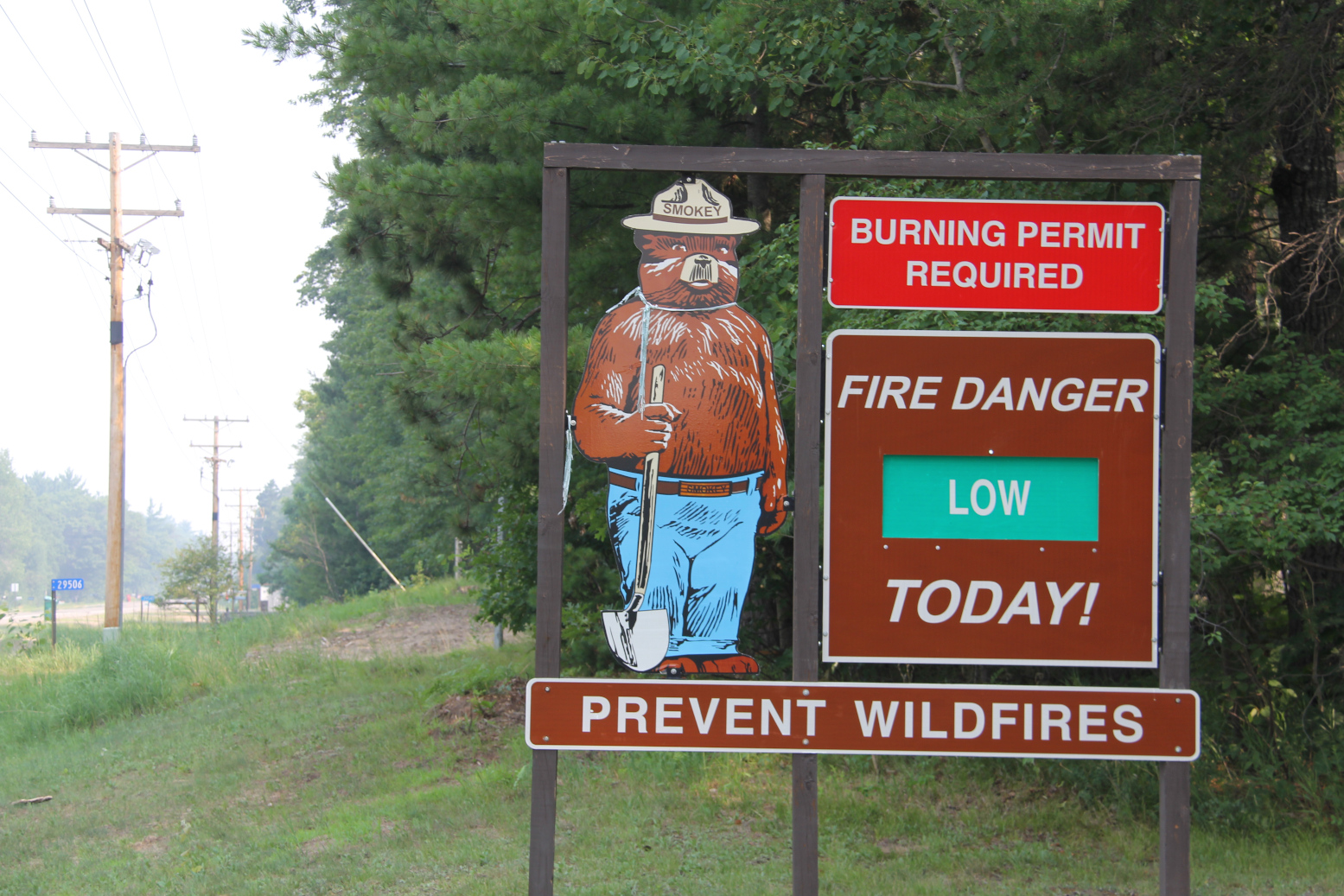
After leaving Mission Park and before reaching the cabin, I photographed this sign by the Mission Town Hall. Fire danger was low here Wednesday with the smoke (seen to the left) coming from wildfires up north. (Minnesota Prairie Roots copyrighted photo July 2026)

The smoke rolled in as Randy and I were hiking at Mission Park only a short drive from the Horseshoe Lake cabin south of Crosslake. We emerged from the woods to see dense smoke. Initially, we thought someone was burning, but soon realized the source—wildfires to the north in Canada and northern Minnesota.

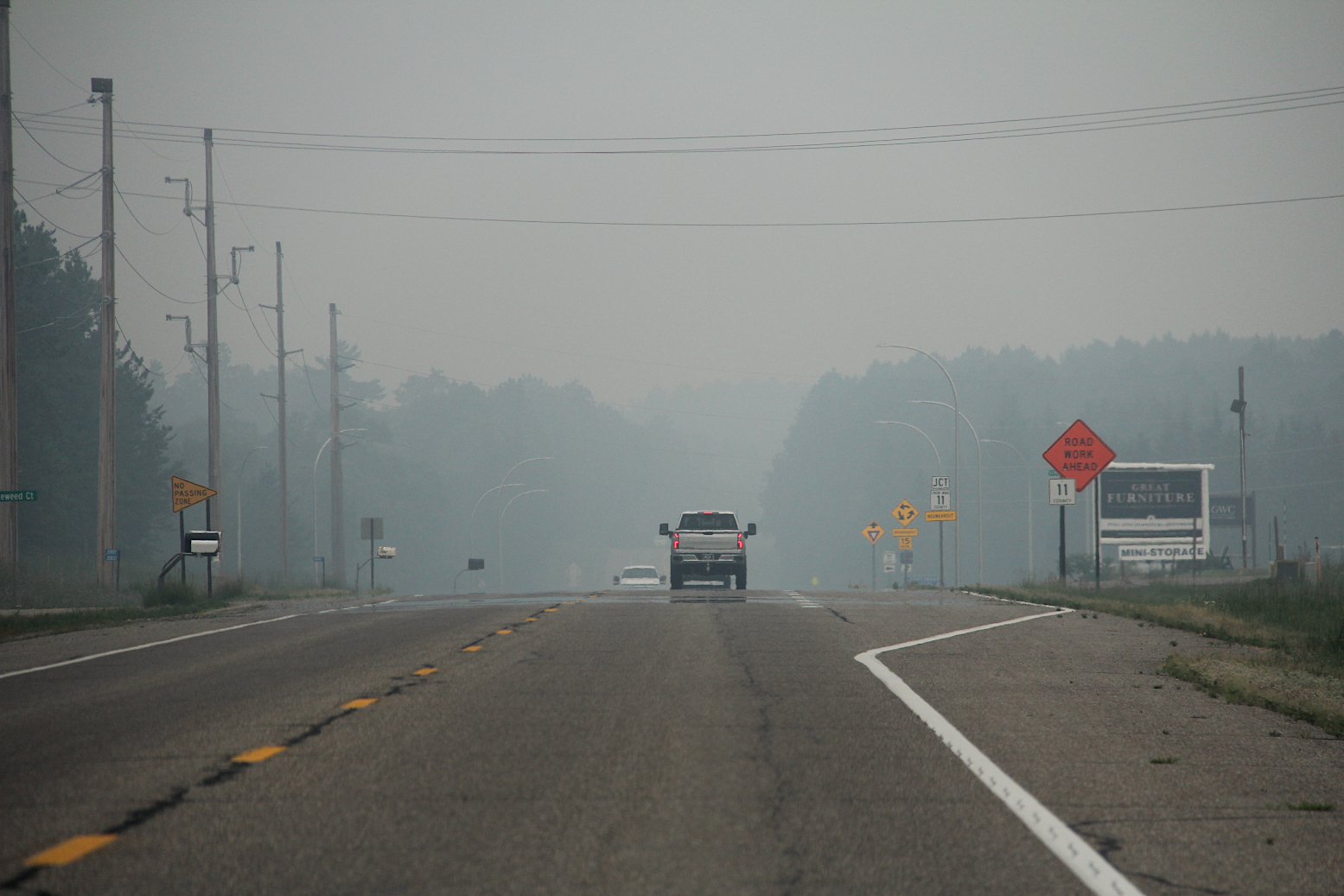
Driving through dense smoke along Crow Wing County Road 11 south of Crosslake early Wednesday afternoon. (Minnesota Prairie Roots copyrighted photo July 2026)

Wildfires are raging in areas in and around the Boundary Waters Canoe Area with campers there evacuated earlier in the week and the BWCA closed. Evacuation orders have been issued in parts of St. Louis, Cook and Lake counties in the northeastern part of Minnesota. Camps are closing, kids sent home. And on and on. Resorts, outfitters and other businesses that rely on seasonal income are suffering.

And across nearly all of Minnesota, we are breathing in smoke at levels classified as hazardous, very unhealthy, unhealthy and more by the Minnesota Pollution Control Agency. That includes right here in my county of Rice in the southern part of the state far from the wildfires.

But the level here in Faribault is nothing compared to what we saw and breathed in yesterday in the Brainerd Lakes area. That smoke smelled of infinite campfires, stung our eyes, made it hard to breathe, reduced visibility.

Our plans to spend the day exploring and enjoying the small towns near the cabin quickly pivoted to packing and heading home a day earlier than intended. Our daughter and her family left a day prior, as scheduled.

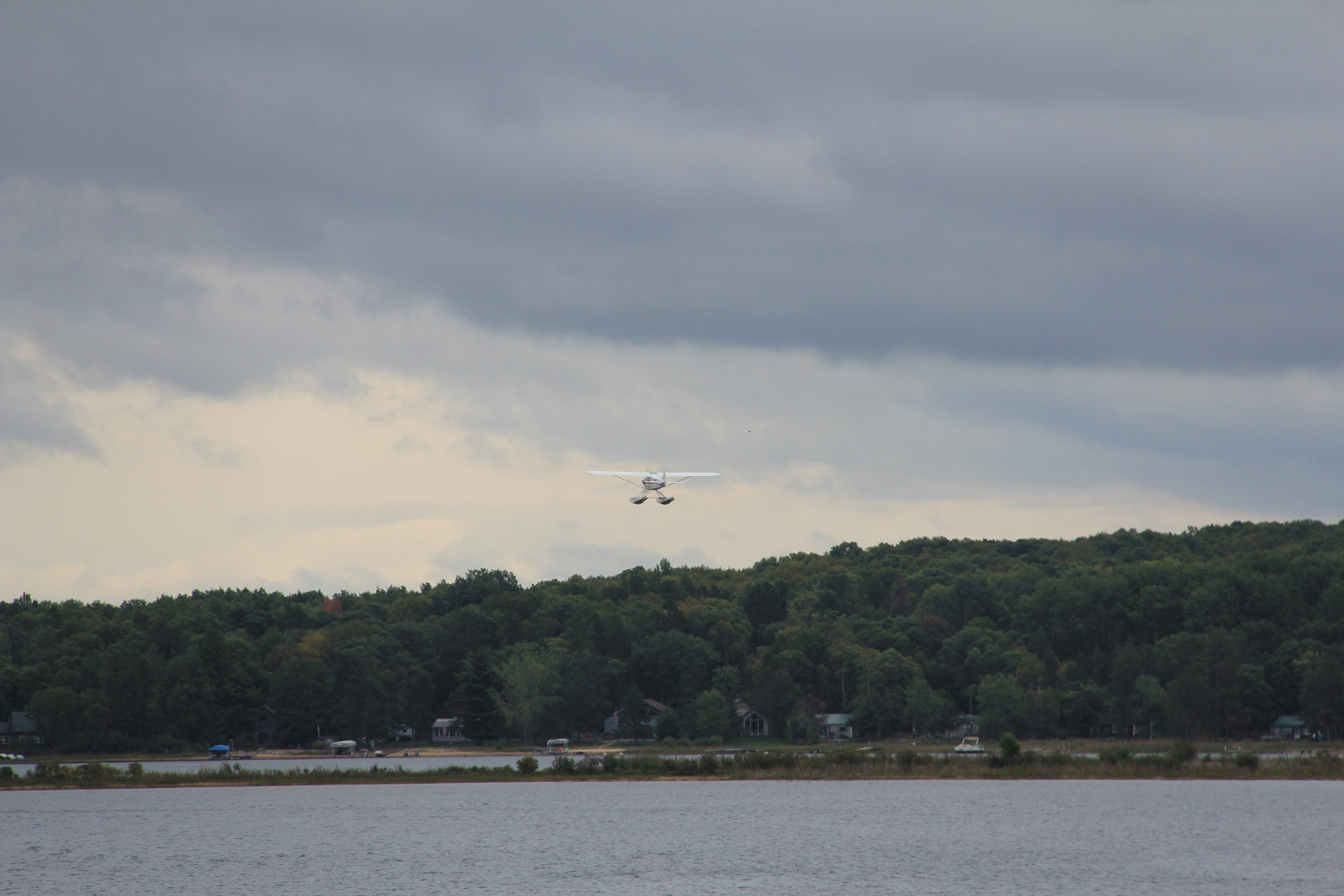
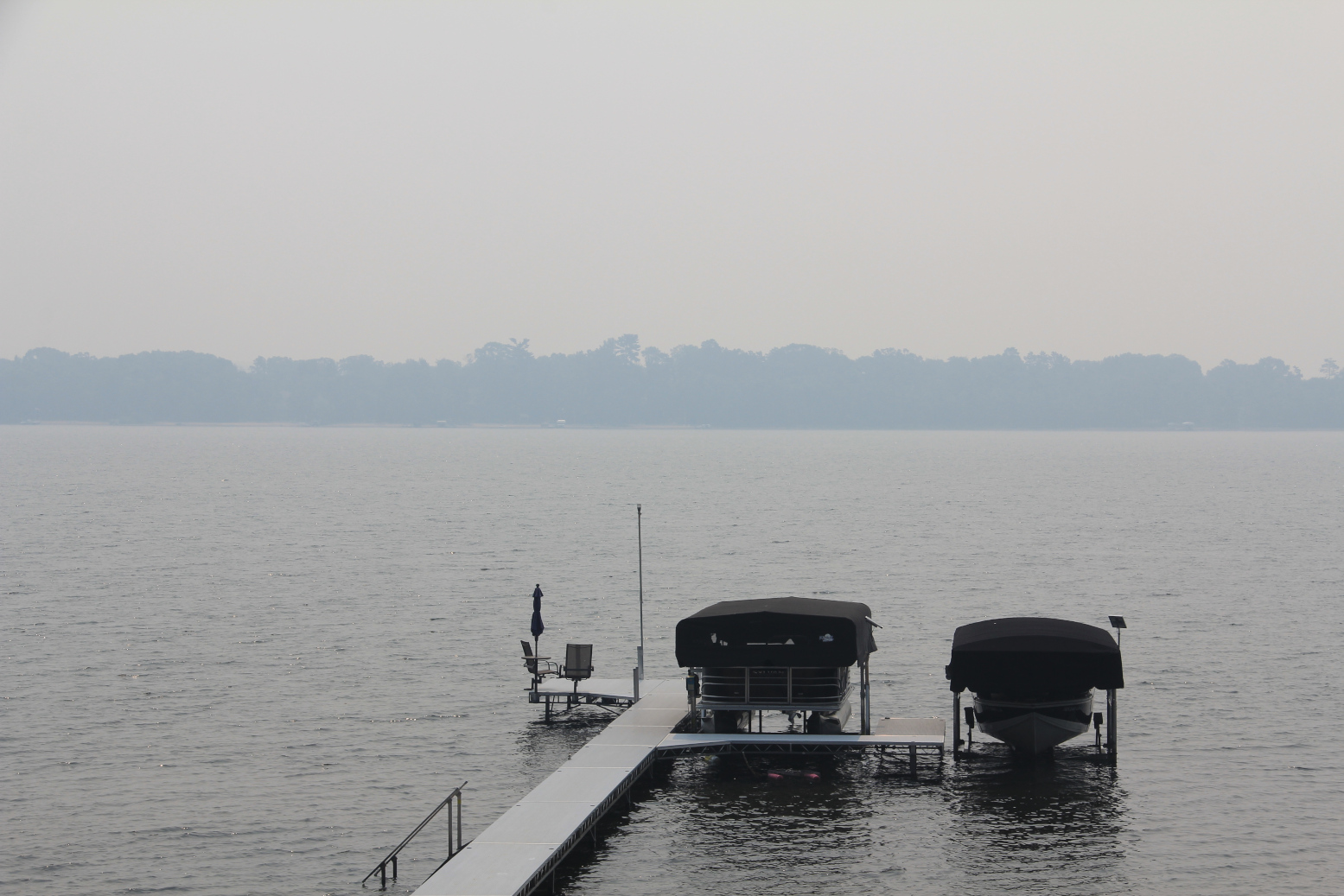
Looking across Horseshoe Lake in the thick smoke late Wednesday morning. (Minnesota Prairie Roots copyrighted photo July 2026)

It was the right decision to leave on Wednesday. Already visibility across Horseshoe Lake was so limited that the opposite shore appeared only an outline of trees. Smoke and the stench of smoke hung in the air. The toxic air felt suffocating.

Northbound toward Crosslake, this shows the heavy smoke in the area at the intersection of Crow Wing County roads 3 and 11 early Wednesday afternoon. (Minnesota Prairie Roots copyrighted photo July 2026)

Once on Crow Wing County Road 3, Randy and I could see the scope of the smoke spreading far and wide, blanketing the landscape.

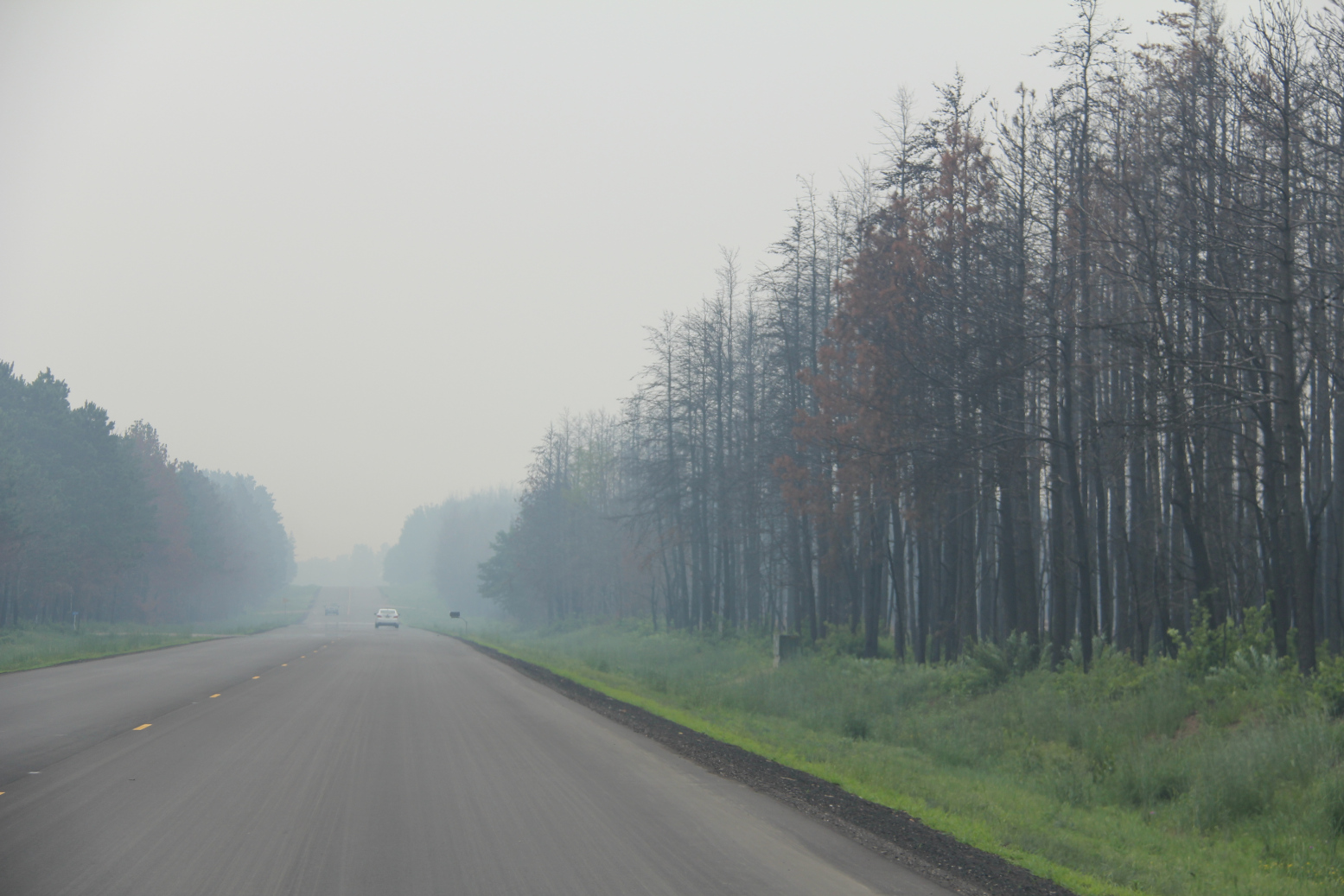
Driving through the smoke, past charred trees, right, burned in the Flanders Fire in May south of Crosslake. (Minnesota Prairie Roots copyrighted photo July 2026)

Onward we drove, turning onto county road 11, passing stands of charred trees and cleared land from a mid-May wildfire in Mission Township. The irony was not lost on me.

Mile after mile, we traveled in smoky conditions. In Crosby, life appeared business as usual with a packed downtown, despite the smoke. Shoppers walking in and out of shops. Bikers biking.

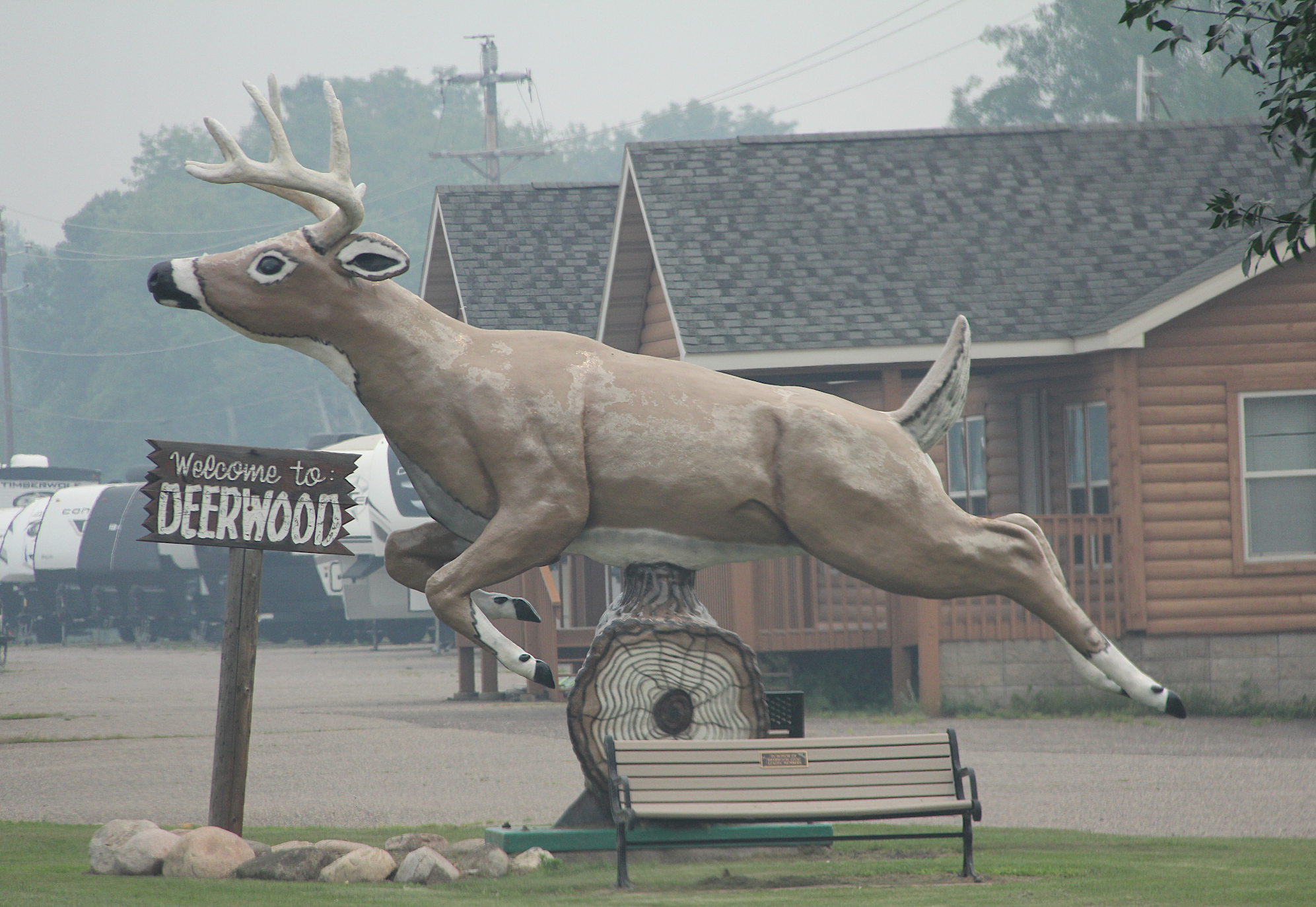
Smoke surrounds the roadside deer statue in Deerwood. (Minnesota Prairie Roots copyrighted photo July 2026)

In Deerwood, a roadside deer statue appeared to leap through the smoke in an attempt to escape.

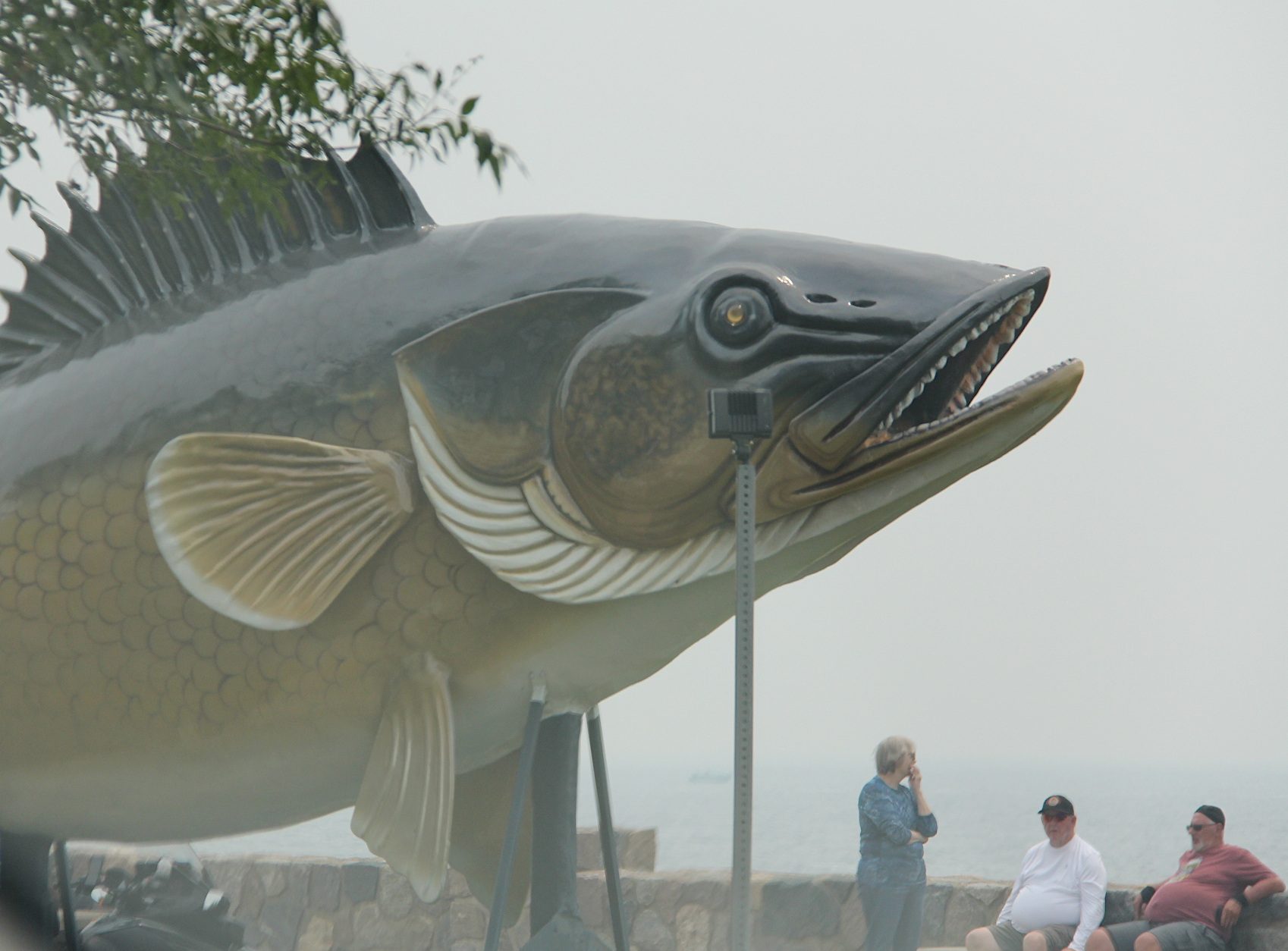
Wildfire smoke screens the view of Mille Lacs Lake by the roadside walleye statue. (Minnesota Prairie Roots copyrighted photo July 2026)

In Garrison, visitors at the Mille Lacs Lake overlook could see the roadside statue, but not much of the lake.

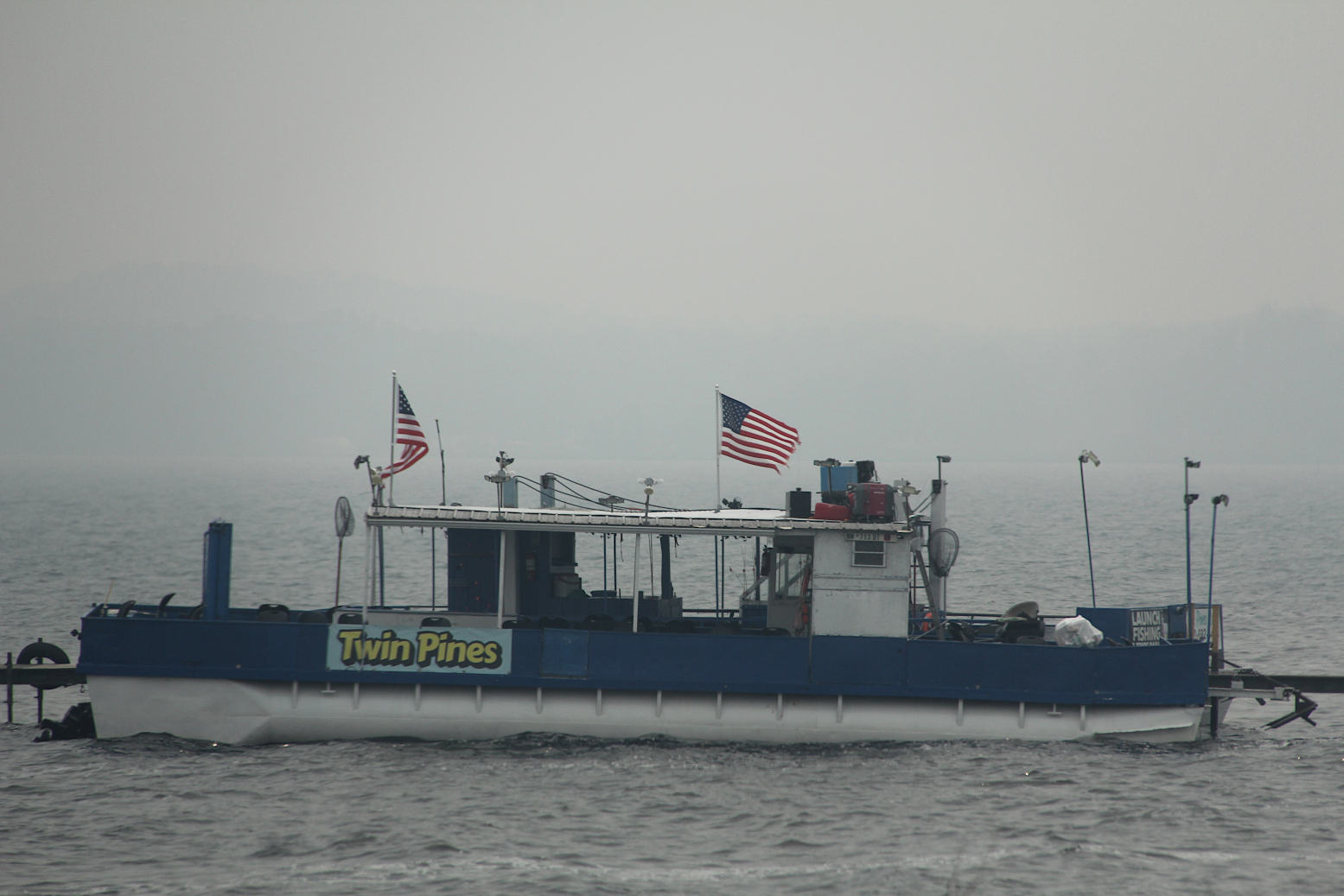
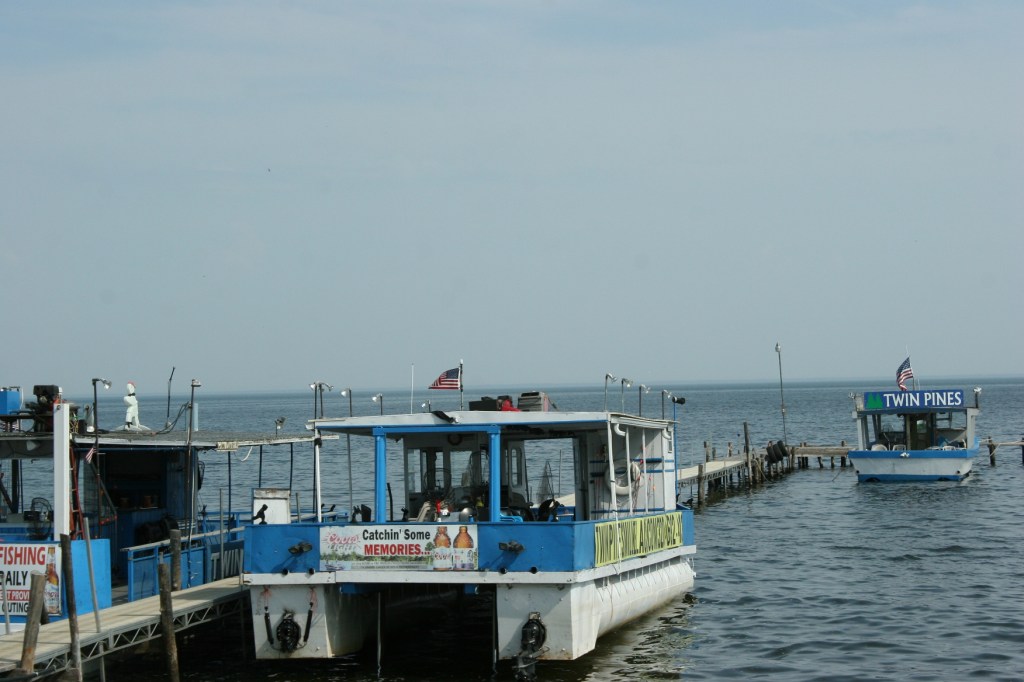
Wildfire smoke backdrops a docked boat on Mille Lacs Lake Wednesday afternoon. (Minnesota Prairie Roots copyrighted photo July 2026)

Down the road a bit, a guy jogged alongside U.S. Highway 169. Smoke still hung thick. I wondered how his body could tolerate the polluted air. Mine can’t.

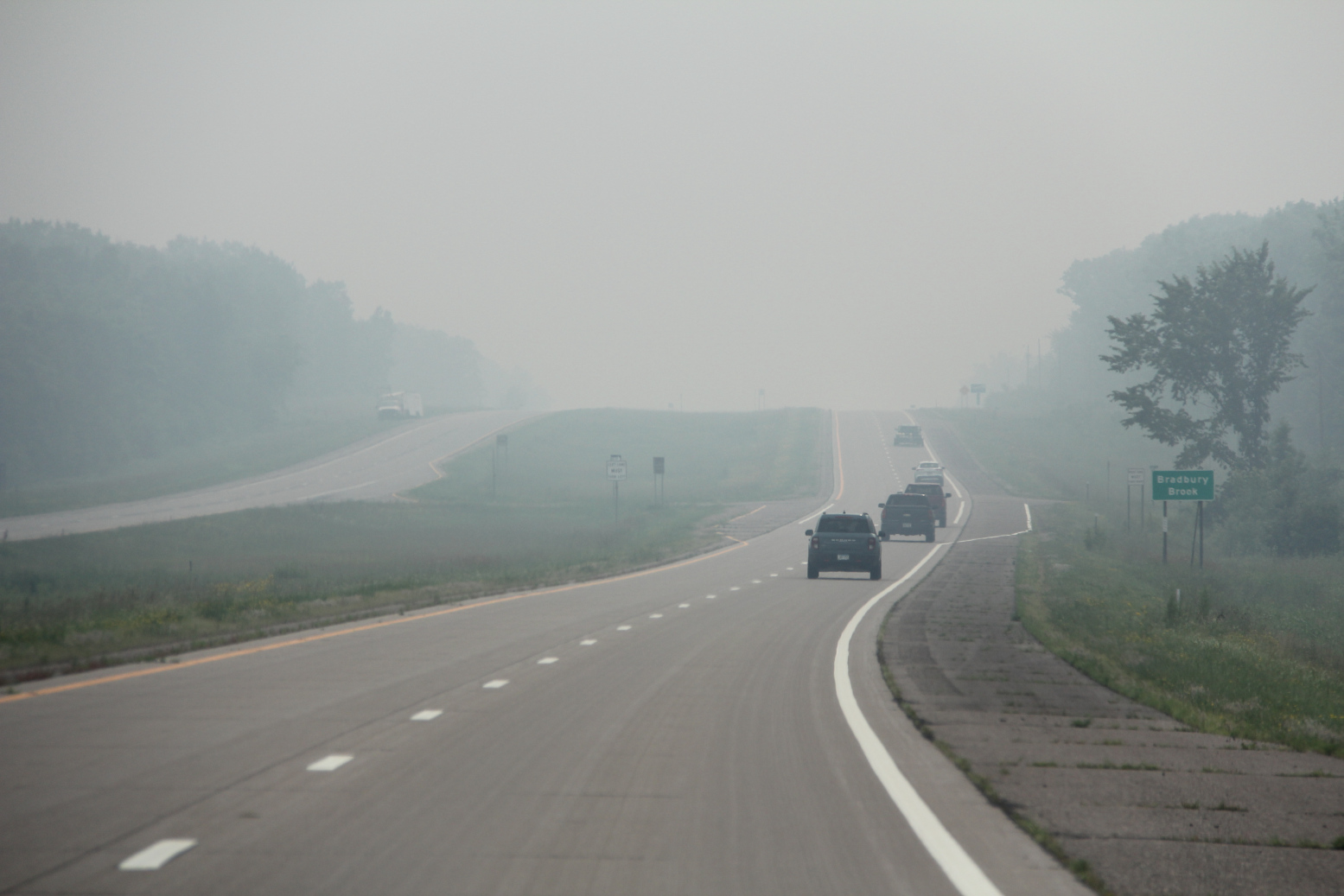
Motorists travel through thick wildfire smoke along US Highway 169 south of Mille Lacs Lake early Wednesday afternoon. (Minnesota Prairie Roots copyrighted photo July 2026)

We thought we would soon drive out of the wildfire smoke. But we drove past endless towns along highway 169—Onamia, Milaca, Princeton, Zimmerman… Not until we reached Elk River in the northwest metro two hours later did the smoke dissipate and open to blue skies. Then and only then did I feel like I could breathe easier.

I hope Minnesotans living near the 17 uncontrolled wildfires, and firefighters, plus our Canadian neighbors, can soon breathe easier, too. Rain is needed.

Looking across Horseshoe Lake late Wednesday morning, the opposite shoreline is obscured by wildfire smoke. (Minnesota Prairie Roots copyrighted photo July 2026)

Yet, I know these fires can burn for weeks, ravaging the landscape, polluting the air, impacting businesses and sometimes changing vacation plans. But leaving the lake cabin a day early to escape the smoke is nothing, truly nothing, in the story of wildfires.

TELL ME: Are you being affected by wildfires? If yes, I’d like to hear your story.

© Copyright 2026 Audrey Kletscher Helbling


When a prairie native sees Mille Lacs Lake for the first time November 28, 2017

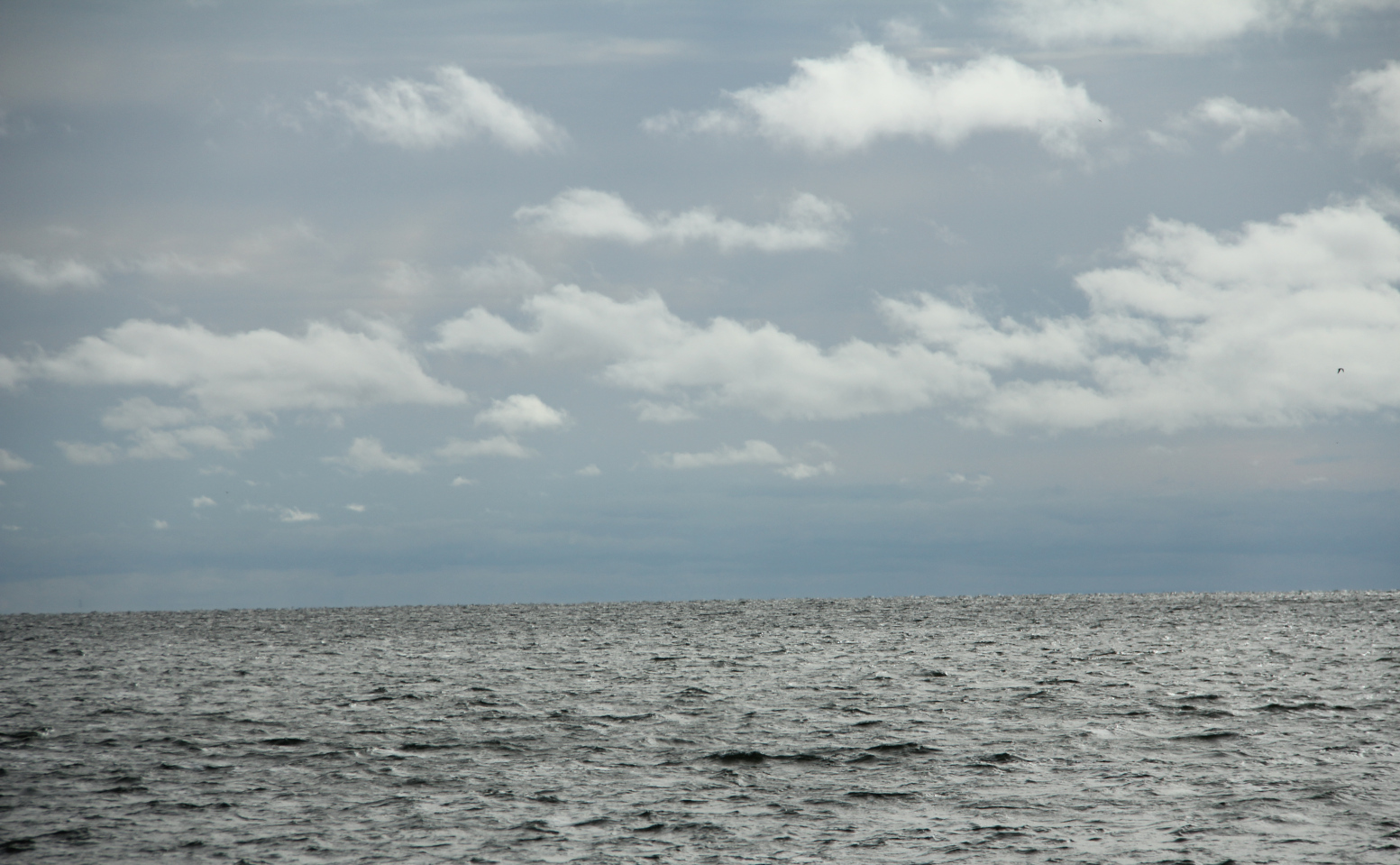
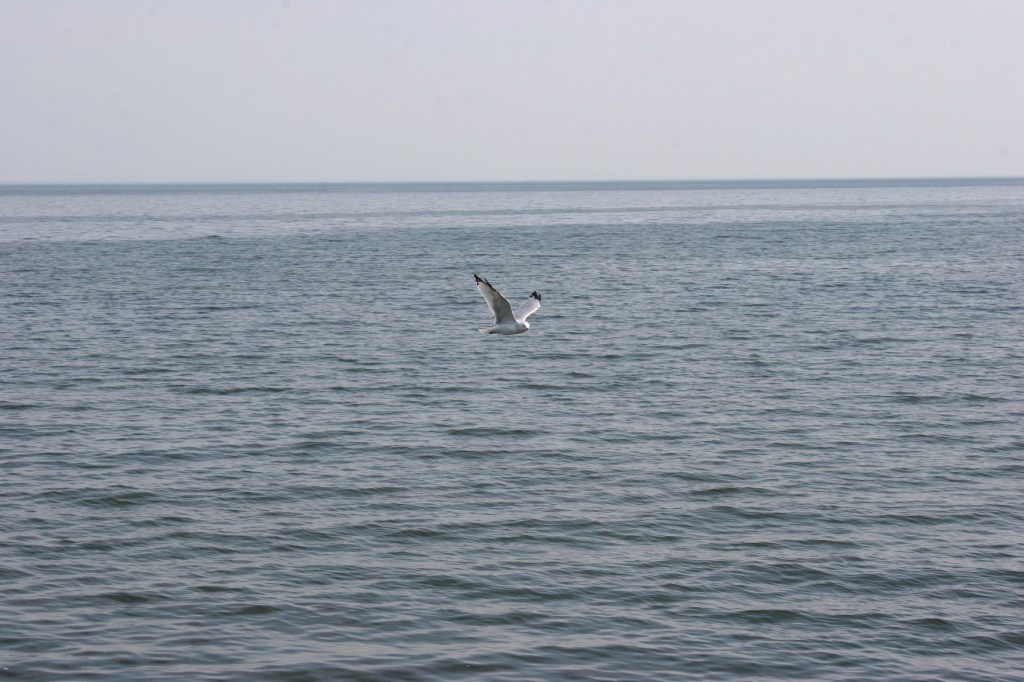
Near shore, a seagull wings across Mille Lacs Lake, water and sky melding in vastness.


AT MY REQUEST, Randy and I took an indirect route from Faribault to Brainerd on a mid-September Up North vacation. I wanted to see Mille Lacs Lake, Minnesota’s second largest inland lake covering some 200 square miles. It just didn’t seem right that, as a life-long Minnesotan, I’d never viewed this expansive body of water.

As a native of the landlocked prairie, my youthful exposure to Minnesota’s lakes included occasional fishing for bullheads, swimming in Cottonwood Lake once a year and a trip at age four to Duluth along the shores of Lake Superior. When you grow up on a dairy farm, there are few vacations; mine during childhood totaled two.


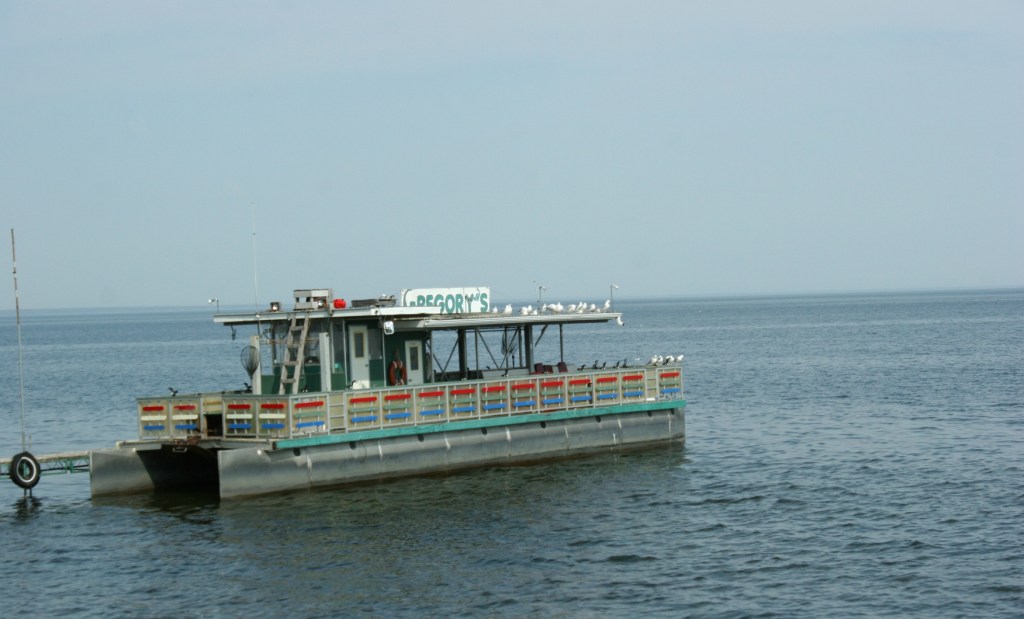
Tethered along Mille Lacs.


Without the typical Minnesota background of going up to the lake on weekends, of boating and swimming and fishing in the Land of 10,000 Lakes, I was eager to see Mille Lacs. I’ve heard so much about the lake, especially in recent years given the controversial restrictions on walleye fishing.


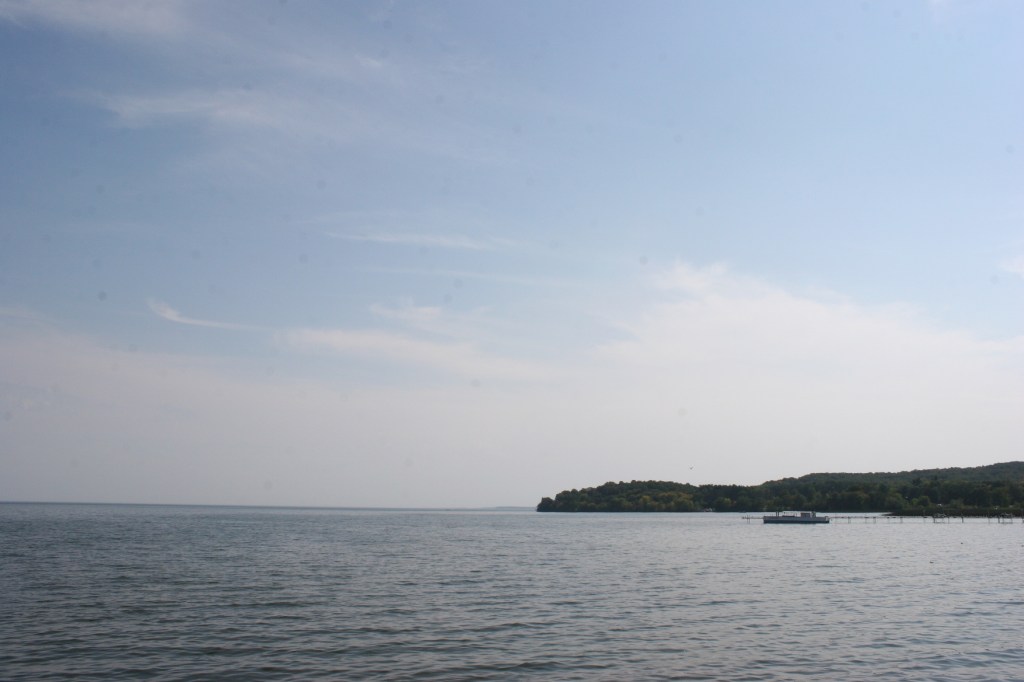
My first view of Mille Lacs Lake.


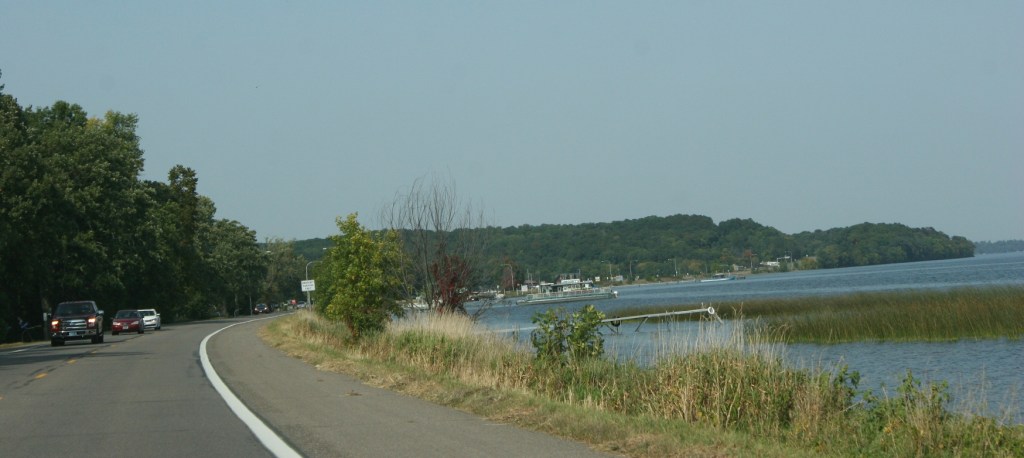
Our route took us along US Highway 169 along Mille Lacs and into Garrison.


I focused on a nearby shoreline until I mentally adjusted to the size of Mille Lacs Lake.


My first glimpse of Mille Lacs from U.S. Highway 169 presented no surprises. It was as I expected—a visual vastness of blue. As our van rounded into Garrison, the view opened and I anchored my eyes to the nearby shoreline. Until I adjust, I find the initial infinity of such large lakes a bit unsettling.


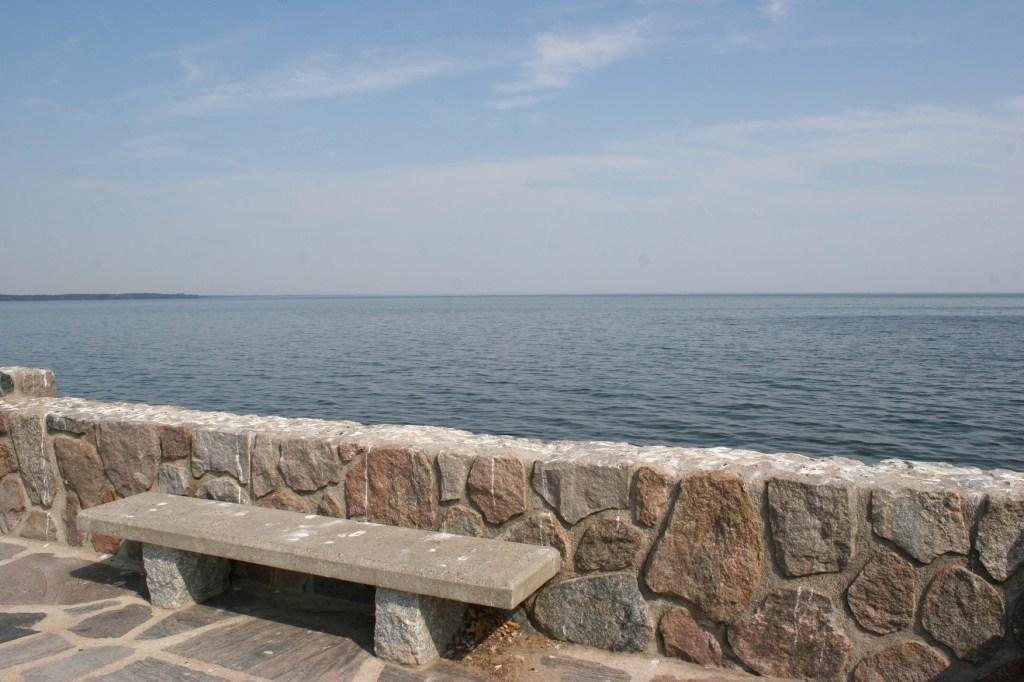
The concourse provides a lovely view of Mille Lacs. But there’s seagull poop everywhere.


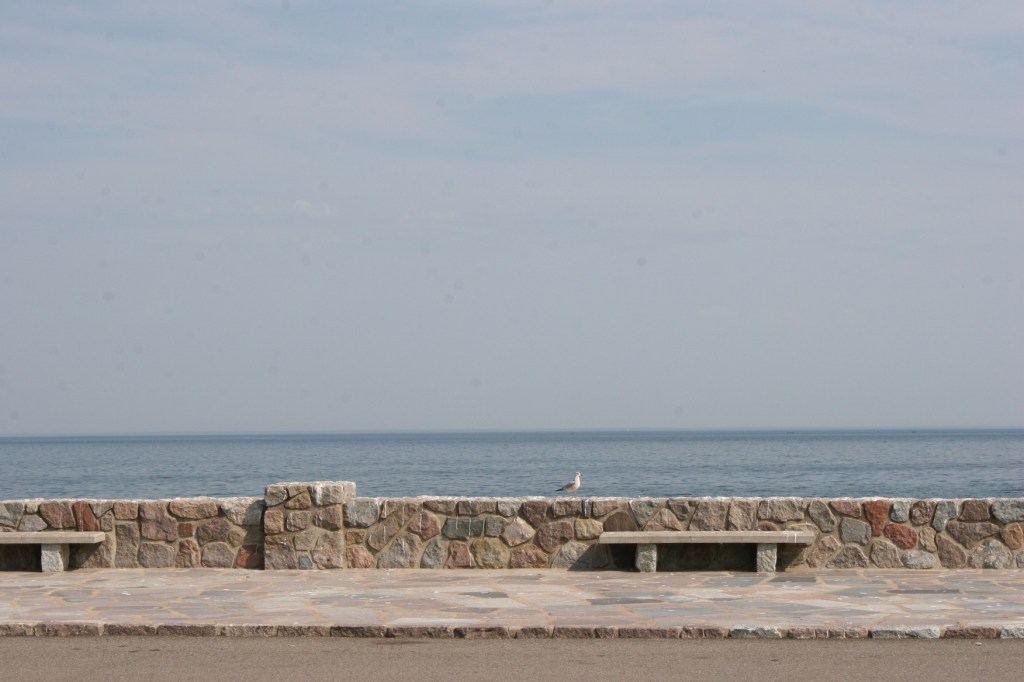
Soon we pulled off Highway 169 and into the Garrison Concourse, a roadside scenic overlook built between 1936- 1939 by the then Minnesota Department of Highways and the Civilian Conservation Corps. On the National Register of Historic Places, this space features a rock retaining wall that, while impressive, was also unappealing for all the dried seagull poop streaking the wall, benches, sidewalk and pavement. I had no desire to sit here, linger and enjoy the view.


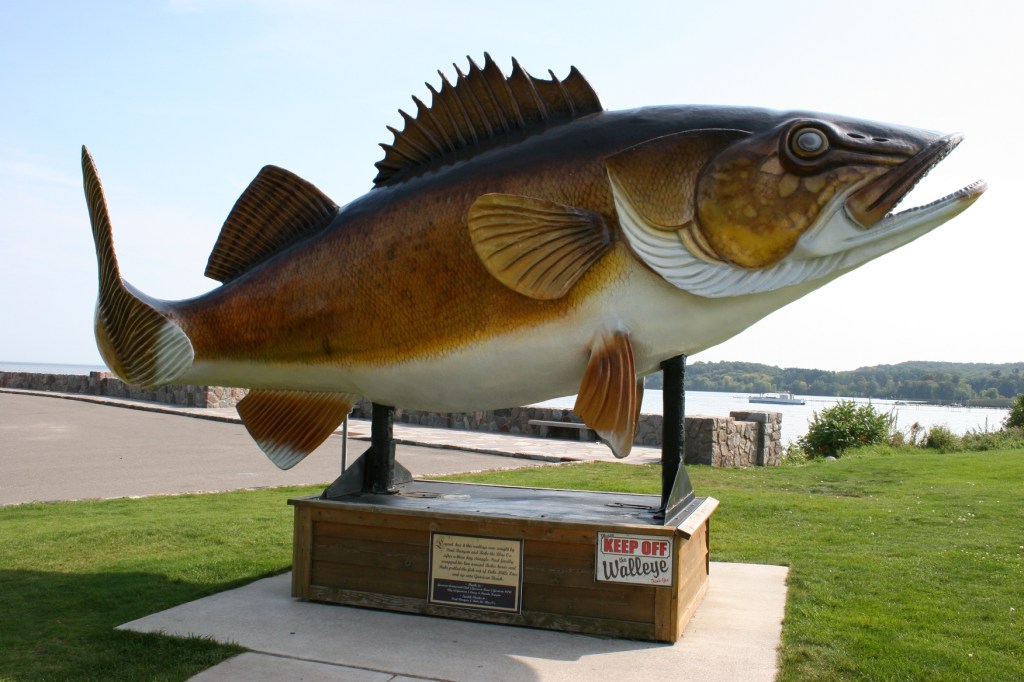
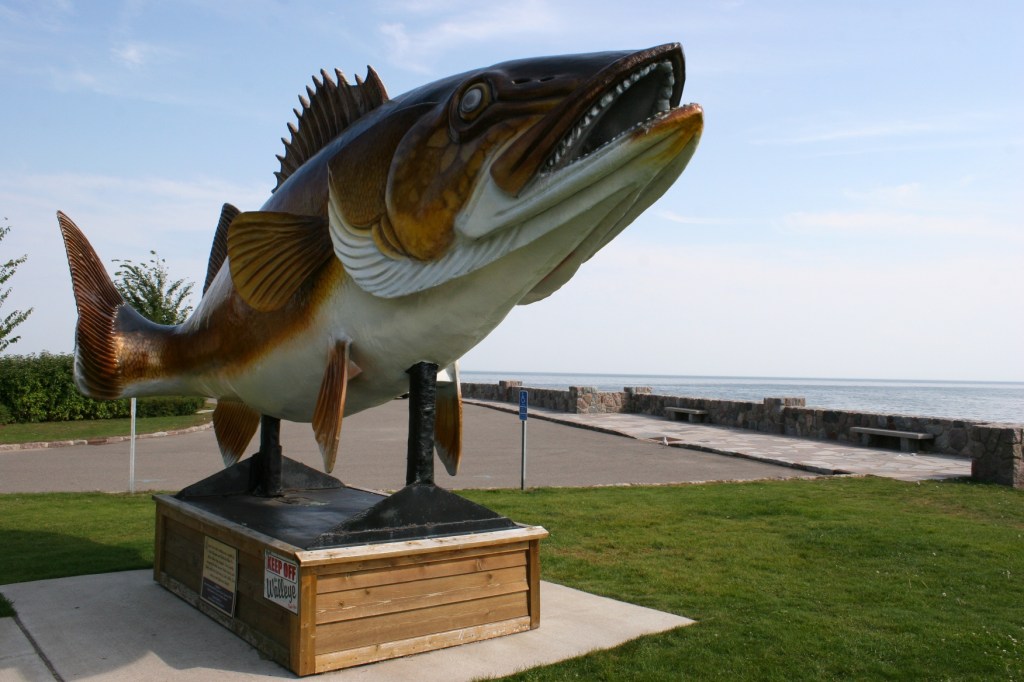
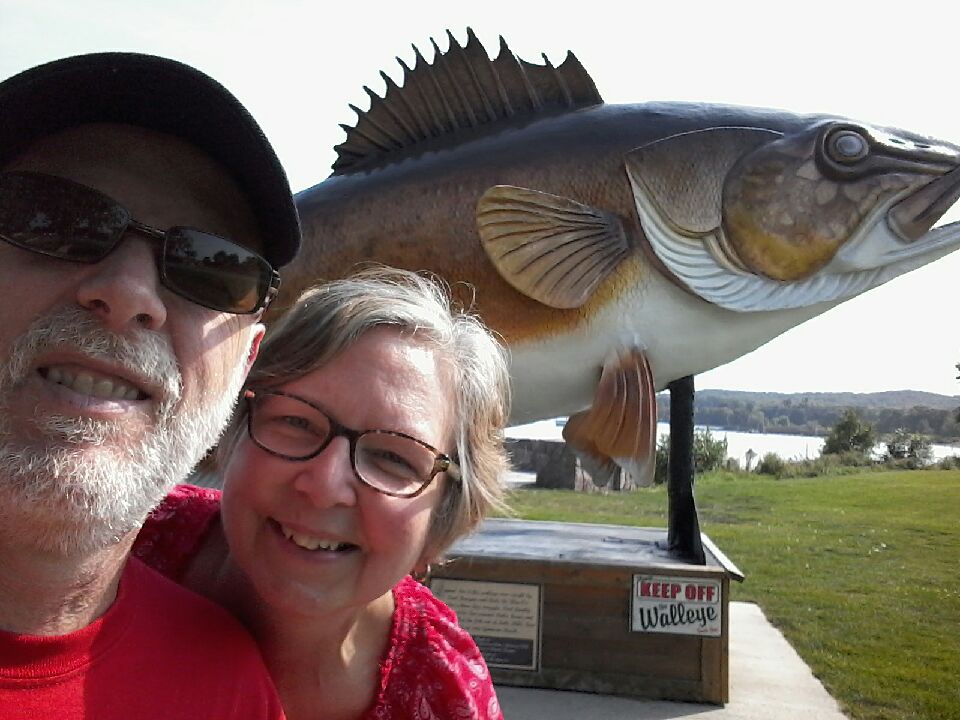
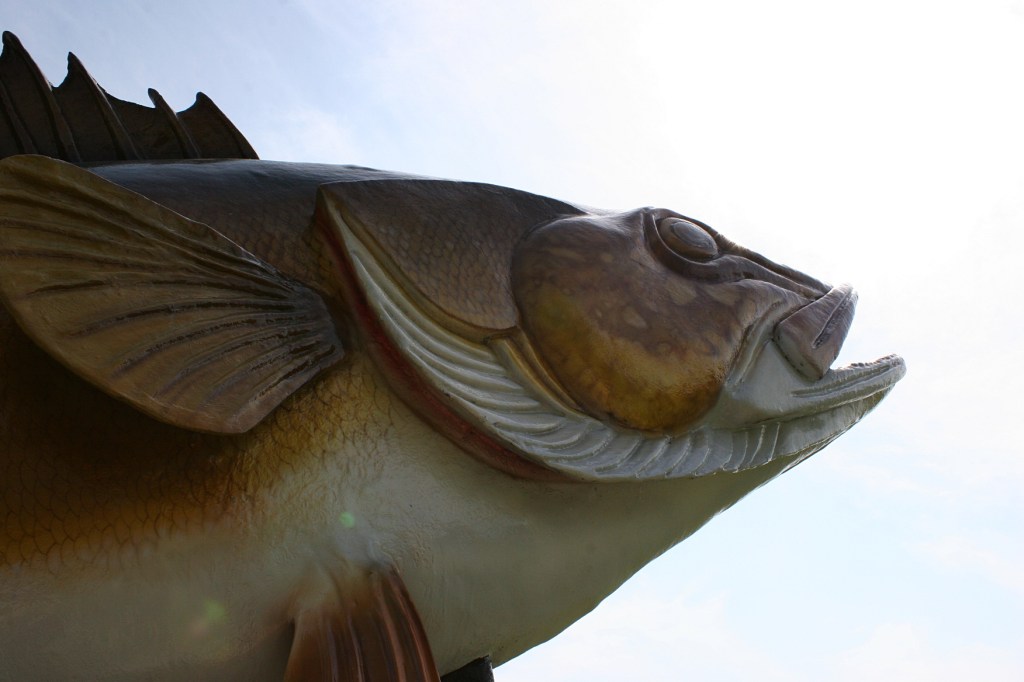
So I focused my attention on the 15-foot fiberglass walleye statue, built in 1980 for a local parade, and now a kitschy roadside attraction for a town that claims to be the Walleye Capital of the World (along with Baudette and several out-of-state locations).


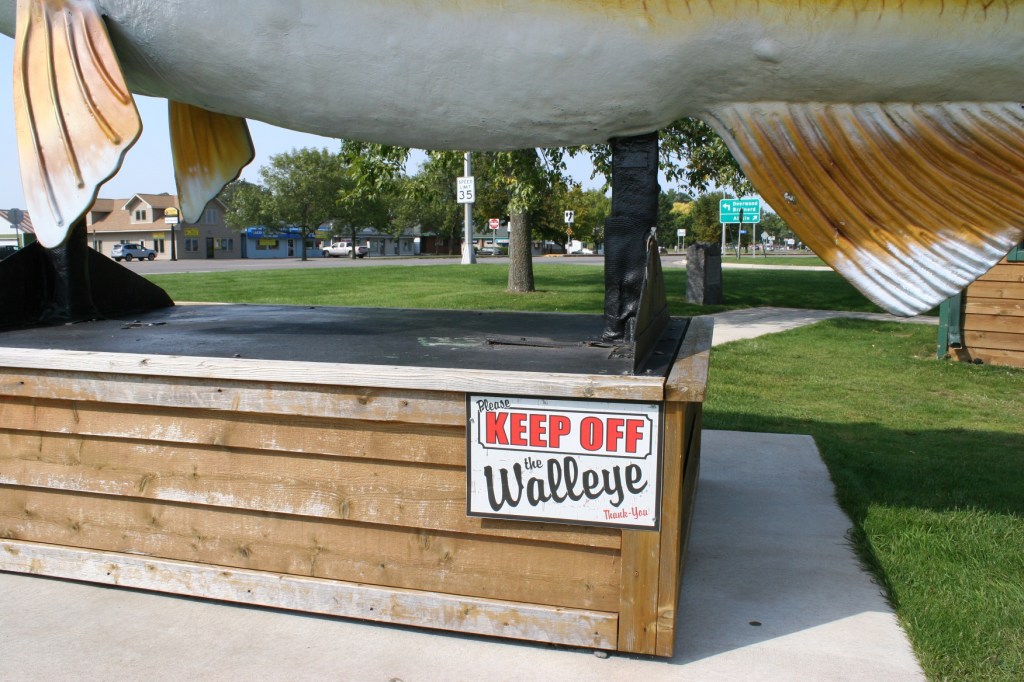
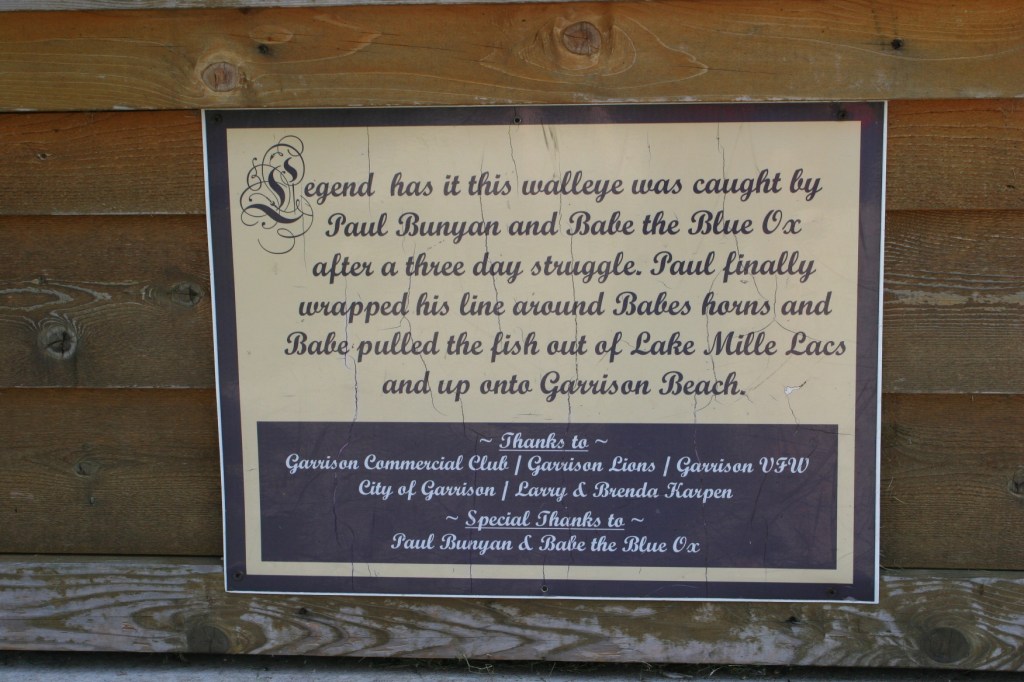
An oversized walleye couldn’t just land here on its own. A sign posted on the statue base, next to the one that warns to PLEASE KEEP OFF THE WALLEYE THANK YOU, credits legendary lumberjack Paul Bunyan for the trophy catch. You gotta appreciate a good story.


Randy and I did the typical tourist thing and posed for selfies next to the mega walleye.


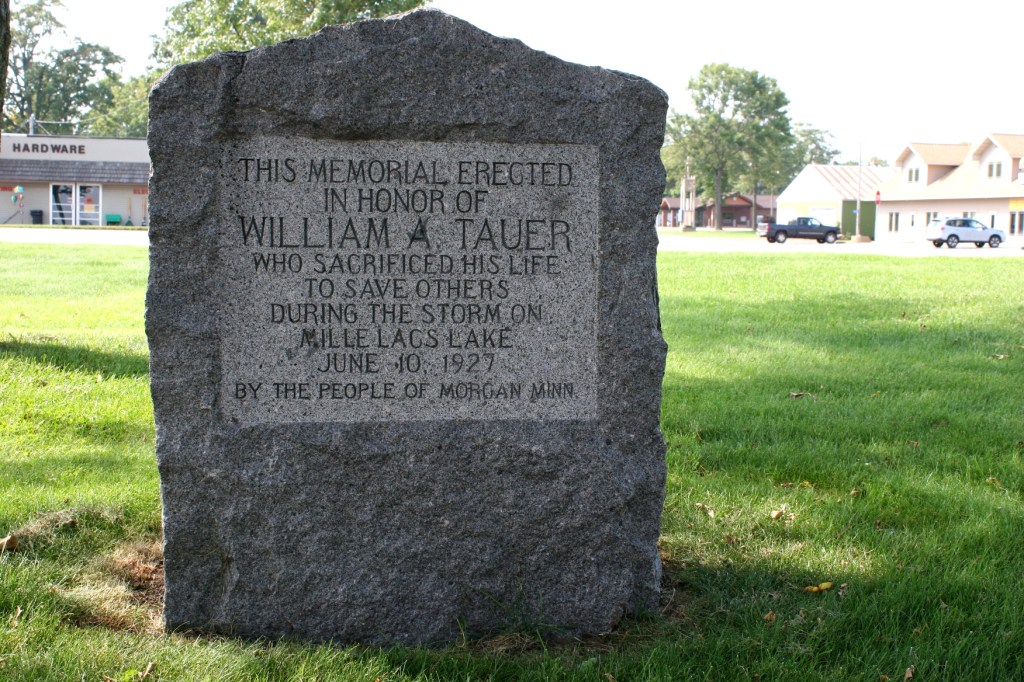
If not for my observant husband, I would have missed another attraction—a small stone marker honoring William A. Tauer, a local hotel owner who drowned while trying to save boaters during a June 10, 1927, storm on Mille Lacs Lake. Engraving credits THE PEOPLE OF MORGAN, MINN for the memorial marker. That drew my interest. Morgan sits some 175 miles away to the southwest in my home county of Redwood. Later online research revealed little more. I expect William grew up in Morgan, where the Tauer surname is still common. I’d like to know more.


All in all, the overwhelming size of Mille Lacs impressed me. But not enough that I need to return. My disappointment came in the sense of—there’s the lake, now what? Perhaps further exploration beyond just this area by Garrison would change my perspective. Or, as others suggested, a return in the winter to see the thousands of fish houses on the frozen lake would impress me.


I have no desire to board a boat in a body of water this large. Randy has done so and I’ve heard his seasick stories. Nor do I desire to fish here in the winter when the ice cracks and anglers have been stranded on ice floes.


Still, I enjoyed the view and the iconic walleye. I can now say, “I’ve been to Mille Lacs.” But I can’t say, “I’ve patronized the Blue Goose.” The iconic restaurant and bar, my husband noted and lamented, is gone.


© Copyright 2017 Audrey Kletscher Helbling
 

Call us crazy, but we really do drive vehicles onto lakes in Minnesota February 4, 2013

HOW WOULD YOU REACT if you read this warning on a website:

Winsted Lake closed to motor vehicle traffic

Now, if you are a native of say California or Texas, Hawaii or Florida, you might react with an incredulous expression and/or a follow-up question:

What do you mean, motor vehicle traffic on a lake?

But, if you reside say in Wisconsin, the Dakotas or Minnesota, you’d understand motor vehicles on a lake and the ban issued by the Minnesota Department of Natural Resources on January 25:

Winsted Lake in McLeod County has been temporarily closed to motor vehicle traffic due to deteriorating ice conditions…

The DNR urges the public to exercise extreme caution if using the lake, especially in the area near the aeration system. Ice thicknesses in that area may be less predictable than in other parts of the lake.

This is expected to be a temporary closure. Once ice thicknesses have stabilized, the lake will be reopened to motor vehicle traffic.

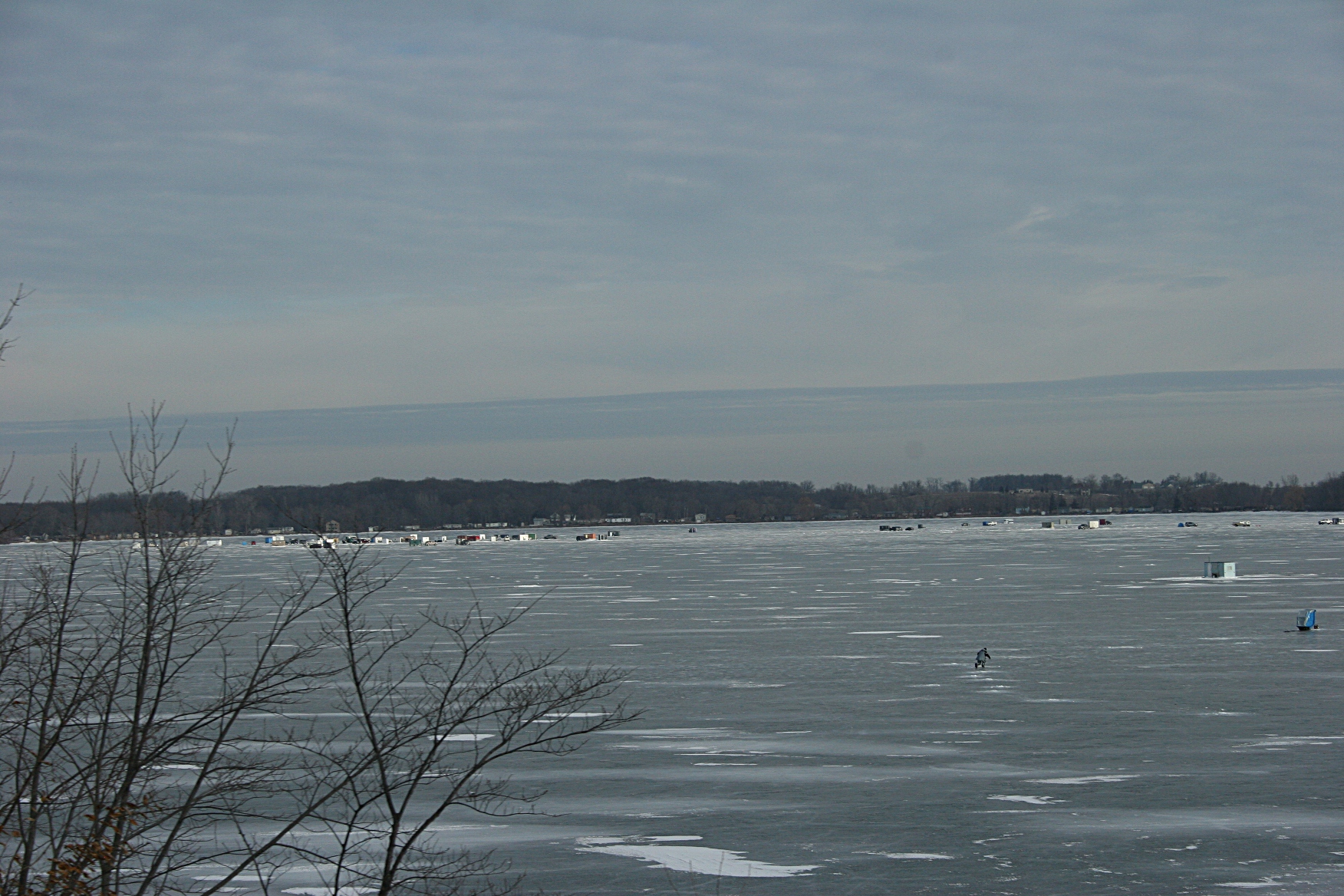
A recent ice fishing scene from Lake Mazaska west of Faribault in Shieldsville.

A recent ice fishing scene from Lake Mazaska west of Faribault in Shieldsville shows a cluster of fish houses and vehicles on the lake.

Yes, in Minnesota we drive cars, trucks and other vehicles onto frozen lakes to access ice fishing houses or open-air fishing spots. Sounds crazy, I know. But ice fishing, in which a hole is drilled into the ice to fish, is a big sport here. For example, some 5,500 fish houses are set up each winter on Mille Lacs Lake, probably our state’s most popular winter fishing destination. Roads are even plowed, bridges placed, across Mille Lacs to allow easier access to houses outfitted with kitchens, beds and other comfy accommodations.

Decades have passed since I ice fished on Roberds and Cannon lakes near Faribault with my husband, in the days before children. We’d fish, drink a little beer, play cards and, maybe, catch a few fish. That was all good and fun, until the first time I heard the ice crack. Let me tell you, that sharp crack and the sudden realization that ice can give way (duh) unsettled me. Not that I stopped ice fishing. But I thought more about the vast cold lake beneath me and how I couldn’t swim, as if swimming would be of any value anyway in icy water.

Those long forgotten worries crossed my mind the other day when my husband and I drove through Shieldsville, past Mazaska Lake where nomad fishermen (and perhaps some women, too) have set up a temporary village on the ice. Randy asked if I wanted to go onto the lake, as in our car. My answer was an emphatic no.

Simply put, I put faith in the DNR’s warning:

There is no such thing as 100 percent safe ice.

A slightly different version of the scene above. "What's that, a penguin walking across the lake?" my husband laughed.

A slightly different version of the scene above. “What’s that, a penguin waddling across the lake?” my husband laughed.

HAVE YOU EVER GONE ice fishing? What are your thoughts on the sport and/or driving onto a frozen lake?

FOR ANOTHER TAKE on ice fishing, check out Gretchen O’Donnell’s blog post, “Ice Fishing is for Real,” at A fine day for an epiphany by clicking here.

Or visit Gary Sankary’s humorous Old and in the Way blog to read about ice fishing in Wisconsin in “Blake Lake Report where I ask–What the hell?’ by clicking here. And then follow-up by clicking here to read his second post, “Ice Fishing–Answering the question “why?”, a persuasive “speech” on the merits of fishing on a frozen lake.

Did you know a production crew was in the Mille Lacs Lake area recently filming for a possible truTV show on ice fishing, according to the St. Cloud Times?

© Copyright 2013 Audrey Kletscher Helbling