Minnesota Prairie Roots

Writing and photography by Audrey Kletscher Helbling

A rose is not just a rose & other gravestone symbolism March 25, 2025

A graveyard surrounds the historic Valley Grove Churches, rural Nerstrand. I’ve walked this cemetery often. (Minnesota Prairie Roots copyrighted file photo)

I’M TRYING TO RECALL when I first began walking through cemeteries while out and about. But I think it started with my interest in old country churches. Cemeteries typically embrace historic countryside houses of worship. Baptized, confirmed, married and buried often defines those rooted in these rural churches. There’s a lot of history to uncover in a graveyard.

An angel sculpture graces the cemetery of St. Patrick Church of Cedar Lake Township, St. Patrick, Minnesota. (Minnesota Prairie Roots copyrighted file photo)

But it’s not just the history that interests me. It’s the art. And the stories, many of which remain unknown, unless you’re familiar with the deceased or connected in some way. Sometimes you can piece stories together by looking at dates, names and inscriptions.
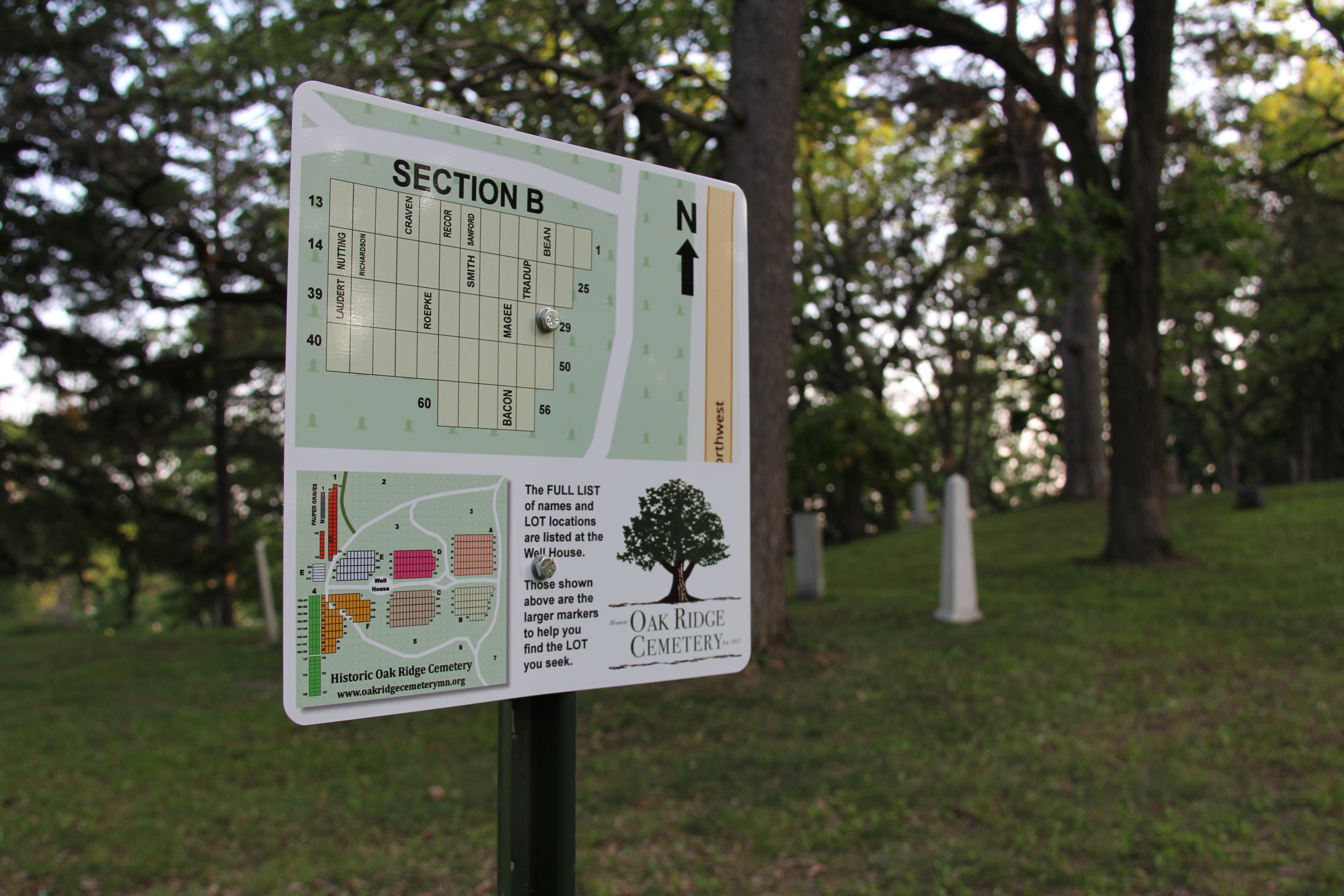
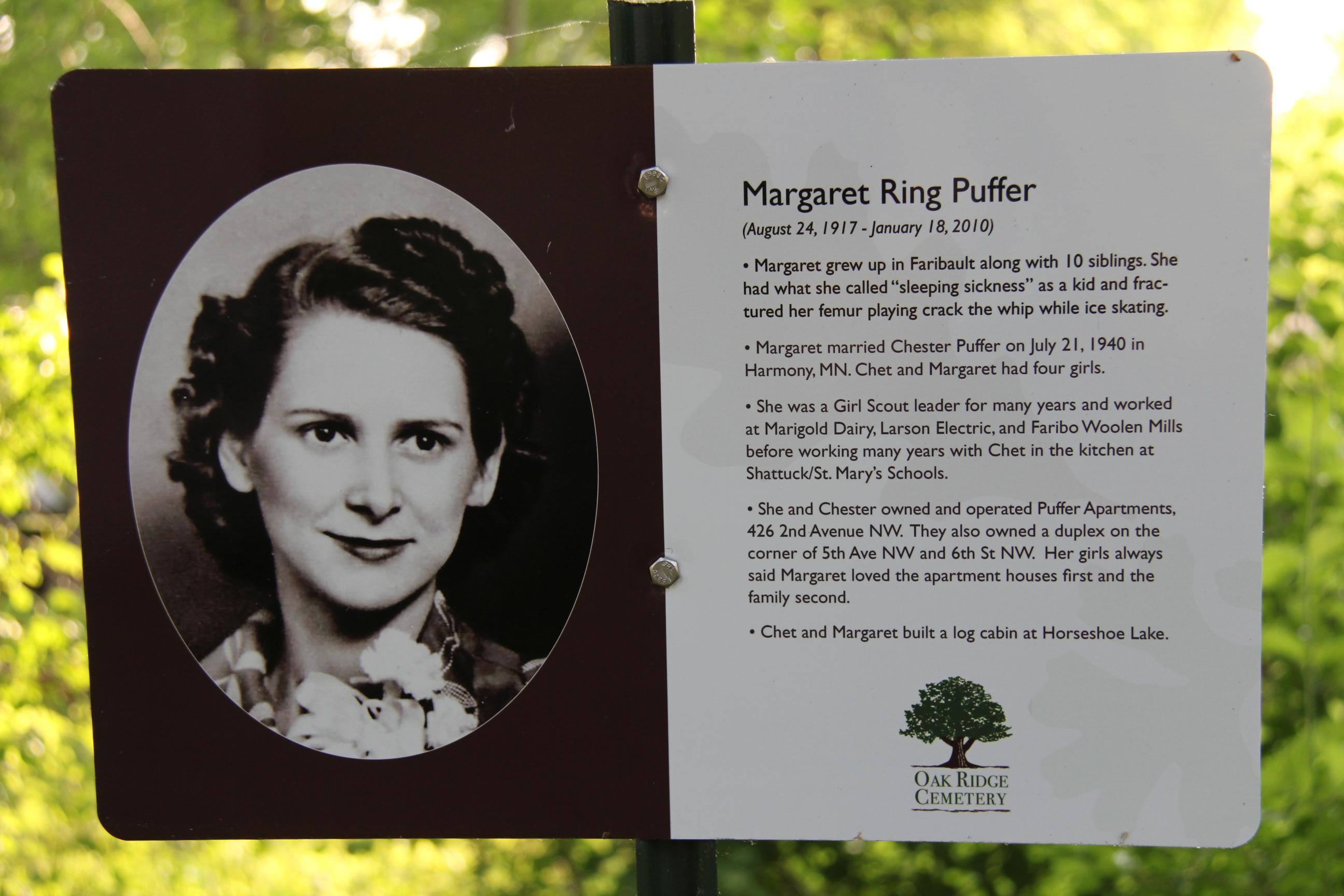
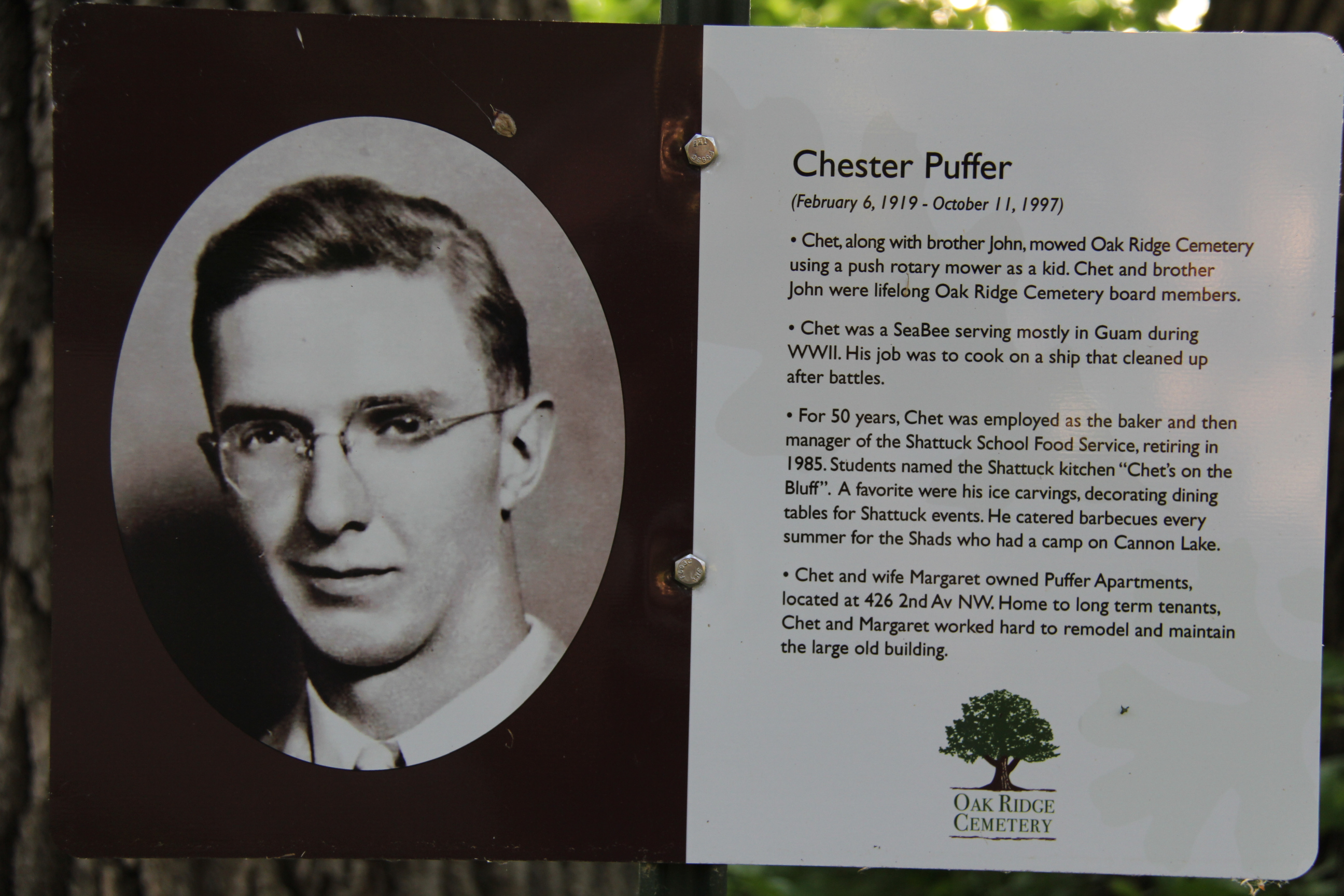
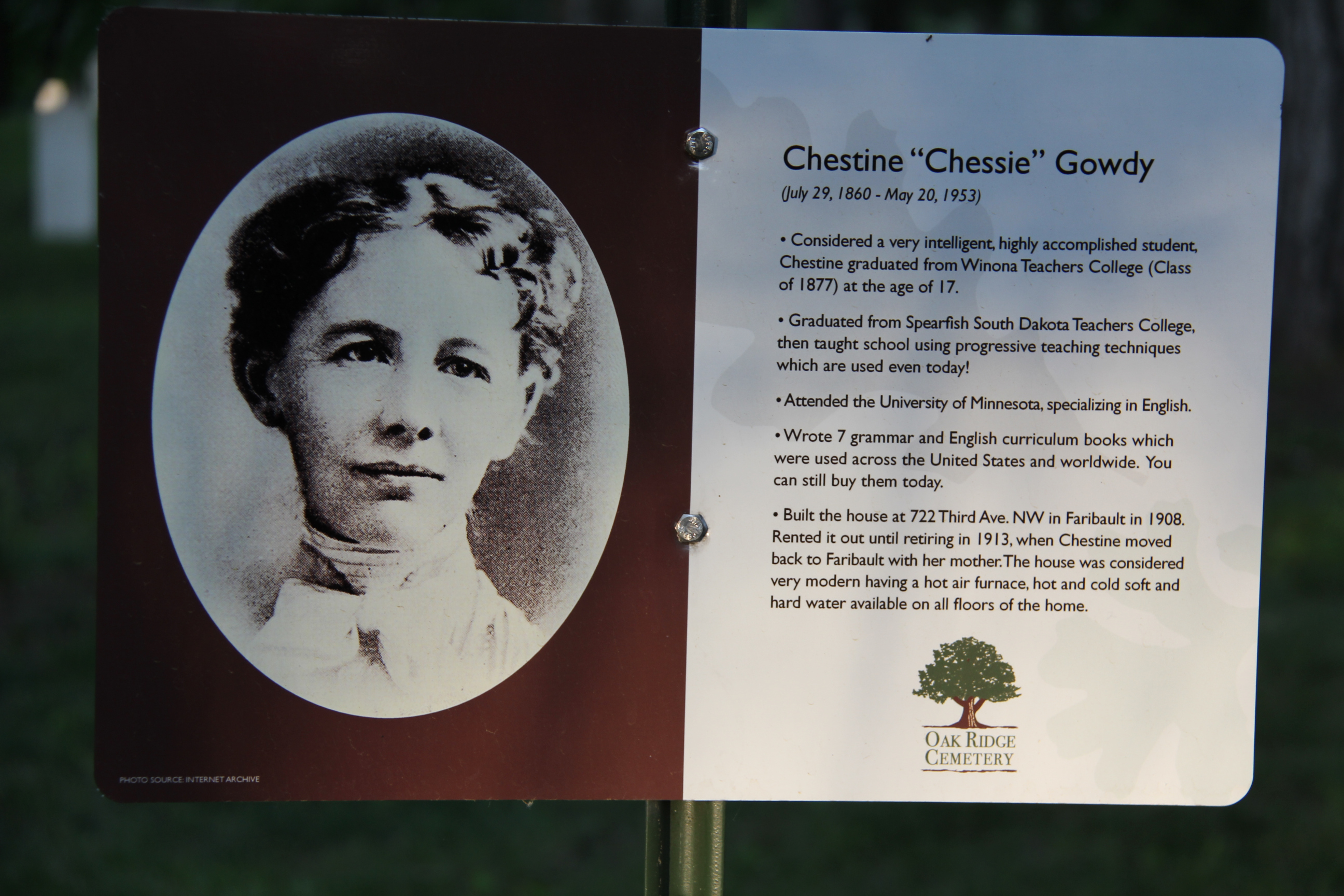
I find signage like this posted at Oak Ridge Cemetery to be helpful when visiting a cemetery. (Minnesota Prairie Roots copyrighted file photo)

As a creative, I’ve always been particularly interested in the artistic side of a cemetery, specifically the art of tombstones. Aged grave markers, most made of marble, feature images and words hand-chiseled by local stone masons. It is those long ago tombstones that focused a recent talk, “Understanding Gravestone Symbols and Icons,” by Oak Ridge Cemetery Association board member Tom Rent. An avid volunteer in the upkeep, preservation and restoration of the cemetery, Rent previously talked at the Rice County Historical Society about preserving Faribault’s oldest cemetery, one of 61 in the county.
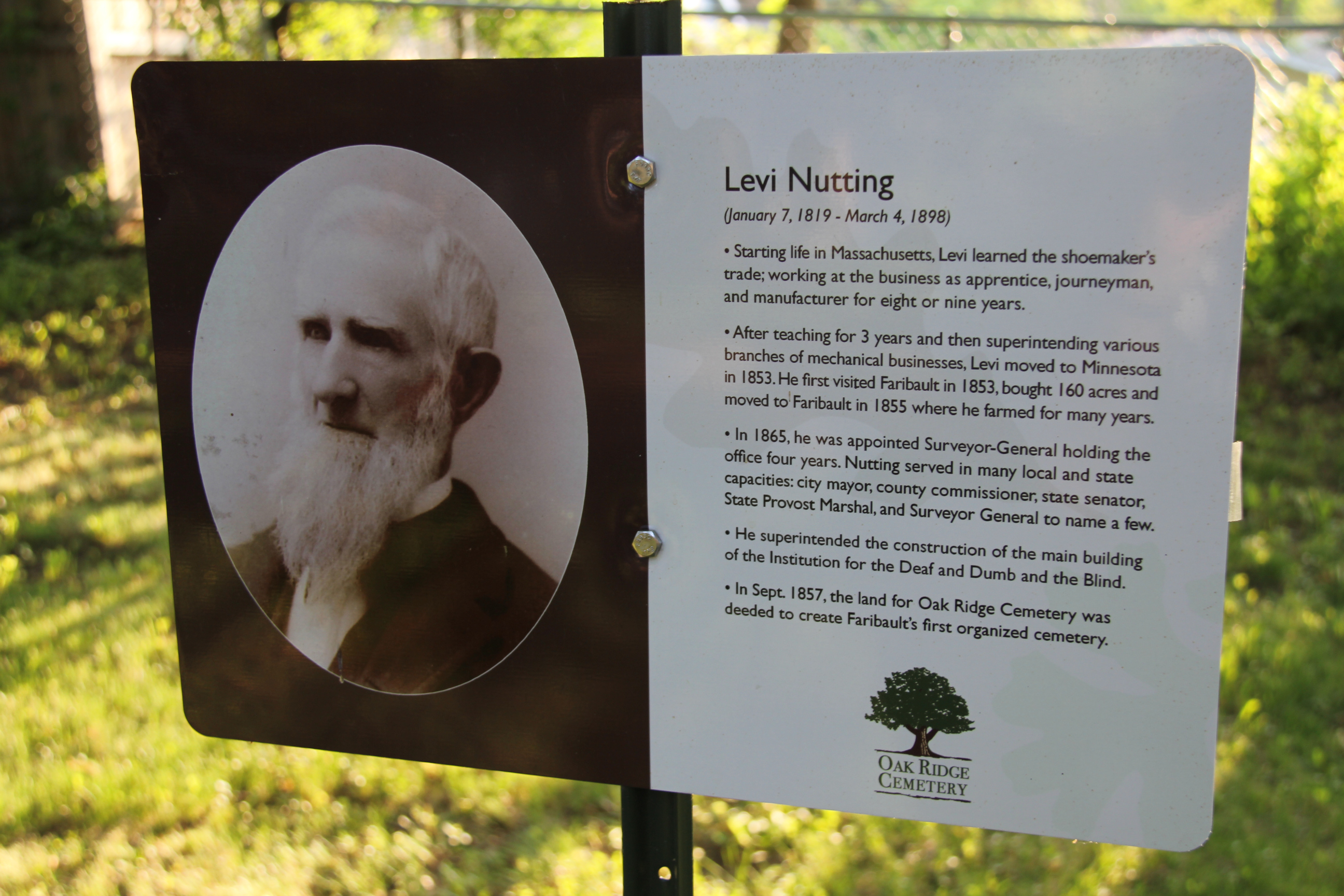
Biographical markers are posted for some notable people buried at Oak Ridge Cemetery. I really like this way of sharing history and people. (Minnesota Prairie Roots copyrighted file photo)

Oak Ridge Cemetery, founded in 1857 on land donated by Levi Nutting, encompasses 10 acres, features 371 family names and is the burial site for 111 veterans, according to Rent. Rebecca Lougee, 29, who died of tuberculosis, was the first to be buried in the incorporated hilltop cemetery in October 1857. Earlier burials occurred before Oak Ridge officially became a cemetery. Many recognizable names from the early days of the Faribault area grace gravestones here: Andrews, Batchelder, Mott, Nutting, Roberds, Sheffield…
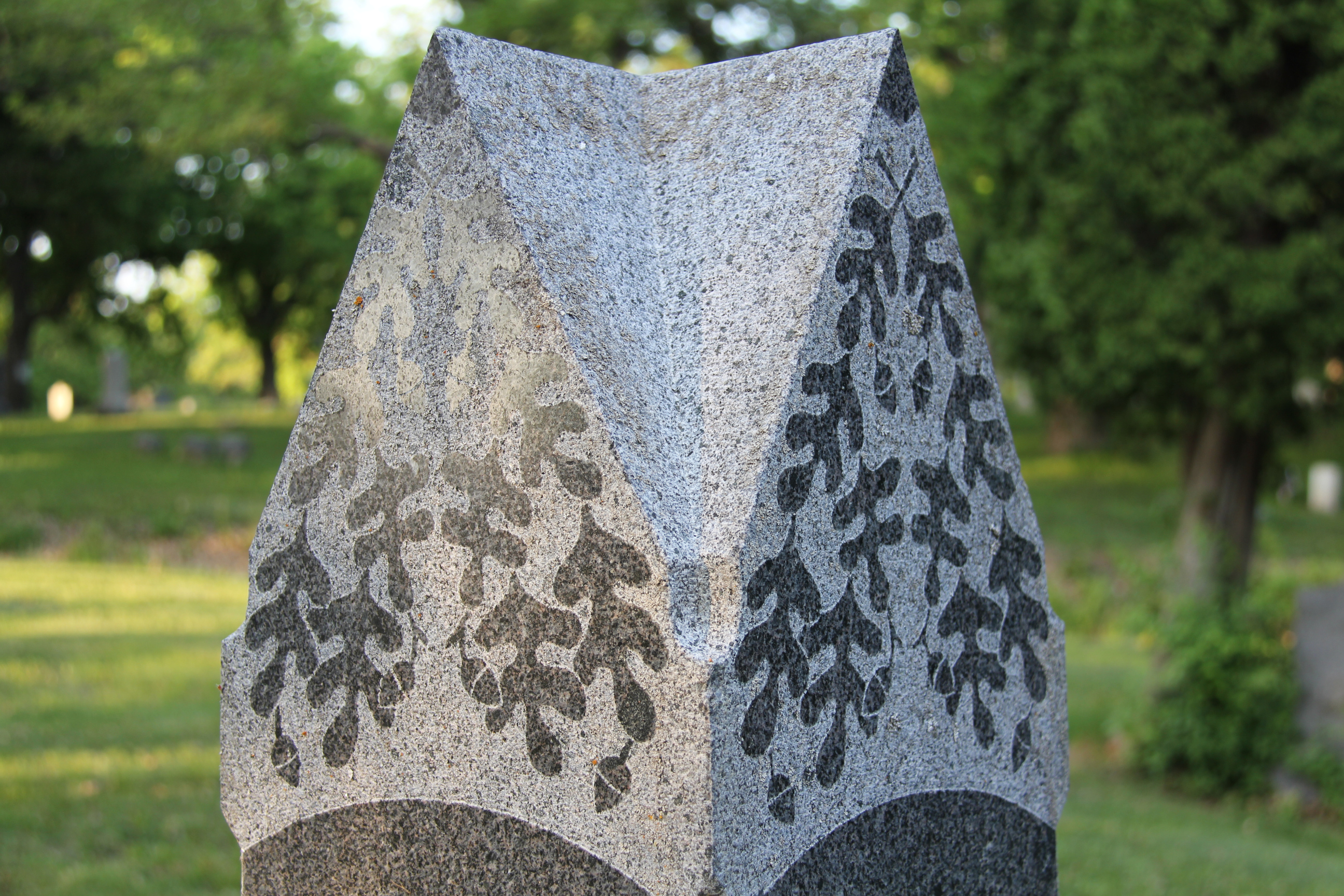
Oak leaves on a tombstone at Oak Ridge Cemetery symbolize strength and power through patience and faith. (Minnesota Prairie Roots copyrighted file photo)

And on many of those tombstones, you will find symbols, a common way of communicating messages back in the day. I’d never really thought much about the meaning of the art I’ve seen on hundreds of aged tombstones beyond recognizing that lambs are on children’s grave markers. That Rent shared his knowledge and passion has opened a deeper understanding and appreciation of cemeteries for me.
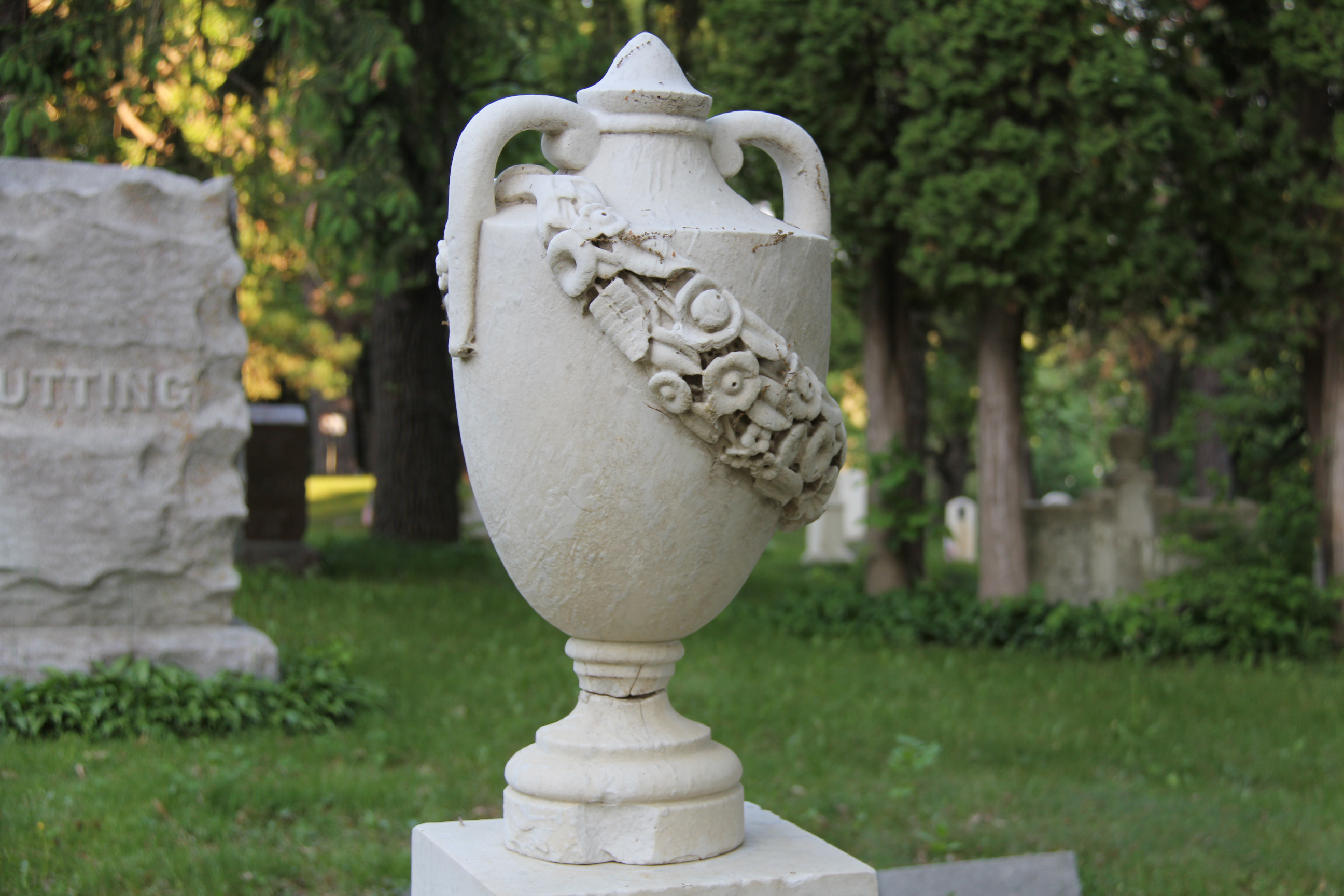
This massive urn marks a grave at Oak Ridge Cemetery. The urn symbolizes mourning and eternal remembrance. (Minnesota Prairie Roots copyrighted file photo)

He introduced his points about gravestone symbology simply by stating that symbols are something to which we have an emotional connection. For example, an eagle, a rose, a cross, are all symbols we can understand as representing freedom, love and faith. That makes sense to me.
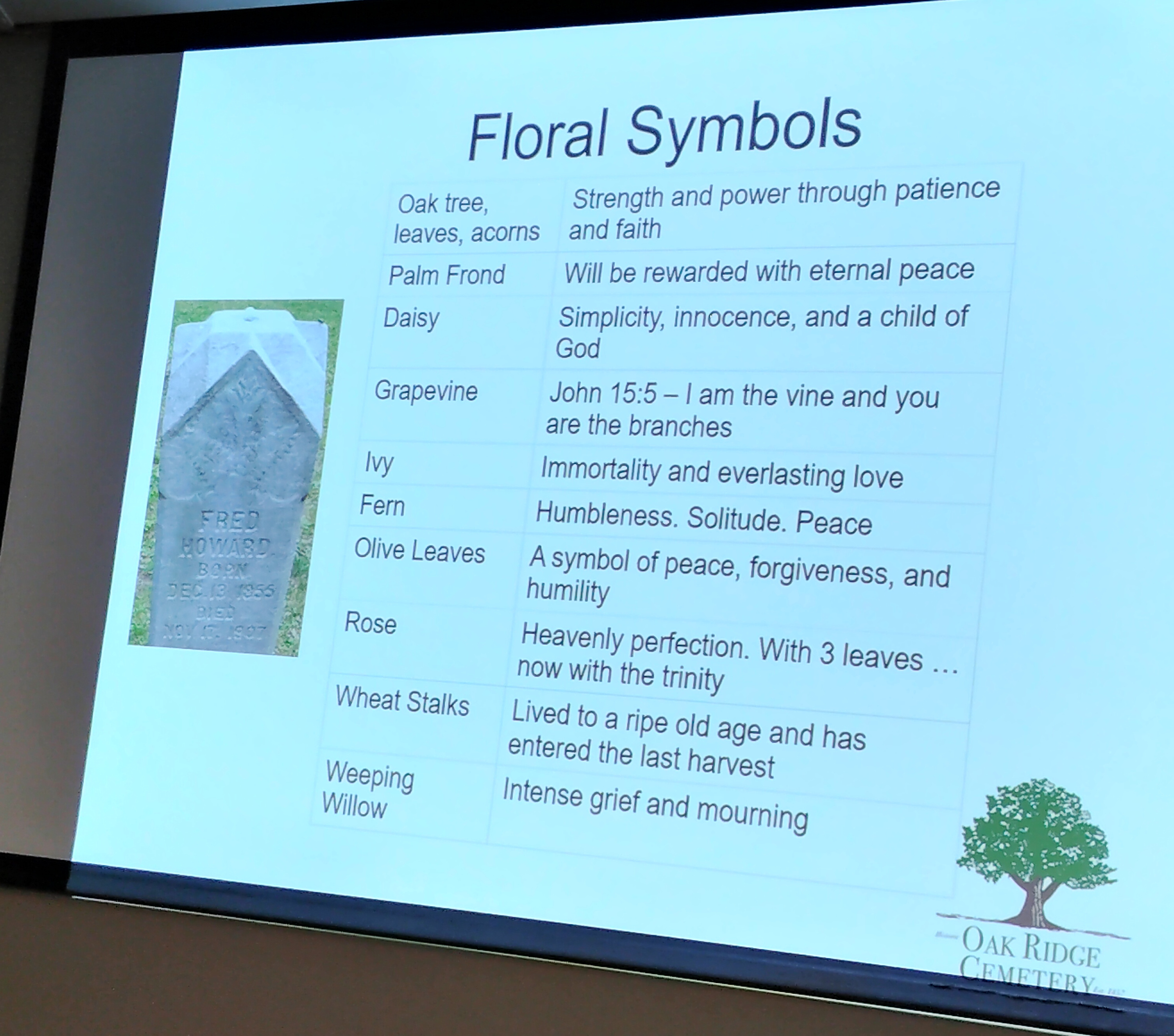
Tom Rent prepared this slide explaining floral symbols on tombstones. (Minnesota Prairie Roots copyrighted photo March 2025)

And then Rent broke it down further—into floral, hand and animal symbols. I found this particularly revealing. For example, ivy, which symbolizes immortality and everlasting love, is very popular on aged tombstones, according to Rent. So are weeping willows, although I don’t recall ever seeing one chiseled into stone. The willow, indicating intense grief and mourning, is often carved onto the gravestone of someone who has died unexpectedly, he said. He referenced the long ago drowning of a young boy in Faribault’s mill pond. A rose, which is difficult to carve, symbolizes heavenly perfection. An unopened rose bud implies a person died way too young.
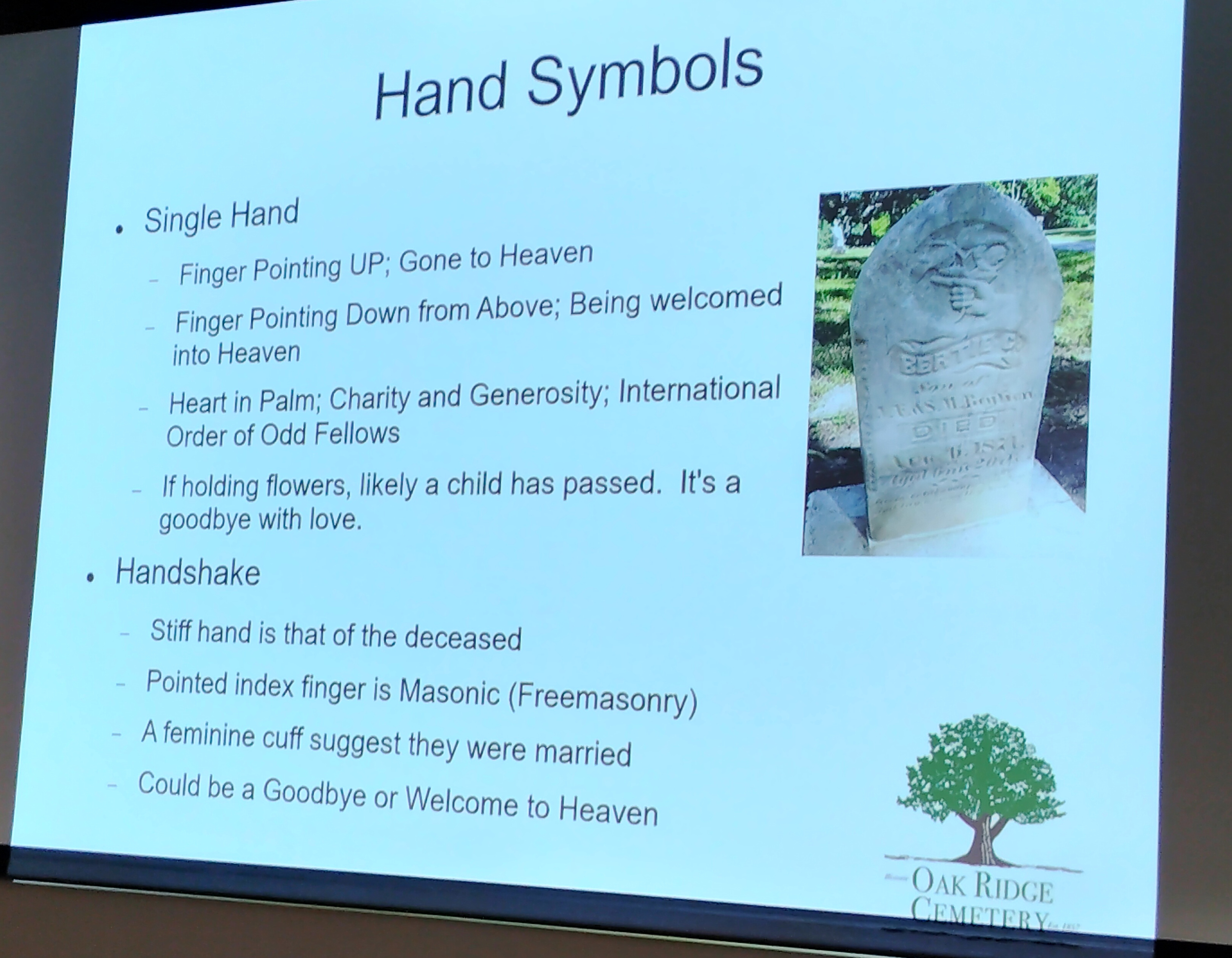
Tom Rent prepared this slide explaining hand symbology on gravestones. (Minnesota Prairie Roots copyrighted photo March 2025)

And then there are those hands, all those hands I’ve seen chiseled into marble tablet gravestones. The hand symbology traces back to Masonic handshakes mostly. Some are single hands, others handshakes, and all hold meaning. Rent shared that a heart on the palm of an open hand indicates charity and generosity. One such symbol decorates the Oak Ridge grave marker of Faribault police officer Henry Kaepernick, accidentally shot to death by a guard at the Faribault jail where the Younger brothers were held following a failed bank robbery in nearby Northfield on September 7, 1876.
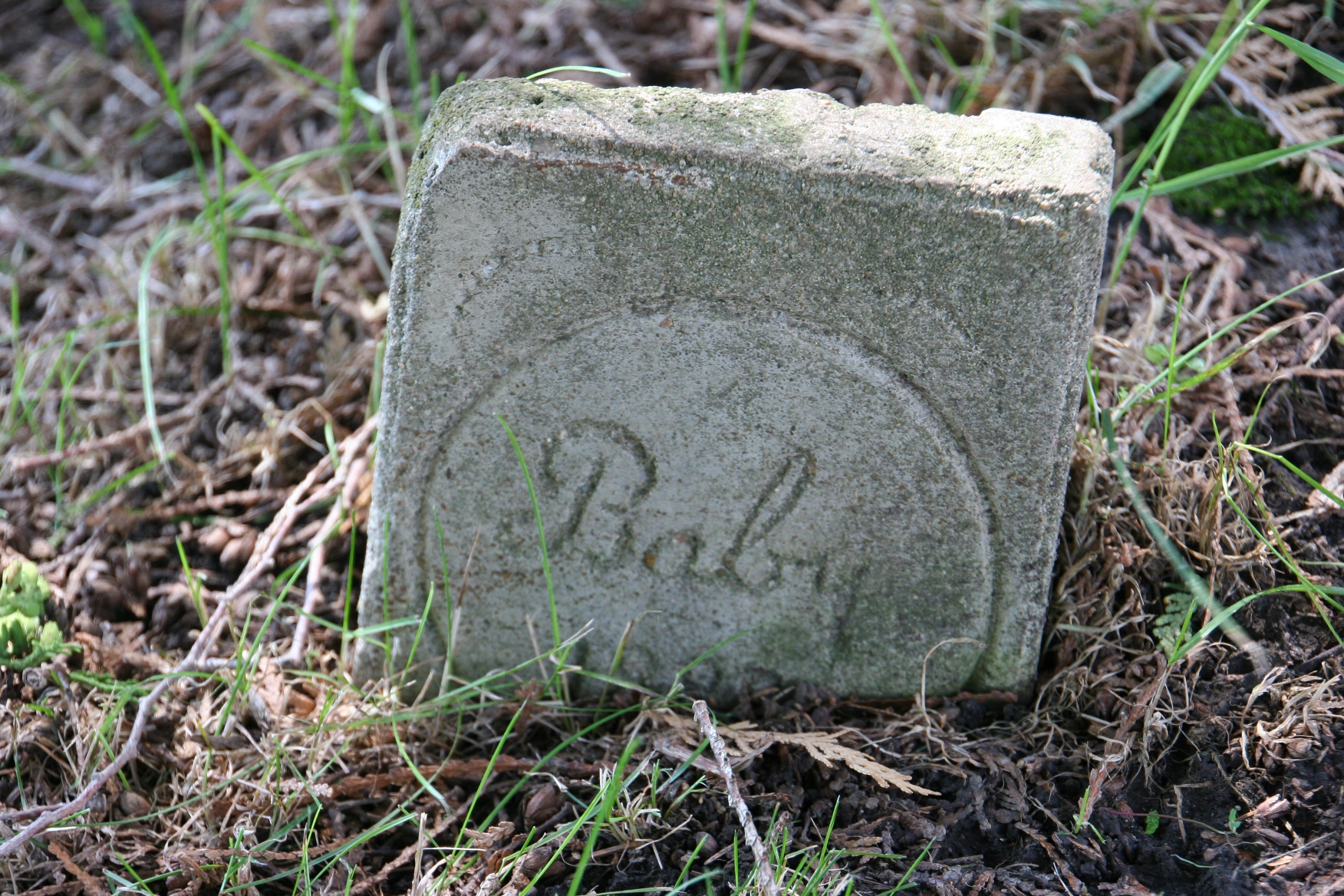
Oftentimes the graves of long ago deceased babies are unmarked or simply marked such as this one at Emmanuel Lutheran Church Cemetery, Aspelund. (Minnesota Prairie Roots copyrighted file photo)

Finally, Rent talked about animal symbols, reserved for children’s gravestones. He named lambs, sheep and doves, symbols of innocence and peace.

Before even entering Calvary Cemetery, Faribault, you can learn something about town founder Alexander Faribault on this memorial. He’s buried at Calvary. (Minnesota Prairie Roots copyrighted file photo)

Of course, Rent shared much more in his hour-long presentation. But these are highlights, information I will take with me the next time I walk through the gates of a cemetery, symbolic of a threshold into the afterlife. I will no longer see just a daisy or a rose, a hand with a finger pointing heavenward, a sheep atop a child’s grave. Rather, I will see the emotional connections in the symbology. The choices made for gravestone art and messages, past and present, hold deep meaning, if only we pause to see, consider and honor.

© Copyright 2025 Audrey Kletscher Helbling


Learn about local history & more at Oak Ridge Cemetery talk August 21, 2024

Oak Ridge Cemetery, Faribault. (Minnesota Prairie Roots copyrighted file photo)

FOR ANYONE WHO APPRECIATES local history, especially cemeteries, the Rice County History Museum in Faribault is the place to be at 7 pm Thursday, August 22. Tom Rent, an Oak Ridge Cemetery volunteer, will present “Preserving Faribault’s Oldest Cemetery, Oak Ridge.”

It’s sure to be an informative talk focusing on the cemetery’s history, operation and preservation. Rent will also share photos, stories, headstone symbology, preservation methods and future plans to maintain Oak Ridge Cemetery. Plus, he’ll talk about some of the people who helped shape Faribault and Rice County.

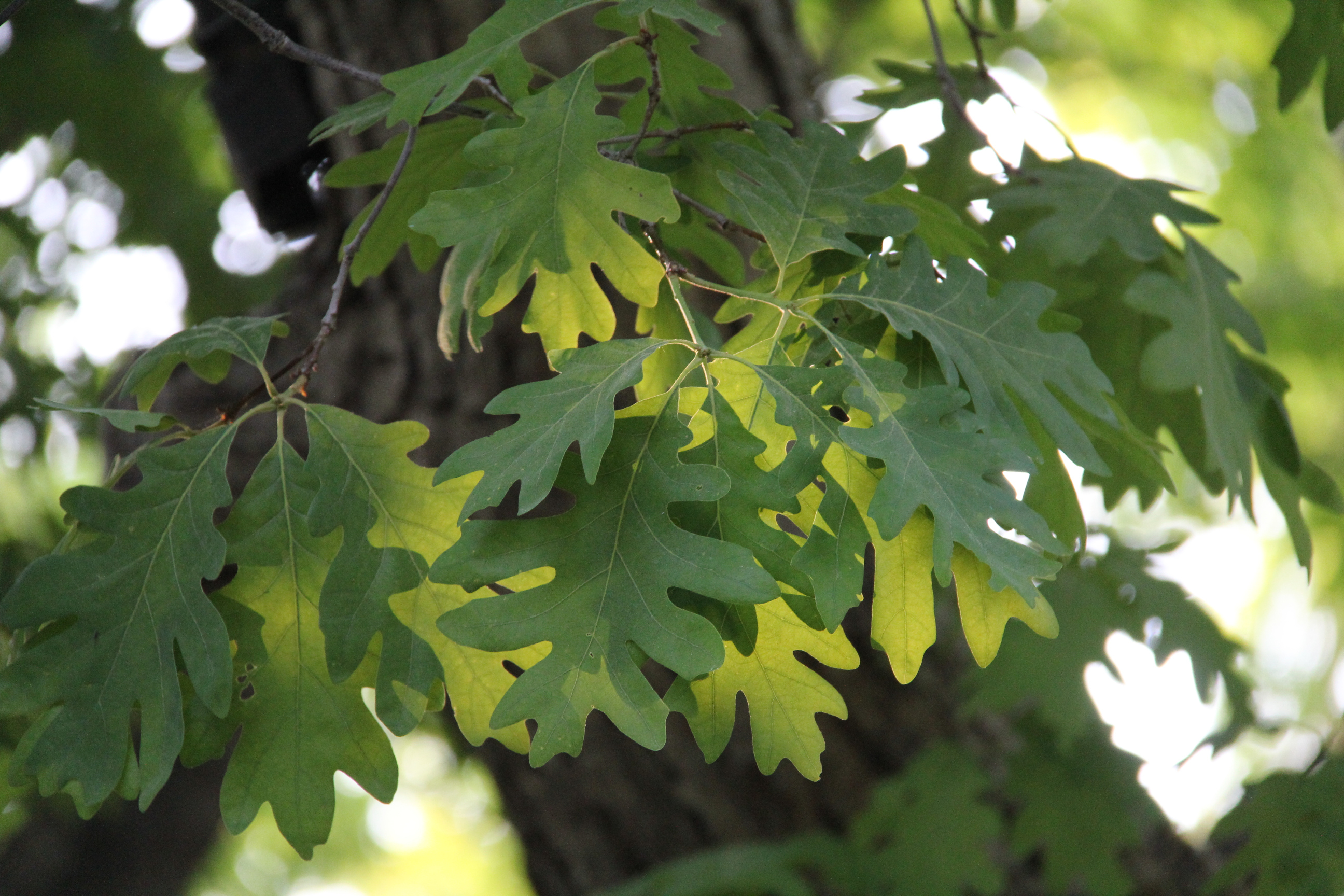
Oak leaves fittingly grace the top of a grave marker at Oak Ridge Cemetery. (Minnesota Prairie Roots copyrighted file photo)

As someone who did not grow up in this region of Minnesota, I’m always interested in learning more about this place I’ve called home for 42 years now. I’ve explored a lot of cemeteries, including Oak Ridge. Cemeteries fascinate me with their history, art, stories, natural beauty, peacefulness and aura of reverence.

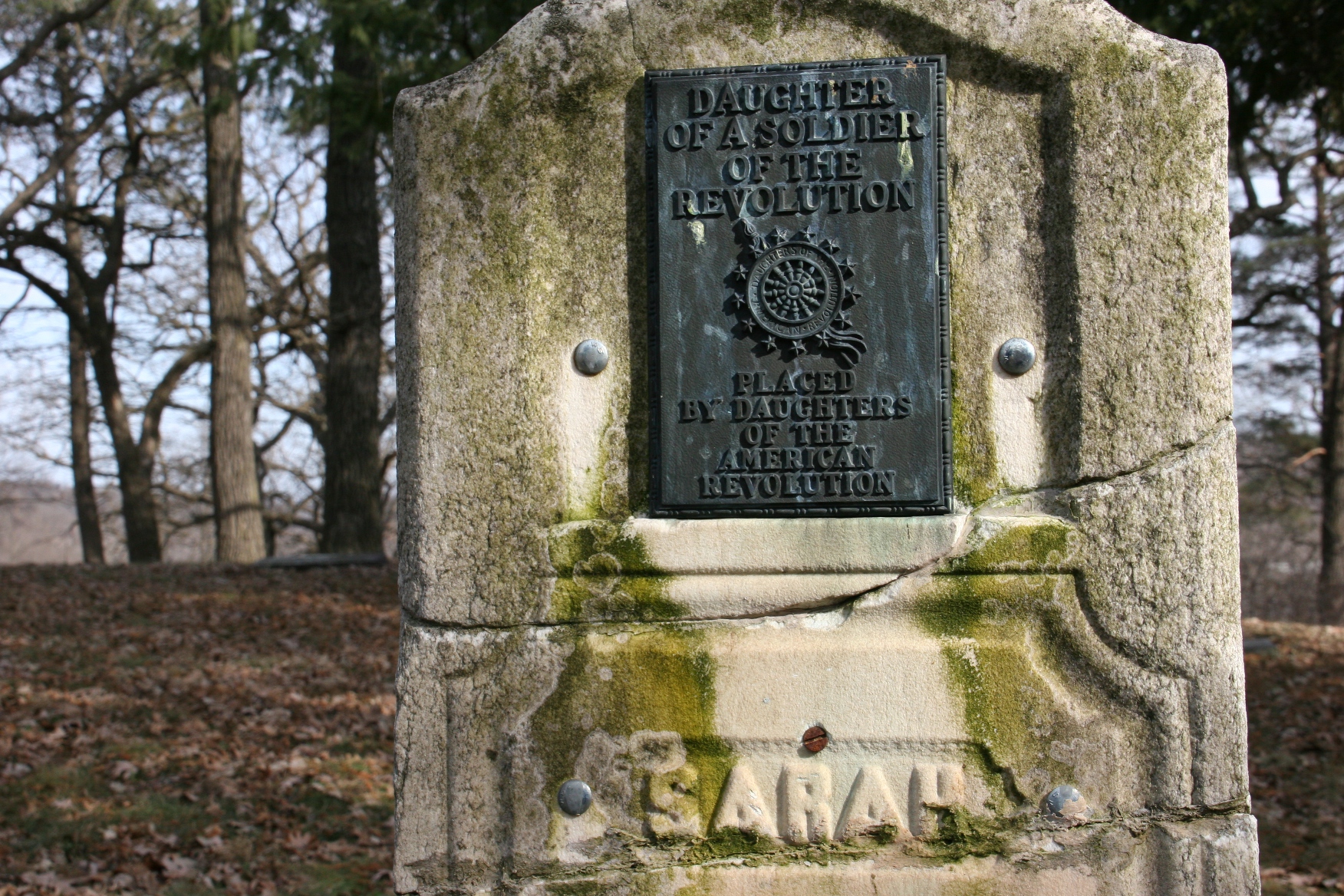
Sarah, daughter of a Revolutionary War soldier, lies buried here. (Minnesota Prairie Roots copyrighted file photo)

Oak Ridge Cemetery, founded in 1857, sits high atop a hill on Faribault’s north side just off Minnesota State Highway 3. It’s a beautiful, wooded location filled with oak, maple and spruce trees, and many aged headstones. There are names—like Nutting and Buckham—recognizable as key figures in local history. There are Civil War and Spanish American War veterans and a daughter of an American Revolutionary War soldier buried here. Senators and representatives, too. Local leaders and farmers. Immigrants and paupers and people from all walks of life. People with stories. So. Much. History.

Levi Nutting was important in early Faribault history, as noted in this cemetery signage. (Minnesota Prairie Roots copyrighted file photo)

I especially like that the caretakers/volunteers of Oak Ridge have installed signage profiling some of the people buried in the cemetery. For those like me who are curious about the stories behind the deceased, this is valuable information. I always want to know more beyond names and dates of birth and death. The Oak Ridge Cemetery Facebook page offers lots of historical info, too.

Efforts have also been underway to restore aged tombstones in the cemetery.

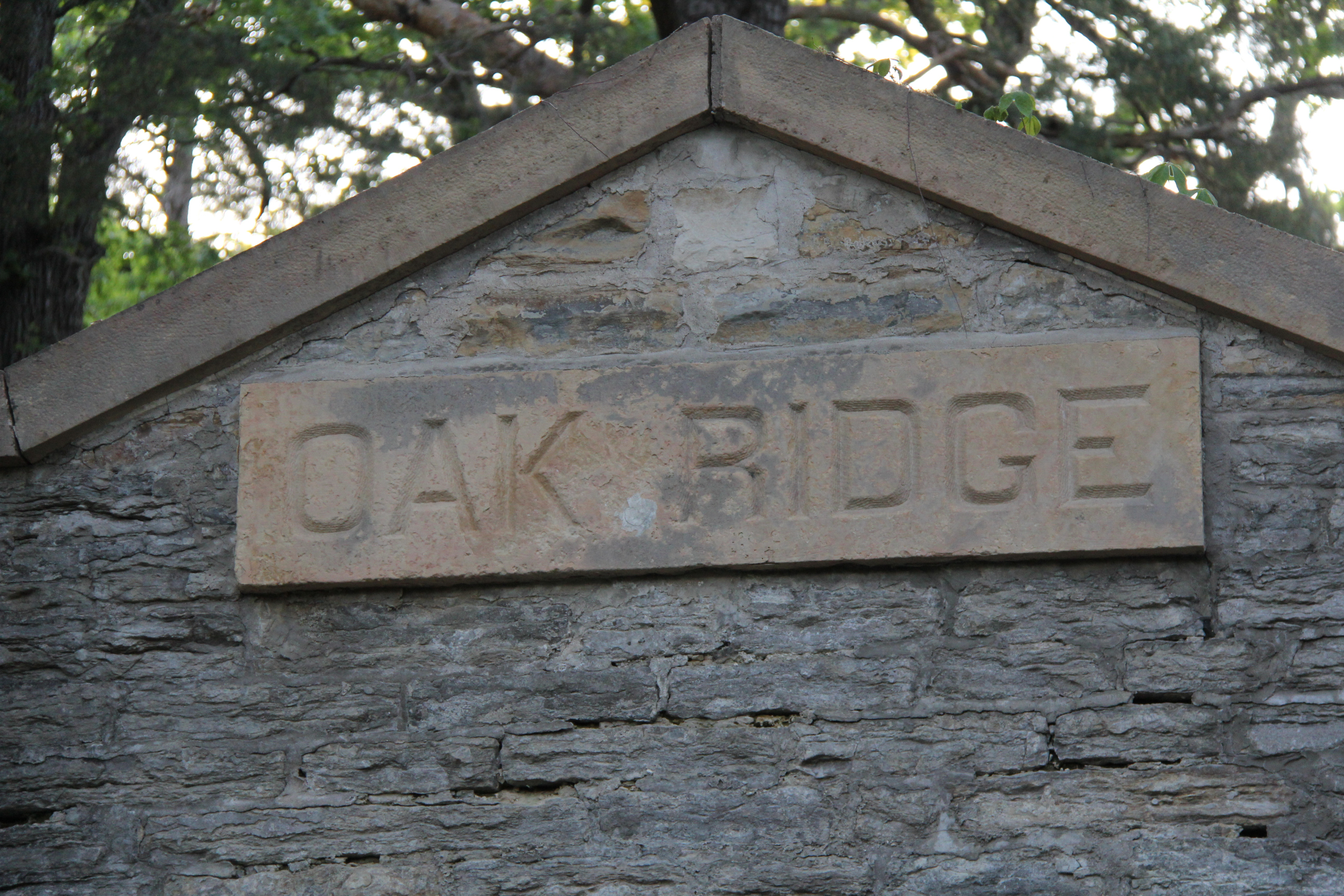
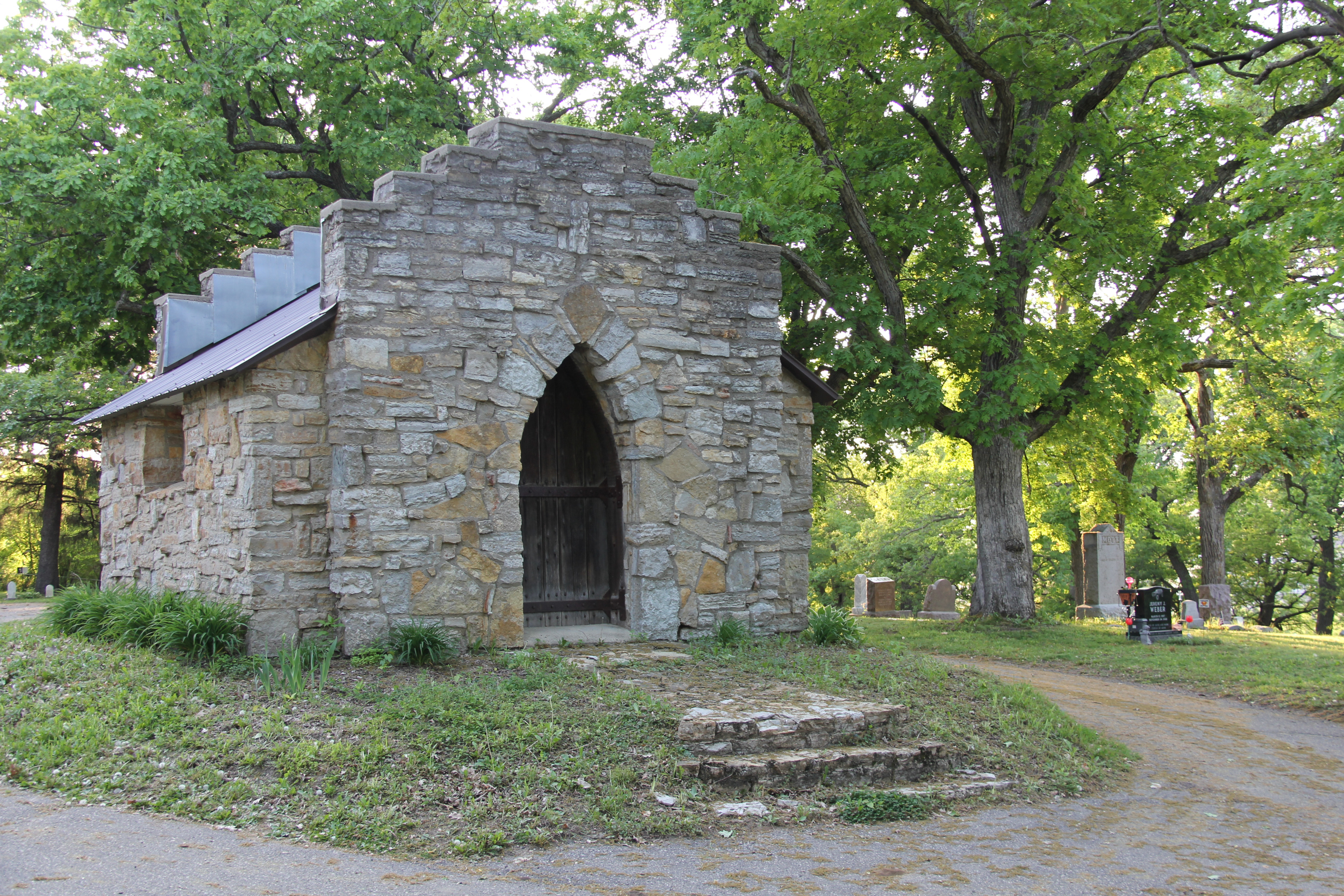
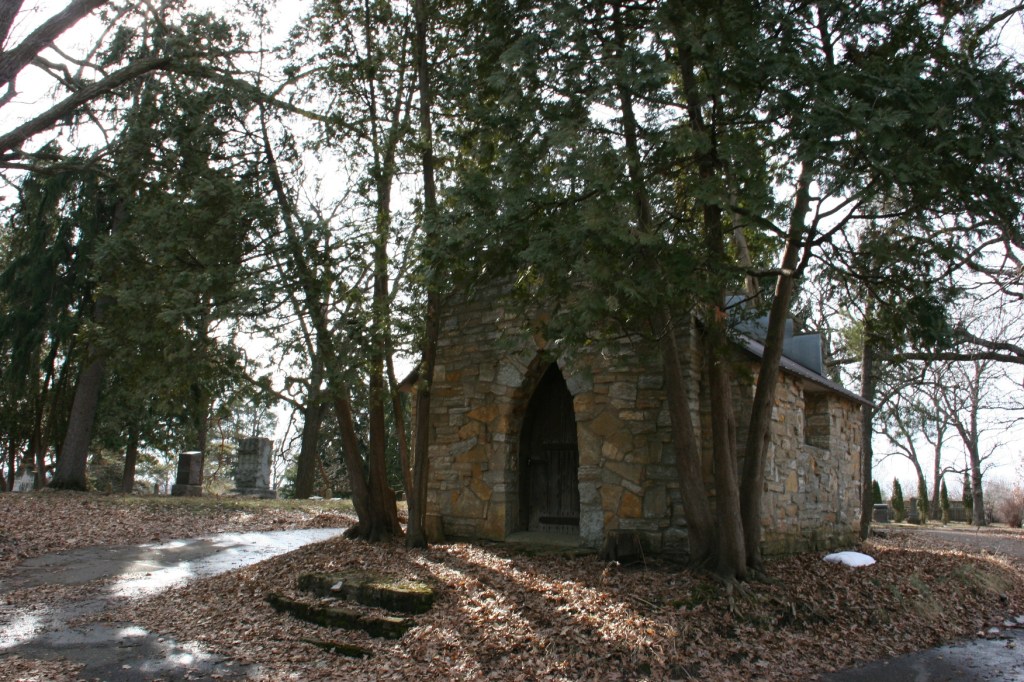
Identifying signage on the limestone crypt at Oak Ridge. (Minnesota Prairie Roots copyrighted file photo)

I expect Tom Rent will cover much of this in Thursday’s talk. He, like so many others, cares deeply about those who lie buried beneath the canopies of trees at Oak Ridge Cemetery.

FYI: To reserve a seat at Thursday’s presentation, call 507-332-2121, email rchs at rchistory.org or stop at the history museum. The program is free to Rice County Historical Society members and $5 for non-members.


Exploring historic Oak Ridge, more than just a cemetery June 15, 2023

Sign on the Oak Ridge Cemetery limestone crypt. (Minnesota Prairie Roots copyrighted photo May 2023)

THEY ARE PLACES of sorrow, of history, of art, of beauty. Of stories, too. They are cemeteries.

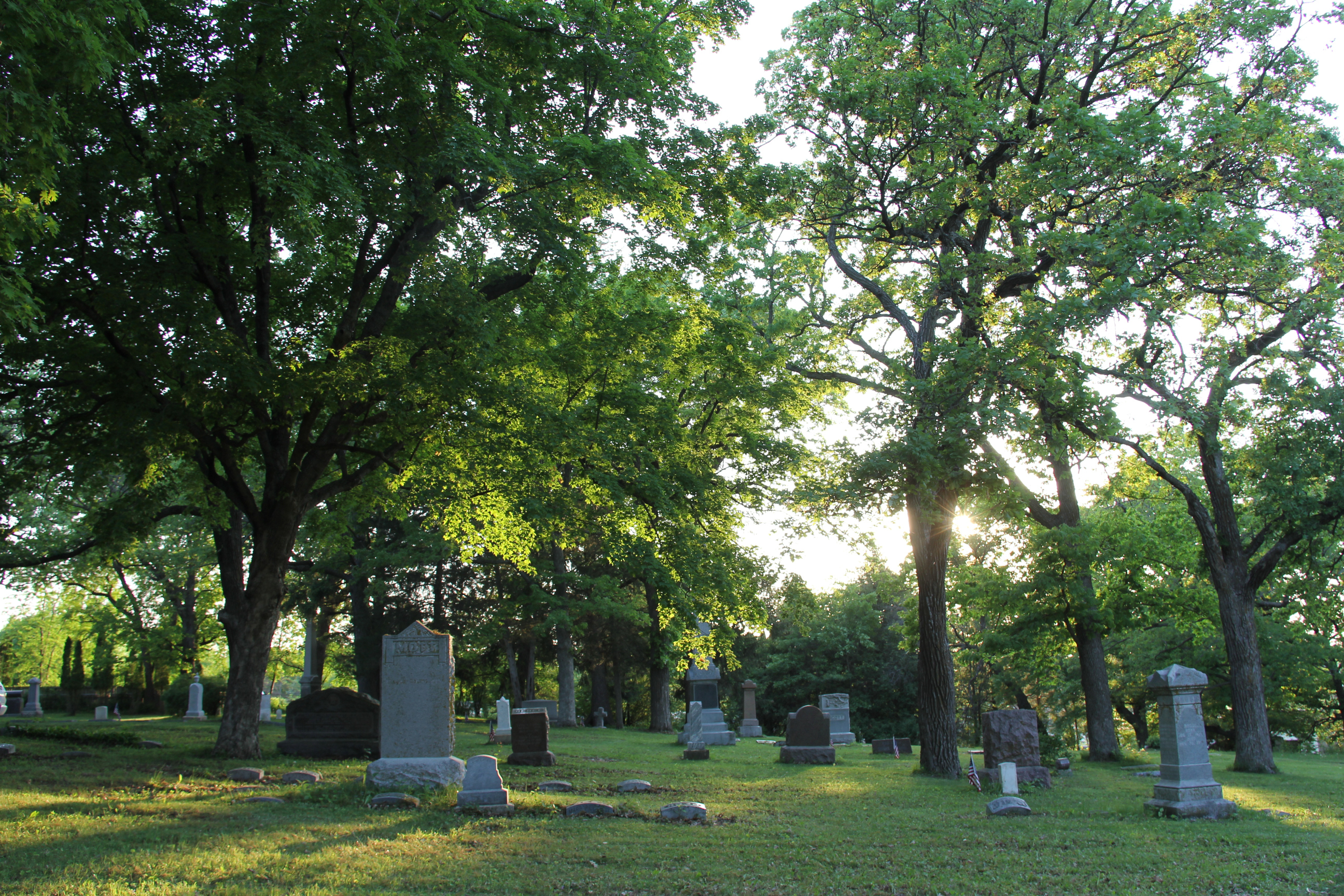
Trees fill the historic Oak Ridge Cemetery in Faribault. (Minnesota Prairie Roots copyrighted photo May 2023)

Decades ago, as a child, I feared cemeteries, thinking about the bodies buried in caskets beneath the ground. The unexpected death of my paternal grandfather when I was not quite eight shaped my thoughts then of graveyards. But my thinking and perspectives changed as I aged until I felt comfortable walking in a cemetery. I had accepted death.

The natural beauty of Oak Ridge, especially the oaks, is one of the things I most appreciate. (Minnesota Prairie Roots copyrighted photo May 2023)

Today, exploring cemeteries is an activity I enjoy. I appreciate all they hold. Oak Ridge Cemetery, set on rolling hills on Faribault’s northwest side just off Second Avenue NW/Minnesota State Highway 3, is among the countless graveyards I’ve walked.

An informational sign about Levi Nutting. (Minnesota Prairie Roots copyrighted photo May 2023)

It’s Faribault’s first cemetery, incorporated in 1857, five years after the town was founded. The death of his 26-year-old wife, Mary, on Christmas Day 1856 prompted Levi Nutting to lead founding of an official cemetery. Nutting was a man of prominence. As an early area settler, he helped shape his community, serving as mayor and Rice County commissioner. Nutting also held several state government offices, including that of a senator.

Nutting family grave markers. (Minnesota Prairie Roots copyrighted photo May 2023)

Levi and many other Nuttings lie buried beneath the soil at Oak Ridge among the oaks and spruce and maple. This place feels like a hilltop island of peacefulness. Not that it’s quiet here. But a sense of calm and serenity in this spot of remarkable natural beauty prevails.

(Minnesota Prairie Roots copyrighted photo May 2023)

History also infuses Oak Ridge, not only in names on gravestones, but also on informational plaques scattered throughout the grounds.

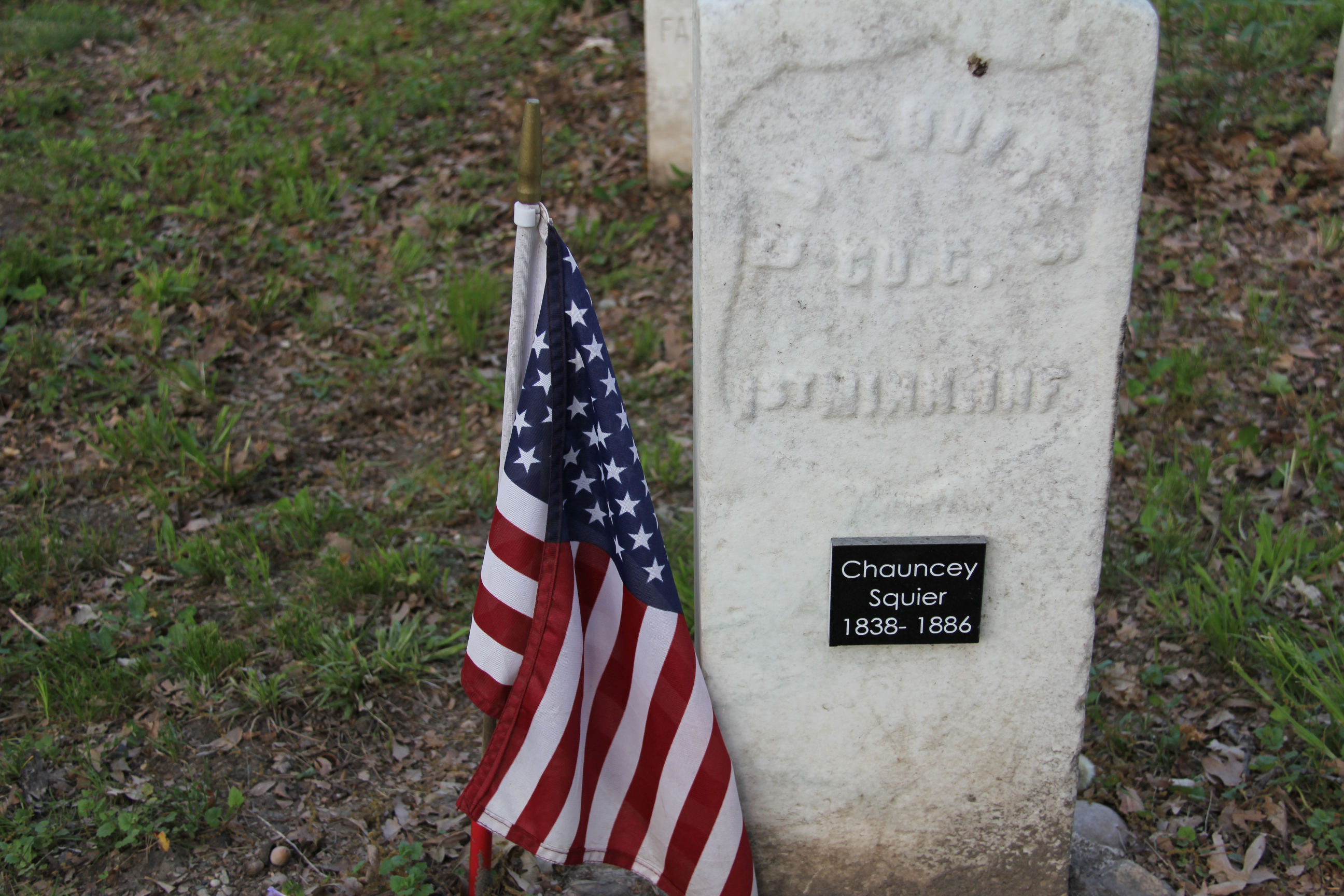
The burial spot of a Civil War veteran, flagged for Memorial Day. (Minnesota Prairie Roots copyrighted photo May 2023)
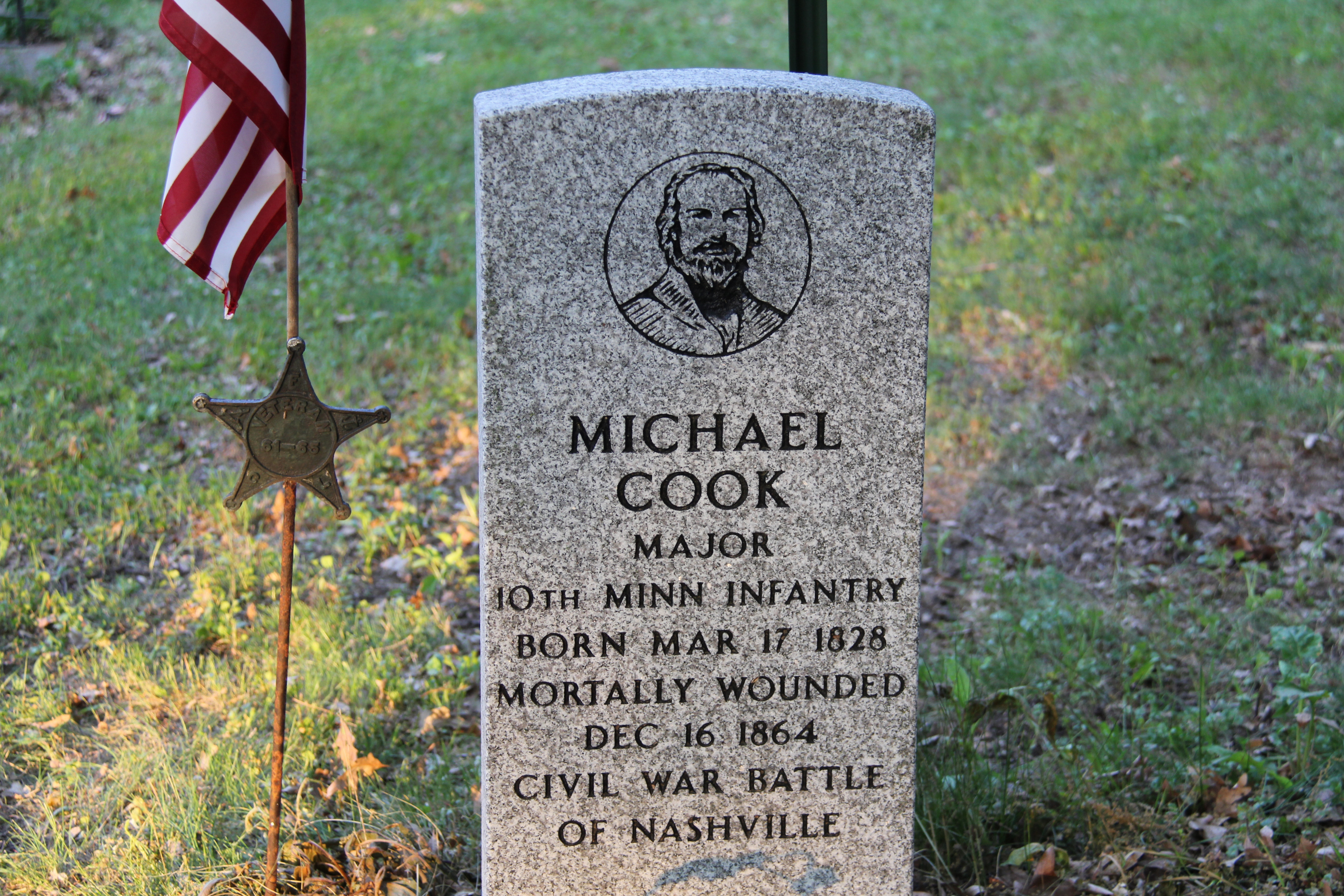
Civil War veteran Michael Cook’s marker details his death. (Minnesota Prairie Roots copyrighted photo May 2023)

There are a whole lot of long ago dates inscribed in stone. The first known burial here was in 1850, before cemetery incorporation. Men who fought in the Civil and Spanish American Wars lie here. So do legislators, business leaders, farmers, paupers, immigrants and more, according to the Oak Ridge website.

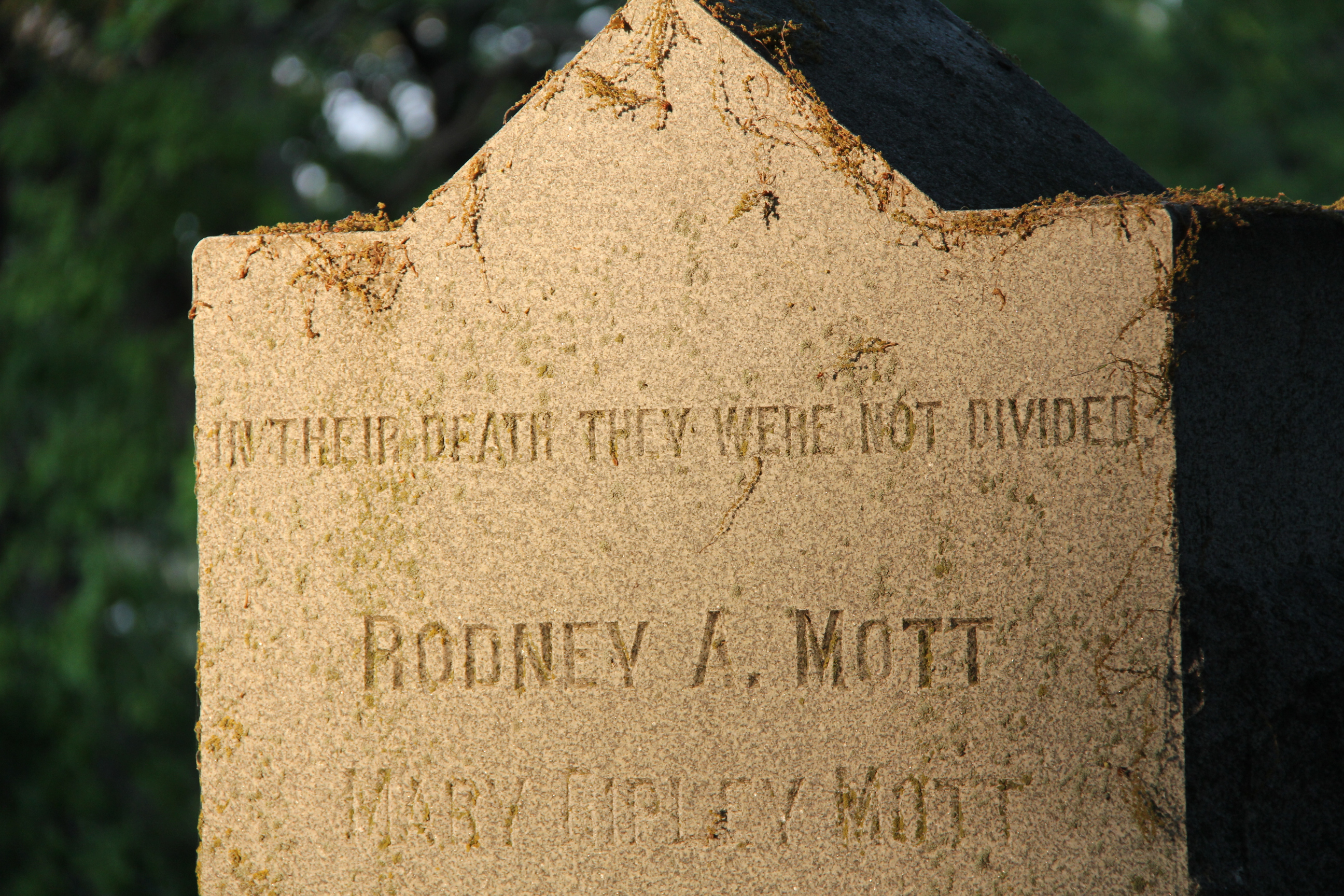
Loving words on a husband and wife’s tombstone. (Minnesota Prairie Roots copyrighted photo May 2023)

“IN THEIR DEATH THEY WERE NOT DIVIDED” reads the message on the headstone of Rodney A. Mott and Mary Ripley Mott.

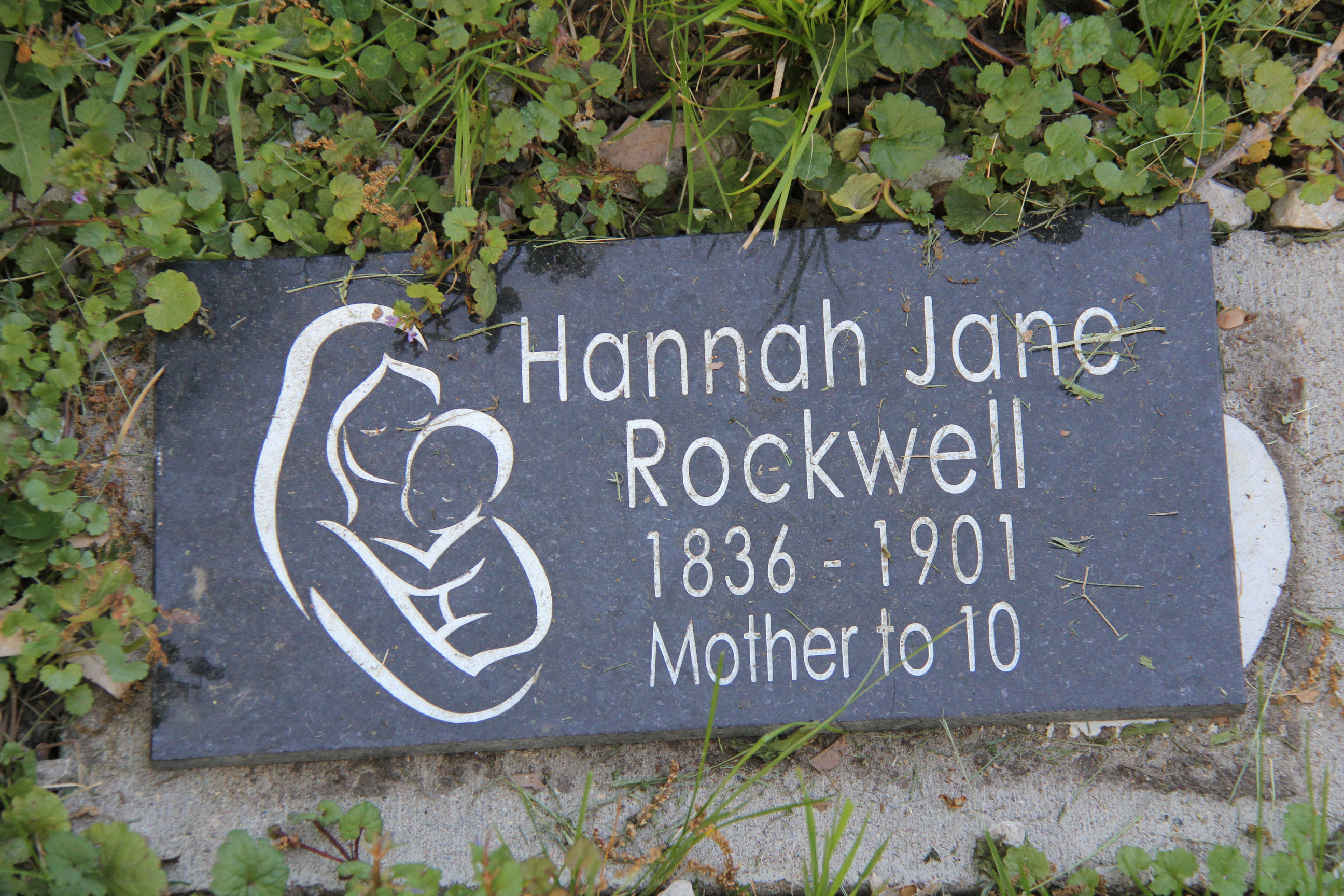
Markers like this can be purchased for unmarked graves. (Minnesota Prairie Roots copyrighted photo May 2023)

Hannah Jane Rockwell’s marker, installed through Oak Ridge’s Sponsor a Marker for an Unmarked Grave Program, simply lists her name, birth and death dates, and then the loving words, “Mother to 10.”

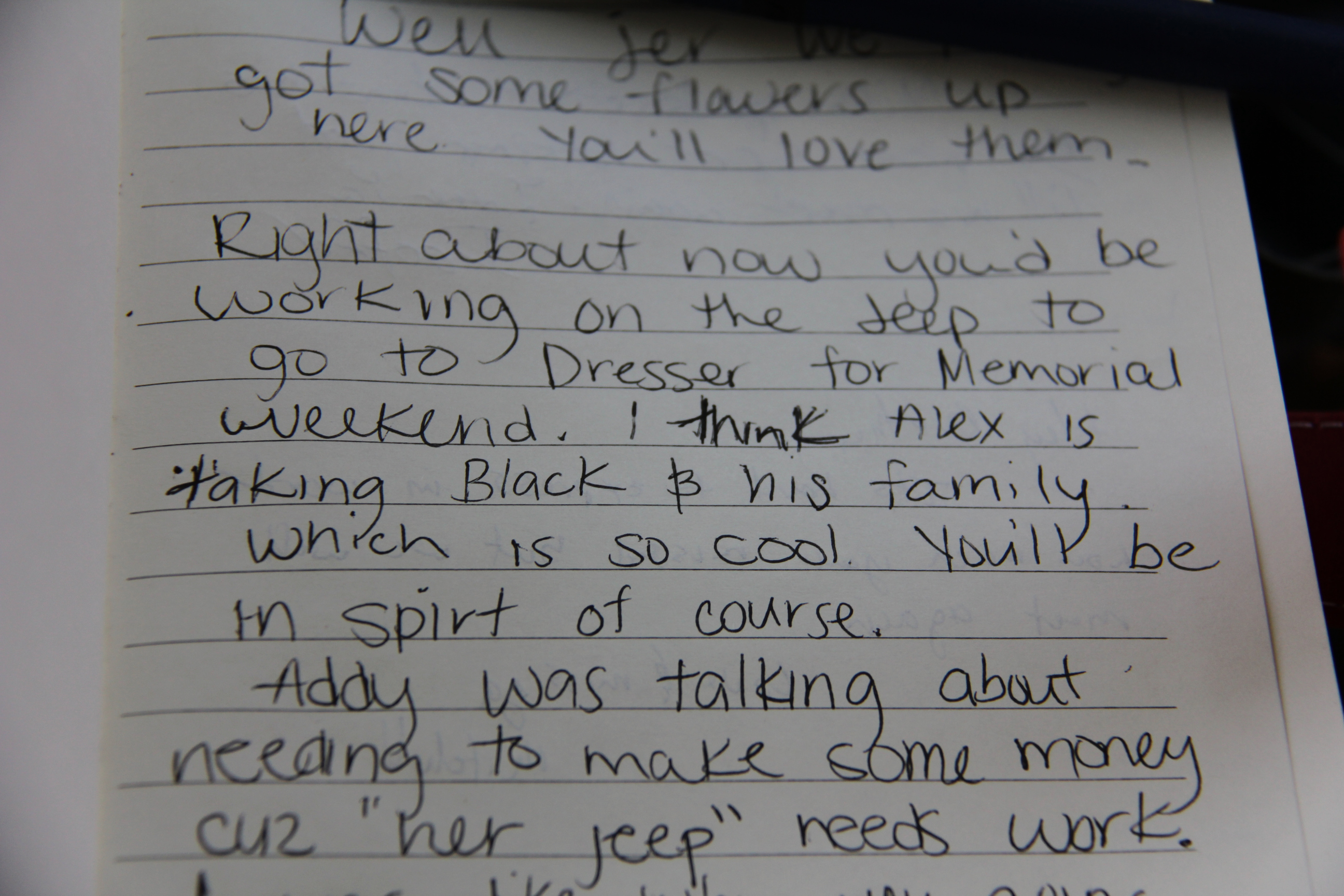
A message written in a notebook at Jeremy’s grave. (Minnesota Prairie Roots copyrighted photo May 2023)

Jeremy J. Weber’s black tombstone, still shiny with newness, is surrounded by expressions of recent grief. The 34-year-old father of three died in 2021. A waterproof case includes a notebook for messages and memories. Words written therein are loving, heartbreaking.

Beautiful urn art graces a grave. (Minnesota Prairie Roots copyrighted photo May 2023)

Grief is undeniably here. I read that, see that, feel that. But I also feel the love. These were individuals with families who loved them and whom they loved. These were individuals who were valued personally and/or professionally. They were, above all, human beings who held a special place on this earth.

Fitting for Oak Ridge, oak leaves on a tombstone. (Minnesota Prairie Roots copyrighted photo May 2023)

Cemeteries reveal all of this, if only we take the time to walk among the tombstones, aged and new. Inscriptions, art, names, dates, memorabilia and flowers placed graveside all tell stories. That is the beauty within the boundaries of a cemetery like Oak Ridge, which rises high above a city founded 171 years ago, the place where Levi Nutting moved with his family in 1855, a year later his young wife dead.

The historic limestone pumphouse sits atop the hill, in the heart of the cemetery. (Minnesota Prairie Roots copyrighted photo May 2023)
This map shows a section of Oak Ridge’s lay-out. (Minnesota Prairie Roots copyrighted photo May 2023)

FYI: Oak Ridge accepts donations and welcomes volunteers to help with cemetery upkeep. Burial plots are for sale. And markers may be purchased for unmarked graves.


Exploring the aged Oak Ridge Cemetery in Faribault April 27, 2017

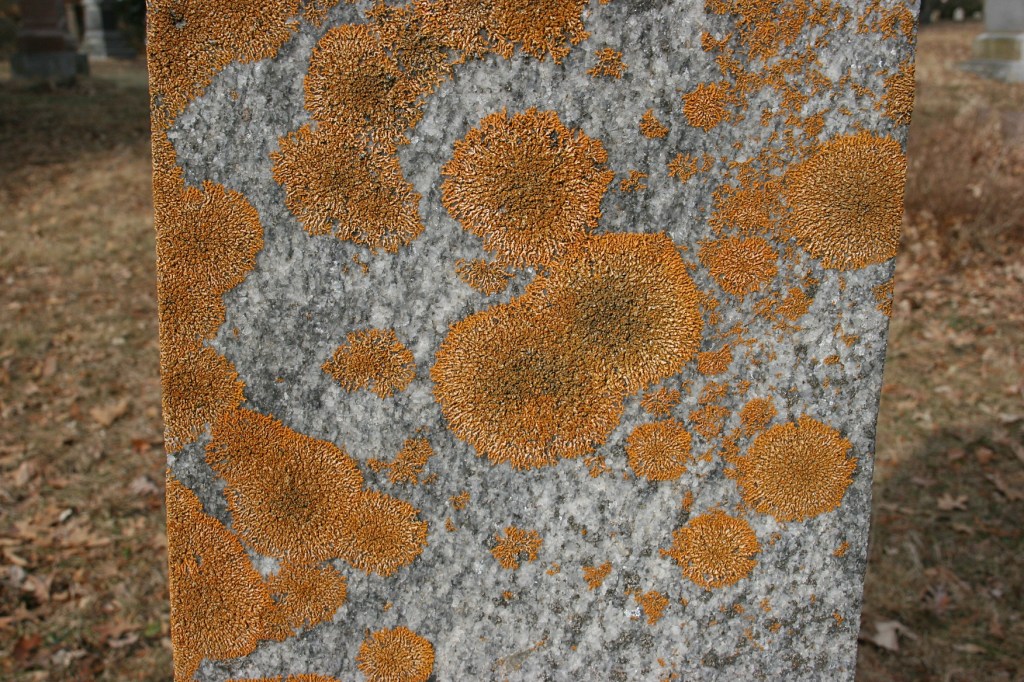
Aged tombstones are often spotted with growth like this on a stone at Oak Ridge Cemetery, Faribault.

Aged tombstones are often spotted with growth like this on a stone at Oak Ridge Cemetery, Faribault.


A TIME EXISTED when I disliked cemeteries. I thought of bones, of coffins, of creepy, scary stuff that wings through the imagination of a child. I thought of my grandfather buried beneath the cold earth. The grandpa with the shock of white hair. The grandpa who loved iced tea and pruning raspberries and raising honeybees. Decades later I would stand in that same southwestern Minnesota cemetery on a bone-chilling April morning to bury my father. By then I’d long overcome my fear of cemeteries.


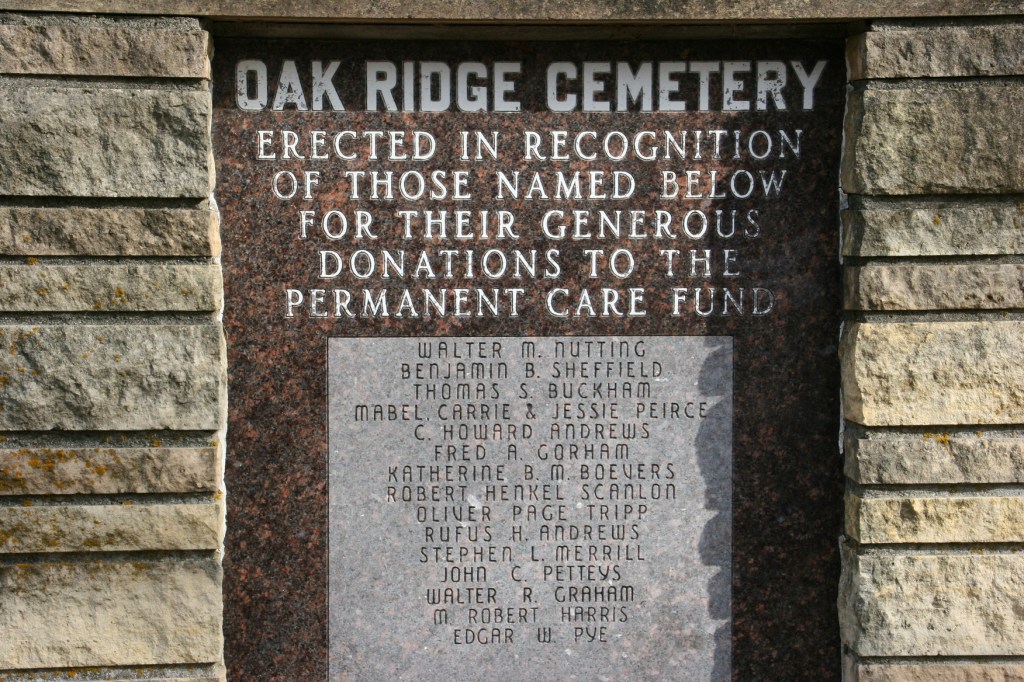
I recognize several early Faribault names on the Oak Ridge Cemetery sign.

I recognize several early Faribault names on the Oak Ridge Cemetery sign.


Today I purposely walk cemeteries to discover the history, the art and the stories therein. I’ve meandered among the tombstones of countless Minnesota graveyards. But not until recently did I explore one right in my own backyard—Oak Ridge Cemetery in Faribault. The cemetery sits atop a hill along Minnesota State Highway 3 on the north edge of town. I always thought it was the Catholic cemetery, an error corrected by my husband who pointed to an adjacent burial grounds.


Oh, the oaks and the limestone.

Oh, the oaks and the limestone.


Oak Ridge is unlike any cemetery I’ve toured. Narrow roadways wind up this historic burial site appropriately named for its ridge-top location and many oak trees. It’s a beautiful location overlooking the city. I made a mental memo to visit in the fall. I noted also two limestone buildings—a crypt and a pumphouse. And I noted the natural state of the unmanicured grounds.


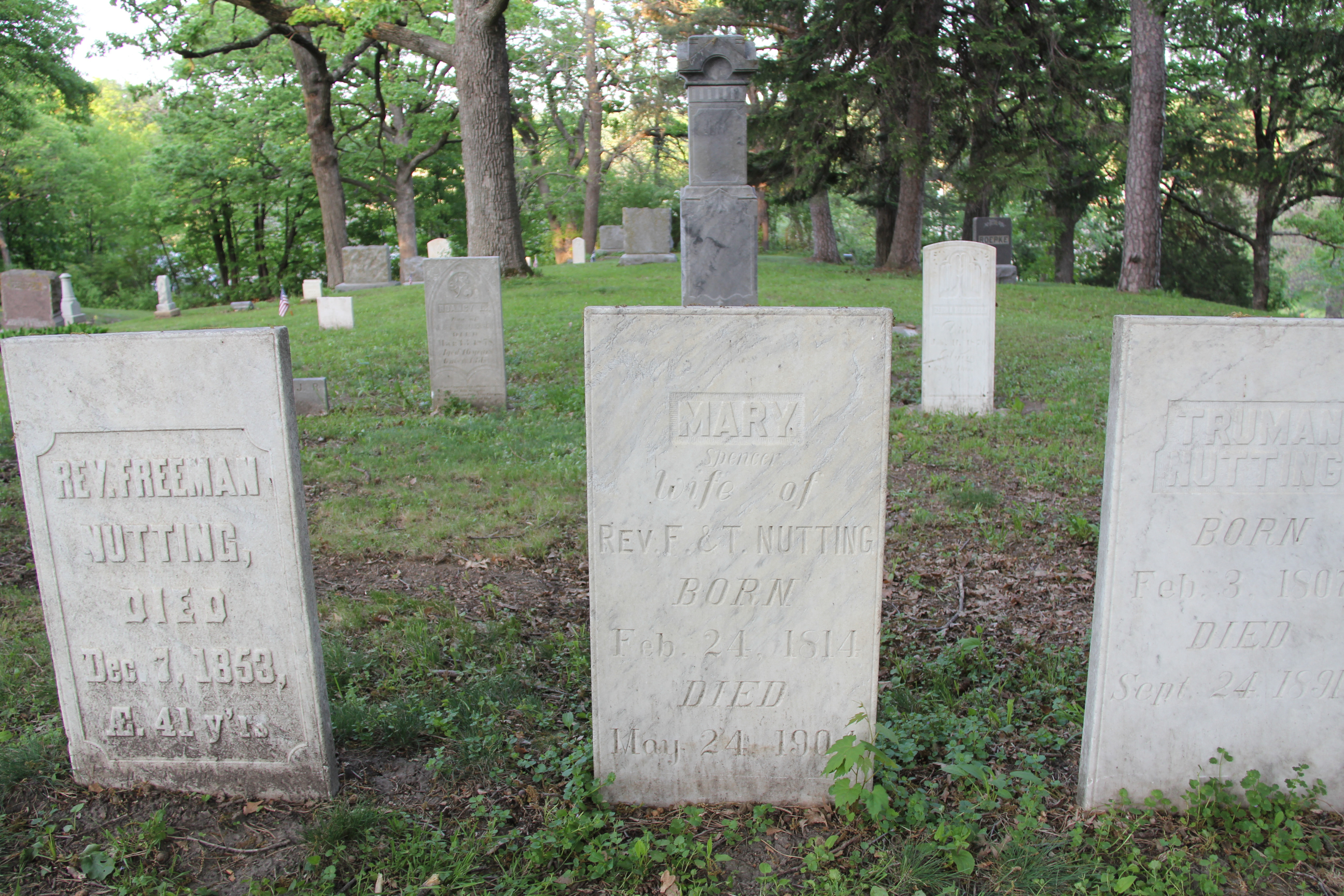
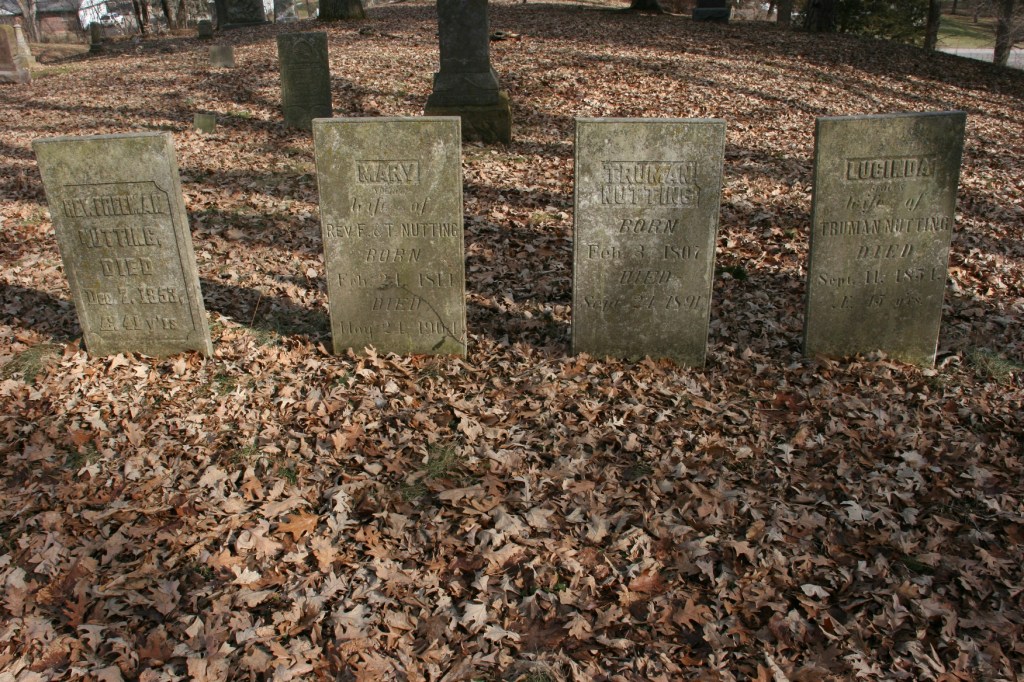
Four Nutting headstones in a row grabbed my attention. The Nutting family built a manufacturing company in Faribault.

Four Nutting headstones in a row grabbed my attention. The Nutting family built a manufacturing company in Faribault. On the left is the marker of the Rev. Freeman Nutting, who married Mary Spencer. After he died in December 1853, Mary married Freeman’s older brother, Truman, in 1854. Truman’s first wife, Lucinda Graves, died in 1851.


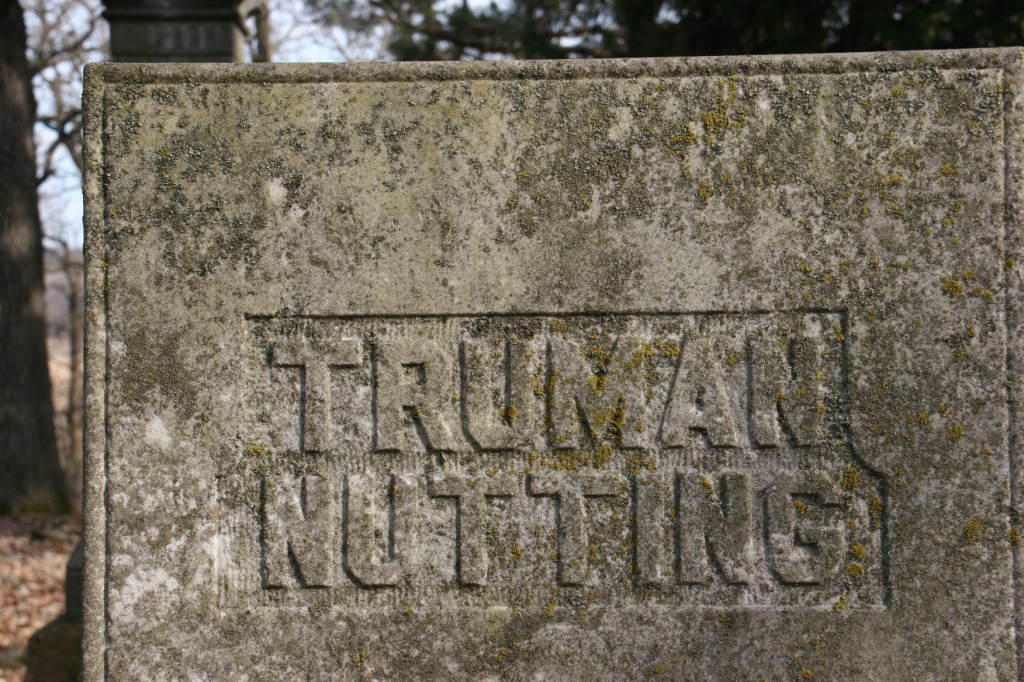
Truman Nutting was born in 1807 and died in 1891.

Truman Nutting was born in 1807 and died in 1891.


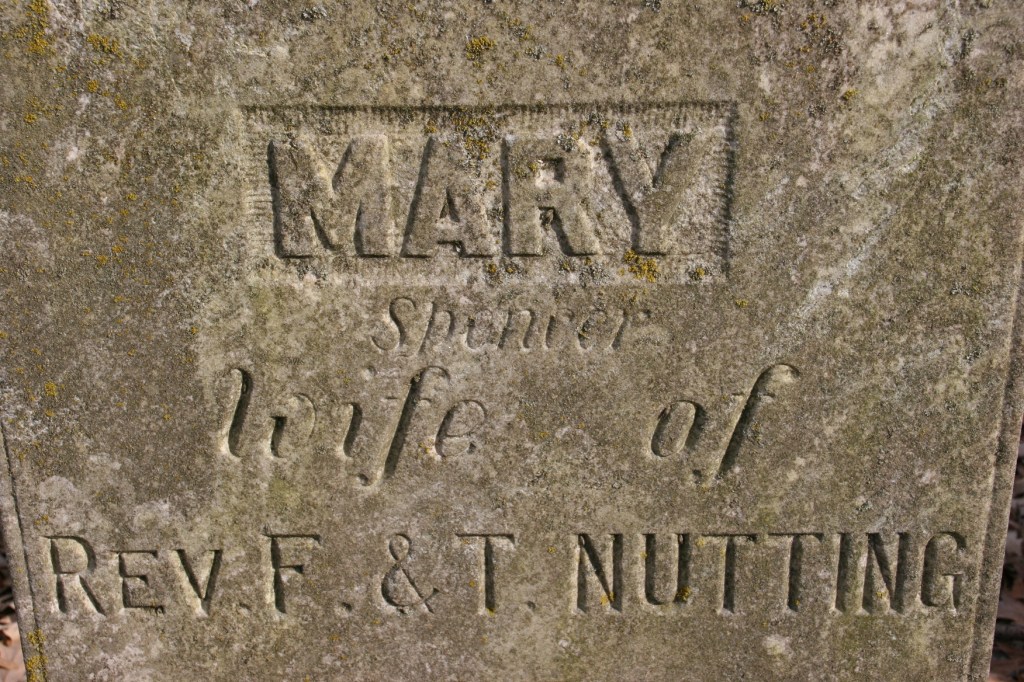
Mary Spencer Nutting was born in 1814 and died in 1904.

Mary Spencer Nutting was born in 1814 and died in 1904. Have you ever noticed how aged graves read “wife of,” but not “husband of?”


When I began reading tombstones, I recognized names of early Faribault residents, of individuals prominent in the community. This is an old cemetery, laid out in 1857, a year before Minnesota became a state.


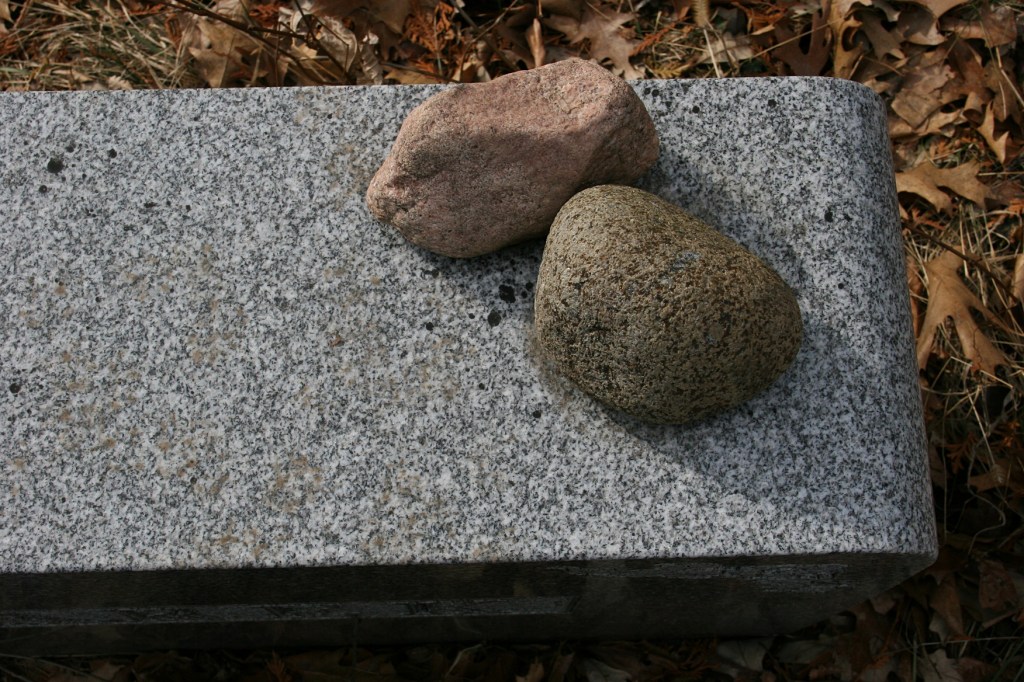
A Google search revealed that stones atop a headstone indicate a visitor stopped to pay respects to the deceased.

A Google search revealed that stones atop a headstone indicate a visitor stopped to pay respects to the deceased.


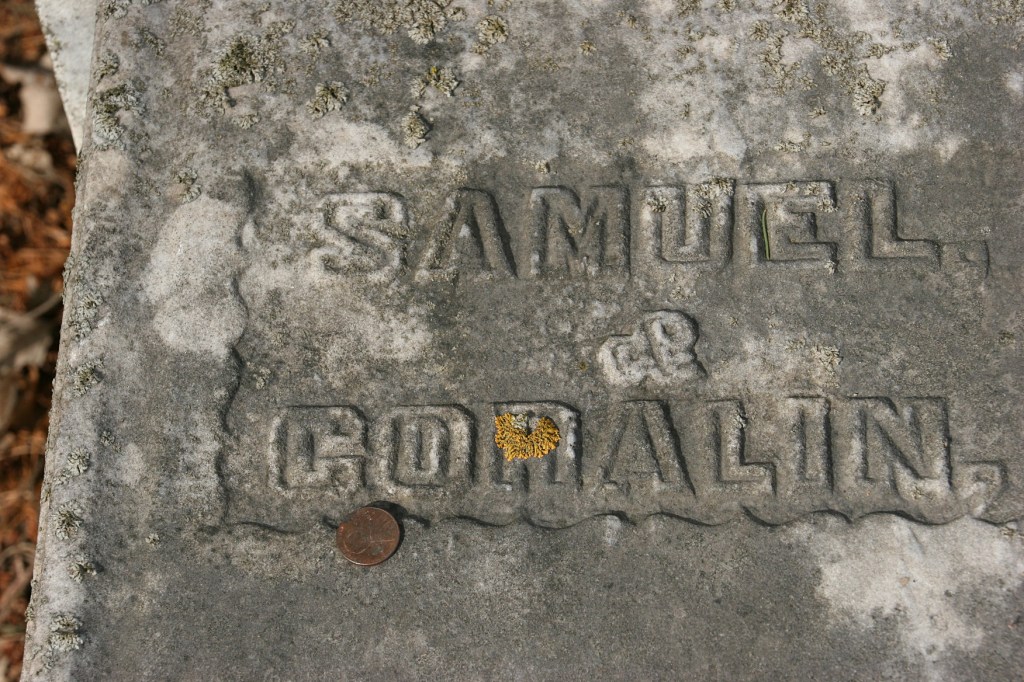
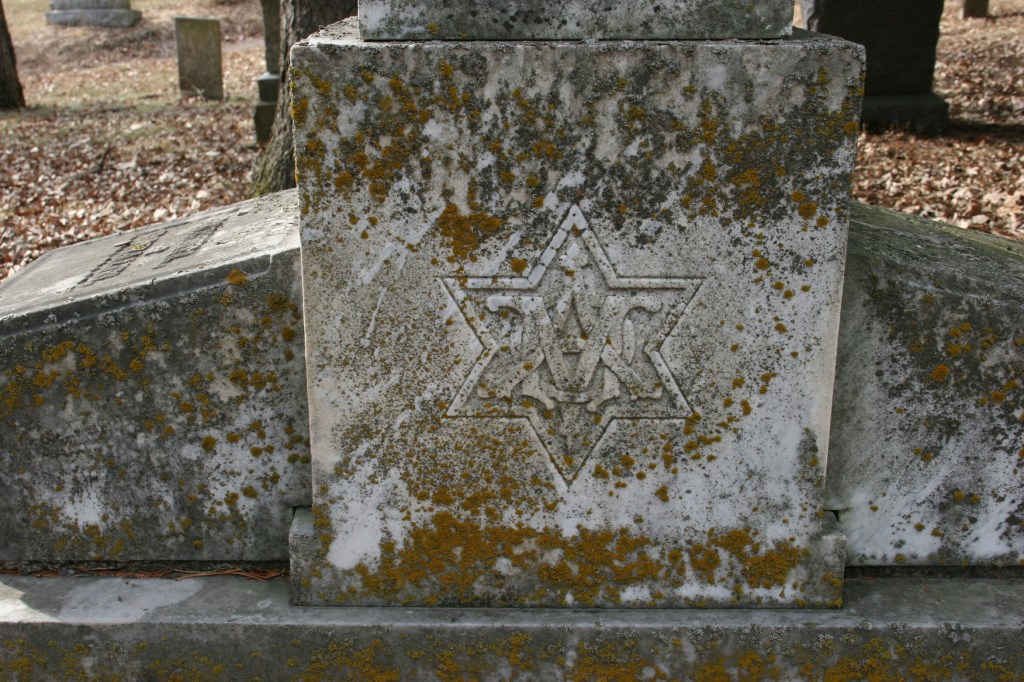
A penny on a headstone also marks a visit and is often a practice of those of Jewish faith. I spotted this coin on a headstone that includes a Star of David.

A penny on a headstone also marks a visit and is often practiced by those of Jewish faith, according to Google sources. I spotted this coin on a headstone with a Star of David.


As I paused at markers, I considered the personal stories that I will never know of these men, women, teens, children and babies once loved. I saw evidence of that love in objects left atop gravestones. I’ve seen the usual flowers, flags, garden art and stuffed animals at other cemeteries. But not until Oak Ridge had I seen a penny and stones left as signs of a grave site visit.


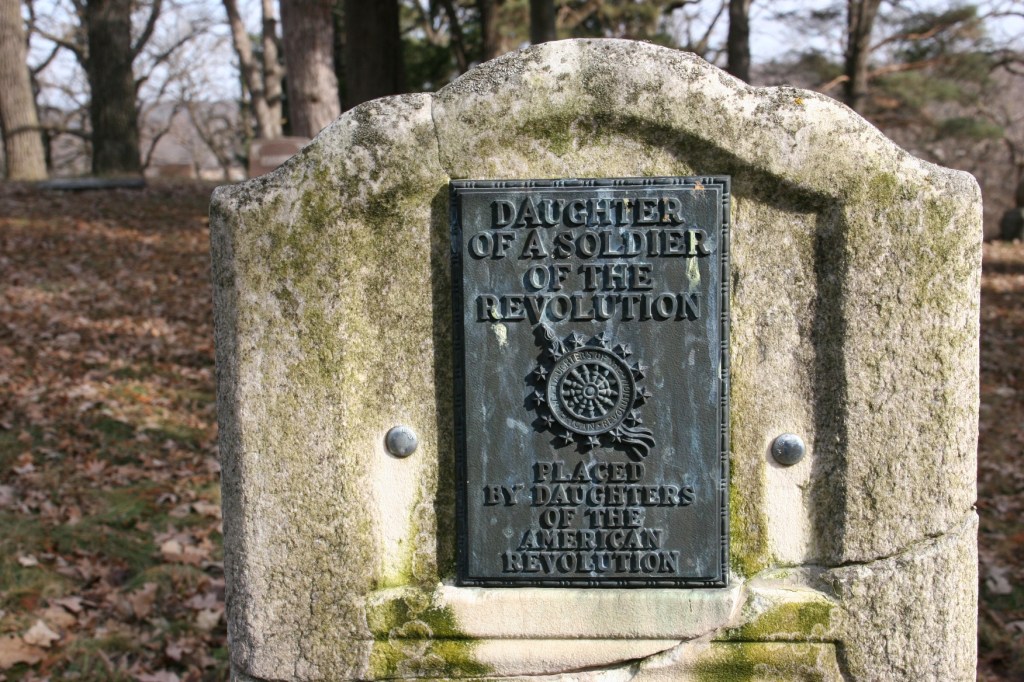
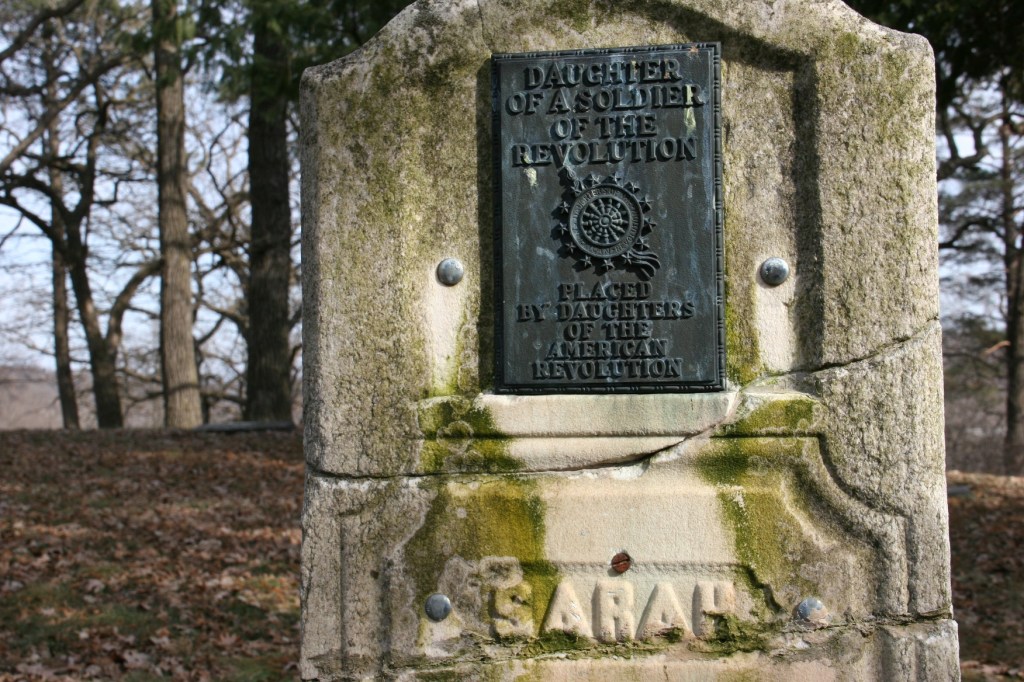
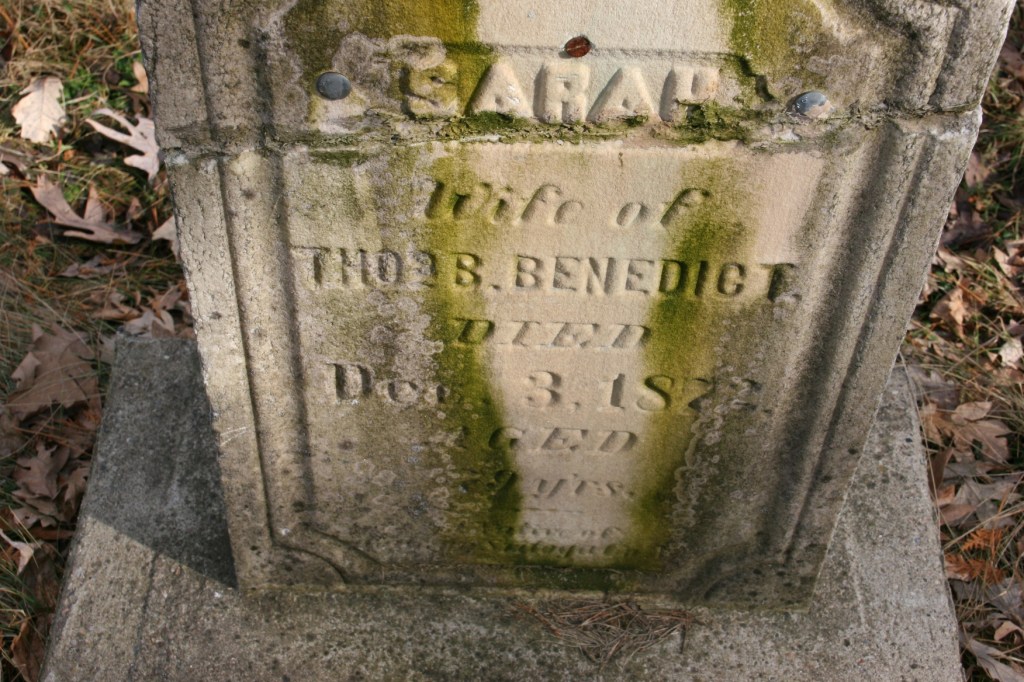
There's so much history in cemeteries. This sign led me to visit the Dalby Database to learn more about the woman buried beneath this marker.

There’s so much history in cemeteries. This sign led me to visit the Dalby Database to learn more about the woman buried beneath this marker. The broken marker is held together by a plate and bolts.


She is Sarah...

She is Sarah Benedict, born on July 29, 1793, died on December 3, 1872…


...daughter of William Brewster, soldier of the Revolution.

…daughter of William Brewster, soldier of the Revolution.


I am determined now to revisit Oak Ridge—termed by another visitor as “the horse and buggy cemetery.” His tag seems fitting for a burial site that traces back to the early days of Faribault, of Minnesota as a state.


I've visited many rural Minnesota cemeteries. This is the first Star of David I've found on a tombstone.

I’ve visited many rural Minnesota cemeteries. This is the first Star of David I’ve found on a tombstone.


TELL ME: Do you explore cemeteries? If yes, why?


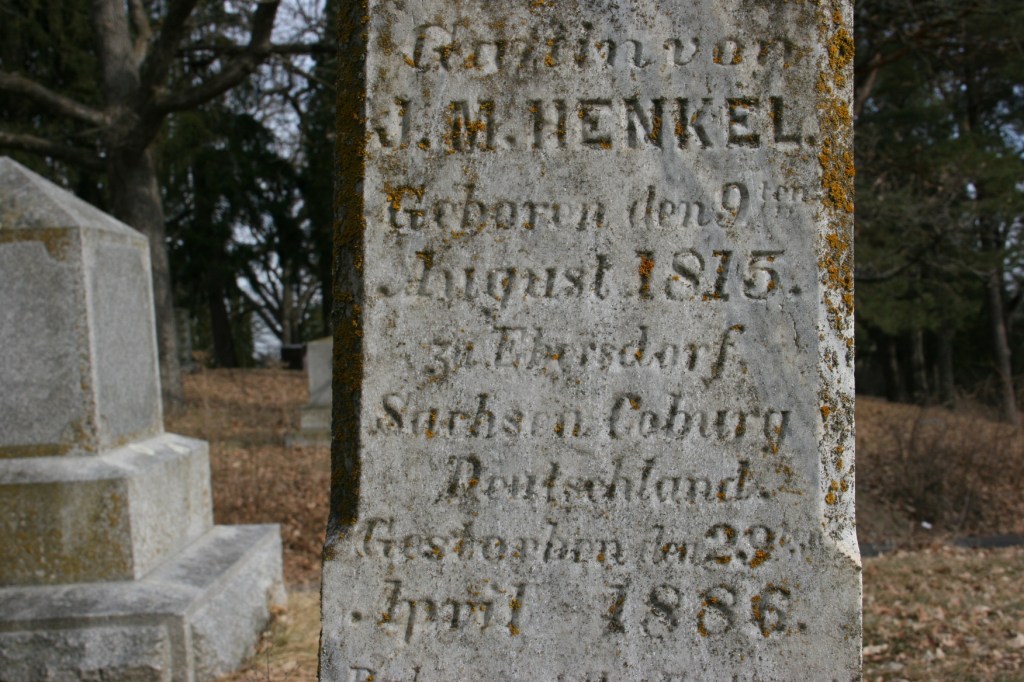
A tombstone inscribed in German.

A tombstone inscribed in German.


FYI: Click here to read an unofficial Facebook page for Oak Ridge Cemetery. It offers lots of information on those buried here.

The Dalby Database is also an excellent source of information for those buried in cemeteries throughout Minnesota.

© Copyright 2017 Audrey Kletscher Helbling