Minnesota Prairie Roots

Writing and photography by Audrey Kletscher Helbling

Revisiting the Surf Ballroom in Clear Lake, Iowa, & “the day the music died” January 30, 2025

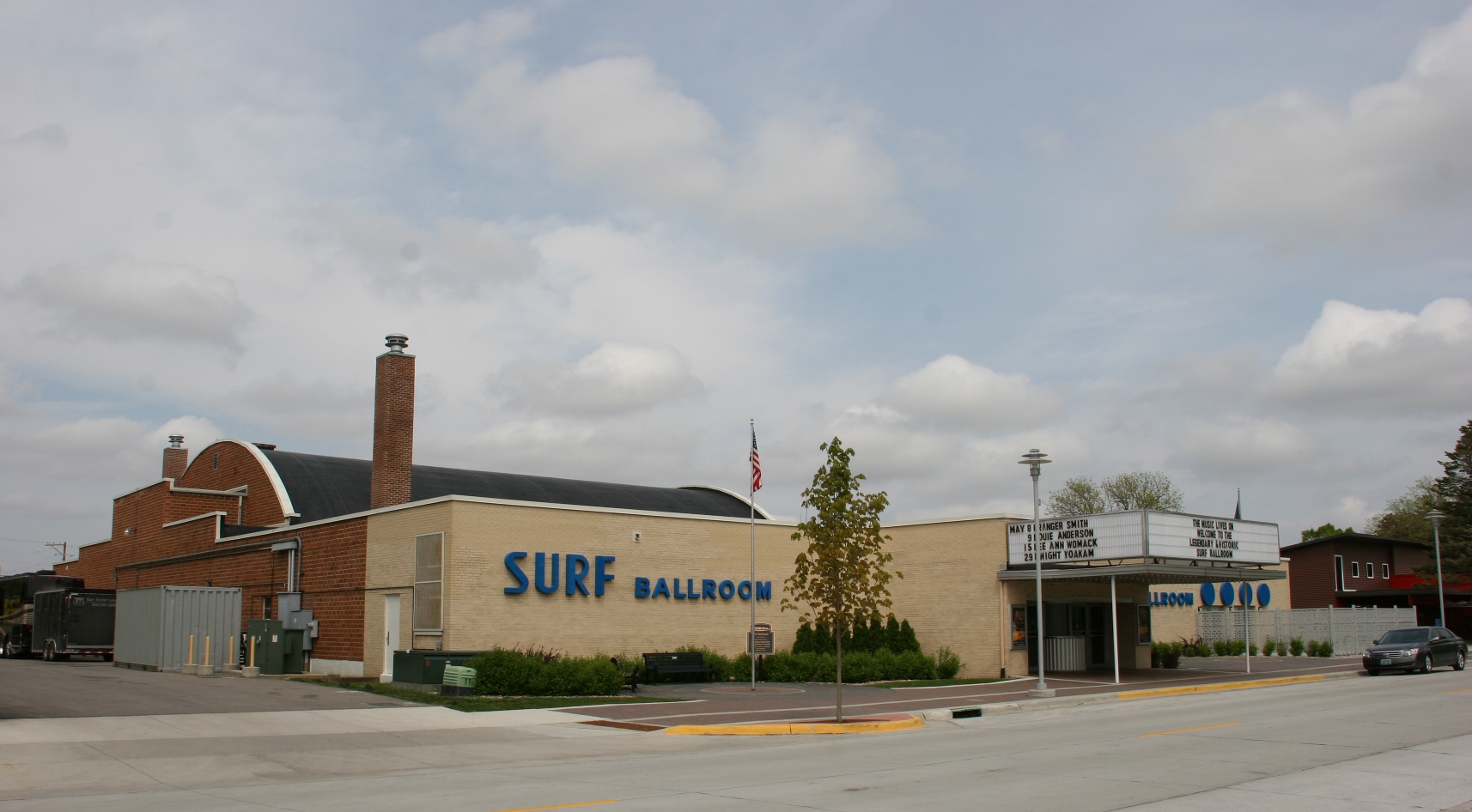
The Surf Ballroom in Clear Lake, Iowa, seats 2,100. (Minnesota Prairie Roots copyrighted file photo May 2015)

A TIME EXISTED when ballrooms centered weekend entertainment and socializing across southern Minnesota: The Monterey Ballroom in Owatonna, no longer a dance hall, but an event center. The Kato Ballroom in Mankato, today primarily a place for banquets, wedding receptions and meetings. The Gibbon Ballroom in Gibbon, once the site of Polka Days, now closed. George’s Ballroom in New Ulm, demolished. The Blue Moon Ballroom in Marshall, destroyed in a 1981 fire. Ballrooms, as they once were in their heyday, are mostly non-existent or altered in usage.

Inside the Surf Ballroom, portraits of Ritchie Valens, left to right, Buddy Holly and J.P. Richardson. (Minnesota Prairie Roots copyrighted file photo May 2015)

But just across the border along Interstate 35 in northern Iowa, an historic ballroom remains open and going strong. That’s the Surf Ballroom in Clear Lake, an 84-mile or one hour and 15-minute drive from my community of Faribault. I’ve been there. Not to dance. But to tour the venue that marked the final performance site for Buddy Holly, Ritchie Valens and J.P. “The Big Bopper” Richardson on February 2, 1959.

This display inside the Surf references “American Pie.” Displays like this line spaces in the museum part of the Surf. (Minnesota Prairie Roots copyrighted file photo May 2015)

The next morning, a chartered plane carrying the trio crashed in a field shortly after take off from the Mason City Municipal Airport, killing the musicians and pilot, Roger Peterson. February 3, 1959, was, according to singer and songwriter Don McClean, “the day the music died.” The tragedy is forever immortalized in McClean’s 1971 “American Pie,” a lengthy song I know well given I was a teen of the 70s.
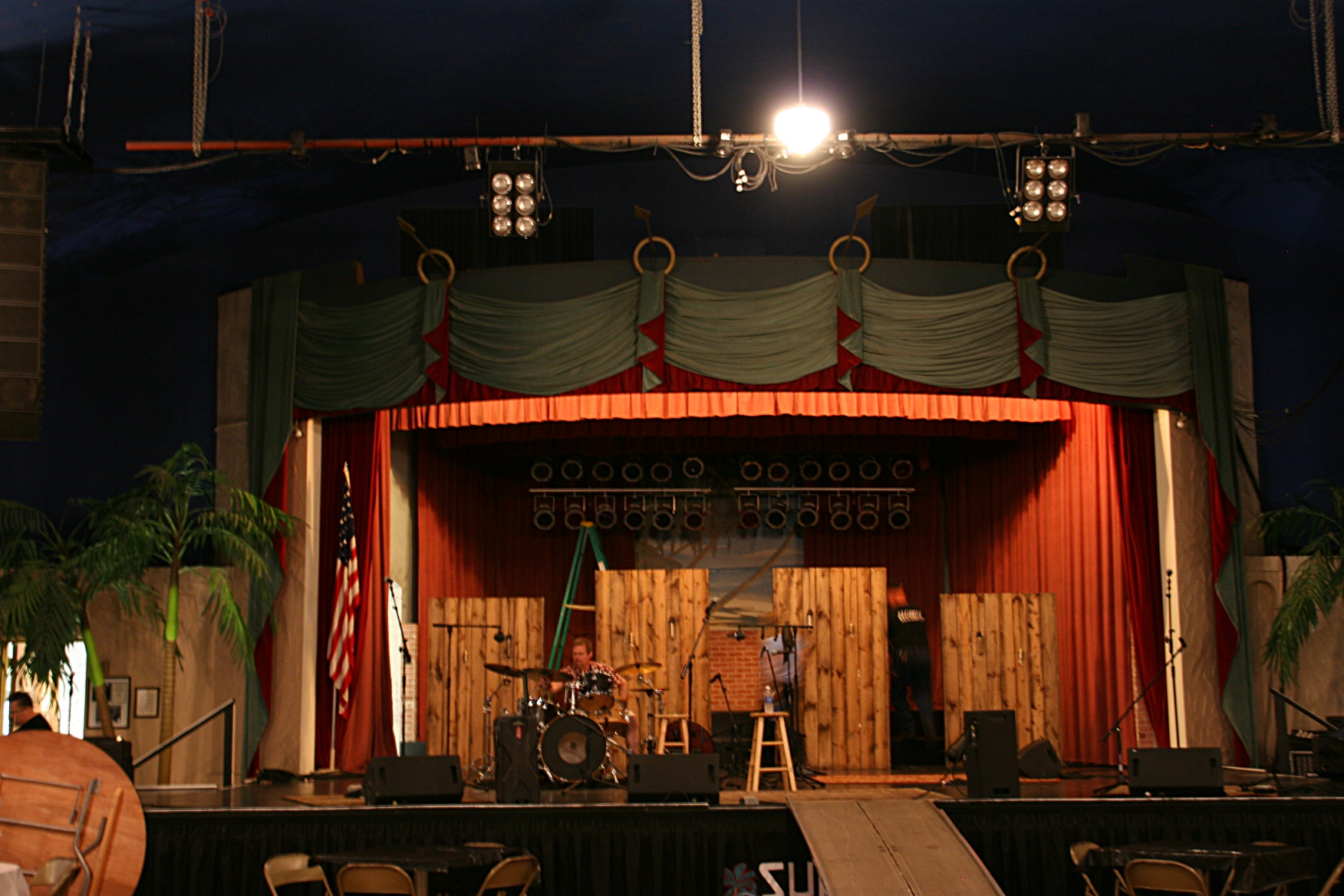
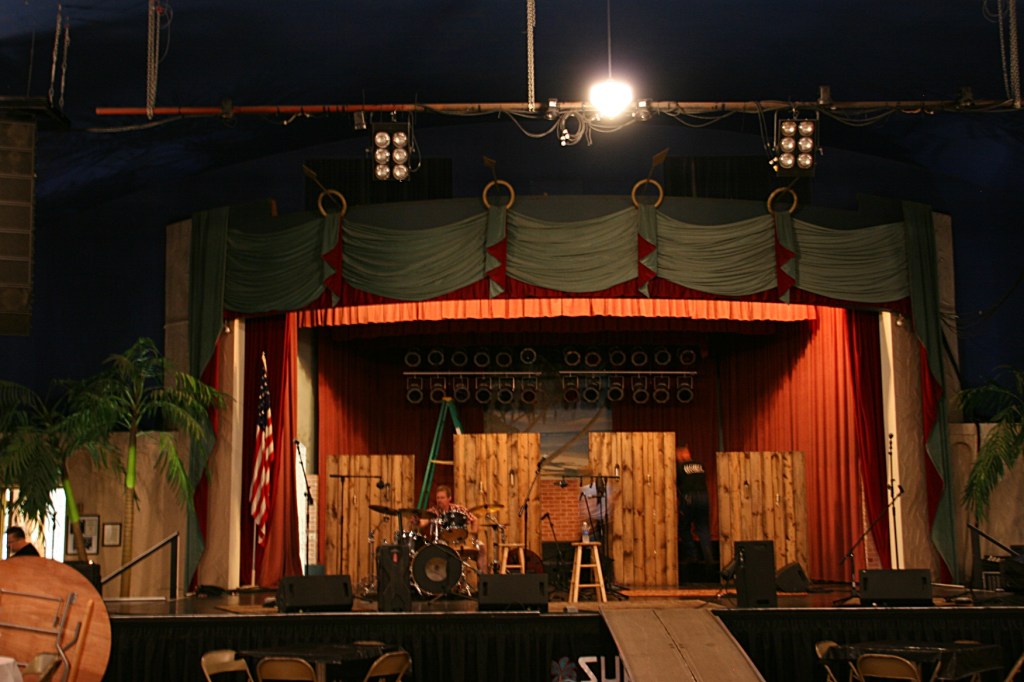
The ballroom stage, where a crew was setting up for a LeeAnn Womack concert during my visit. (Minnesota Prairie Roots copyrighted file photo May 2015)

Ten years have passed since I visited the Surf Ballroom. But nearly every January, I mentally revisit that experience of walking onto the wooden floor of the iconic ballroom and immersing myself in yesteryear. It’s not that I’m a big Buddy Holly fan or even into music all that much. But I can appreciate the significance of this place in rock ‘n roll history.

In the back of the ballroom are layers of booths, all original. (Minnesota Prairie Roots copyrighted file photo May 2015)

The three musicians, plus Dion and the Belmonts, Frankie Sardo, Waylon Jennings, Tommy Allsup and Carl Bunch, were on a 24-day Winter Dance Party tour through Minnesota, Wisconsin and Iowa when they so tragically died. They had been crisscrossing the Midwest in a tour bus, playing in big cities like Milwaukee, Green Bay, St. Paul and Duluth, but also in smaller towns like Montevideo and Mankato in southern Minnesota. That Mankato performance was January 25 at the Kato Ballroom. Following the February 2 gig in Clear Lake, Holly decided to charter a small plane rather than endure the 364-mile bus ride to Moorhead for the next stop on the tour. That decision proved fatal.
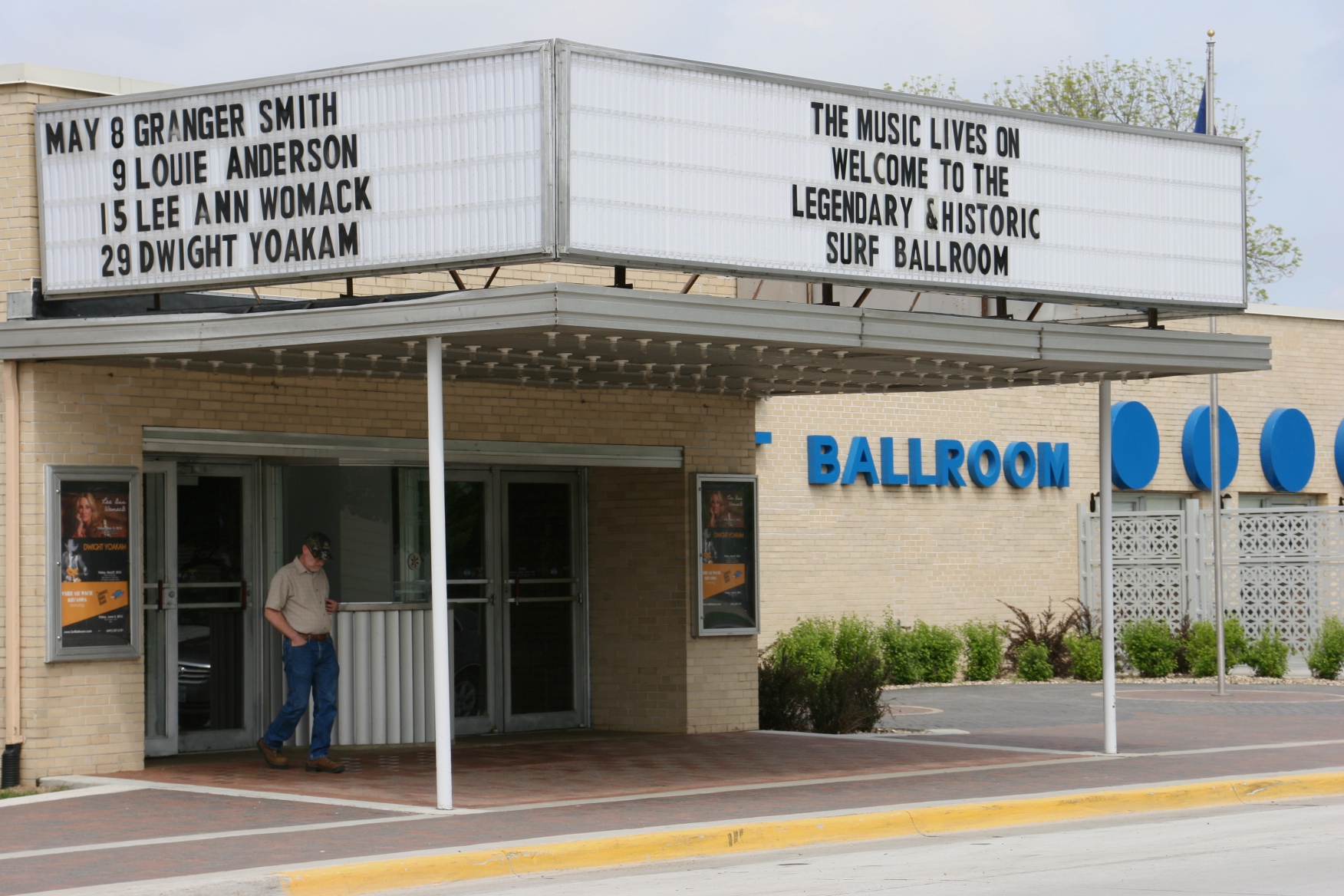
The marquee advertises upcoming events on the day I visited in May 2015. (Minnesota Prairie Roots copyrighted file photo May 2015)

The Winter Dance Party continues to this day at the Surf Ballroom as a way to honor the rock ‘n roll legends. This year’s celebration is January 30 – February 1. Closer to home, the Paradise Center for the Arts in Faribault is hosting “Buddy Holly: Oh Boy!” at 7:30 p.m. Friday, January 31. The next day, Saturday, February 1, the show will be at the State Street Theater in New Ulm at 7 p.m. This is a re-staging of Holly’s Winter Dance Party.
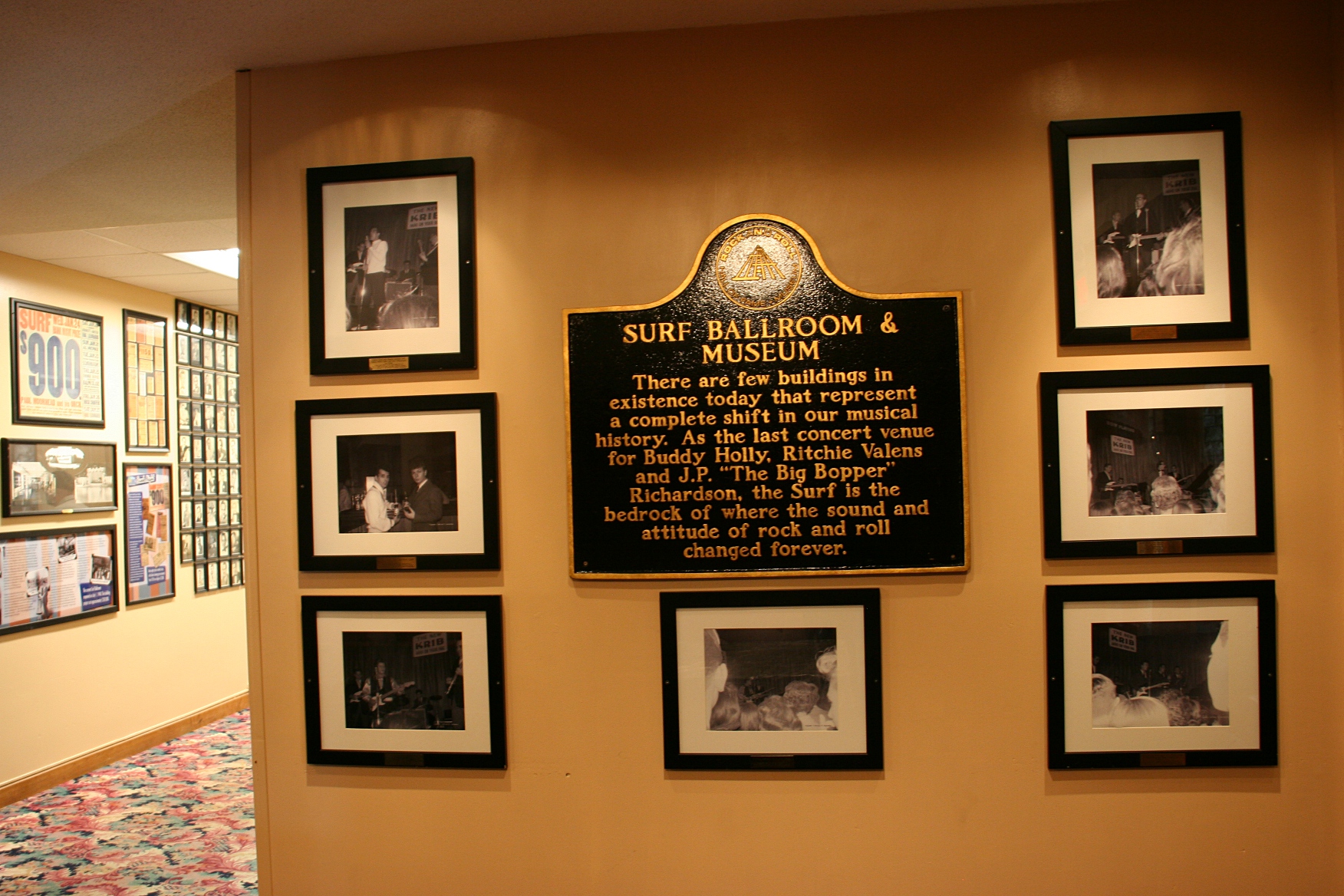
This sign inside the front entry summarizes the importance of the Surf. (Minnesota Prairie Roots copyrighted file photo May 2015)

Whether you’re a fan of Buddy Holly or not, I think it’s important to recognize the significance he held in American rock ‘n roll culture. Music, in many ways, is like an historical account of life. It carries messages, entertains, connects us to memories and events, and touches us emotionally. And when the music died on February 3, 1959, the nation cried.
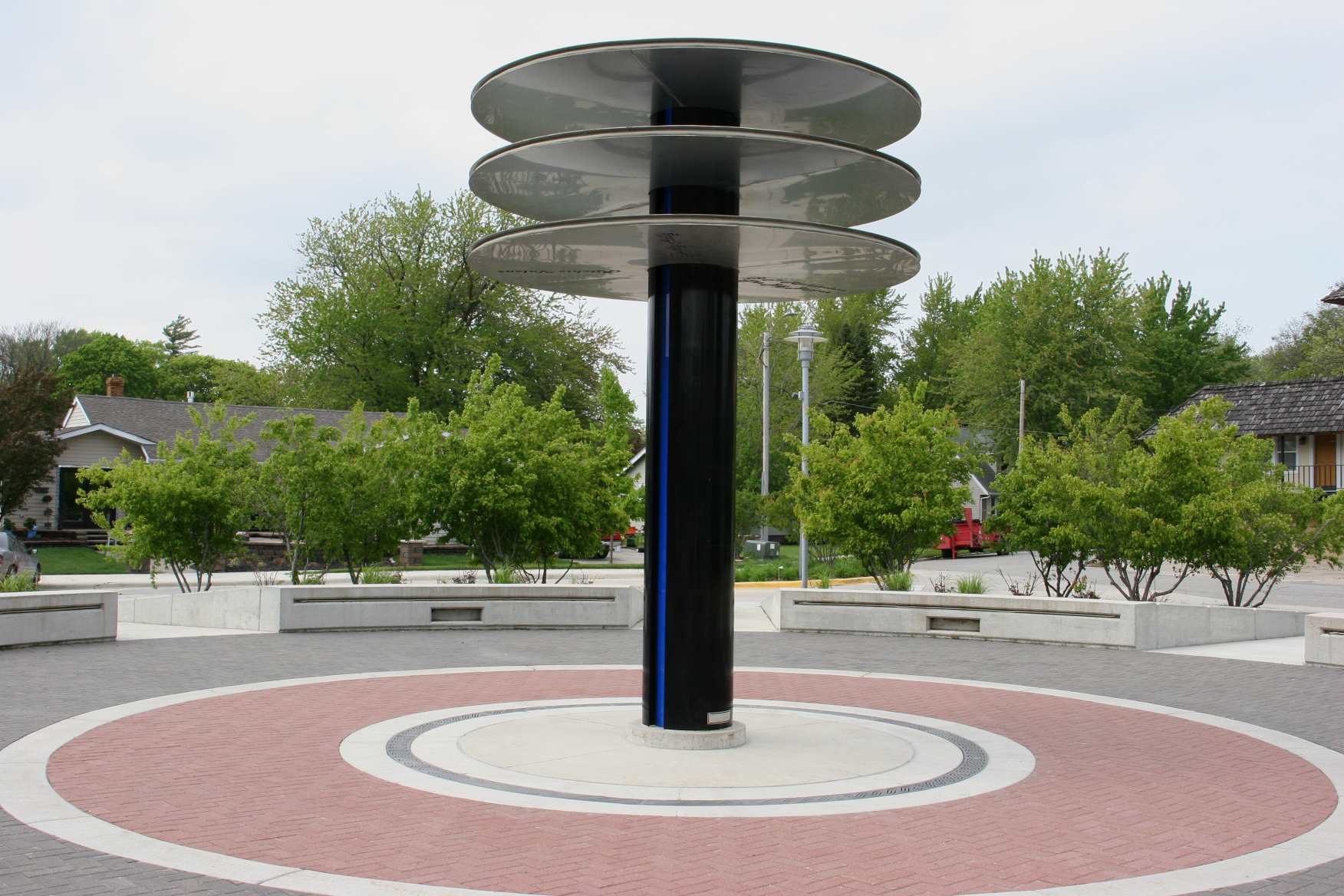
This stacked album sculpture in Three Stars Plaza honors Buddy Holly, Ritchie Valens and J.P. “The Big Bopper” Richardson. (Minnesota Prairie Roots copyrighted file photo May 2015)

FYI: The Surf Ballroom/Museum is open year-round Monday – Friday with additional times during the summer. Always check ahead before visiting as the ballroom can be closed if there’s a rental or concert. Additional related sites are Three Stars Plaza near the Surf and the crash site, about five miles distant.

© Copyright 2025 Audrey Kletscher Helbling


Focus on musicians, the Surf & Clear Lake, Iowa February 7, 2023

Portraits of the deceased musicians grace the Surf Ballroom. (Minnesota Prairie Roots copyrighted file photo May 2015)

I’M SEVERAL DAYS LATE to the party. Yet, it’s worth noting, even after the fact, the importance of February 2 and 3 in music history. On February 2, Buddy Holly, Ritchie Valens, J.P. “The Big Bop” Richardson and other musicians performed at the Surf Ballroom in Clear Lake, Iowa. The next day, the three died, along with the pilot, when their chartered plane crashed in a field near this northern Iowa community. It was, as Don McClean later wrote and sang, “the day the music died.”

A broad view of the massive ballroom which seats 2,100. (Minnesota Prairie Roots copyrighted file photo May 2015)

Each February, Clear Lake commemorates the musicians and celebrates their music at a Winter Dance Party. I’m about 10 years too young to have known these early rock and rollers. But I still appreciate their status in rock and roll, a music genre I definitely embraced as a teen. McClean’s iconic lengthy “American Pie,” which holds meaning well beyond the tragedy in Clear Lake, remains forever imprinted in my memory, like so many other songs of my adolescent years.

In the back are layers of booths, all original. (Minnesota Prairie Roots copyrighted file photo May 2015)

In mid-May 2015, Randy and I traveled to Clear Lake, just an hour and 15 minutes from Faribault across the Iowa border along Interstate 35. We toured the Surf, but because of rain, did not walk to the crash site. The sprawling ballroom is worth visiting for the history it holds and simply for its ballroom of yesteryear appeal. Retaining its original ocean beach club theme (yes, in rural Iowa nowhere near an ocean), built-in wooden booths and a hardwood floor, this music venue feels like a step back in time. Simply put, I felt like I could have brought a whiskey bottle in a brown paper bag, ordered a set-up and settled in for an evening of dancing and fun.

This display references “American Pie.” (Minnesota Prairie Roots copyrighted file photo May 2015)

Even if you’re like me, not too knowledgeable about music, the Surf will draw you into the music of the era with posters and historical information. But mostly, it’s about being there, about feeling the music that was made, and continues to be made, here.

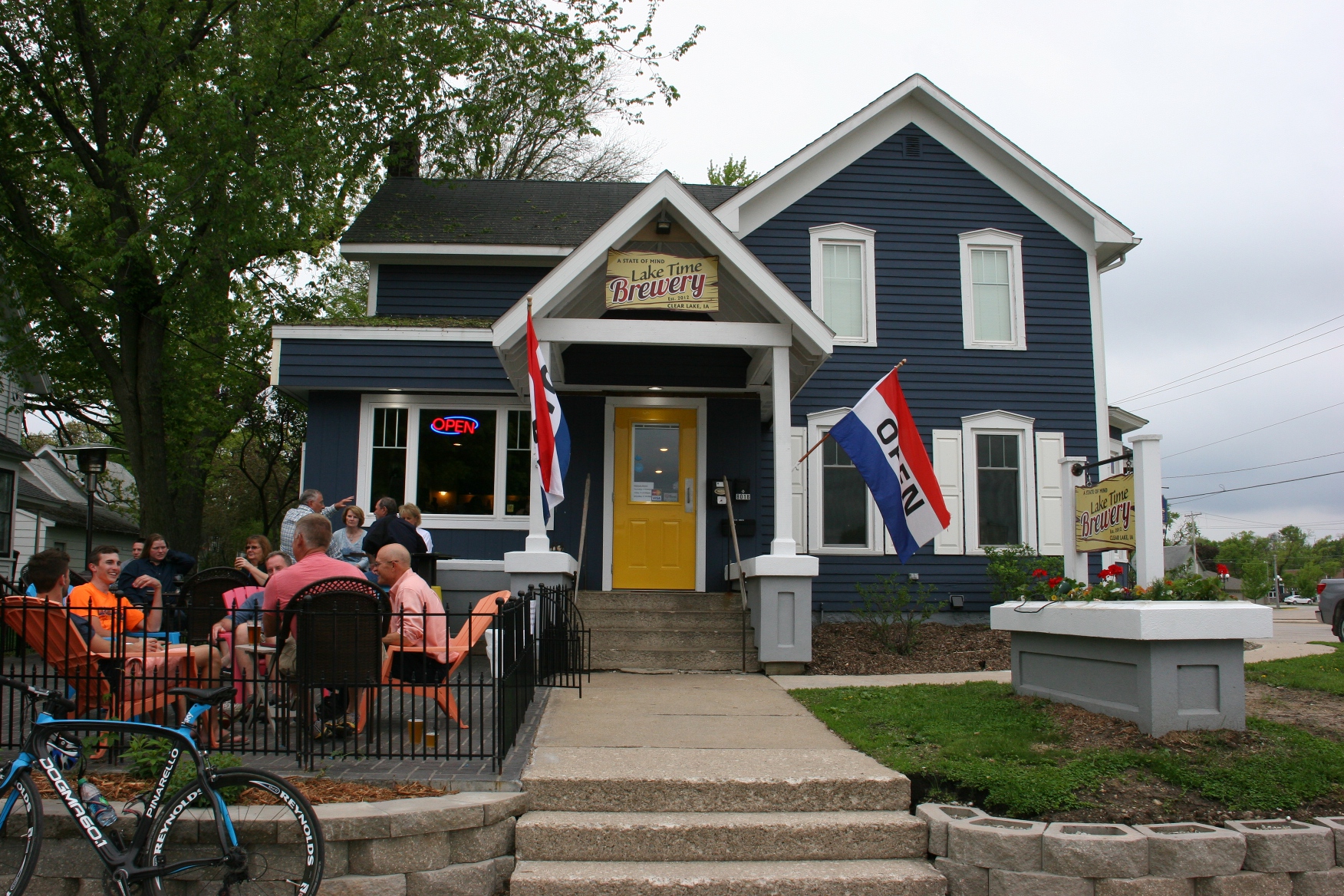
Lake Time Brewery, a great place to converse with the locals. (Minnesota Prairie Roots copyrighted file photo May 2015)

Clear Lake is one of those small towns that appeals to me. Art and history and eats and drink and natural beauty and homegrown shops and much more make this a must-visit Iowa community. Randy and I are already thinking about a return trip there this summer. On our list of places to revisit is Lake Time Brewery. There we met Connie, Nancy, Chris and “They Call Me Norm.” What a welcoming bunch, exactly the type of connection we hope to make when visiting a place. We still reminisce about enjoying craft beer with locals on the Lake Time patio on a lovely May evening.

A public dock in Clear Lake. (Minnesota Prairie Roots copyrighted file photo May 2015)

These are my thoughts as I reflect on the tragic deaths on February 3, 1959, outside Clear Lake, Iowa, so far from the ocean yet so near.

TELL ME: Have you been to the Surf Ballroom in Clear Lake?

© Copyright 2023 Audrey Kletscher Helbling


“The day the music died” February 3, 2022

Portraits of the deceased musicians inside the Surf Ballroom. (Minnesota Prairie Roots copyrighted file photo May 2015)

SIXTY-THREE YEARS AGO TODAY, the music died. On February 3, 1959, three musicians—Buddy Holly, Ritchie Valens and J.P. “The Big Bopper” Richardson—and a pilot died in a plane crash near Clear Lake, Iowa. It was, and remains, a monumental moment in American music history.

A broad view of this massive ballroom which seats 2,100. (Minnesota Prairie Roots copyrighted file photo May 2015)

Today the Surf Ballroom in Clear Lake still hosts a Winter Dance Party honoring the musicians who performed their final concert there on February 2, 1959. Early the next morning en route to Moorhead, Minnesota, the charter flight carrying the rock-n-roll musicians crashed in a field near Clear Lake in northern Iowa.

This display references “American Pie.” (Minnesota Prairie Roots copyrighted file photo May 2015)

In 2015, Randy and I traveled an hour and 15 minutes south of Faribault along Interstate 35 to Clear Lake, where we toured the Surf. We were mere preschoolers when Holly and the others died. But the story of this tragedy imprinted upon us as teens, when Don McLean released his hit, “American Pie,” in 1971. How well I remember that tribute, the lyrics, the length of the nearly 8.5-minute song.

The ballroom stage. (Minnesota Prairie Roots copyrighted file photo May 2015)

While in Clear Lake on that May day seven years ago, we didn’t visit the crash site. Rain kept us away. But we certainly enjoyed our tour of the historic ballroom, site to many concerts from greats such as Duke Ellington, Lawrence Welk, the Beach Boys, the Doobie Brothers… The posters and photos, the aged booths, the stage and dance floor, all pay homage to the past, when ballrooms centered entertainment. The Surf, on the National Register of Historic Places and a designated National Historic Landmark, represents another time, another era, not simply a concert venue.

This sign summarizes the importance of the Surf. (Minnesota Prairie Roots copyrighted file photo May 2015)

Today I celebrate music and those who create it, past and present. Music enriches our lives beyond entertainment. Music, in many ways, writes like poetry into our hearts, souls and memories. And this February day, I honor the memories of Buddy Holly, Ritchie Valens and J.P. Richardson, as I consider “the day the music died.”

#

TELL ME: Have you toured the Surf Ballroom or the crash site? Or do you have music memories of Holly, Valens and Richardson that you’d like to share?

FYI: To see more photos and stories from my visit to Clear Lake, Iowa, please click here.

© Copyright 2022 Audrey Kletscher Helbling


The day the music died February 1, 2019

A broad view of this massive ballroom which seats 2,100. Minnesota Prairie Roots file photo June 2015.


SIXTY YEARS AGO ON FEBRUARY 3, a charter plane crashed into a northern Iowa field killing all aboard. It was, they say, the day the music died.


Portraits of the deceased musicians. Minnesota Prairie Roots file photo June 2015.


Dead were rising musicians Buddy Holly, Ritchie Valens and J.P. “The Big Bopper” Richardson.


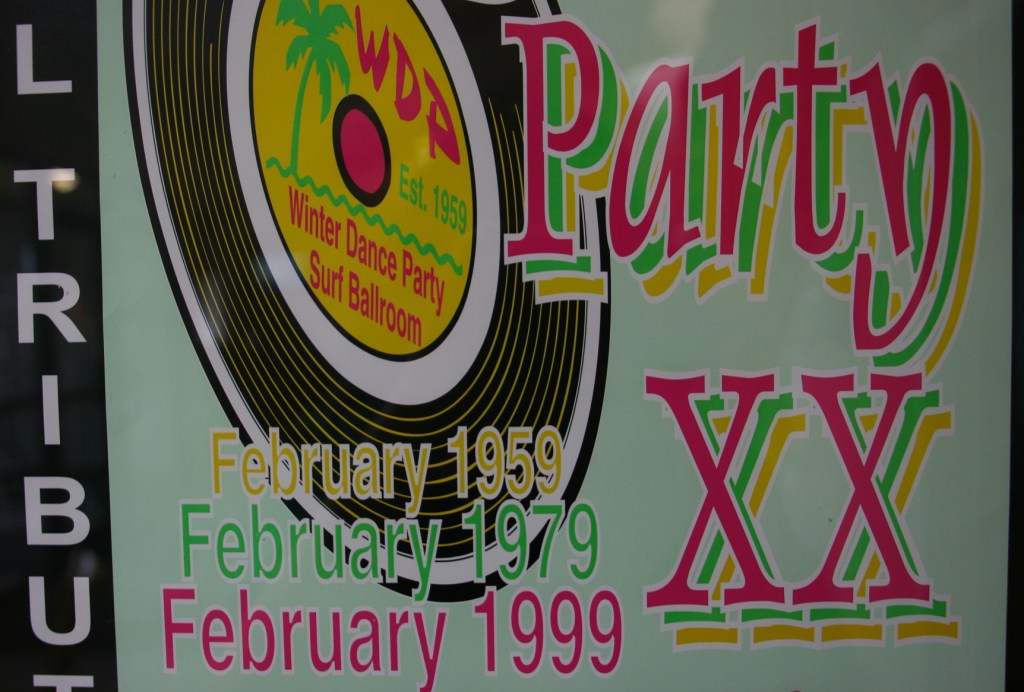
All around Clear Lake, you’ll see posters from the annual Winter Dance Party at the Surf Ballroom. I found this one at the AmericInn Hotel. Minnesota Prairie Roots file photo June 2015.


This weekend the Surf Ballroom in Clear Lake, Iowa, continues its Winter Dance Party honoring those singers who performed there before that fatal flight en route to Moorhead, Minnesota.


The ballroom stage. Minnesota Prairie Roots file photo June 2015.


Several years ago I visited Clear Lake, a delightful lakeside community just across the border from Minnesota. That trip included a stop at the Surf Ballroom. My knowledge of the famed musicians and of music in general is rather limited. But I do remember Don McLean’s lengthy American Pie hit from 1971 with that repetitious the day the music died. That line references the deaths of Holly, Valens and Richardson. I never understood that as a teen. I simply liked the melody, puzzled by the words.


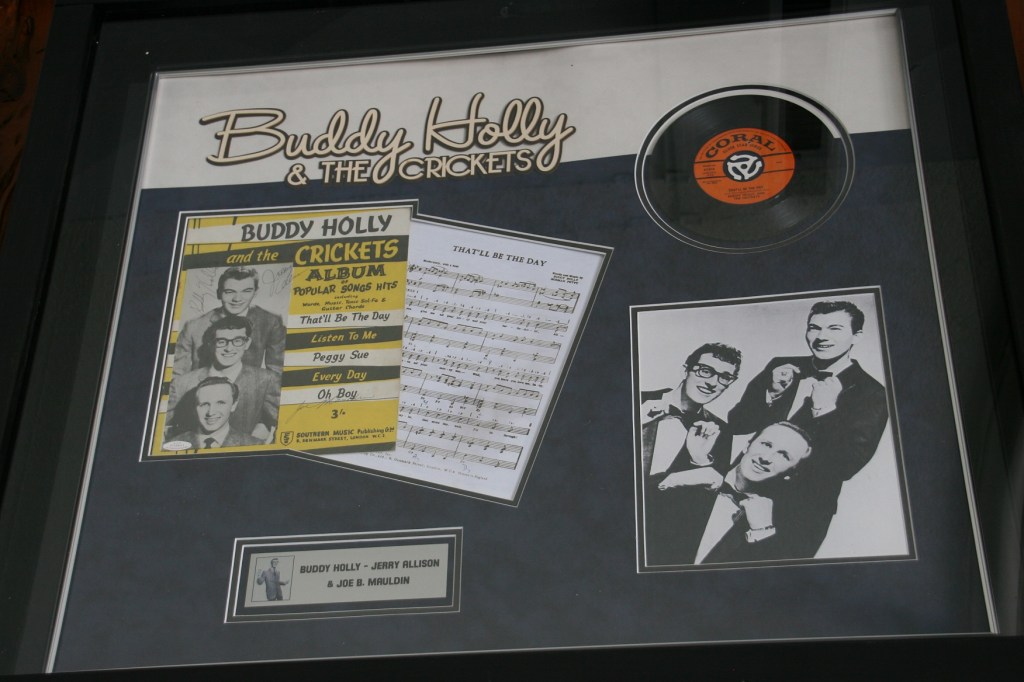
Another tribute to the Surf’s most memorable performer, rock and roll legend Buddy Holly. Minnesota Prairie Roots file photo June 2015.


I am of that era when rock and roll represented rebellion with young people challenging societal norms and authority, voicing their opinions via music. It was a time of turmoil in many ways. A time of change.


This display references American Pie. Minnesota Prairie Roots file photo June 2015.


The February day the trio of musicians died in 1959 in Iowa really wasn’t the day the music died. Rather, rock and roll continued to rise, flying, soaring, reaching new heights of popularity.

THOUGHTS?


TO READ MY ORIGINAL POST on the Surf Ballroom, complete with more photos, click here.

© Copyright 2019 Audrey Kletscher Helbling