
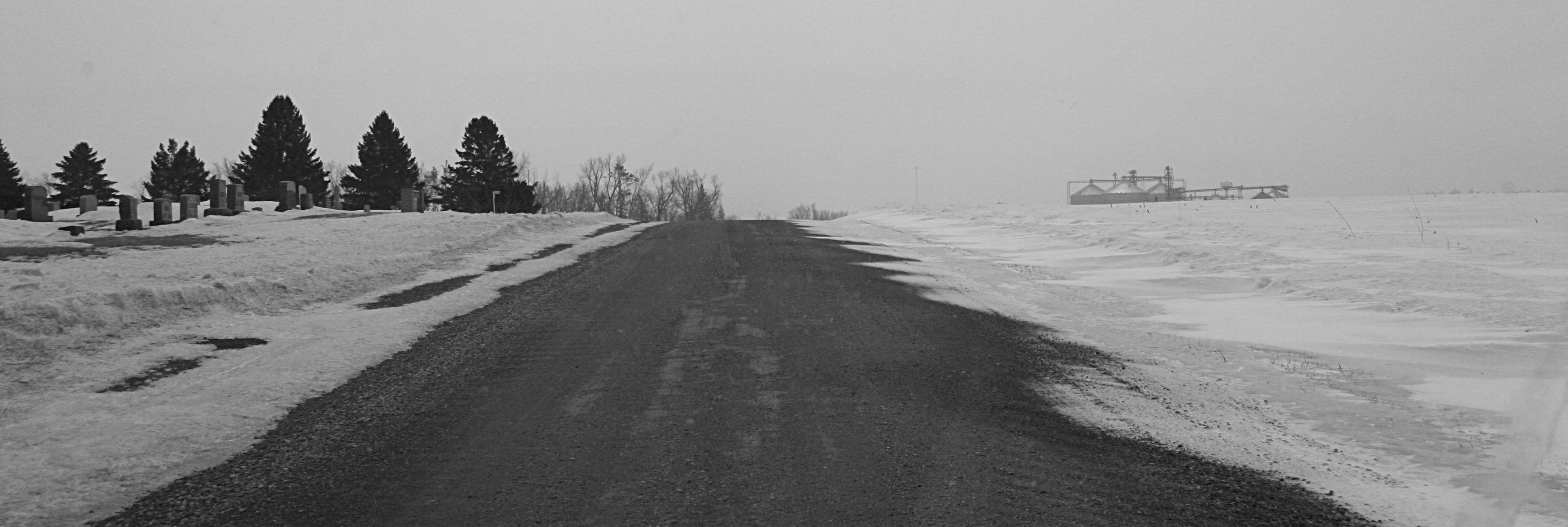
To the left lies the Vesta City Cemetery, where my father, grandparents and other family members are buried. In the distance you can see the grain elevator complex in my hometown.
AS A YOUNG GIRL, I remember fearing cemeteries, that place where my paternal grandpa was laid to rest atop a rare prairie hill when I was just nine.

A historical marker in the Holden Lutheran Church Cemetery, rural Kenyon.
But my view of cemeteries has evolved over the years so that today I see these earthly resting spots as places of faith, art, history and personal stories.
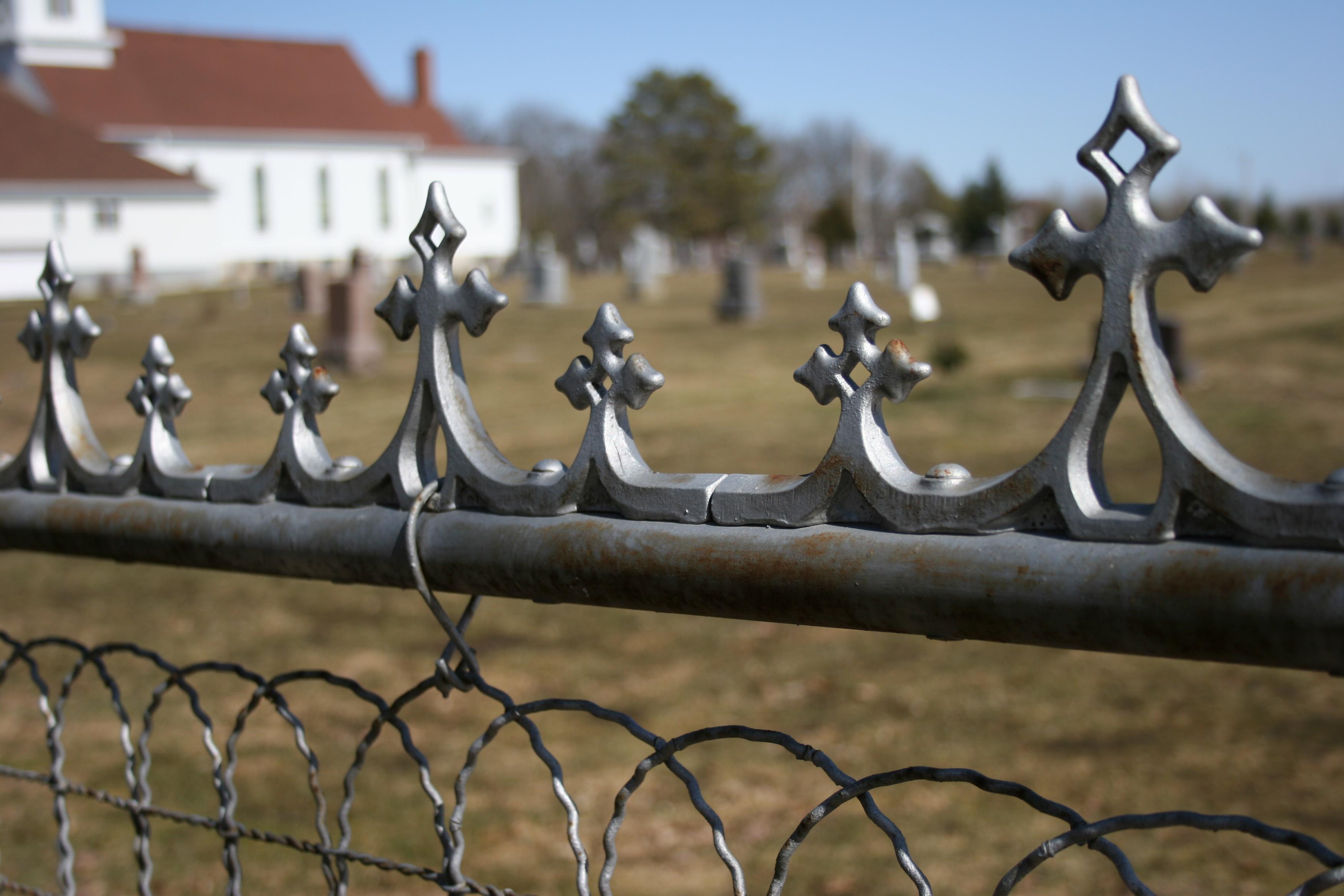
A fence surrounds the Urland Lutheran Church Cemetery in the Sogn Valley area.
I no longer focus on the bones buried beneath my feet or the newly-departed lying under a heaped mound of dirt. Rather, I find myself reading tombstones, marveling at carved stone, wondering about the lives of those who lie within the often fenced boundaries of graveyards.
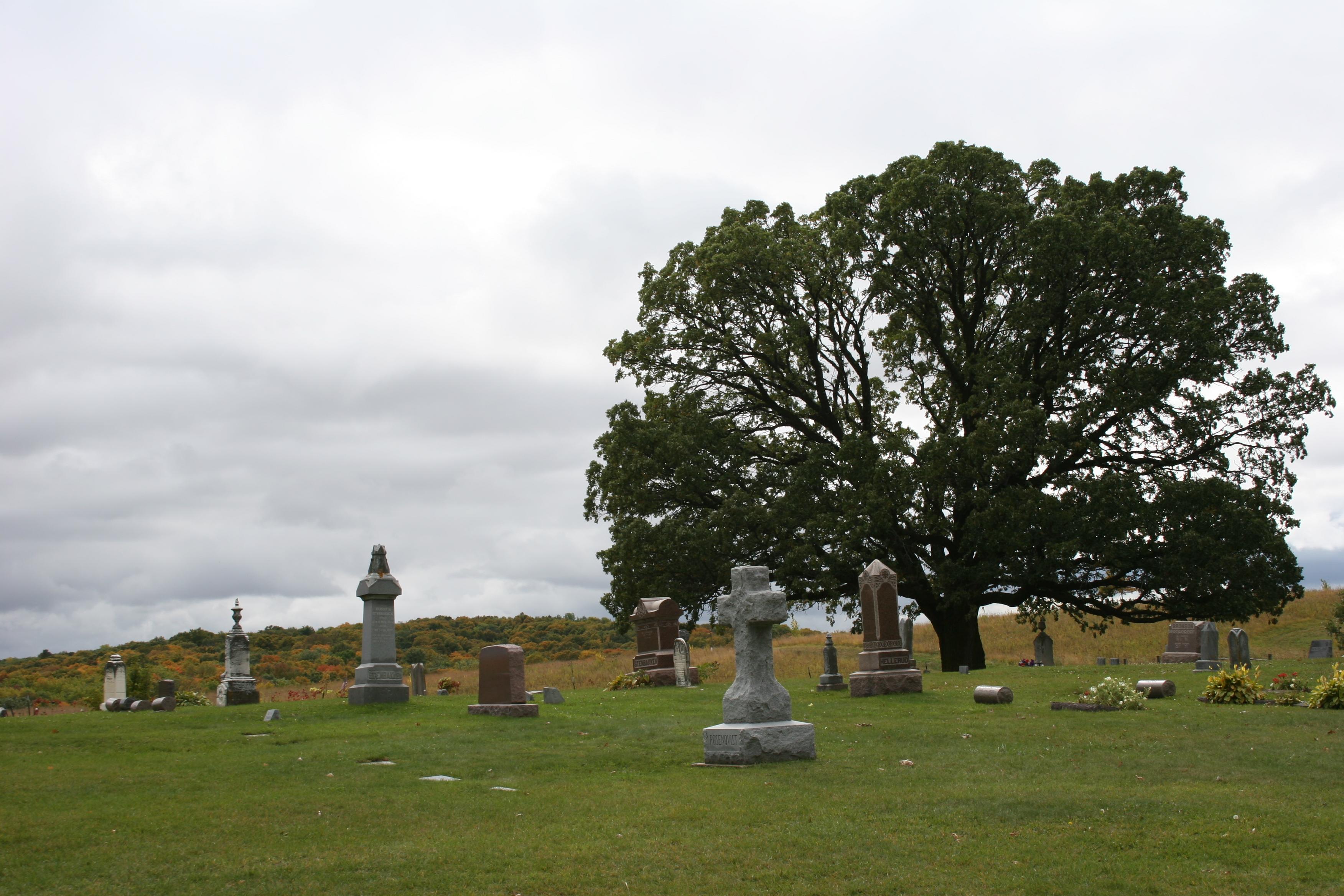
The picturesque Valley Grove Church Cemetery near Nerstrand Big Woods State Park.
In particular, I am drawn to country cemeteries that my husband and I happen upon during leisurely Sunday afternoon drives in rural Minnesota.
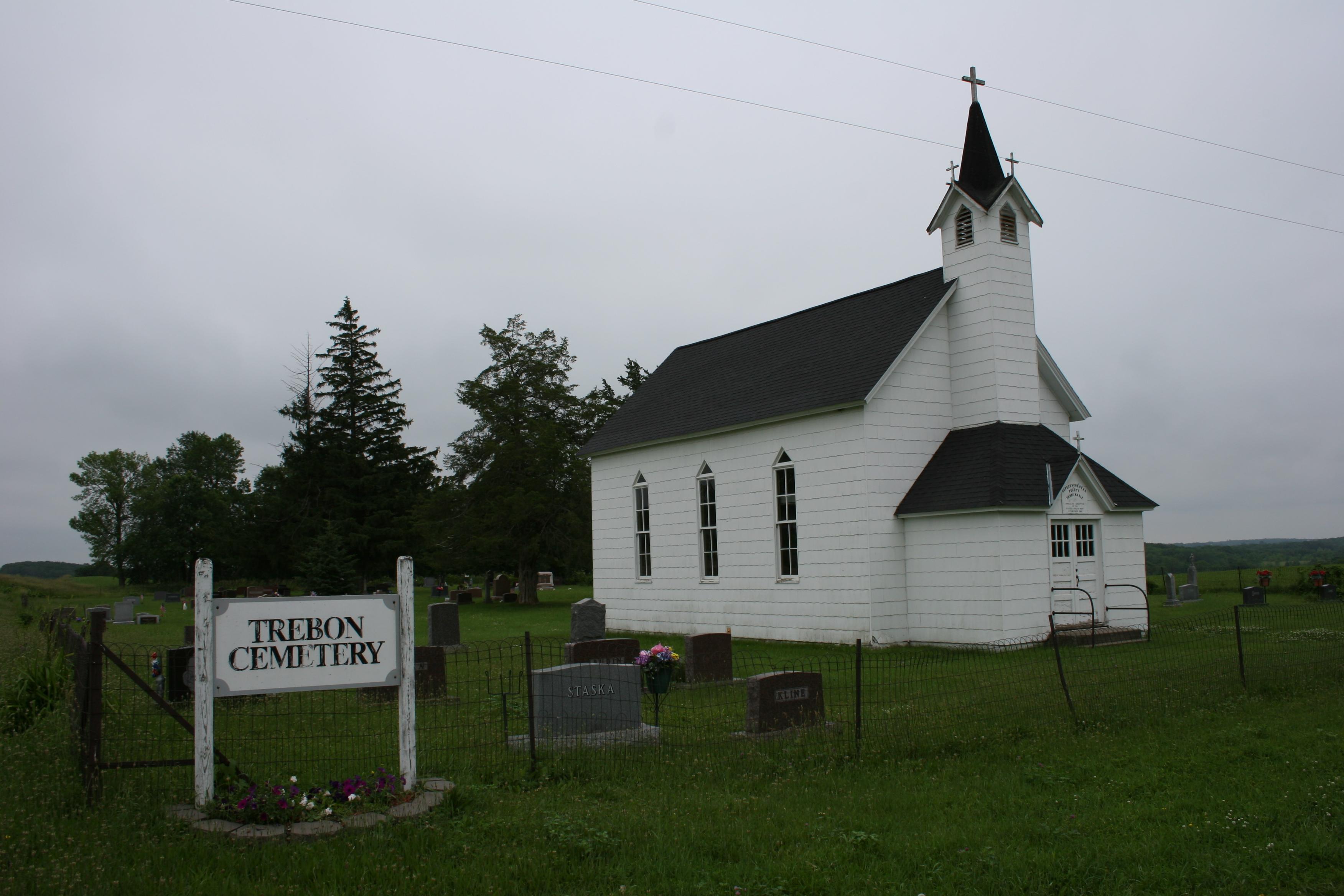
Northwest of Faribault in Shieldsville Township sits the historic Immaculate Conception of the Blessed Virgin Mary Church and the adjoining Trebon Cemetery.
Spot a spire spearing the sky and we typically find a cemetery tucked behind or aside the church. Convenient and comforting.
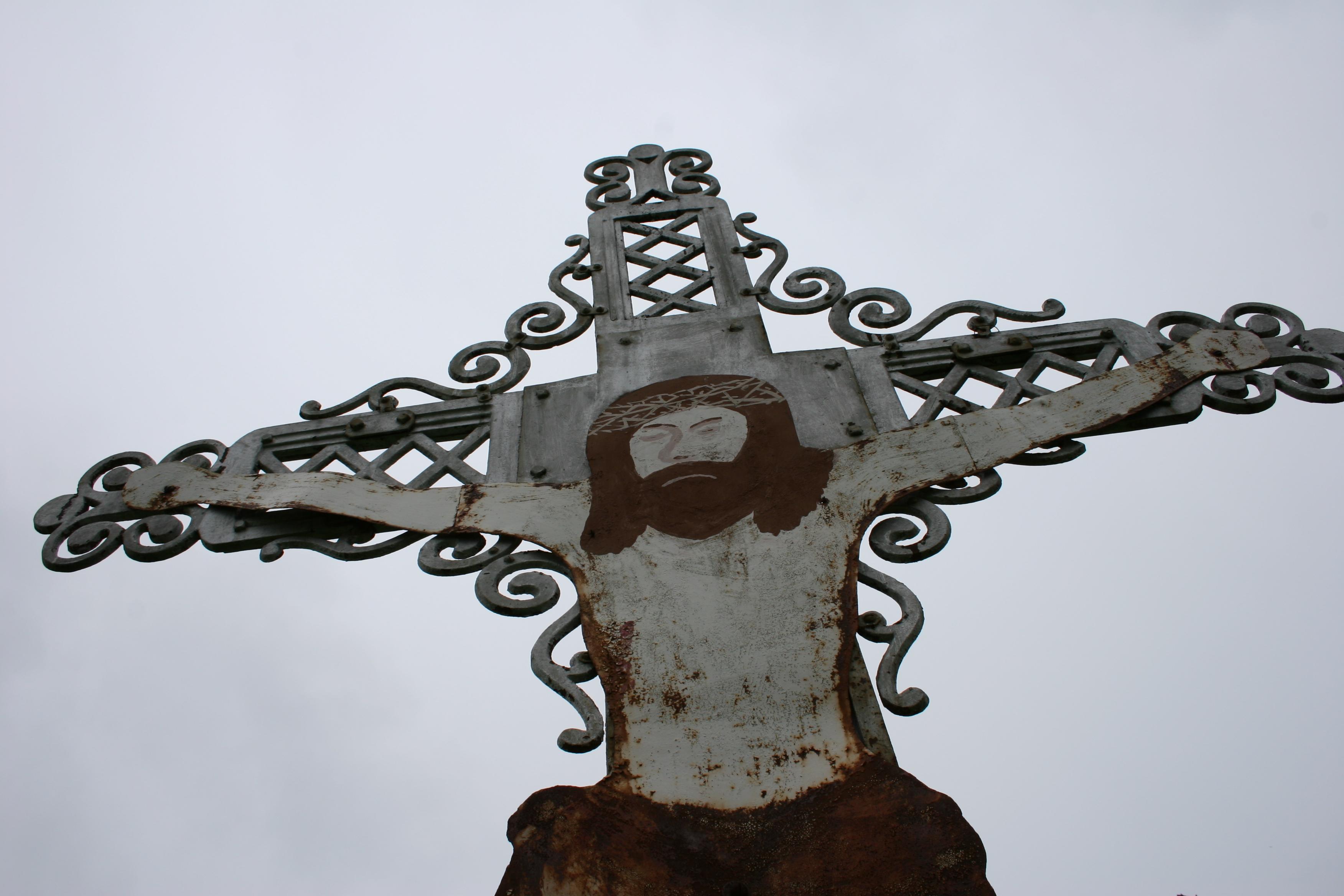
Folk art in the Trebon Cemetery honors Christ and the deceased.
During this Holy Week, when Christians worldwide focus on reflection and repentance and the suffering and crucifixion of Christ, it seems fitting to revisit some of the Minnesota cemeteries I’ve explored.
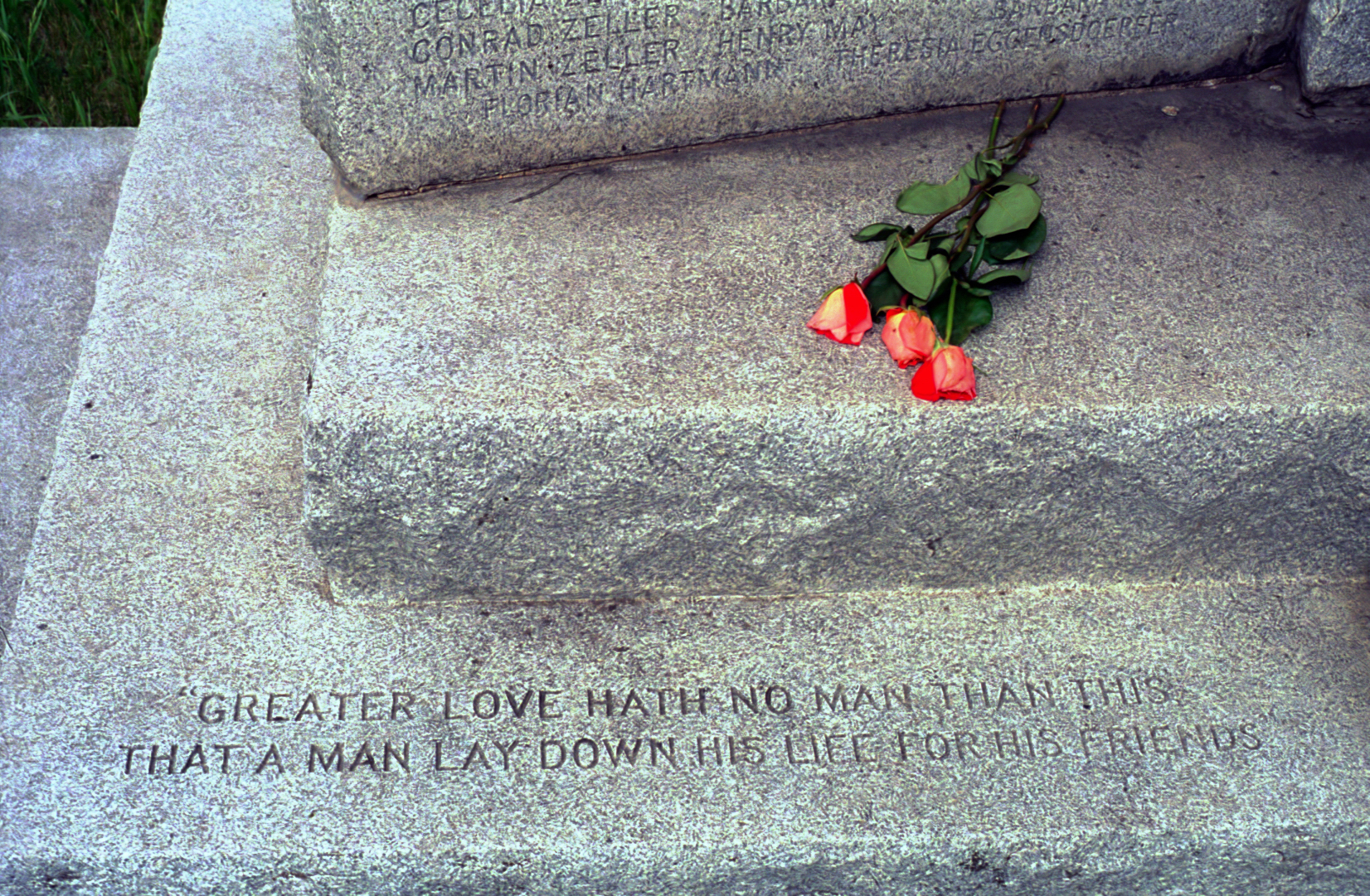
Just west of New Ulm, at a memorial honoring Milford settlers who died in the U.S.-Dakota War of 1862, roses were placed on the marker on Memorial Day weekend 2006.
There is much to learn here about those who went before us—those we loved and those we never knew.
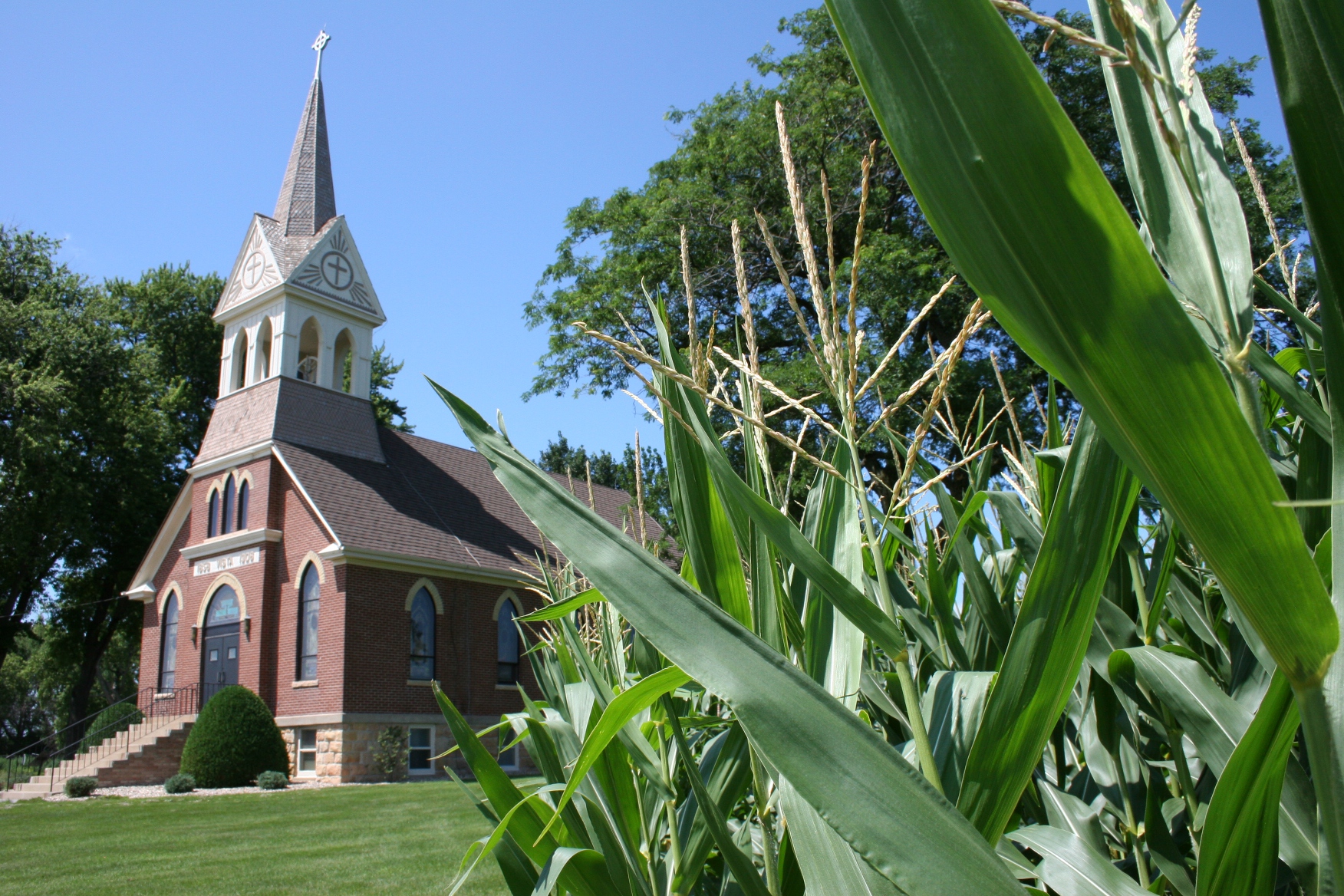
Fields and a cemetery embrace many country churches like Vista Evangelical Lutheran Church in southern Minnesota.

Words to ponder at a cemetery in Theilman in southeastern Minnesota.
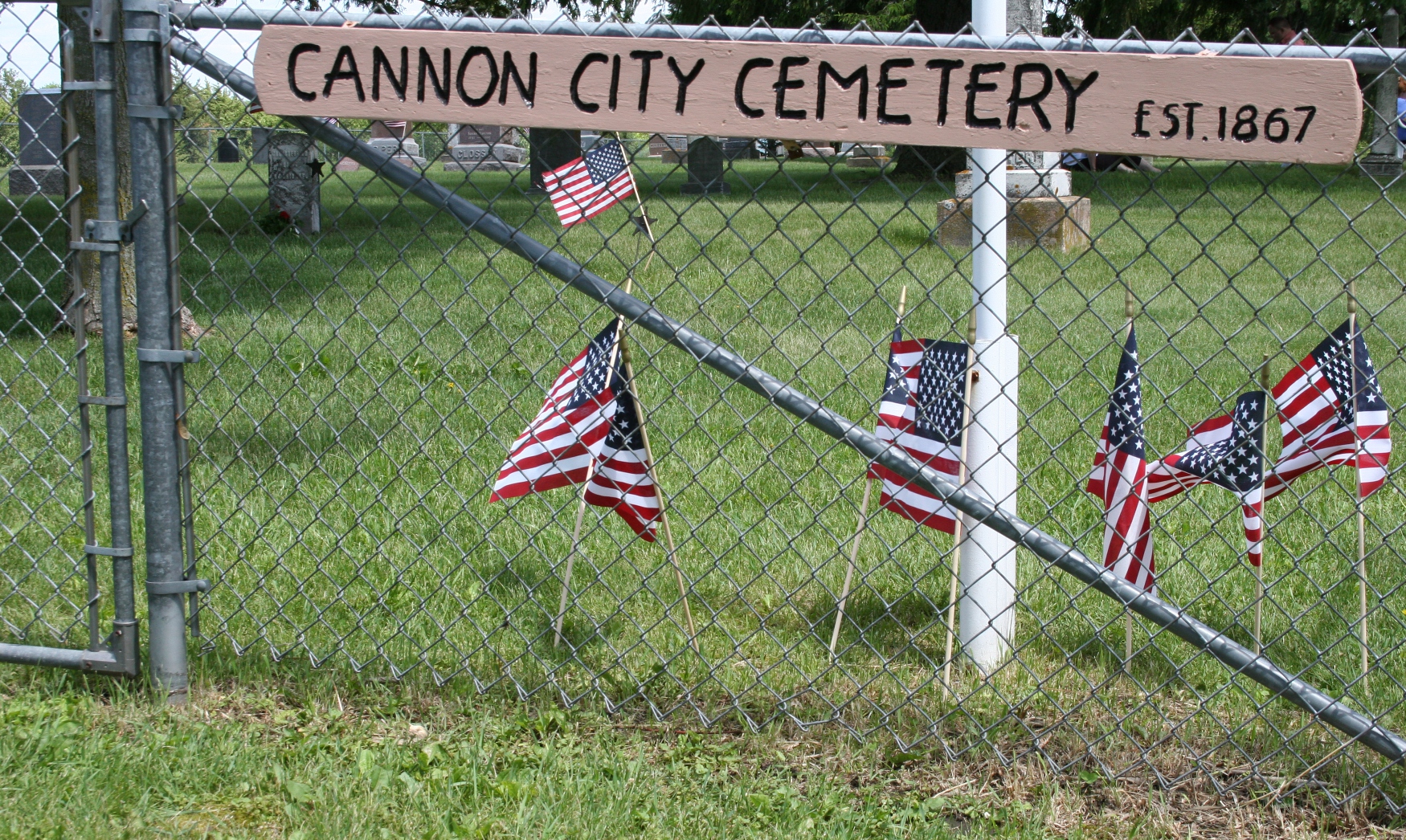
Handcrafted signs like this one in Cannon City (near Faribault) grace some rural cemeteries.
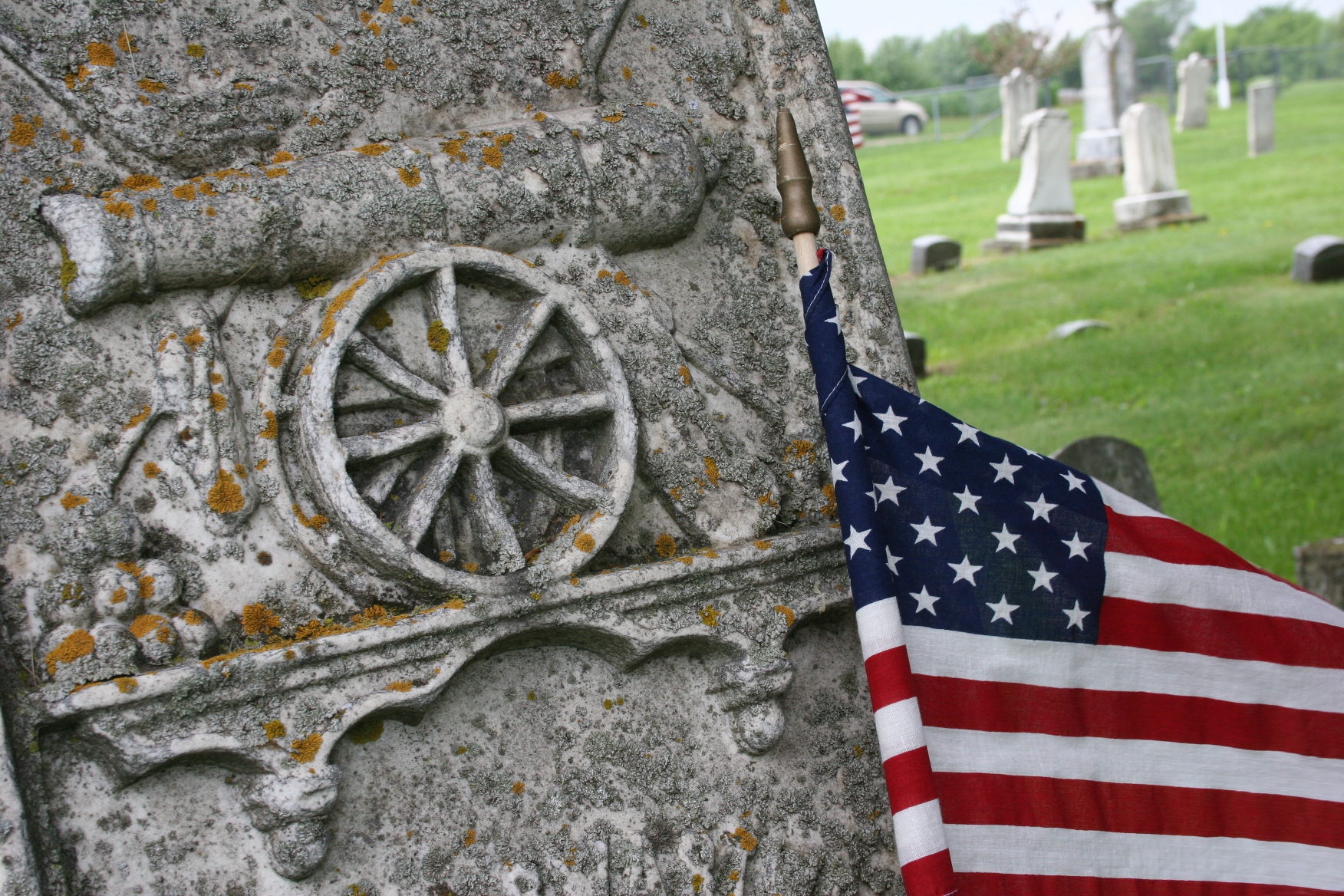
An art appropriate cannon marks a Civil War Veteran’s tombstone in the Cannon City Cemetery.
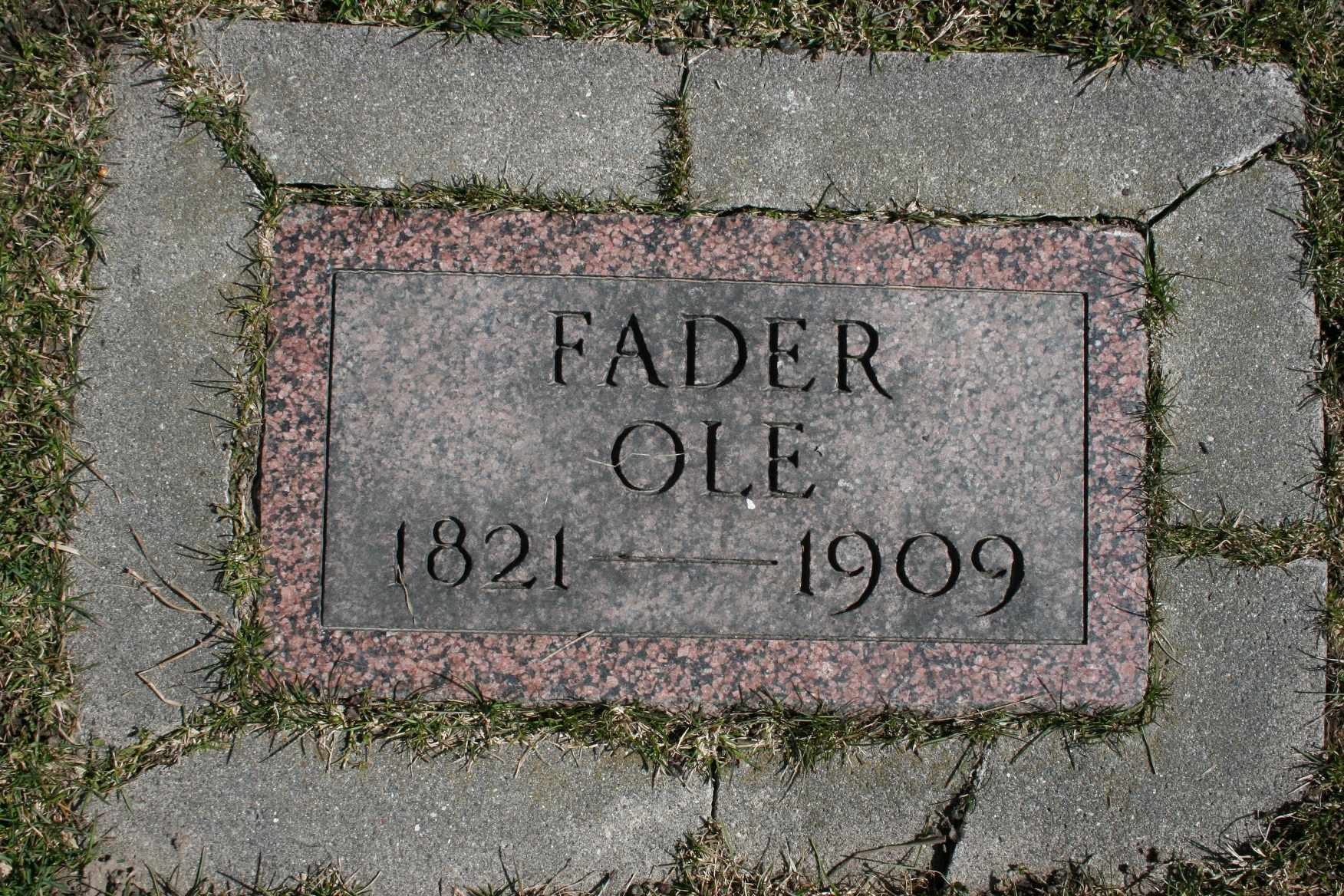
A simple grave marker in the Urland Lutheran Church Cemetery.
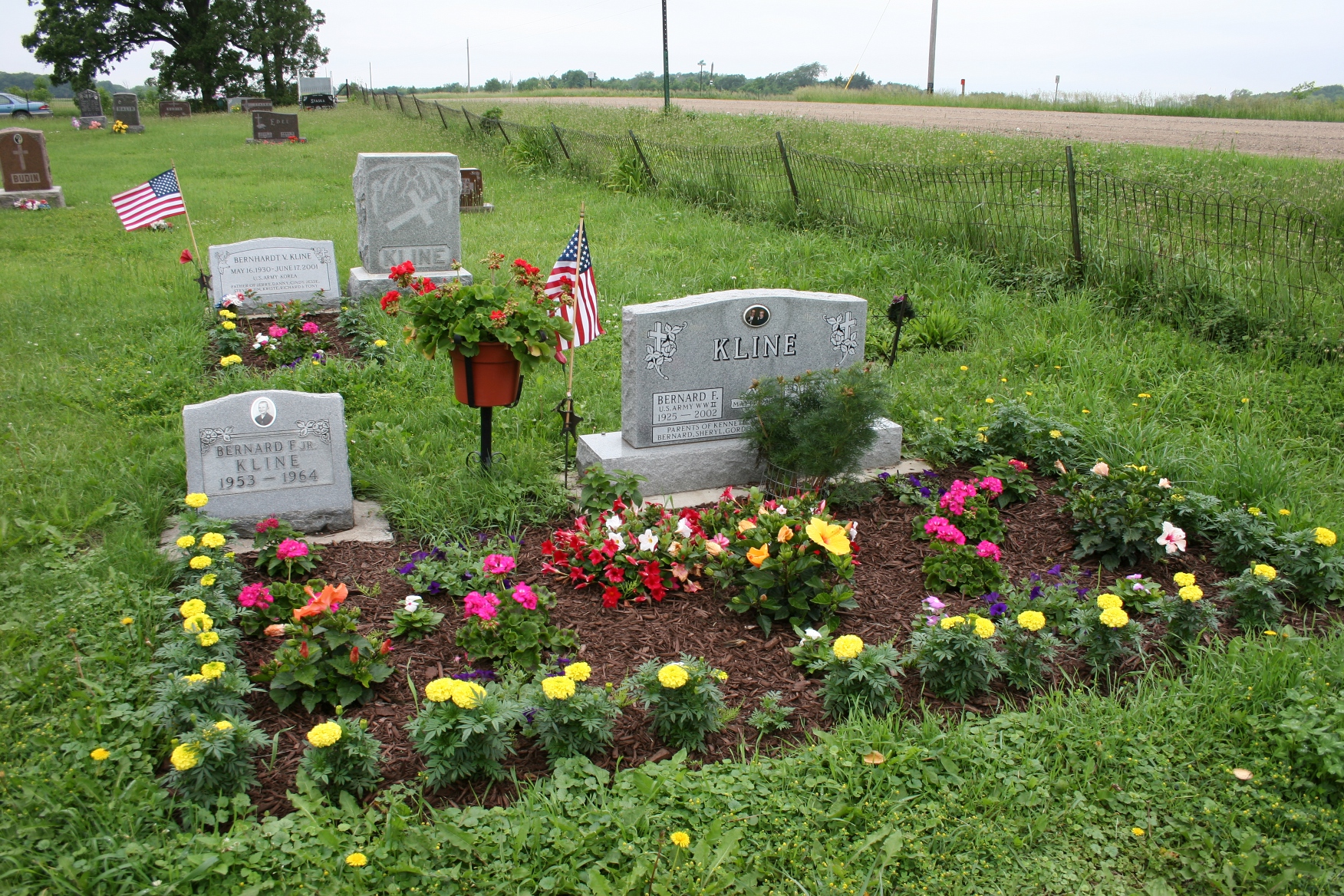
A well-tended family plot in the Trebon Cemetery.
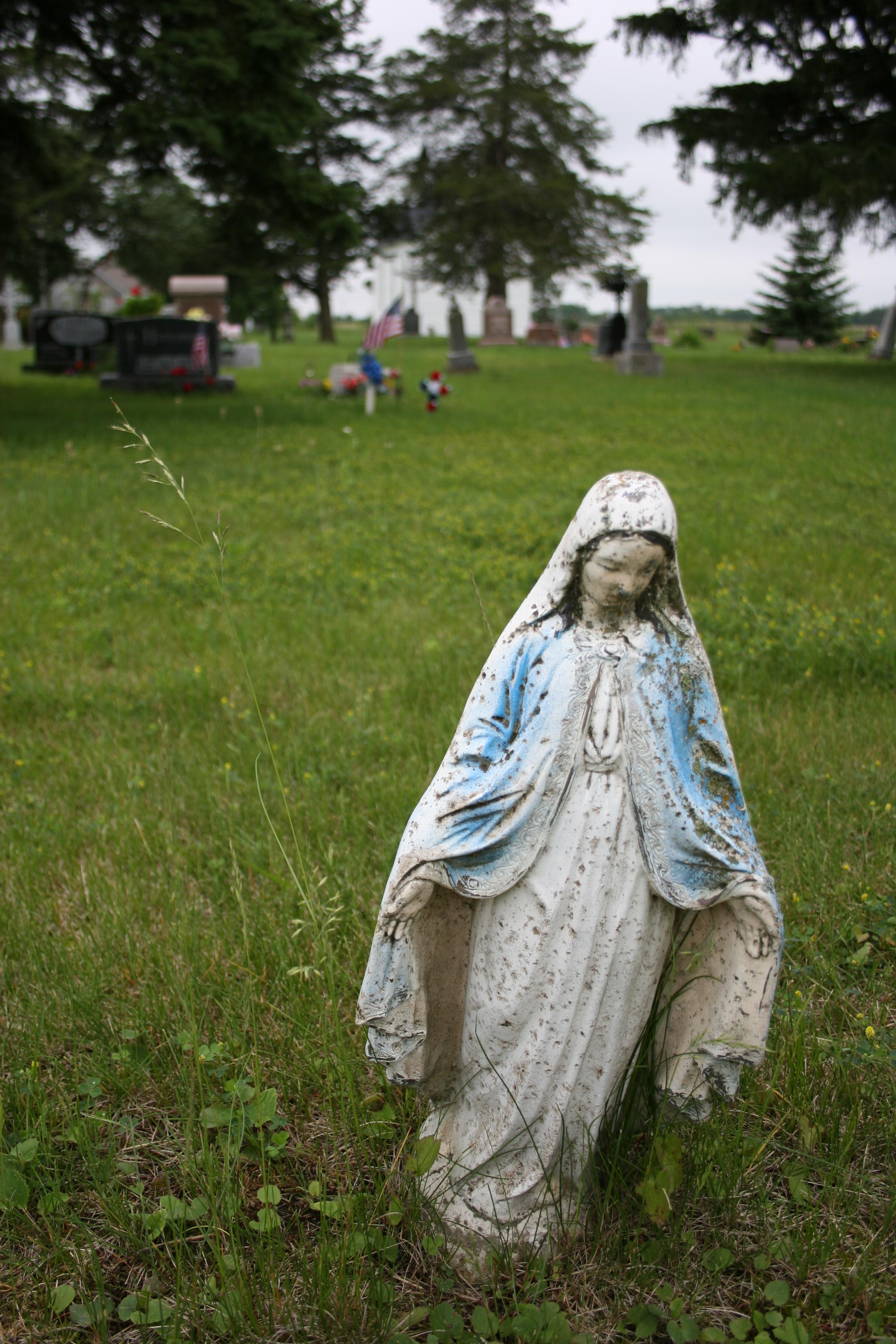
A compelling statue of the Virgin Mary in Trebon Cemetery.
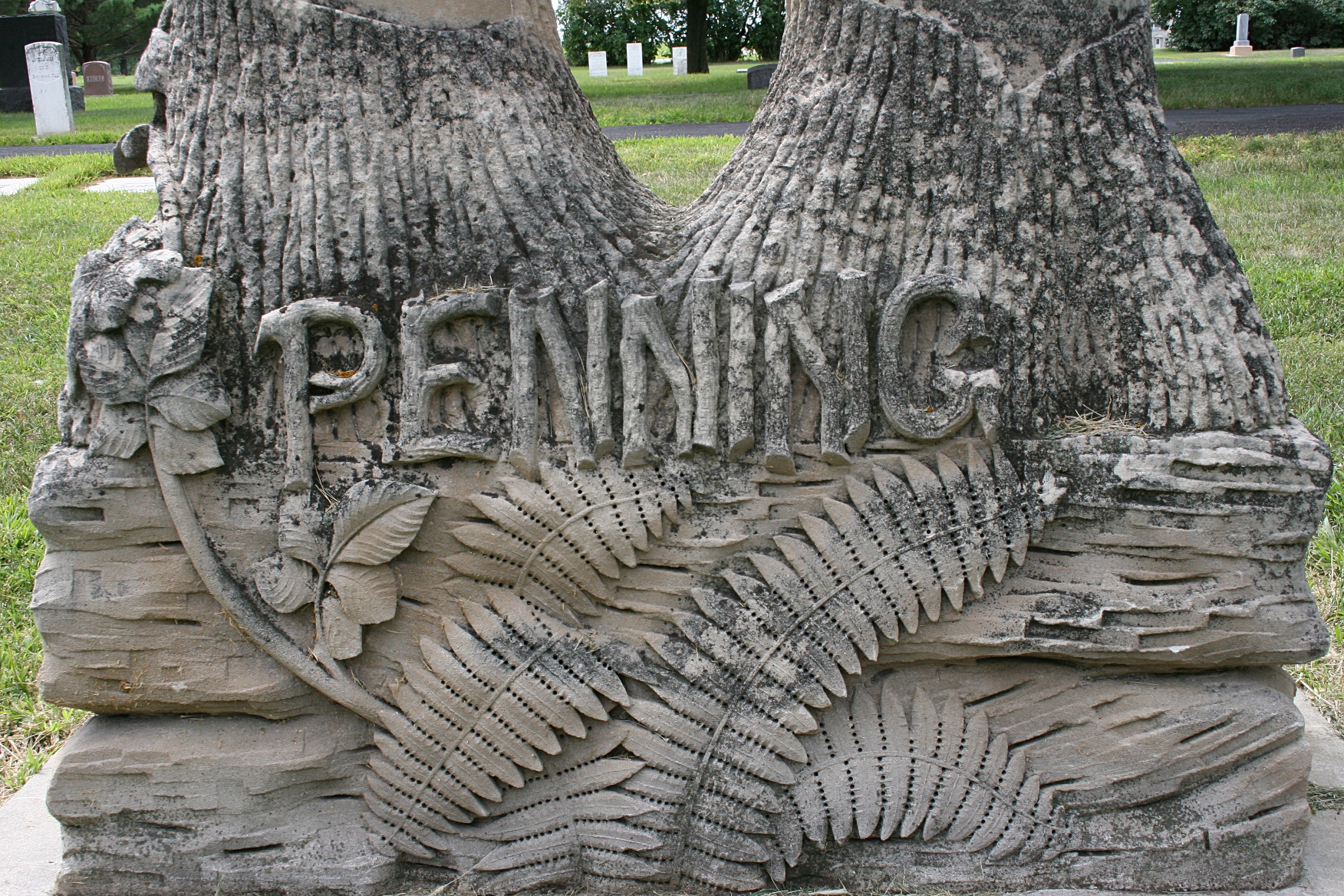
A beautiful nature-themed tombstone rests in a cemetery on the west side of New Ulm.
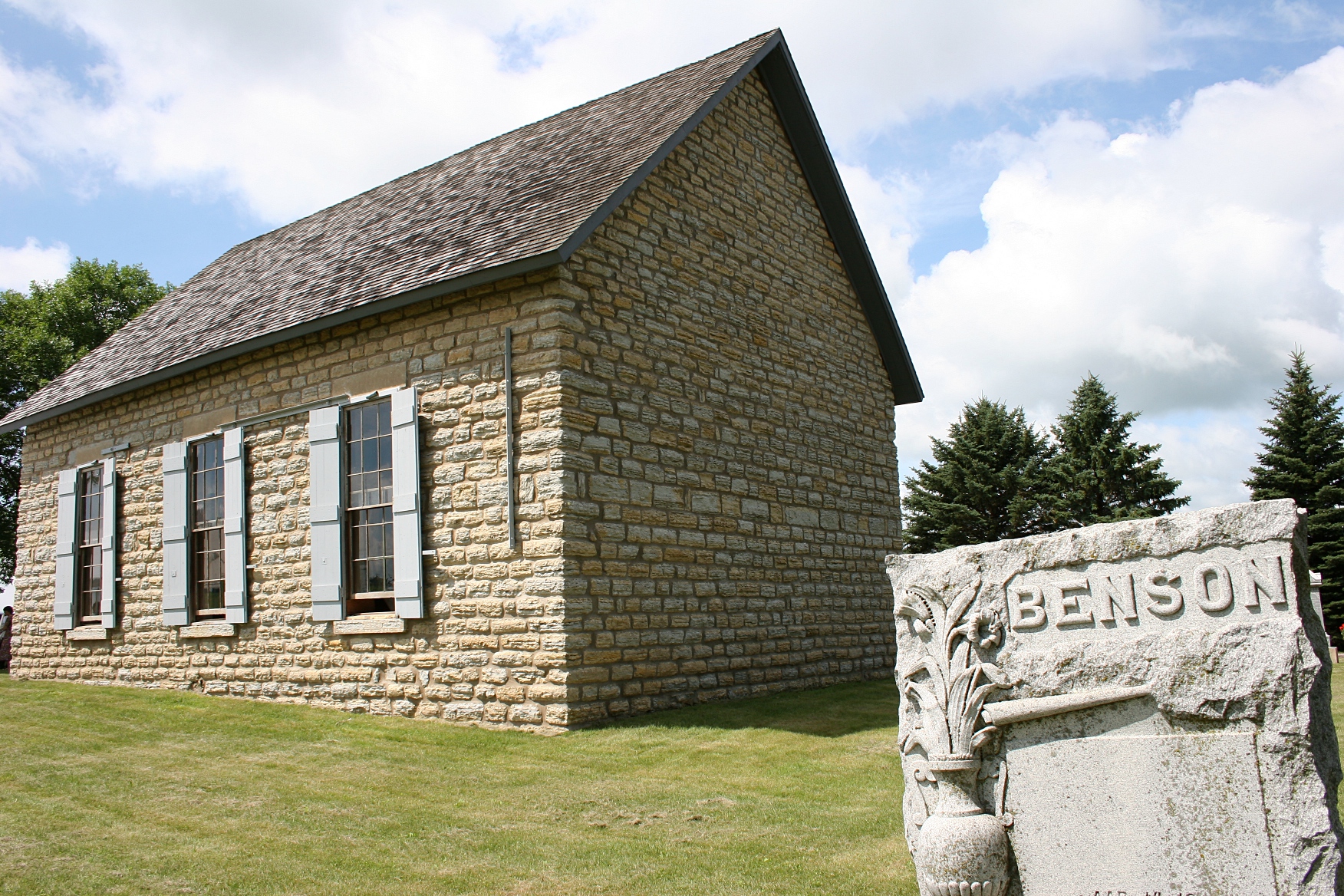
Stone against stone at Hauge Lutheran Church (the Old Stone Church) in Monkey Valley, rural Kenyon.

My dad’s military marker in the Vesta City Cemetery.
This post was previously published at streets.mn.
© Copyright 2014 Audrey Kletscher Helbling


 Minnesota Prairie Roots
Recent Comments