Minnesota Prairie Roots

Writing and photography by Audrey Kletscher Helbling

Flood prep underway in Faribault June 18, 2014

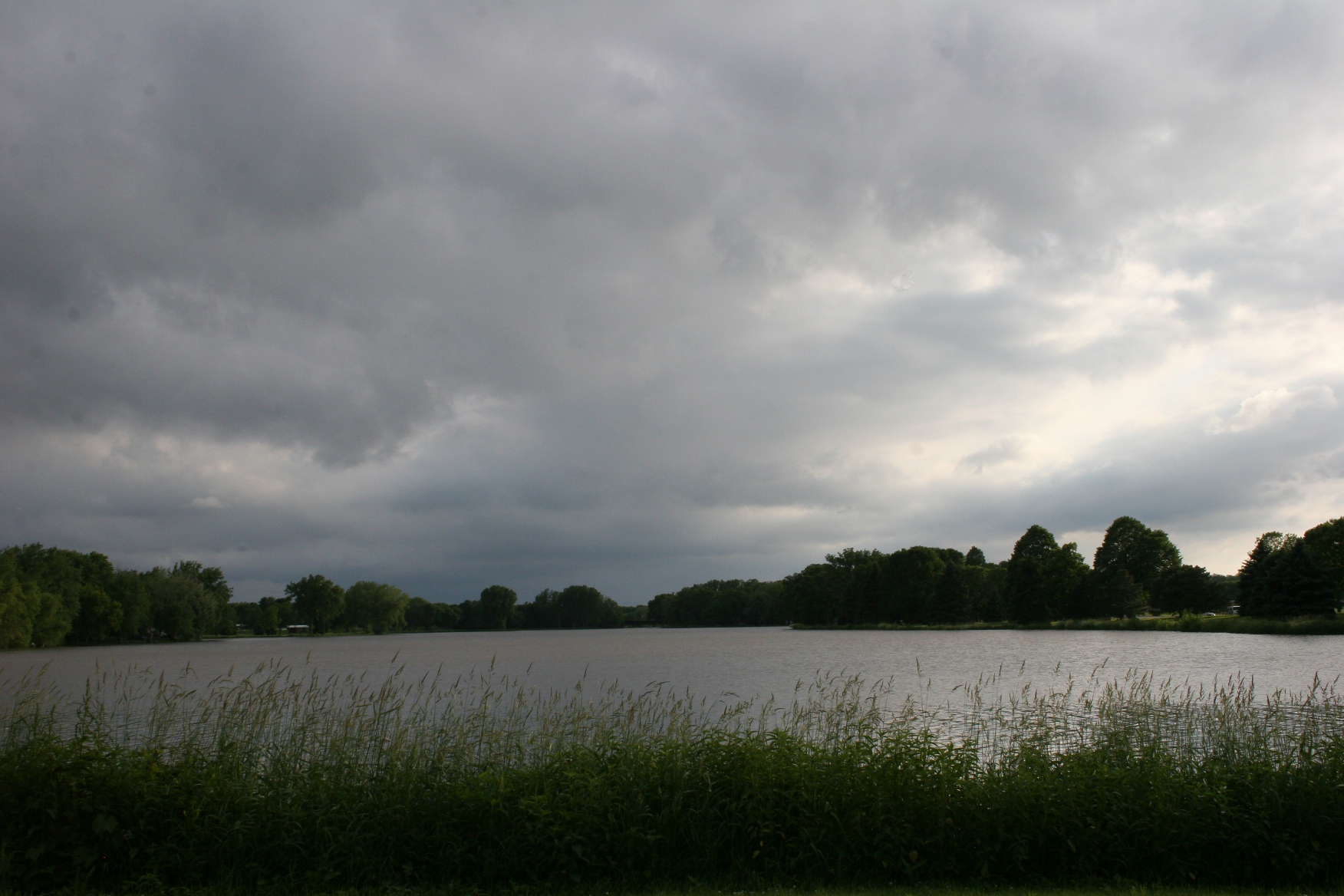
Early Thursday evening along the banks of the Cannon River in Faribault, clouds build to the west.

Early Wednesday evening along the banks of the Cannon River in Faribault, rain clouds build to the west.

FARIBAULT HOLDS ITS COLLECTIVE breath Wednesday evening as grey clouds hang heavy over this southeastern Minnesota city, once again threatening rain.
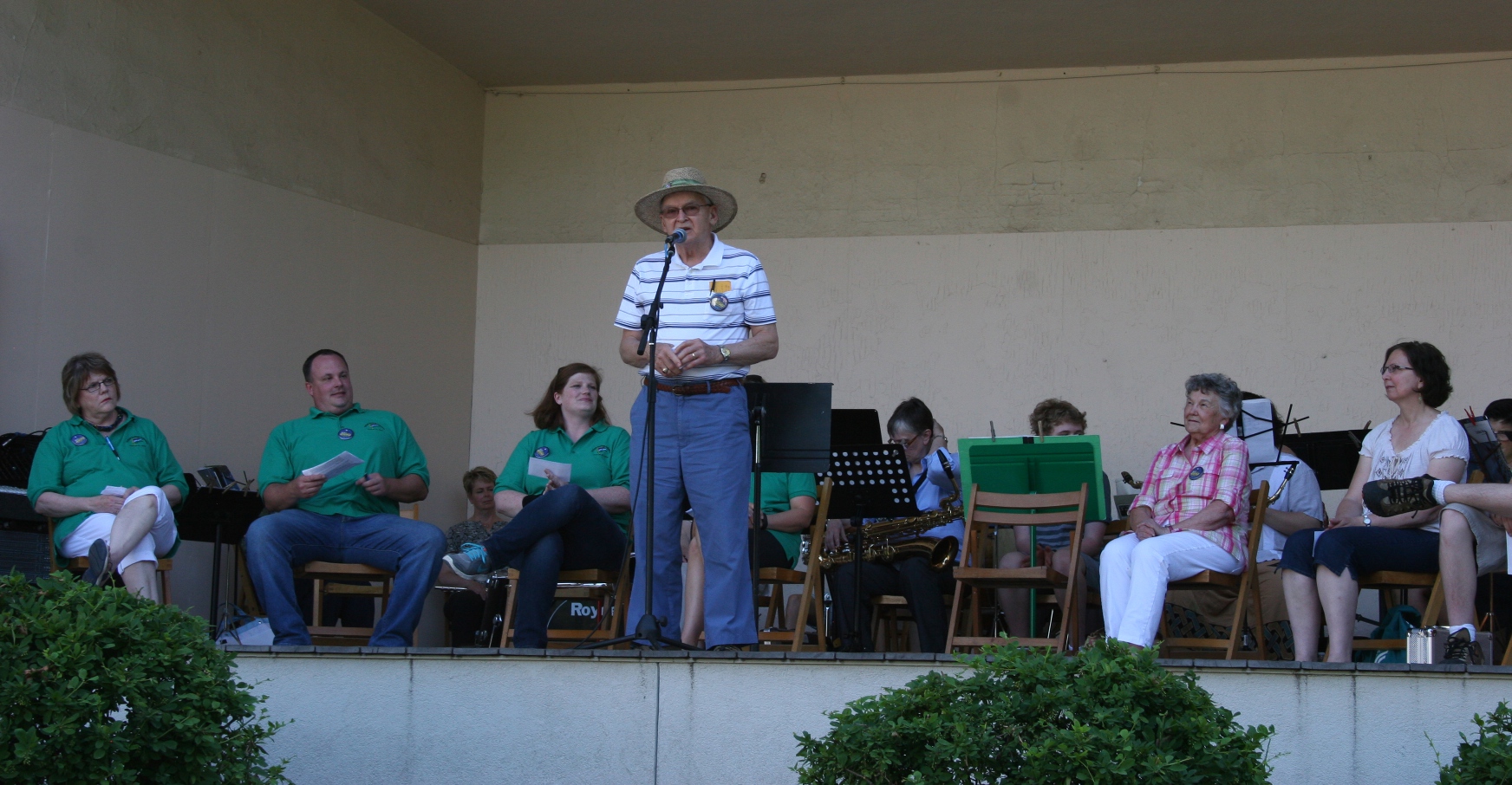
Co-honorary parade grand marshall Roy Anderson addresses the crowd at the opening of Heritage Days.

Co-honorary parade grand marshal Roy Anderson addresses the crowd at the opening of Heritage Days.

At Central Park, where the annual Heritage Days celebration kicks off with an opening ceremony, Mayor John Jasinski cuts short his welcome. He’s got more serious matters on his mind—tending to a community where a State of Emergency was declared Wednesday morning.
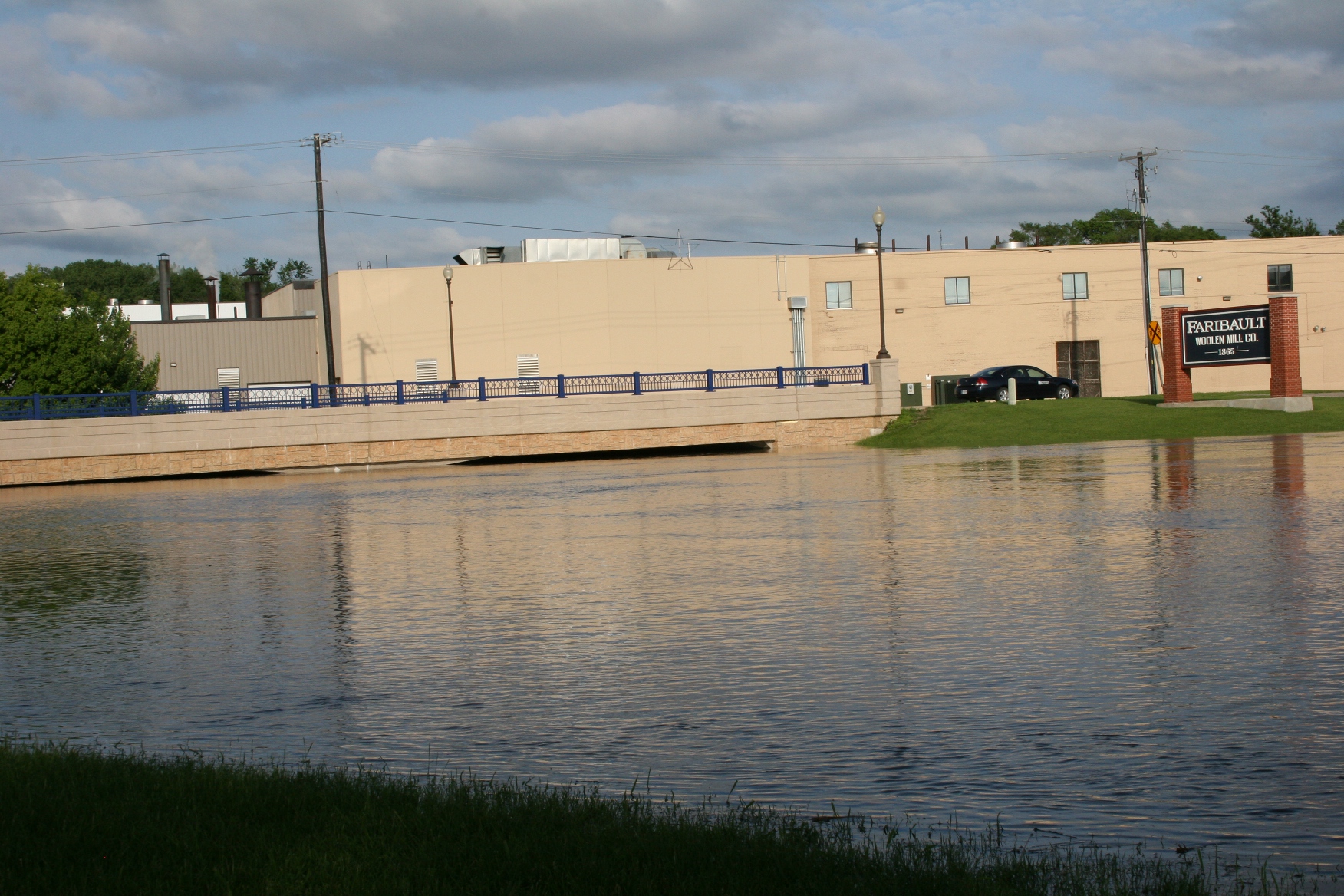
The rising Cannon River along Second Avenue nearly skims the bridge. Faribault Foods is in the background and the Faribault Woolen Mill is to the right.

The rising Cannon River along Second Avenue nearly skims the bridge. Faribault Foods is in the background and the Faribault Woolen Mill is to the right. This is near the Rice County Fairgrounds along a major roadway through the city.

The waters of the Straight and Cannon rivers, which run through town, are rising. And the city is preparing for possible flooding, with reminders of the September 2010 flash flood ever present.
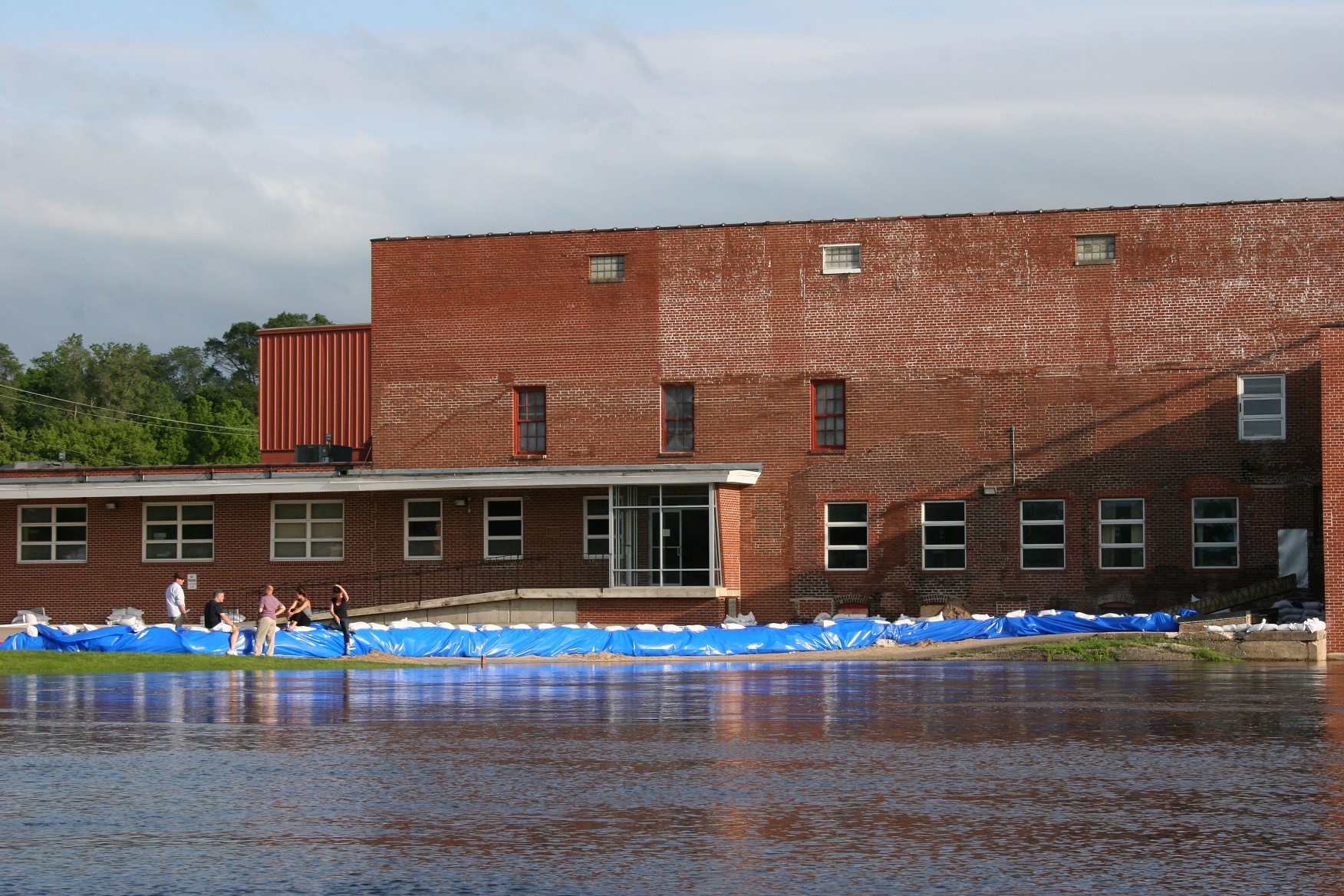
Sandbags have been placed in the mill parking lot next to the Cannon River.

Sandbags have been placed in the mill parking lot next to the Cannon River.

At the Faribault Woolen Mill, Heritage Days tours have been canceled with the focus instead on sandbagging and protecting the historic building that sits along the Cannon River.
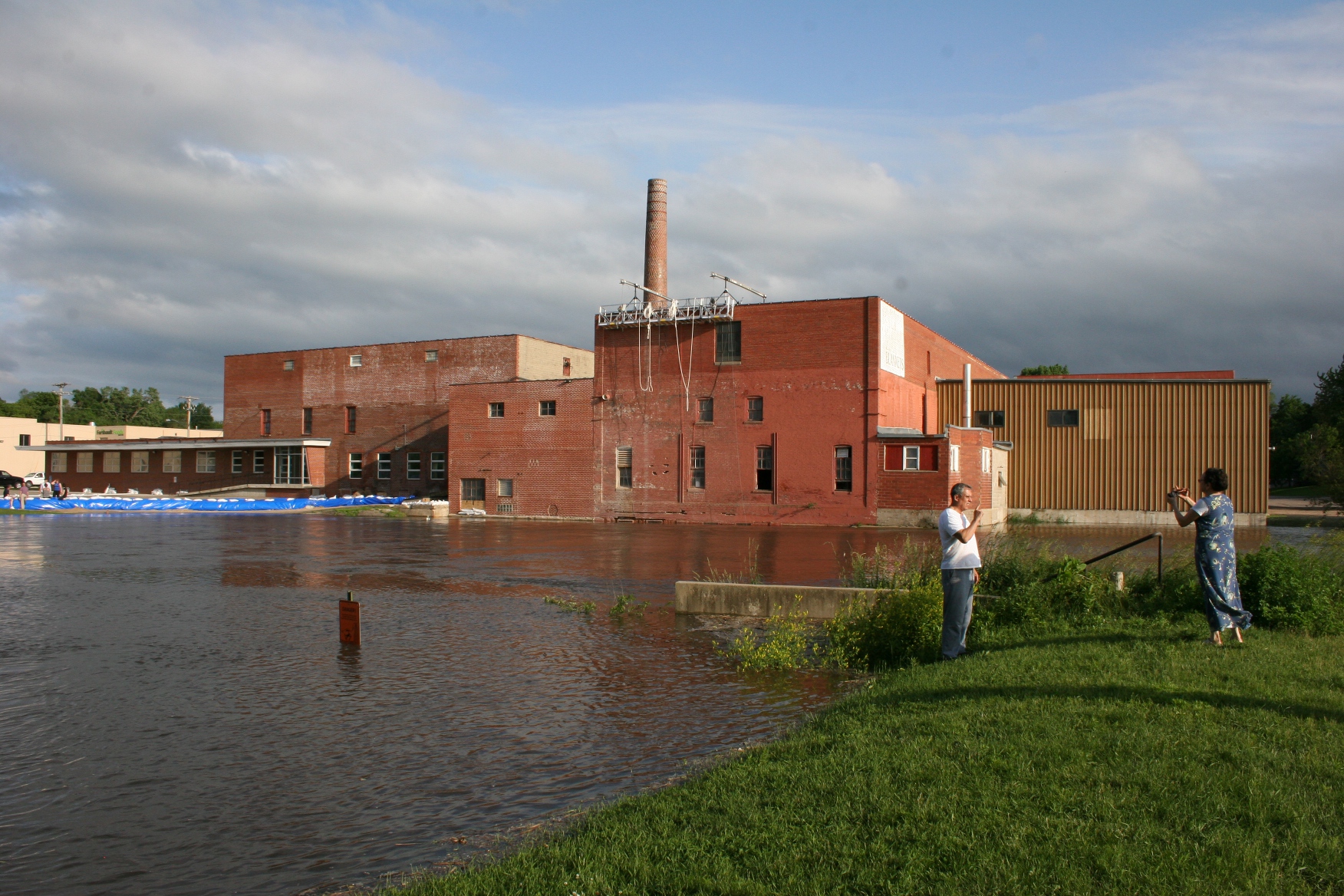
Photographing the rising Cannon River. The dam here is no longer visible.

Photographing the rising Cannon River. The dam here is no longer visible. Typically, the river does flow against the rear of the mill.

Locals flock to Father Slevin Park, next to the Cannon, next to the Woolen Mill, Wednesday evening to photograph the scene. The Cannon River dam is no longer visible.
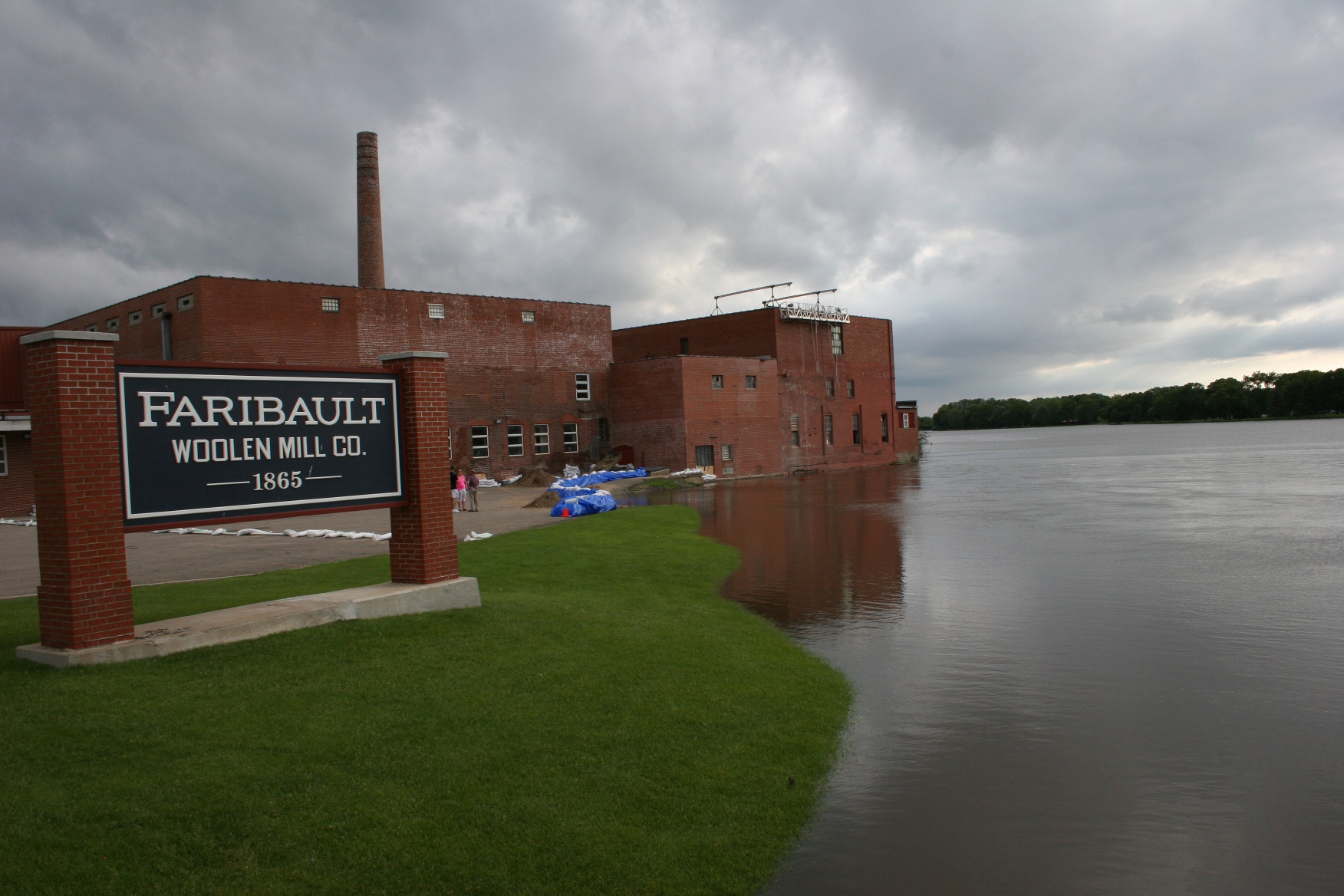
Sandbags protect the Faribault Woolen Mill from the rising Cannon River.
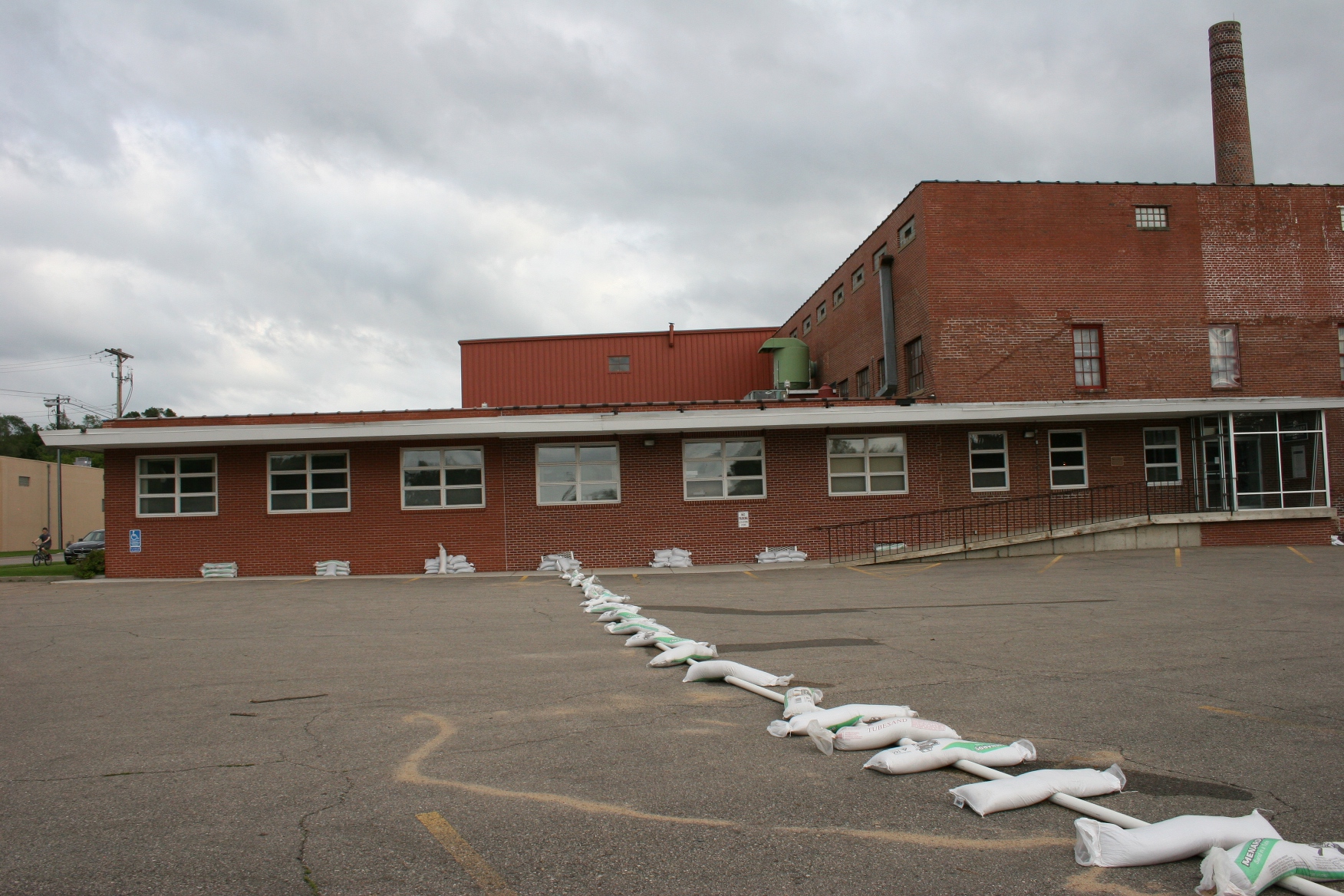
Sandbags protect the Faribault Woolen Mill from the rising Cannon River.

Sandbags hold down a pipe at the Faribault Woolen Mill factory and retail store.
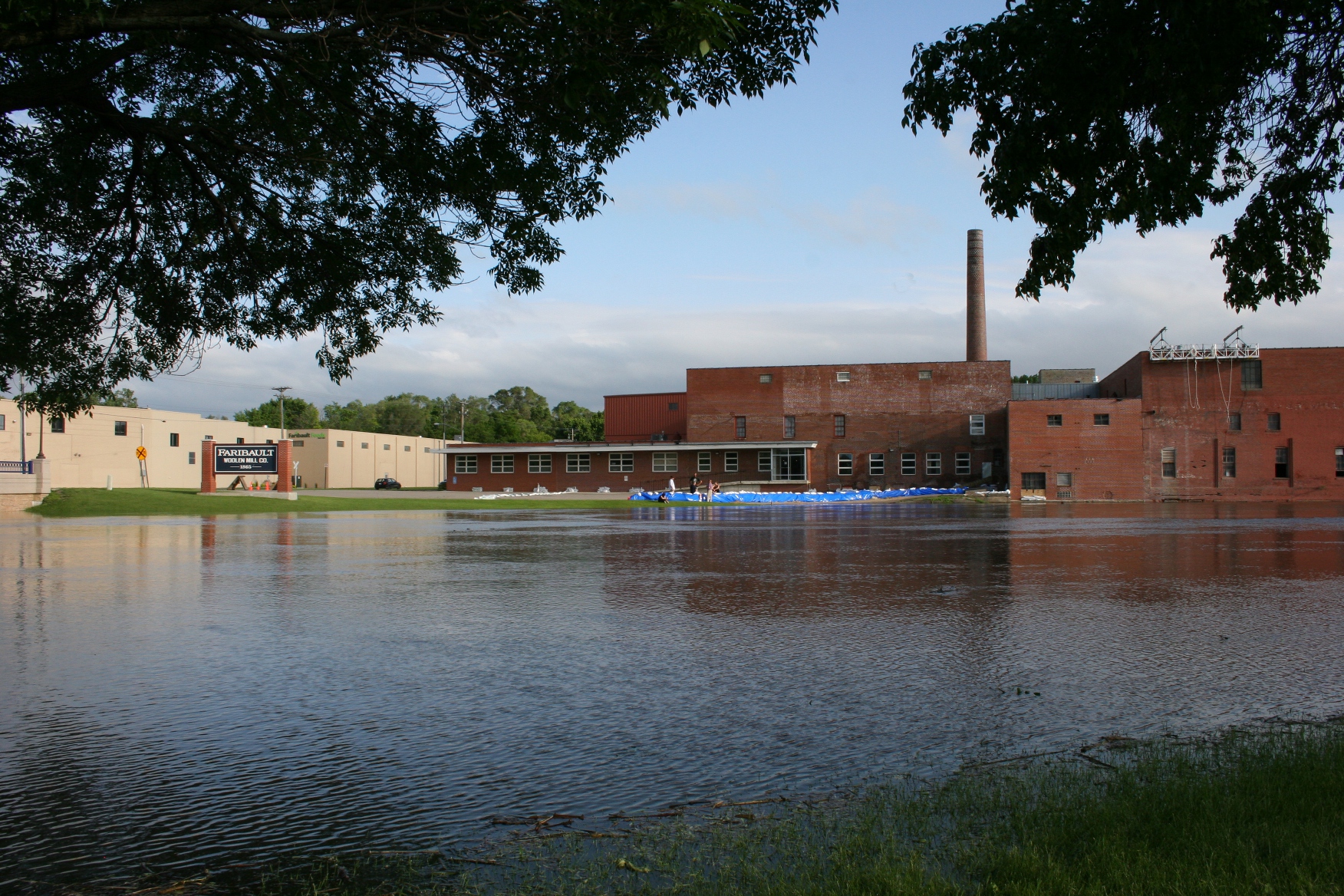
Sandbags hold down a pipe at the Faribault Woolen Mill factory and retail store.

An overview of the Cannon River, looking south from Father Slevin Park to the Faribault Woolen Mill.

An overview of the Cannon River, looking southeast from Father Slevin Park to the Faribault Woolen Mill and Faribault Foods.

Several layers of sandbags rim the parking lot next to the factory store.
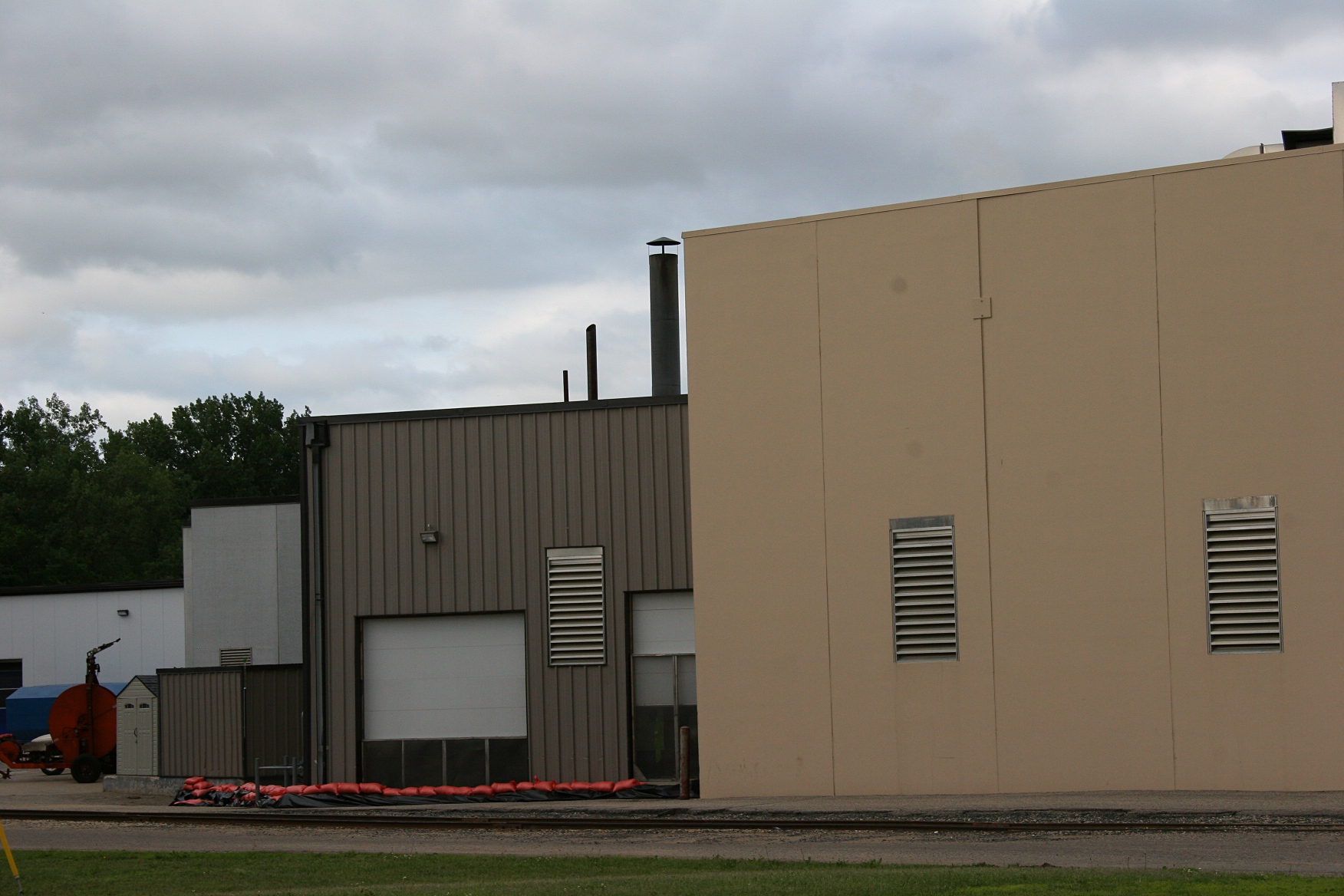
Sandbags also protect Faribault Foods.
Sandbags also protect Faribault Foods.

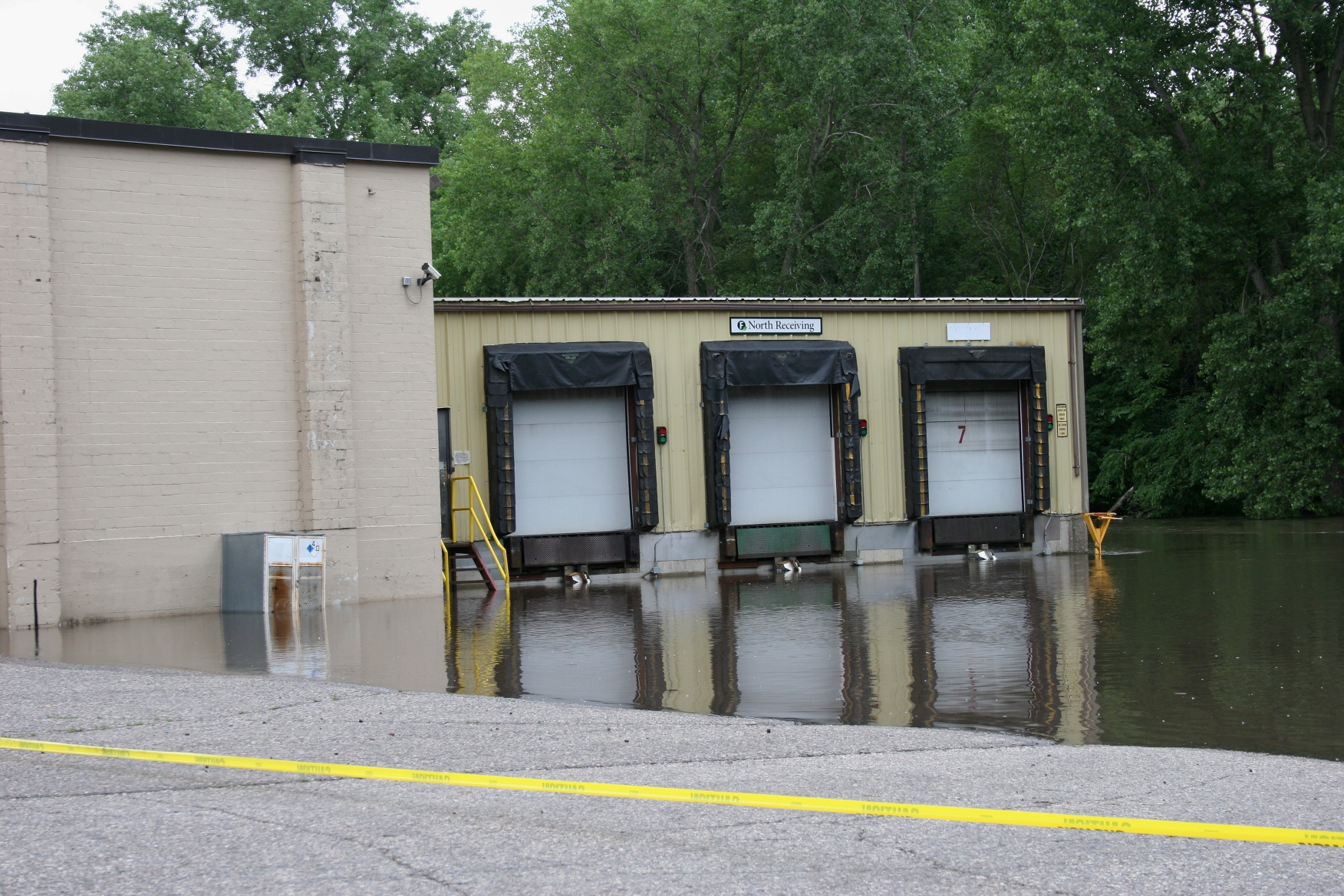
Straight River floodwaters block access to a Faribault Foods loading dock.
Straight River floodwaters block access to a Faribault Foods loading dock.

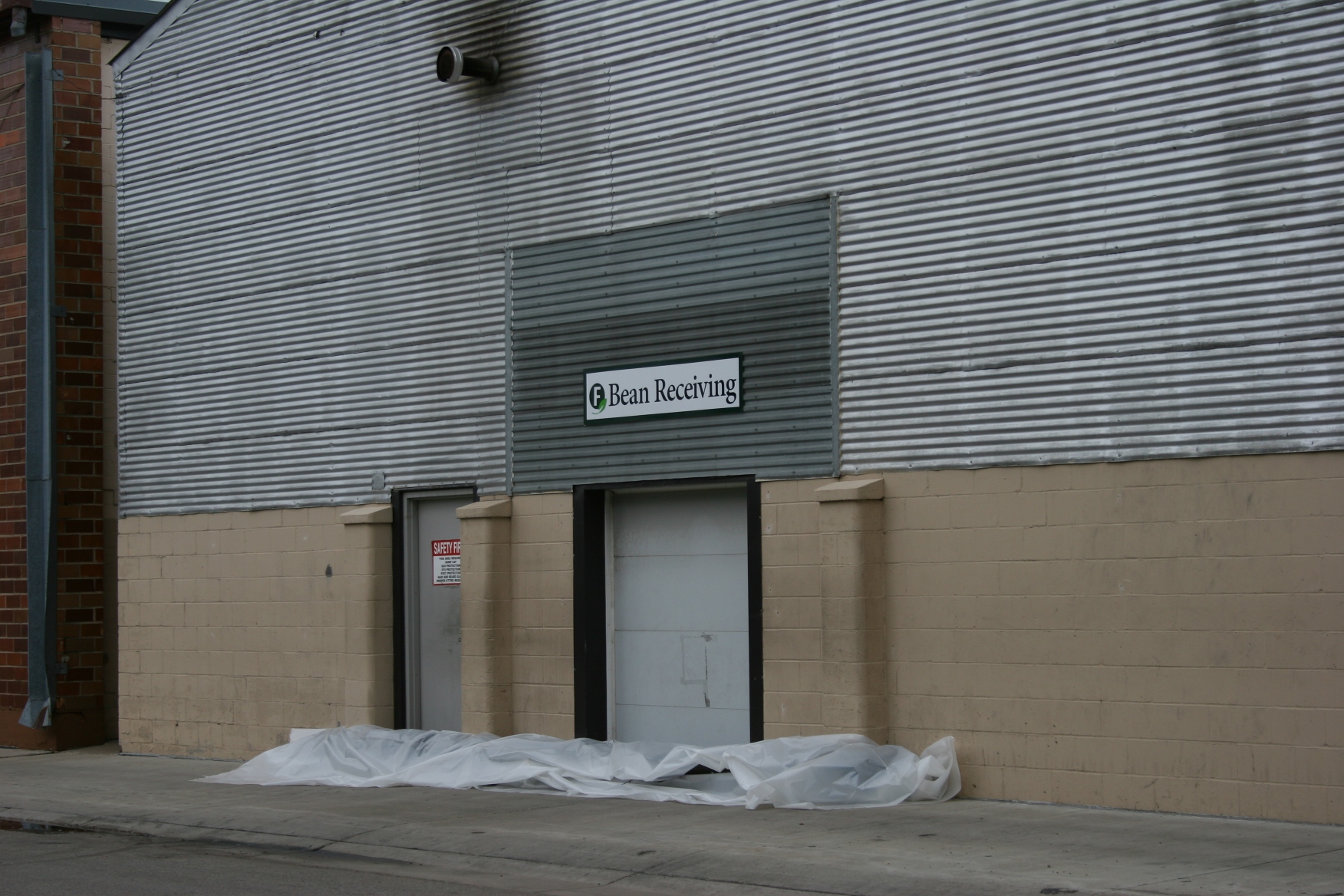
Sandbags border the door to bean receiving at Faribault Foods.

Sandbags border the door to bean receiving at Faribault Foods.

Directly across Second Avenue, sandbags likewise protect Faribault Foods. Behind the canning company, the rising Straight River has already blocked access to loading docks. Other doors are also barricaded with plastic-covered sandbags.
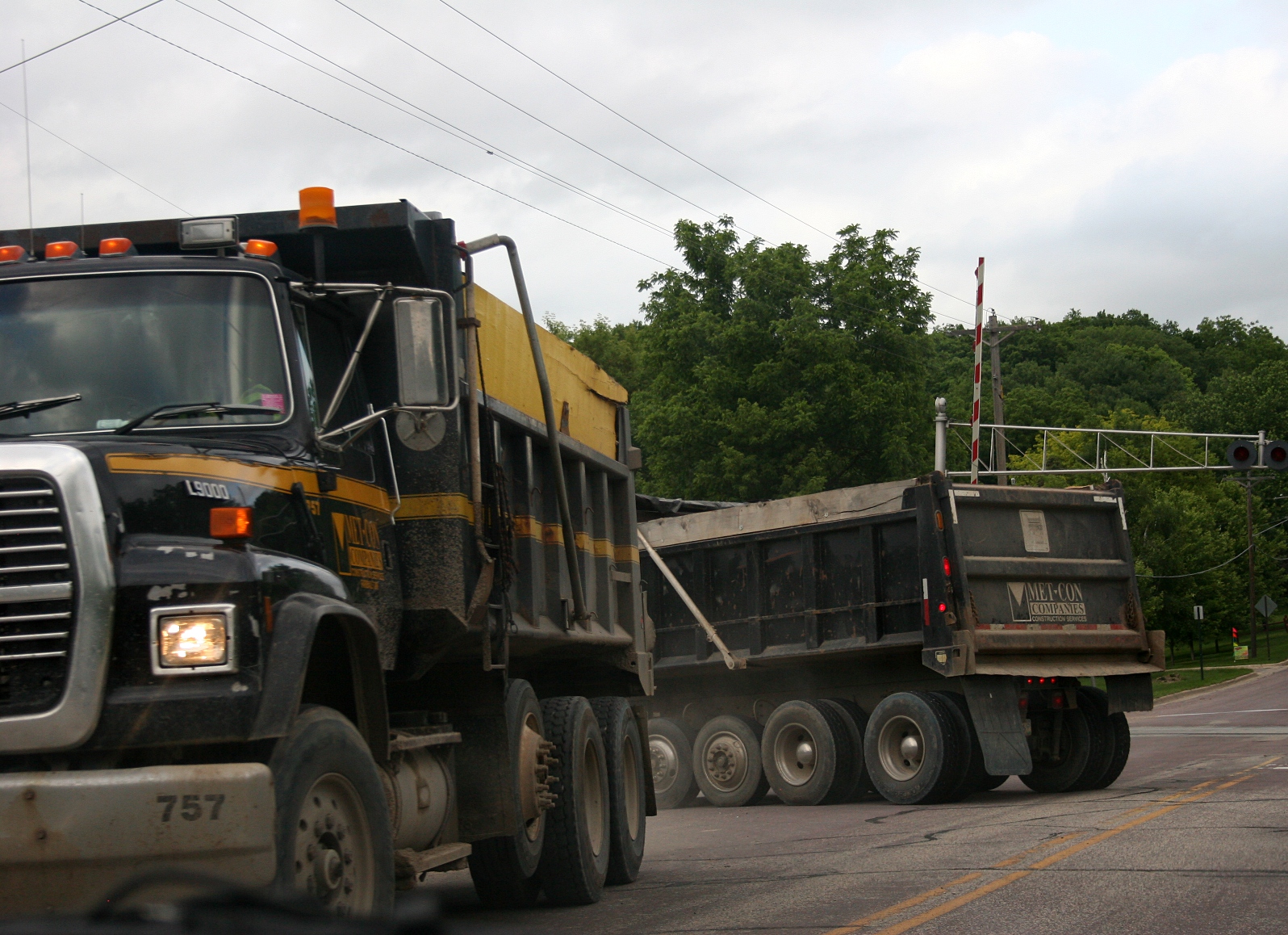
Working to protect the city's wastewater plant, which sits along the Straight River.
Working to protect the city’s wastewater plant, which sits along the Straight River.

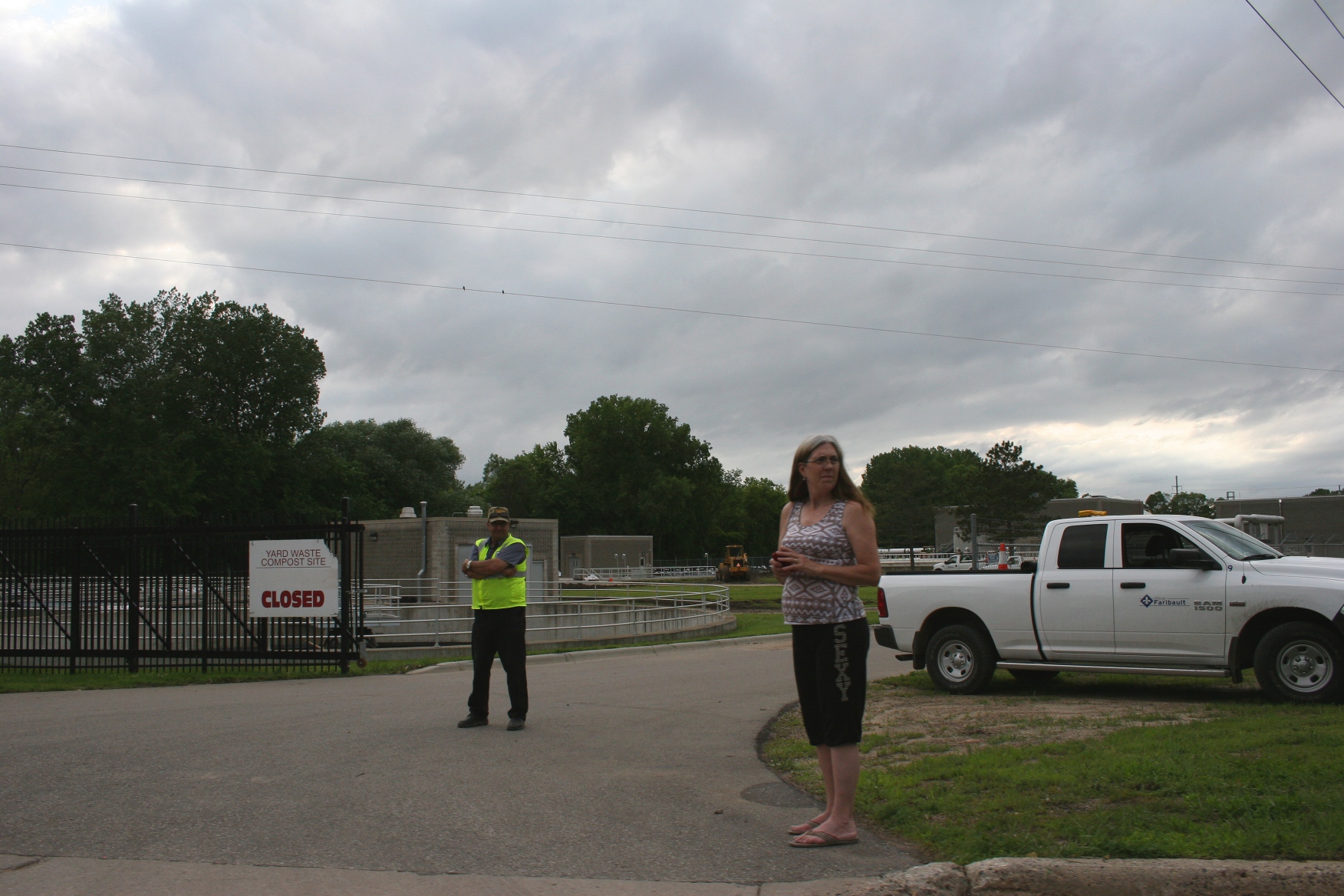
The entry to the city's treatment plant.

The entry to the city’s treatment plant.

Just down the road, at the city’s wastewater treatment plant, a steady flow of dump trucks enter and exit the facility, presumably delivering sand. Sandbags are already in place here.
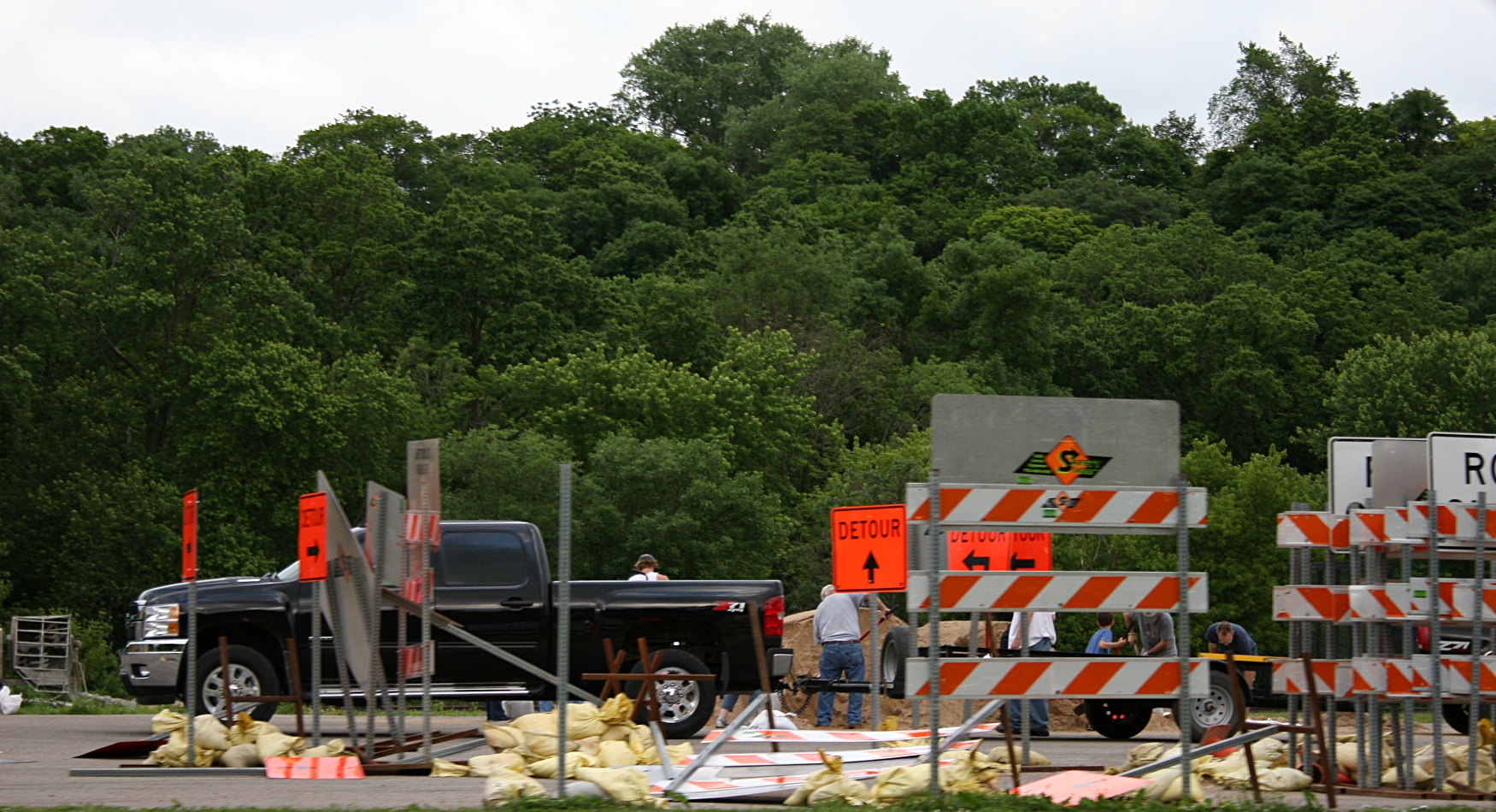
Sandbag central.

Sandbag central.

Near the Faribault American Legion, just a block off the historic downtown, workers shovel sand into bags at the city’s sandbag central. Road closed signs are at the ready.
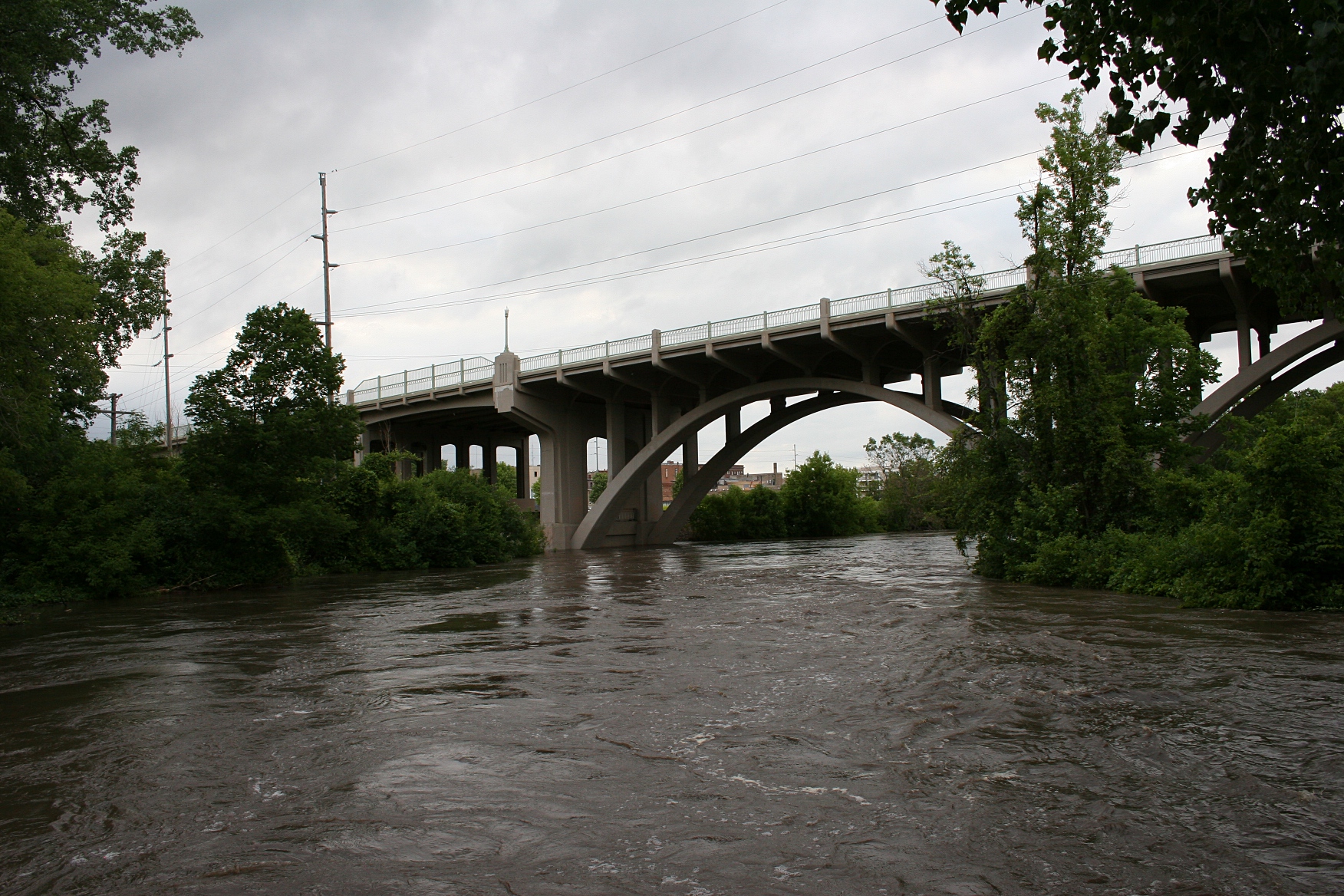
The Straight River has flooded Teepee Tonka Park and churns here toward the Highway 60 viaduct connecting the east and west sides of Faribault.
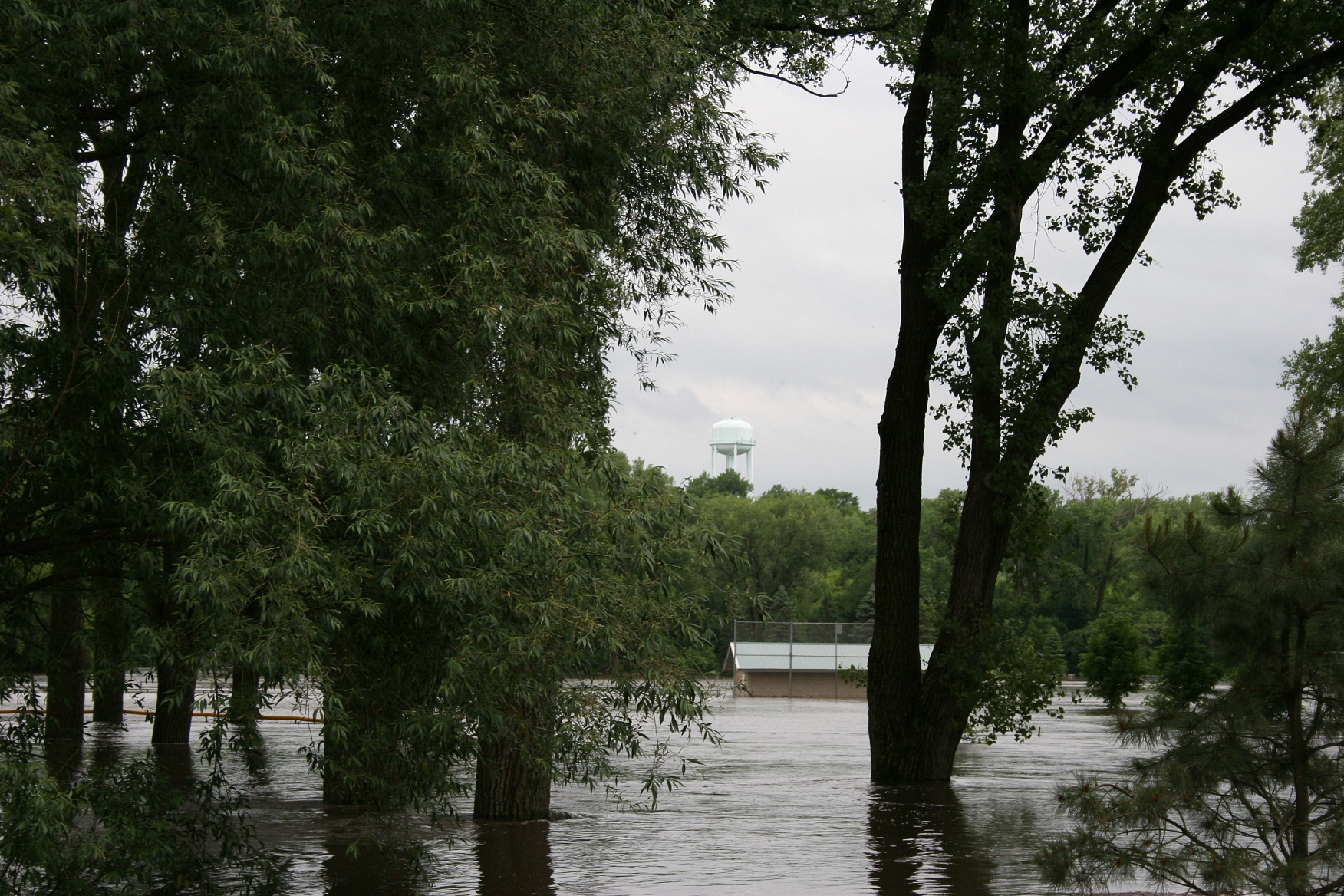
The Straight River has flooded Teepee Tonka Park and churns here toward the Highway 60 viaduct connecting the east and west sides of Faribault.

Flooded Teepee Tonka Park.

Flooded Teepee Tonka Park.

Across the Straight River in Teepee Tonka Park, the bridge into the park is blocked and the river rushes in a frenzy.

The bridge into Teepee Tonka Park is partially flooded and thus closed.

The bridge into Teepee Tonka Park is partially flooded and thus closed.

Onlookers step across police tape to photograph the scene—until the cops cruise up and advise that “the tape is there for a reason.” They don’t want anyone tumbling into the muddy, raging waters.
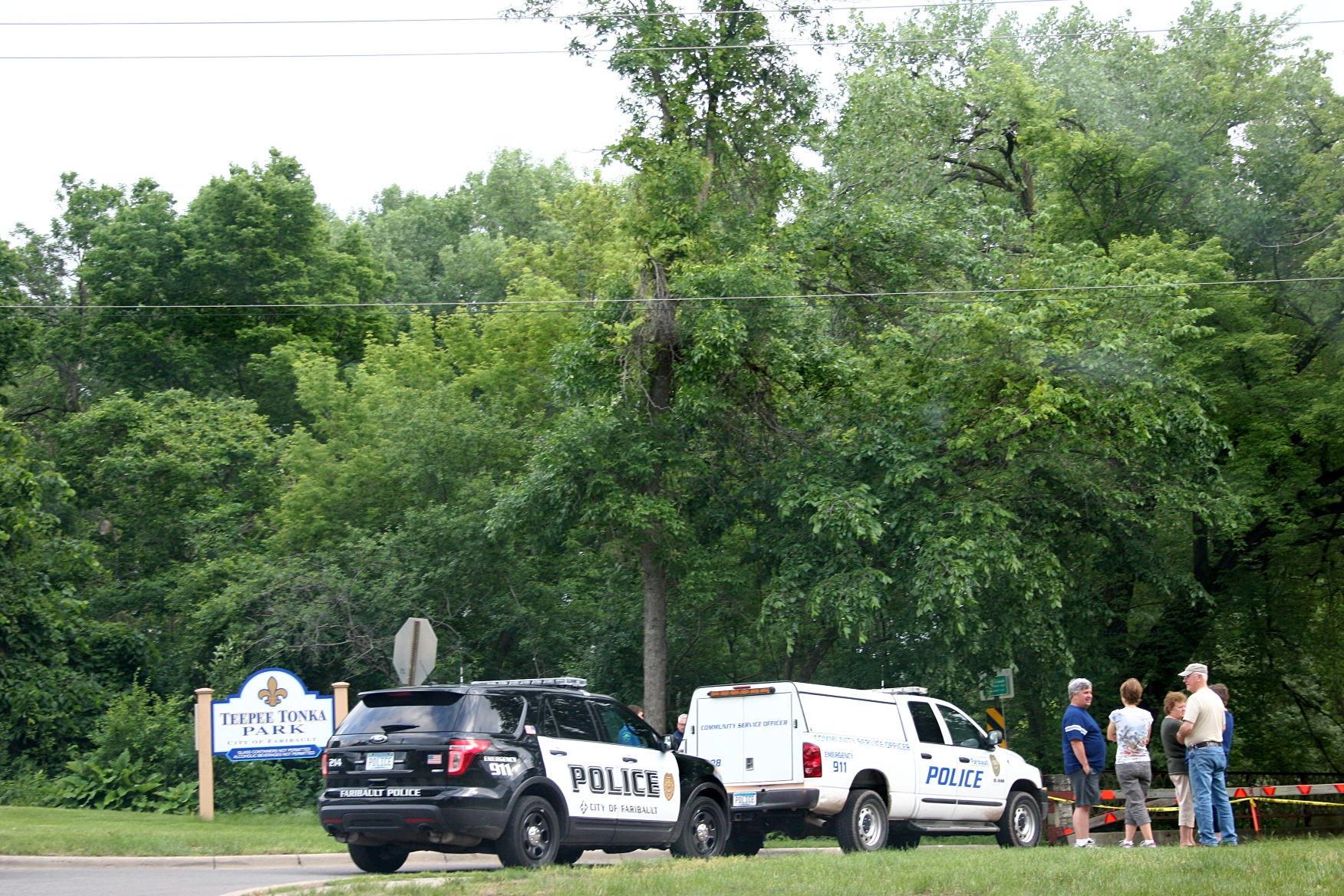
Police arrive to protect the curious public at Teepee Tonka Park.

Police arrive to check out the situation at Teepee Tonka Park.

Darkness falls and Faribault waits.

© Copyright 2014 Audrey Kletscher Helbling


Appreciating history & art in a paper salesman’s catalogue

Specimens, an incredible collection of fine papers and printing.

Specimens, an incredible  leather-bound collection of fine papers and printing.

I AM SETTLED ON THE SOFA, over-sized hardcover book weighing heavy upon my lap as I wade through the massive volume.

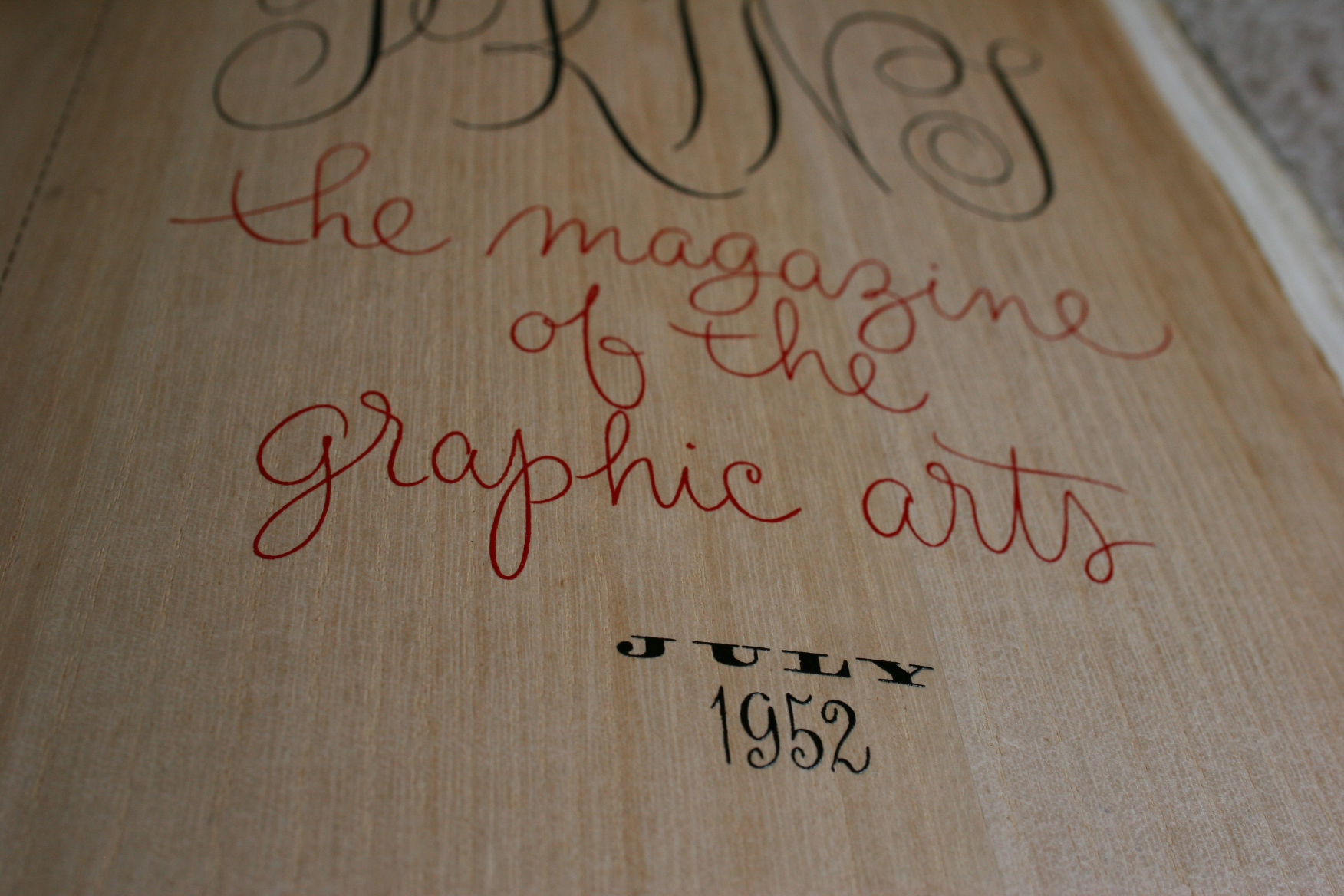
PRINT Magazine cover designed by Andrew Szoeke, printed silkscreen at Pied Piper Press, New York; caption and colophone designed by Ben Lane, printed letterpress at The Lane Press, Burlington, Vermont. Handmade natural wood veneer paper.

One of the pages in the Specimens Catalogue: PRINT Magazine cover designed by Andrew Szoeke, printed silkscreen at Pied Piper Press, New York; caption and colophon designed by Ben Lane, printed letterpress at The Lane Press, Burlington, Vermont. Handmade natural wood veneer paper.

Slowly I turn each page, studying the fonts, the colors, the graphics, the details that have me giddy as a kid flipping through the J.C. Penny or Sears Christmas catalogs.

Except I’m not wishing for something. I already have my gift, this 10 x 12-inch, one-inch thick book, this 1953 Stevens-Nelson Paper Corporation Specimens Catalogue found on the basement floor at an estate sale and immediately tucked into my arms and clamped against my chest.

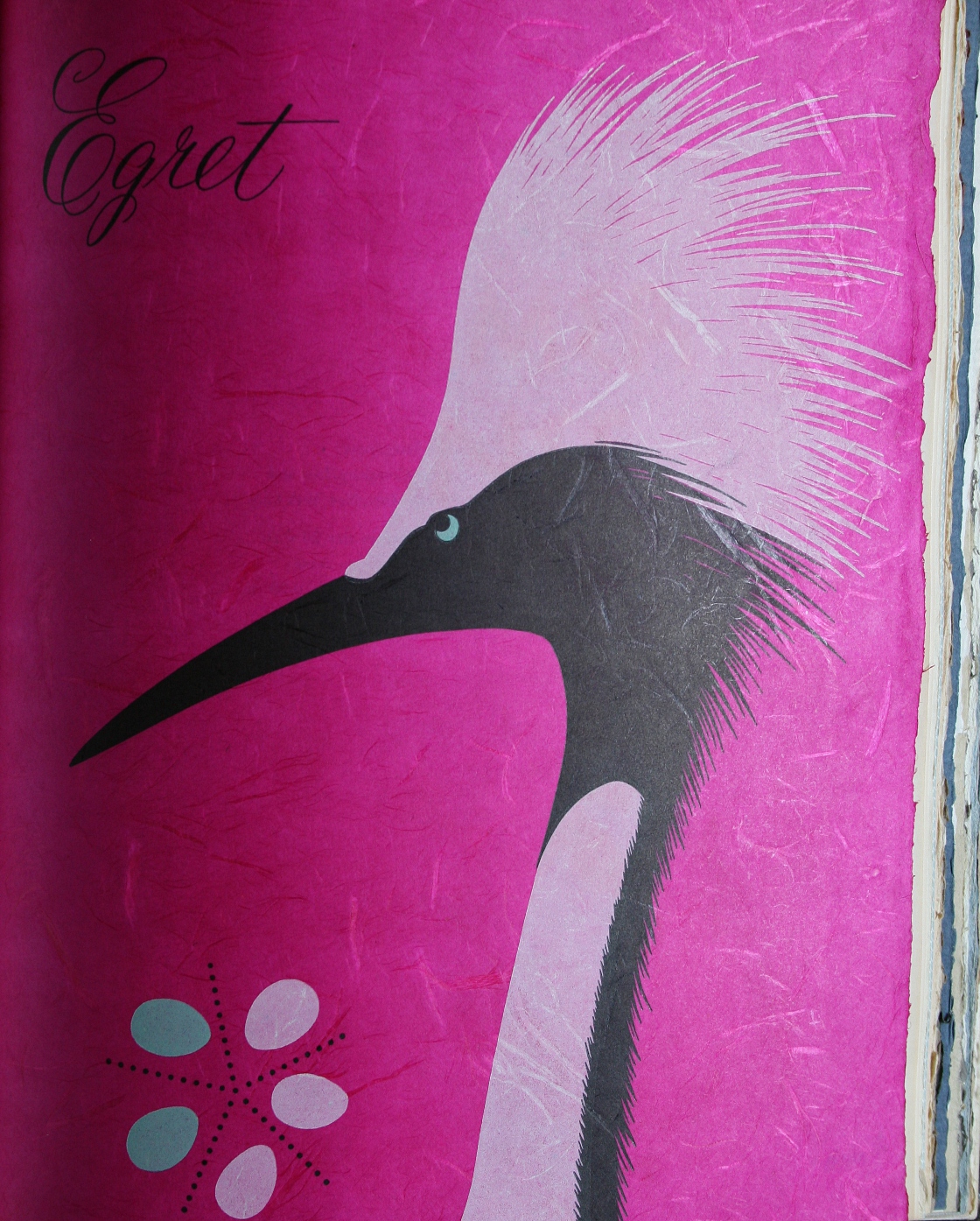
The boldest print in the book, designed by Thomas Davenport; engravings by Knapp Engraving Company, Inc. and printed letterpress by Aldus Printers, Inc., New York City; handmade TSUYUKO paper.

The boldest print in the book, designed by Thomas Davenport; engravings by Knapp Engraving Company, Inc. and printed letterpress by Aldus Printers, Inc., New York City; handmade TSUYUKO paper. On the right you can see the ragged edges of some of the 100-plus paper specimens.

I’ve never seen anything like this collected sample of fine printing and handmade, or handmade with mould machines, art paper. Ragged-edged paper that is so fine and rich feeling that I can’t stop brushing my fingers across the surfaces.

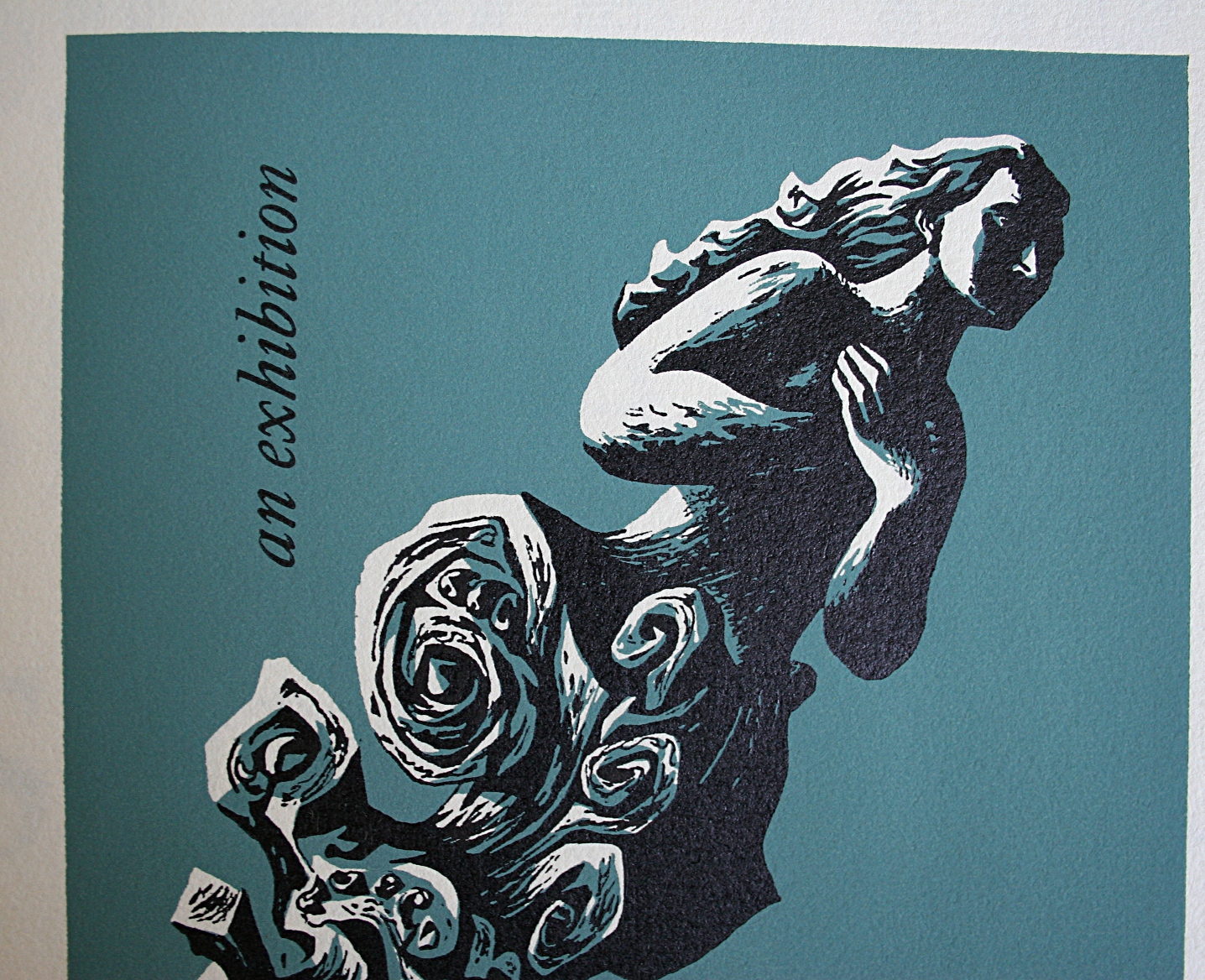
An Exhibition

Designed by William Stobbs for an exhibition “showing the development of Sailing Ships from the Santa Maria to the Cutty Sark” at the Science Museum, South Kensingston. Printed letterpress in two colors by London School of Printing and Graphic Arts.

Letterpress and lithograph. Well-known designers and printers, American and foreign.

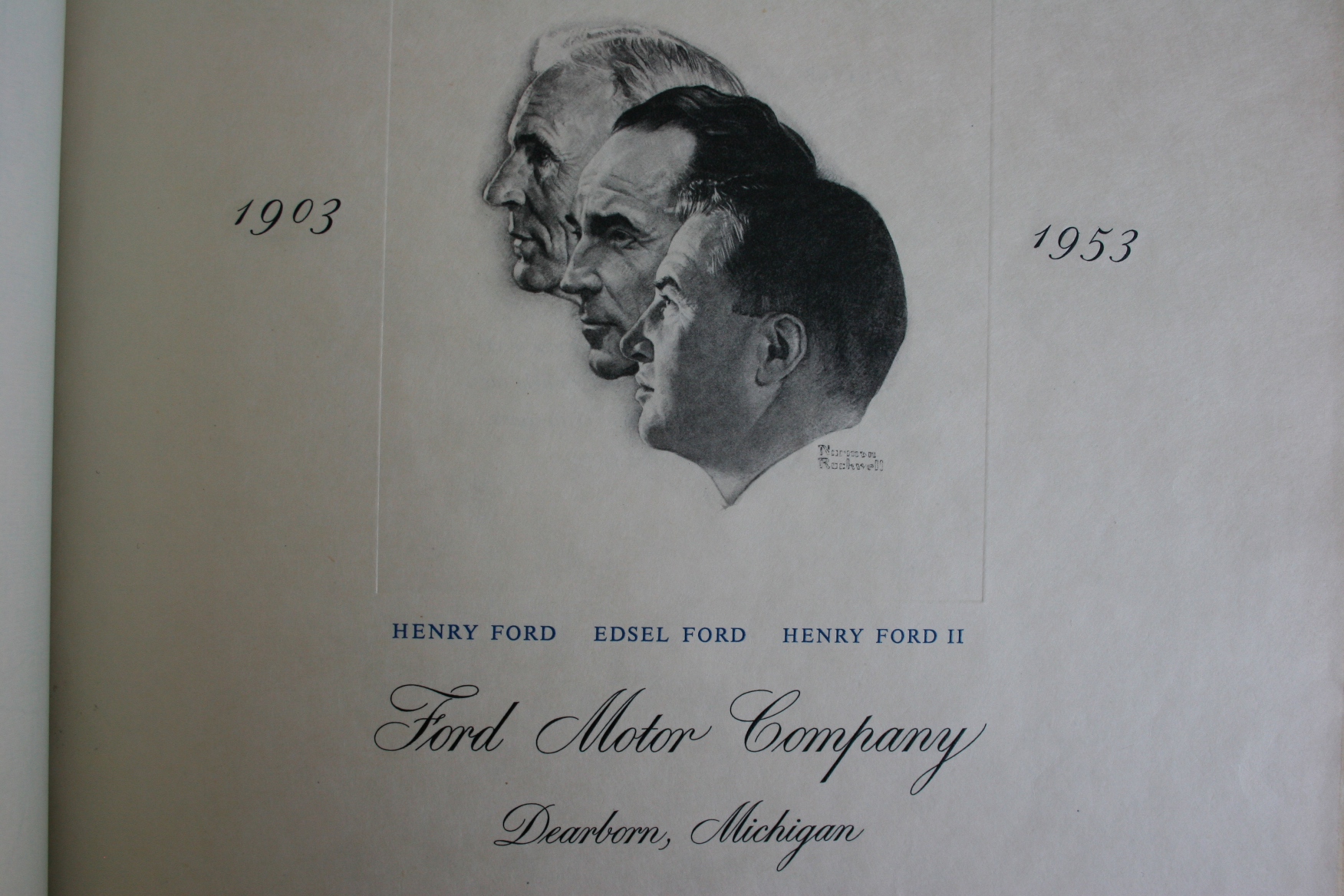
Ford Motor Company

Fiftieth anniversary booklet title page designed by L. J. Ansbacher.

In my hands, I am holding art and history.

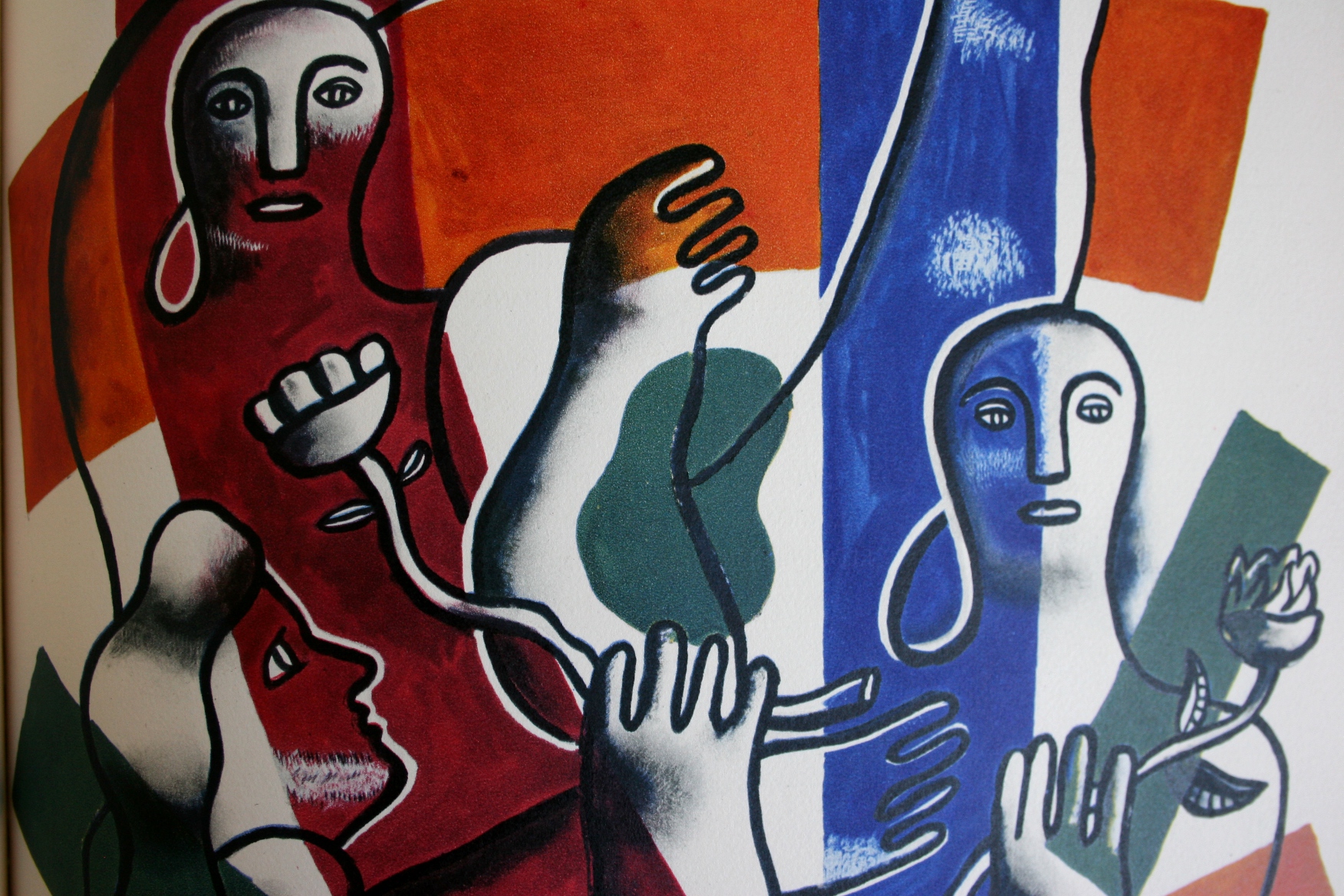
Fernand Leger's art printed for the Container Corporation in 4-color Gravure by Draeger Freres, Paris, France.

Fernand Leger’s art printed for the Container Corporation in 4-color Gravure by Draeger Freres, Paris, France.

The program cover from Dwight Eisenhower’s installation as 13th President of Columbia University, printed on paper that can be cleaned with water or kerosene. A Picasso lithograph printed on handmade SHOGUN heavy weight paper suitable for letterpress and silkscreen. Colorful art by Fernand Leger created for the Container Corporation of America.

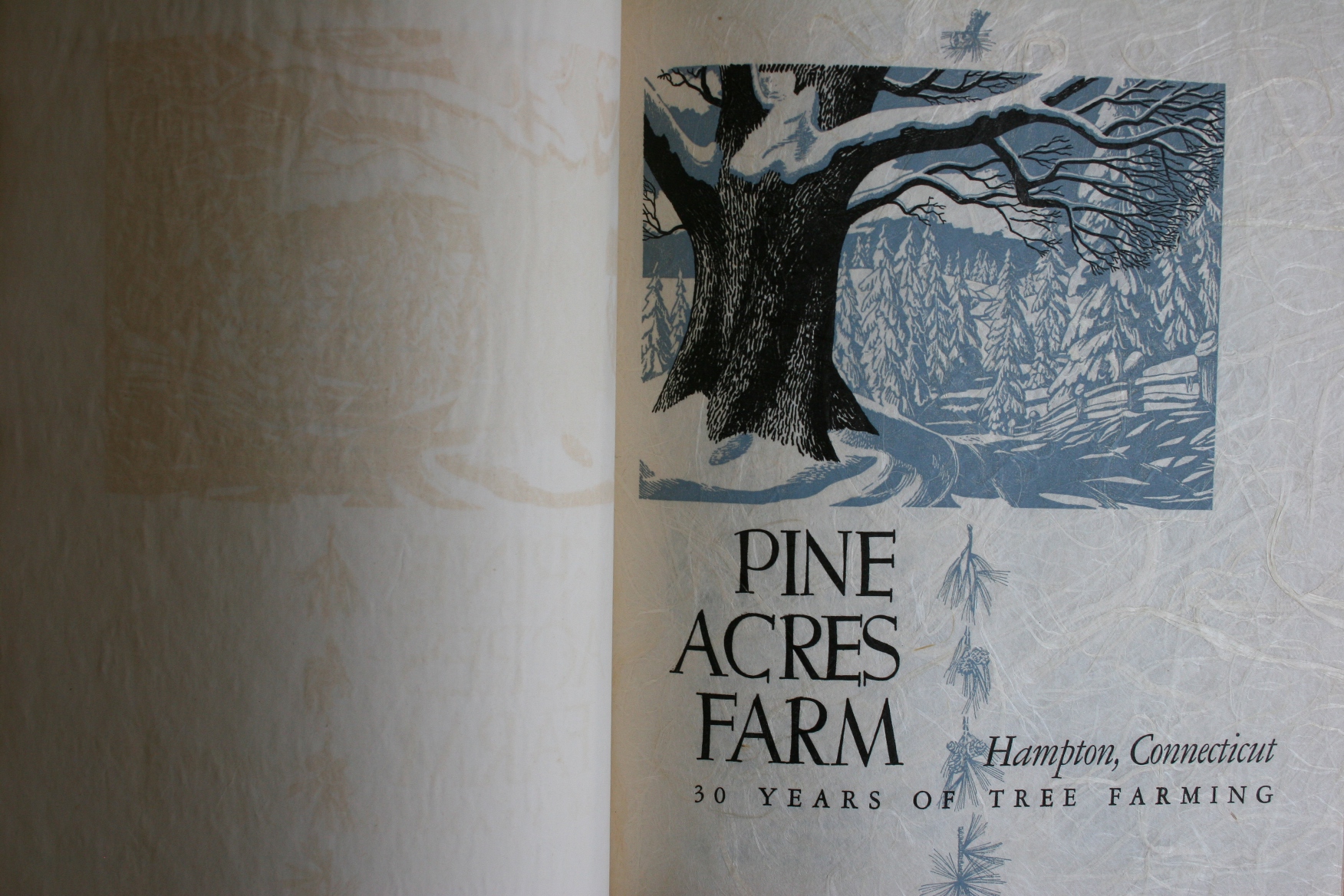
Designed and printed letterpress by Connecticut Printers, Incorporated, Hartford, Connecticut on handmade NATSUME 4002 paper.

Designed and printed letterpress by Connecticut Printers, Incorporated, Hartford, Connecticut on handmade NATSUME 4002 paper.

My favorite—a block print of trees celebrating Pine Acres Farm’s 30 years of tree farming in Hampton, Connecticut. James L. Goodwin, one of America’s first professional foresters, started the farm in 1913, eventually gifting the property to the State of Connecticut in 1964.

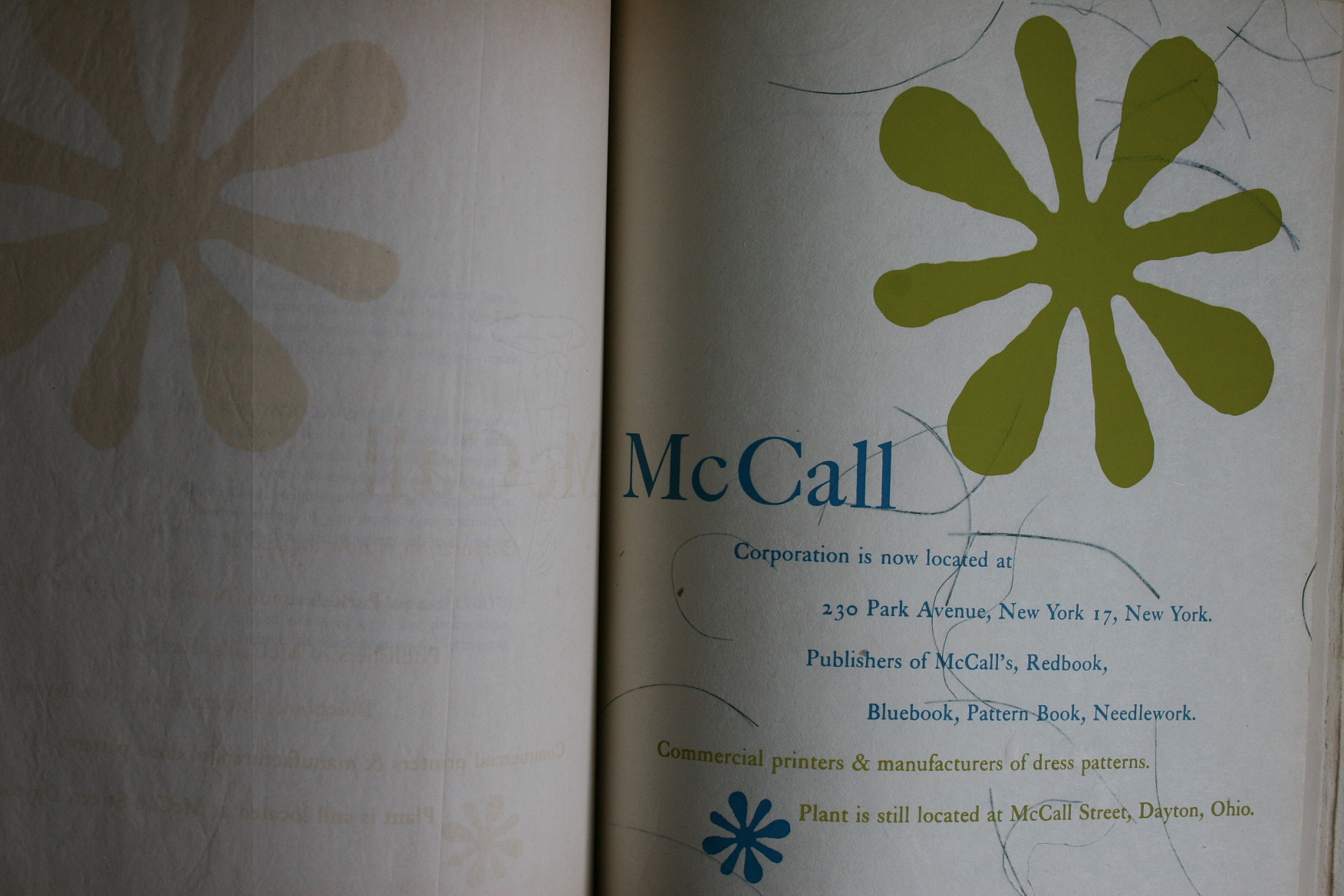
McCall

Designed by George Maas for McCall; screen process printing by Roycliff Associates, Inc, New York City; letterpress printing by Pandick Press, Inc., New York City. Printed on handmade NATSUME paper.

I rapid-clap my hands with untethered excitement.

I inhale the smells of time, wood and ink bound within the pages of this book once carted from place to place by a 1950s paper salesman from Minnesota.

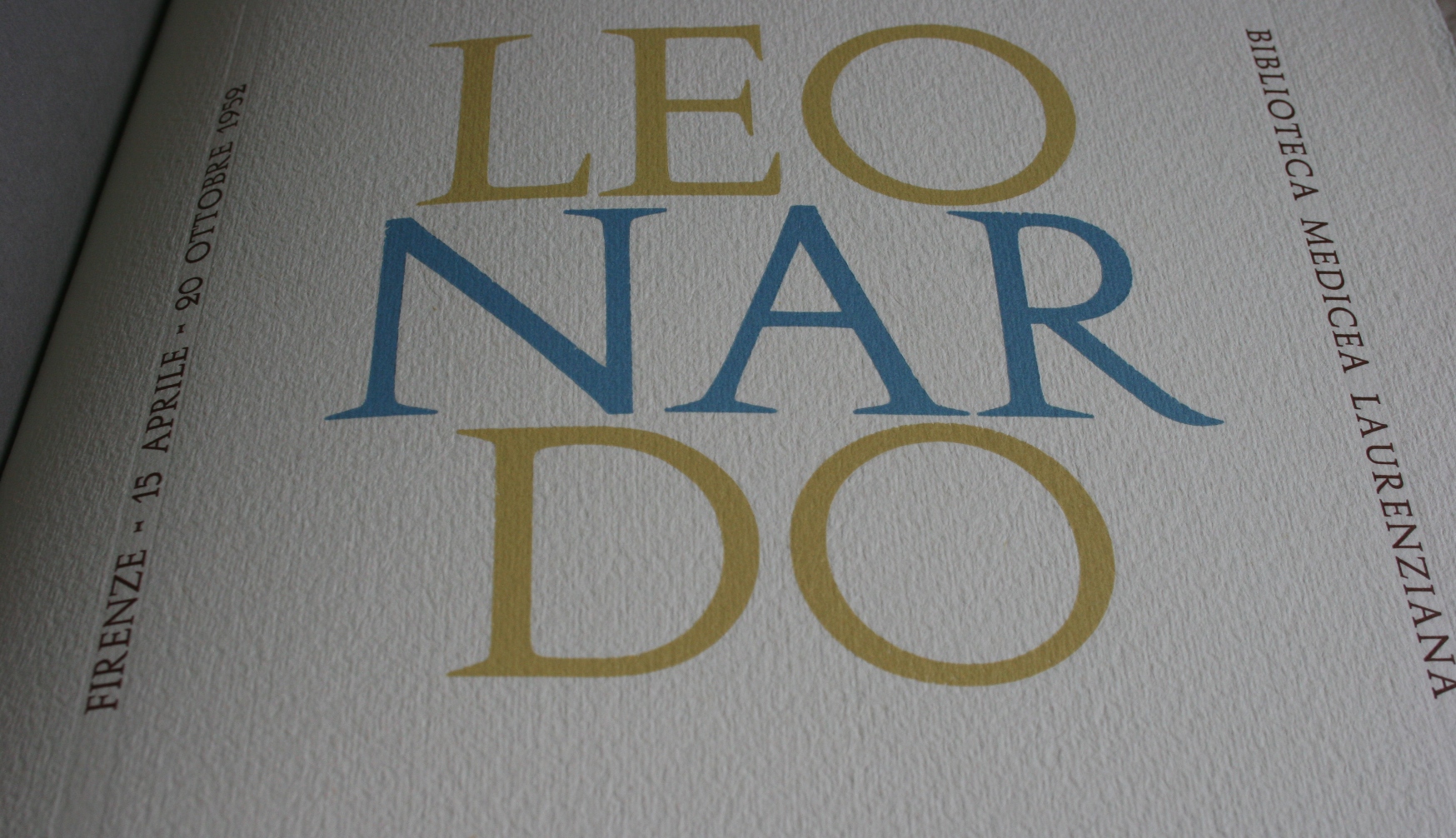
Leonardo

Catalogue cover designed by Aldo Novarese, types by Alessandro Butti, of Societa Nebiolo Torino. Printed letterpress in Nebiolo’s “Augustea” by G. Canale & C., Tornino, Italy.

A Leonardo da Vinci catalog cover and the cover of the White Swan Hotel’s wine list. Neiman-Marcus fashion awards for 1949. An illustration of George Bernard Shaw. A die-stamped Christian Dior letterhead. And so much more. All here, in this catalogue.

Catalogue, ships

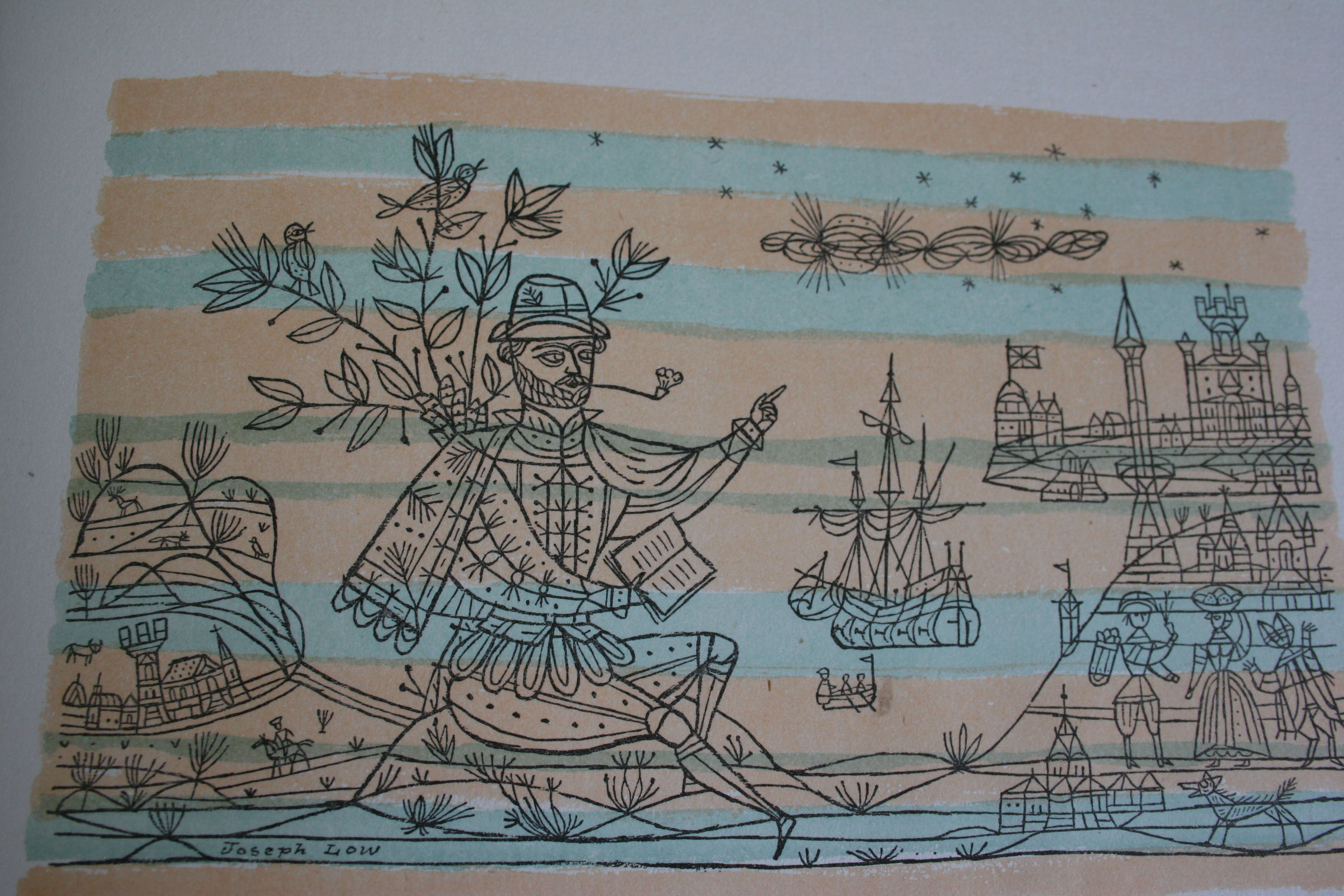
Designed by Walter Howe, with illustration by Joseph Low and printed letterpress at The Lakeside Press, R.R. Donnelly & Sons Company, Chicago, Illinois. Handmade HOSHO paper.

I wonder if I should be handling such finery, such opulence, with white gloves.

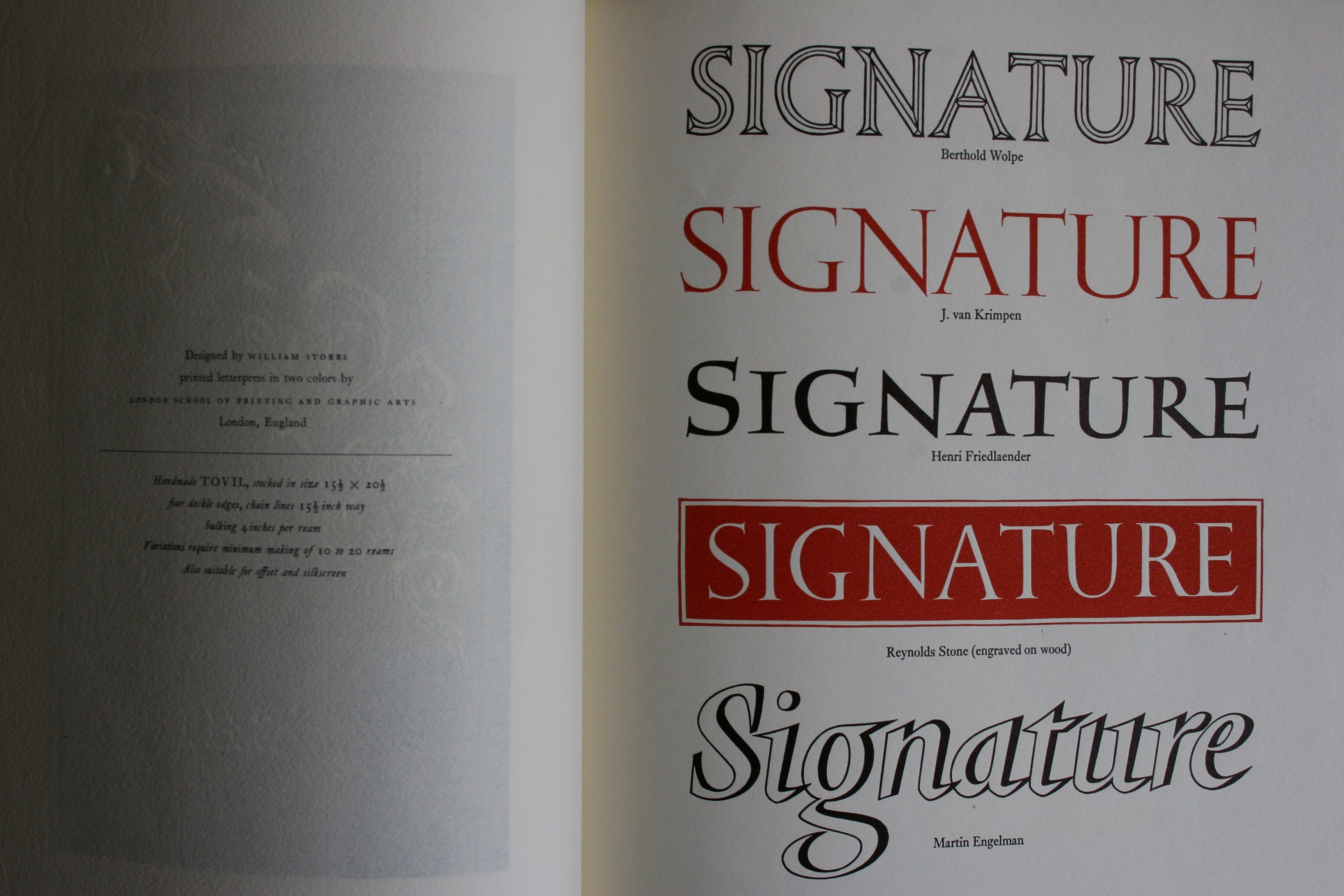
Signagture

A series of headings for the cover of SIGNATURE, A Quadrimestrial of Typography and Graphic Arts, edited by Oliver Simon. Designed and printed by letterpress at The Curwen Press, Plaistow, London, England.

This is my kind of book, one which combines my love of the printed word with the art of printing it. I care about paper and fonts and graphics. Clean lines and simplicity.

Art flows beneath my fingertips as I turn page after page, examining the specimens once showcased by a Minnesota paper salesman.

© Copyright 2014 Audrey Kletscher Helbling