
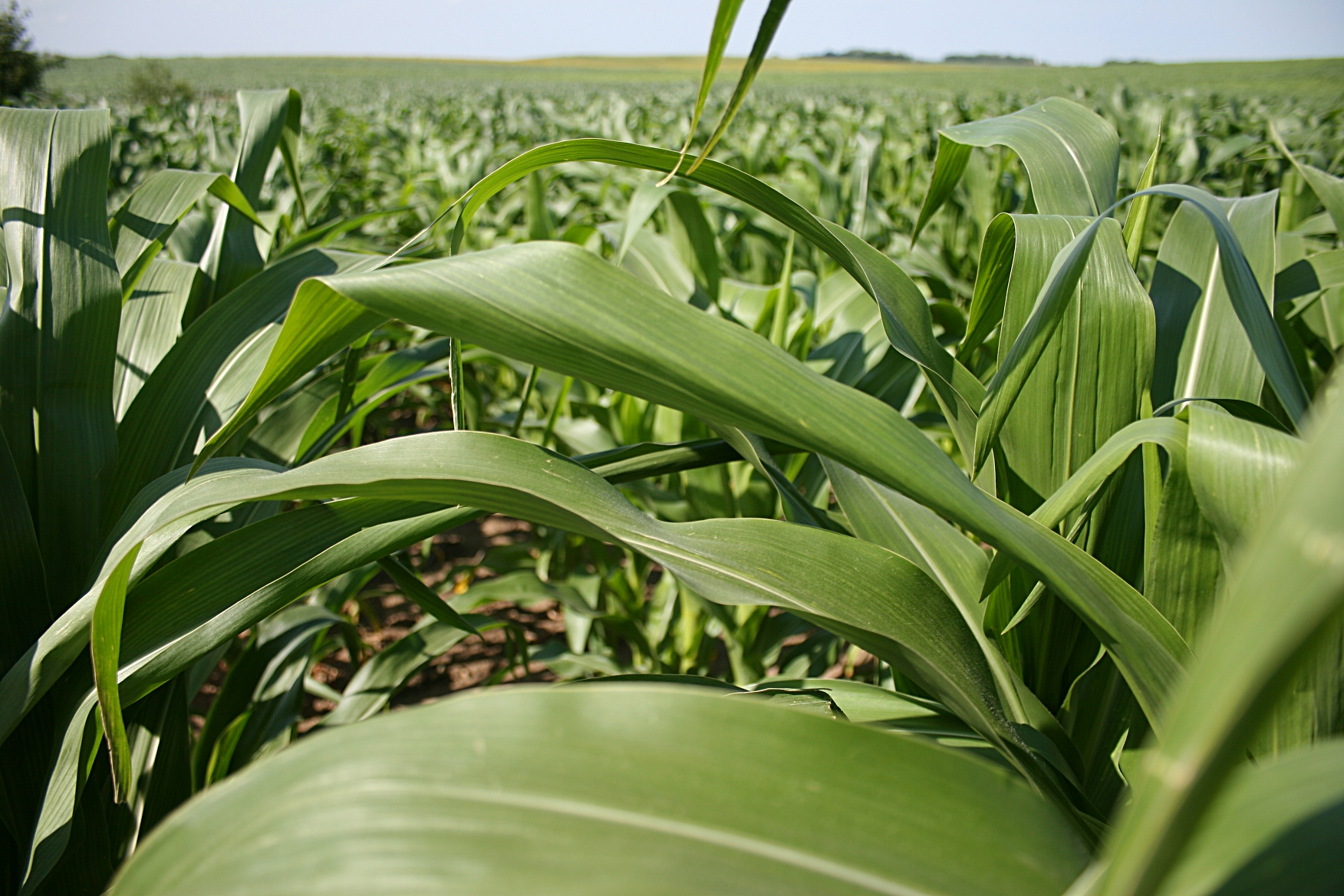
Into the cornfield and up close.
I CAN ALMOST FEEL the corn leaves slicing across my arms, hear the leaves whispering in the wind, see the stalks growing higher and higher, racing toward the prairie sky on a July afternoon.
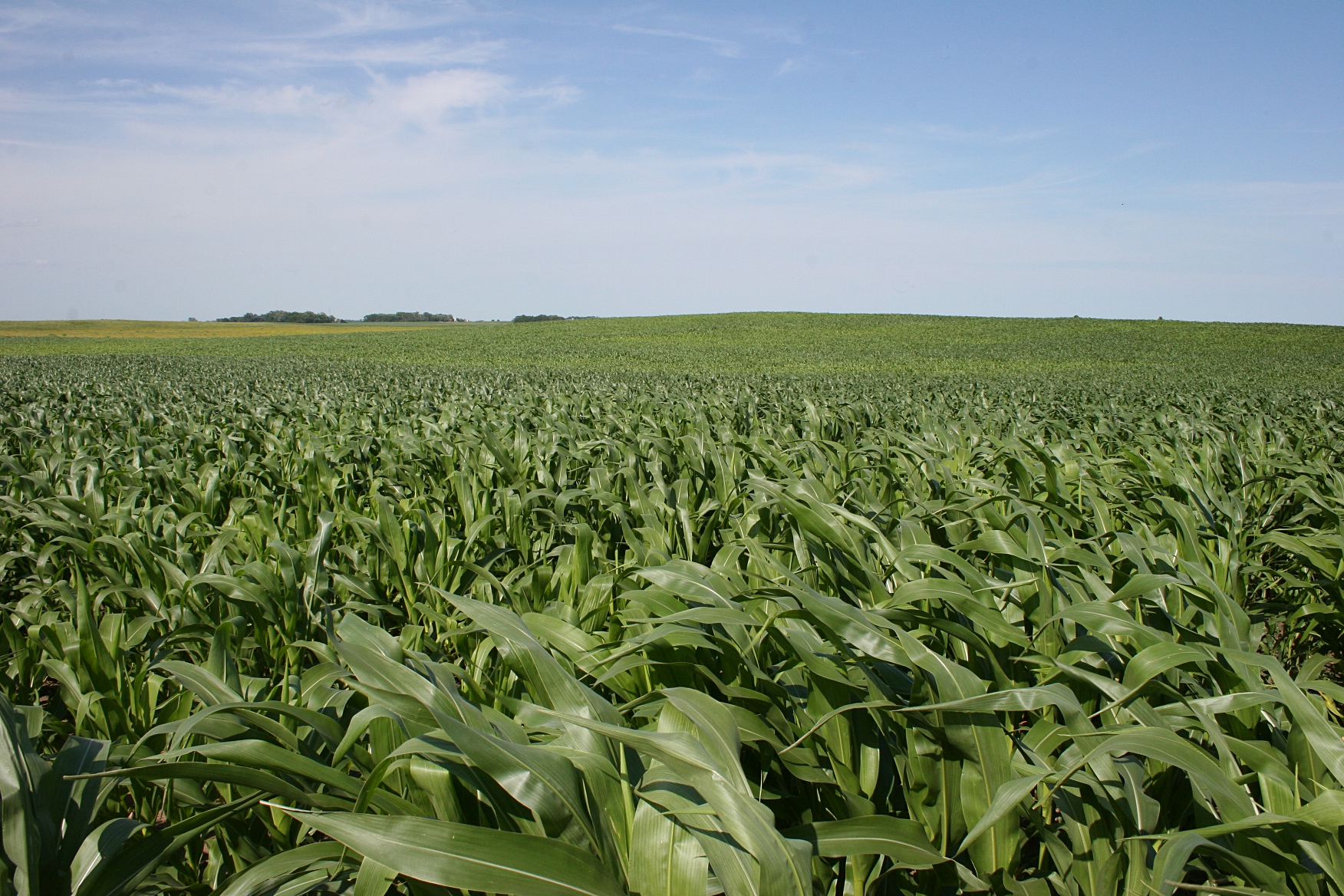
Corn and soybean fields define southwestern Minnesota.
These are the memories I hold within my cells—the imprint of corn rows stretching into forever. My father’s work laid out before him across the acres. First, seeds dropped into the rich black soil. Next, corn rows cultivated. And then, in autumn, the combine chomping across fields. Golden kernels spilling into wagons. Trips to the grain elevator.
I see all of that in the corn growing in my native southwestern Minnesota.
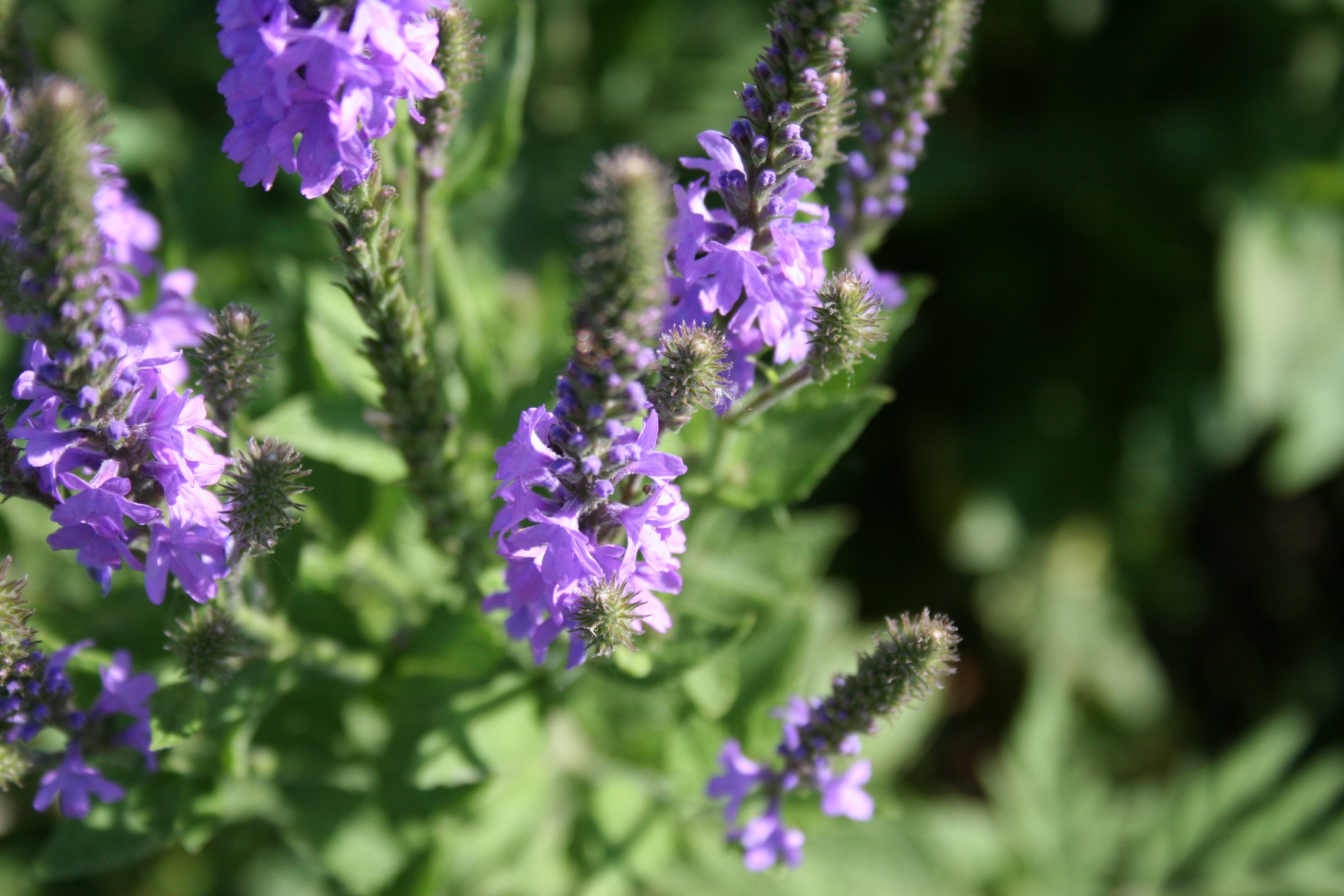
Through the wildflowers…
On July 4, my husband and I waded through tall ditch grass and wildflowers to check out a cornfield near Lamberton. Back in the day, corn growth was measured against the expected “knee high by the Fourth of July” standard.
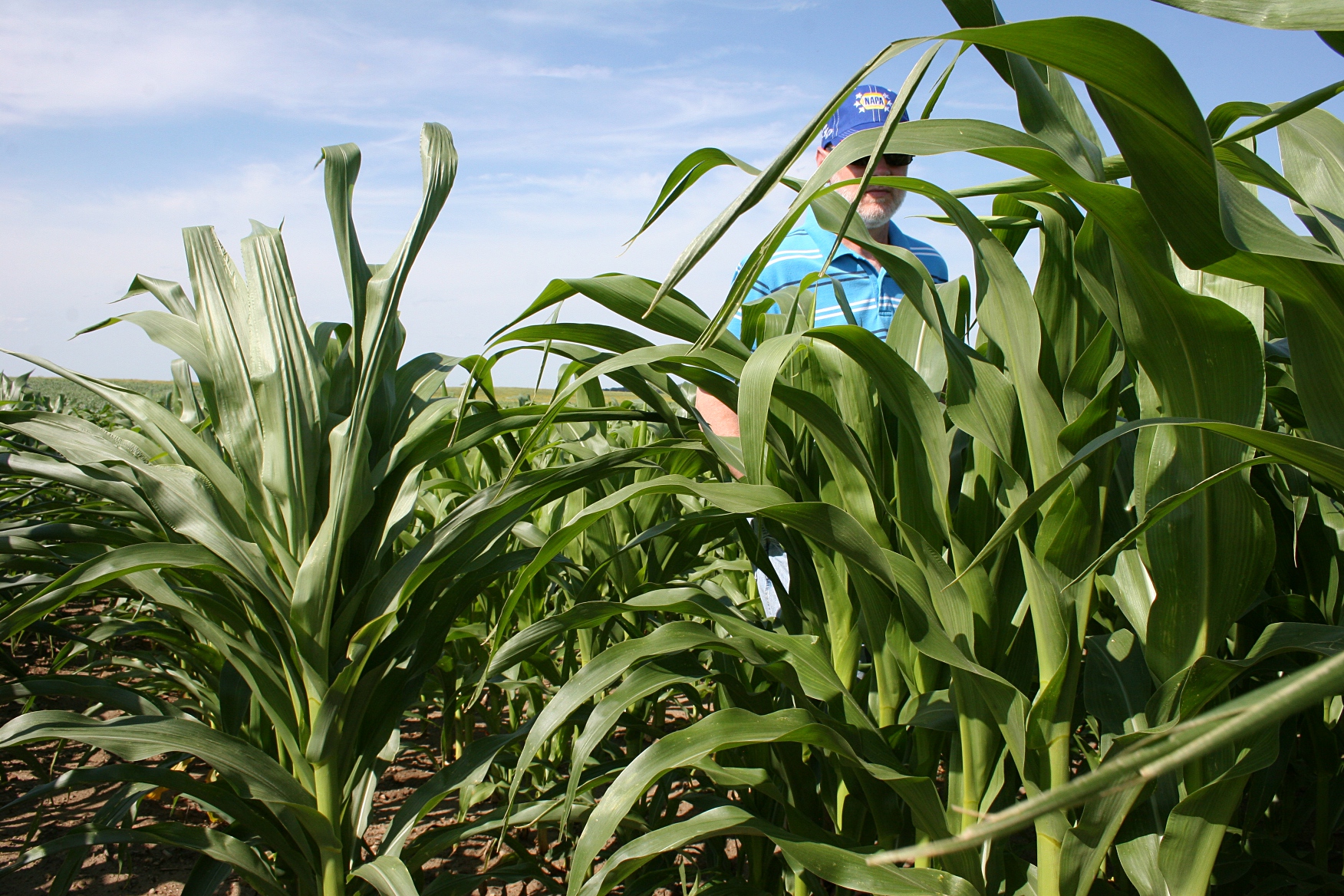
Not quite reaching my husband’s shoulders even though the corn appears head high from this angle.
Unless a farmer has to replant or gets his crop in late, his corn is more like shoulder high by the Fourth in today’s agricultural world.
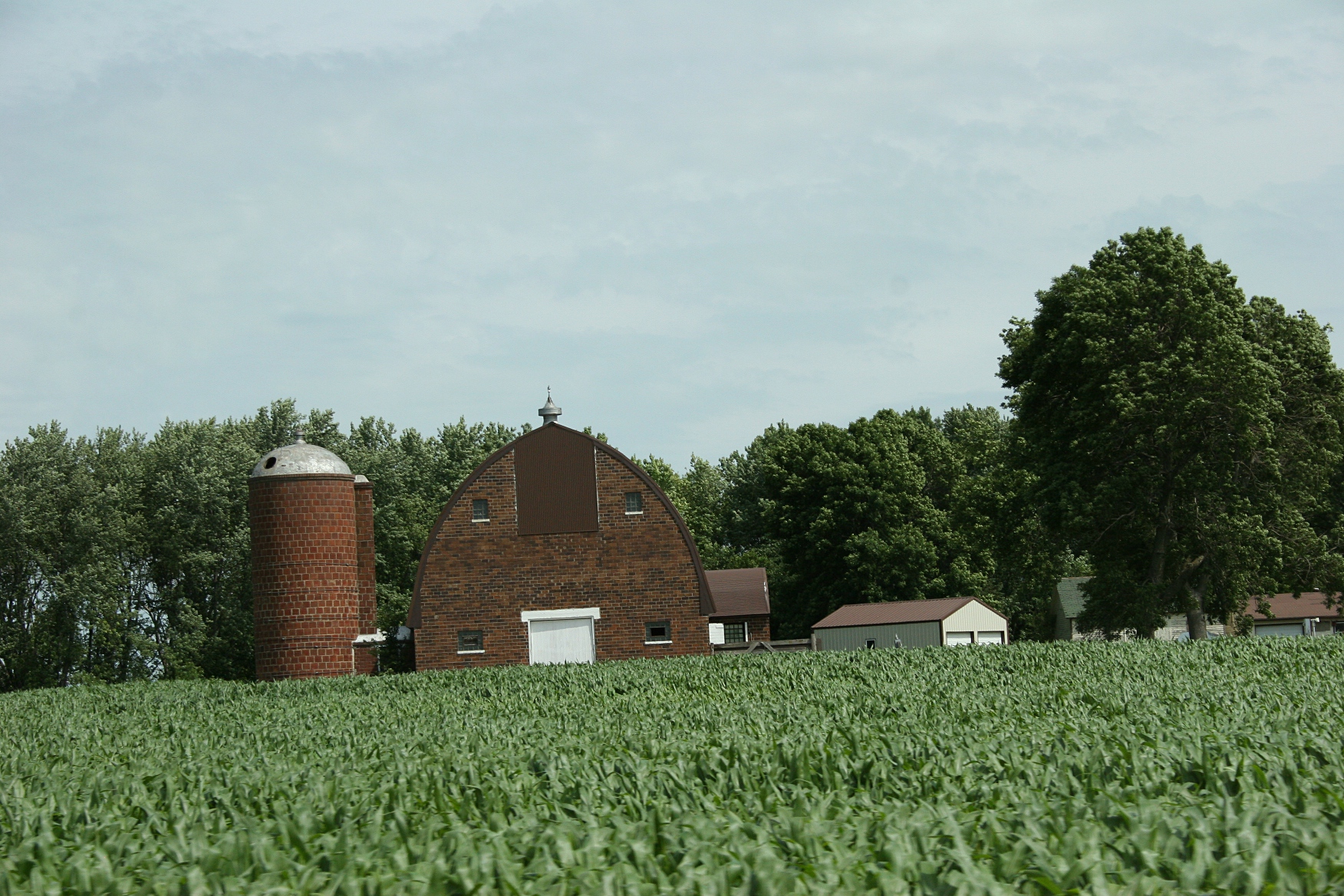
Corn grows in a field next to one of my favorite barns along U.S. Highway 14 in southwestern Minnesota.
This year, though, with late planting and many fields drowned out by too much rain, corn growth appears behind the norm.
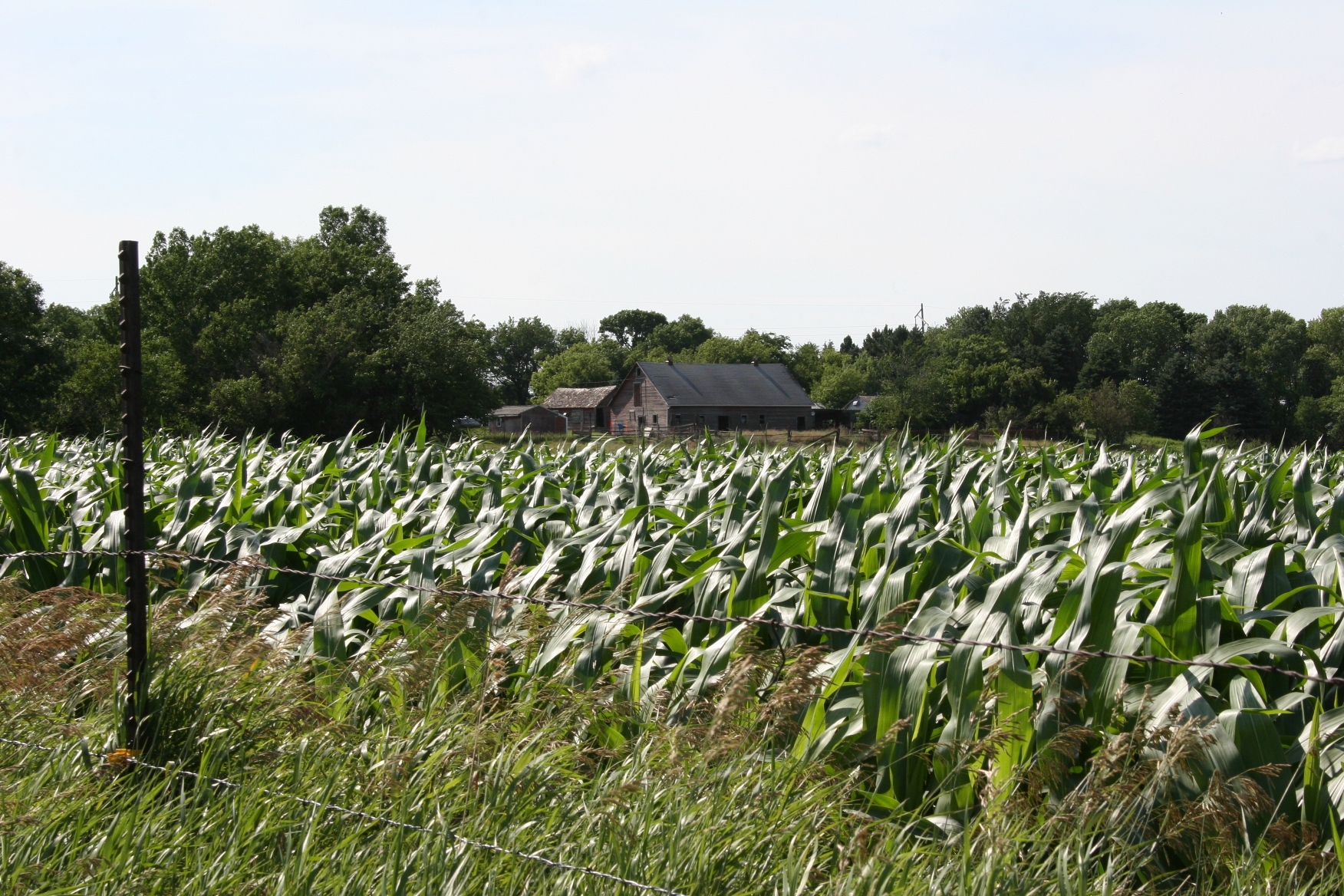
Across the fence and across the cornfield, my brother’s neighbor’s place.
But one thing remains constant, no matter the weather, no matter the year. Farmers hang on to harvest hope.
© Copyright 2014 Audrey Kletscher Helbling


 Minnesota Prairie Roots
Recent Comments