
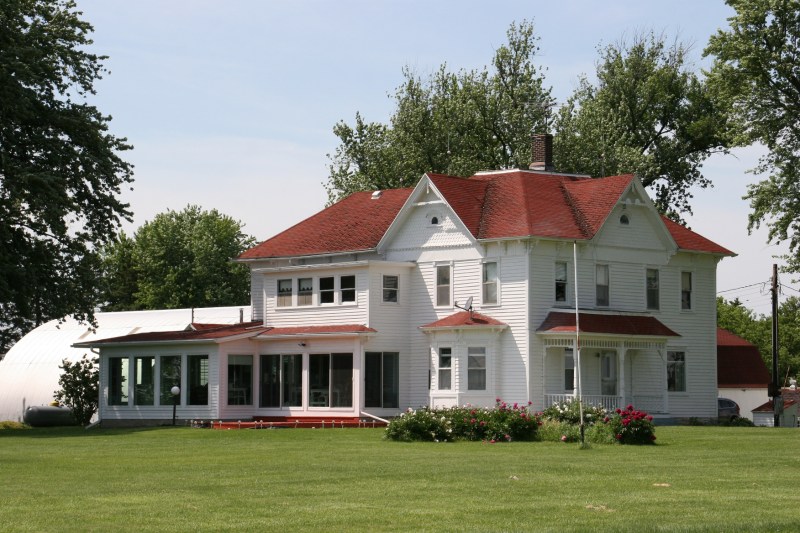
A lovely, sprawling farm home in Aspelund.
TECHNICALLY, ASPELUND is classified as a ghost town by the Goodhue County Historical Society. There’s no longer a post office in this spot along County 1 Boulevard in west central Goodhue County, apparently the reason for the ghost town tag.
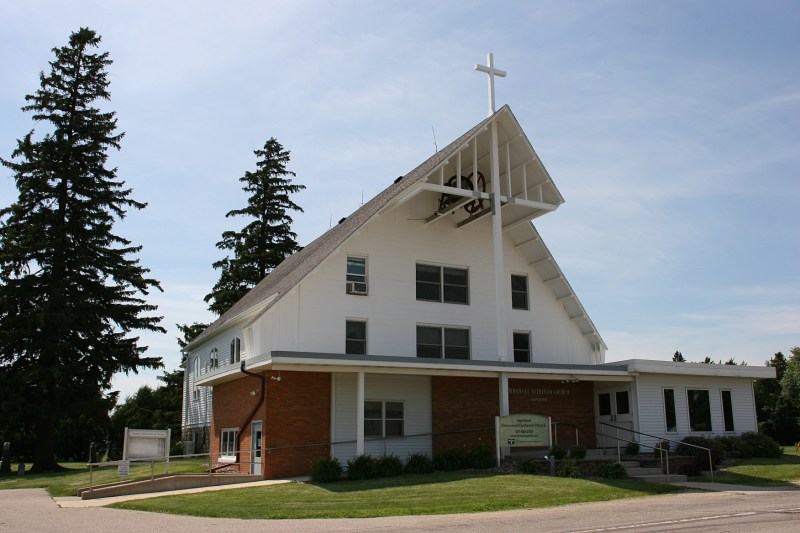
The community’s church, Emmanuel Lutheran.
But my observations, and thus definition, of Aspelund differ. People still live here—on at least two farms—and worship here and attend to local government business in the Wanamingo Town Hall.
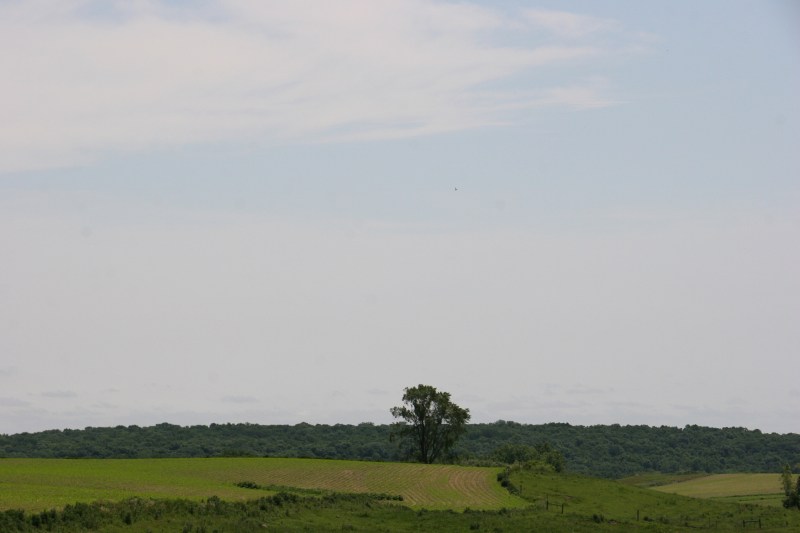
The area around Aspelund is beautiful Minnesota countryside with a mix of fields and woods, flatland and hills.
Aspelund doesn’t appear ghost townish to me. Rural, yes.
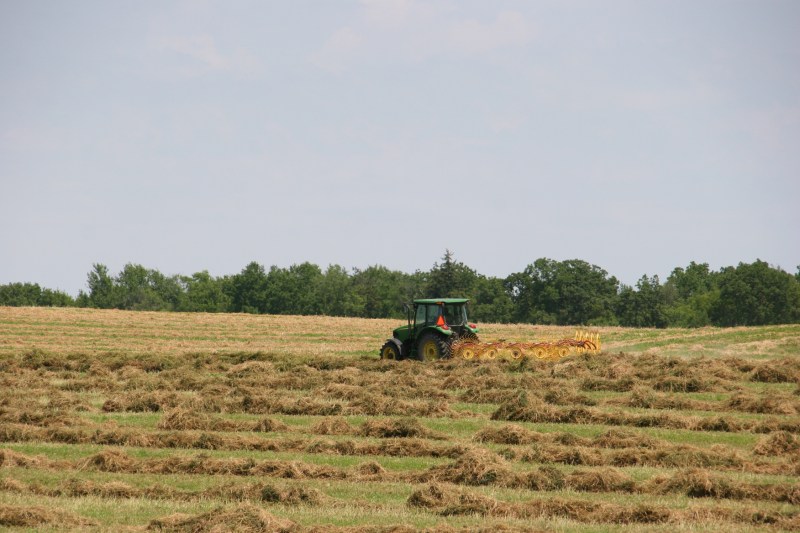
Working an alfalfa field on the outskirts of Aspelund.
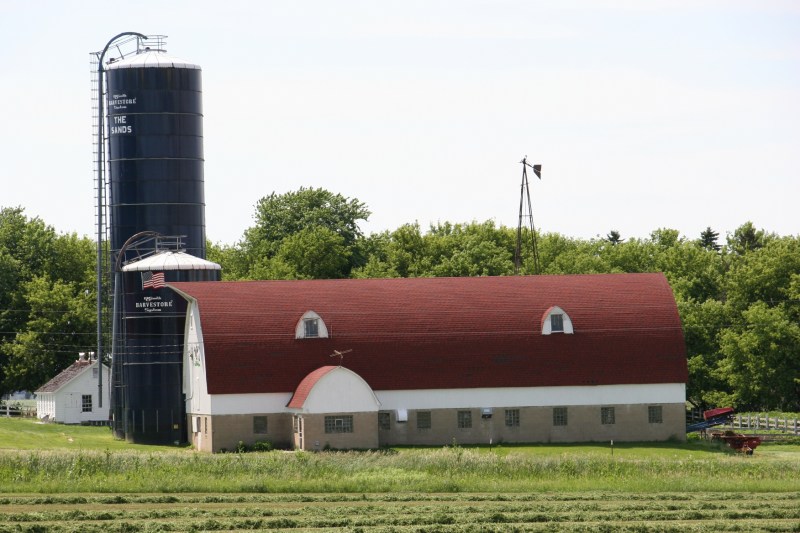
One of two barns in Aspelund.
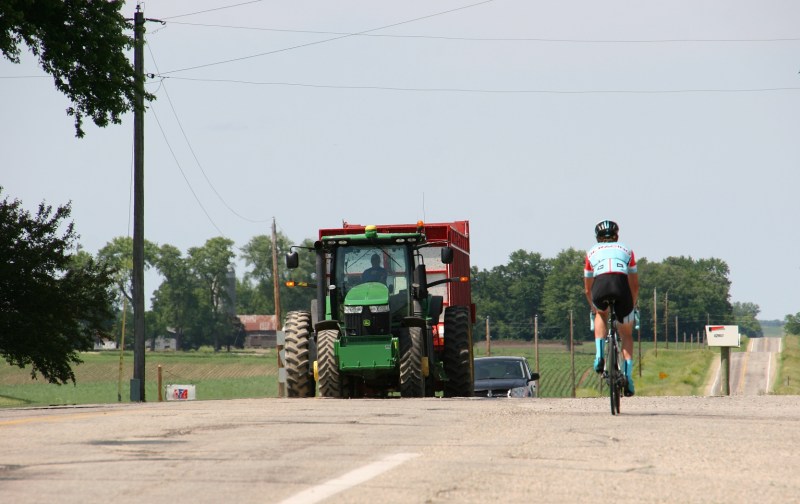
Traffic through Aspelund on Sunday afternoon.
On Sunday afternoon, I observed farmers in fields, a youth group meeting in Emmanuel Lutheran Church, and a biker, motorists and farmers passing through this settlement.
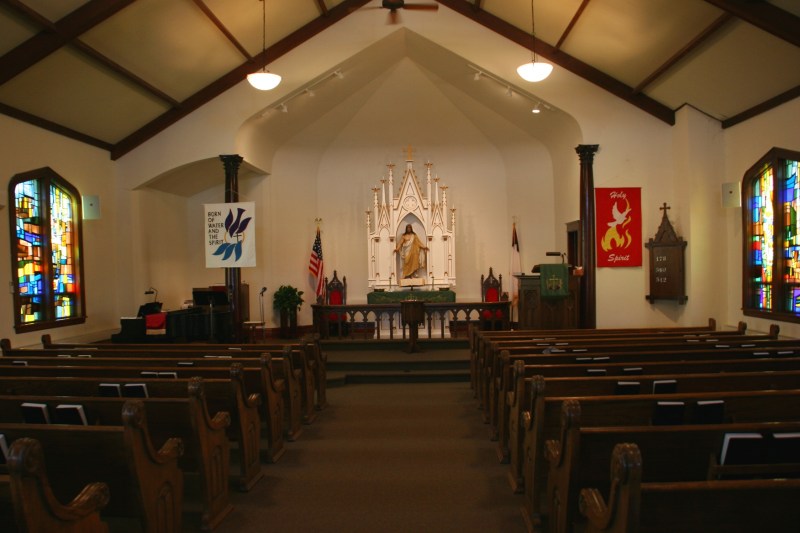
Inside Emmanuel Lutheran Church. Local churches centered the community, especially during the days of early settlement.
Places like Aspelund impress upon me their historical and current value in rural Minnesota. Mostly Norwegians settled here to farm the land, to re-establish their lives in a new land of opportunity. I admire their strength and determination. They endured much—poverty, isolation, disease, homesickness and more. They persevered. Just like their descendants who remain 150-plus years later.
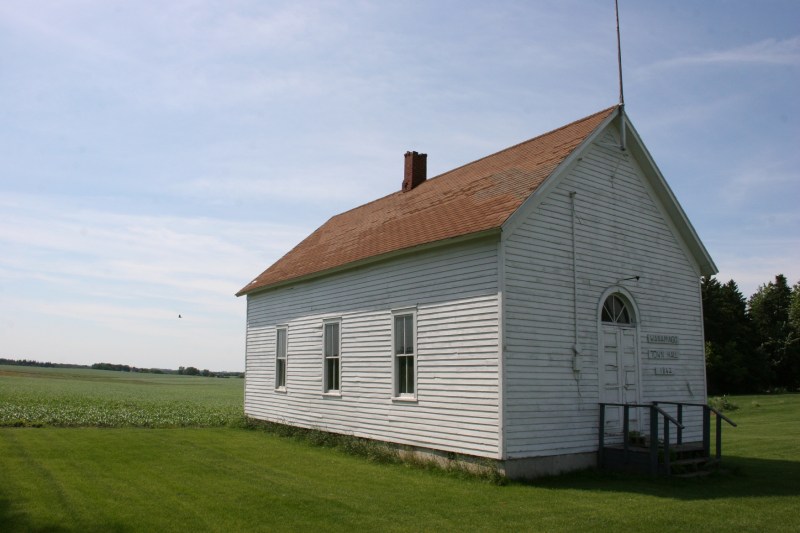
The old Wanamingo Township Hall, built in 1862, stands next to the church.
Aspelund’s ethnic roots are documented in family names on gravestones, in the records of churches like Emmanuel and nearby Holden Lutheran, and in current voter registration rolls.
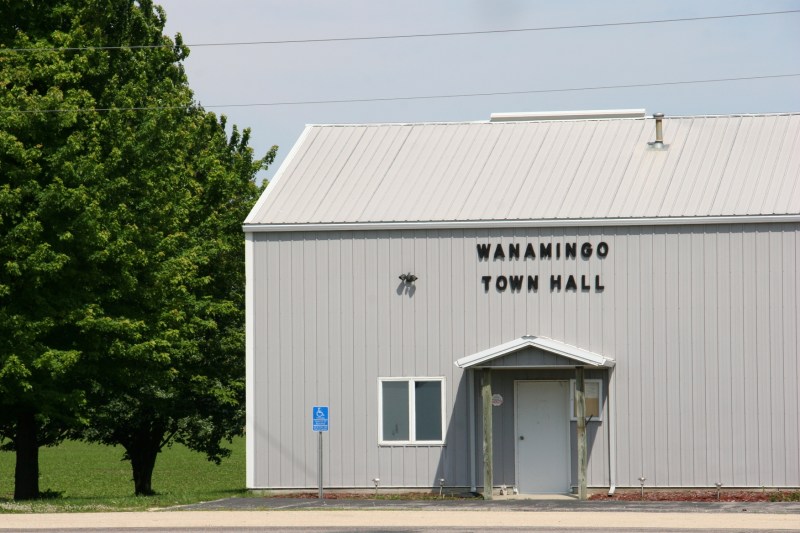
The current town hall.
Even the name of the settlement itself, Aspelund, comes from a town in Norway. Oh, how those early immigrants must have missed their homeland. And how their descendants still appreciate the Mother Land today.
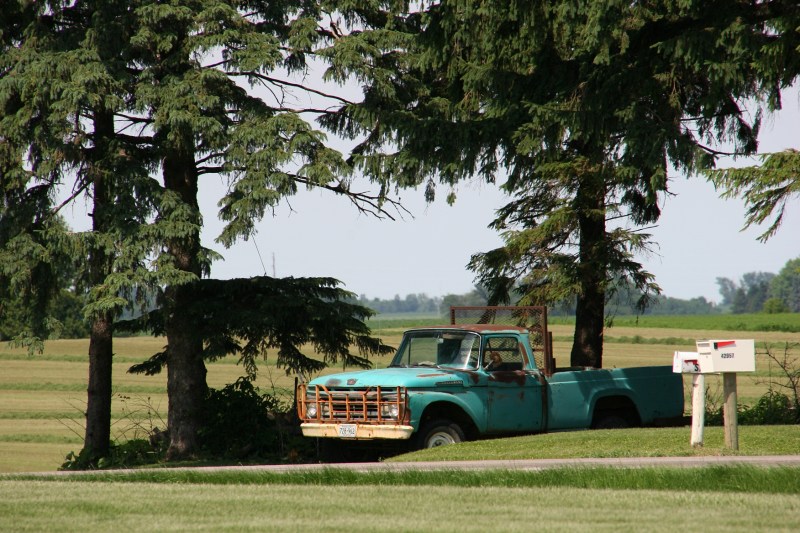
Photographed in Aspelund.
FYI: Check back tomorrow as I take you into the Emmanuel cemetery. Click here to read yesterday’s post about Aspelund Winery and Aspelund Peony Gardens.
© Copyright 2016 Audrey Kletscher Helbling


 Minnesota Prairie Roots
Recent Comments