
THERE’S SOMETHING ABOUT AN AUCTION that evokes nostalgic curiosity, drawing people together to peruse second-hand merchandise, perhaps to bid, perhaps only to watch silently from the side. Even to mourn.
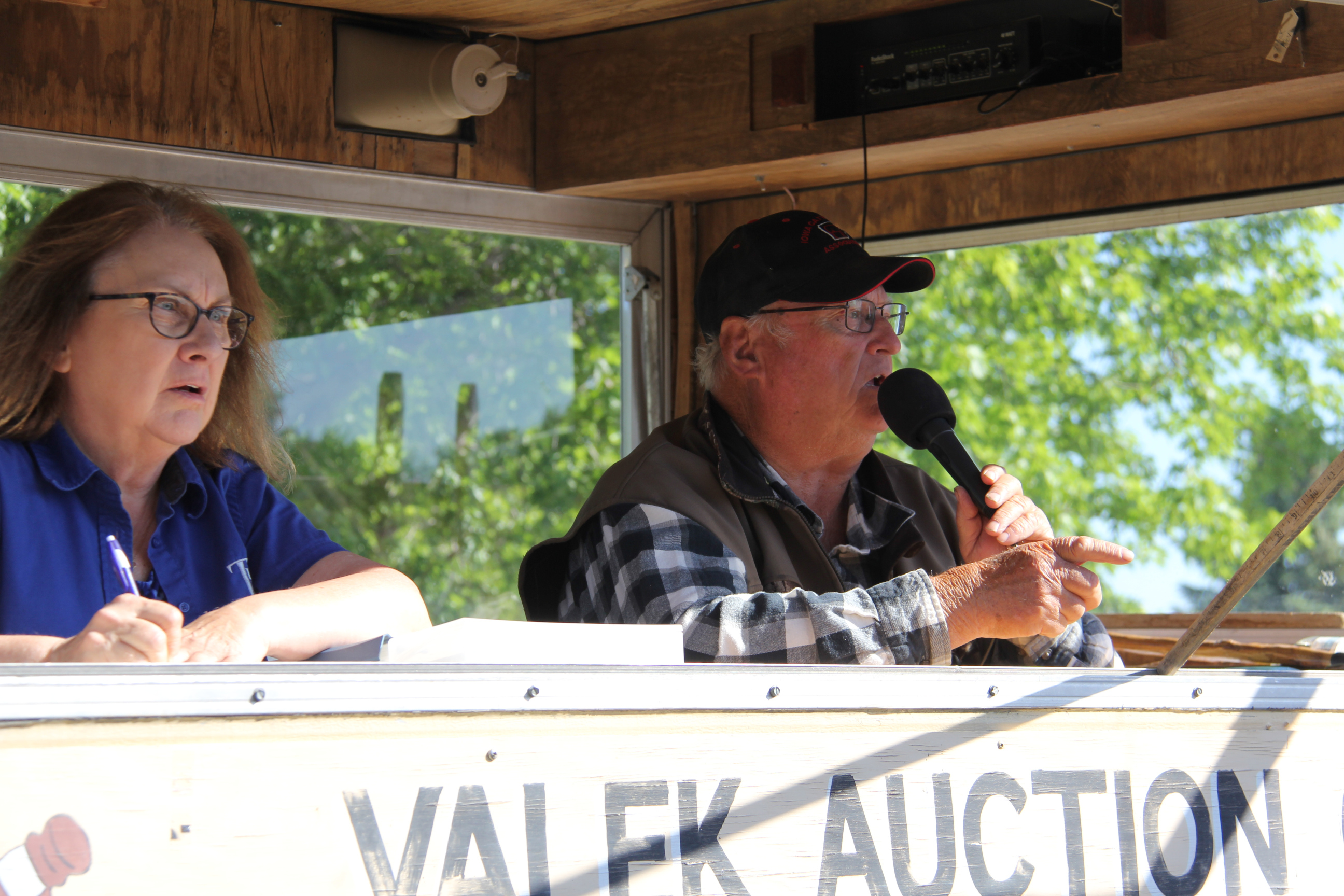
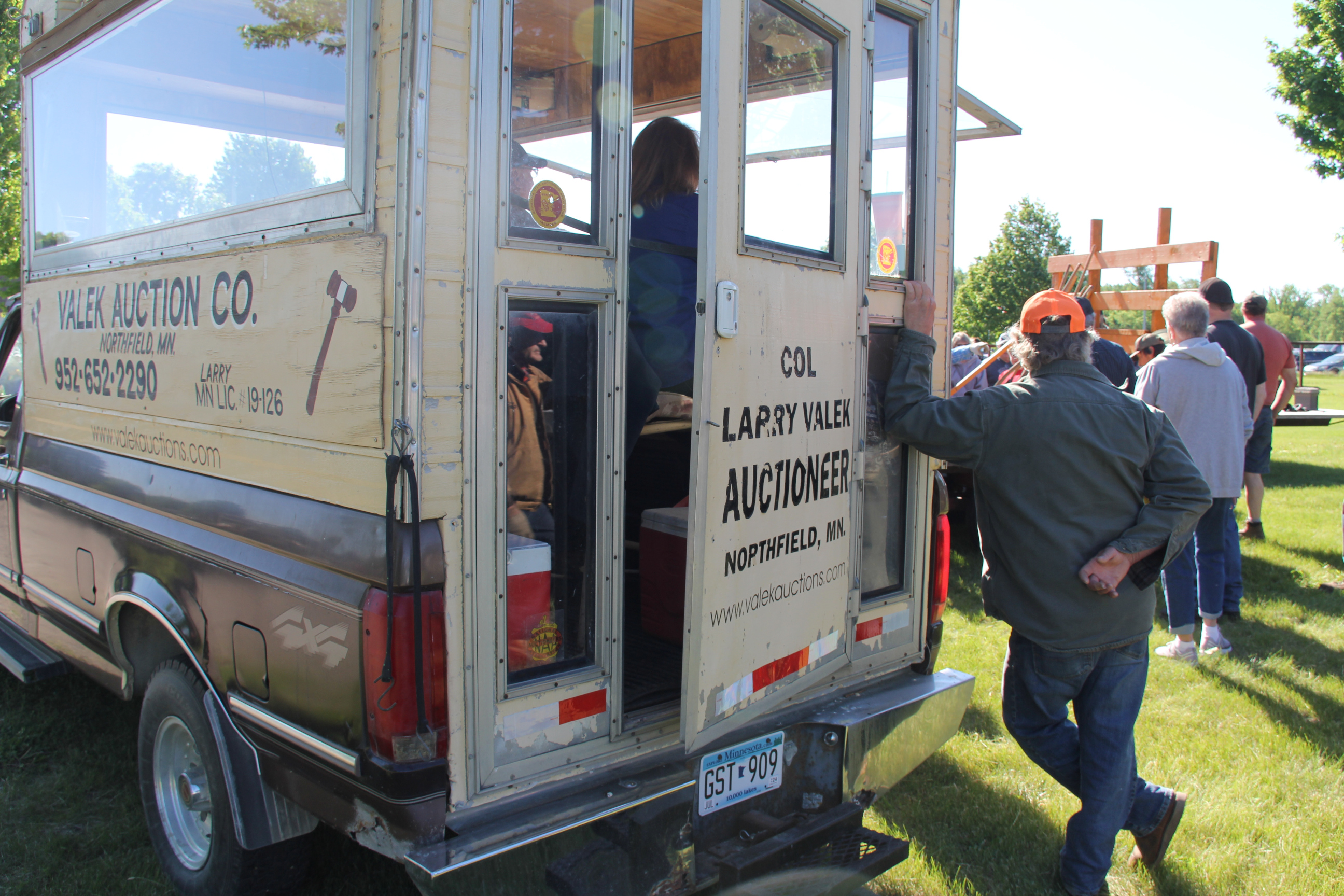
Recently, I attended the spring auction at the Rice County Steam & Gas Engines showgrounds south of Dundas as an observer. I didn’t need any of the goods sold on consignment with all commissions donated to the nonprofit. But, still, I watched and wove among the items auctioned by Valek Auction Co. of Northfield.
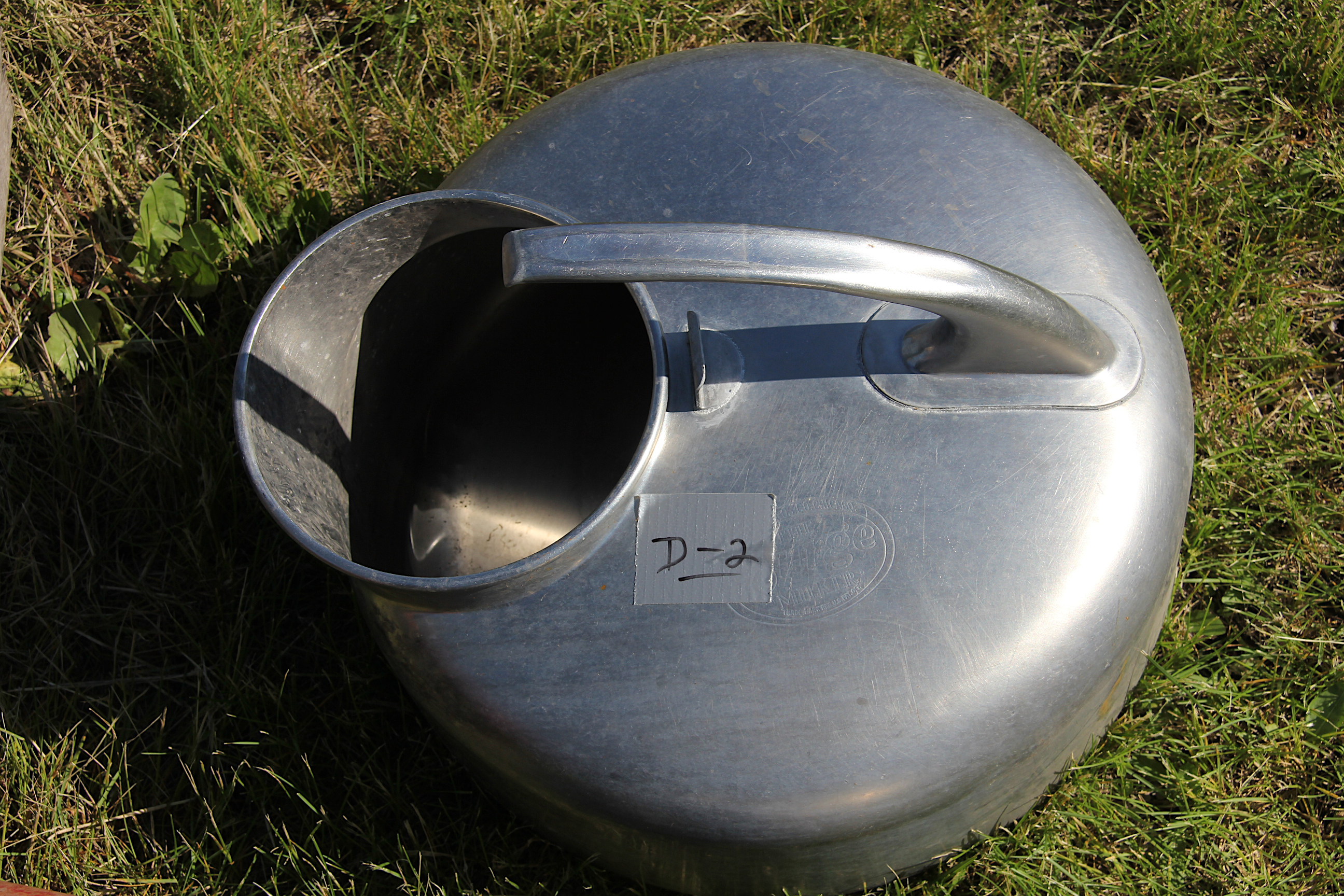
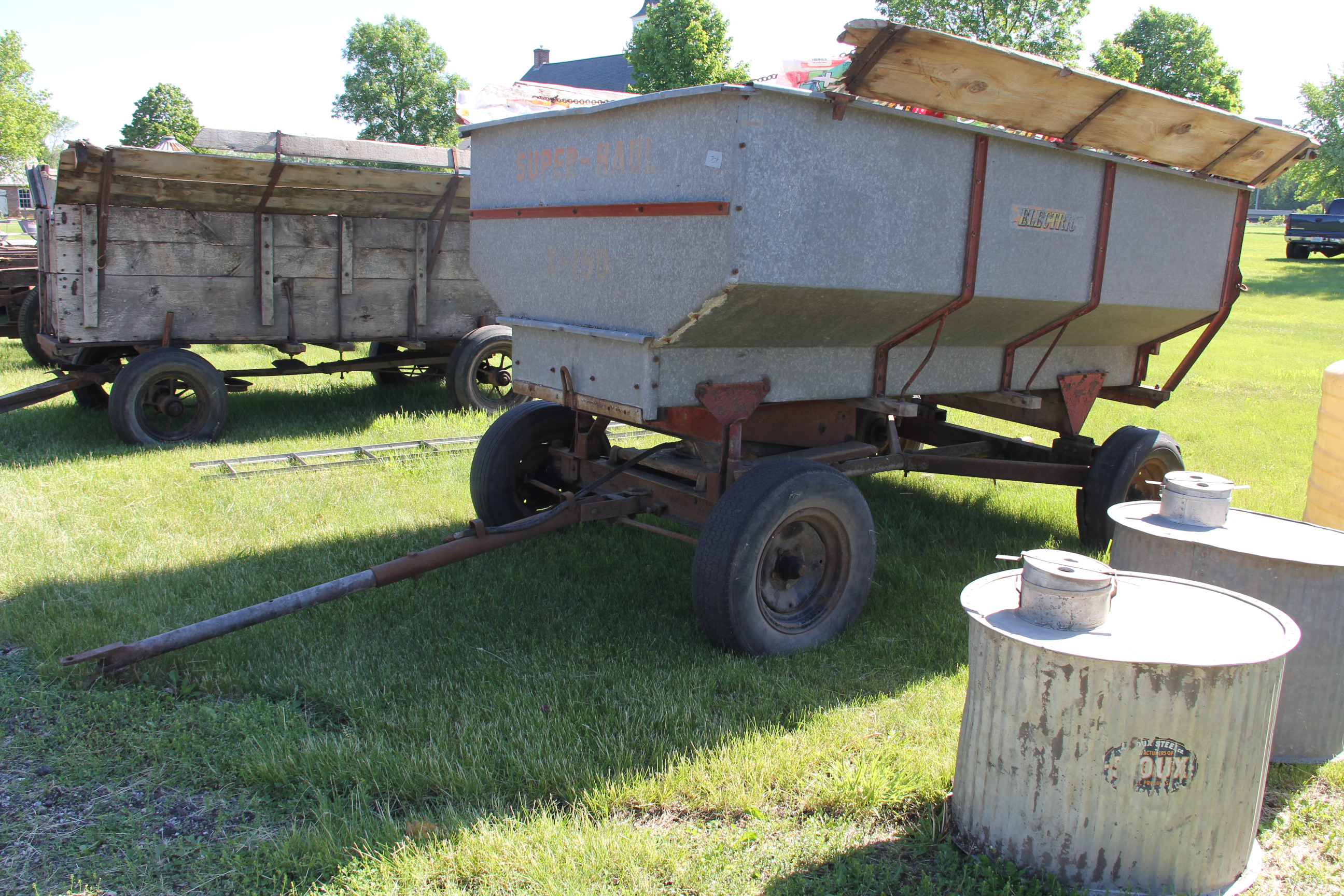
I felt like I was back on the farm, filling a bushel basket with silage for the cows, scrubbing the milk bucket with a brush, mixing milk replacer in a galvanized pail, watching corn flow into an aged grain wagon…
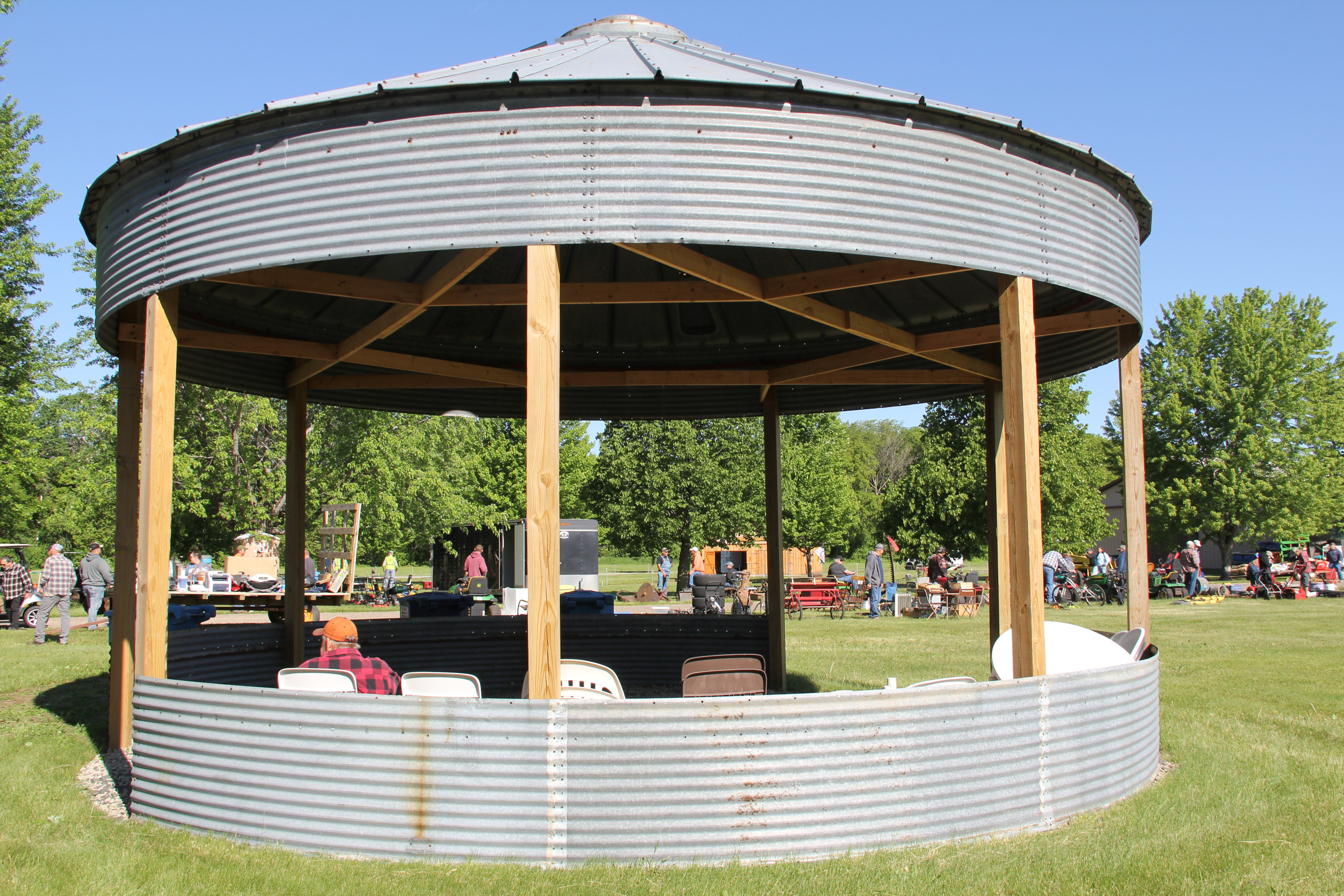
Rural auctions like this, for those of us who grew up on working farms or still live on them, are like steps back in time. Decades removed from farm life, I would feel out of place on a modern-day farm with all the technological advancements, the oversized equipment. That bushel basket, that milk bucket, that pail, that grain wagon…all are the stuff of yesteryear. Farming today is much less labor intensive, more efficient.
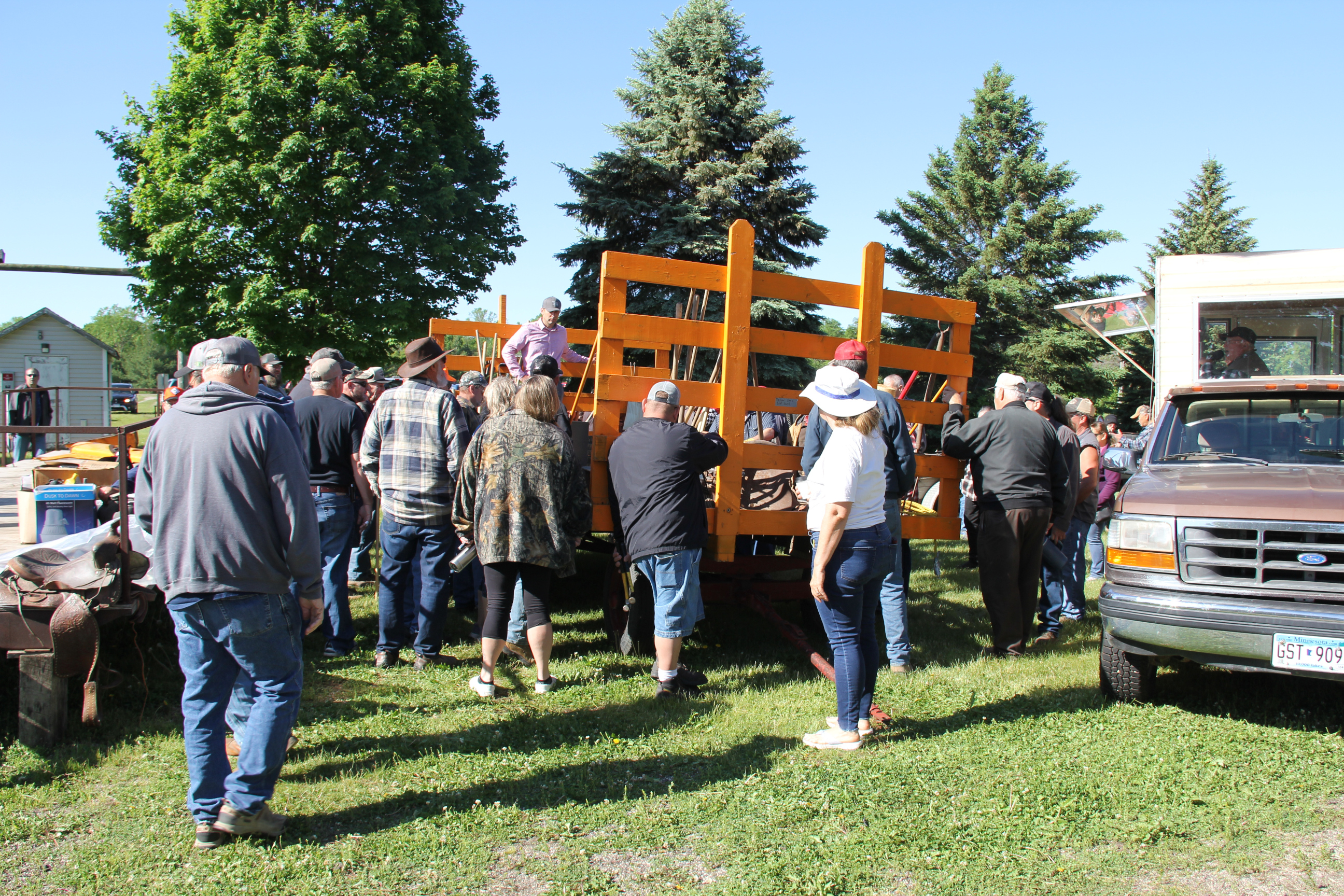
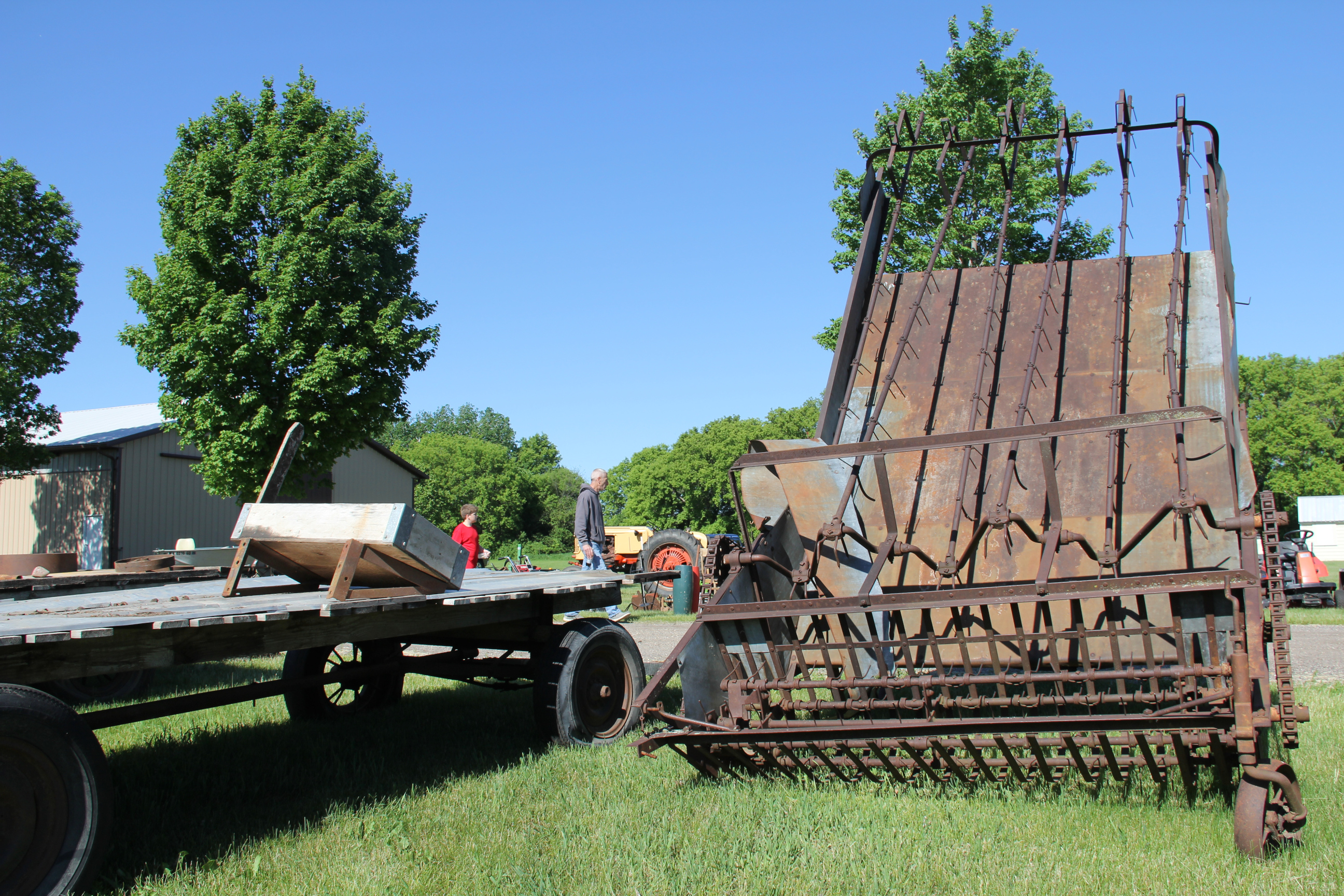
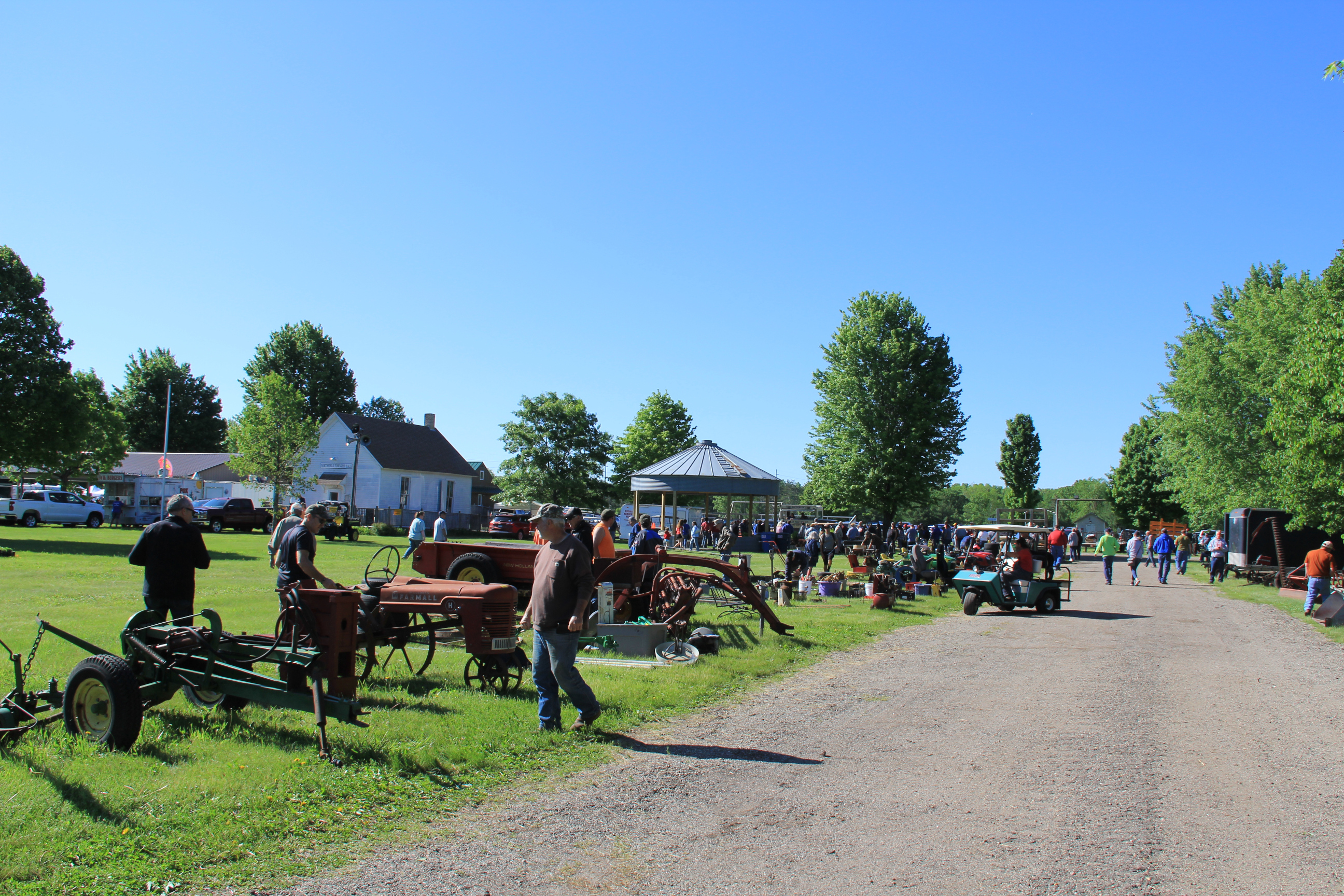
Still, we often hold onto the past, the memories of back-in-the-day, the “way it used to be.” Nostalgia runs strong at auctions. I saw that, felt it, overheard it as folks gathered around the auctioneer’s pick-up truck, leaned on the hay rack piled with auction goods, meandered among the merchandise lining both sides of a gravel road.
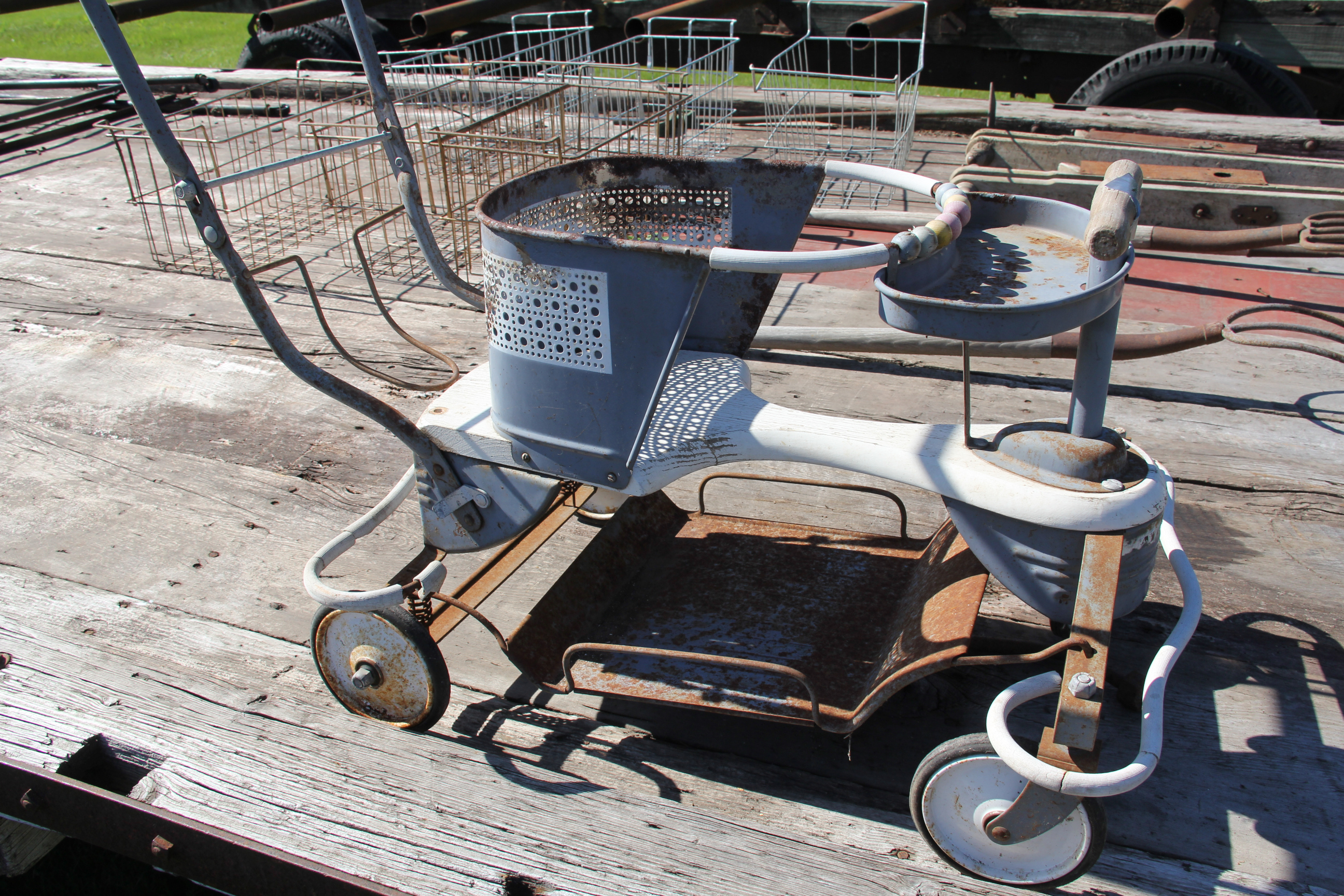
Many of the auction items were vintage, likely pulled from the back corners of a dark machine shed or abandoned barn or from weeds along the edge of a grove. The rusted metal baby stroller could have been the one I rode in, the pitchfork the one I used to bed straw, the hand-reel lawnmower my grandma’s.
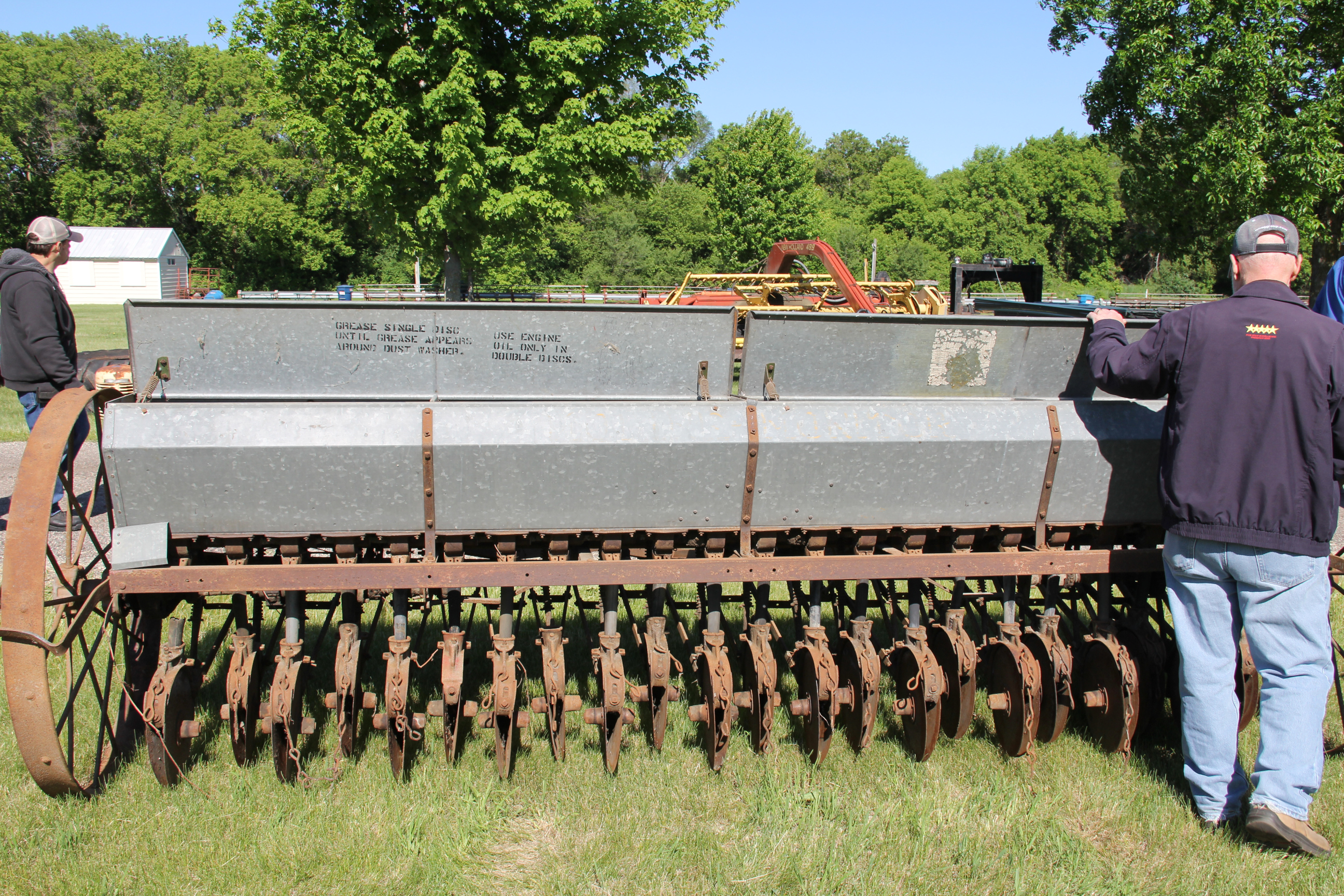
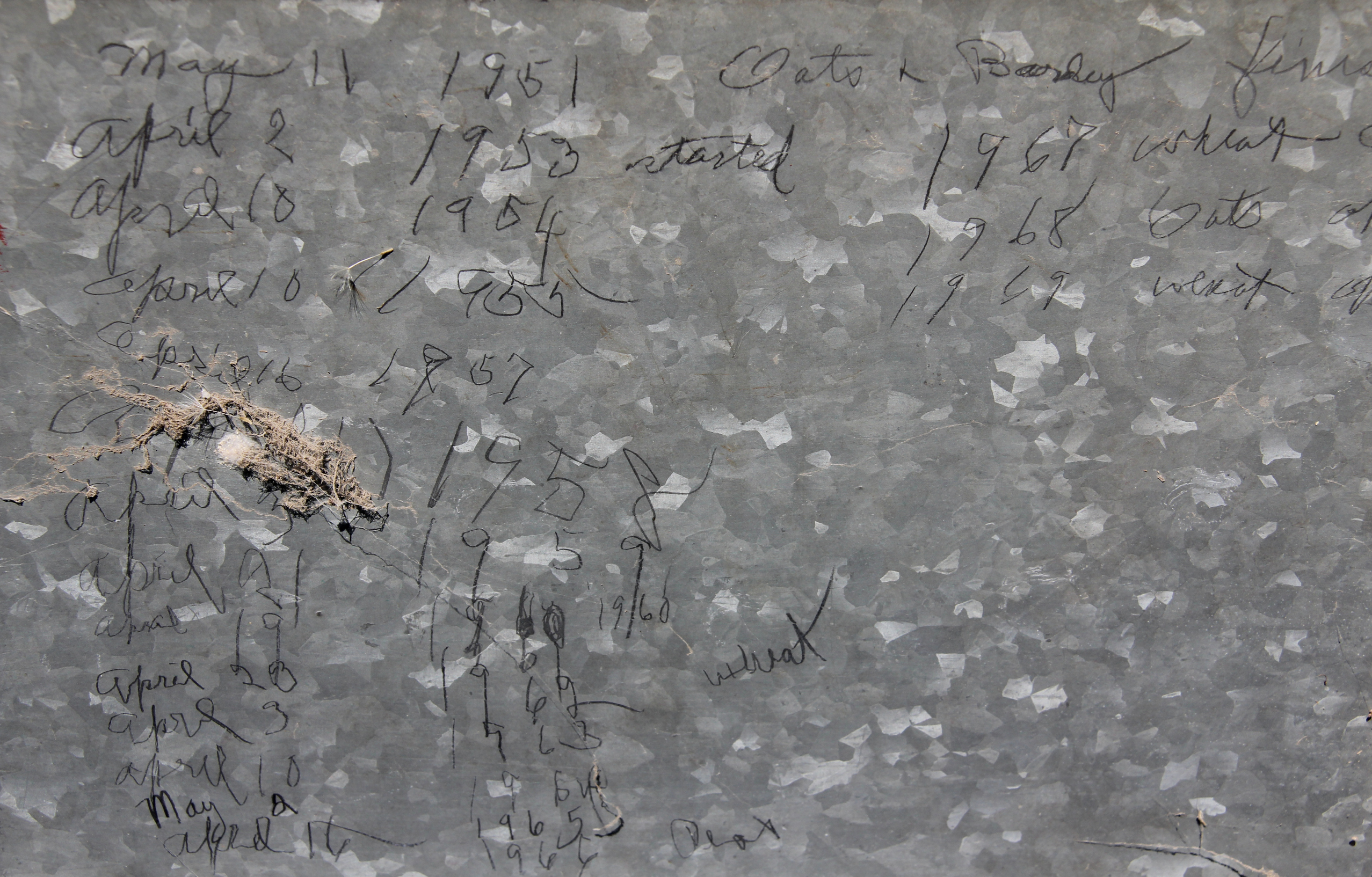
This particular auction held so much relatable history. I doubt I was alone in feeling that way. While looking at a vintage grain drill, an implement used to plant small grains, I discovered historic documentation. There, on the underside of a metal lid, a farmer recorded the dates he planted oats, barley and wheat, beginning in 1951 until 1969 with a few years missing. Planting and finishing dates are important to farmers as they put seed in the ground, anticipate harvest. I thought of this farmer who 73 years ago wrote that first entry on his grain drill, holding the hope of harvest within him.
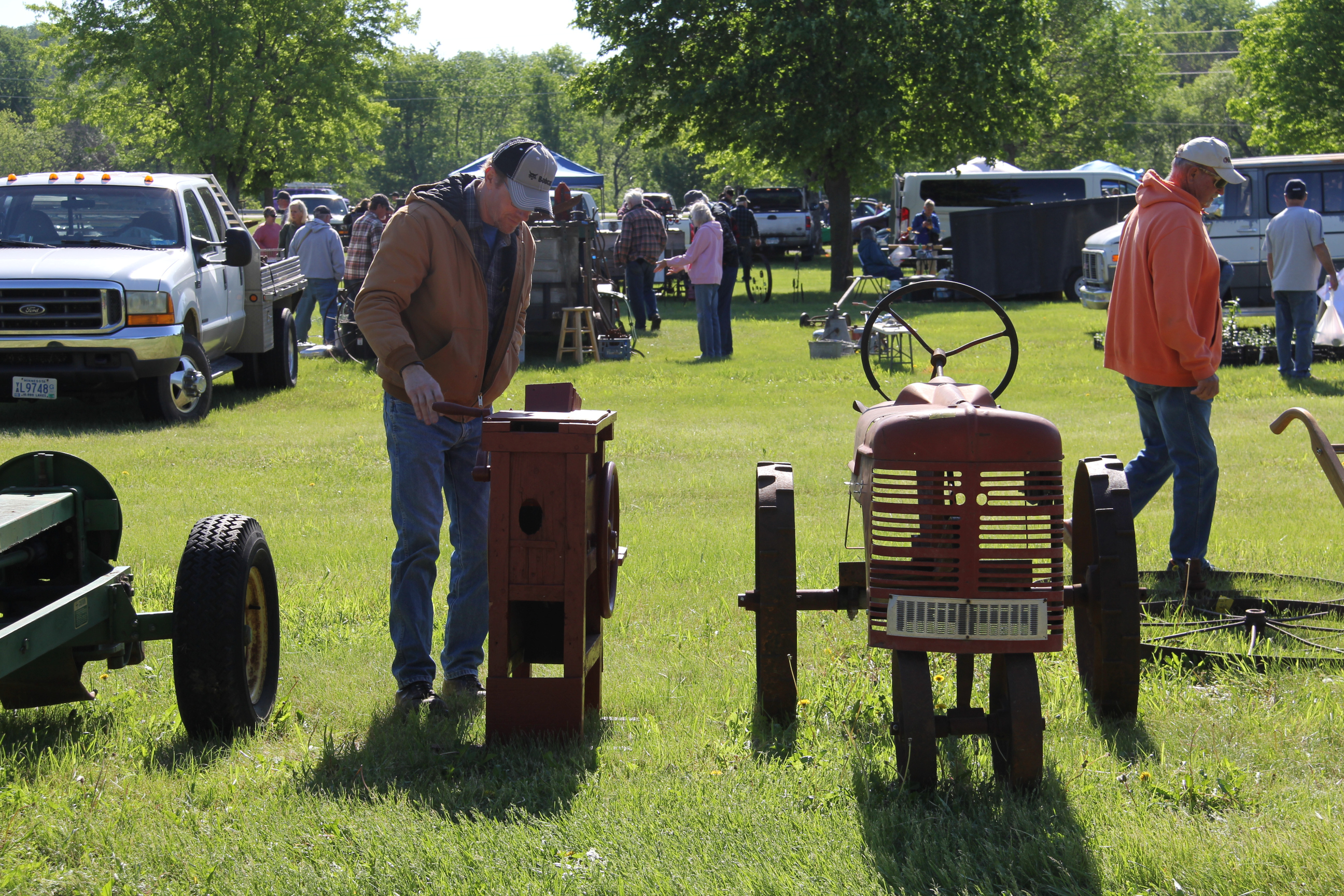
There’s a certain reverence and respect in rural auctions. An honoring of farmers and farm life and the responsibilities that come with tending the land. This isn’t just stuff being sold to the highest bidder, but rather something of value, of importance, that once belonged to another. I remember standing at my father-in-law’s farm auction decades ago and feeling a certain sadness in the sale of items gathered from shed, house, barn and elsewhere.
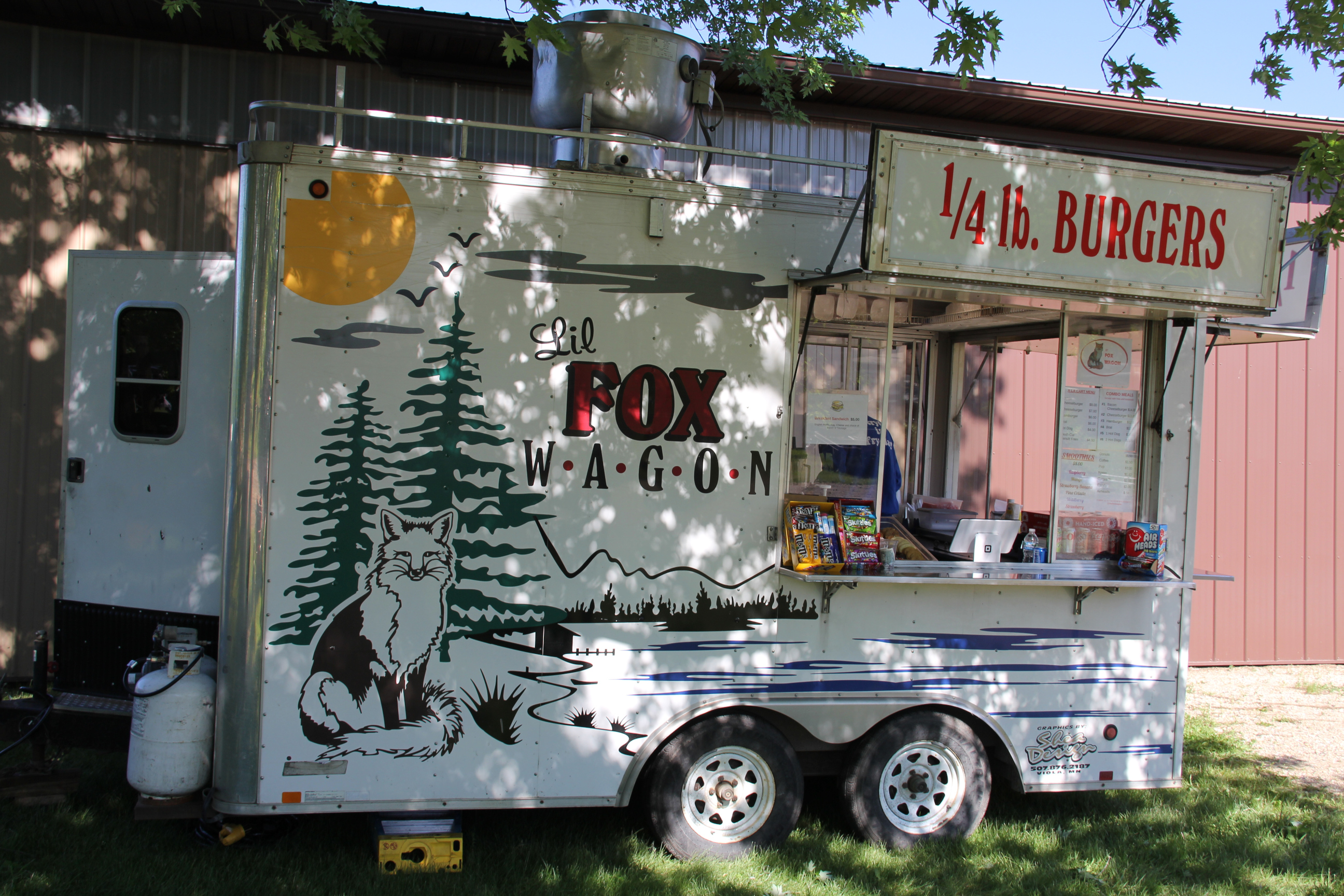
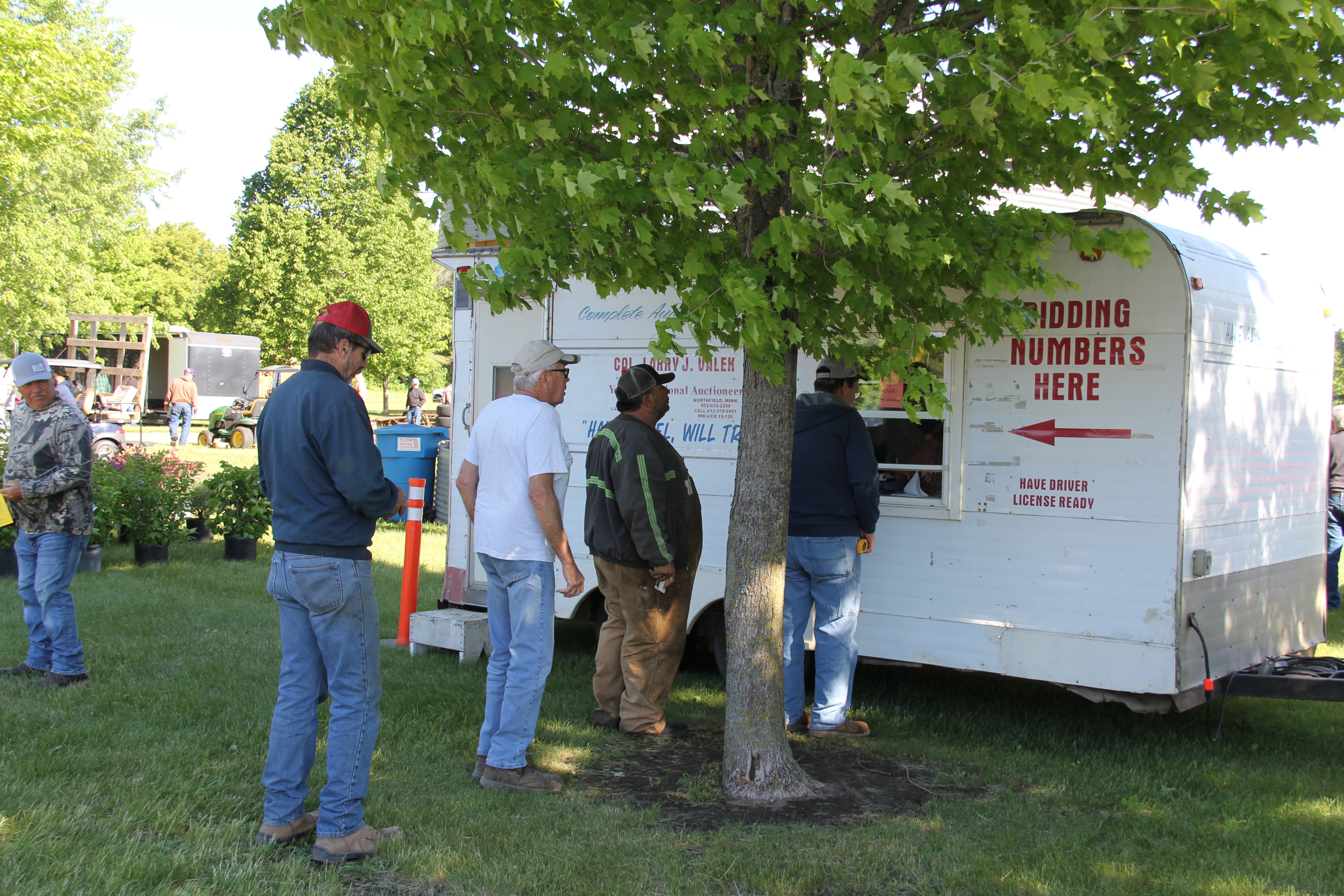
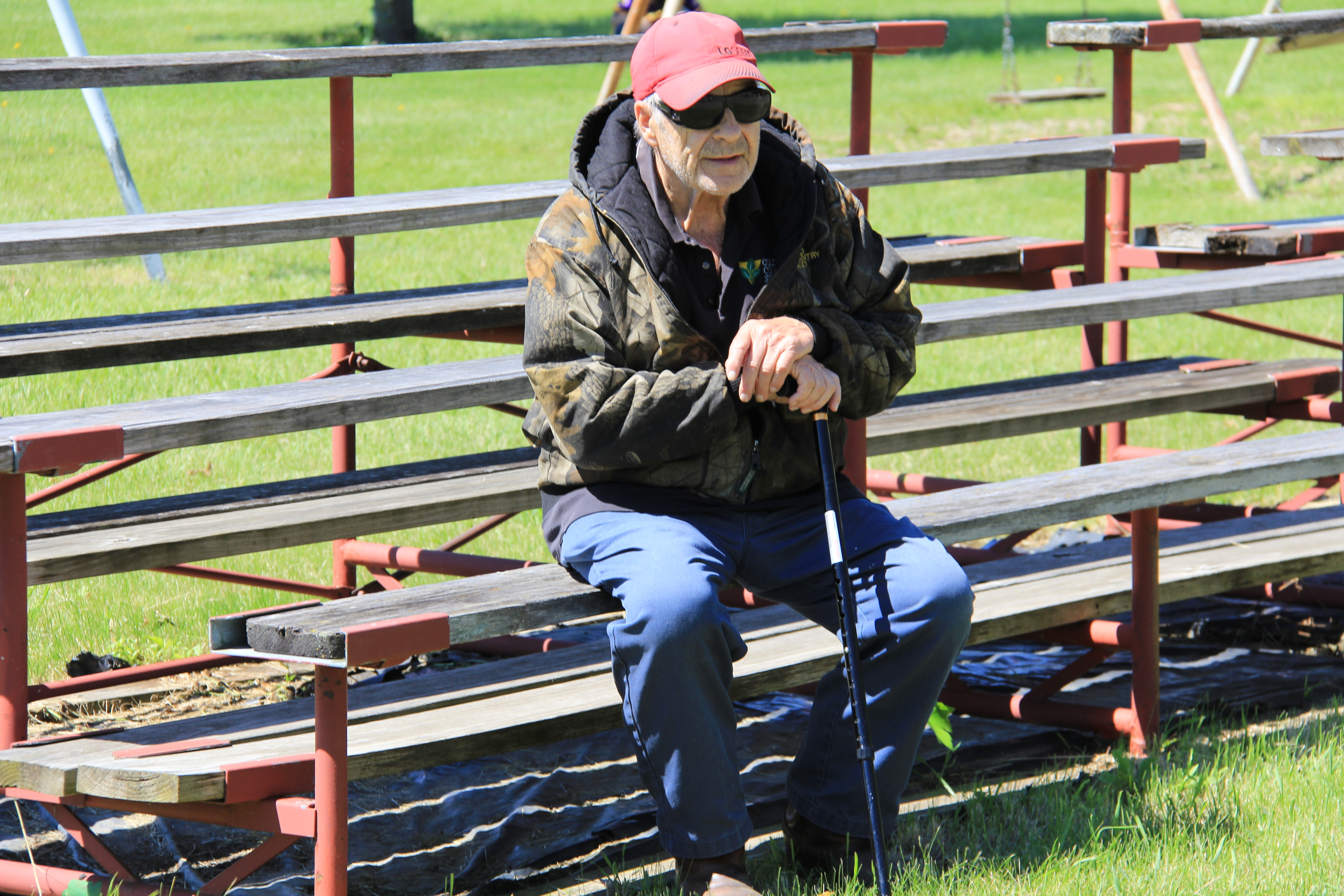
Farm auctions represent the final verse in a hymn, the congregation gathered, the auctioneer chanting the liturgy. Comfort and community and closure come. At the hay rack. Among the rows of numbered auction items. At the lunch wagon. All until the last item is sold.
Hallelujah. And amen.
#
NOTE: Check back tomorrow to read my prize-winning poem, “Sunday Afternoon at the Auction Barn,” published in 2014 in a Minnesota literary anthology.
© Copyright 2024 Audrey Kletscher Helbling


 Minnesota Prairie Roots
This is a beautifully written ode to farmers, Audrey.
I look forward to reading your poem.
Thank you, Valerie. The consignment auction and accompanying flea market definitely feel rural through and through. I’ll be posting about the flea market next week.
A beautiful post, Audrey. I was especially touched by the planting dates inside the grain drill cover and as I was looking at one of the photos, people are walking with heads bowed. You caught the reverence and respect so well.
Thank you, Bernadette. I thought you would appreciate this post. The writing inside the grain drill was a delightful surprise and my favorite “find” of the morning. I hope whoever bought this piece of farm machinery appreciates this documentation by this long ago farmer.
It’s hard to believe you actually used a stroller like the one shown. Maybe it was cheerier when new but now it looks like a Medieval torture device. I’m guessing (but don’t know) my grandparents had an auction when they lost their farm back in the 1920s. “Farm auctions represent the final verse in a hymn.”
Although I don’t remember riding in that stroller, I do recall pushing younger siblings around the bumpy gravel farmyard. Not very comfortable or safe. But… I bet your grandparents had an auction, too, Have you seen the movie “Sweet Land,” set in western Minnesota? It’s about losing a farm and a mail order bride and just an all-around poignant movie with the loveliest original music.
I love the way you put this experience into words. I’ve never been to a farm auction, but have seen them portrayed in a few films, and they were usually a sad affair, with someone losing their generations long family farm. I’m quite sure an in person experience, would be a whole other thing. not always a bad or dramatic ending, but new beginning for other farmers. the meaning, the history, the reverence, and respect for the traditions and hard work of farmers, past and present, are all so moving and important.
This particular auction differed from your typical farm auction in that it was a fundraiser for the Steam & Gas Engines Club. Yet, I’m sure it held emotion for some. But you are correct, farm auctions can be a sad event for those who are selling their items.
those auctions are treasures ! What a step back in time.
They are.