Minnesota Prairie Roots

Writing and photography by Audrey Kletscher Helbling

Gardening: Passing along my rural heritage & much more May 2, 2023

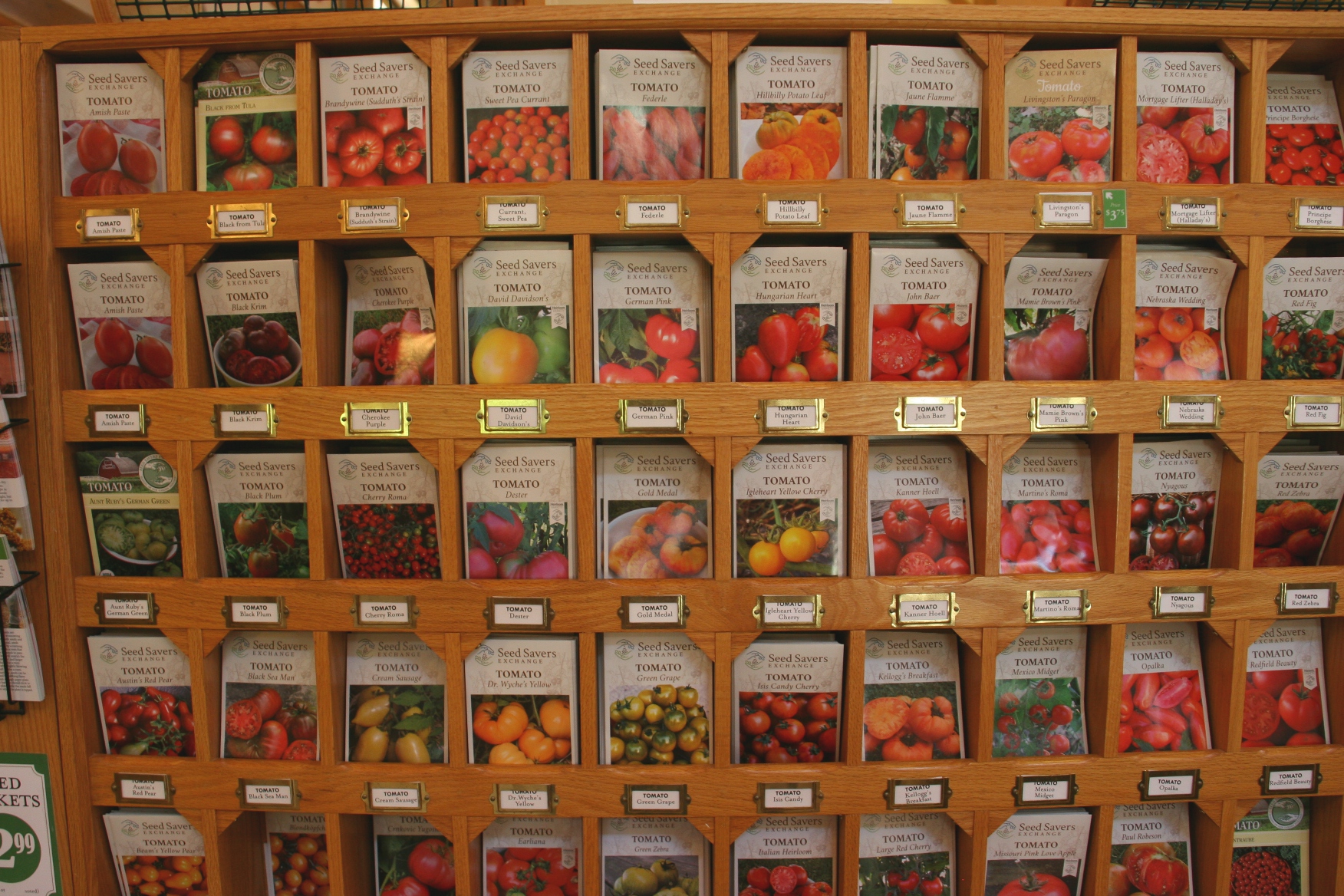
Seeds for sale at Seed Savers Exchange, Decorah, Iowa. (Minnesota Prairie Roots copyrighted file photo September 2018)

SEVERAL DAYS AGO, my 4-year-old grandson excitedly shared that his broccoli was growing. His mom, my eldest, clarified. Sixteen broccoli seeds and one carrot seed had sprouted, popping through potting soil in three days. That surprised even me, who grew up in a gardening family with most of our food from farm to table, long before that became a thing.
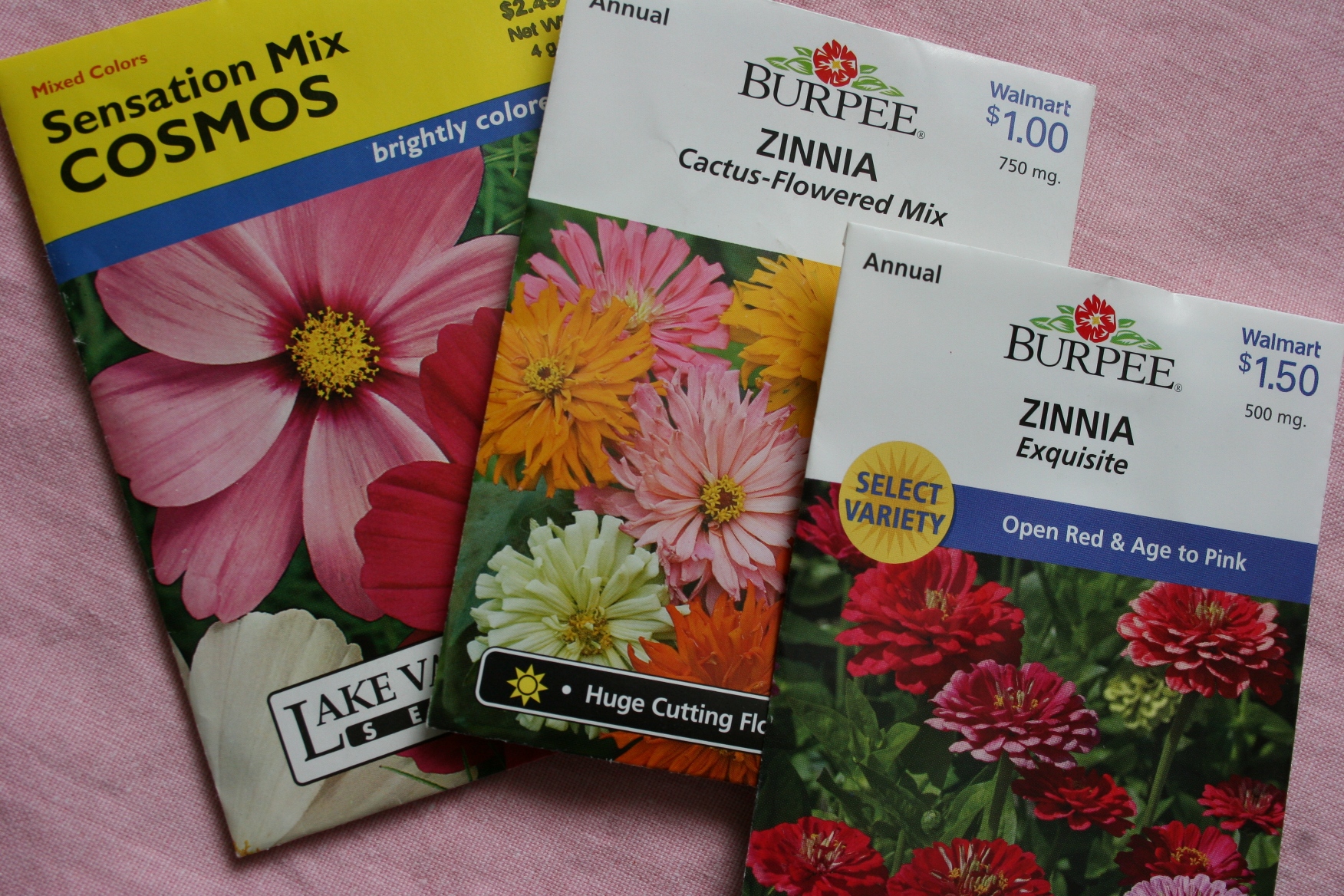
Annuals that are easy to grow from seed. (Minnesota Prairie Roots copyrighted file photo)

A year ago, I gifted my grandchildren with several packets of seeds. Flowers only. Zinnias and bachelor buttons, easy-to-grow-from-seed annuals that blossom throughout the summer. Isaac and his mom planted the seeds in flower pots. And then watched seeds emerge into tender plants that grew and bloomed in a jolt of color.
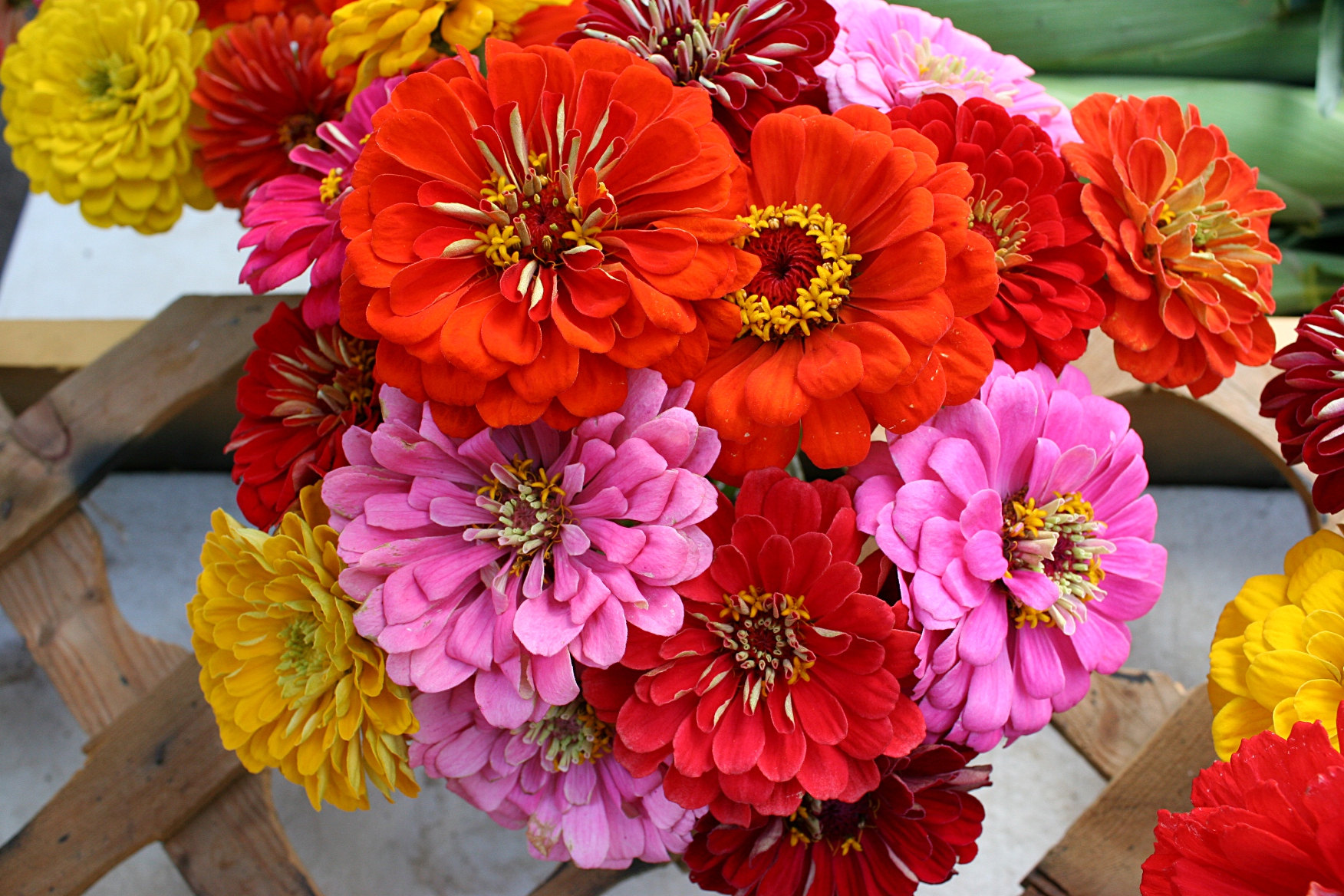
Old-fashioned zinnias grown by my friend Al and sold at the Faribault Farmers’ Market. (Minnesota Prairie Roots copyrighted file photo September 2019)

That was enough for the preschooler to get the gardening bug. This year, in selecting seeds for Isaac and his older sister, I added vegetables to the mix of flowers. Spinach because I knew it would grow quickly and flourish in Minnesota’s still cool weather. And carrots, because Isaac wanted to plant them. Later, he told his mom he also wanted to plant broccoli because he likes broccoli. I’m not sure that’s true. But Amber bought broccoli seeds for her son, whom she’s dubbed Farmer Isaac.

“Summer in a Jar,” sold at the Faribault Farmers’ Market. This photo published in the book “The World of Laura Ingalls Wilder, The Frontier Landscapes that Inspired The Little House Books” by Marta McDowell. (Minnesota Prairie Roots copyrighted file photo September 2015)

I can’t think of a better way to encourage kids to try vegetables. And to teach them about plants and that veggies don’t just come from the grocery store. With most families now a generation or two or three removed from the land, it’s more important than ever to initiate or maintain a connection rooted in the soil.
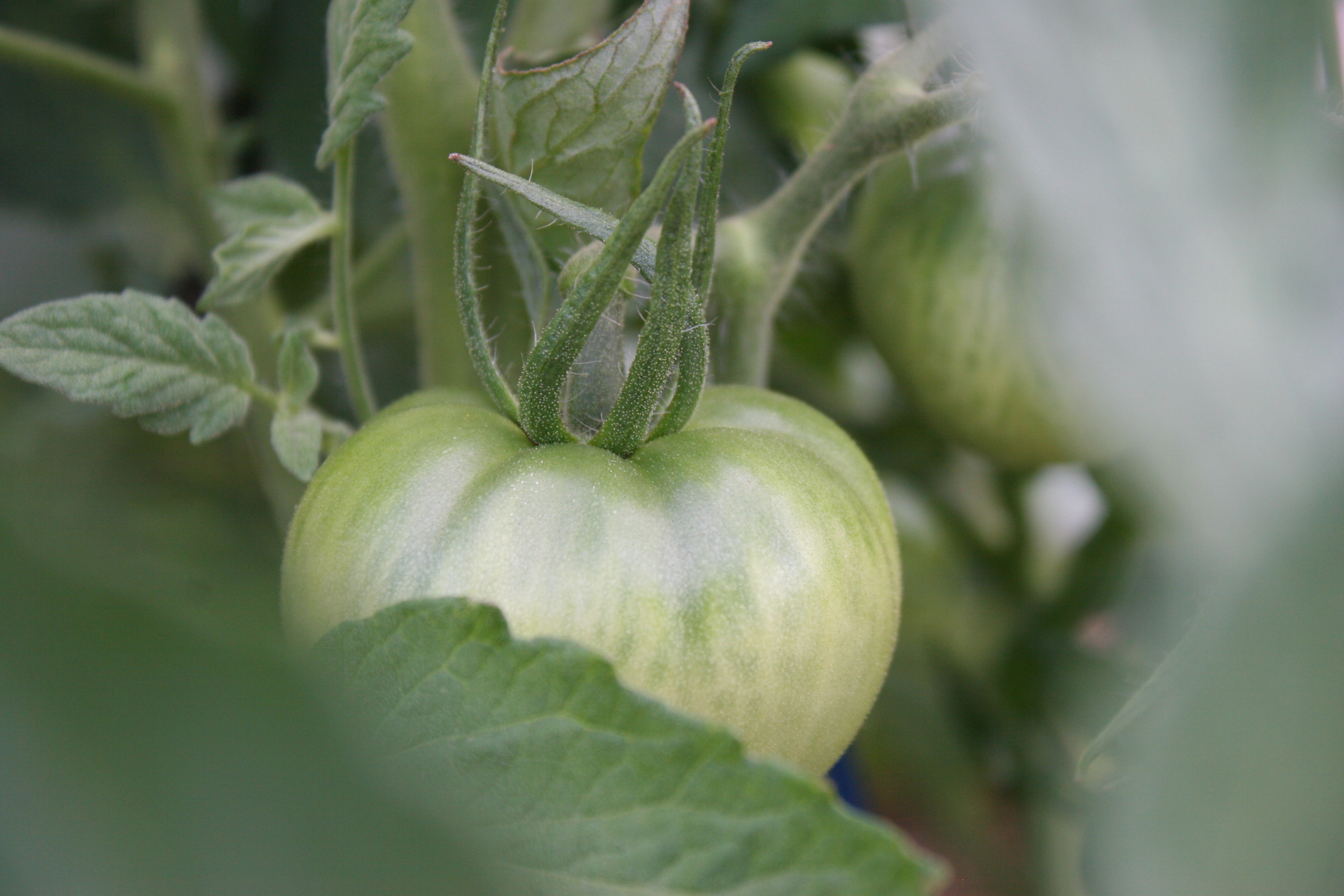
Several types of tomatoes grow in the garden outside Buckham Memorial Library, Faribault. (Minnesota Prairie Roots copyrighted file photo)

Soil was the gardening starting point for my grandchildren. Once when they stayed overnight, I got out the gardening shovels and directed them toward a corner flowerbed and a patch of dirt. The dirt flew as they dug and uncovered earthworms and half a walnut shell and bugs. I didn’t care if their hands got dirty. I simply wanted them to have fun, to feel the cold, damp earth, to appreciate the soil beneath and between their fingers.
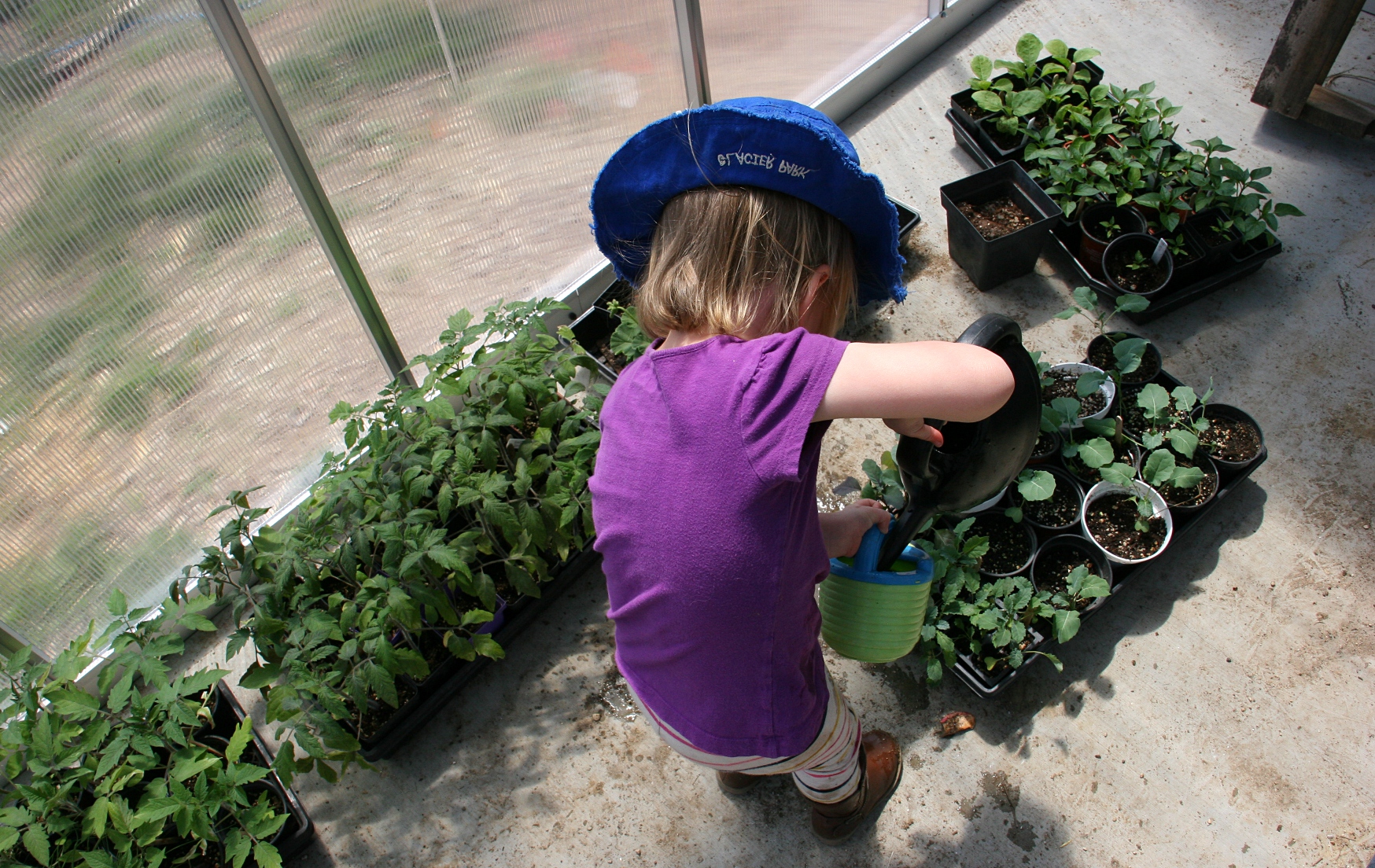
My great niece waters plants inside her family’s mini greenhouse. (Minnesota Prairie Roots copyrighted file photo May 2018)

I was a bit surprised when my eldest embraced gardening with her kids. But then again, she was the daughter who always watered flowers and observed that “the flowers are opening their mouths” (translation, “the tulips are blooming”) as a preschooler. I never had much of a garden due to lack of a sunny spot in my yard. But I usually grew tomatoes in pots and always had pots overflowing with flowers and flowers in beds. So Isaac and Isabelle’s mom did have a sort of gardening background.
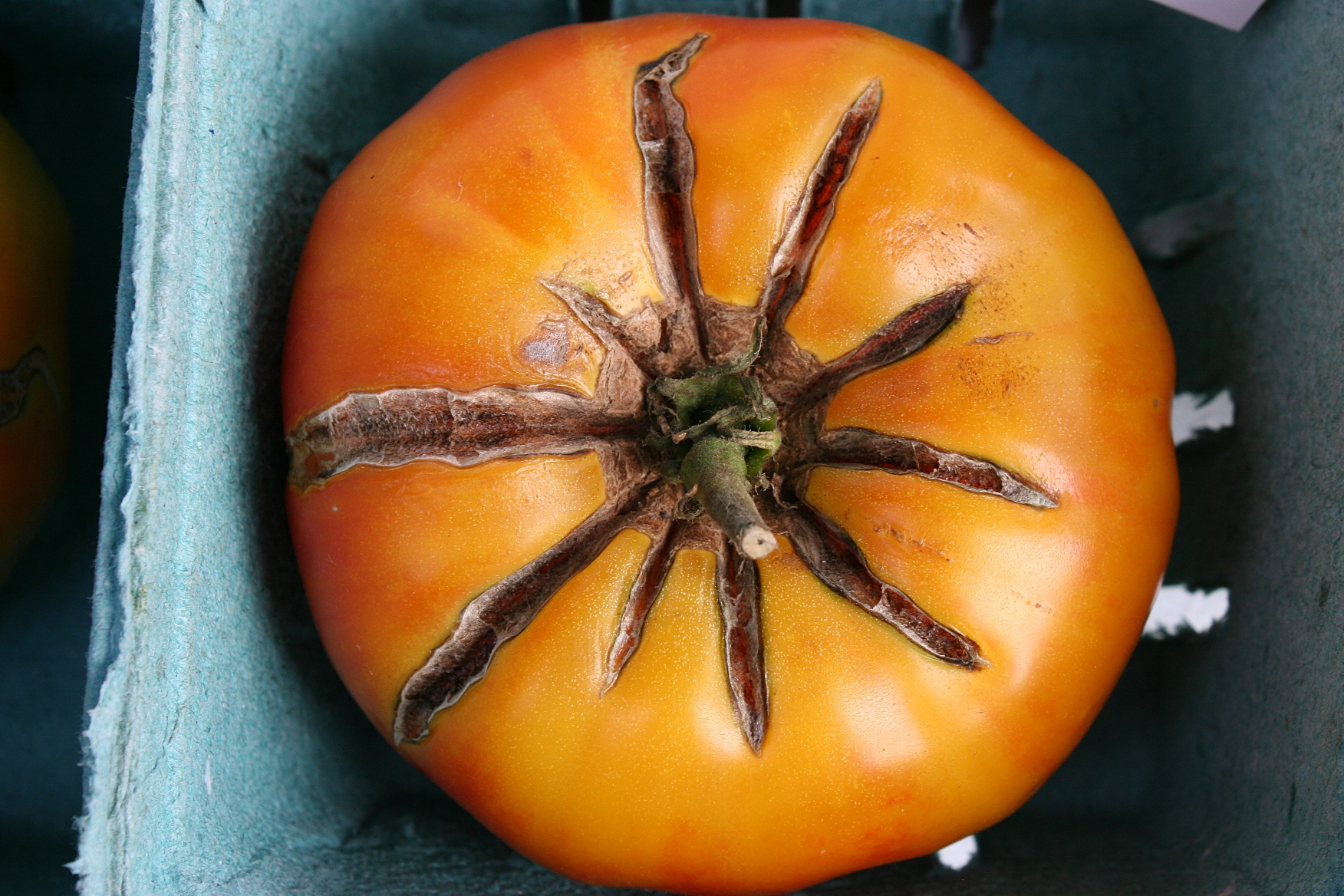
Heirloom tomato at the Faribault Farmers’ Market. (Minnesota Prairie Roots copyrighted file photo September 2019)

As a farmer’s daughter and a grandma, passing along something like gardening is like passing along part of my rural heritage. My Grandma Ida always had a big garden, an essential with a family of 10 kids. She continued to garden throughout her life, long after her kids were gone and she moved to town. Likewise, my mom planted a massive garden to feed her six kids. My siblings and I helped with the gardening—pulling weeds, picking vegetables… And shelling peas. Of all the garden-related tasks, the rhythmic act of running my thumb along an open pod to pop pearls of peas into a pan proved particularly satisfying. Plus, I loved the taste of fresh peas from the garden. There’s nothing like it except perhaps the juicy goodness of a sun-ripened tomato or leaf lettuce or a just-pulled carrot with dirt clinging to the root.
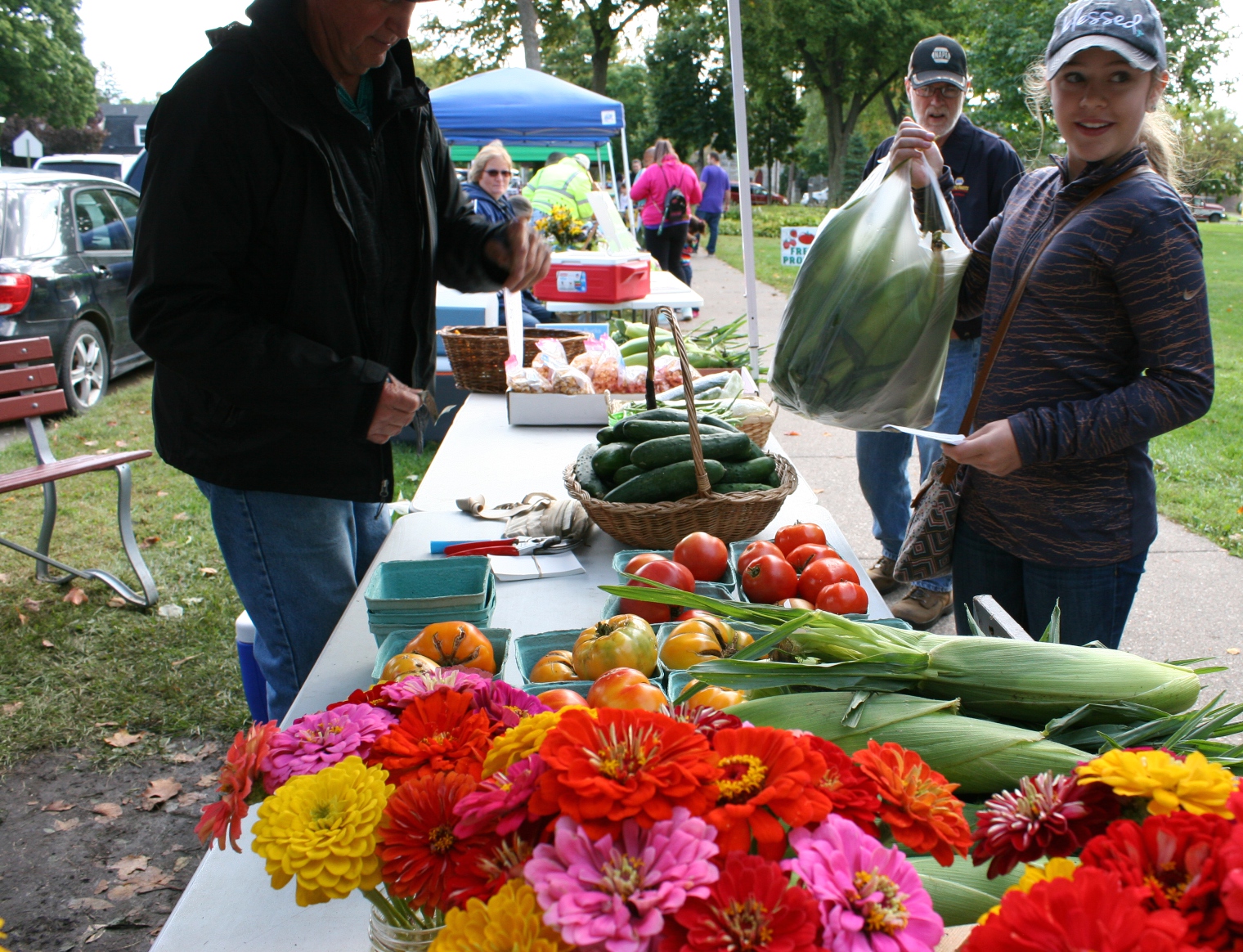
My friend Al vends flowers and vegetables at the Faribault Farmers’ Market. (Minnesota Prairie Roots copyrighted file photo September 2019)

I don’t expect my grandchildren will garden like their great great grandma or great grandma. But that’s OK. They’ve been introduced to gardening. They see now how seeds sprout and develop into plants that yield beauty or food. Hopefully they will gain an appreciation for garden-fresh, whether fresh from the pots on their patio or deck, or from a farmers’ market.
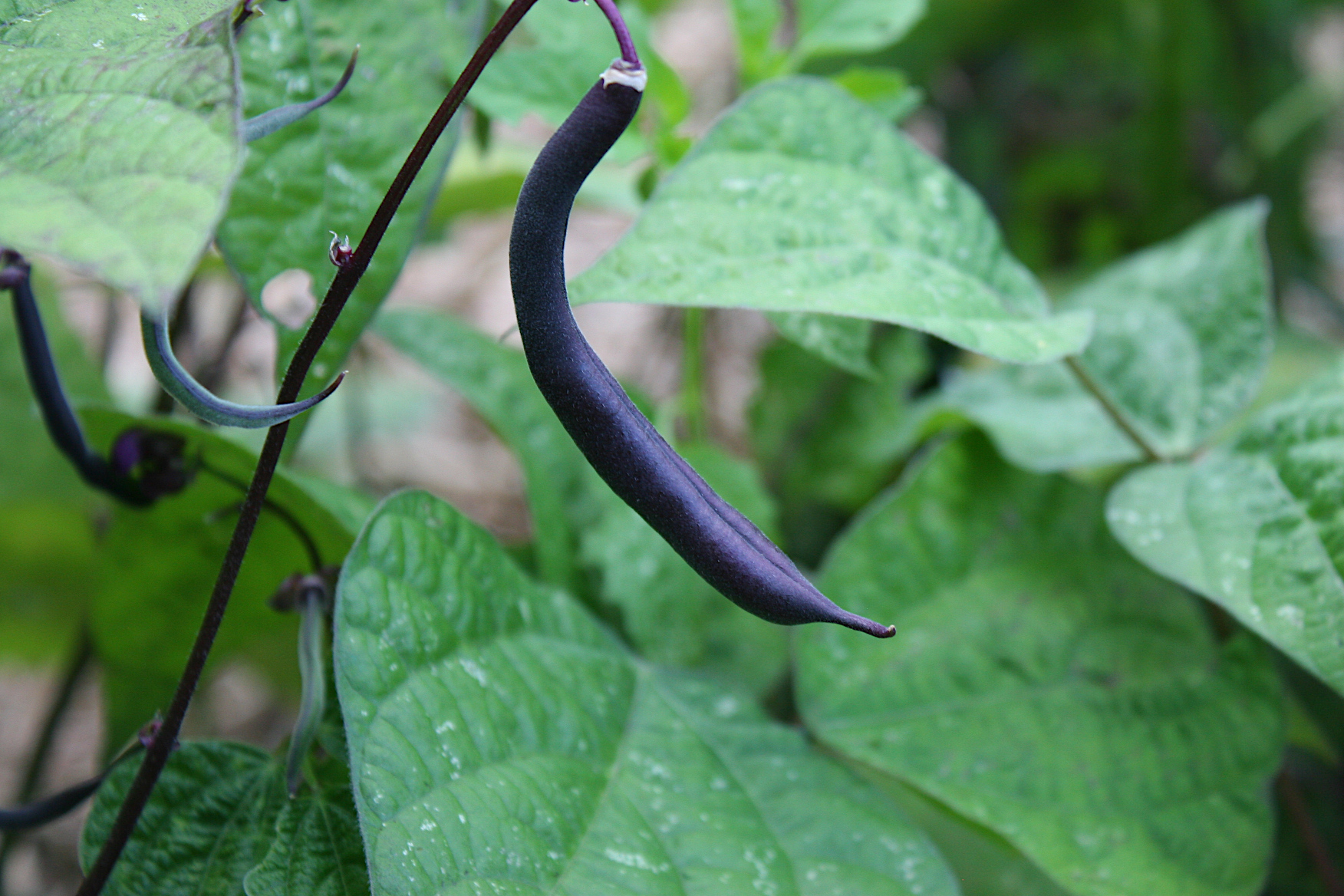
Purple beans grow in the library garden. (Minnesota Prairie Roots copyrighted file photo)

Even though they live in a south metro suburb, my grandkids remain close to the land with farm fields within view, not yet replaced by massive housing developments. It’s important to me that Isabelle and Isaac always feel connected to their rural heritage, that they value the land, that they grow up to remember the feel of cold, damp dirt on their hands. That they understand their food is not sourced from grocery stores, but rather from the earth.

© Copyright 2023 Audrey Kletscher Helbling


A bit like the Dust Bowl inside my house June 1, 2022

Filed under: Uncategorized — Audrey Kletscher Helbling @ 5:03 AM
Tags: , , , , , , , , , , , , ,

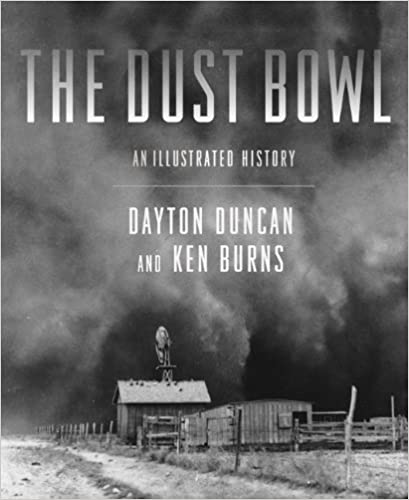
I’d encourage you to read this book about The Dust Bowl. It’s riveting and informative, filled with stories.

I AM A THROW the windows open, let fresh air flow into my house kind of person. I dislike stuffiness, feeling closed in by lack of air movement. Randy sometimes calls me “Ida.” He’s referencing my paternal grandmother, who slept with her bedroom window cracked, even in the winter. While I don’t do that, I’ve opened windows on cool-ish days. Hey, I gotta get some fresh air in the house.

Monday was one of those days when I should have kept the windows clamped shut. Why? Because of the wind. Fierce, strong, relentless winds blew all day, even blowing in destructive storms and tornadoes into parts of central Minnesota. And while we avoided that here in Faribault, our lawn is littered with maple leaves, small branches and twigs.

At one point Monday afternoon, Randy and I launched from our lawnchairs upon hearing a loud crack. We convened with our next door neighbor, attempting to determine what cracked and fell in the woods behind our homes. But we couldn’t determine the source in the denseness of greenery and felt thankful a tree or limb did not land on our houses and garages. The woods are littered with dead trees and broken branches from a 2018 tornado. That storm cut a destructive path through our neighborhood with trees falling on vehicles, roadways, houses, garages and, for us, the electrical wire and meter ripped off our house.

I digress. On Memorial Day, winds whipped all day. And our windows were open. Wide open. I should have known better. But, at the time, I was thinking only of keeping the house cool without switching on the air. I’m all about conserving energy and saving money because, you know, everything costs so darned much these days.

By evening meal prep, I realized just how dirty the house had gotten. Grit layered the kitchen counters, the table, the floors, the… I had no desire or energy to clean beyond swiping a rag across surfaces to reveal a line of dirt.

Heavy duty cleaning awaited me Tuesday morning. I spent hours washing surfaces and floors, spraying a layer of visible dirt from the bathtub, vacuuming. I could have prevented this, if only I’d kept the windows closed.

I should have, could have, learned from my Grandma Ida. Over the weekend, I was reading the Kletscher family history compiled by my Uncle Merlin. He included this story:

My family lived through the very dry years of the 30s commonly referred to as The Dust Bowl years. I recall my mother telling how she could wipe off the table in the morning after breakfast and by noon it would be covered with dirt and dust blown into the house by the dry winds. I always wondered why she had the habit of covering everything that was setting out on the table or counter with a dish towel. I also recall my father telling about gathering wind blown tumbleweed from the fence lines so they could have feed for the livestock. He felt sorry for the animals but that was all they could find for feed.

From my own childhood, I recall a Good Friday dust storm which layered our rural southwestern Minnesota farmhouse with dirt. Mom left the windows open a crack before we accompanied her on a shopping trip to nearby Marshall. A dust storm swept through while we were gone. We spent hours thereafter wiping, sweeping and vacuuming dirt from the house, just like I did on Tuesday.

I have not yet finished cleaning following the wild winds of Memorial Day 2022. I have the second level to vacuum and wipe down. But compared to those Minnesotans who lost homes, vehicles and more to tornadoes, a little (OK, a lot) of dirt seems like nothing.

© Copyright 2022 Audrey Kletscher Helbling


“Dust Bowl” conditions equal an unhappy taxpayer August 27, 2010

Filed under: Uncategorized — Audrey Kletscher Helbling @ 7:02 AM
Tags: , , , ,

DEAR CITY OF FARIBAULT Street Sweeper:

What are you doing today?

If you’re not busy sweeping dirt off the street and into houses, then I would like you to sweep the dirt out of my house and back onto the street.

You see, yesterday you drove by my home several times, stirring up clouds of dust so choking thick that I expected to see tumbleweeds following in your path.

Typically I would not complain. I’m happy to see dirt removed from the street.

But this time you crept past my house with complete disregard for the dirt carried on the wind directly into my open windows. Even though I raced to slam the windows shut, I was not quick enough. Every surface in my house is covered with a fine layer of grit.

Unkind words surface when I consider all of the cleaning that lies ahead of me.

What were you thinking when you failed to use water while sweeping the street? Is this an attempt to save money, trim the budget, cut costs?

I am no rocket scientist, but it seems to me that the simple act of spraying water onto the road surface would have prevented Dust Bowl-like conditions.

You are fortunate in one regard. I did not have freshly-laundered sheets on the clothesline. Had that been the case, you would find yourself not only sweeping and vacuuming my floors, washing my counters and dusting my furniture, but also doing my laundry.

Signed,

An Unhappy (cough, cough) Taxpayer

© Copyright 2010 Audrey Kletscher Helbling