Minnesota Prairie Roots

Writing and photography by Audrey Kletscher Helbling

The unwanted birthday gift has its day March 6, 2024

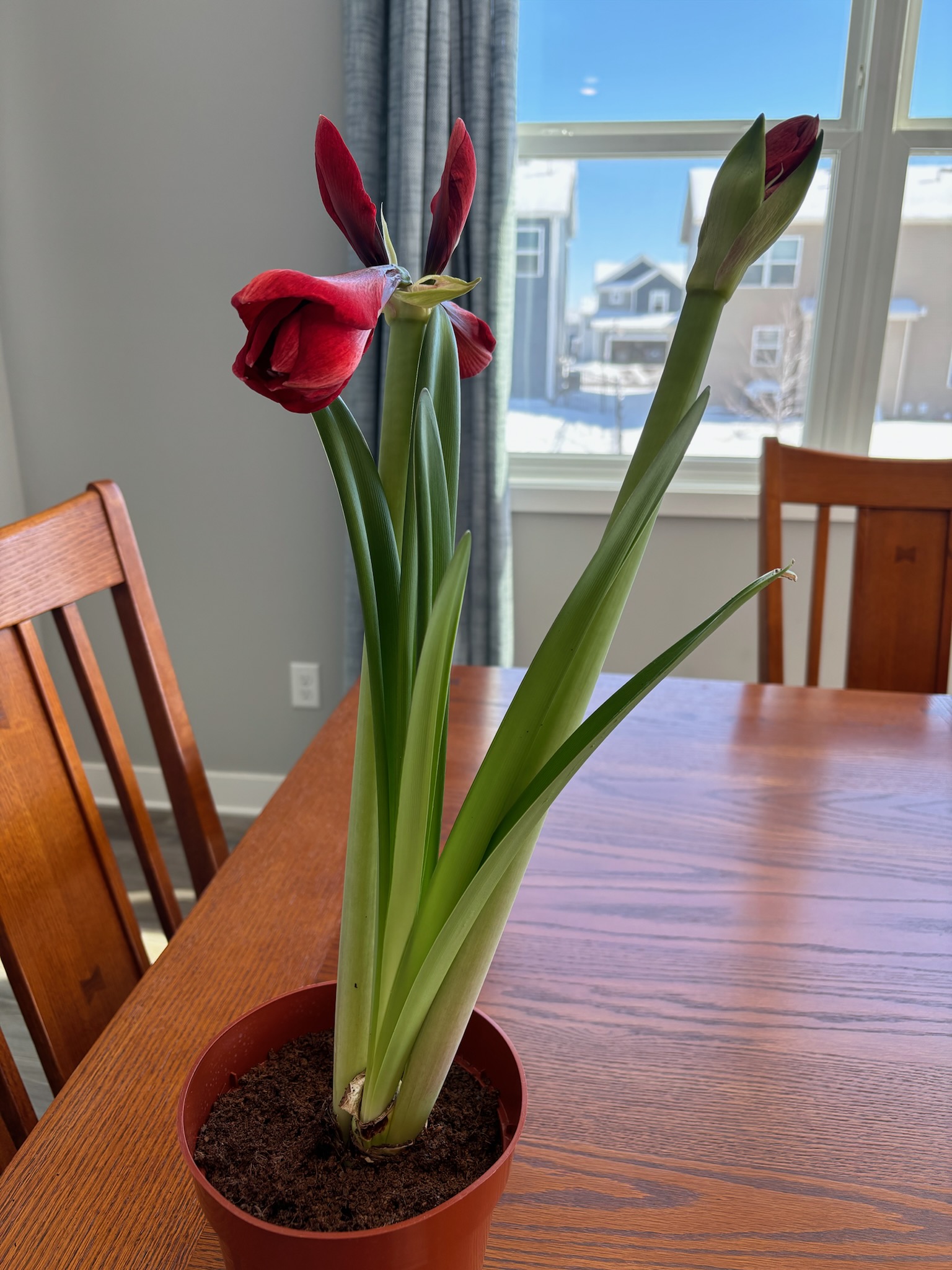
An amaryllis begins to bloom. (Photo credit: Amber Schmidt)

THE BOXED BULBS on an end cap at a big box store caught my eye, as intended. I worked briefly as a grocery store clerk back in the day when cashiers read and punched prices onto cash register keys. I learned then all about moving products by strategically placing them on the end of a shelf row.

So here I was, falling for the age-old marketing gimmick of pushing impulse purchases. But on this day, I was thankful for that end cap display of boxed amaryllis bulbs. This would make the perfect birthday gift for my soon-to-be 5-year-old grandson. Or so I thought.

On Isaac’s birthday in early January, we gathered to celebrate. As Isaac opened his gift stash, it was obvious he liked some presents more than others. That’s the thing about kids his age. They can’t hide their honest reaction, their true feelings. He loved the LEGO sets, the sticker book, the… But when he pulled the boxed bulb from the gift bag, Isaac promptly tossed it aside. Not set the box on the carpet, but threw it. Not even an explanation from Grandma about planting the bulb which would flower in big, beautiful red blooms changed his mind. He didn’t care.

I should back up a minute and explain why I thought this would be a good gift for my grandson. Last spring I gave several packets of seeds to the grandkids. Spinach, carrot and flower seeds, which my eldest daughter planted with her son. He took an interest once the seeds sprouted and the plants grew. Amber called him “Farmer Isaac.”

The farm girl in me felt encouraged. My grandchildren, who live in a sprawling new housing development in the south metro, are far-removed from their rural heritage. It’s important to me that they understand their agrarian roots. Randy and I grew up on crop and dairy farms—farms with large gardens from whence came most of our food. Youth like Isaac and his sister, Isabelle, need to know that food originates on farms, not grocery store shelves. As preschoolers, they loved to dig in the dirt at our house. I would hand them shovels and the dirt would fly. Kids need to touch the earth, splash in mud puddles, gather sticks and pine cones and leaves and do all those activities that connect them to the land. And make their hands dirty.
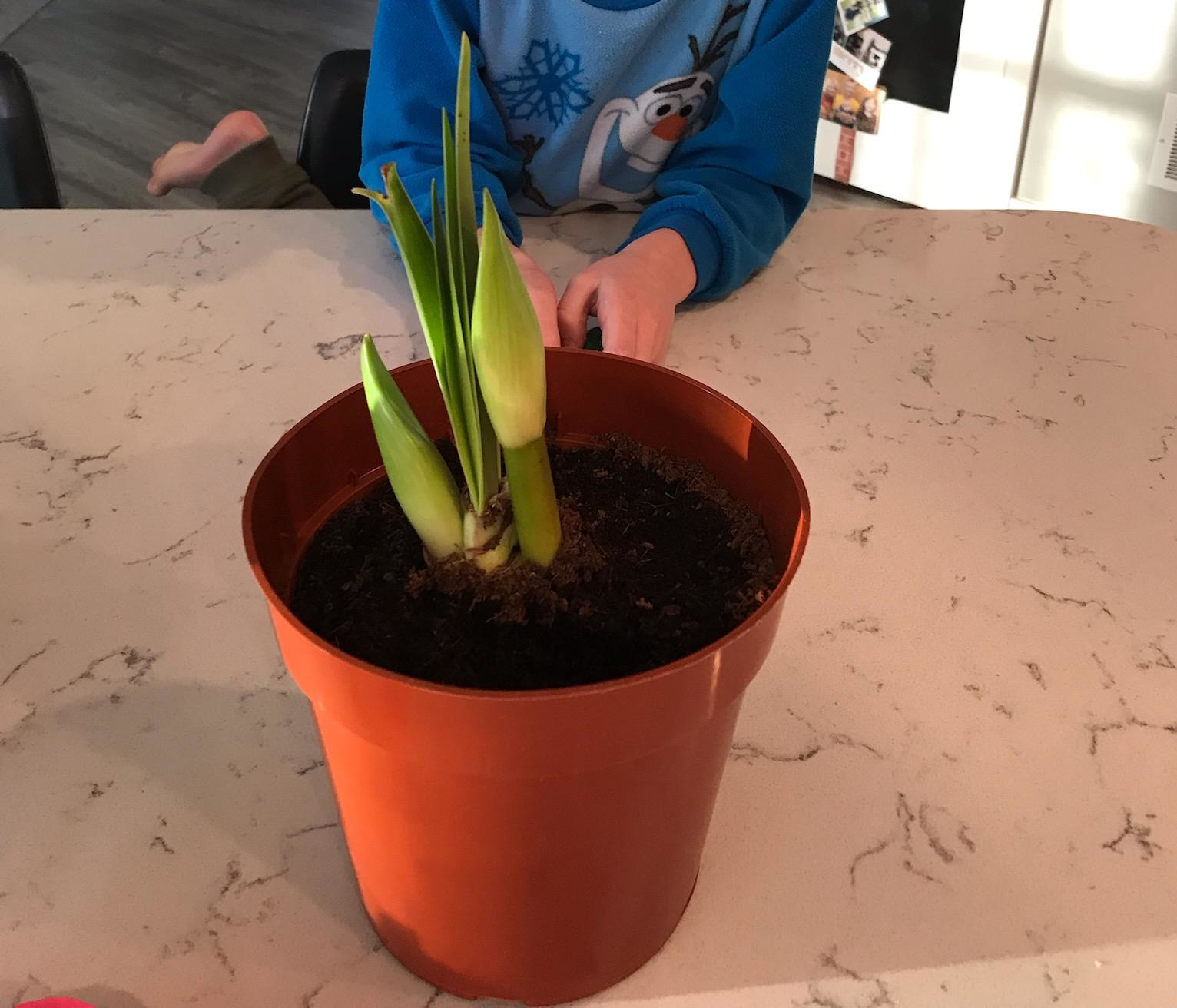
Emerging amaryllis. (Edited photo; Photo credit: Amber Schmidt)

But now here was this dormant amaryllis bulb all ugly and brown and not looking at all like anything that would ever grow. But, once potted, grow it did. When the first green leaves emerged from the massive bulb at the end of January, Isaac suddenly took an interest. “You better take a picture to show Grandma,” he instructed his mom.
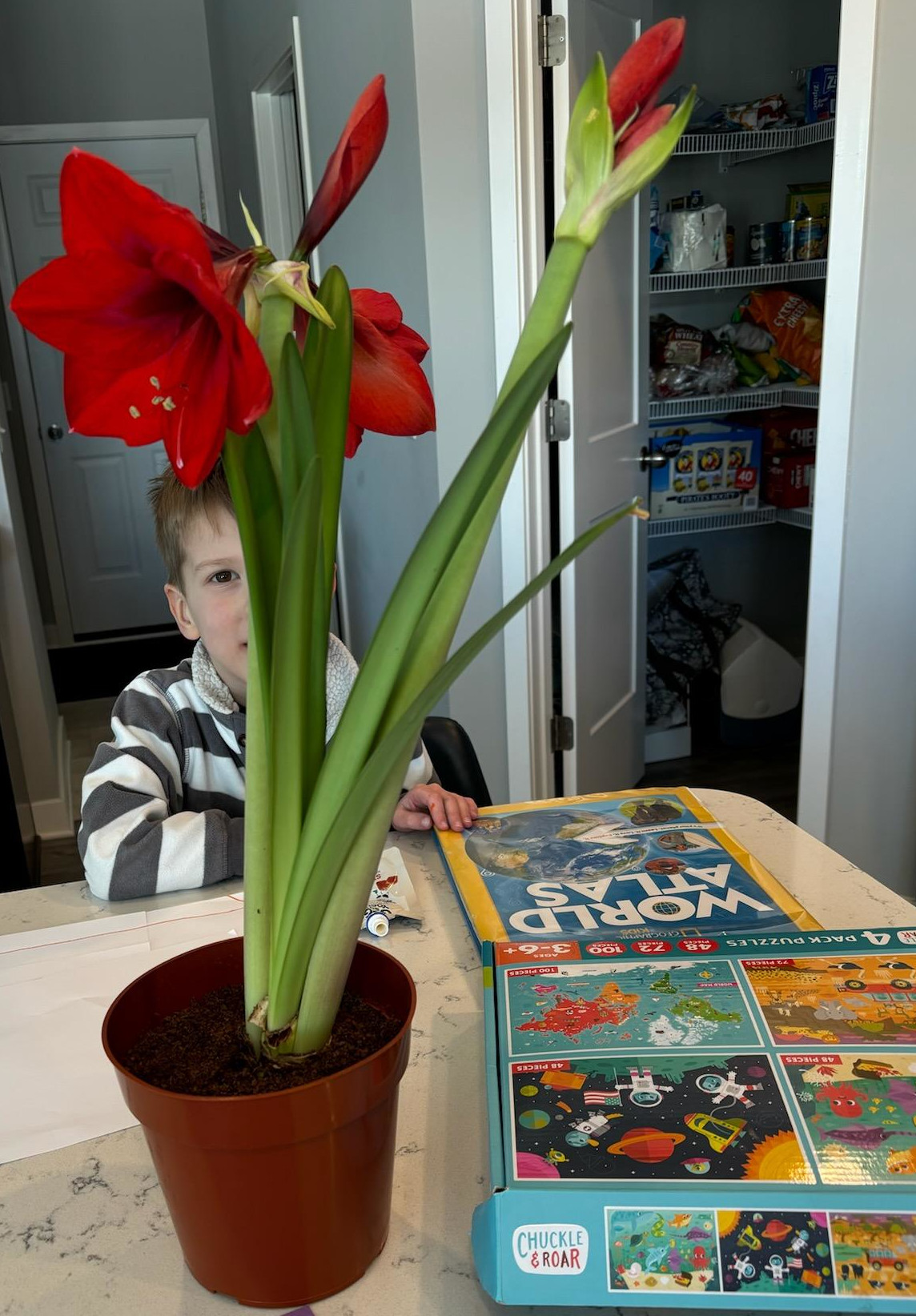
Isaac loves space, puzzles, art and now amaryllis. (Photo credit: Amber Schmidt)

A few weeks later, the first of several flowers bloomed. And there was Isaac again in a photo, right elbow learning on the kitchen island by sheets of paper for his next art project, left hand on his world atlas, jigsaw puzzles and that once dormant amaryllis bulb now blooming in the foreground. His smile was wide, his happiness evident. The amaryllis had its moment. Big. Bold. Beautiful red. No longer tossed aside. Finally and fully appreciated by the birthday boy.

© Copyright 2024 Audrey Kletscher Helbling


Milkweeds flourish at River Bend July 23, 2021

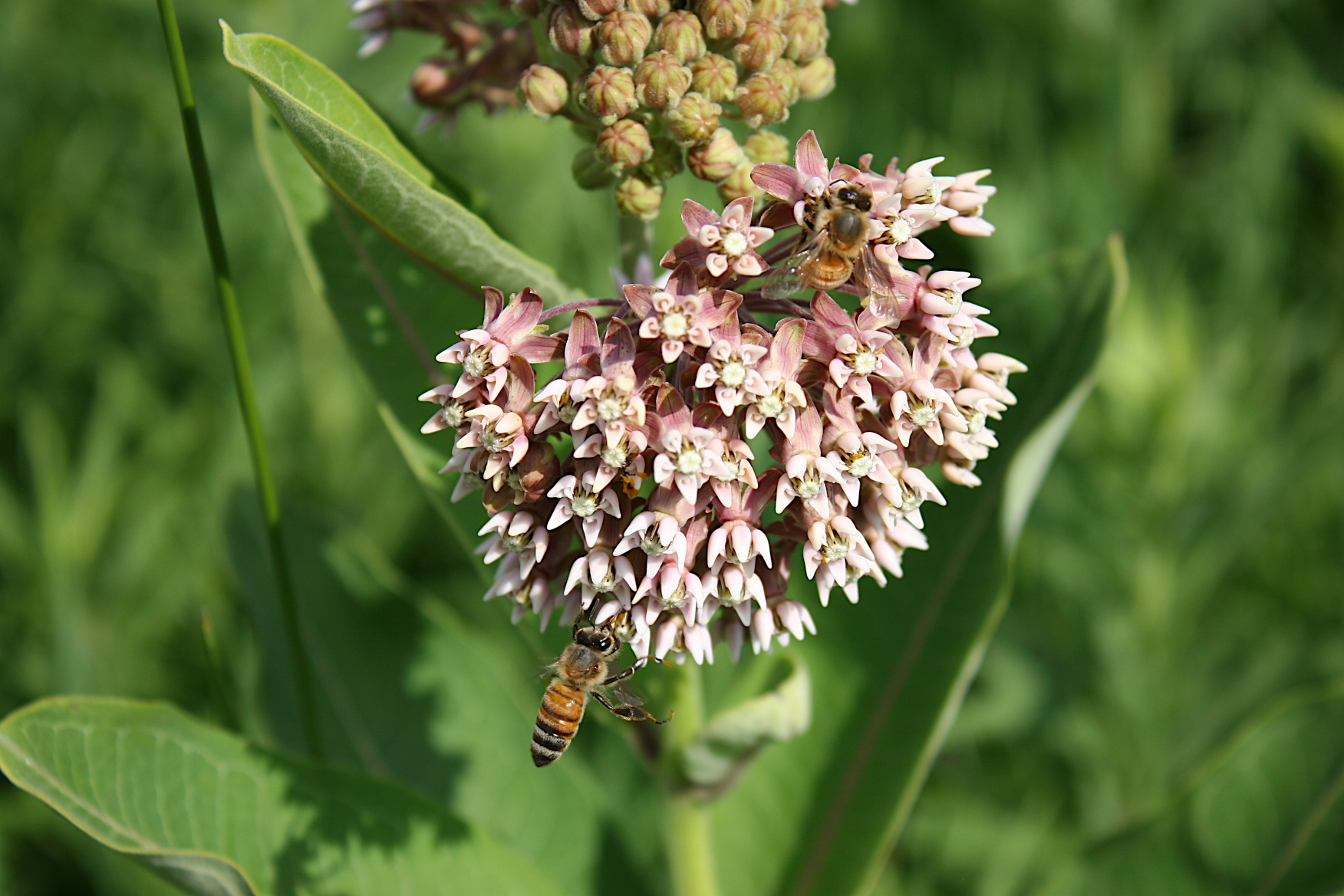
Bees feed on a milkweed flower at River Bend Nature Center, Faribault. Minnesota Prairie Roots copyrighted photo.

IN MY MESS OF FLOWERBEDS, which are anything but orderly, random milkweeds grow. Some sprouted in the lawn. Others simply popped up among the phlox and ferns and iris and greenery, seeds blown by the wind, dropping to the ground, rising now toward the sun.

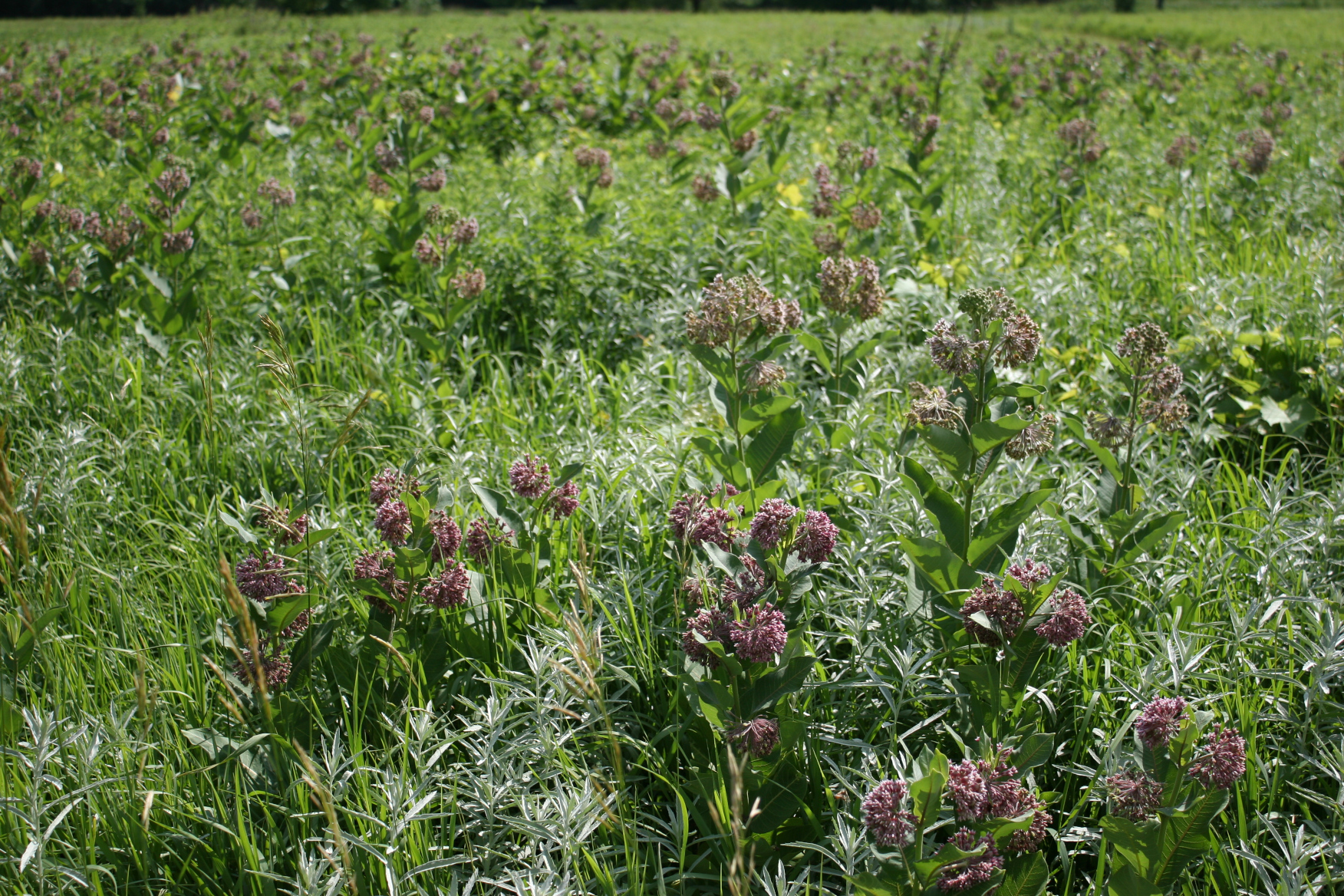
Milkweeds thrive on the prairie at River Bend. Minnesota Prairie Roots copyrighted photo.

Back in the days of my youth, I would have yanked these milkweeds from the soil under the direction of my farmer father. Remove those weeds from the corn and soybean fields. I know better now. Milkweed plants are essential to the monarch butterfly.

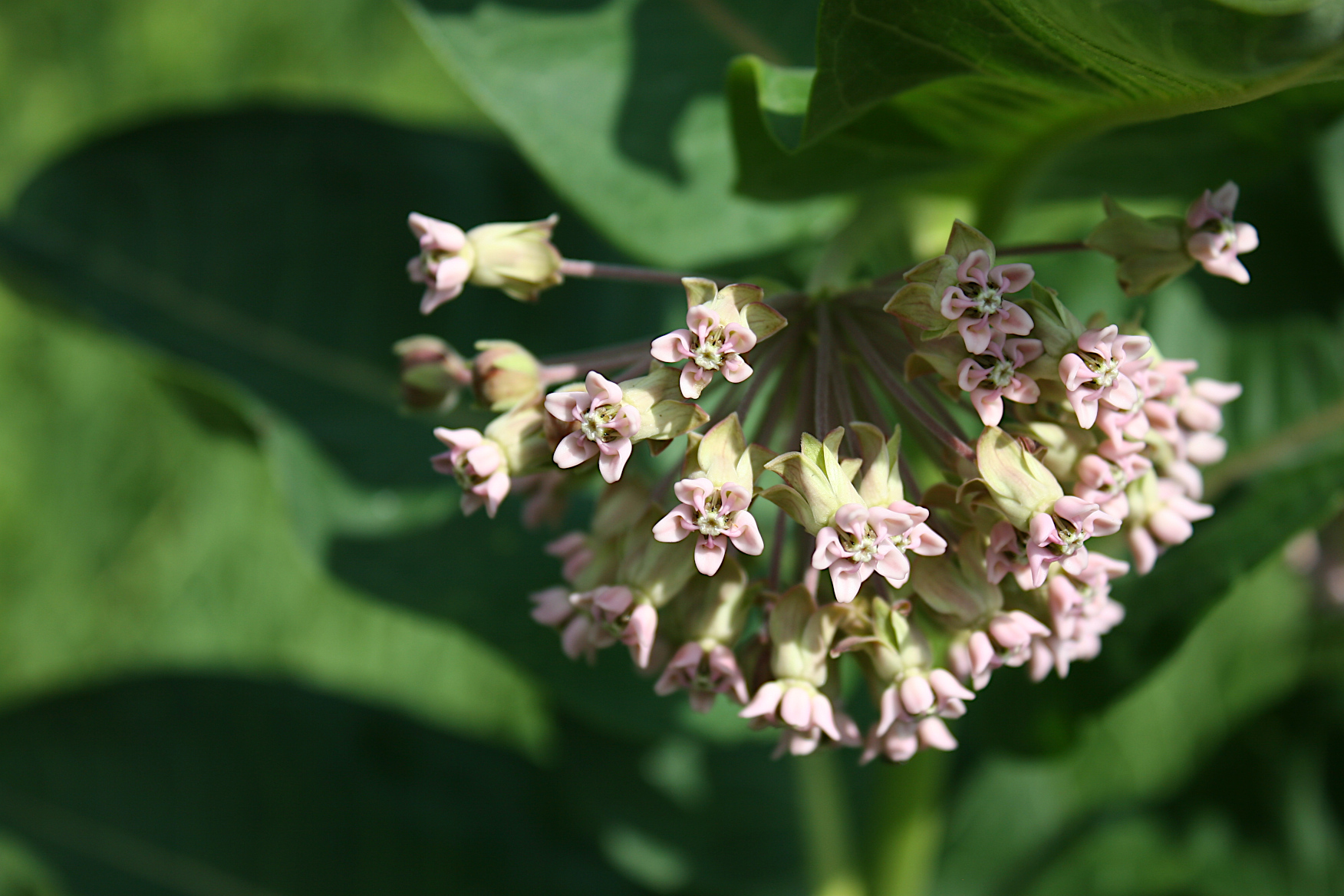
I love the dusty hue of the common milkweed. Minnesota Prairie Roots copyrighted photo.

The milkweed is the host plant for the monarch. They lay eggs on the leaves, the larvae then feeding on those leaves.

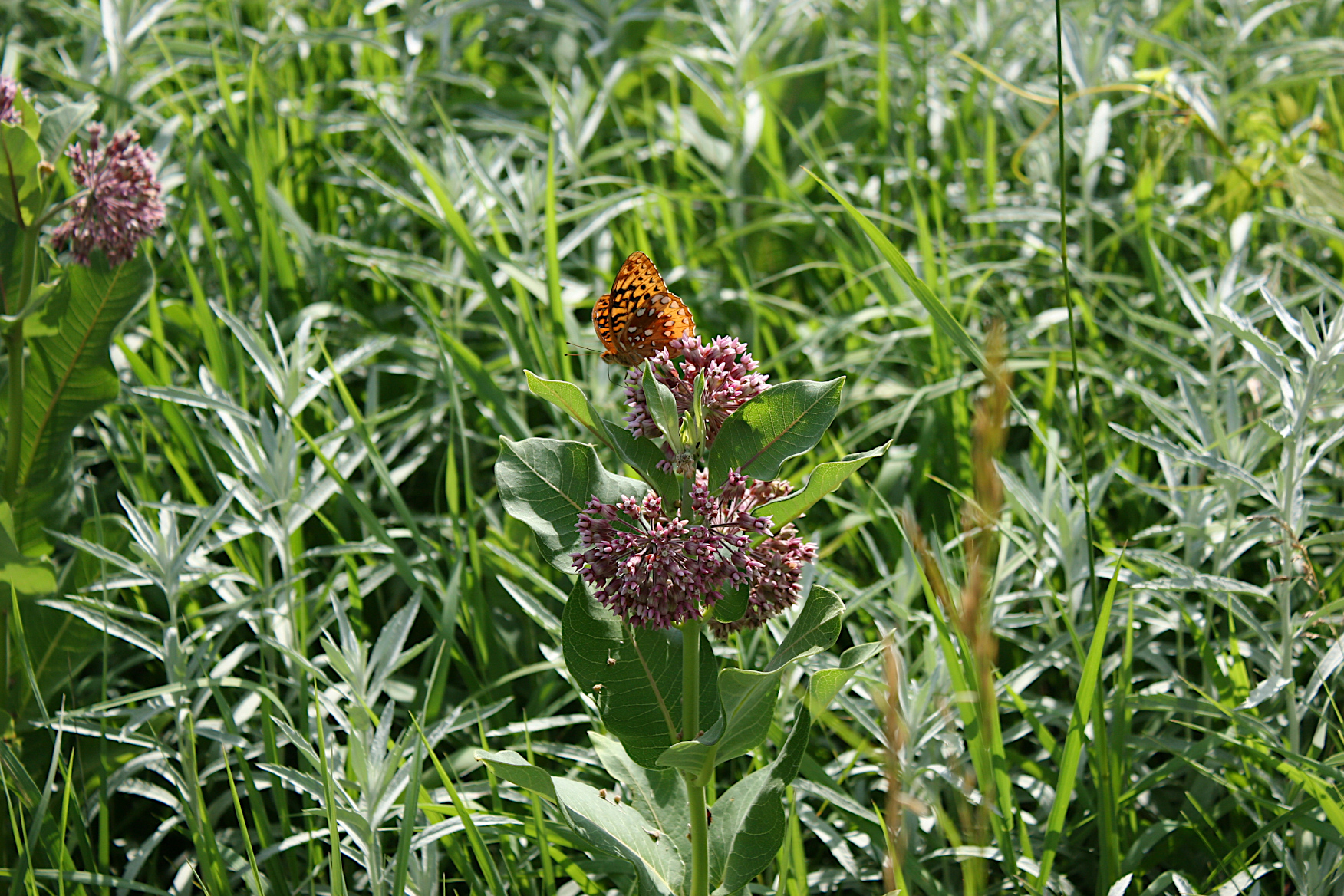
The milkweed attracts more than just monarchs. Minnesota Prairie Roots copyrighted photo.

Without milkweeds, the monarch would become extinct.

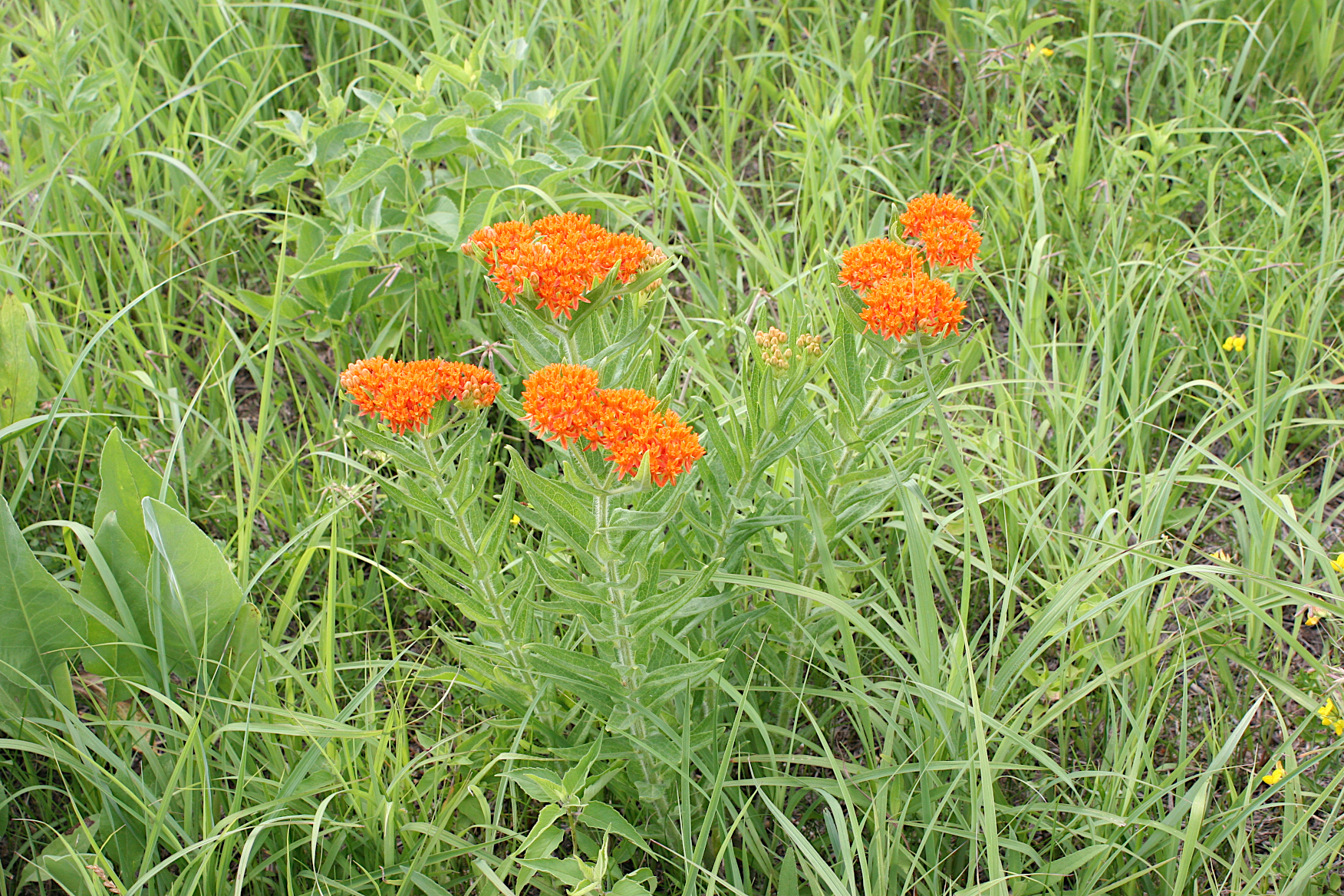
Butterfly milkweed, although much less abundant, also grows at River Bend. Minnesota Prairie Roots copyrighted photo.

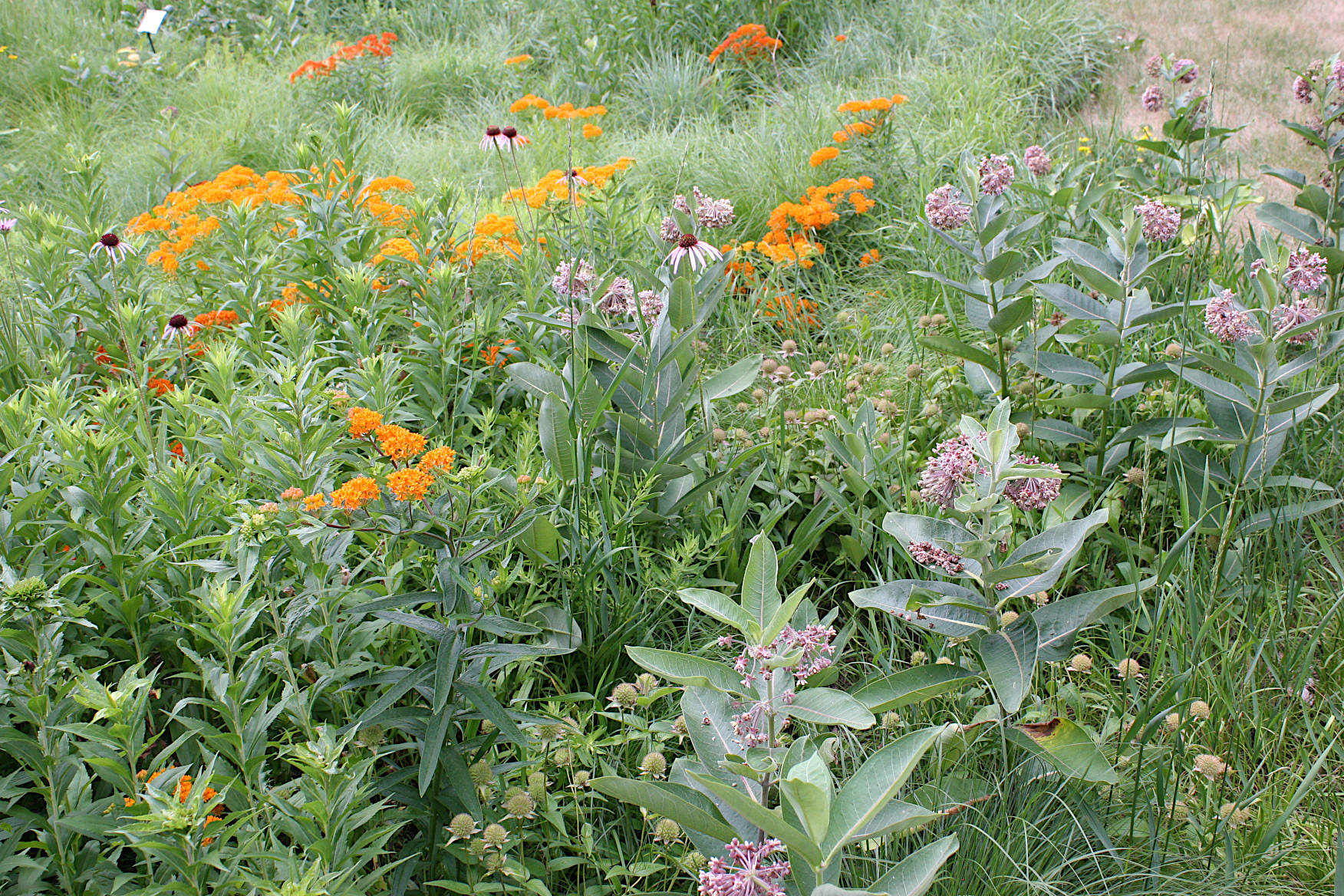
More and more, if you take note, you will see milkweeds growing. At River Bend Nature Center in Faribault, fields of common milkweed, dusty pink in color, grow, as do some of the more flashy orange butterfly milkweed.

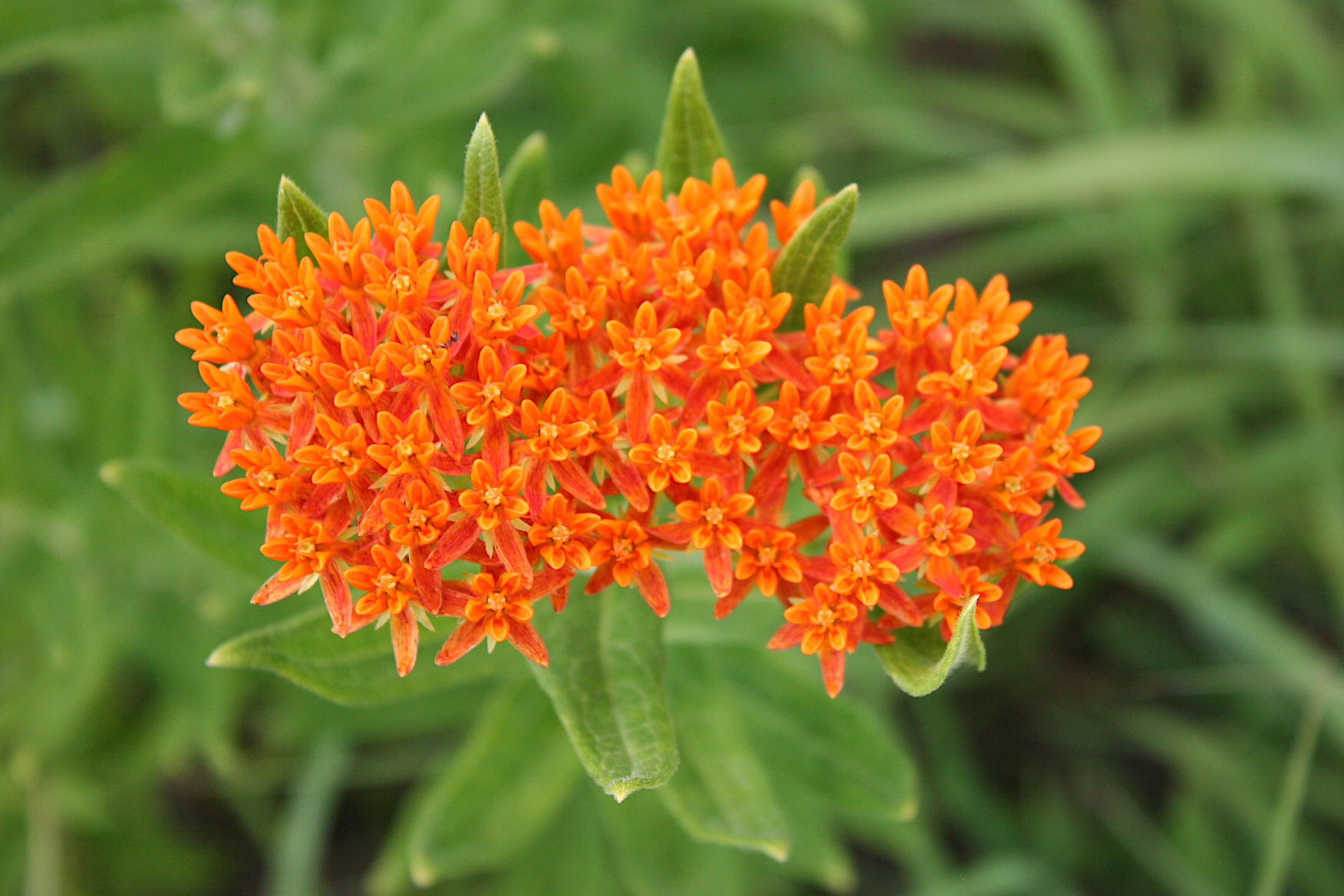
The exceedingly brilliant butterfly milkweed, up close. Minnesota Prairie Roots copyrighted photo.

I appreciate the value of this plant in the natural cycle, in sustaining the monarch butterfly population. This is but one example of how we are all intertwined. Every creature. One dependent on the other.

Milkweed and flowers flourish on the River Bend prairie. Minnesota Prairie Roots copyrighted photo.

I marvel at this intricate world God created. I love to watch a monarch butterfly flit through the air, settle on a blossom, drink its fill of nectar, then rise and fly. Delicate, yet sturdy. Dependent on milkweed and other flowers, yet free.

What a lovely and beautiful sight in a world where beauty is too often missed in the busyness of life, among all the weeds.

© Copyright 2021 Audrey Kletscher Helbling


More than a Christmas cactus December 11, 2020

Filed under: Uncategorized — Audrey Kletscher Helbling @ 5:00 AM
Tags: , , , , ,

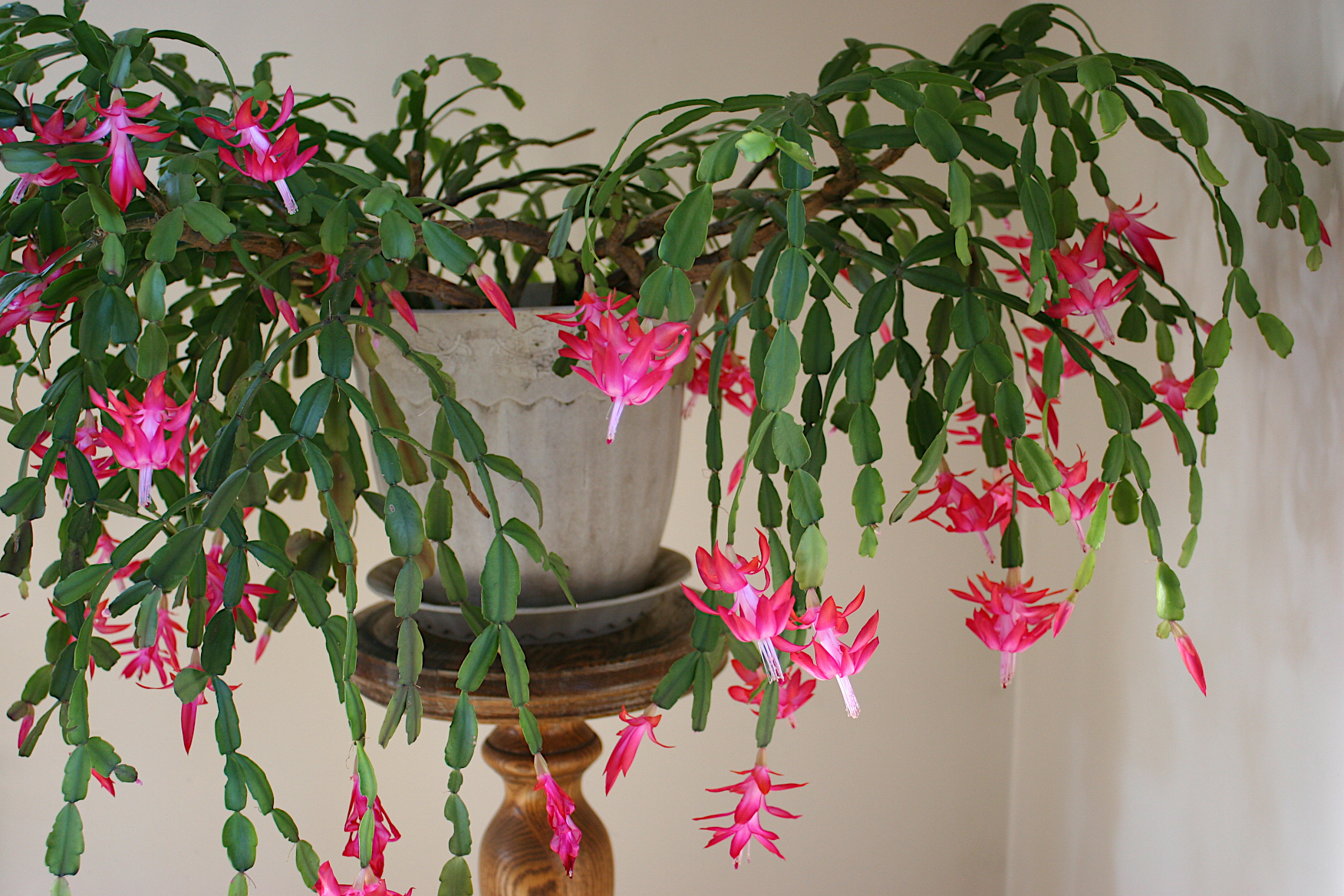
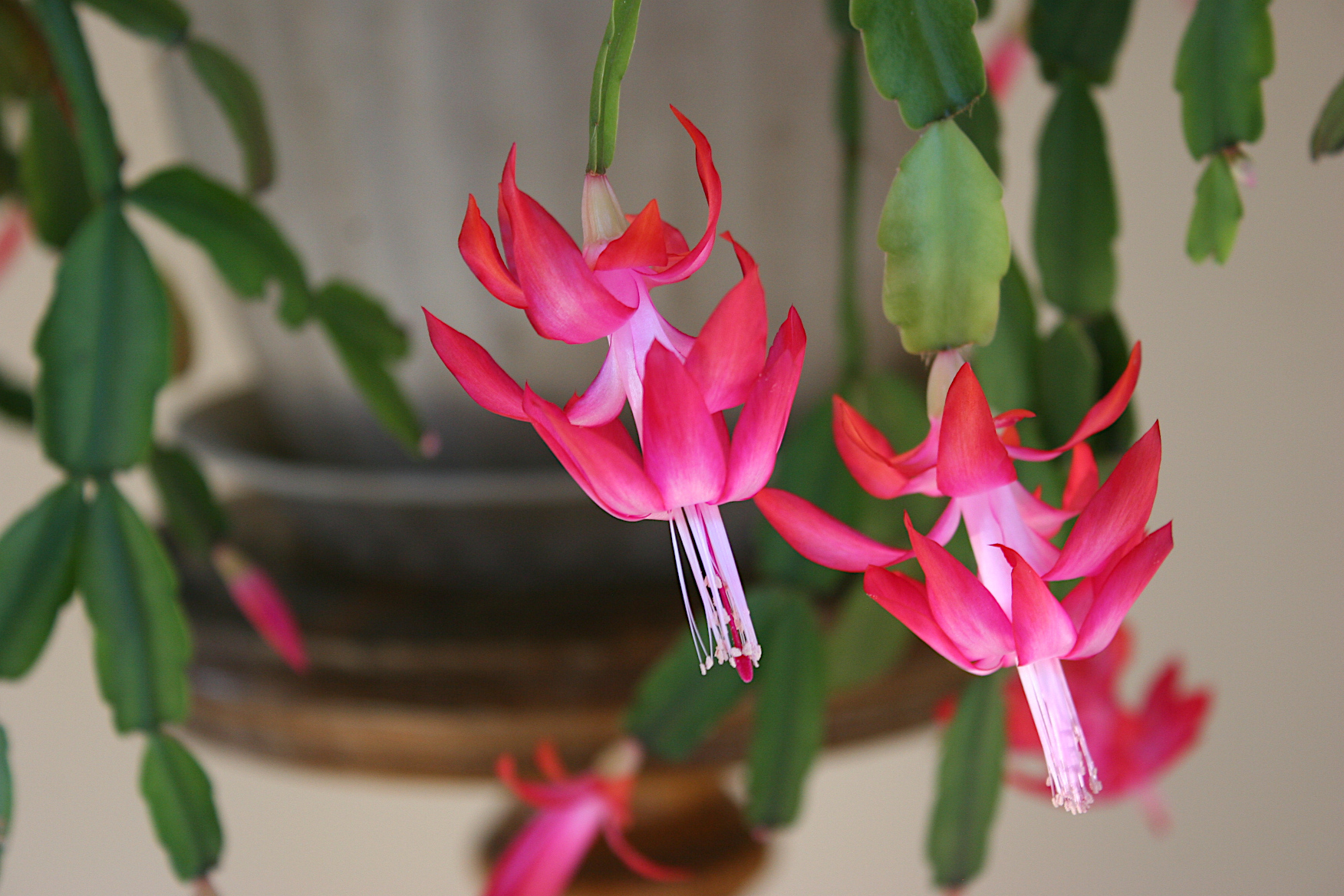
MY CHRISTMAS CACTUS, snugged into a corner of my dining room, blooms heavy with fuchsia blossoms.

I haven’t figured out how to time the flowering closer to Christmas. Each autumn I move the plant indoors to the dark basement, hoping that buds will form and flowers open late in December. That never happens. By late November buds develop and so I move the plant upstairs into the light and warmth. By Christmas, the cactus is all bloomed out.

Yet, does it matter? What matters is that the showy cactus fills my house with a beauty unmatched. And with a reminder of the maternal grandmother who died 64 years ago on December 1, two months after my birth.

My cactus flourished as a cutting from Grandma Josephine’s Christmas cactus. I don’t know the history of the original cactus, which was passed to my mother. But it’s been the source of many cuttings by family members. A link to the grandmother who died too young at age 49. The woman whom I’ve been told was loving and kind and caring. A lot like my mother, Arlene…

© Copyright 2020 Audrey Kletscher Helbling