Minnesota Prairie Roots

Writing and photography by Audrey Kletscher Helbling

Reflecting on Alexander Faribault, connecting past & present December 2, 2022

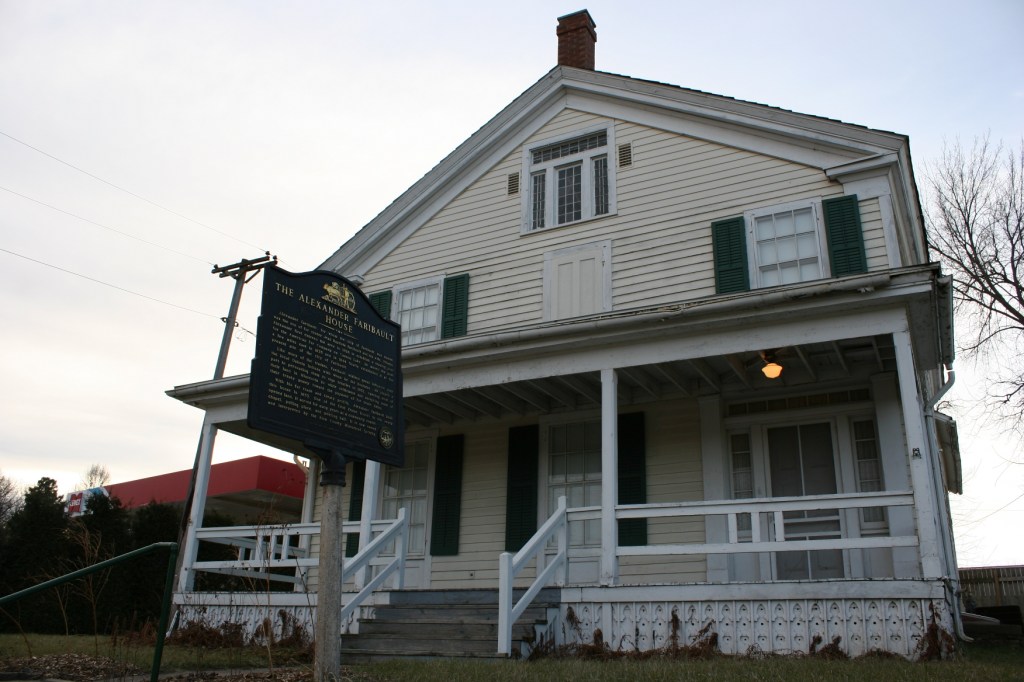
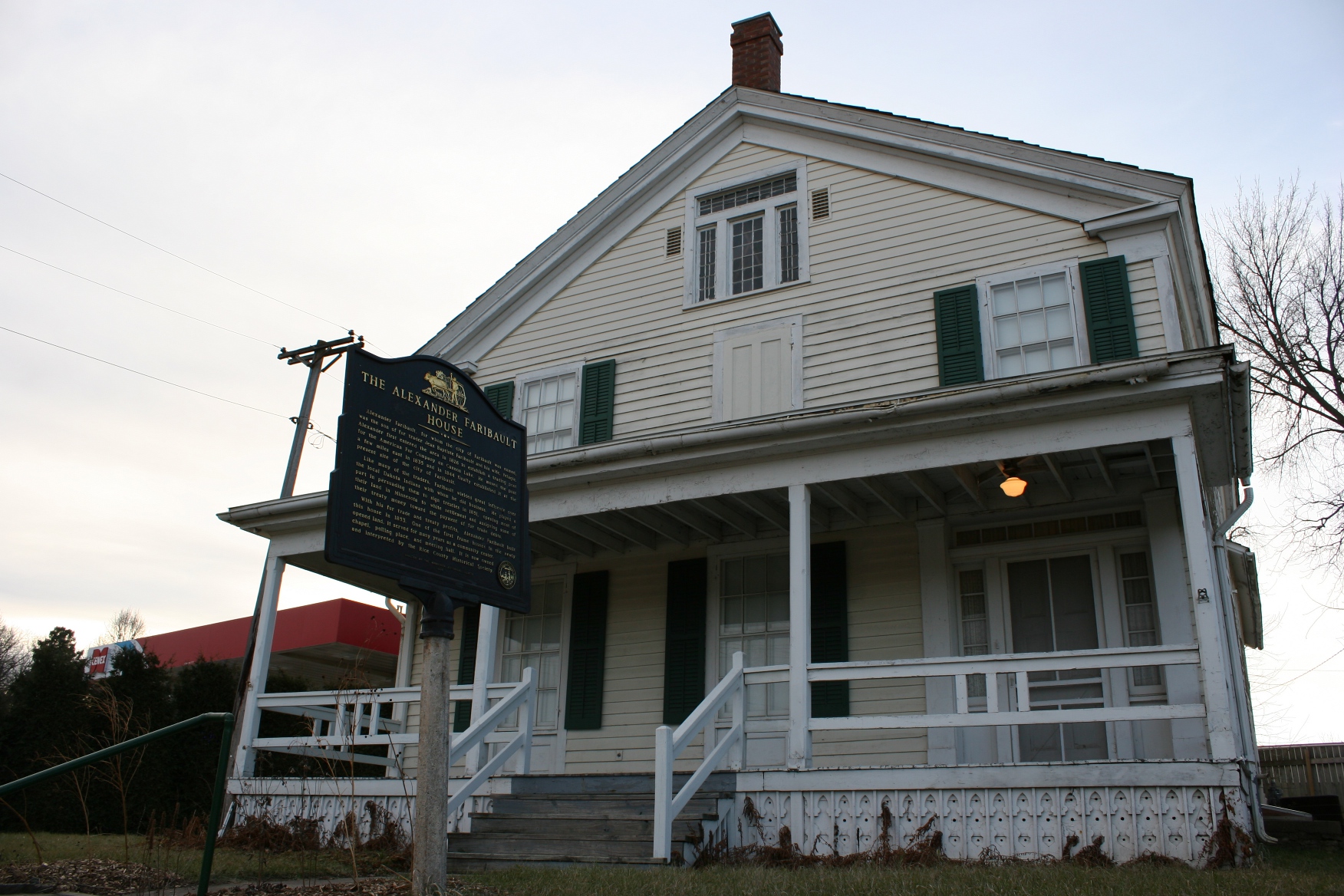
The home of town founder Alexander Faribault. (Minnesota Prairie Roots copyrighted file photo 2017)

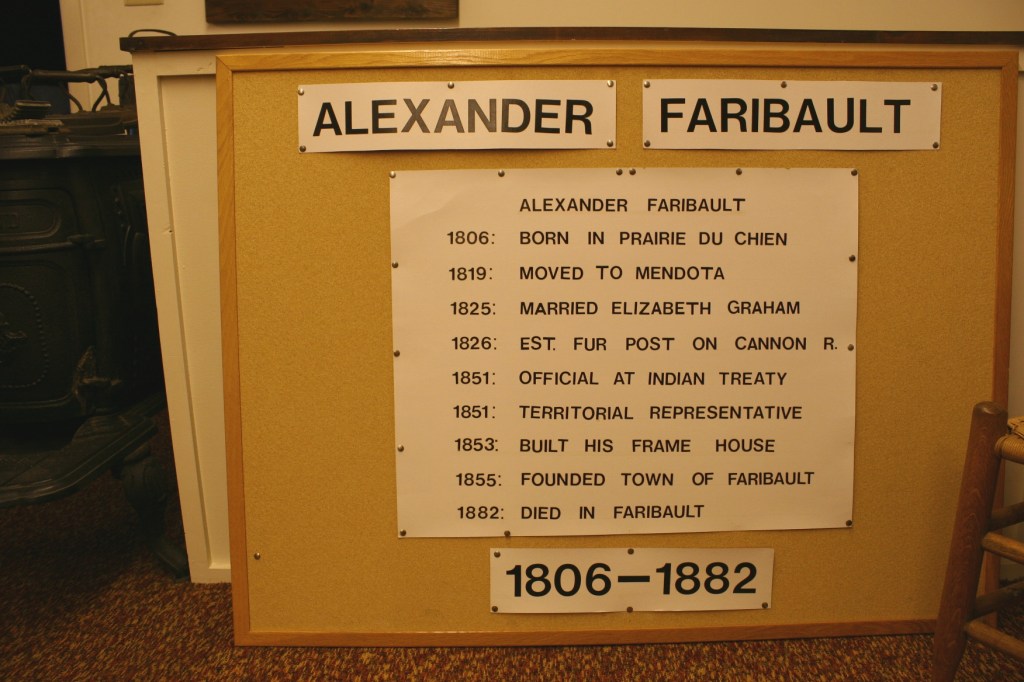
ON SATURDAY, THE HOME of Faribault’s founder, Alexander Faribault, opens for its 15th annual Christmas open house. The event features the 1853 house decorated for the holidays in the French-Canadian style. Faribault was of French-Canadian and Dakota descent.
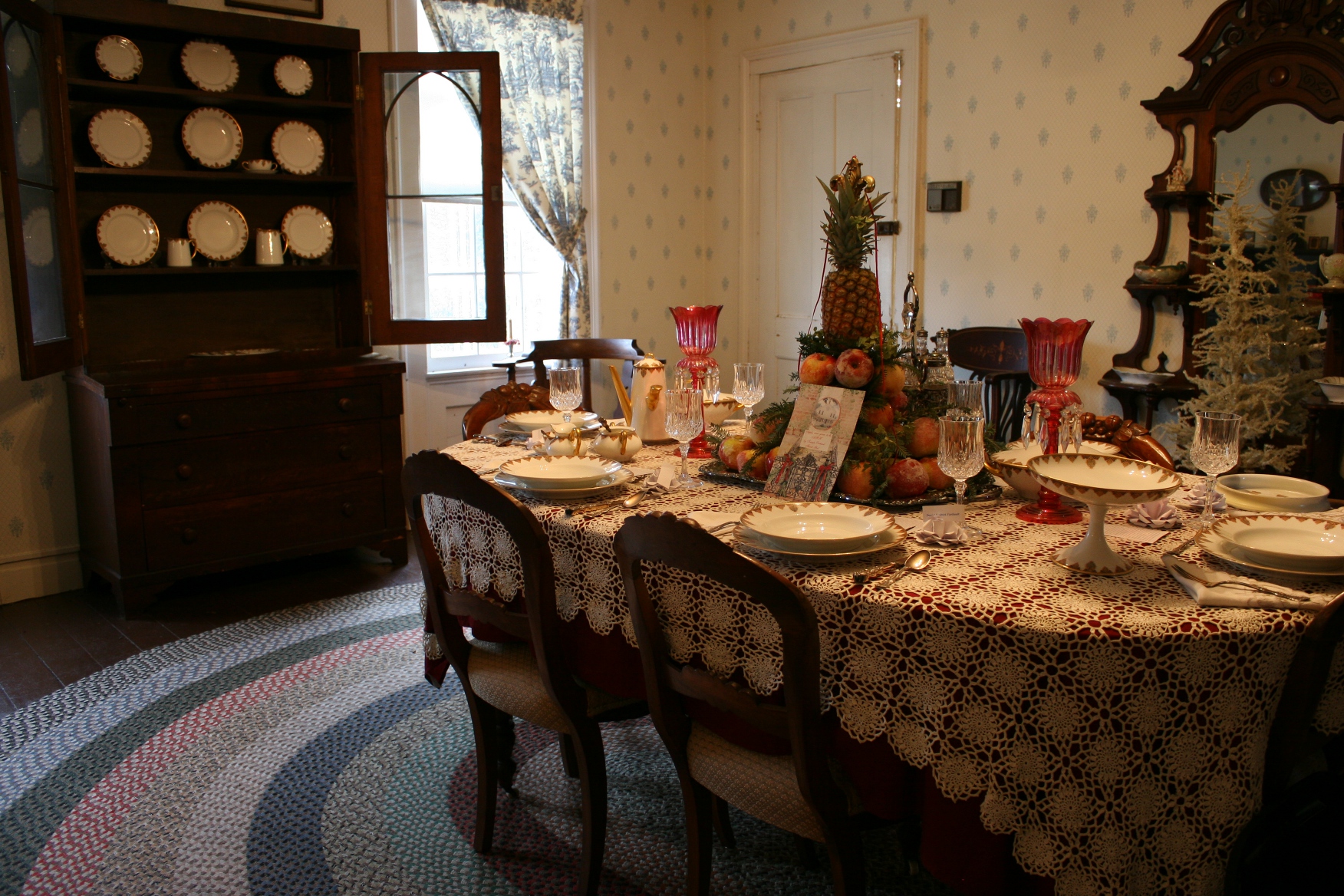
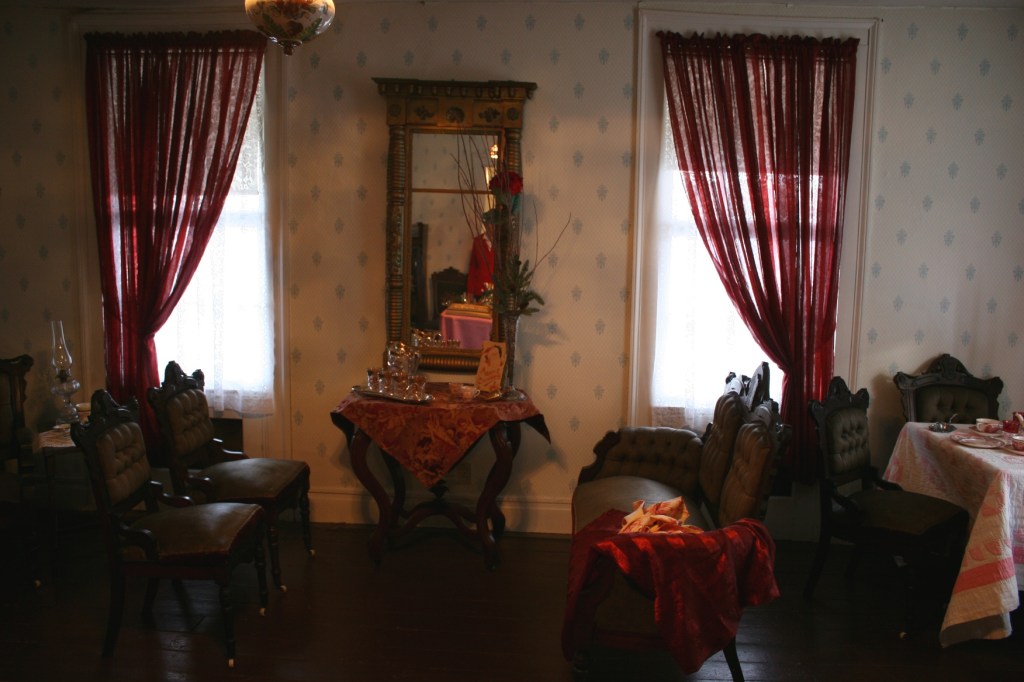
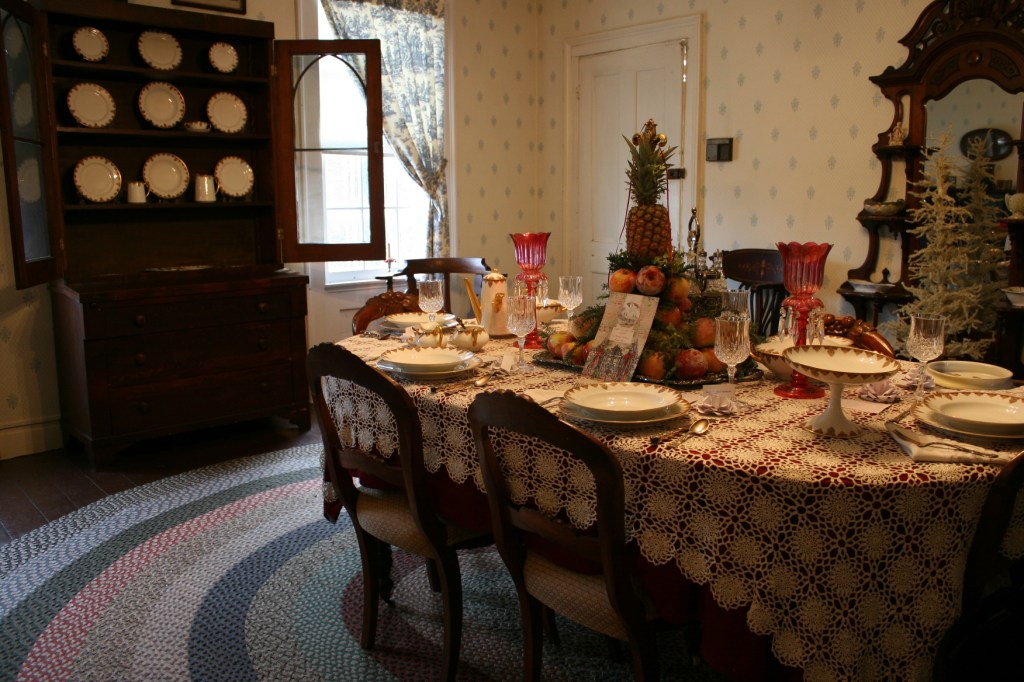
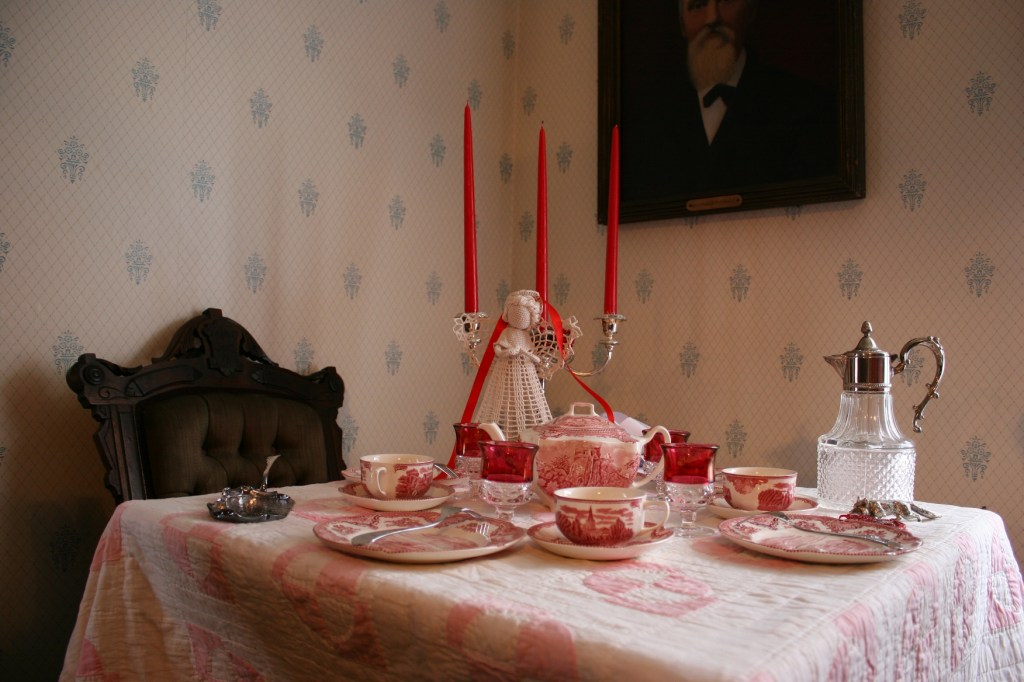
The Faribaults’ dining room set for the holidays during the 2017 Christmas open house. (Minnesota Prairie Roots copyrighted file photo 2017)

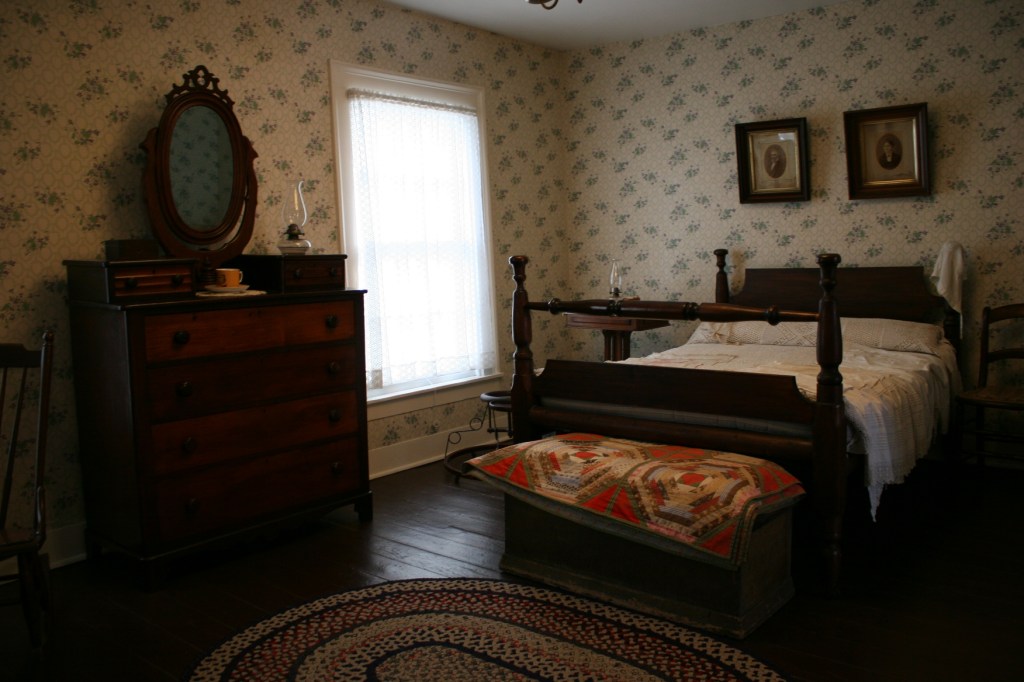
To walk through the rooms of this historic home is to feel the presence of the Faribault family, including wife Mary Elizabeth Graham and their children. The Faribaults lived here only a few years before moving to a large brick mansion on the bluffs overlooking the Straight River. With 10 children, I expect they needed more space than the wood-frame house provided.

An overview of Alexander Faribault’s gravesite at Calvary Cemetery. (Minnesota Prairie Roots copyrighted photo April 2020)

Across town several miles to the west atop a hill overlooking the countryside on the edge of Faribault, the life of Alexander Faribault comes full circle. It is here, in Calvary Cemetery, that this fur trader, this friend of the Dakota, this town founder, this family man, is buried.

A memorial to Alexander Faribault stands at the Calvary Cemetery entrance. The birth date here differs from the one on Faribault’s tombstone. (Minnesota Prairie Roots copyrighted photo April 2020)

In April 2020, I visited this cemetery for the first time specifically looking for Faribault’s gravesite. I found it along with a memorial marker honoring him at the graveyard’s entrance.
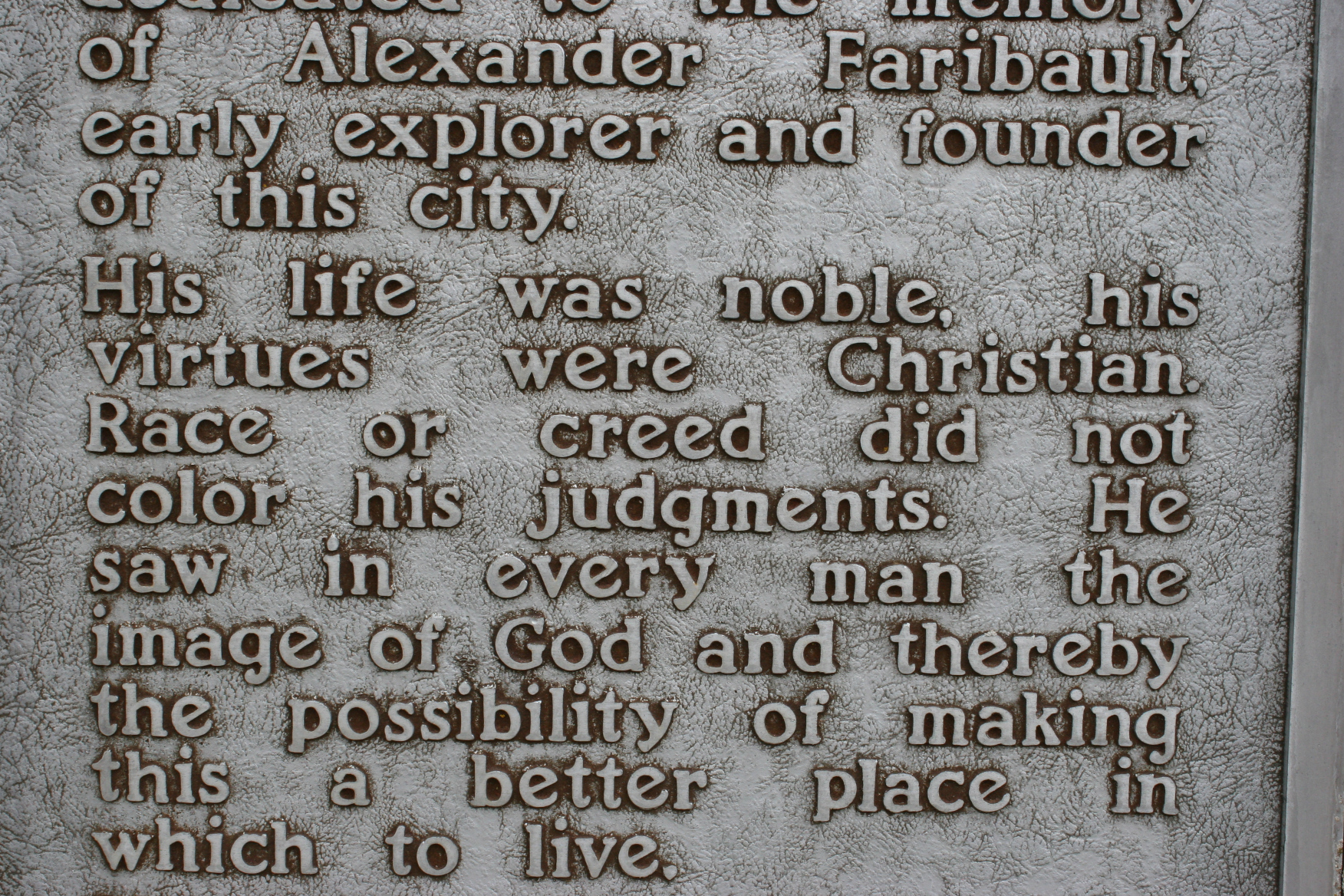
Memorial marker words up close. (Minnesota Prairie Roots copyrighted photo April 2020)

Race or creed did not color his judgments, the marker states in part. That seems to match what I’ve read about Alexander Faribault. Both his mother and wife were of Dakota heritage, thus he and his children were, too. Alexander, who traded with and befriended the Dakota, later sheltered some of them on his land. Government treaties removed indigenous peoples from their land, including in current-day Faribault. Alexander Faribault served as an interpreter in the signing of regional treaties given his knowledge of the Dakota language and culture. I wonder if he felt conflicted by how the government treated the Dakota.

This sculpture of Alexander Faribault and a Dakota trading partner stands in Faribault’s Heritage Park near the Straight River and site of Faribault’s trading post. Faribault artist Ivan Whillock created this sculpture which sits atop the Bea Duncan Memorial Fountain. (Minnesota Prairie Roots copyrighted file photo)

Today, 216 years after Faribault was born on November 28, 1806, an awareness and acknowledgment that indigenous peoples were the first inhabitants of this area is rising. Long before fur traders like Faribault set up trading posts in the region, the Dakota lived here, hunted here, fished here, raised their families here, called this place home.
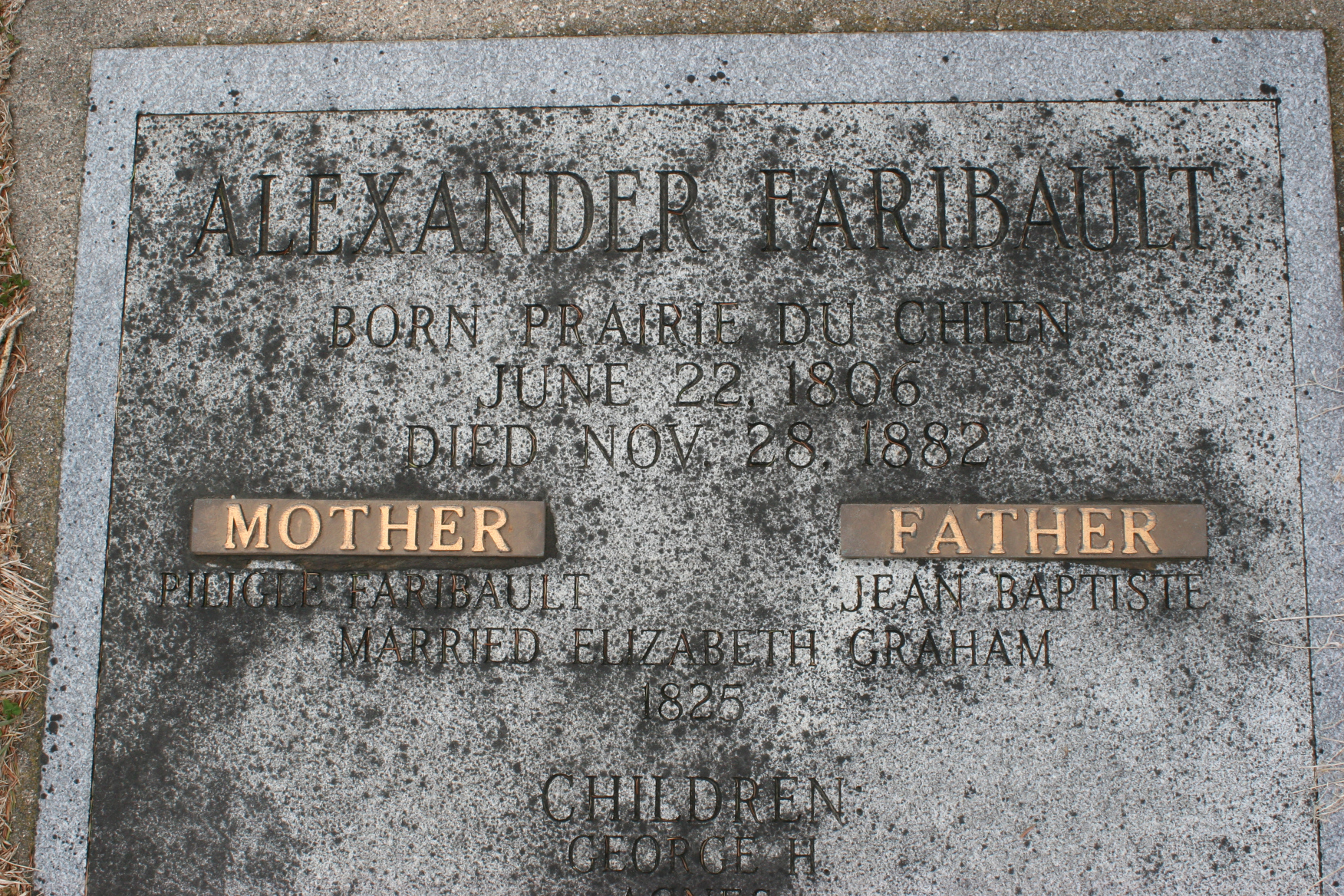
This shows a portion of an in-ground marker for Alexander Faribault. (Minnesota Prairie Roots copyrighted photo April 2020)

When I consider the friendships forged among fur traders and the Dakota, I think of the Faribault community today and those who call this place home. This city truly is a melting pot of cultures and peoples. I celebrate that. Some day I hope we can all, like our town founder, view each other through a clear lens without the filter of race or creed coloring judgment.
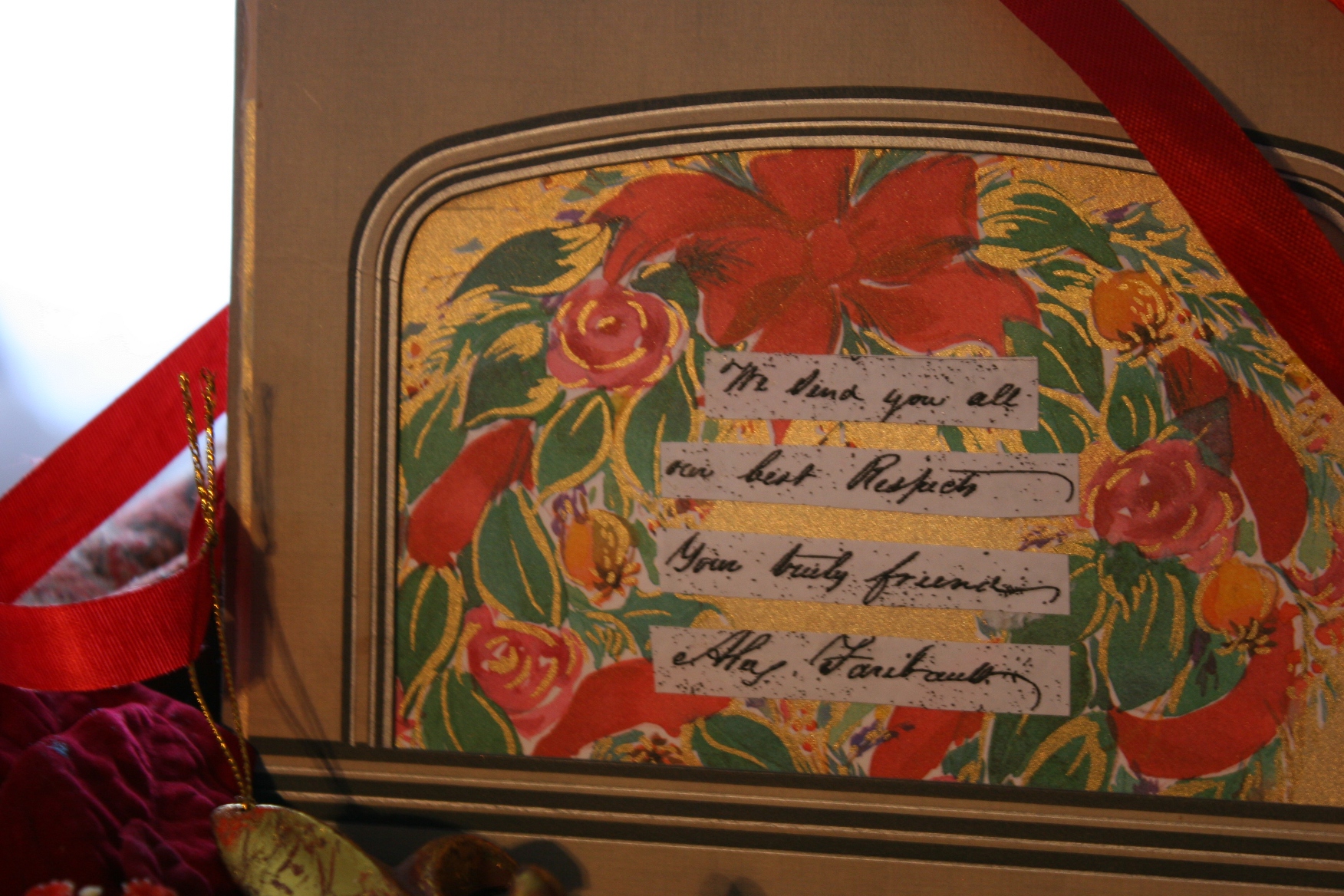
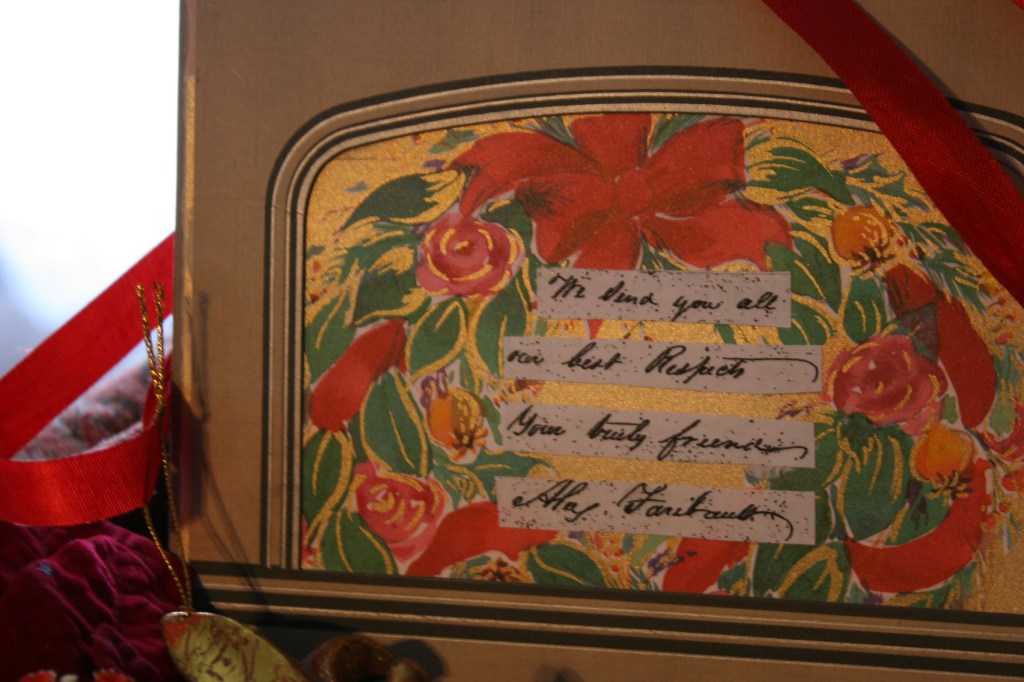
A holiday greeting from Alexander Faribault displayed at a past Christmas open house. (Minnesota Prairie Roots copyrighted file photo)

FYI: The Alexander Faribault House Christmas Open House is from 11 am- 3 pm Saturday, December 3, at 12 First Avenue Northeast, Faribault. The event is free and is part of this weekend’s Winterfest celebration in Faribault.

© Copyright 2022 Audrey Kletscher Helbling


A look at Christmas past & more inside the Alexander Faribault house December 5, 2017


FROM THE EXTERIOR, the simple wood-frame house set atop a hill along Minnesota State Highway 60 in Faribault could pass as just another old house. A porch fronts the house where green shutters flank windows. Nothing remarkable makes this place stand out—except the sign out front.


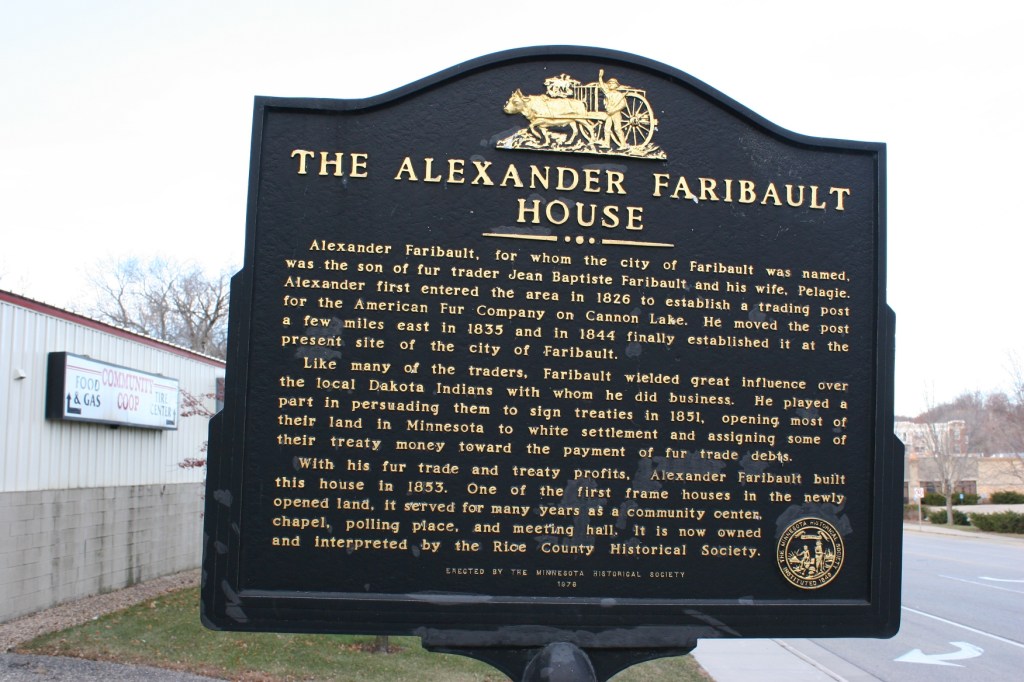
Pause to read that marker and you’ll learn this house was home to town founder Alexander Faribault from its construction in 1853 to 1856 when Faribault and his wife, Mary Elizabeth, and their children moved east across town.


“We send you all our best Respects…your truly friends Alex Faribault”


On a window sill in the dining room.


The parlor.


Every December the Rice County Historical Society hosts a weekend Christmas Open House in the building that once served as a home, post office, church, school, hotel, meeting place, store and community center. That annual affair adds an elegant flair in the style of French-Canadian holiday traditions. Alexander Faribault’s father, Jeane-Baptiste, was French-Canadian, his mother a Dakota. Like his father before him, Alexander was a fur trader.


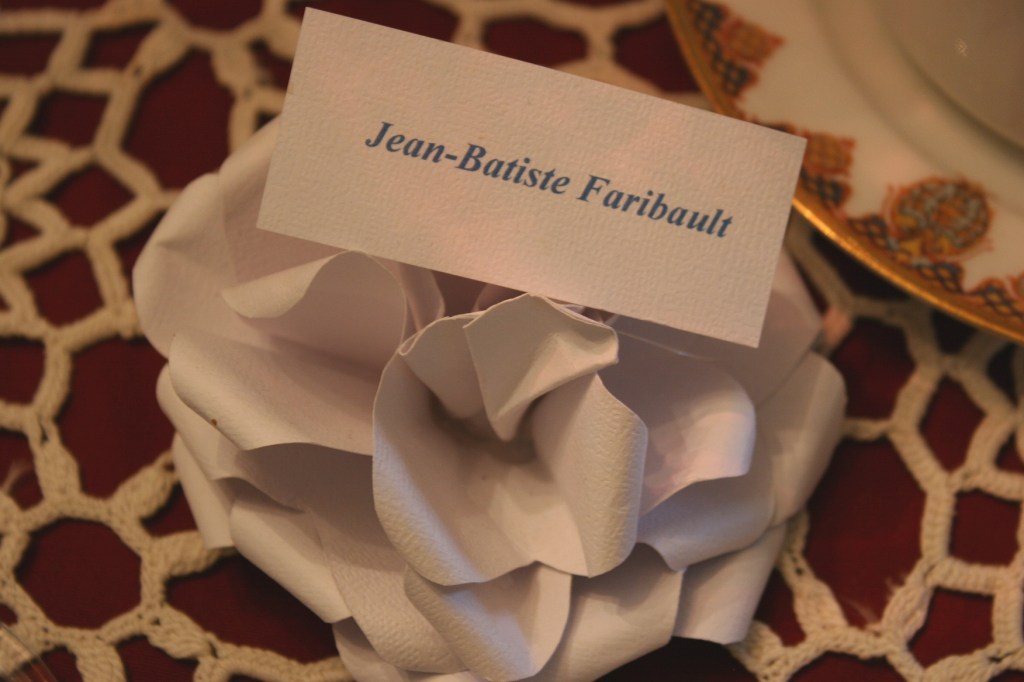
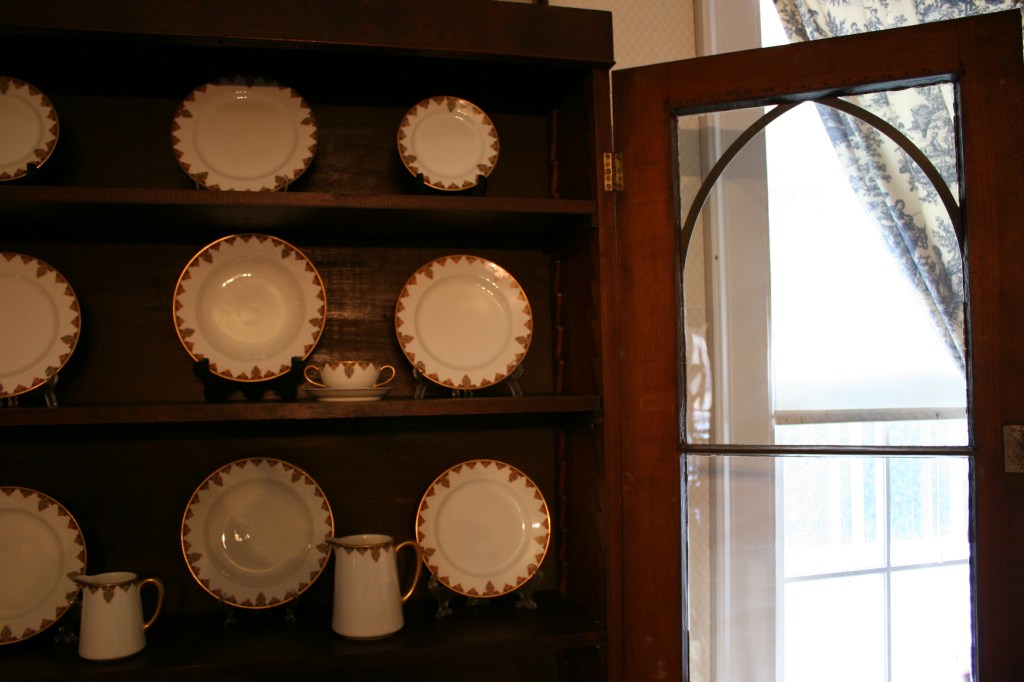
While touring the home Saturday afternoon, I noted how a finely set dining table layered with a crocheted tablecloth and centered by a candied apple centerpiece brought such elegance to this aged home with planked wood floors. In the simplest of surroundings, layers of plates, fine silver and goblets presented a festive and impressive setting.


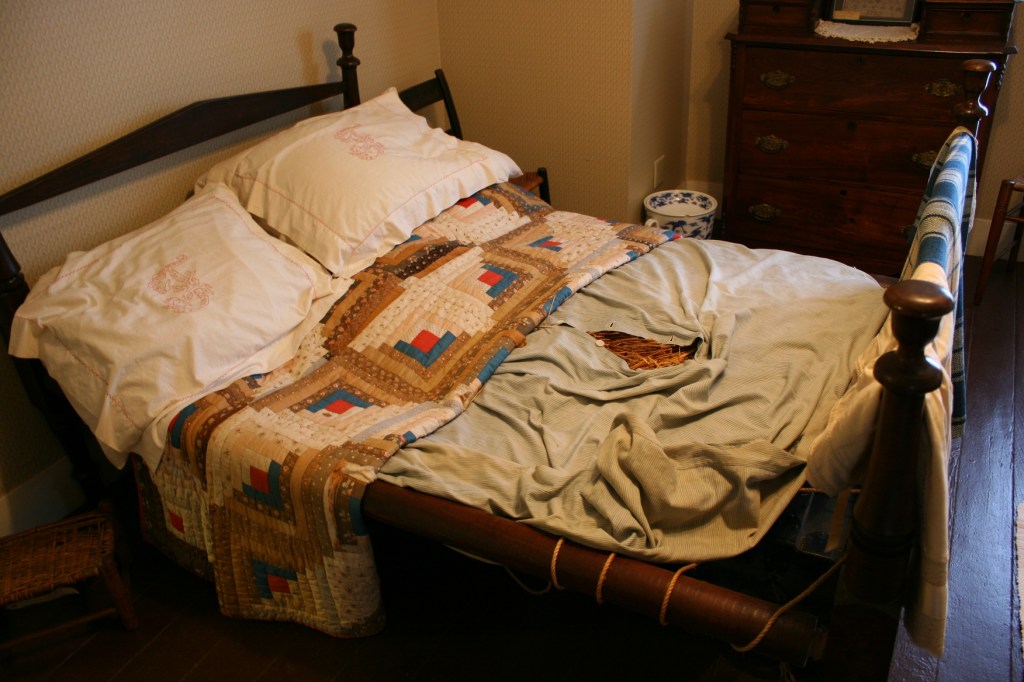
Holiday décor aside, the authenticity of everyday life in the 1850s remains. Here, straw pokes through bedding. Handmade quilts drape trunk and beds. Kerosene lanterns punctuate furniture. Vintage portraits hang on walls. Horsehair cushions soften chairs.


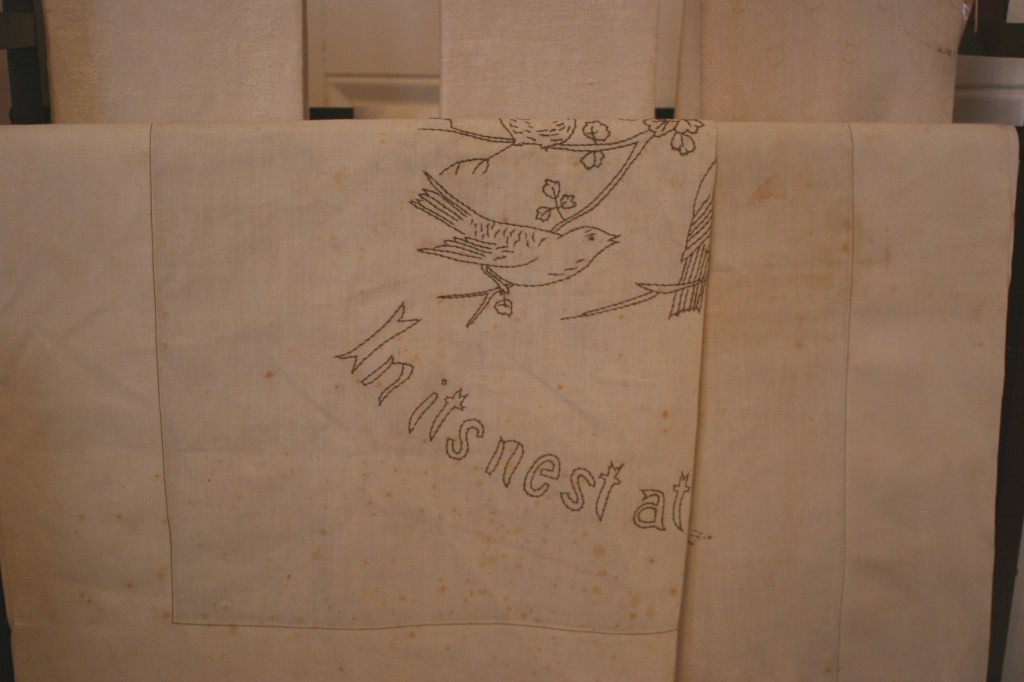
An embroidered linen draped in an upstairs bedroom.


It is humbling to walk through this house, to consider the history made here in meetings, in discussions, in entertaining, in living within these walls as a family.


My community began here, in this spot along the Straight River, in this house built by a fur trader. Though unremarkable in outward appearance, this house holds the essence of a town that grew from humble beginnings into a thriving city that still values its French heritage.


BONUS PHOTOS:

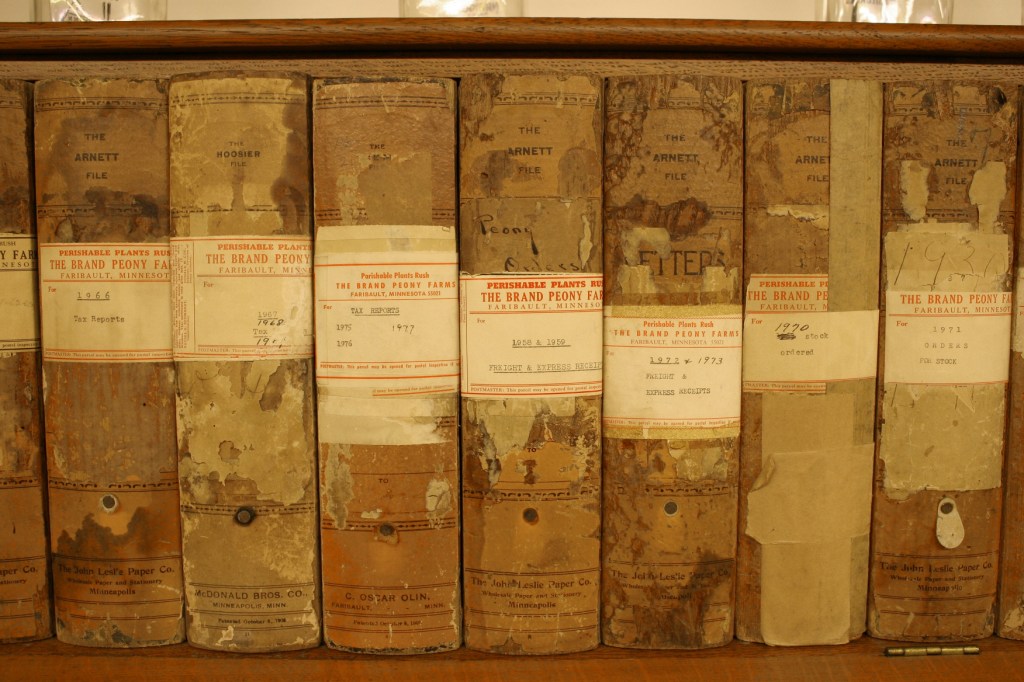
The second floor showcases additional Faribault history including that of local businesses like the Brand Peony Farm…


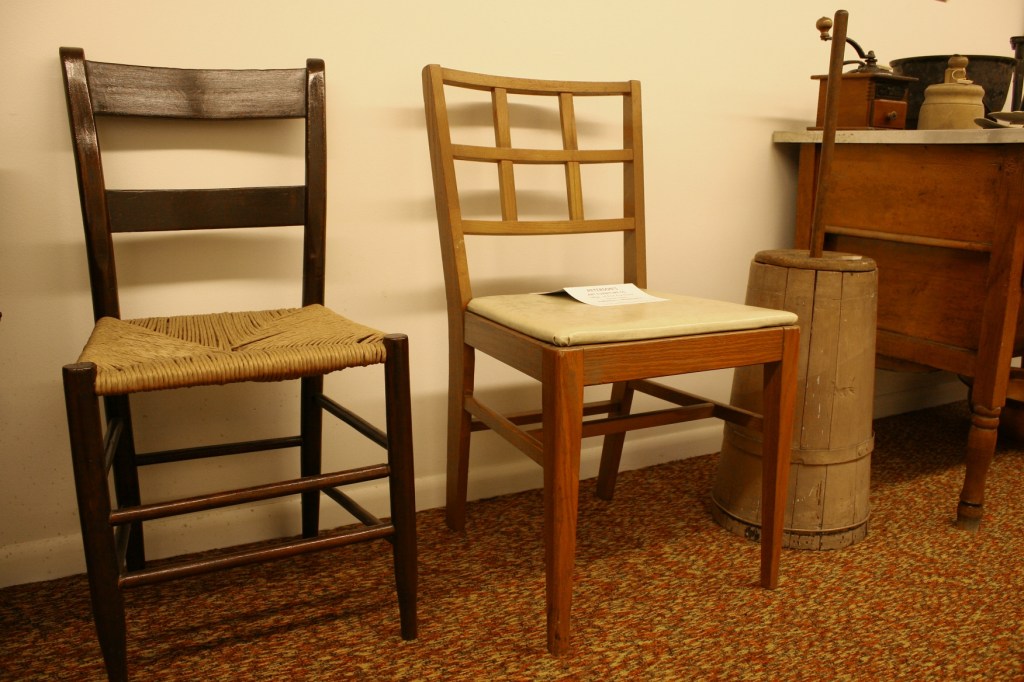
…and these chairs crafted by Peterson’s Art Furniture Co.


© Copyright 2017 Audrey Kletscher Helbling