Minnesota Prairie Roots

Writing and photography by Audrey Kletscher Helbling

Gathering beside the Cannon for history come alive at Riverside Rendezvous May 13, 2025

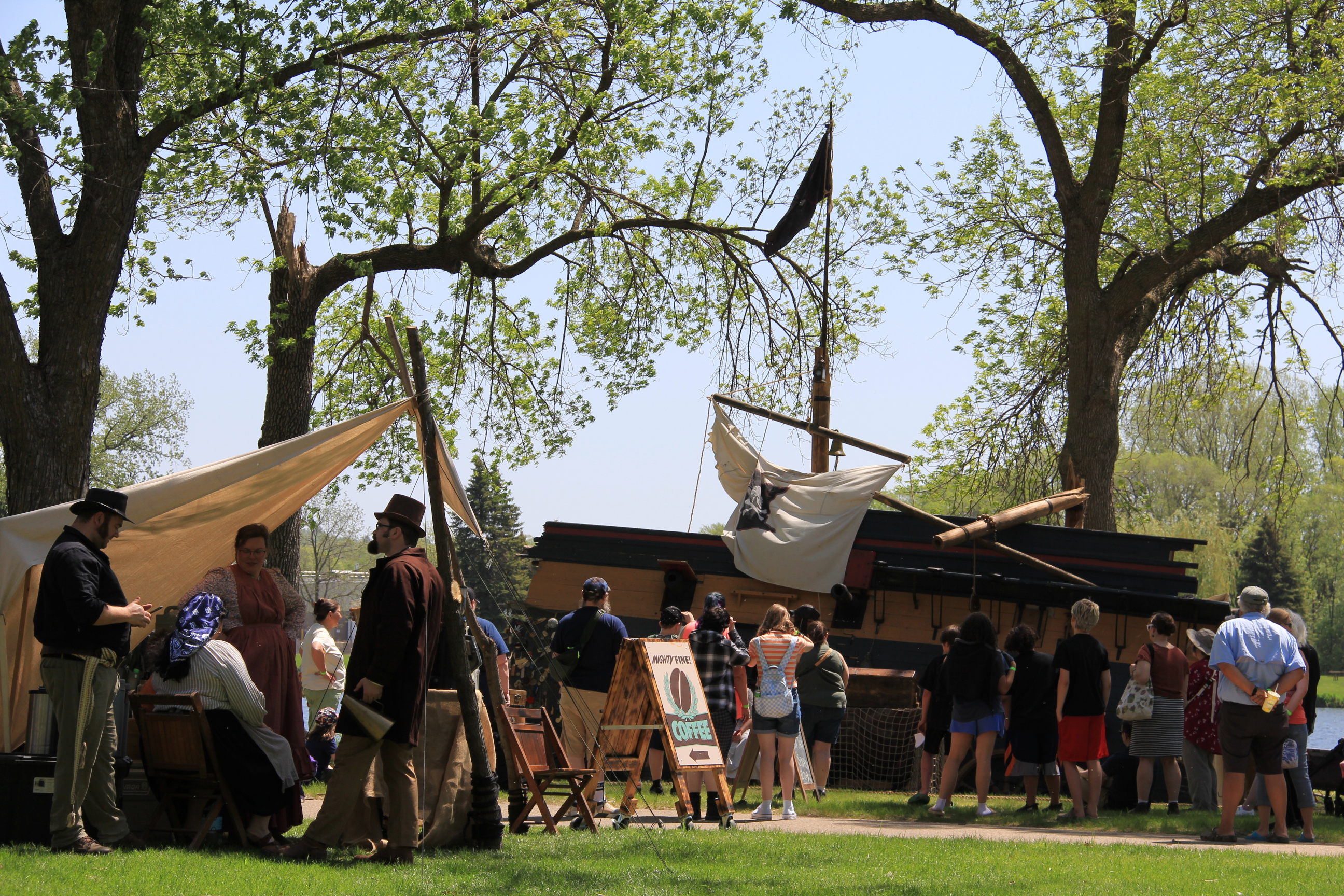
Learning about pirates at the pirate ship sitting near the Cannon River. (Minnesota Prairie Roots copyrighted photo May 2025)

TO READ ABOUT THE PAST is one thing. To learn about history via people passionate about the past is quite another.
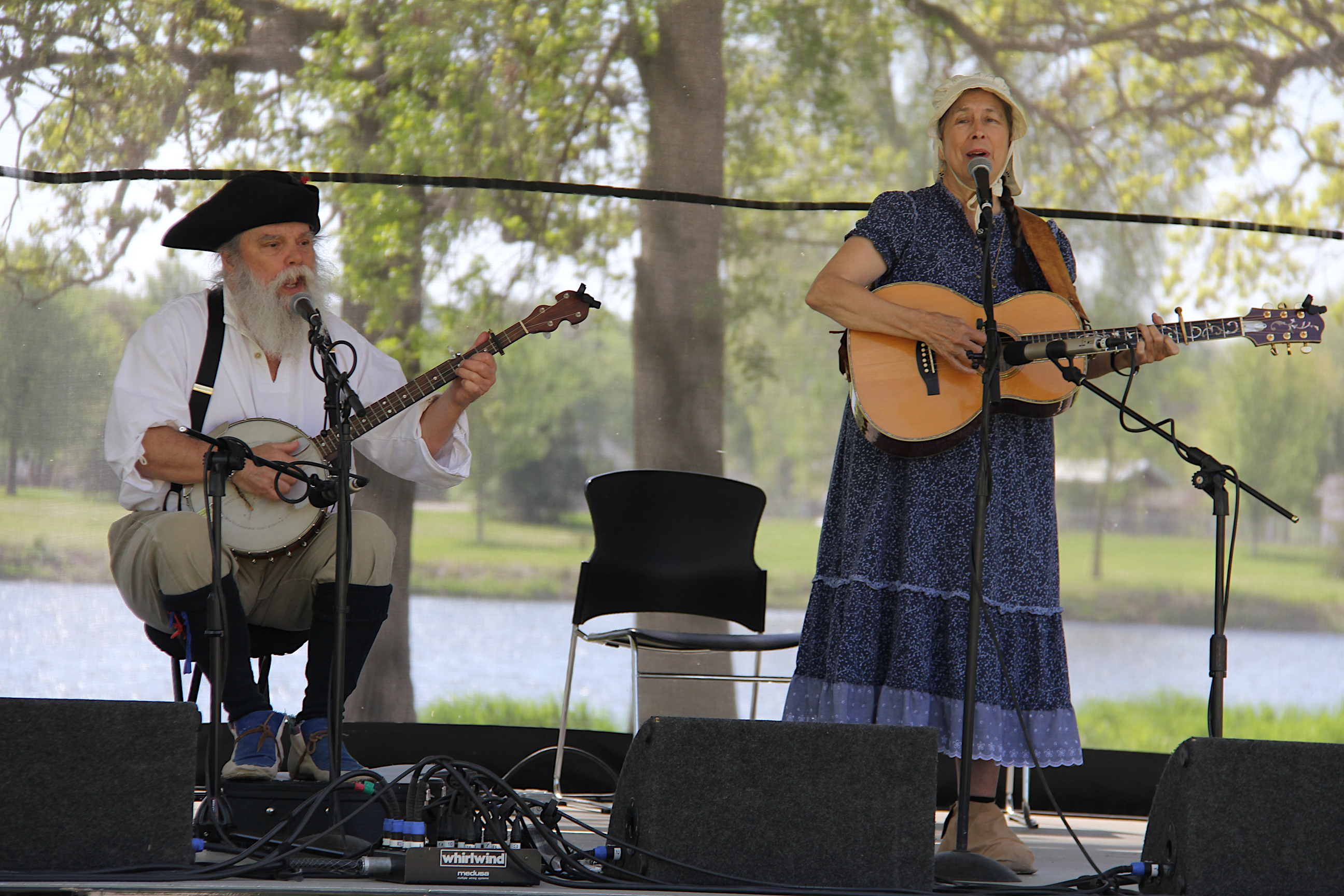
Folk singers Curtis & Loretta from Minneapolis perform Sunday morning. (Minnesota Prairie Roots copyrighted photo May 2025)

The past came alive over the weekend at the first-ever Riverside Rendezvous and History Festival in Faribault organized by the Rice County Historical Society. I spent four hours of my Mother’s Day roaming the festival grounds alongside the Cannon River at North Alexander Park. Listening. Learning. Connecting. Questioning. Observing. And photographing.
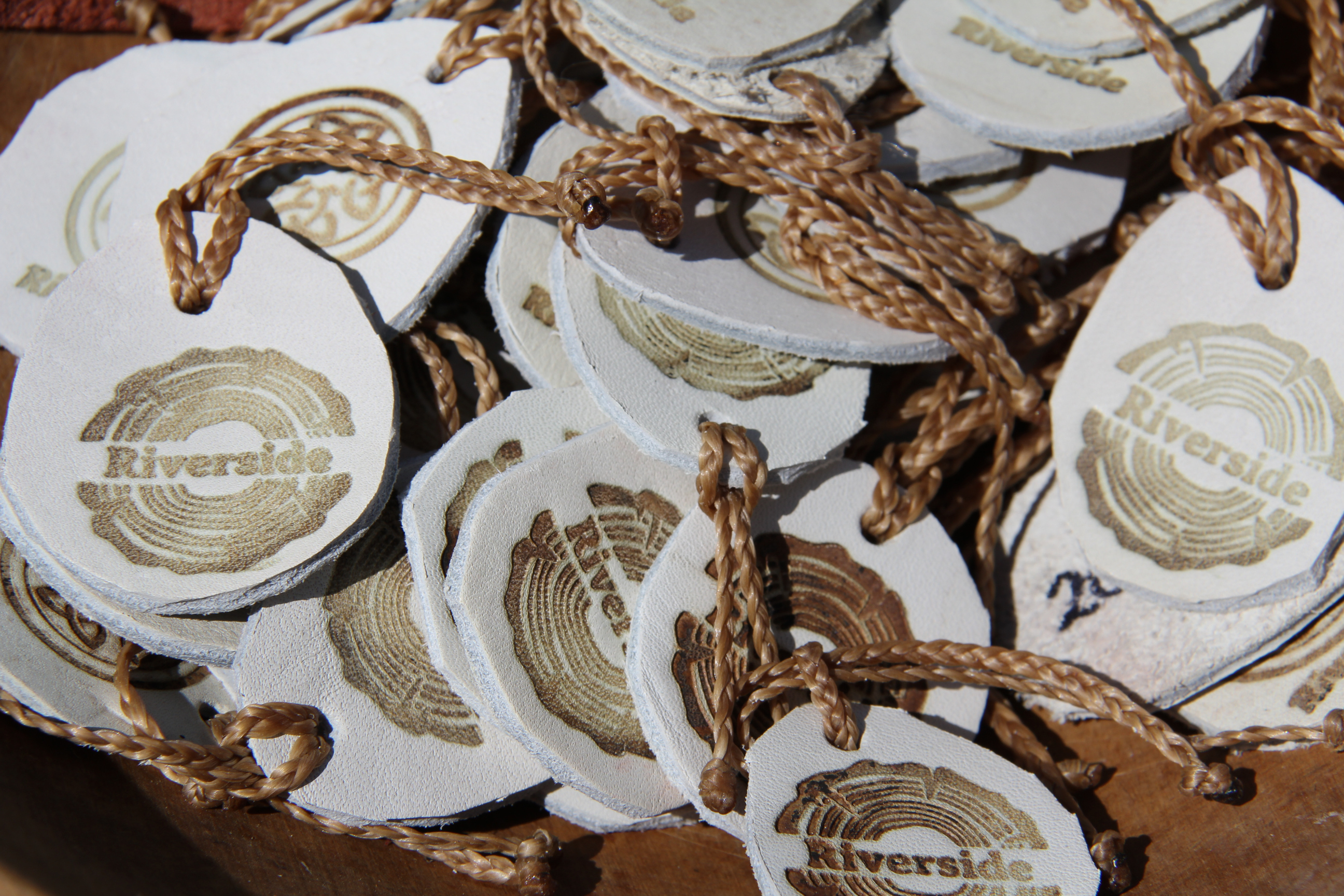
Many rendezvous feature medallions (like these for the Faribault festival) which participants post on their tents. (Minnesota Prairie Roots copyrighted photo May 2025)
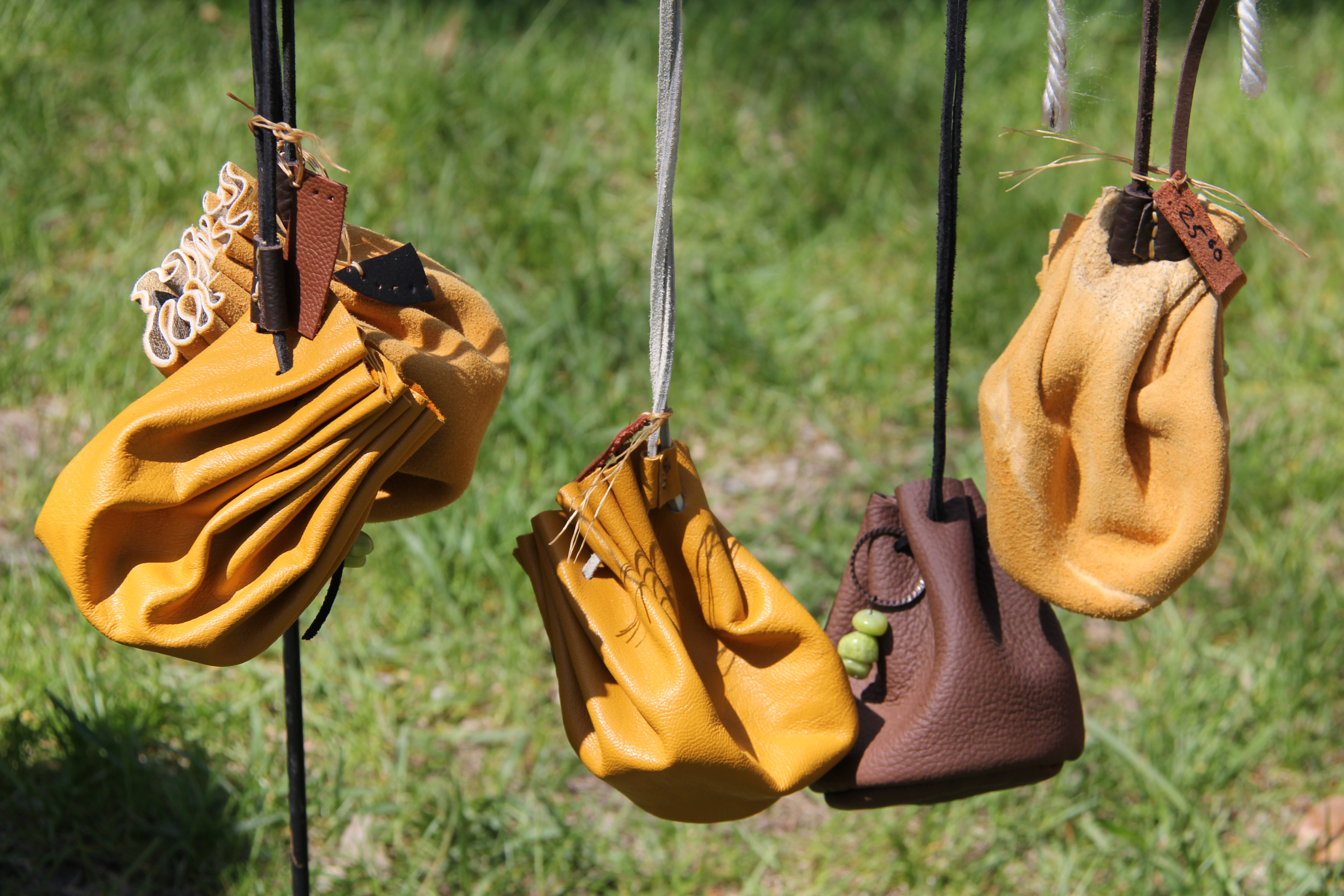
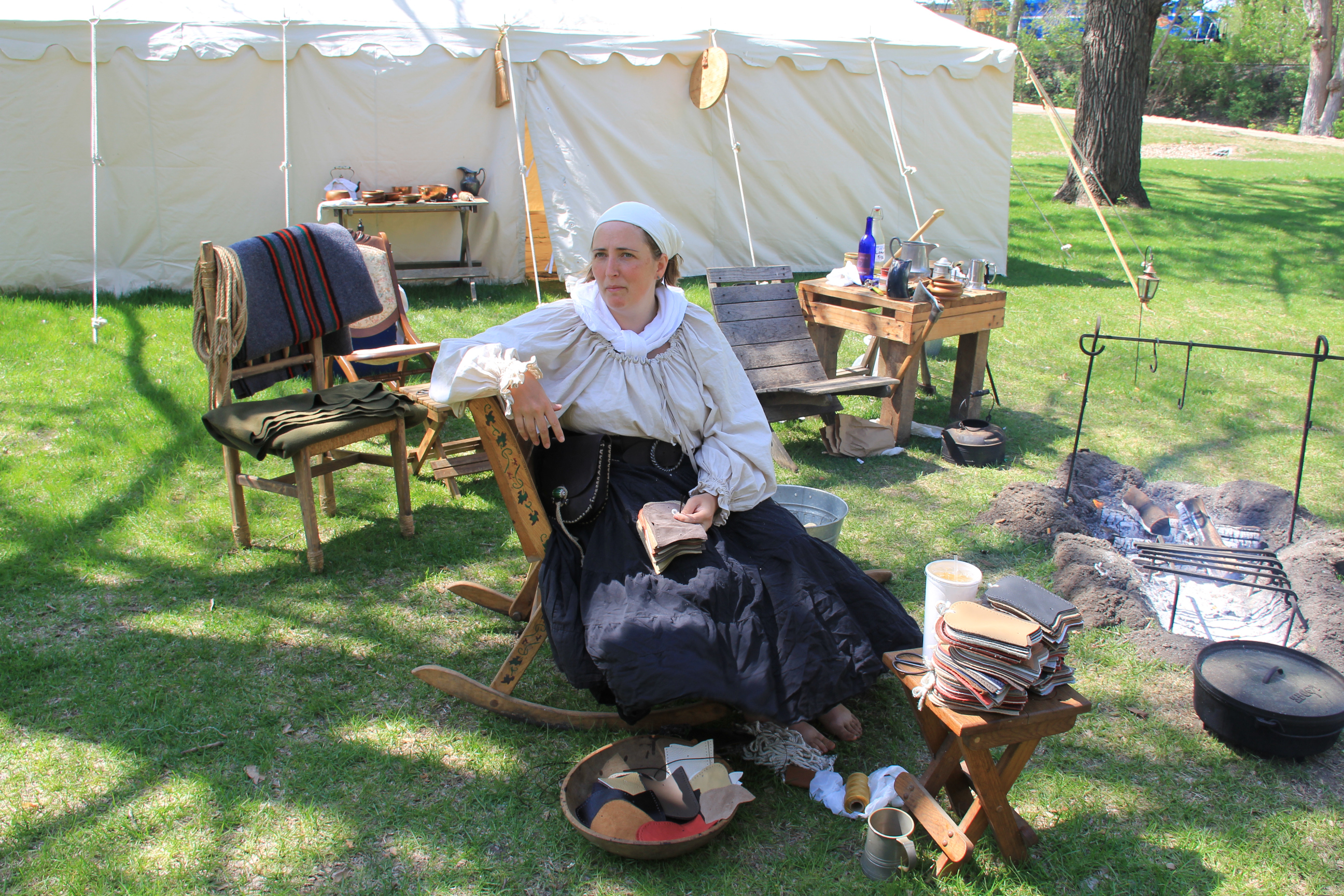
This re-enactor taught kids and adults to stitch mini leather pouches. (Minnesota Prairie Roots copyrighted photo May 2025)
Small handcrafted leather bags for sale. (Minnesota Prairie Roots copyrighted photo May 2025)

The Rendezvous covered 1701-1900 with participants dressed in period costume. Think top hats, mountain hats, head scarves, long skirts, lots of leather and fur.
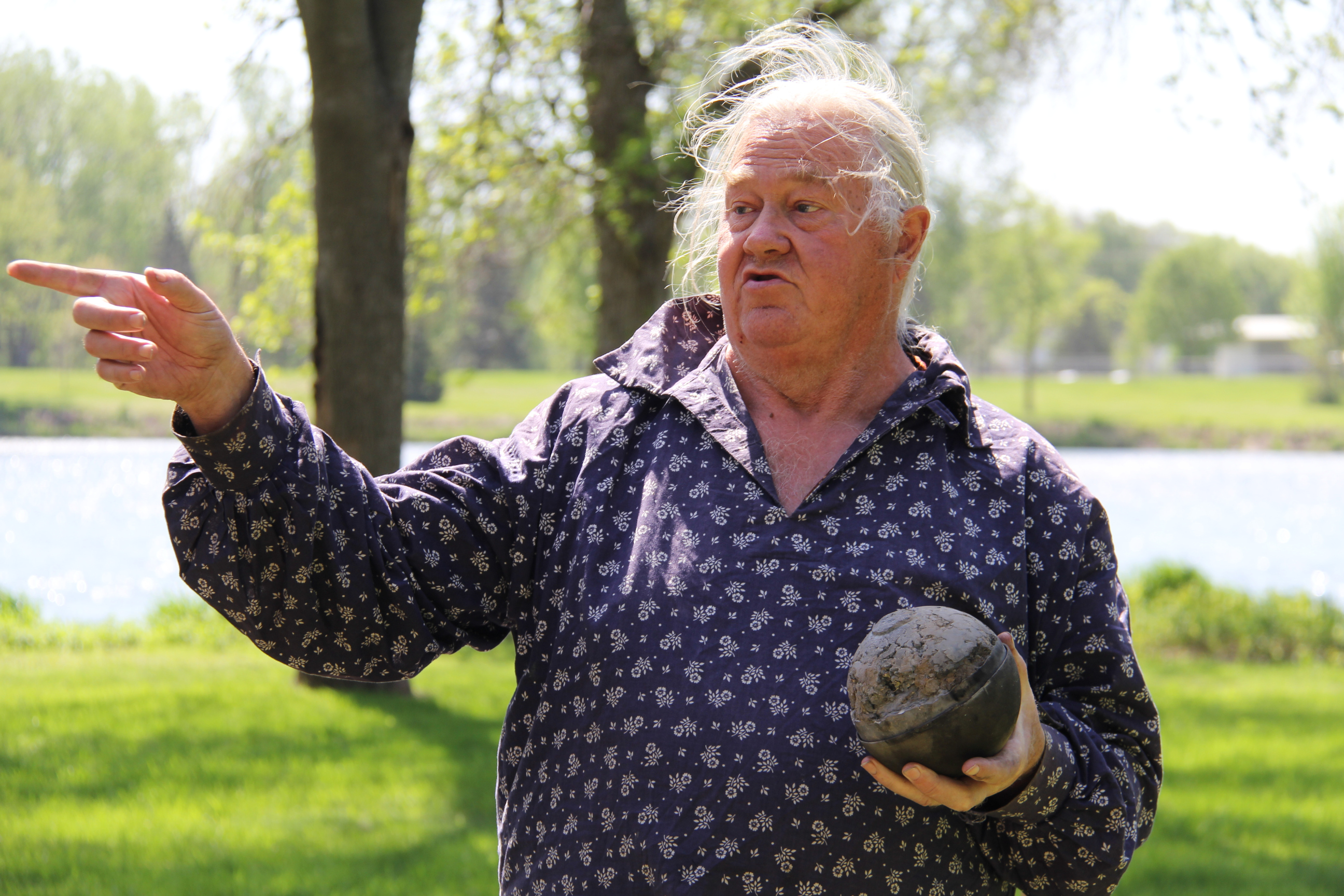
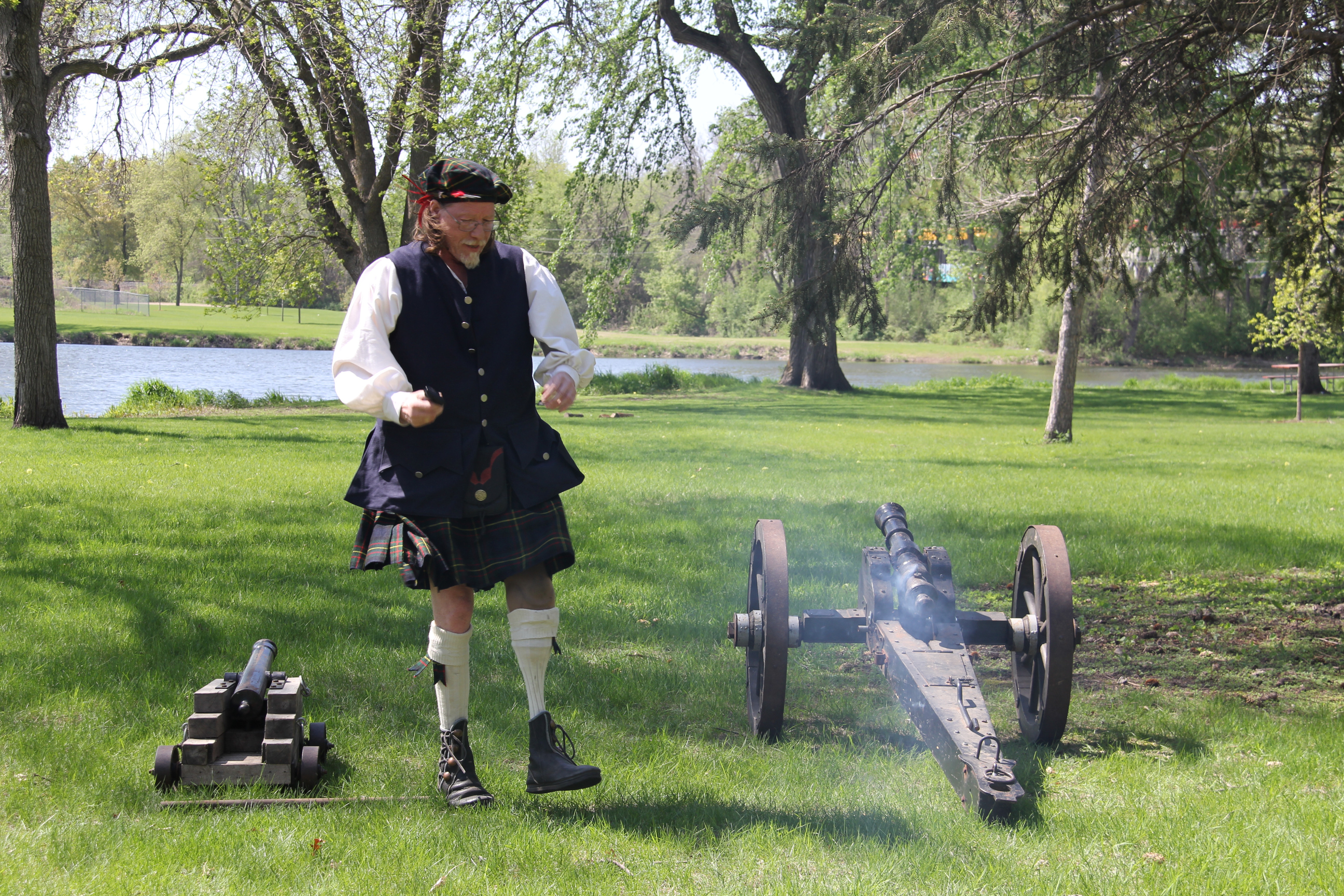
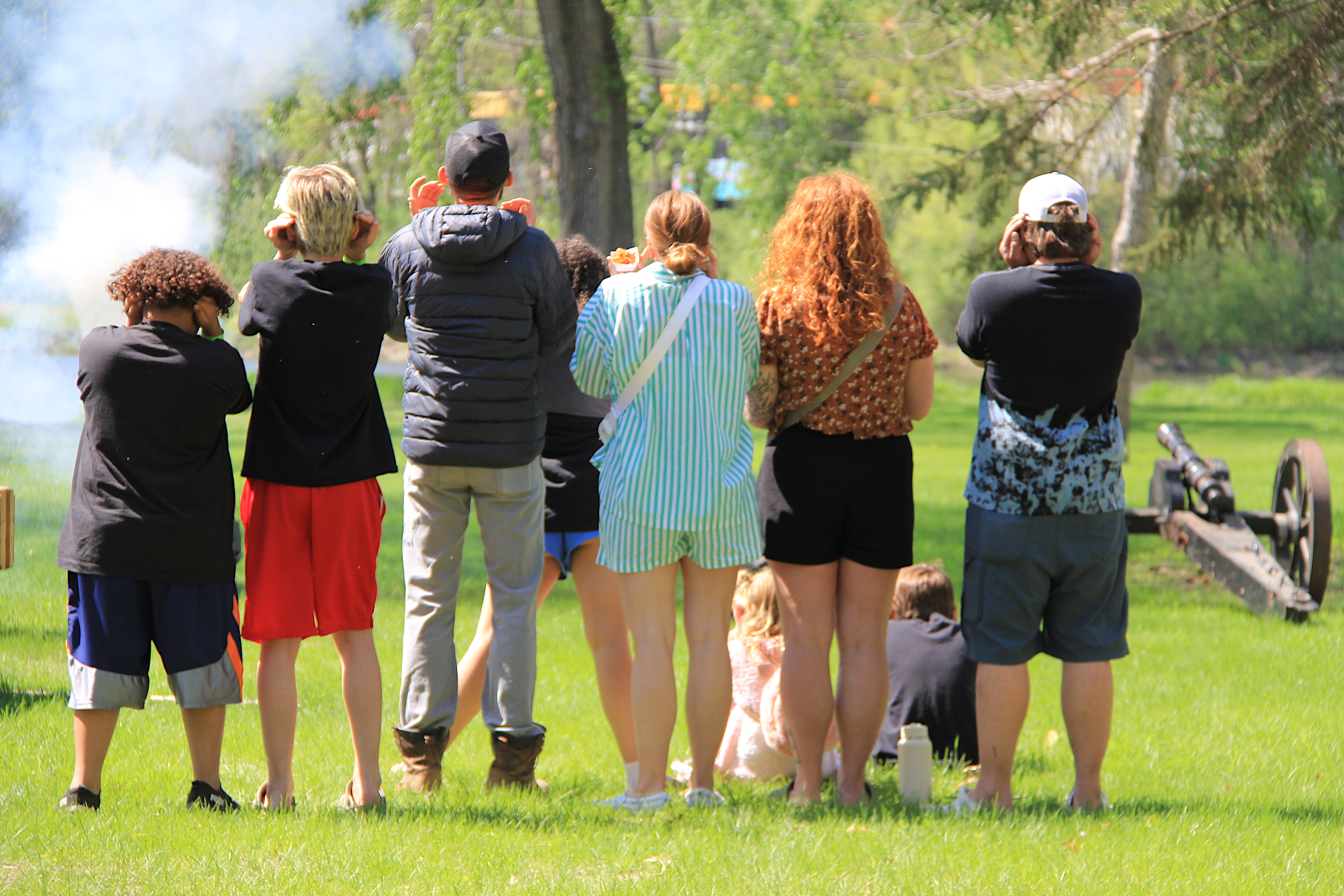
Before shooting off three cannons, this re-enactor talked about cannon balls, loading and firing a cannon, and safety. (Minnesota Prairie Roots copyrighted photo May 2025)
Firing one of three cannons. (Minnesota Prairie Roots copyrighted photo May 2025)
Before the cannons were fired, fest attendees were told to cover their ears “like fish.” The boom was loud. (Minnesota Prairie Roots copyrighted photo May 2025)

The re-enactors shared their period skills from blacksmithing to hat making to cannon shooting, rug weaving, leather stitching and much more. There was a lot to see, a lot to learn. And a lot to do, if you chose to participate.
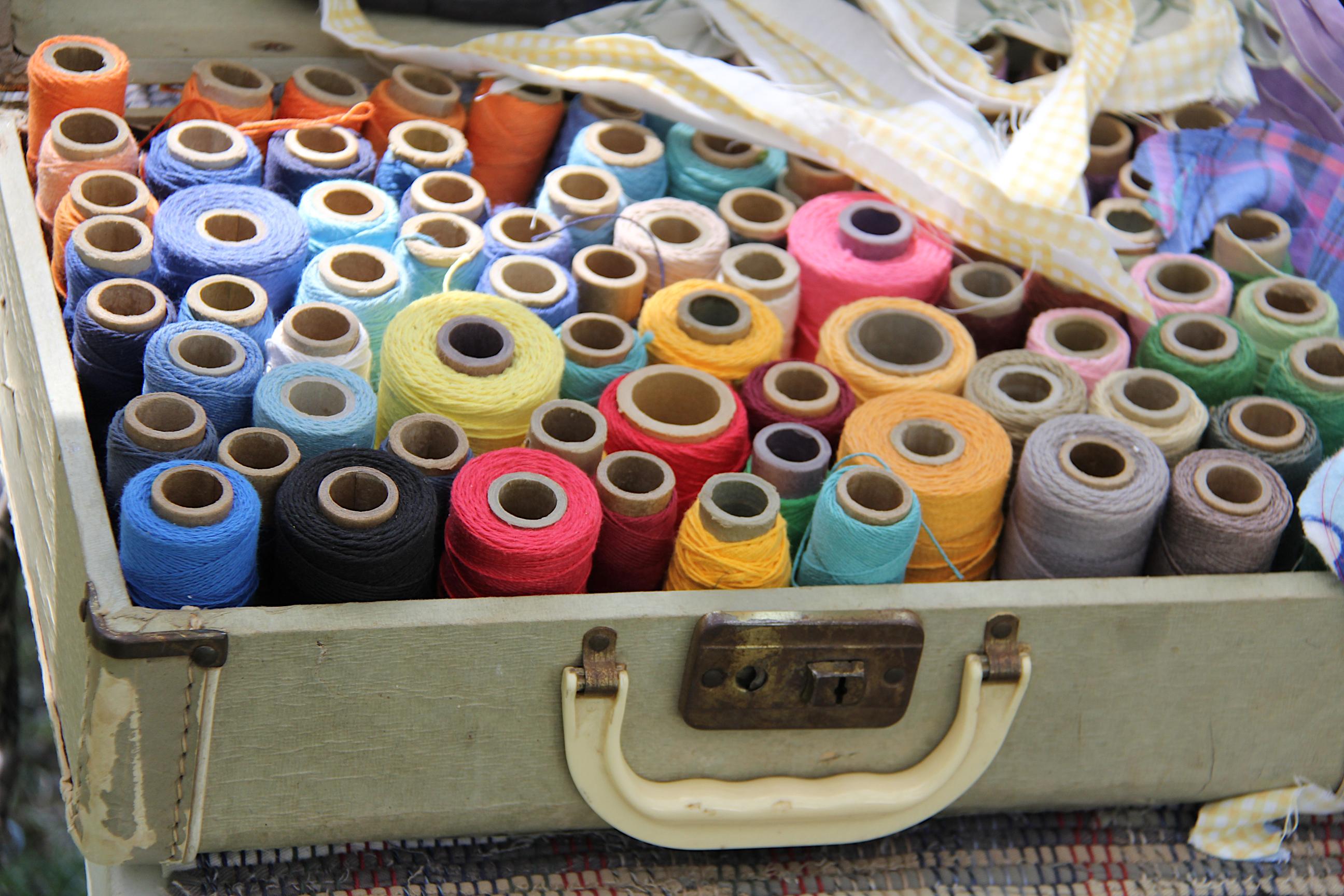
Spools of colorful string for rug weaving fill a vintage suitcase. (Minnesota Prairie Roots copyrighted photo May 2025)
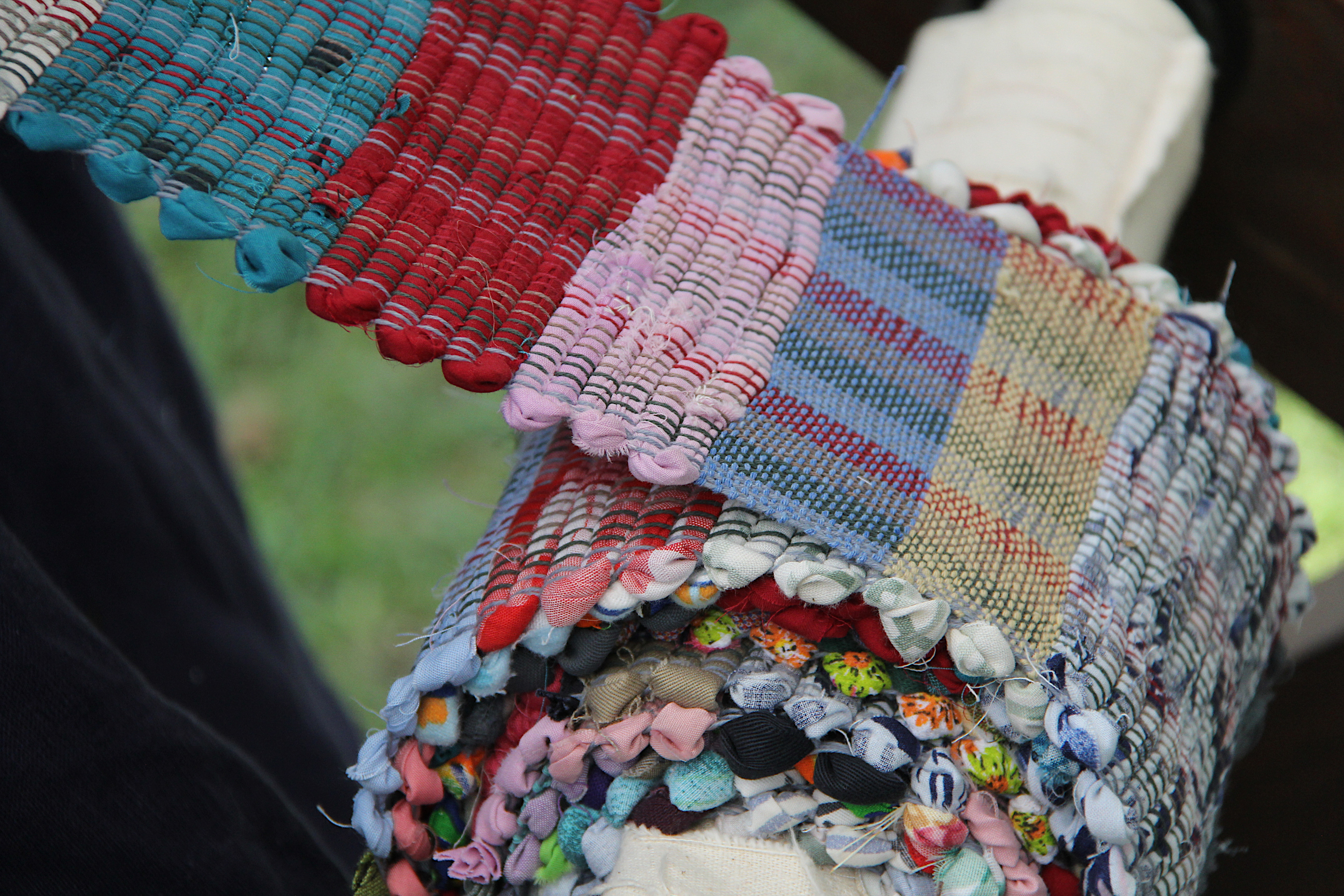
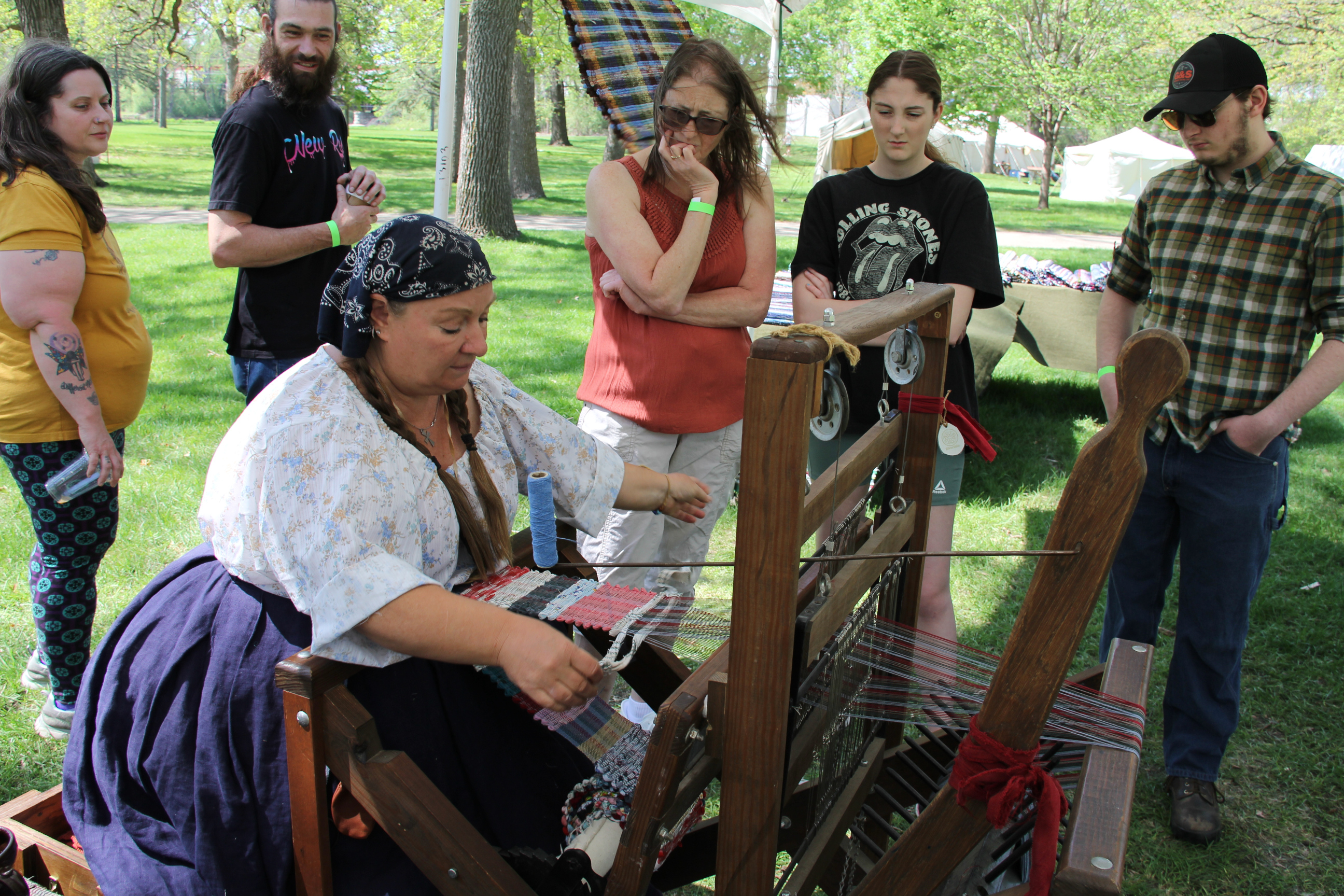
Folks gather around Lori Feltis as she weaves on her portable loom and talks about rug making. She operates Bohemian Rag Rug Studio near Stewartville. My grandkids enjoyed some hands-on weaving with Lori. (Minnesota Prairie Roots copyrighted photo May 2025)
A narrow strip woven on Lori’s loom. (Minnesota Prairie Roots copyrighted photo May 2025)

I left the hands-on activities to others, including two of my elementary-aged grandkids. They joined many kids trying out new skills, making memories. School classes attended the festival Thursday and Friday. So many lessons taught and learned.
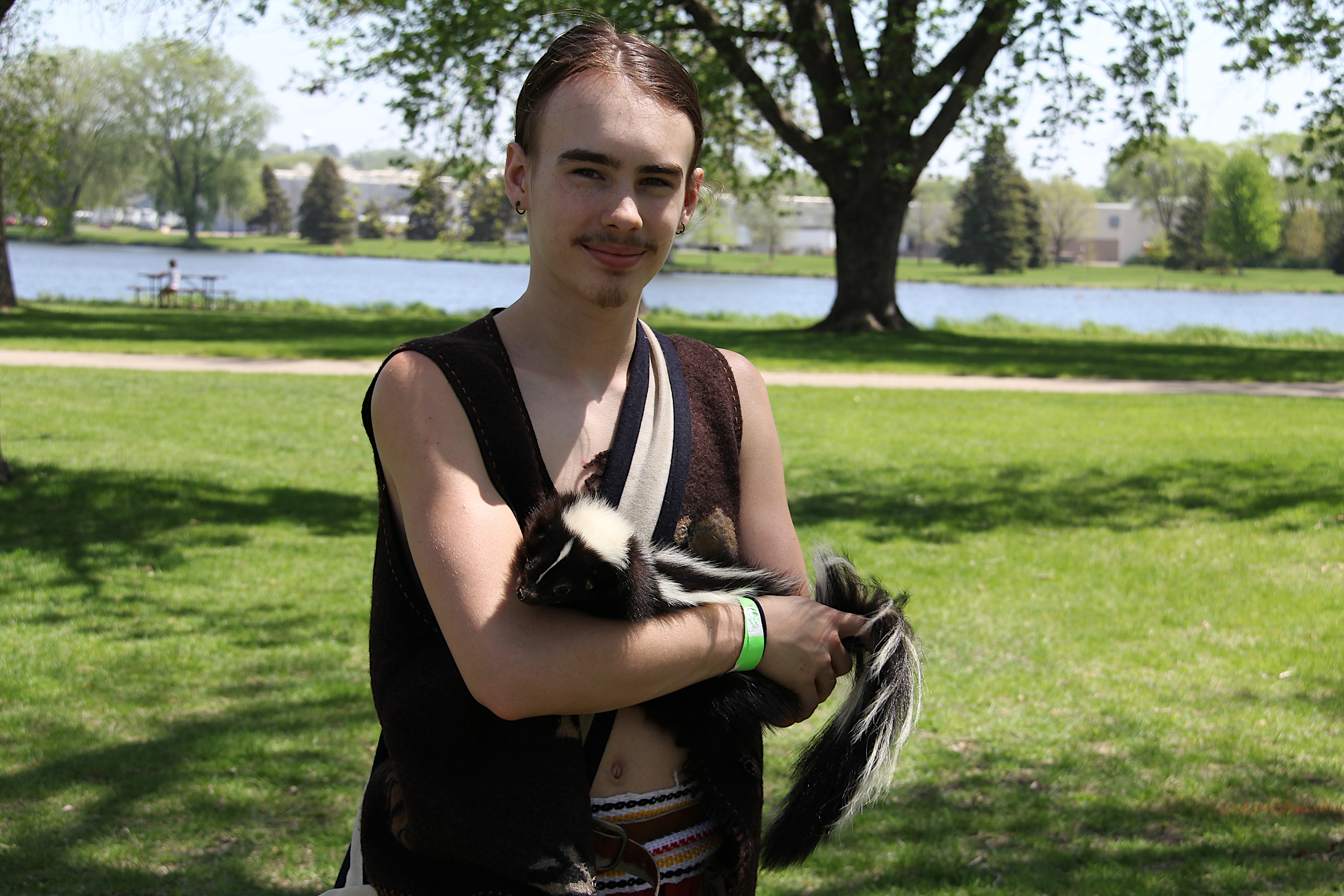
Valin with his “pet” skunk. (Minnesota Prairie Roots copyrighted photo May 2025)

My biggest personal lesson of the day came in an unexpected way, and not until I arrived home. While walking from one tent to another at the Rendezvous, I crossed paths with Valin cuddling his pet skunk. I’d never seen a real skunk up close and I was rather excited to photograph Little Stinky. I even called my husband over for a close-up look. Valin assured me Stinky’s stinky part had been removed. Back home, Randy revealed to me that Little Stinky was a pelt. “Didn’t you see his (Valin’s) hand underneath moving the skunk?” Uh, no. I can only imagine the story Valin told around the evening campfire about the lady who thought his skunk was alive. This is now the stuff of laughter and legend for my family. Lesson learned: Everything is not as it appears.
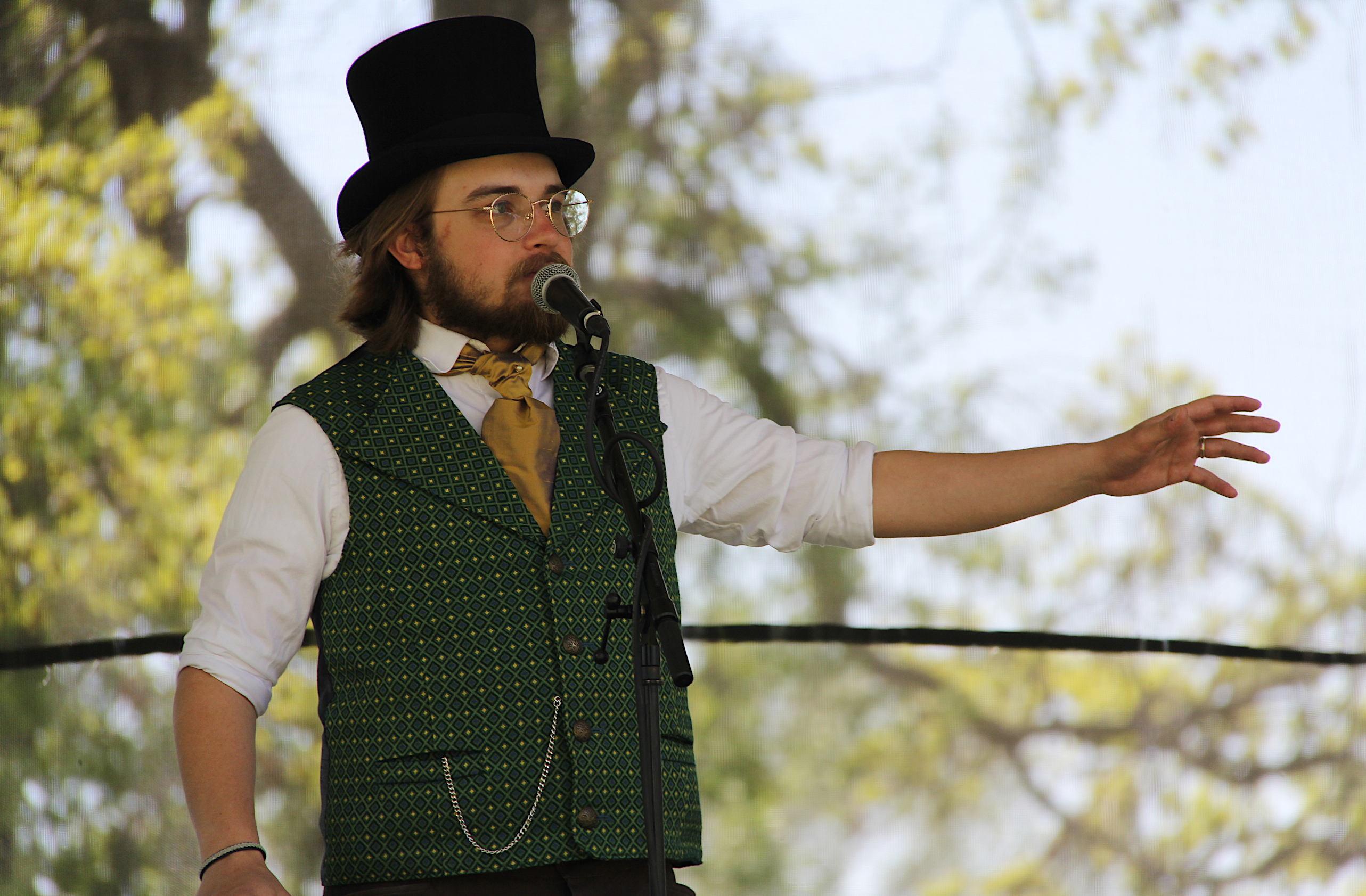
Sam Temple presented about early Minnesota history with a focus on Faribault. (Minnesota Prairie Roots copyrighted photo May 2025)

That humorous moment aside, I did appreciate the honest and informative storytelling of local historian and documentary filmmaker Sam Temple. Smartly attired in a top hat and dress clothes, he talked about early Minnesota, about Indigenous Peoples, about the illegal French Canadian fur traders who came here first—about their relationship of interdependence and co-existence with Native Peoples and how a new mixed race culture developed.
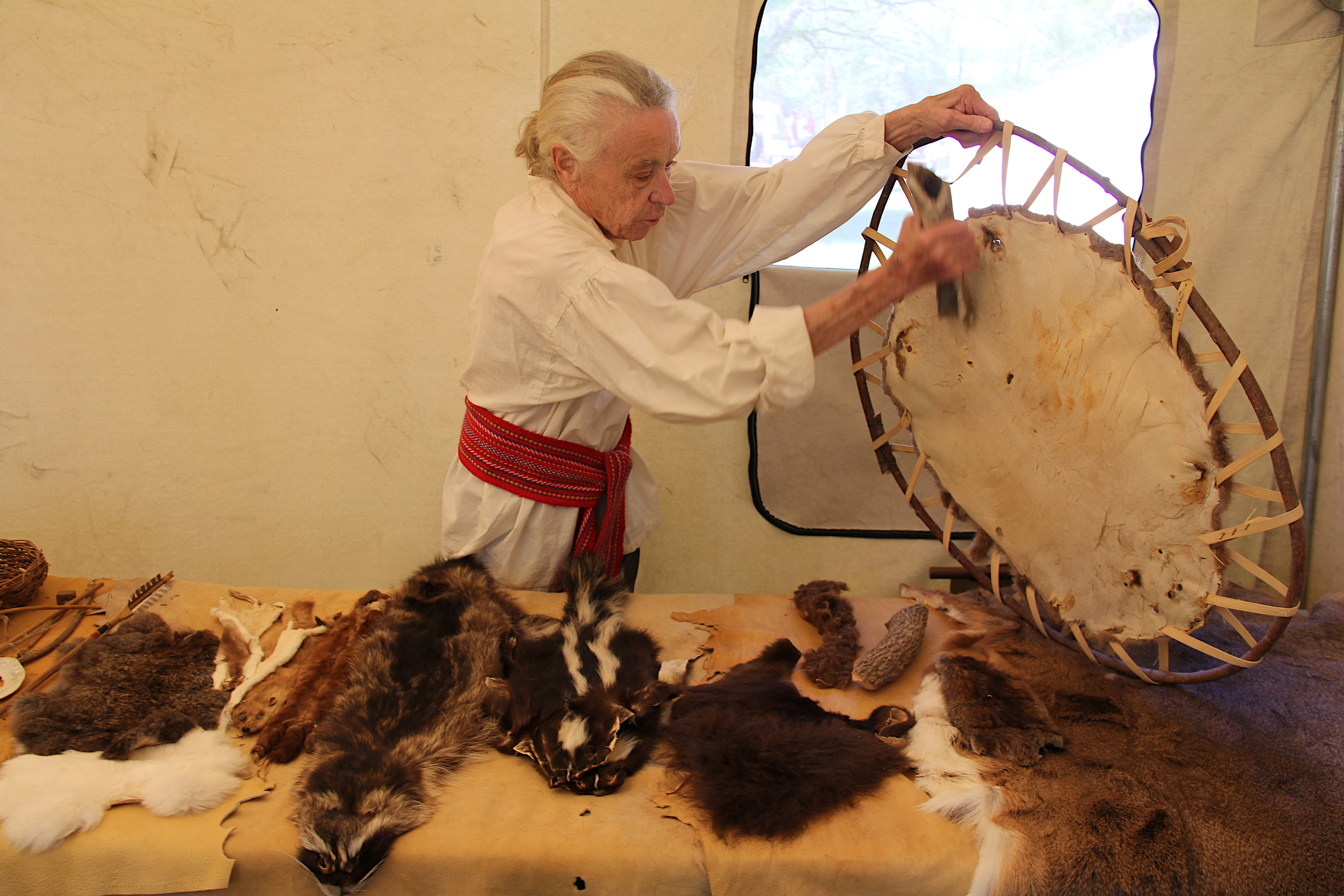
Scraping a beaver hide, the woman in this tent focused on the Dakota, their connection to nature and how that wove into their way of living. They traded furs for goods. (Minnesota Prairie Roots copyrighted photo May 2025)

Temple shared much more before shifting his focus to Faribault town founder Alexander Faribault, of mixed race (his mother was part Dakota) and a licensed fur trader by age 21. Alexander arrived in a multi-cultural community with “a foot in both worlds,” Temple said. Wood-frame houses and teepees stood side-by-side. As I listened, I considered my multi-cultural community today. Getting along, but not always. By the time Alexander Faribault, who was historically-influential both locally and state-wide, left Faribault, “the teepees were missing and his mother’s culture was gone,” Temple said.
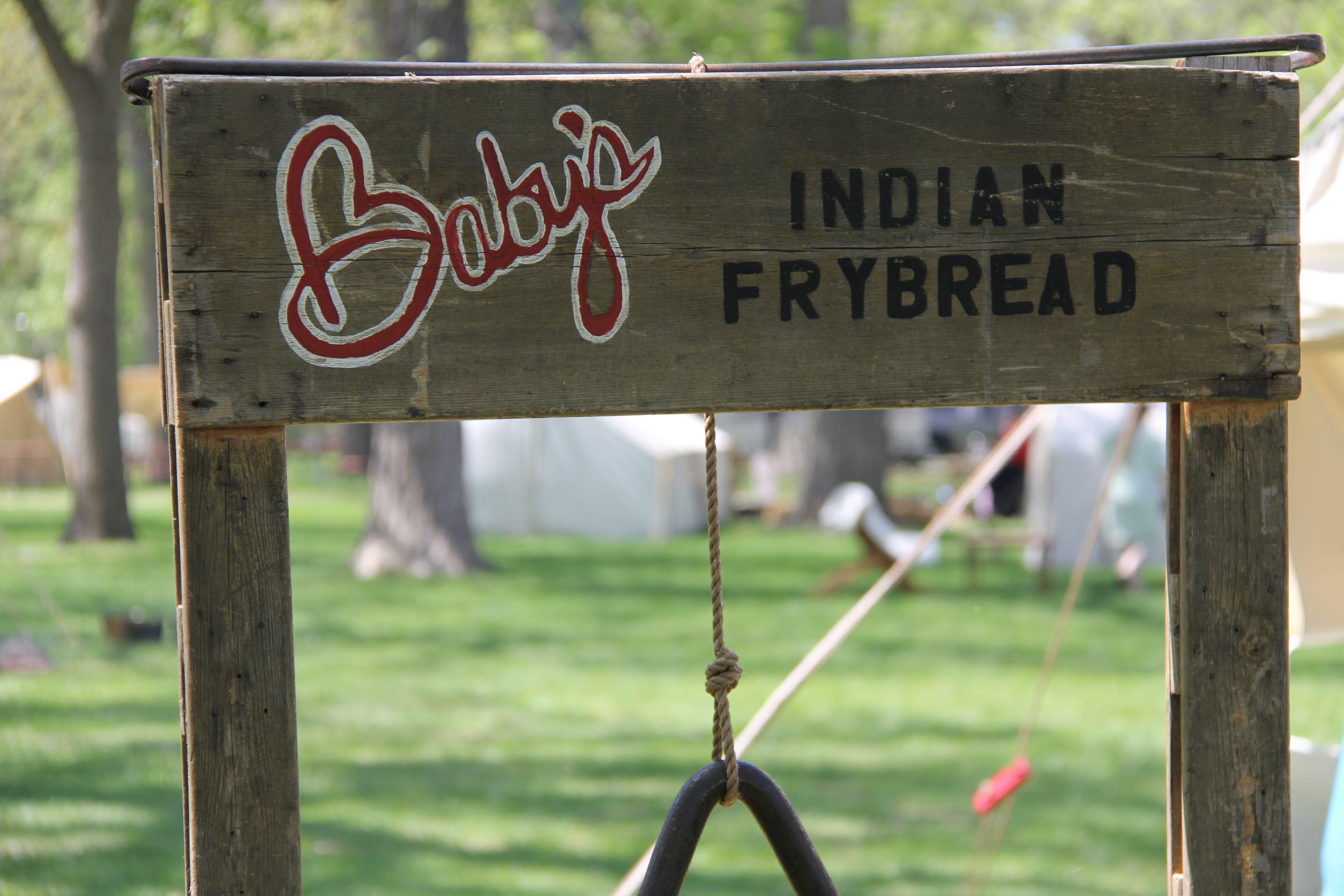
There were several food and beverage vendors on-site, with Baby’s Indian Frybread proving especially popular. (Minnesota Prairie Roots copyrighted photo May 2025)

If there’s something else I learned while attending the Rendezvous it is that I absolutely love fruit-filled Indian frybread, which I’ve not previously eaten. The sugar-topped pie-like dessert oozed blueberry filling and cream cheese. It was beyond decadent.
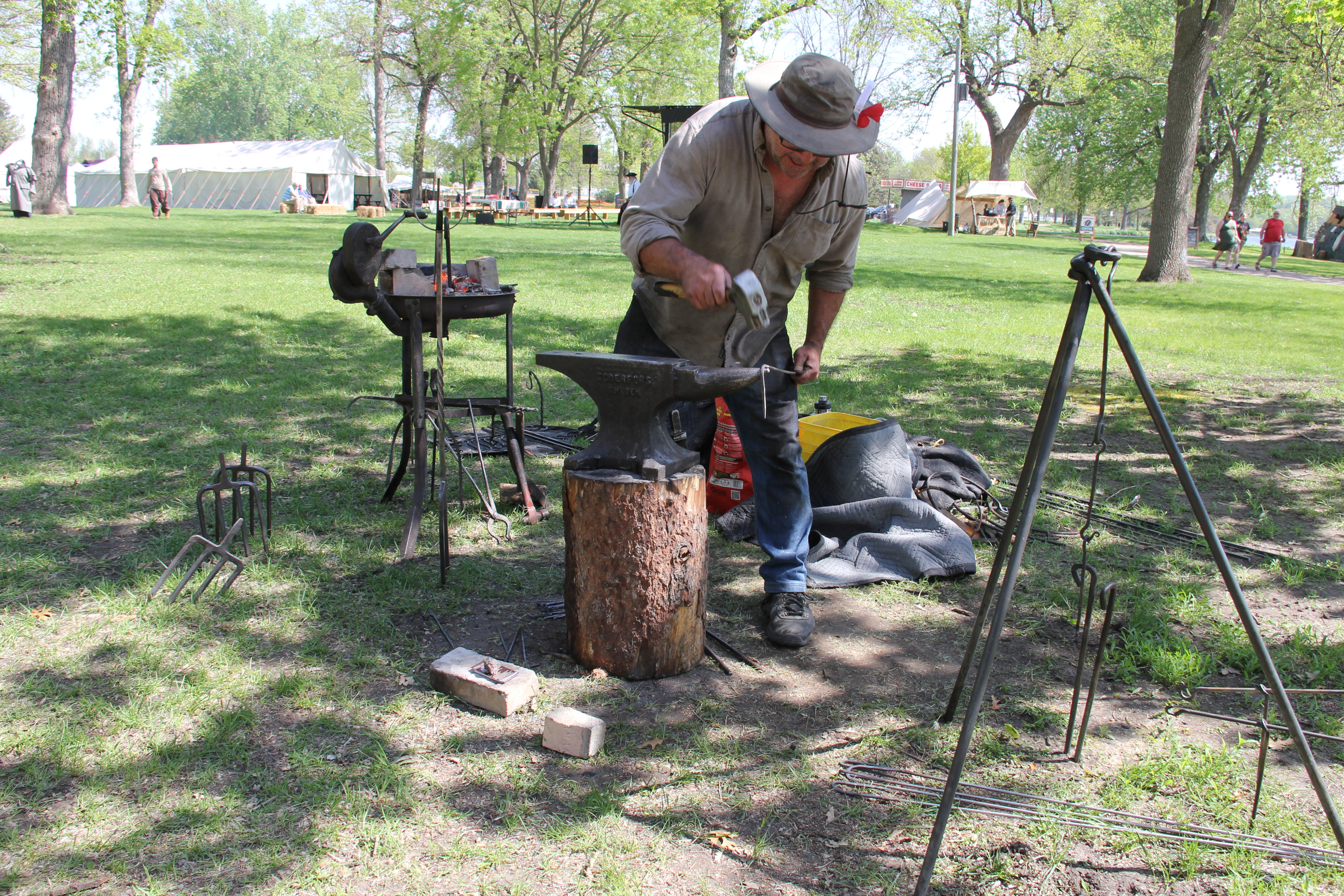
A blacksmithing demonstration. (Minnesota Prairie Roots copyrighted photo May 2025)

As much as I loved frybread and Little Stinky, the good folks who participate in history fests like the Riverside Rendezvous assuredly love stepping back in time. Their passion and desire to present the past in a way that engages people in history was something I felt, saw, heard while moving from tent to tent, space to space. To be part of this proved a cultural, historic experience, growing my knowledge and appreciation of those who shaped Minnesota and Faribault, this place I call home.
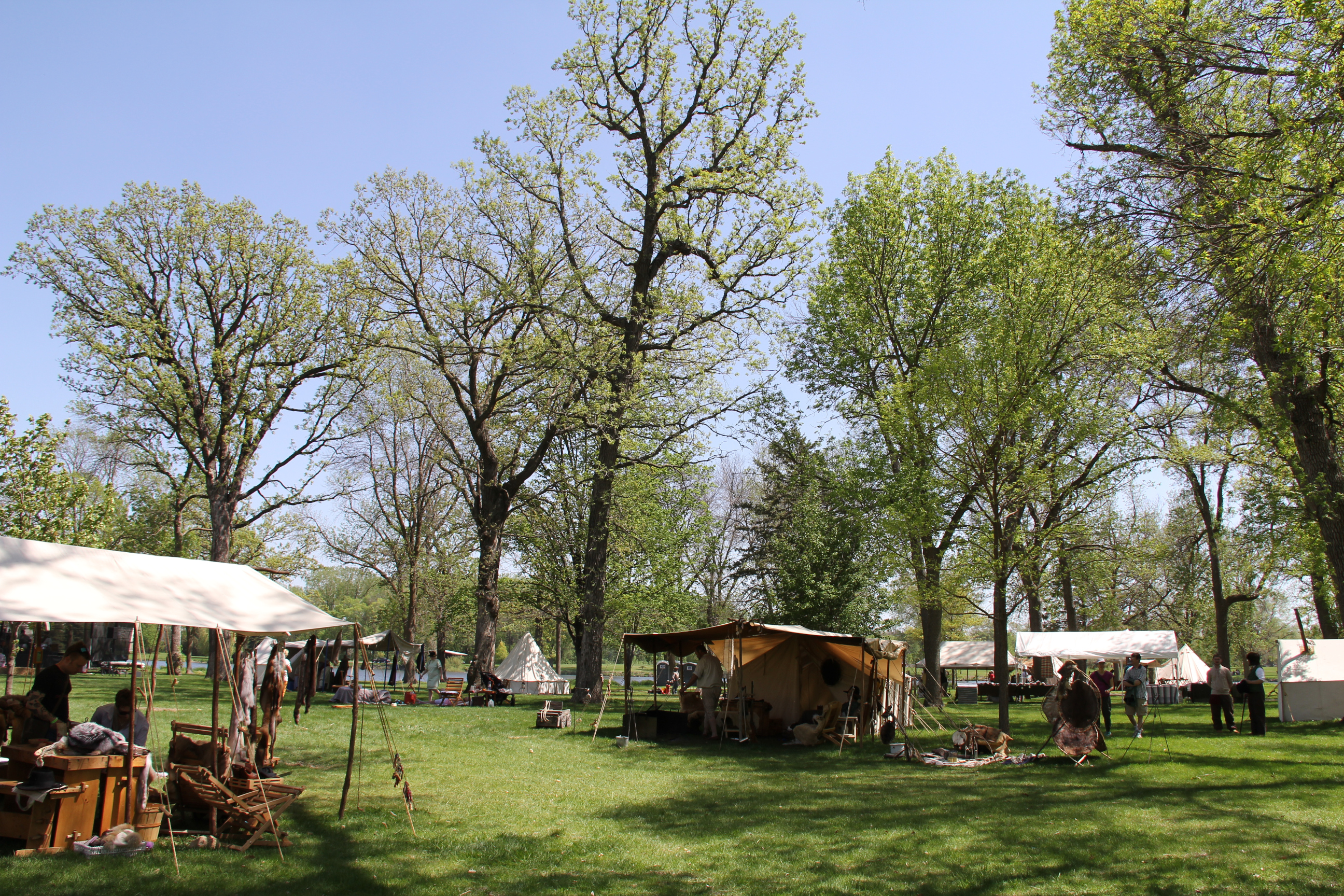
Tents were scattered across the spacious, shady grounds of riverside North Alexander Park. (Minnesota Prairie Roots copyrighted photo May 2025)

FYI: Please check back for more photos from the Riverside Rendezvous and History Festival in Faribault. This year’s Rendezvous was so successful that the Rice County Historical Society is planning a second one for 2026, but a weekend later so the event does not fall on Mother’s Day and the fishing opener weekend.

© Copyright 2025 Audrey Kletscher Helbling


Reflecting on Alexander Faribault, connecting past & present December 2, 2022

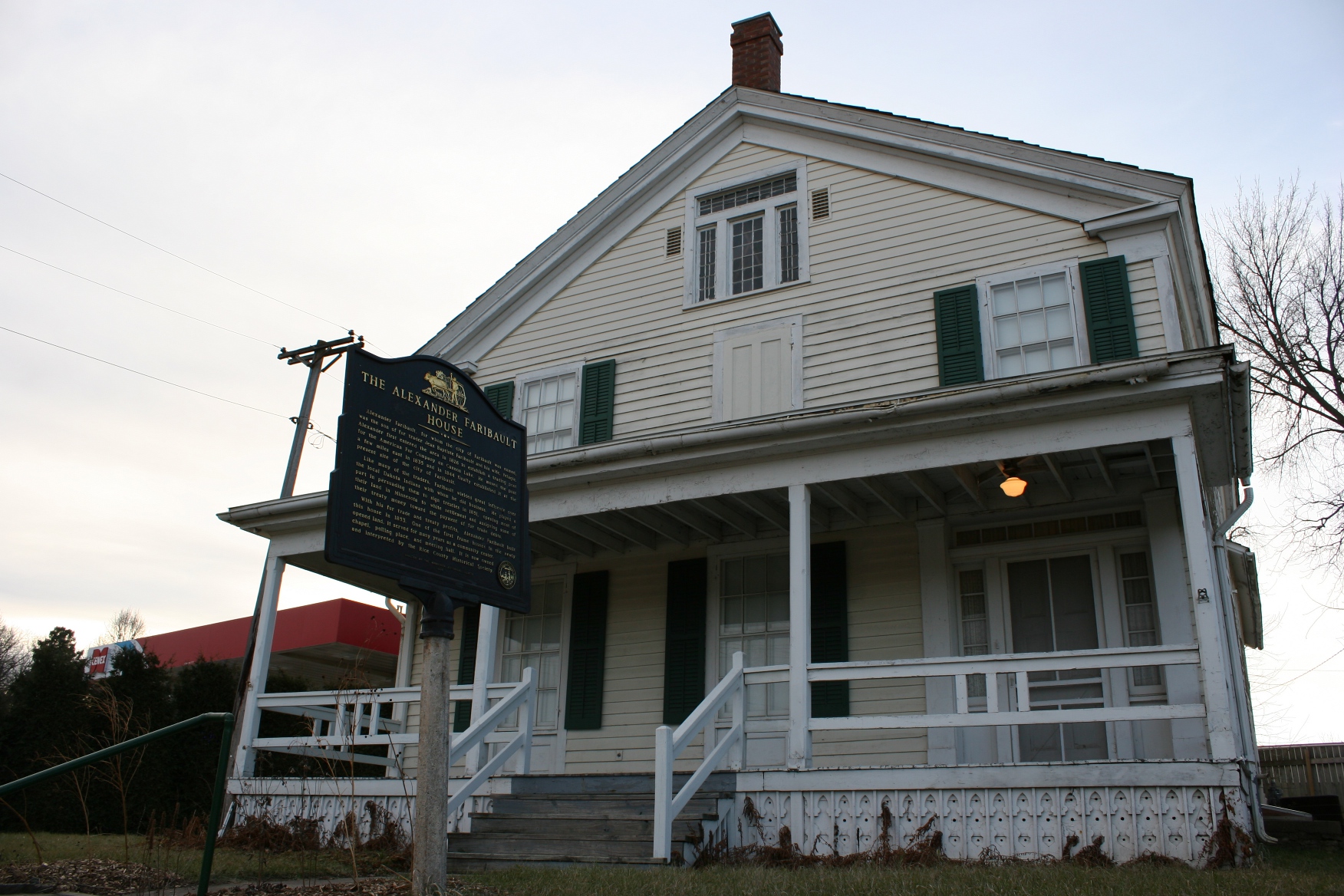
The home of town founder Alexander Faribault. (Minnesota Prairie Roots copyrighted file photo 2017)

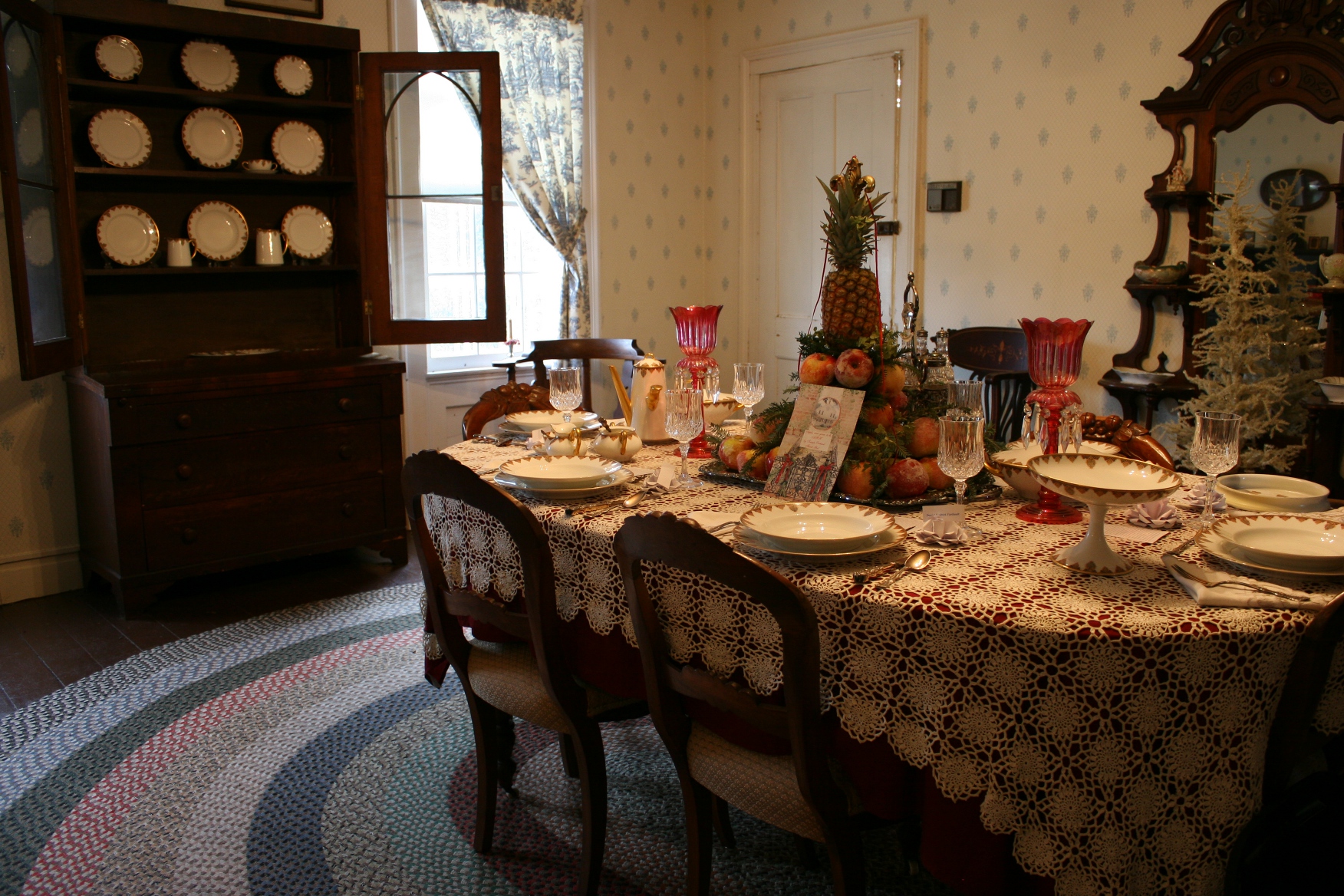
ON SATURDAY, THE HOME of Faribault’s founder, Alexander Faribault, opens for its 15th annual Christmas open house. The event features the 1853 house decorated for the holidays in the French-Canadian style. Faribault was of French-Canadian and Dakota descent.

The Faribaults’ dining room set for the holidays during the 2017 Christmas open house. (Minnesota Prairie Roots copyrighted file photo 2017)

To walk through the rooms of this historic home is to feel the presence of the Faribault family, including wife Mary Elizabeth Graham and their children. The Faribaults lived here only a few years before moving to a large brick mansion on the bluffs overlooking the Straight River. With 10 children, I expect they needed more space than the wood-frame house provided.

An overview of Alexander Faribault’s gravesite at Calvary Cemetery. (Minnesota Prairie Roots copyrighted photo April 2020)

Across town several miles to the west atop a hill overlooking the countryside on the edge of Faribault, the life of Alexander Faribault comes full circle. It is here, in Calvary Cemetery, that this fur trader, this friend of the Dakota, this town founder, this family man, is buried.

A memorial to Alexander Faribault stands at the Calvary Cemetery entrance. The birth date here differs from the one on Faribault’s tombstone. (Minnesota Prairie Roots copyrighted photo April 2020)

In April 2020, I visited this cemetery for the first time specifically looking for Faribault’s gravesite. I found it along with a memorial marker honoring him at the graveyard’s entrance.

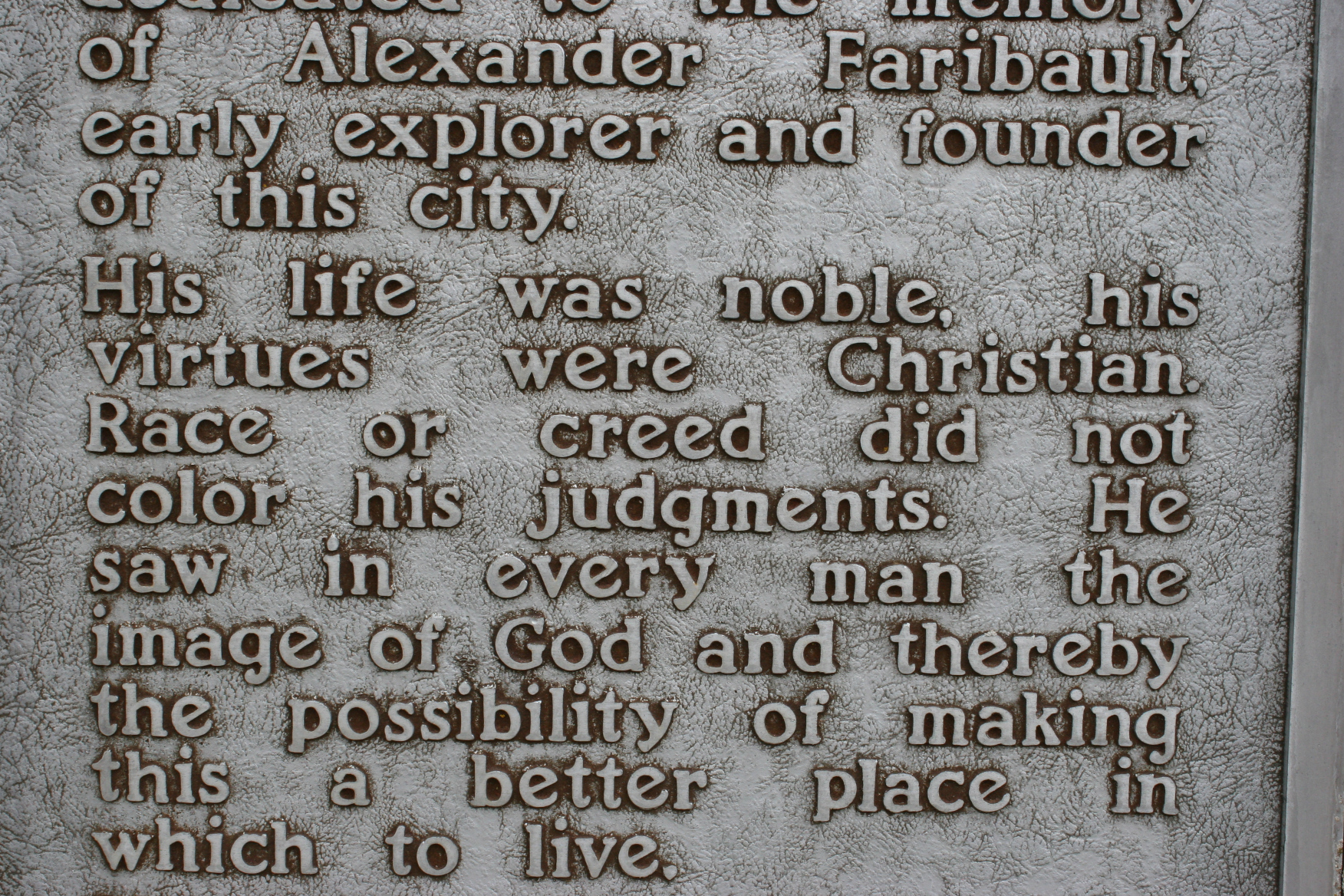
Memorial marker words up close. (Minnesota Prairie Roots copyrighted photo April 2020)

Race or creed did not color his judgments, the marker states in part. That seems to match what I’ve read about Alexander Faribault. Both his mother and wife were of Dakota heritage, thus he and his children were, too. Alexander, who traded with and befriended the Dakota, later sheltered some of them on his land. Government treaties removed indigenous peoples from their land, including in current-day Faribault. Alexander Faribault served as an interpreter in the signing of regional treaties given his knowledge of the Dakota language and culture. I wonder if he felt conflicted by how the government treated the Dakota.

This sculpture of Alexander Faribault and a Dakota trading partner stands in Faribault’s Heritage Park near the Straight River and site of Faribault’s trading post. Faribault artist Ivan Whillock created this sculpture which sits atop the Bea Duncan Memorial Fountain. (Minnesota Prairie Roots copyrighted file photo)

Today, 216 years after Faribault was born on November 28, 1806, an awareness and acknowledgment that indigenous peoples were the first inhabitants of this area is rising. Long before fur traders like Faribault set up trading posts in the region, the Dakota lived here, hunted here, fished here, raised their families here, called this place home.

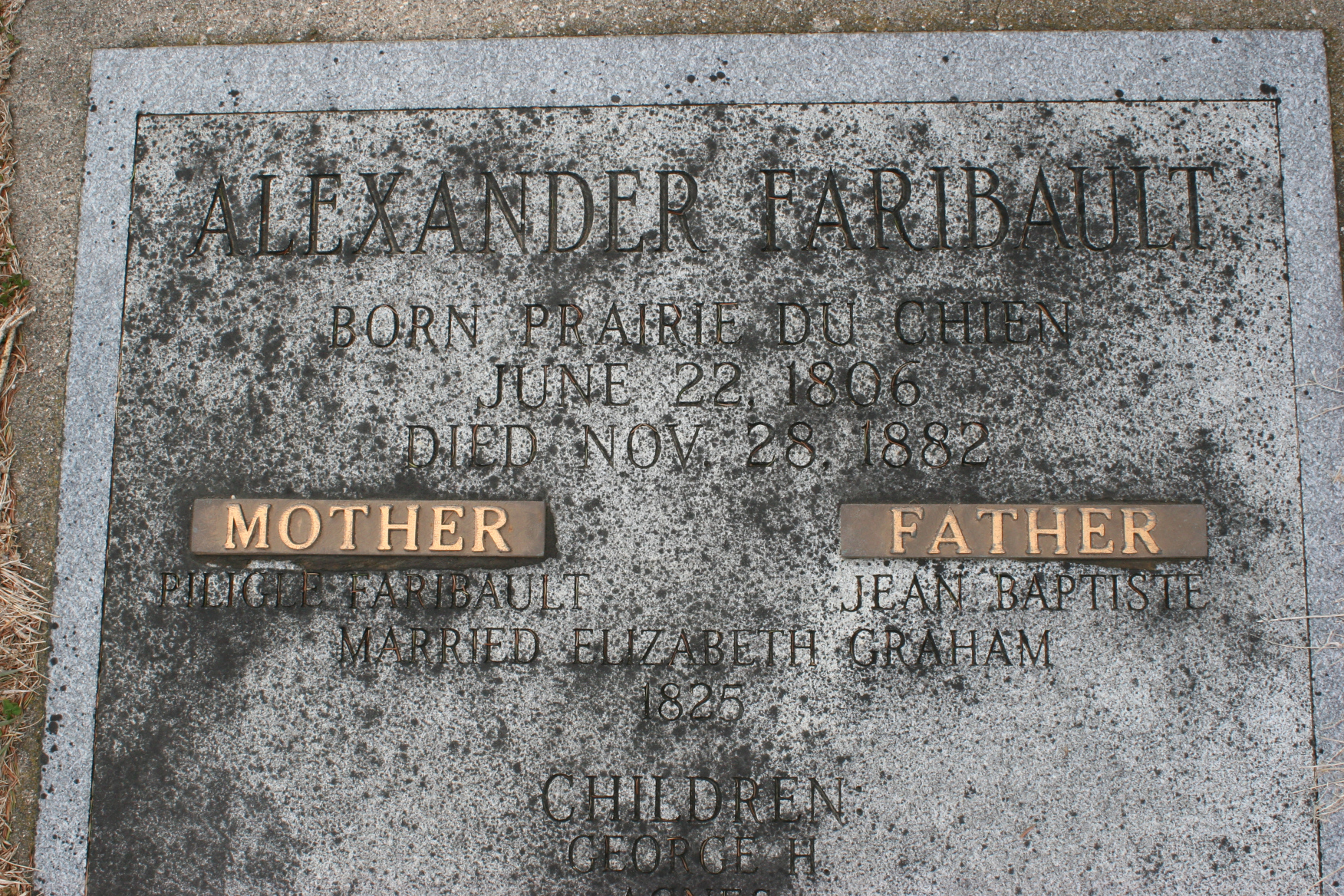
This shows a portion of an in-ground marker for Alexander Faribault. (Minnesota Prairie Roots copyrighted photo April 2020)

When I consider the friendships forged among fur traders and the Dakota, I think of the Faribault community today and those who call this place home. This city truly is a melting pot of cultures and peoples. I celebrate that. Some day I hope we can all, like our town founder, view each other through a clear lens without the filter of race or creed coloring judgment.

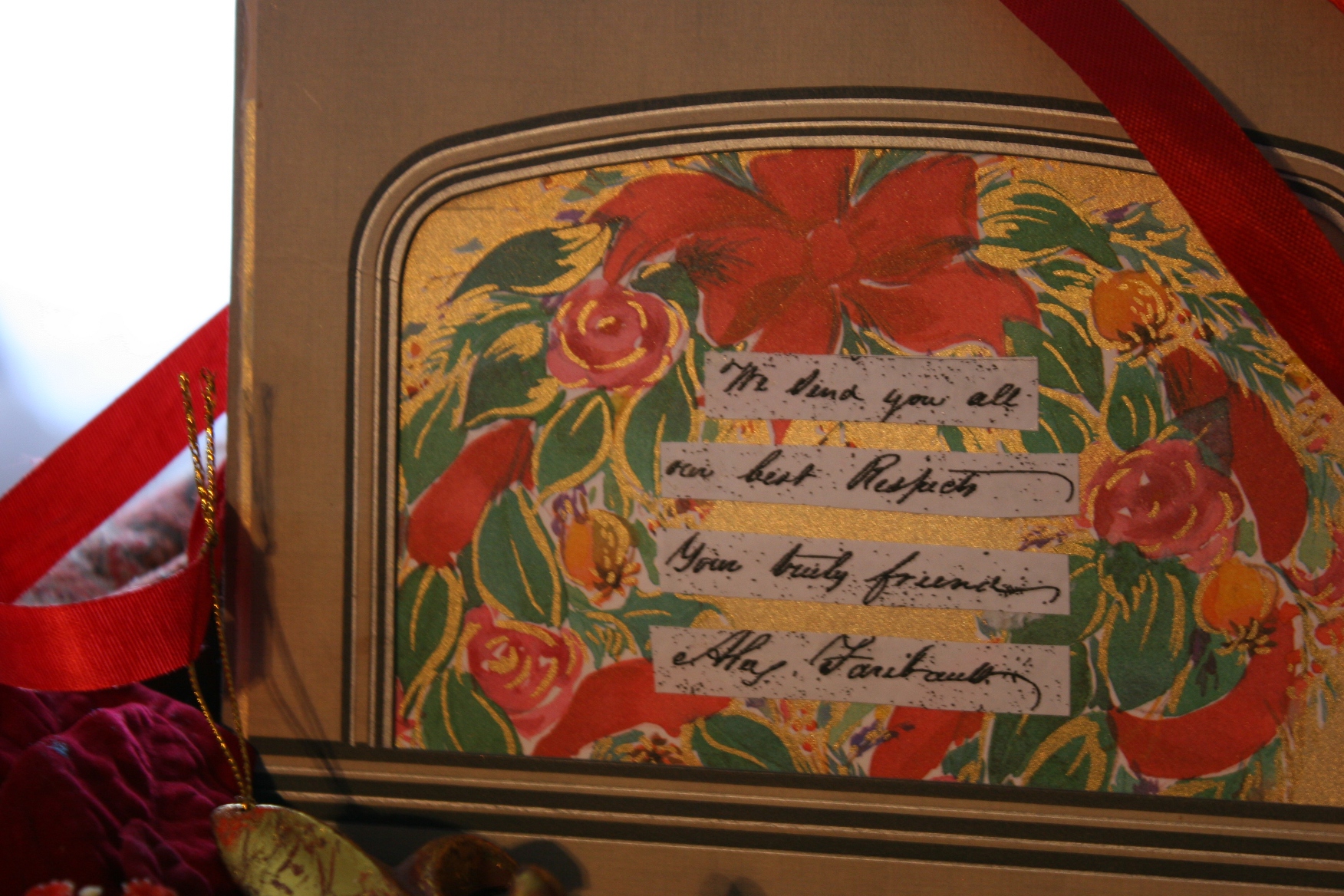
A holiday greeting from Alexander Faribault displayed at a past Christmas open house. (Minnesota Prairie Roots copyrighted file photo)

FYI: The Alexander Faribault House Christmas Open House is from 11 am- 3 pm Saturday, December 3, at 12 First Avenue Northeast, Faribault. The event is free and is part of this weekend’s Winterfest celebration in Faribault.

© Copyright 2022 Audrey Kletscher Helbling