

The main building at the orphanage, built in 1886, housed offices, a reception room, chapel/auditorium, boys' cottage, living quarters for employees, a sewing room, attic and linen storage. This main portion today serves as the Owatonna city administration building.
THE TOWERING BRICK building with the enchanting turret represents no fairy tale. Not at all.
Within the confines of this place and the outlying cottages, some 12,000 – 15,000 children spent their formative childhood and teenage years institutionalized in the Minnesota State Public School for Dependent and Neglected Children. They were the orphaned, the abused, the abandoned, the unwanted.
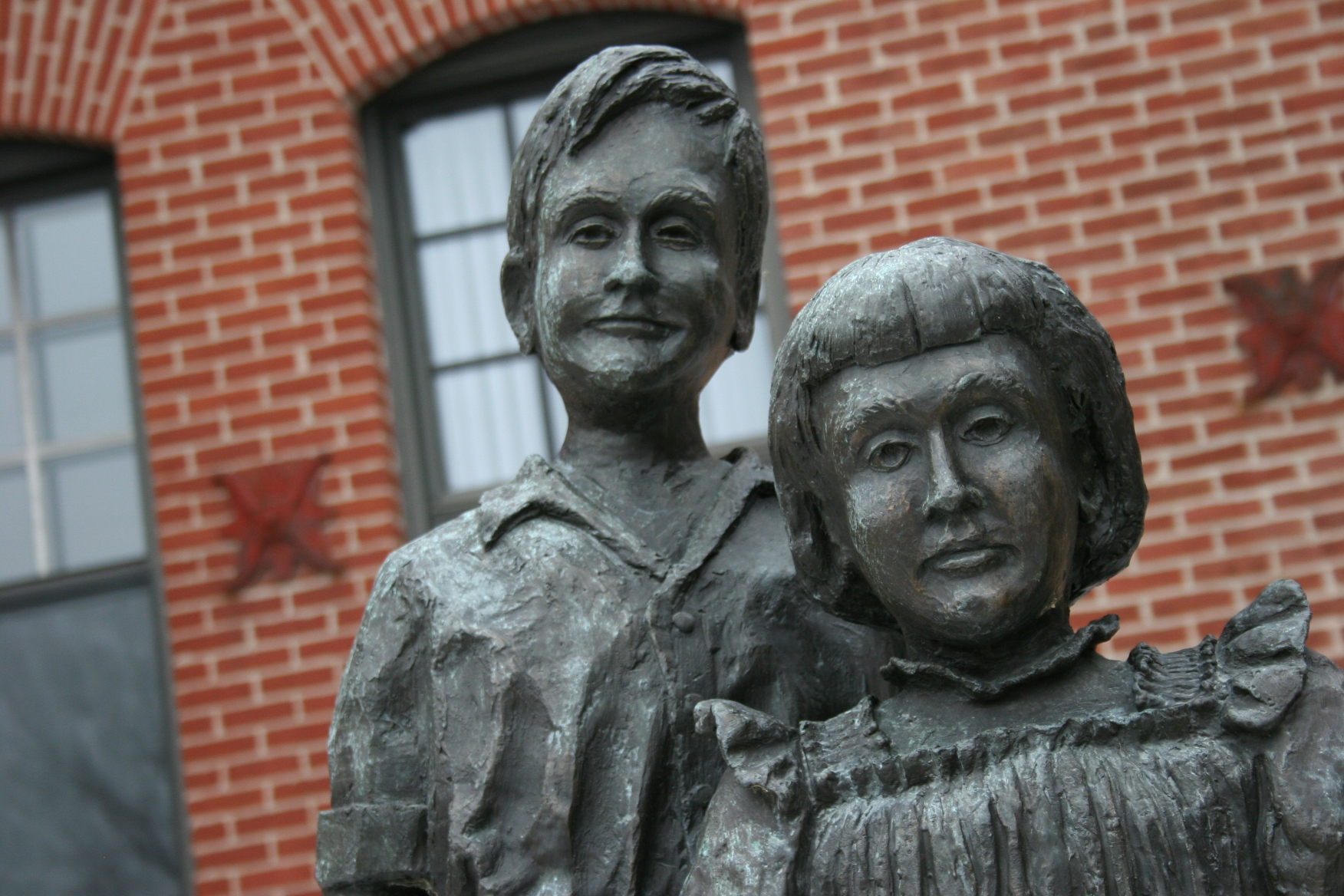
The "State School Kids" memorial stands in front of the main building and was dedicated in 1993.
Information in a brochure I picked up on a recent visit to this 1886- 1945 orphanage in Owatonna reads:
Such children became wards of the state and, in most instances, all parental rights were cancelled. Parents did not always realize they were relinquishing all rights to their children when they signed the State School commitment papers. Some parents returned to try to regain custody of their children and were refused.
Can you imagine?
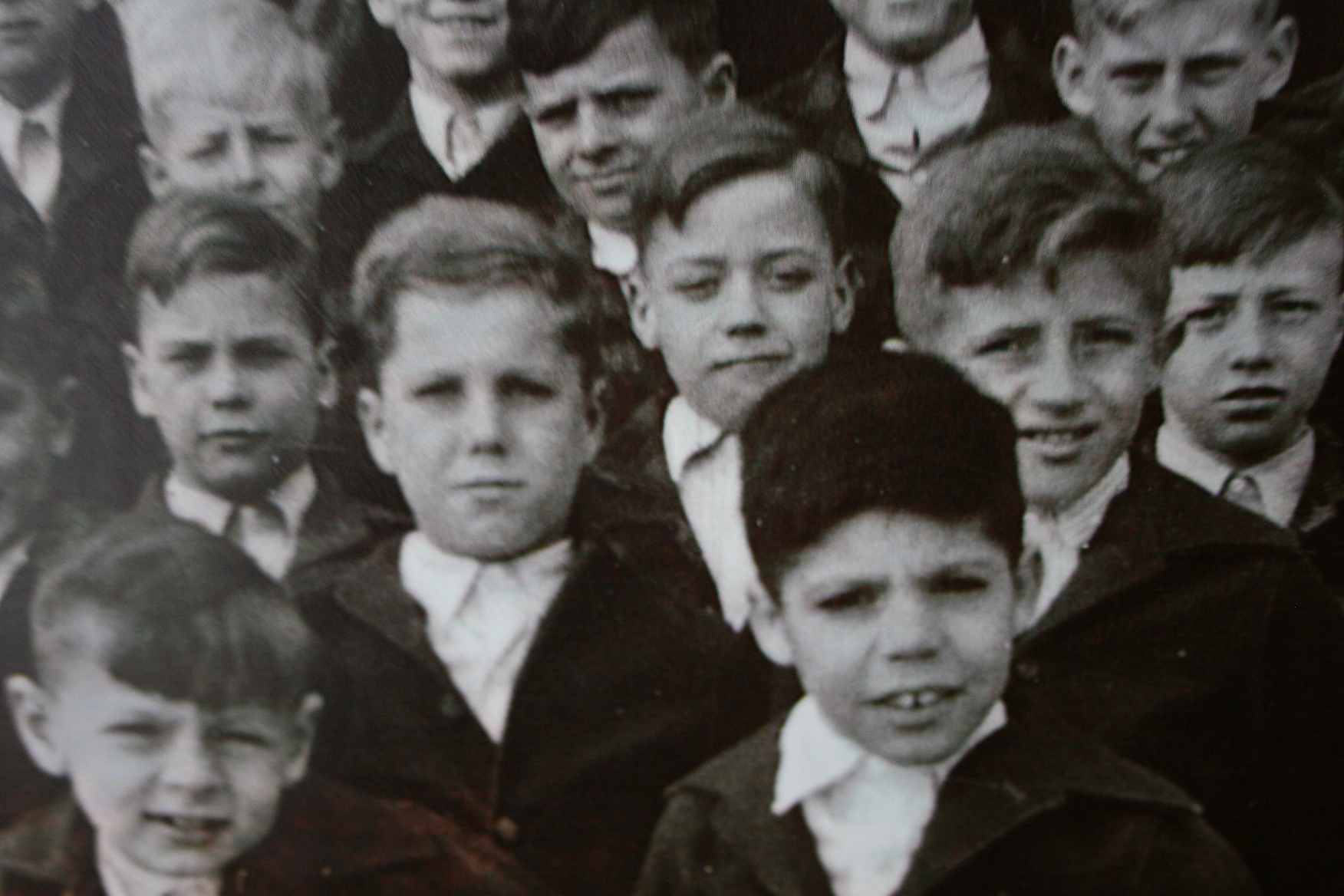
Residents of Cottage 11, which housed boys ages 6 - 13, pose for a photo now on exhibit at the museum.
While some children adjusted to living within the strict regiment and rules of the school, many did not. You will hear and read their tragic memories when you visit the orphanage museum. Be forewarned: These stories are difficult to hear.
A room in cottage 11 features the photos and memories of the boys who lived there.
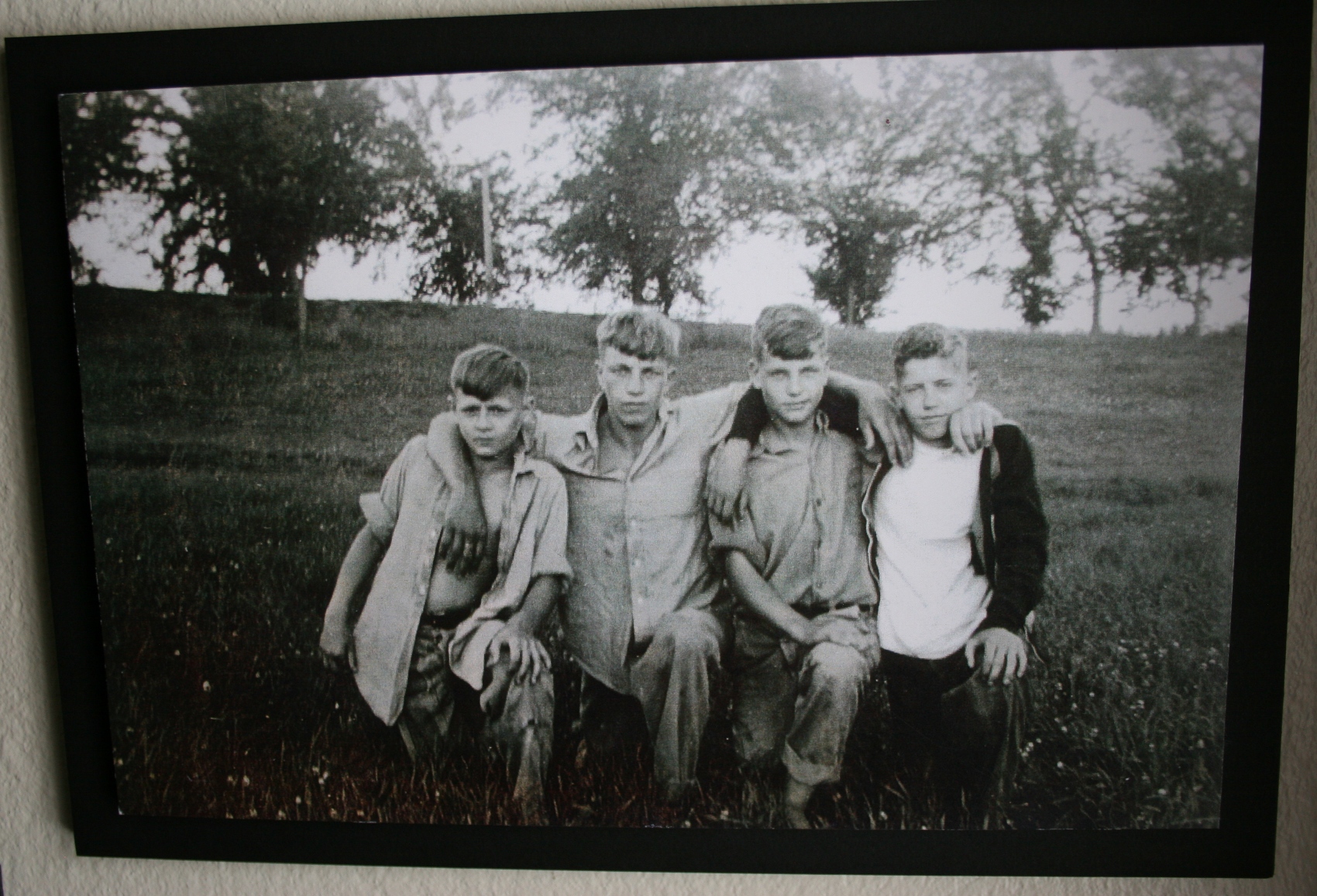
Cottage 11 residents
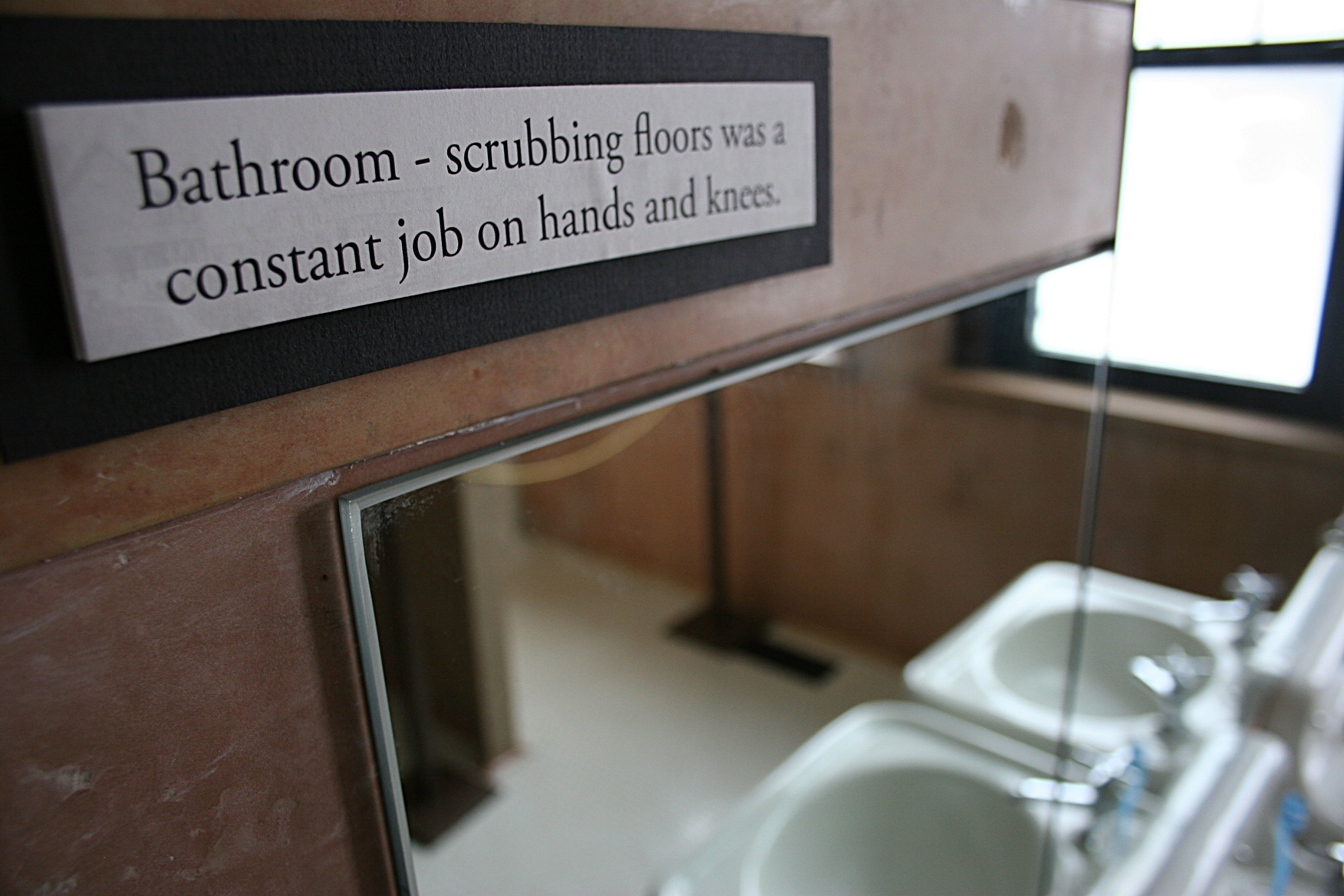
The boys remember scrubbing floors throughout the cottage, including in the bathroom..
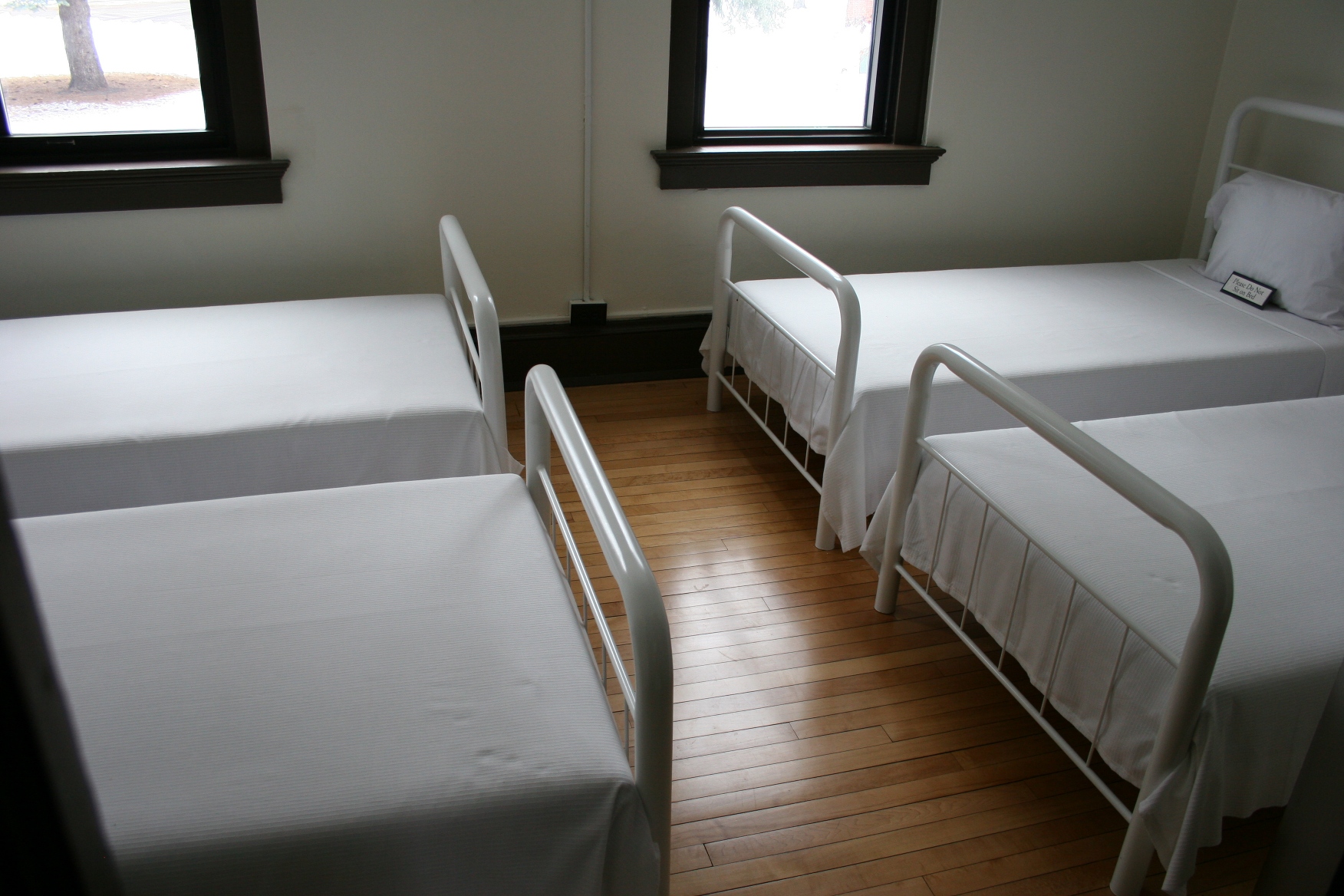
Beds were packed tight into sparse bedrooms in the cottage.
I’ve read several books written by former “state schoolers,” as they were called. Harvey Ronglien, who was the motivator behind the museum and the orphan’s memorial, wrote A Boy from C11, Case #9164, A Memoir. Peter Razor wrote While the Locust Slept, winner of a Minnesota Book Award. I read both books, as well as Crackers & Milk by Arlene Nelson, many years ago and still can’t shake the haunting memories of neglect and abuse and struggle.
Particularly troubling are the reports of abusive, neglectful and unloving matrons. Equally disturbing are the stories of children who were indentured to farm families and then treated like slaves.
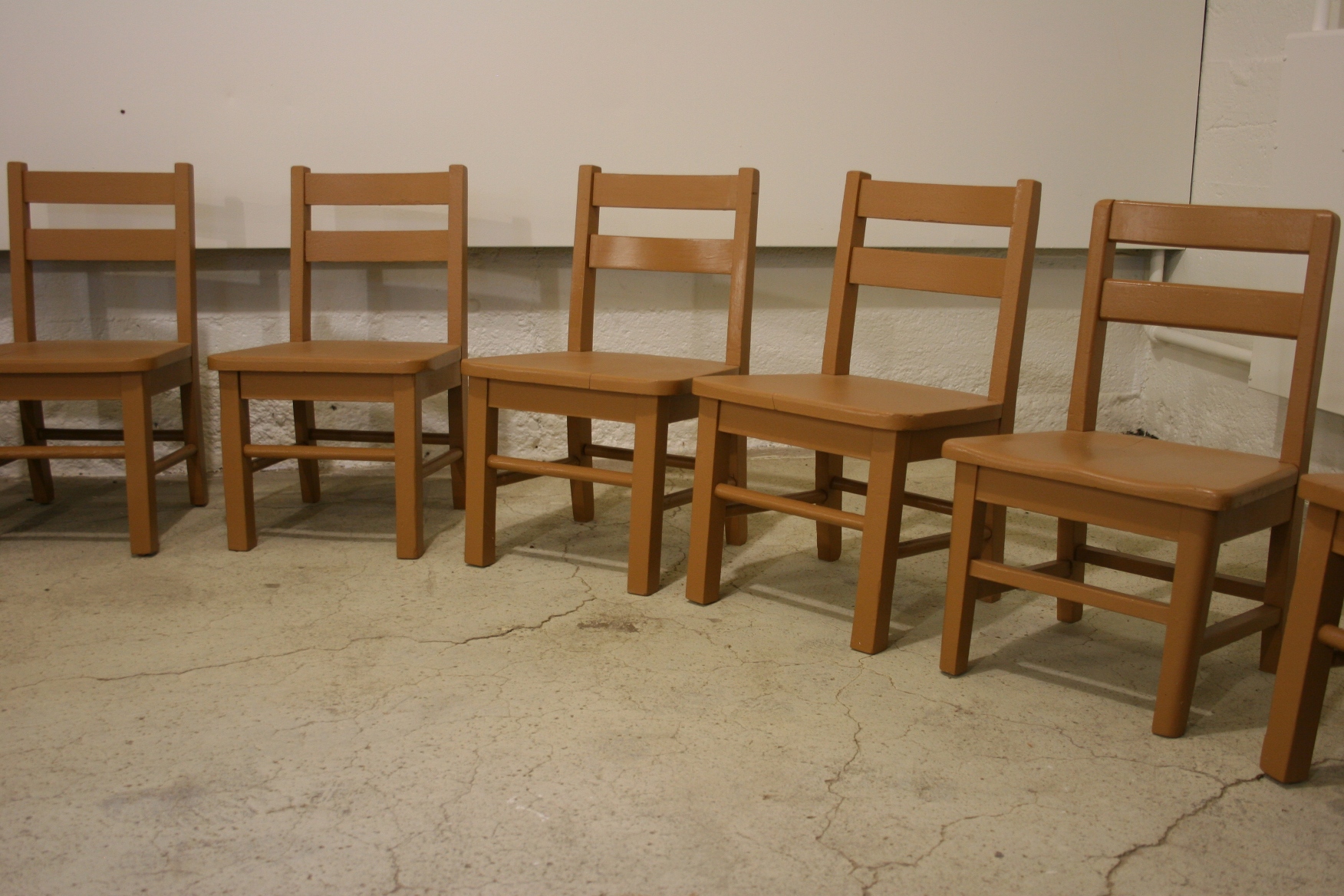
Each boy was assigned to a chair in the basement and could not leave the Cottage 11 basement without permission. This was a method used to keep order and control over the children.

Within the confines of the basement, the boys played with marbles, puzzles, checkers and other toys.
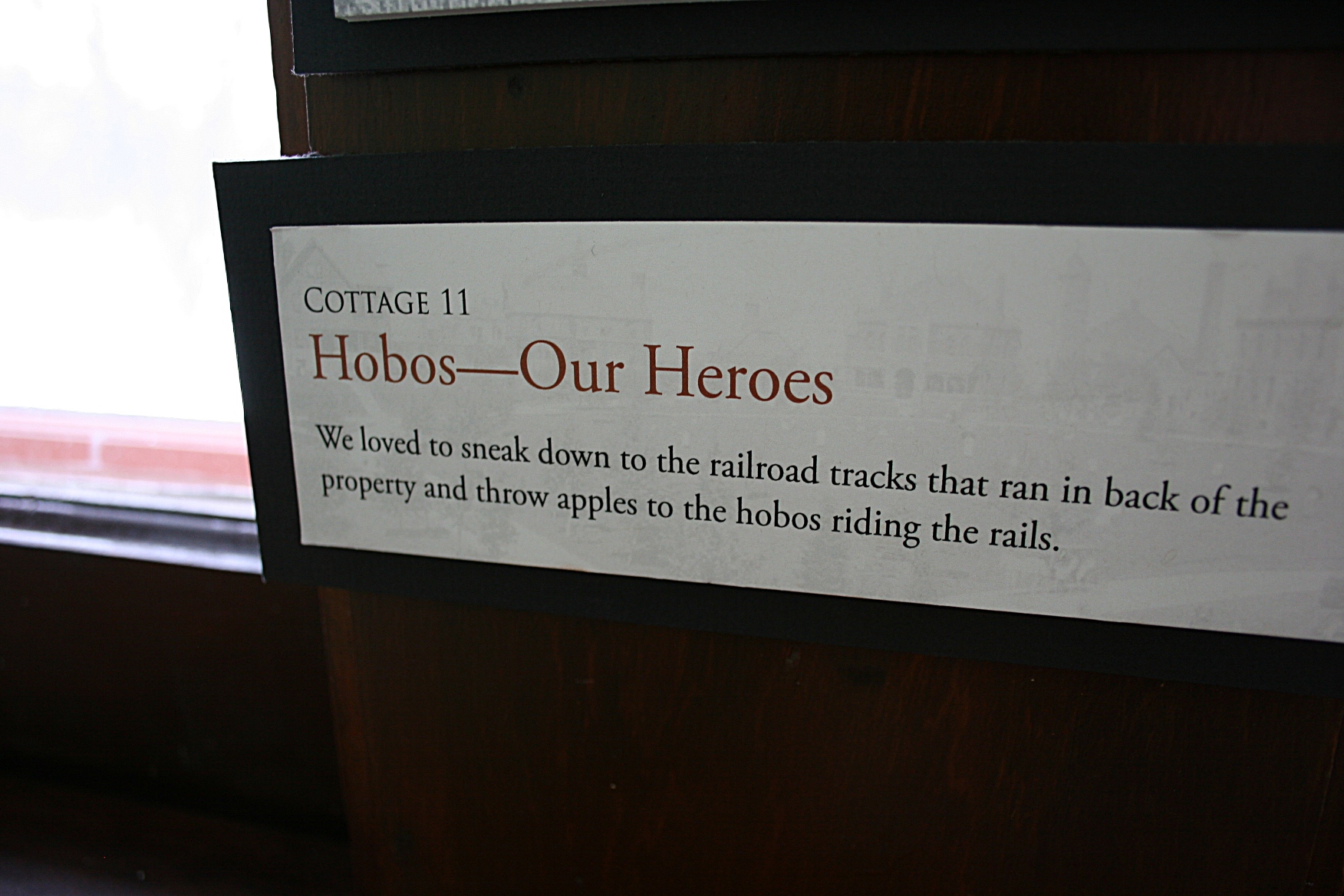
A sign on a stairway landing tells visitors about the boys' dreams of escaping via rail and of their admiration for hobos. Some boys did hop trains and ran away.
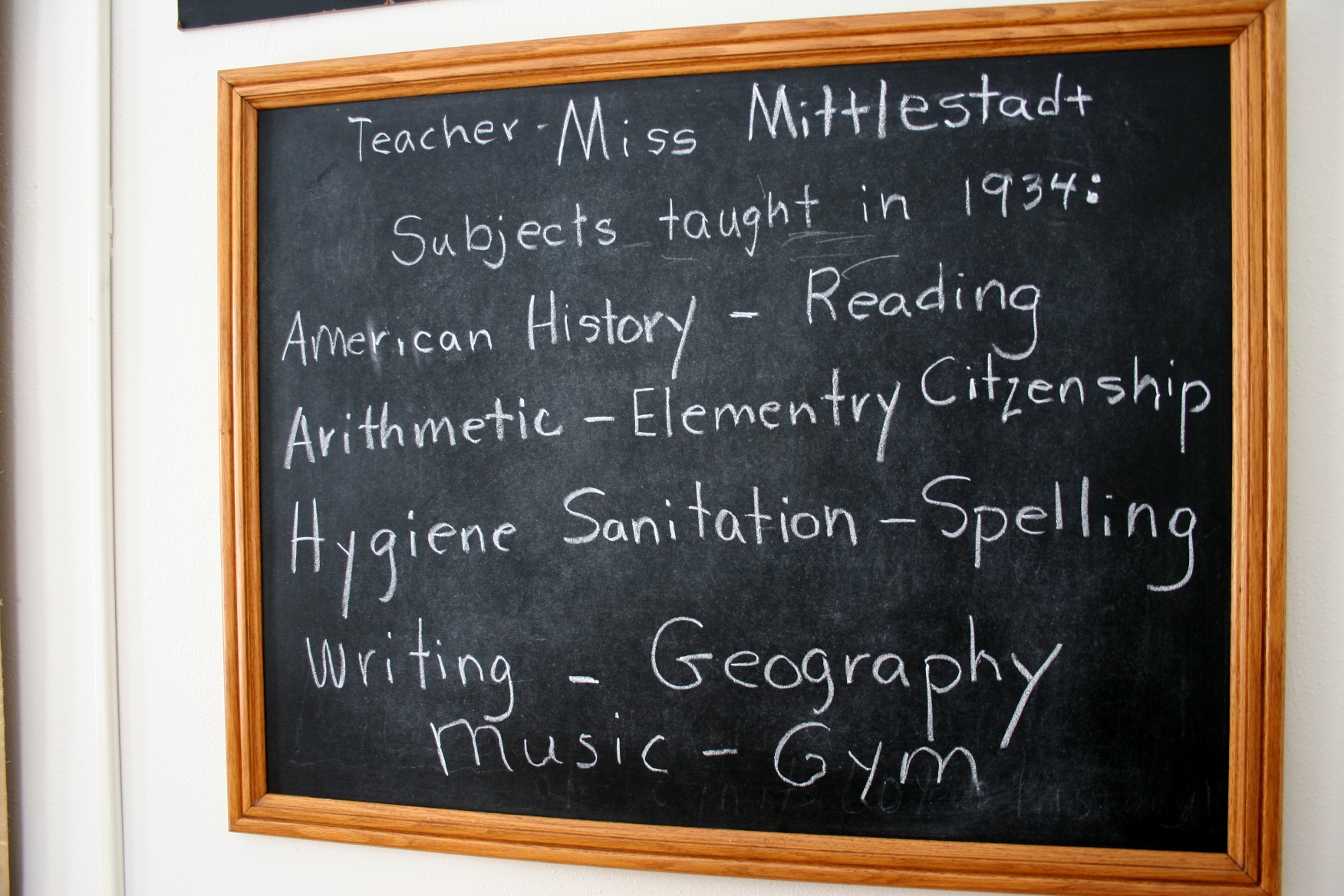
Children were educated through the eighth grade, with some selected during the early years to attend Owatonna High School. In later years, all students were allowed to attend high school.
If you’ve never visited the Minnesota State Public School Orphanage Museum, I’d encourage you to do so.
This exists as part of our state’s history. We need to know and understand life here.
Considering the thousands of children who lived in the orphanage during its 60-year span, I expect many Minnesotans are still carrying the emotional scars whether directly or indirectly passed through the generations.
IF YOU LIVED in the orphanage or have a family member who did, I’d like to hear from you. What’s your story? Good or bad.
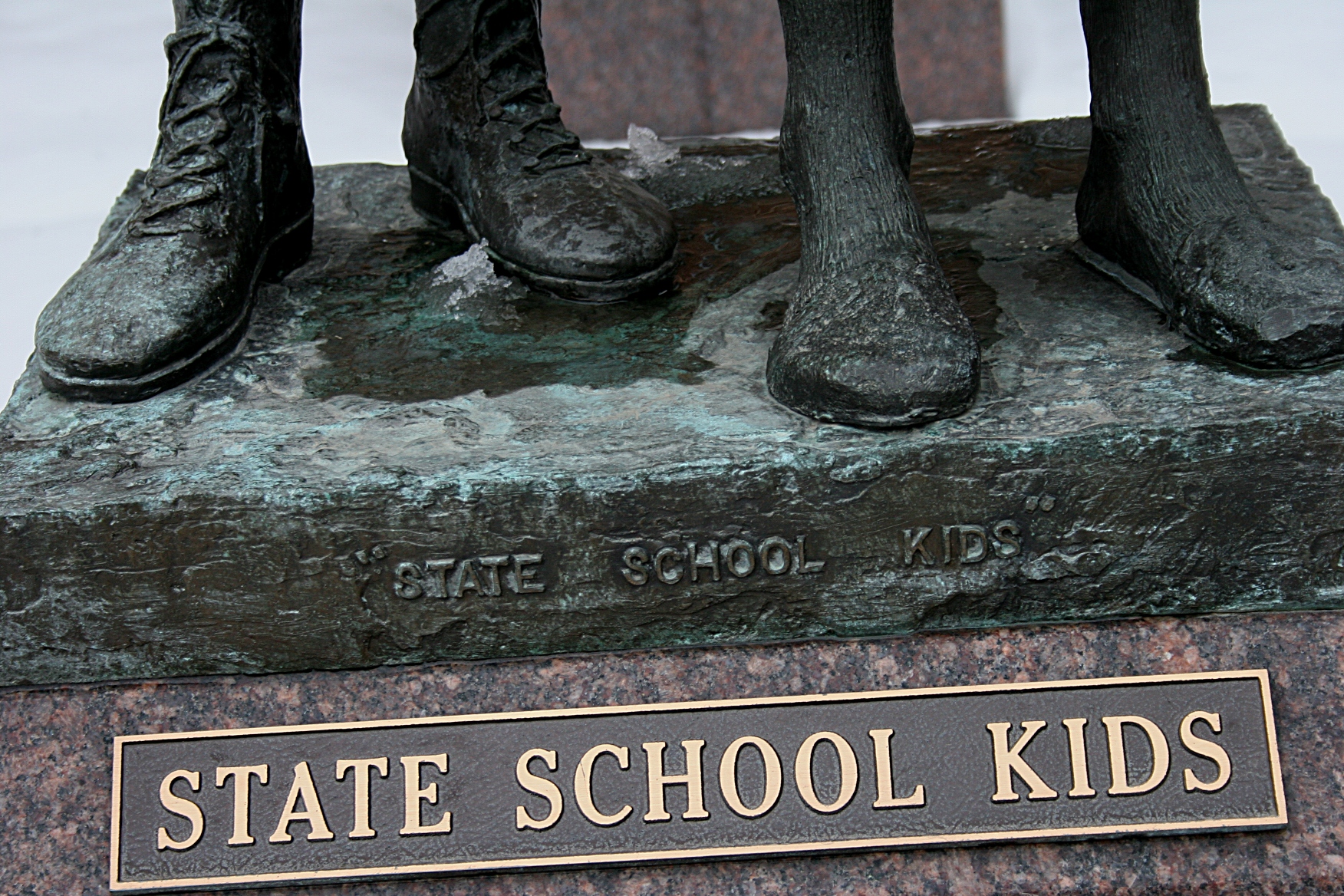
The feet of the children in the memorial statue on the orphanage grounds.
CLICK HERE to read a previous blog post I published about Christmas in the orphanage.
© Copyright 2011 Audrey Kletscher Helbling


 Minnesota Prairie Roots
Recent Comments