Minnesota Prairie Roots

Writing and photography by Audrey Kletscher Helbling

Reflecting on bee lawns, invertebrate inns, learning & the future August 29, 2024

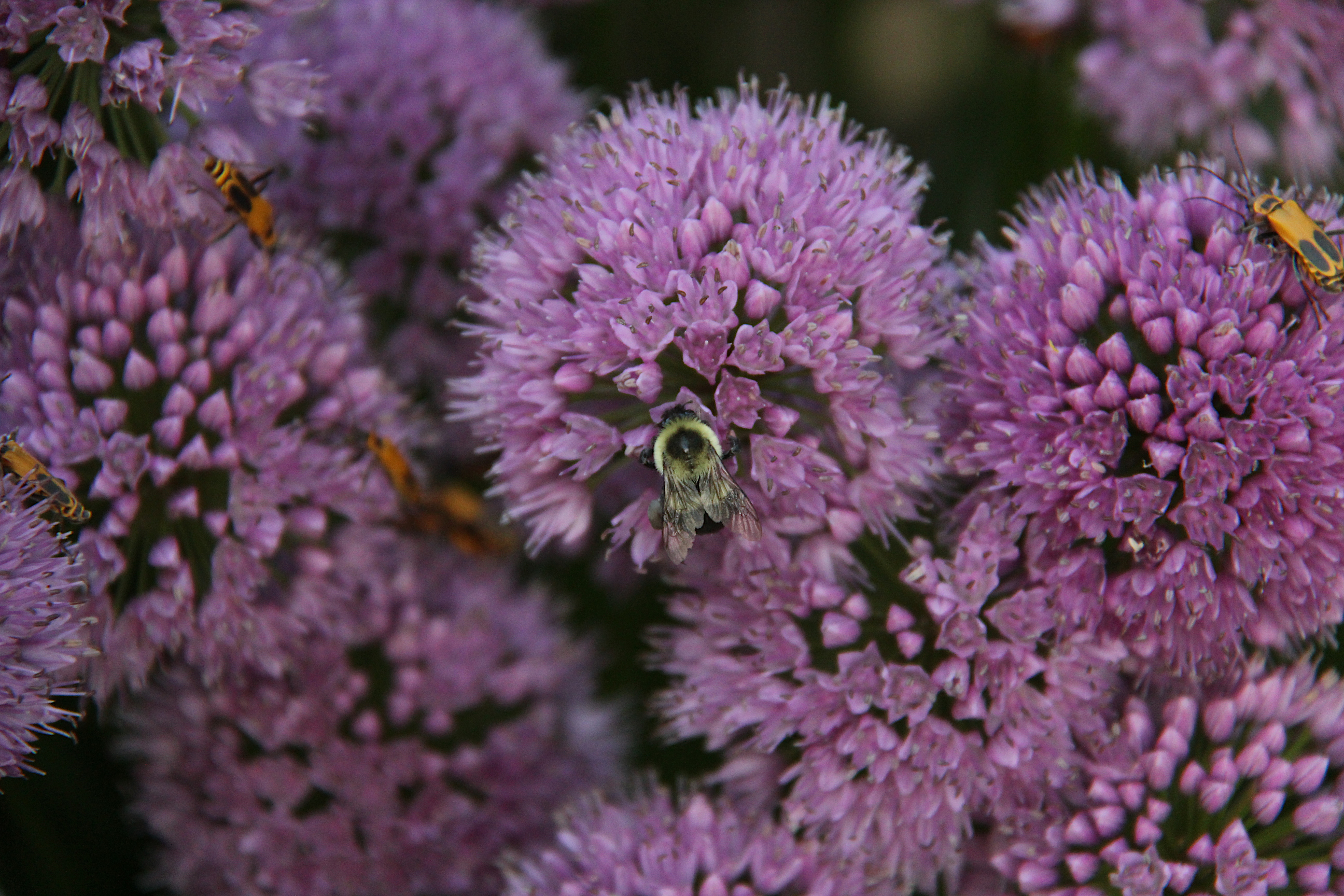
I spotted this bee and other bugs on flowers in the Rice County Master Gardeners’ Teaching Gardens. (Minnesota Prairie Roots copyrighted photo August 2024)

ADMITTEDLY, I NEVER EXCELLED in science. I sort of just got by, learning what I needed to learn to get reasonably good grades in science class. But if I was to go back to the classroom, I’d listen more intently, ask more questions, figure out how the information I was taught actually related to me and my world. In other words, I wouldn’t simply absorb, regurgitate and then move on, which seemed to be the way subjects were taught when I was a student.
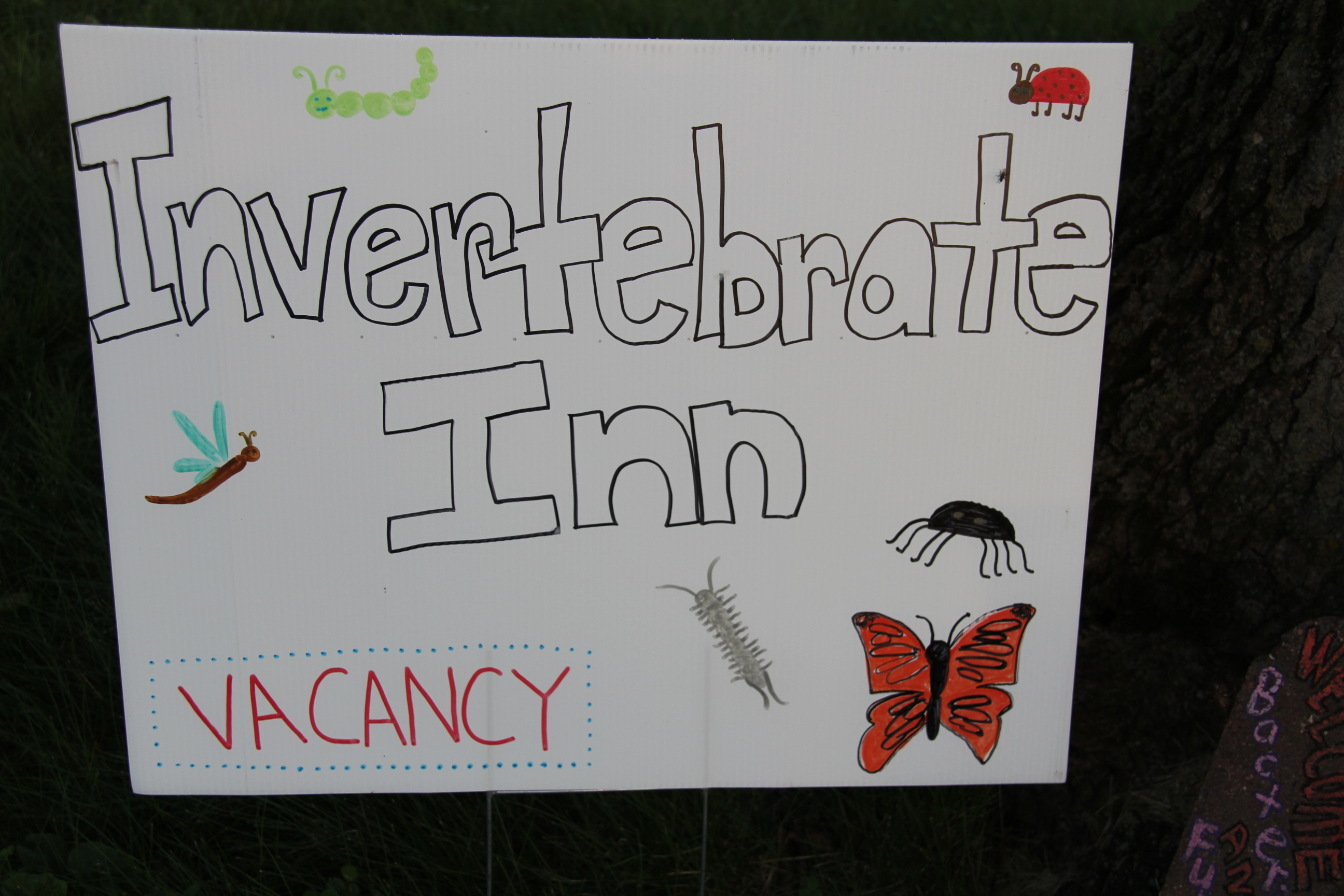
This sign drew me to the base of a tree, where I found an inn and a bee lawn. (Minnesota Prairie Roots copyrighted photo August 2024)
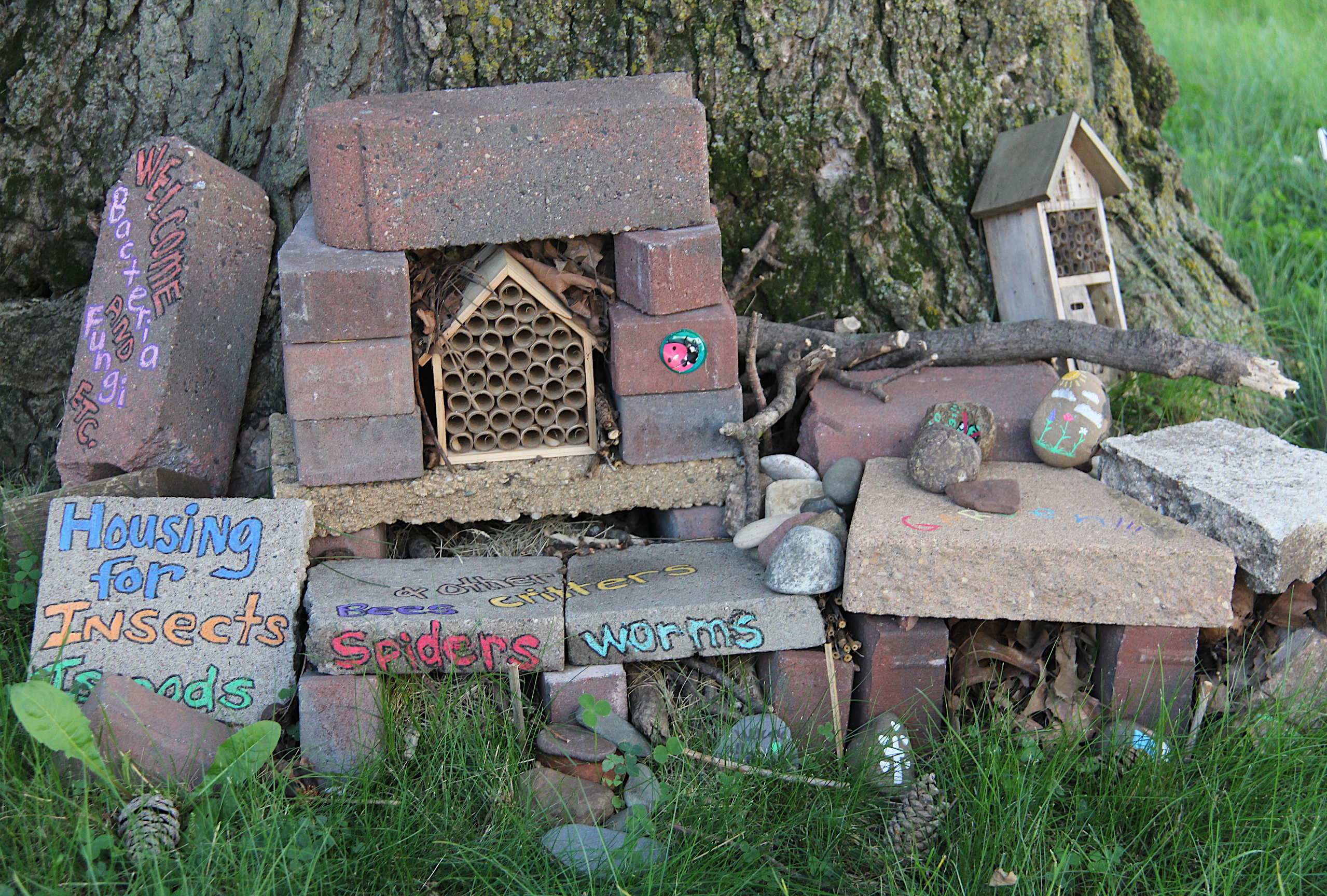
Bricks, stones, sticks and more comprise this haphazard housing unit. (Minnesota Prairie Roots copyrighted photo August 2024)
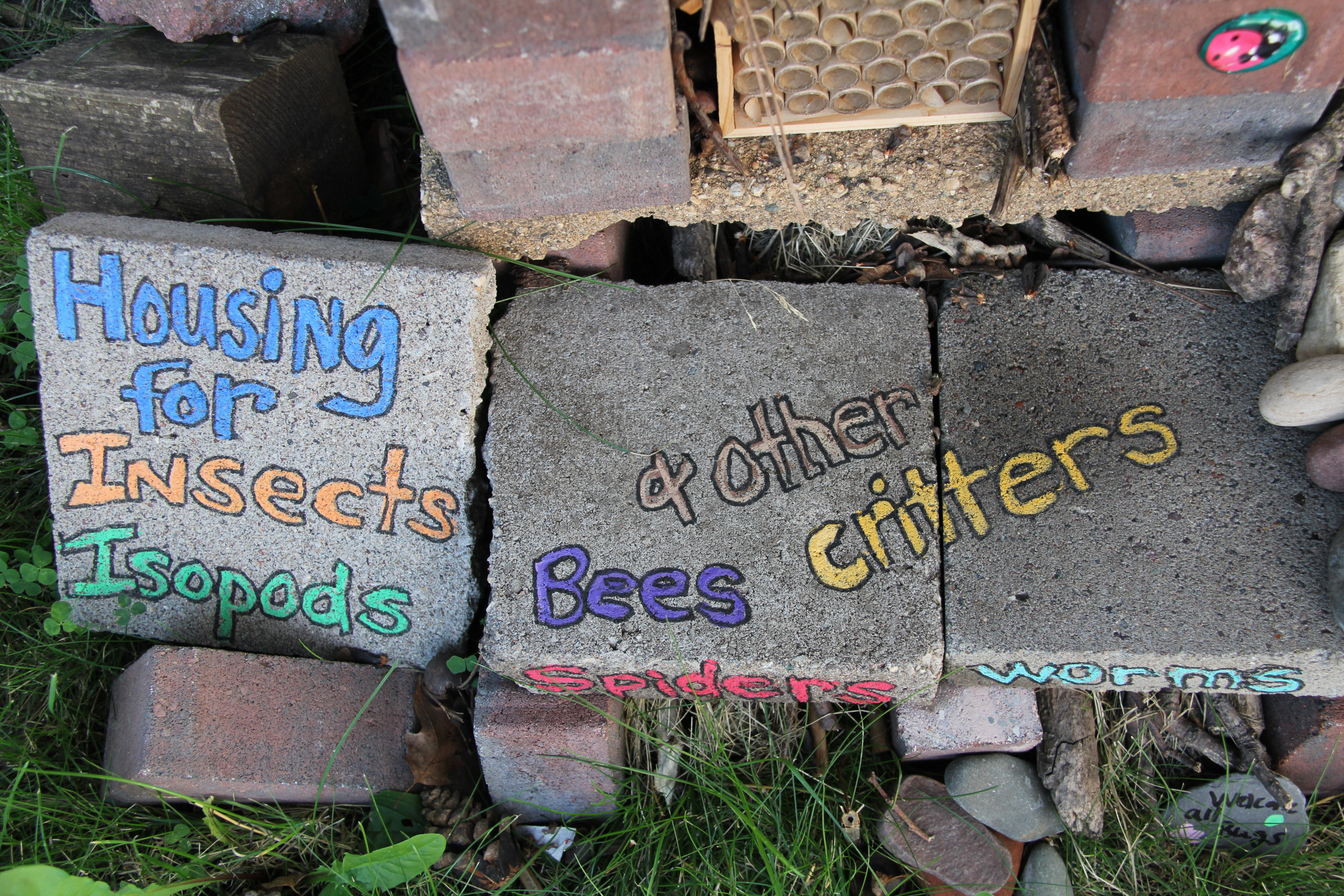
Identifying signage on the Invertebrate Inn. (Minnesota Prairie Roots copyrighted photo August 2024)

Now, as an adult, and an aged one at that, I realize that the core of learning is not memorization. It is rather taking in information that sparks interest, raises questions, causes independent thinking. I am still learning well into my sixties, this year marking 50 years since I graduated from high school.
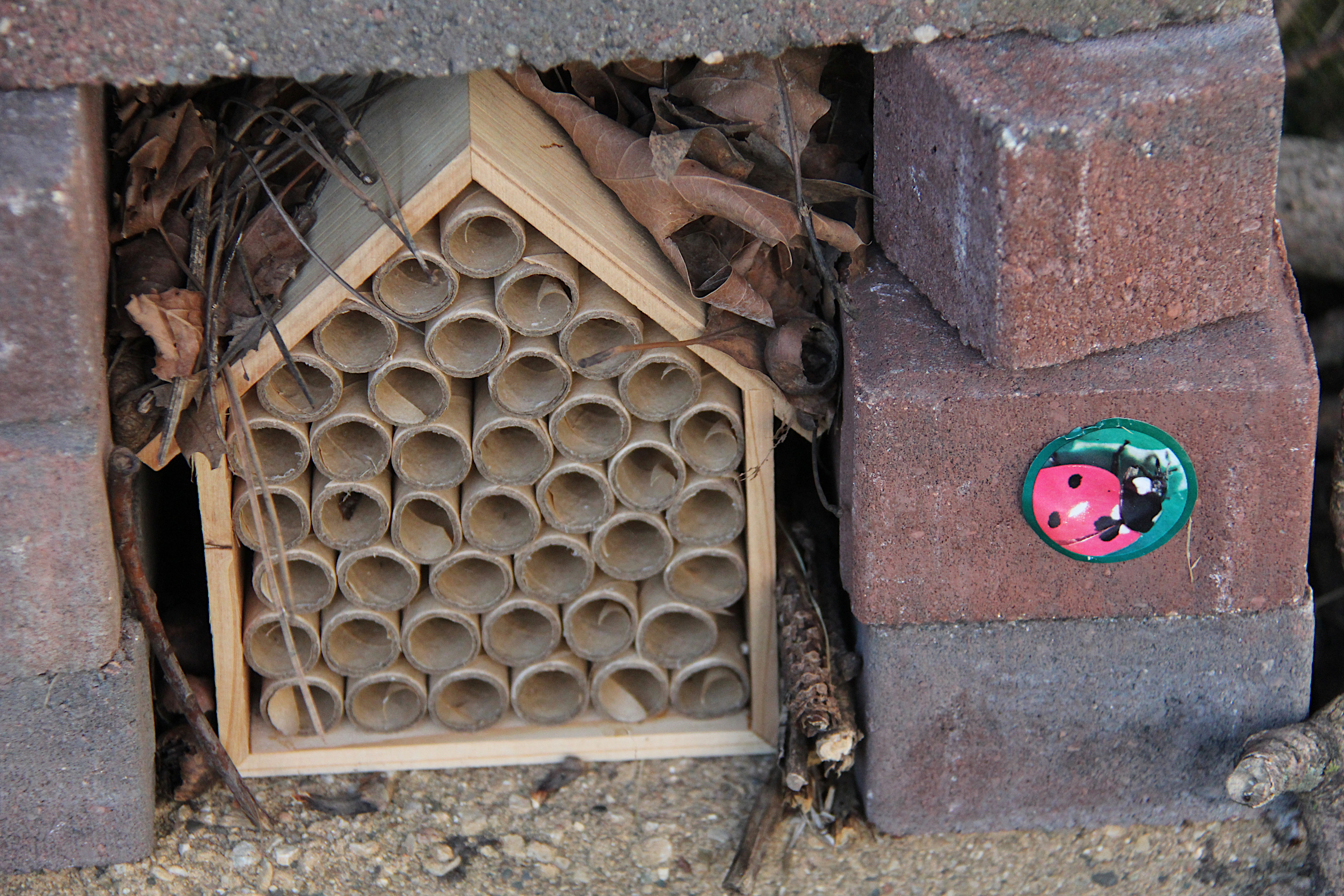
I trust this structure would be a good home for a bug. (Minnesota Prairie Roots copyrighted photo August 2024)

Today I learn because I want to, not because I need to take some class for credits or to earn a degree.
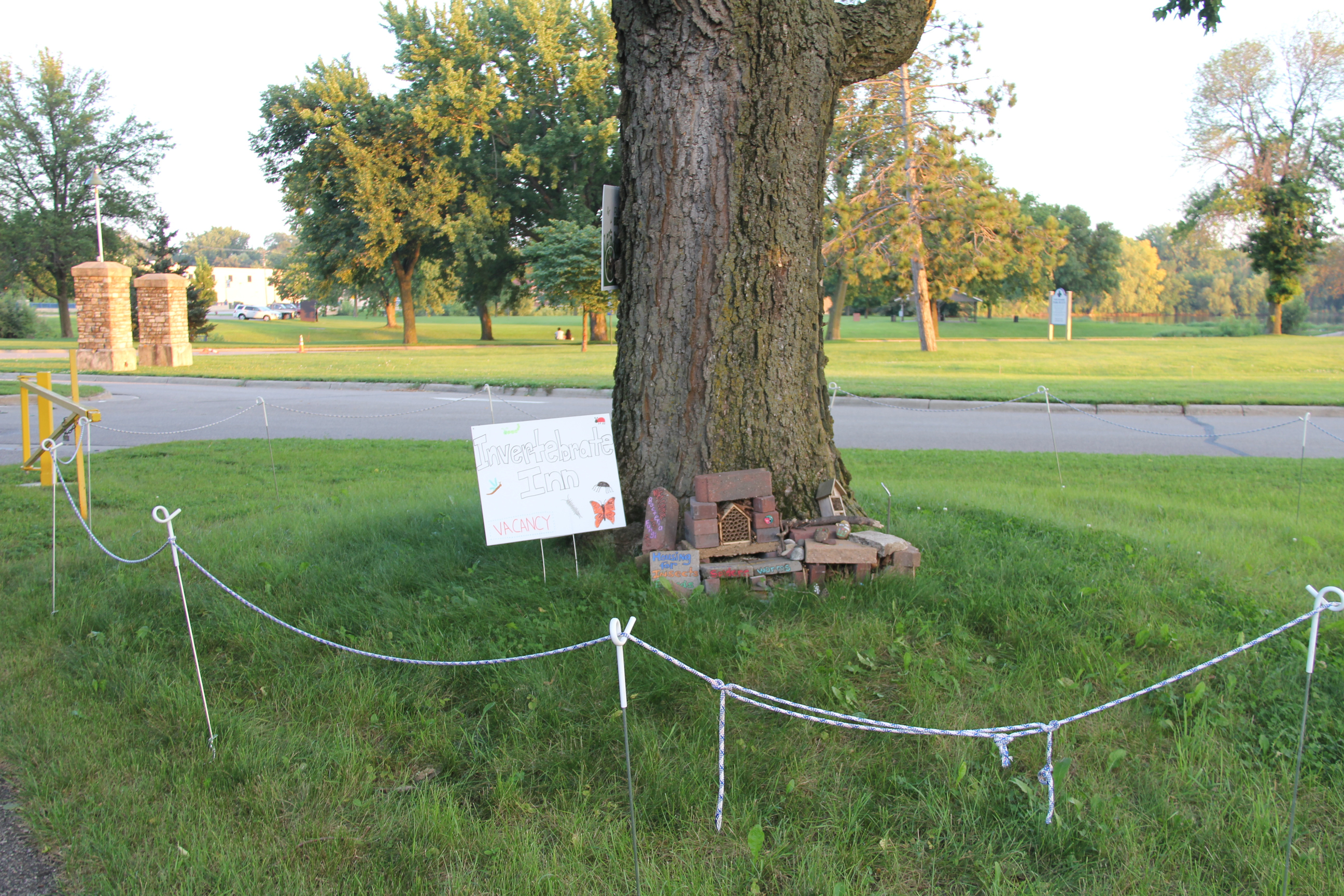
The bee lawn was roped off when I visited. (Minnesota Prairie Roots copyrighted photo August 2024)
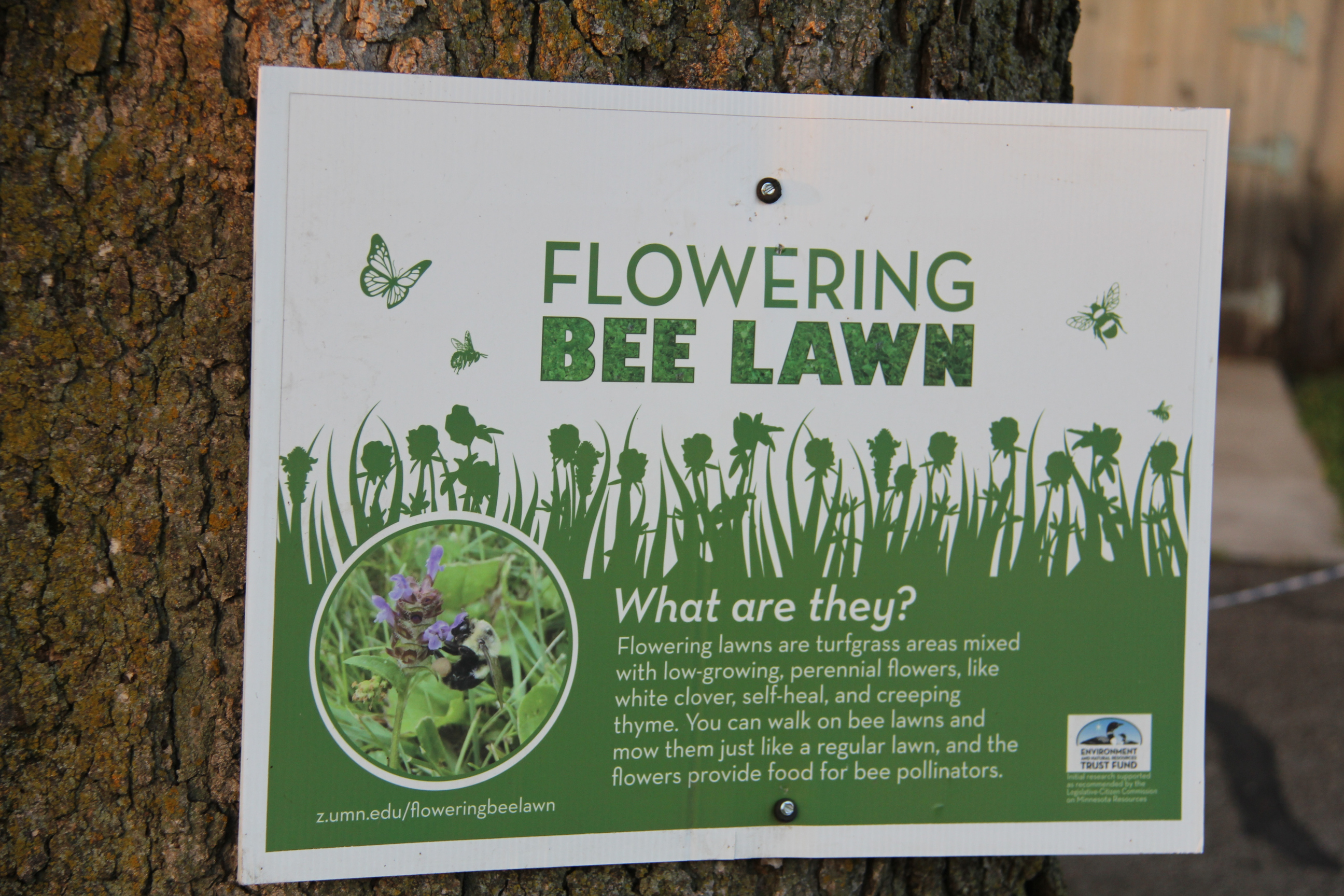
Signage on the tree explains a flowering bee lawn. (Minnesota Prairie Roots copyrighted photo August 2024)
Fitting floral rock art in the inn. (Minnesota Prairie Roots copyrighted photo August 2024)

My latest delve into science was prompted by a visit to the Rice County Master Gardeners Teaching Gardens in Faribault. There I spotted an Invertebrate Inn and a bee lawn, recent additions to the beautiful gardens located at the Rice County Fairgrounds. These are not exactly novel ideas. But I’d not previously considered them much and how they benefit the natural world. Low-lying bee lawns, with their clover and other flowers like creeping thyme, provide nectar and pollen for pollinators.
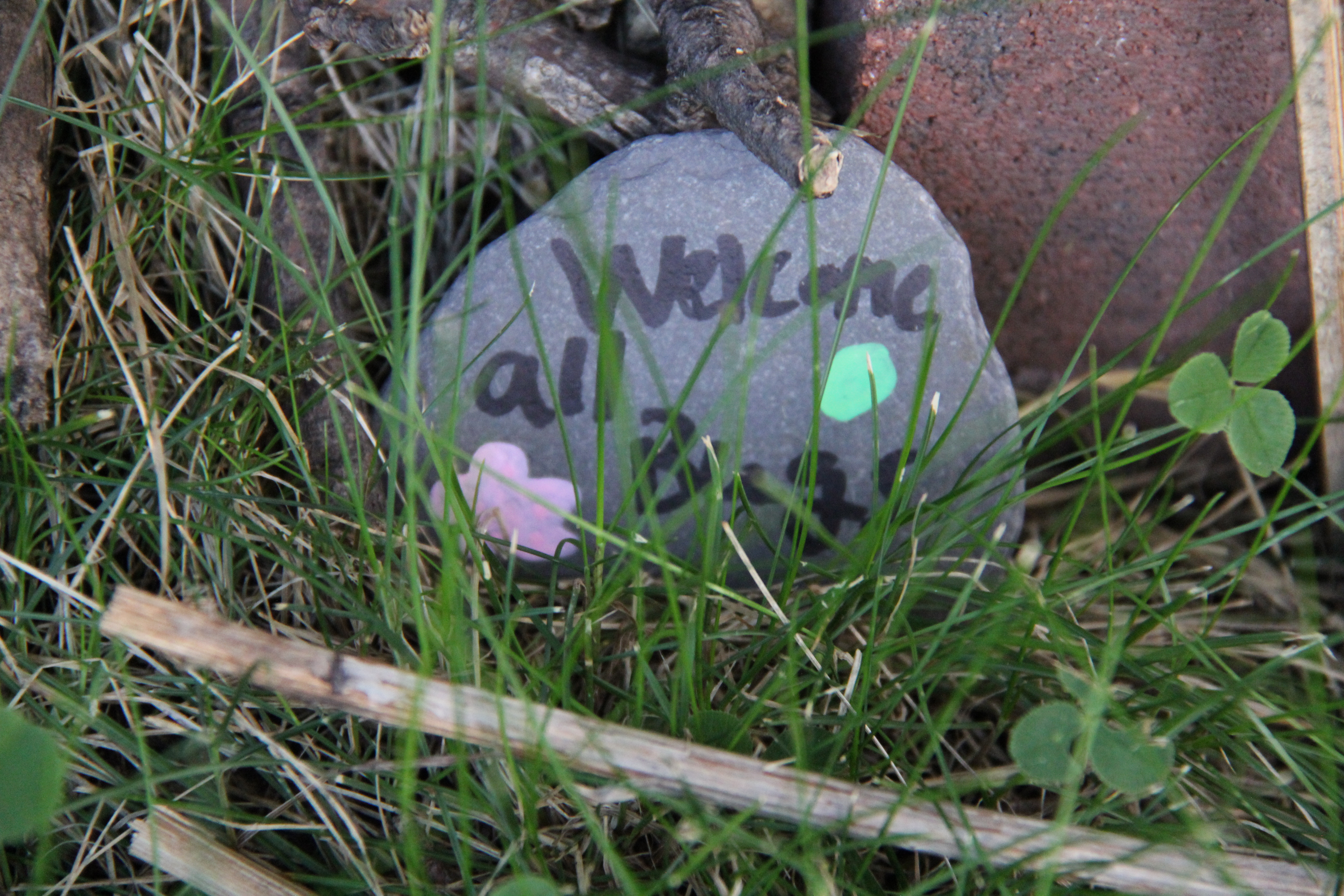
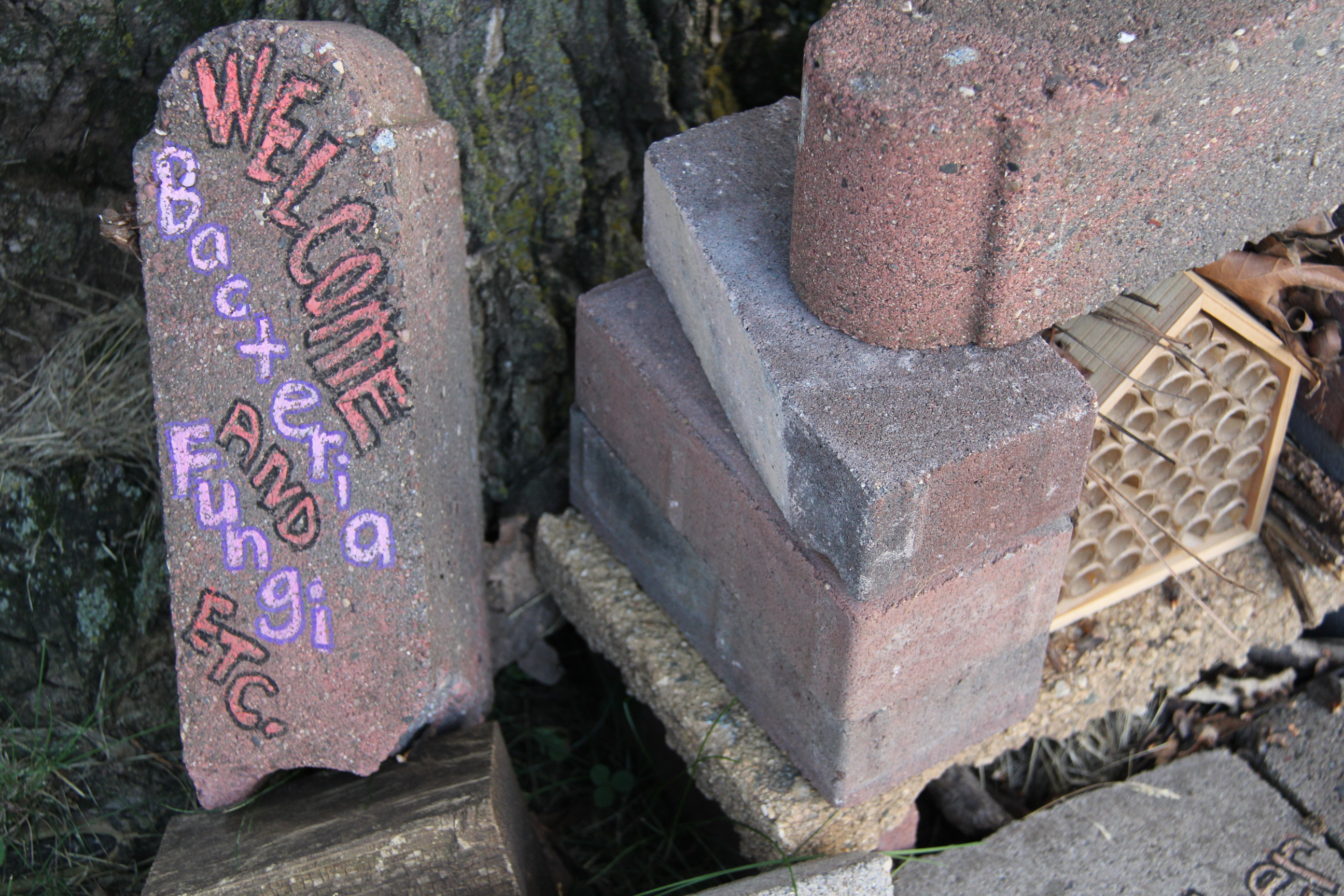
At the inn, a welcome sign for guests. (Minnesota Prairie Roots copyrighted photo August 2024)

In some ways, the inn and the bee lawn remind me of childhood days on the farm with our grass anything but weed-free and manicured. Dandelions and clover were prolific. No weedkiller or insecticides were used except on crops. No nothing applied to the grass, because who cared and who had time to nurture a lawn when there were crops to plant and cultivate and animals to tend?
Housing for more than just insects, isopods, bees, spiders, worms and other critters. (Minnesota Prairie Roots copyrighted photo August 2024)

Times have changed as farming and yard care have evolved. Insecticide and herbicide usage is prevalent. We would be naive to think this has not affected pollinators like butterflies and bees. And so when I discover something like a bee lawn and an Invertebrate Inn, I feel a spark of joy, a sense of gratitude for those who create them.
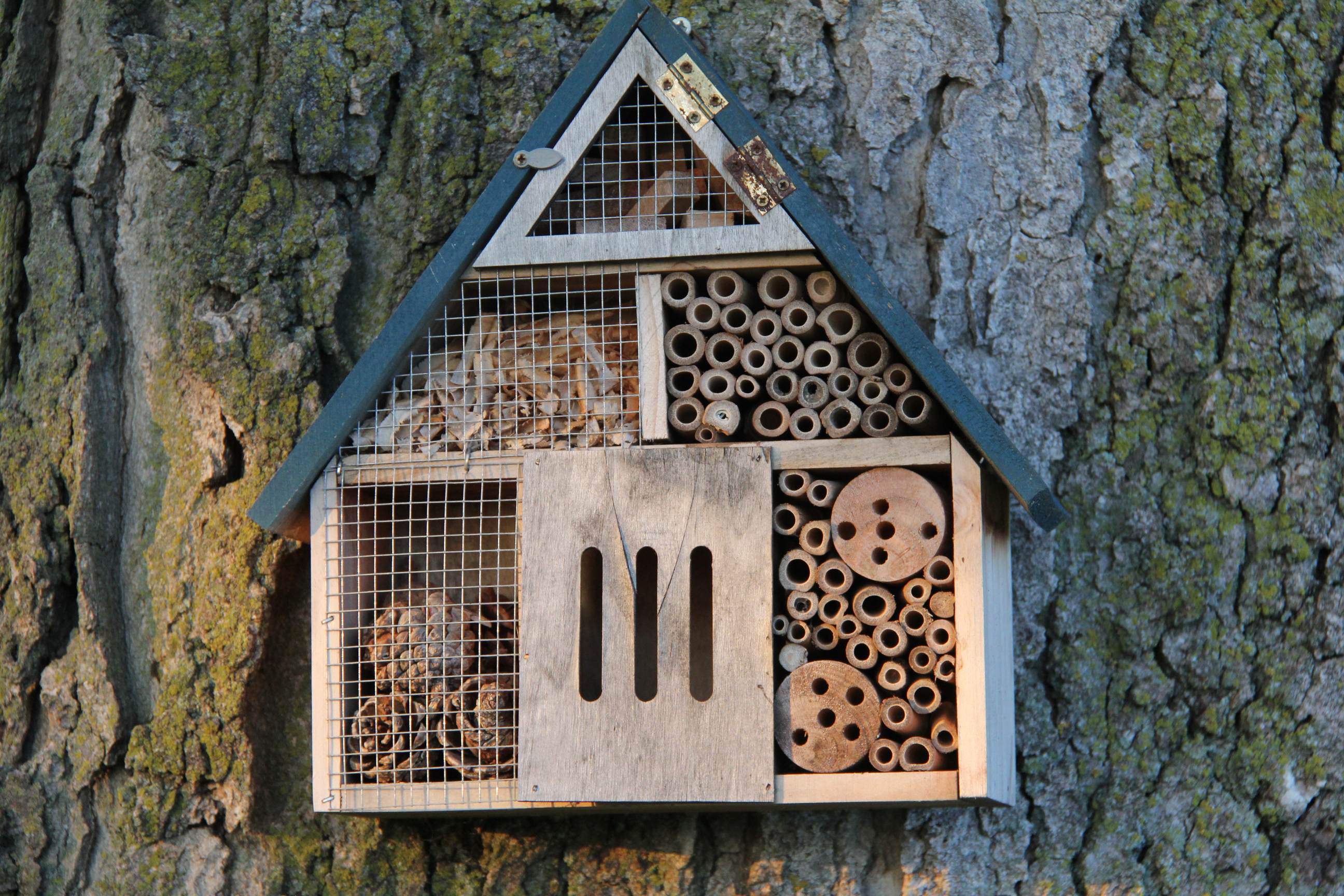
High rise housing. (Minnesota Prairie Roots copyrighted photo August 2024)

I want my grandchildren to understand that this world they’ve been given is one that needs to be nurtured and appreciated, taken care of in a way that perhaps my generation did not. Sure I celebrated Earth Day, wore Earth Shoes and spouted environmental platitudes of the 1970s. But did that really mean anything, make any long-lasting impact? It was a beginning, I suppose.
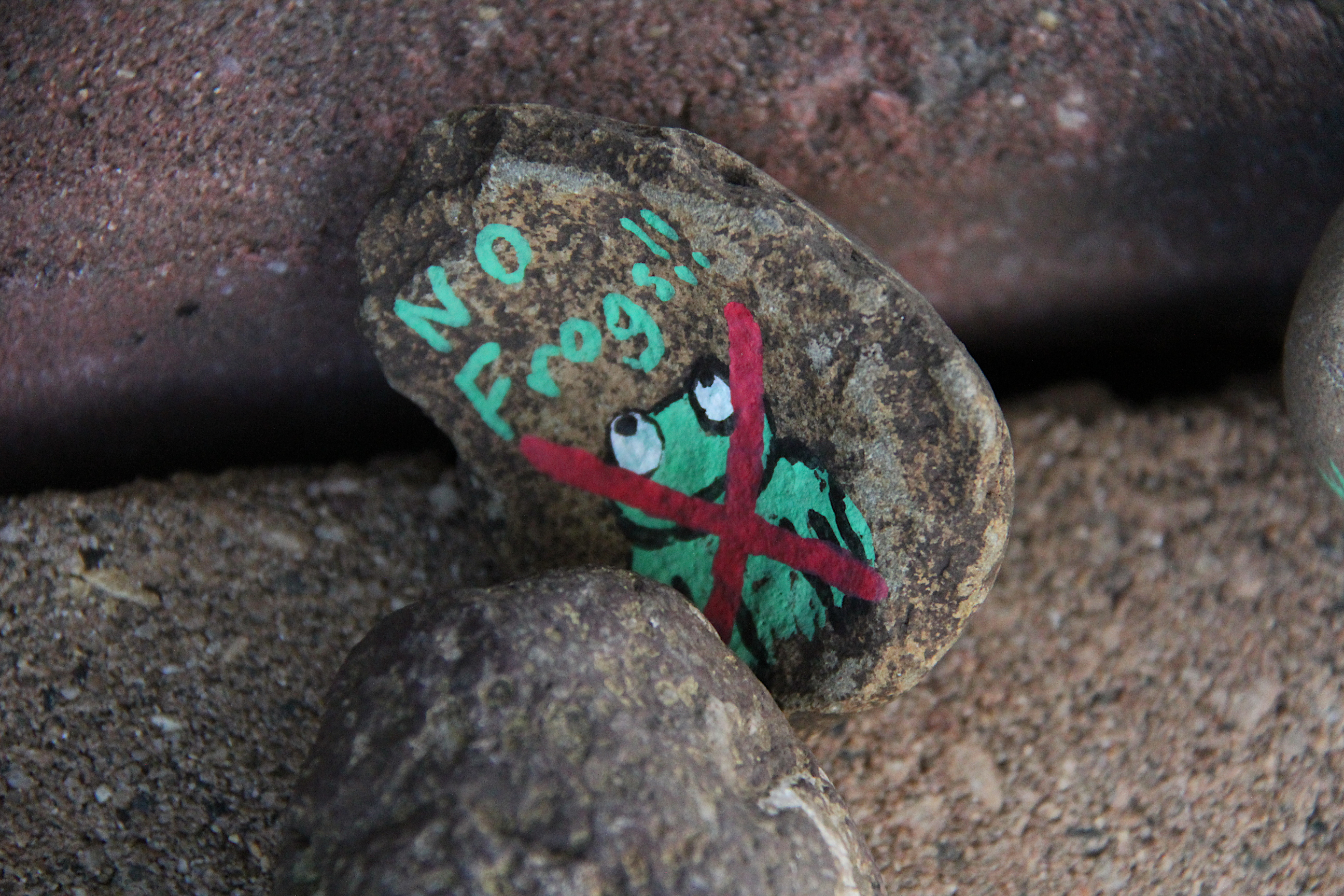
Frogs are banned from the inn. (Minnesota Prairie Roots copyrighted photo August 2024)

I want my grandchildren to ask questions in class, seek out information, learn in a way that is focused on curiosity rather than feeding back facts. I want them to care about the bees and the butterflies and the bugs.
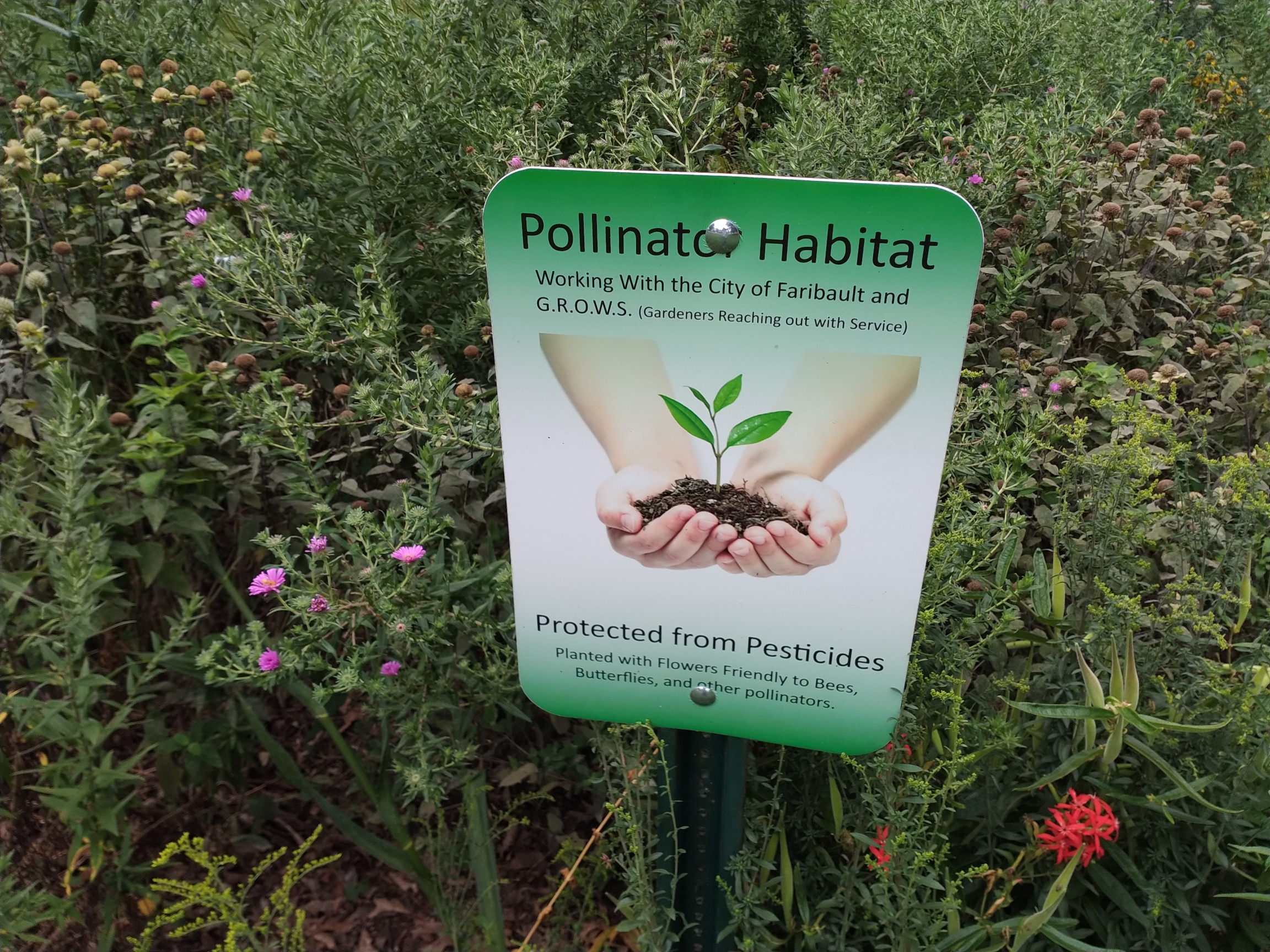
There are other bee lawns, pollinator gardens, etc., in my community, including this one in Central Park. (Minnesota Prairie Roots copyrighted photo August 2024)

I want them to connect with nature, to understand that what they do, or don’t do, to the earth matters. I want them to get their hands dirty in the soil, overturn rocks, hold bugs, pick up worms, plant flowers and, most of all, appreciate this natural world of ours. The science of it. The beauty of it. The peace it brings to the soul. The joy it brings to the spirit. And I want them to care. Always.

FYI: Click here to watch an informative video about creating a bee lawn by Faribault master gardener Jayne Spooner.

© Copyright 2024 Audrey Kletscher Helbling


“A quiet place to be” in Mission Township August 31, 2022

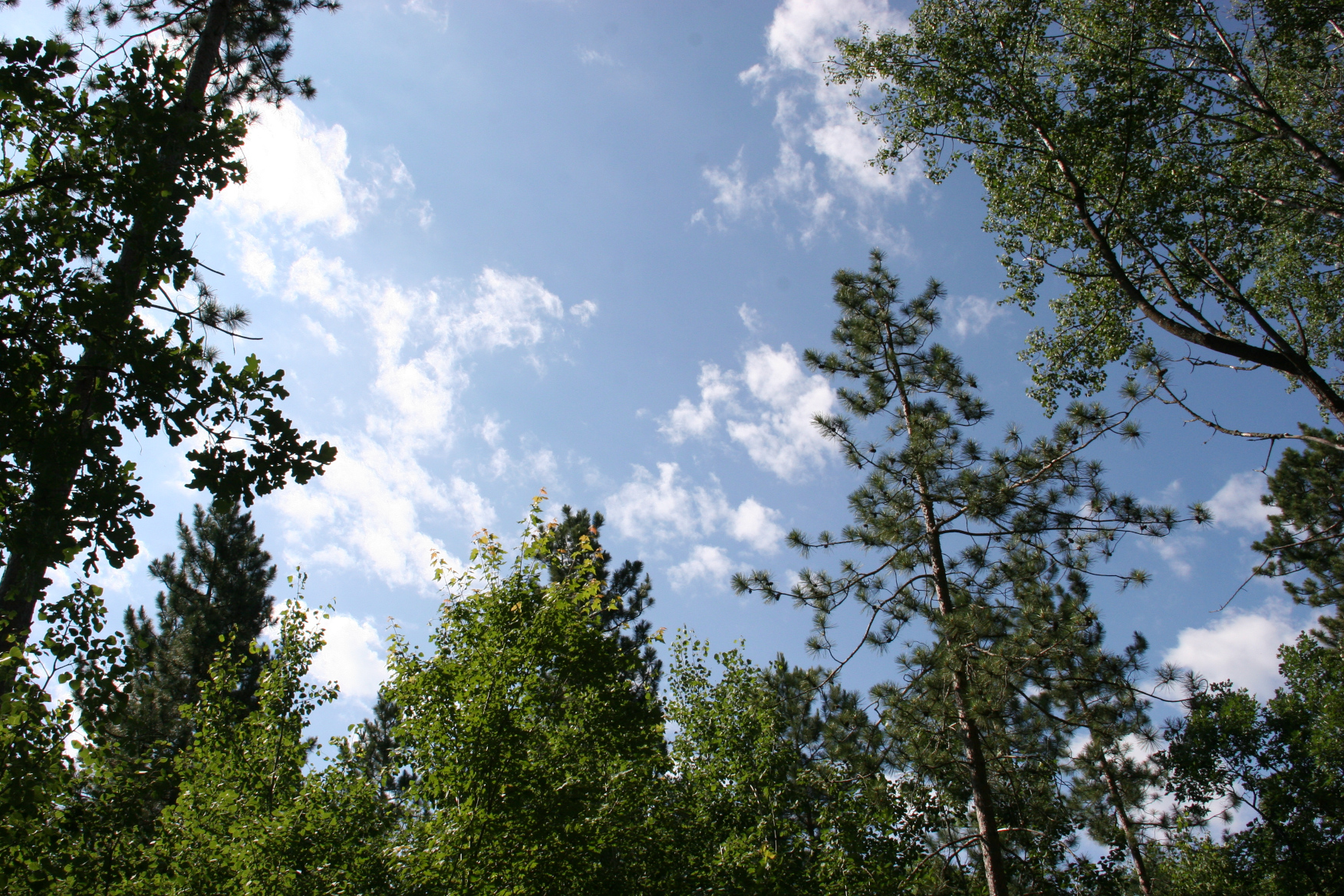
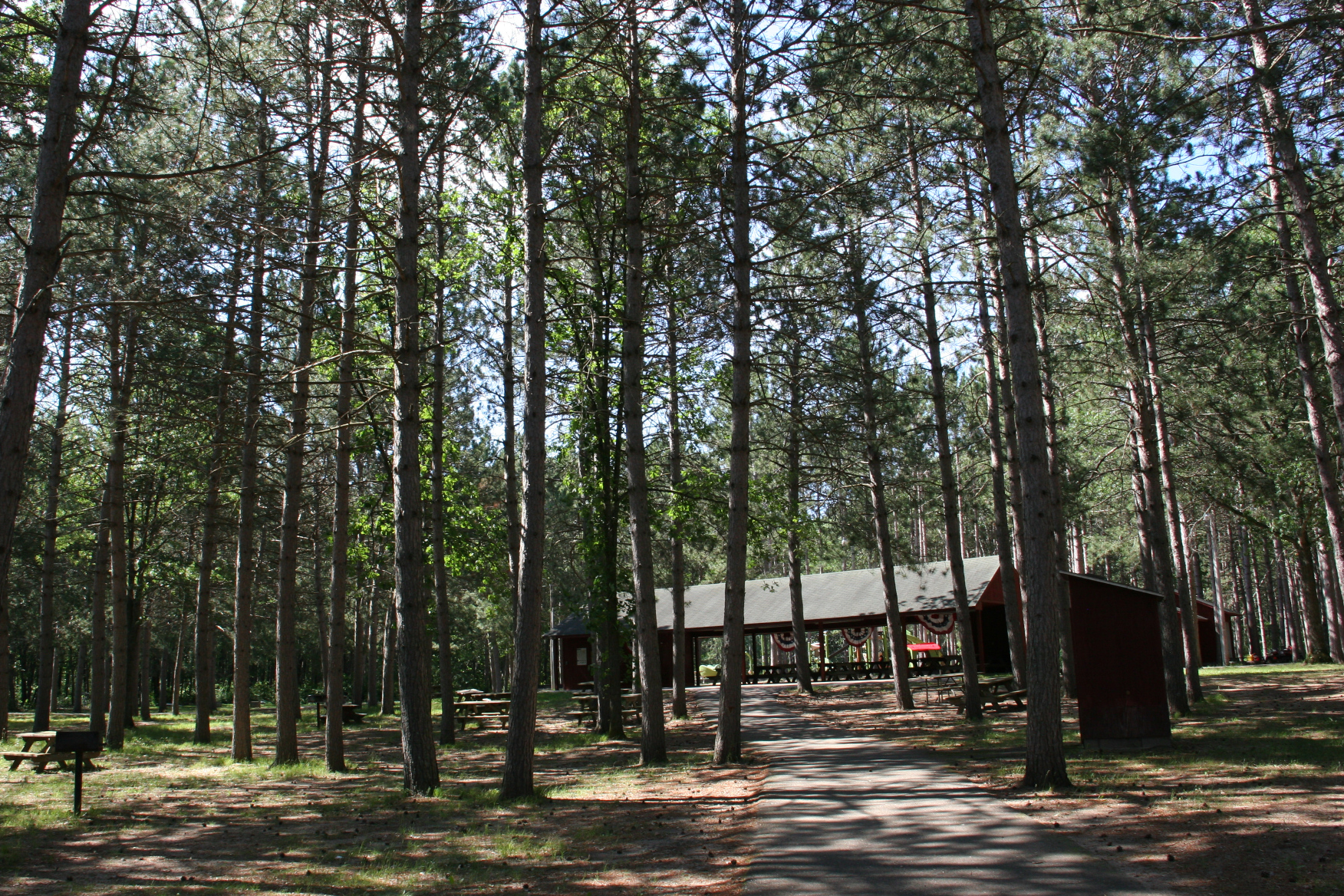
Looking skyward at Mission Park, where slim, towering pines are prevalent. (Minnesota Prairie Roots copyrighted photo July 2022)

MISSION PARK IN MISSION TOWNSHIP, “a quiet place to be” north of Merrifield in the Brainerd lakes region, rates as a favorite hiking spot when I’m at the lake. The extended family cabin is conveniently located about two miles away.

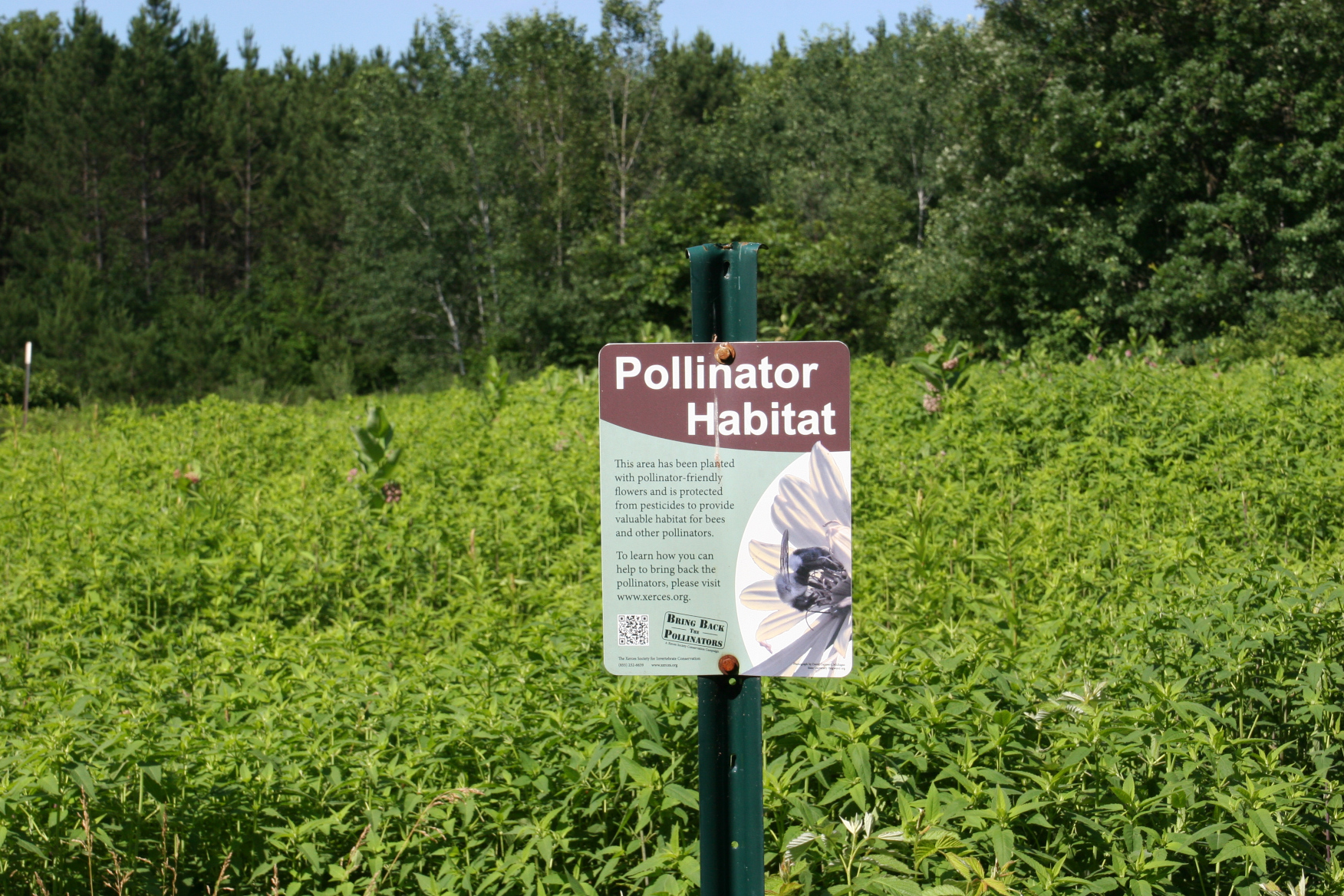
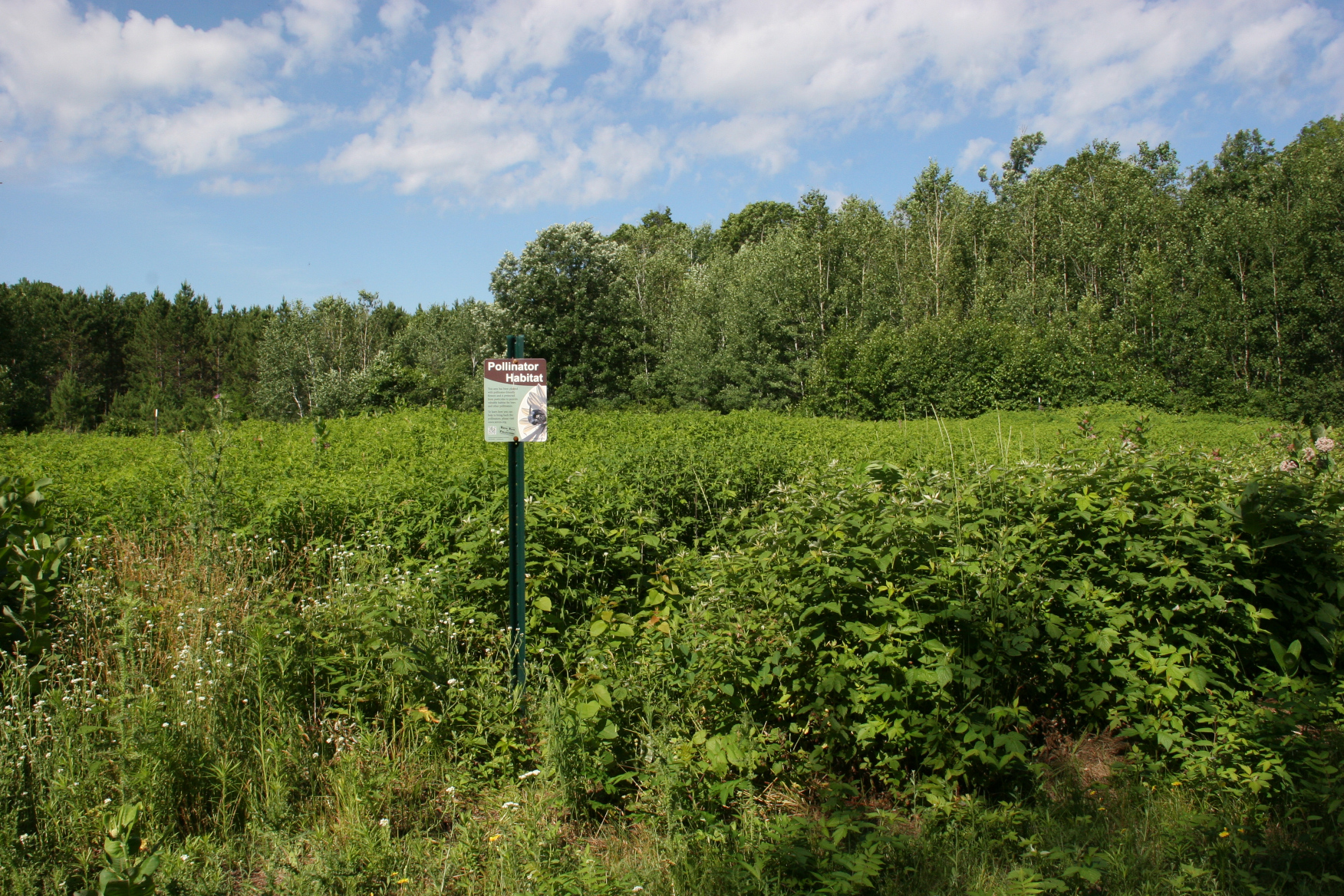
At the end of a grassy trail, the woods open to a pollinator garden. (Minnesota Prairie Roots copyrighted photo July 2022)

I enjoy walking here along the 3/4-mile paved trail that winds primarily through the woods. Grassy paths are another option, but I typically keep to the hard surface, with one exception. That deviation is the grassy route leading to an open field Pollinator Habitat.

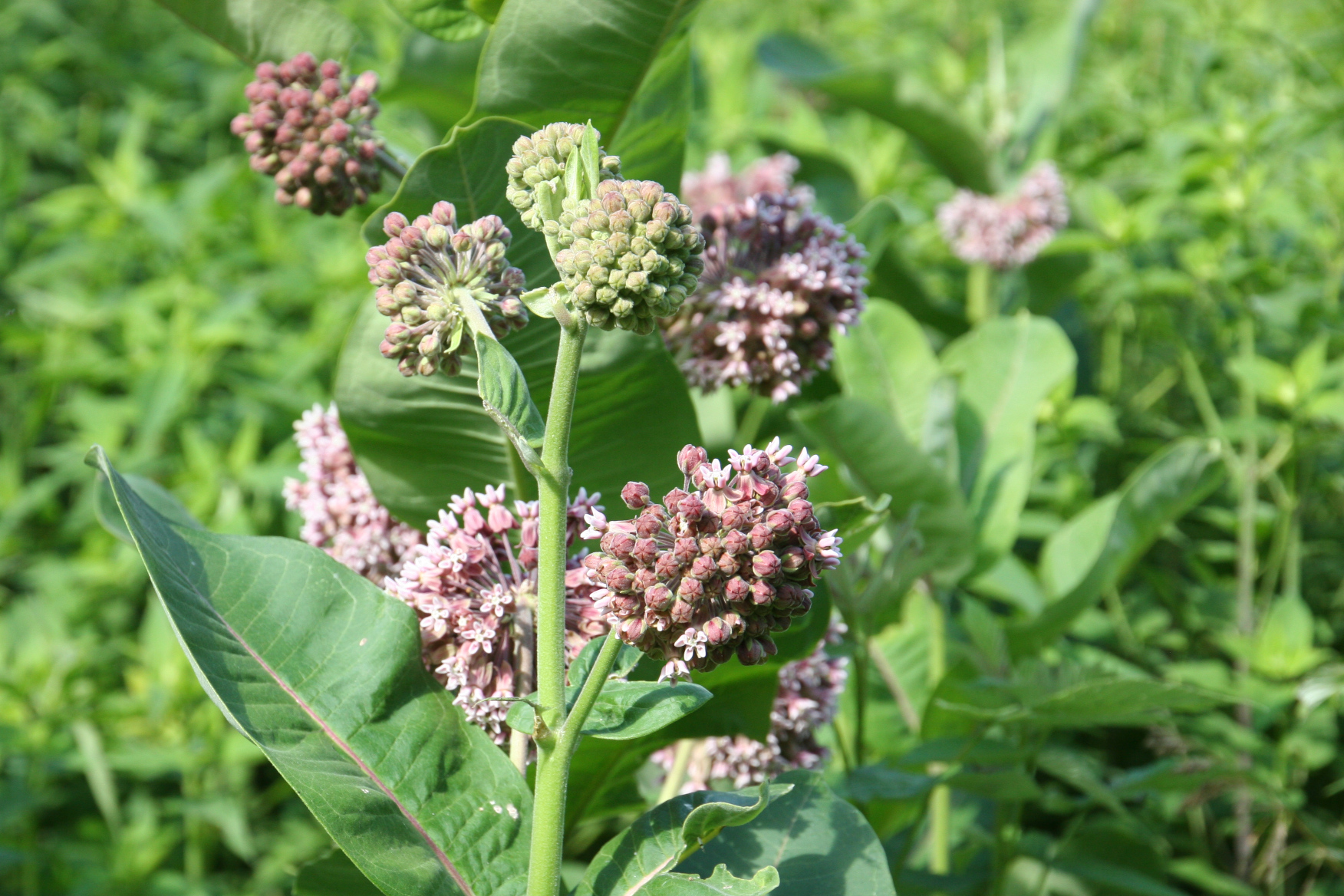
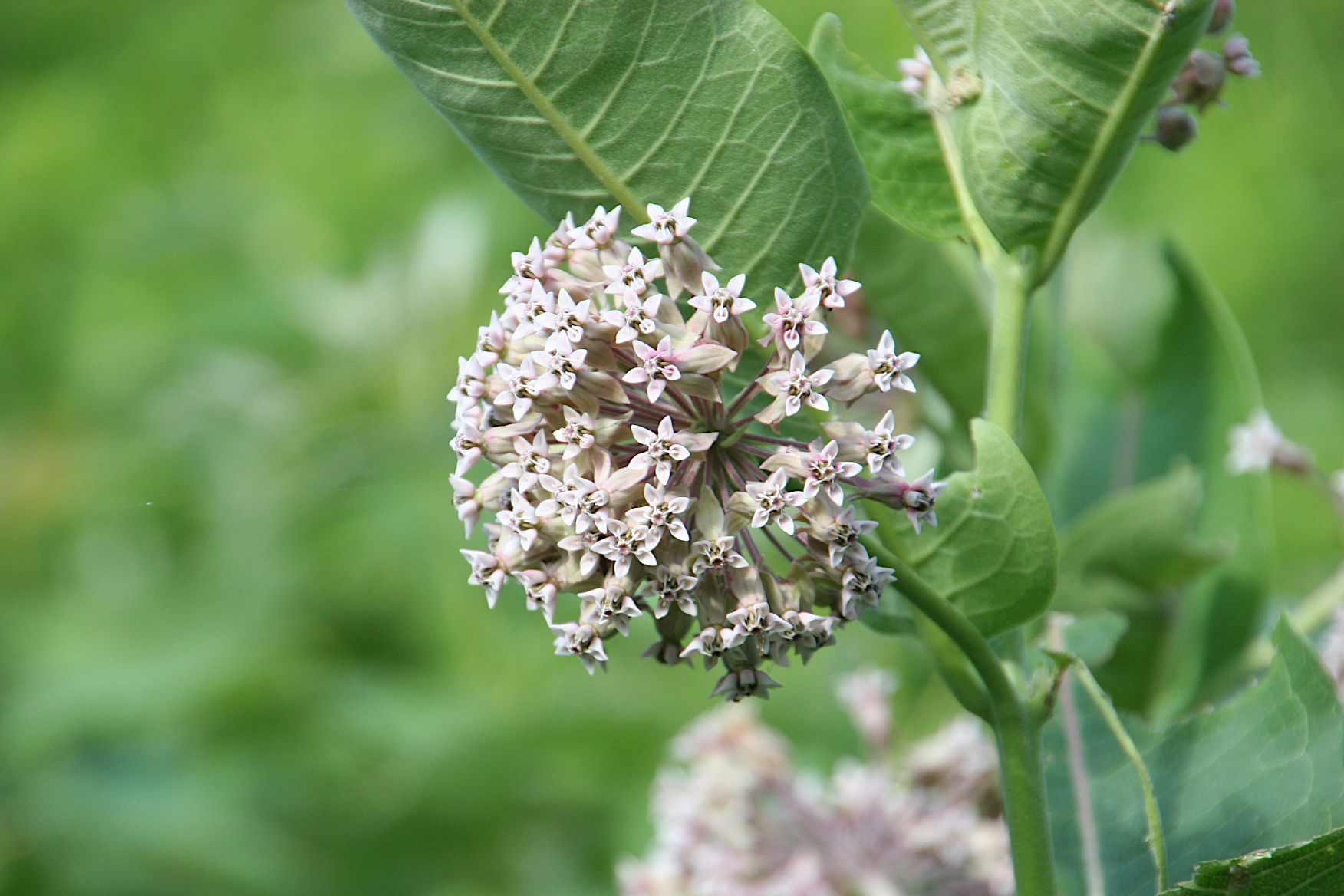
Milkweeds fill the prairie garden. (Minnesota Prairie Roots copyrighted photo July 2022)

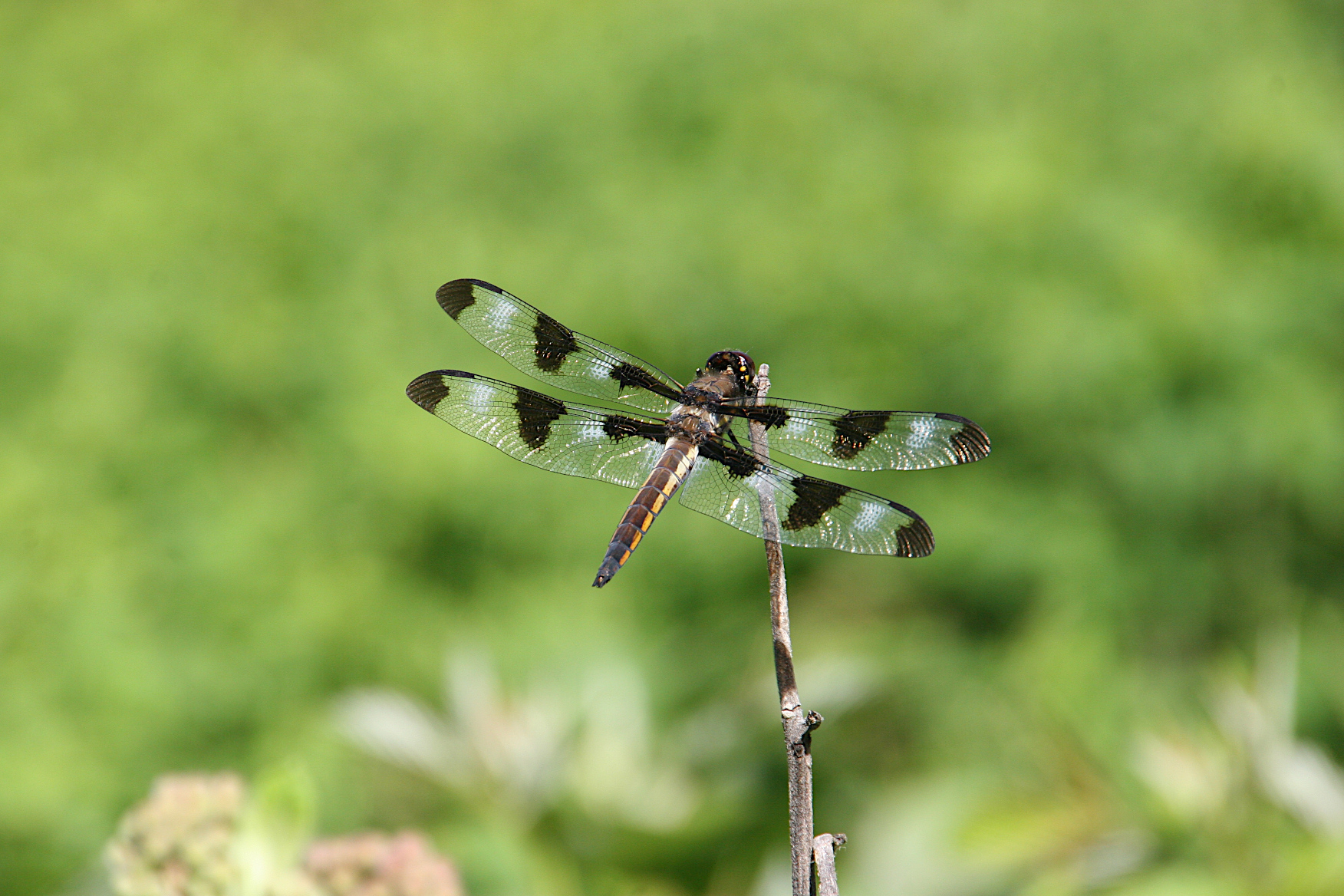
A dragonfly clings to a stalk. (Minnesota Prairie Roots copyrighted photo July 2022)

I’ve always loved the dusky hue of the milkweed flower. (Minnesota Prairie Roots copyrighted photo July 2022)

Last trip to the cabin in early July, Randy and I discovered the field of milkweeds and other pollinator-attracting plants pulsing with dragonflies. I’ve always delighted in dragonflies—how they flit, their translucent wings beautiful to behold.

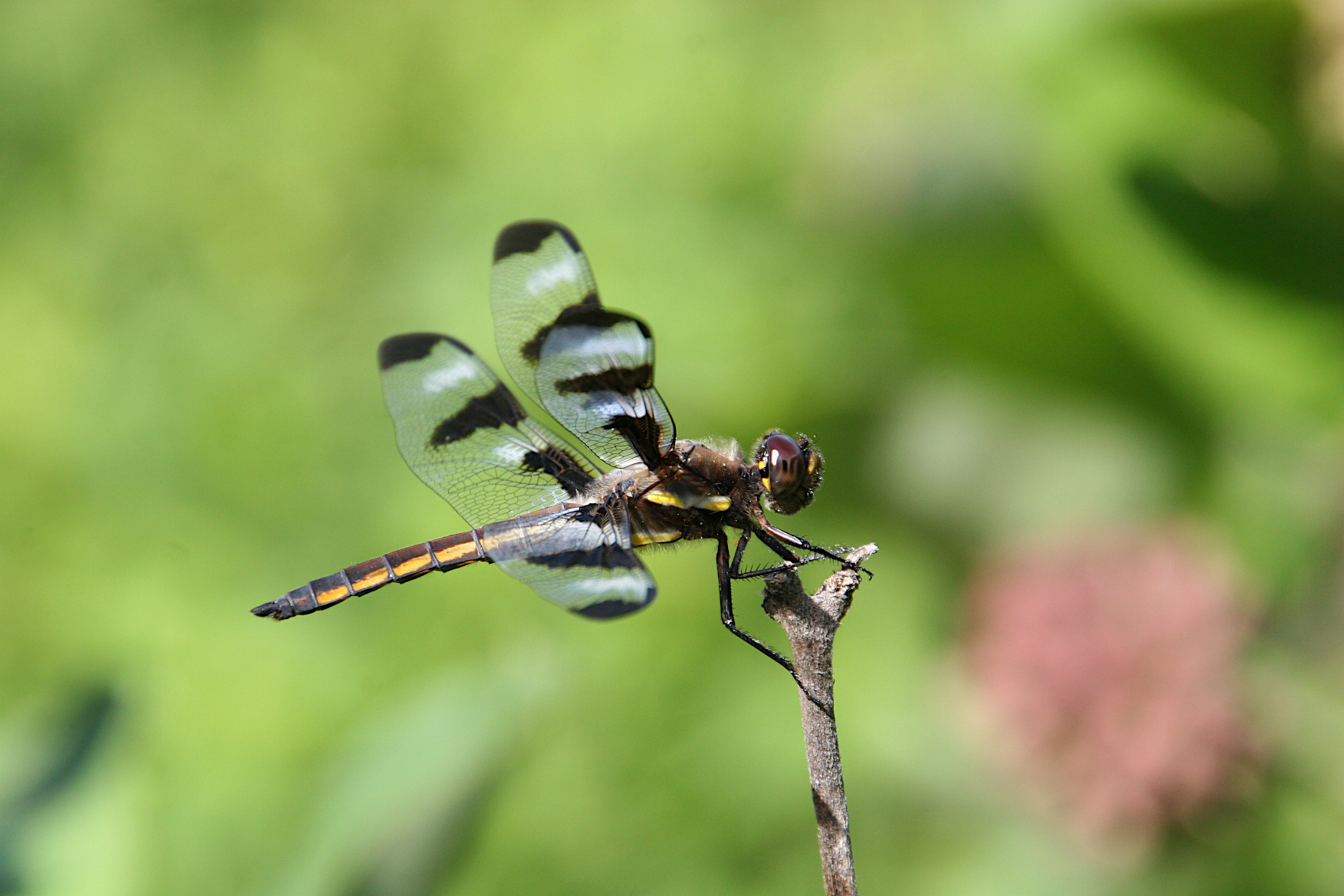
Dragonflies up close are a study in intricacy and beauty. (Minnesota Prairie Roots copyrighted photo July 2022)

But dragonflies also pause, giving photographers like me ample opportunity to photograph them up close. To see and capture details of webbed wings, of hairy legs, of bulging eyes…proves rewarding, amazing, wondrous. This insect is so intricate.

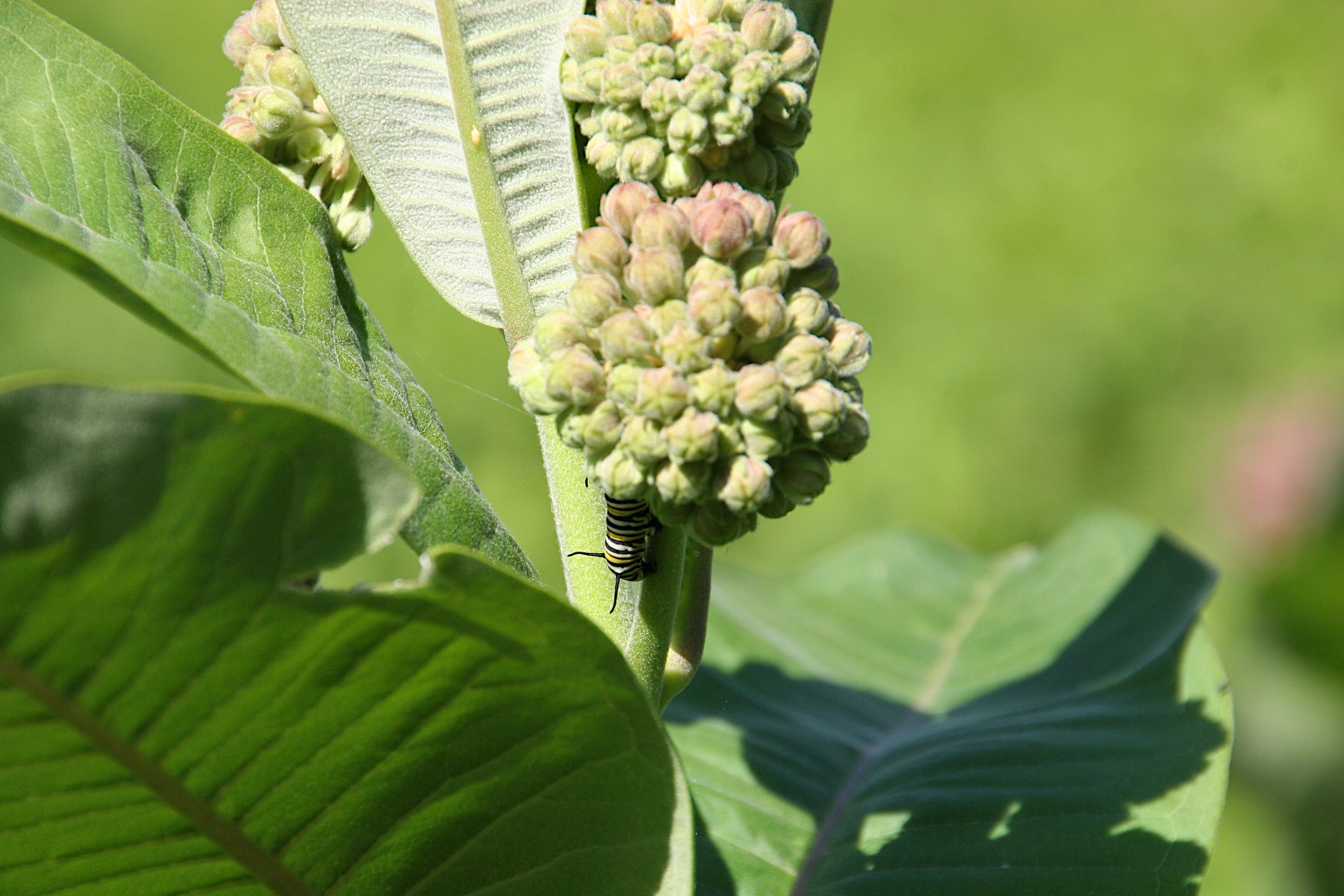
The lone Monarch caterpillar I spotted. (Minnesota Prairie Roots copyrighted photo July 2022)

I noticed, too, a chunky Monarch caterpillar descending a milkweed stalk. Milkweed is a host plant of the caterpillar which will eventually form a chrysalis and later emerge as a Monarch butterfly, now considered an endangered species.

A wide view of the Pollinator Habitat. (Minnesota Prairie Roots copyrighted photo July 2022)

Days later, I led the way back to the Pollinator Habitat to show my granddaughter, her little brother and parents the dragonfly haven. The insects were not as abundant and the crew was less than impressed, especially when Randy discovered a wood tick on his leg. Not a deer tick, but the common wood tick which I am quite familiar with as is Randy. We both grew up on farms and wood ticks were a natural part of our outdoor summer adventures.

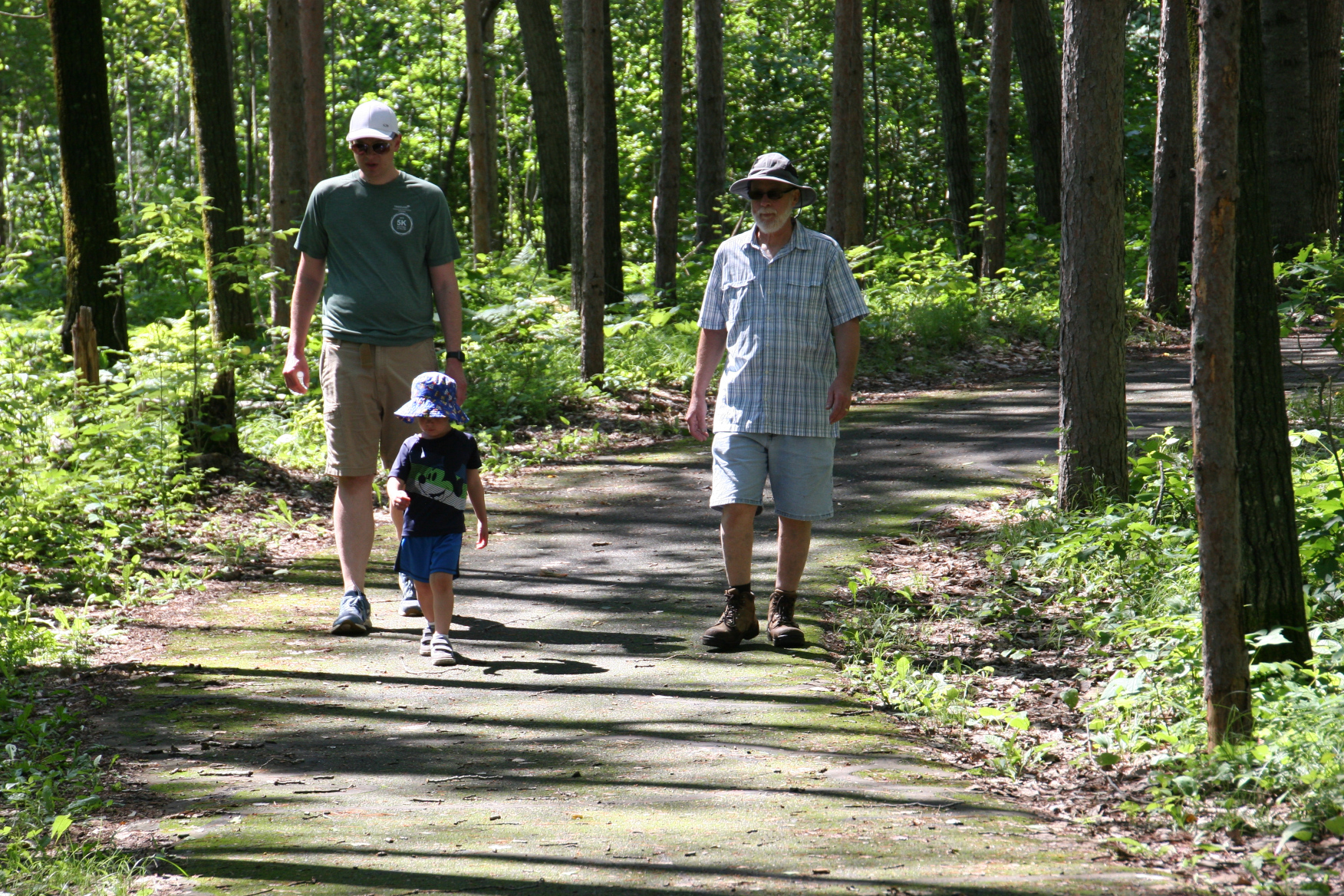
Marc, left to right, Isaac and Randy head out of the woods. (Minnesota Prairie Roots copyrighted photo July 2022)

The six of us quickly exited the pollinator patch right after Randy’s revelation, which he should have kept to himself.

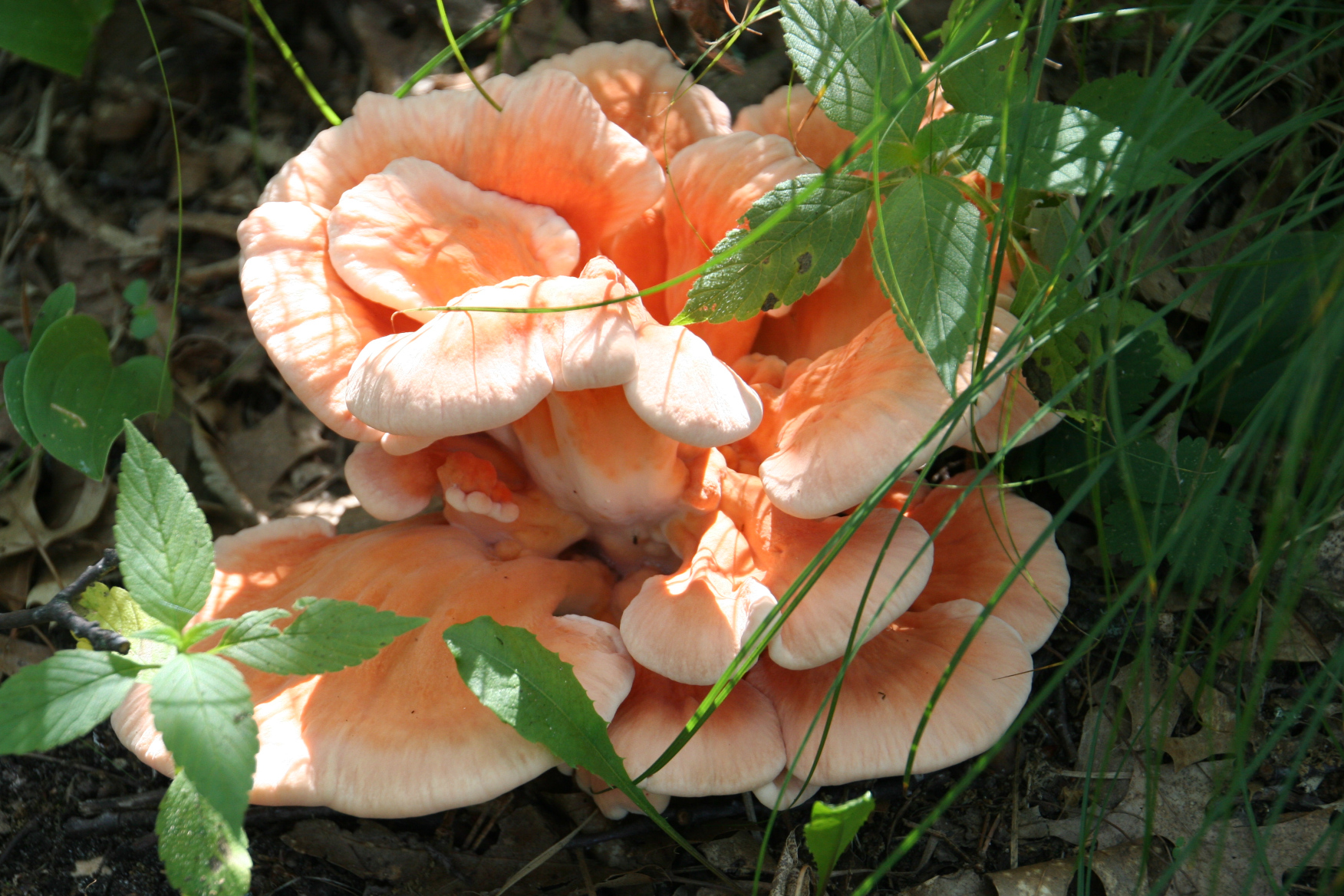
Every time I’m here, I discover a different fungi in the woods. (Minnesota Prairie Roots copyrighted photo July 2022)

I had hoped to walk along the paved trail to show everyone the massive orange mushroom I spotted previously. But, instead, we headed back to the park’s main recreational area.

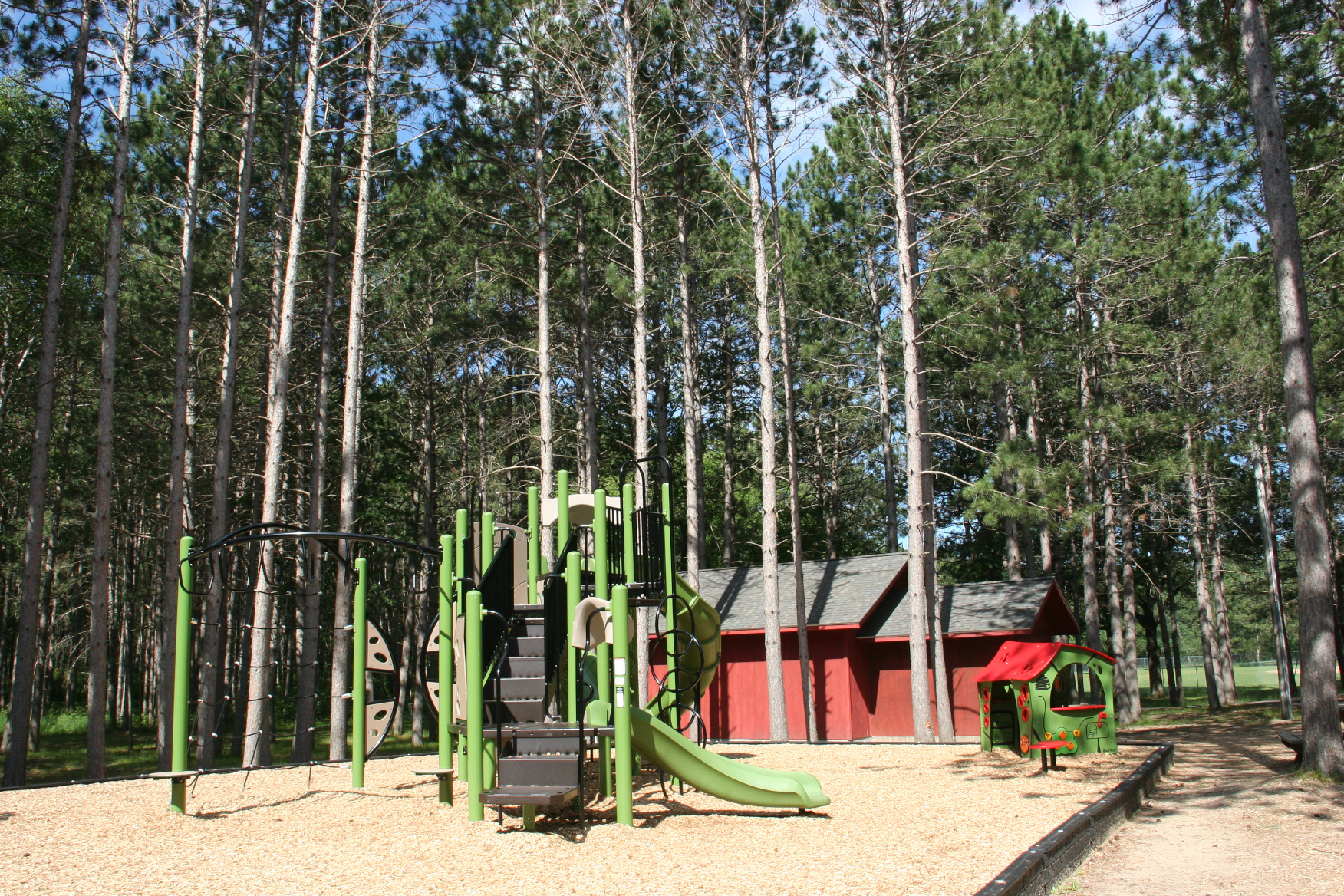
The grandkids loved the new playground equipment. (Minnesota Prairie Roots copyrighted photo July 2022)

Mission Park offers plenty of play space for those who prefer to stay off grassy trails into the woods. Like new playground equipment.

A spacious pavilion among the pines, next to the playground, provides a place to gather. (Minnesota Prairie Roots copyrighted photo July 2022)

Other recreational options abound with several pickleball courts, disc golf, a ball field, tennis courts, horseshoe pits and volleyball courts. A pavilion offers shelter for outdoor dining. Noticeably missing are bathrooms. There are outhouses, though, with which I am also familiar having used one for the first 11 years of my life.

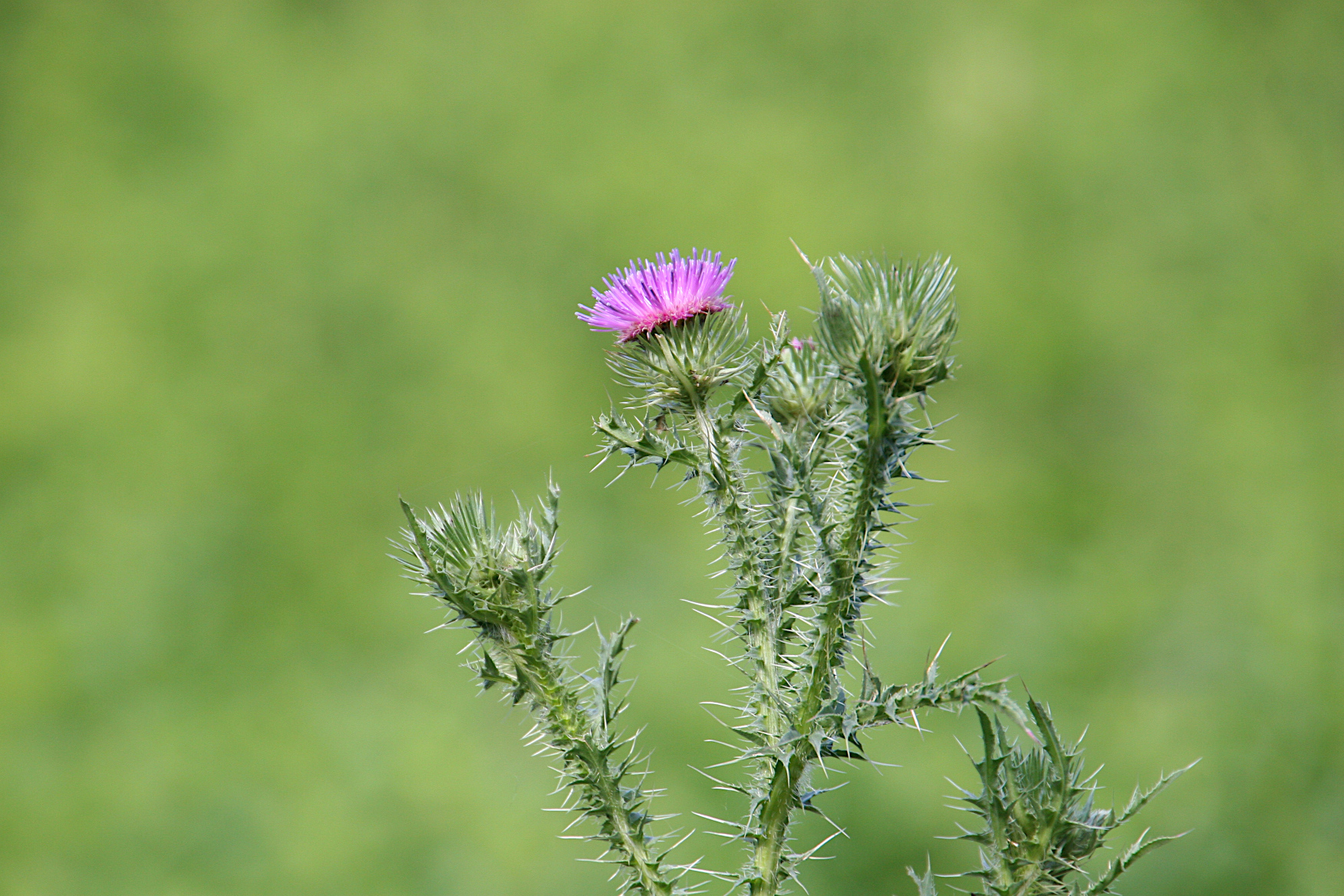
Thistles flourish in the Pollinator Habitat. (Minnesota Prairie Roots copyrighted photo July 2022)

I appreciate the forward thinking of the good folks of Mission Township who, in 1959, purchased 39 acres for $1 with the intent of maintaining the natural beauty of the land and making it available for recreational use.

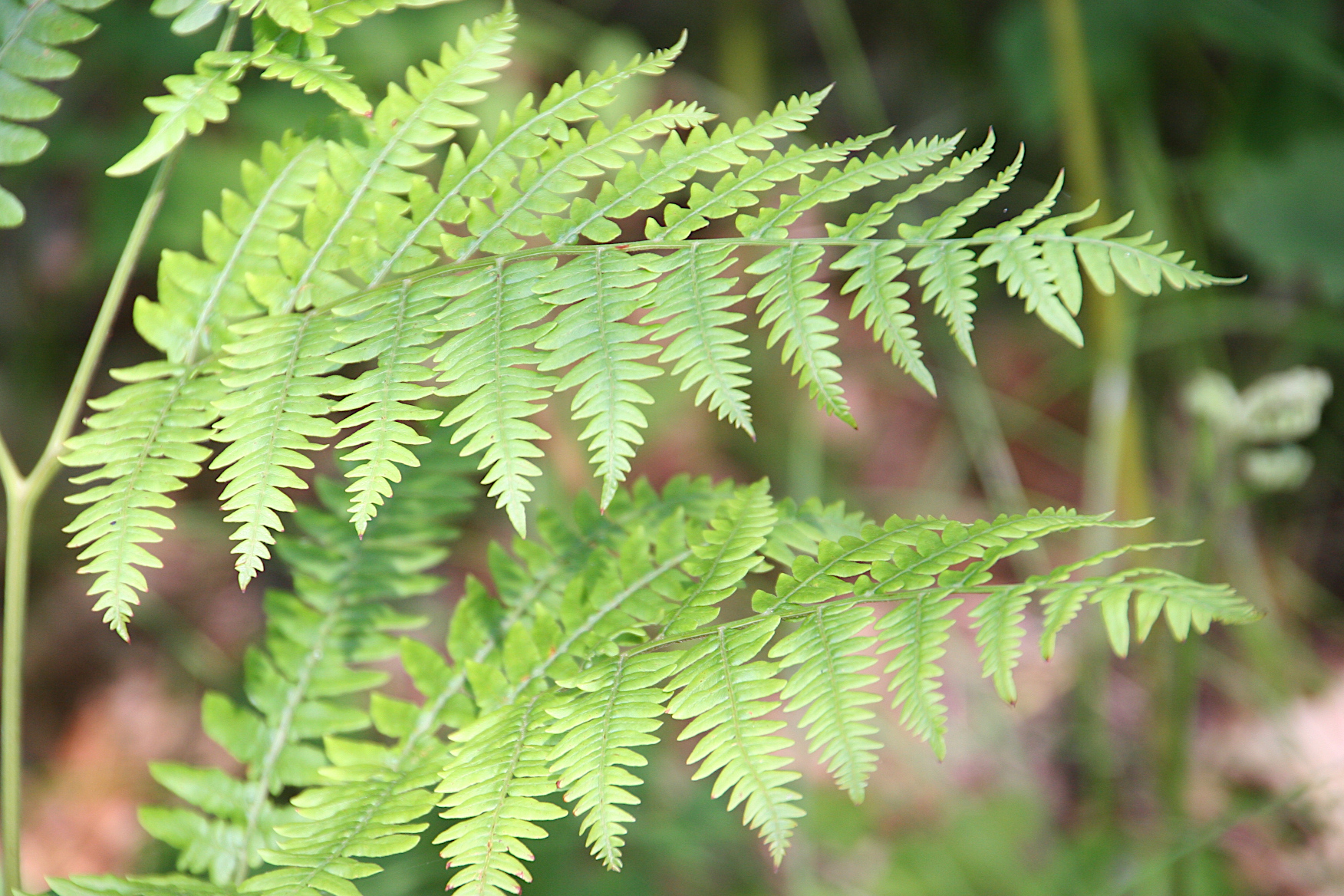
Ferns, one of my favorite plants, grow wild in the woods. (Minnesota Prairie Roots copyrighted photo July 2020)

This “quiet place to be” has quickly become a favorite nearby place to explore whenever I’m at Jon and Rosie’s lake cabin.

© Copyright 2022 Audrey Kletscher Helbling
 

The poetic joy of a butterfly August 17, 2022

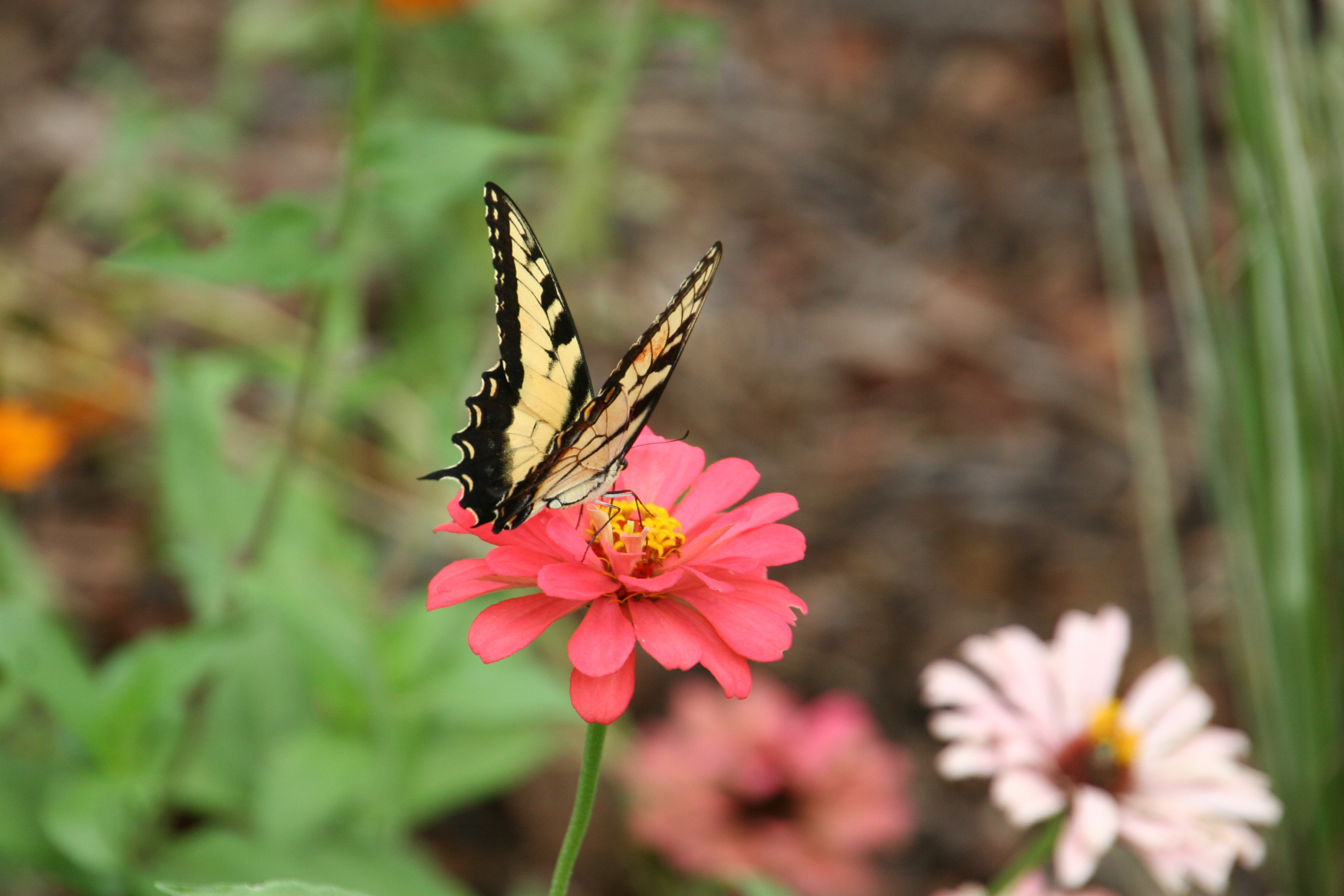
An Eastern tiger swallowtail butterfly atop a zinnia. (Minnesota Prairie Roots copyrighted photo August 2022)

EVERY TIME I SPOT A BUTTERFLY, joy surges through me. There’s something about the flitting flight of a butterfly that captivates me.

But it’s more than that. I appreciate how these insects appear so carefree, as if their very existence is simply to bring beauty and joy into the world. And maybe it is.

The butterfly perches among my favorite garden flowers, zinnias. My mom planted zinnia seeds when I was growing up on the farm. Zinnias are easy to grow from seed, are prolific, hardy and colorful. (Minnesota Prairie Roots copyrighted photo August 2022)

In recent days, I’ve observed two swallowtail butterflies, one black, the other yellow, among the phlox growing wild in my flowerbeds. And some 10 days ago I photographed an Eastern tiger swallowtail atop a zinnia at the Rice County Master Gardeners Teaching Garden in Faribault.

That well-tended garden has become a new favorite oasis for me within the city limits. On the Sunday afternoon I visited the garden, I found friends Paula and Ed already there, resting on a bench. Paula was involved early on with development of this garden. She no longer is, but remains an active gardener. Paula was the one who spotted the swallowtail among the zinnias.

Per her direction, I headed to the zinnia patch to photograph the yellow swallowtail with wings outlined in black, splotches of blue and orange adding to the coloring.

Black-bordered wings are nearly wide open atop a zinnia. (Minnesota Prairie Roots copyrighted photo August 2022)

The swallowtail perched, unhurried atop the yellow-centered pink flower. I had plenty of time to snap multiple frames. That’s often not the case with butterflies.

That butterflies survive a four-stage life cycle from egg to larva (caterpillar) to pupa (chrysalis) to adult butterfly impresses me. At any one stage, a predator could end their lives. But yet, here was this beautiful butterfly among the zinnias. Like the final verse in a lovely summer poem.

TELL ME: What do you appreciate about butterflies? Do you have a favorite?

© Copyright 2022 Audrey Kletscher Helbling
 

What’s the deal with all the flies at Valley Grove? April 27, 2018


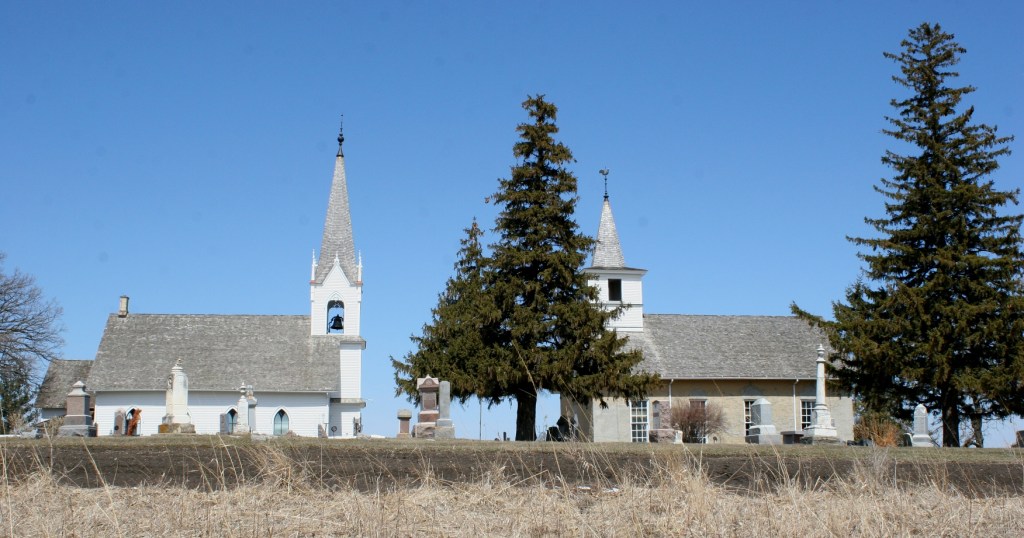
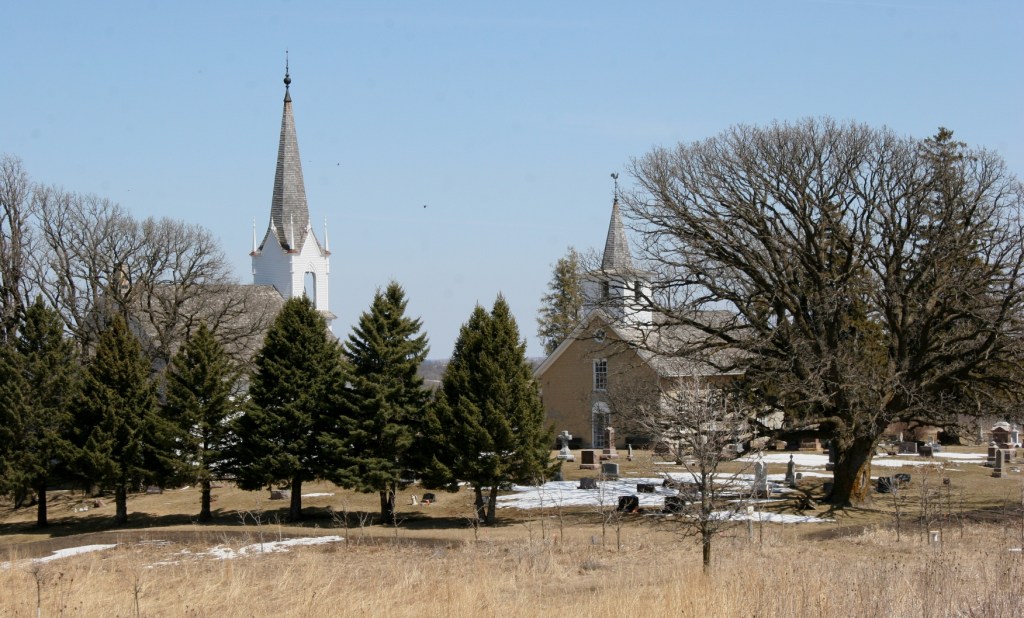
The historic Valley Grove Churches, rural Nerstrand, Minnesota.


ALL YOU SCIENTIST, ENTOMOLOGY, biology types out there, I need your input to solve a mystery. I suppose I could google the topic, but I’d rather read your theories or fact-based conclusions.


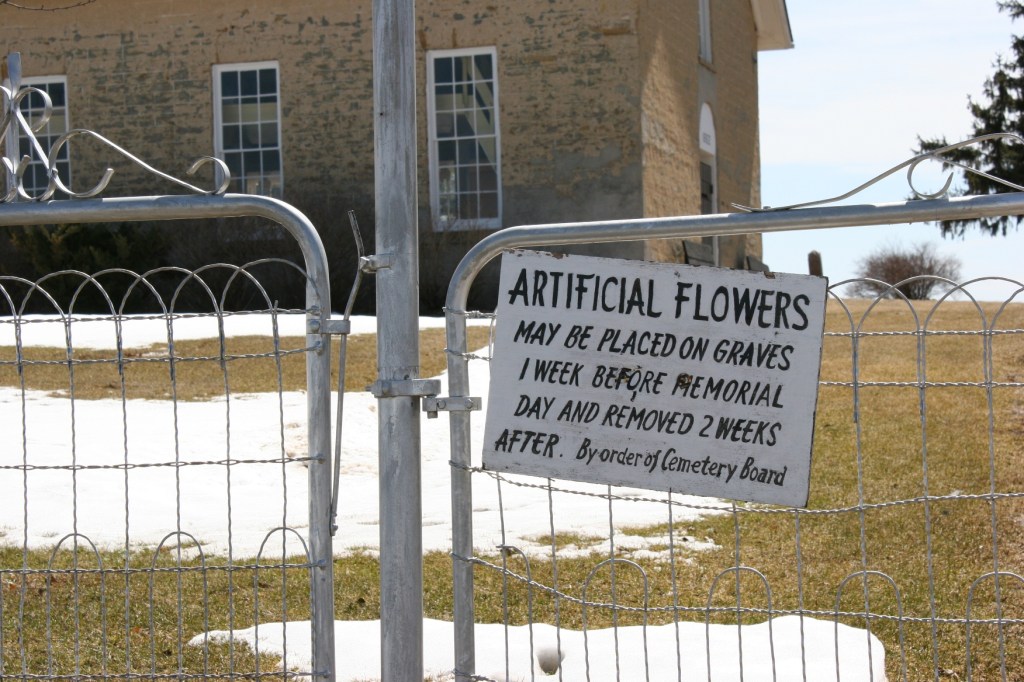
The buzzing started once we stepped inside the front gate and onto the grass between the two churches.


Last Sunday afternoon while walking on the grounds of Valley Grove Church, rural Nerstrand, I heard a buzzing. Like a zillion bees. At first I thought I was hearing things because, when I would stop, the droning also stopped.

I questioned whether I could be suffering from tinnitus, an occasional issue given my hearing loss. I’m nearly deaf in the my right ear which causes all sorts of problems in determining sound sources and in hearing in general.


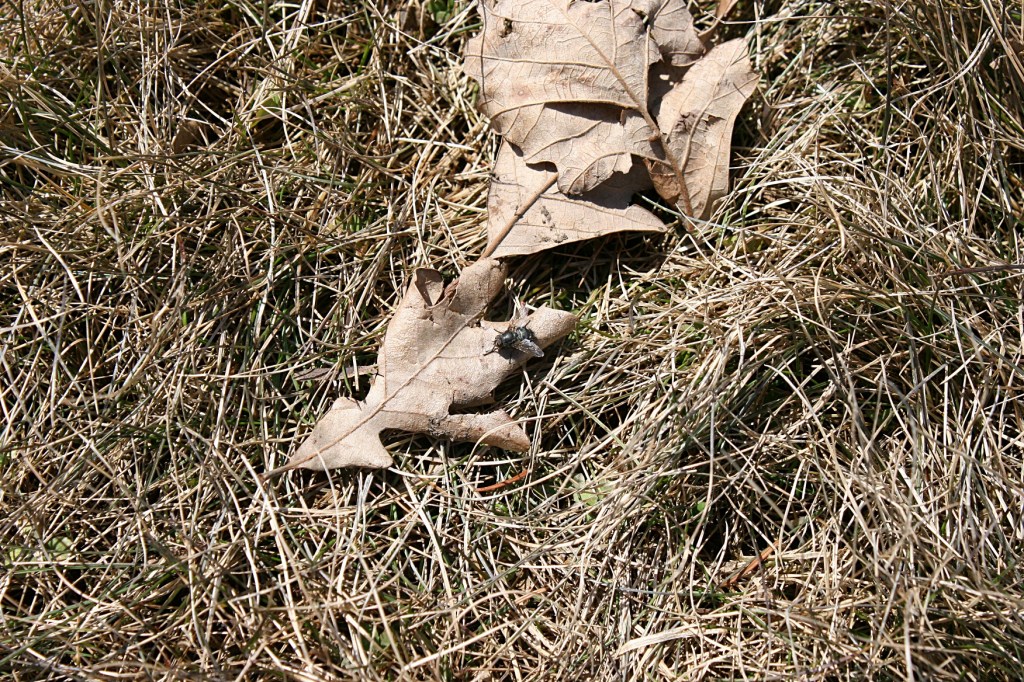
But this buzzing seemed real. I risked asking my husband if he heard what I heard. He did. We paused on the dormant dried grass. No buzzing. Then we took a few steps and the irritating hum resumed. Then my observant husband, with the way better vision than me, saw the flies. Everywhere. Infinite numbers settled on the grass as if sunning themselves. I strained to see the camouflaged flies and then photograph them. I managed one image of a single fly. Whenever either of us moved, they, too, moved. It was the craziest thing.


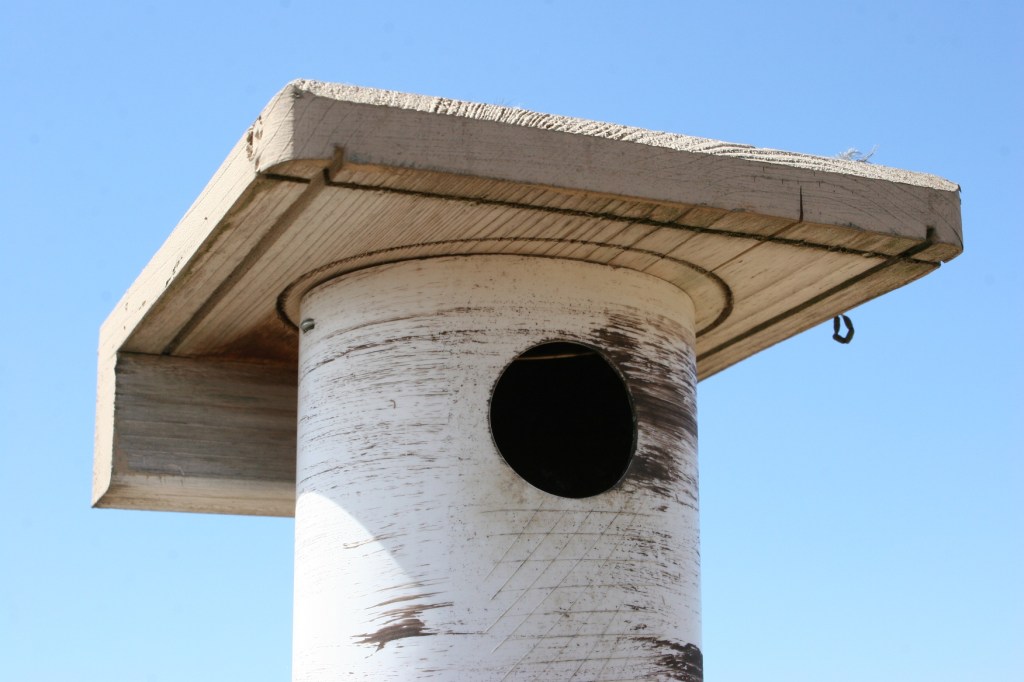
One of several birdhouses located on the grassland hiking area.


I’m a woman who has a history with flies. They were part of my growing up environment on a southwestern Minnesota dairy farm. A fly swatter was always at the ready. Sticky fly traps dangled from ceilings in our farmhouse; one even hung over the kitchen table. Not at all appealing. But I’d rather see a dead fly than have one land on my dinner plate. In the barn, biting, swarming flies were a constant problem. For cows. And for humans.


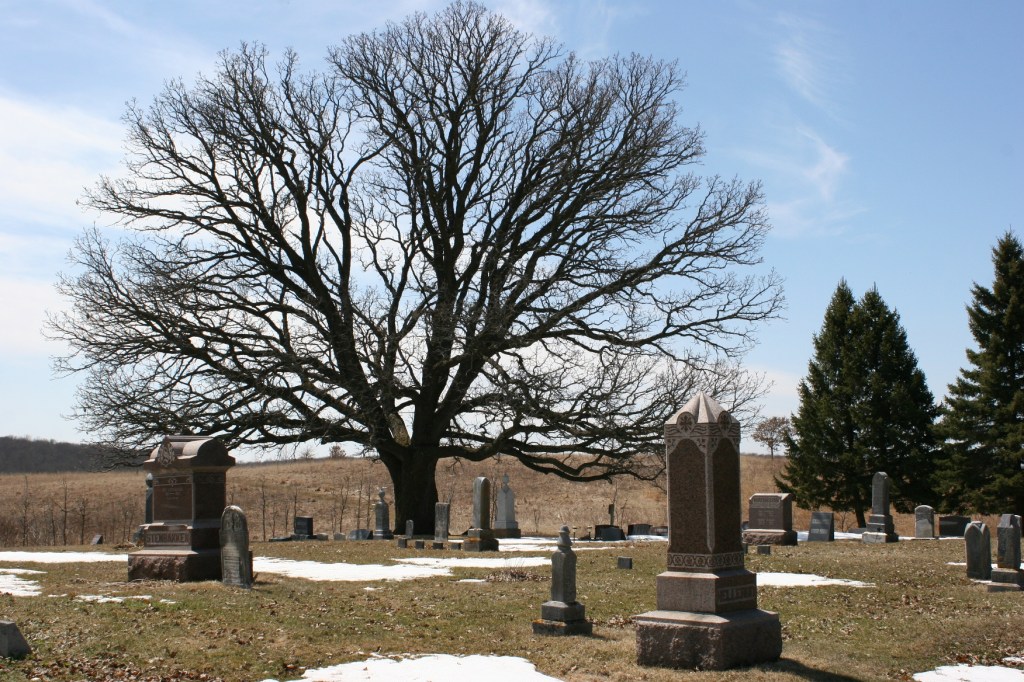
This aged, massive oak is a focal point in the corner of the cemetery.


But why were these thousands (maybe even millions) of flies here, on these church and cemetery grounds on a sunny late April afternoon, the first warm weekend of the season in Minnesota? There were no cattle (although the occasional piles of deer and other animal poop). There was no food.


The insects didn’t swarm the entire grounds—mostly just the area between the two historic church buildings and along the edge of the adjoining cemetery.


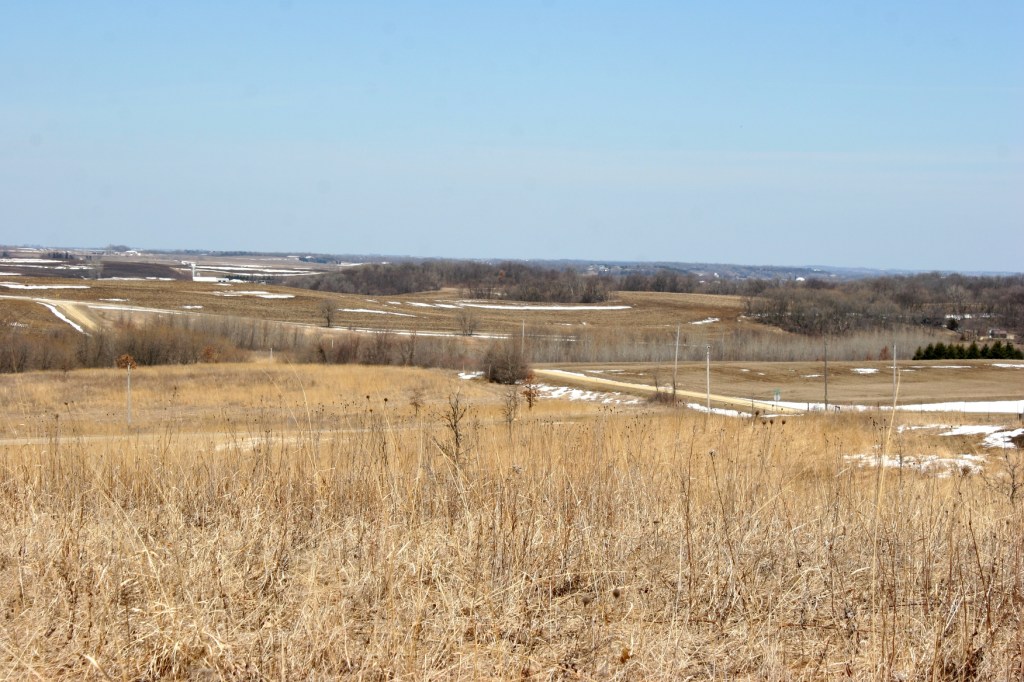
Once I got past the fly territory, I enjoyed my time at Valley Grove. It’s a beautiful place of quiet, of peace, set high atop a hill with lovely rural vistas. There are hiking trails and history in the cemetery (and churches when they are open). Generations of families are buried here. And there are oak trees, including one held together by thick chains in the corner of the cemetery.

This place holds stories. And now it holds one more story—the mystery of the fly invasion.


© Copyright 2018 Audrey Kletscher Helbling


Who you gonna call when the bugs invade? August 25, 2011

Filed under: Uncategorized — Audrey Kletscher Helbling @ 7:33 AM
Tags: , , , , ,

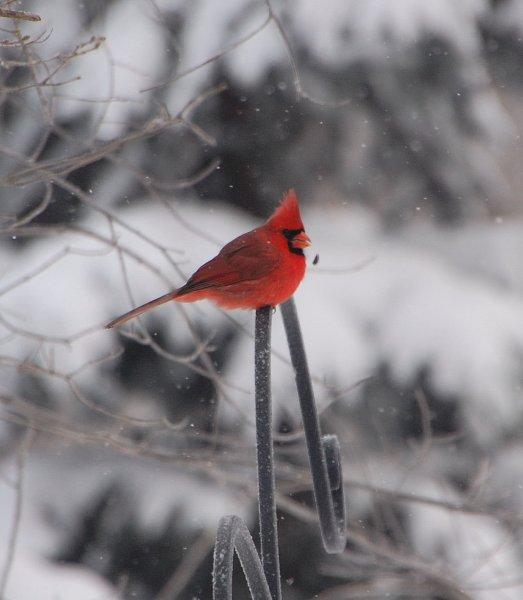
Because I did not get a photo of the female cardinal, I am showing you a photo of a male cardinal taken by my friend Harriet Traxler, an excellent photographer. Scroll to the end of this story for more info about Harriet's work.

CRAZIEST THING HAPPENED Wednesday morning as I hung laundry outside on the clothesline. I heard a scritch-scratch and looked up to see a female cardinal fluttering atop the metal chimney on our house. She would fly away, come back, land on the stack, fly away and then repeat the entire process.

I was baffled until I noticed a spider web the size of a car tire suspended between the chimney and the angled roof.

As I watched, wishing mightily that I had my camera in my hands, the cardinal flew toward the center of the cobweb where, even from the ground, I could see an oversized insect. Maybe the spider?

She flapped and hovered and poked at the web, trying to grab her breakfast.

About then I decided I had enough time to race inside to my office, grab my Canon and snap a picture. I was wrong. In the short time I went missing, the determined bird nabbed the trapped bug. Darn.

Have you ever seen anything like this?

AS LONG AS WE’RE TALKING BUGS, has your home been invaded by gnats—or whatever they are—which are attracted in the evening to flicked-on lights. Tuesday night, when I walked into the kitchen around 9, I found the floor pocked with these pesky winged creatures. I immediately summoned my husband.

“What am I supposed to do?” he asked.

I pulled a sexist comment from my brain: “You’re the man of the house. Protect me.”

He laughed, then laughed some more when I suggested sweeping them into a dustpan.

“They’ll fly away,” he said, wheeling out the vacuum cleaner, a bug’s version of an EF-5 tornado.

EARLIER IN THE EVENING my spouse saved me from two wasps wandering a window screen in the dining room, directly behind the chair where I dine.

“I don’t want to get stung,” I emphasized, reminding him of how my skin swells and itches every time a mosquito bites me. “What do you think would happen if I was stung by a wasp?”

He probably didn’t need the reminder as less than two weeks ago my right hand swelled to about twice its size (I might be exaggerating just a tiny bit, but not much) from two mosquito bites. That resulted in a trip to the doctor followed by a stop at the pharmacy. Those two bites set me back a couple hundred bucks. But at least the infection didn’t spread to my artificial hip, which would have cost me thousands.

Anyway, bottom line, my husband’s done a superb job as my personal Bug Buster. And whenever he’s not available, I have that cardinal as back-up.

FYI: Except for centipedes, I am not afraid of bugs and will deal with them whenever I must. However, I will avoid killing stinging insects if my bug-busting husband is available. Why risk getting stung?

VISIT THE BARNS OF SIBLEY COUNTY website by clicking here to learn more about Harriet Traxler, her photography and the barn books she’s published. She is also currently working on a book of historical fiction.

© Text copyright 2011 Audrey Kletscher Helbling
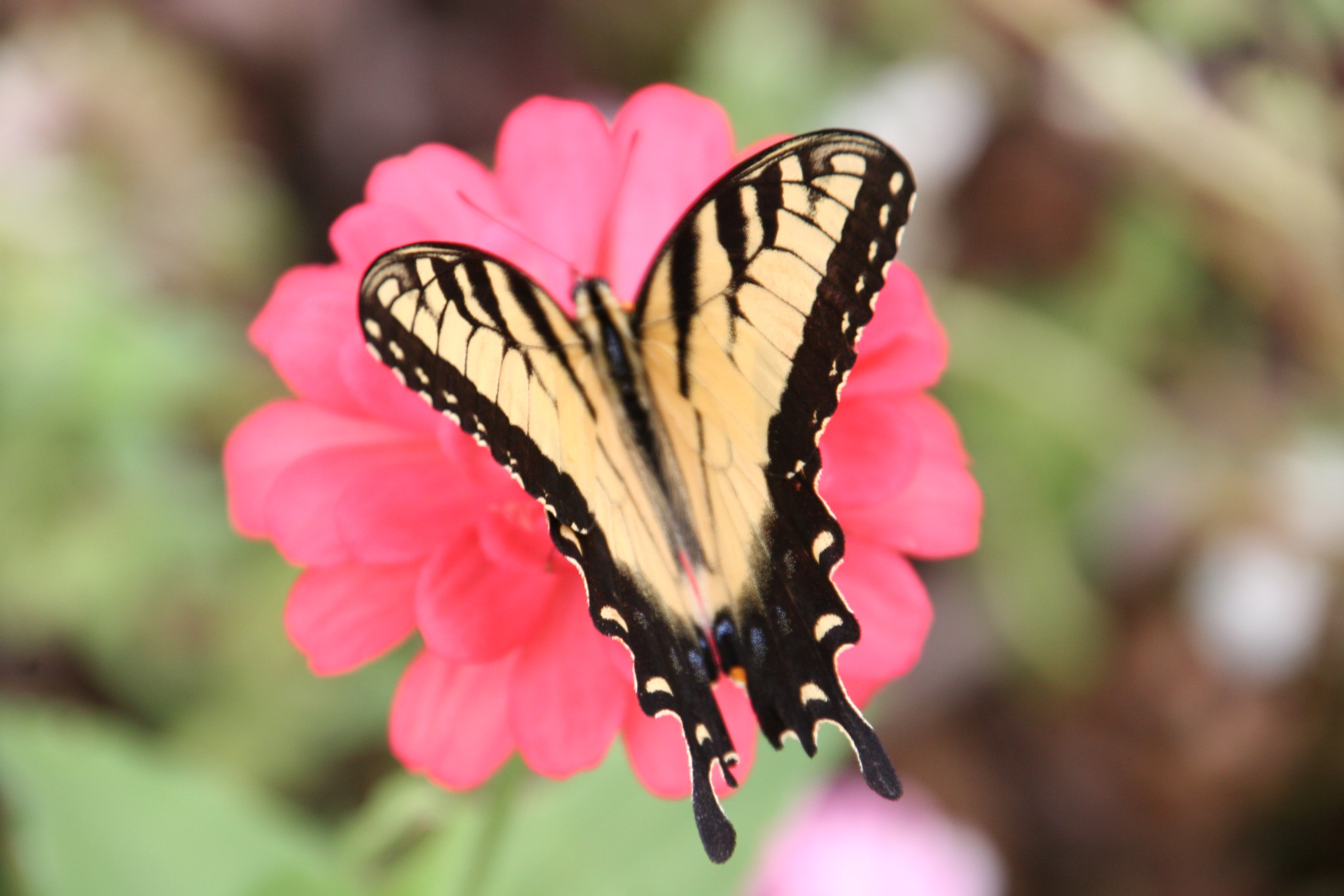
Photo by Harriet Traxler